Small Outdoor Patio Heaters
Small Outdoor Patio Heaters are a great way to create a cozy outdoor atmosphere and extend your time outside, even as the temperature drops. Whether you have a compact balcony, a petite deck, or a small backyard seating area, these heaters are designed to fit perfectly into limited spaces while providing reliable warmth. Explore a range of options to find the ideal solution for your patio, so you can enjoy fresh air and relaxation throughout the year.
Sort
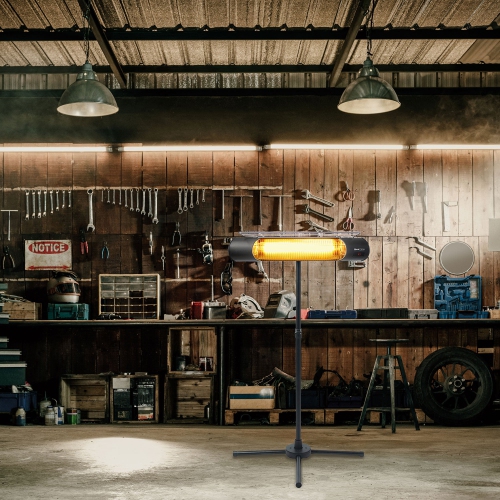
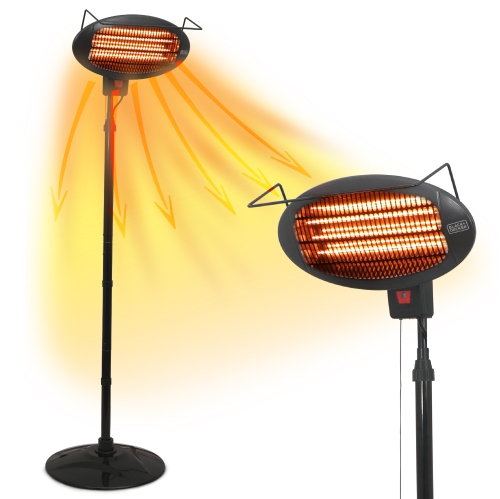
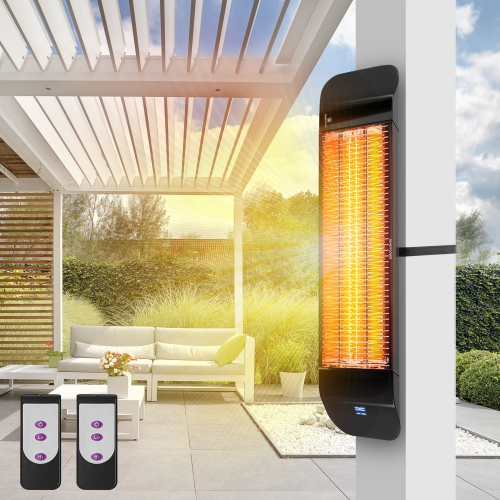
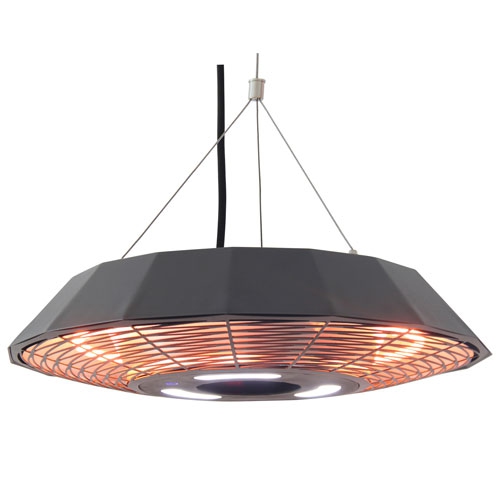
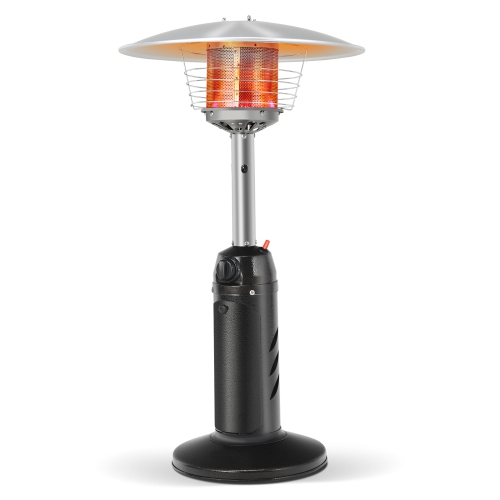
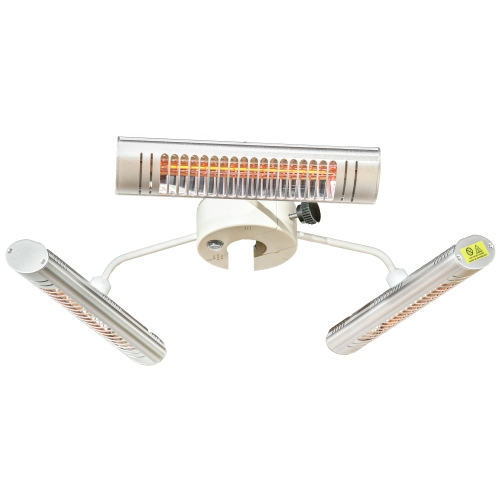
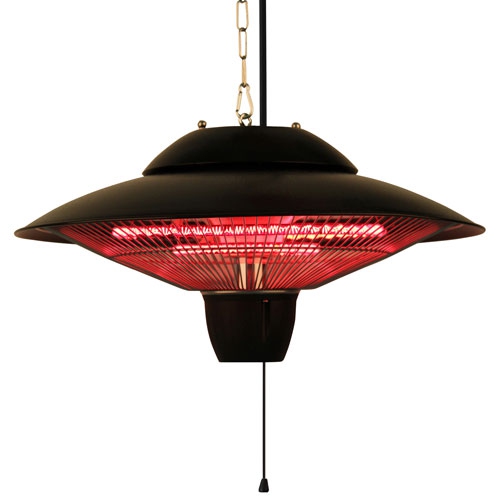

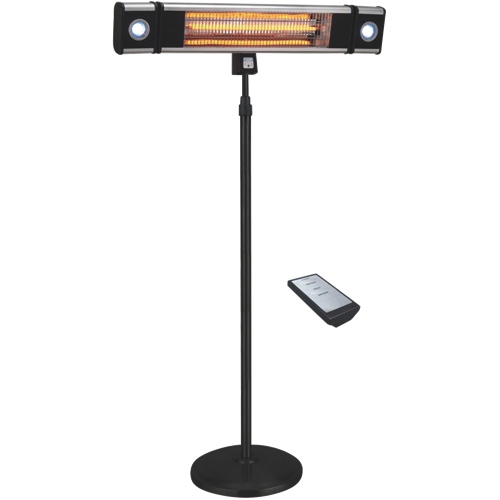
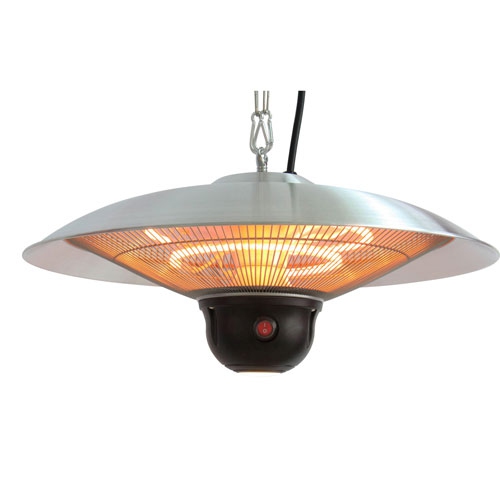
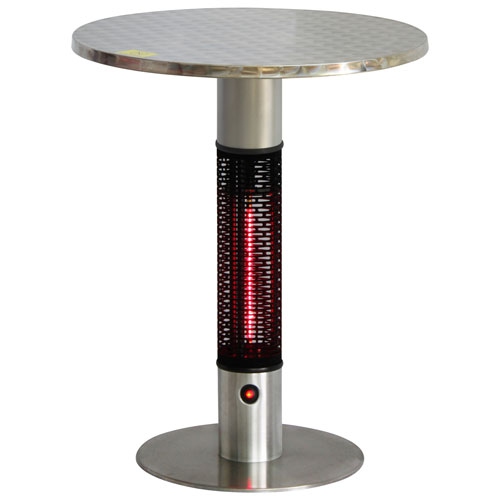
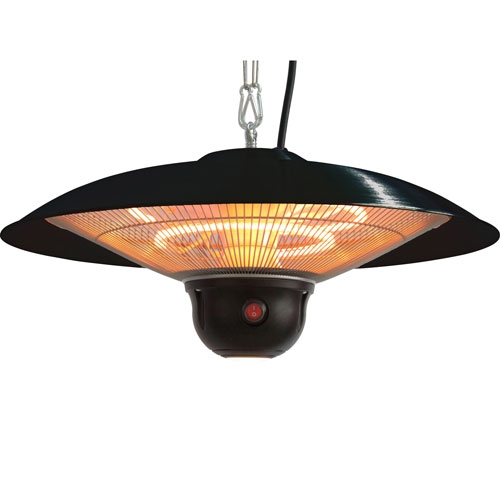
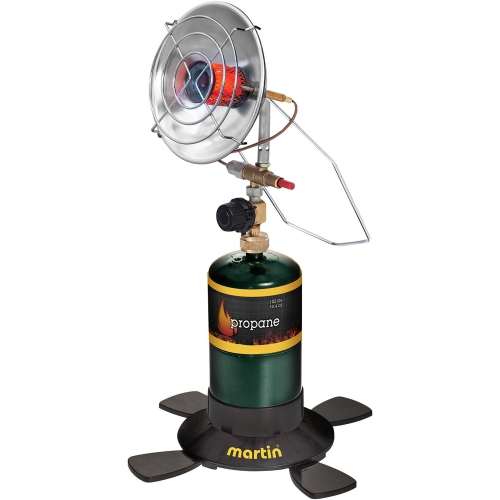
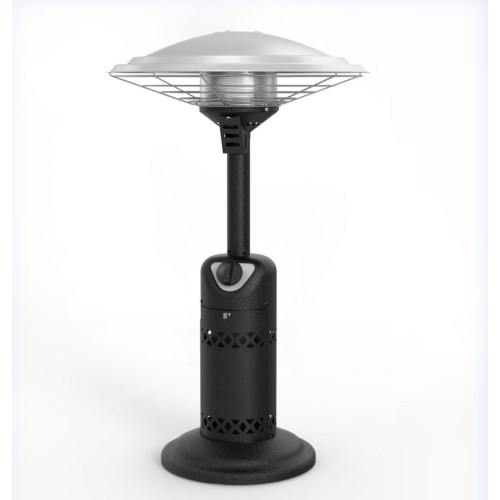
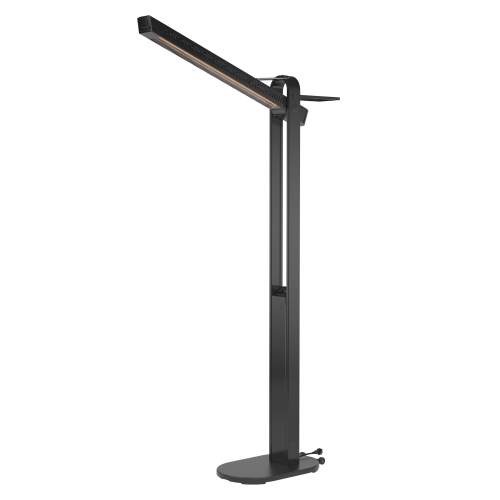
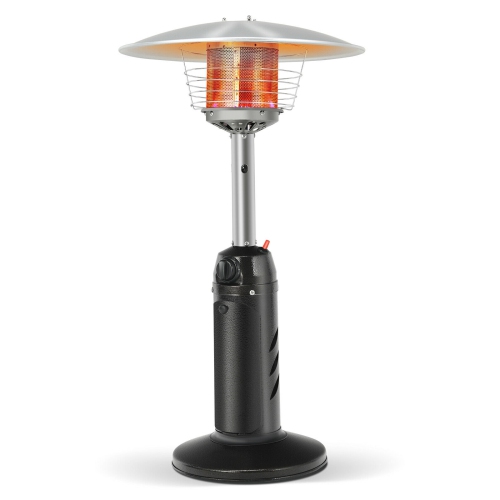
Targeted warmth for outdoor seating with limited space
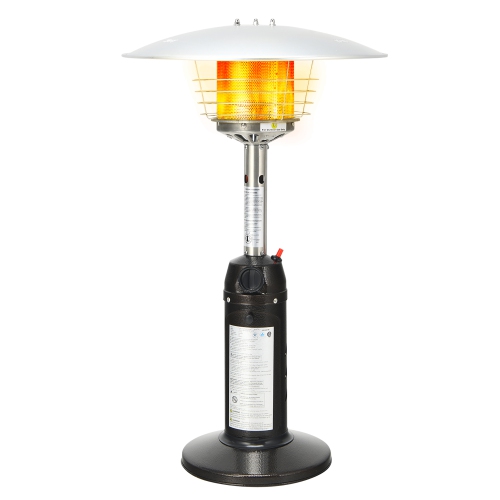
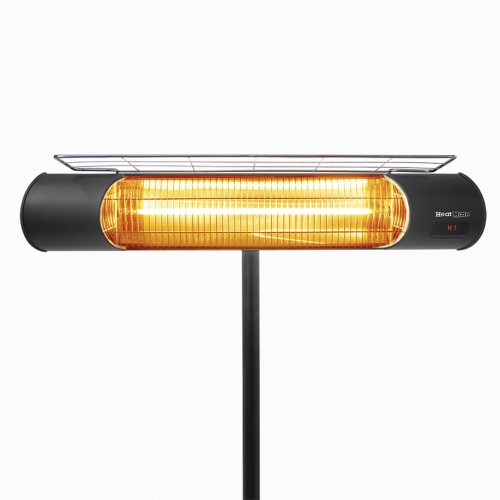
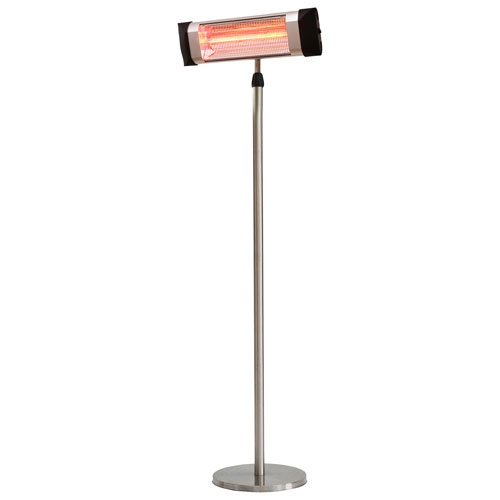
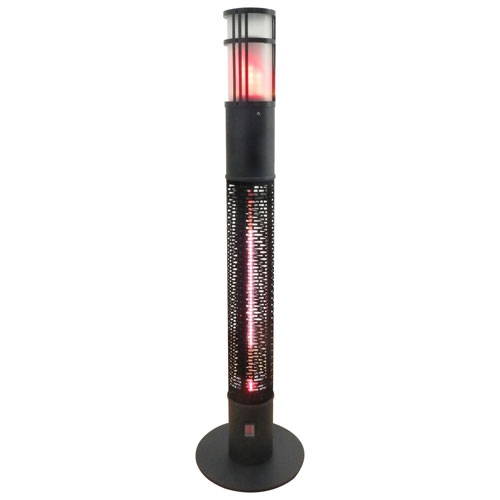
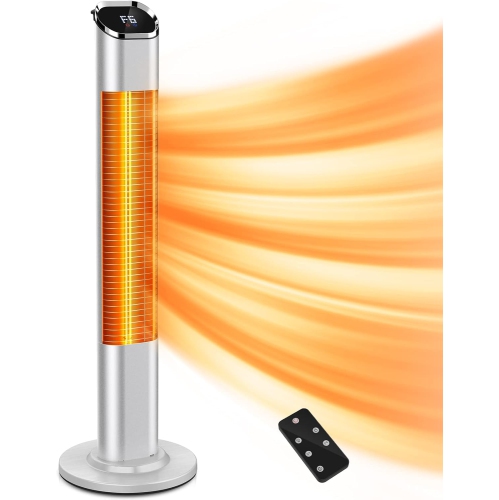
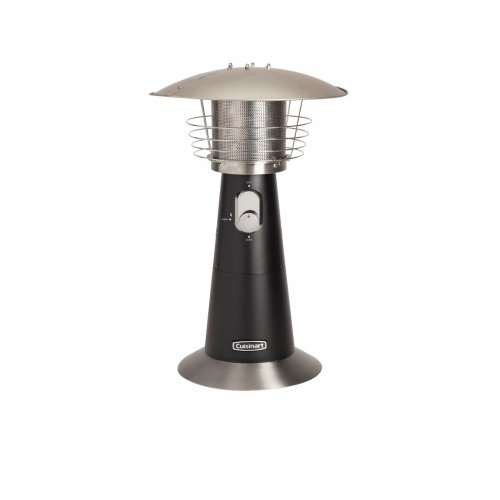
Small outdoor patio heaters bring targeted warmth to compact outdoor seating areas without requiring the footprint of a full-size freestanding heater. They suit spaces where people gather close together: a pair of chairs on a terrace, a small dining table on an open patio, or a balcony where building rules permit outdoor heating. Rather than warming an entire yard, these heaters help make the immediate seating area more comfortable for coffee, conversation, or an unhurried meal in cool weather. Common formats include tabletop propane heaters, portable electric heaters, and compact wall-mounted or ceiling-mounted electric units. Each uses space differently. A tabletop design keeps the heat source near the group but takes up surface space that might otherwise hold plates and serving dishes. A narrow freestanding electric heater leaves the table clear, although its base still needs a stable location away from foot traffic. Mounted designs can preserve valuable floor space, provided the structure supports installation and the required clearances are maintained. Electric infrared patio heaters deliver radiant heat directly to people and nearby surfaces within their reach, making placement and the direction of the heating element especially important. Propane designs provide warmth without an electrical cord, but their cylinder requirements, ventilation needs, and fuel handling affect where they can be used. Small describes the heater’s physical size, not a guaranteed heating area: output, mounting height, exposure to wind, and the distance between the heater and the seats all influence comfort. A compact heater positioned appropriately near two chairs may feel more useful than a higher-output unit placed too far from the gathering area. For anyone furnishing a modest patio, the best fit is a heater whose dimensions, heat direction, and permitted placement work with the furniture already there. Its purpose is localized comfort, not indoor-like warmth across an open outdoor space, particularly when temperatures drop sharply or gusts carry heat away.
The distinction between electric and propane patio heaters goes beyond the power source. Compact electric outdoor heaters commonly express output in watts, while propane heaters typically use British thermal units per hour, often shown as BTU ratings. These figures describe output or energy input according to the product specifications; they do not establish identical coverage across different designs. Adjustable heat settings offer flexibility when a seat is close to the heater or only a little extra warmth is needed. Directional heads and permitted tilt adjustments can help aim radiant heat towards a seating area instead of an empty walkway. For plug-in models, cord length and the location of a suitable outdoor receptacle matter as much as the heater’s width. The electrical supply must meet the unit’s requirements, including grounding and ground-fault protection where required, and cords should remain clear of walking routes. Power bars and extension cords are generally unsuitable for high-draw heaters; the manufacturer’s connection instructions determine what is permitted. Propane tabletop heaters introduce different practical considerations, including the specified cylinder size, secure fuel connections, and enough room for any approved hose arrangement. Cylinders are not interchangeable simply because a connection appears to fit, and larger-cylinder connections require manufacturer-approved compatibility. Fuel-burning patio heaters belong outdoors in adequately ventilated locations, never indoors, in garages, or in enclosed sunrooms. A roof, awning, privacy screen, or partially enclosed balcony can also limit safe placement, so an outdoor setting alone does not confirm suitability. Condo and rental rules may restrict propane cylinders or heating appliances altogether. Electric models likewise need an outdoor-use rating appropriate to their intended location; a covered porch does not make an indoor heater suitable for outdoor use. Tip-over shut-off and overheat protection are useful features where fitted, but they do not replace stable placement, supervision, or the specified separation from cushions, railings, umbrellas, and other combustible materials. Compact heaters can still have very hot surfaces, making separation from children and pets an important part of the seating layout.
Materials and construction influence how a small patio heater looks, handles regular use, and holds up outdoors. Stainless steel, powder-coated steel, and aluminium are common housing materials, with different finishes offering varying resistance to corrosion and surface wear. Stainless steel is not maintenance-free, and scratches or chips in a coated finish can expose the metal underneath to moisture. Fasteners, protective grilles, reflectors, and bases deserve attention alongside the outer housing, especially for a heater that will be moved between a storage area and a patio. A broad, weighted base can improve stability, though it cannot make a heater safe on a sloping surface or in conditions beyond its operating limits. Carry handles and manageable weight are helpful for occasional use, but portable heaters should be switched off and allowed to cool completely before moving. For tabletop styles, the table must support the heater securely and provide the surface type and clearances specified by the manufacturer; a small decorative side table may not be suitable. On a dining patio, a lower-profile design may preserve sightlines between seats, while a mounted electric unit can keep the tabletop free for meals. Finish and colour can tie the heater into metal chairs, wood furniture, or a simple bistro set without making it the visual centre of the space. Routine care generally includes removing dust and debris as directed, keeping vents unobstructed, and checking accessible cords or fuel connections for damage before use. Cleaning should take place only when the heater is off, cool, and disconnected as instructed. A fitted cover may protect a cooled unit during storage, but it does not change the heater’s weather rating or replace dry storage when required. Propane cylinders need separate attention to storage rules and must not be brought indoors. These compact formats are particularly suited to people who regularly use a small outdoor seating area rather than host large gatherings. Where the intended space is a restaurant terrace or an extensive shared seating area, Commercial Patio Heaters offer a related category to explore for different installation and coverage needs. For a smaller residential setting, thoughtful sizing leaves room for chairs to move, doors to open, and people to settle comfortably near the warmth.
The distinction between electric and propane patio heaters goes beyond the power source. Compact electric outdoor heaters commonly express output in watts, while propane heaters typically use British thermal units per hour, often shown as BTU ratings. These figures describe output or energy input according to the product specifications; they do not establish identical coverage across different designs. Adjustable heat settings offer flexibility when a seat is close to the heater or only a little extra warmth is needed. Directional heads and permitted tilt adjustments can help aim radiant heat towards a seating area instead of an empty walkway. For plug-in models, cord length and the location of a suitable outdoor receptacle matter as much as the heater’s width. The electrical supply must meet the unit’s requirements, including grounding and ground-fault protection where required, and cords should remain clear of walking routes. Power bars and extension cords are generally unsuitable for high-draw heaters; the manufacturer’s connection instructions determine what is permitted. Propane tabletop heaters introduce different practical considerations, including the specified cylinder size, secure fuel connections, and enough room for any approved hose arrangement. Cylinders are not interchangeable simply because a connection appears to fit, and larger-cylinder connections require manufacturer-approved compatibility. Fuel-burning patio heaters belong outdoors in adequately ventilated locations, never indoors, in garages, or in enclosed sunrooms. A roof, awning, privacy screen, or partially enclosed balcony can also limit safe placement, so an outdoor setting alone does not confirm suitability. Condo and rental rules may restrict propane cylinders or heating appliances altogether. Electric models likewise need an outdoor-use rating appropriate to their intended location; a covered porch does not make an indoor heater suitable for outdoor use. Tip-over shut-off and overheat protection are useful features where fitted, but they do not replace stable placement, supervision, or the specified separation from cushions, railings, umbrellas, and other combustible materials. Compact heaters can still have very hot surfaces, making separation from children and pets an important part of the seating layout.
Materials and construction influence how a small patio heater looks, handles regular use, and holds up outdoors. Stainless steel, powder-coated steel, and aluminium are common housing materials, with different finishes offering varying resistance to corrosion and surface wear. Stainless steel is not maintenance-free, and scratches or chips in a coated finish can expose the metal underneath to moisture. Fasteners, protective grilles, reflectors, and bases deserve attention alongside the outer housing, especially for a heater that will be moved between a storage area and a patio. A broad, weighted base can improve stability, though it cannot make a heater safe on a sloping surface or in conditions beyond its operating limits. Carry handles and manageable weight are helpful for occasional use, but portable heaters should be switched off and allowed to cool completely before moving. For tabletop styles, the table must support the heater securely and provide the surface type and clearances specified by the manufacturer; a small decorative side table may not be suitable. On a dining patio, a lower-profile design may preserve sightlines between seats, while a mounted electric unit can keep the tabletop free for meals. Finish and colour can tie the heater into metal chairs, wood furniture, or a simple bistro set without making it the visual centre of the space. Routine care generally includes removing dust and debris as directed, keeping vents unobstructed, and checking accessible cords or fuel connections for damage before use. Cleaning should take place only when the heater is off, cool, and disconnected as instructed. A fitted cover may protect a cooled unit during storage, but it does not change the heater’s weather rating or replace dry storage when required. Propane cylinders need separate attention to storage rules and must not be brought indoors. These compact formats are particularly suited to people who regularly use a small outdoor seating area rather than host large gatherings. Where the intended space is a restaurant terrace or an extensive shared seating area, Commercial Patio Heaters offer a related category to explore for different installation and coverage needs. For a smaller residential setting, thoughtful sizing leaves room for chairs to move, doors to open, and people to settle comfortably near the warmth.
Top selling and popular products
-
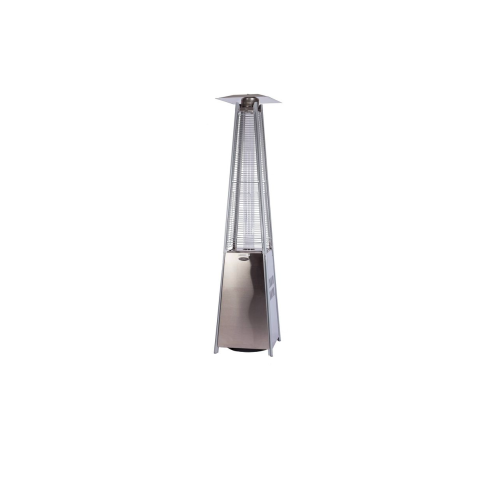 Your price for this item is $879.99
 -
 Your price for this item is $219.95
 -
 Your price for this item is $329.99
 -
 Your price for this item is $751.99
 -
 Your price for this item is $318.99
 -
 Your price for this item is $1199.99
 -
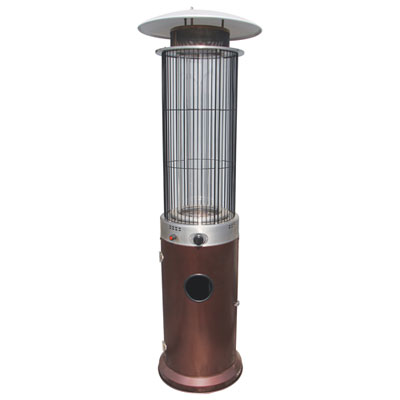 Your price for this item is $399.99
 -
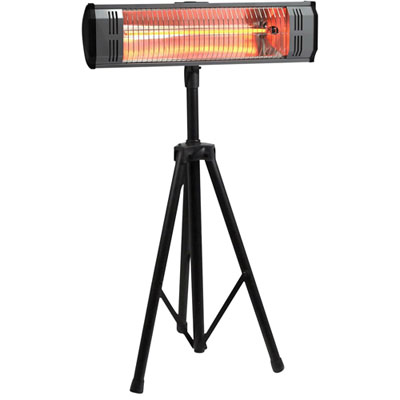 Your price for this item is $259.99
Discover more categories related to Small Outdoor Patio Heaters
Top Collections:
Pokemon Centers, Kindle Devices, Best Budget Office Chairs, Apple iPhones 16, Best Laptops for Writers, iPhone 15 Apple, Canon G7X Cameras, Refurbished Apple Laptops, Alarm Clock, Motorola Razr Phones
Some products may be subject to Environmental Handling Fees
(EHF) depending on your province.
Learn more about EHFs.