Small Saunas
Transform your home into a relaxing oasis with our collection of small saunas. Whether you're looking to unwind after a long day, soothe sore muscles, or simply enjoy a moment of tranquility, our compact saunas are designed to provide you with the ultimate spa-like experience in the comfort of your own space. With various sizes and styles to choose from, you can easily find the perfect small sauna to fit seamlessly into your home decor while promoting wellness and relaxation. Explore our selection today and elevate your self-care routine with a luxurious small sauna.
Sort
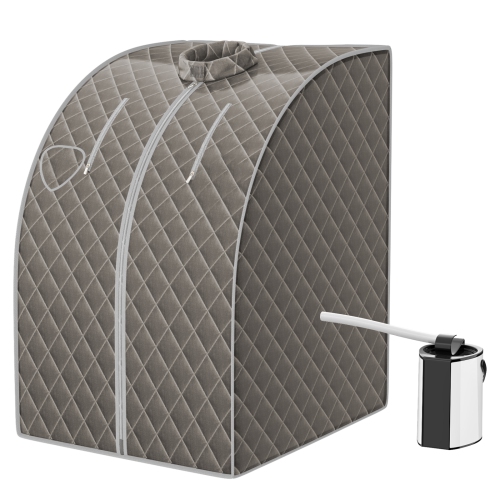
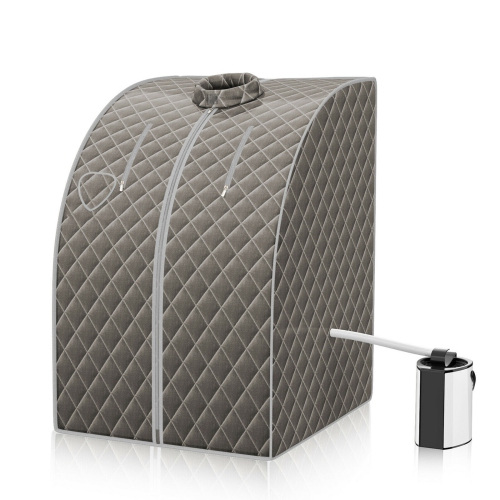
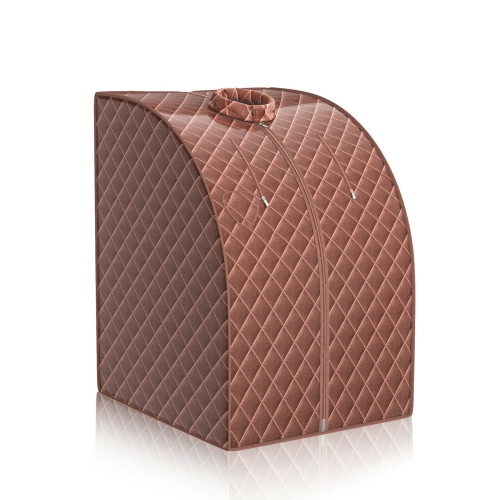
A warm retreat with a modest footprint
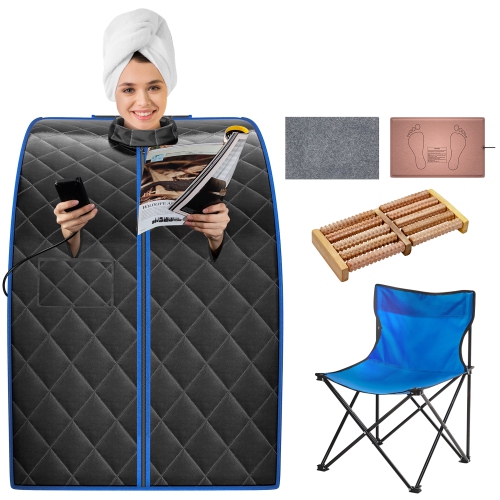
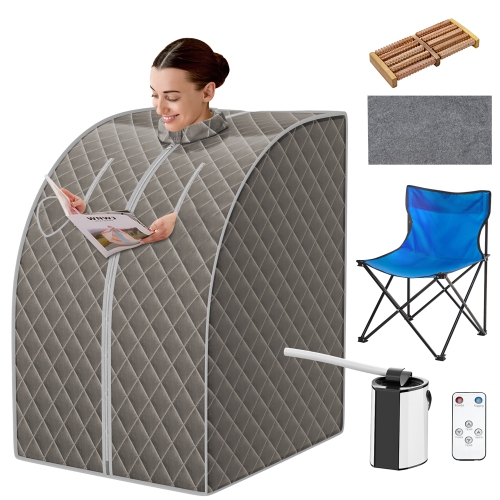
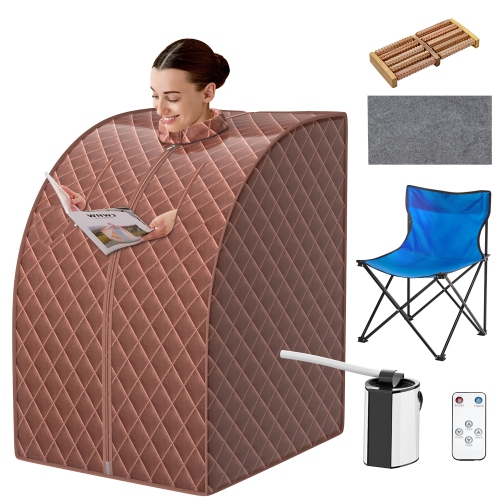
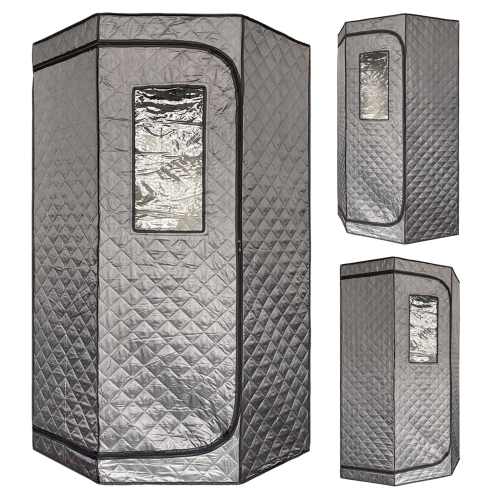
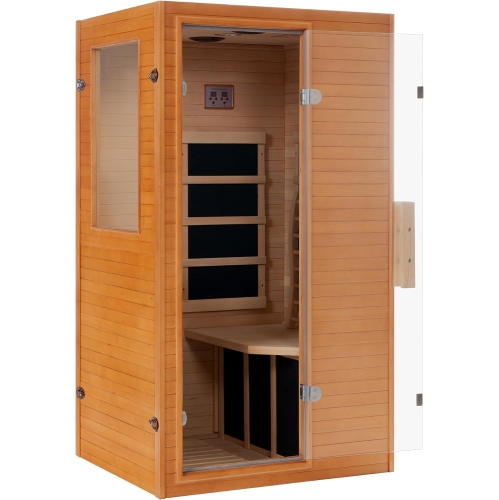
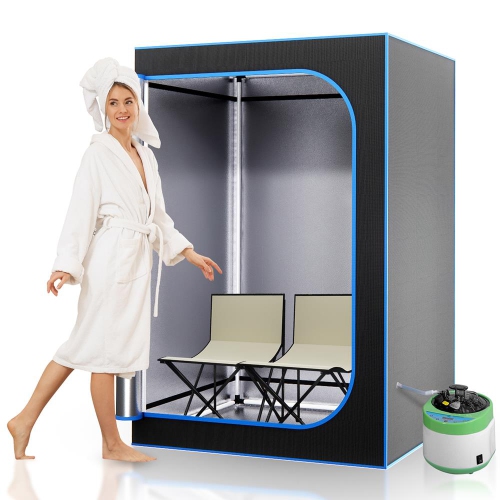
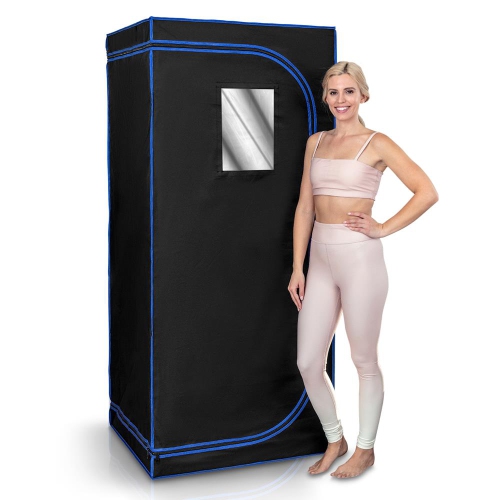
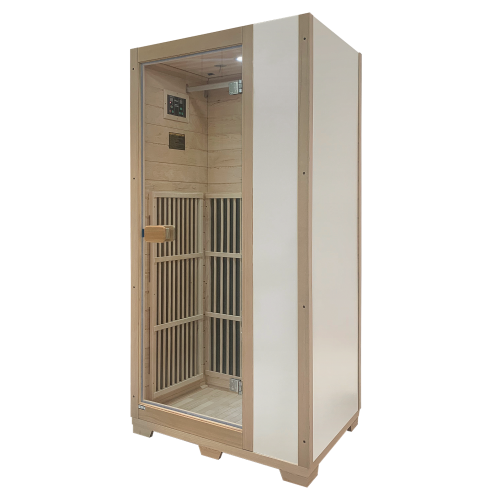
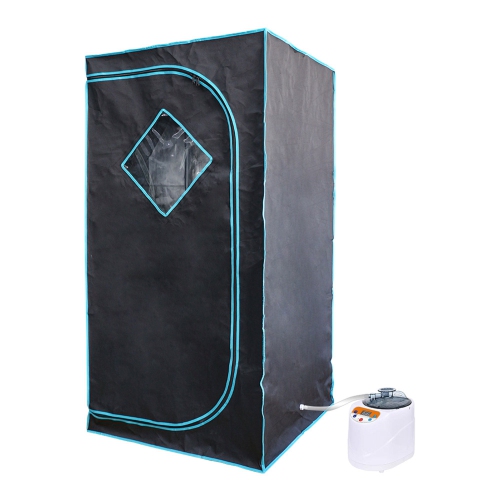
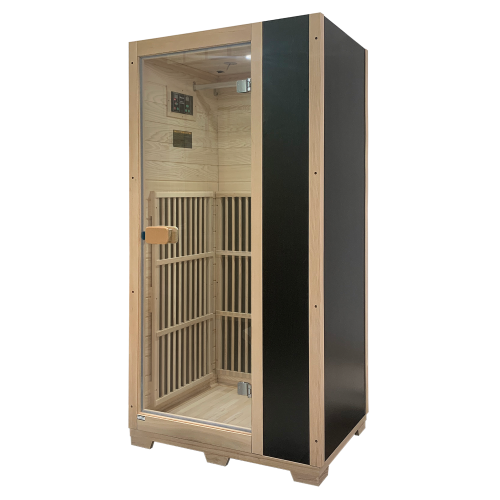
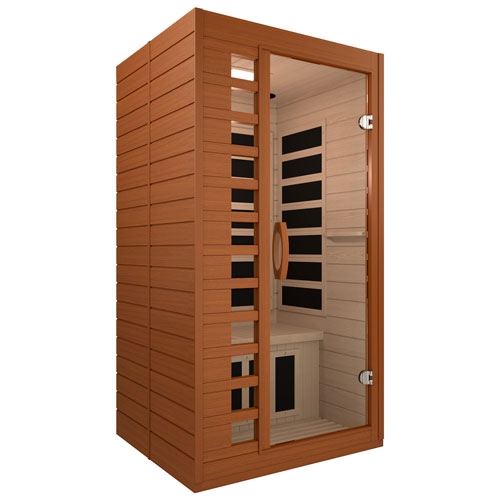
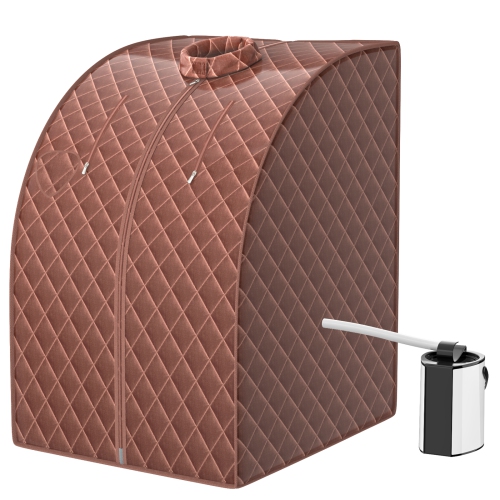
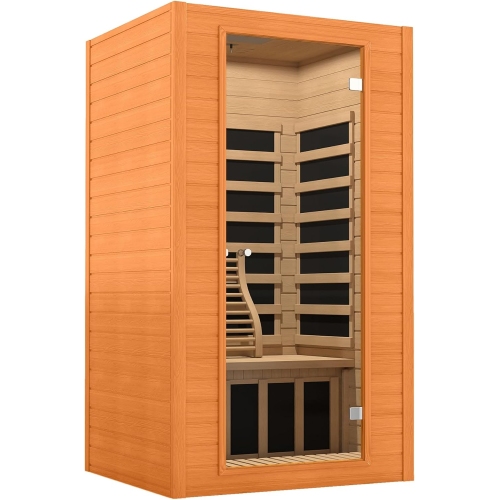
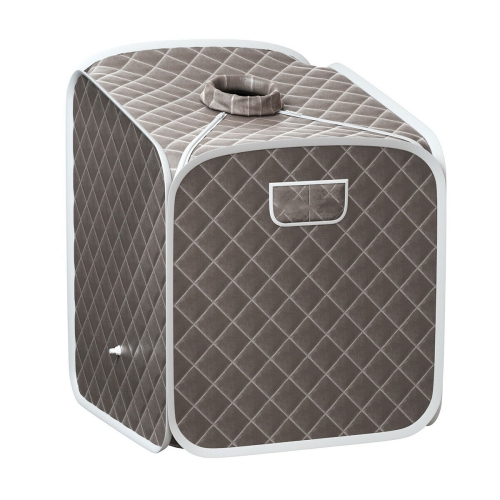
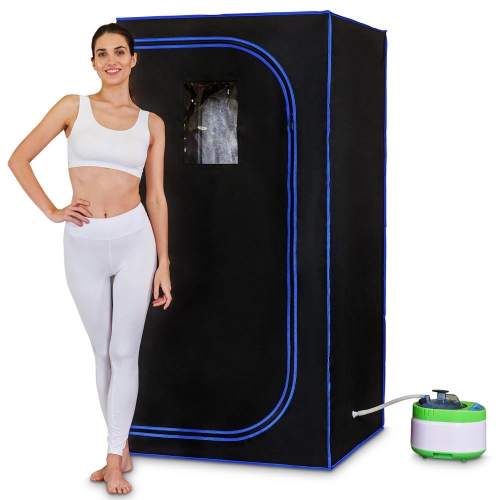
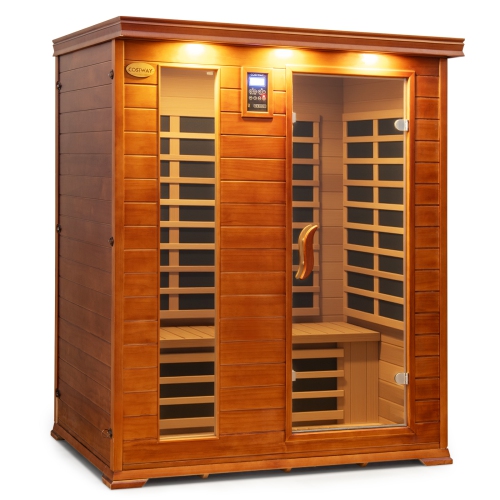
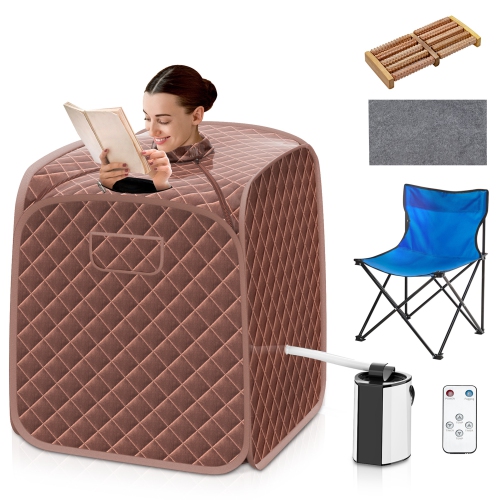
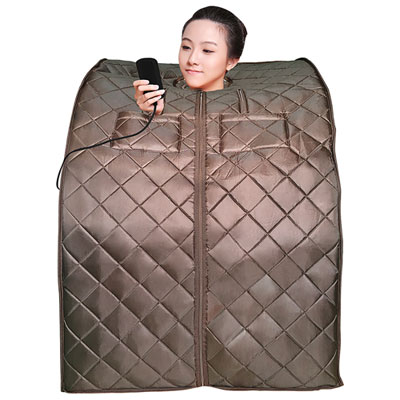
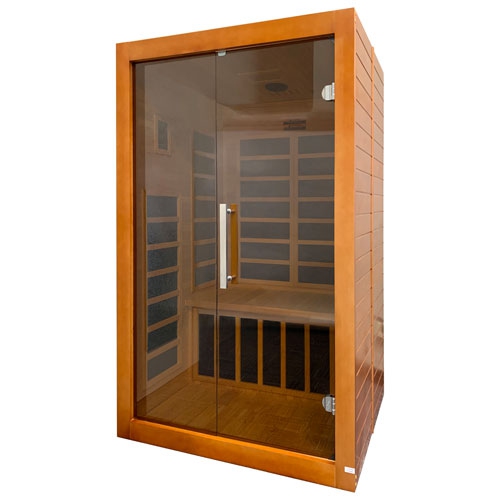
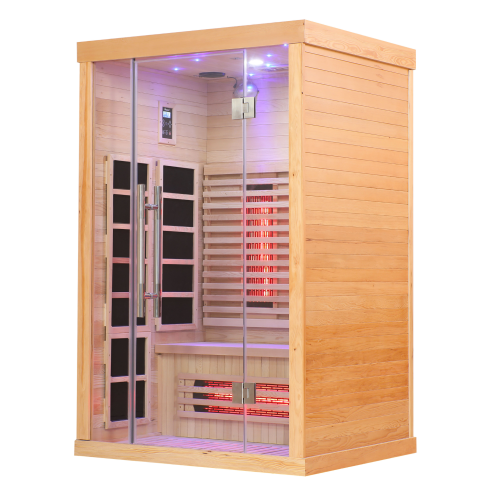
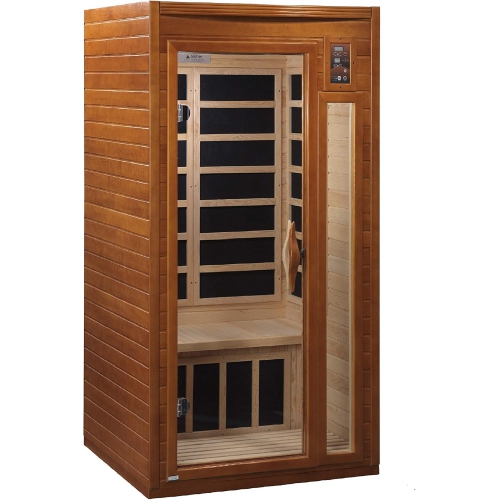
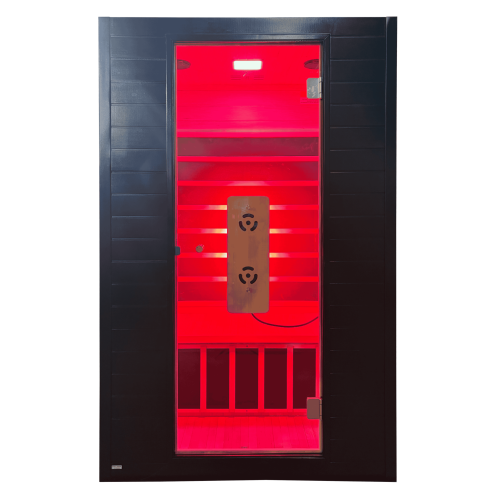
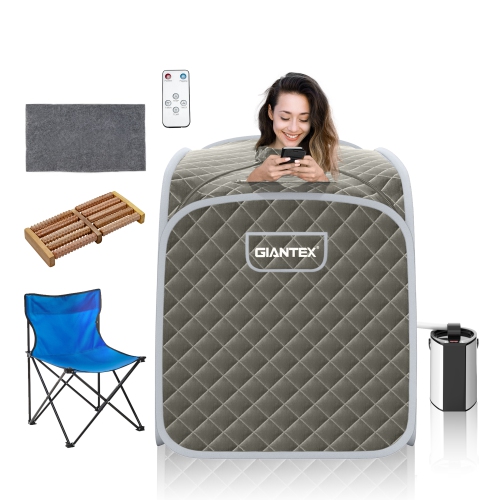
Small saunas bring a dedicated place for warmth and quiet into homes where a full-sized sauna room would take up too much space. The category includes compact wooden cabins, portable steam enclosures, and smaller outdoor structures, with layouts suited to solo sessions or shared use. Their appeal lies in making a familiar ritual possible within a modest footprint: a warm seat after a chilly walk, a quiet pause after a busy day, or time away from screens during the cooler months. Compact infrared saunas use emitters to deliver radiant heat directly to the body, generally operating at lower air temperatures than traditional heated saunas. Traditional saunas heat the room with a stove or electric heater; where the heater is designed for it, water added to heated stones creates a brief rise in humidity. Portable steam saunas use a steam generator connected to a fabric enclosure, creating a humid experience that differs from the drier warmth of an infrared cabin. These formats are not interchangeable, even when they occupy a similar amount of floor space. Someone who prefers a permanent wooden seat and an enclosed retreat may favour a cabin, while someone who needs to reclaim a room between sessions may appreciate a foldable enclosure. Outdoor designs can keep the experience separate from the main living area, but their suitability depends on weather exposure, the supporting surface, and the installation requirements. Within the broader Home Sauna collection, smaller formats suit shoppers who value a manageable size without necessarily needing room to stretch out or host several people. Capacity descriptions provide a starting point, but a one-person or two-person label does not fully describe comfort. Bench width, seated headroom, leg space, and the position of heaters all influence how a sauna feels once someone is inside. A compact cabin may comfortably accommodate upright sitting while offering little room to recline, making the interior layout just as important as the exterior dimensions.
The practical fit of a small sauna extends beyond the rectangle it occupies on the floor. A spare-room corner may look suitable until the door swing, ceiling clearance, ventilation needs, and route to the electrical supply are taken into account. Measuring the delivery path matters too, particularly where there are narrow hallways, basement stairs, low doorways, or tight turns. Some cabins arrive in panels for assembly, while other components may be bulky enough to require help moving them into position. A level supporting surface is essential, and the floor or deck must be able to carry the sauna’s weight together with its occupants. Indoor placement should follow the manufacturer’s requirements for room conditions, clearances, and moisture management rather than assuming that every compact design belongs in a bathroom or bedroom. Steam enclosures need particular attention to nearby surfaces and drying because moisture can escape when the enclosure opens. Outdoor saunas require a suitable base, weather protection appropriate to their construction, and safe access through rain or snow. Electrical requirements vary by heater and overall design, not simply by size. Some compact infrared cabins and portable steam units are designed for a standard 120V supply, although a dedicated circuit may still be required. Other saunas need a dedicated 240V connection and professional electrical installation. The specified circuit rating, outlet type, and installation instructions should determine placement; an extension cord or power bar is not a substitute for a suitable supply. For wood-heated designs, chimney installation, fire clearances, local rules, and insurance requirements also affect suitability. In a condominium or rental home, building restrictions and permission for alterations can matter as much as available space. Day-to-day details deserve equal attention: a door that opens easily, a stable step into the enclosure, controls that are comfortable to reach, and somewhere outside the sauna to leave a towel and drinking water. These small features can make a compact setup feel thoughtfully integrated rather than squeezed into an unused corner.
Materials and construction shape both the experience and the care a small sauna needs over time. Wooden cabins commonly use woods such as cedar, hemlock, or spruce, each with its own grain, colour, and scent. Natural variations are part of the material, and changes in heat and humidity can cause wood to expand and contract. Smooth seating surfaces, well-fitted panels, sturdy hinges, and accessible components are useful signs of attention to everyday use. A strong wood aroma may appeal to one person and feel distracting to another, especially in a small enclosure. Glass panels can make a cabin feel more open, while greater privacy may matter when the sauna sits near a shared living space or faces neighbouring homes. Portable designs place more emphasis on fabric quality, seams, frame stability, and how easily the enclosure can be cleaned and fully dried before storage. A folded steam tent still needs a dry storage area, along with space for its generator and any removable seat. For wooden interiors, sitting on a clean towel helps limit perspiration on the bench, and gentle cleaning according to the manufacturer’s directions helps preserve the surfaces. Household polishes, fragrances, and cleaning chemicals should not be used unless approved for that sauna. Steam generators may need mineral buildup removed at specified intervals, particularly in areas with hard water. Outdoor structures also need periodic checks of roofing, seals, fasteners, and any exterior finish. Intended use helps bring these details together: a person who enjoys a regular solo routine may value comfortable seating and straightforward controls, while a shared household may place more importance on easy cleaning and enough shoulder room for two. As a substantial gift, a sauna is best chosen with the recipient’s involvement because personal heat preferences, space, and installation needs are difficult to guess. Heat tolerance also varies, so sessions should follow the manufacturer’s guidance, with drinking water close at hand and an easy exit whenever needed. Anyone who is pregnant, has a medical condition, or takes medication that affects heat tolerance should seek medical advice before use. A well-suited small sauna makes room for relaxation without overlooking the practical needs of the home or the people using it.
The practical fit of a small sauna extends beyond the rectangle it occupies on the floor. A spare-room corner may look suitable until the door swing, ceiling clearance, ventilation needs, and route to the electrical supply are taken into account. Measuring the delivery path matters too, particularly where there are narrow hallways, basement stairs, low doorways, or tight turns. Some cabins arrive in panels for assembly, while other components may be bulky enough to require help moving them into position. A level supporting surface is essential, and the floor or deck must be able to carry the sauna’s weight together with its occupants. Indoor placement should follow the manufacturer’s requirements for room conditions, clearances, and moisture management rather than assuming that every compact design belongs in a bathroom or bedroom. Steam enclosures need particular attention to nearby surfaces and drying because moisture can escape when the enclosure opens. Outdoor saunas require a suitable base, weather protection appropriate to their construction, and safe access through rain or snow. Electrical requirements vary by heater and overall design, not simply by size. Some compact infrared cabins and portable steam units are designed for a standard 120V supply, although a dedicated circuit may still be required. Other saunas need a dedicated 240V connection and professional electrical installation. The specified circuit rating, outlet type, and installation instructions should determine placement; an extension cord or power bar is not a substitute for a suitable supply. For wood-heated designs, chimney installation, fire clearances, local rules, and insurance requirements also affect suitability. In a condominium or rental home, building restrictions and permission for alterations can matter as much as available space. Day-to-day details deserve equal attention: a door that opens easily, a stable step into the enclosure, controls that are comfortable to reach, and somewhere outside the sauna to leave a towel and drinking water. These small features can make a compact setup feel thoughtfully integrated rather than squeezed into an unused corner.
Materials and construction shape both the experience and the care a small sauna needs over time. Wooden cabins commonly use woods such as cedar, hemlock, or spruce, each with its own grain, colour, and scent. Natural variations are part of the material, and changes in heat and humidity can cause wood to expand and contract. Smooth seating surfaces, well-fitted panels, sturdy hinges, and accessible components are useful signs of attention to everyday use. A strong wood aroma may appeal to one person and feel distracting to another, especially in a small enclosure. Glass panels can make a cabin feel more open, while greater privacy may matter when the sauna sits near a shared living space or faces neighbouring homes. Portable designs place more emphasis on fabric quality, seams, frame stability, and how easily the enclosure can be cleaned and fully dried before storage. A folded steam tent still needs a dry storage area, along with space for its generator and any removable seat. For wooden interiors, sitting on a clean towel helps limit perspiration on the bench, and gentle cleaning according to the manufacturer’s directions helps preserve the surfaces. Household polishes, fragrances, and cleaning chemicals should not be used unless approved for that sauna. Steam generators may need mineral buildup removed at specified intervals, particularly in areas with hard water. Outdoor structures also need periodic checks of roofing, seals, fasteners, and any exterior finish. Intended use helps bring these details together: a person who enjoys a regular solo routine may value comfortable seating and straightforward controls, while a shared household may place more importance on easy cleaning and enough shoulder room for two. As a substantial gift, a sauna is best chosen with the recipient’s involvement because personal heat preferences, space, and installation needs are difficult to guess. Heat tolerance also varies, so sessions should follow the manufacturer’s guidance, with drinking water close at hand and an easy exit whenever needed. Anyone who is pregnant, has a medical condition, or takes medication that affects heat tolerance should seek medical advice before use. A well-suited small sauna makes room for relaxation without overlooking the practical needs of the home or the people using it.
Top selling and popular products
-
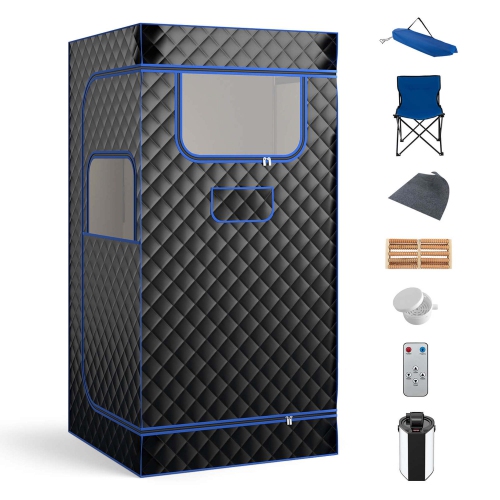 Your price for this item is $173.99
 -
 Your price for this item is $128.99
 -
 Your price for this item is $394.98
 -
 Your price for this item is $3399.99
 -
 Your price for this item is $4999
 -
 Your price for this item is $2995.53
 -
 Your price for this item is $3149
 -
 Your price for this item is $124.99
Discover more categories related to Small Saunas
Top Collections:
Pokemon Centers, Kindle Devices, Best Budget Office Chairs, Apple iPhones 16, Best Laptops for Writers, iPhone 15 Apple, Canon G7X Cameras, Refurbished Apple Laptops, Alarm Clock, Motorola Razr Phones
Some products may be subject to Environmental Handling Fees
(EHF) depending on your province.
Learn more about EHFs.