Indoor Saunas
Create your own personal oasis of relaxation and rejuvenation with our selection of indoor saunas. Whether you're seeking a soothing escape from the stresses of everyday life or looking to enhance your wellness routine, our indoor saunas offer the perfect solution. Step into a world of warmth and tranquility as you enjoy the numerous health benefits that come with regular sauna sessions. From improved circulation to detoxification, these indoor saunas provide a luxurious and convenient way to unwind in the comfort of your own home. Discover the wide range of options available and find the perfect indoor sauna to transform your space into a haven of serenity.
Sort
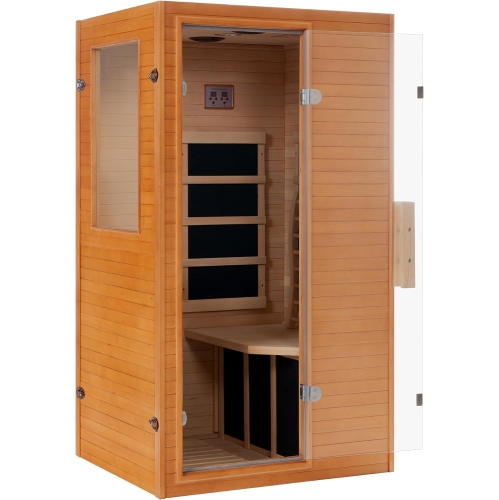
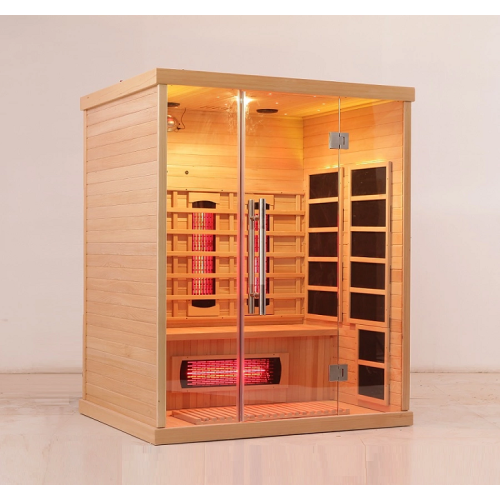
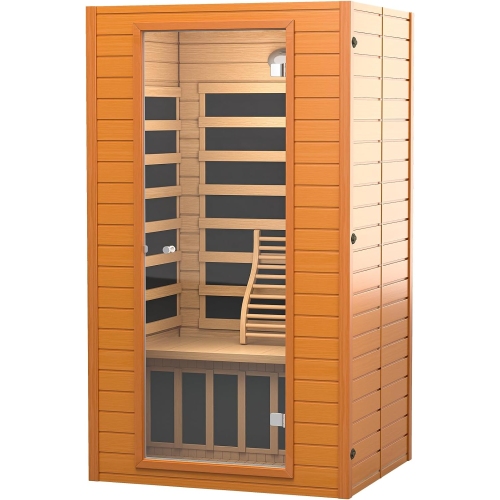
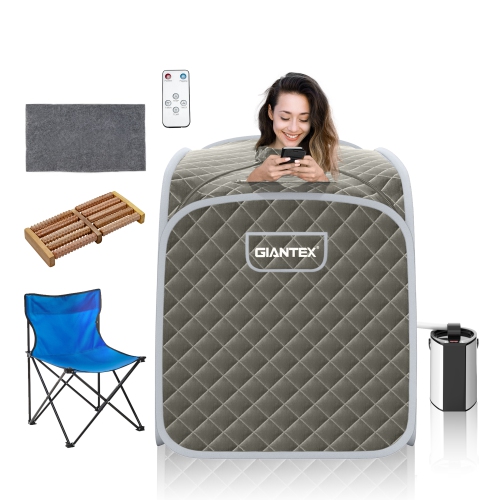
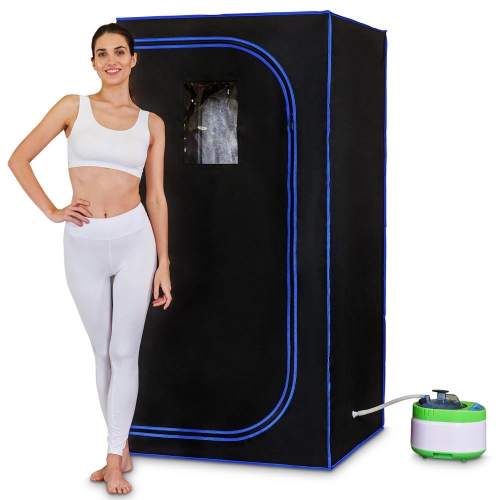
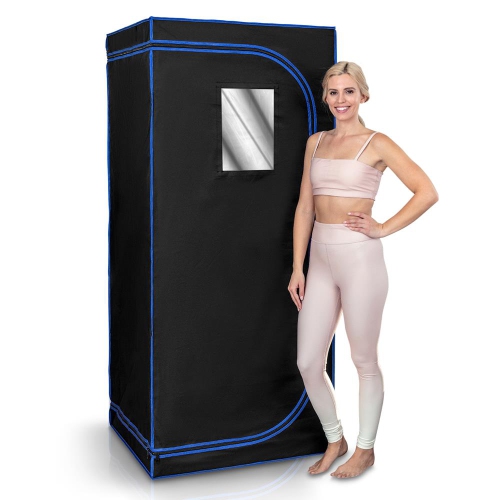
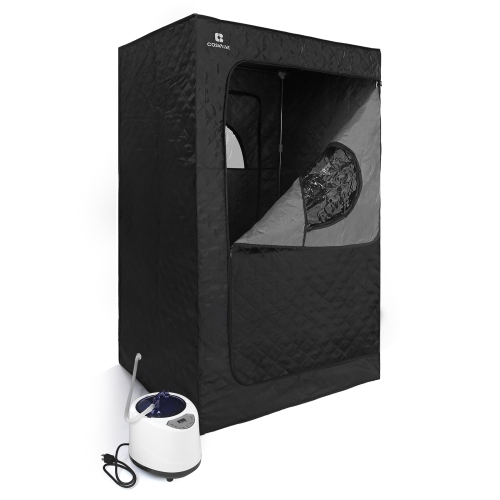
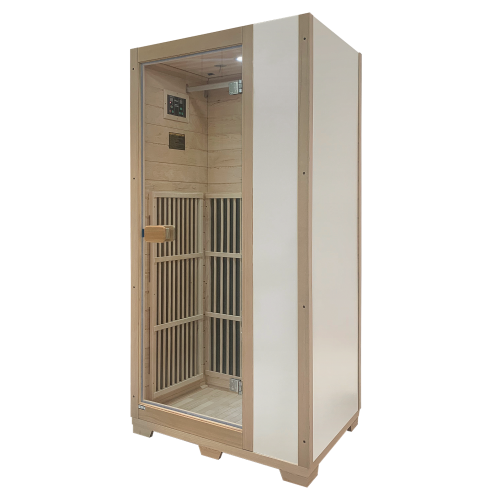
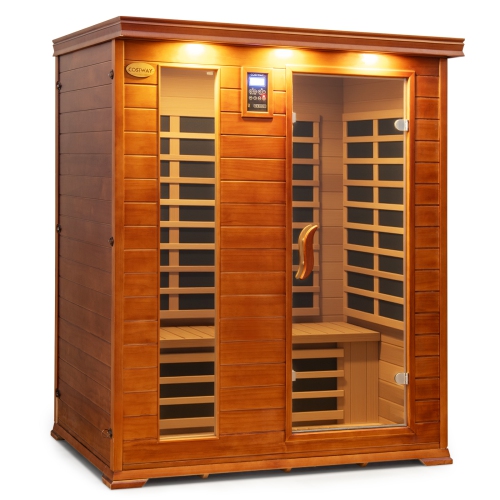
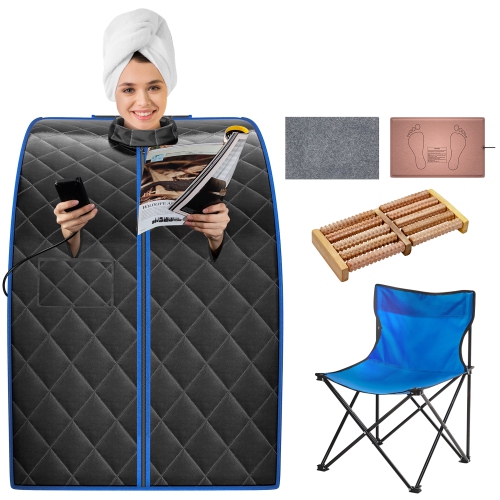
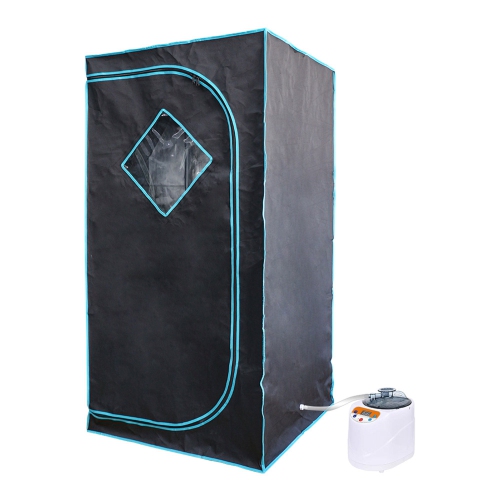
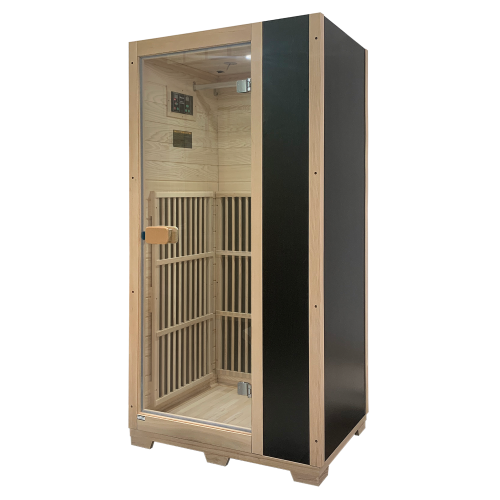
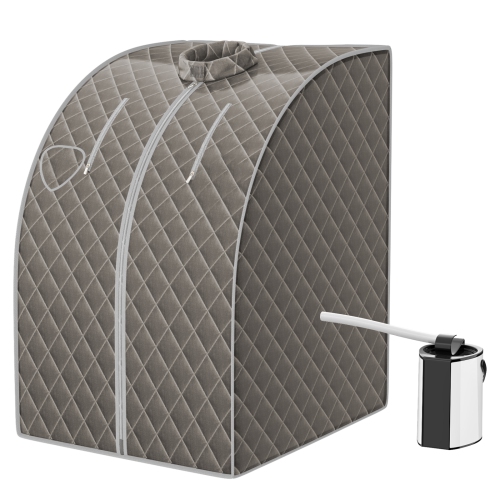
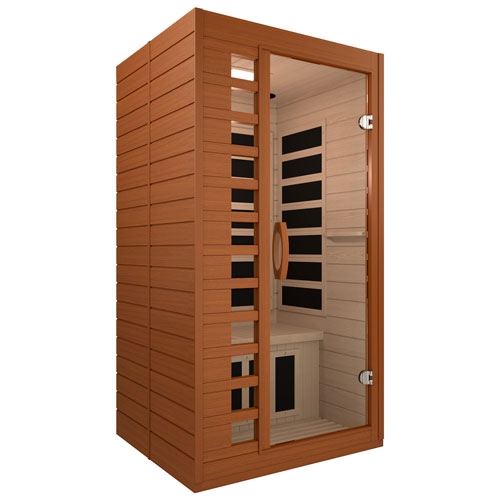
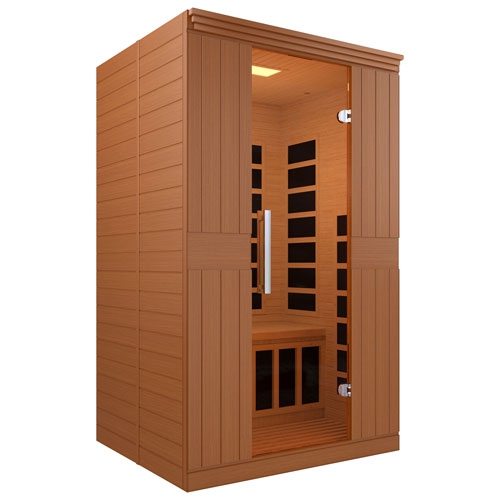
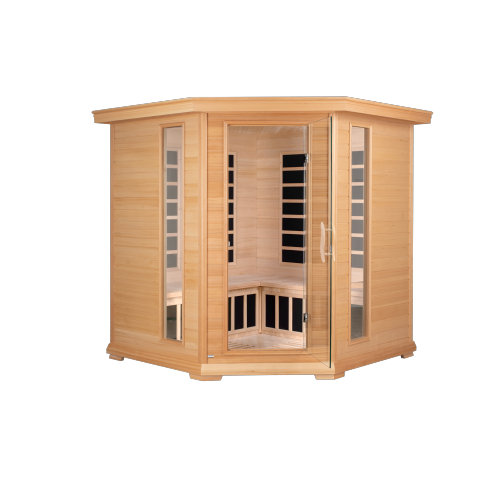
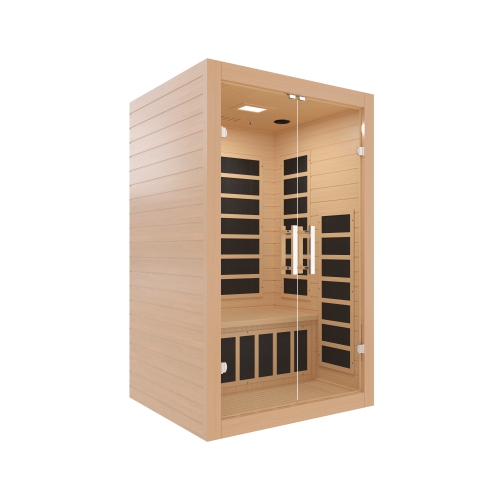
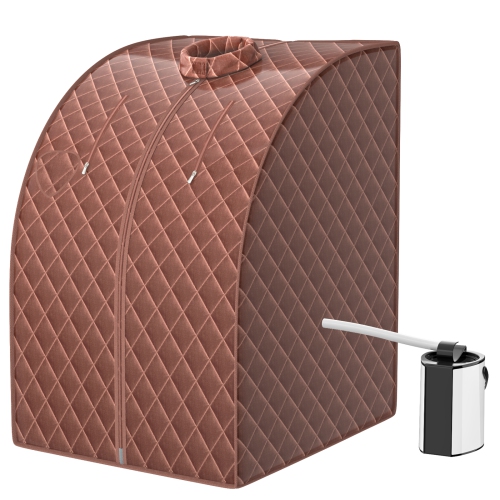
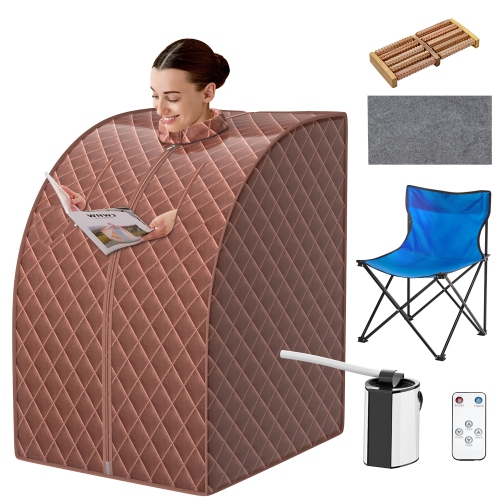
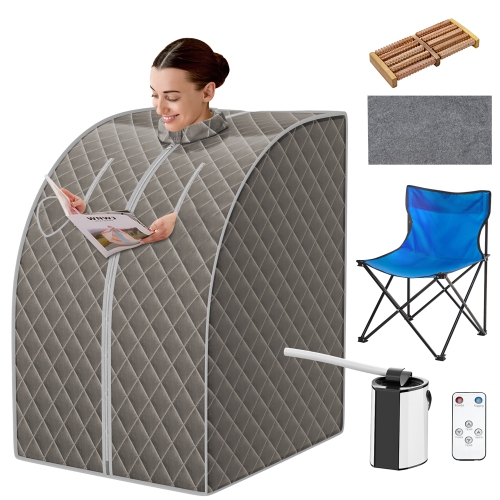
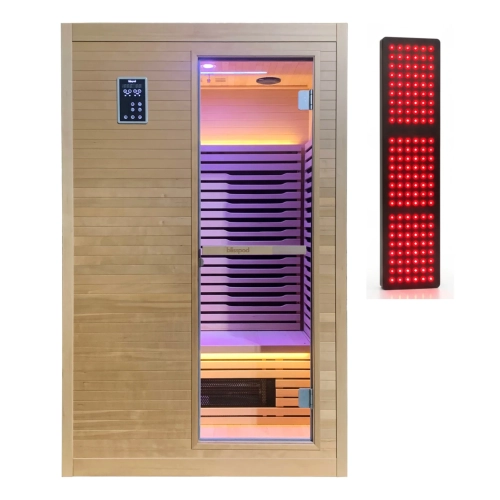
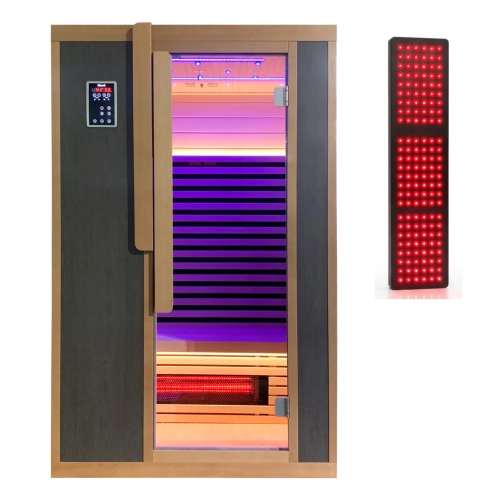
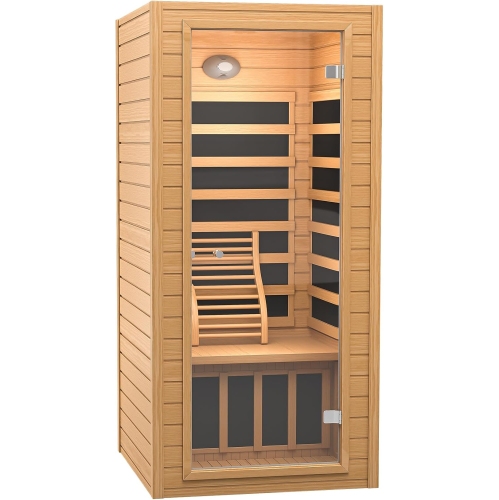
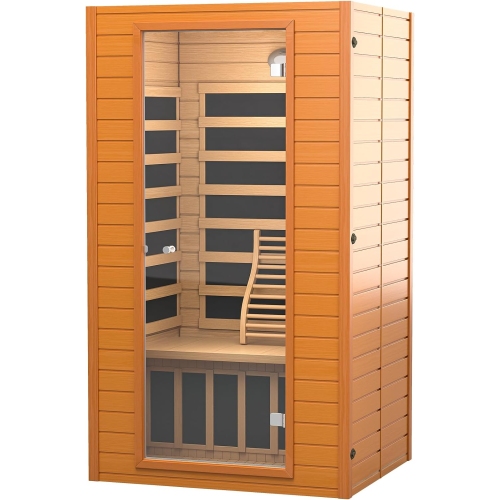
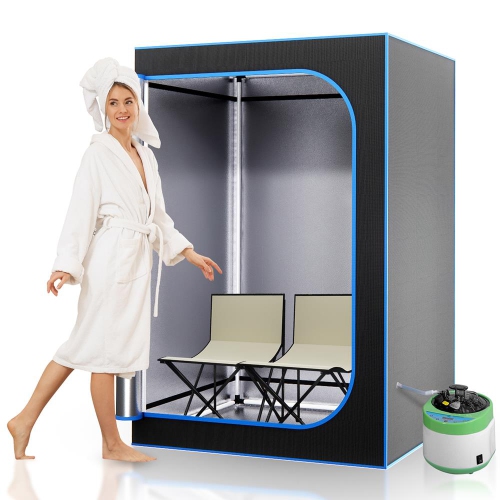
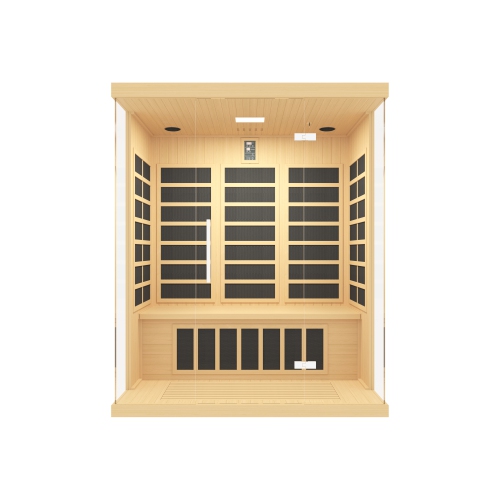
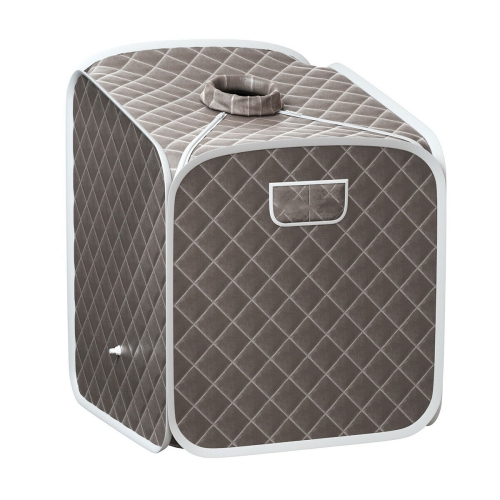
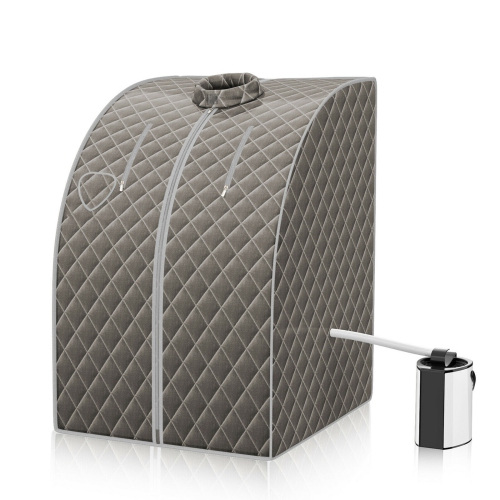
How heating styles shape your sauna experience at home
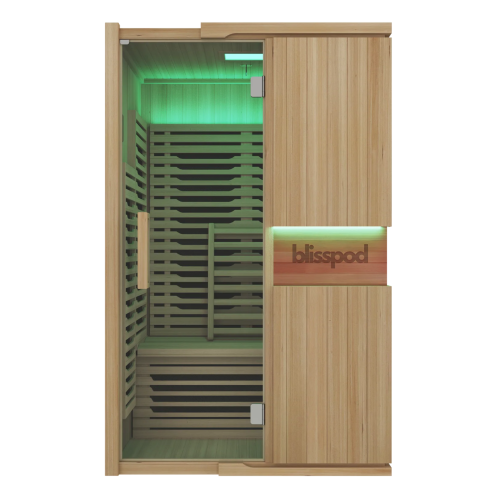
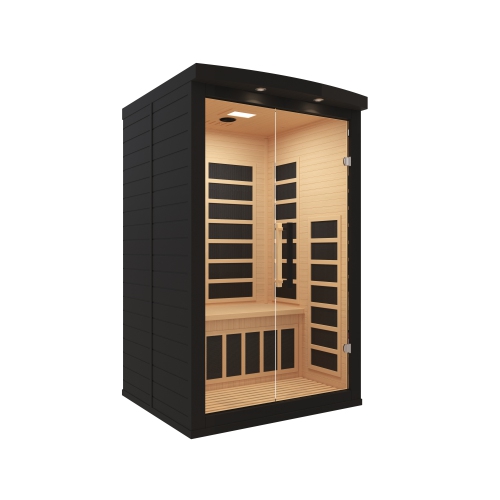
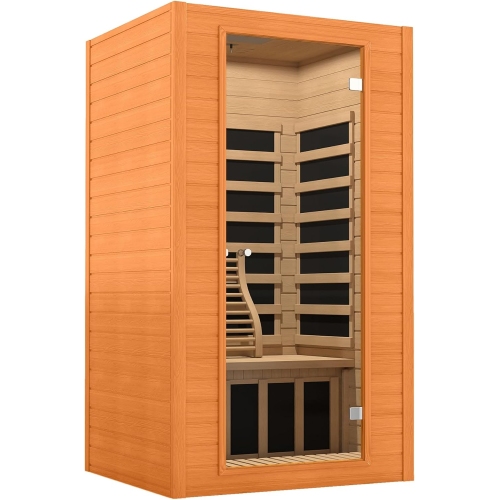
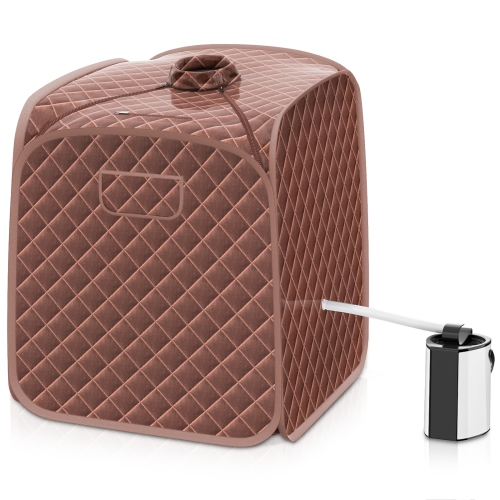
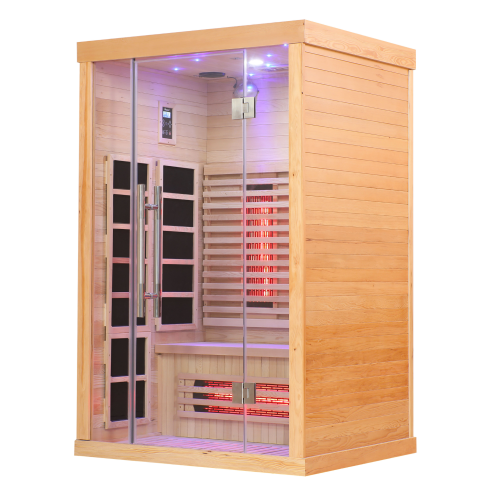
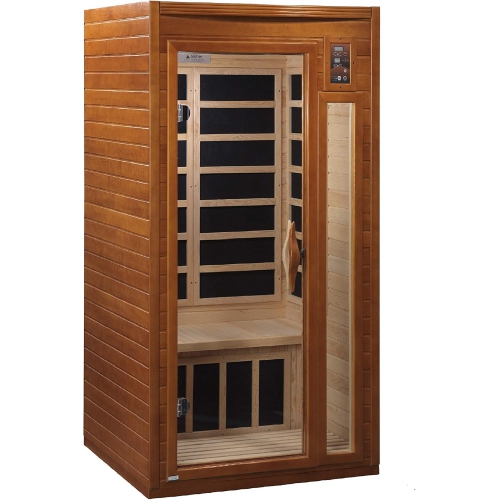
Indoor saunas bring a dedicated place for heat and quiet into the home, whether that means a compact cabin beside a workout area or a larger enclosure within a carefully planned bathroom renovation. Their appeal is straightforward: a comfortable bench, a warm interior, and a little separation from everyday distractions. The experience varies with the heating system. Traditional saunas use a heater to warm the room, often with sauna stones that can receive small amounts of water when the heater manufacturer permits it. Infrared saunas use panels that deliver radiant heat directly to occupants and generally operate at lower air temperatures than traditional cabins. Neither should be confused with a steam room, which uses a different approach to moisture and requires construction suited to high humidity. Understanding these distinctions helps match an indoor sauna to the experience its users actually enjoy, from a hotter, more enveloping session to gentler warmth while sitting quietly. A broader Home Sauna collection can also provide context for how indoor designs fit into a home relaxation space. Within the cabin, materials influence both appearance and daily comfort. Woods such as cedar, hemlock, and aspen are used in sauna construction, with differences in grain, scent, and surface character. Cedar has a noticeable aroma, while some other woods have a subtler scent that may suit people who prefer less fragrance. Smooth bench edges, neatly fitted boards, and comfortable backrests matter more during a session than decorative details viewed from outside. Glass doors and panels can make a small cabin feel more open, while a more enclosed wood interior creates a private, sheltered feeling. For adults who enjoy a quiet break after a busy day or time spent winding down after exercise, the most suitable layout is one that makes sitting comfortably and using the controls feel effortless. Interior lighting should support that same sense of ease, with enough visibility to enter, settle in, and leave safely.
The right fit involves more than finding an empty corner. An indoor sauna needs a location that meets its installation requirements, including a suitable floor, adequate ventilation, access to the correct electrical supply, and the clearances specified by the manufacturer. A spare room, home gym, or spacious bathroom may work, but each presents different practical considerations. Carpet, uneven flooring, nearby plumbing fixtures, and limited ceiling height can affect whether a location is appropriate. Measure the full exterior footprint, the height, and the space needed for the door to swing open without hitting a wall, vanity, or exercise equipment. Leave room to approach the entrance comfortably and step out without squeezing past furniture. Delivery access deserves equal attention: packaged wall sections and glass components must fit through entrances, hallways, stairwells, and any tight turns on the way to the installation area. Capacity labels are useful starting points, but interior bench dimensions give a clearer picture of comfort. A cabin designed for two seated adults may not offer enough length for one person to stretch out, and deeper benches or raised seating can change how usable the interior feels. Taller users may value extra headroom, while anyone with limited mobility may need to assess the threshold, door opening, and seat height particularly carefully. Electrical requirements vary substantially between sauna designs. Some require a dedicated circuit or a hardwired connection, so the presence of a nearby household outlet does not establish compatibility. A qualified electrician can assess the supply and complete work where required; extension cords and improvised connections are not suitable substitutes. Heating performance also depends on the cabin size, heater output, and installation conditions rather than the heater specification alone. Traditional and infrared systems can have different warm-up routines, making timer functions and clearly readable controls useful everyday features. Any remote operation should follow the manufacturer’s safety requirements, including checks that the cabin and heater area are clear before heating begins.
Care and construction quality help determine how well an indoor sauna handles repeated use. Benches should feel stable, wall joints should fit properly, and the door should open and close smoothly without making the cabin difficult to exit. Hardware, glazing, heaters, and electrical components need to be appropriate for sauna use, where repeated heating places different demands on materials than ordinary indoor furniture experiences. Warranty coverage and access to replacement parts are worth reviewing alongside assembly requirements, particularly for components such as controls and heating elements. Inside, unfinished or specially treated wood should be maintained exactly as directed rather than coated with ordinary furniture polish, paint, or household varnish. A towel placed on the bench helps limit contact with perspiration and makes the seating surface more comfortable. After the cabin has cooled, remove damp towels, wipe suitable surfaces according to the care instructions, and allow the interior to dry through its intended ventilation system. Strong fragrances, abrasive cleaners, and excessive water can damage surfaces or make the next session unpleasant; a restrained cleaning routine is usually more appropriate than treating the cabin like a tiled shower. Sauna stones, where fitted, also need inspection and maintenance at the intervals specified for the heater. Keep the heater area unobstructed, and never use it to dry clothing or towels. Practical details outside the cabin can make the routine easier without cluttering the installation: a nearby towel hook, a clear place to leave footwear, and drinking water within easy reach after stepping out. Personal heat tolerance varies, so sessions should stay within the manufacturer’s guidance and end promptly if discomfort, dizziness, or nausea develops. Avoid alcohol before or during use, and seek medical advice before using a sauna during pregnancy or when a health condition or medication may affect heat tolerance. Children should only use a sauna when its instructions permit it and with appropriate adult supervision. For a shared household, straightforward controls, comfortable seating, and a routine everyone understands can matter more than extra features. A well-matched indoor sauna is ultimately one that suits the available space, supports sensible use, and remains pleasant to return to through regular care.
The right fit involves more than finding an empty corner. An indoor sauna needs a location that meets its installation requirements, including a suitable floor, adequate ventilation, access to the correct electrical supply, and the clearances specified by the manufacturer. A spare room, home gym, or spacious bathroom may work, but each presents different practical considerations. Carpet, uneven flooring, nearby plumbing fixtures, and limited ceiling height can affect whether a location is appropriate. Measure the full exterior footprint, the height, and the space needed for the door to swing open without hitting a wall, vanity, or exercise equipment. Leave room to approach the entrance comfortably and step out without squeezing past furniture. Delivery access deserves equal attention: packaged wall sections and glass components must fit through entrances, hallways, stairwells, and any tight turns on the way to the installation area. Capacity labels are useful starting points, but interior bench dimensions give a clearer picture of comfort. A cabin designed for two seated adults may not offer enough length for one person to stretch out, and deeper benches or raised seating can change how usable the interior feels. Taller users may value extra headroom, while anyone with limited mobility may need to assess the threshold, door opening, and seat height particularly carefully. Electrical requirements vary substantially between sauna designs. Some require a dedicated circuit or a hardwired connection, so the presence of a nearby household outlet does not establish compatibility. A qualified electrician can assess the supply and complete work where required; extension cords and improvised connections are not suitable substitutes. Heating performance also depends on the cabin size, heater output, and installation conditions rather than the heater specification alone. Traditional and infrared systems can have different warm-up routines, making timer functions and clearly readable controls useful everyday features. Any remote operation should follow the manufacturer’s safety requirements, including checks that the cabin and heater area are clear before heating begins.
Care and construction quality help determine how well an indoor sauna handles repeated use. Benches should feel stable, wall joints should fit properly, and the door should open and close smoothly without making the cabin difficult to exit. Hardware, glazing, heaters, and electrical components need to be appropriate for sauna use, where repeated heating places different demands on materials than ordinary indoor furniture experiences. Warranty coverage and access to replacement parts are worth reviewing alongside assembly requirements, particularly for components such as controls and heating elements. Inside, unfinished or specially treated wood should be maintained exactly as directed rather than coated with ordinary furniture polish, paint, or household varnish. A towel placed on the bench helps limit contact with perspiration and makes the seating surface more comfortable. After the cabin has cooled, remove damp towels, wipe suitable surfaces according to the care instructions, and allow the interior to dry through its intended ventilation system. Strong fragrances, abrasive cleaners, and excessive water can damage surfaces or make the next session unpleasant; a restrained cleaning routine is usually more appropriate than treating the cabin like a tiled shower. Sauna stones, where fitted, also need inspection and maintenance at the intervals specified for the heater. Keep the heater area unobstructed, and never use it to dry clothing or towels. Practical details outside the cabin can make the routine easier without cluttering the installation: a nearby towel hook, a clear place to leave footwear, and drinking water within easy reach after stepping out. Personal heat tolerance varies, so sessions should stay within the manufacturer’s guidance and end promptly if discomfort, dizziness, or nausea develops. Avoid alcohol before or during use, and seek medical advice before using a sauna during pregnancy or when a health condition or medication may affect heat tolerance. Children should only use a sauna when its instructions permit it and with appropriate adult supervision. For a shared household, straightforward controls, comfortable seating, and a routine everyone understands can matter more than extra features. A well-matched indoor sauna is ultimately one that suits the available space, supports sensible use, and remains pleasant to return to through regular care.
Top selling and popular products
-
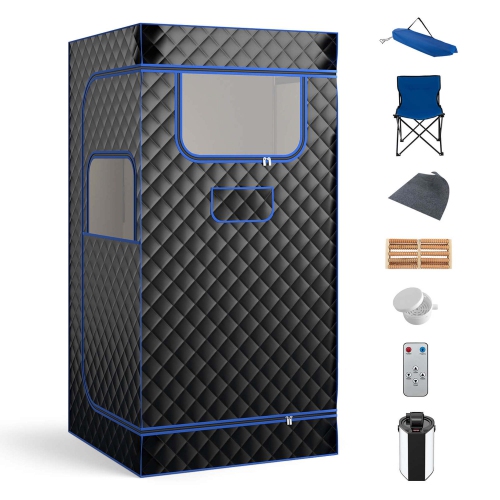 Your price for this item is $173.99
 -
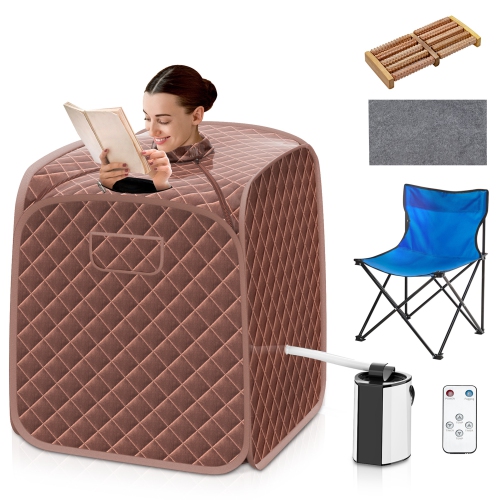 Your price for this item is $128.99
 -
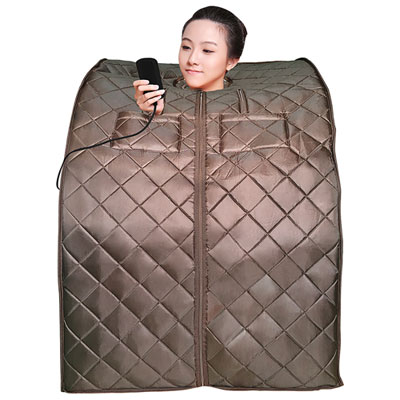 Your price for this item is $394.98
 -
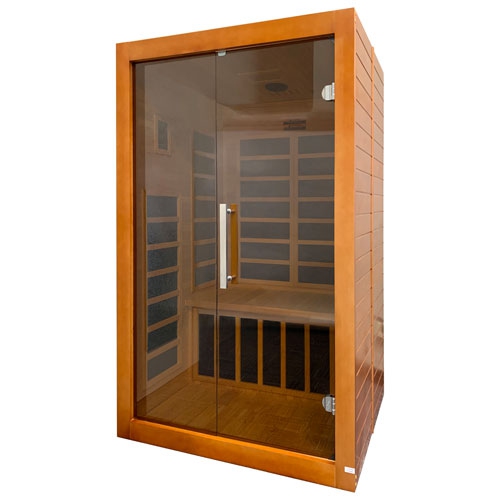 Your price for this item is $3399.99
 -
 Your price for this item is $4999
 -
 Your price for this item is $2995.53
 -
 Your price for this item is $4766.99
 -
 Your price for this item is $3149
Discover more categories related to Indoor Saunas
Top Collections:
Pokemon Centers, Kindle Devices, Best Budget Office Chairs, Apple iPhones 16, Canon G7X Cameras, iPhone 15 Apple, Alarm Clock, Refurbished Apple Laptops, Flip Phones, Best Laptops for Writers
Some products may be subject to Environmental Handling Fees
(EHF) depending on your province.
Learn more about EHFs.