Small Side Coffee Tables
Looking to add a touch of style and functionality to your living space? Small side coffee tables might just be the perfect addition you need. Whether you're looking for a compact solution for your cozy apartment or a versatile piece to complement your existing furniture, a collection of small side coffee tables offers a range of options to suit every taste and space. Here are some great options available.
Sort

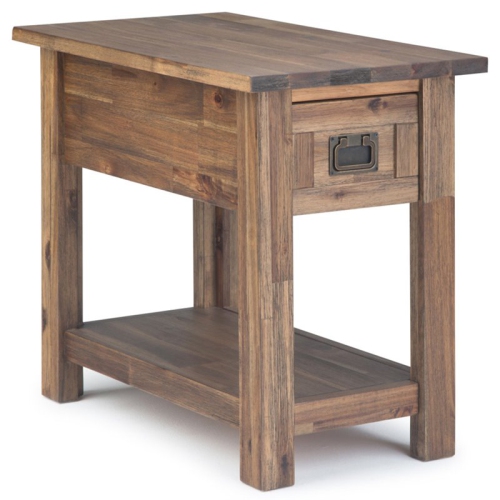
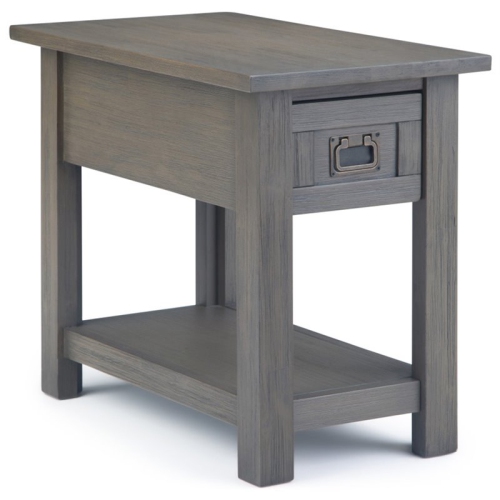
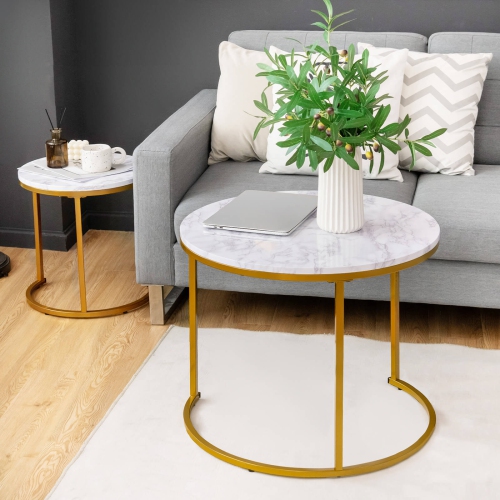
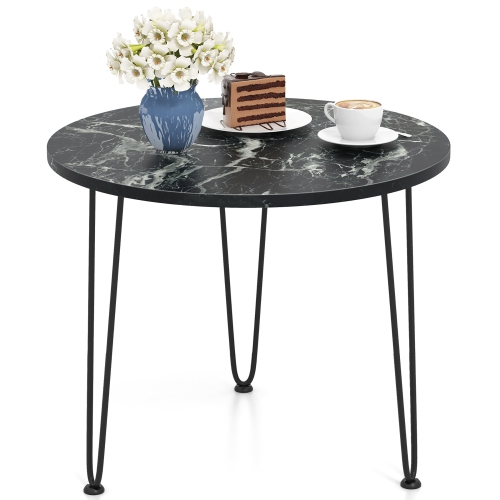
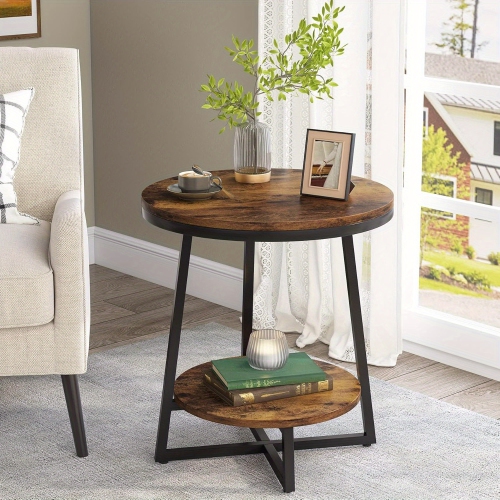
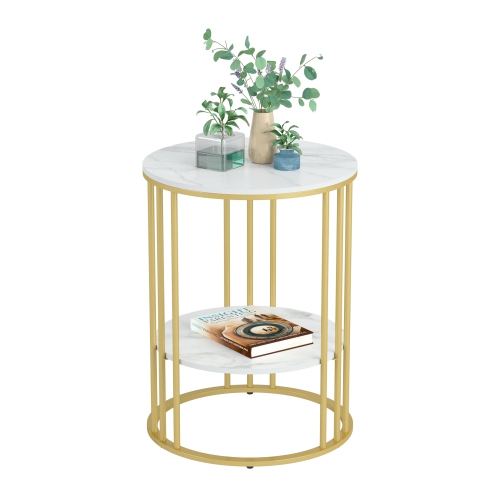
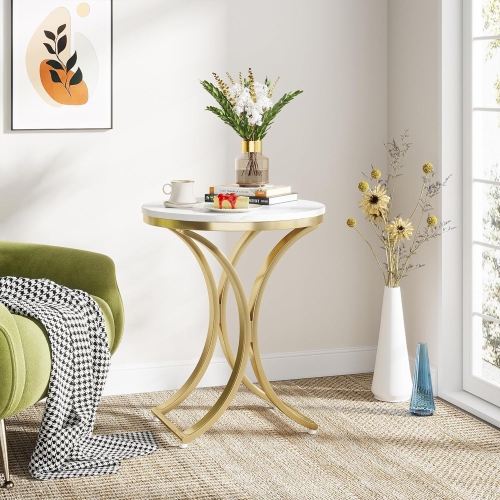
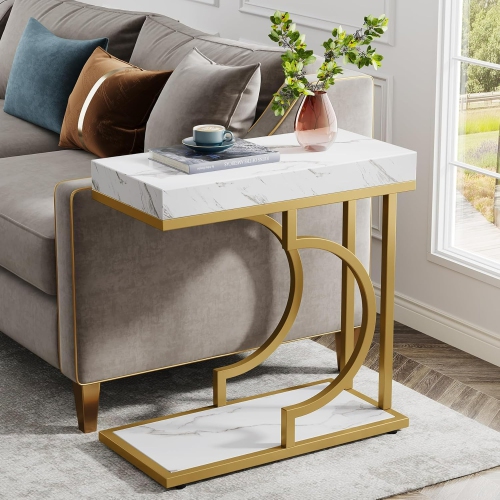
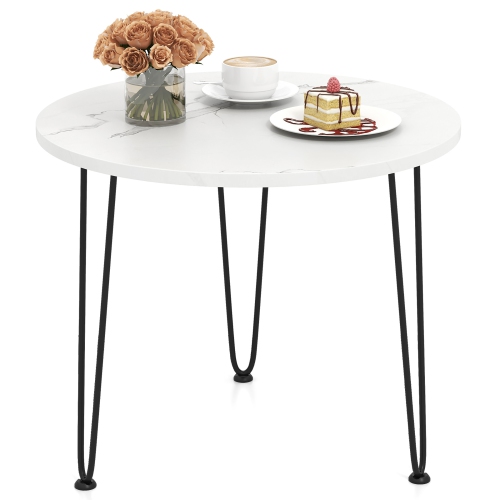
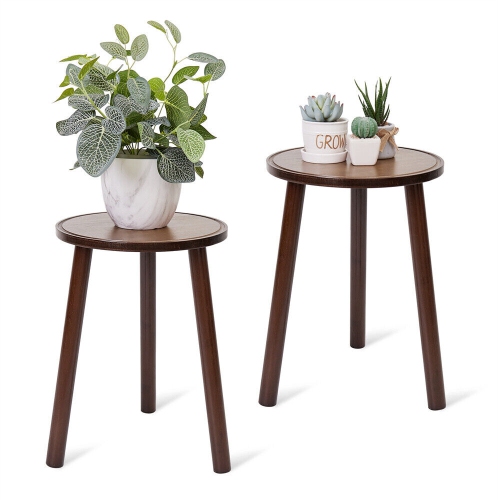

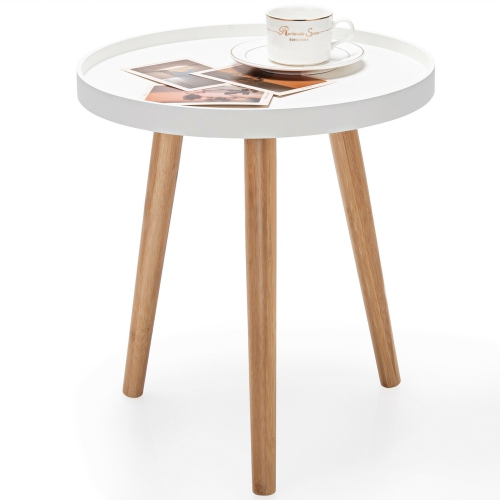
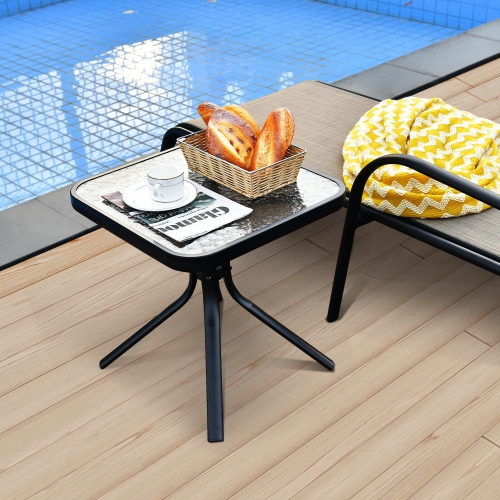

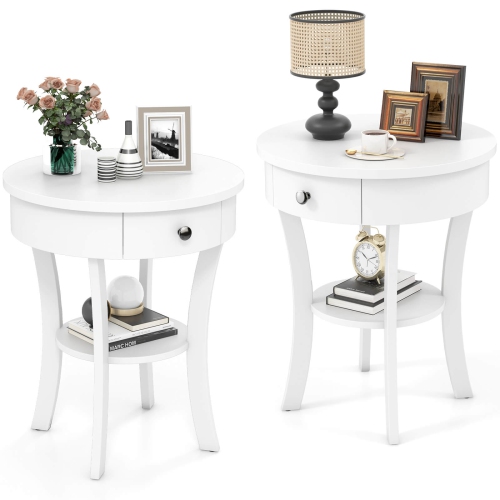
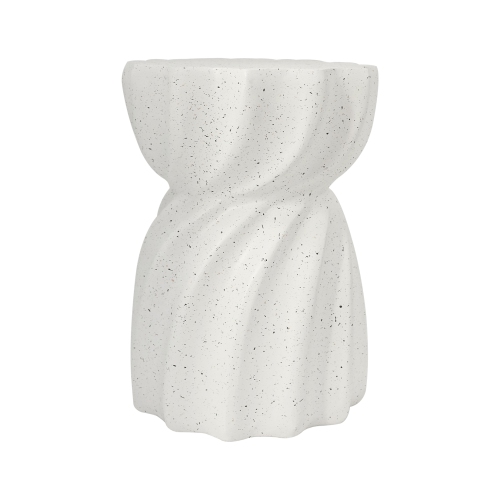
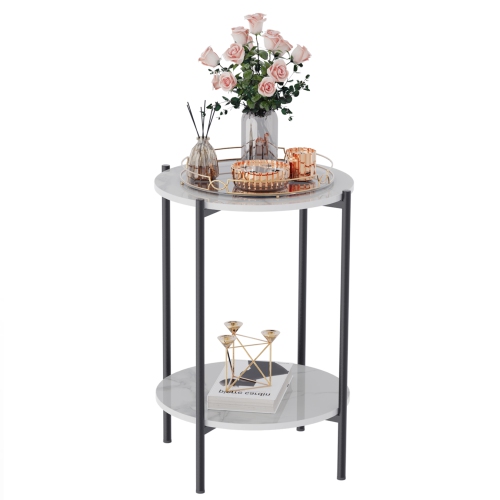
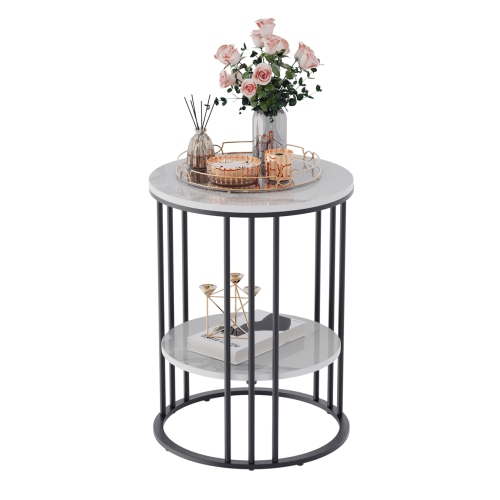





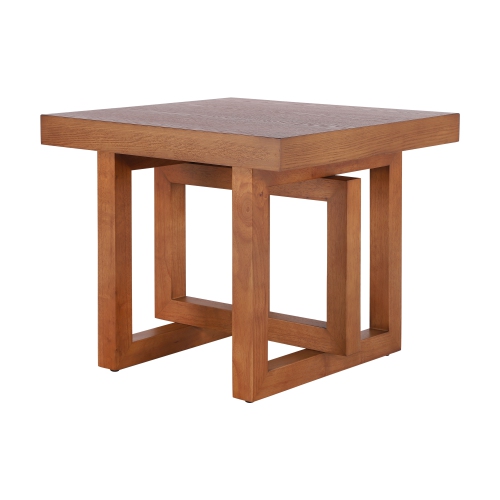
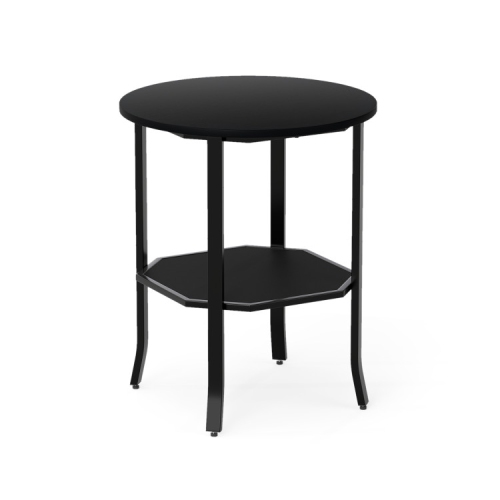
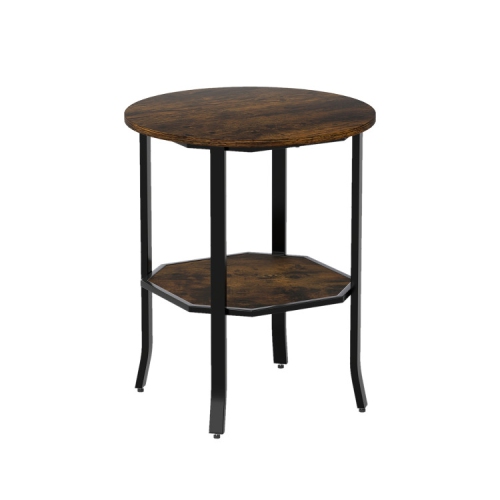
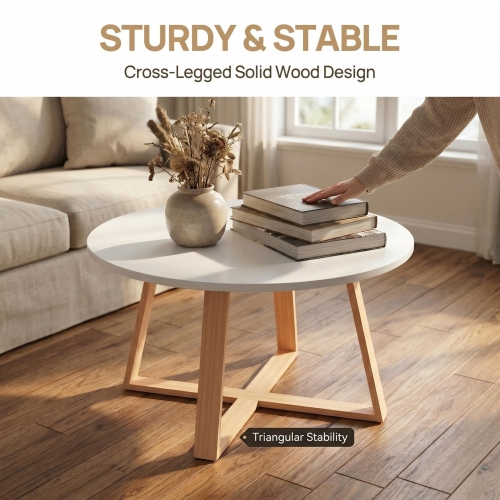
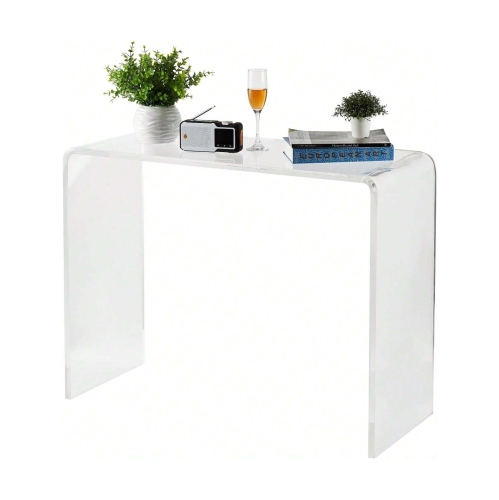
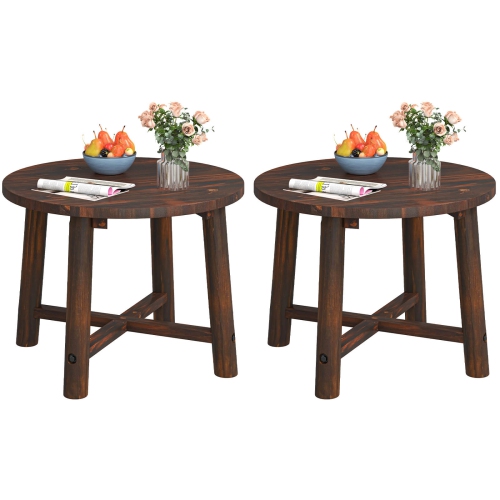
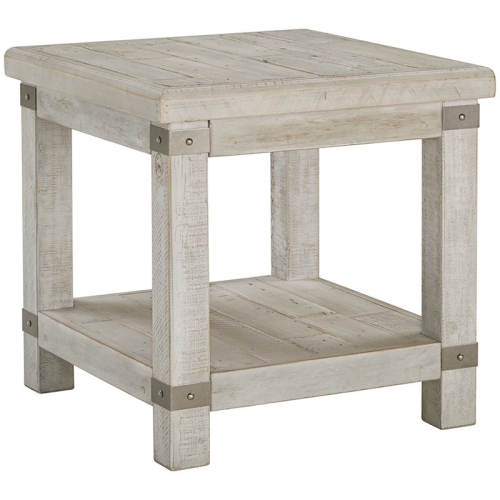
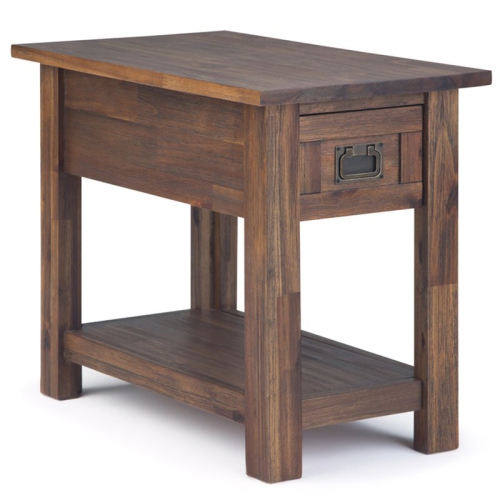
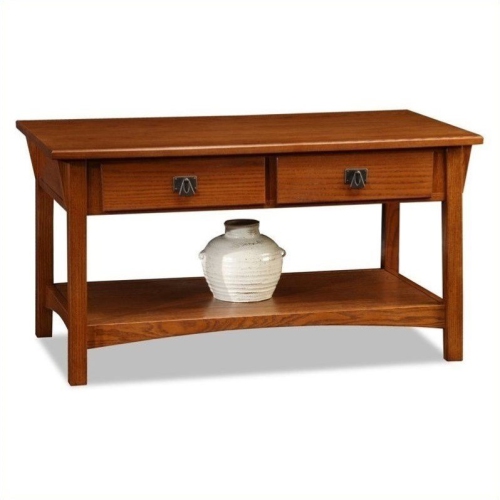
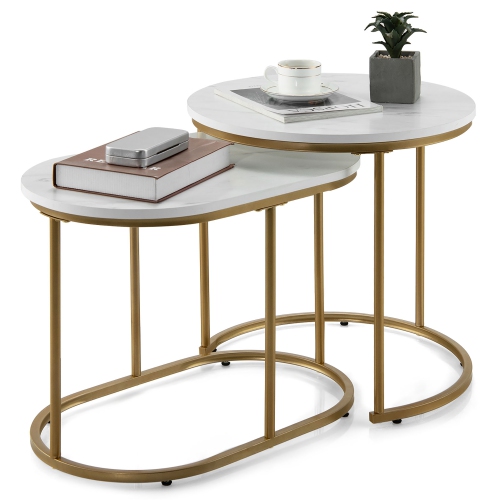
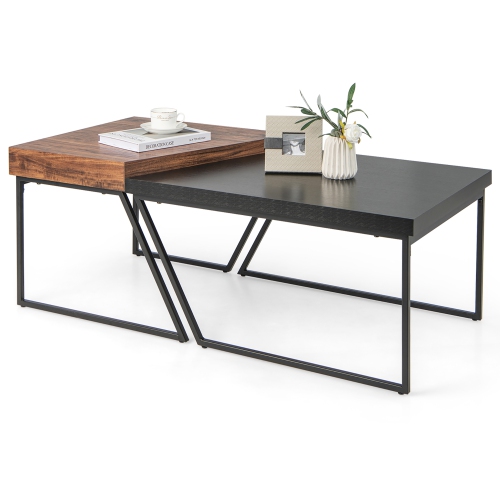
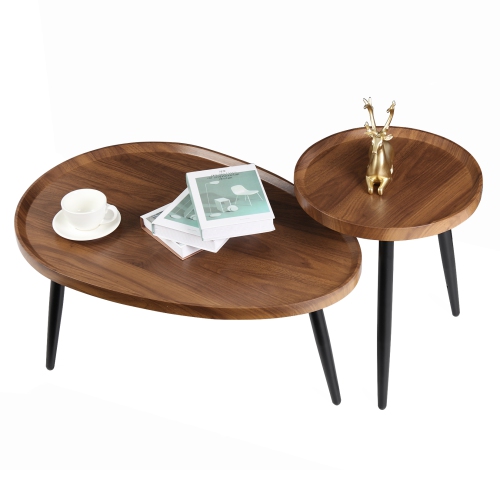
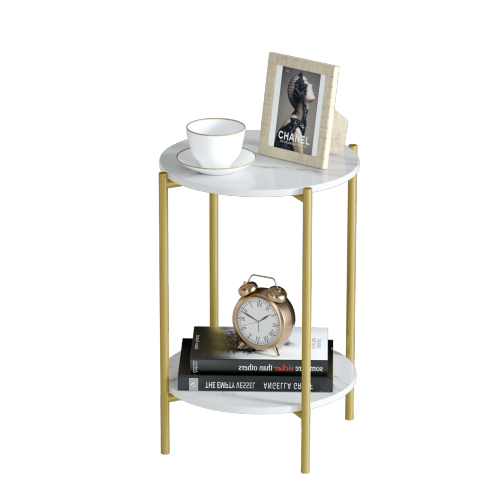
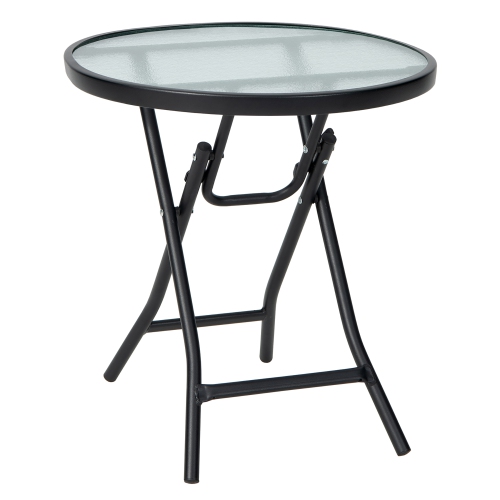
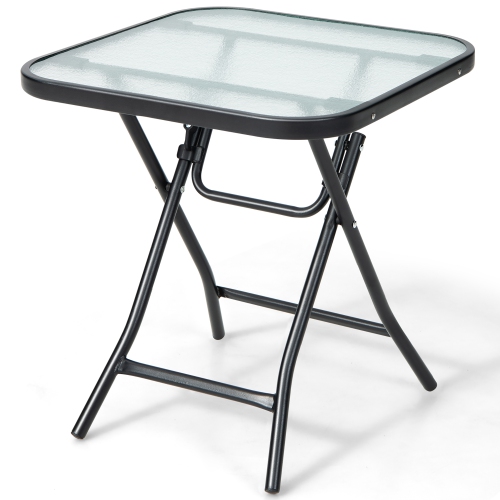
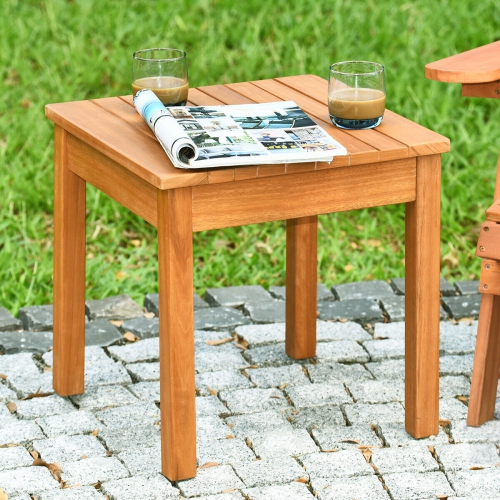
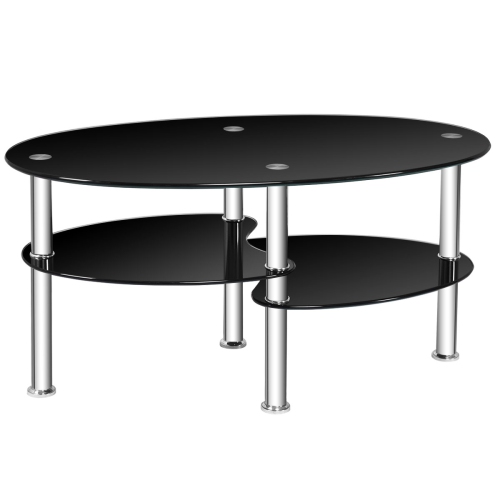
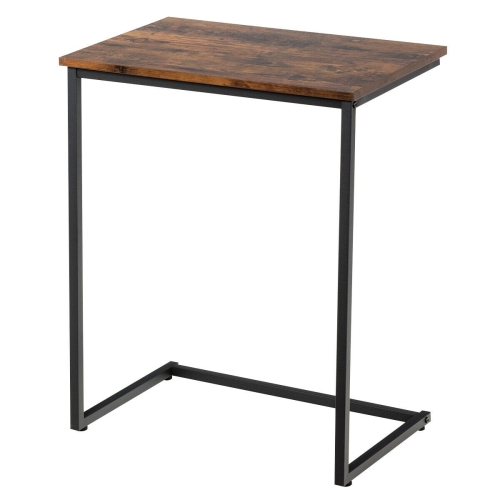
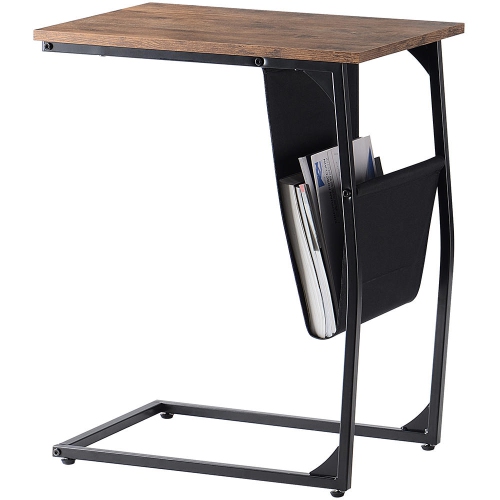
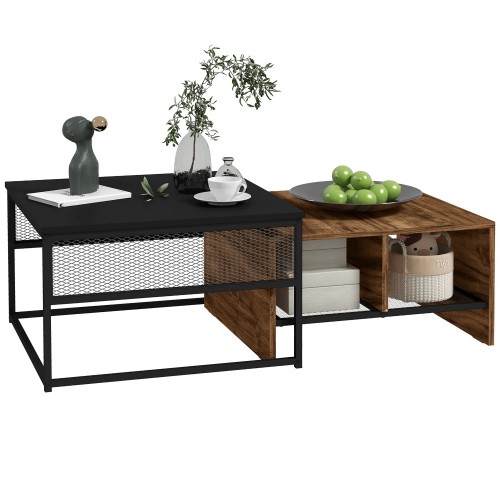
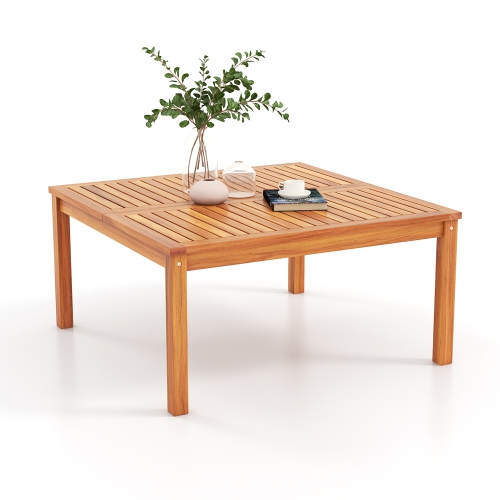
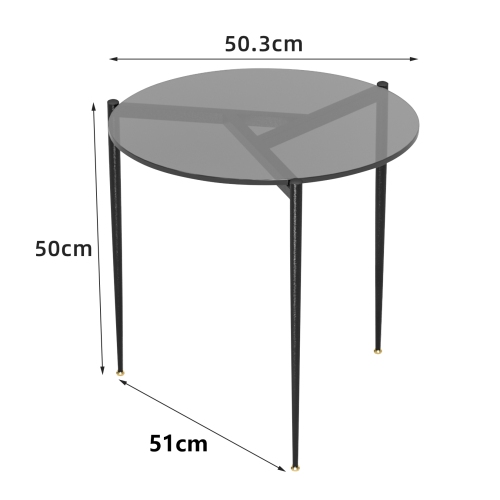
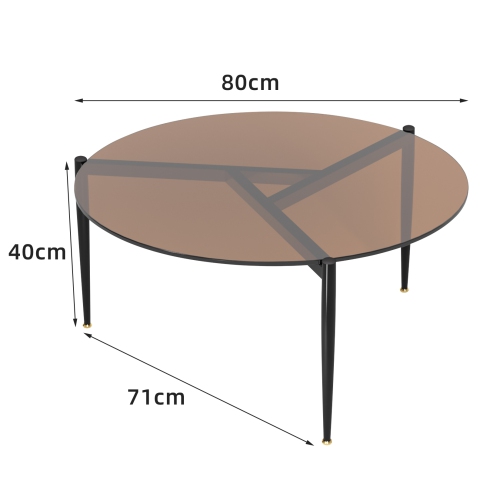
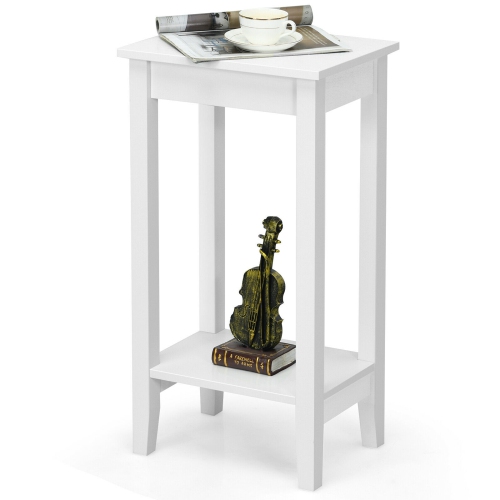
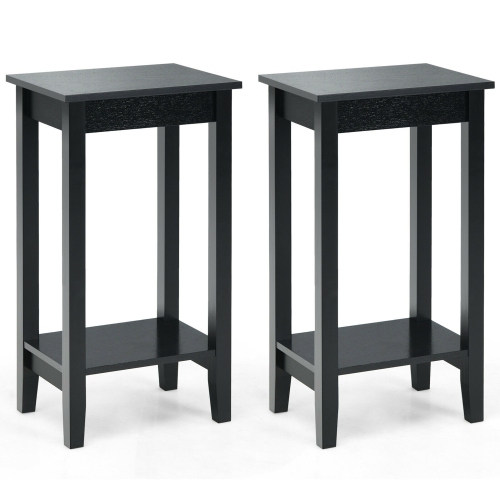
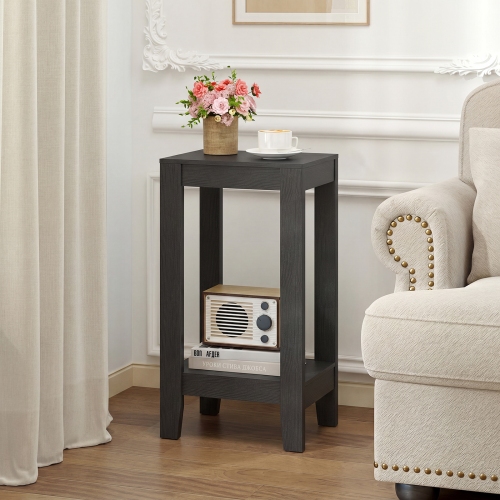
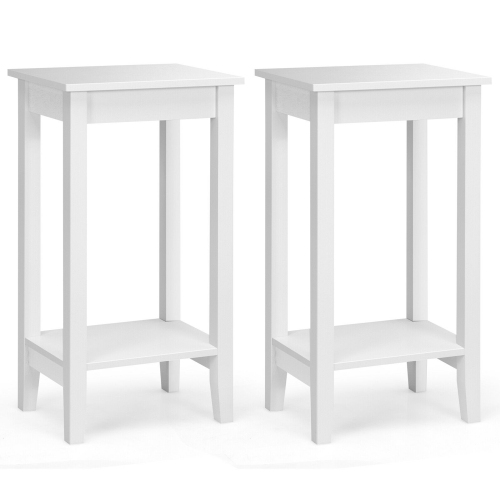
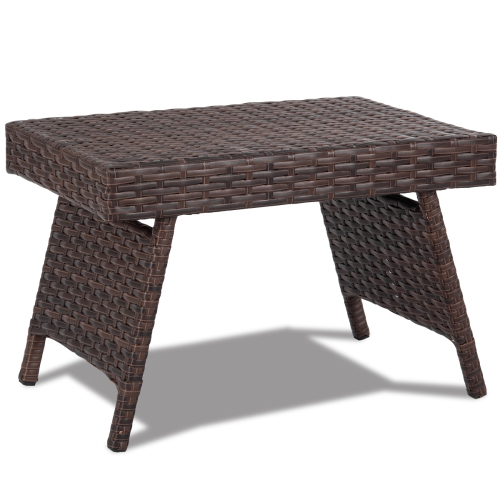
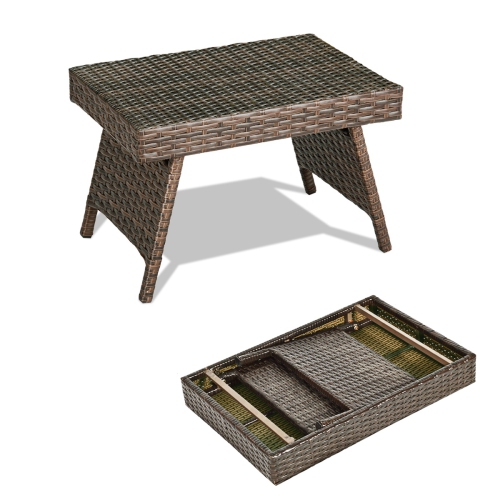
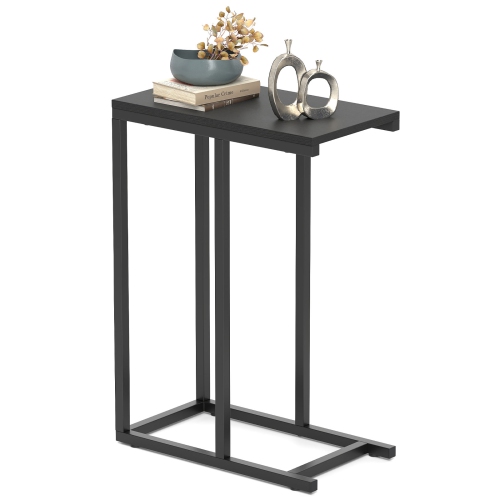
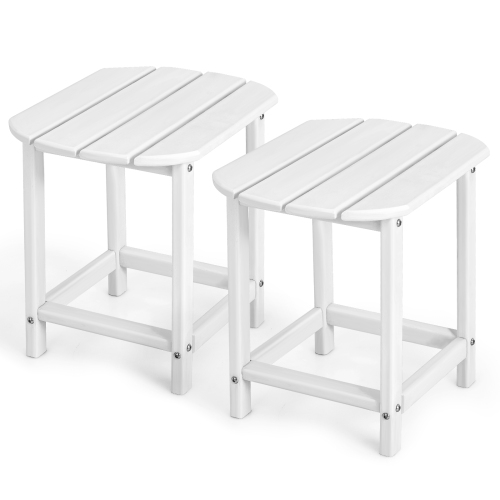
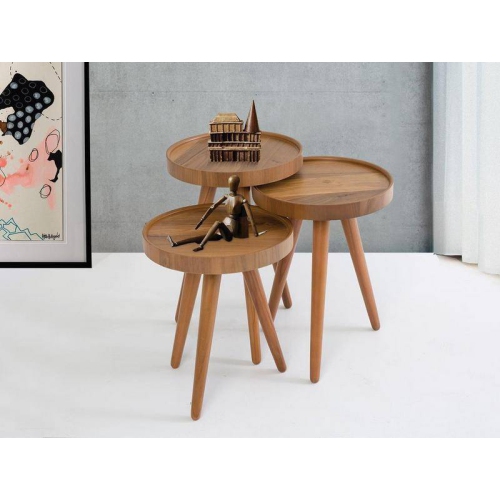
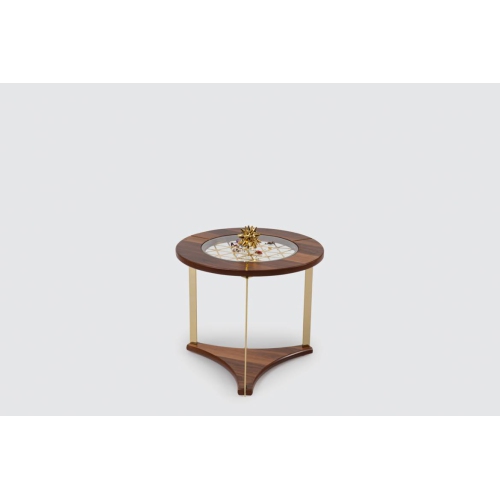
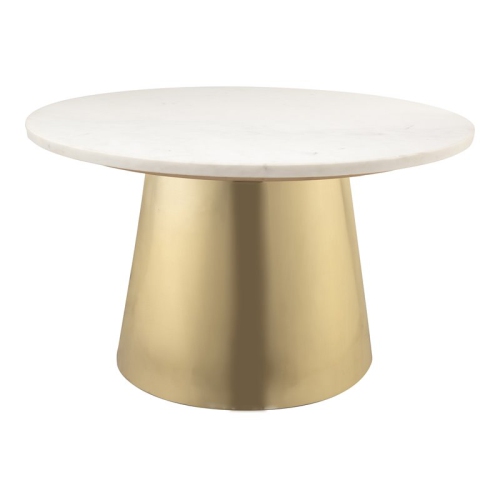
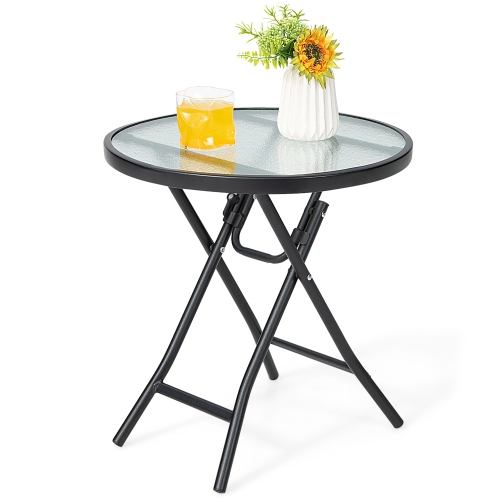

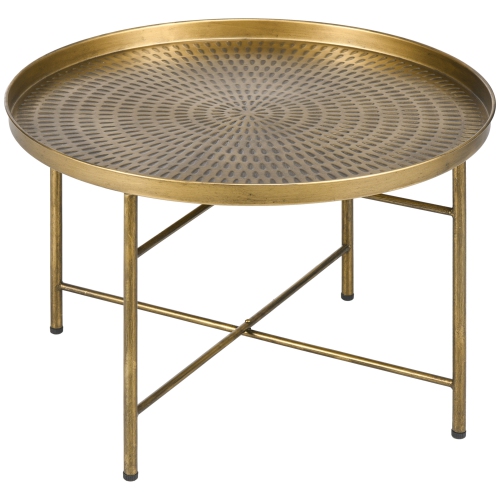
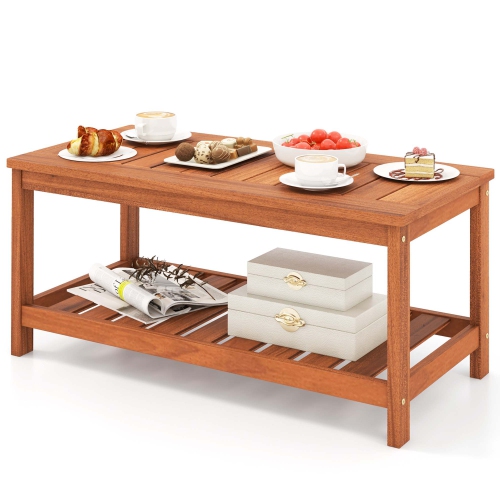
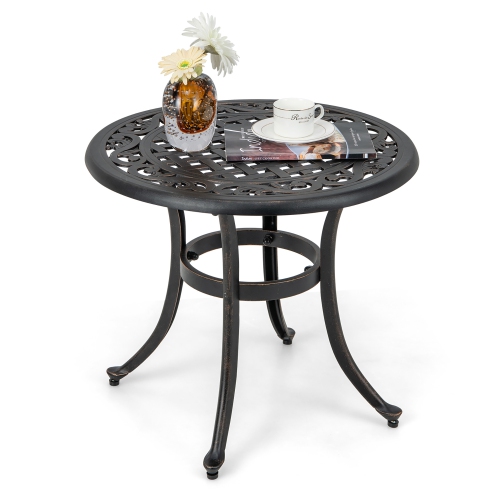

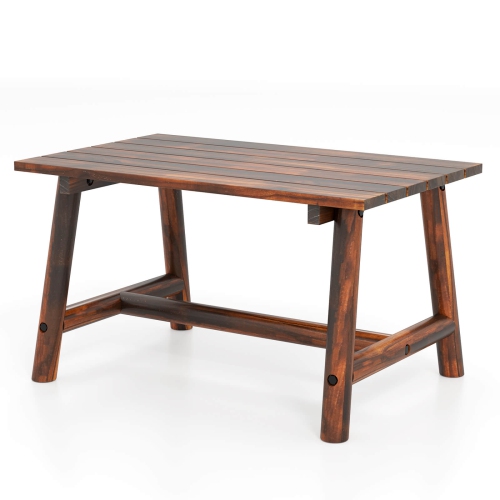
Everyday essentials within reach, with room to move
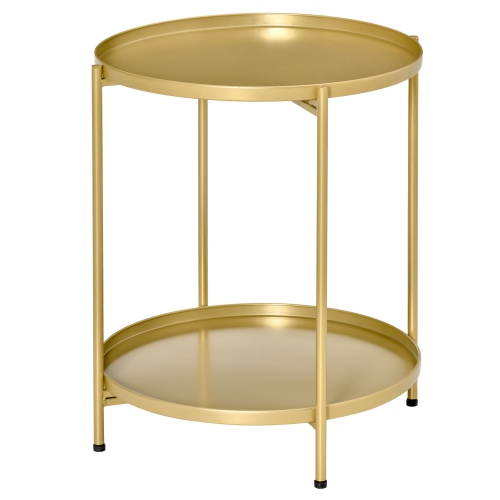
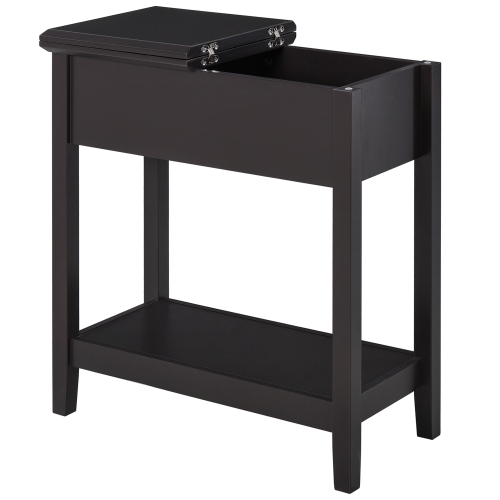
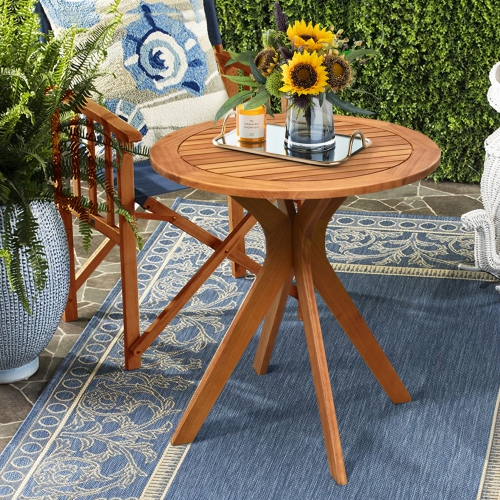
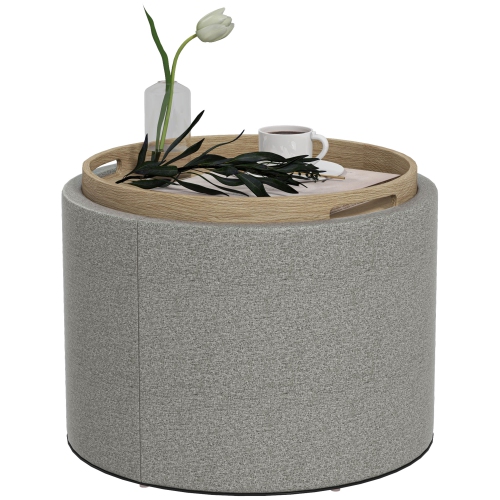
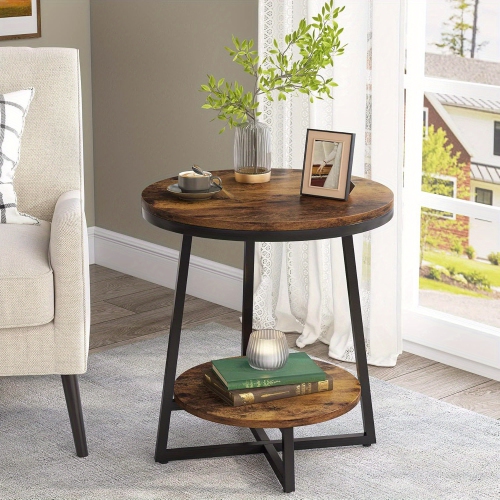
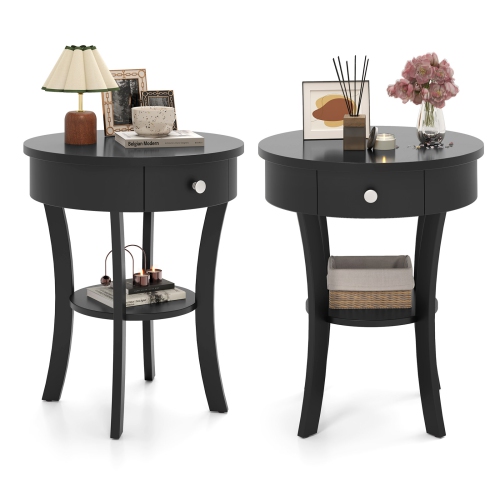
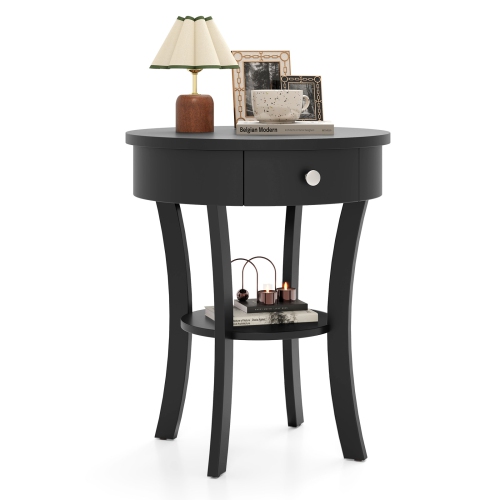
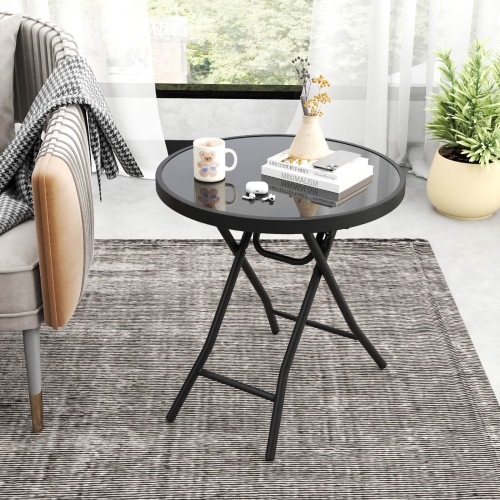
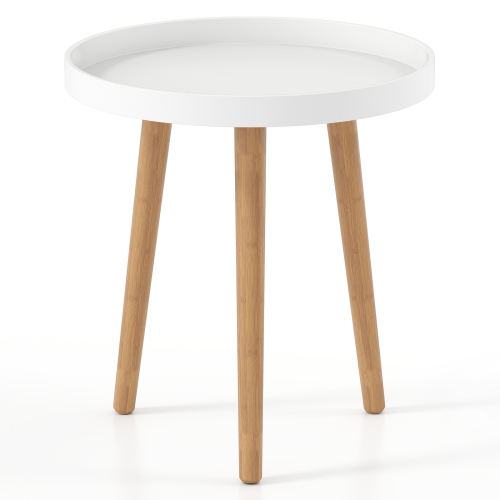
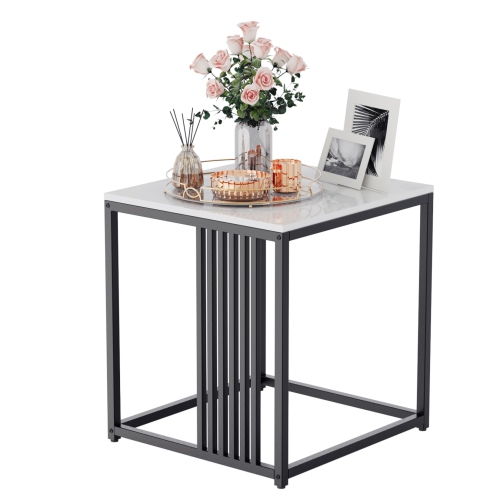
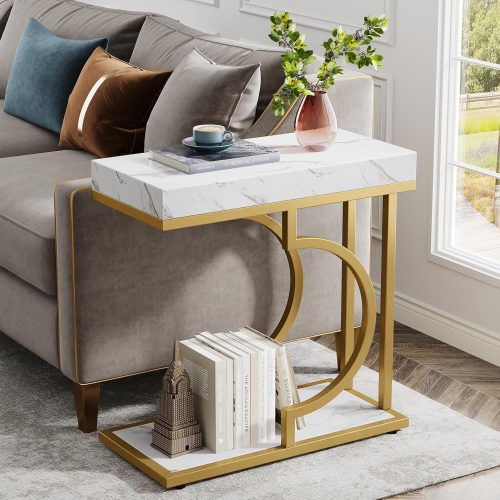
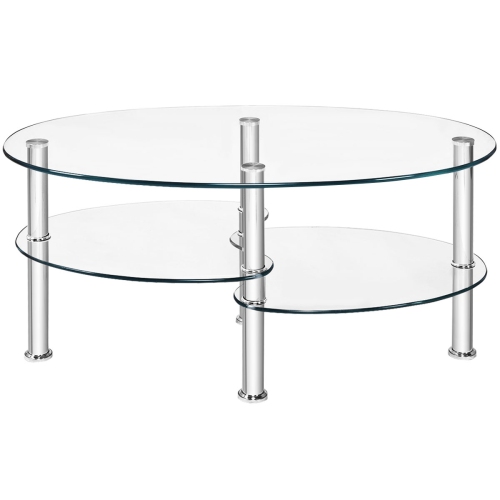
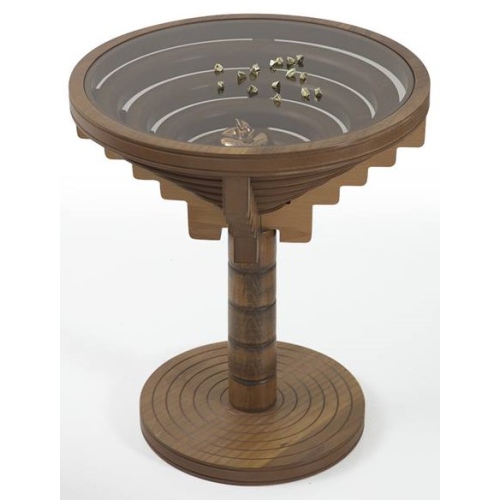
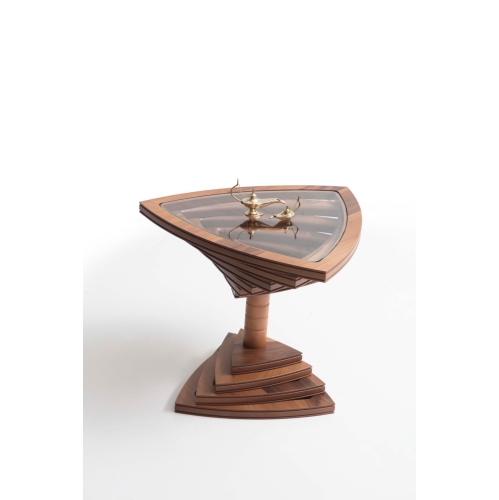
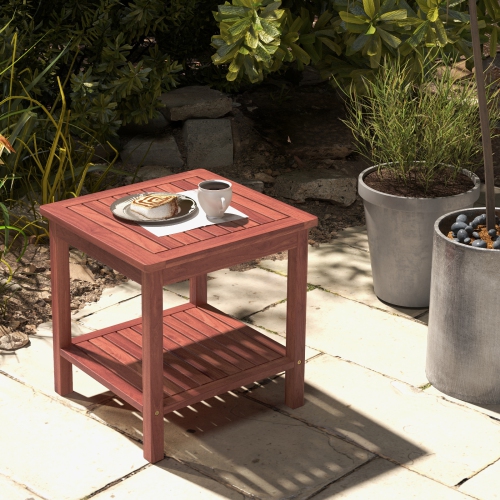
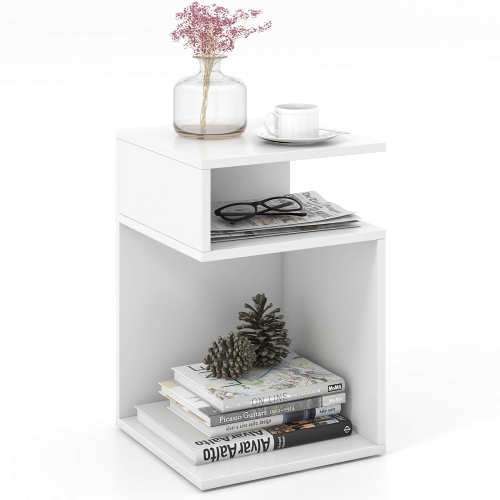
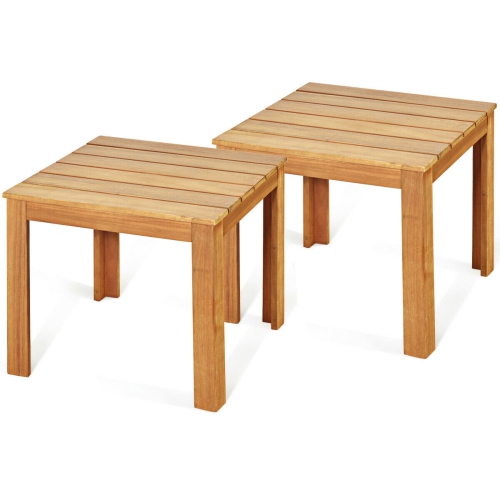
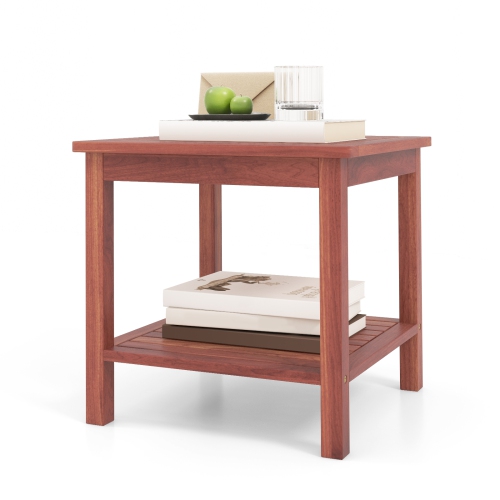
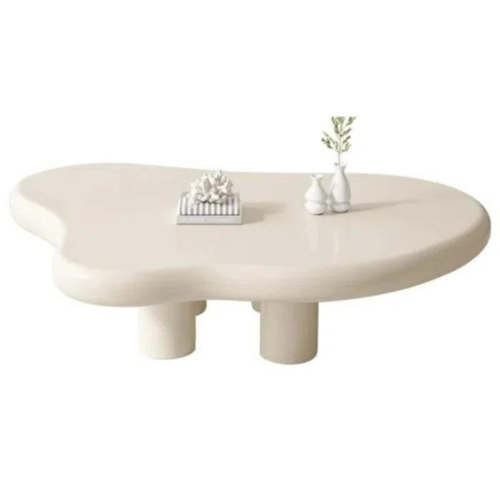
Small side coffee tables provide a convenient surface for drinks, books, and everyday essentials without taking up the floor space of a larger centre table. They suit condo living rooms, smaller sitting areas, bedrooms, and home offices where furniture needs to leave room for movement. Although the names sometimes overlap, a side table usually sits beside a chair or sofa, while a small coffee table sits in front of the seating area and is generally lower. The most useful choice depends on where the surface will sit and what it needs to hold. Beside an armchair, a tabletop close to the height of the chair arm makes a mug or reading glasses easier to reach; in front of a sofa, a surface around seat-cushion height tends to feel more comfortable. Round tables have no sharp corners and can soften the layout of a narrow seating area, though their full diameter still needs to fit comfortably within the room. Square tables sit neatly alongside straight-edged furniture, while slim rectangular designs can make use of the space beside a sofa. C-shaped side tables have an offset base that may slide beneath seating, bringing the top closer for a snack, notebook, or tablet. Their fit depends on the clearance underneath the furniture as well as the height of the tabletop. Nesting tables offer another flexible arrangement: separate surfaces can be pulled apart when guests settle in, then tucked together when more open floor space is needed. For rooms where the main requirement is a compact surface beside seating rather than a central coffee table, Small Side Tables for Small Spaces offers a closely related option. A single small table can anchor a quiet reading corner, while a pair can give people at opposite ends of a sofa their own place to set down a cup. In either arrangement, the aim is useful surface space that feels proportionate to the seating, rather than furniture that fills every gap.
Materials influence how small side coffee tables look, feel, and stand up to daily use. Solid wood brings visible grain and variation to a room, and its surface may develop marks with use; whether those marks can be repaired depends on the wood, finish, and construction. Wood veneer provides a real wood surface over a supporting core, but it needs protection from standing moisture and damage along the edges. Engineered wood with a laminate or similar finish can offer a smooth, easy-to-wipe surface, although spills should still be cleaned promptly, particularly around seams. Metal frames can give a compact table a slim profile, with stability determined by the frame design, joints, and base rather than appearance alone. Glass tops allow more of the floor and surrounding furniture to remain visible, which can help a small room feel less crowded. Fingerprints and water rings may be more noticeable on glass, and edges deserve particular attention in busy households. Stone tops bring distinct patterns and a substantial feel, but natural stone can be porous or sensitive to acidic liquids, so care requirements vary. A marble-look finish does not necessarily mean a table is made from marble; the underlying material determines much of its weight and maintenance. For any surface, coasters under drinks and suitable protection beneath warm dishes help prevent avoidable wear. A soft cloth and cleaning method approved for the finish are generally a better starting point than a harsh all-purpose cleaner. Durability also comes down to details that are easy to overlook: secure fasteners, well-fitted joints, protected edges, and a base that remains steady on the intended floor. A table with narrow legs may rest differently on a thick rug than on hardwood, while a pedestal base needs enough clearance for feet. Felt pads or other suitable floor protectors can help limit scratches, provided they are compatible with the flooring and kept free of grit. Lifting a table rather than dragging it helps protect both its joints and the floor beneath.
Fit involves more than checking whether a tabletop will squeeze into an empty spot. Measuring the full width, depth, and height, including projecting legs or a wider base, gives a clearer picture of how a small side coffee table will work beside existing furniture. Marking that footprint on the floor can reveal whether it interrupts the route to a doorway, blocks a cabinet, or crowds the space where someone stands up from a chair. In front of a sofa, roughly 14 to 18 inches of clearance is a useful starting point for legroom and reaching the surface, with more space needed wherever people regularly walk through. Reclining seats need clearance throughout their range of movement, not just when the footrest is closed. Storage features can make a compact table more useful without increasing its footprint: a lower shelf keeps reading material below the main surface, while a drawer can contain remotes and charging cables. Open shelves also need enough room for hands to reach in comfortably, and drawers need space to extend. For a laptop, the tabletop must accommodate the device securely, but an occasional side table is not a substitute for a properly arranged desk during long work sessions. Weight limits matter for heavy books, lamps, and other objects, and a small table should not be treated as a seat or step. Households with children or pets may place extra value on rounded edges, a steady base, and surfaces that are straightforward to clean. A table intended to hold a lamp also needs a position that keeps the cord out of walking paths. Visually, a finish can echo nearby furniture without matching every piece: warm wood can soften a metal-framed sofa, while a simple painted surface can sit comfortably beside patterned upholstery. For someone furnishing a first apartment or settling into a new home, a compact table can be a thoughtful gift when its dimensions and style suit the space. Its lasting usefulness comes from those ordinary moments: a book set aside, a cup within reach, and enough room left to get comfortable.
Materials influence how small side coffee tables look, feel, and stand up to daily use. Solid wood brings visible grain and variation to a room, and its surface may develop marks with use; whether those marks can be repaired depends on the wood, finish, and construction. Wood veneer provides a real wood surface over a supporting core, but it needs protection from standing moisture and damage along the edges. Engineered wood with a laminate or similar finish can offer a smooth, easy-to-wipe surface, although spills should still be cleaned promptly, particularly around seams. Metal frames can give a compact table a slim profile, with stability determined by the frame design, joints, and base rather than appearance alone. Glass tops allow more of the floor and surrounding furniture to remain visible, which can help a small room feel less crowded. Fingerprints and water rings may be more noticeable on glass, and edges deserve particular attention in busy households. Stone tops bring distinct patterns and a substantial feel, but natural stone can be porous or sensitive to acidic liquids, so care requirements vary. A marble-look finish does not necessarily mean a table is made from marble; the underlying material determines much of its weight and maintenance. For any surface, coasters under drinks and suitable protection beneath warm dishes help prevent avoidable wear. A soft cloth and cleaning method approved for the finish are generally a better starting point than a harsh all-purpose cleaner. Durability also comes down to details that are easy to overlook: secure fasteners, well-fitted joints, protected edges, and a base that remains steady on the intended floor. A table with narrow legs may rest differently on a thick rug than on hardwood, while a pedestal base needs enough clearance for feet. Felt pads or other suitable floor protectors can help limit scratches, provided they are compatible with the flooring and kept free of grit. Lifting a table rather than dragging it helps protect both its joints and the floor beneath.
Fit involves more than checking whether a tabletop will squeeze into an empty spot. Measuring the full width, depth, and height, including projecting legs or a wider base, gives a clearer picture of how a small side coffee table will work beside existing furniture. Marking that footprint on the floor can reveal whether it interrupts the route to a doorway, blocks a cabinet, or crowds the space where someone stands up from a chair. In front of a sofa, roughly 14 to 18 inches of clearance is a useful starting point for legroom and reaching the surface, with more space needed wherever people regularly walk through. Reclining seats need clearance throughout their range of movement, not just when the footrest is closed. Storage features can make a compact table more useful without increasing its footprint: a lower shelf keeps reading material below the main surface, while a drawer can contain remotes and charging cables. Open shelves also need enough room for hands to reach in comfortably, and drawers need space to extend. For a laptop, the tabletop must accommodate the device securely, but an occasional side table is not a substitute for a properly arranged desk during long work sessions. Weight limits matter for heavy books, lamps, and other objects, and a small table should not be treated as a seat or step. Households with children or pets may place extra value on rounded edges, a steady base, and surfaces that are straightforward to clean. A table intended to hold a lamp also needs a position that keeps the cord out of walking paths. Visually, a finish can echo nearby furniture without matching every piece: warm wood can soften a metal-framed sofa, while a simple painted surface can sit comfortably beside patterned upholstery. For someone furnishing a first apartment or settling into a new home, a compact table can be a thoughtful gift when its dimensions and style suit the space. Its lasting usefulness comes from those ordinary moments: a book set aside, a cup within reach, and enough room left to get comfortable.
Top selling and popular products
-
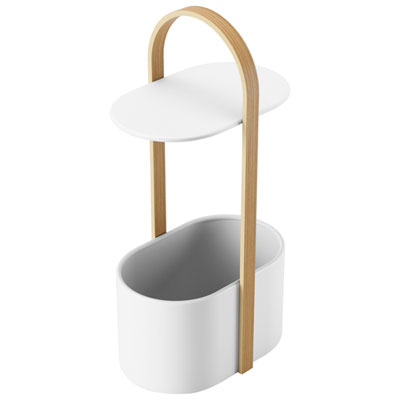 Your price for this item is $69.98
 -
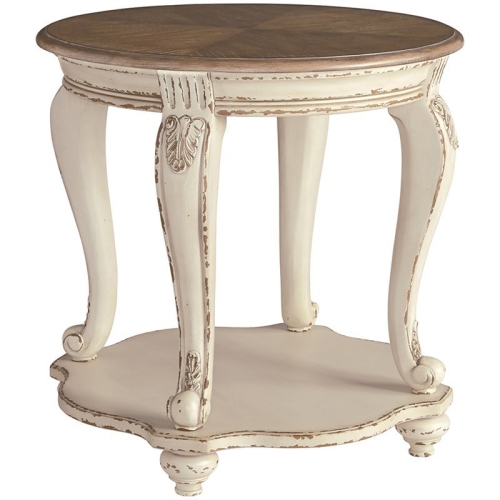 Your price for this item is $369
 -
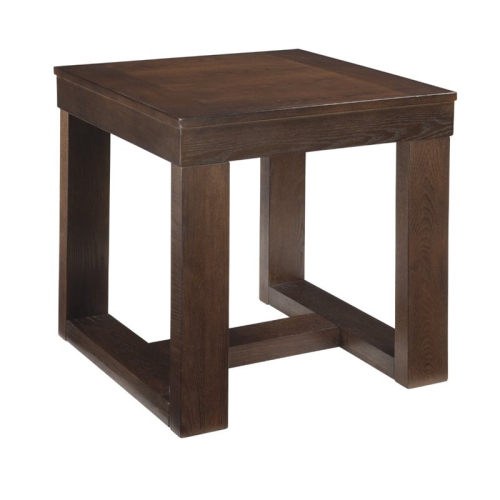 Your price for this item is $199
 -
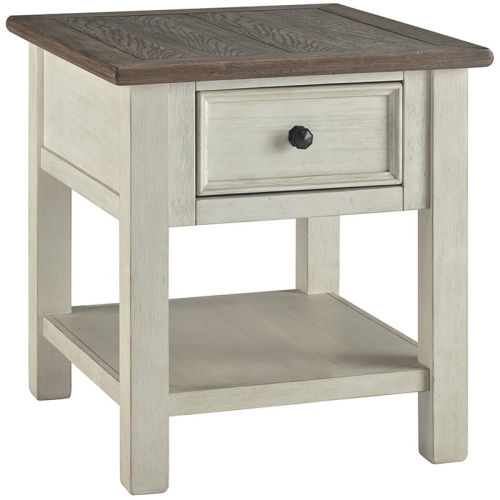 Your price for this item is $399
 -
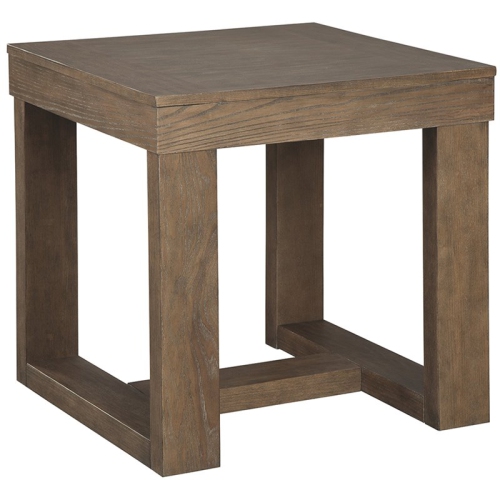 Your price for this item is $416.14
 -
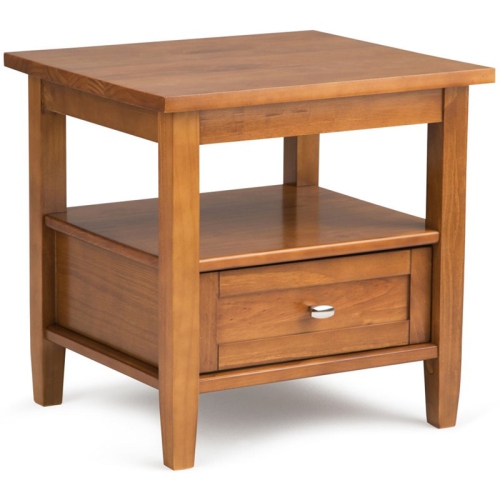 Your price for this item is $379.37
 -
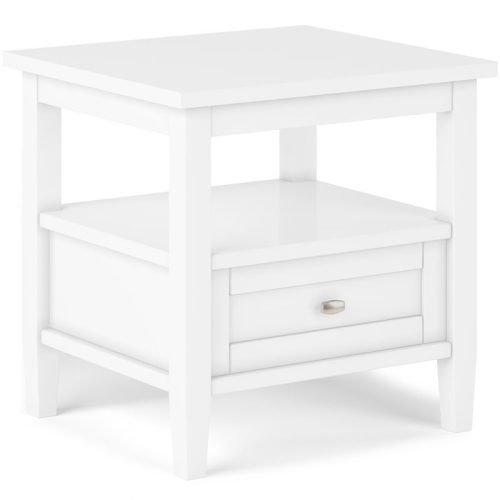 Your price for this item is $400.69
 -
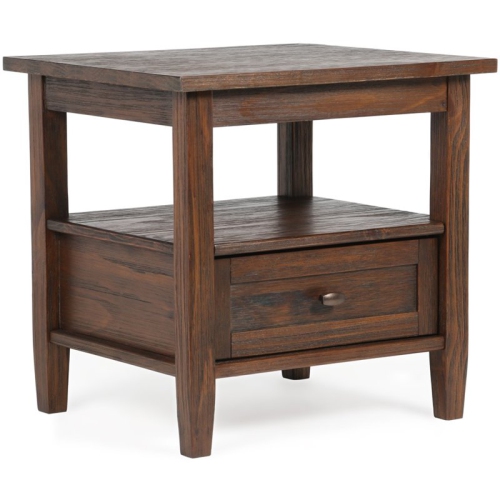 Your price for this item is $400.25
Discover more categories related to Small Side Coffee Tables
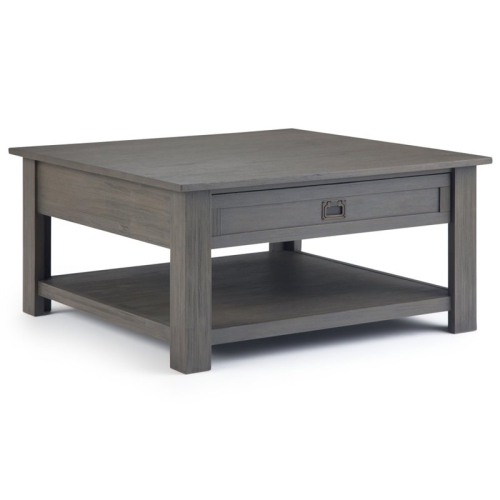
Top Collections:
Pokemon Centers, Kindle Devices, Best Budget Office Chairs, Apple iPhones 16, Best Laptops for Writers, iPhone 15 Apple, Canon G7X Cameras, Refurbished Apple Laptops, Alarm Clock, Motorola Razr Phones
Some products may be subject to Environmental Handling Fees
(EHF) depending on your province.
Learn more about EHFs.