Small Space Living Essentials
Maximize every inch of your home with small space living essentials designed to help you stay organized and comfortable. Whether you're furnishing a cozy apartment, setting up a compact office, or looking for smart storage solutions, you'll find a variety of options that fit seamlessly into tight spaces. Discover versatile furniture, innovative appliances, and clever accessories that make the most of your square footage. With the right small space living essentials, creating a functional and stylish environment is easier than ever.
Sort
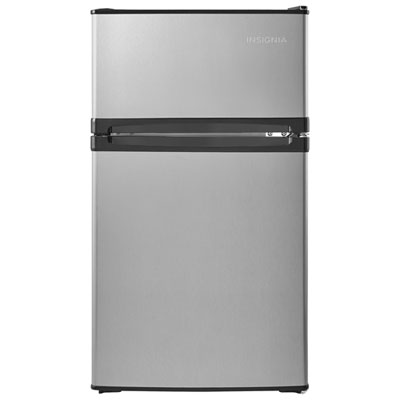
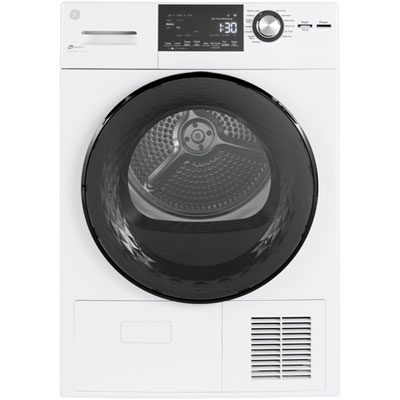
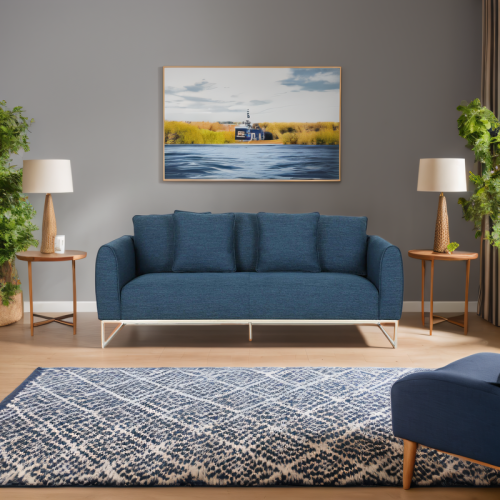
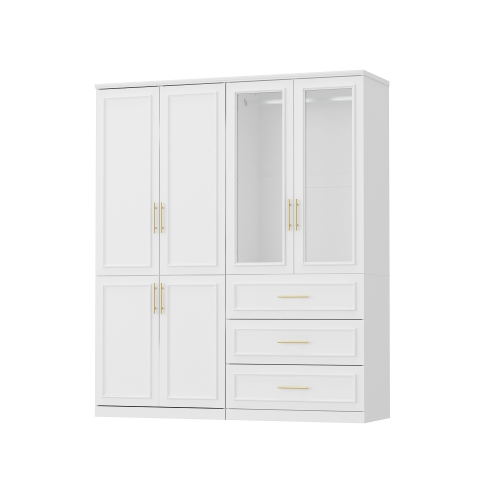

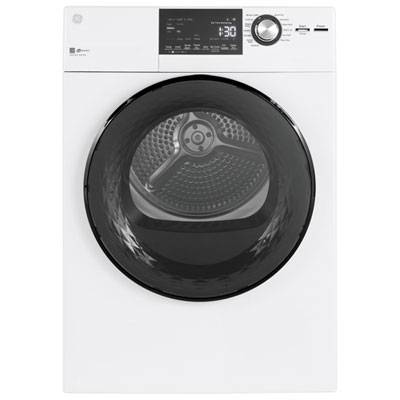
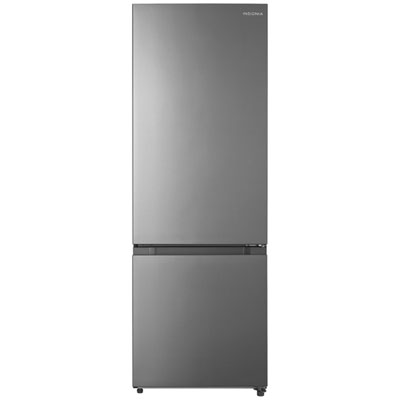

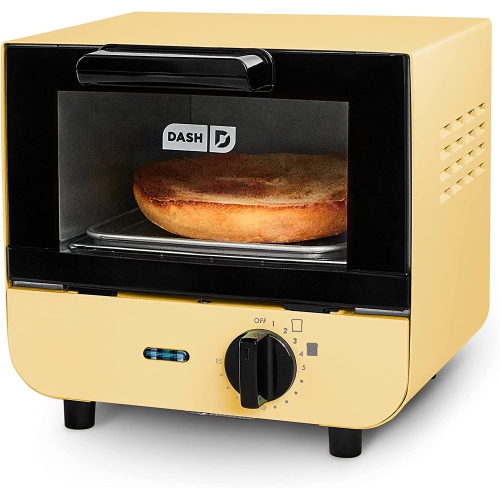
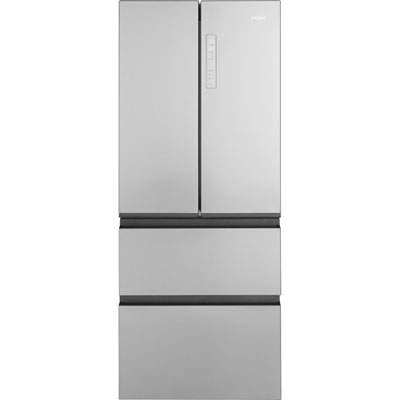
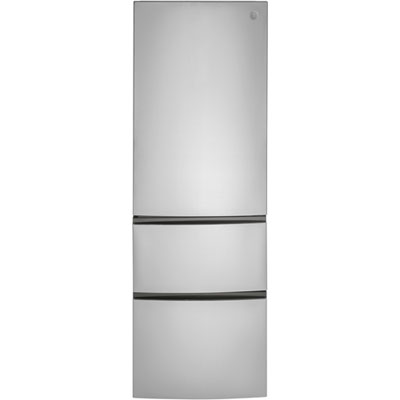
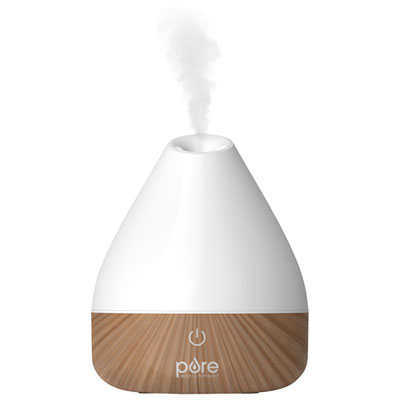
Small rooms need more than smaller furniture
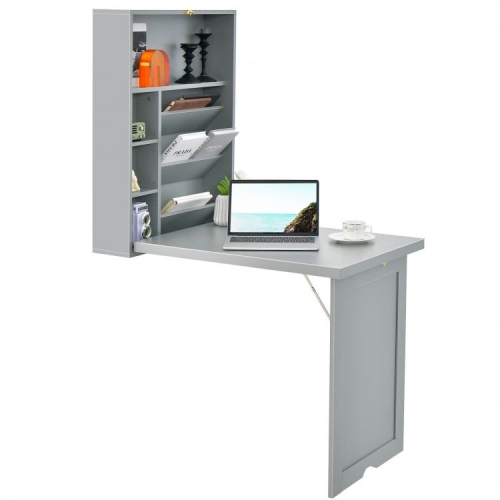
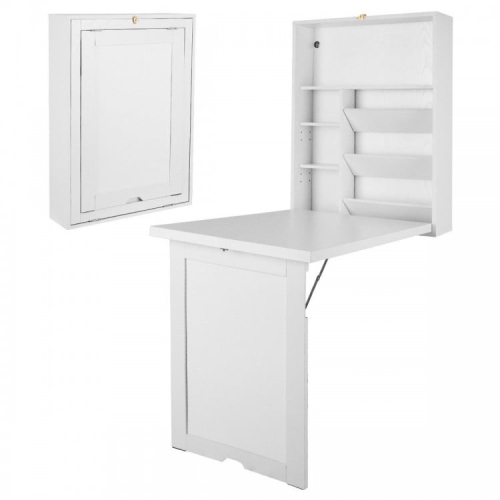
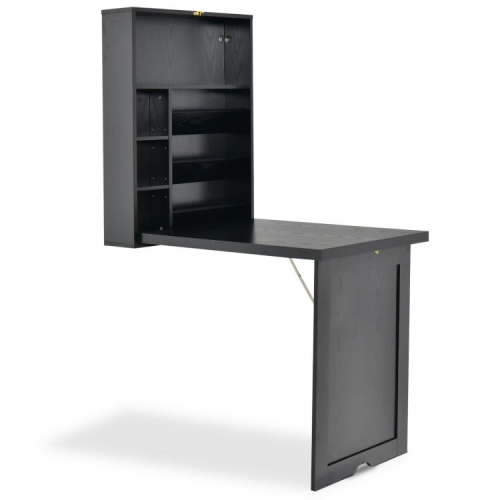
Small space living essentials bring together multifunctional furniture, vertical storage, compact appliances, and everyday organizers that make smaller homes easier to use. In a studio apartment, condo, dorm room, or shared home, the most useful pieces support daily routines without taking over the floor. A living area might also serve as a workspace, dining spot, and place for overnight guests, so furniture that serves more than one purpose can make a noticeable difference. Storage ottomans provide seating and a place for spare linens, while lift-top tables can offer a convenient surface for occasional tasks. Extendable dining furniture and nesting tables accommodate company without requiring the same footprint every day. Their usefulness depends on more than their closed dimensions: drawers need room to open, chairs need space to pull out, and convertible furniture needs sufficient clearance when fully extended. Doorways, hallways, elevators, and stairwells also affect whether a piece will fit into a home comfortably. Low-profile frames and raised legs can leave more floor visible, while rounded corners may be easier to move around in a narrow passage. Materials influence both appearance and upkeep. Solid wood brings natural variation and may require protection from moisture, while finished engineered wood generally benefits from prompt spill cleanup and care around exposed edges. Metal frames can offer a relatively slim profile, though construction quality, joints, and weight limits matter more than appearance alone. For upholstered pieces, fabric texture, cleaning instructions, and removable covers are useful considerations in spaces where the same seat handles meals, work breaks, and evening relaxation. A compact sofa still needs to feel comfortable for its intended use; seat depth, back support, and cushion firmness can matter as much as overall width. Furniture proportions work best when they reflect the people using the room, whether that means a comfortable place to study, a dining surface for two, or seating that leaves a clear route from the entrance to the kitchen. The goal is a room that feels practical with its furniture in use, not just neatly arranged.
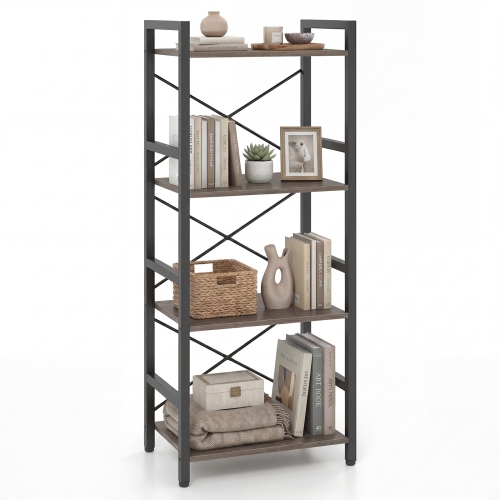
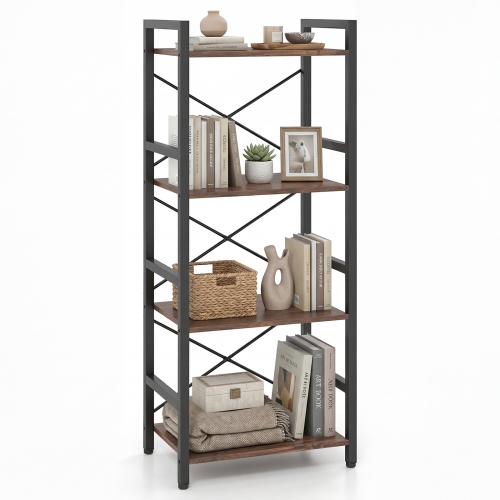
Storage in a small home works hardest when it makes belongings easy to reach and equally easy to put away. Vertical shelving, wall-mounted organizers, and over-the-door storage use areas that might otherwise remain empty, leaving more room for walking, seating, and daily activities. Shelf depth is especially important beside a doorway or above a desk, where an overly deep unit can intrude into usable space. Wall-mounted storage needs hardware suited to the wall material and expected load, and tall furniture may require anchoring according to the manufacturer’s instructions. For renters, freestanding options can provide flexibility where drilling is restricted. Slim rolling carts can make narrow gaps useful, provided there is enough clearance to move them out and access their contents. In closets, slim hangers create a more consistent arrangement, while shelf dividers and appropriately sized bins help separate clothing, linens, and accessories. Clear containers make contents visible; opaque containers can create a quieter appearance on open shelves. Neither approach replaces a good fit: a bin that is too tall to slide beneath the bed or too deep for a cupboard becomes another obstacle. Lids, handles, and the space needed to lift or pull a container deserve attention alongside its listed dimensions. Washable interiors and smooth surfaces are practical for bathroom and kitchen storage, where drips and residue are common. Breathable storage may be more suitable for certain textiles, depending on their care requirements. Entryways benefit from a defined place for footwear, bags, and keys, particularly when the front door opens directly into the main living area. Closed storage can keep visual clutter contained, while a small amount of open storage keeps frequently used belongings within reach. Durable hinges, stable bases, well-supported shelves, and drawers that move smoothly contribute to everyday usability. A thoughtfully arranged storage system leaves the counter ready for meal preparation, the desk clear enough to work, and the bed free of belongings at the end of the day.
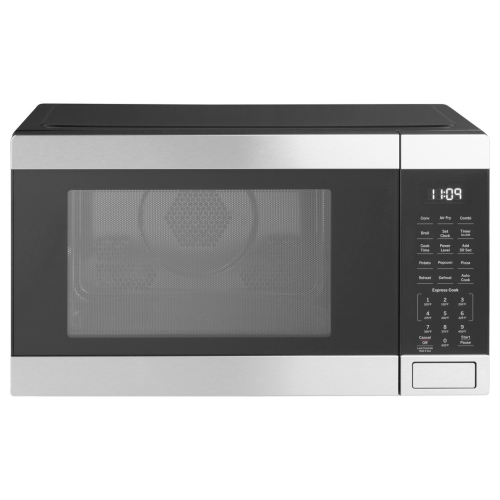
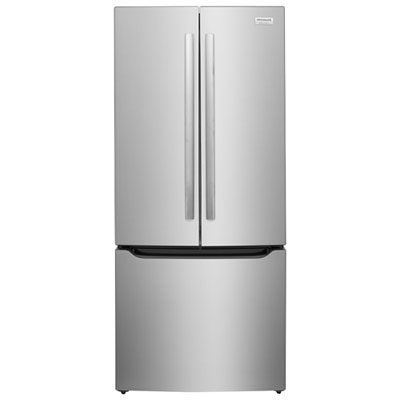
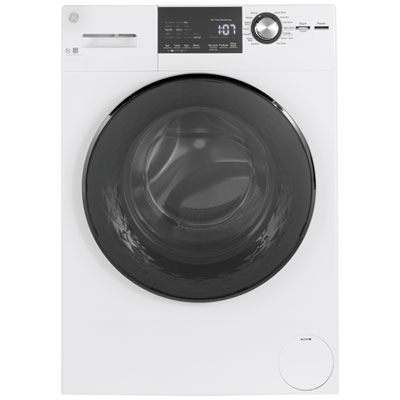
Compact appliances and electronics can support small space living when their size, capacity, and setup suit the household. A smaller appliance may free up counter space, but it still needs enough working capacity for the people who use it. A single-person household and a couple who regularly cook together may have different needs, even in kitchens with similar dimensions. Ventilation clearances, door swings, access to outlets, and manufacturer placement requirements all affect the space an appliance actually occupies. Equipment intended for countertop use should not be assumed suitable for an enclosed cupboard. Easy-to-clean surfaces, accessible filters, and removable washable components can make routine care less awkward in a tight kitchen or laundry area. Noise is another practical consideration when a bedroom, work area, and living room share the same open space. For home offices, compact desks, adjustable task lighting, and seating sized to the user can establish a comfortable work zone without filling an entire room. Monitor placement and cable management help preserve usable desk space, while dependable Wi-Fi supports connected devices without requiring furniture to cluster around one location. Lighting also helps distinguish activities within a shared room: focused light suits reading or detailed work, while softer illumination makes a seating area feel separate from the workspace nearby. Coordinated colours, textures, and furnishings can connect these zones without making every surface look identical. For complementary finishing touches, Small Space Living Decor offers another way to consider the visual side of a compact home. Practical essentials can also make thoughtful housewarming gifts for someone setting up a first apartment, moving into a condo, or furnishing student accommodation. Smaller organizational accessories are often easier to match to an unfamiliar layout than large furniture, though the recipient’s routines and available measurements still matter. Across the home, the strongest choices balance footprint with comfort, maintenance, and everyday usefulness, creating space for the activities that matter rather than simply fitting more possessions into a room.
Top selling and popular products
-
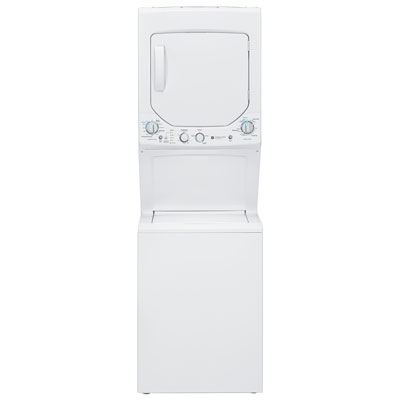 Your price for this item is $1499.99
-
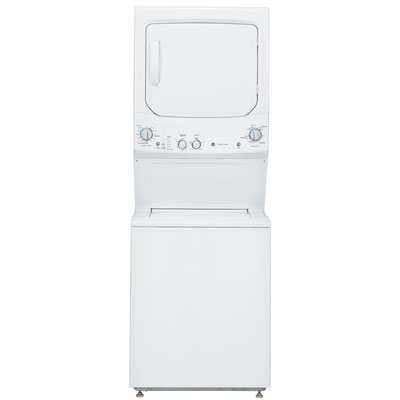 Your price for this item is $1799.99
-
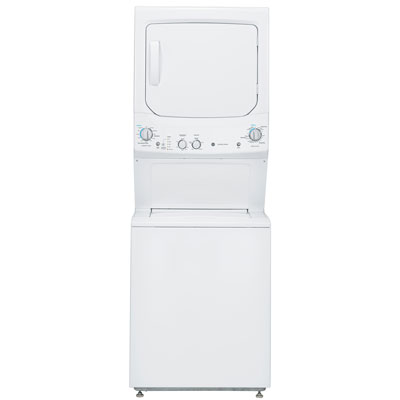 Your price for this item is $1499.99
-
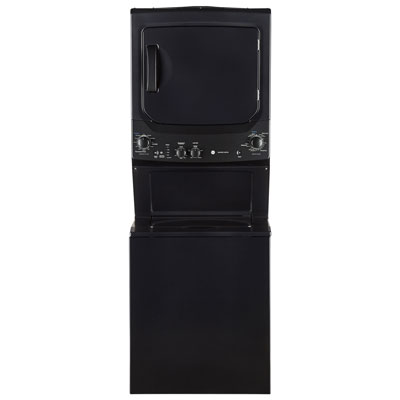 Your price for this item is $1699.99
-
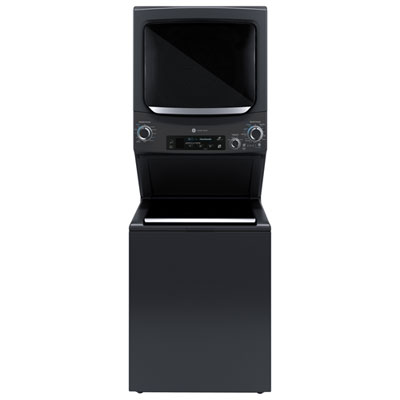 Your price for this item is $1749.99
-
 Your price for this item is $1599.99
-
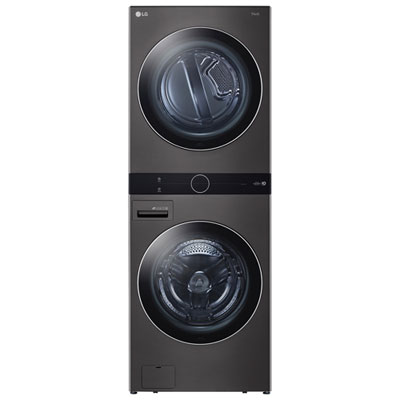 Your price for this item is $2599.99
-
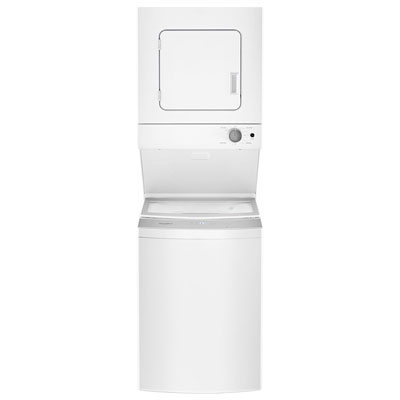 Your price for this item is $1699.99
Discover more categories related to Small Space Living Essentials

Top Collections:
Pokemon Centers, Kindle Devices, Best Cameras for Sports Photography, Pokémon 30th Celebration Cards, Canon G7X Cameras, Samsung Galaxy Phones, iPhone 15 Apple, Best Black Friday Deals On Electronics, Jackery Power Stations, Solar Generators for Home
Some products may be subject to Environmental Handling Fees
(EHF) depending on your province.
Learn more about EHFs.