Small Space Organization
Create a clutter-free haven with our small space organization collection. Whether you're living in a cozy apartment or simply looking to maximize storage in any room, we've got you covered. From clever storage solutions to space-saving furniture, our curated selection will help you make the most of every square inch. Discover innovative ways to declutter and organize your belongings without sacrificing style or functionality. Say goodbye to chaos and hello to a well-organized, stress-free living space with our small space organization products.
Sort
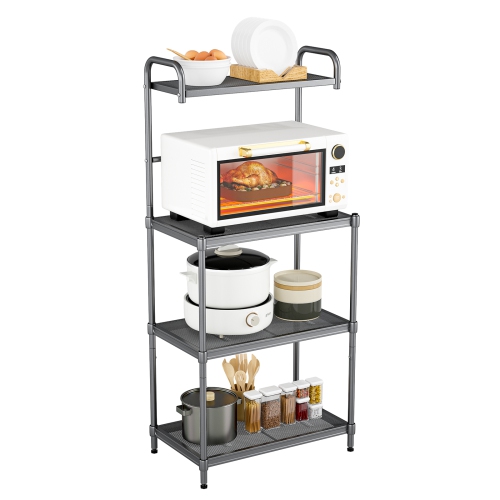
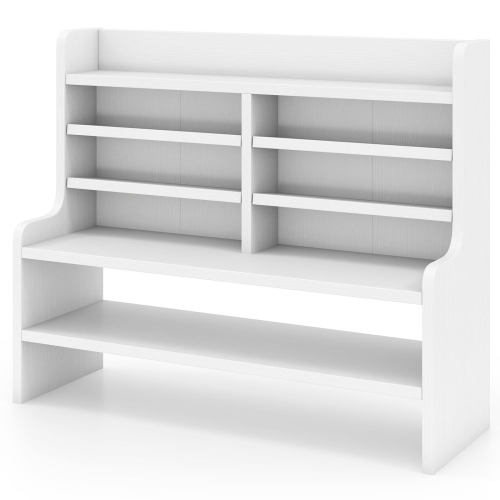
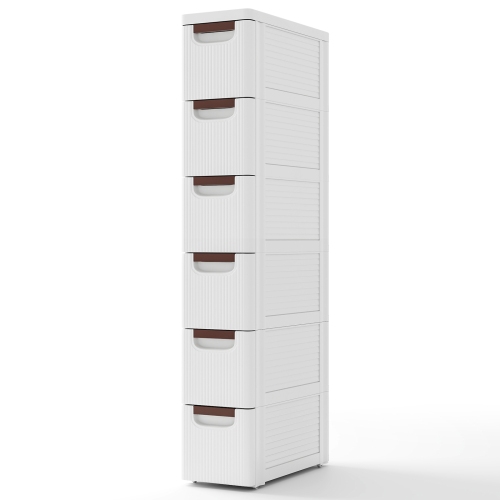
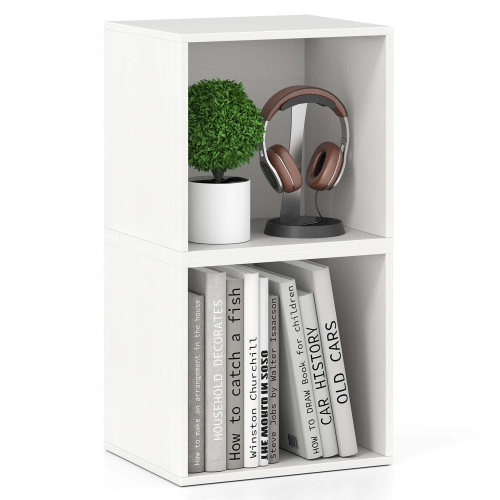
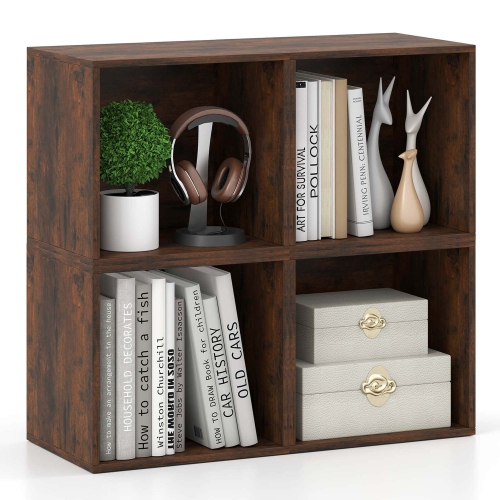
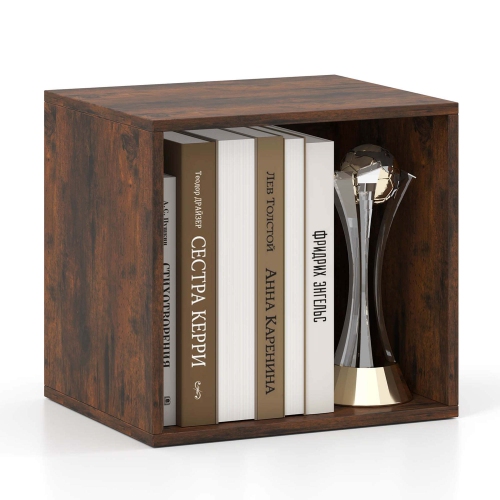
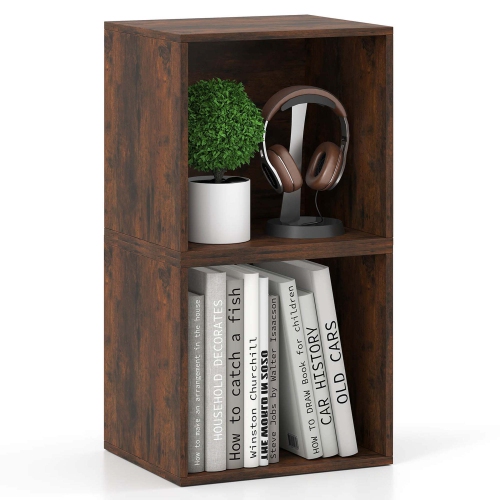
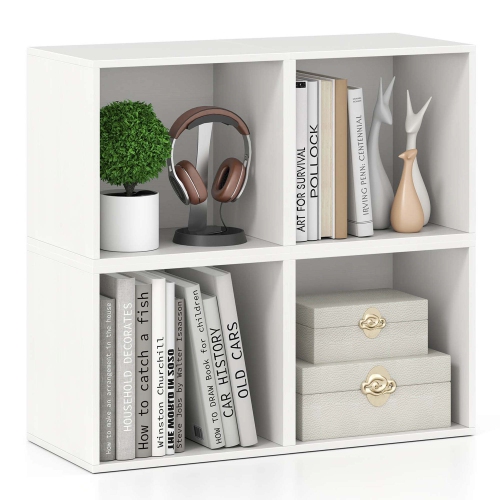
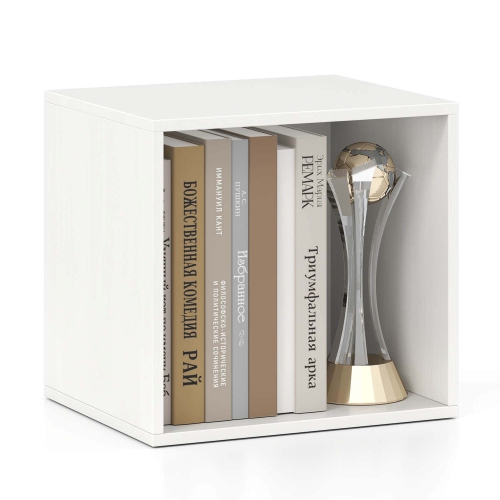
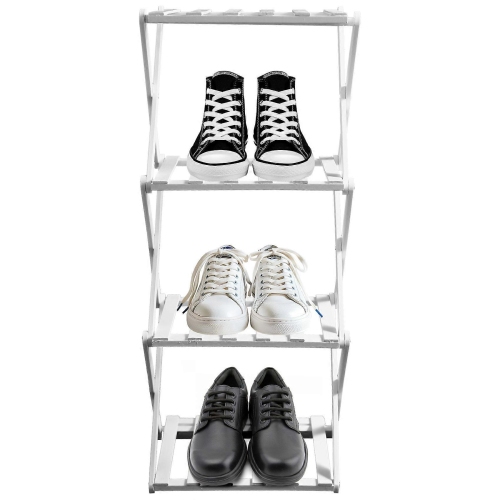
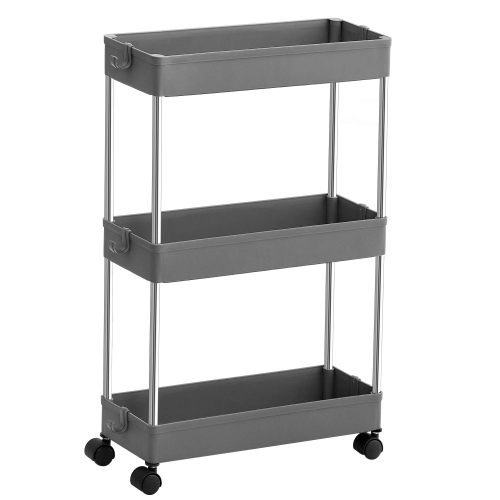
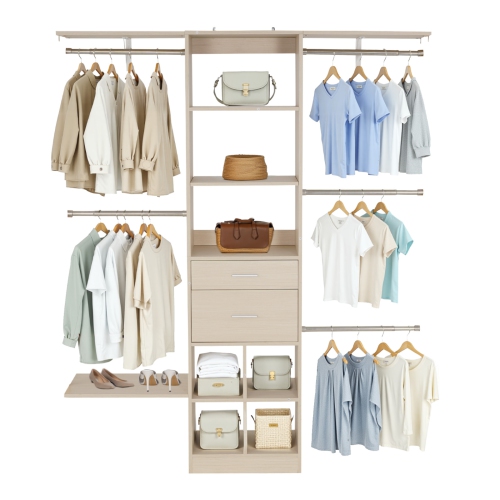
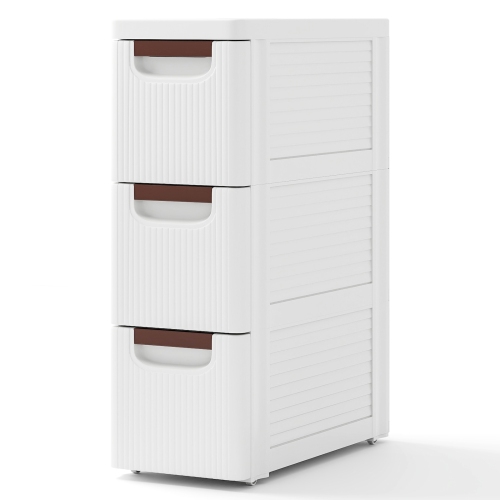
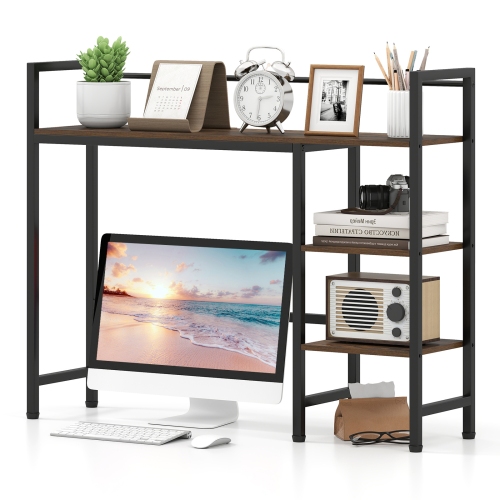
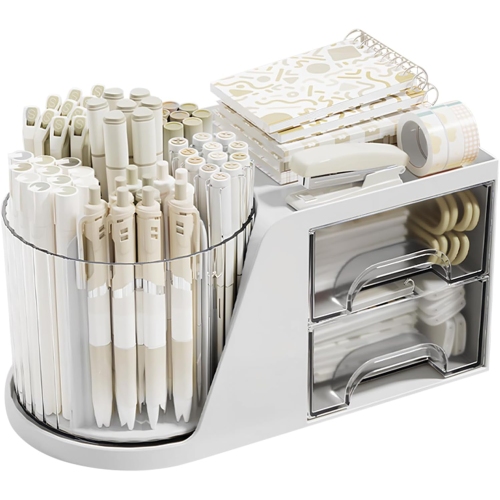
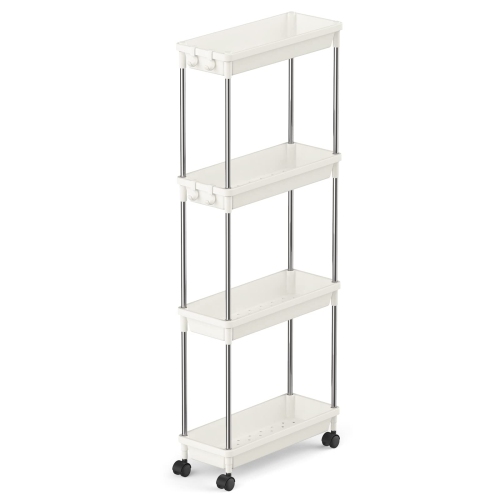
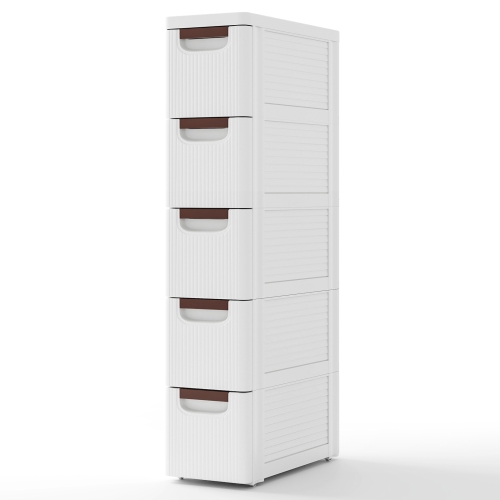
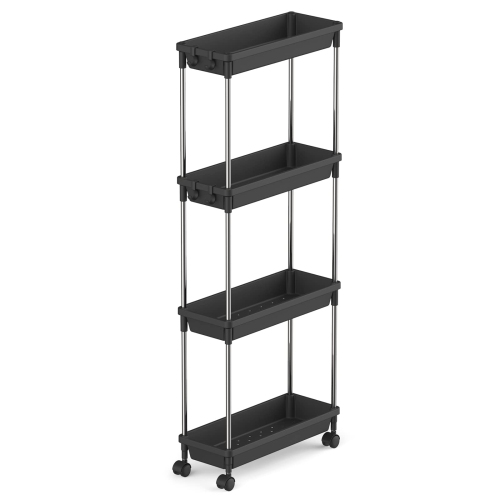
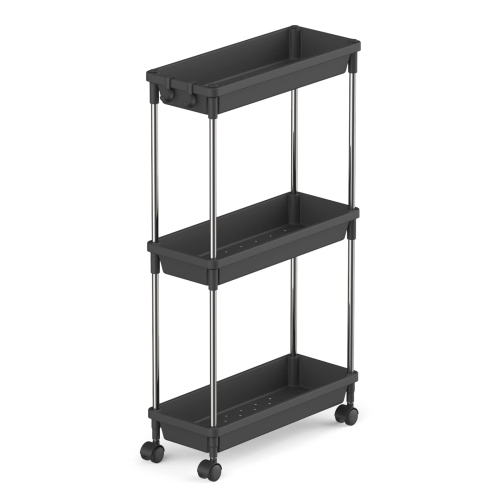
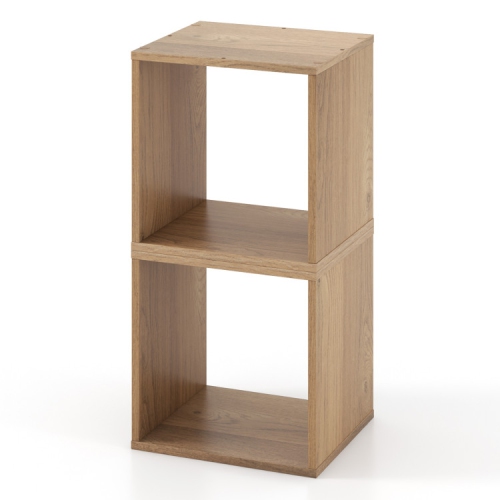
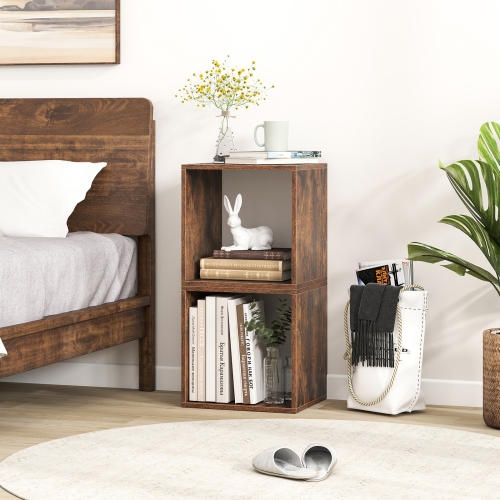
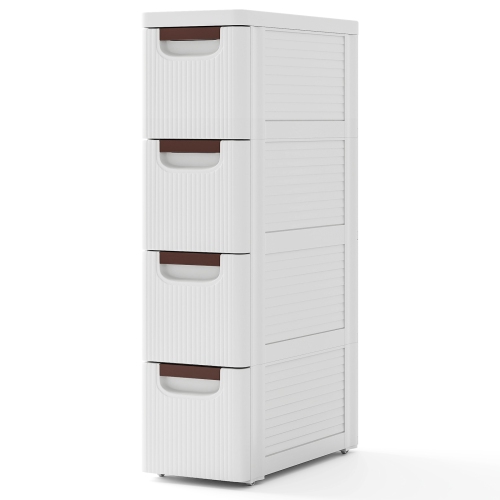
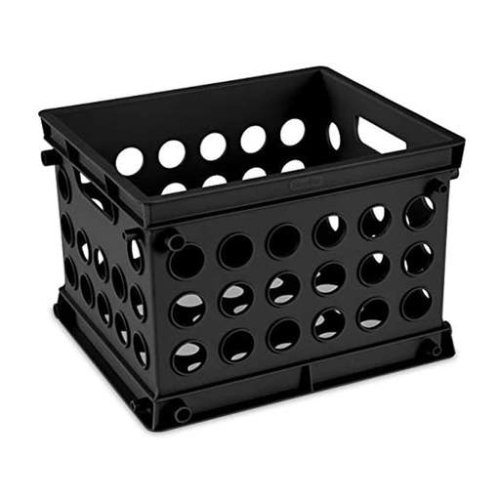
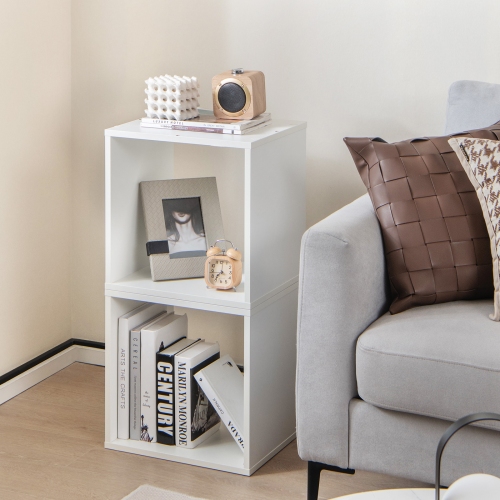
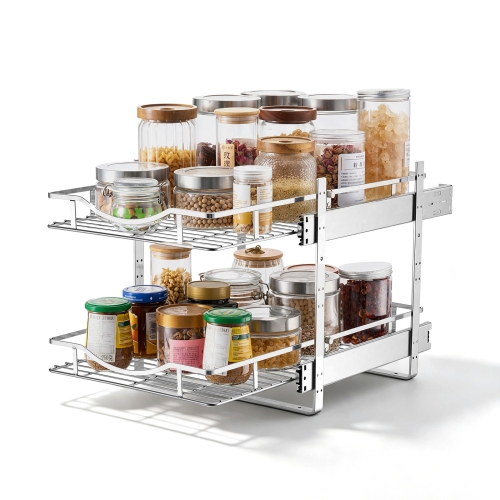
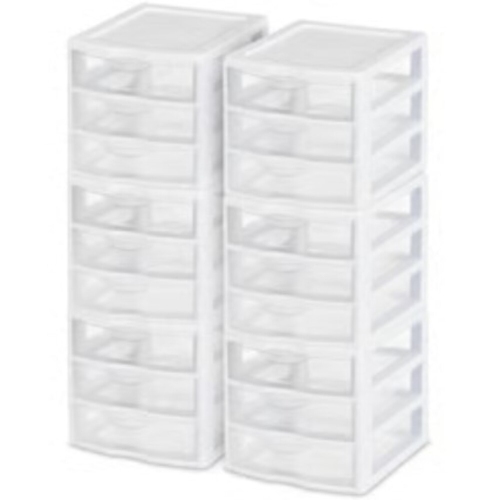
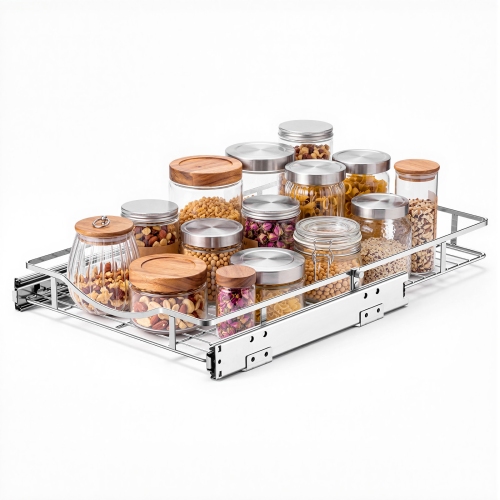
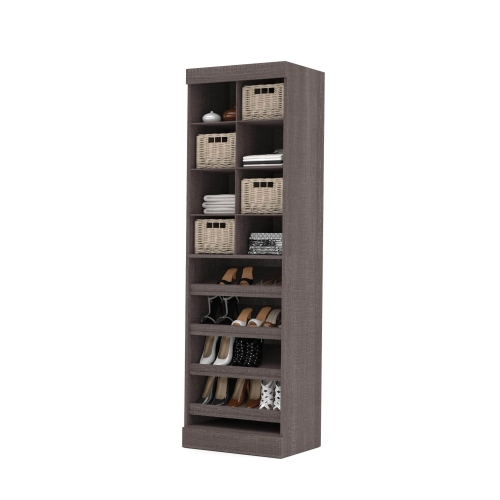

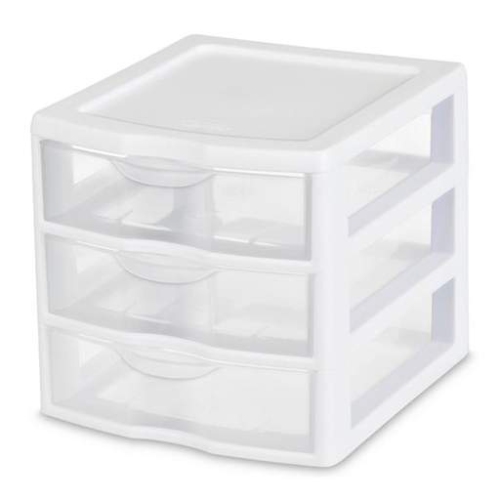
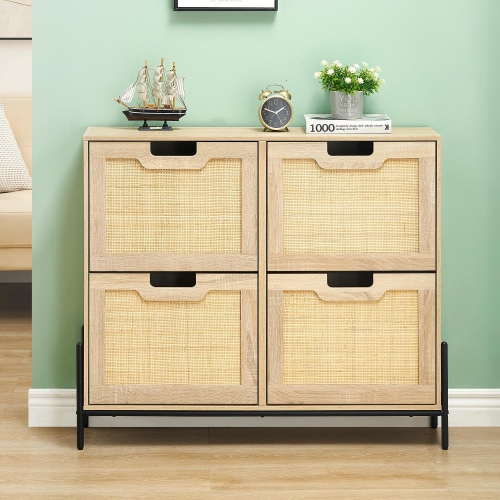

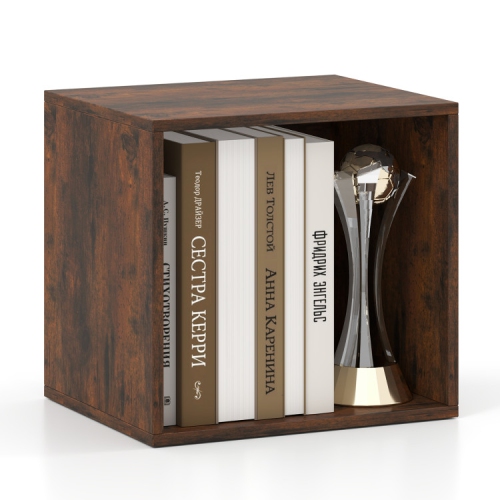
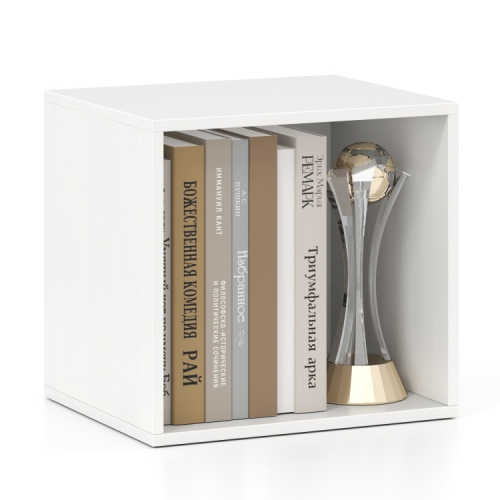
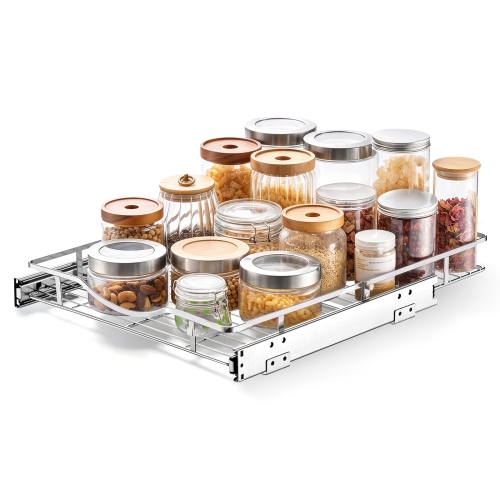
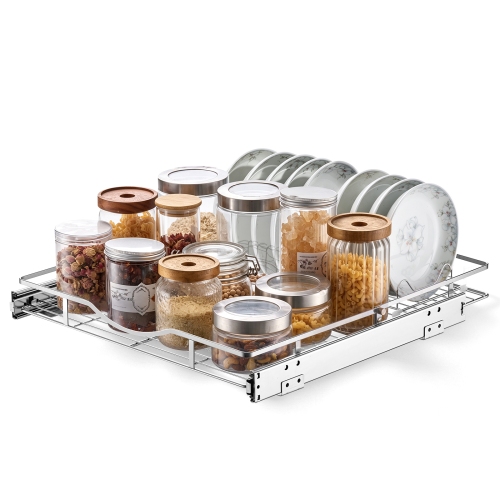
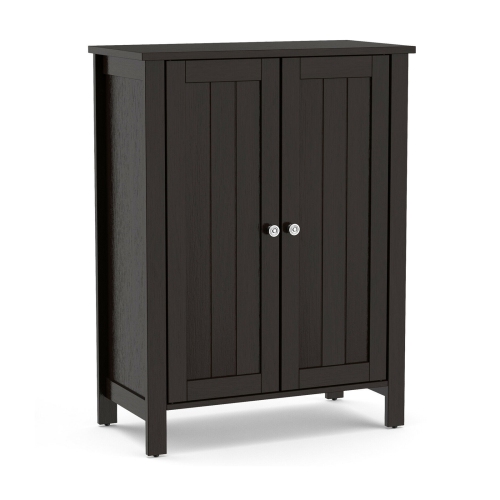
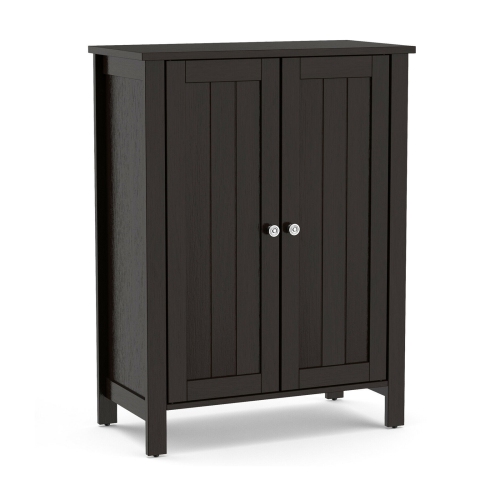

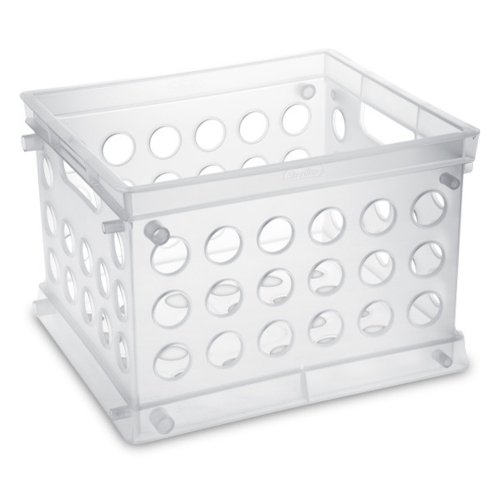
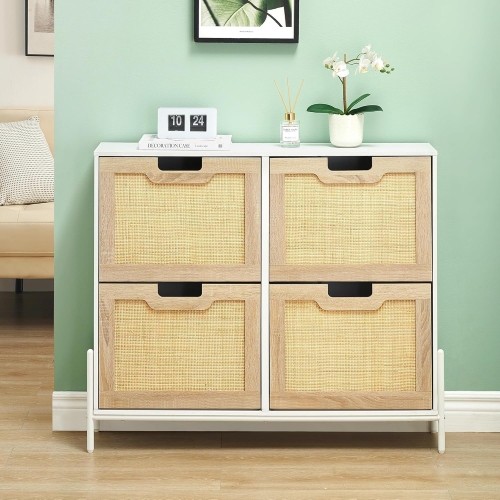


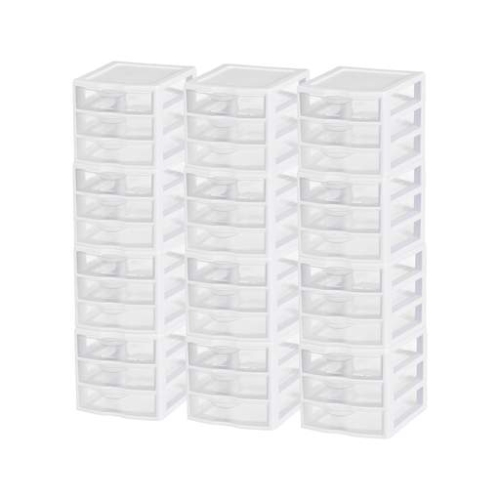
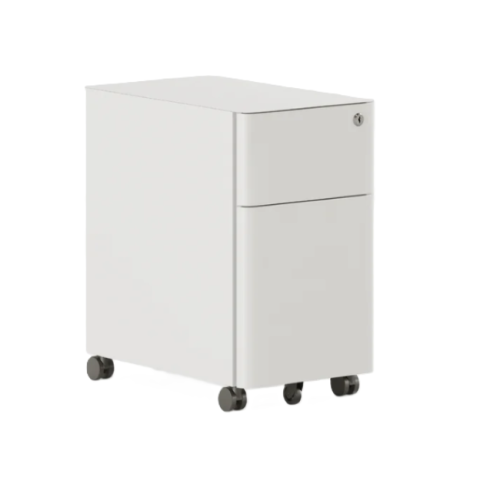

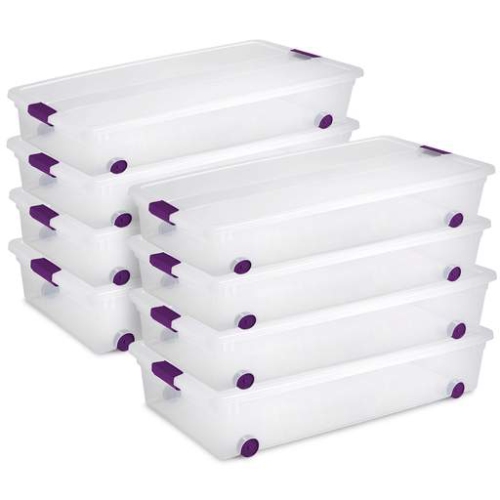
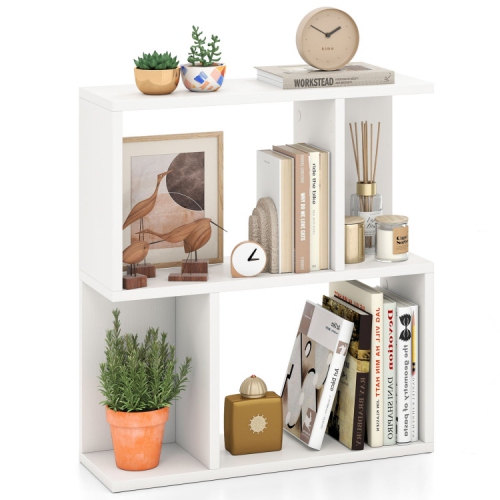
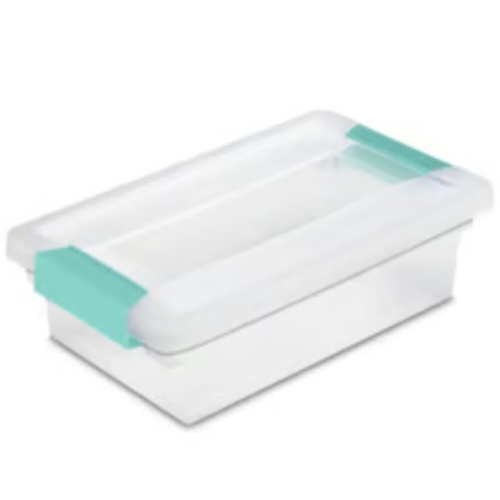

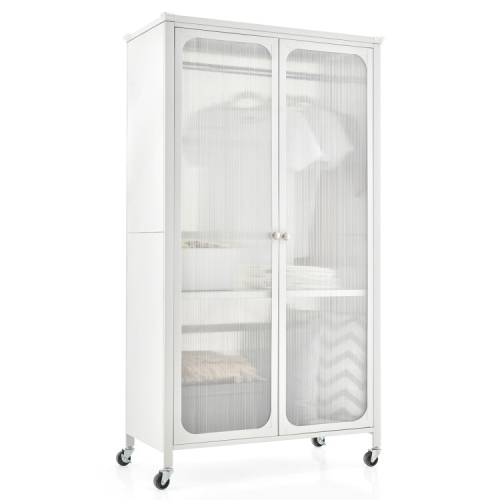

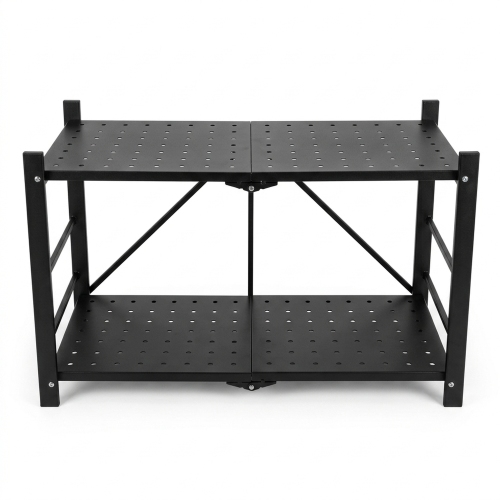
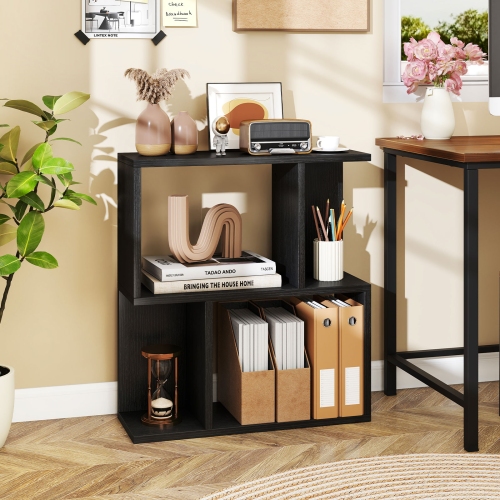
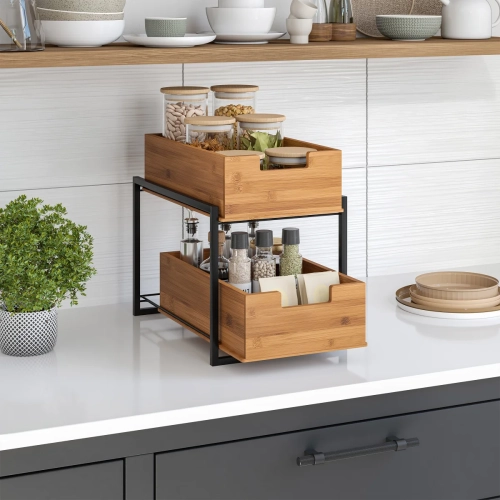

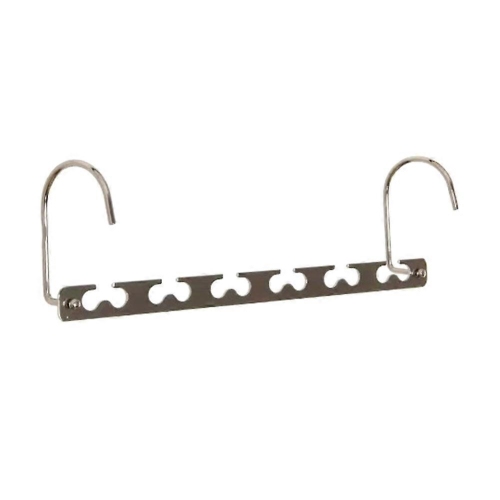
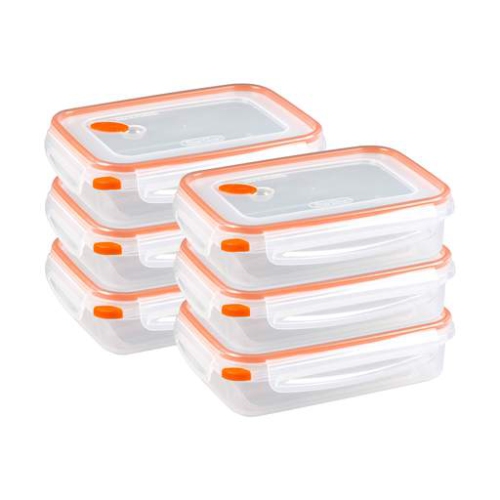
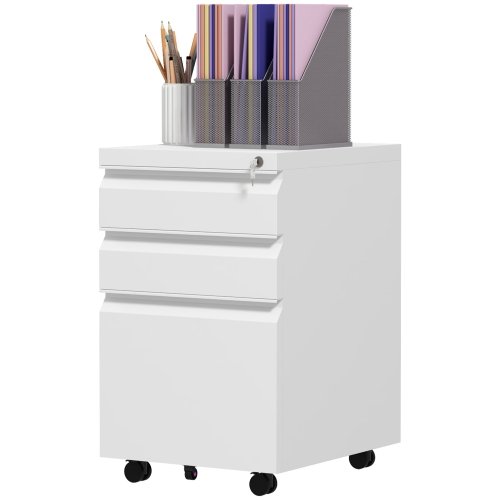
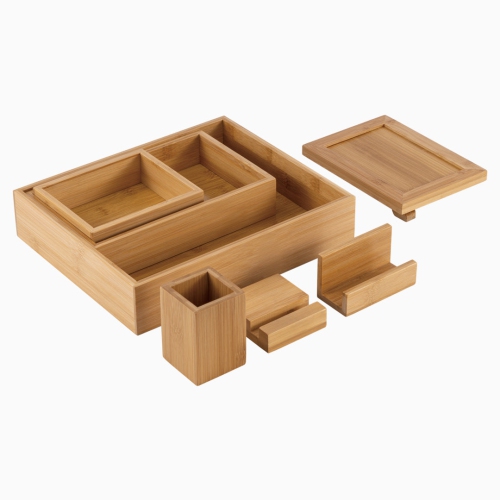
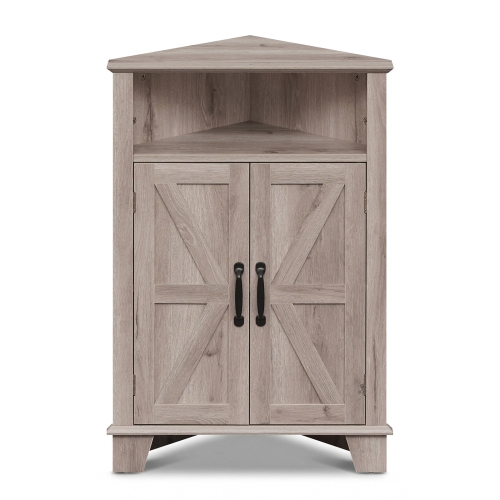
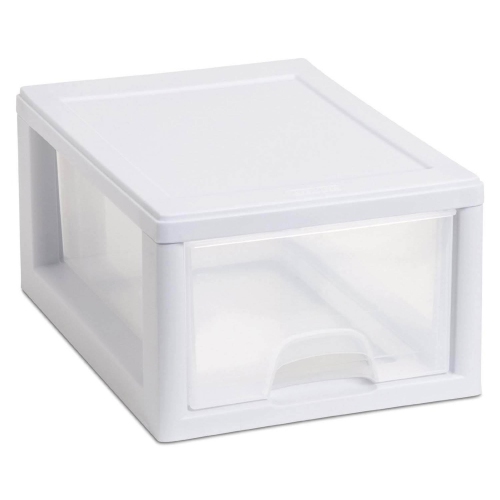
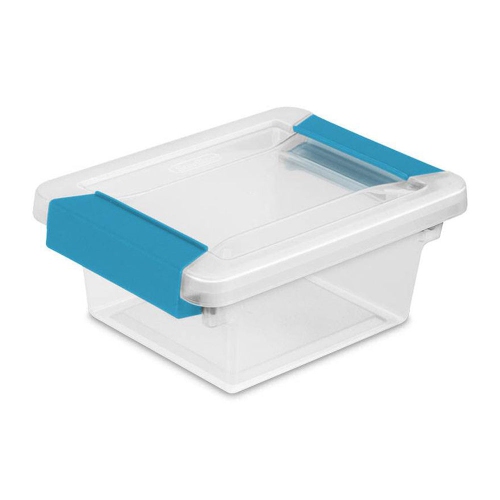
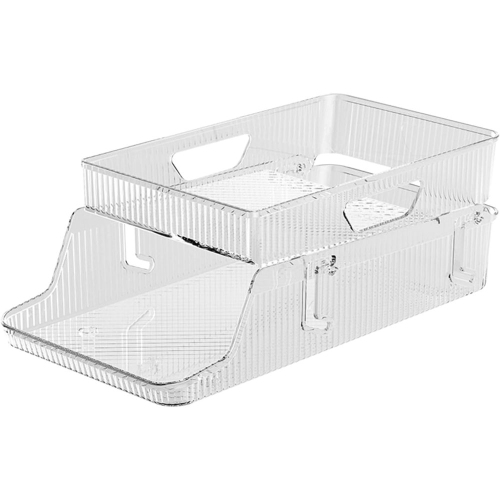
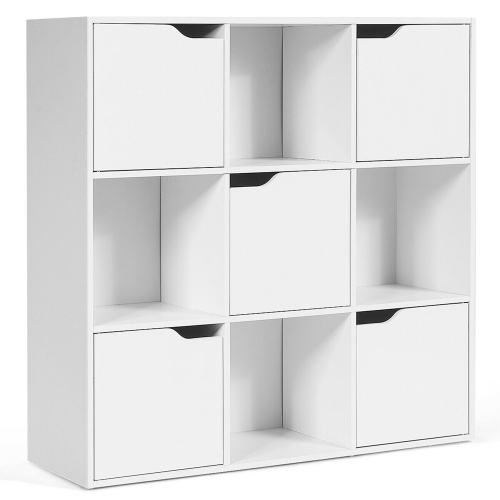
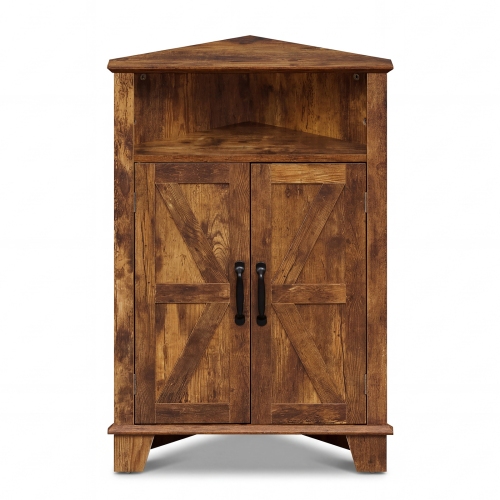
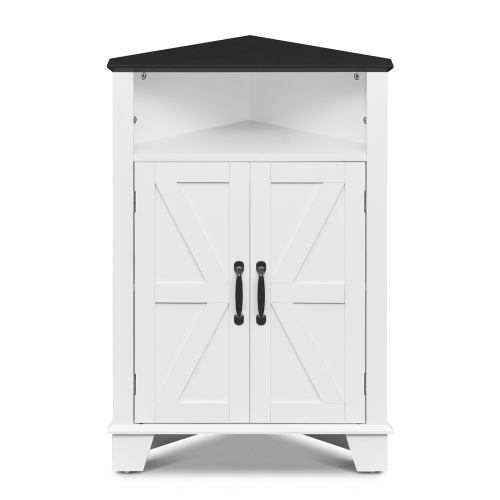
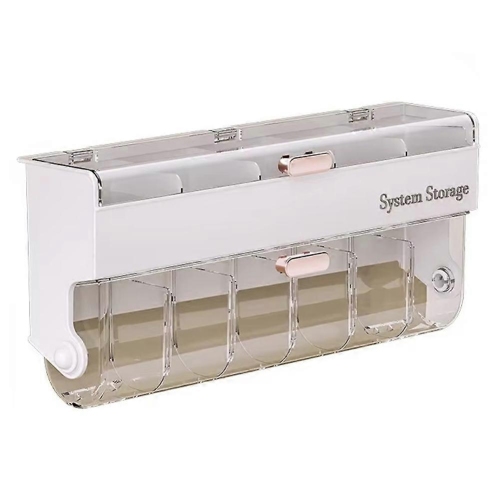
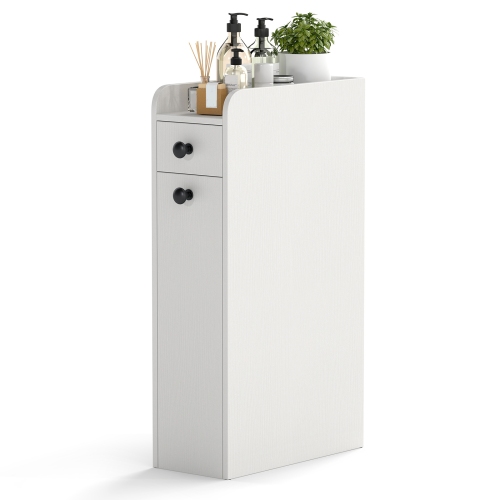
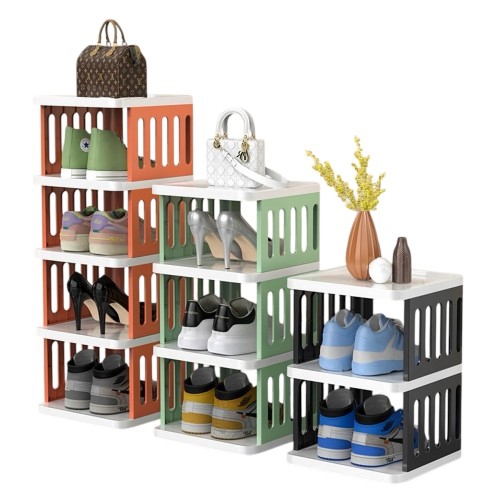
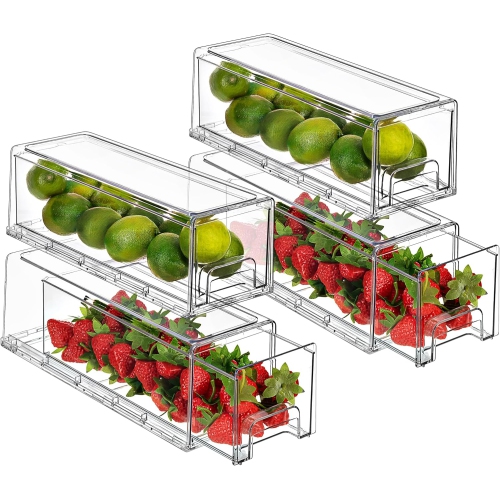

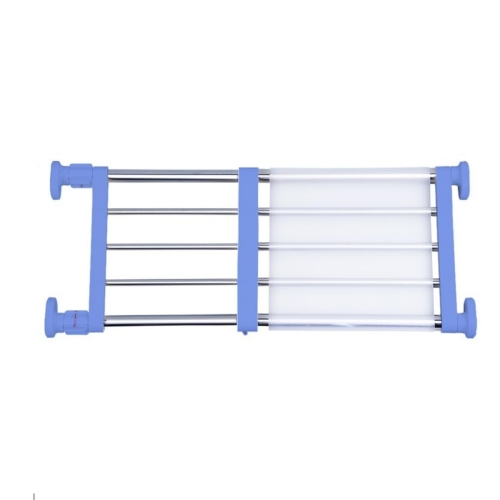
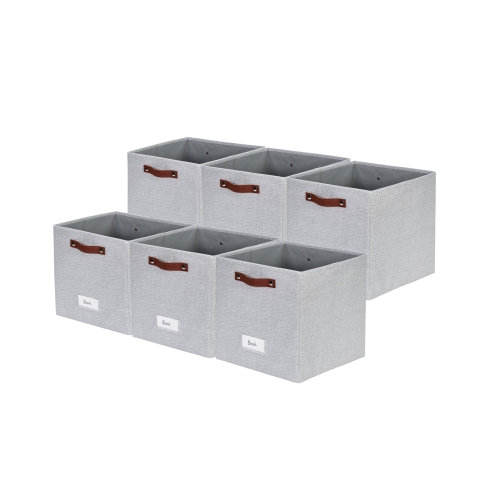

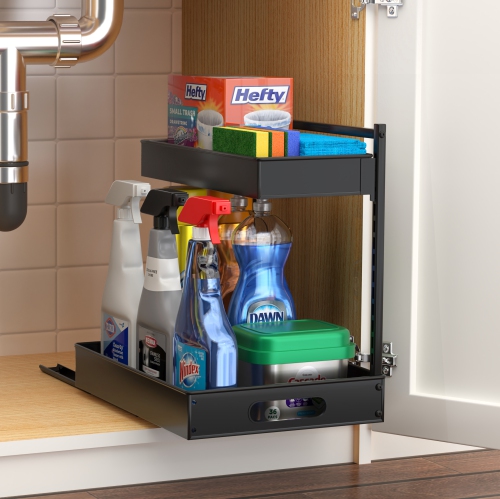

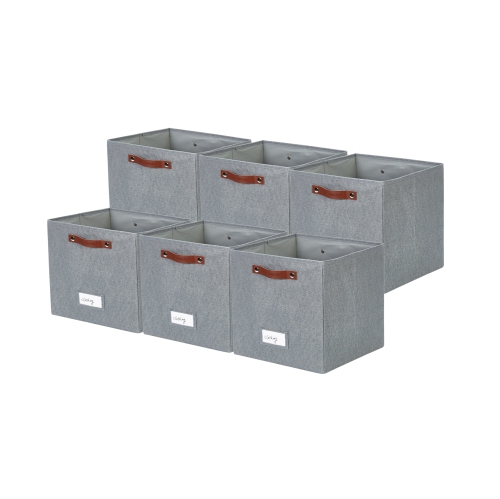
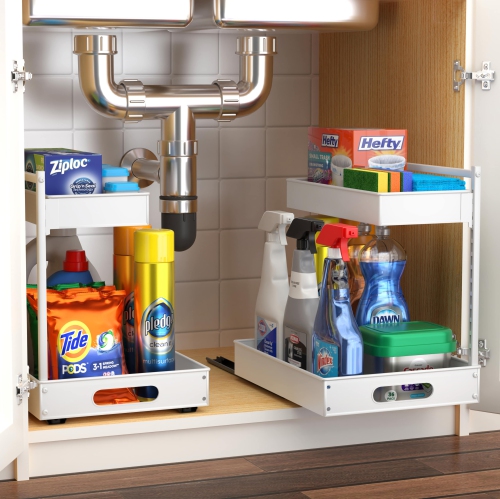
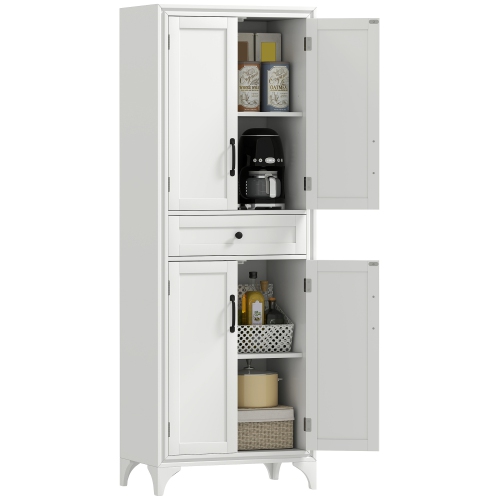
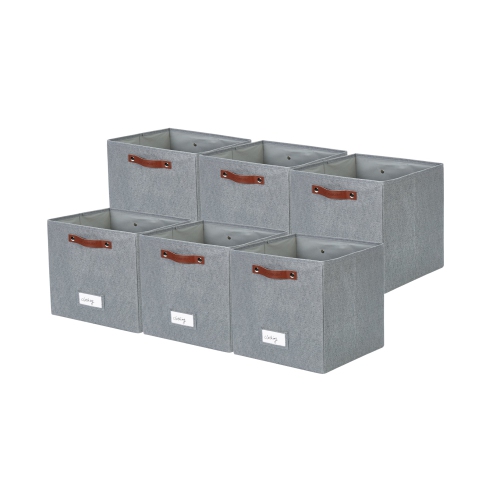

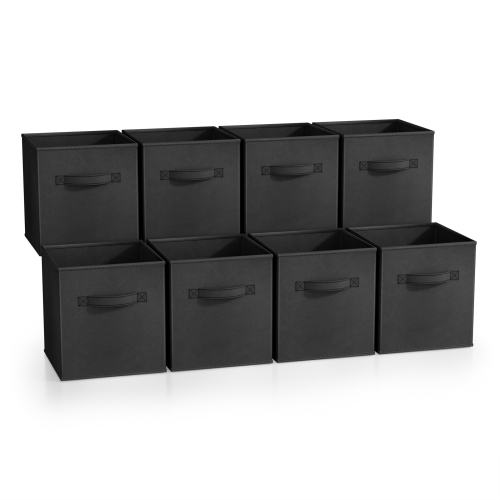
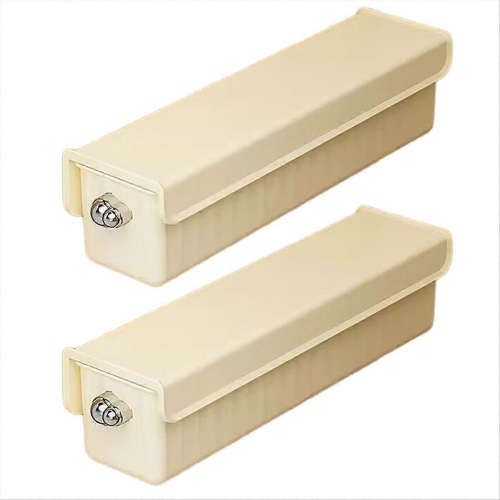

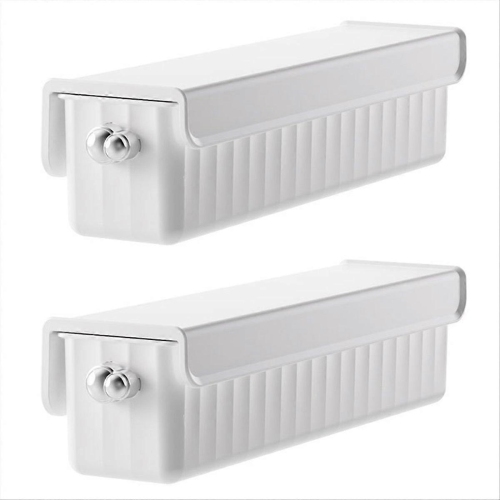
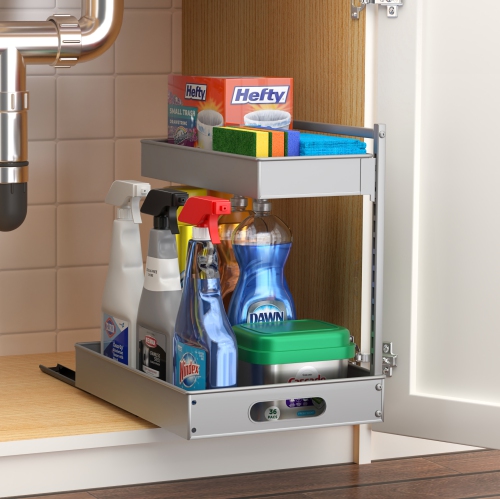

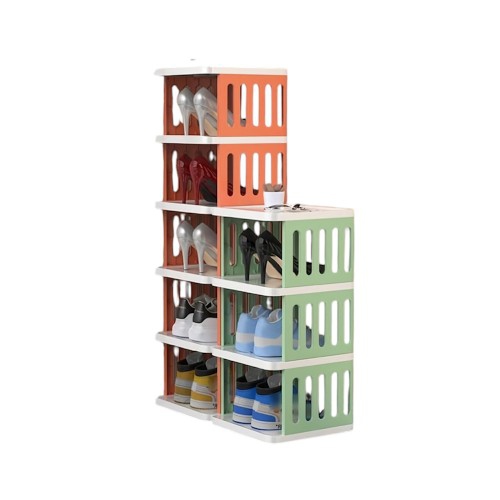
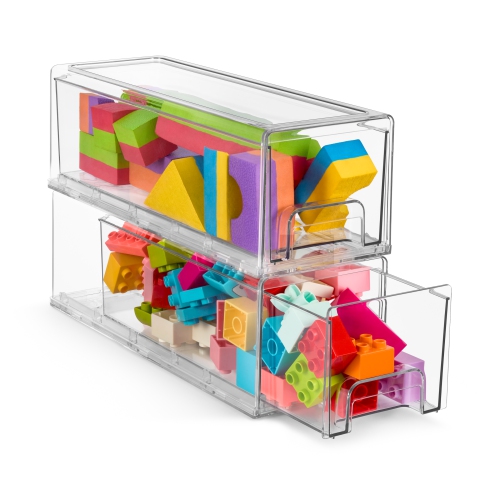
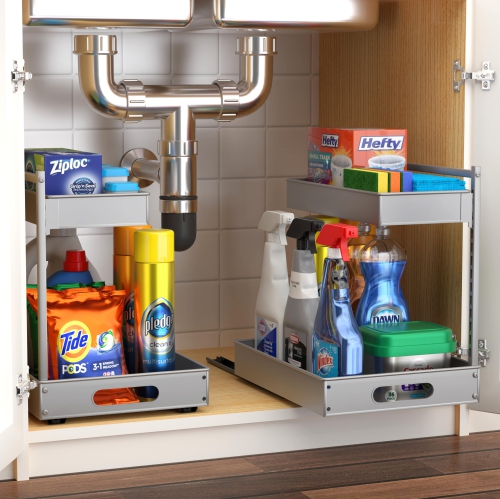
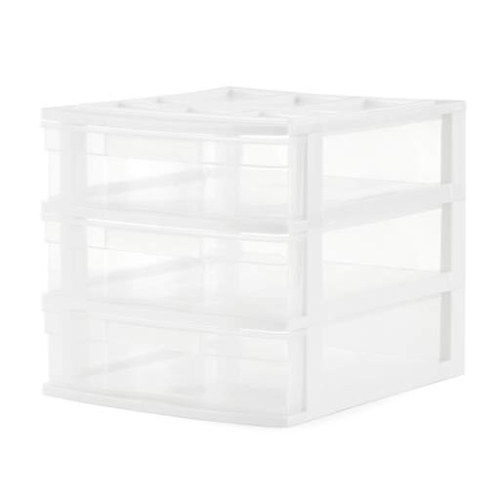
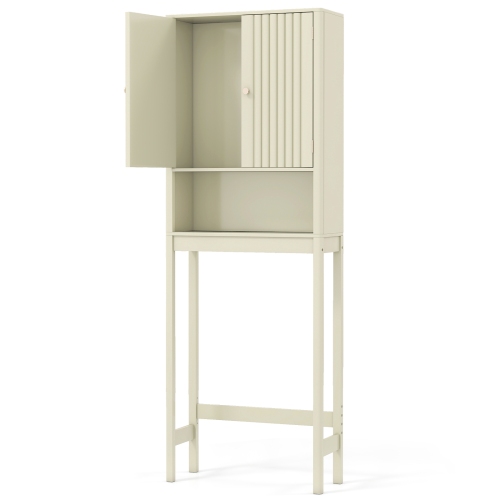


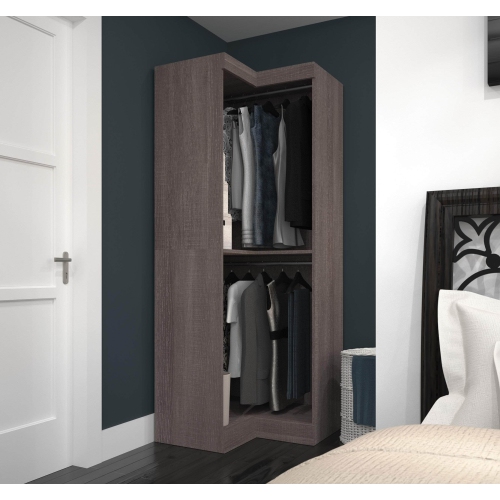
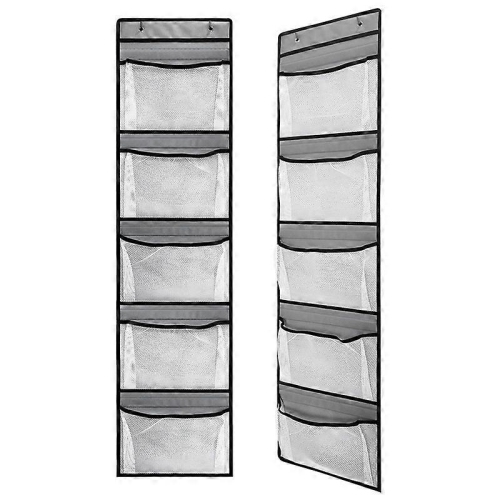
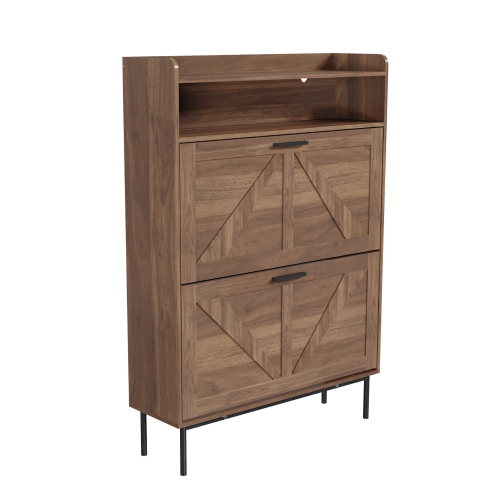
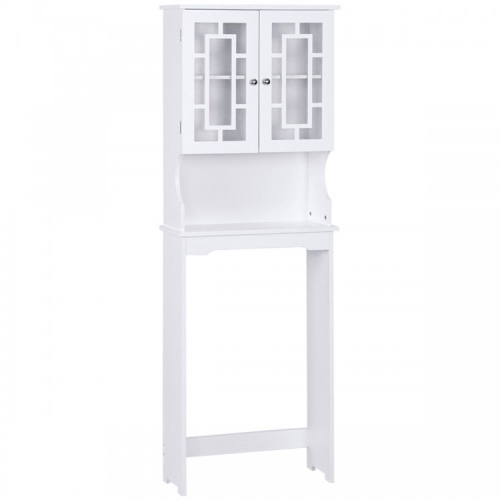
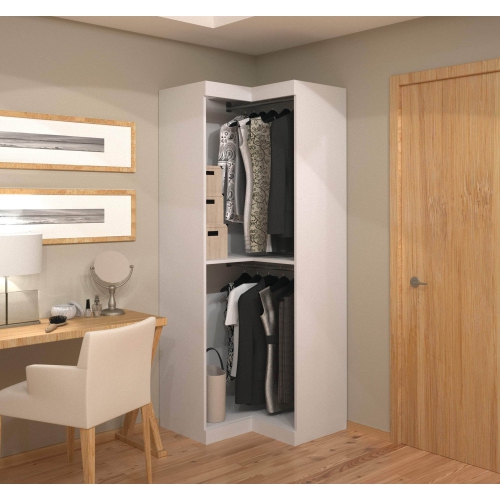

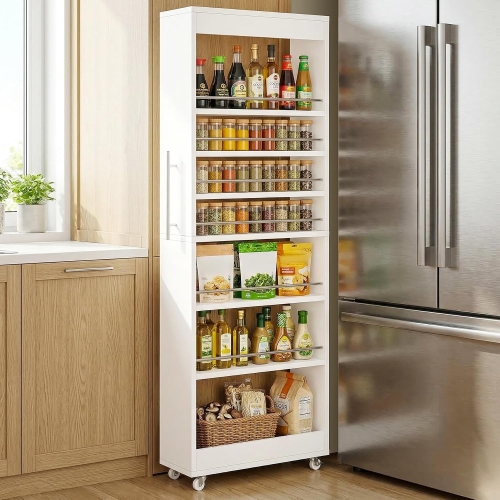
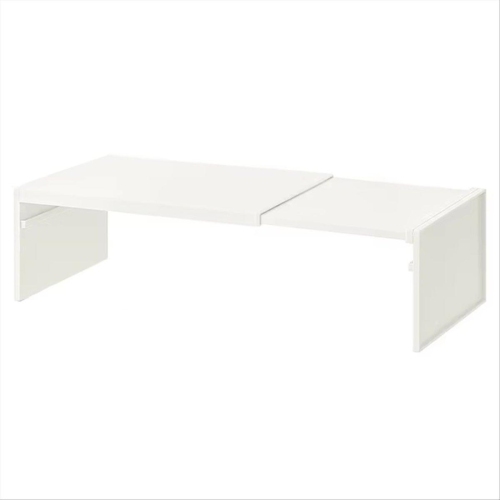
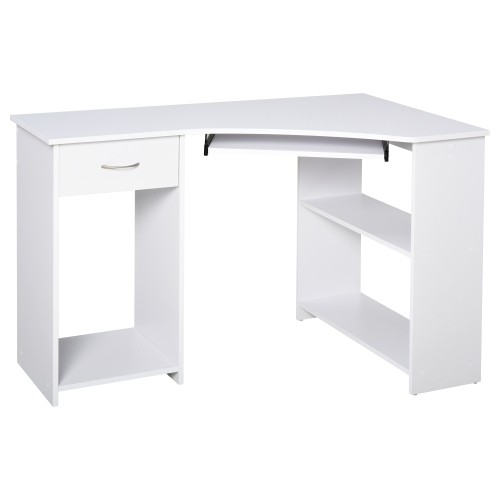

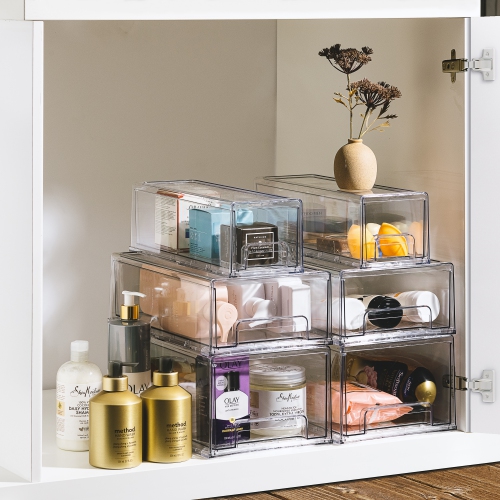
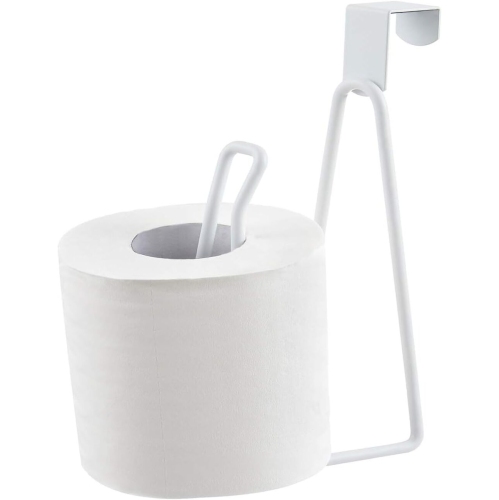
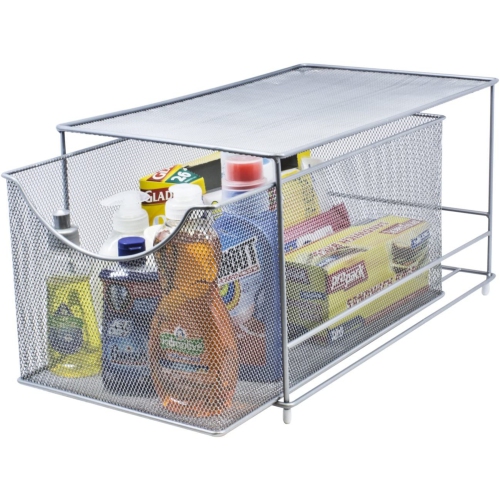
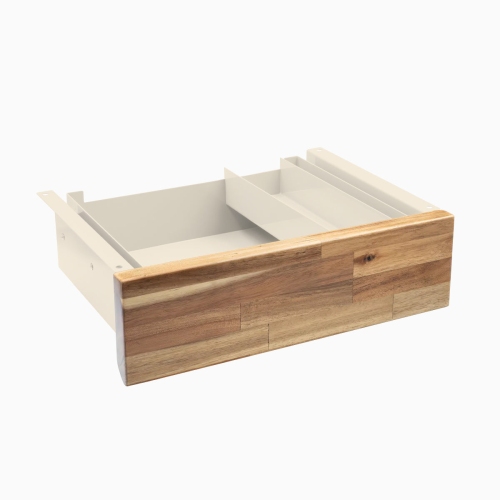
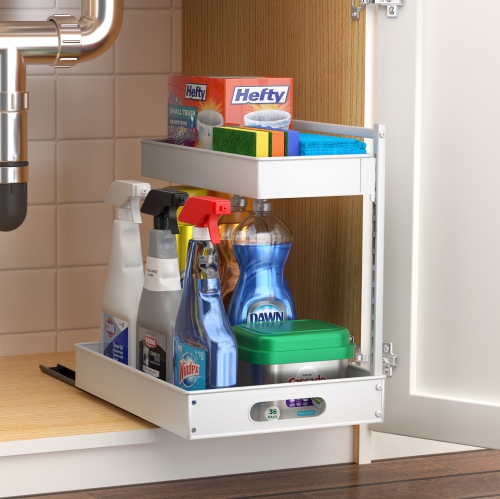
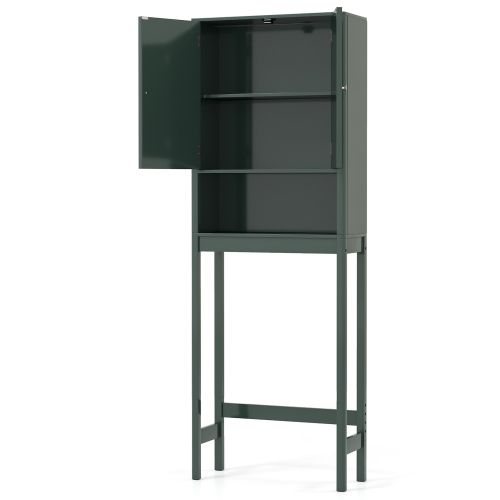
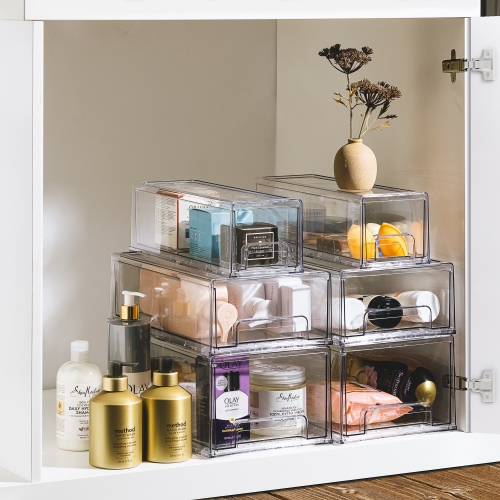
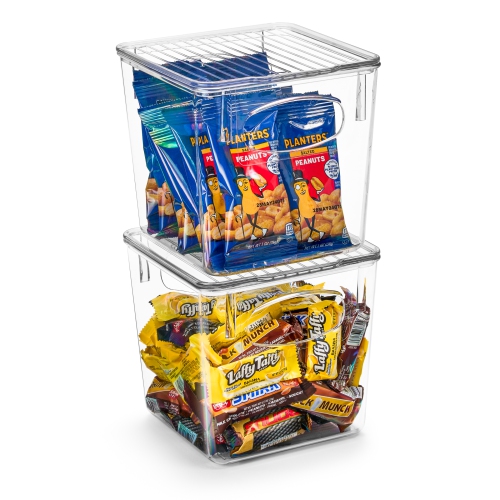
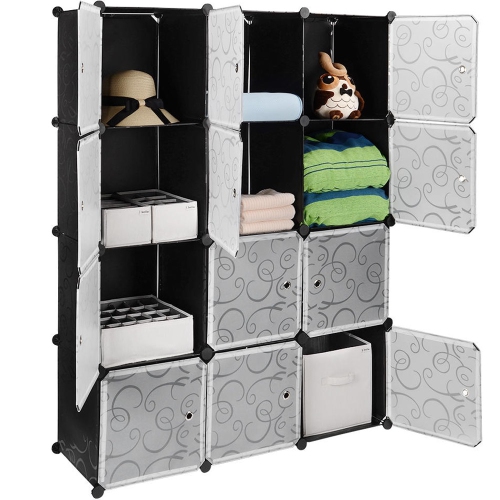

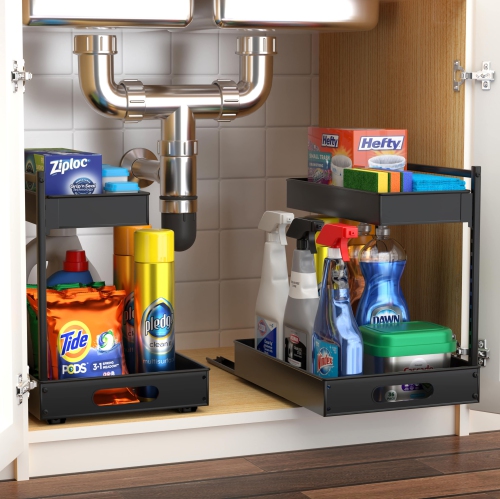
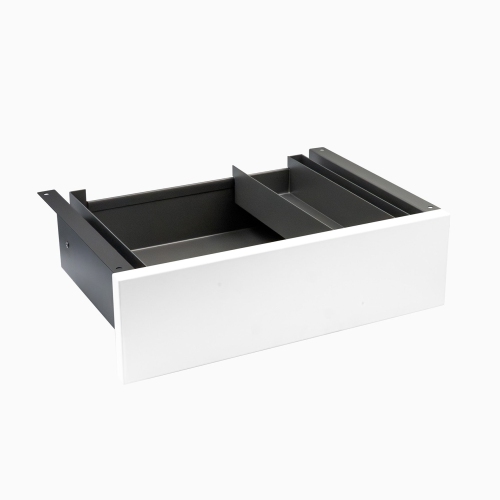


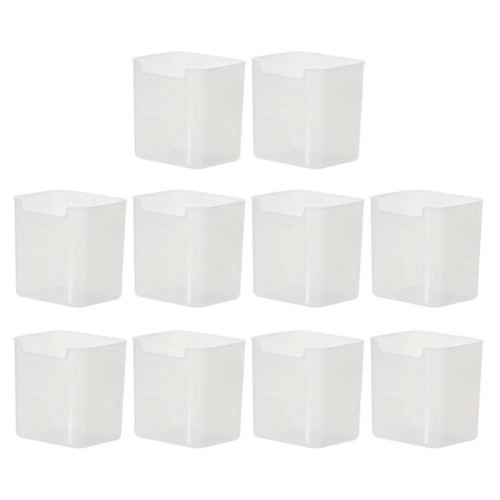


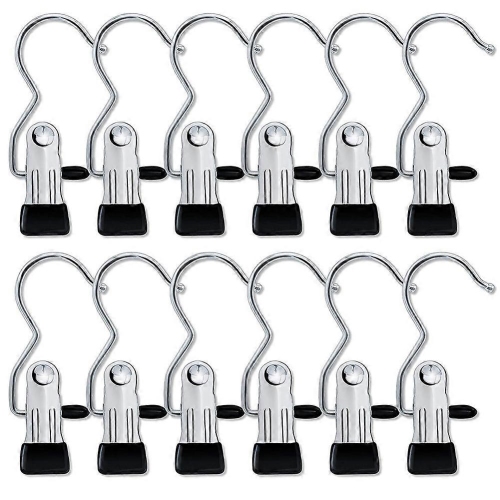

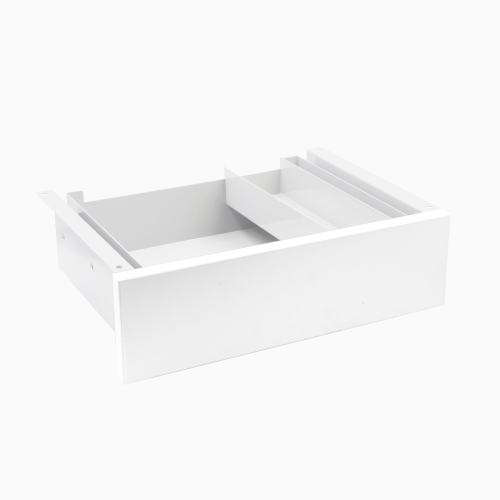
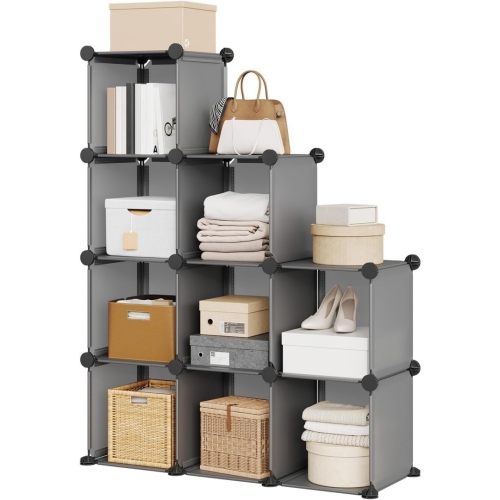
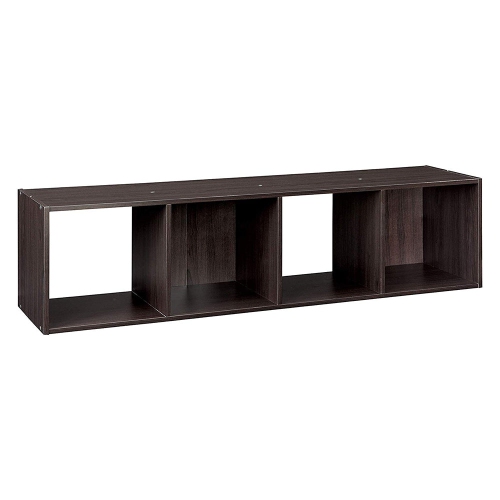
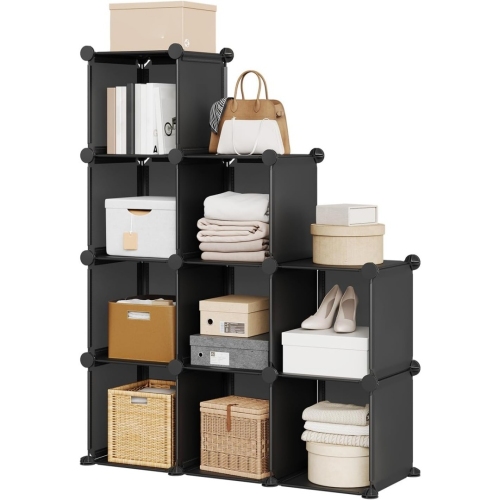
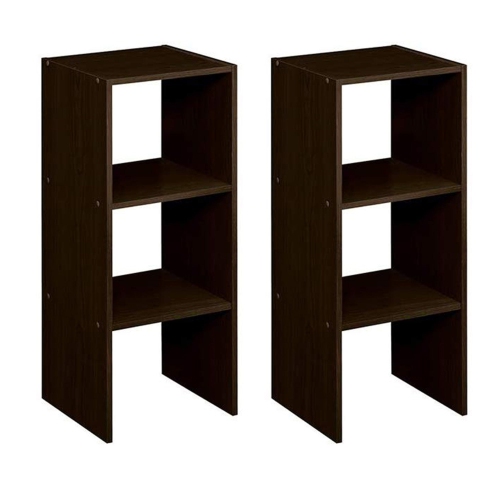

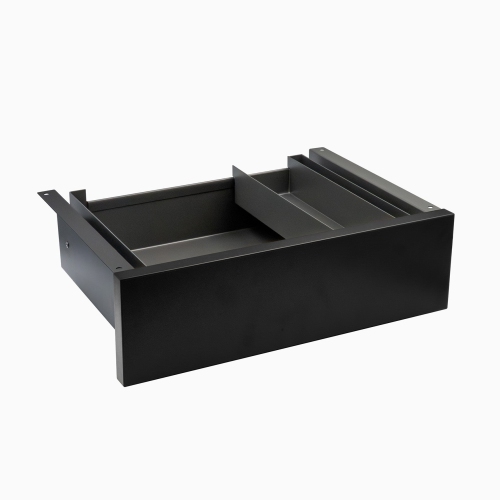
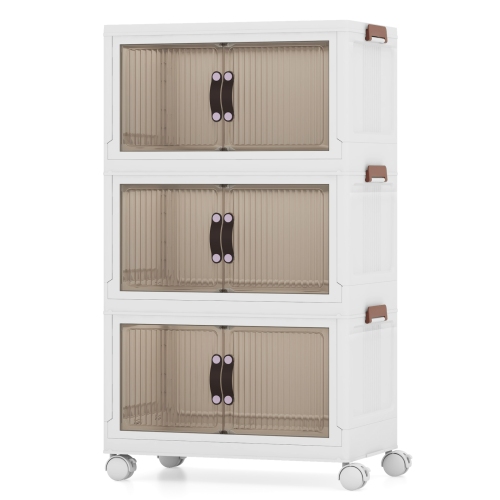
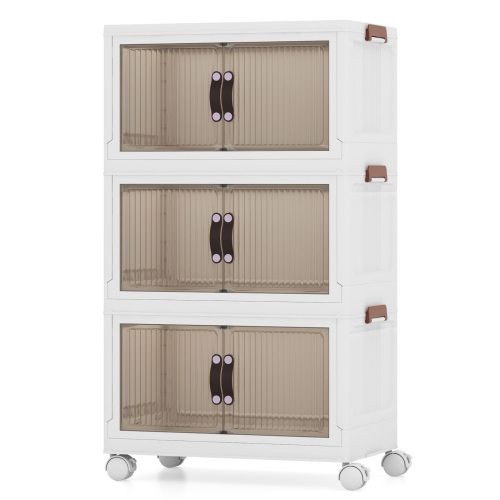

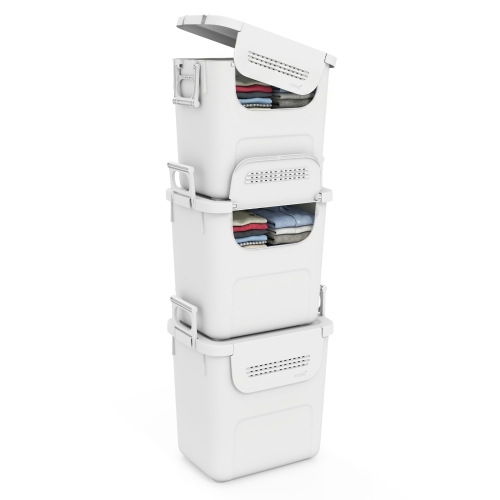


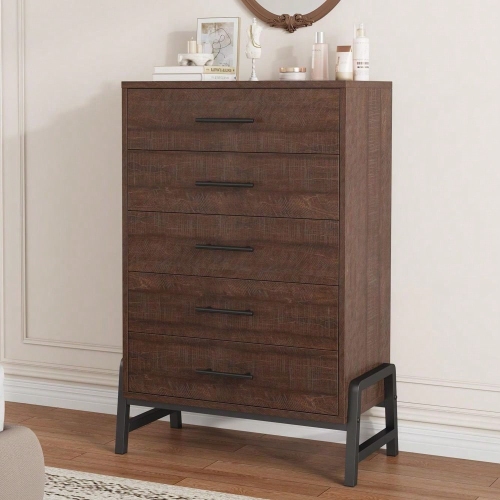
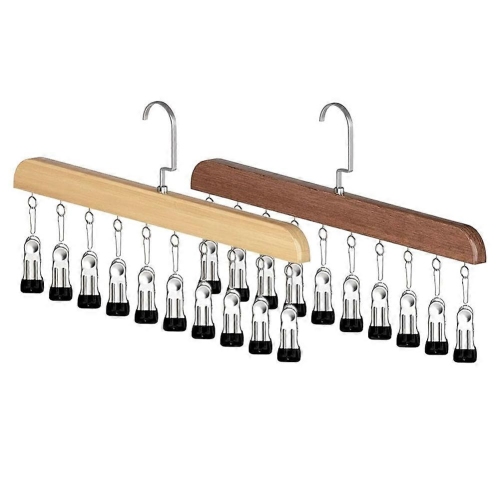
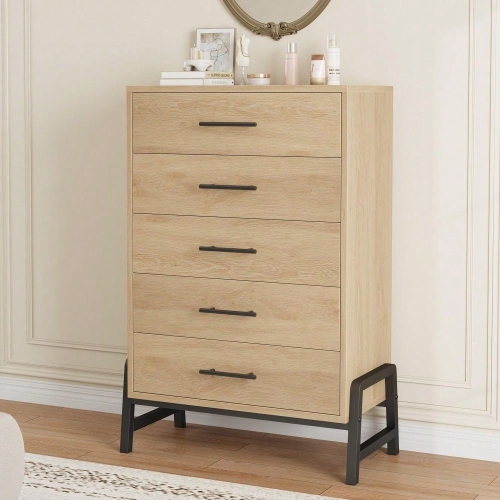

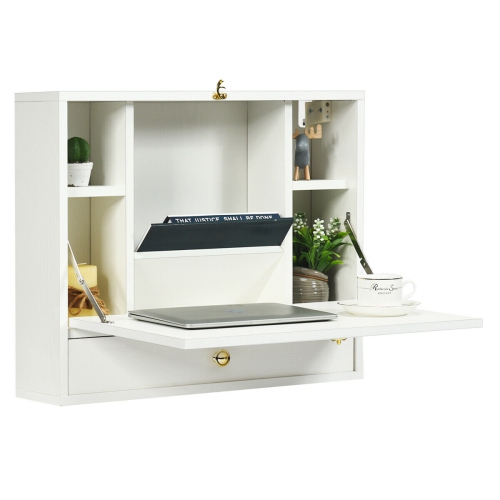

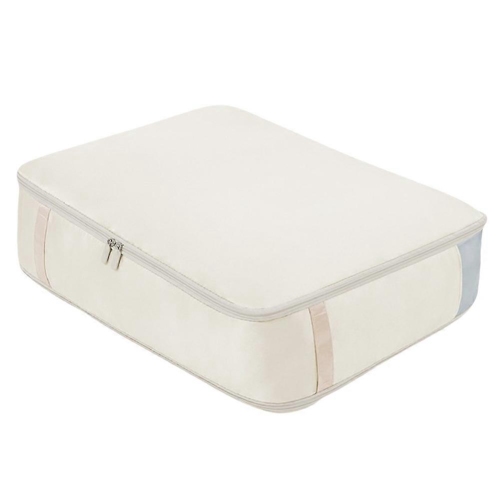


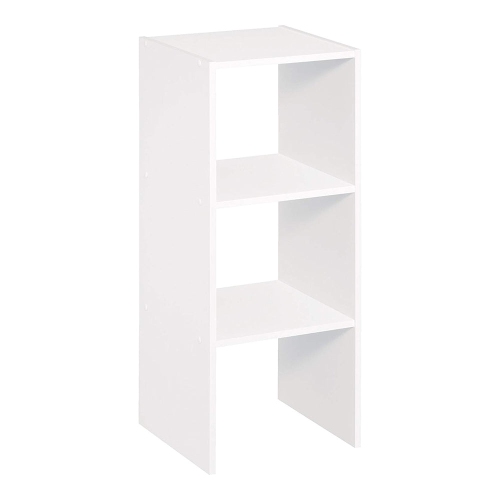
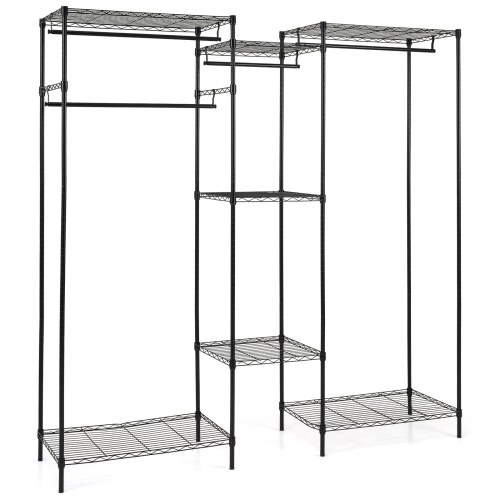
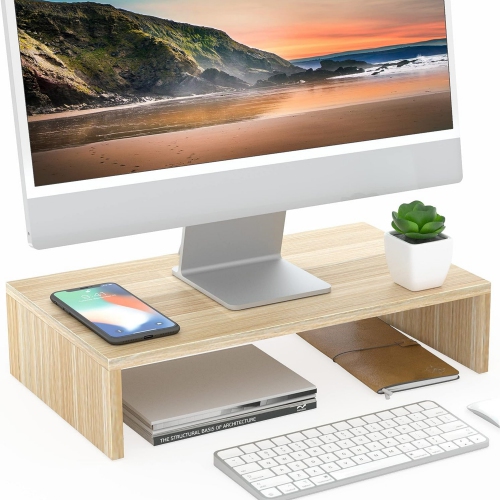
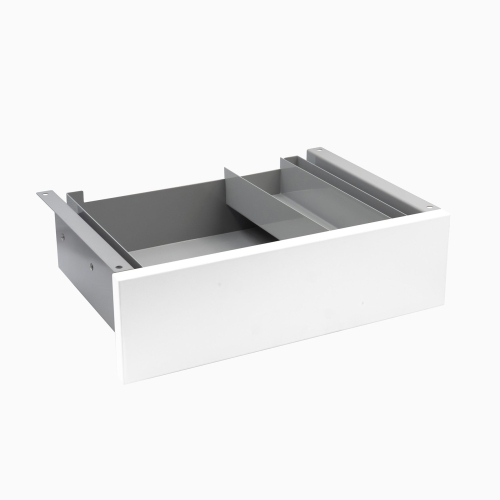
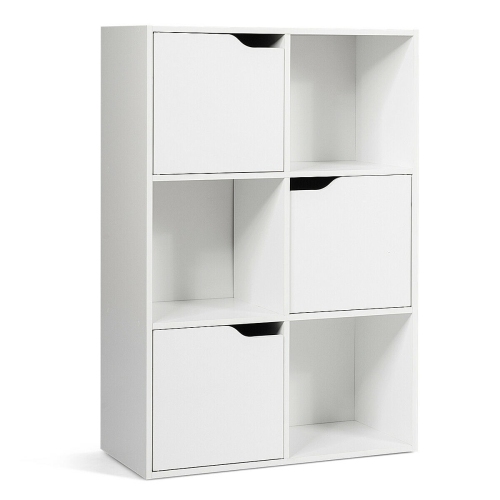

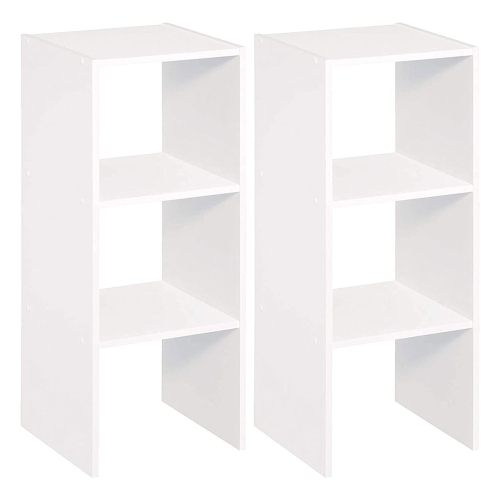
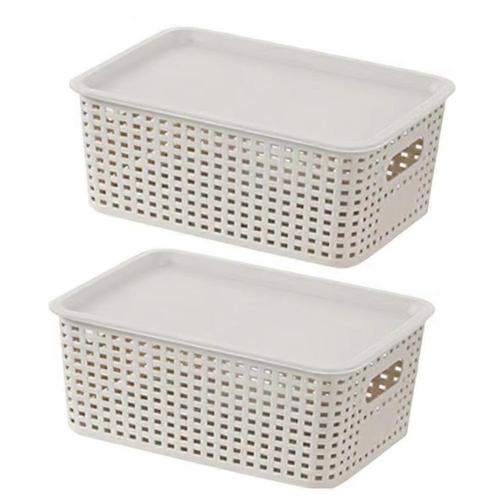
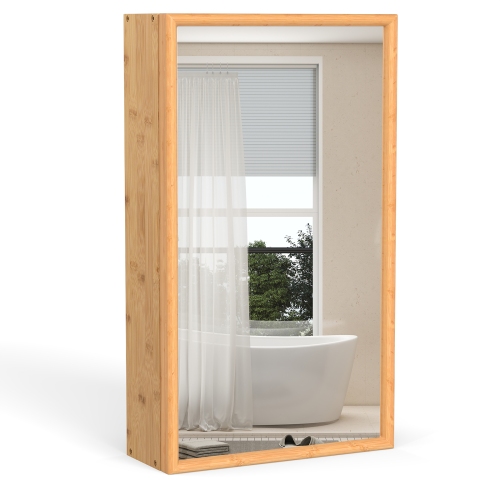
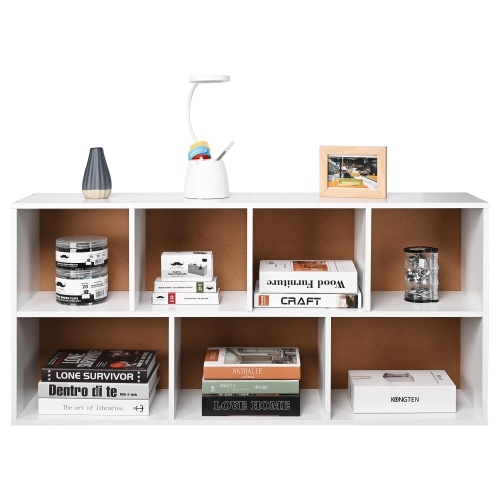


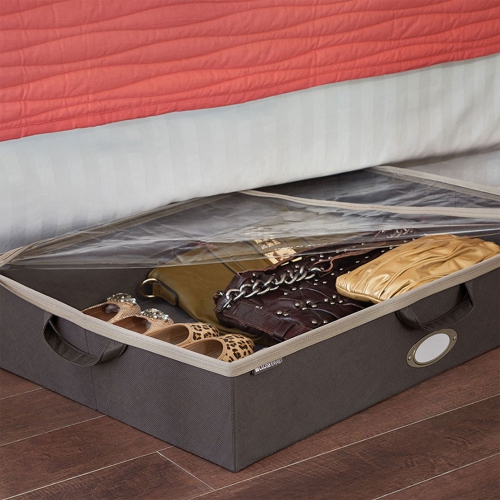
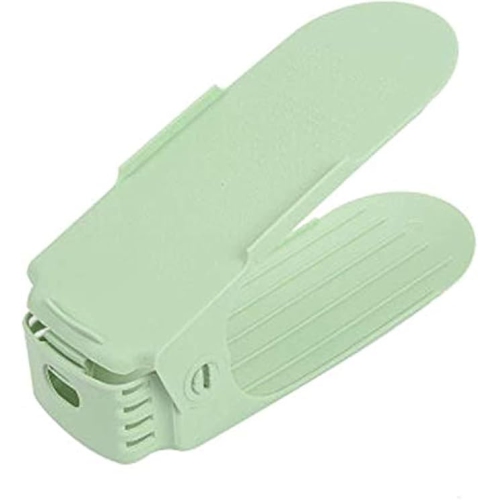
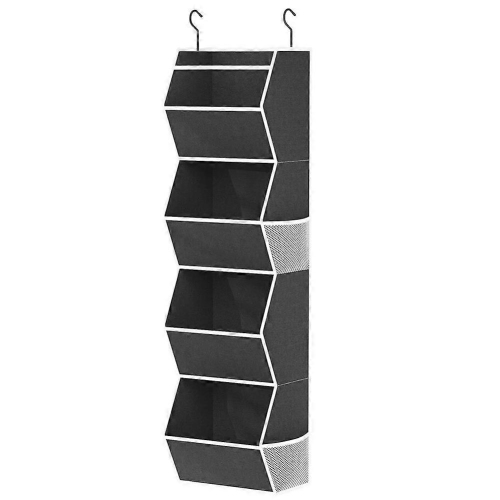
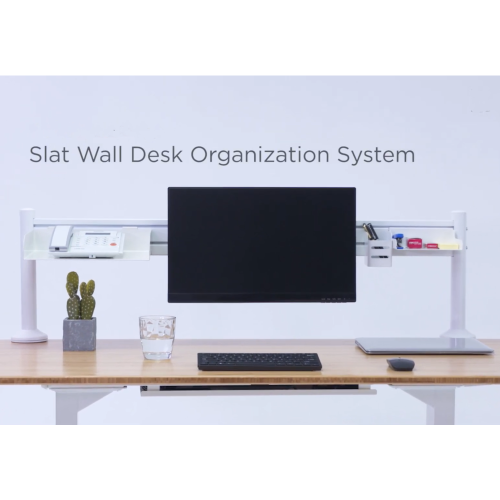




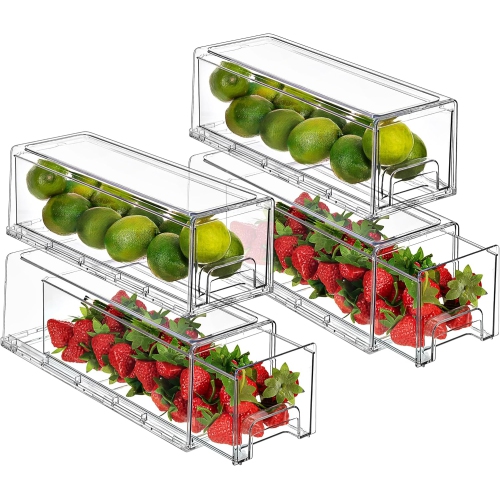

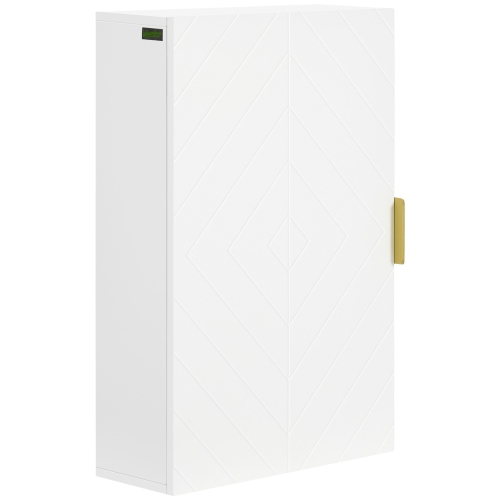
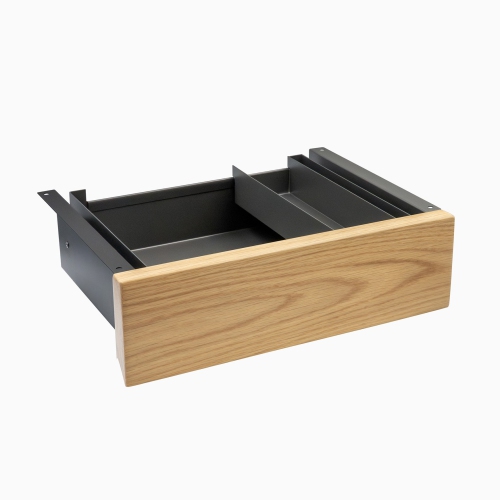


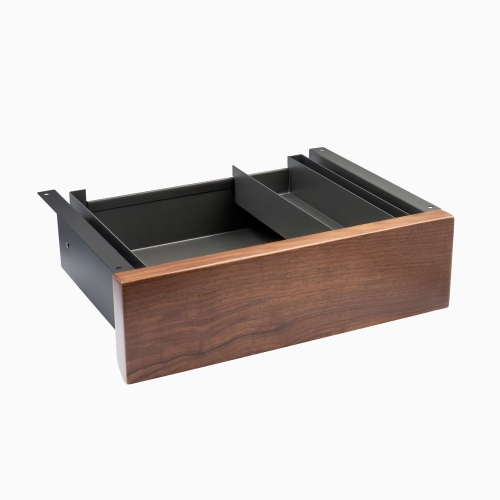


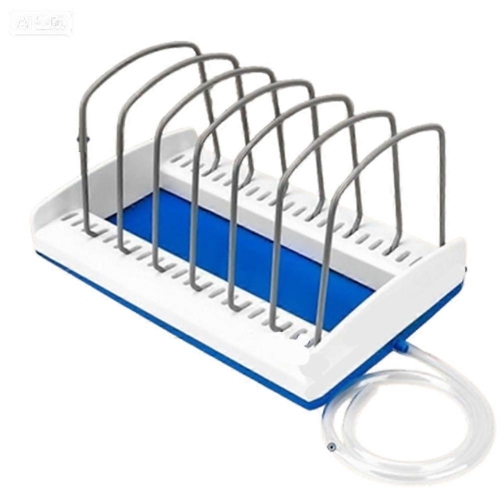
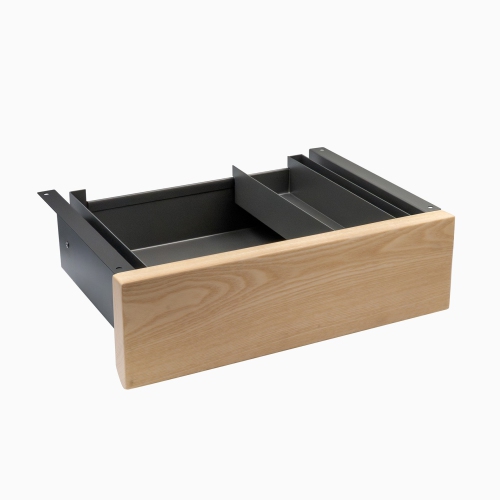

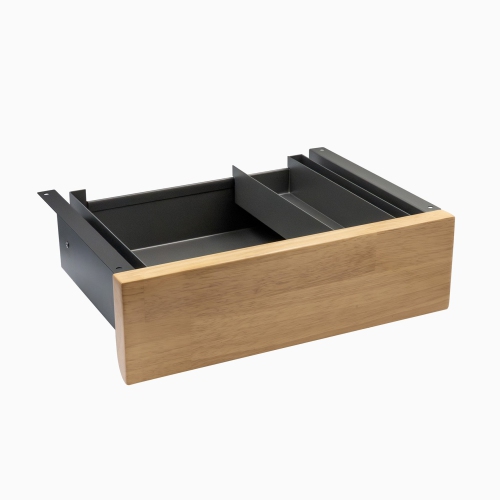

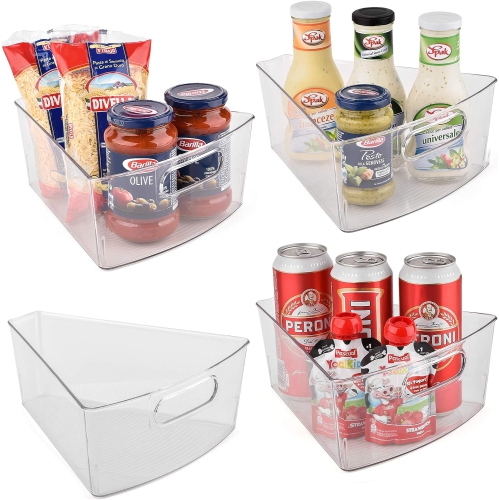


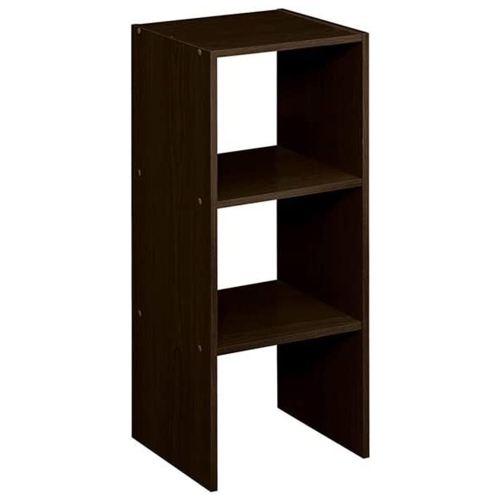
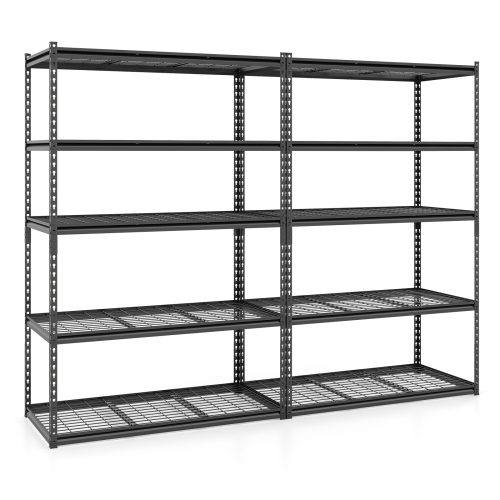

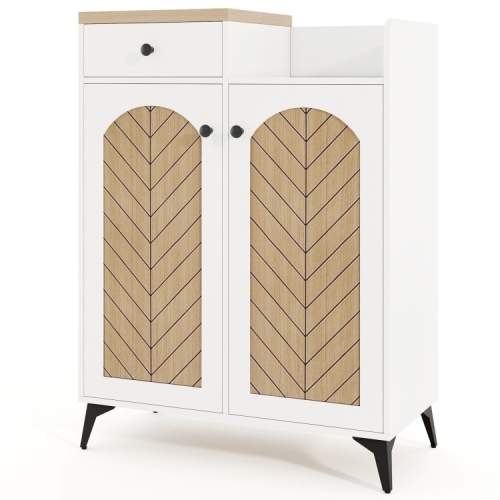
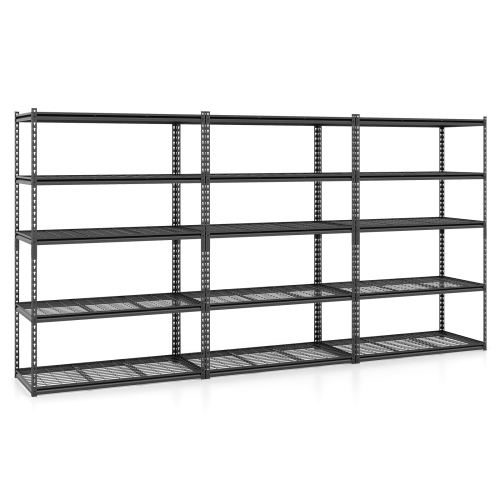
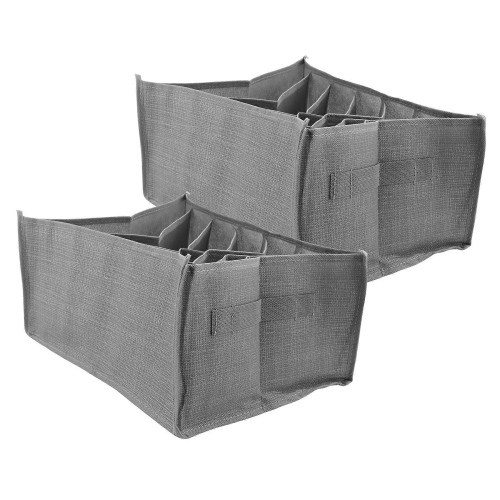

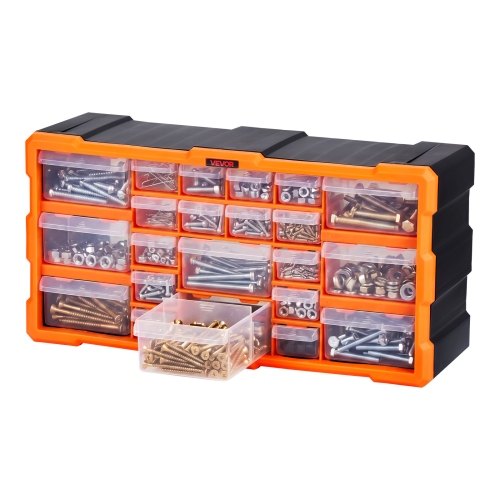


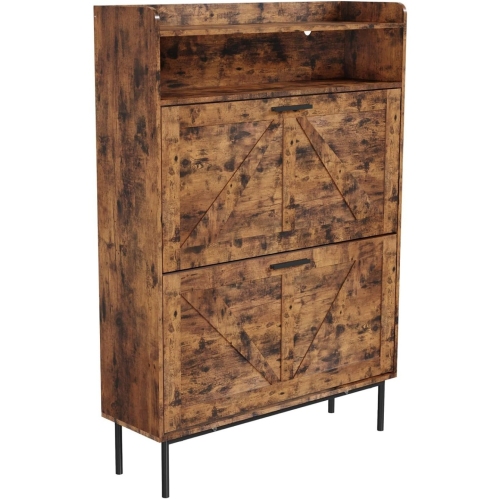

Storage that saves floor space without hiding essentials
Small space organization brings everyday belongings into a manageable footprint, using vertical storage, divided compartments, and furniture that serves more than one purpose. In a compact condo, studio apartment, residence room, or shared family home, the most useful storage makes possessions easy to reach without taking over the room. Tall, narrow shelving can use wall space above a small floor area, while shallow organizers keep essentials from disappearing behind one another. Closed storage gives busy rooms a quieter appearance; open shelves keep frequently used belongings visible and accessible. A combination often works well: concealed space for spare linens and household supplies, with an open section for books or daily accessories. Proportions matter as much as capacity. A deep cabinet may hold plenty but leave too little room to pass comfortably, while a slimmer design can preserve the route between a doorway and a sofa. Useful measurements include width, height, and depth, along with clearance for opening doors, extending drawers, and reaching nearby outlets. Baseboards, door handles, and uneven floors can also affect how neatly storage fits against a wall. Adjustable shelves offer flexibility when the contents vary in height, and modular compartments can accommodate changing needs without requiring a completely different arrangement. Furniture with built-in storage is especially practical where a room performs several roles: a seating area might also need to hold bedding, work materials, or games. The value lies in how easily those contents can be accessed during an ordinary day, not simply how much can be packed inside. Someone working from a dining table, for example, benefits from a defined place to put work essentials away before dinner rather than a deep compartment that requires unpacking each time. Across small space storage solutions, thoughtful dimensions and accessible layouts help make limited square footage feel less crowded while keeping everyday routines straightforward.
Different rooms place different demands on small space organizers. In an entryway, shallow storage can give keys, bags, and footwear a landing place without narrowing the entrance. Compartments that separate each person’s belongings are useful in shared homes, particularly when several people leave at similar times. Inside a wardrobe, hanging storage makes use of the space below a rail, while shelf dividers help folded clothing stay in separate stacks. Under-bed storage suits belongings that do not need to be reached throughout the day, provided its overall height clears the bed frame and there is enough side clearance to slide it out. Handles and smooth-moving wheels can make that access easier, although wheels need to suit the flooring. Kitchens benefit from storage that makes the full depth of a cupboard usable without hiding everything at the back. Tiered layouts, pull-out compartments, and adjustable divisions can separate supplies by purpose and make contents easier to see. A good fit still leaves room around plumbing, hinges, and other fixed features. Bathroom storage needs to balance a compact footprint with surfaces suited to occasional splashes and easy cleaning; enclosed spaces also need adequate airflow so damp contents are not left trapped inside. At a small desk, divided storage keeps stationery and charging accessories from spreading across the work surface, while cable management helps prevent cords from tangling near feet or chair wheels. Craft supplies, study materials, and children’s belongings often benefit from clearly separated, accessible compartments rather than a single large container. Transparent sides make contents visible at a glance, whereas opaque finishes create a more uniform appearance on open shelving. Labels can give matching containers a clear purpose without requiring each one to be opened. For shared spaces, lightweight compartments that lift out and return easily can support different activities at the same table. The most practical arrangement reflects how often something is used, who needs to reach it, and whether it belongs within view or behind a door.
Materials, construction, and care all influence how well compact storage holds up to daily use. Solid wood offers a substantial feel and natural variation in grain, while engineered wood can provide a consistent finish that coordinates with existing furniture. Both need care appropriate to their finish, particularly around standing moisture and abrasive cleaners. Metal frames can provide a slim profile, but their stability depends on the design, joints, and stated load limits rather than the material alone. Plastic compartments are often lightweight and easy to wipe clean; their suitability for stacking or carrying heavier contents depends on their construction. Fabric storage can soften the appearance of open shelves and fold away when not needed, although structured sides and reinforced handles are helpful for frequent handling. Woven textures add visual interest, but a smooth lining may be preferable for delicate contents that could catch on rough edges. Removable liners, accessible corners, and washable covers, where specified, make routine care simpler. Care labels and manufacturer directions remain important because not every fabric cover can go in a washing machine and not every coated surface tolerates the same cleaners. Durability also shows up in small details: drawers that move smoothly, handles that are comfortable when loaded, and connections that stay secure through repeated use. Weight ratings apply to individual shelves or compartments as specified, and heavier belongings generally belong lower down for a more stable arrangement. Tall furniture should be secured according to its instructions, with appropriate mounting hardware for the wall type. Over-the-door storage also needs sufficient clearance for the door to close properly, and rental homes may have restrictions on wall mounting. For students furnishing a first room, households combining belongings, or anyone setting up a smaller home office, adaptable storage can be a thoughtful housewarming or move-in gift when measurements and preferences are known. Matching colours and finishes can help separate storage pieces sit comfortably together, but a coordinated appearance is only part of the appeal. Storage earns its place when it stays easy to clean, withstands regular handling, and gives belongings a dependable home without making the room harder to use.
Top selling and popular products
-
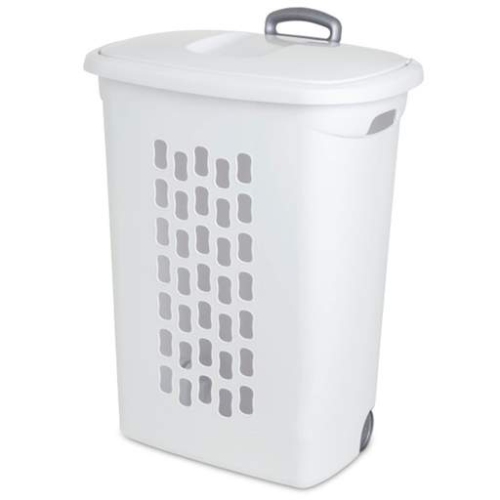 Your price for this item is $517.99
-
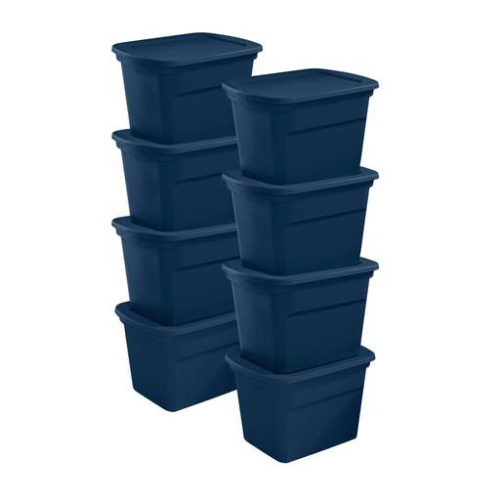 Your price for this item is $227.99
-
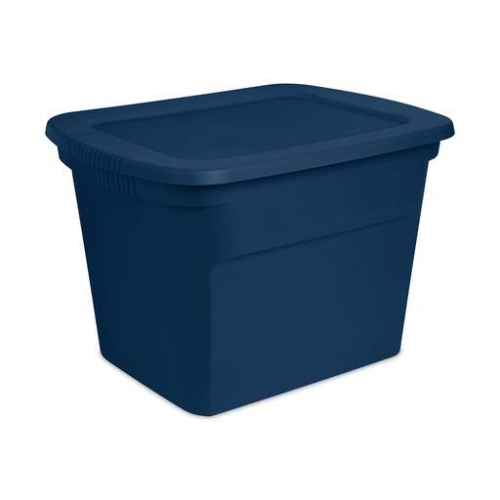 Your price for this item is $881.99
-
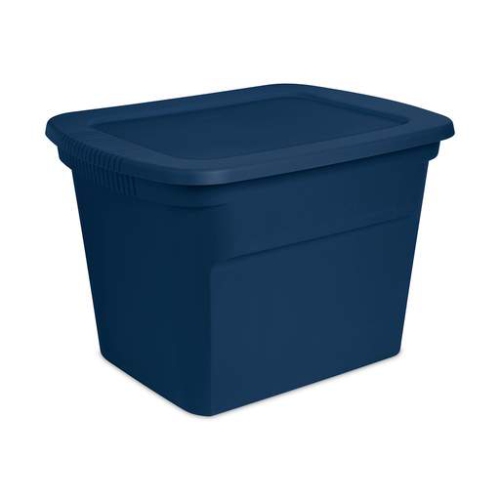 Your price for this item is $661.99
-
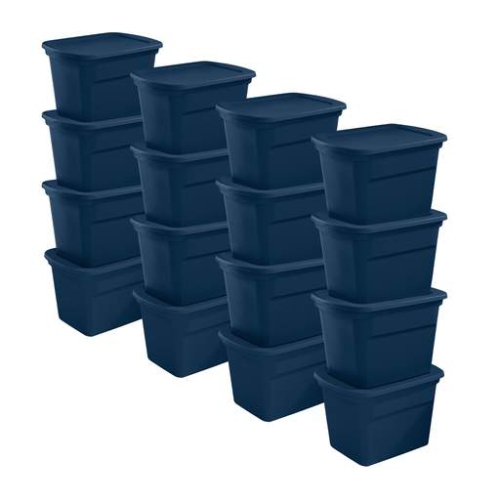 Your price for this item is $440.99
-
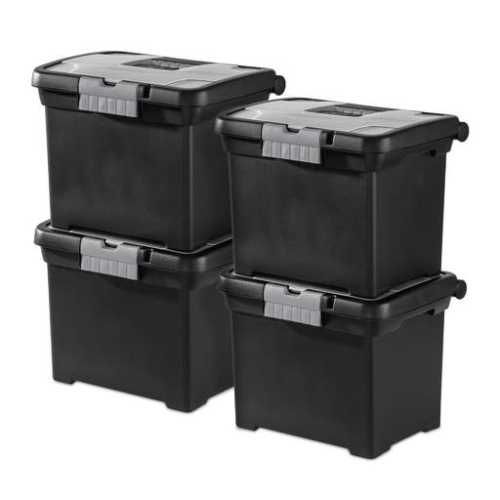 Your price for this item is $132.99
-
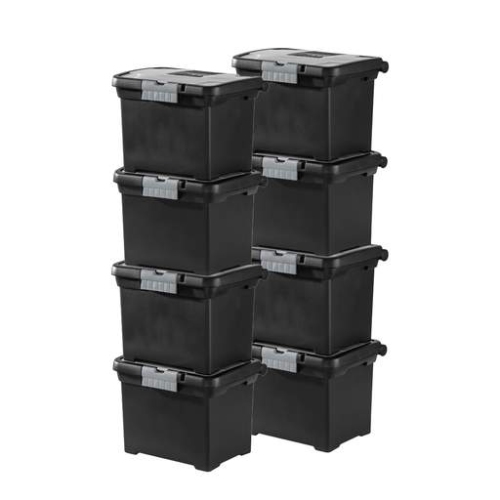 Your price for this item is $260.99
-
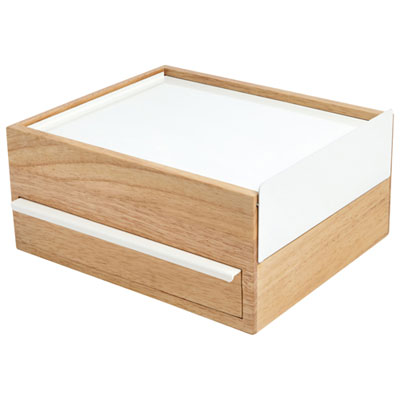 Your price for this item is $64.98
Discover more categories related to Small Space Organization
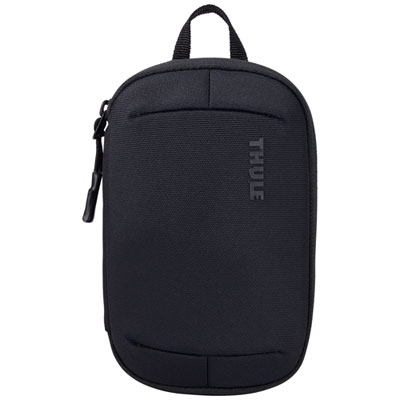

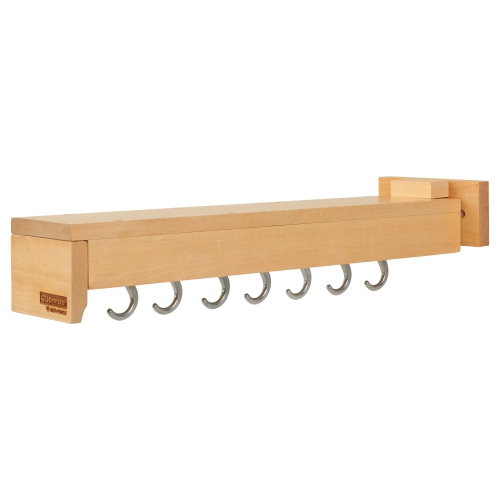
Top Collections:
Pokemon Centers, Best Cameras for Sports Photography, Kindle Devices, Samsung Galaxy Phones, Canon G7X Cameras, Pokémon 30th Celebration Cards, Refurbished Apple Laptops, iPhone 15 Apple, Laptops for Students, Budget Smartphones
Some products may be subject to Environmental Handling Fees
(EHF) depending on your province.
Learn more about EHFs.