Snow Brushes
A snow brush is an essential tool for clearing your vehicle during the winter months. Whether you’re dealing with light flurries or heavy snowfall, having a reliable snow brush on hand helps keep your windshield, windows, and mirrors free from snow and ice. Explore a wide range of options to find the right snow brush that fits your needs and makes winter car care easier. Stay prepared for whatever the season brings with the right tools in your trunk.
Sort
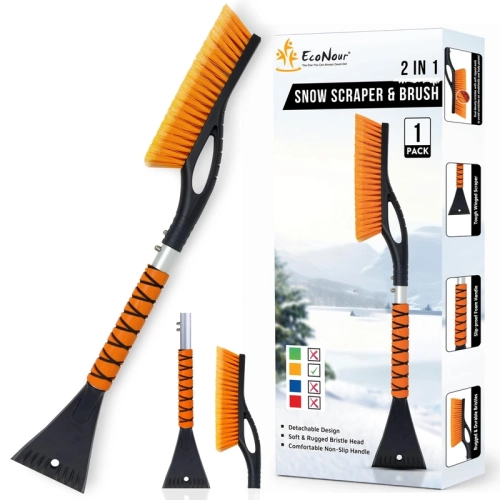
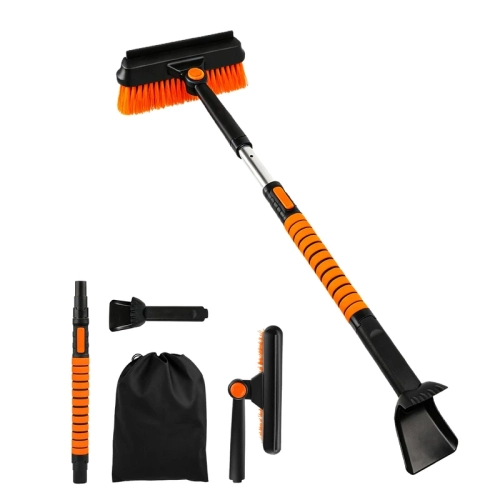
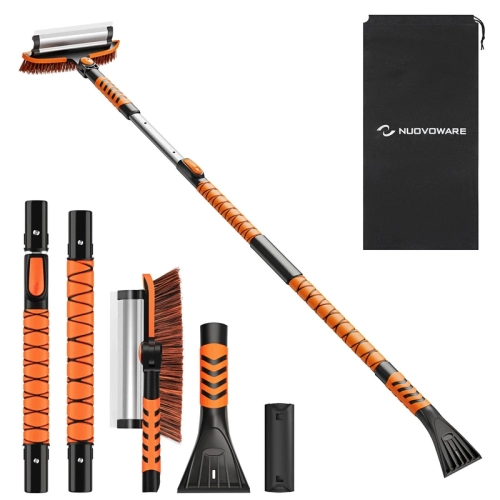
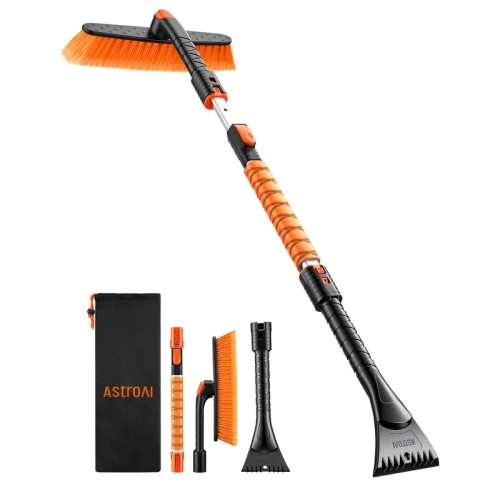
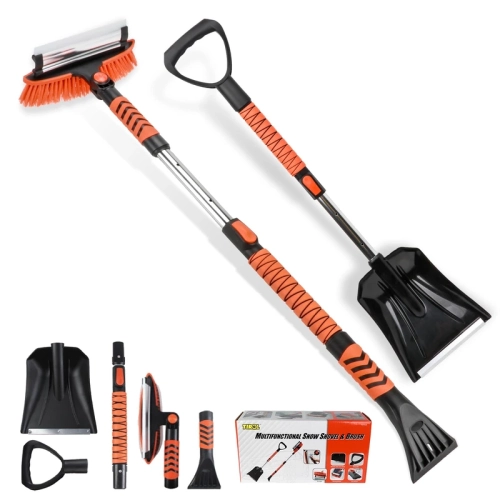
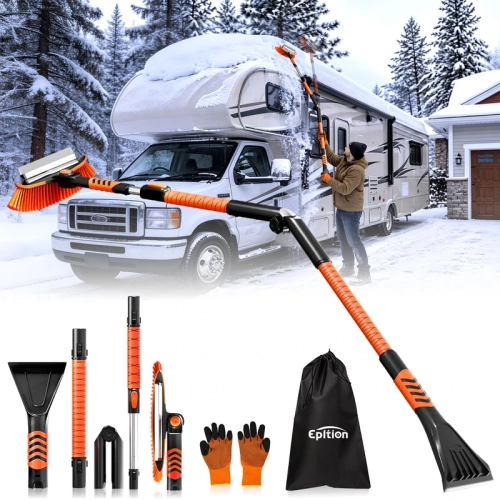
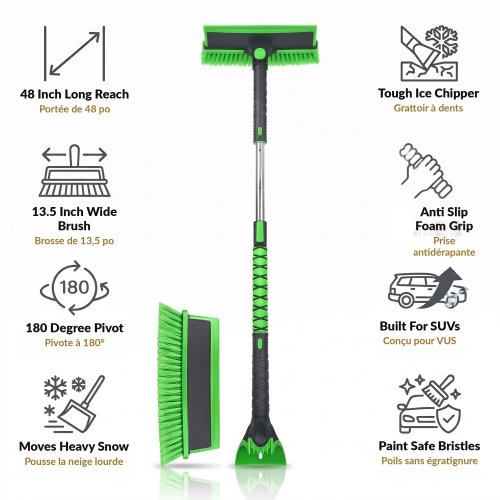
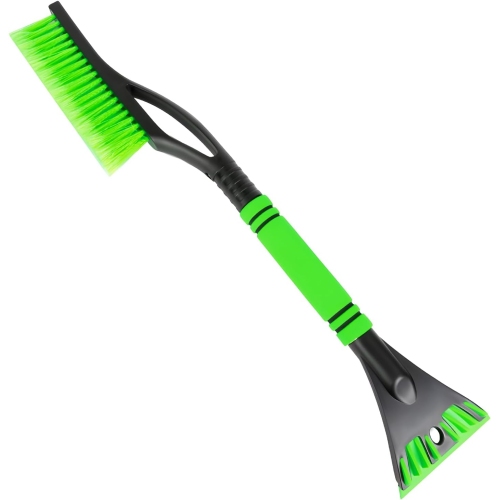
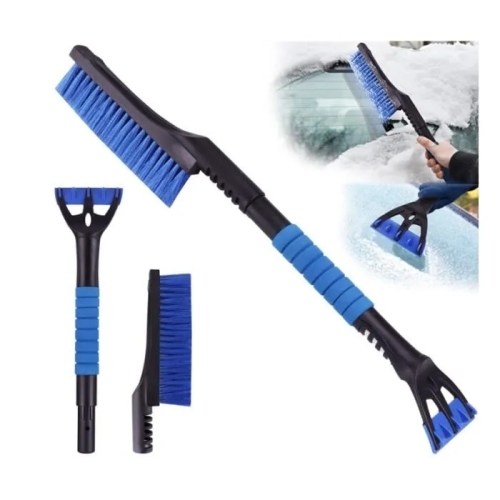
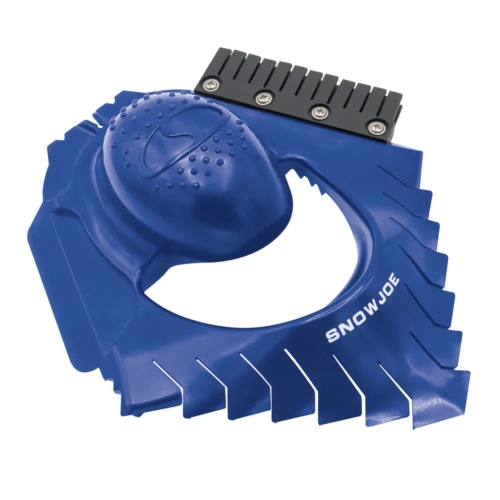
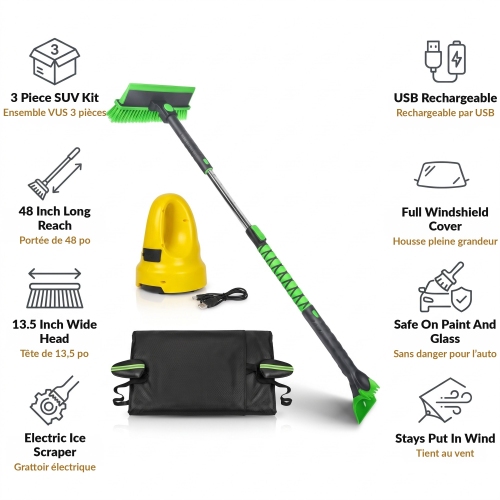
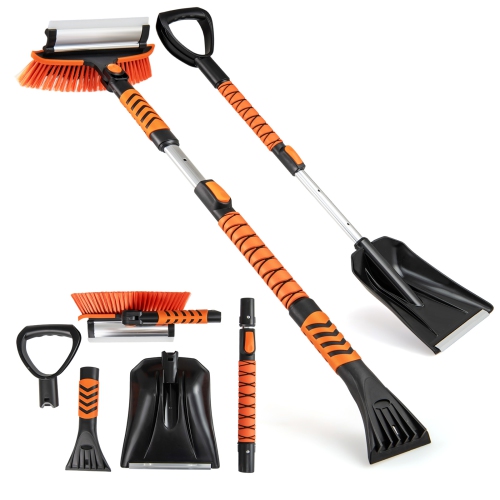
Why reach and grip matter for clearing snow
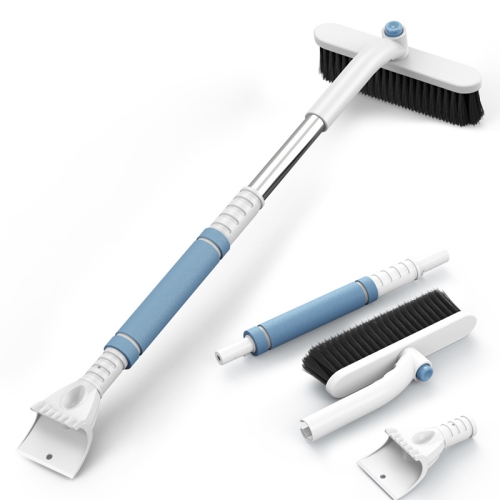
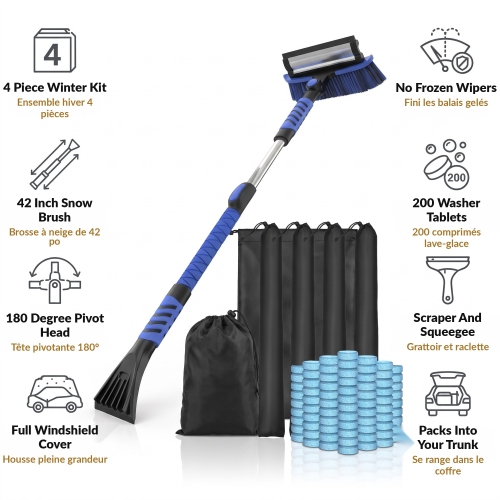
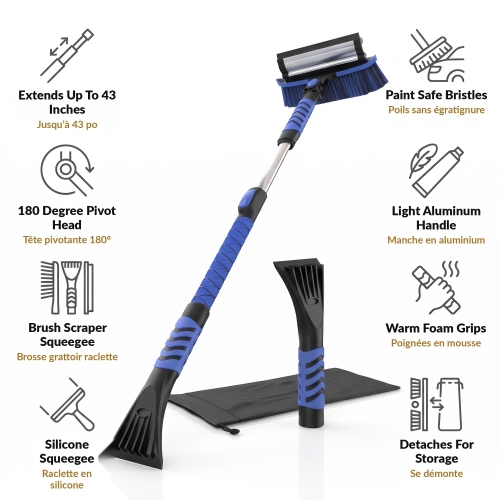
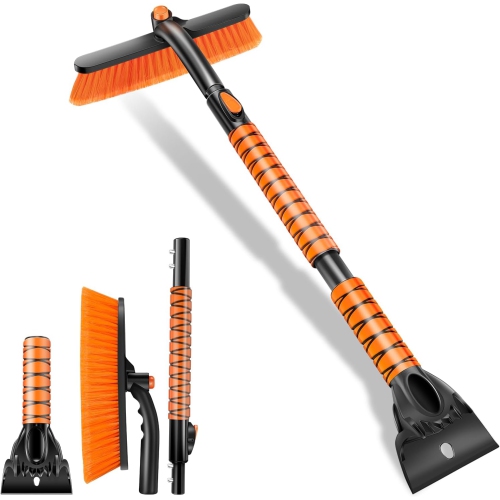
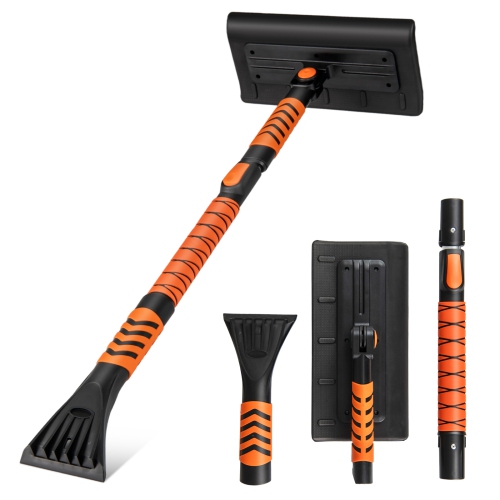
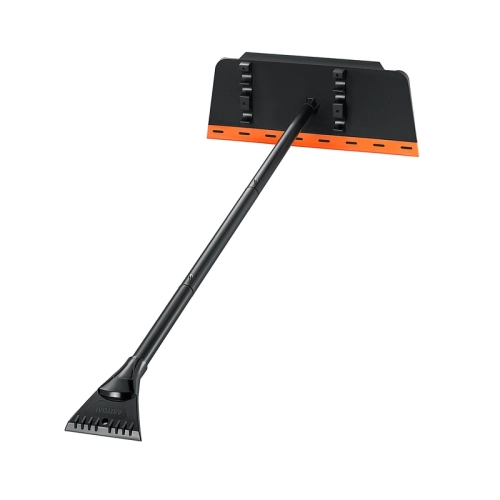
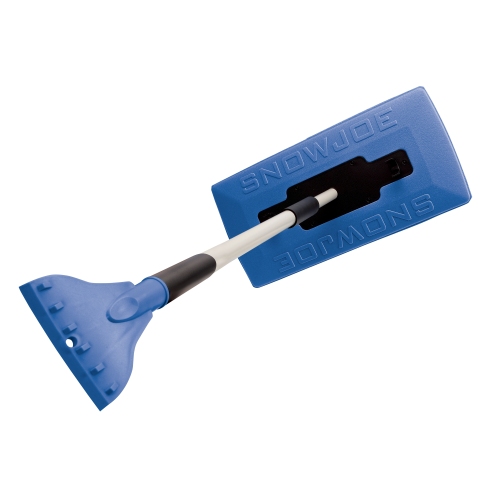
Snow brushes are handheld tools designed to remove snow from vehicles, often pairing a bristled brush or foam head with an ice scraper for clearing frost and ice from suitable glass surfaces. They serve different but complementary purposes: the brush moves loose snow, while the scraper loosens frozen buildup that bristles cannot lift away. For Canadian drivers, that combination is useful for everything from a light dusting across a windshield to a deeper layer covering a parked vehicle. Traditional fixed-length snow brushes offer a straightforward shape that is easy to manoeuvre around windows and mirrors, while telescoping designs extend to reach farther across roofs, hoods and wide windshields. The most useful length depends on both the vehicle and the person using it. A compact car with a low roof presents a different reach than a tall SUV, pickup truck or van, and a handle that feels manageable when retracted may feel less balanced at full extension. Longer reach can reduce awkward stretching, but the tool still needs enough stiffness and control to move snow without excessive bending. Wide brush heads cover more surface with each pass, whereas narrower heads can be easier to position around smaller windows and tight spaces. Pivoting or rotating heads allow the clearing angle to change without requiring the same wrist position throughout the job. Foam snow brooms provide another approach, using a broad head to push or pull loose snow rather than sweeping it with bristles. Some designs combine several functions, including a detachable scraper or a squeegee for moisture on appropriate surfaces. Storage matters alongside reach: a brush should fit somewhere accessible inside the vehicle without interfering with pedals, seats or other equipment. For households with vehicles of different heights, an adjustable handle can offer flexibility without requiring the same working length for every task.
Materials and construction influence how a snow brush feels in the hand and how well it stands up to repeated use. Bristles need enough firmness to move snow, but softness and clean contact surfaces matter when working near painted panels and trim. A brush described as soft is not a guarantee against scratches, particularly if road grit has collected in the head. Foam heads also need to remain free of embedded dirt, and neither foam nor bristles should be treated as a way to break apart a solid layer of ice on bodywork. Handle materials commonly include plastic, metal or combinations of both, with weight, rigidity and grip design affecting comfort. A lightweight shaft may be easier to hold at arm’s length, while a well-supported head helps keep each stroke controlled. On telescoping brushes, secure locking points are especially important because the handle must stay at the chosen length as the direction of pressure changes. Adjustable heads should hold their position rather than folding unexpectedly against packed snow. Padded or textured grips can be easier to manage with winter gloves, particularly when a smooth handle becomes wet. Enough room for a gloved hand is more useful than a grip that feels comfortable only with bare fingers. For integrated ice scrapers, a straight, undamaged edge helps maintain consistent contact with suitable vehicle glass. A chipped or worn edge can make clearing less effective and is a reason to inspect the tool before further use. Scrapers belong on surfaces approved by the vehicle and tool manufacturers, not painted panels, plastic lenses or delicate trim. Heated glass, camera housings, sensors and other exterior features may have specific care requirements. A squeegee can help move water or slush on approved surfaces, but it is not a substitute for an ice scraper. Durable construction is most valuable when paired with the right task: loose snow, wet accumulation and bonded ice place different demands on the same tool.
Everyday use often reveals which features matter most. Someone clearing a vehicle in a narrow driveway may value a head that changes angle without needing much space beside the doors, while a driver reaching over a broad hood may prefer a longer shaft with a comfortable two-handed grip. Heavy, wet snow is easier to control in smaller sections than as one large load balanced at the end of an extended handle. Light powder calls for a different touch, with gentle strokes helping move it away from door openings and exposed interior surfaces. Clearing the roof as well as the windows helps prevent accumulated snow from sliding onto the windshield or blowing towards vehicles behind. Mirrors, lights and licence plates also need to remain unobstructed, with attention to the materials and care instructions for each surface. A snow brush supports that work, but it does not replace the vehicle’s defrosting system or the need for a clear view before driving. Keeping the brush accessible can make a difference when snow has covered the vehicle, especially if opening a door would otherwise spill snow onto a seat. After use, shaking off loose accumulation and allowing the tool to dry helps keep meltwater out of upholstery and storage compartments. Bristles, foam edges, scraper blades and adjustment mechanisms benefit from regular checks for trapped grit, splitting, bending or loose connections. Removing debris according to the tool’s care instructions helps keep its contact surfaces clean for the next use. Automotive clearing tools are best kept separate from accessories intended for more delicate tasks, such as Static Brushes for compatible audio equipment, because their surfaces and purposes differ. A snow brush can be a practical gift for a new driver, someone with a first vehicle or a family member who parks outside. Matching its reach, storage size and grip to that person’s vehicle and routine makes it a useful addition to their winter driving essentials.
Top selling and popular products
-
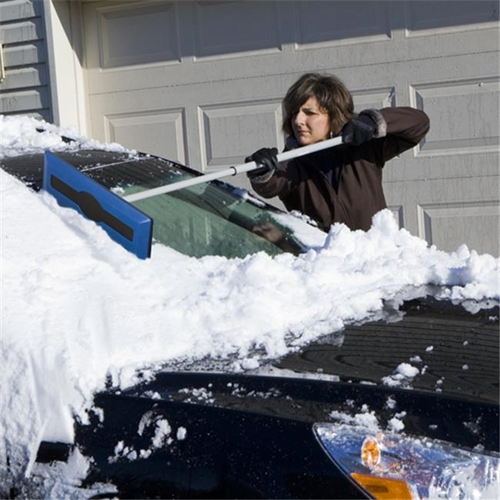 Your price for this item is $39.99
-
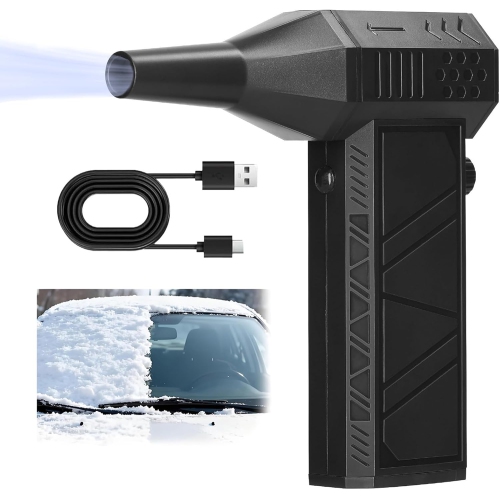 Your price for this item is $68.99
-
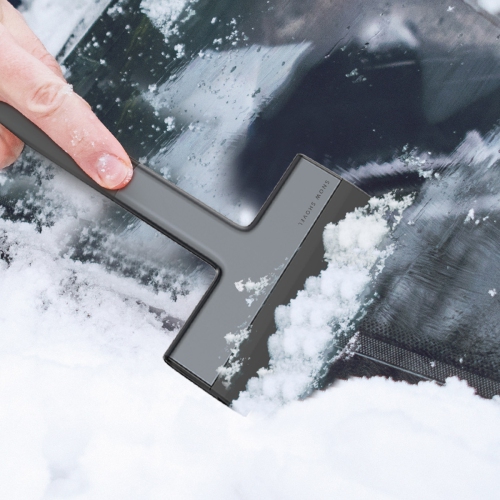 Your price for this item is $12.95
-
 Your price for this item is $47.99
-
 Your price for this item is $37.99
-
 Your price for this item is $41.64
-
 Your price for this item is $41.99
-
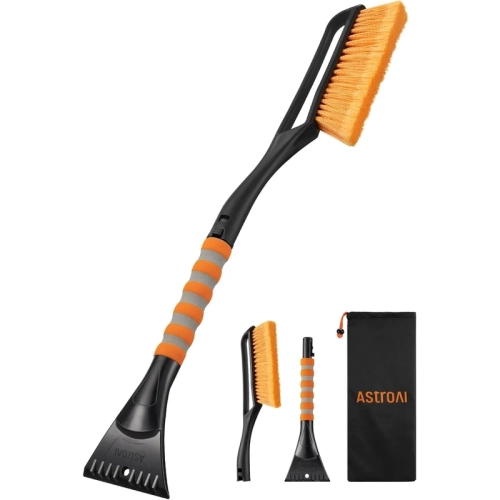 Your price for this item is $27.85
Discover more categories related to Snow Brushes

Top Collections:
Best Black Friday Deals This Year, Best Black Friday Deals On Electronics, Kindle Devices, Pokemon Centers, Best Black Friday Deals On Apple Products, Best Cameras for Sports Photography, Dyson Airwrap, Pokémon 30th Celebration Cards, Apple iPhone 17 Pro, Canon G7X Cameras
Some products may be subject to Environmental Handling Fees
(EHF) depending on your province.
Learn more about EHFs.