Static Brushes
Static Brush offers a practical solution for managing static electricity on a variety of surfaces. Ideal for use at home, in the office, or on the go, these brushes are designed to help keep your belongings looking their best. Whether you're preparing for an important meeting or simply tidying up everyday items, a Static Brush can be a handy addition to your cleaning routine. Explore our selection to find the right option to suit your needs.
Sort


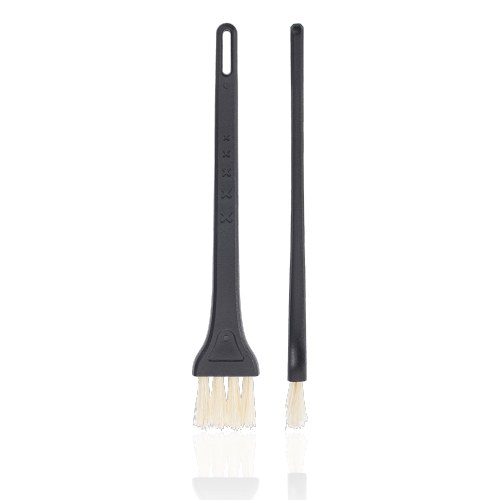
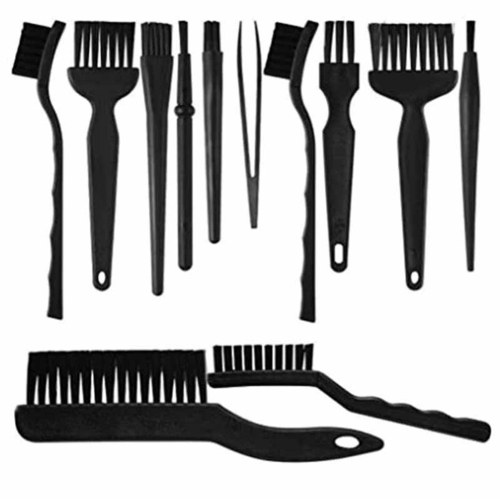
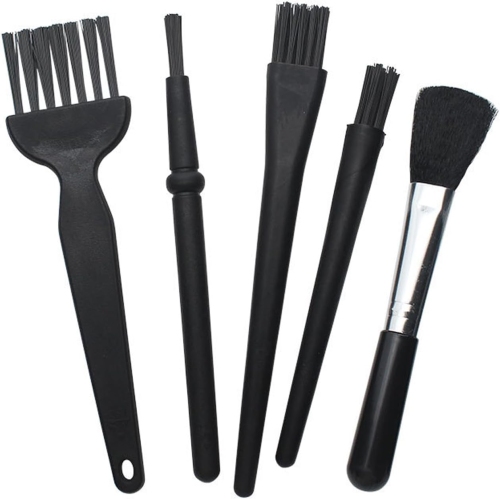
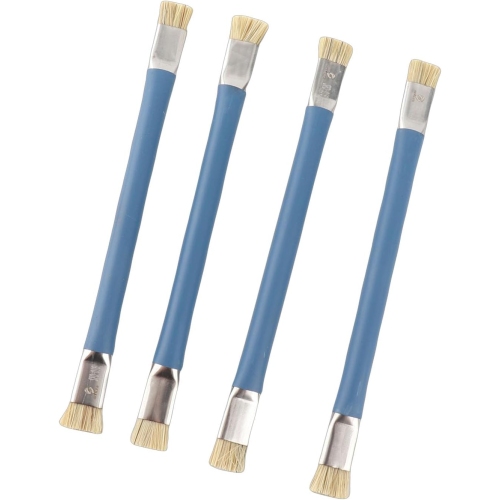
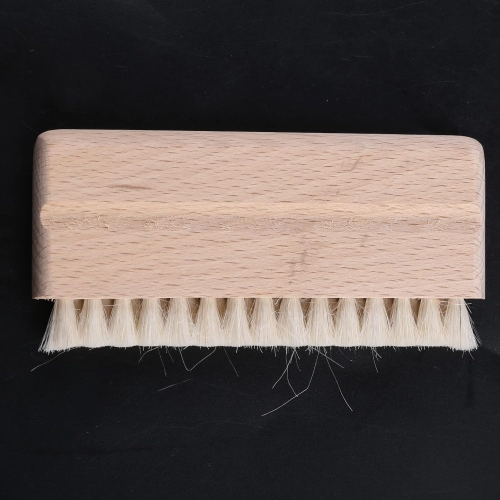
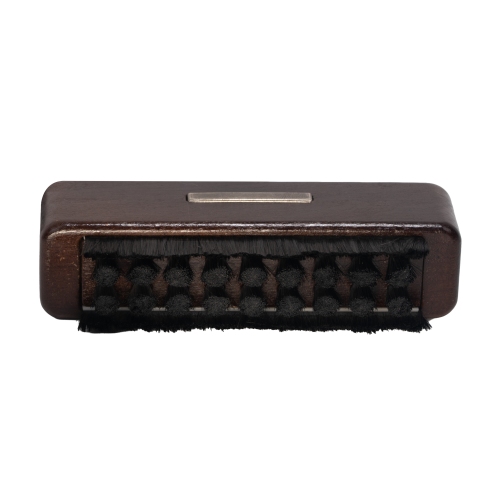
Why bristle materials matter when cleaning delicate electronics
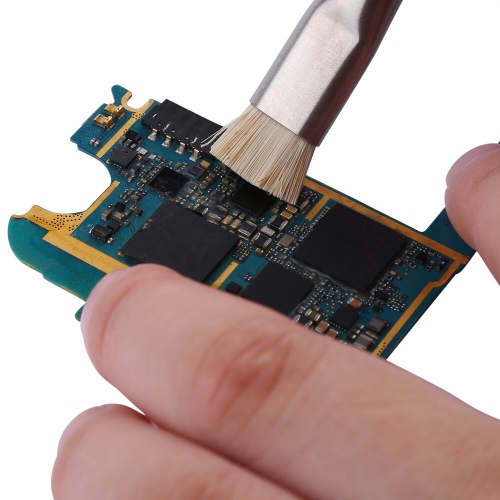
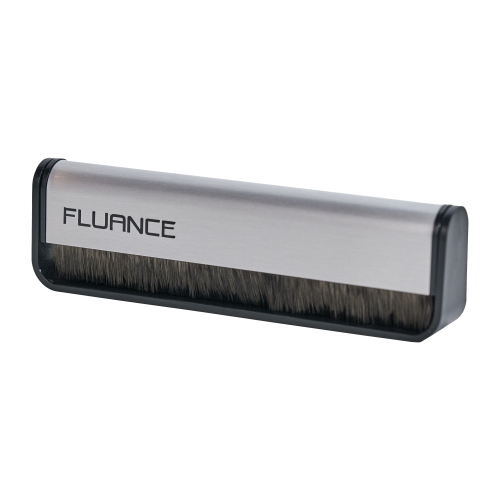
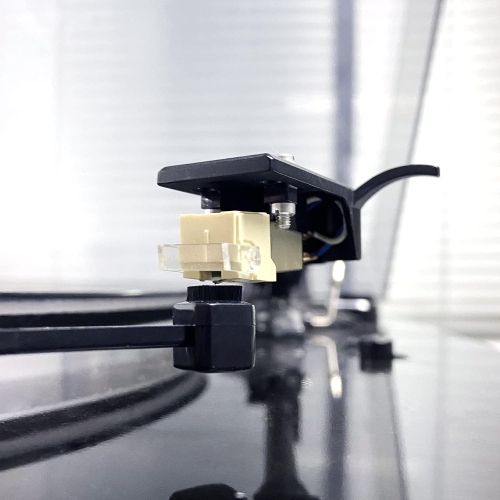
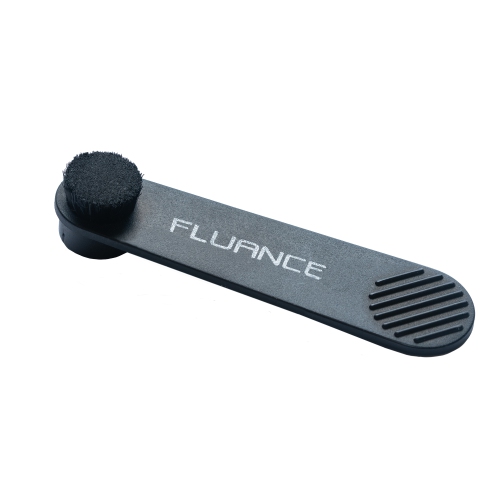
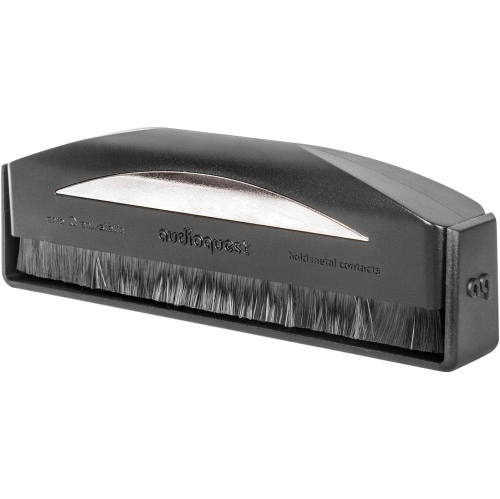
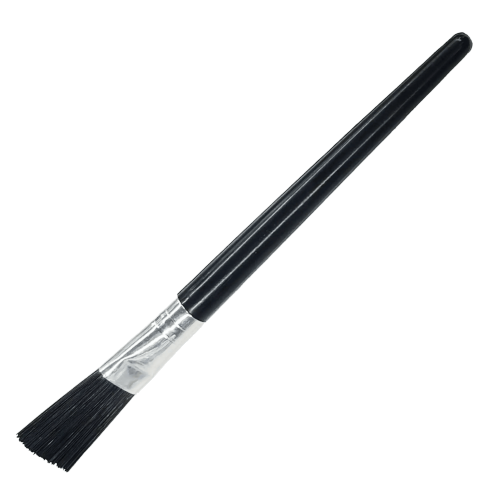
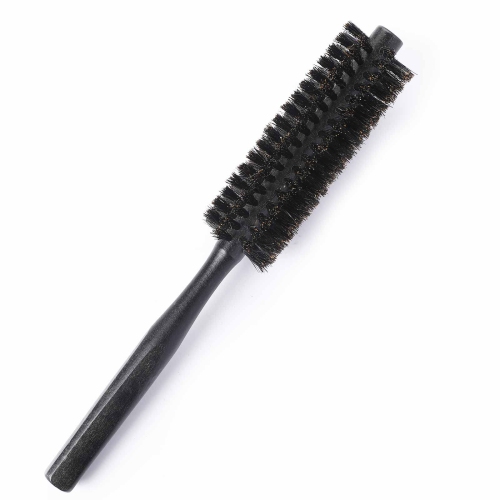
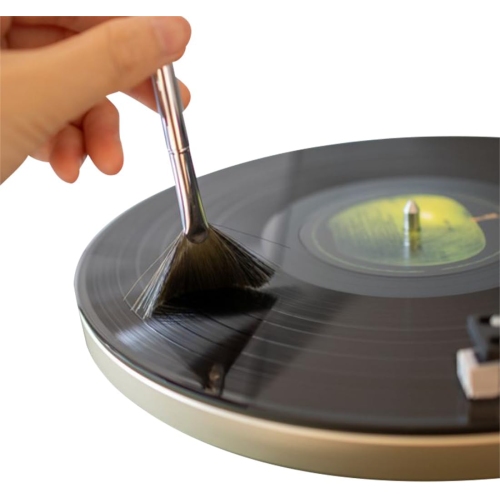
Static brushes, also called anti-static brushes or ESD brushes, are cleaning tools designed to lift dust and loose debris while helping limit the buildup or transfer of electrostatic charge. ESD stands for electrostatic discharge: the sudden movement of electrical charge between objects, which can damage sensitive electronic components even when no spark is visible. These brushes are commonly used around circuit boards, computer components, keyboards, and other equipment with small recesses that are difficult to reach with a cloth. Their suitability depends on their construction and the surface being cleaned, not simply on having soft bristles or a black handle. Conductive or static-dissipative bristles may incorporate carbon fibres or specially formulated synthetic materials, while the handle may also be designed to manage electrical charge. Conductive materials allow charge to move readily; dissipative materials allow it to move more gradually. Neither description means a brush automatically removes every static charge or makes any cleaning task safe. For sensitive electronics, the brush needs to work within the equipment manufacturer’s handling recommendations and, where required, a properly grounded ESD setup. An ordinary nylon cleaning brush is not necessarily an anti-static brush, even if it looks similar. Material specifications and any stated electrical resistance or testing information provide a clearer indication of intended use than appearance alone. Soft, fine bristles are useful for lifting loose dust around delicate details, while firmer bristles may suit more robust surfaces where debris needs a little extra encouragement. Carbon-fibre brushes also have applications in record care, but a brush intended for vinyl should be used according to its own instructions rather than treated as interchangeable with a circuit-board cleaning tool. For photography equipment, suitability is similarly specific: a brush appropriate for a camera body is not automatically suitable for a lens coating or an exposed image sensor. The most useful distinction is between a general dusting brush and a tool whose materials, shape, and electrical properties match the intended task.
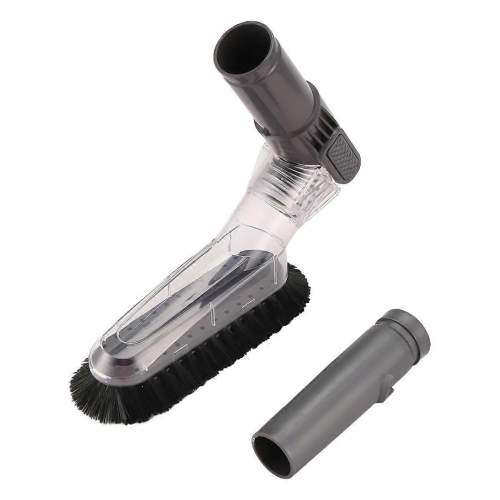
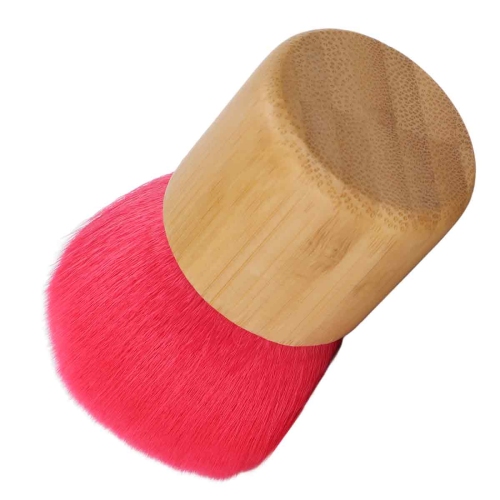
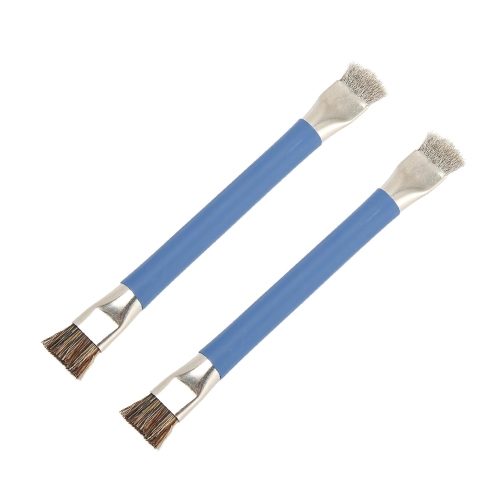
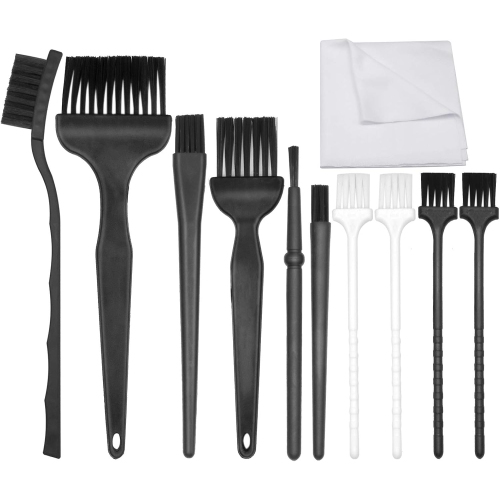
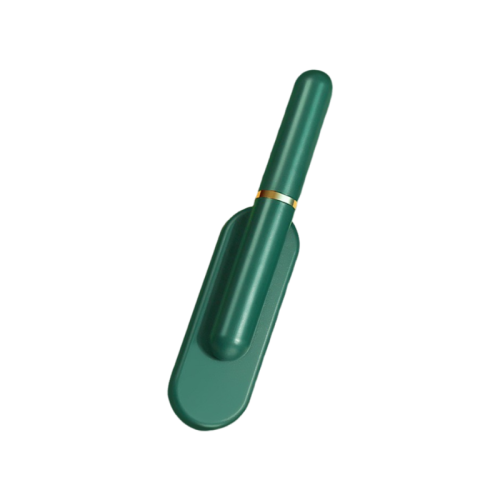
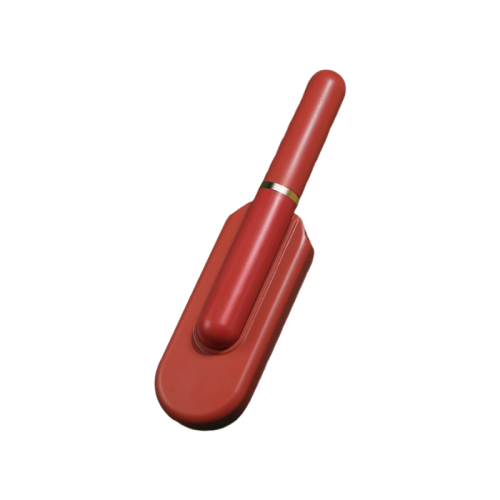
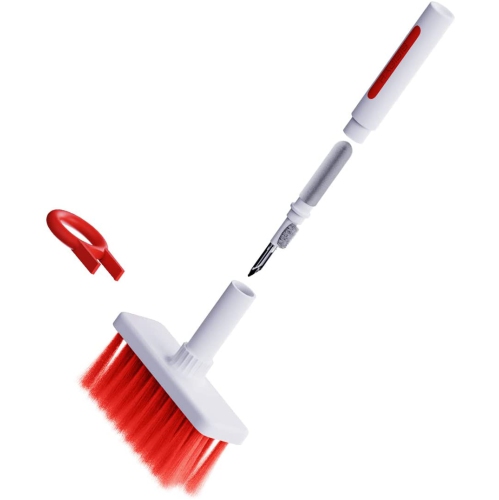
Head shape, bristle length, and handle size make a noticeable difference when cleaning small spaces. A narrow head can reach between keyboard keys or into accessible grooves, while a wider head covers a larger flat surface with fewer passes. Long bristles can reach around raised components, although they may bend away from stubborn debris; shorter bristles offer more control but need a particularly light touch around fragile parts. Angled heads help reach corners without forcing the handle against nearby surfaces, and a slim grip can make detailed work easier to see. A broad handle may feel steadier during longer cleaning sessions, especially when precise movements matter more than pressure. Sets with several shapes can be useful when the work ranges from broad dust removal to small crevices, but the number of brushes matters less than whether each shape has a clear purpose. Picture crumbs lodged along the edge of a keyboard beside a row of raised keys: a small brush can loosen them for removal without requiring the force that a bulky household brush might encourage. Exposed circuitry demands a different level of care, with attention to delicate connectors, fine wires, and components that could catch a bristle. Bristles should flex without requiring scrubbing, and the head should remain secure where it joins the handle. Durability also depends on resistance to shedding, a comfortable grip, and materials that tolerate the cleaning methods permitted by the manufacturer. Loose fibres and worn bristle tips can leave more debris behind or reduce control. Metal-wire brushes are not a substitute for soft electronics brushes; their stiffness and conductivity can make them unsuitable for delicate assemblies. A brush can lift dry particles, but it cannot reliably remove grease, adhesive residue, corrosion, or liquid contamination by itself. Those conditions call for a cleaning method specifically approved for the equipment rather than harder brushing. Matching the tool to the residue helps avoid turning a straightforward dusting task into unnecessary wear on a surface.
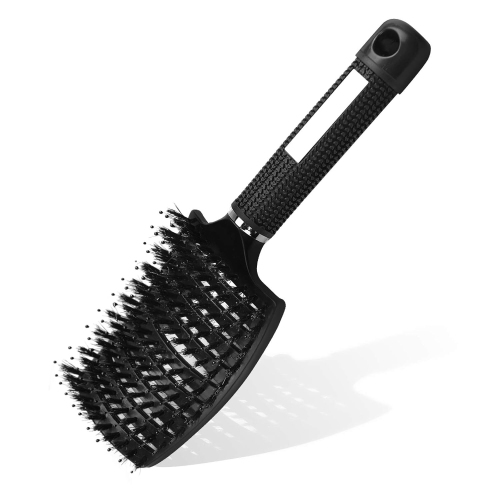
Careful handling and storage help keep static brushes useful between cleaning sessions. Before working on electronics, shut down the device, disconnect external power, and follow its instructions for battery isolation and safe access. Disconnecting power does not eliminate every hazard, particularly inside power supplies and equipment that can retain an electrical charge, so those areas belong with qualified service personnel. Work only on accessible areas that the manufacturer permits the user to clean. Where ESD precautions are specified, use the recommended grounded work surface and personal grounding equipment rather than assuming the brush alone provides protection. Use gentle strokes to move loose material towards an accessible edge or collection point instead of pushing it deeper into a connector or vent. Avoid flooding the bristles with liquid or adding a household cleaner unless both the brush and the equipment instructions explicitly allow it. After use, remove trapped debris as directed, inspect the head for loose fibres, and store the brush where its bristles will not be crushed. A protective sleeve or separate compartment can help prevent the head from picking up grit from other tools. Brushes used around oily residue should be kept separate from those reserved for clean, delicate surfaces, and a record-care brush should not double as a general workbench brush. Grooming tools such as Hair Brushes serve a different purpose and should not be treated as substitutes for electronics-rated cleaning tools. For computer hobbyists, keyboard enthusiasts, technicians, and people maintaining small electronic devices, a well-matched static brush can be a practical addition to a cleaning kit. It can also make a thoughtful gift for someone who enjoys careful equipment maintenance, provided its intended use suits the recipient’s devices and experience. A secure handle, suitable bristle softness, clearly described static-control properties, and straightforward care requirements are more useful than an assortment of unfamiliar shapes. Together, those details help make routine dust removal controlled and repeatable, whether the task involves an accessible keyboard edge or a serviceable component handled at a properly equipped workbench.
Top selling and popular products
-
 Your price for this item is $28.99
-
 Your price for this item is $36.14
-
 Your price for this item is $64.99
-
 Your price for this item is $24.99
-
 Your price for this item is $54.99
-
 Your price for this item is $179.99
-
 Your price for this item is $94.99
-
 Your price for this item is $138
Discover more categories related to Static Brushes

Top Collections:
Best Black Friday Deals This Year, Best Black Friday Deals On Electronics, Kindle Devices, Pokemon Centers, Best Black Friday Deals On Apple Products, Best Cameras for Sports Photography, Dyson Airwrap, Pokémon 30th Celebration Cards, Apple iPhone 17 Pro, Canon G7X Cameras
Some products may be subject to Environmental Handling Fees
(EHF) depending on your province.
Learn more about EHFs.