Sofas for Studio Apartments
Sofas for studio apartments are thoughtfully designed to help you make the most of your living space without sacrificing comfort or style. Whether you’re looking to create a cozy spot for relaxing, entertaining guests, or maximizing your floor plan, there are plenty of options to suit your needs. Explore a variety of sizes, shapes, and finishes to find the perfect fit for your studio apartment and enjoy a functional seating solution that complements your lifestyle.
Sort
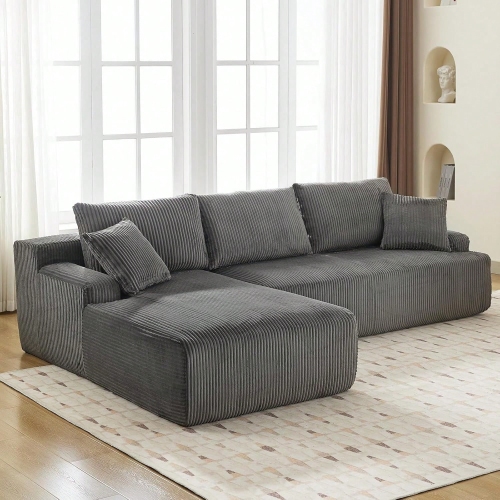
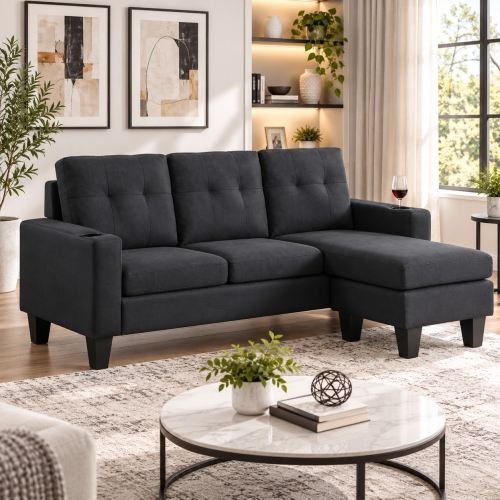

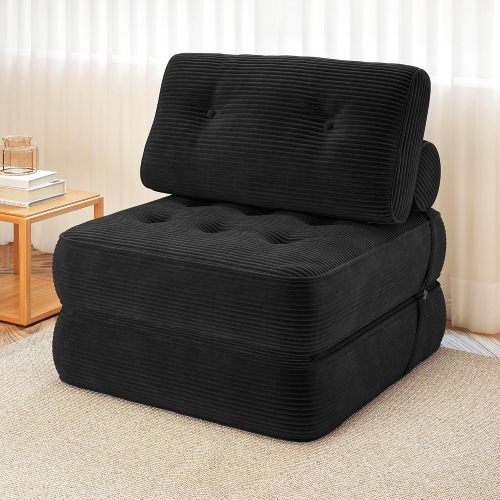
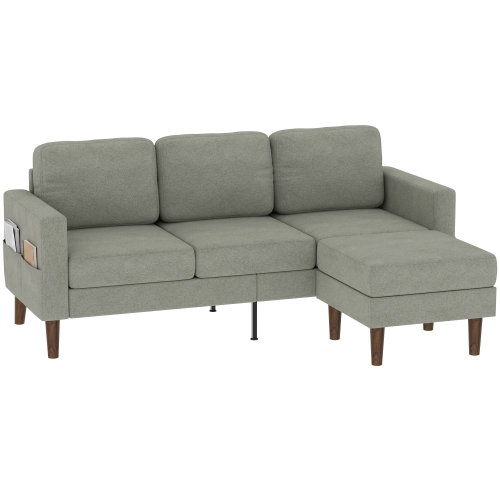

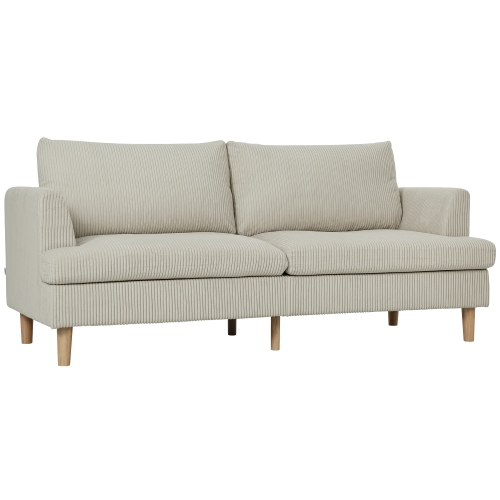
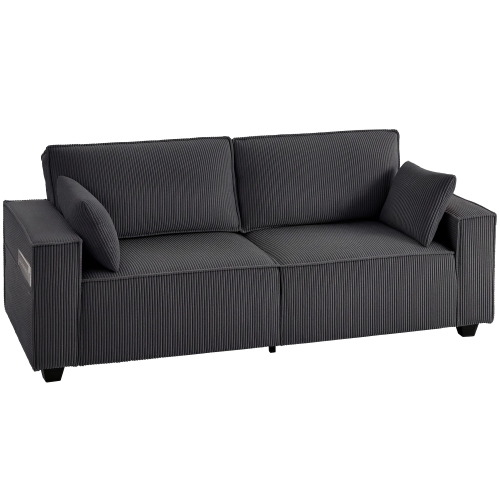


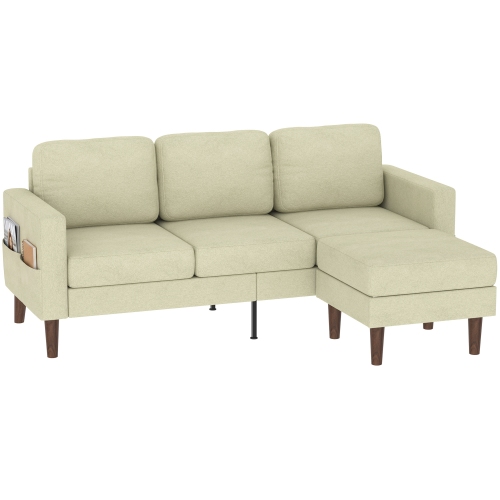


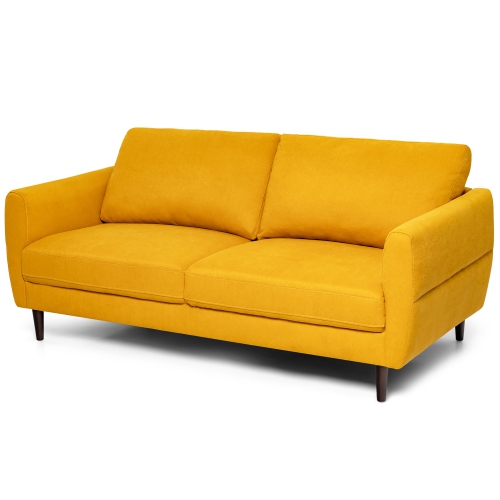

Small-space comfort goes beyond a sofa’s width
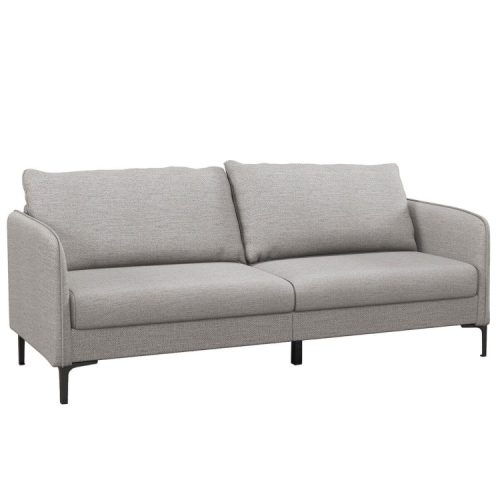
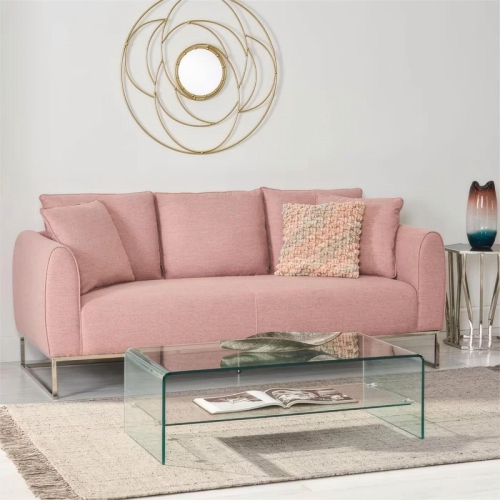
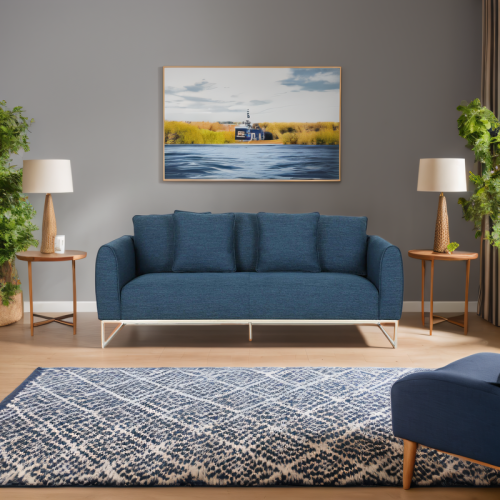
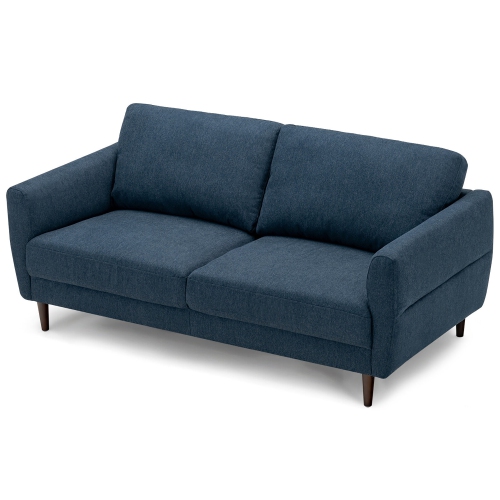
Sofas for studio apartments balance a compact footprint with comfortable seating, useful features, and proportions that leave a room feeling open. In a space where the living area also serves as a bedroom, dining spot, or workspace, the right sofa provides a place to relax without making everyday movement awkward. Loveseats and apartment-sized sofas suit smaller layouts, while a compact sectional can define a sitting area when its shape works with the room. Overall width matters, but depth, arm thickness, and back height also influence how much space a sofa occupies. Slim arms can leave more room for seating within a narrower frame, while a shallow profile may preserve a walkway between the sofa and a bed. A deeper seat offers more room for lounging but needs enough clearance to keep nearby drawers, doors, and cupboards usable. The most useful dimensions include the full outside measurements rather than the seating area alone, along with any extra space needed for reclining or extending a sleeper mechanism. Doorways, elevators, stairwell turns, and building entrances also affect whether a sofa can reach its intended spot. Removable legs or a frame that separates into sections may simplify access, depending on the design. Within the room, raised legs reveal more flooring and can make a substantial piece look lighter, while a lower, solid base creates a more grounded appearance. Neither approach is automatically better for a small home; the surrounding furniture and sightlines make the difference. A sofa positioned away from the wall can separate a sleeping area from a living area, particularly when its back is neatly upholstered and presentable from every angle. For someone who lives alone, a two-seat design may offer plenty of daily comfort. For a couple or someone who regularly has visitors, a slightly wider sofa with efficient proportions may make better use of the same wall than a smaller design with bulky rolled arms. The aim is seating that fits both the floor plan and the way the apartment is used.
Comfort and durability depend on more than the sofa’s size. Seat height, cushion firmness, back support, and upholstery texture all shape how it feels during a film, a conversation, or an evening spent reading. A firmer cushion can make sitting upright and standing up feel easier, while a softer cushion allows a more relaxed posture. Deep seats often suit lounging with legs tucked up, whereas a shallower seat may provide better back support for someone whose feet would otherwise lift off the floor. Cushions made with foam, fibre, springs, or combinations of these materials can feel quite different, and their ability to retain shape depends on construction and use. A well-supported frame and secure joints matter in a studio, where the sofa may be the most frequently used seat in the home. Upholstery deserves the same attention. Tightly woven fabrics can provide a relatively smooth surface for daily use, while textured weaves add depth to a simple silhouette. Velvet offers a soft feel and changes appearance as the pile moves, which can make pressure marks and shading more noticeable. Leather develops character with use but requires suitable care, and direct sunlight can affect its appearance over time. Faux leather has a different care routine and wear pattern, so the material description is more useful than appearance alone. For homes with pets, fabric texture, visible seams, and cushion construction can influence how easily hair gathers or claws catch. No upholstery is completely protected against scratching or spills. Removable cushion covers may make maintenance more convenient, but removable does not necessarily mean machine washable; the care label determines the appropriate cleaning method. Regular vacuuming around seams, prompt attention to spills, and cushion rotation where the design permits can help maintain an even appearance. Clearance beneath the frame is also practical when choosing between a low-profile look and enough room to reach dust under the sofa.
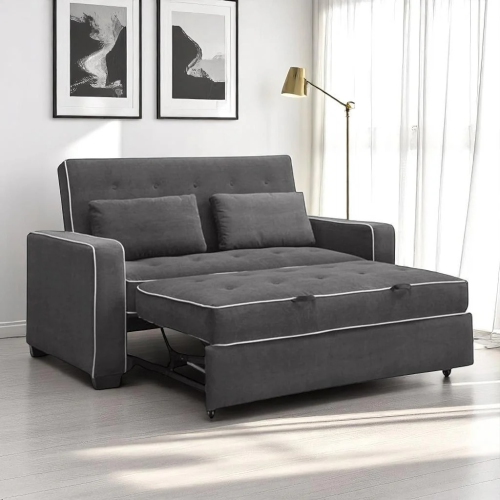
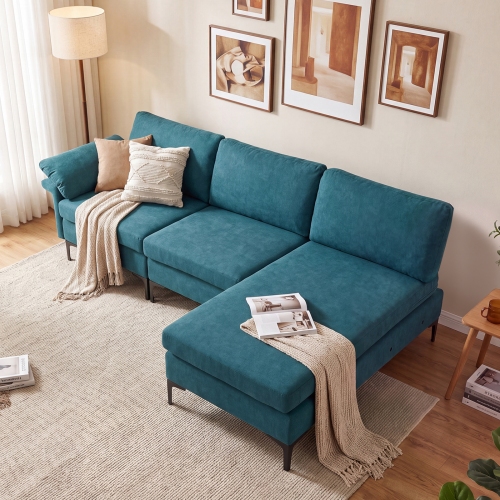
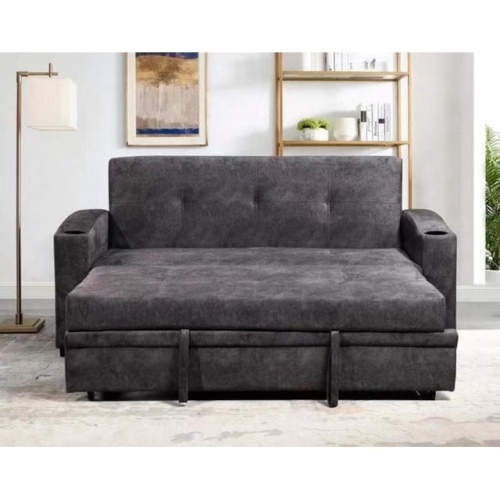
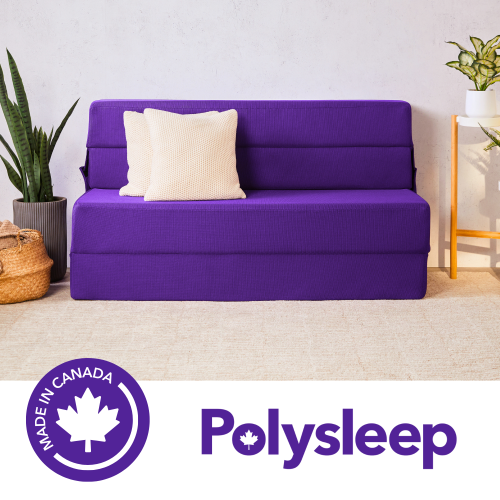
Multifunctional sofas are especially relevant when one room needs to support several routines. A sofa bed can provide occasional sleeping space without keeping a separate guest bed in the apartment, while a futon-style design offers another way to move between sitting and resting. These options differ in how they open, how much floor space they require, and how the sleeping surface feels. A pull-out mechanism may need a clear area in front, while a back that folds flat may require space behind it. The open dimensions are therefore just as important as the closed footprint. For frequent overnight use, the support and sleeping surface deserve particular attention, rather than treating the bed function as an incidental feature. Storage beneath a seat or chaise can hold spare bedding or throws, provided the compartment is accessible in the planned layout. A reversible chaise may offer flexibility when rearranging a studio or moving to another apartment, although the available configurations depend on the frame. Modular seating can serve a similar purpose when its sections genuinely work in more than one arrangement. Visual coordination also helps a small space feel considered rather than crowded. Upholstery close in colour to the walls can create a quieter backdrop, while a richer colour can establish the sofa as the room’s focal point. Light fabrics are not the only option for compact rooms: a darker sofa with slender arms and visible legs can still have a restrained presence. Nearby pieces influence the result as much as upholstery does. A narrow side table can keep a drink within reach without occupying the centre of the room, and a movable ottoman can provide a footrest or an extra perch when needed. For coordinating seating with storage, tables, and other space-conscious pieces, Best Furniture for Studio Apartments brings the broader layout into focus. A well-proportioned sofa earns its place through everyday comfort, manageable care, and a shape that allows the rest of the apartment to function naturally.
Top selling and popular products
-
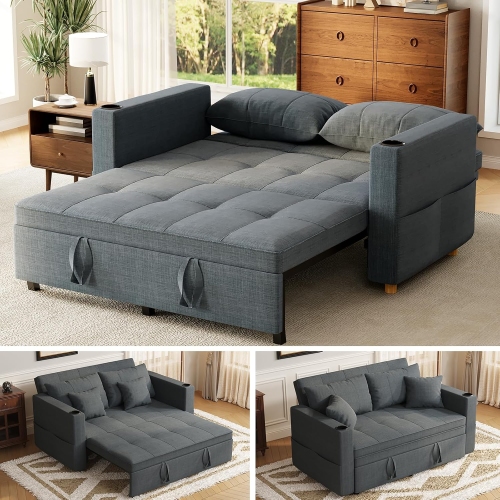 Your price for this item is $549.99
-
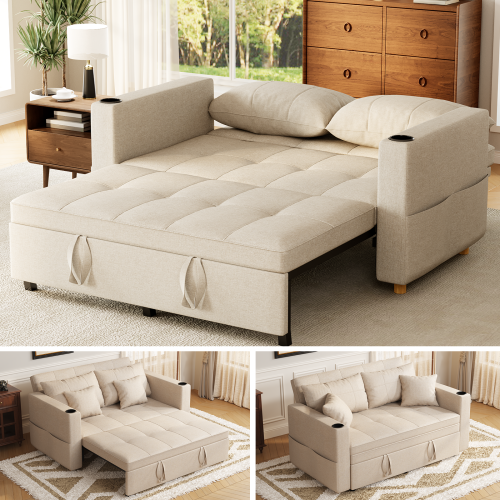 Your price for this item is $559.99
-
 Your price for this item is $599.97
-
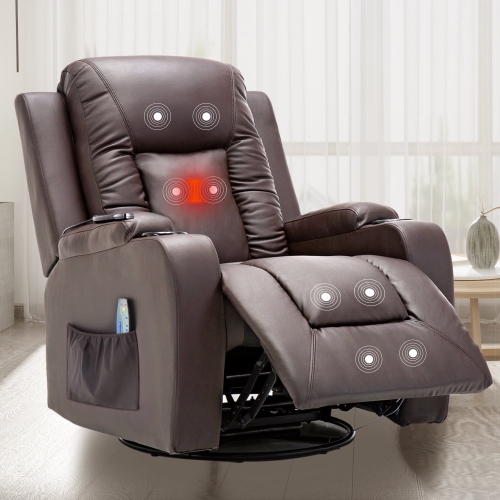 Your price for this item is $599.99
-
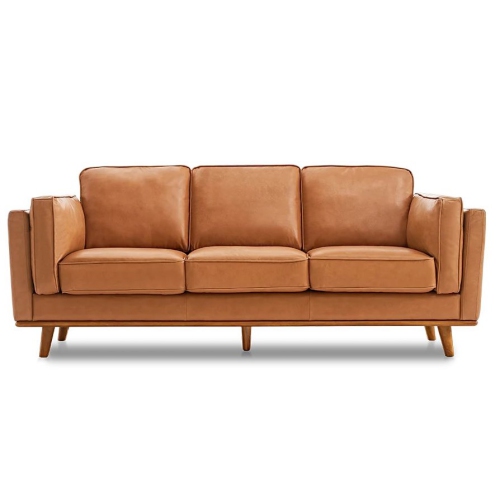 Your price for this item is $1949.99
-
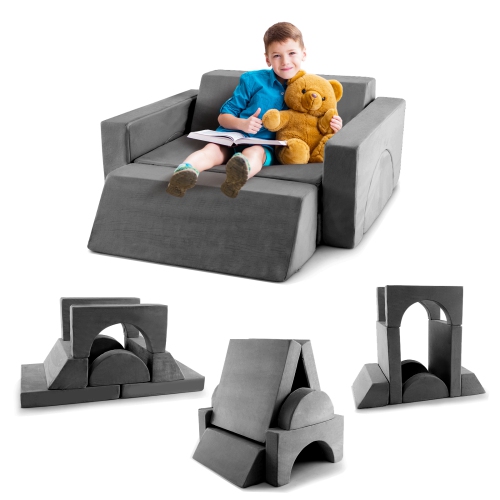 Your price for this item is $167.99
-
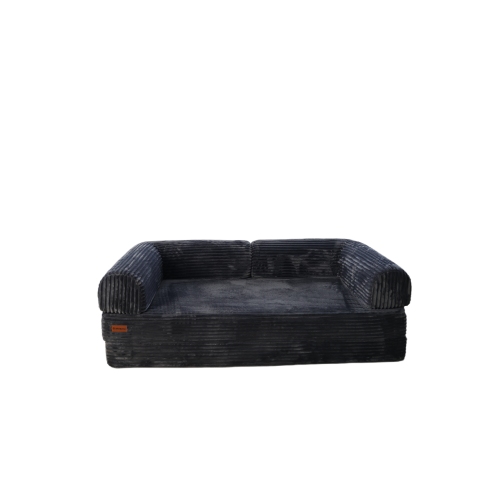 Your price for this item is $599.97
-
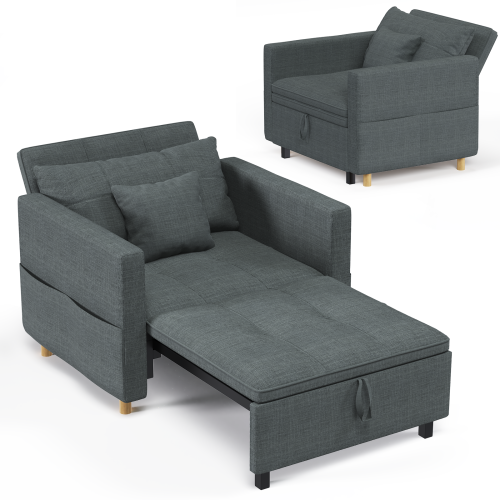 Your price for this item is $289.99
Discover more categories related to Sofas for Studio Apartments
Top Collections:
Pokemon Centers, Best Black Friday Deals This Year, Best Black Friday Deals On Electronics, Kindle Devices, Best Budget Office Chairs, Best Black Friday Deals On Apple Products, Best Cameras for Sports Photography, Pokémon 30th Celebration Cards, Dyson Airwrap, Canon G7X Cameras
Some products may be subject to Environmental Handling Fees
(EHF) depending on your province.
Learn more about EHFs.