Solar Panels for Backup Power
Solar Panels for Backup Power offer a reliable solution to keep essential devices and appliances running during unexpected outages or off-grid adventures. Whether you're preparing for emergencies or looking to support your outdoor activities, these panels provide a convenient way to harness energy when you need it most. Explore a wide selection of options designed to help you stay connected and powered up wherever life takes you.
Sort

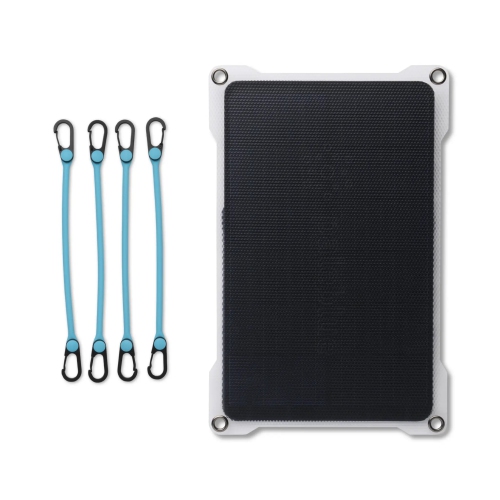
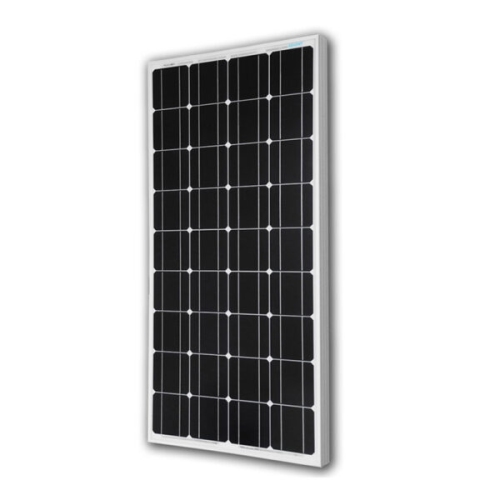
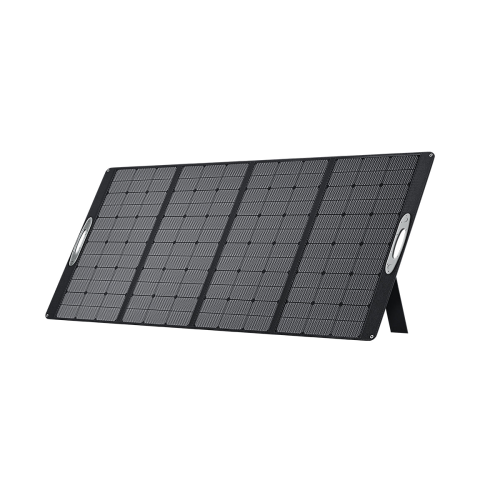
Why backup power takes more than solar panels
Solar panels for backup power supply electricity that can recharge a compatible battery, helping keep essential devices running when utility power is interrupted. For dependable backup electricity after dark or when solar input is insufficient, the panels need to work with battery storage and suitable power-management equipment. An inverter converts stored battery energy into the alternating current used by most household appliances, while a charge controller regulates electricity flowing from the panels to the battery; these components may be integrated into a portable power station or supplied separately in a larger system. Standard grid-connected solar installations generally shut down during a blackout to prevent electricity from flowing onto utility lines, where it could endanger repair crews. Panels alone therefore do not guarantee that a home will have electricity during an outage. A system intended to supply household circuits needs compatible equipment designed for backup operation, along with an approved means of isolating those circuits from the utility grid. Portable arrangements serve a different purpose: appliances plug directly into the power station rather than receiving electricity through the home’s wiring. This can suit a household that wants to keep a refrigerator operating intermittently, charge phones, power a few lamps, or support a modem and router, provided the communications network remains active. A rechargeable setup can also be useful at a cabin, in a recreational vehicle, or at a remote work area where access to an electrical outlet is limited. The value of the panels lies in their ability to replenish stored energy during daylight hours, rather than relying entirely on the battery’s initial charge. That replenishment is not unlimited: usable output depends on the light reaching the panels, their positioning, and the charging limits of the connected equipment. Solar panels sit alongside batteries, portable power stations, and other Power Backup Solutions, with each component serving a distinct role. Together, compatible components can support a practical backup arrangement focused on the devices that matter most, whether that means a small charging station on a kitchen counter or a professionally installed system serving selected household circuits.
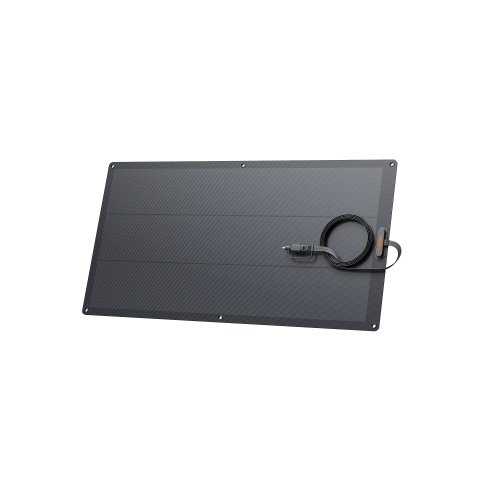
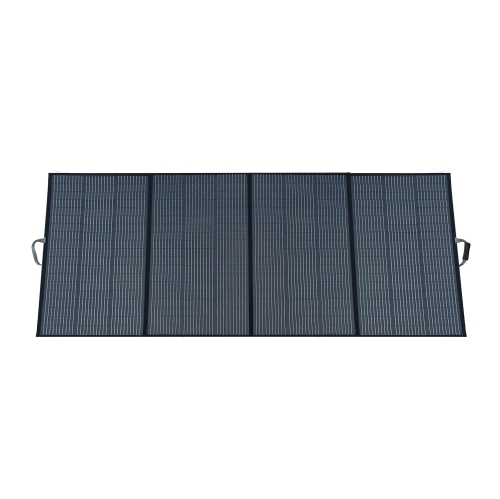
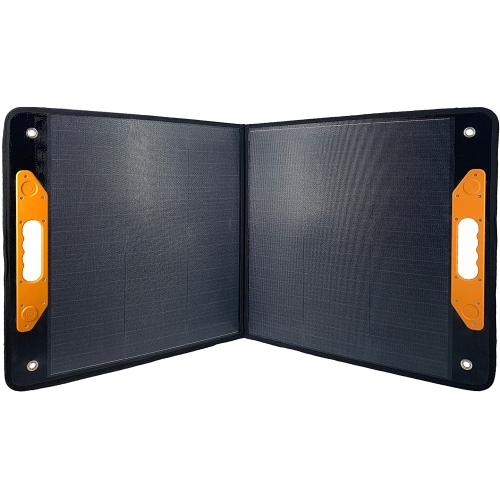
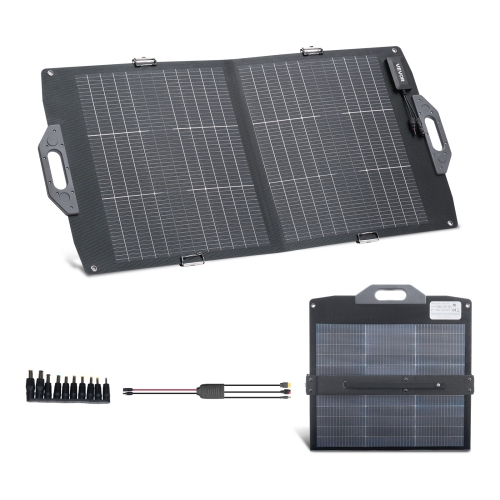
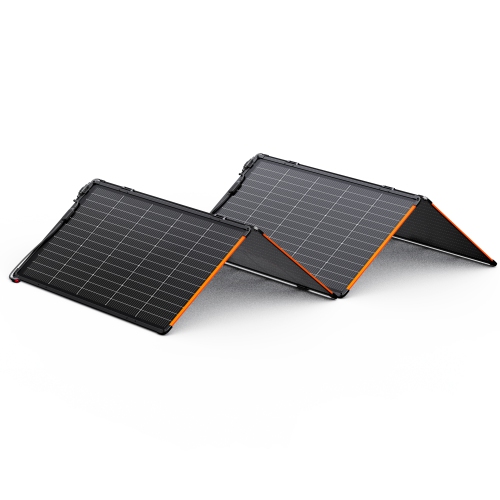
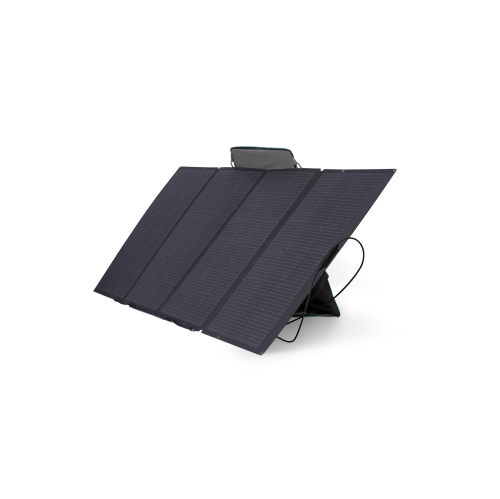
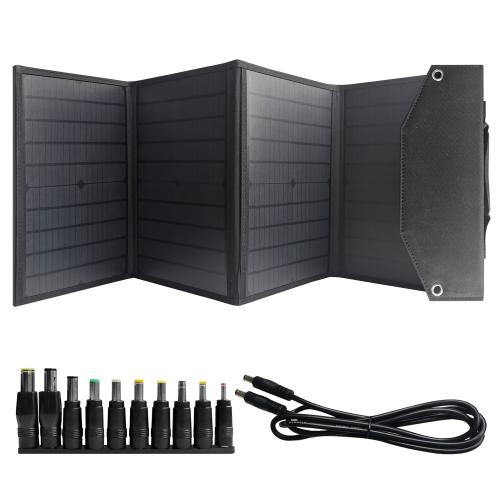
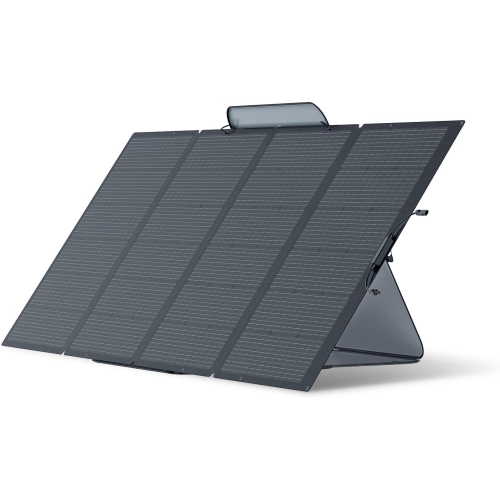
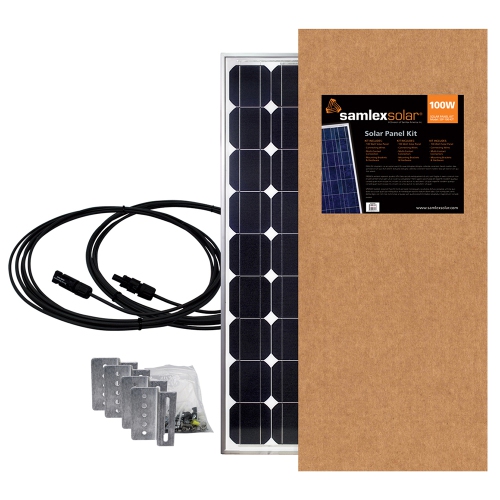
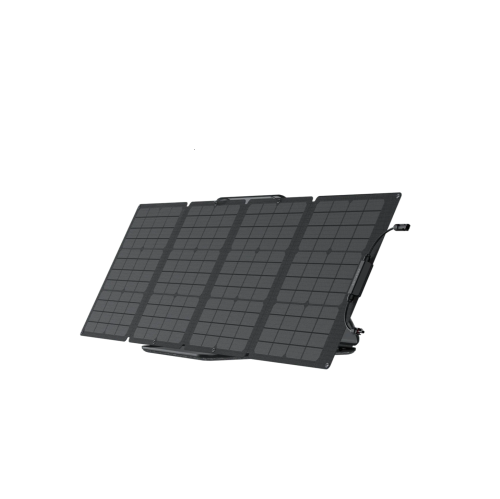
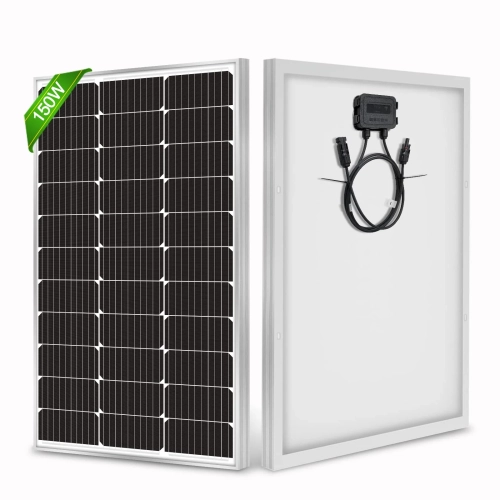
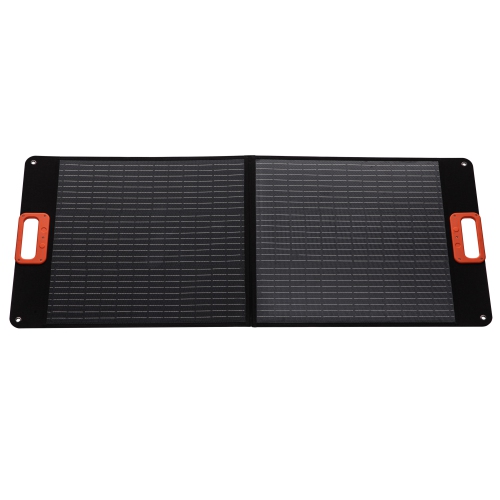
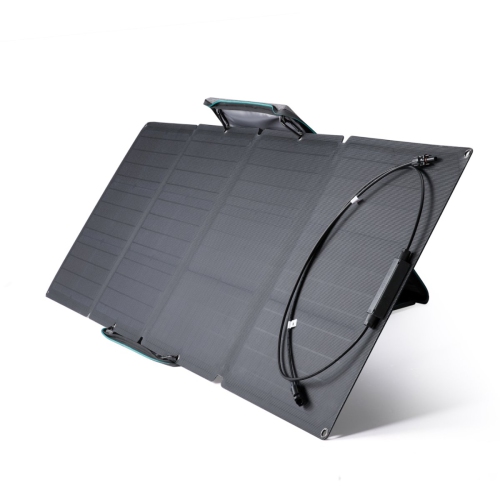
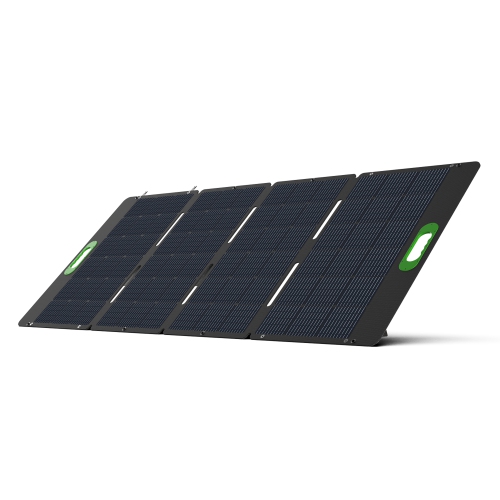
Panel wattage, battery capacity, and inverter output describe different parts of that arrangement. A panel’s watt rating indicates its output under specified test conditions, not a guaranteed amount of electricity delivered throughout the day. Battery capacity, commonly expressed in watt-hours or kilowatt-hours, describes how much energy can be stored. Inverter output, expressed in watts, indicates how much power the system can supply to connected equipment at a given moment. These distinctions matter when comparing a compact setup for phones and a laptop with one intended to support refrigeration or several household essentials. A large battery does not necessarily have an inverter capable of starting a demanding appliance, and a powerful inverter does not make a small battery last longer. Motors and compressors can require a brief surge above their normal running power, so both continuous and surge ratings are relevant. Actual operating time also reflects conversion losses, the battery’s usable capacity, and whether connected devices run continuously or cycle on and off. Solar charging can extend operation when input is sufficient, but it may not replace energy as quickly as appliances consume it. Compatibility is equally important on the charging side. The panel’s voltage and current must stay within the charge controller or power station’s accepted input limits, and matching connector shapes do not by themselves establish electrical compatibility. Connecting multiple panels changes those electrical characteristics, depending on how the array is configured. Battery charging also needs to match the battery chemistry and the manufacturer’s requirements. For portable use, folding panels offer a packable format that can be carried between a storage area and a suitable outdoor location. Rigid panels are better suited to mounting arrangements where the array stays in place. Dimensions, weight, cable length, and the space needed to unfold or mount the panels affect everyday usability as much as the headline wattage. A household focused on a router, task lighting, and device charging has different needs from one seeking to operate a pump or supply equipment requiring 240-volt power. The panel array, storage capacity, and output equipment all need to fit that intended workload.
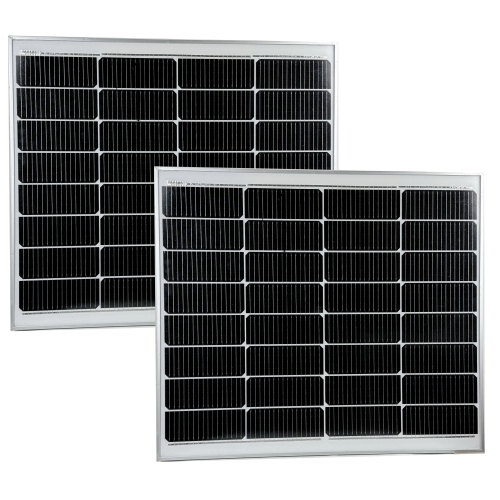
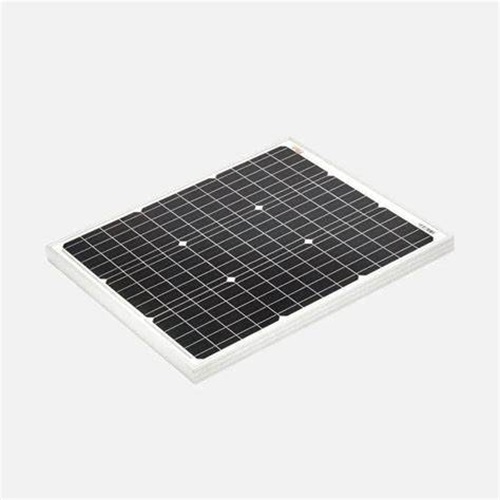
Construction and care influence how well solar panels hold up to repeated handling and long-term use. Many rigid panels combine photovoltaic cells with a tempered-glass front and an aluminium frame, creating a firm structure for fixed mounting. Portable folding designs may use laminated cell surfaces, protective backing, reinforced edges, and integrated support legs to reduce carrying bulk and simplify positioning. The balance between weight and protection varies, making packed dimensions, handle placement, hinge construction, and support stability useful considerations for anyone moving panels regularly. A folding array that fits neatly in a vehicle may be convenient for a cabin visit, while a mounted array avoids the repeated setup involved in a portable arrangement. Outdoor-use ratings deserve attention, particularly because a panel’s resistance to water exposure does not necessarily extend to its connectors, charging accessories, or attached power station. Those components need the placement and protection specified by their manufacturers. Clean panel surfaces allow light to reach the cells; gentle cleaning with approved materials helps avoid scratching protective layers or damaging seals. Cables should be kept clear of walking routes, sharp edges, and places where doors or furniture could pinch them. Before folding or storing a portable panel, its surfaces should be clean and dry, and its leads secured without tight bends or strain at the connectors. Visible damage, loose connections, or exposed wiring warrants stopping use until the issue has been assessed. Fixed installations introduce additional considerations, including secure mounting, cable routing, electrical protection, and compliance with local requirements. Connections to household circuits should be handled by a qualified electrical professional using approved equipment; plugging a power source into a wall outlet to feed household wiring is unsafe. Battery placement and access also matter, especially where children or pets may reach controls or cables. For households building a backup setup over time, compatible expansion options can be useful, but extra panels or batteries must remain within the system’s supported limits. A well-matched solar backup arrangement combines manageable panel size, suitable storage, safe connections, and enough output for its intended devices, providing a practical way to preserve essential routines during an interruption.
Top selling and popular products
-
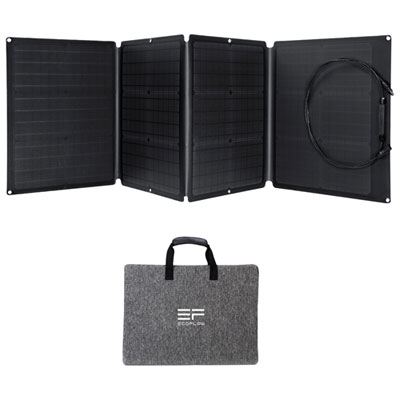 Your price for this item is $301.98
-
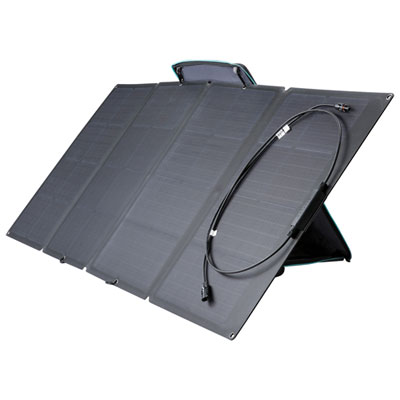 Your price for this item is $401.98
-
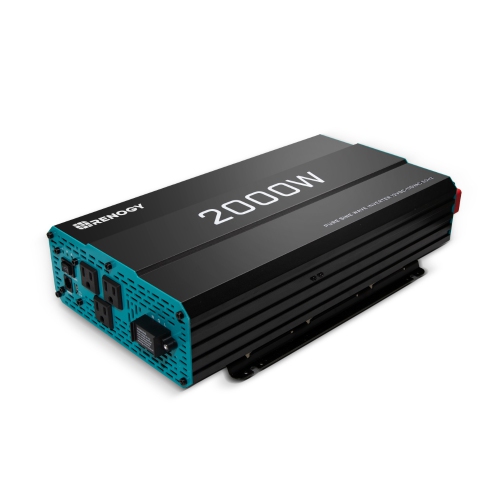 Your price for this item is $464.99
-
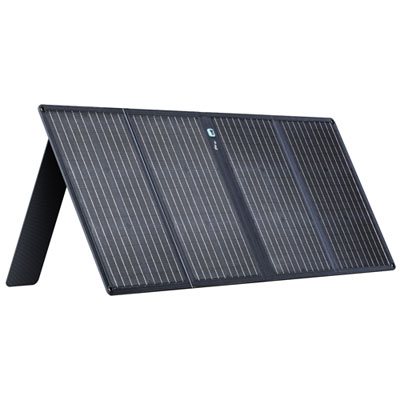 Your price for this item is $399.99
-
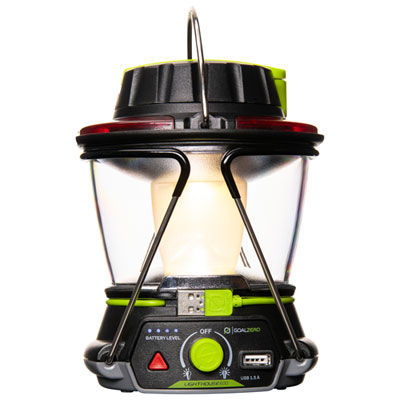 Your price for this item is $99.99
-
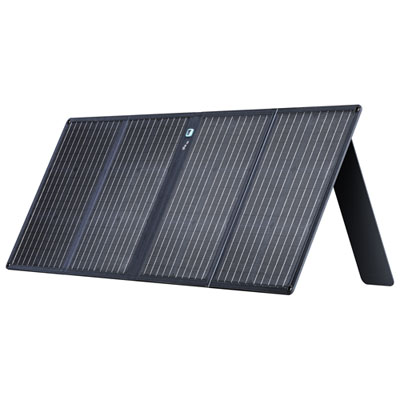 Your price for this item is $439.99
-
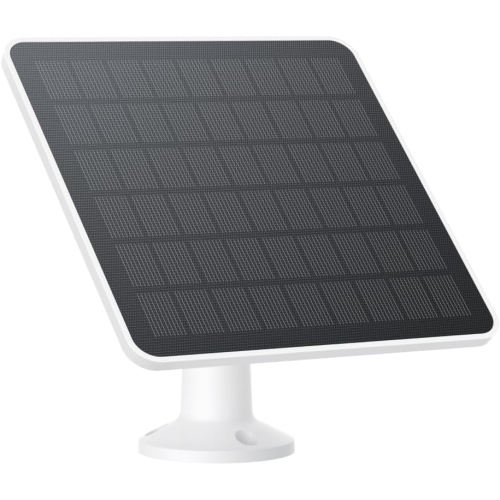 Your price for this item is $69.99
-
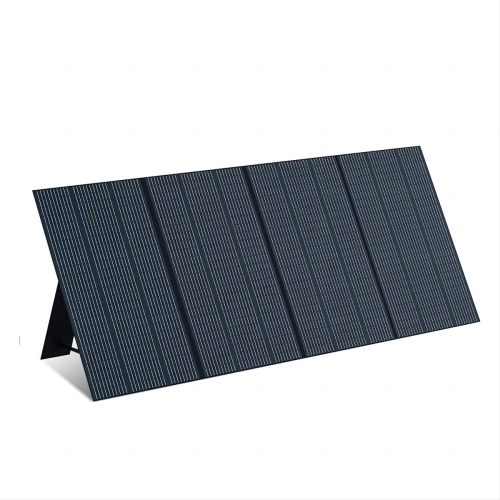 Your price for this item is $999
Discover more categories related to Solar Panels for Backup Power
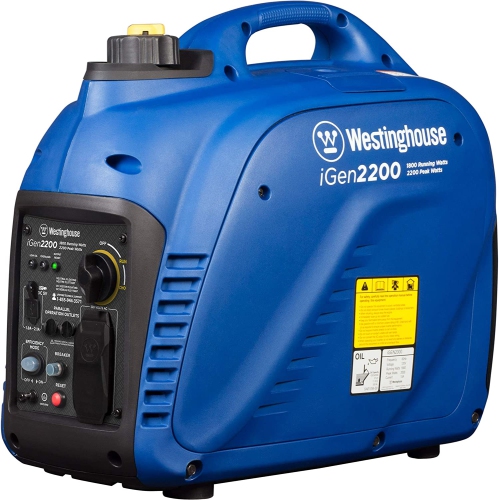
Top Collections:
Pokemon Centers, Kindle Devices, Best Cameras for Sports Photography, Best Budget Office Chairs, Pokémon 30th Celebration Cards, Apple iPhones 16, Canon G7X Cameras, iPhone 15 Apple, Flip Phones, Samsung Galaxy Phones
Some products may be subject to Environmental Handling Fees
(EHF) depending on your province.
Learn more about EHFs.