Solar Panels for Emergency Backup
Solar Panels for Emergency Backup offer a reliable solution to keep your essential devices powered during unexpected outages. Whether you're preparing for storms, power interruptions, or off-grid situations, these solar panels provide peace of mind and added convenience. Explore a wide selection designed to help maintain connectivity and comfort when you need it most. Find the right Solar Panels for Emergency Backup to support your home or on-the-go needs with ease.
Sort

Why solar backup depends on more than panel wattage
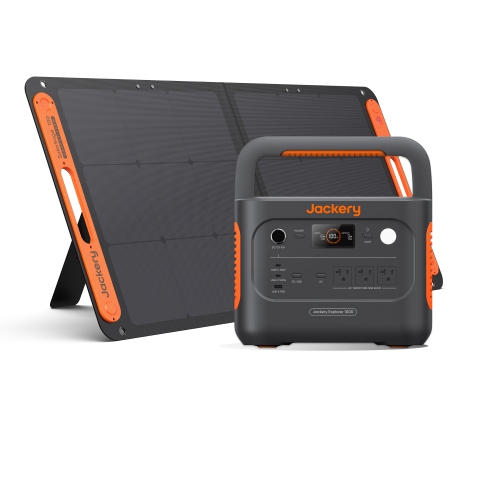
Solar panels for emergency backup turn sunlight into electricity that can help keep essential devices running when utility power is interrupted. For dependable backup after sunset or when sunlight is limited, panels need to work with a compatible battery storage system or portable power station that stores the electricity they produce. A solar panel alone does not store energy, and most conventional grid-tied home solar systems automatically stop supplying power during an outage to prevent electricity from feeding back into utility lines. Home backup requires equipment specifically designed to operate safely when the grid is down. Portable setups offer a different approach: compatible panels connect to a power station, which stores energy and supplies power through its built-in outlets and charging ports. The combination can support practical needs such as keeping phones charged, running a task light, or powering a compatible modem and Wi-Fi router while the local network remains operational. Larger, appropriately rated systems may also support a refrigerator or other essential appliances, depending on their power requirements. The relationship between the panels and the battery matters more than panel wattage alone. Panel output affects how quickly stored energy can be replenished, battery capacity affects how much energy can be held, and the power station’s output rating determines which devices it can run. These are separate specifications, each with a role in a useful emergency setup. A panel with a high wattage rating cannot overcome a battery’s limited charging input, and a large battery cannot run an appliance whose starting demand exceeds the inverter’s capability. Shoppers comparing Portable Power Stations for Emergency Backup alongside solar panels can consider the two as parts of one system rather than interchangeable sources of power. For an apartment resident charging small electronics, portability and simple connections may be priorities. For a household supporting several essential devices, usable battery capacity, sufficient output, and room to position panels in direct sunlight become more important.
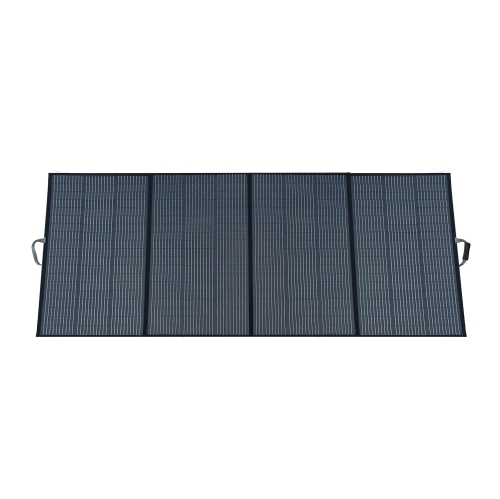
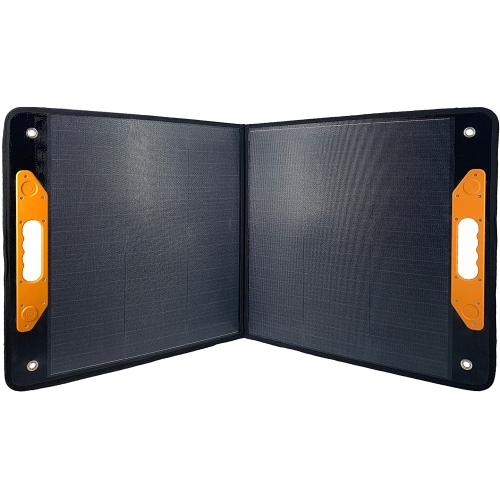
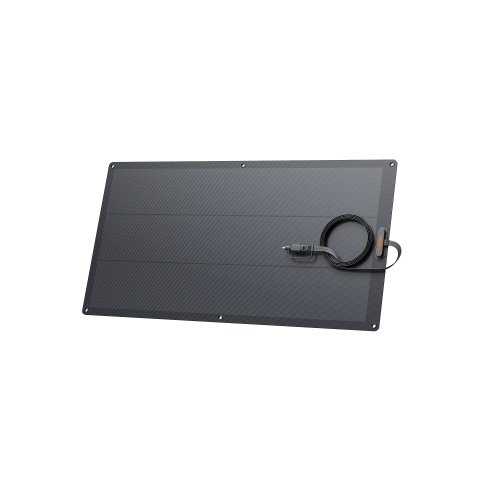
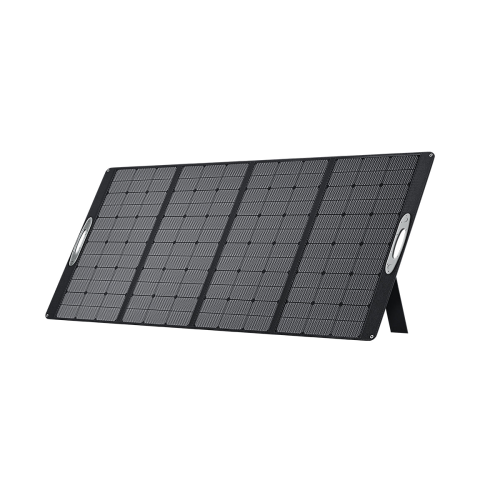
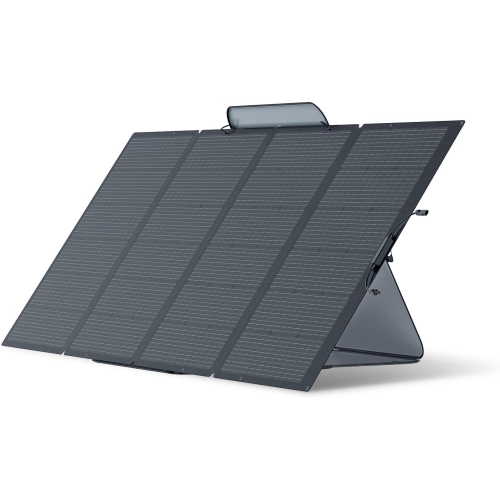
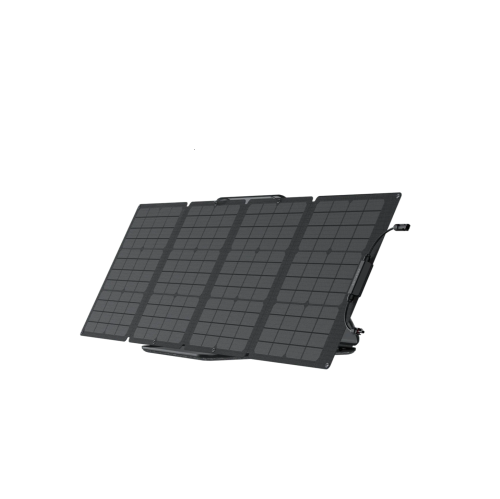
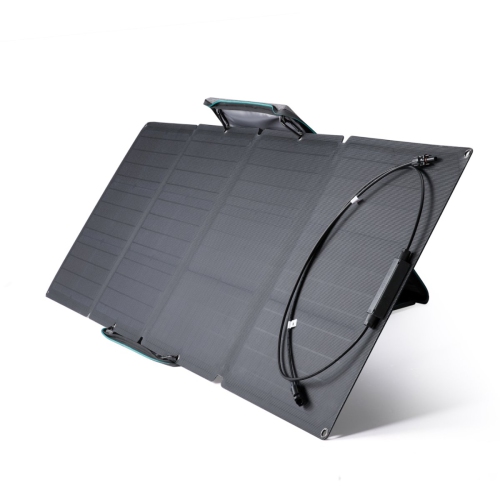
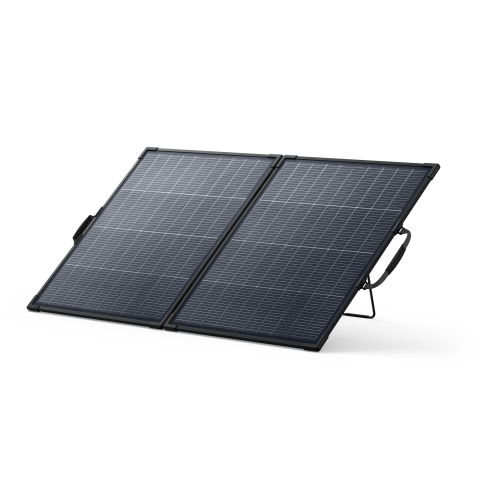
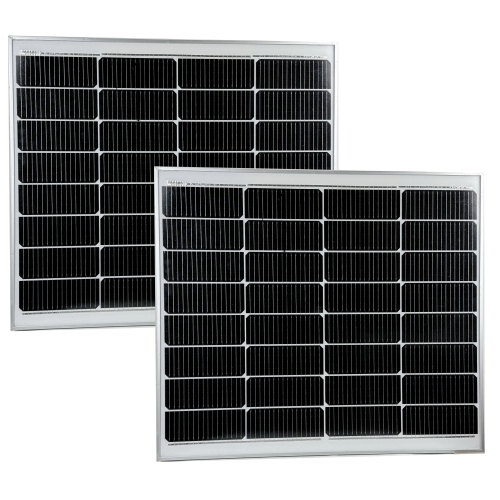
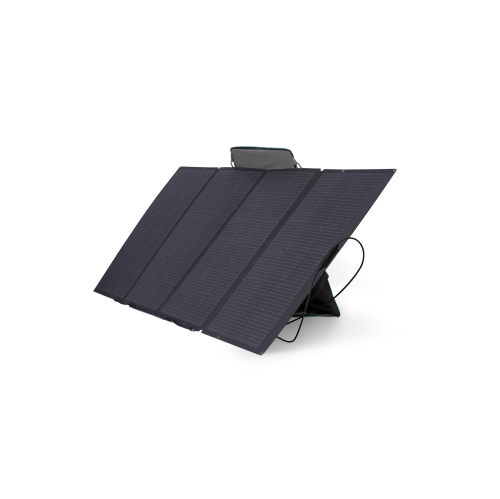
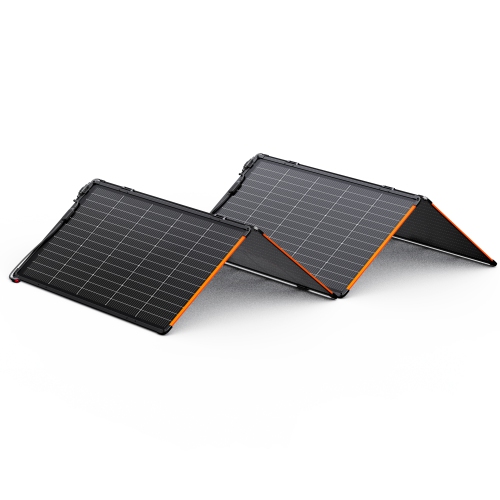
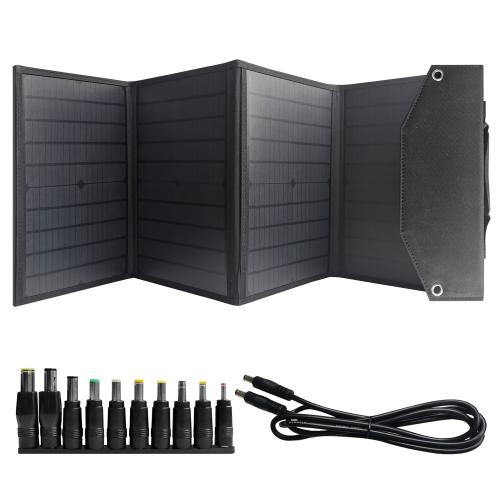
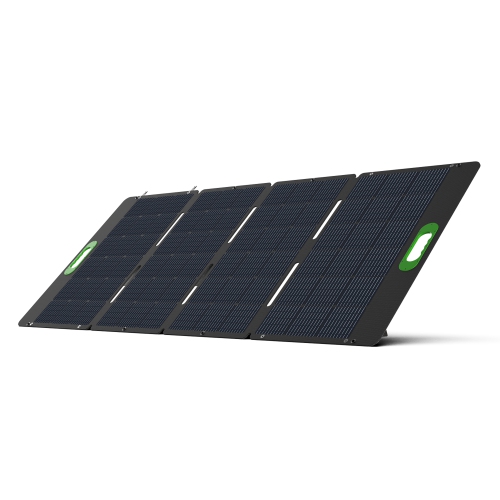
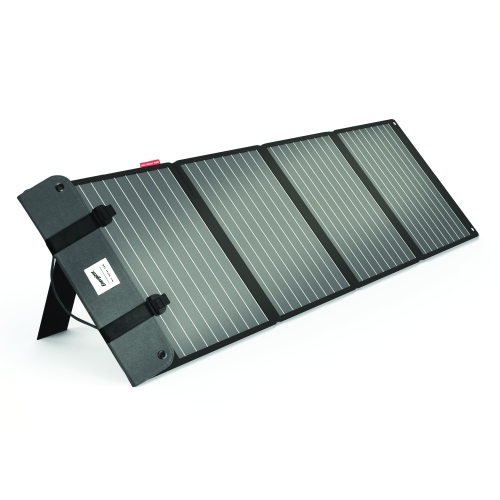
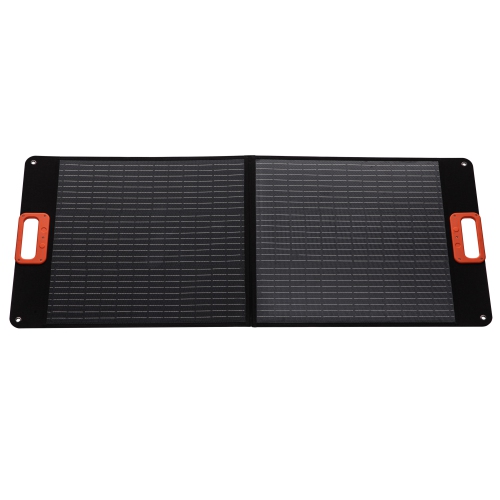
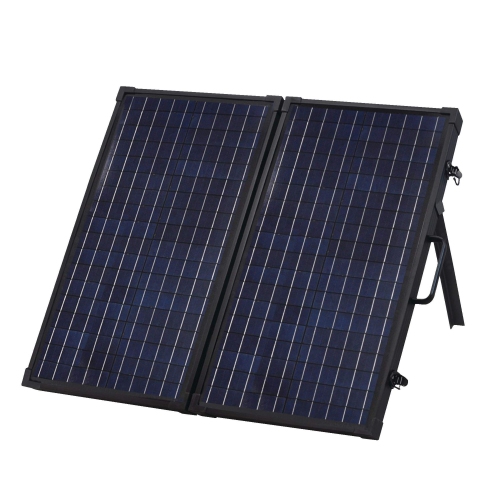
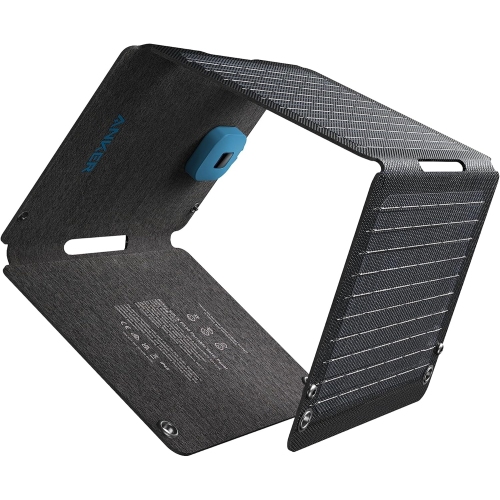
Solar panel construction influences how easily a backup setup moves between storage and use. Rigid panels commonly use solar cells protected by tempered glass within a metal frame, giving them a sturdy structure suited to a secure mounting arrangement. Foldable panels often combine several connected sections with a protective outer covering, carrying handles, and integrated supports, making them easier to pack away or move to a suitable position. Neither format is automatically the better fit: a panel that stays mounted has different handling requirements from one carried out from a cupboard during an outage. Folded dimensions, total weight, handle placement, and the space needed when fully opened all affect everyday practicality. A compact package may still need a broad, unobstructed area to collect sunlight effectively. Adjustable supports can help orient panels towards the sun, while a secure position helps prevent movement that could strain cables or damage the panel surface. Shade from a balcony railing, nearby building, or tree can substantially reduce output, even when much of the panel appears well lit. Rated wattage is measured under standard test conditions, so actual production varies with sunlight, orientation, shading, and other operating conditions; it is not a promise of continuous output. Electrical fit is equally important. The panel’s voltage, current, connector type, and polarity must meet the receiving equipment’s requirements, and the panel array’s open-circuit voltage must remain within the charging input’s permitted range. A connector that physically fits does not establish compatibility. Adding panels also requires attention to the limits for the complete arrangement, rather than simply adding their wattage ratings together. Durability depends on appropriate handling as well as materials. Clean surfaces collect light more effectively, but abrasive cleaners and rough scrubbing can damage protective finishes. Care generally involves gentle cleaning according to the manufacturer’s directions, inspection for damaged cables or connectors, and dry storage when the equipment is not in use. Water-resistance ratings apply only to the components specified, so a panel’s rating should not be assumed to cover its connectors, charging controller, or attached battery.
The most useful emergency solar setup reflects what a household actually needs to keep running, rather than attempting to replace every wall outlet. A phone, a small light, and a laptop create a different demand from a refrigerator, sump pump, or several appliances operating together. Battery capacity is usually expressed in watt-hours, while appliance demand and inverter output are expressed in watts. As a simple illustration, a fully charged battery rated at 1,000 watt-hours could theoretically supply a constant 100-watt load for 10 hours, but actual runtime will be shorter because of conversion losses, the system’s operating power, and other limits. Appliances that cycle on and off make estimates less straightforward, and motors may briefly require considerably more power to start than to continue running. Electric heaters, kettles, and other high-draw appliances can consume stored energy quickly, leaving less capacity for communication and lighting. Solar charging can extend a system’s usefulness, but recharge time depends on the energy being replaced and the charging power actually reaching the battery. Energy used by connected devices during charging also reduces the amount being stored. Keeping the battery charged before an interruption provides a more dependable starting point than relying on immediate solar production. For homeowners, renters, cottage owners, and people assembling an emergency kit, practical details can make a substantial difference: accessible storage, clearly identified cables, sufficient cable length, and a safe place for the battery while the panels collect sunlight outside. Cables should not create trip hazards or be crushed in doors or windows, and batteries need the placement and ventilation specified by their manufacturer. A portable power station supplies devices through its intended connections; it must never be used to feed a household wall outlet. Supplying home circuits requires approved transfer equipment and installation by a qualified electrician. Essential medical equipment also calls for a dedicated backup plan based on its manufacturer’s requirements and advice from the care provider. With appropriate compatibility, realistic capacity expectations, and manageable handling, solar panels can form a practical part of an emergency power arrangement that is ready for the tasks that matter most.
Top selling and popular products
-
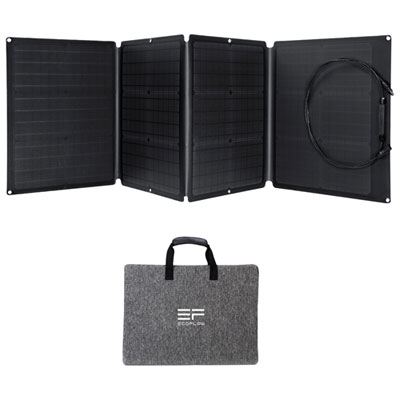 Your price for this item is $301.98
-
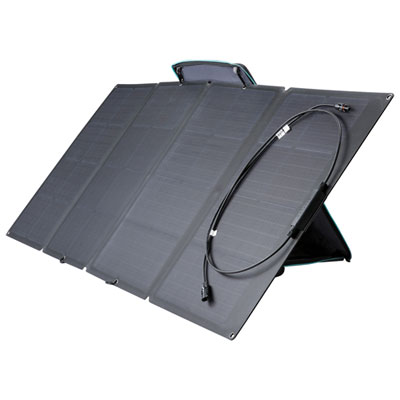 Your price for this item is $401.98
-
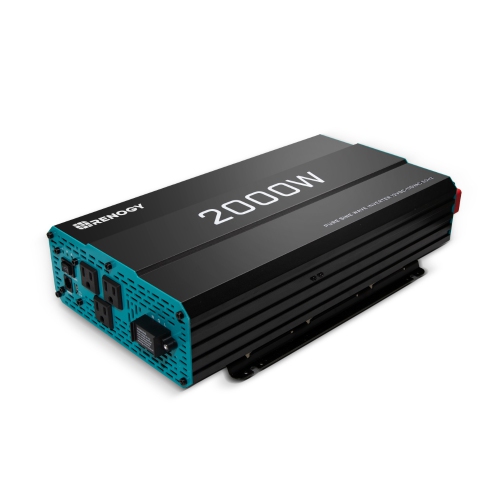 Your price for this item is $464.99
-
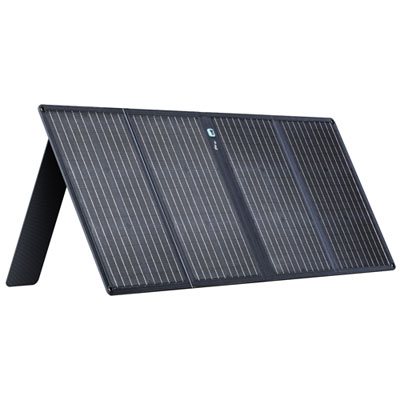 Your price for this item is $399.99
-
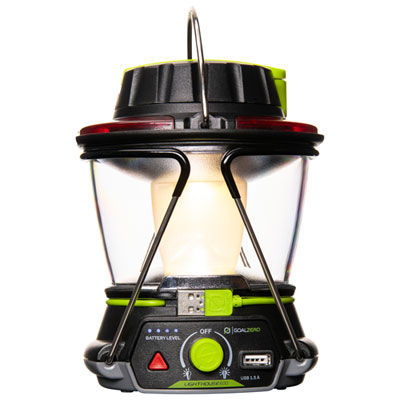 Your price for this item is $99.99
-
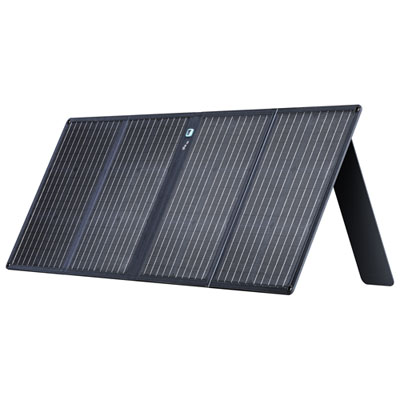 Your price for this item is $439.99
-
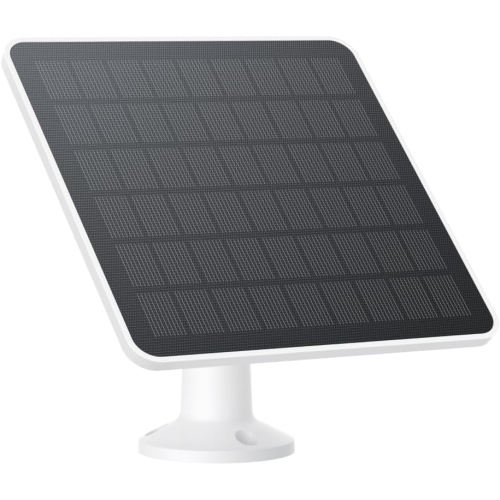 Your price for this item is $69.99
-
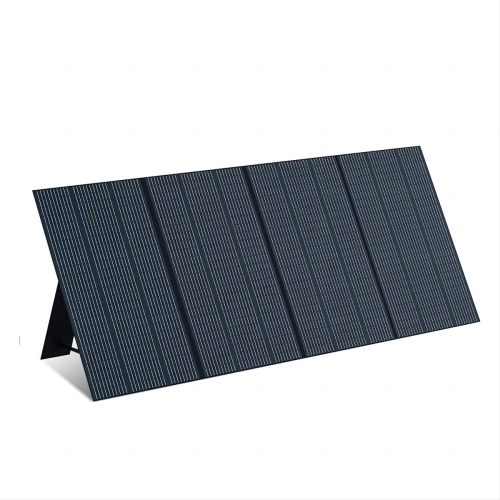 Your price for this item is $999
Discover more categories related to Solar Panels for Emergency Backup
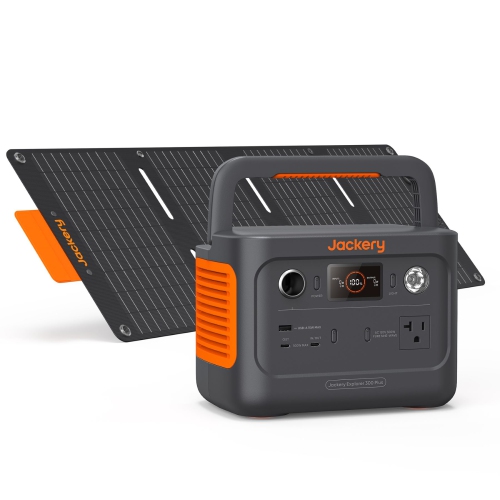
Top Collections:
Pokemon Centers, Kindle Devices, Best Cameras for Sports Photography, Pokémon 30th Celebration Cards, Apple iPhones 16, Canon G7X Cameras, iPhone 15 Apple, Flip Phones, Samsung Galaxy Phones, Alarm Clock
Some products may be subject to Environmental Handling Fees
(EHF) depending on your province.
Learn more about EHFs.