Solid Oak Bedroom Furniture
Transform your bedroom into a serene sanctuary with our exquisite solid oak bedroom furniture pieces. Crafted with utmost precision and attention to detail, our pieces offer timeless elegance and unparalleled quality. Whether you prefer a classic or contemporary aesthetic, our solid oak furniture pieces will effortlessly enhance the beauty of your space while providing durability that lasts for years to come.
Sort


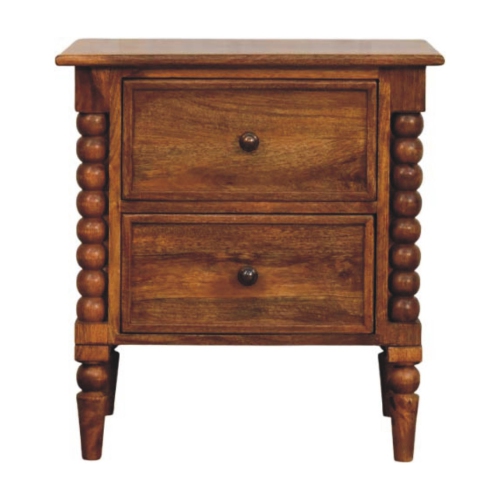


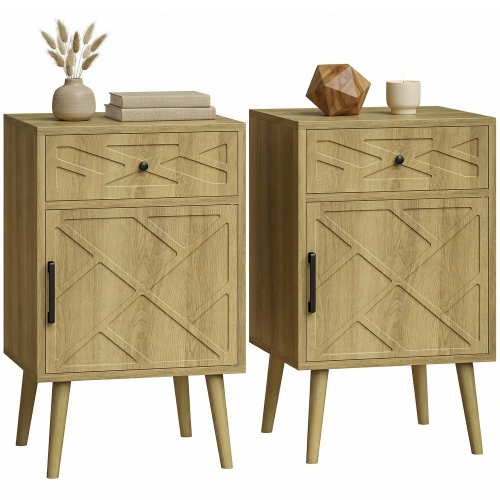

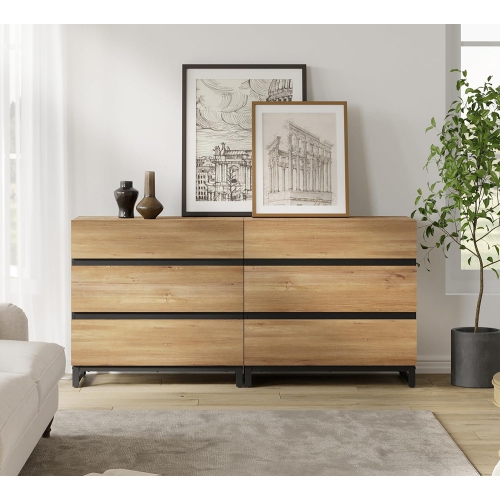


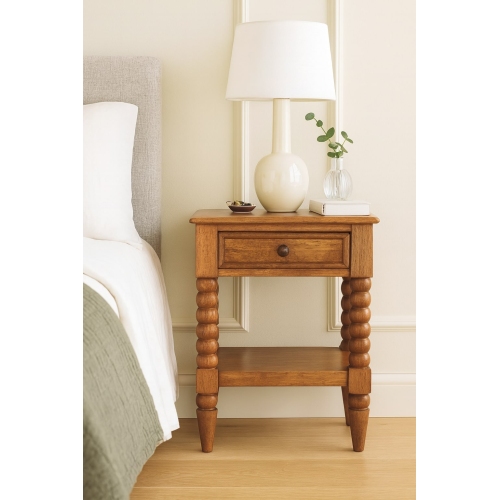


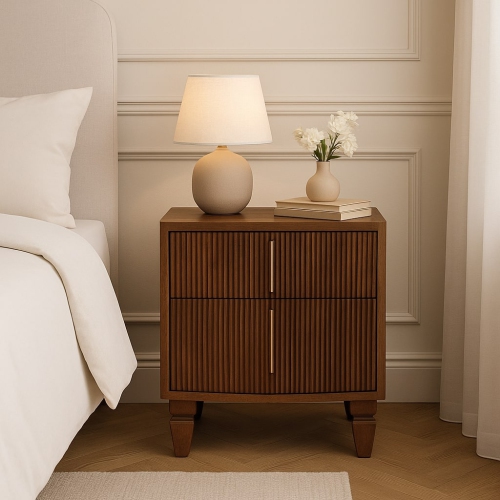


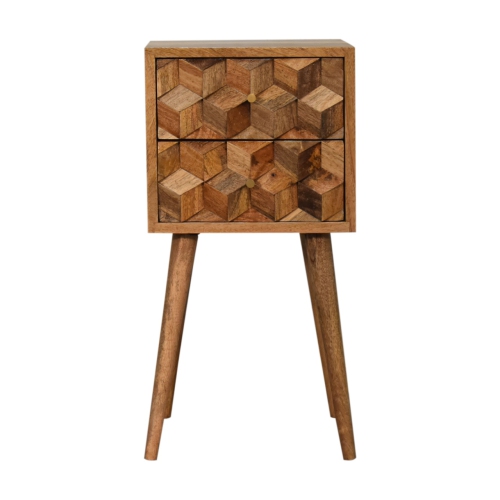
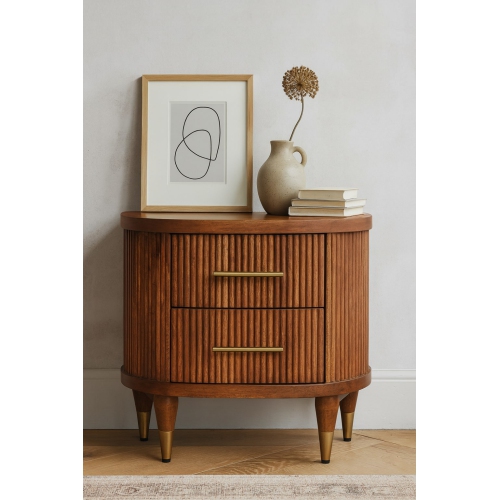
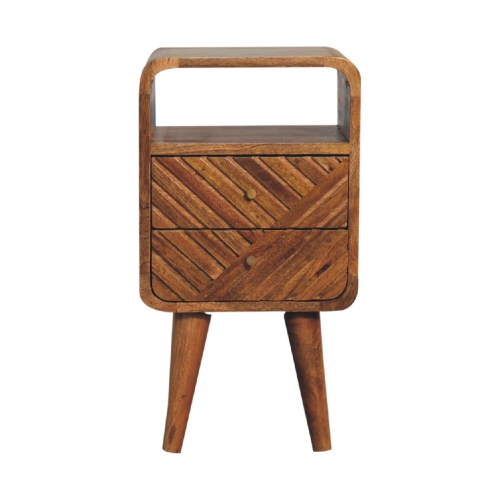
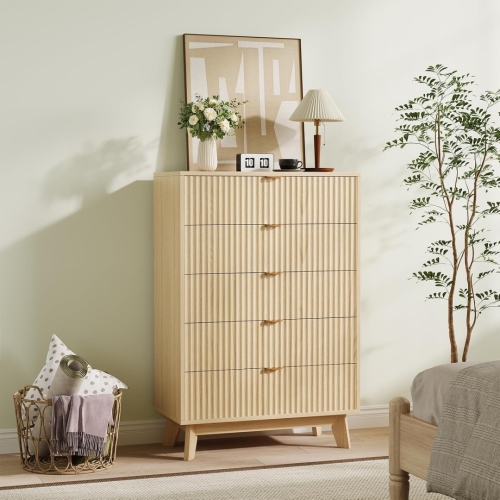


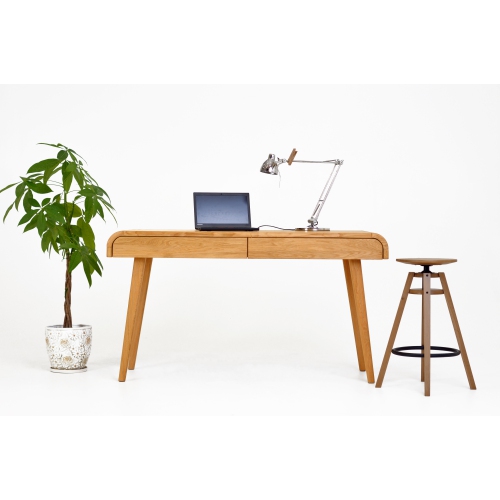

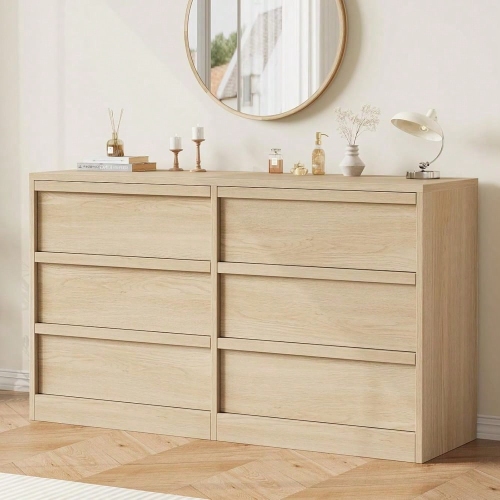


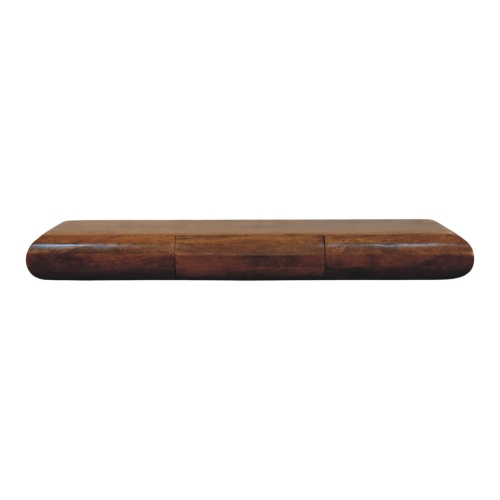


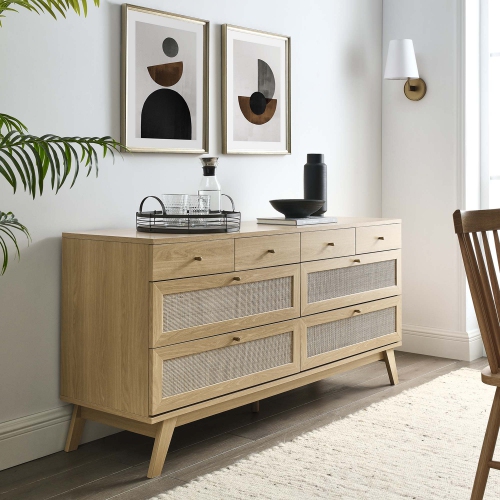


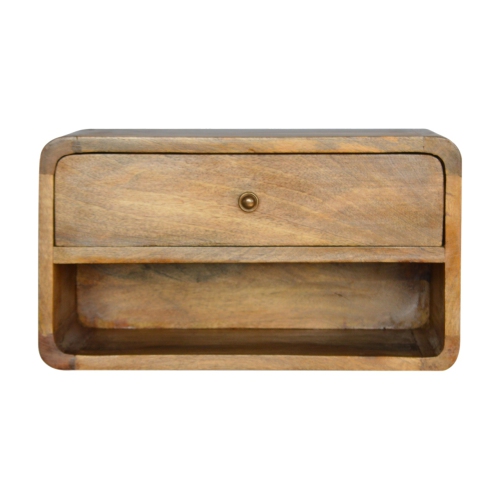
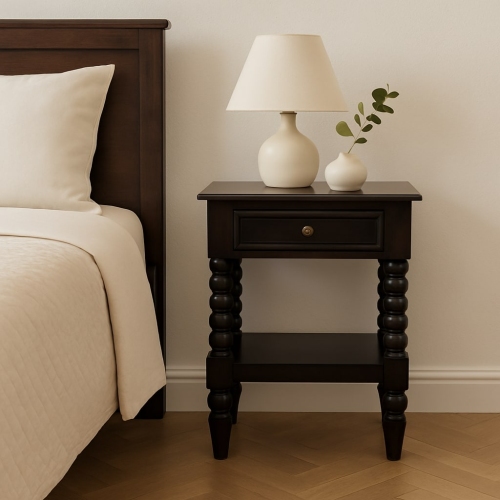
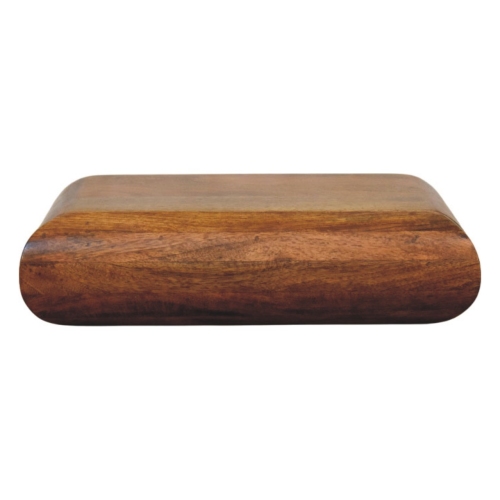


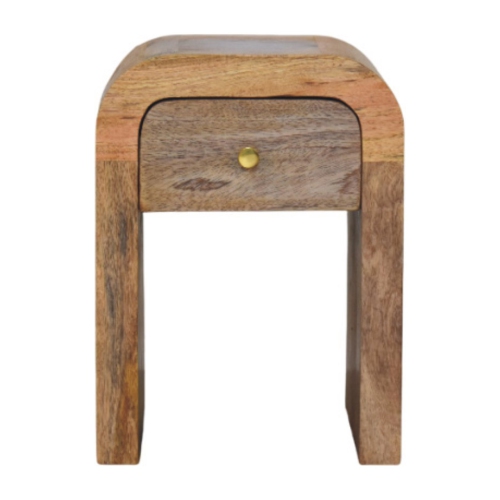
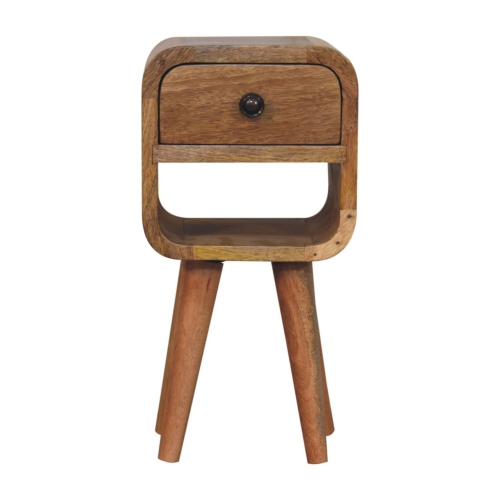

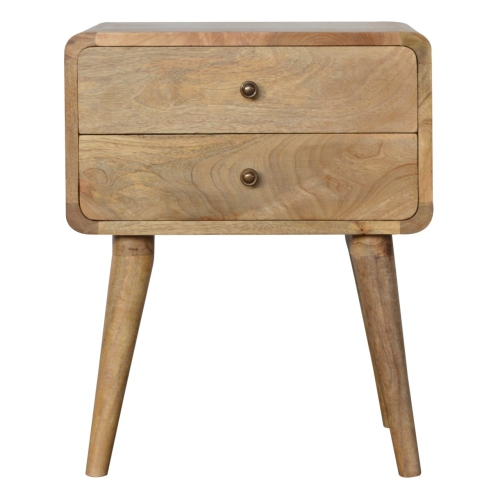


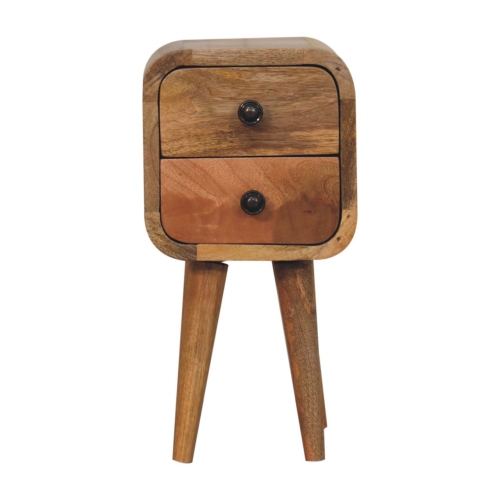

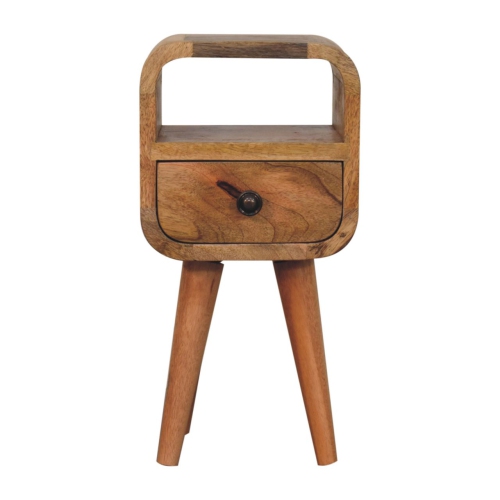

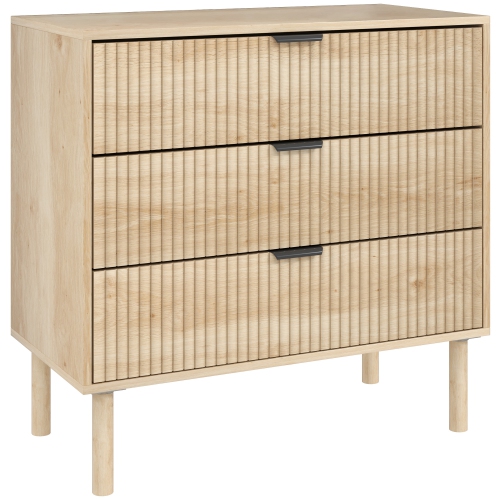

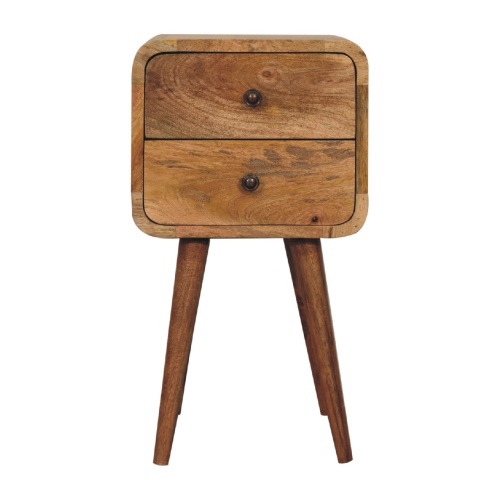

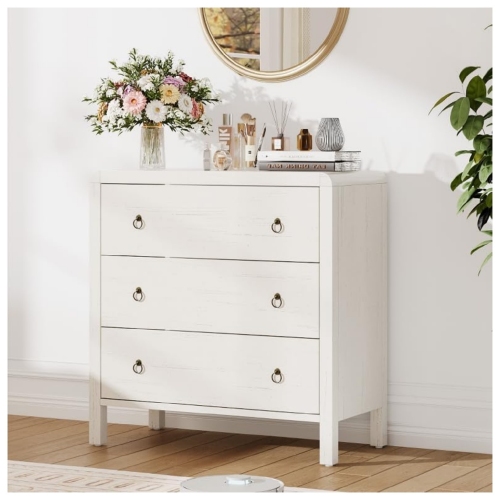
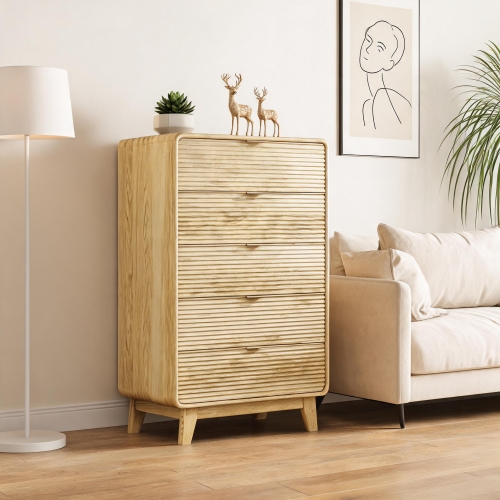


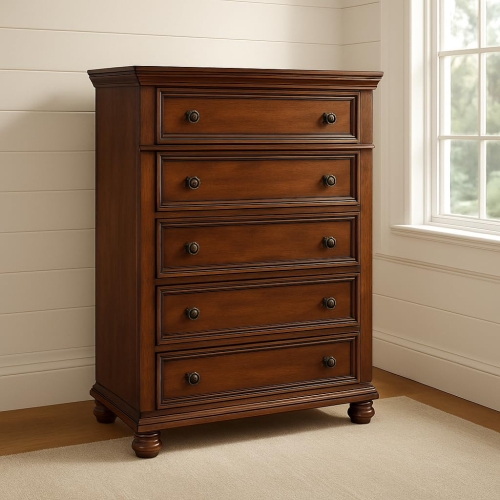


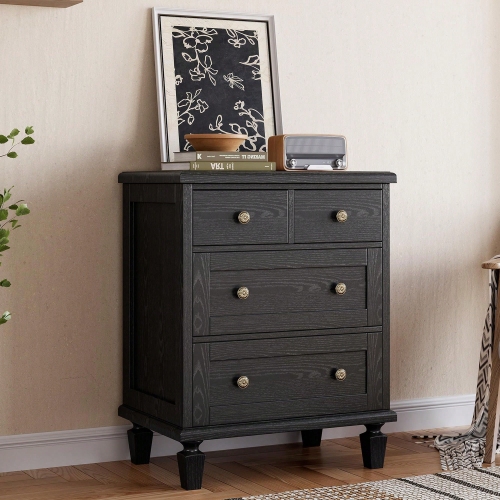
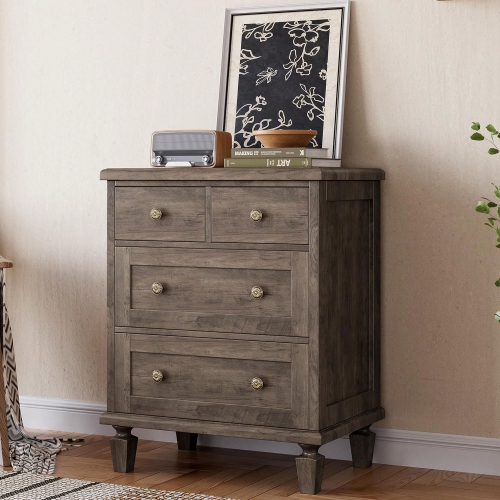

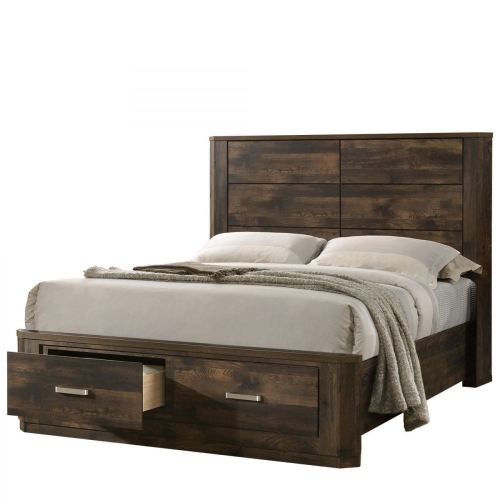
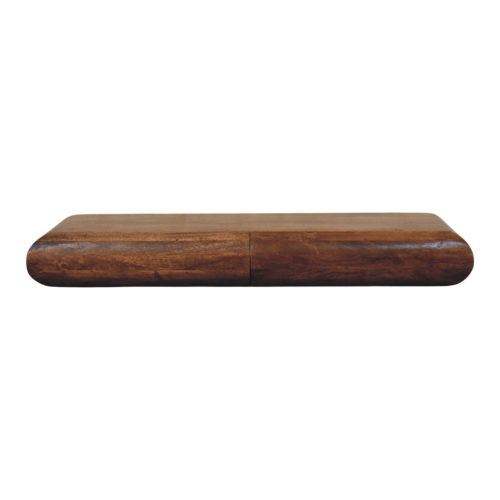



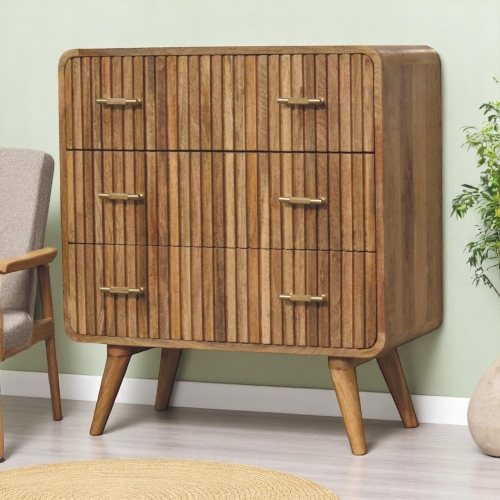


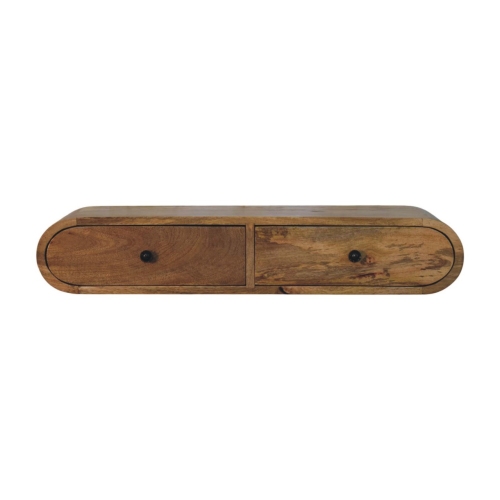
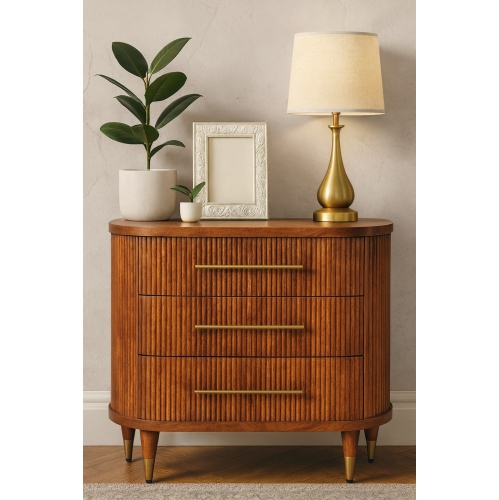
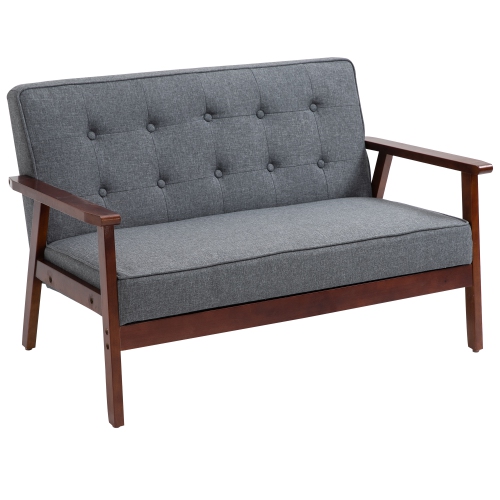

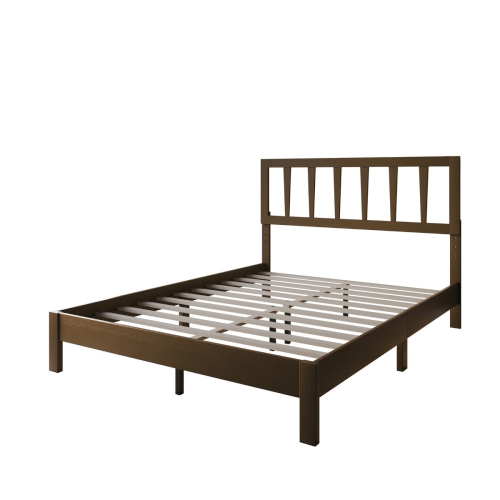

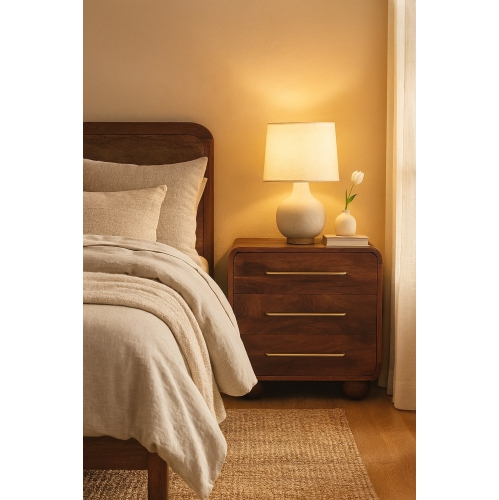
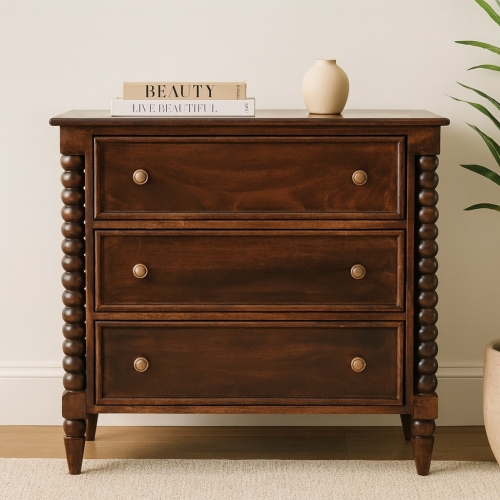

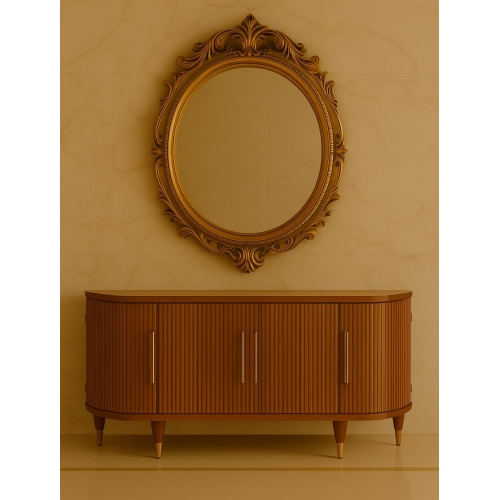
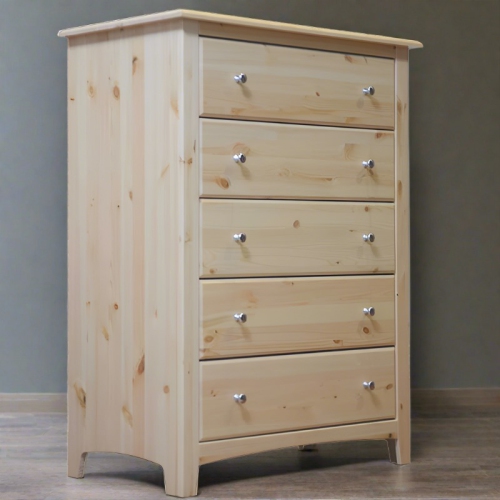

Oak’s distinctive grain is only part of its appeal
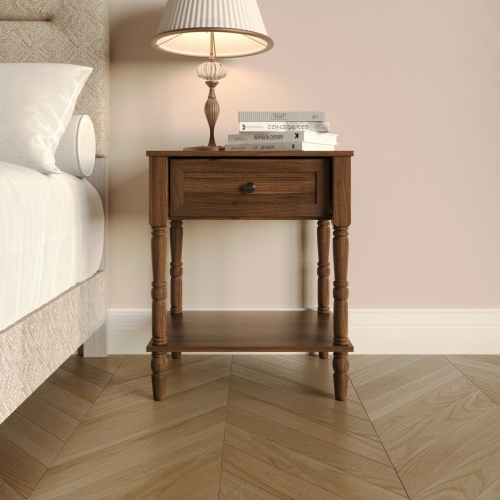
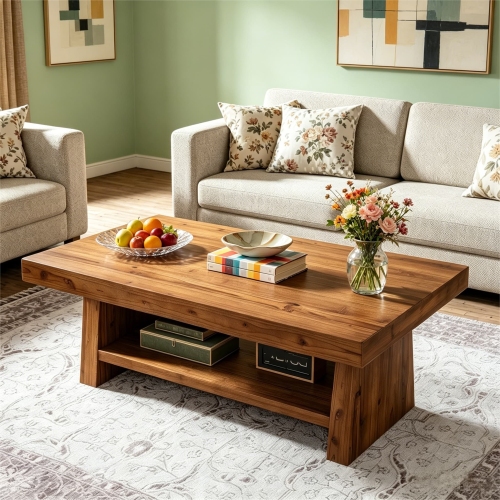
Solid oak bedroom furniture brings a distinctive grain, substantial feel, and natural warmth to the room where each day begins and ends. Beds, dressers, chests, and nightstands made with solid oak suit spaces ranging from compact guest rooms to generously sized primary bedrooms. Oak is a hardwood valued for its strength and wear resistance, making it a practical material for furniture that sees daily use. Its surface still needs protection from scratches, spills, and dents, but well-built oak furniture can remain useful for many years with appropriate care. The grain is part of its appeal: flowing lines, small variations in tone, and occasional knots give each board an individual appearance. Red oak often has a more pronounced grain and pinkish or reddish undertones, while white oak generally leans towards beige and brown, although stain and finish can significantly change the final colour. The way the timber is cut also affects the pattern, with some cuts revealing straighter lines or distinctive flecks across the surface. These differences help explain why two pieces with the same finish name may not look identical. Solid oak construction means the oak components are timber rather than a thin oak veneer over another material; drawer bottoms, backs, and other supporting parts may still use different materials, so component descriptions matter. For a broader comparison of wood types and construction styles, Solid Wood Bedroom Furniture offers a related category to explore. Within an oak bedroom, pale finishes and simple profiles can feel light and understated, while deeper stains, framed panels, and substantial bases lend a more traditional character. A rustic finish may highlight knots and texture, whereas a smoother, more uniform surface creates a quieter backdrop. Upholstered accents, woven rugs, and soft bedding can balance oak’s visible grain without hiding the qualities that make the wood appealing.
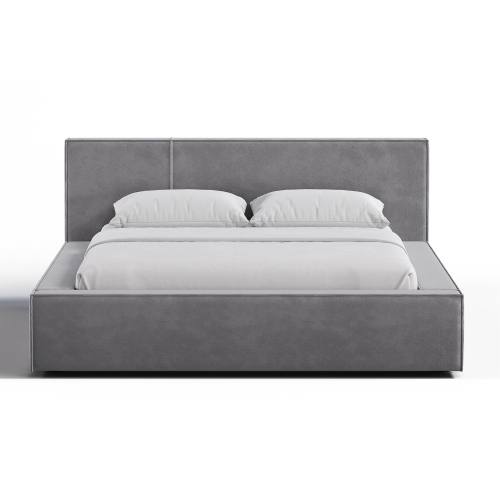
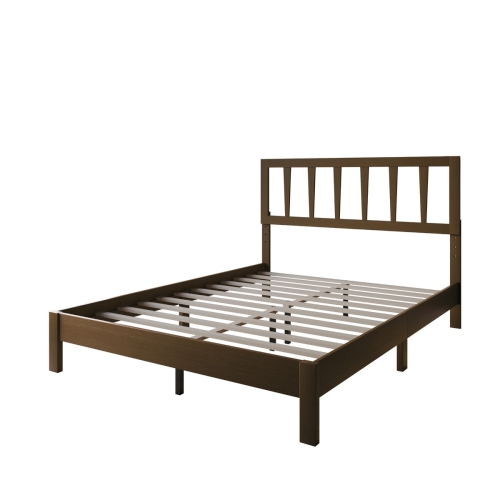
The right proportions make solid oak bedroom furniture comfortable to live with, not just attractive to look at. A bed frame’s outside dimensions are usually larger than the mattress size it accommodates, and a projecting footboard or wide headboard can affect how easily someone moves through the room. In a smaller bedroom, a low-profile frame and a tall chest may leave more usable floor space than a substantial bed paired with a wide dresser. Storage drawers beneath a bed can put otherwise unused space to work, provided there is enough clearance to open them without striking a nightstand or wall. Dressers need similar space in front so drawers can extend while someone stands comfortably beside them. A nightstand close to the height of the mattress surface keeps a lamp, glasses, or a glass of water within easier reach. For shared bedrooms, storage needs may differ on each side of the bed, and coordinating finishes can create a cohesive look without requiring every piece to have the same dimensions. Construction details are equally important. Secure joints, appropriately sized fasteners, and a stable base contribute to furniture that feels steady during everyday use; visible screws alone are not a reliable sign of poor workmanship. Dovetail joints can add strength to drawer boxes, but smooth operation, suitable drawer slides, and secure handles also affect how the furniture performs. Deep drawers suit folded sweaters and bedding, while shallower compartments make smaller belongings easier to keep organized. For beds, slat spacing, centre supports, weight limits, and any foundation requirements should match the mattress and the manufacturer’s specifications. A solid-looking frame is not a substitute for suitable support underneath. Oak furniture can also be heavy, making doorway widths, stair turns, and the route into the bedroom worth considering alongside the final floor plan. Assembly requirements and the ability to detach larger sections can influence how manageable a move will be. In homes with children, dressers and chests should be anchored according to the manufacturer’s instructions, and drawer placement should never encourage climbing.
Care for solid oak bedroom furniture depends as much on the finish as on the wood beneath it. A lacquered or varnished surface may have different cleaning requirements from an oiled or waxed one, so the manufacturer’s care directions should take priority over general wood-cleaning advice. Routine dusting with a soft cloth helps prevent grit from dragging across the surface. When damp wiping is permitted, a lightly moistened cloth followed by prompt drying is preferable to soaking the wood. Spills should be blotted promptly, and coasters or protective trays are useful beneath drinking glasses, toiletries, and other objects that could leave moisture or residue on a bedside table. Felt pads beneath lamps and accessories can reduce scuffing when those objects are moved. Harsh cleaners, abrasive pads, and unapproved polishes may dull or damage a finish rather than improve it. Solid wood naturally responds to changes in indoor humidity, so modest movement does not necessarily indicate a defect; sound furniture construction allows for that movement. Direct sunlight can gradually alter the colour, and placing furniture away from strong, prolonged exposure helps limit uneven fading. When rearranging a room, lifting rather than dragging helps protect joints, legs, and flooring, with enough assistance to handle the weight safely. Minor marks may become part of the furniture’s character, while more noticeable damage may be repairable depending on the finish and construction. Many solid oak surfaces can be refinished, although the appropriate method depends on their condition, detailing, and any components made from other materials. These practical qualities make oak suitable for adults furnishing a long-term home, teenagers moving into a more grown-up bedroom, or households creating a welcoming guest space. A carefully chosen piece can also mark a new home or a significant life change, especially when its size and style reflect the recipient’s needs. Whether the room uses a coordinated bedroom set or a mix of complementary pieces, solid oak offers texture, useful storage, and a sturdy foundation for everyday routines.
Top selling and popular products
-
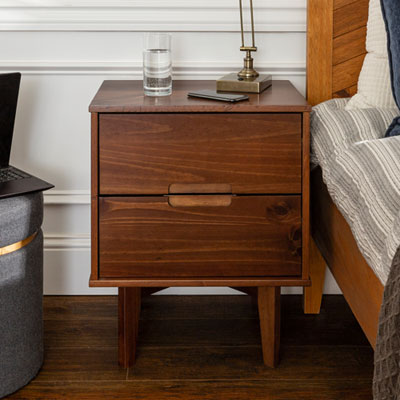 Your price for this item is $188.99
-
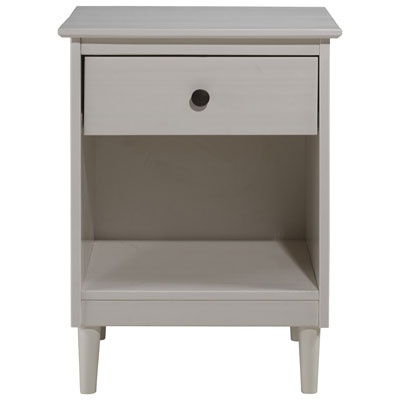 Your price for this item is $179.99
-
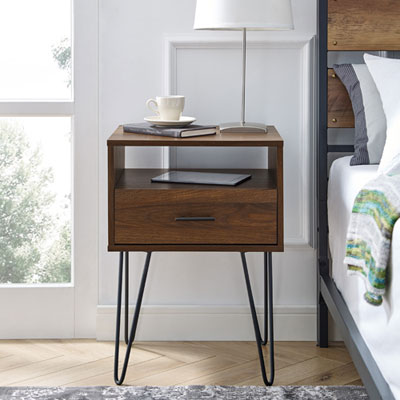 Your price for this item is $266.99
-
 Your price for this item is $266.99
-
 Your price for this item is $630.26
-
 Your price for this item is $352.58
-
 Your price for this item is $251.99
-
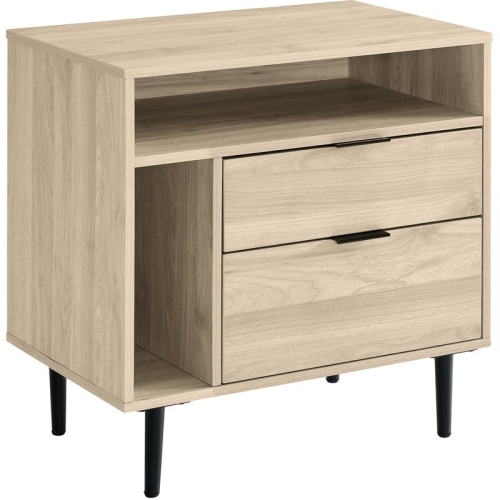 Your price for this item is $349
Discover more categories related to Solid Oak Bedroom Furniture


Top Collections:
Pokemon Centers, Best Budget Office Chairs, Kindle Devices, Best Cameras for Sports Photography, Pokémon 30th Celebration Cards, Best Laptops for Writers, Canon G7X Cameras, iPhone 15 Apple, Best Cell Phones Under $300, Apple iPhones 16
Some products may be subject to Environmental Handling Fees
(EHF) depending on your province.
Learn more about EHFs.