Light Oak Bedroom Furniture
Light oak furniture is a great choice for almost any bedroom. It is a warm and natural wood that will blend easily into almost any home. Light oak bedroom furniture is available in many different styles and finishes, so you can find something that matches your unique style and home. Here are some of our favorites.
Sort


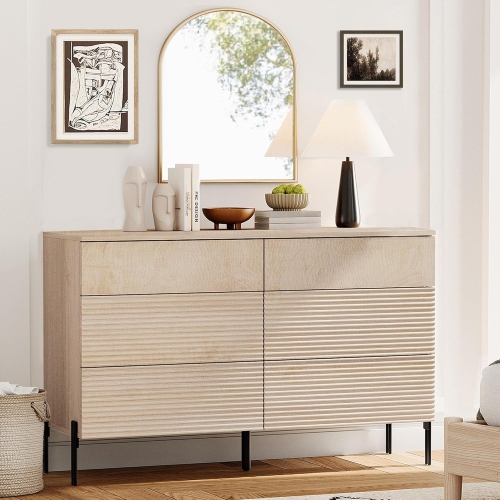


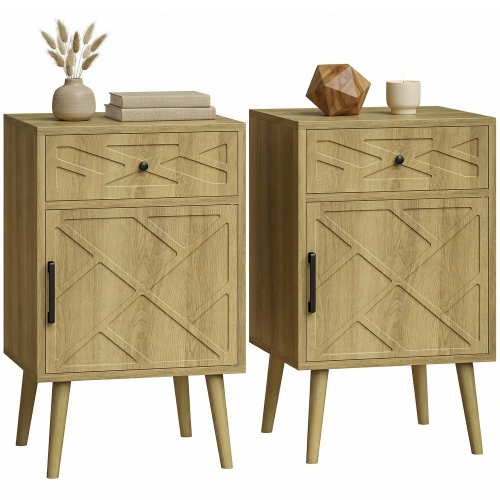


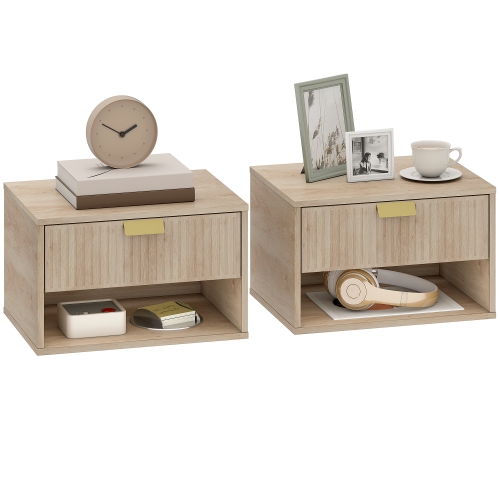


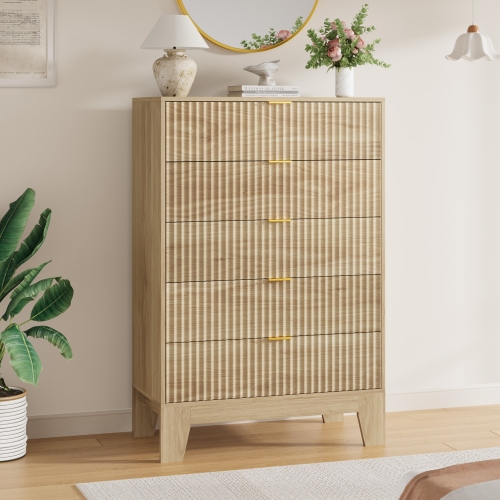


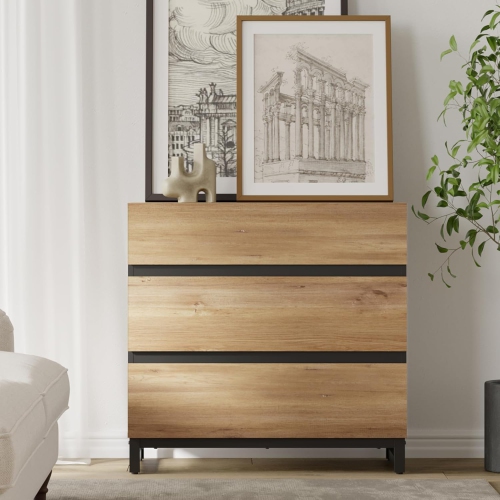

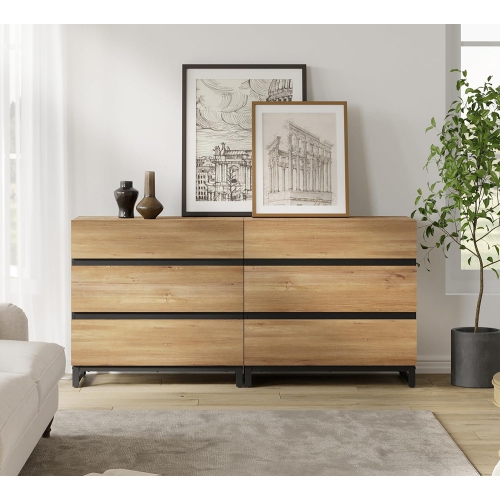
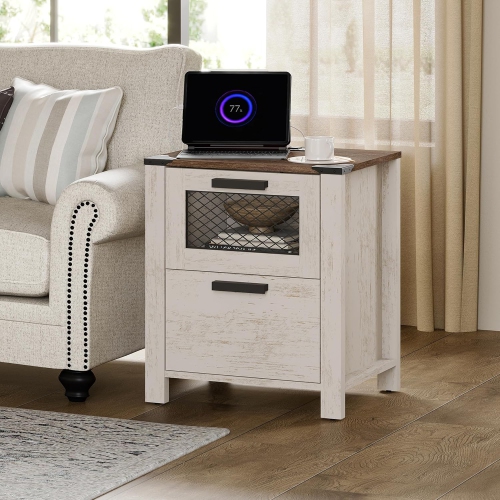
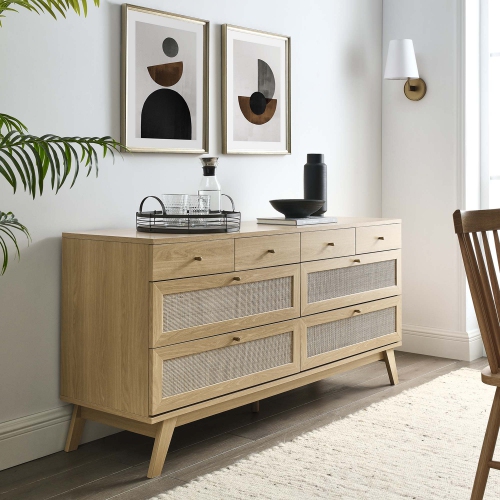
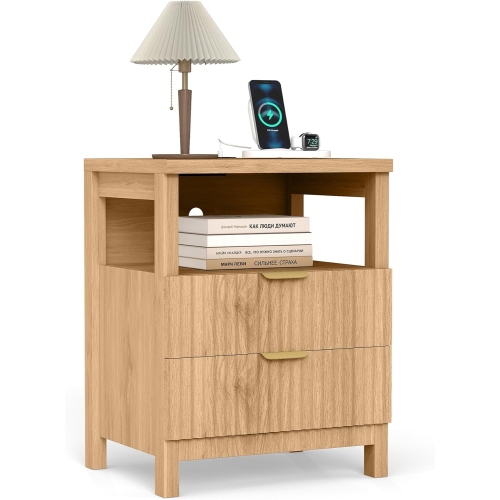

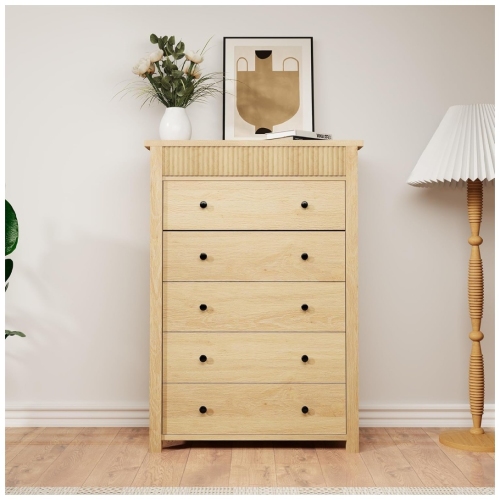


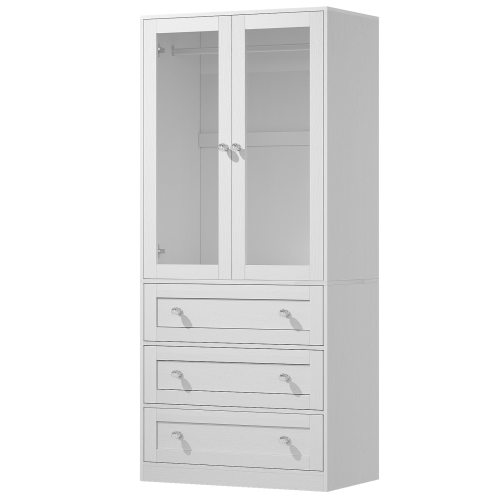


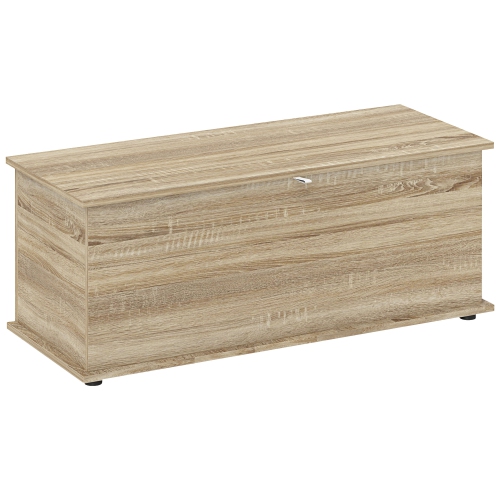
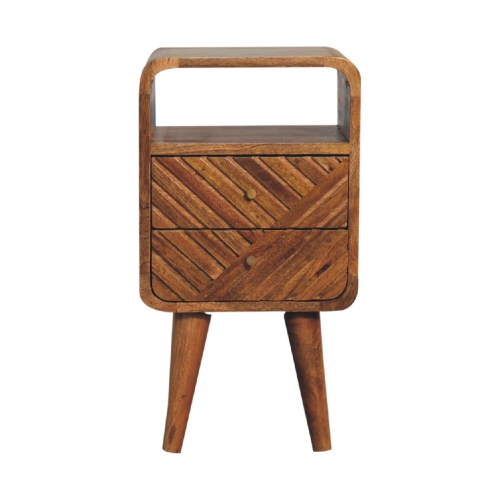
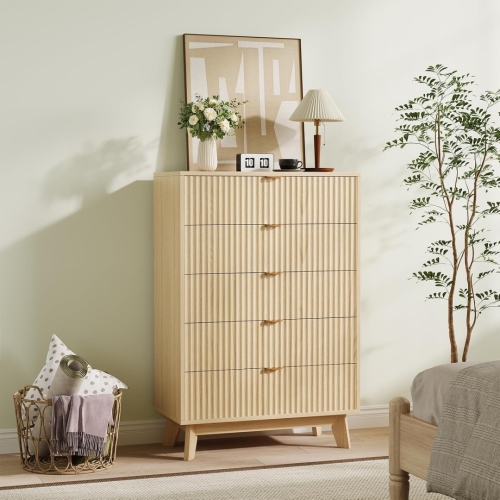


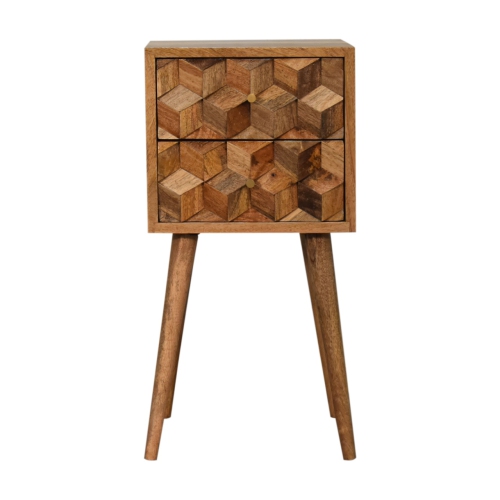
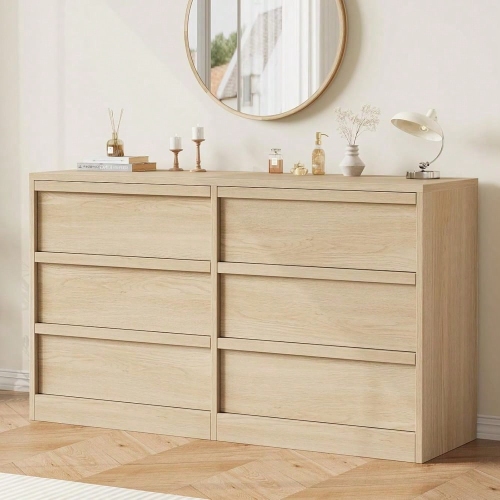
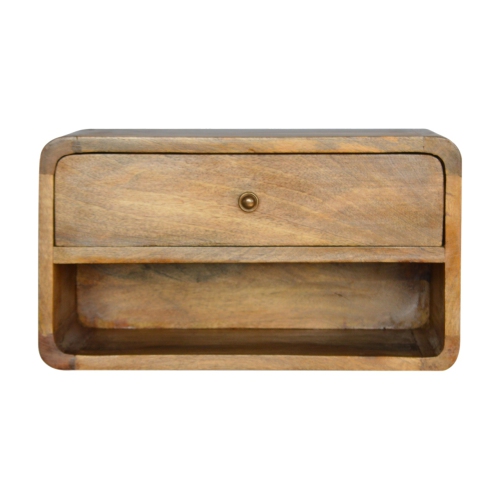

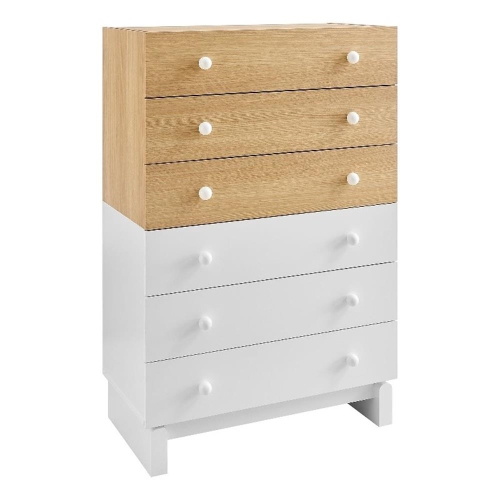


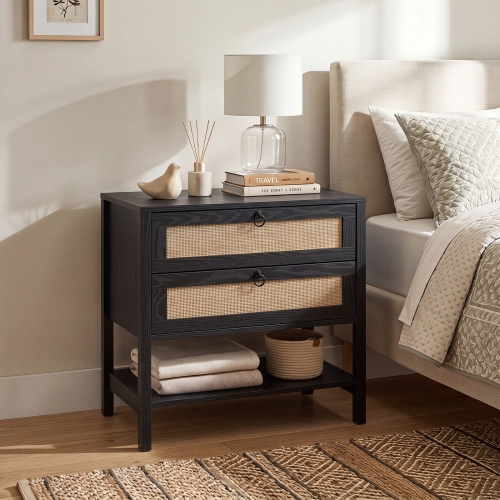
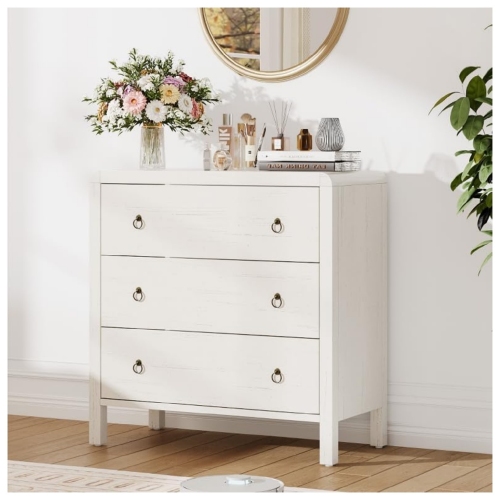
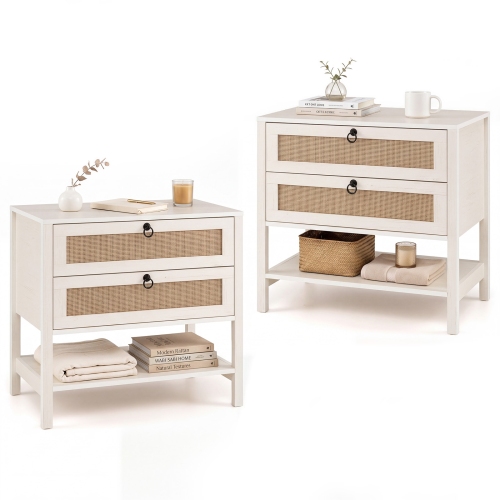

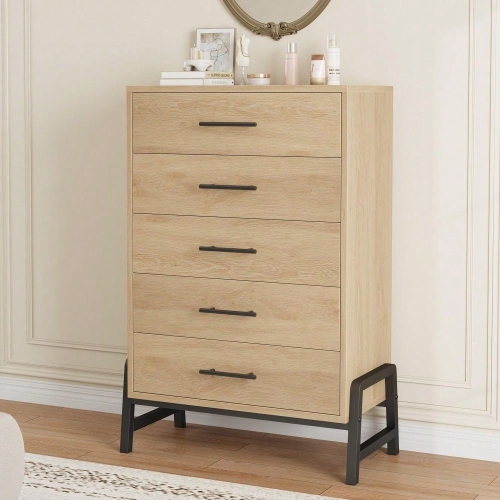
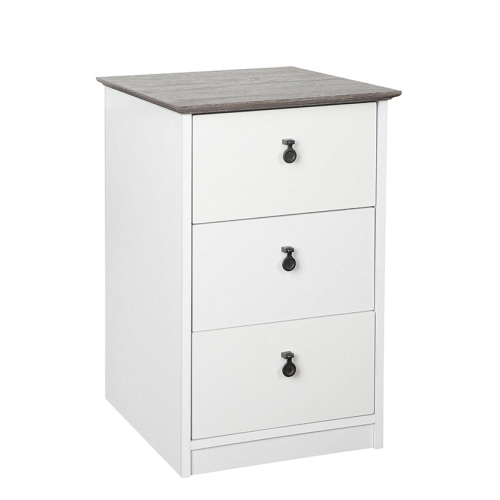
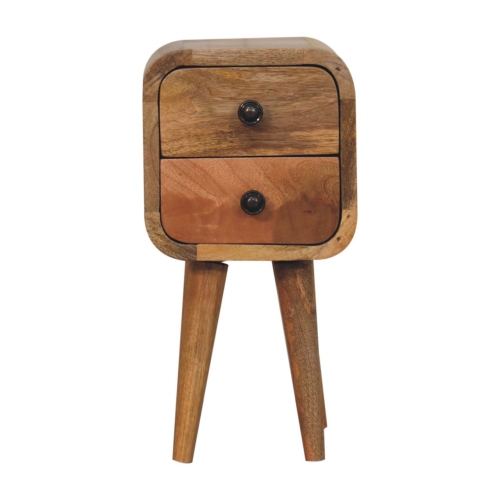
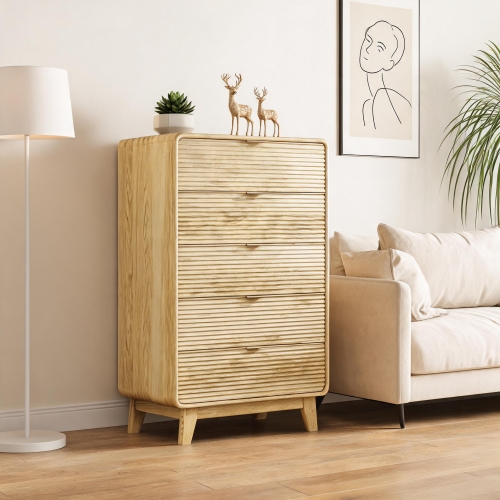

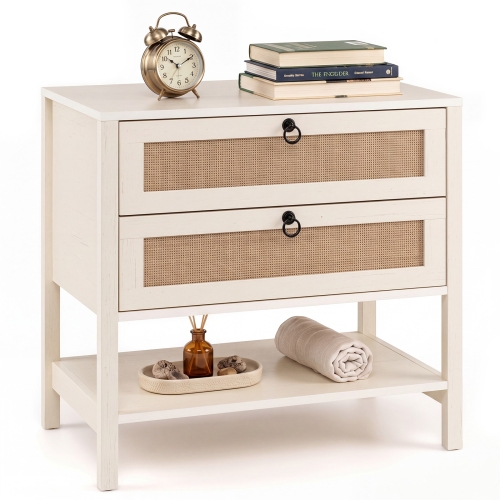
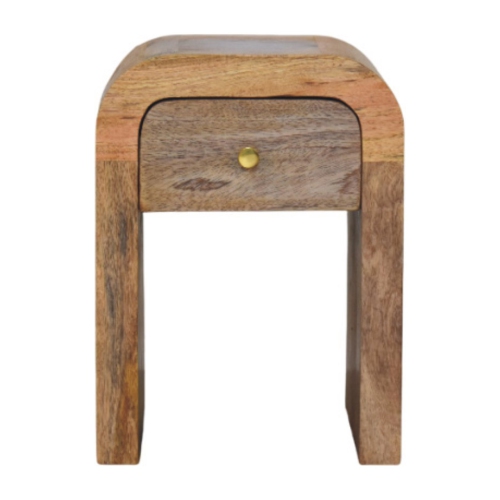

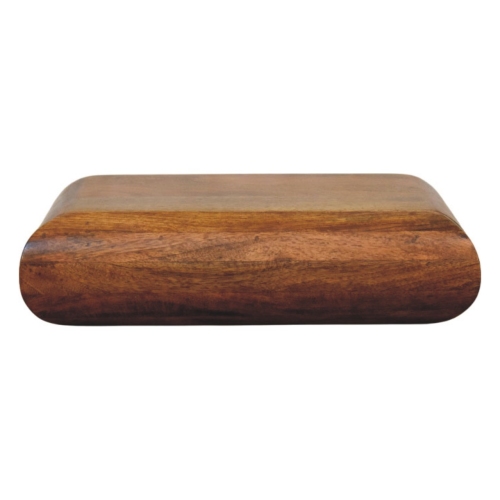
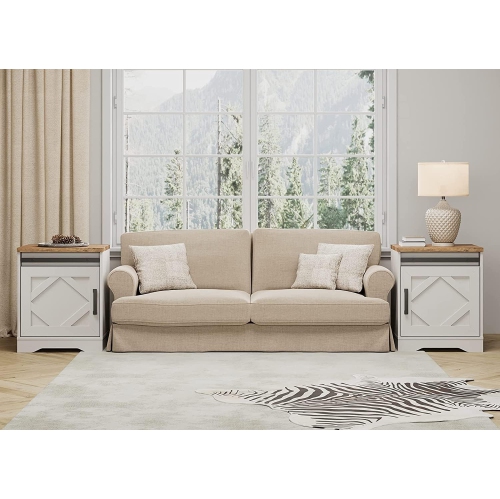
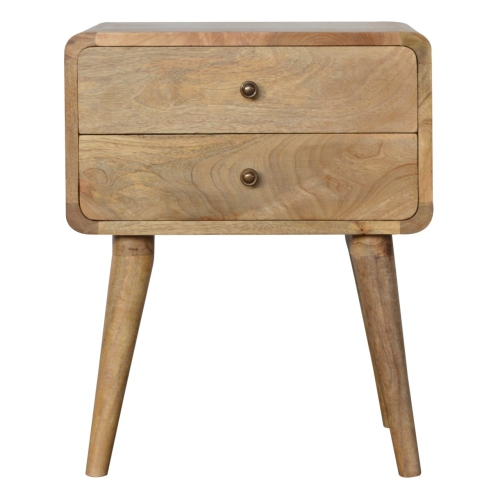
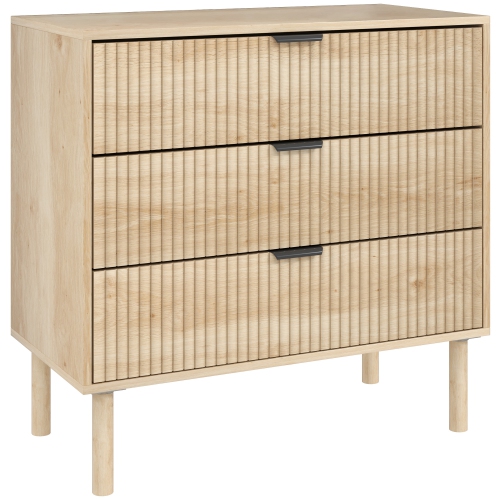
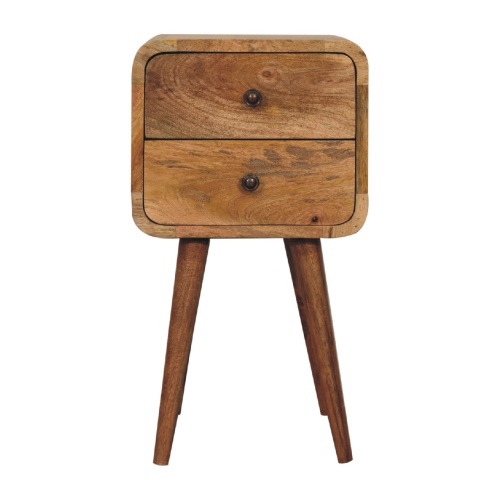
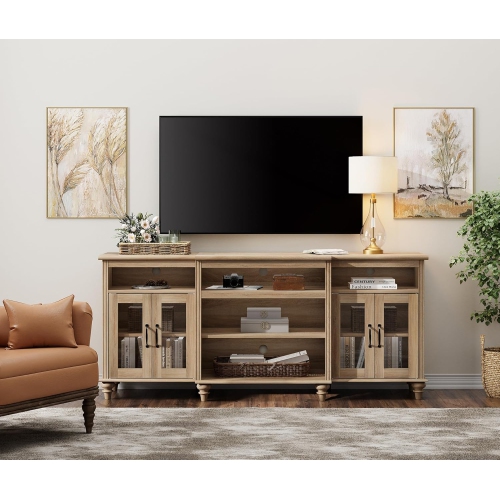
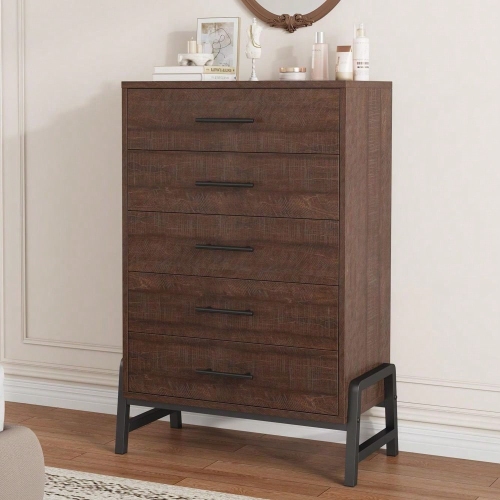
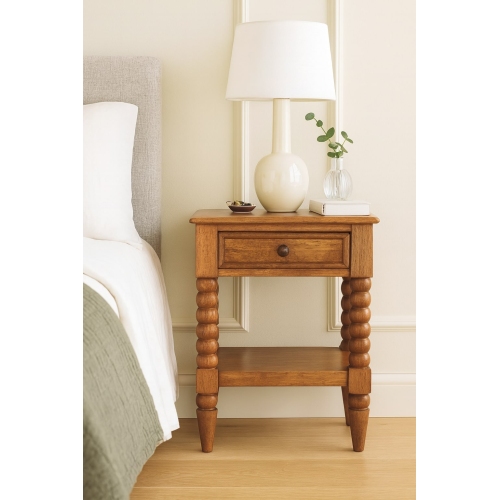
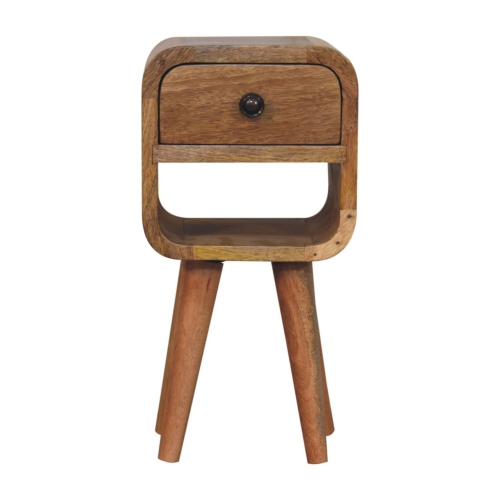

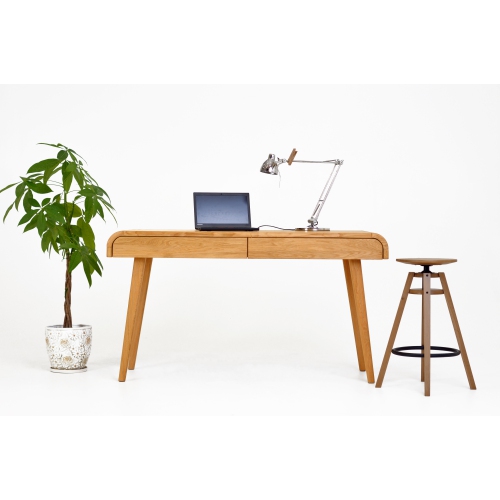
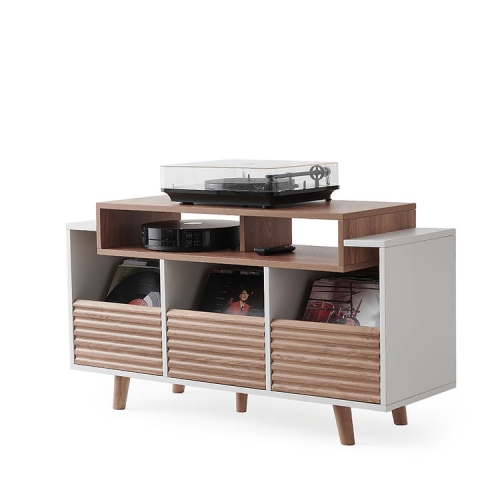
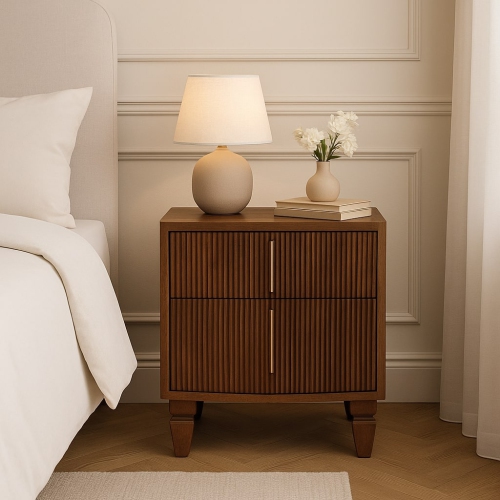
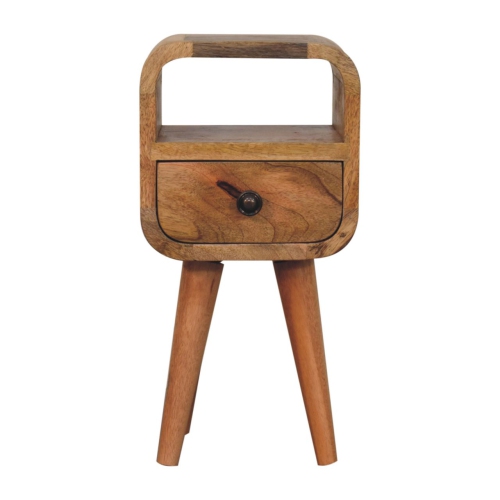


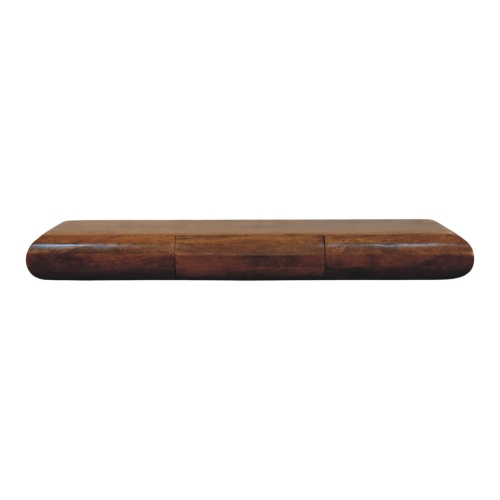
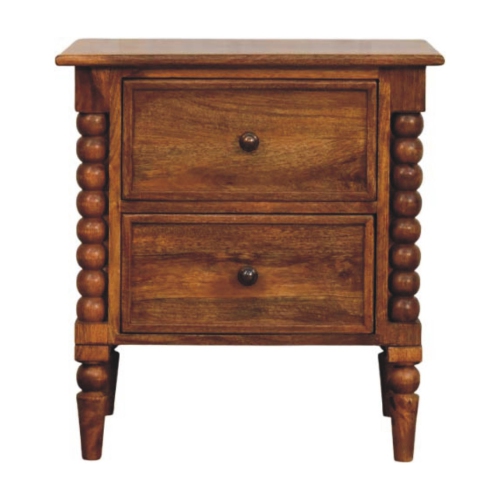

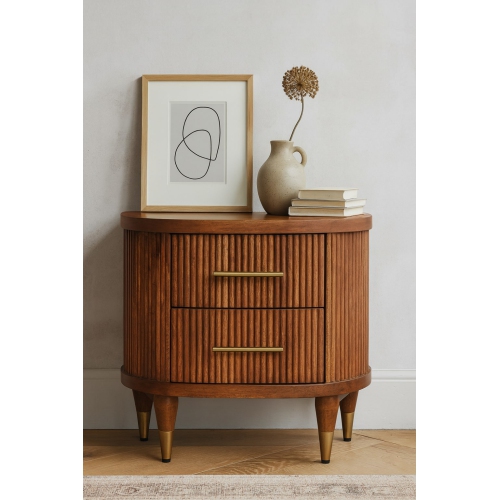


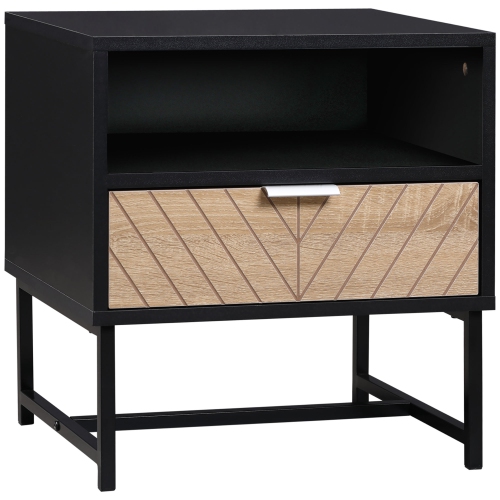
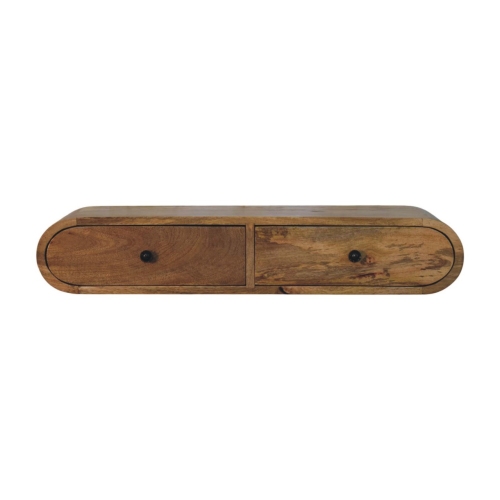


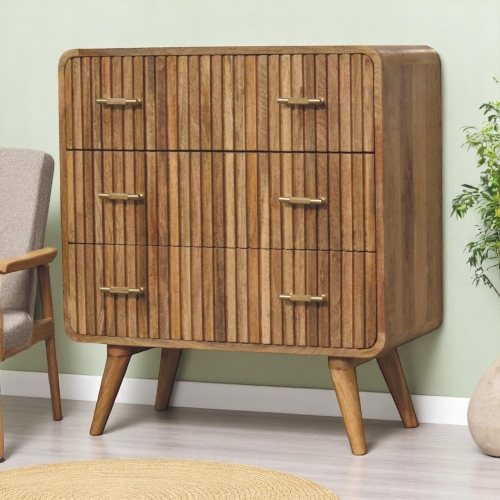


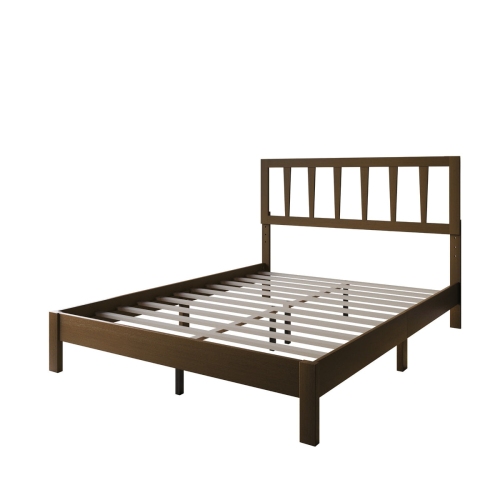
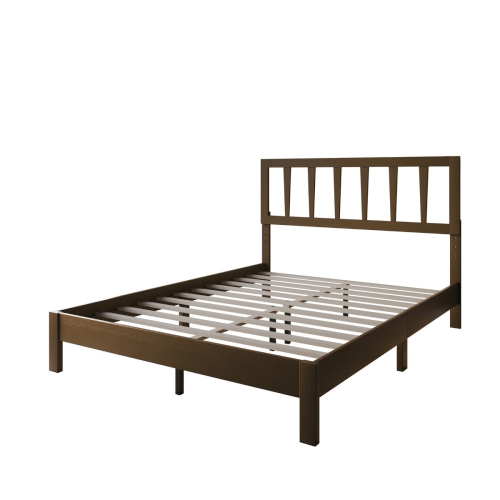





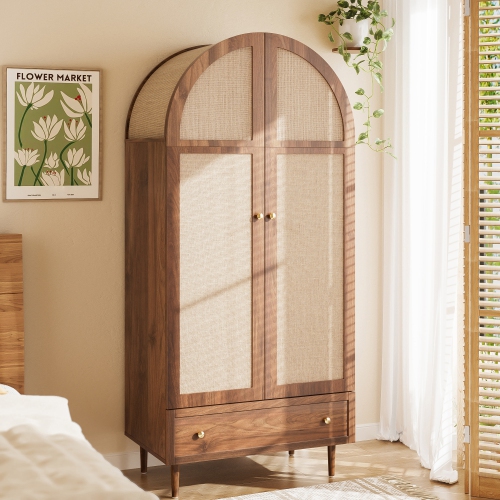
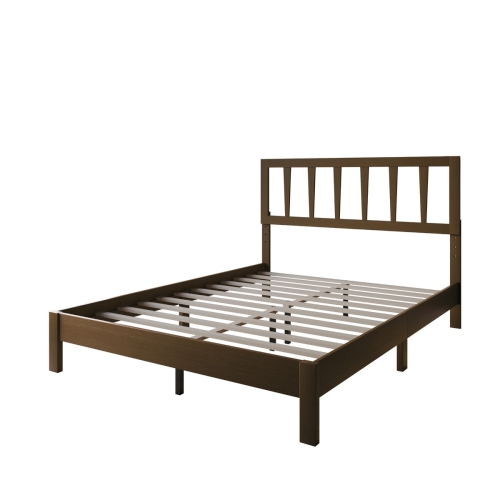
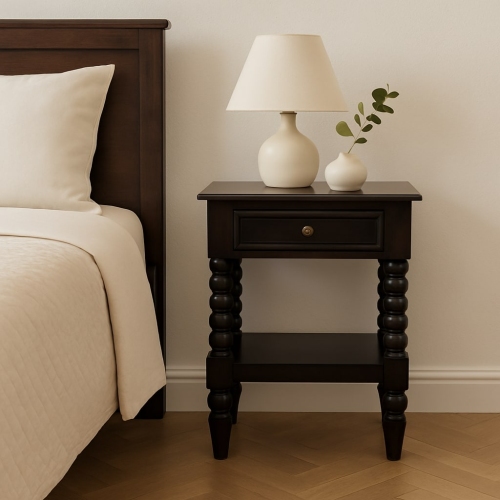
Warm oak tones that leave a room feeling light
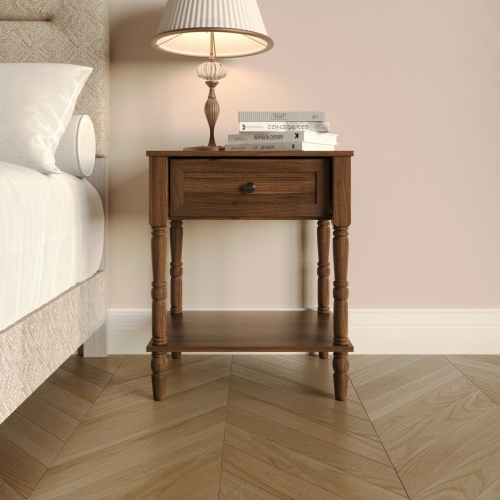
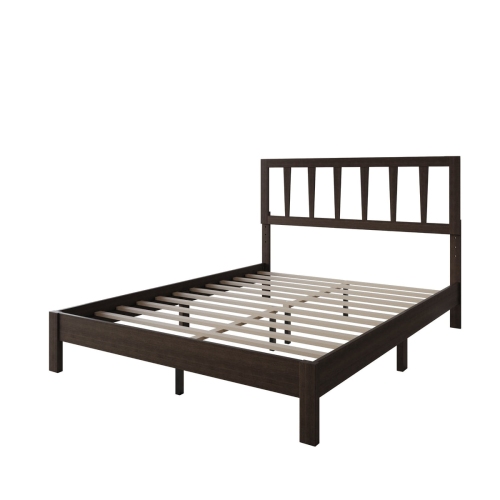
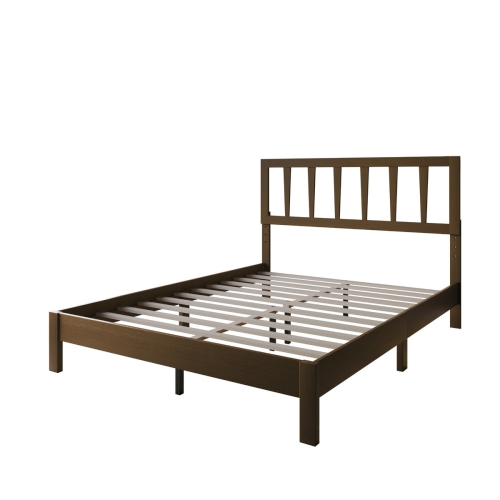
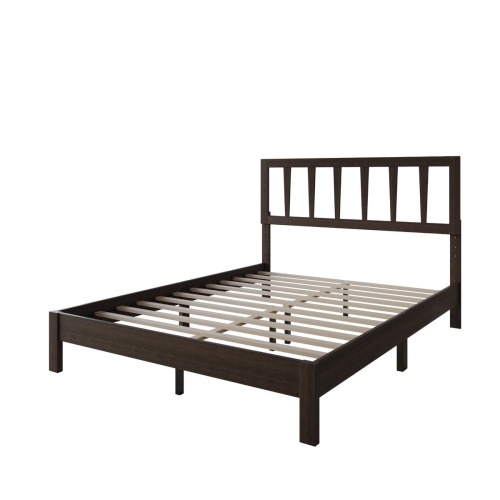
Light oak bedroom furniture includes beds, bedside tables, dressers and chests in pale, oak-toned finishes that highlight or recreate the wood’s grain. Its appeal comes from the balance between warmth and a light visual presence: sandy beige, soft honey and muted natural tones bring texture to a room without the heavier appearance of a dark wood finish. These shades work comfortably with white bedding, oatmeal upholstery and soft grey walls, while navy, forest green or charcoal accents create a more defined contrast. The grain adds interest even when the furniture has simple lines and minimal hardware. A low-profile bed with a flat headboard can suit a contemporary bedroom, while framed drawer fronts, rounded corners or tapered legs give the same light oak palette a different character. The finish name describes an appearance rather than one exact colour, so light oak can lean golden, neutral or slightly pink depending on the material and stain. Lighting also affects how these tones appear, and product photographs may look different from the finish beside an existing floor or wardrobe. Coordinated bedroom furniture creates a consistent look through repeated grain patterns, handles and proportions, but a room does not need every piece to match. A light oak dresser can sit comfortably beside an upholstered bed, and a pale wood bedside table can soften the contrast of a black metal frame. Similar undertones tend to matter more than identical shades, especially when several wood finishes share the room. The broader Oak Bedroom Furniture category provides context for this lighter palette within the wider range of oak finishes and bedroom styles. Whether the setting is a compact primary bedroom, a teenager’s room or a guest space, light oak offers a versatile base for bedding, rugs and personal belongings that may change over time. Its understated colour also lets a textured blanket, a favourite print or a patterned cushion stand out without making the furniture itself feel visually busy.
The usefulness of light oak bedroom furniture depends as much on proportions and storage as on its finish. In a smaller bedroom, a tall chest uses vertical space for folded clothing, while a wider dresser offers a larger surface for a mirror, jewellery tray or frequently used accessories. Drawer layouts affect everyday routines: shallow compartments can keep socks and small accessories separated, while deeper drawers accommodate sweaters, denim or spare bedding, subject to the stated weight limits. Smooth drawer operation, comfortable handles and a design that allows access to the full drawer interior all contribute to practical storage. Bedside tables need enough surface area for the things that actually live beside the bed, such as a lamp, glasses, a phone and a glass of water. A drawer keeps smaller belongings out of sight, whereas an open shelf leaves a book or basket within easy reach. Their height is most comfortable when considered alongside the top of the mattress rather than the bed frame alone. Bed dimensions also deserve attention beyond the mattress size: headboards, projecting rails and footboards can add to the overall footprint, and storage drawers beneath a bed need clear floor space to open. In a shared room, room to move on both sides of the bed can make daily use easier, while a guest bedroom may benefit from a simpler arrangement with accessible storage for overnight belongings. Doors, closet openings, heating vents and electrical outlets all influence where furniture can sit comfortably. Delivery access matters too, particularly in apartments or homes with narrow stairs, tight landings or small lifts. Flat-pack construction may simplify transport, though assembly space and the finished dimensions still need consideration. Tall storage furniture should be secured with the appropriate anti-tip restraints according to the manufacturer’s instructions, with suitable fixings for the wall type. Drawer stops, stable bases and clearly stated load limits are useful features to assess, especially in bedrooms used by children or visited by young family members. These details help furniture support ordinary routines rather than simply fill an empty wall.
Materials and construction explain many of the differences between pieces that share a light oak appearance. Solid oak has natural variation in grain and colour, so adjoining boards may not look identical; that variation is part of the material rather than necessarily a flaw. Oak veneer places a thin layer of real oak over a supporting core, allowing visible wood grain on a different type of construction. Oak-look laminates and decorative foils reproduce the appearance of wood on a manufactured surface and should not be confused with solid oak or real oak veneer. The material description, rather than the finish name alone, establishes what a piece is made from. Well-fitted joints, secure hardware, supported drawer bottoms and smoothly finished edges are useful indicators of careful construction, although no single material guarantees durability. The surface coating matters as well: a sealed finish, an oiled surface and a laminate may have different care requirements. Manufacturer care directions take priority, particularly for cleaning products and any recommended maintenance. For many sealed surfaces, routine dusting with a soft cloth and prompt removal of spills help keep the finish looking even. Excess water, abrasive pads and harsh cleaners can damage surfaces or edges, while coasters provide a simple barrier beneath drinks and plant pots. Felt pads beneath trays and other accessories can reduce scratching when objects move across a dresser top. Direct sunlight may alter wood colour over time, and prolonged heat or moisture can affect both solid wood and manufactured materials. Hardware may also need occasional checking and tightening as furniture settles into regular use. For a first apartment, light oak can provide continuity between a bedroom and adjoining living space; in an established home, it can bring a lighter note to a room with darker flooring or substantial wardrobes. In either setting, appropriately sized storage, a suitable finish and straightforward care contribute more to lasting satisfaction than appearance alone. The result is bedroom furniture that feels considered in daily use, with the practical capacity to hold clothing and personal essentials and the visual flexibility to sit alongside changing textiles, artwork and routines.
Top selling and popular products
-
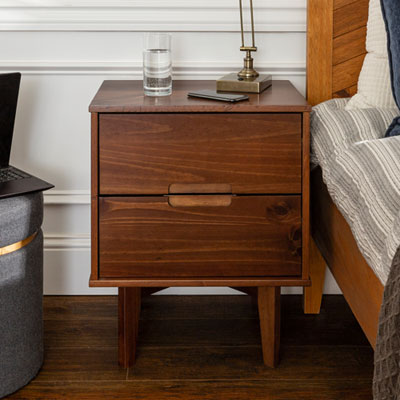 Your price for this item is $188.99
-
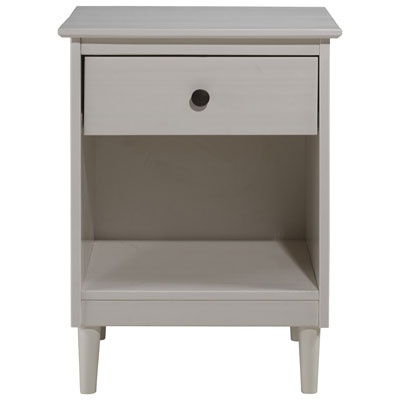 Your price for this item is $179.99
-
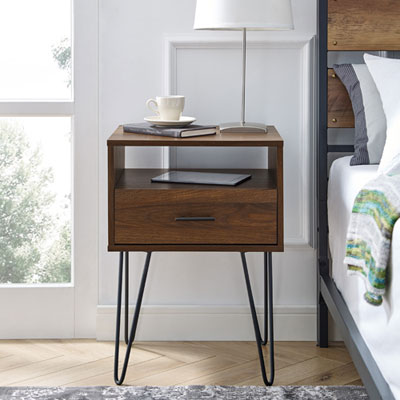 Your price for this item is $266.99
-
 Your price for this item is $266.99
-
 Your price for this item is $630.26
-
 Your price for this item is $352.58
-
 Your price for this item is $251.99
-
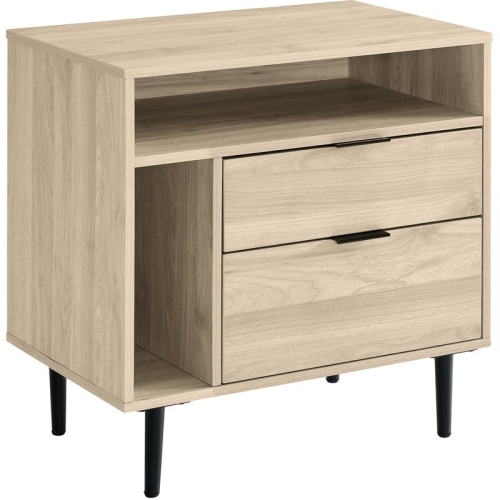 Your price for this item is $349
Discover more categories related to Light Oak Bedroom Furniture
Top Collections:
Pokemon Centers, Best Budget Office Chairs, Kindle Devices, Best Cameras for Sports Photography, Pokémon 30th Celebration Cards, Best Laptops for Writers, Canon G7X Cameras, iPhone 15 Apple, Best Cell Phones Under $300, Apple iPhones 16
Some products may be subject to Environmental Handling Fees
(EHF) depending on your province.
Learn more about EHFs.