Solid Walnut Office Desks
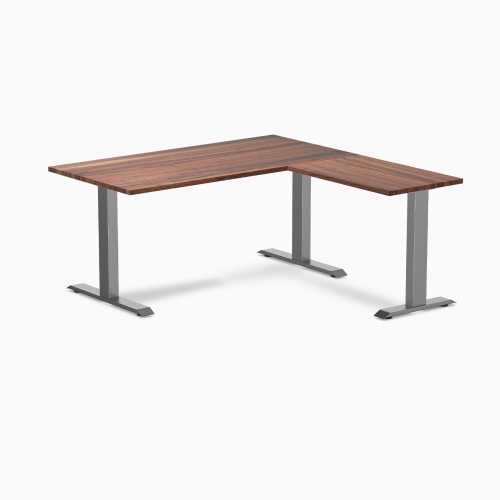
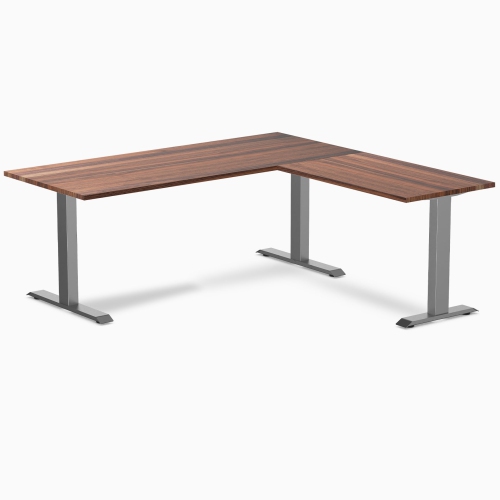
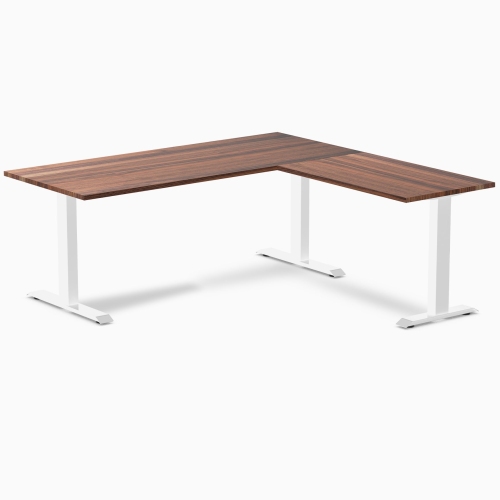
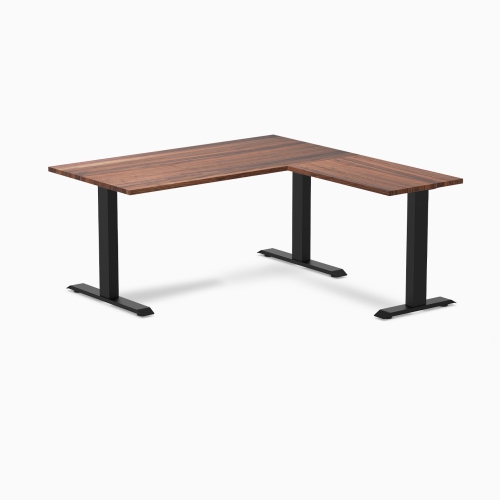
A solid walnut wood desk is a great investment for almost any home office. Solid wood desks are built to last and provide a more traditional and professional look. A solid wood desk is also easy to clean and maintain. Here are some great options for solid walnut office desks.
Sort

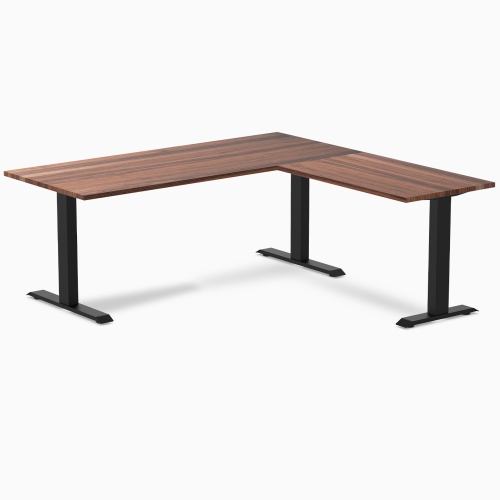
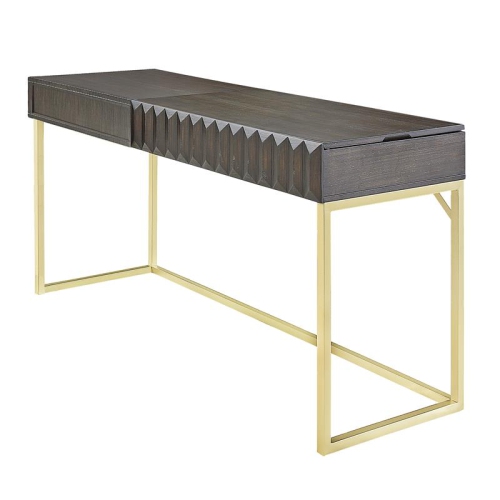
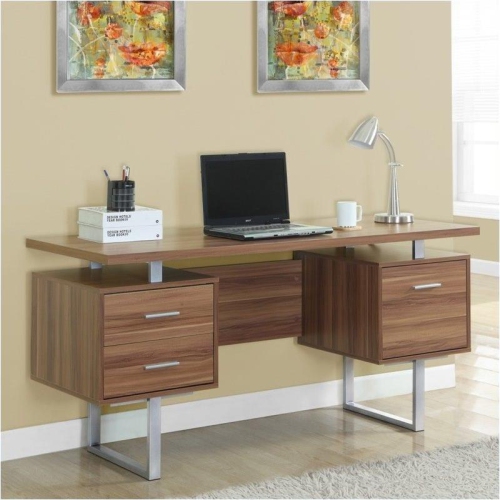
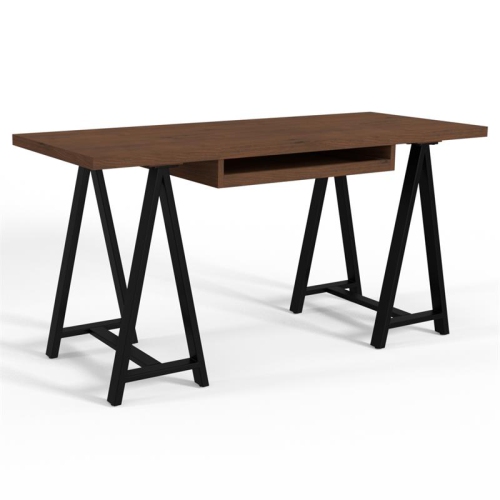
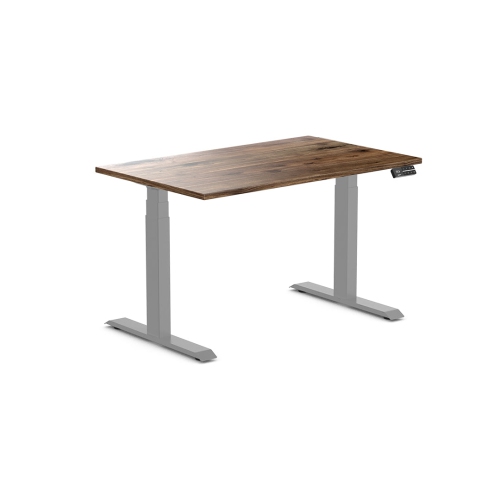
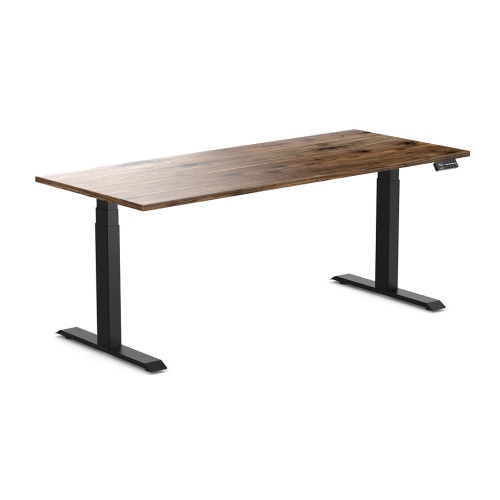
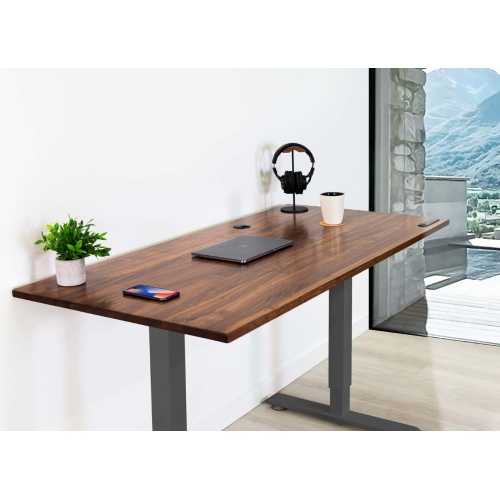
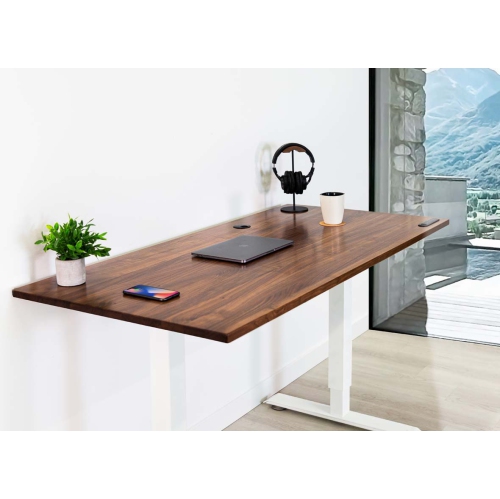



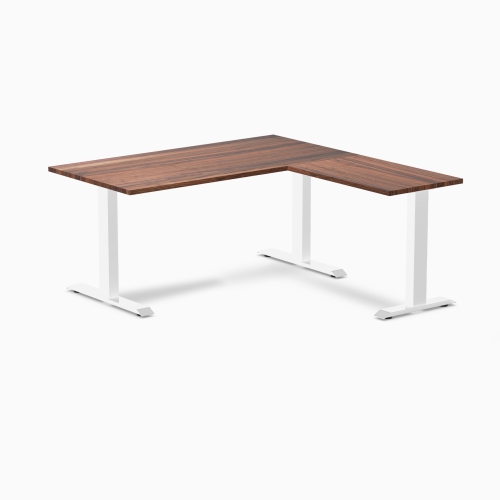
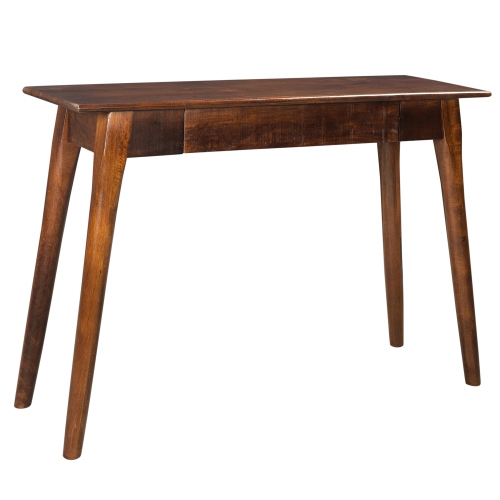


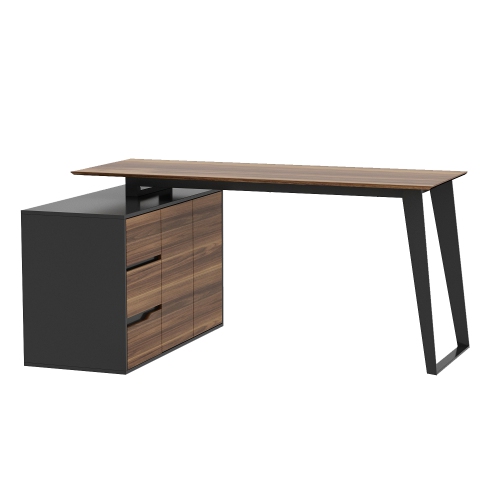
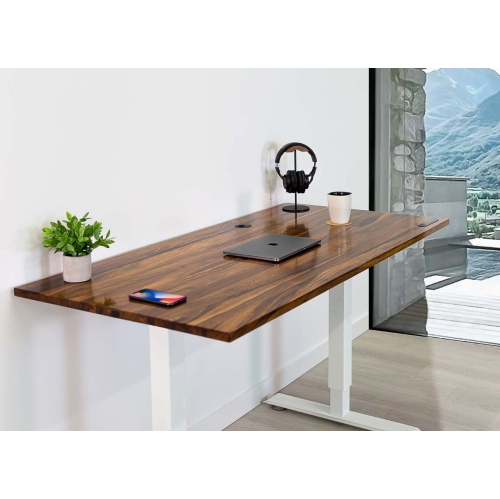
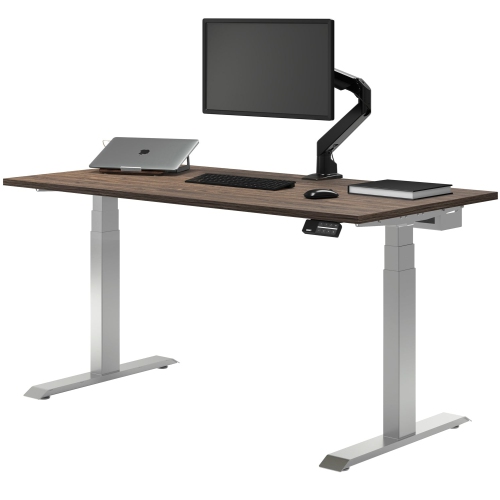
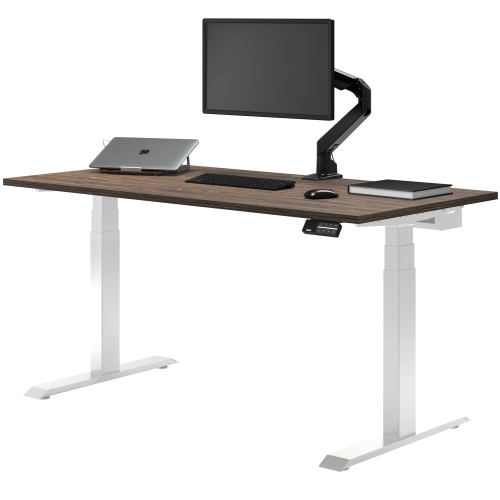
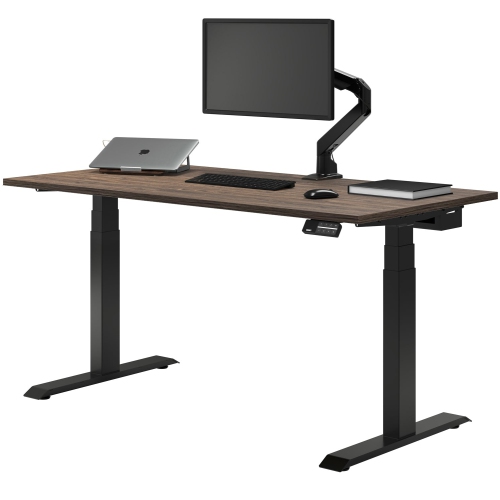
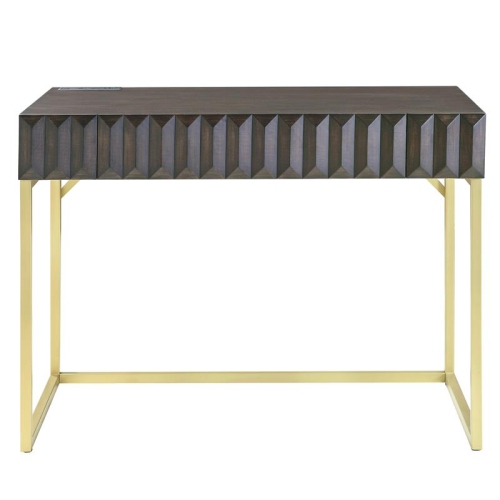
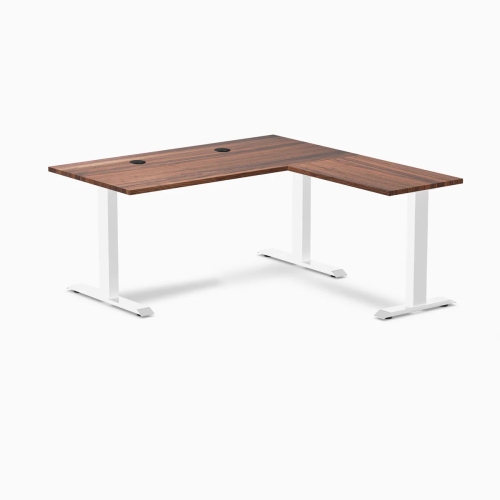
What to know about grain, construction, sizing and daily use
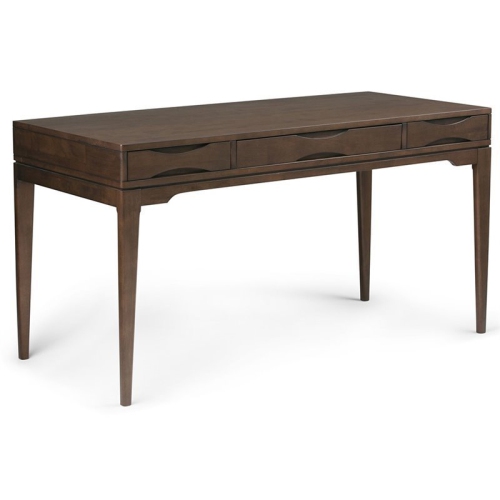
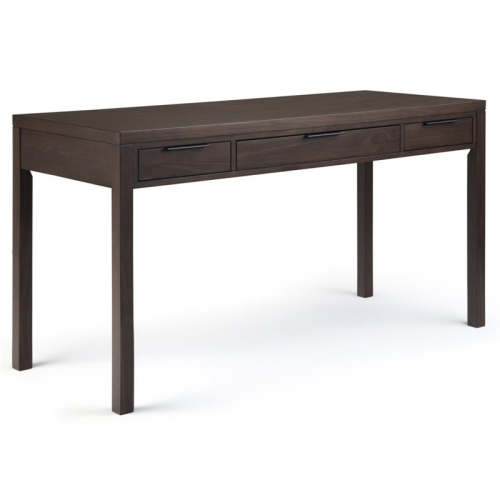
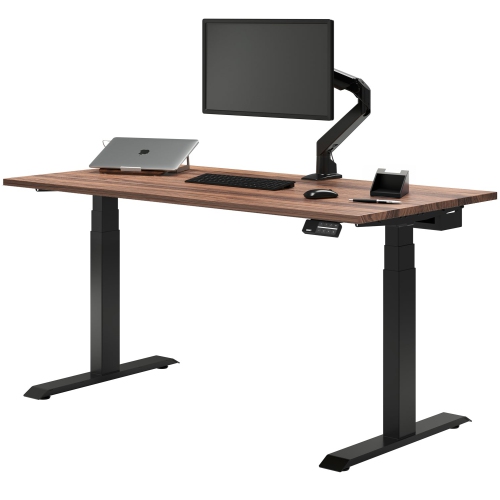
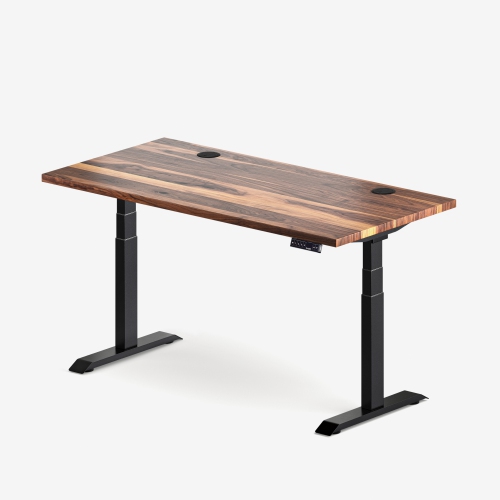
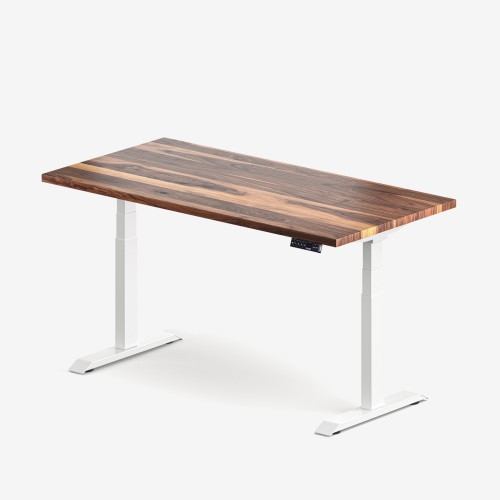
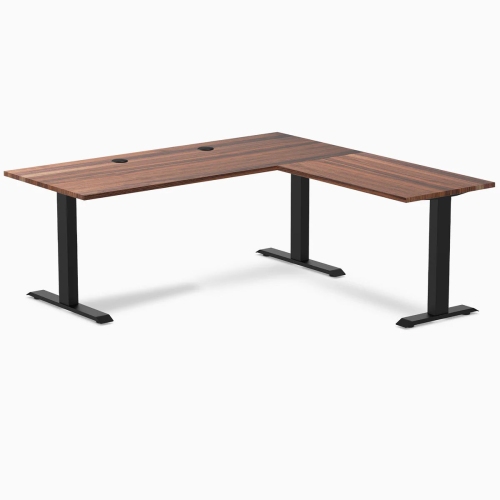
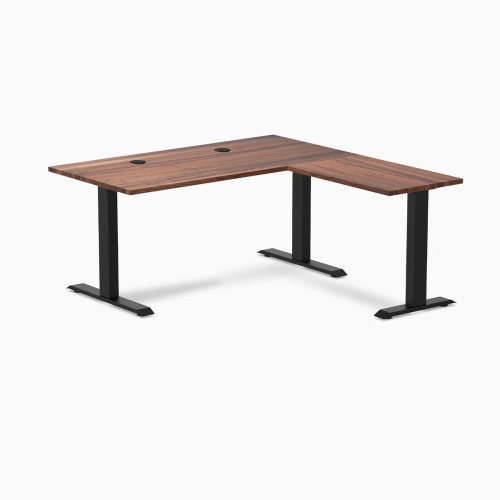
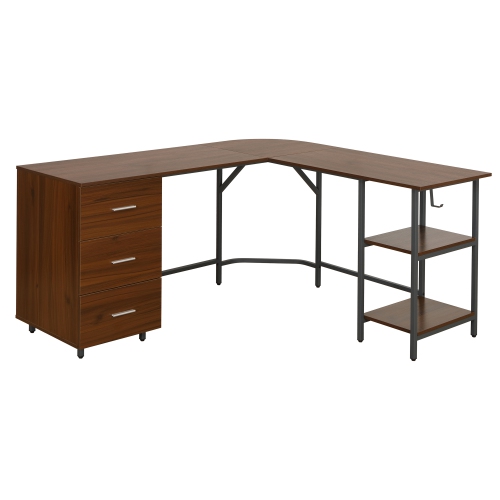
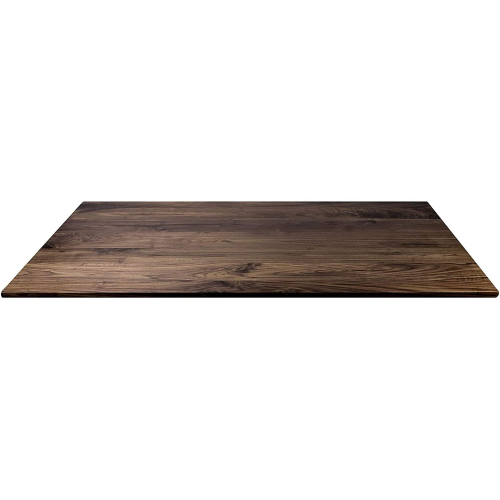
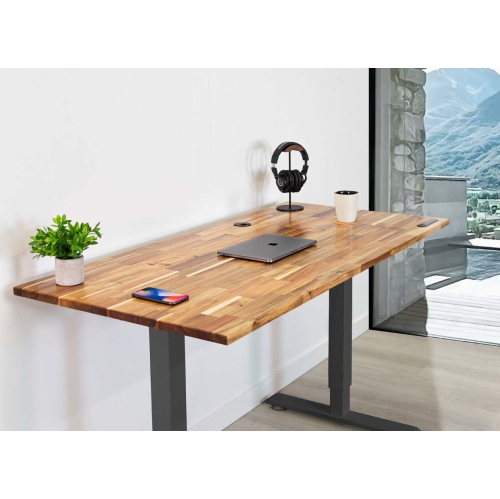
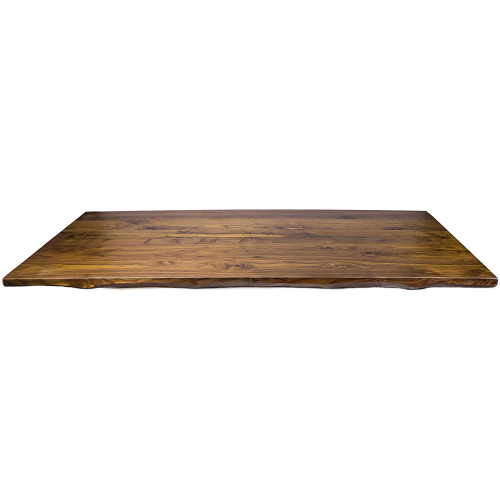
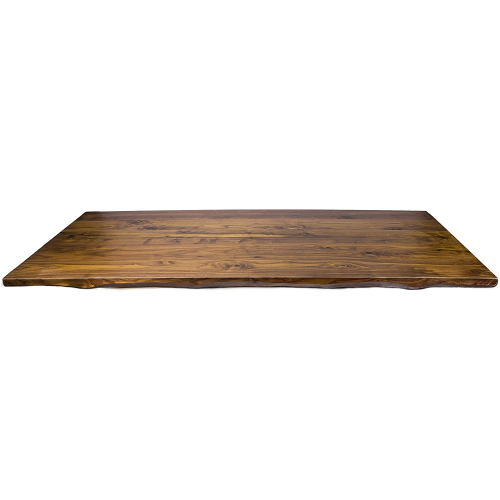
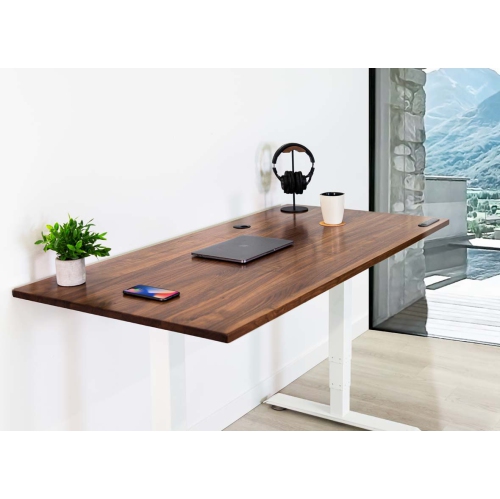
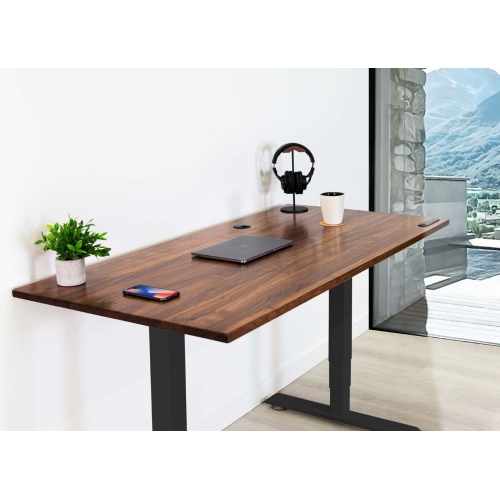
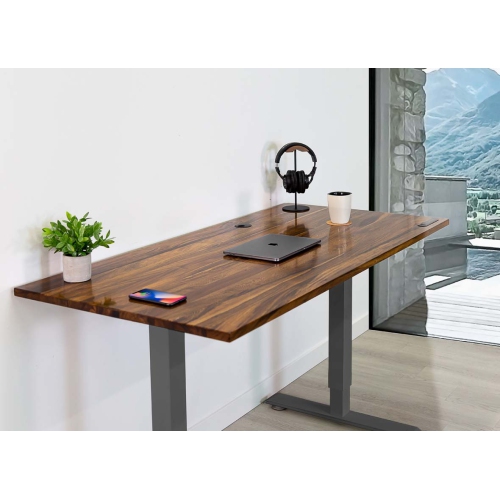
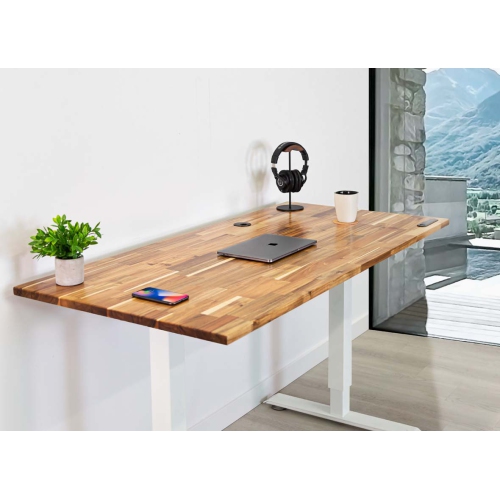
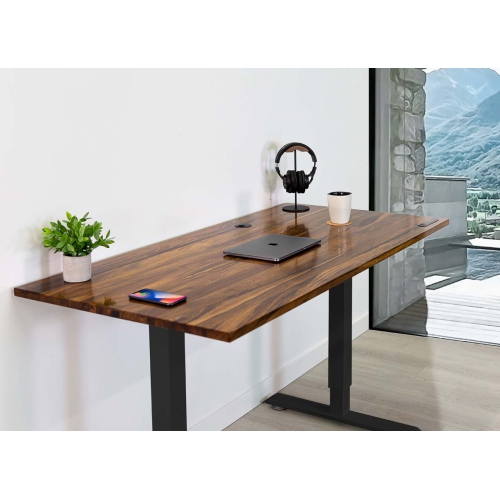
Solid walnut office desks bring a warm, substantial presence to a workspace, combining the practical role of a work surface with the character of a carefully made piece of furniture. Walnut is known for its deep brown colour, flowing grain and naturally varied markings, so no two solid walnut desks look exactly alike. Some surfaces have fine, even lines, while others reveal broader cathedral patterns, knots or lighter sapwood details that become part of the desk’s identity. In a home office, a walnut desktop can soften the look of monitors, task lighting and office accessories, creating a setting that feels considered without appearing formal. In a professional office, it can give a private workspace, meeting area or executive room a polished, welcoming finish. Solid walnut office desks are available in a range of silhouettes, from clean-lined mid-century styles and minimalist writing desks to larger workstation designs with drawers, built-in shelving or discreet cable management. A floating or streamlined profile can suit a compact room, while a broad rectangular top provides space for two monitors, a laptop, notebooks and a desk lamp without feeling crowded. Those comparing related styles can also explore Modern Walnut Desks for additional shapes and finishes that complement contemporary interiors.
When choosing among solid walnut office desks, start by confirming the construction details in the listing. A desk described as solid walnut should identify the walnut used for the desktop or the relevant structural components; walnut veneer, engineered wood with a walnut layer, and walnut-look laminate can offer a different appearance and price point. Neither option is automatically unsuitable, but shoppers looking for the weight, tactile grain and refinishing potential associated with solid wood should read the material description carefully. Dimensions deserve equal attention. Measure the available wall or floor area, then allow room to pull out a chair, open drawers and move comfortably around the desk. A compact desk around 36 to 48 inches wide may work well in a bedroom office, apartment or multipurpose room, while a wider 60-inch or larger surface can better support multiple screens, paperwork and creative equipment. Pay attention to depth as well: a shallow desk can suit a laptop and keyboard, whereas a deeper top gives monitors more viewing distance and leaves room for writing. Because walnut is a dense, heavy hardwood, a well-supported base is important. Solid wood legs, reinforced panels and sturdy metal frames help keep the desktop stable and reduce wobble during typing or writing. Adjustable feet can be useful on uneven flooring, and a central support or carefully positioned stretcher may add confidence beneath a particularly wide surface. Finishing also affects daily use. Oil finishes tend to preserve a natural, touchable feel and make the grain look rich, while lacquered or sealed finishes may offer a smoother barrier against everyday marks. Coasters, desk mats and felt pads can help protect the surface from mugs, stationery and accessories, while prompt attention to spills helps prevent staining. As with any natural wood furniture, slight changes in tone or movement can occur with shifts in indoor humidity, so positioning the desk away from direct heat sources and intense sunlight is sensible.
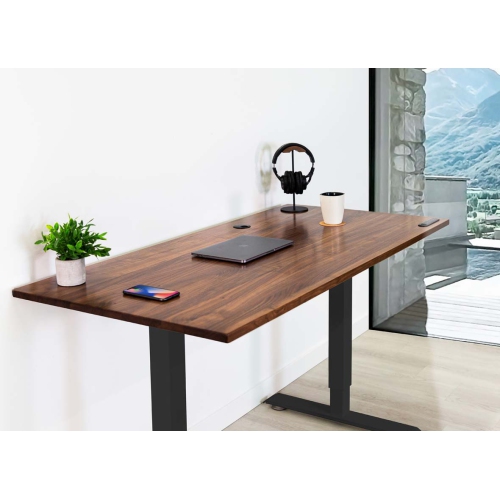
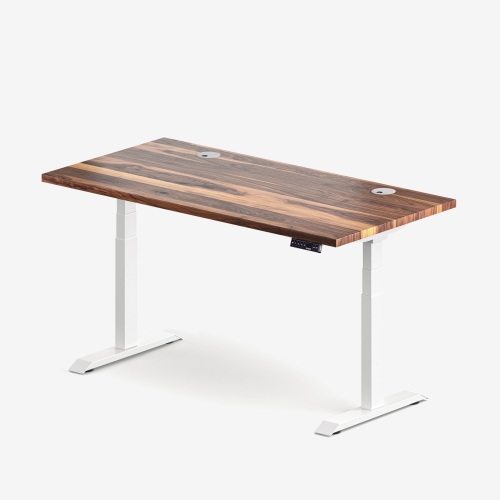
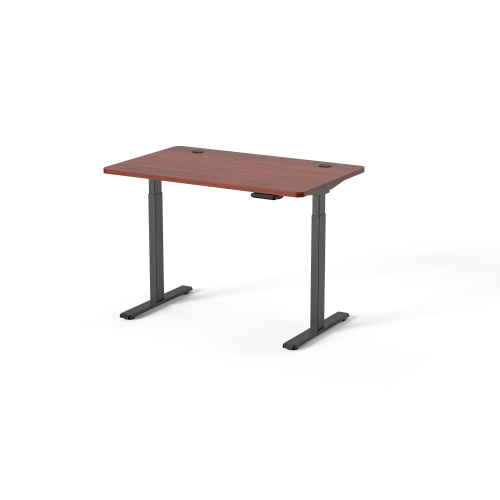
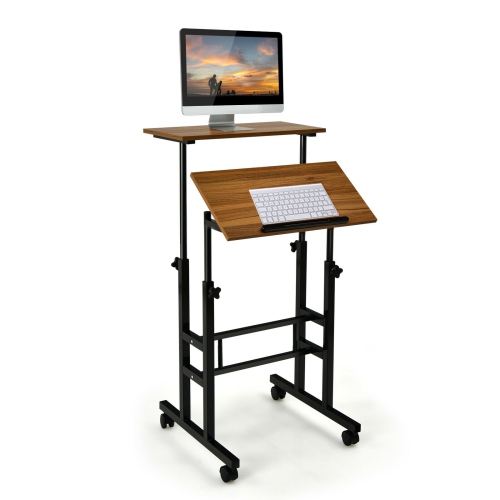
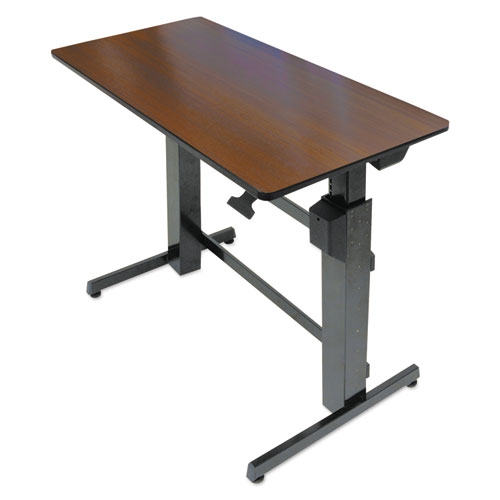
The right solid walnut office desk depends on how the workspace is used, who will use it and what needs to stay within reach. Someone working from home may value a built-in drawer for chargers, documents and headphones, along with a cable-management opening that keeps power cords from trailing across the floor. A student or first-time office setup may benefit from a straightforward writing desk with an open leg design, leaving room for a compact filing cabinet or rolling storage unit underneath. Designers, photographers and other creative users may prefer a generous uninterrupted surface for sketchbooks, equipment or reference materials, while a shared household office may call for drawers, shelving or a sit-stand configuration that supports different working positions. Standing and height-adjustable desks can make it easier to alternate between sitting and standing during a long workday, although their lifting mechanisms and weight limits should be checked carefully when paired with a dense solid-wood top. Walnut office desks can also make thoughtful gifts for someone settling into a new home, beginning a remote role, graduating from school or refreshing a study area. A desk is especially personal because it becomes the backdrop for video calls, focused reading, planning and the small routines that shape a day: a morning coffee beside a notebook, a lamp casting a pool of light over evening paperwork, or a carefully arranged monitor and keyboard ready for the next project. Before ordering, compare the desk’s dimensions, weight, assembly requirements, storage layout, finish and return information with the room and daily routine. Consider the chair height and available legroom, check whether drawers are reversible or fixed to one side, and look for a surface large enough to remain comfortable after the essentials are placed on it. With its rich grain, dependable structure and adaptable styling, a solid walnut office desk can anchor a focused workspace through changing routines and cooler months, while fitting naturally into modern, traditional and mixed-material décor.
When choosing among solid walnut office desks, start by confirming the construction details in the listing. A desk described as solid walnut should identify the walnut used for the desktop or the relevant structural components; walnut veneer, engineered wood with a walnut layer, and walnut-look laminate can offer a different appearance and price point. Neither option is automatically unsuitable, but shoppers looking for the weight, tactile grain and refinishing potential associated with solid wood should read the material description carefully. Dimensions deserve equal attention. Measure the available wall or floor area, then allow room to pull out a chair, open drawers and move comfortably around the desk. A compact desk around 36 to 48 inches wide may work well in a bedroom office, apartment or multipurpose room, while a wider 60-inch or larger surface can better support multiple screens, paperwork and creative equipment. Pay attention to depth as well: a shallow desk can suit a laptop and keyboard, whereas a deeper top gives monitors more viewing distance and leaves room for writing. Because walnut is a dense, heavy hardwood, a well-supported base is important. Solid wood legs, reinforced panels and sturdy metal frames help keep the desktop stable and reduce wobble during typing or writing. Adjustable feet can be useful on uneven flooring, and a central support or carefully positioned stretcher may add confidence beneath a particularly wide surface. Finishing also affects daily use. Oil finishes tend to preserve a natural, touchable feel and make the grain look rich, while lacquered or sealed finishes may offer a smoother barrier against everyday marks. Coasters, desk mats and felt pads can help protect the surface from mugs, stationery and accessories, while prompt attention to spills helps prevent staining. As with any natural wood furniture, slight changes in tone or movement can occur with shifts in indoor humidity, so positioning the desk away from direct heat sources and intense sunlight is sensible.
The right solid walnut office desk depends on how the workspace is used, who will use it and what needs to stay within reach. Someone working from home may value a built-in drawer for chargers, documents and headphones, along with a cable-management opening that keeps power cords from trailing across the floor. A student or first-time office setup may benefit from a straightforward writing desk with an open leg design, leaving room for a compact filing cabinet or rolling storage unit underneath. Designers, photographers and other creative users may prefer a generous uninterrupted surface for sketchbooks, equipment or reference materials, while a shared household office may call for drawers, shelving or a sit-stand configuration that supports different working positions. Standing and height-adjustable desks can make it easier to alternate between sitting and standing during a long workday, although their lifting mechanisms and weight limits should be checked carefully when paired with a dense solid-wood top. Walnut office desks can also make thoughtful gifts for someone settling into a new home, beginning a remote role, graduating from school or refreshing a study area. A desk is especially personal because it becomes the backdrop for video calls, focused reading, planning and the small routines that shape a day: a morning coffee beside a notebook, a lamp casting a pool of light over evening paperwork, or a carefully arranged monitor and keyboard ready for the next project. Before ordering, compare the desk’s dimensions, weight, assembly requirements, storage layout, finish and return information with the room and daily routine. Consider the chair height and available legroom, check whether drawers are reversible or fixed to one side, and look for a surface large enough to remain comfortable after the essentials are placed on it. With its rich grain, dependable structure and adaptable styling, a solid walnut office desk can anchor a focused workspace through changing routines and cooler months, while fitting naturally into modern, traditional and mixed-material décor.
Top selling and popular products
-
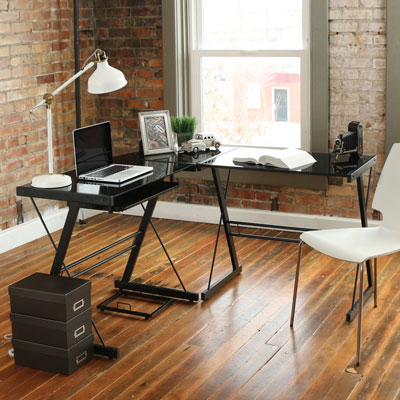 Your price for this item is $304.99
 -
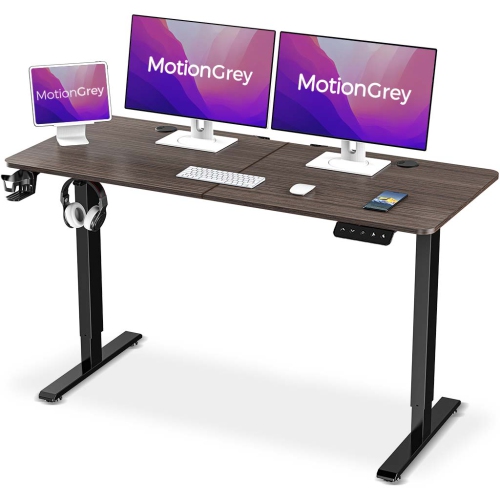 Your price for this item is $93.99
 -
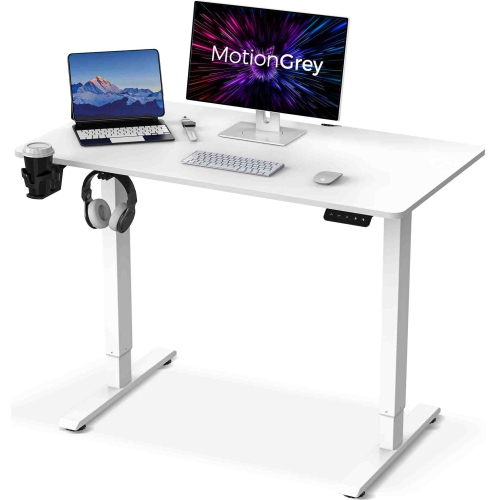 Your price for this item is $84.55
 -
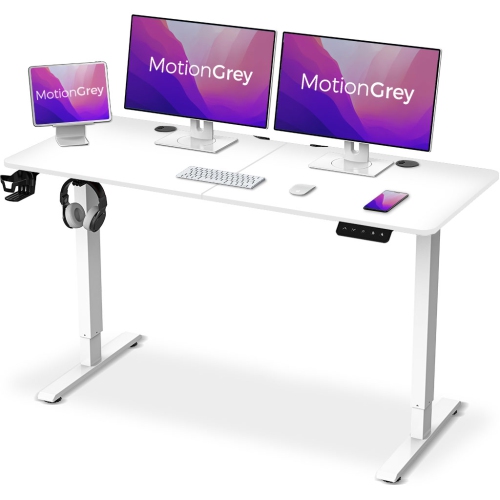 Your price for this item is $99.95
 -
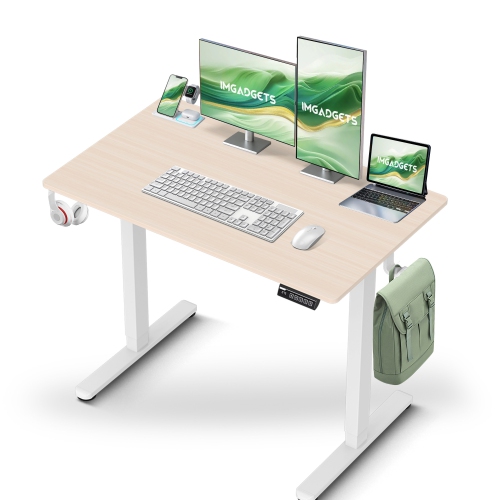 Your price for this item is $74.97
 -
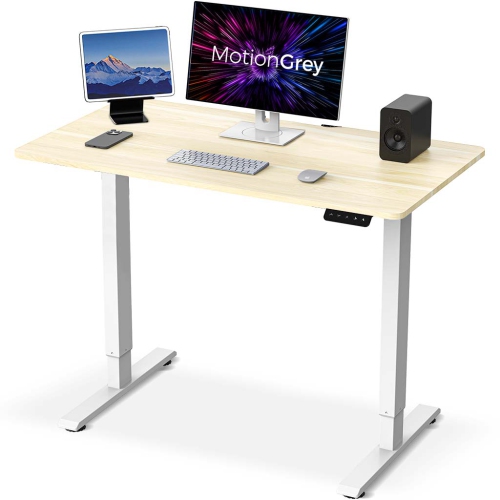 Your price for this item is $83.95
 -
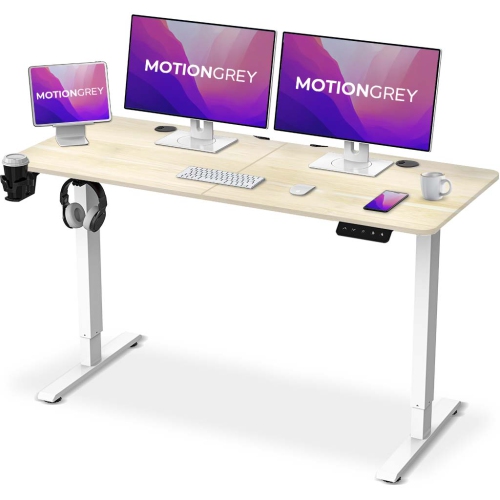 Your price for this item is $93.99
 -
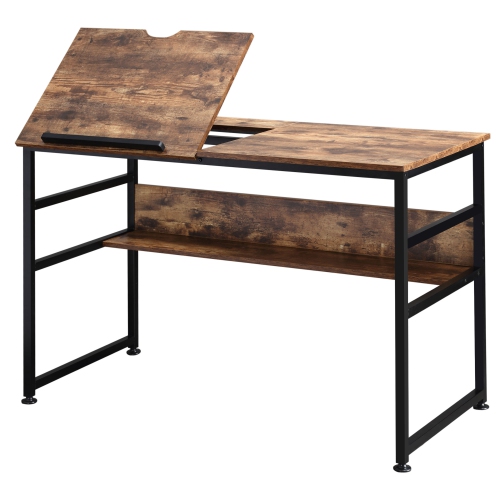 Your price for this item is $174.99
Discover more categories related to Solid Walnut Office Desks
Top Collections:
Pokemon Centers, Budget 4K TVs, Kindle Devices, Canon G7X Cameras, Apple iPhones 16, iPhone 15 Apple, Laptops for Business Work, Flip Phones, Xiaomi Phones, Refurbished Apple Laptops
Some products may be subject to Environmental Handling Fees
(EHF) depending on your province.
Learn more about EHFs.