Solid Wood Computer Desks With Drawers
Looking for a sturdy and stylish computer desk that offers ample storage space? Look no further than our collection of solid wood computer desks with drawers. With the added convenience of drawers, you can keep your essentials organized and within reach, making it easier to stay focused and productive. Here are some great options available.
Sort
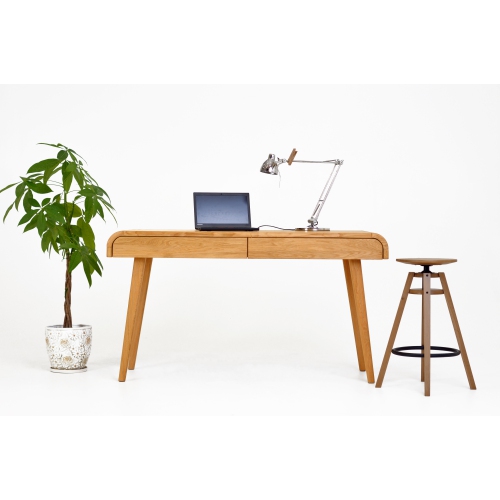
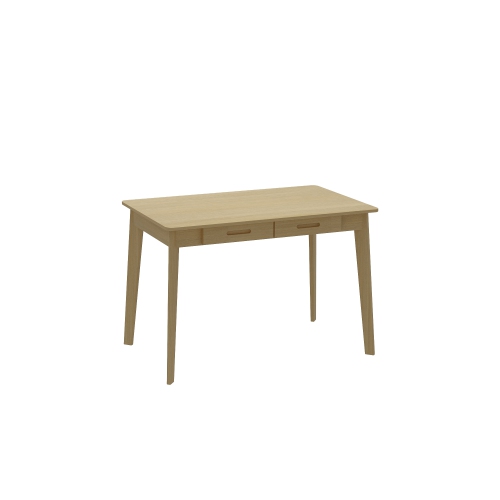
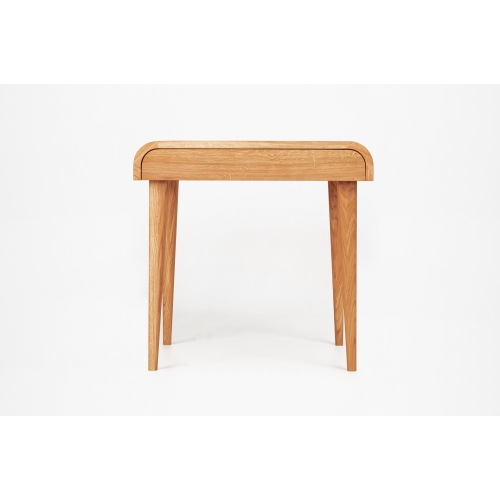
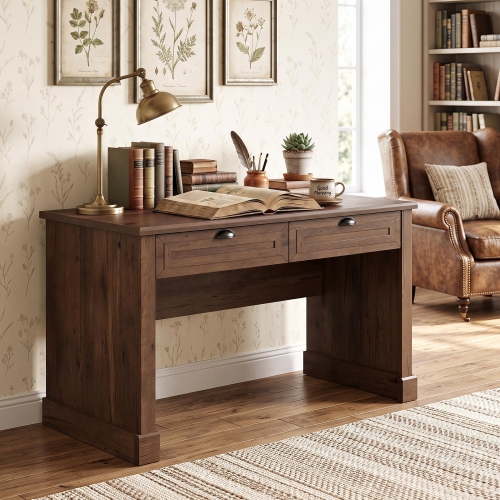
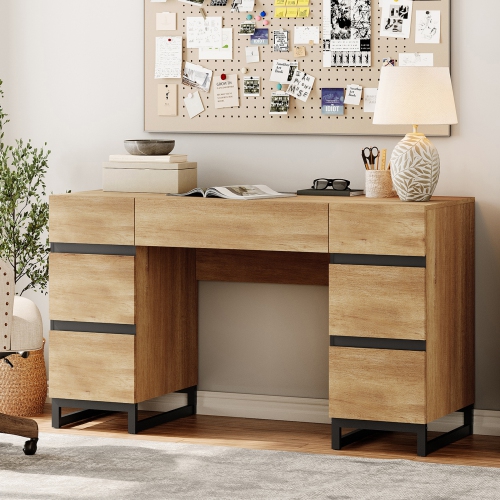
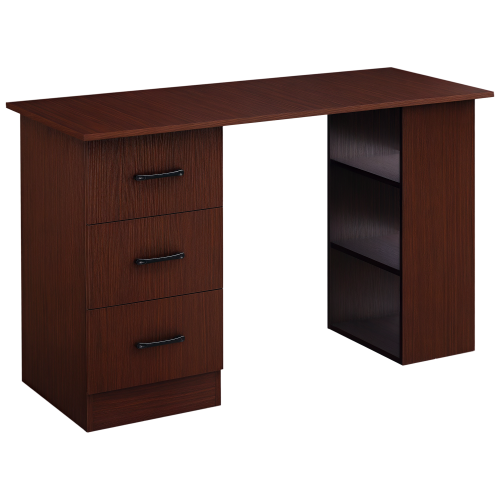
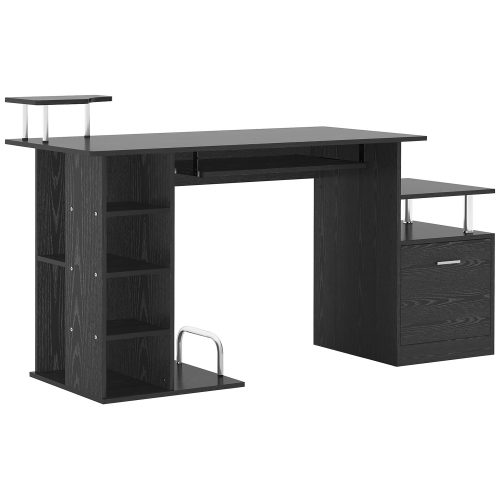
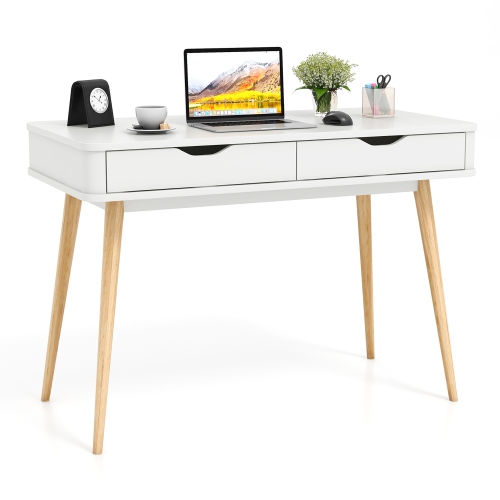
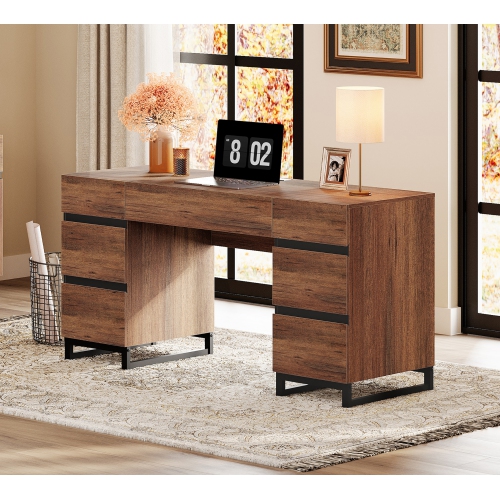
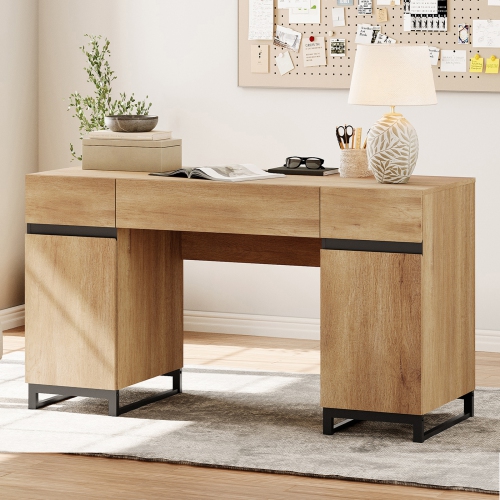
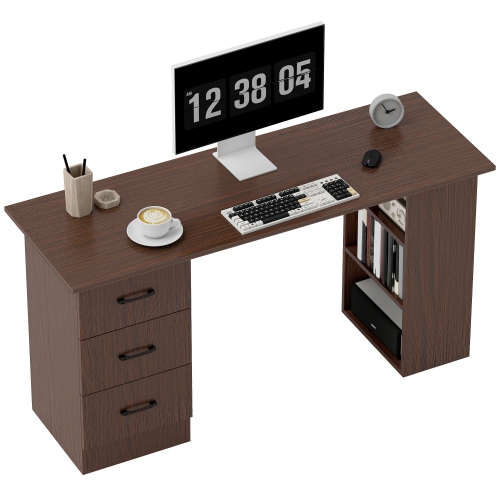
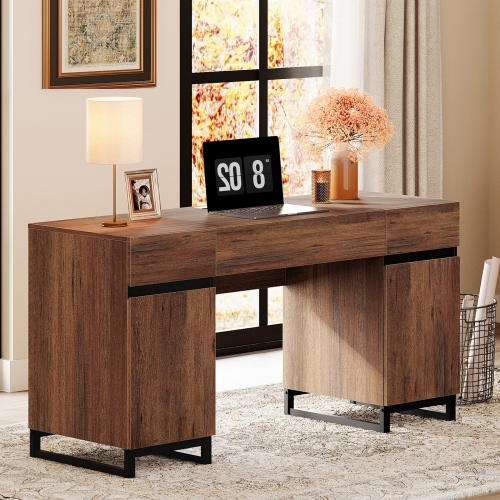
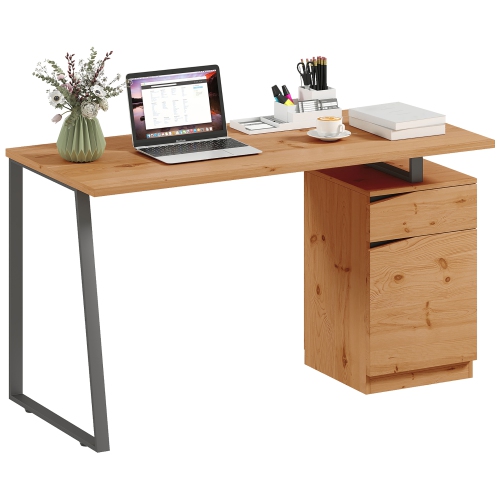
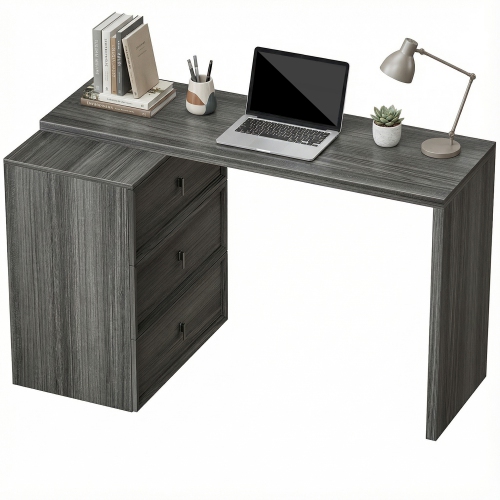
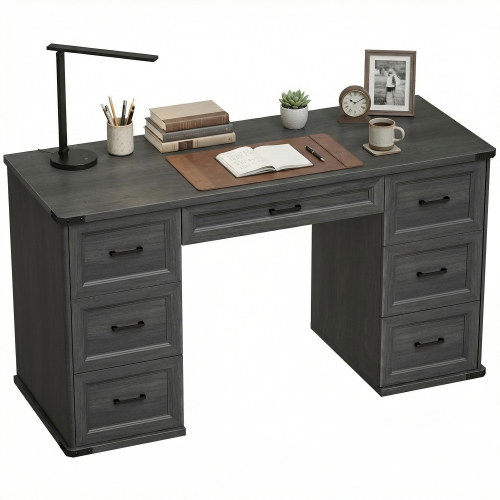
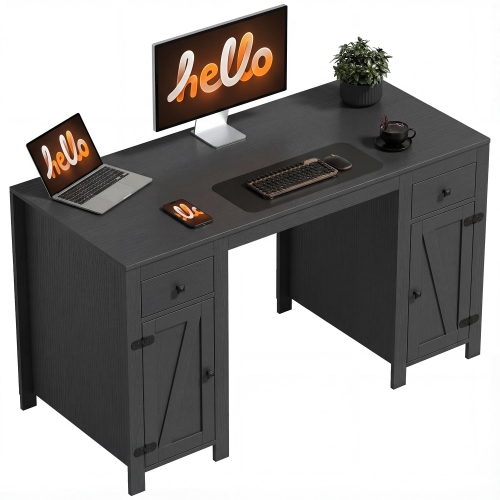

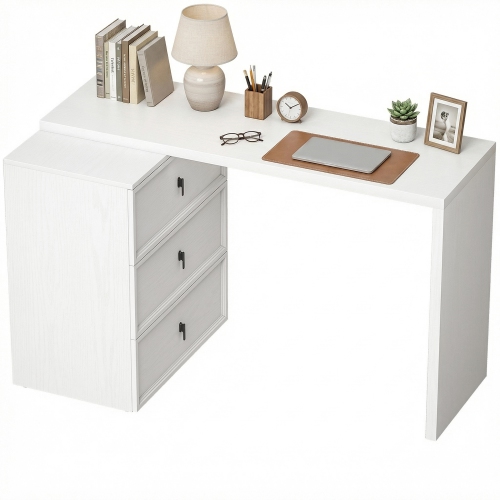
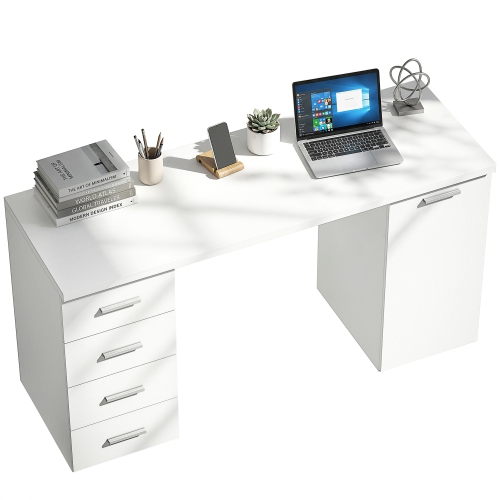
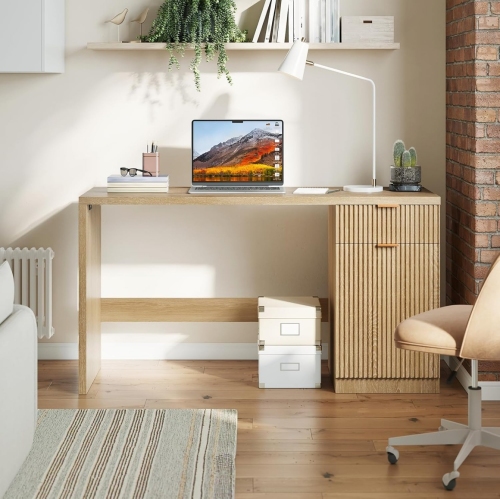
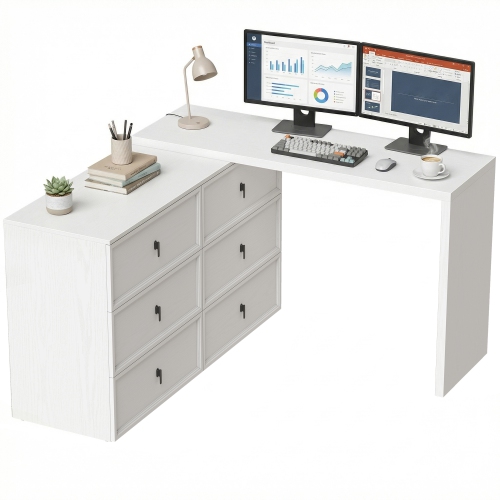
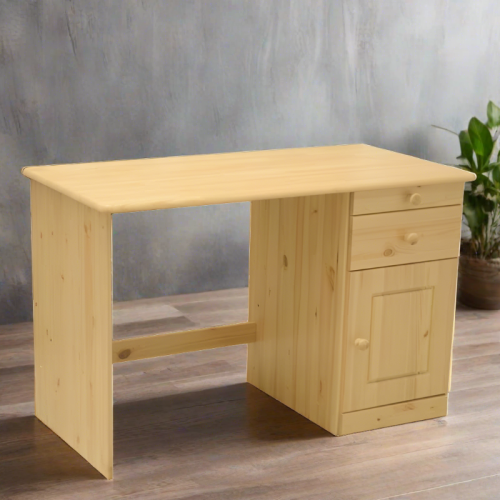
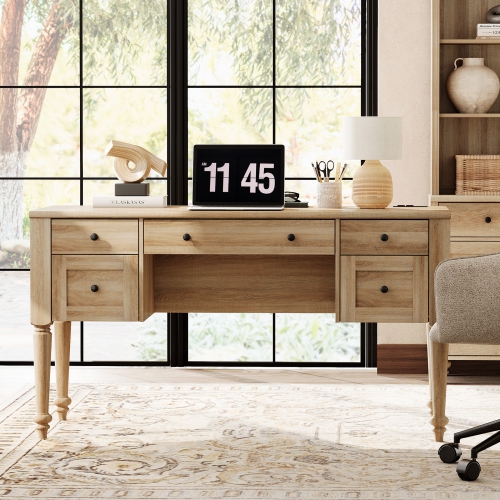
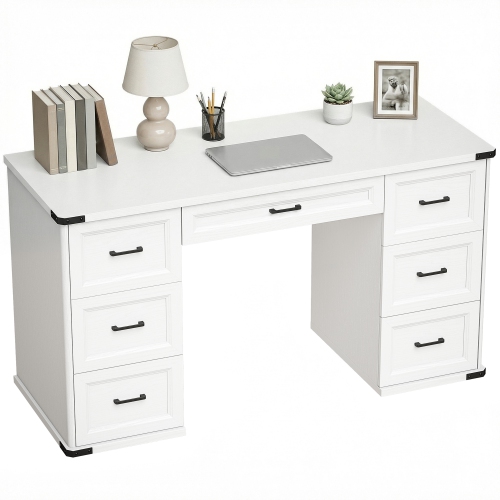
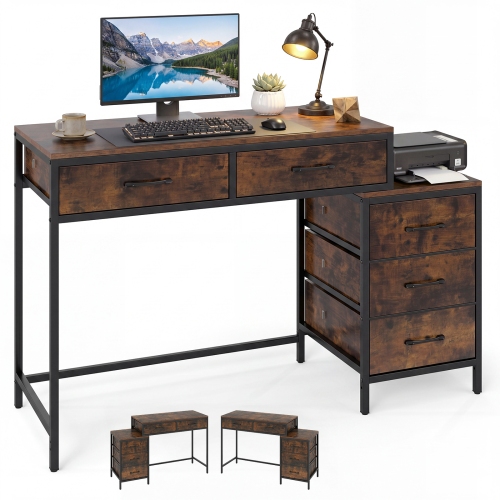
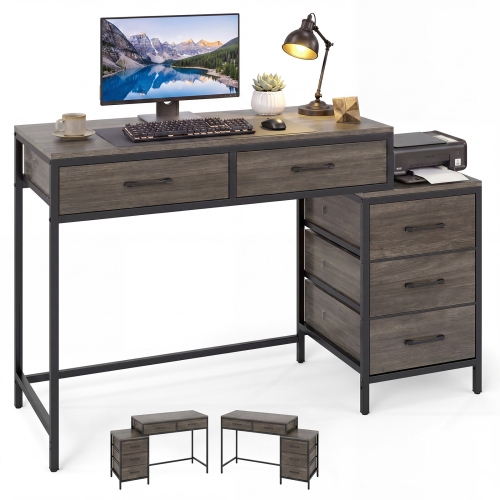

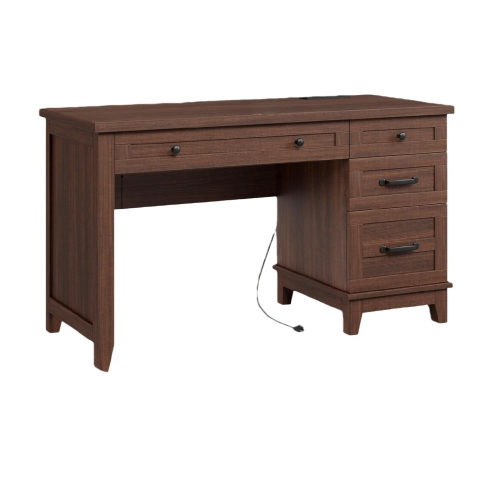
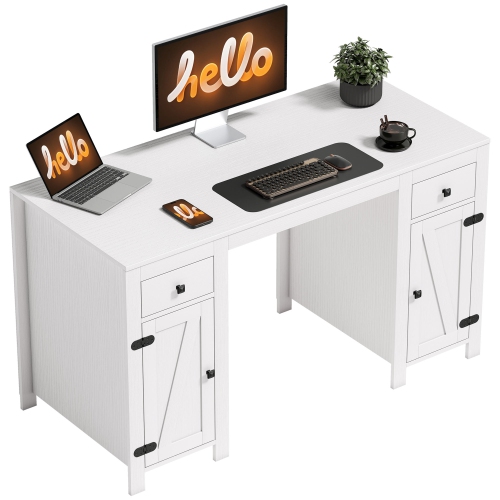
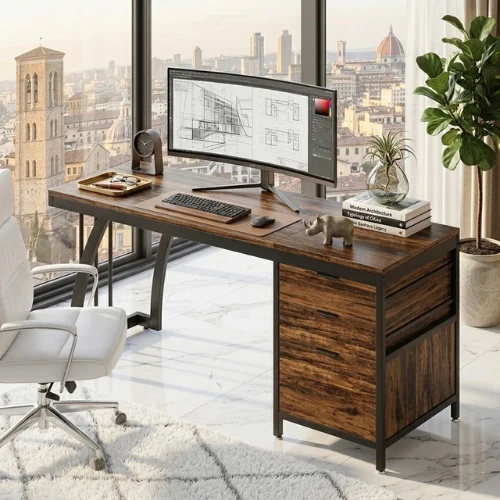
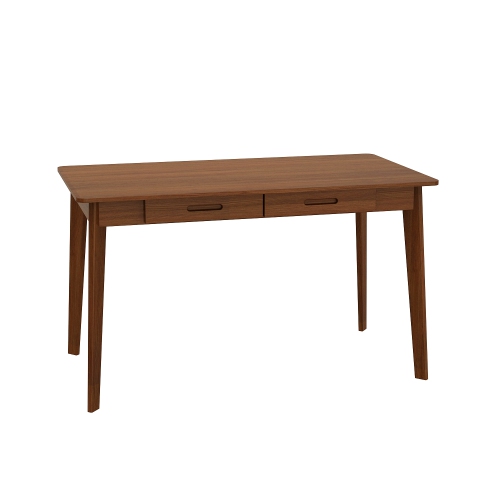
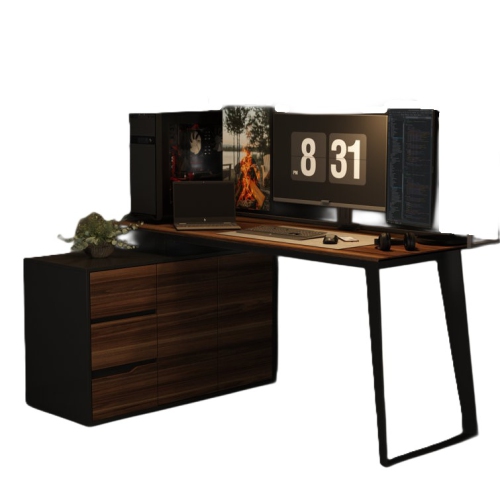
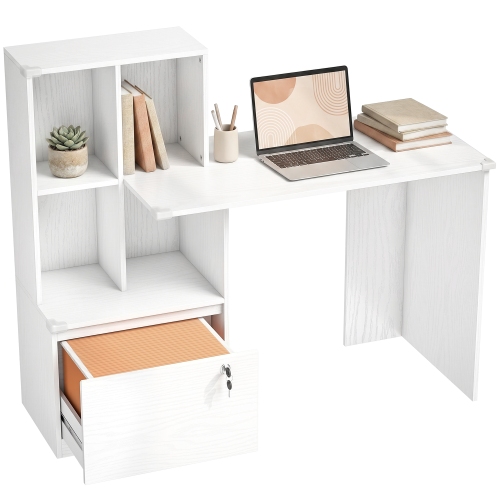
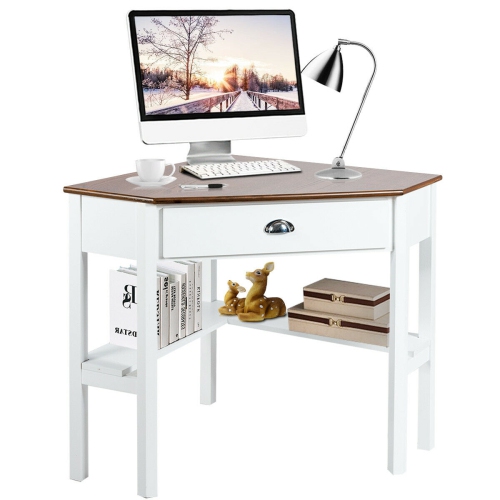
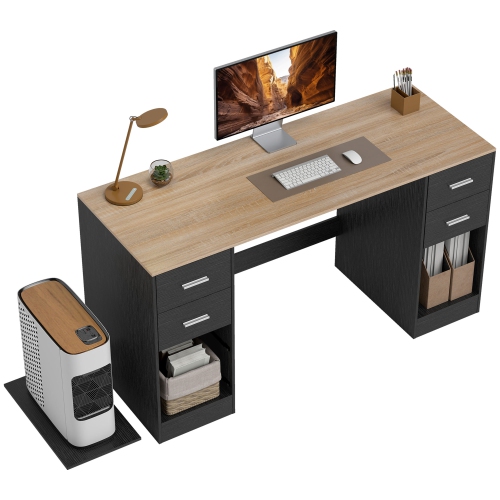
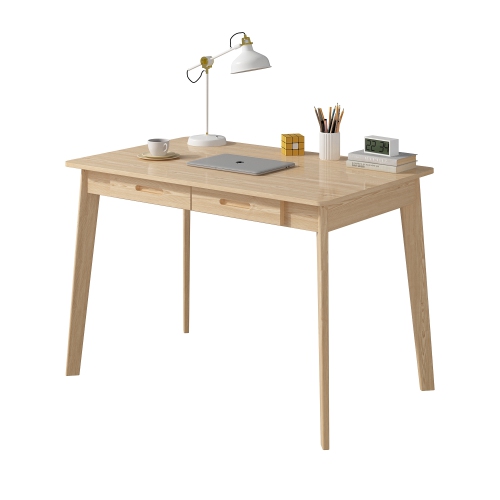

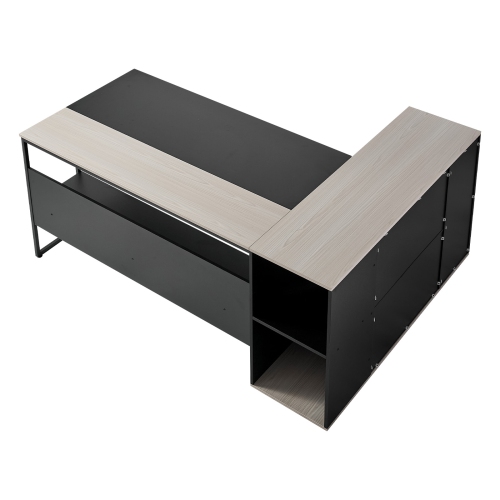
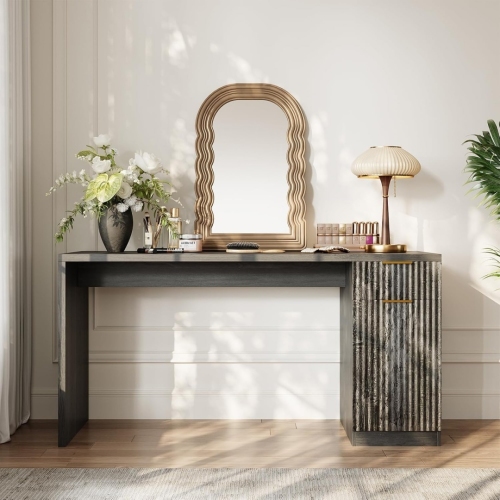
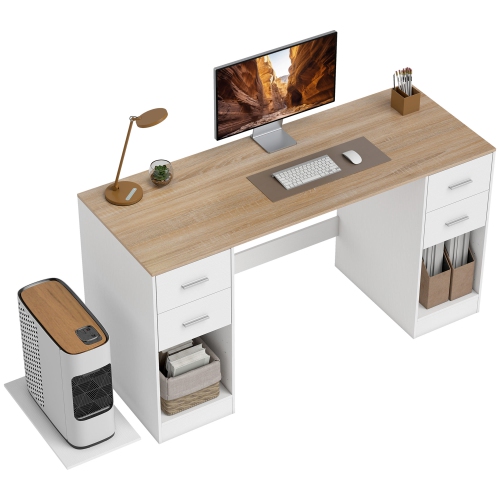

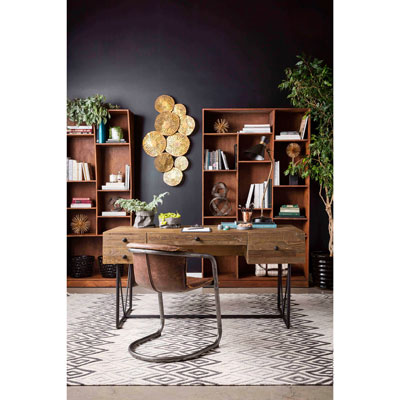
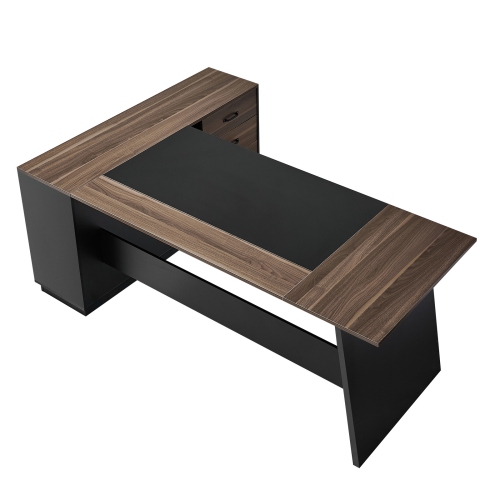
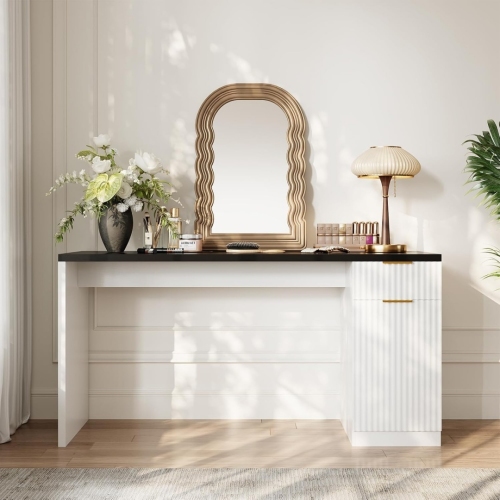
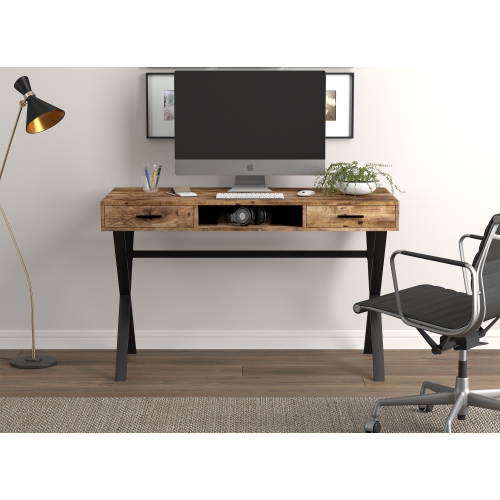
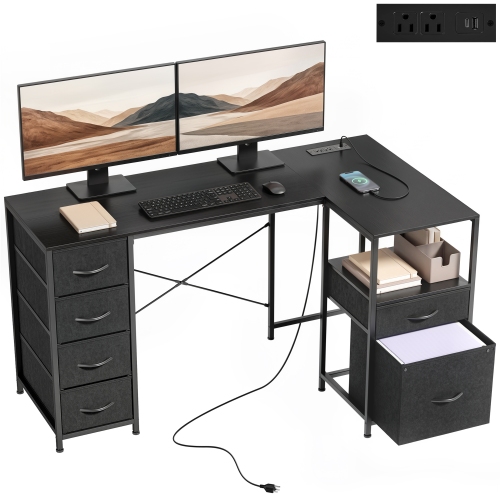
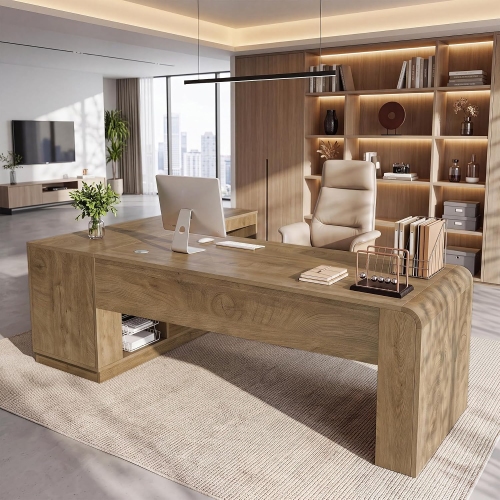
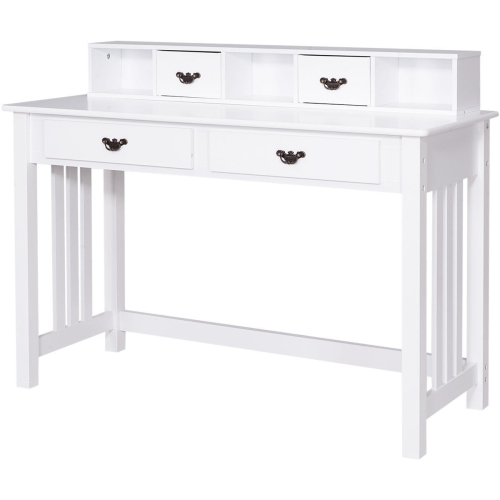

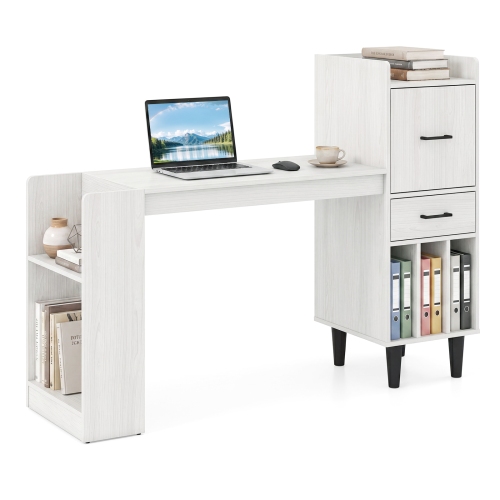
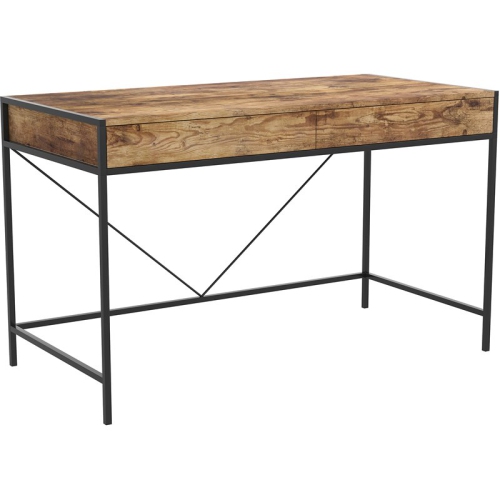

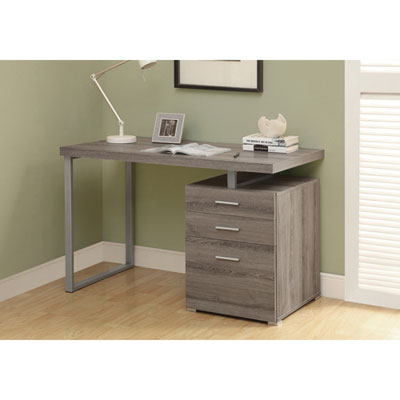
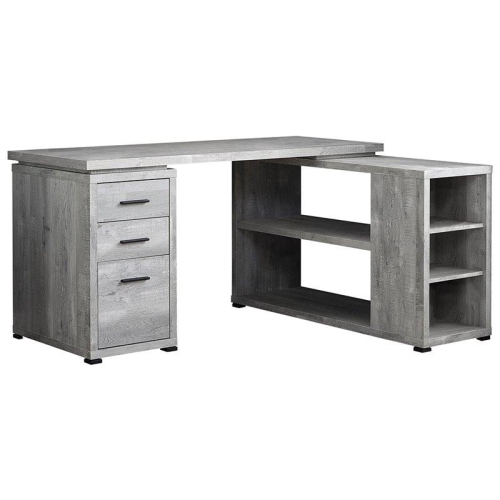
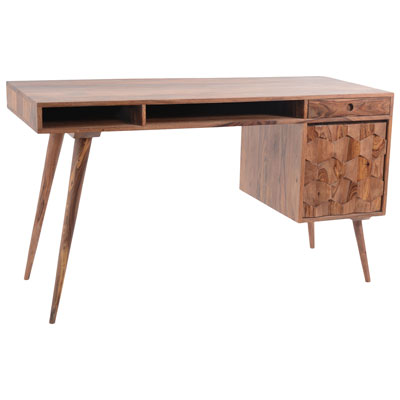

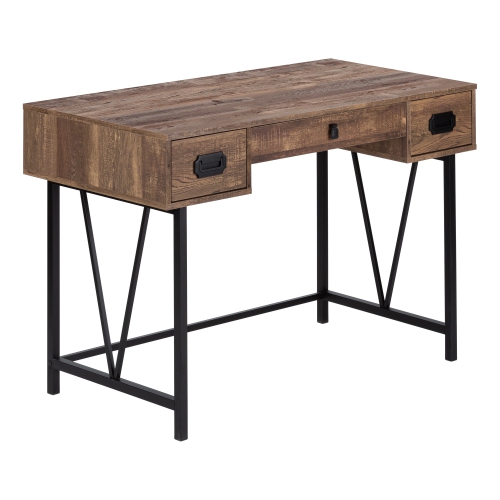
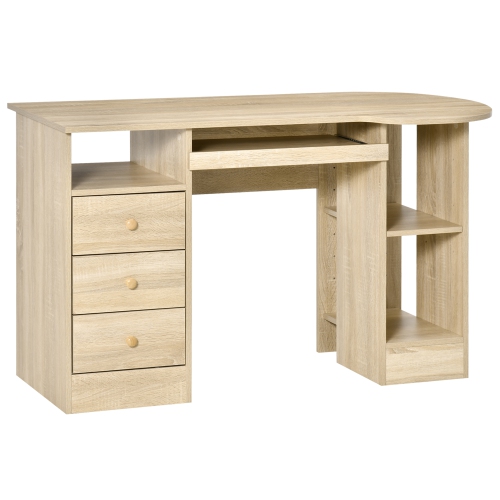
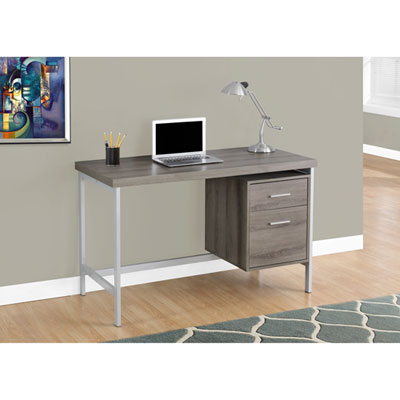
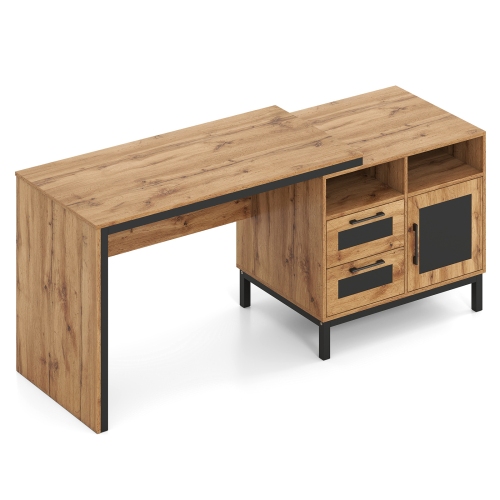
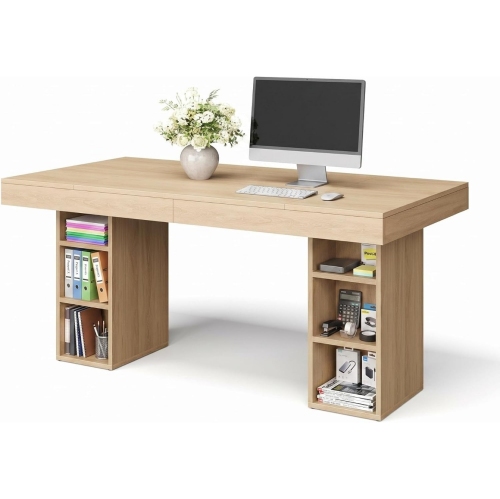
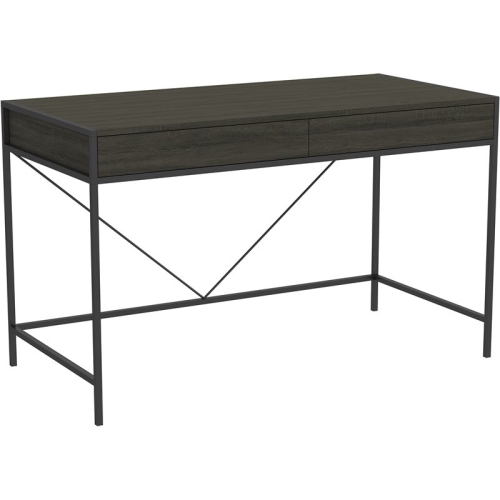
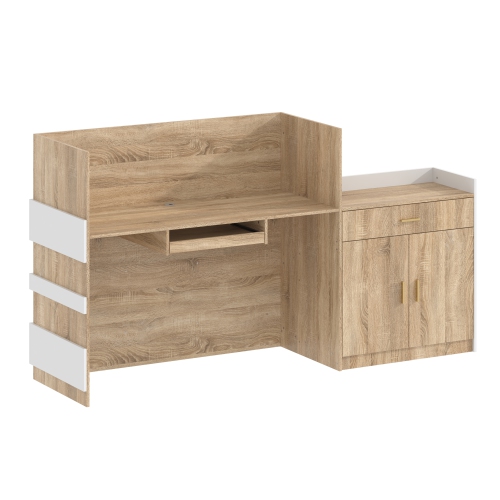
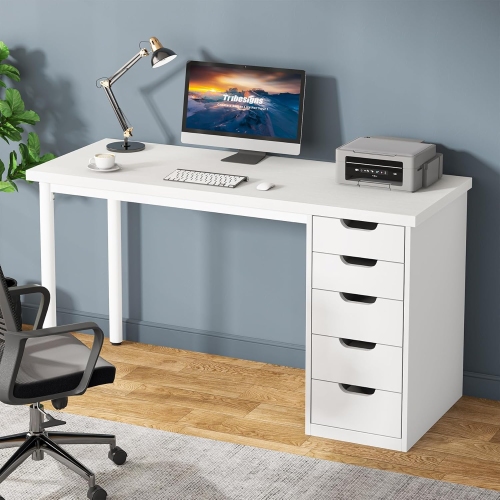
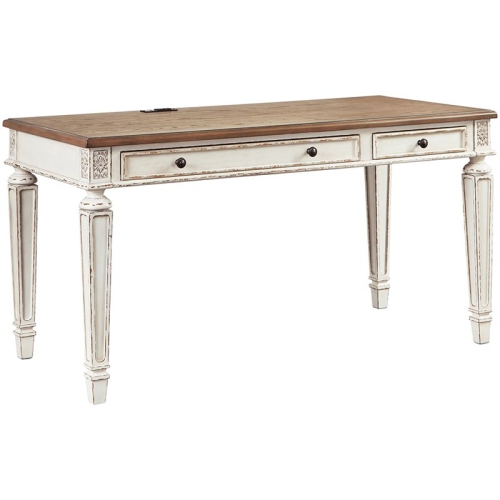
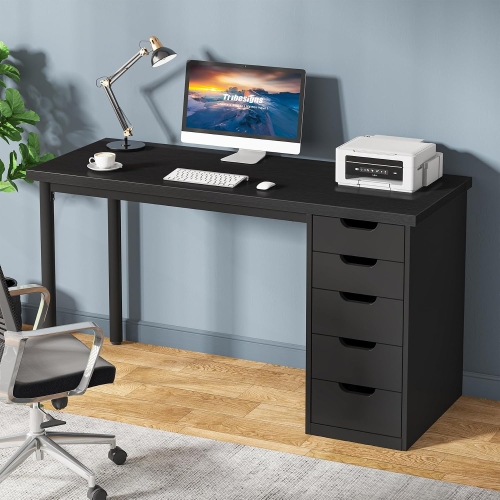
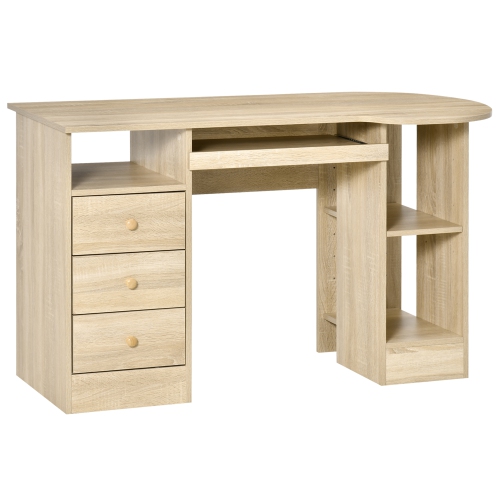
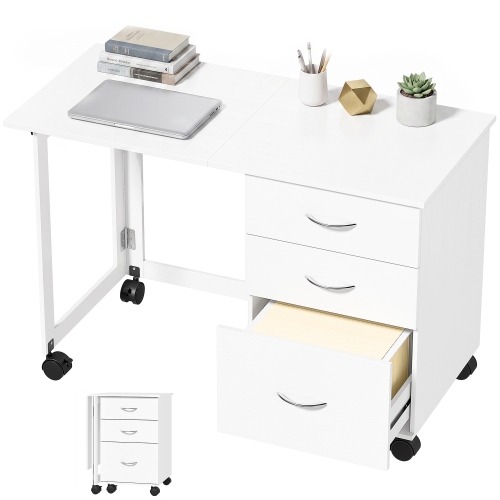
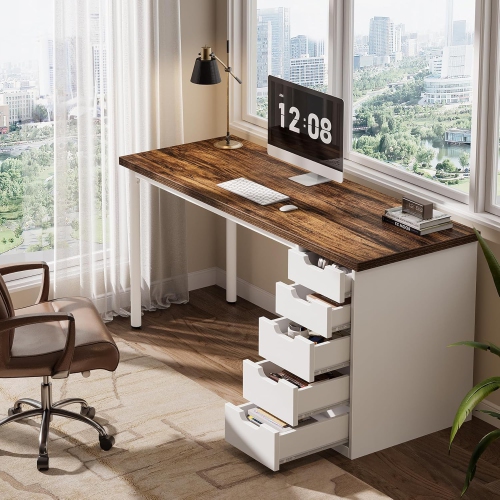
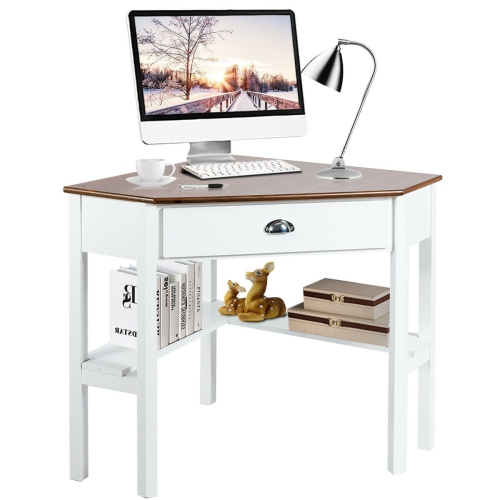
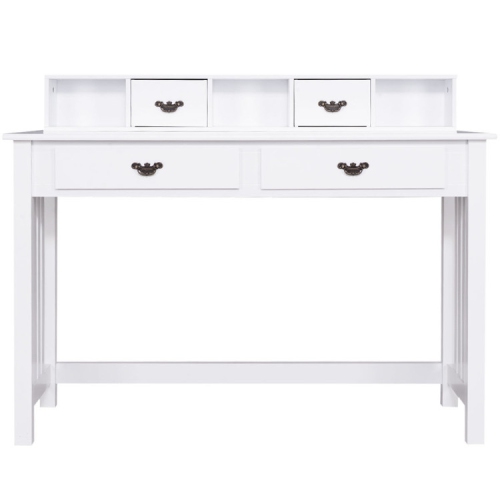
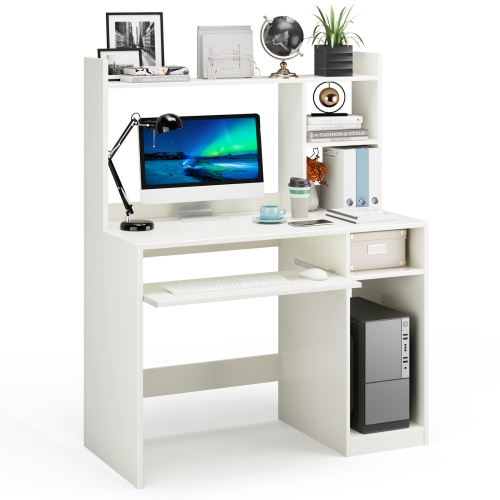
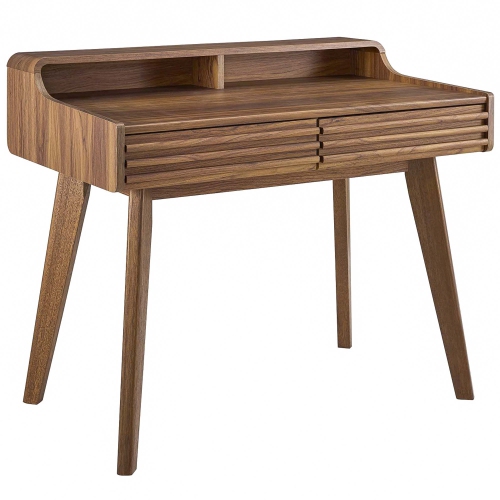
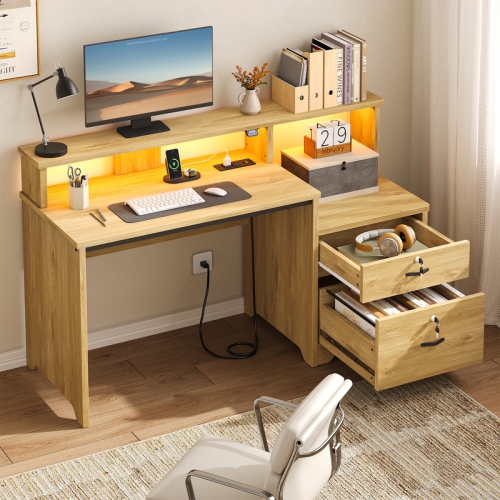
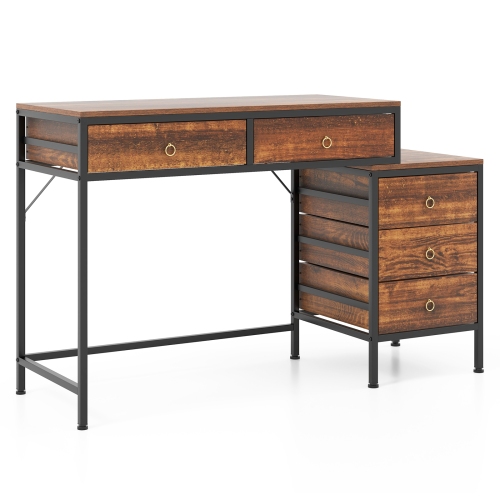
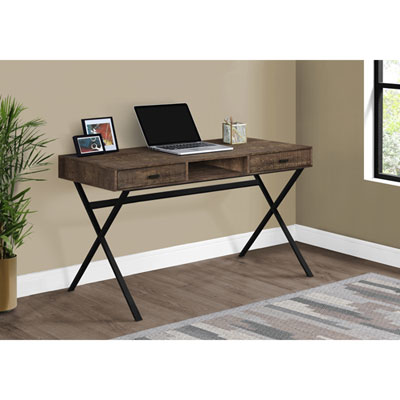
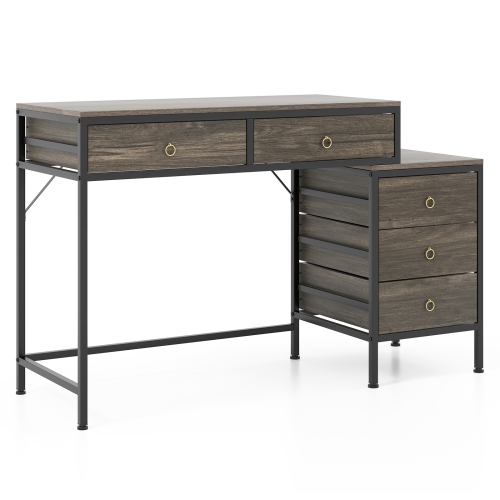
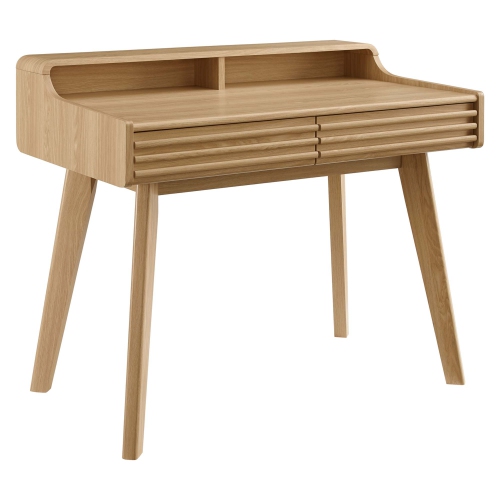
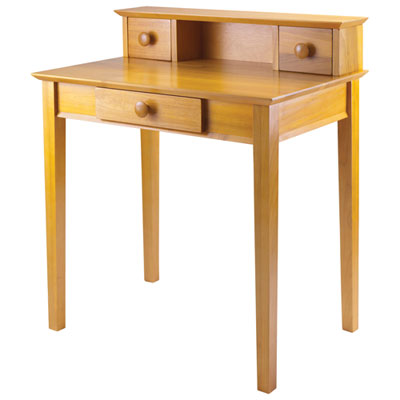
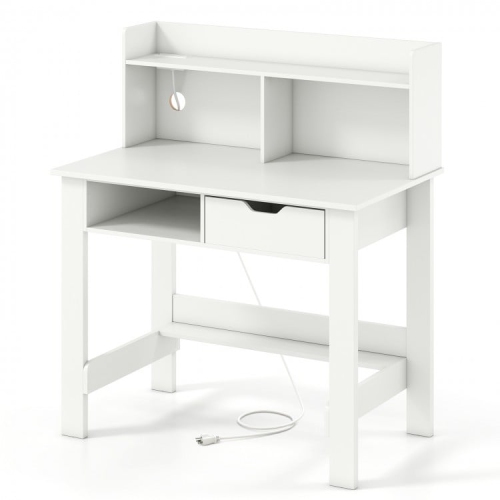
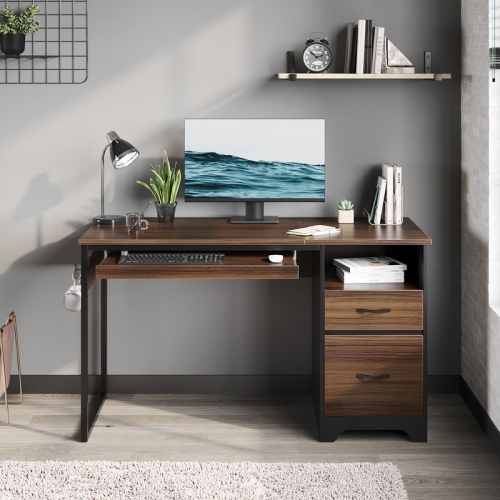
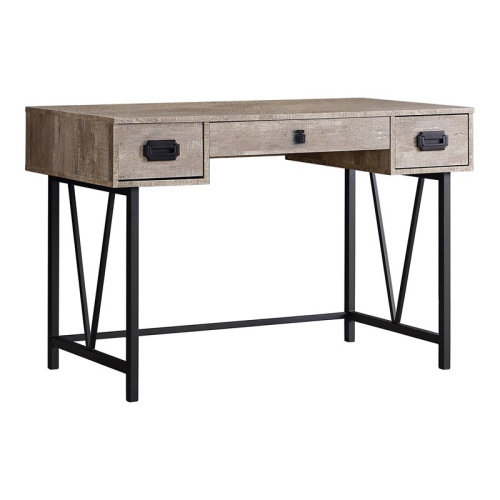
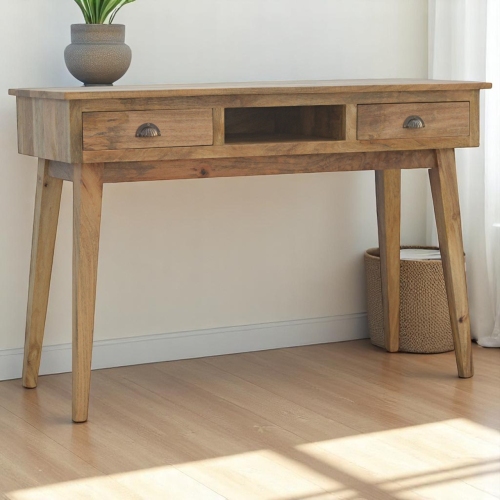
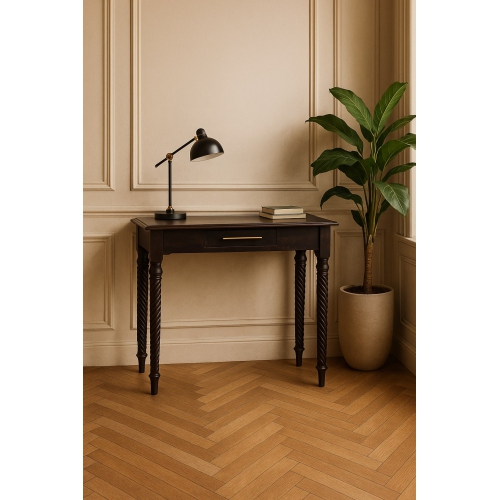
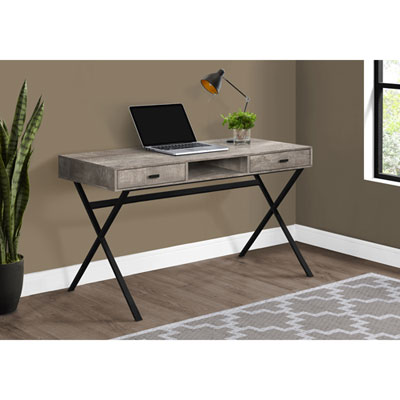
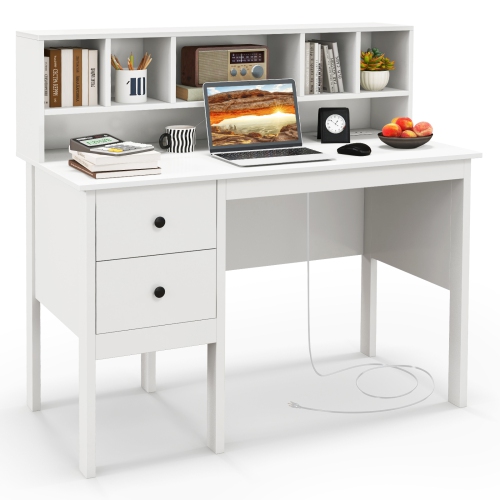
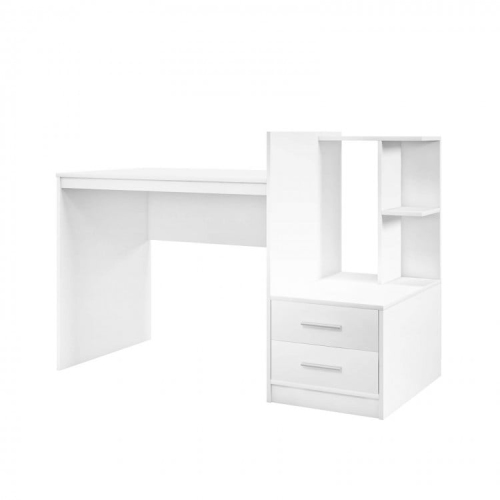
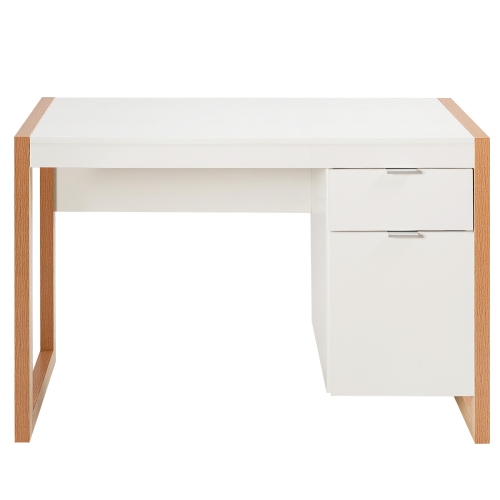
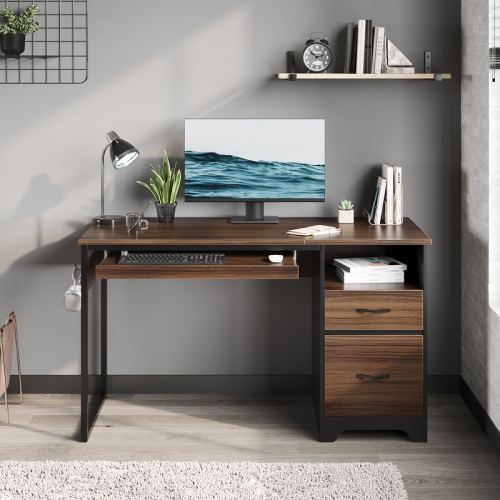

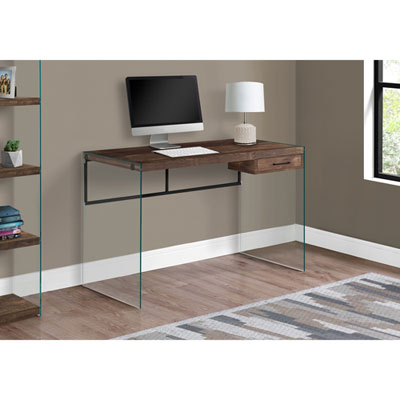
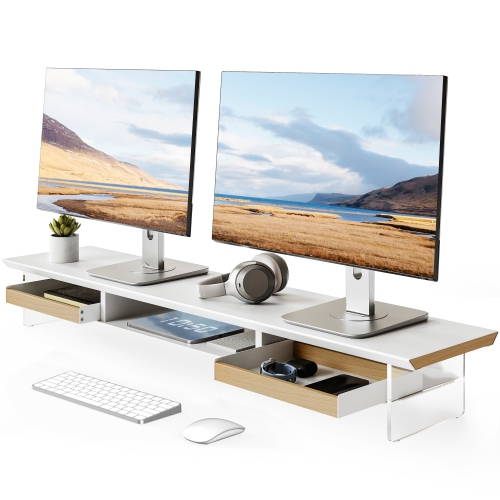
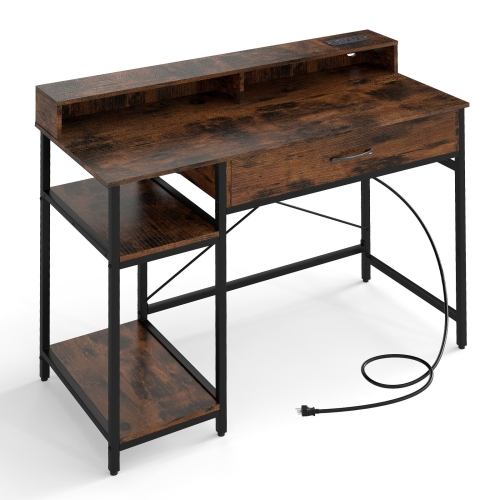
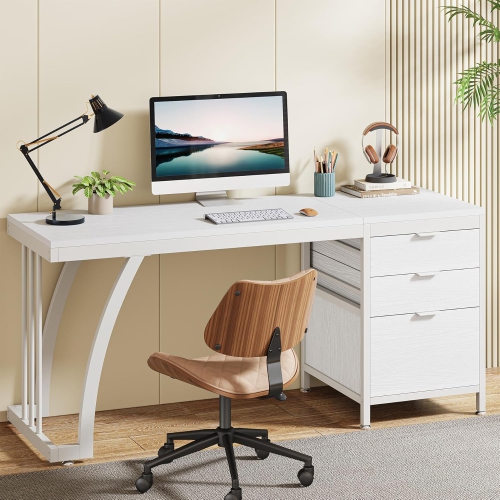
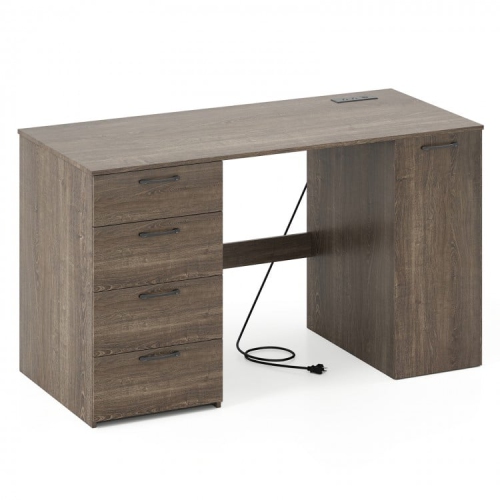

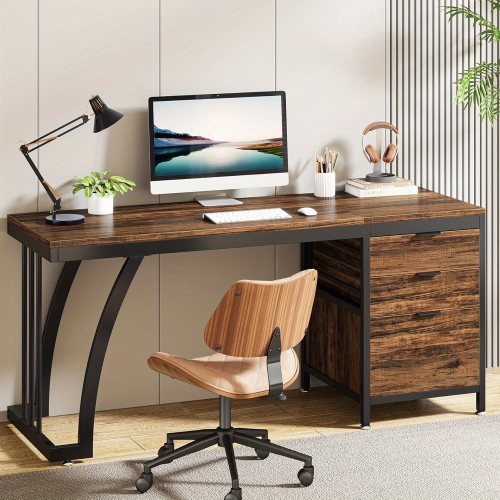
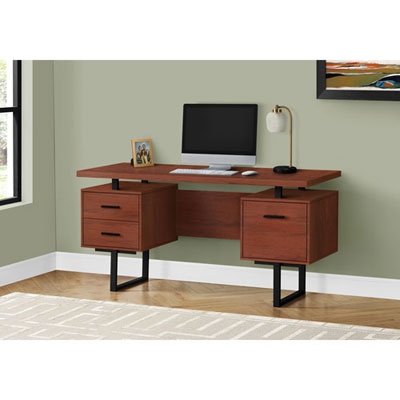

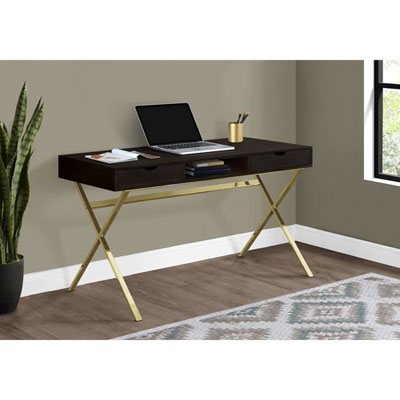
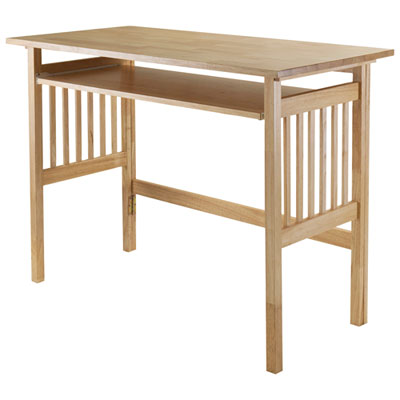
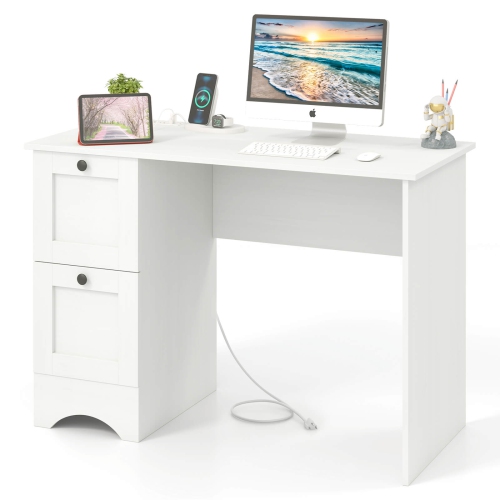
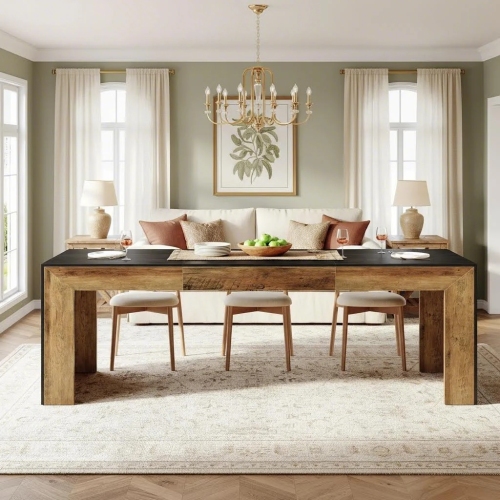
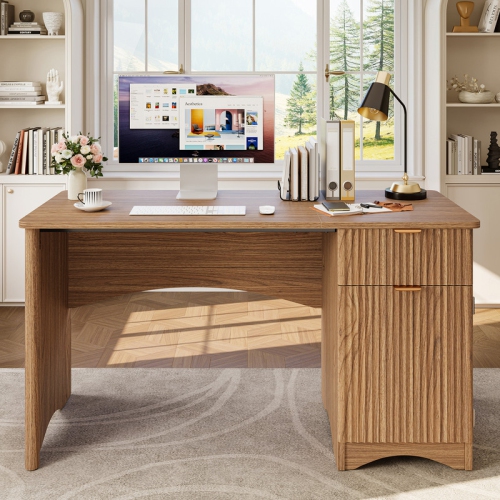
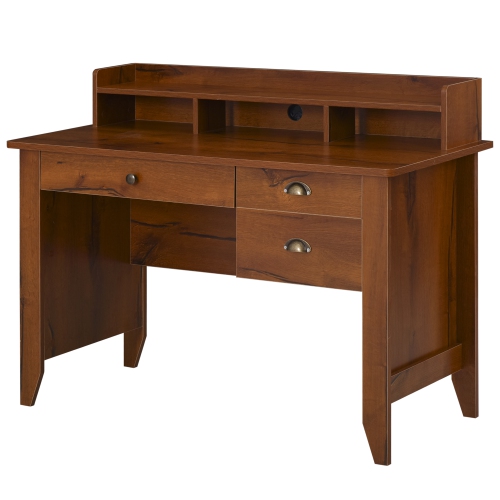
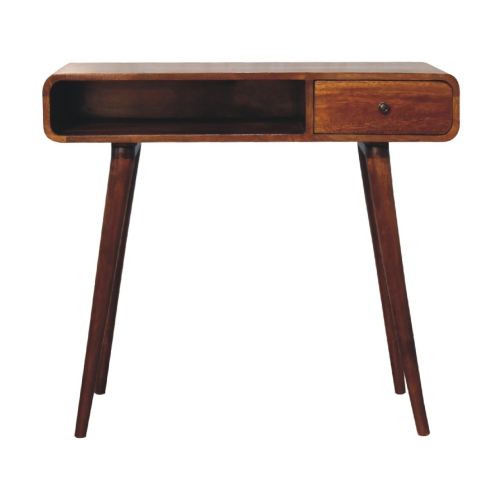
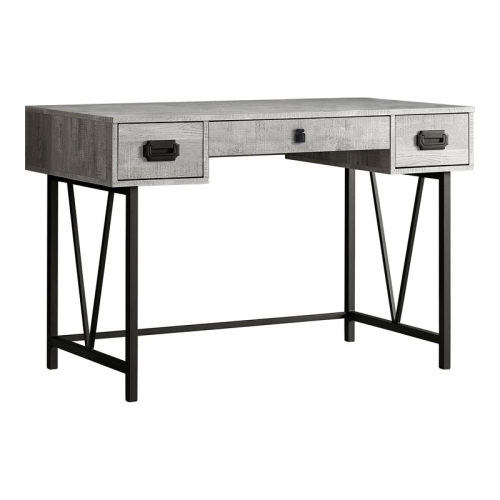
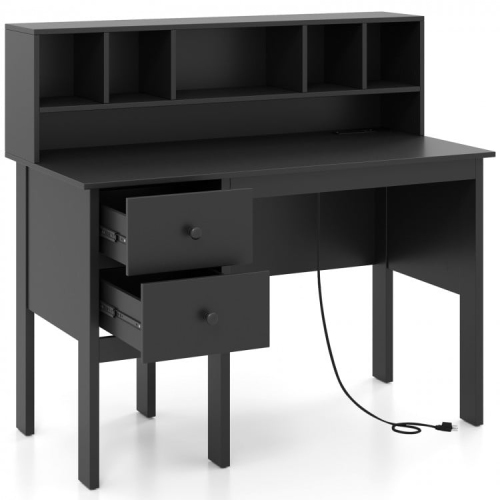
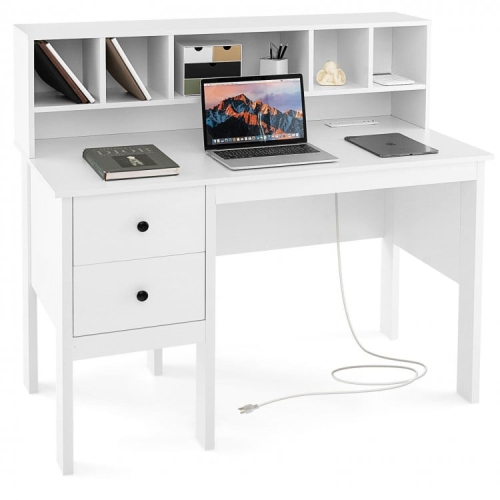
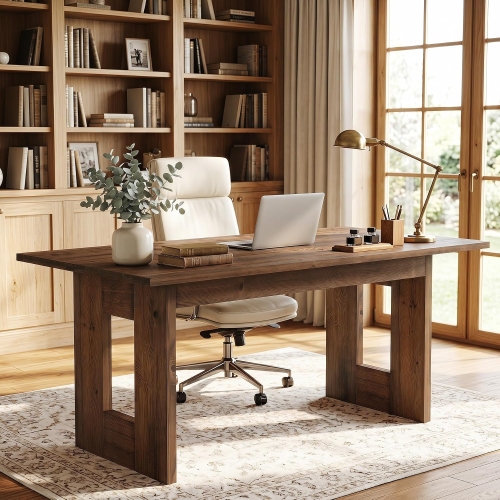
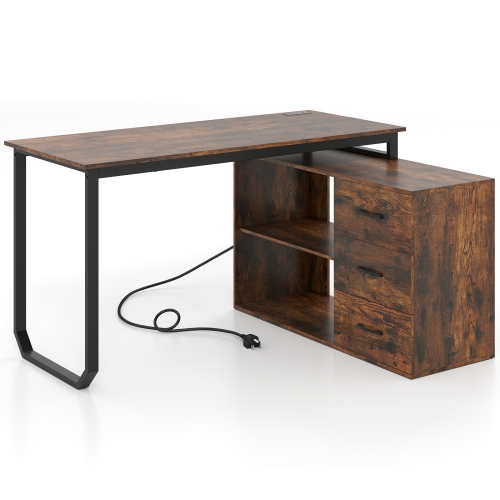
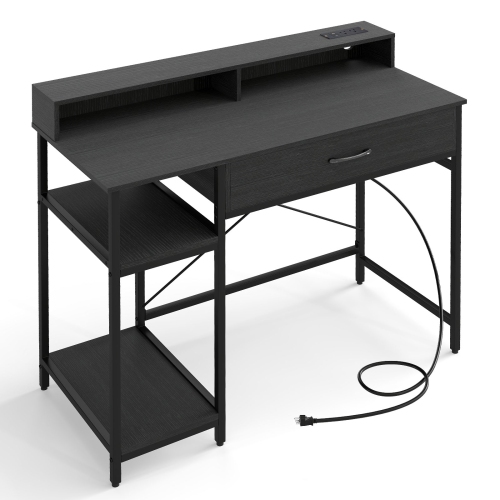
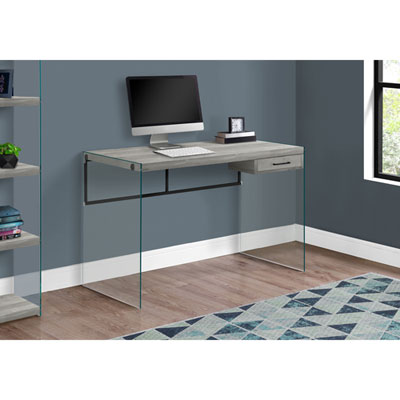
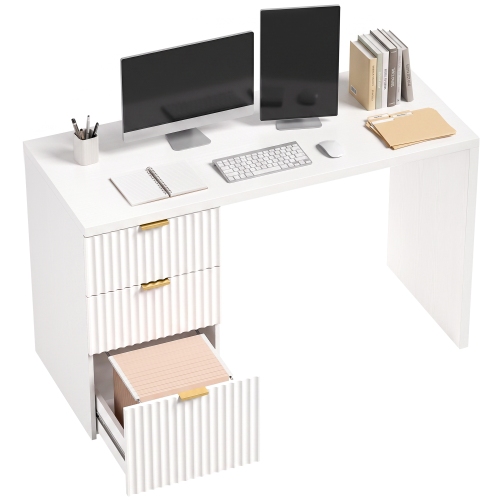
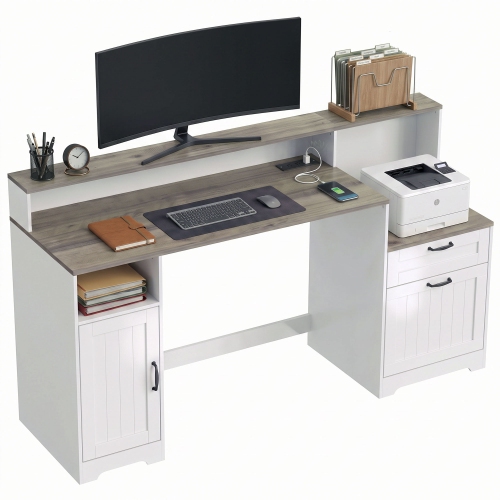
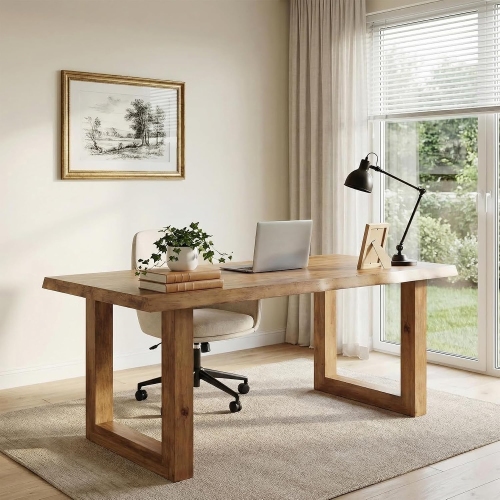
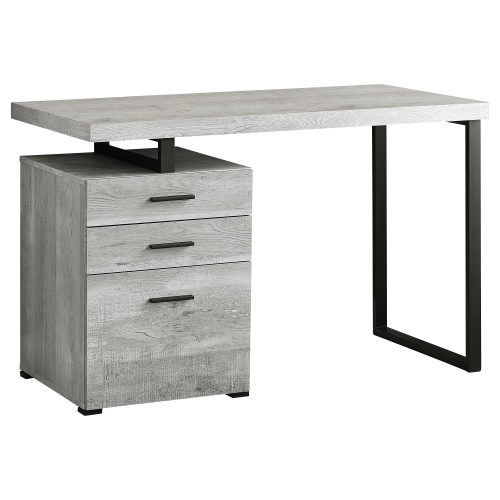
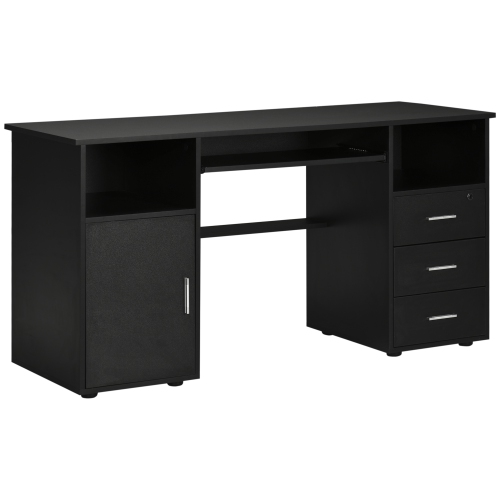
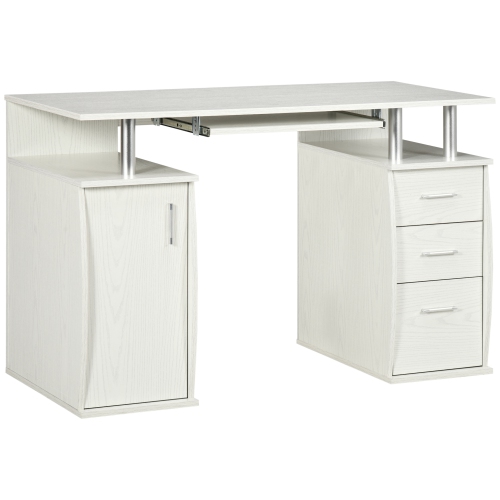
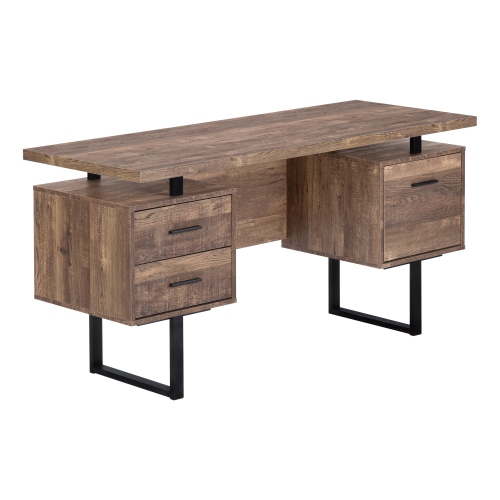
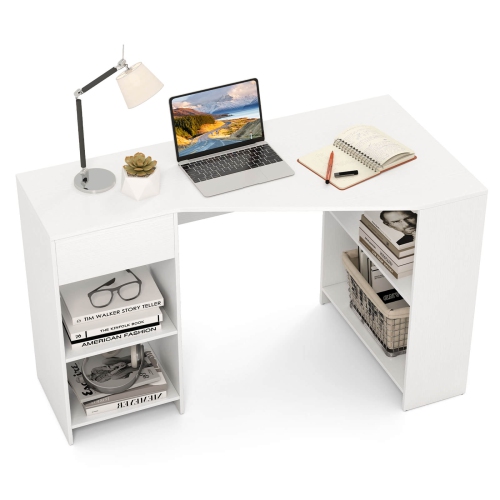
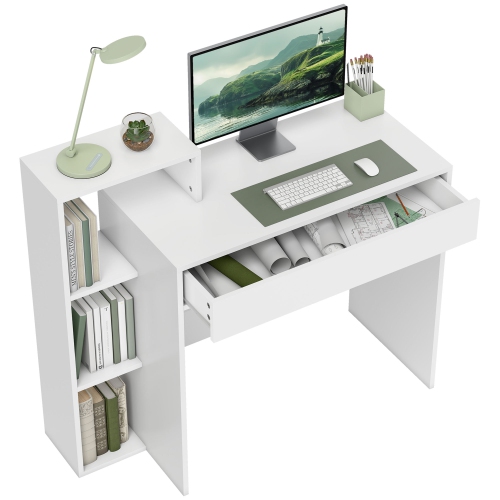
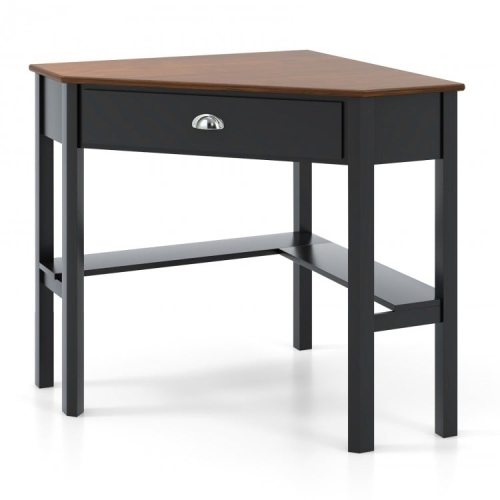
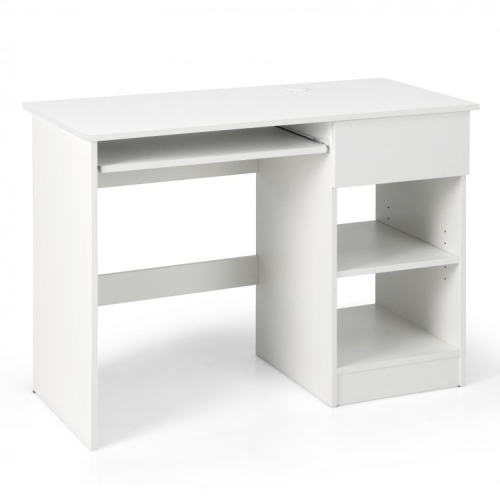
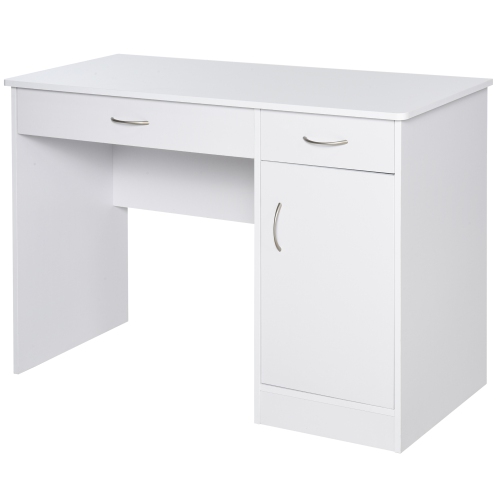
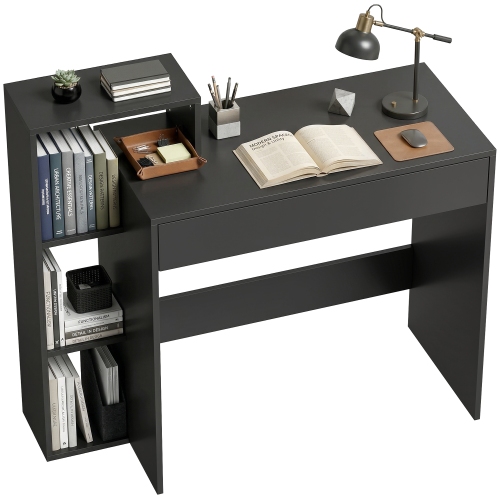
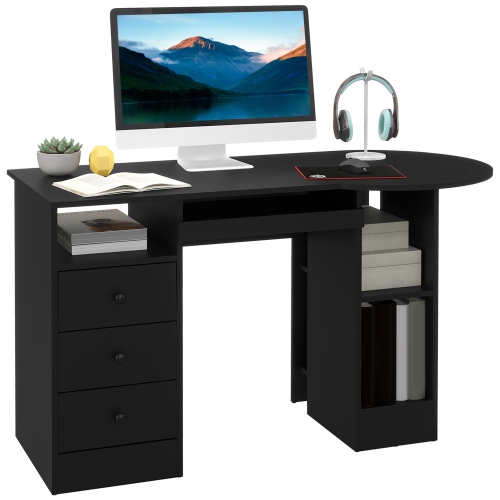
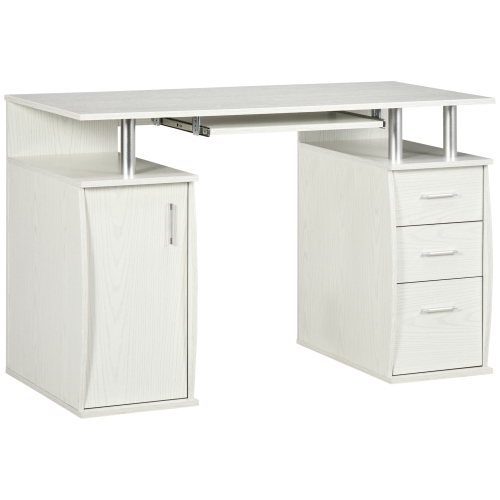
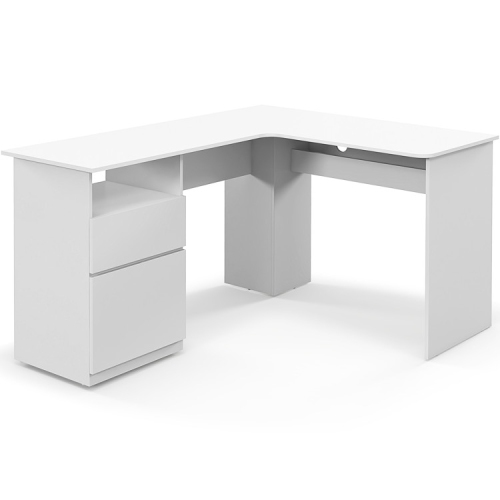
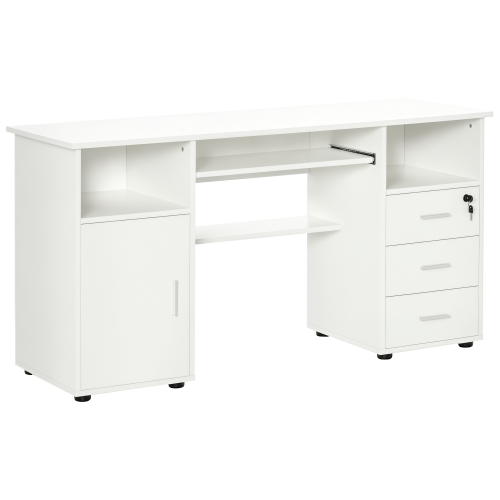
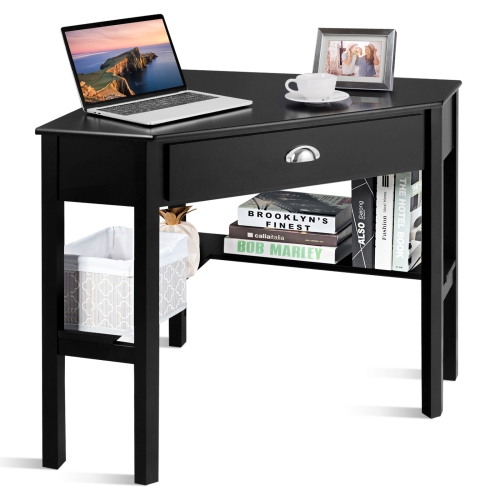
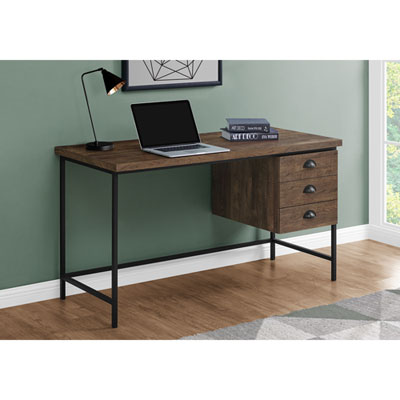
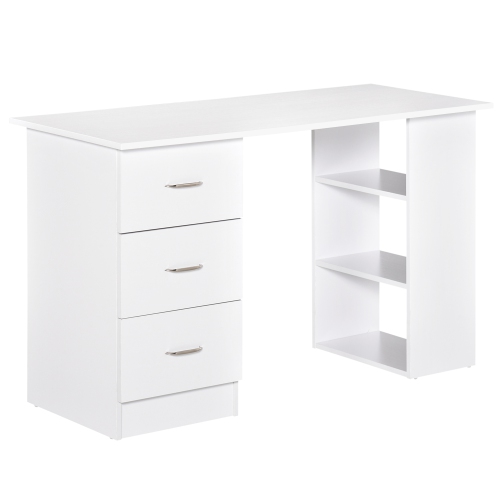
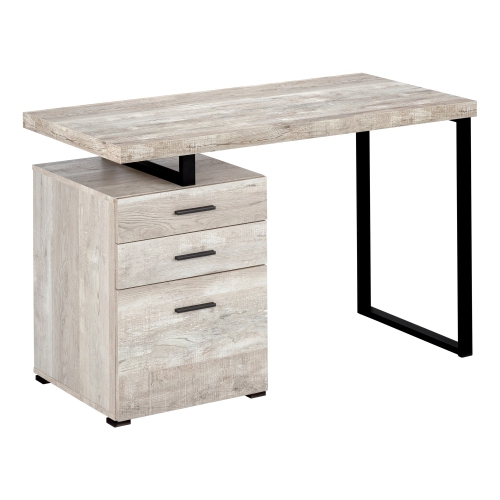
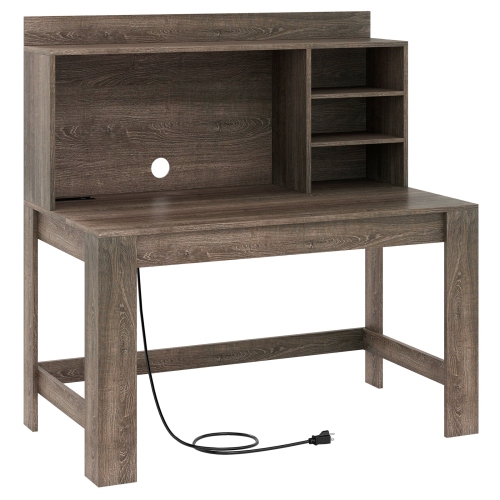
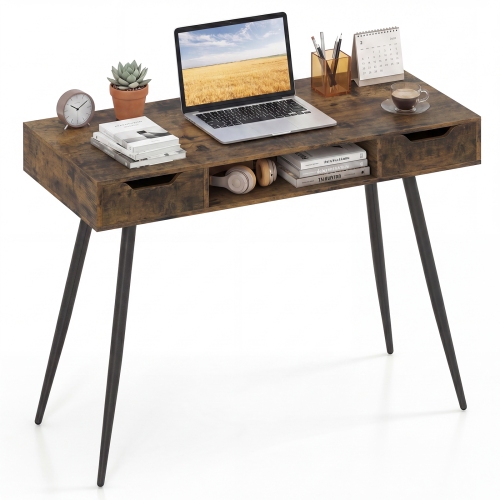

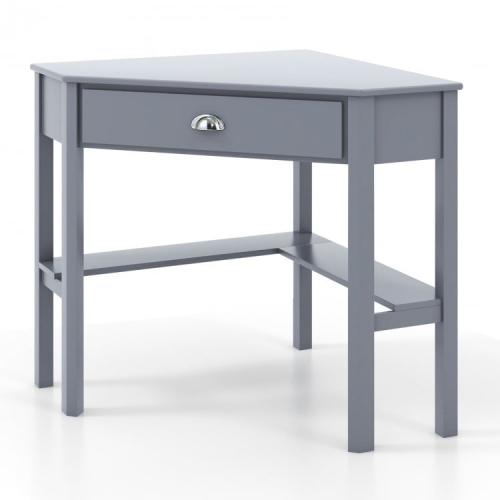
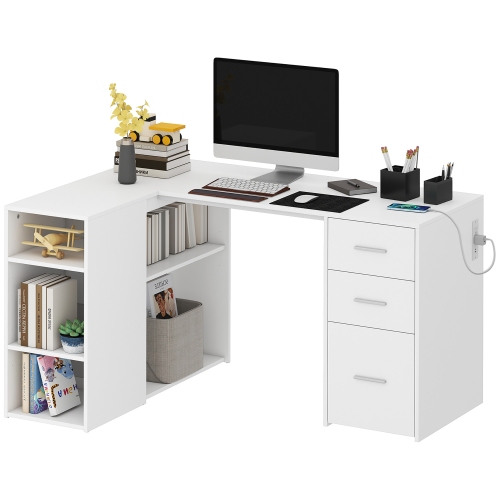

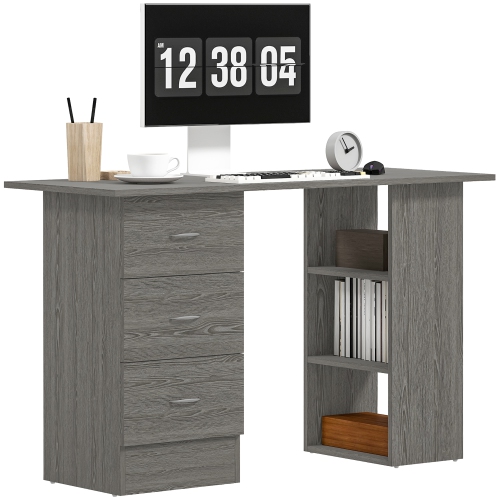
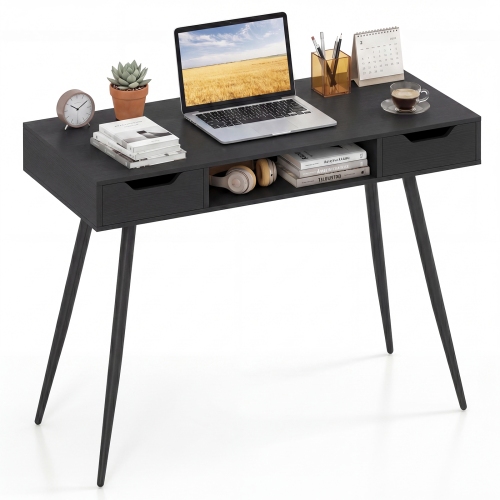
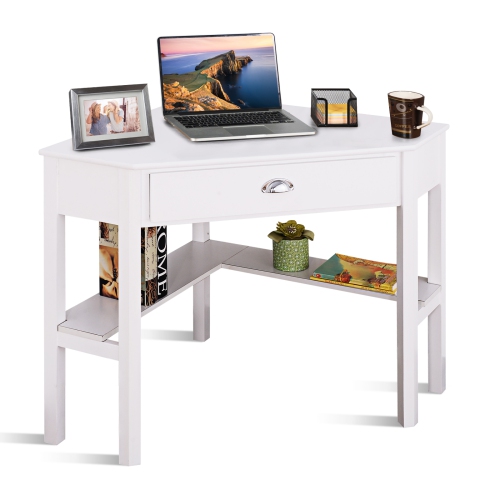
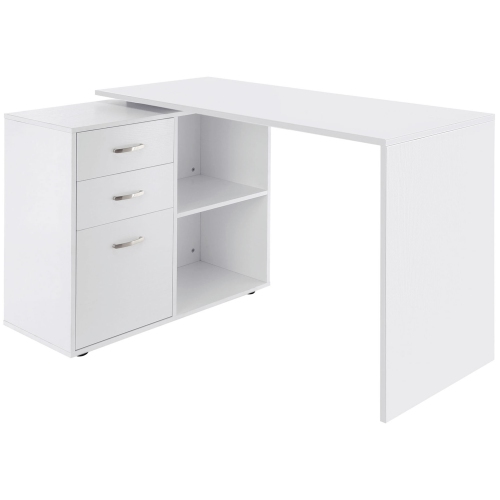
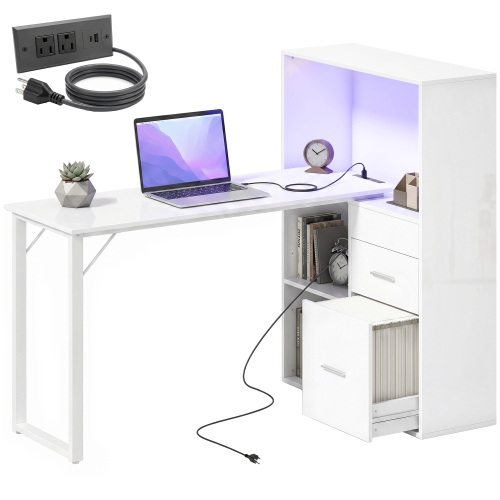


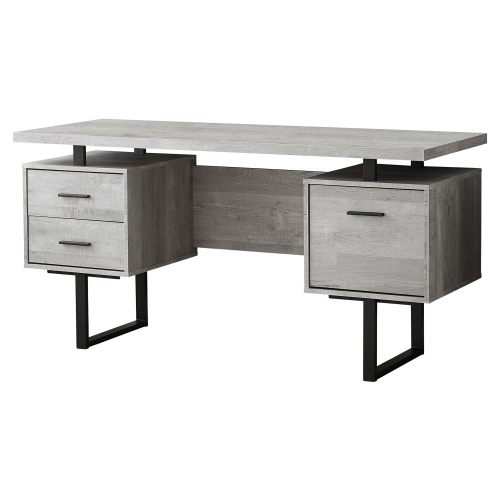
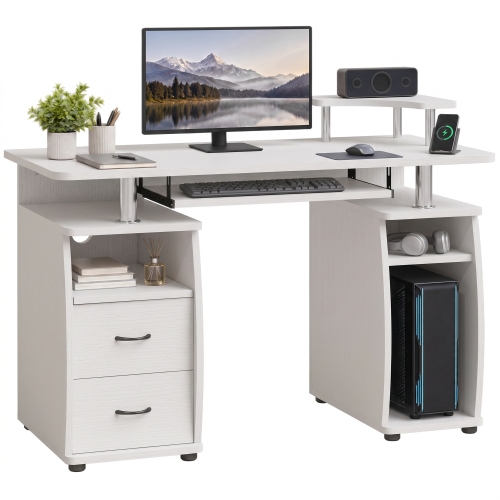
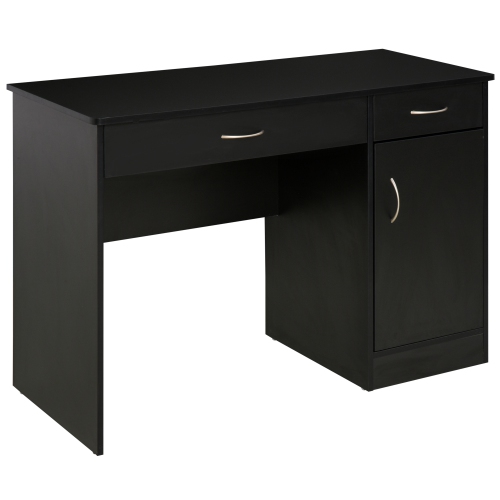
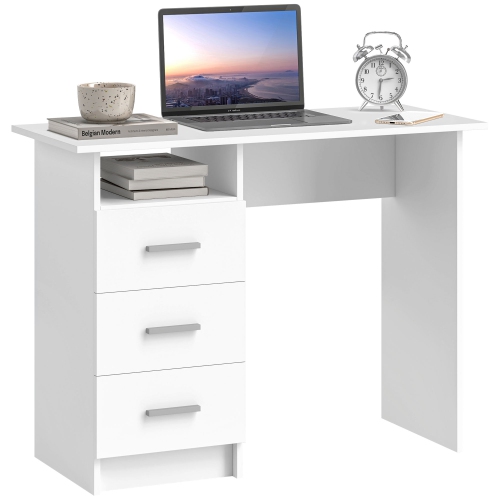
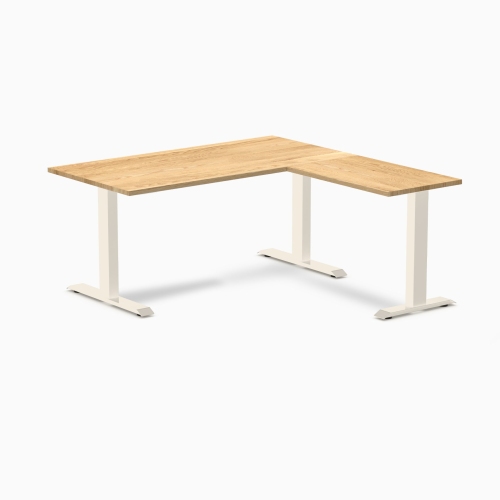
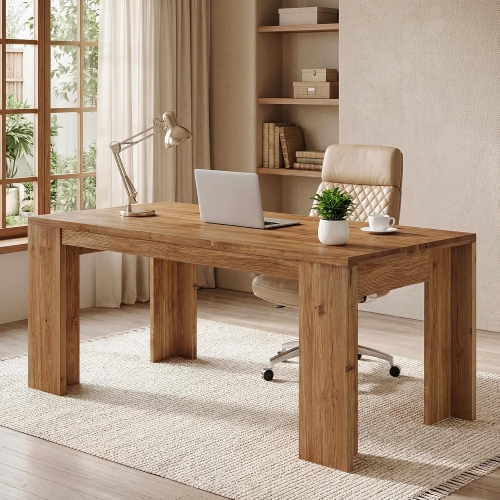
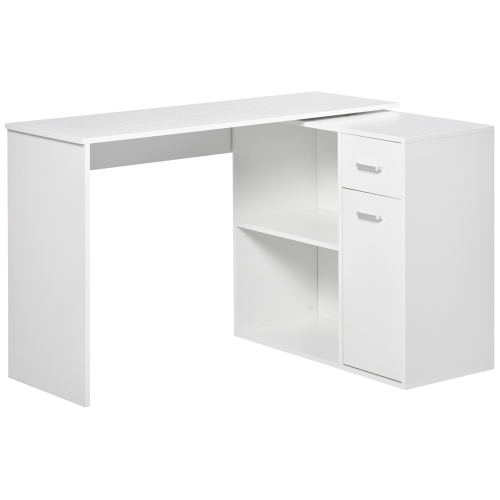
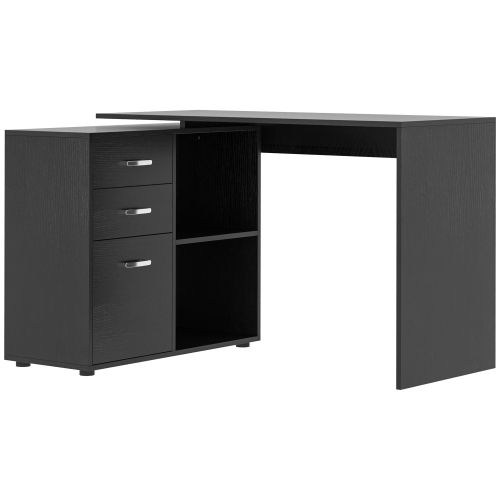
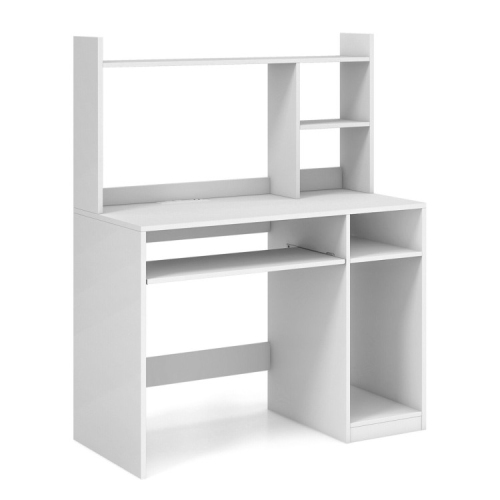
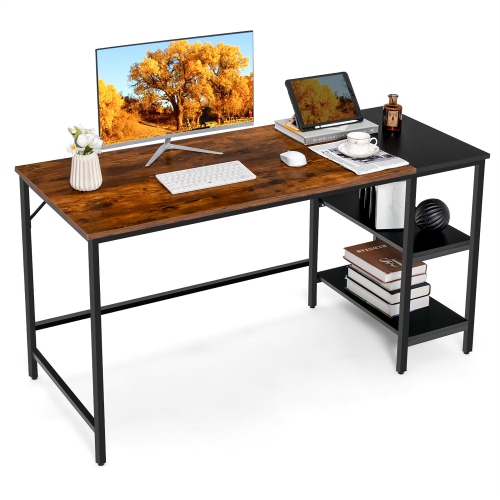
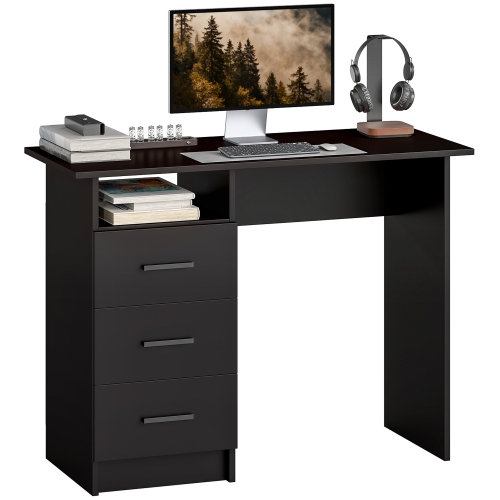
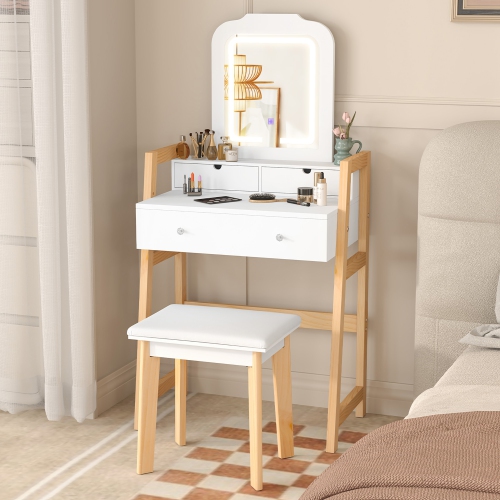
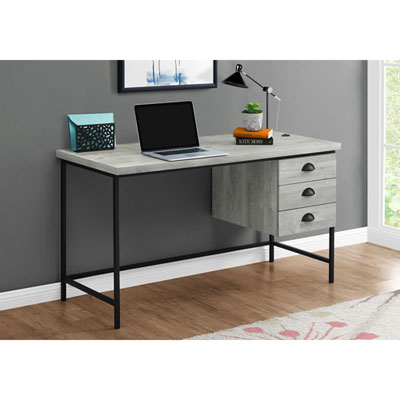
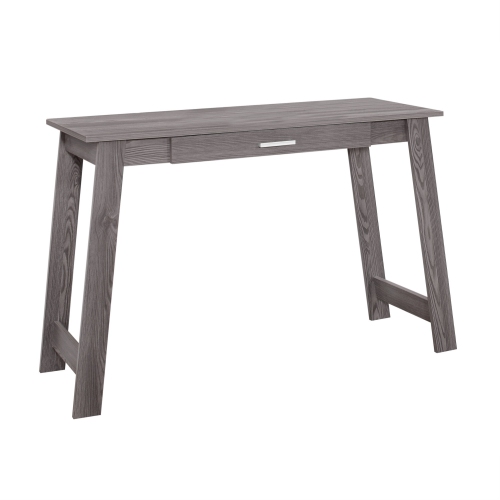
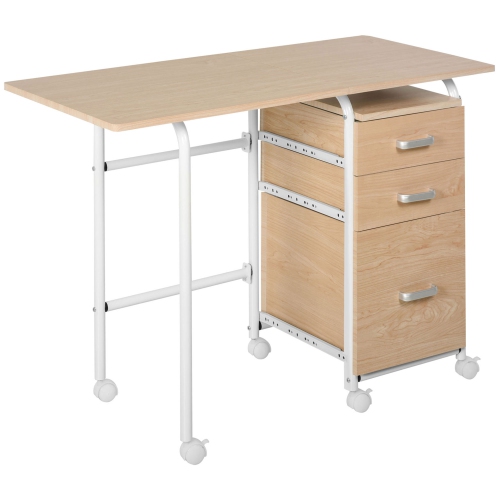
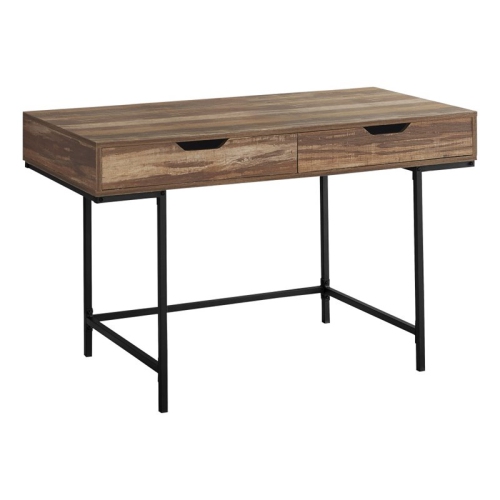
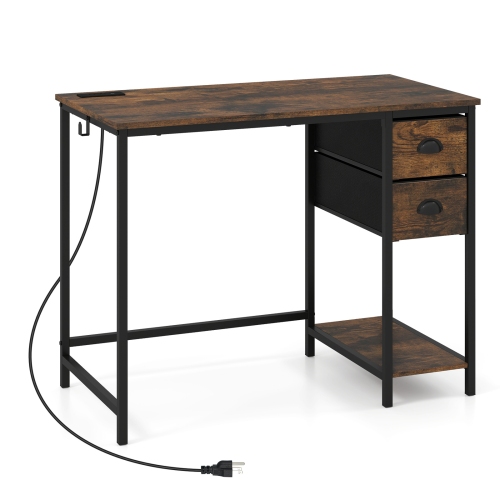
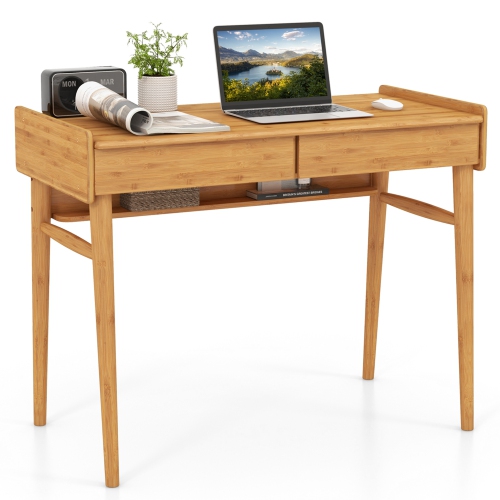
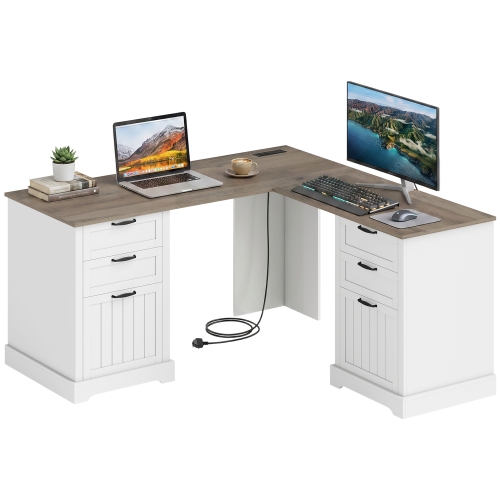
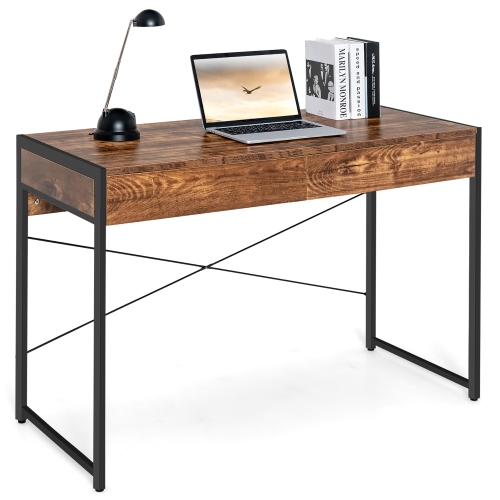
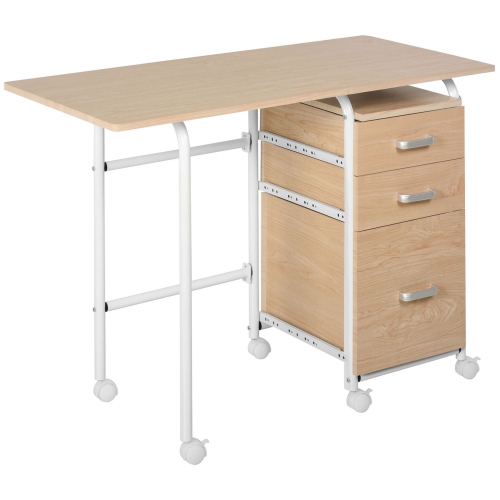
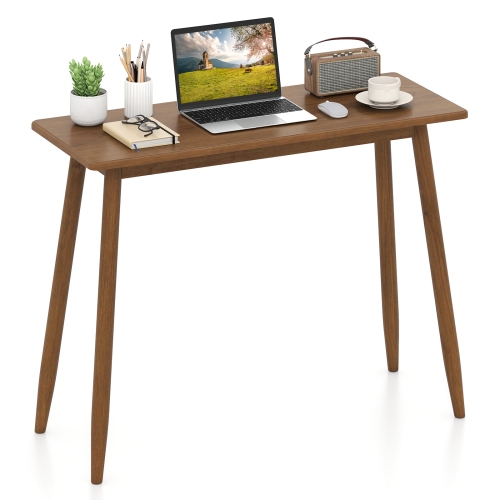
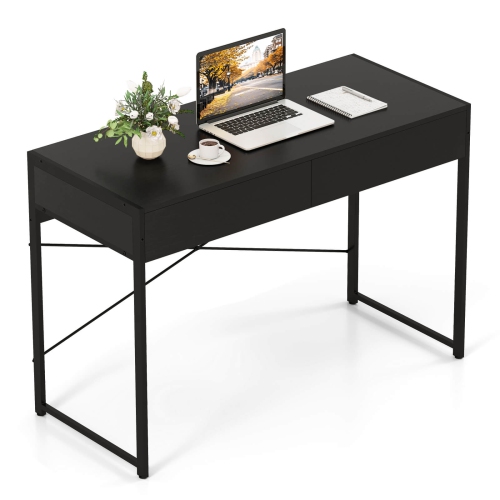
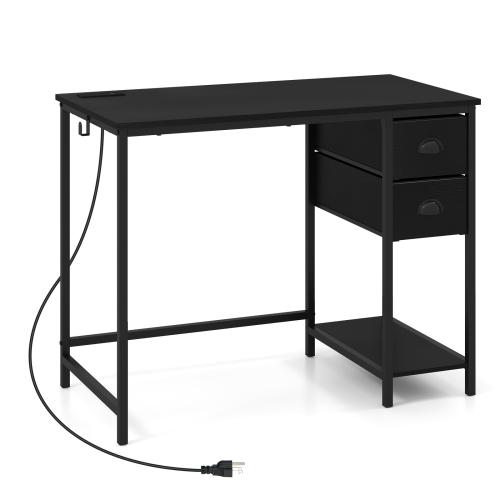
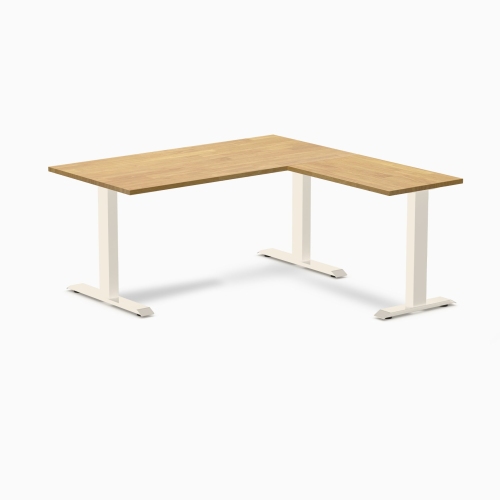
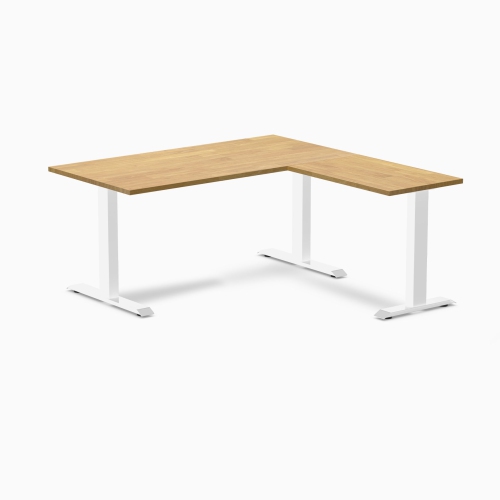
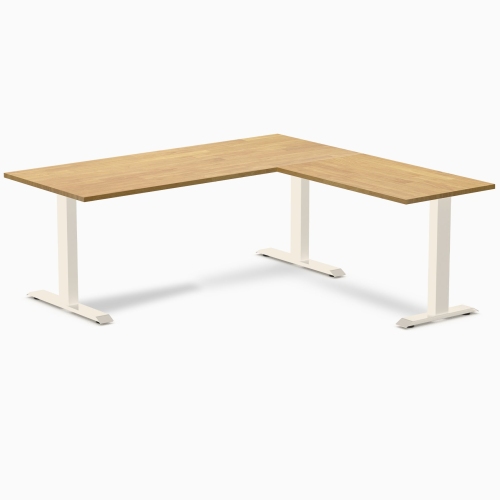

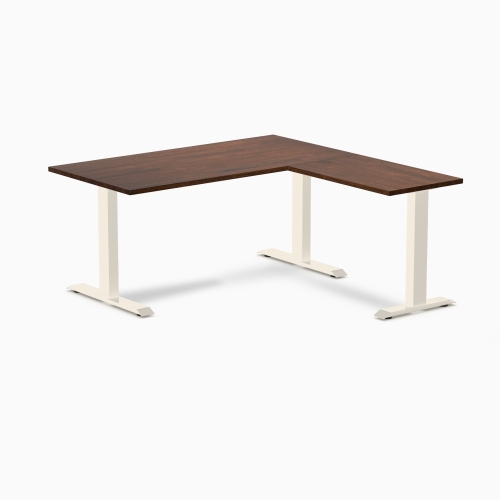
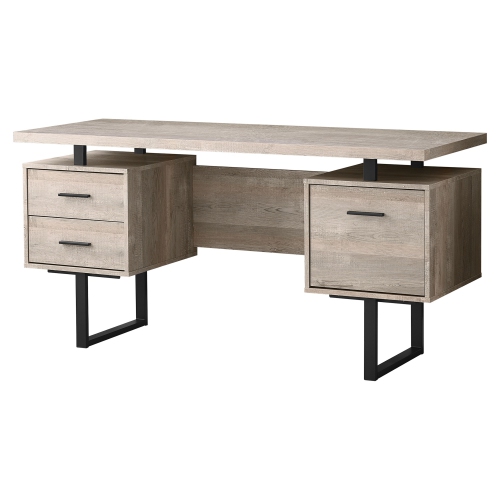
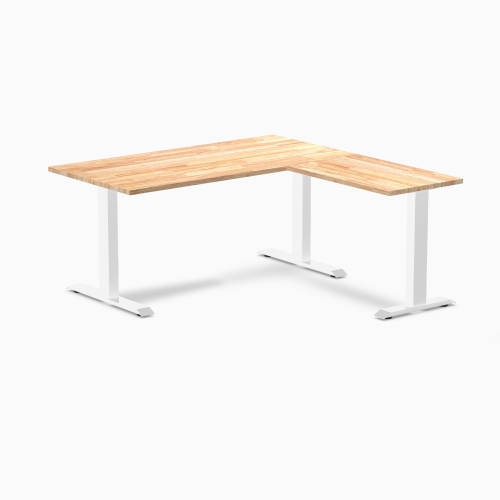
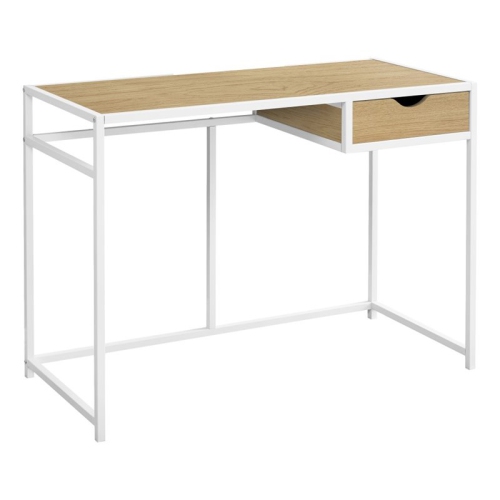
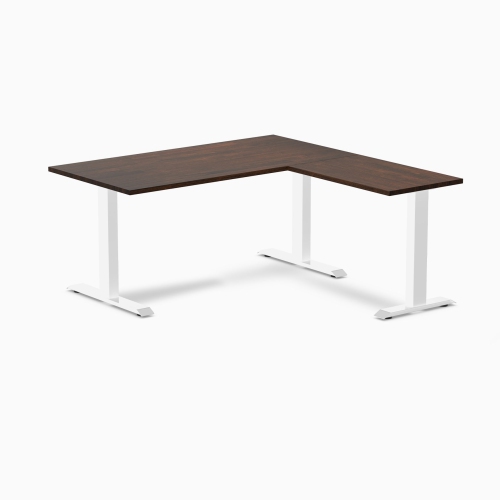
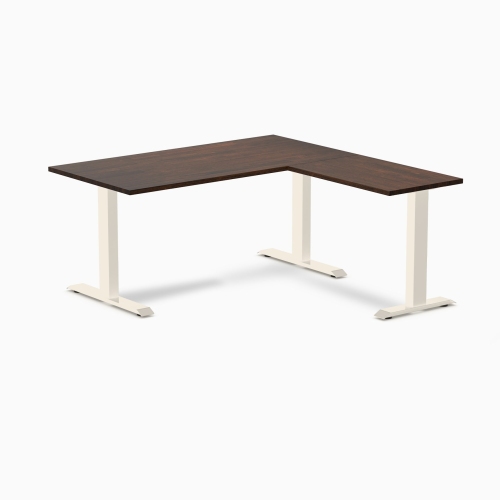
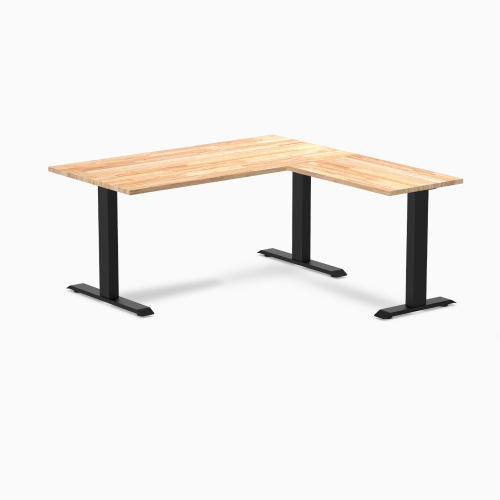
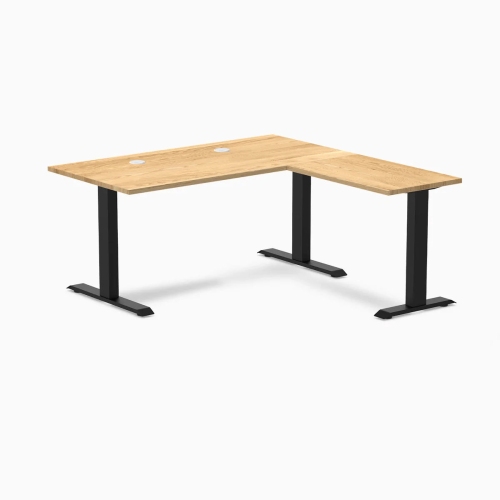
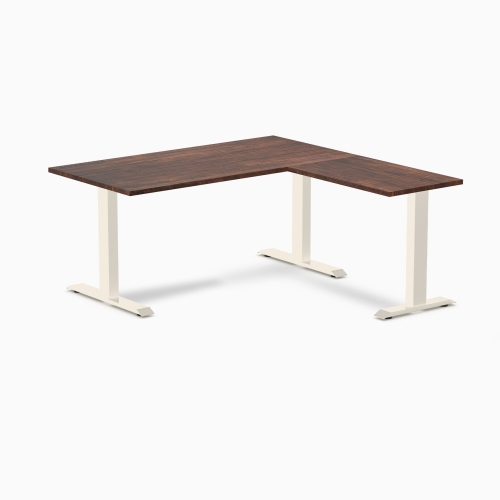
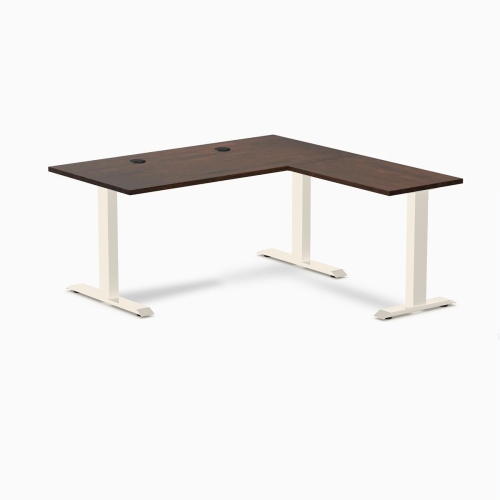
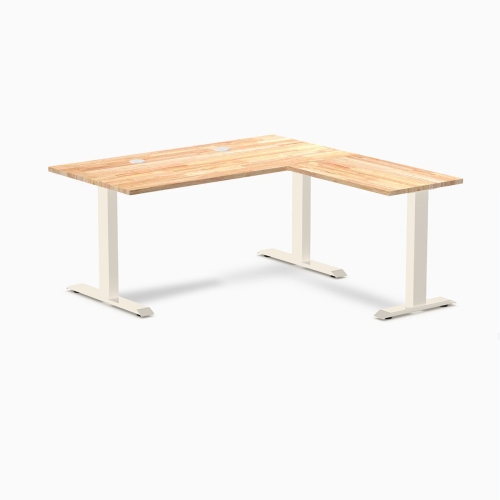
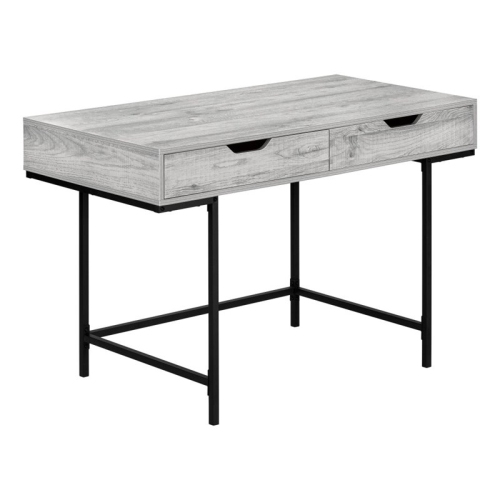
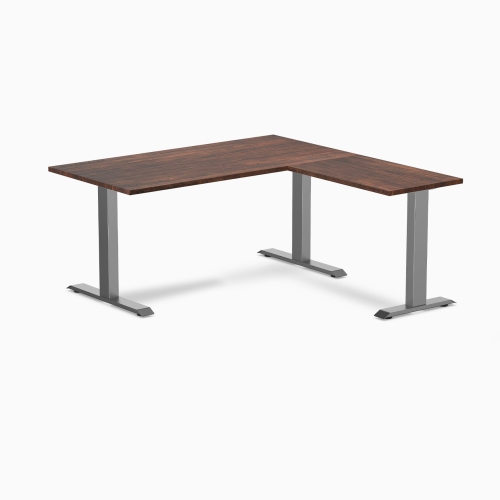
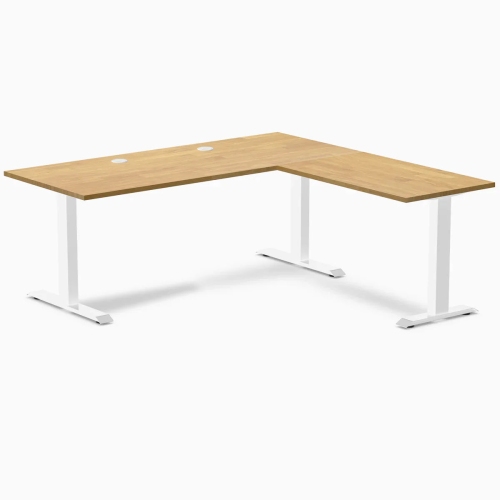
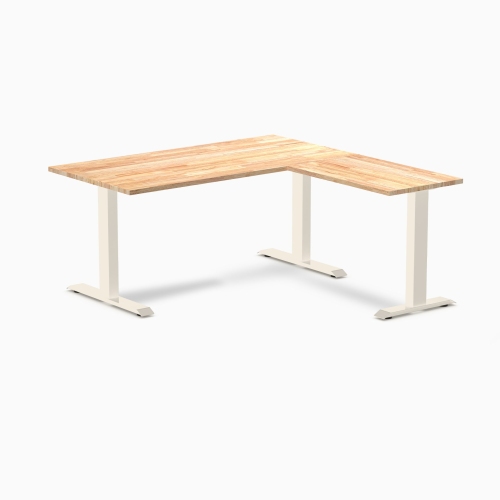
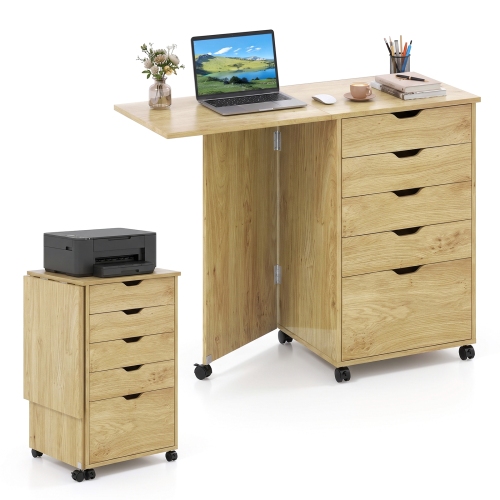
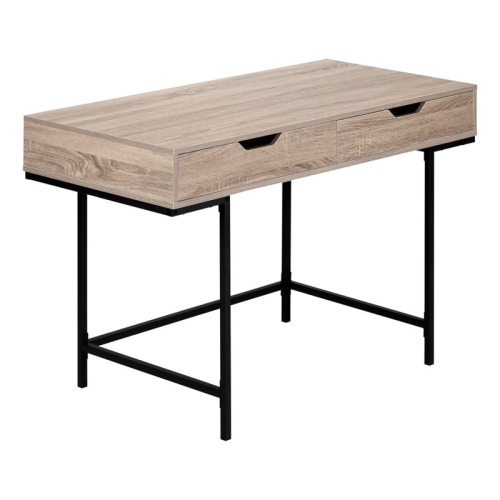
Natural wood character meets practical storage for everyday work
Solid wood computer desks with drawers combine a practical work surface with enclosed storage for the small essentials that tend to collect around a computer. Their appeal goes beyond appearance: a well-proportioned desktop gives a monitor, keyboard, and mouse room to sit comfortably, while drawers keep notebooks, charging cables, and stationery close without taking over the workspace. These desks suit home offices, student bedrooms, shared family work areas, and living spaces where office furniture needs to sit naturally alongside bookcases and other wood furnishings. Wood species influences both the look and the everyday performance of a desk. Oak often has a prominent grain, maple tends to have a finer, more understated pattern, and walnut is known for its rich brown tones. Acacia can show noticeable variation between boards, giving a desktop a more varied appearance. Pine is generally softer than many hardwoods and may pick up dents more readily, although no wood is immune to marks from heavy or sharp objects. Natural differences in grain and colour mean that a solid wood surface will not necessarily look perfectly uniform. Construction details matter as much as the species name. A desk described as having a solid wood top may use different materials for its drawer bottoms, back panels, or base, so the material description helps distinguish the work surface from the rest of the structure. Solid wood panels may also be made from several joined boards rather than one continuous slab. Clear finishes highlight the grain, while stained or painted finishes can help a desk blend with existing furniture. For someone who works at the same spot every day, the result is both a computer station and a lasting part of the room. For a student or someone setting up a first home office, drawer storage can make that dedicated workspace easier to keep organized, especially when it also serves as a place for reading, handwriting, or creative projects.
The fit of a solid wood computer desk with drawers depends on more than its overall width. Desktop depth determines how comfortably a screen can sit behind a keyboard, and a shallower surface that works well for a laptop may feel crowded once a separate monitor and full-size keyboard are added. A dual-monitor arrangement needs enough usable width for both screens without pushing a mouse or notepad to the edge. Monitor stands also occupy space, while a clamp-mounted arm needs a suitable desktop thickness and a clear mounting area underneath. An apron, rear rail, or drawer box can interfere with a clamp even when the top looks spacious. Below the desktop, the opening between drawer pedestals needs to accommodate the chair, the person using it, and changes in sitting position. A centre drawer can be handy for pens and slim accessories, but its underside reduces thigh clearance. Chair arms should also fit beneath the desk if the chair needs to tuck away neatly. In a bedroom or multipurpose room, the space required to pull out a chair and fully open a drawer can be just as important as the desk footprint. For tighter layouts, Small Solid Wood Desks With Drawers can suit a laptop-based setup or a dedicated study corner without requiring a broad office wall. Drawer layout shapes how the desk functions throughout the day. Shallow drawers keep frequently used supplies visible, while deeper drawers can accommodate bulkier accessories, subject to their internal dimensions and weight limits. A deep drawer is not automatically a filing drawer; hanging folders need the right supports and clearance. Smooth drawer movement, accessible handles, and enough extension to reach the back make storage easier to use. Cable openings or a clear route behind the desktop can also help keep power leads away from drawer mechanisms. A computer tower needs its own suitable space with ventilation, rather than being squeezed into an enclosed storage compartment that was not designed for electronics.
Durability comes from the whole desk working together: the thickness and support of the desktop, the stability of the legs or base, the quality of the joints, and the way drawers are assembled and mounted. A substantial wood top alone does not guarantee a steady typing surface if the frame flexes or the hardware is loose. Manufacturer weight limits are particularly relevant when a setup includes multiple monitors, a heavy desktop computer, or other equipment. Drawers have their own load limits, separate from the desktop capacity, and overfilled drawers can put unnecessary strain on slides and handles. Everyday care is usually straightforward, but it should follow the requirements of the finish. A soft cloth removes dust without aggressive scrubbing, and spills are best wiped up promptly so moisture does not sit along board joints or around drawer edges. Coasters under drinks and a desk mat beneath frequently moved accessories help protect the surface from rings and scuffs. Felt pads beneath monitor stands or lamps can reduce scratching, provided they are suitable for the finish. Strong cleaners and abrasive pads may damage a protective coating, while oiling is appropriate only for finishes that call for it. Some solid wood surfaces can be refinished, but the method depends on the existing coating, construction, and extent of the damage. Moving a desk by lifting it rather than dragging it helps protect the legs and joints; removable drawers may need to be taken out first according to the assembly instructions. These practical details support a range of everyday uses, from a quiet workstation for remote meetings to a place where a teenager alternates between assignments and gaming. In a shared room, separate drawers can give each person somewhere to leave their supplies without clearing everything away after every session. A desk can also be a thoughtful gift for someone beginning a new course or establishing a home workspace, particularly when room measurements and storage preferences are known. The most useful choice brings together comfortable proportions, accessible storage, suitable construction, and a wood finish that feels at home in the space.
Top selling and popular products
-
 Your price for this item is $97.99
-
 Your price for this item is $89.99
-
 Your price for this item is $84.99
-
 Your price for this item is $97.99
-
 Your price for this item is $649
-
 Your price for this item is $749
-
 Your price for this item is $649
-
 Your price for this item is $649
Discover more categories related to Solid Wood Computer Desks With Drawers
Top Collections:
Best Black Friday Deals This Year, Best Black Friday Deals On Electronics, Kindle Devices, Pokemon Centers, Best Black Friday Deals On Apple Products, Best Cameras for Sports Photography, Dyson Airwrap, Pokémon 30th Celebration Cards, Apple iPhone 17 Pro, Canon G7X Cameras
Some products may be subject to Environmental Handling Fees
(EHF) depending on your province.
Learn more about EHFs.