Solid Wood Writing Desks With Drawers
Upgrade your home office with solid wood writing desk with drawers. With their sleek design and ample storage space, you can stay organized and work efficiently. Whether you're a student, a professional, or someone who simply enjoys writing, these desks provide an ideal workspace for almost any occasion. They also make great additions to almost any living room or bedroom. Here are some great options available.
Sort
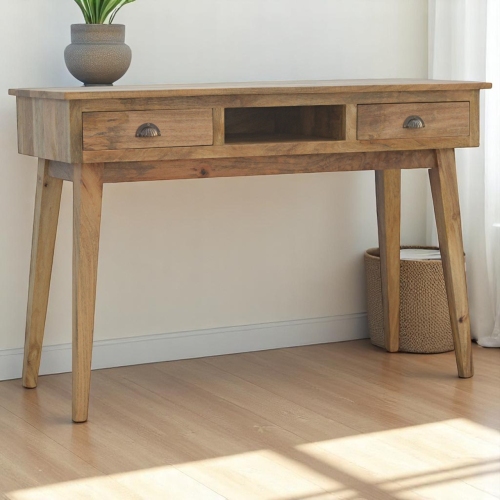
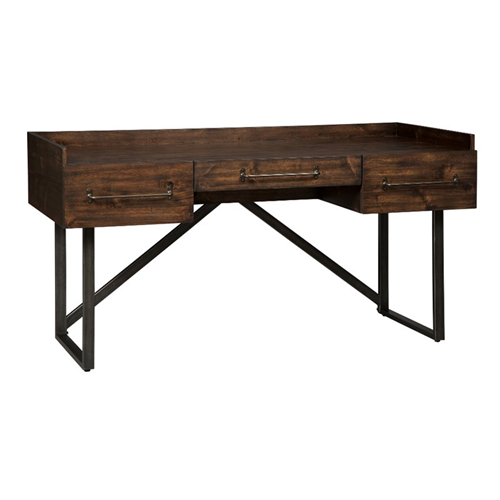
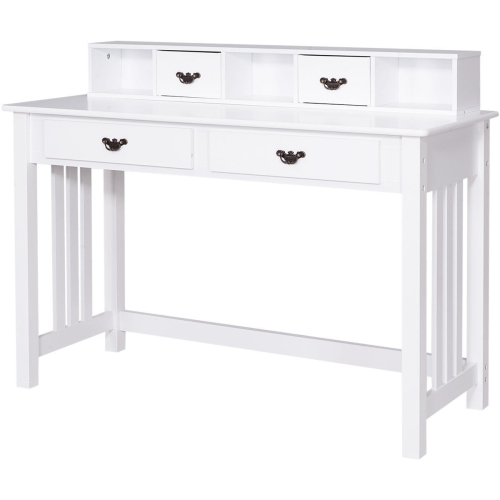
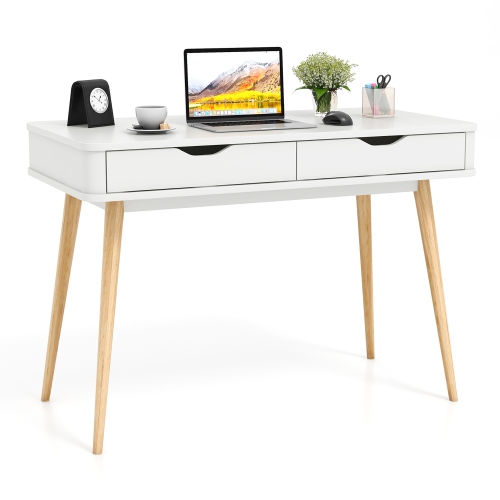
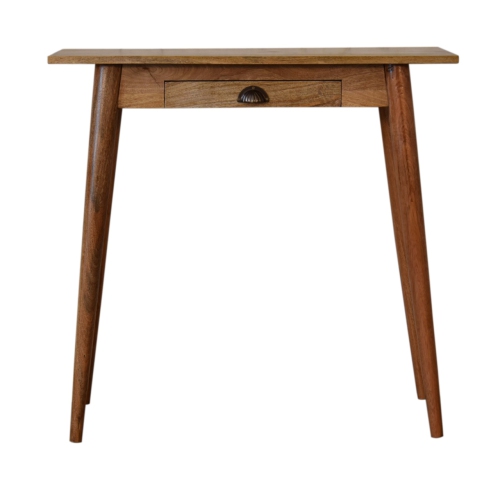
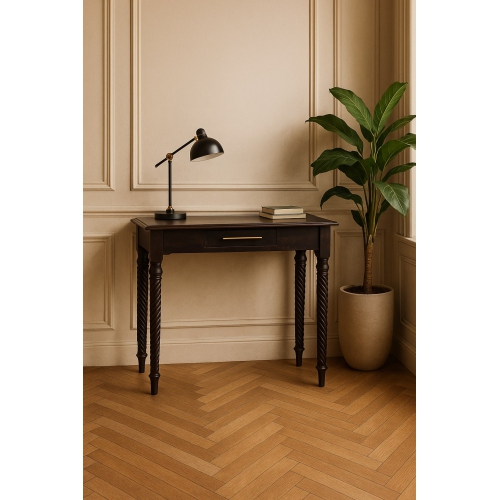
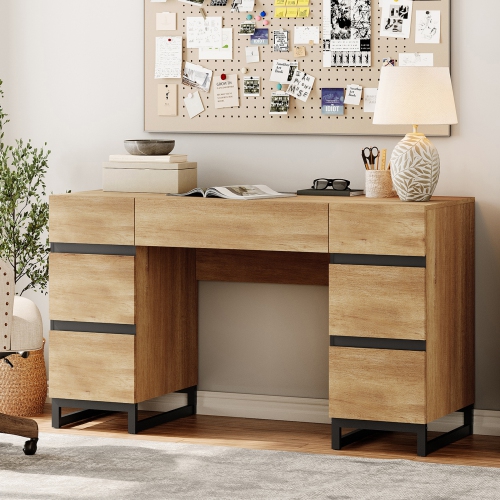
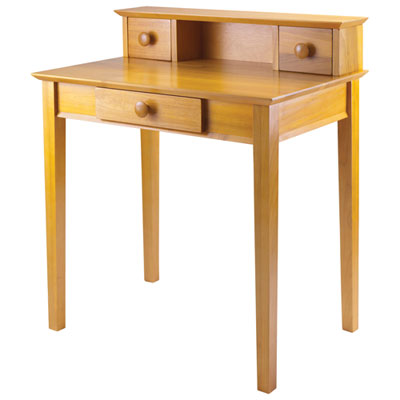
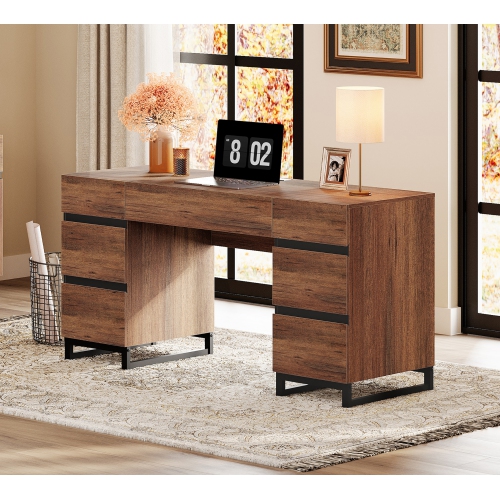
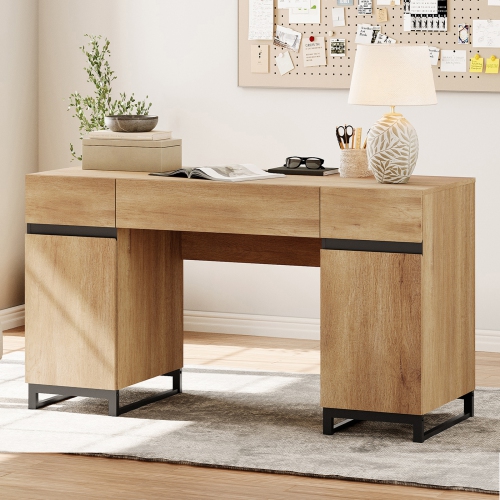
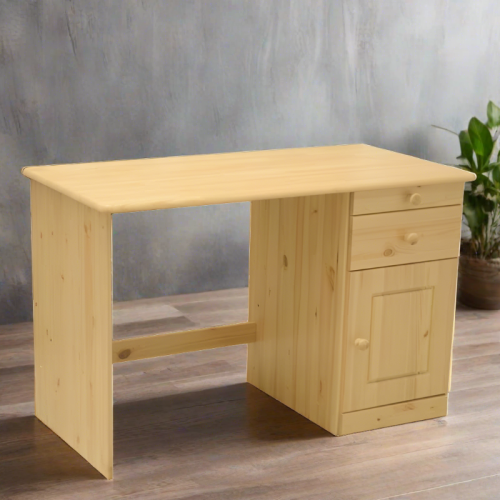
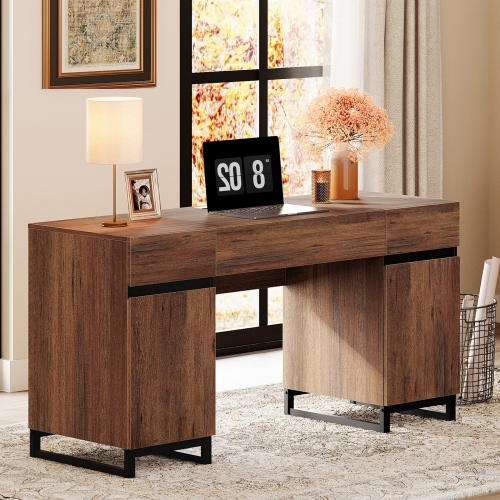




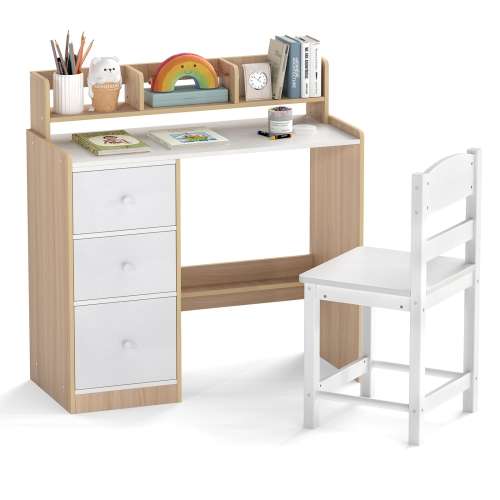
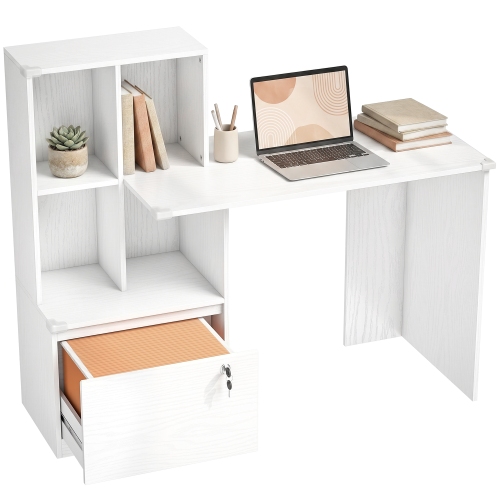

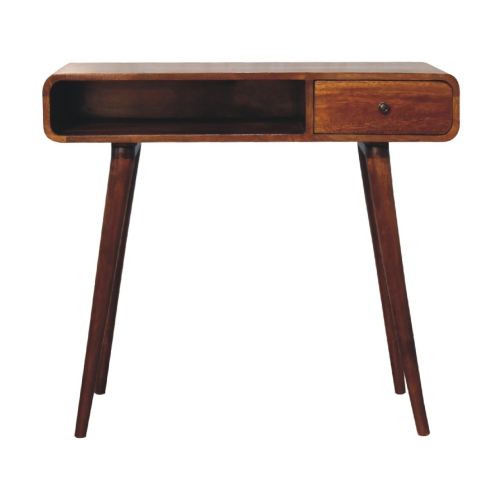
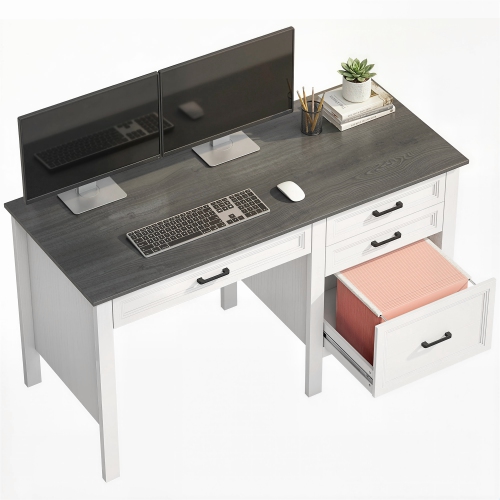
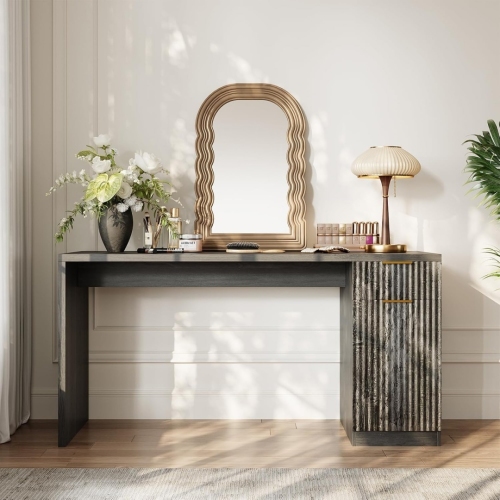
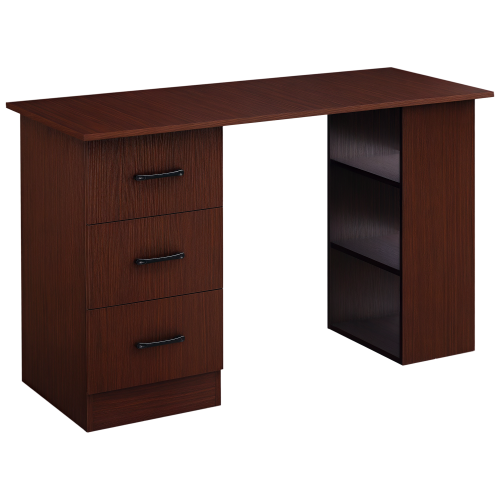
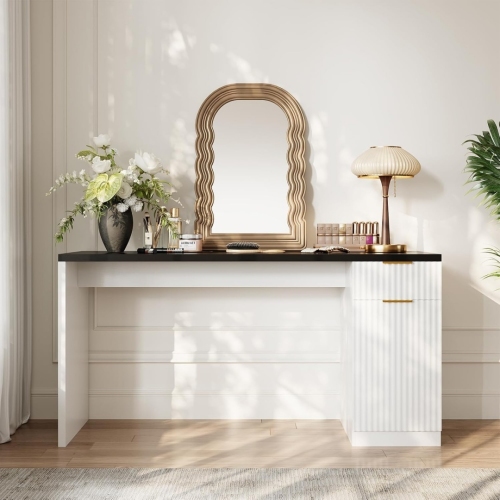

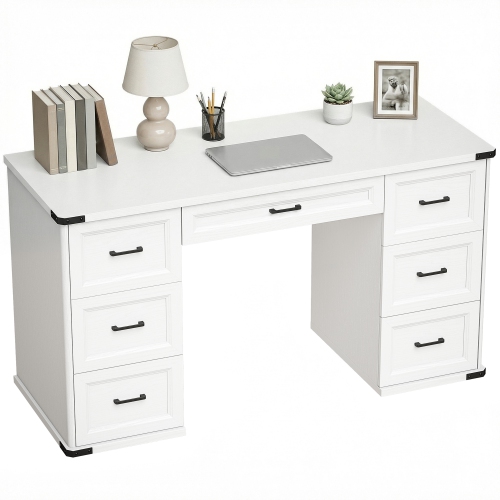
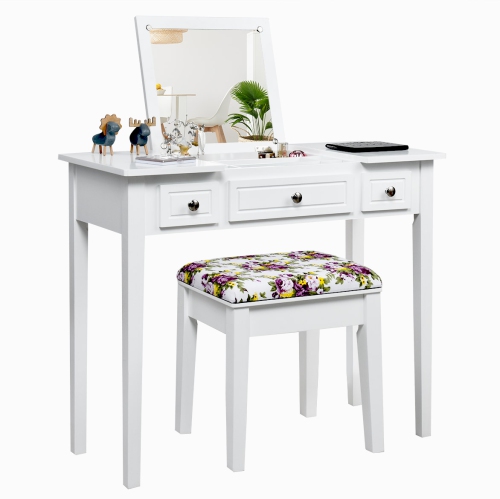
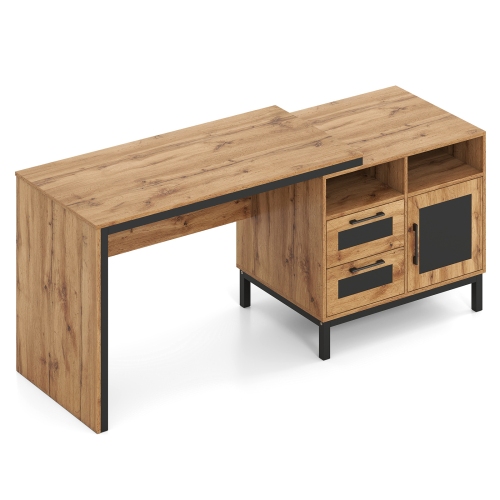

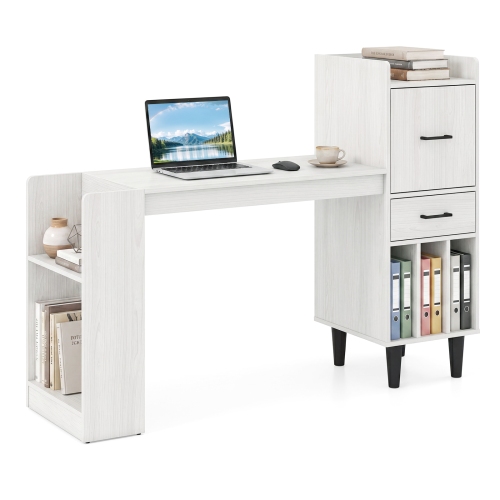
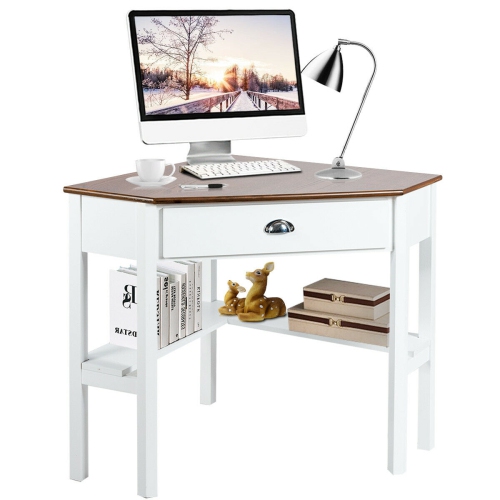
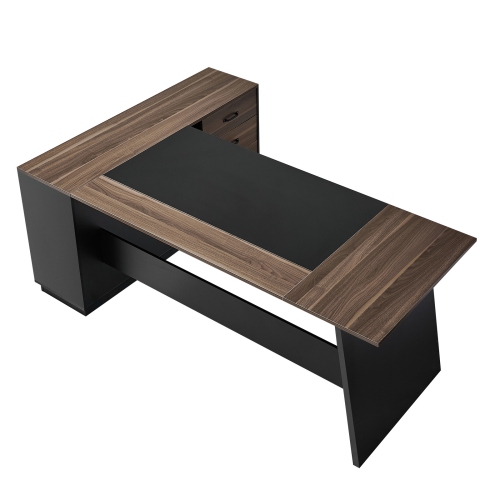
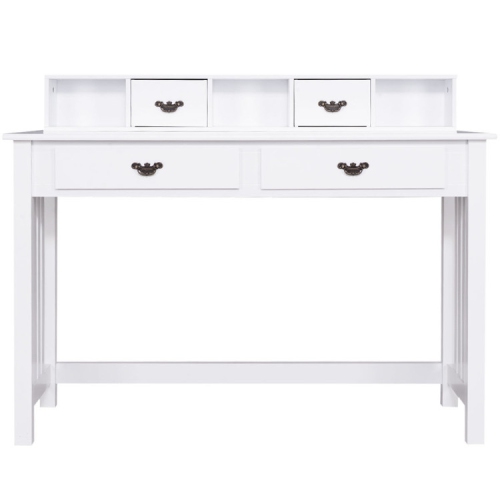
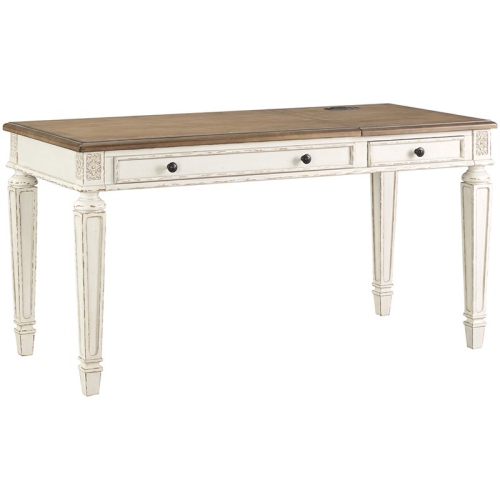

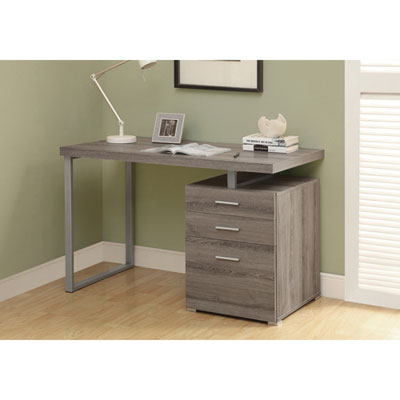
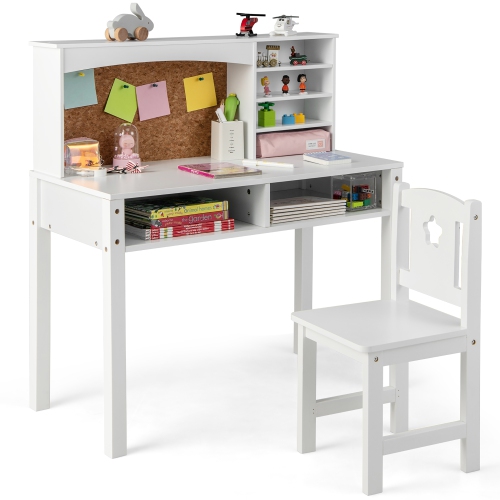
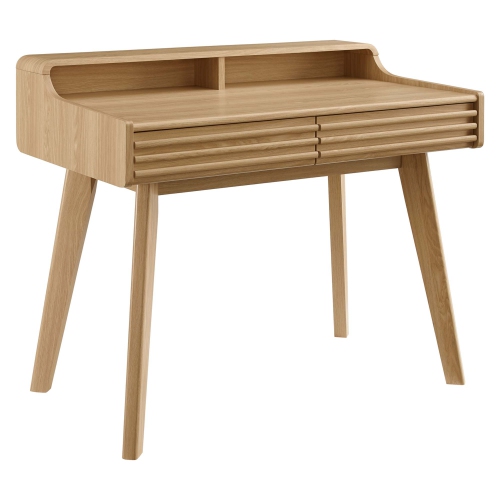
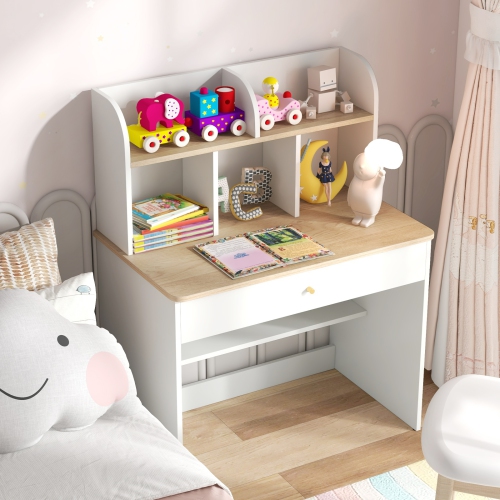
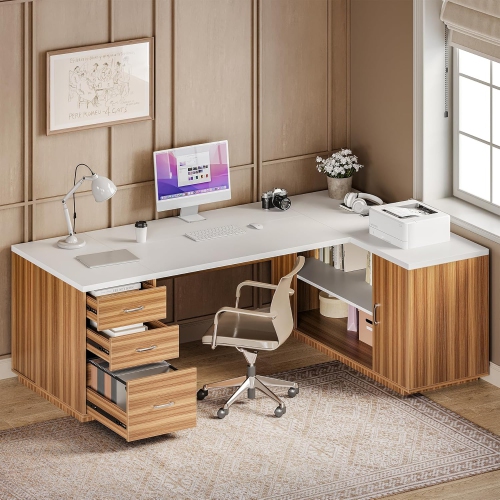
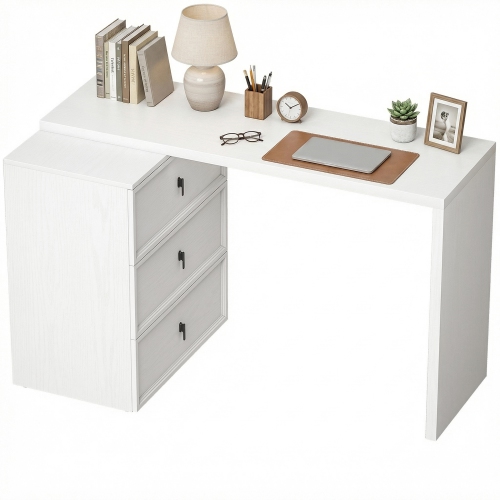
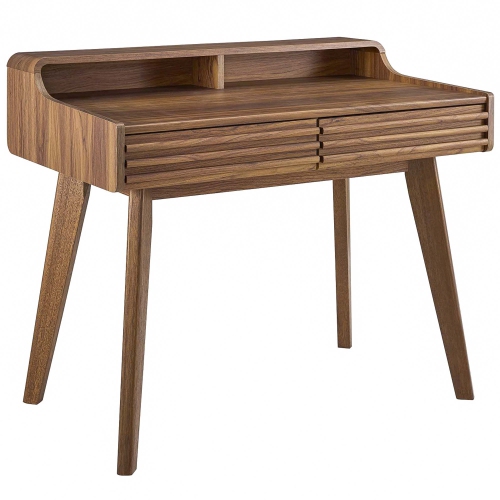
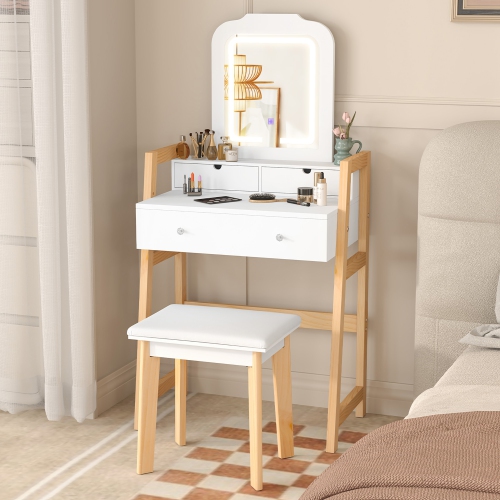
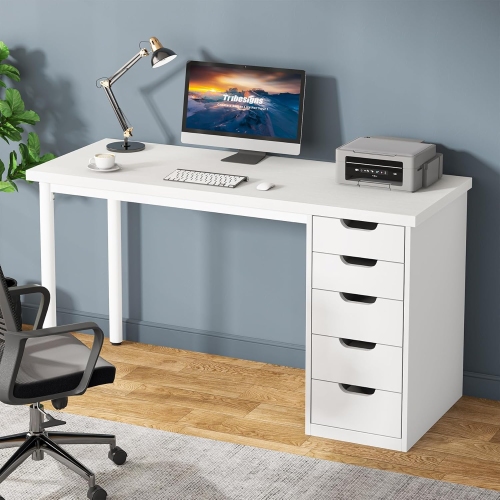
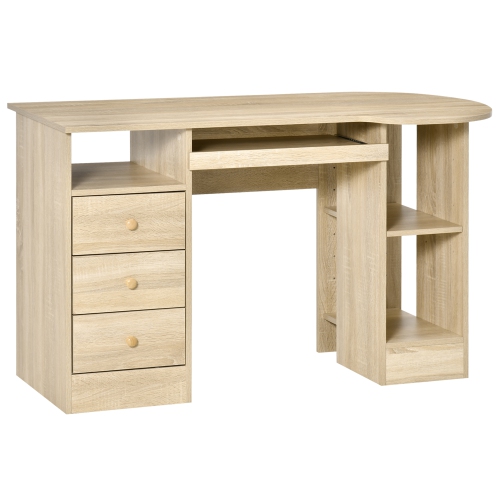
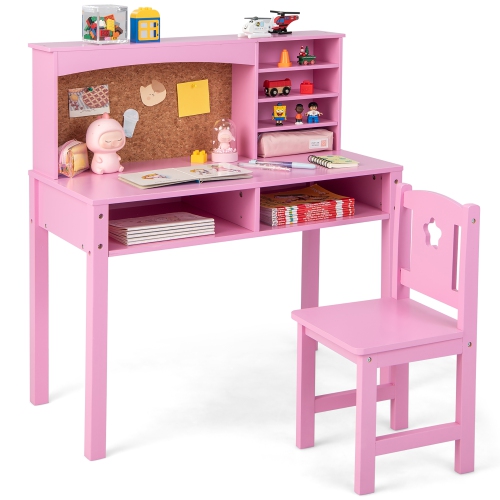
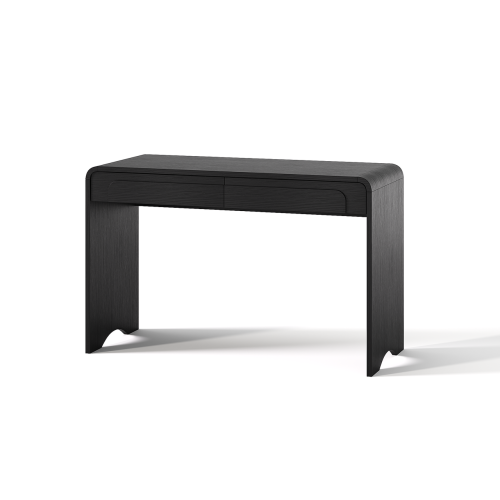
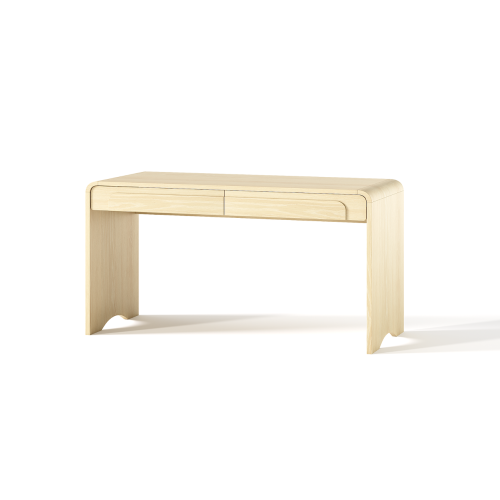
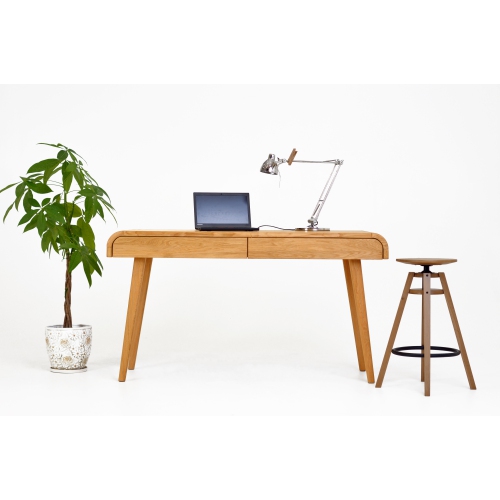
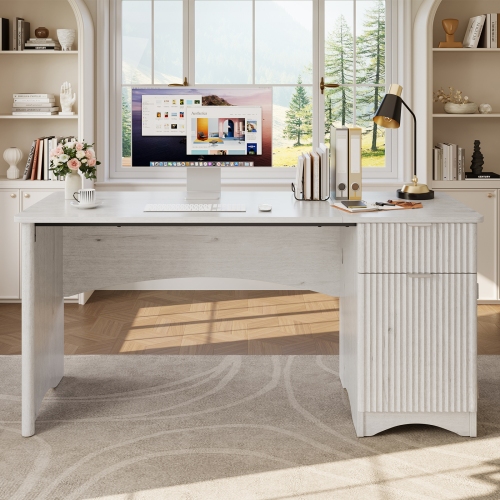

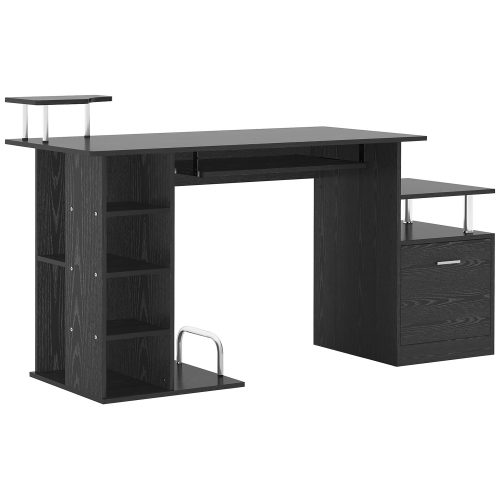
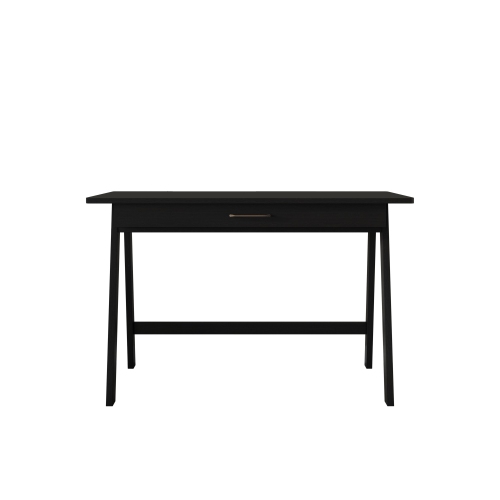



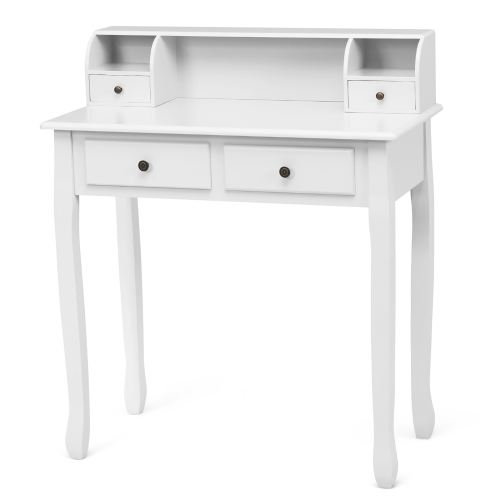
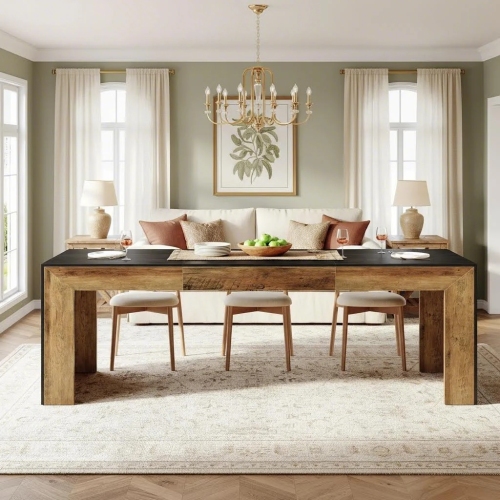
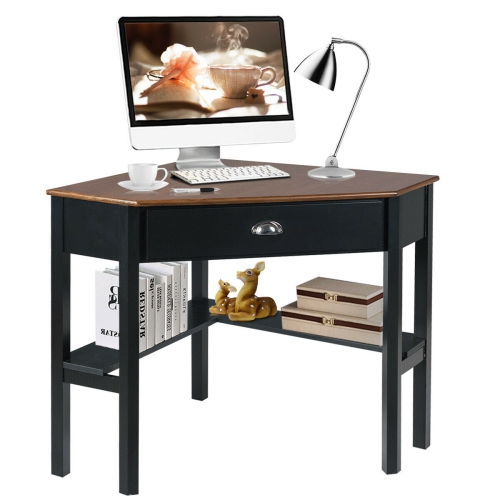
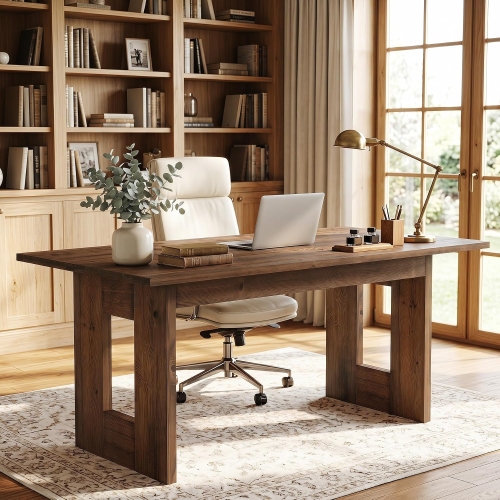
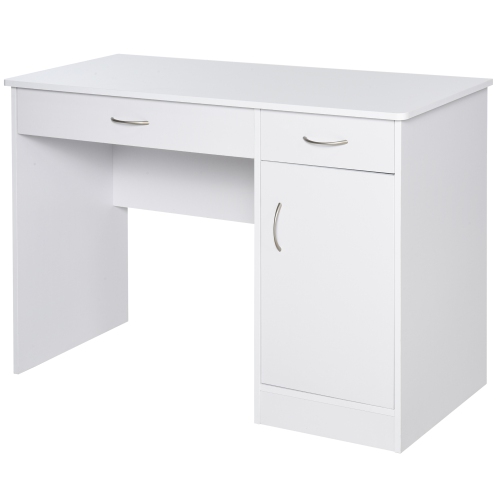
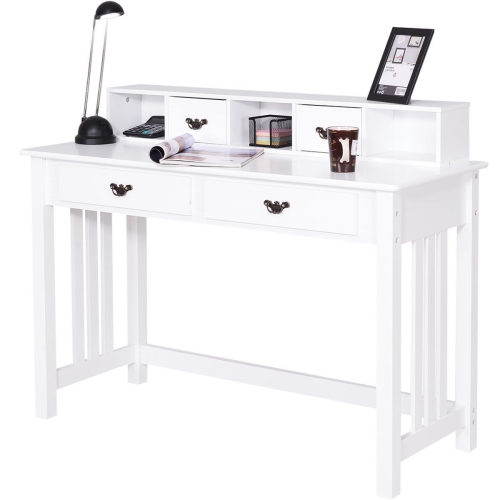
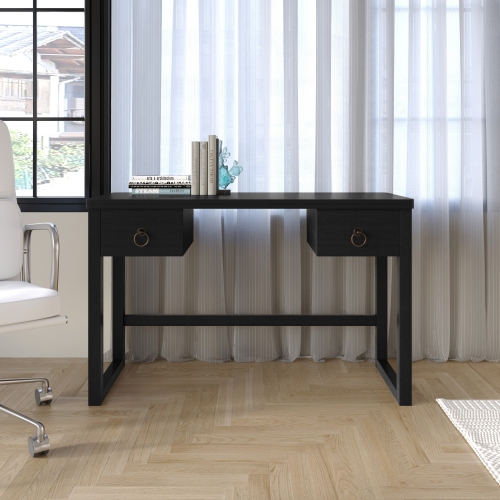
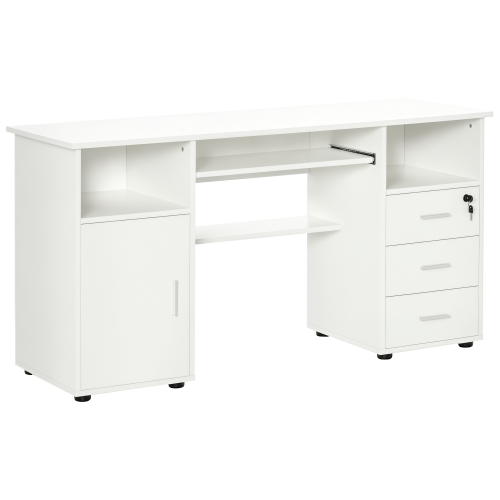
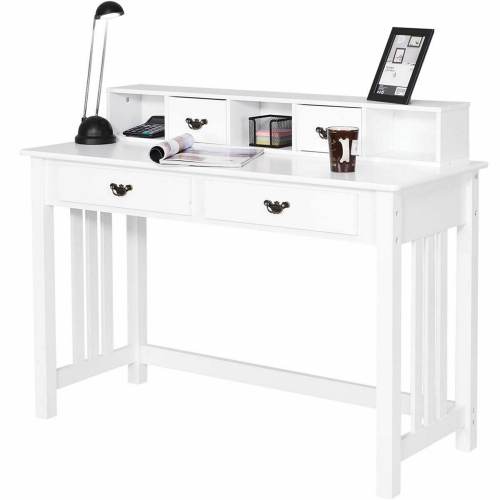
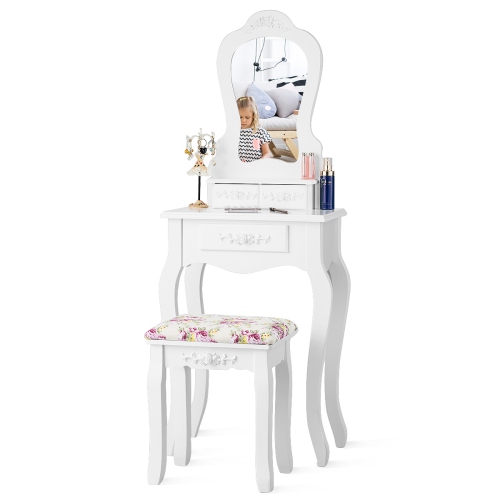
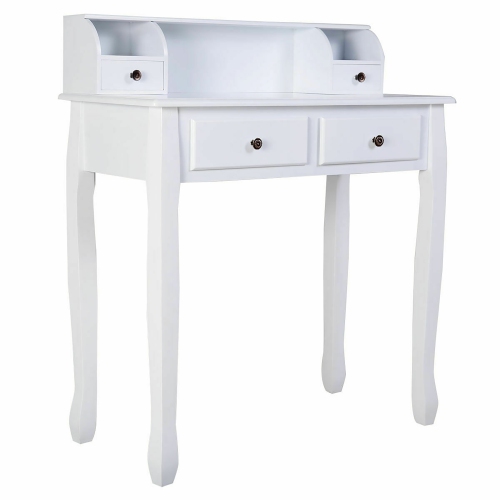

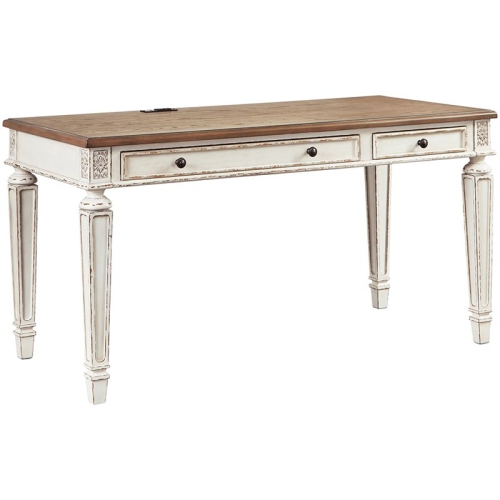
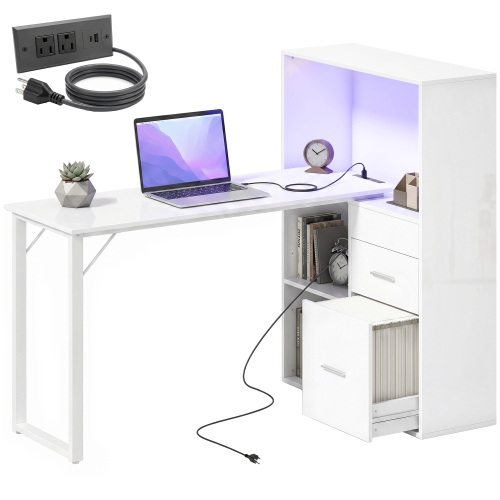
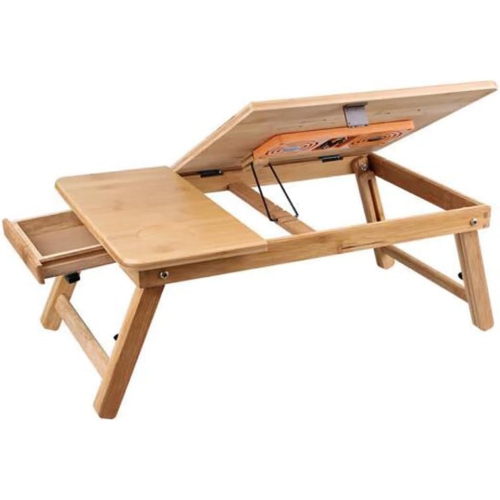

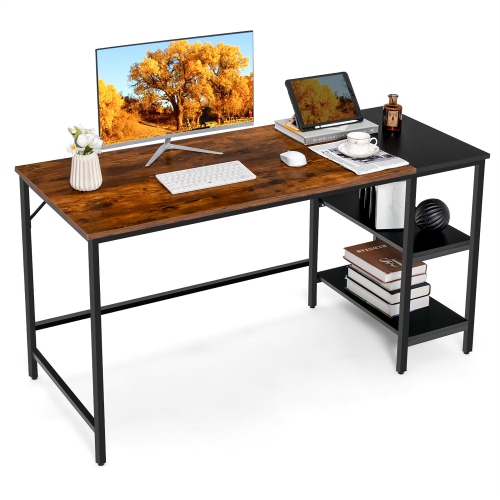


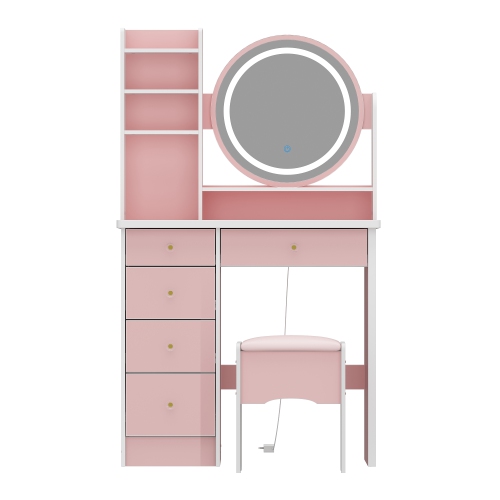
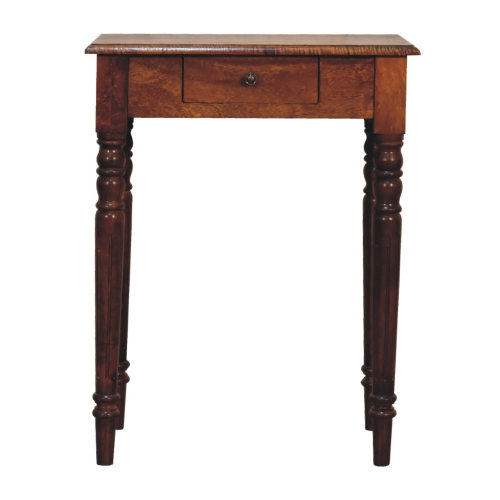
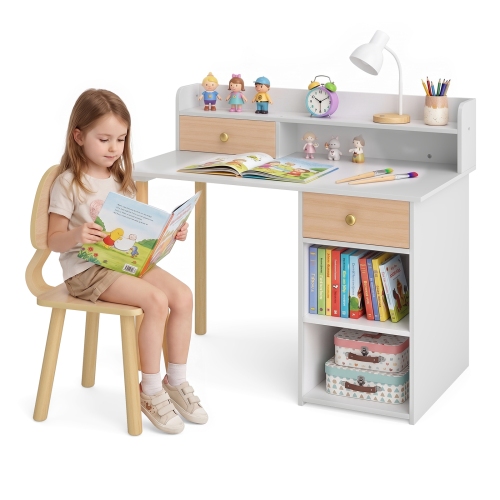
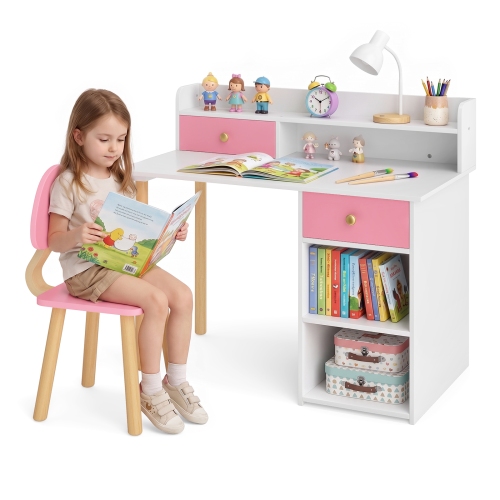
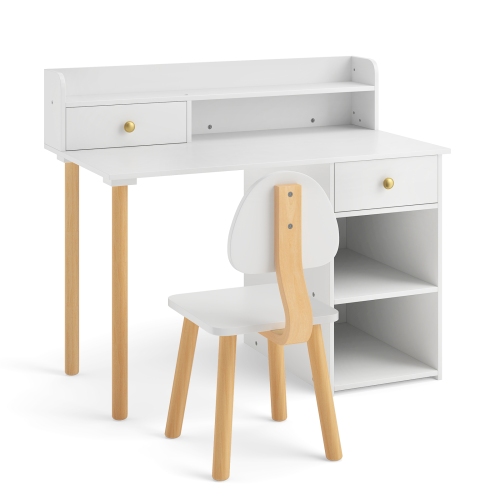
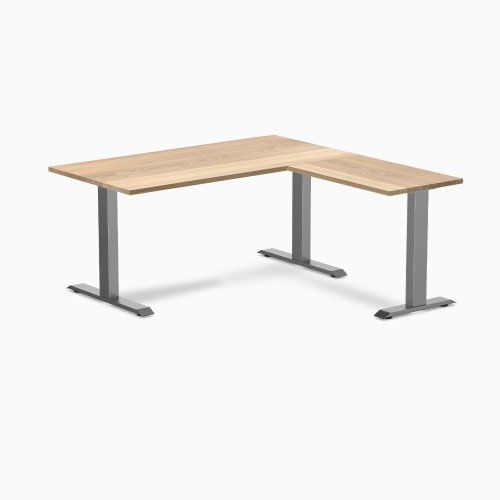



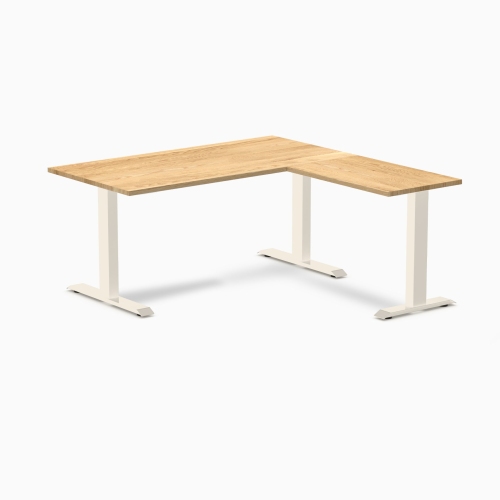

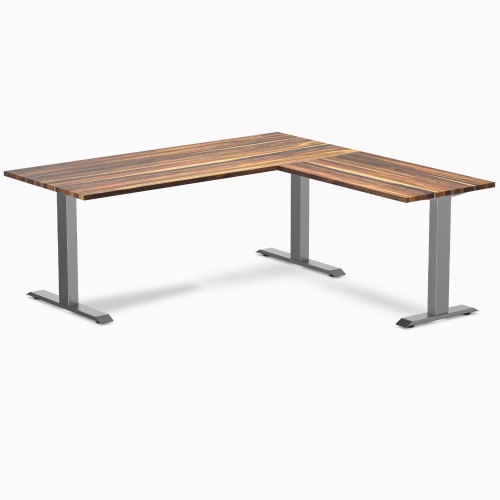
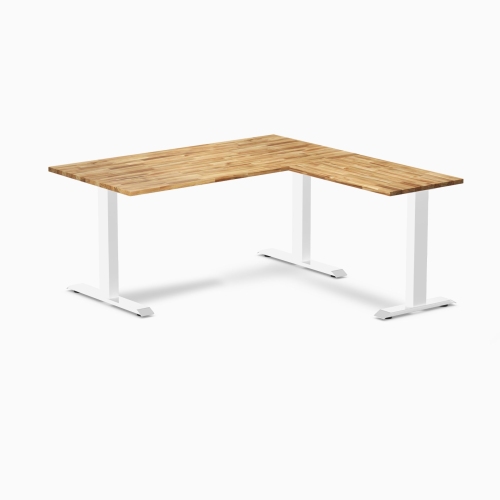
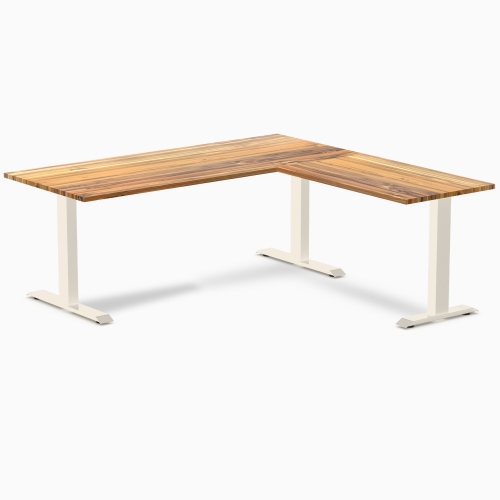
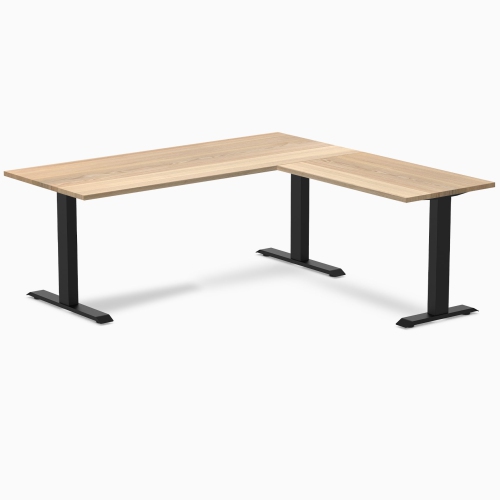


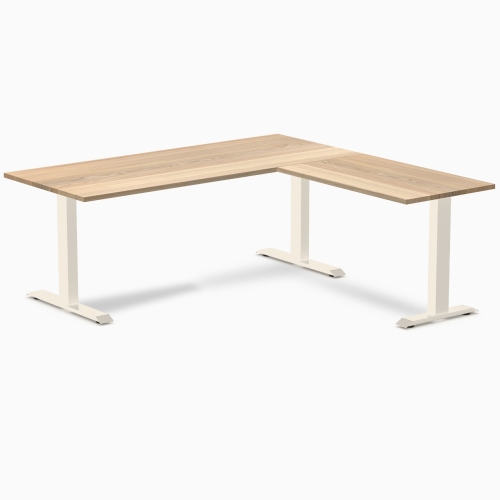

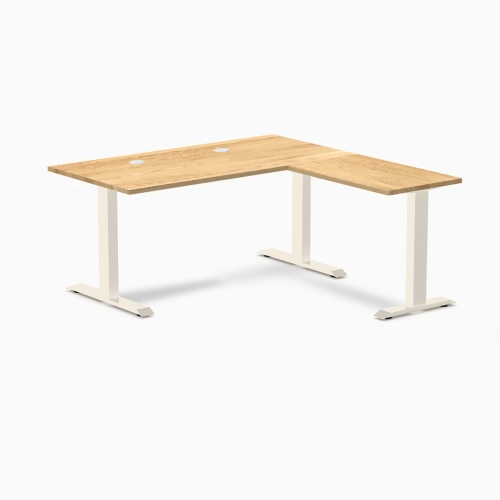
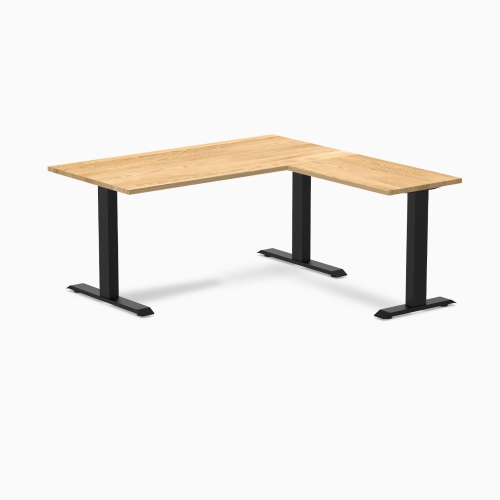
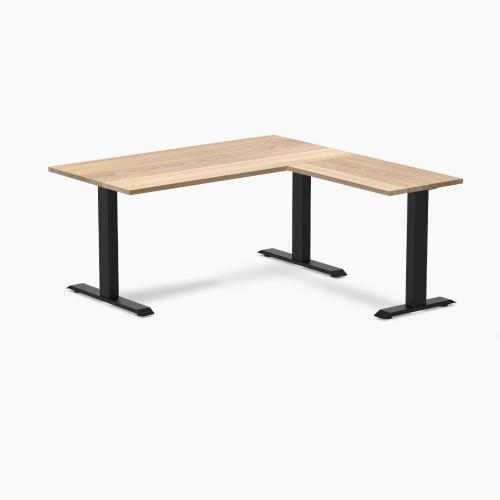
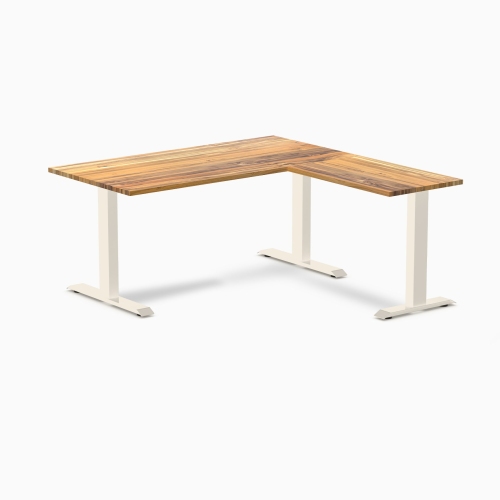
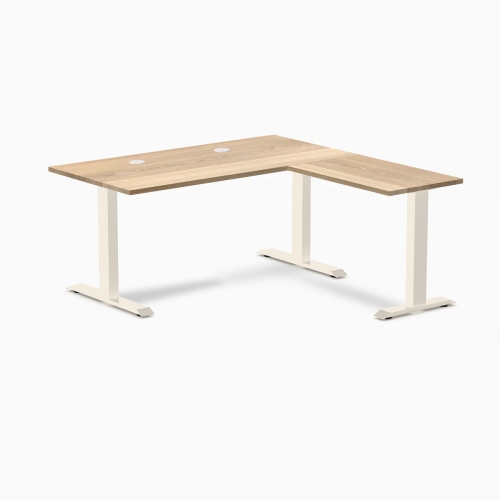
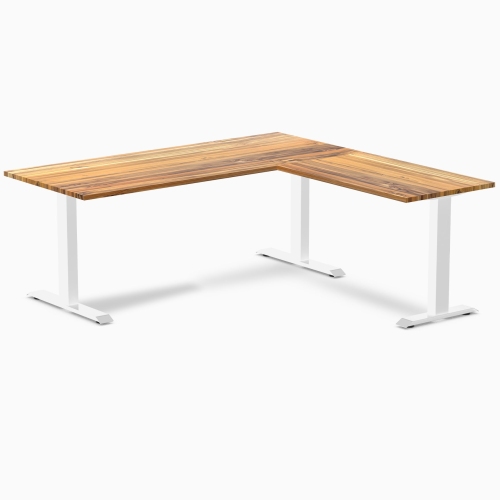
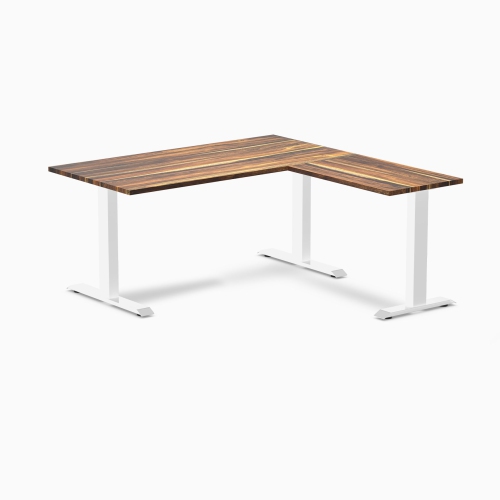
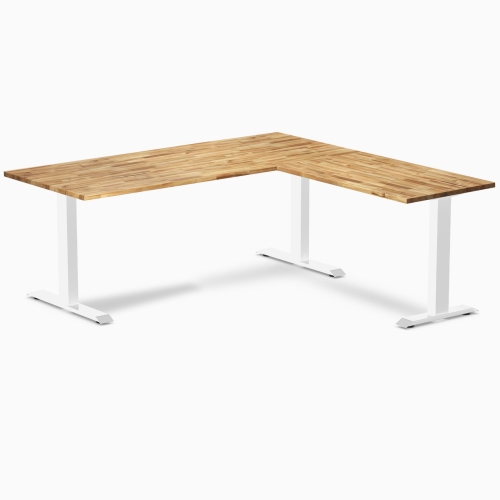
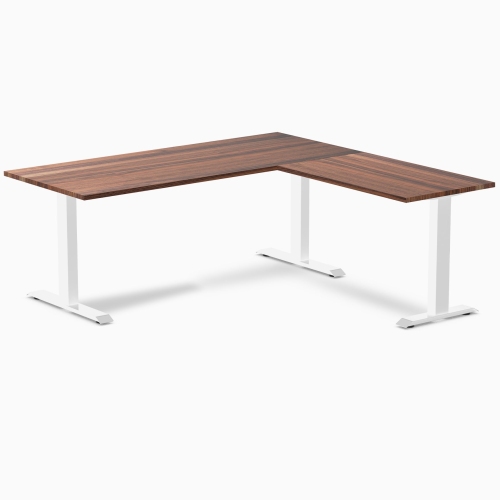
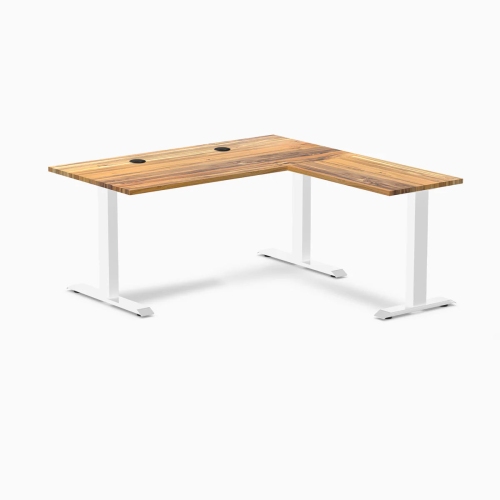
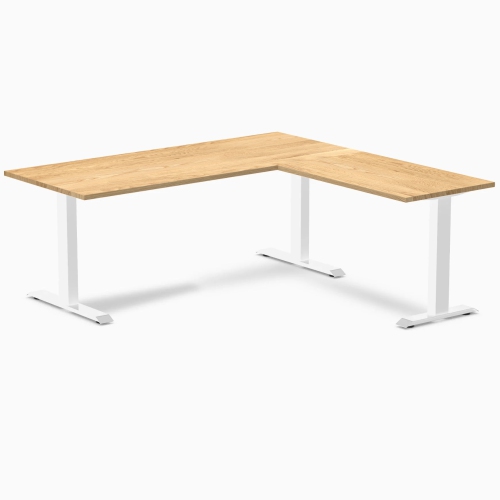
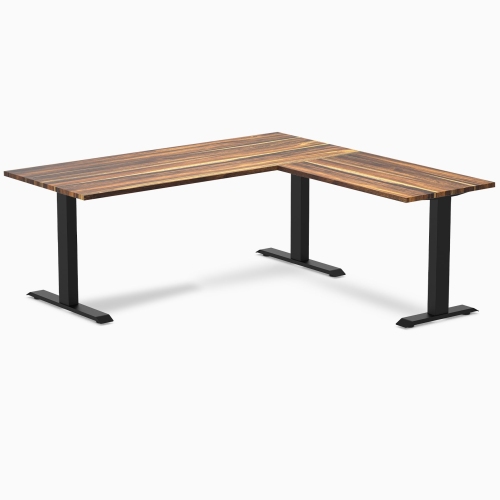
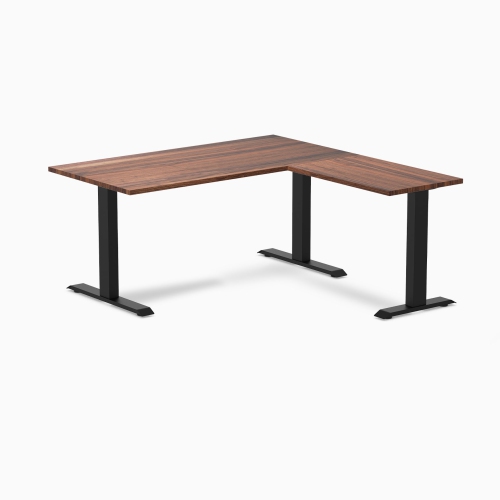
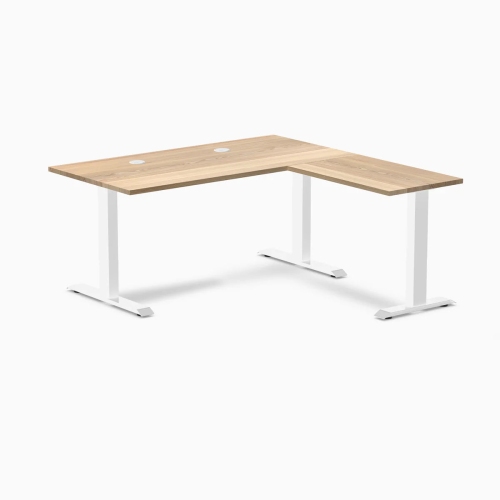
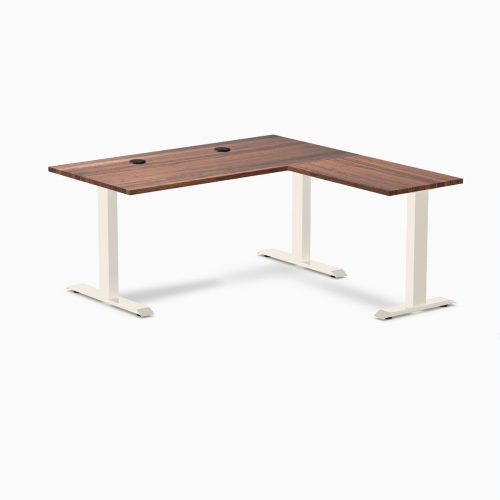
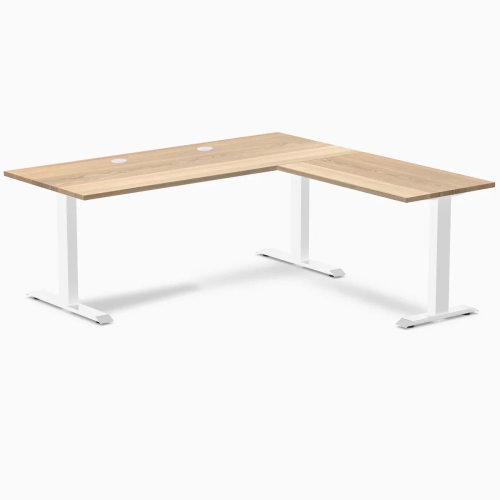
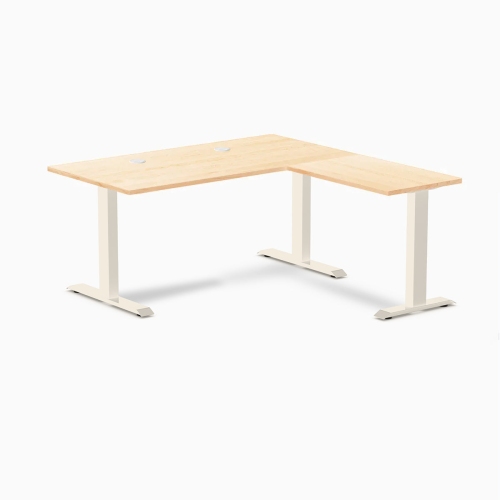
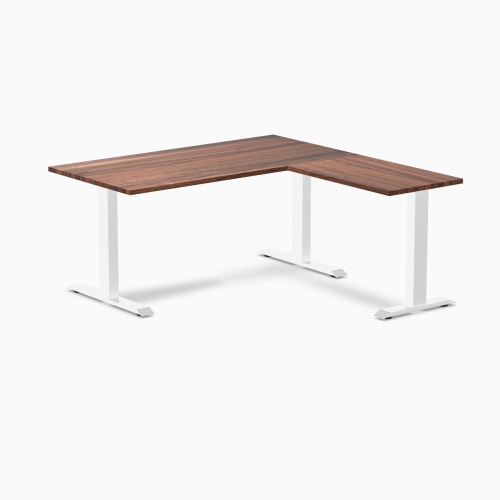
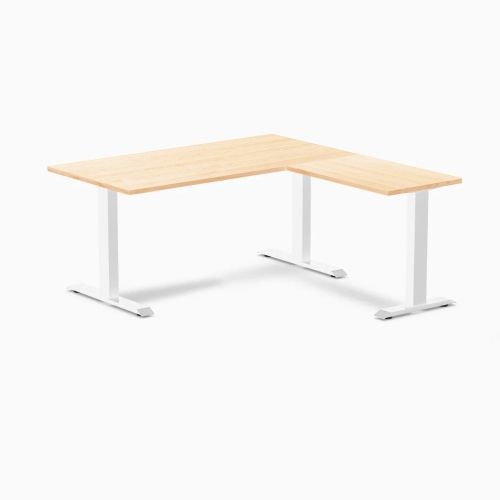
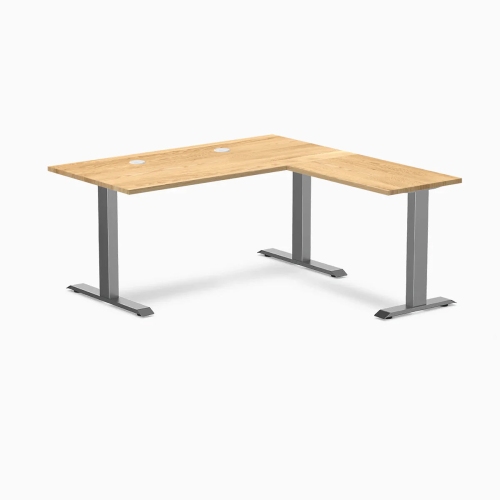
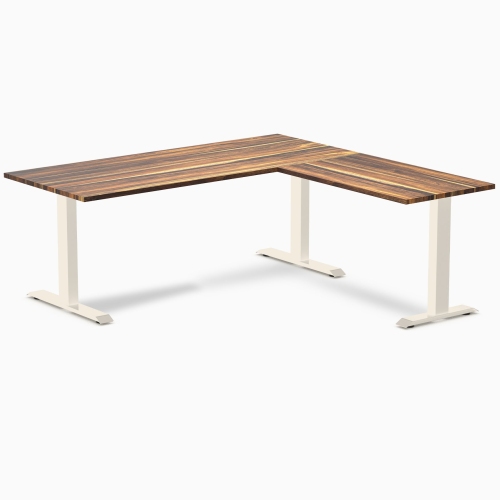
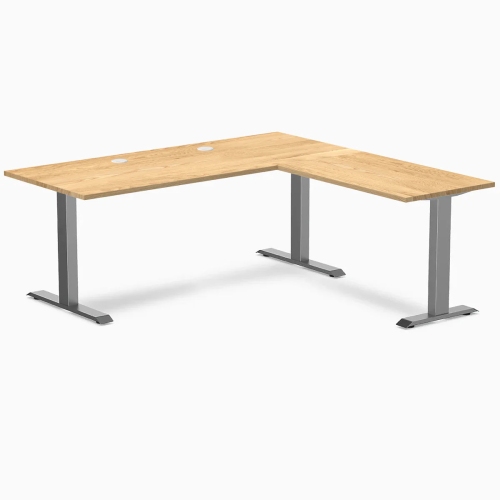
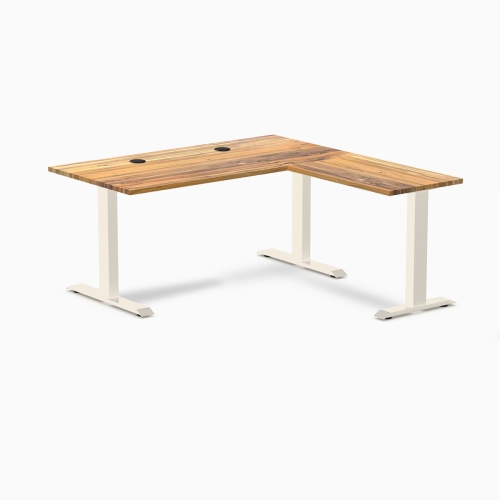
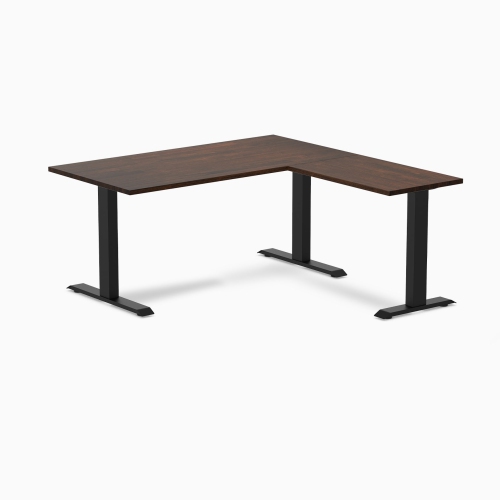
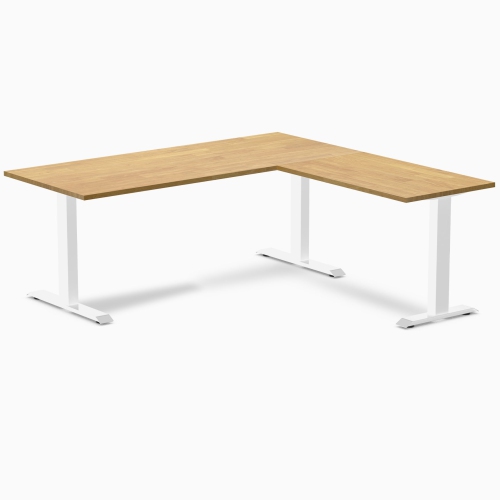
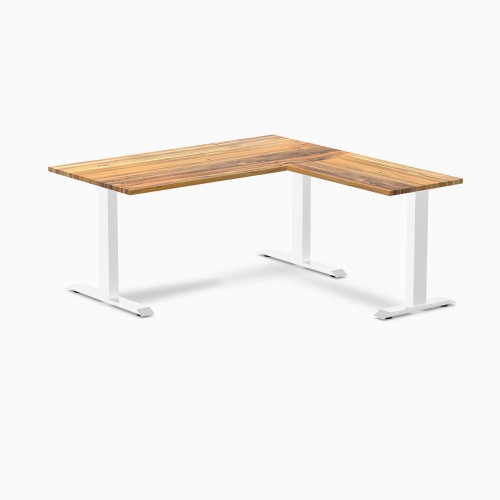
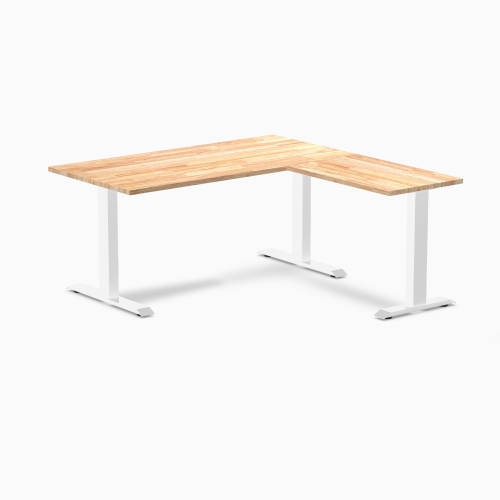
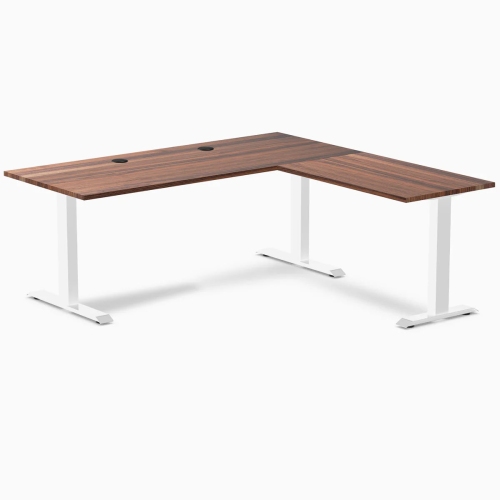
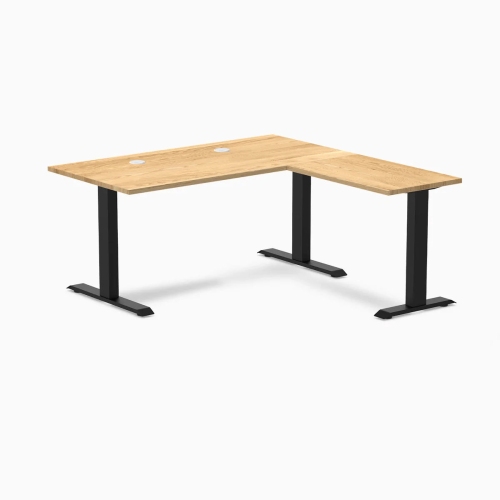
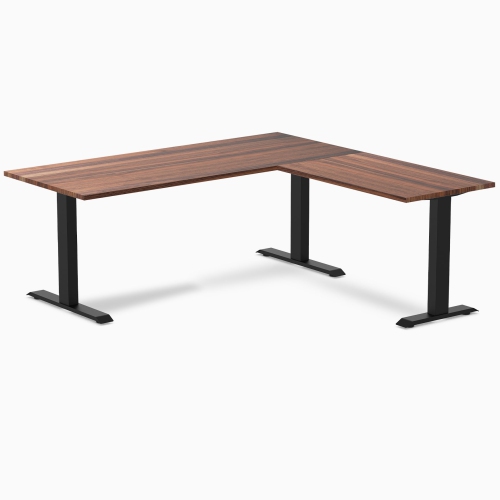
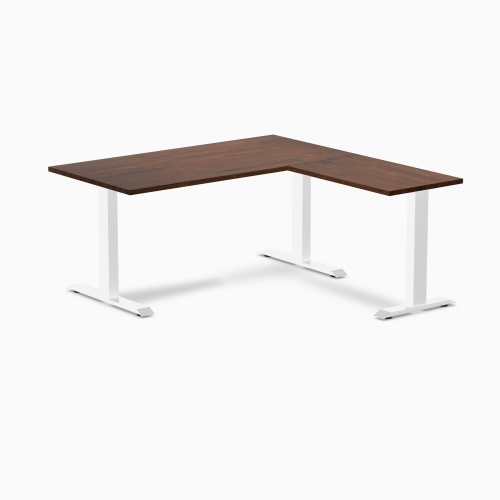
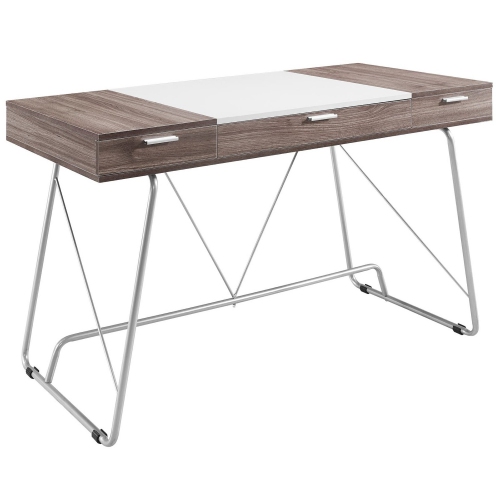
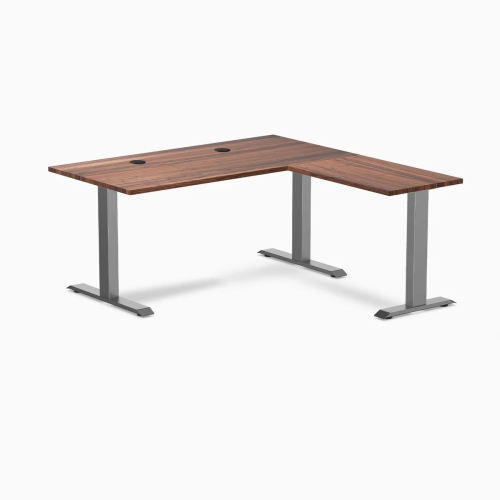
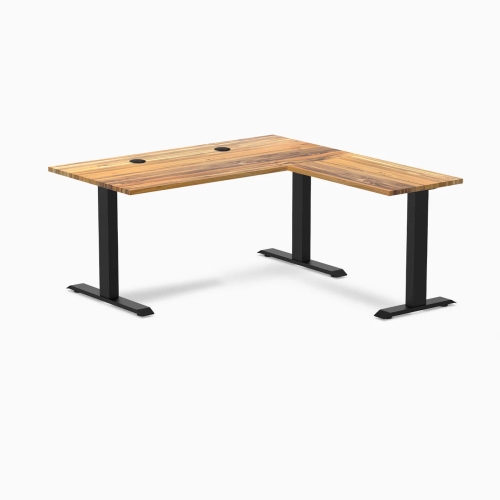
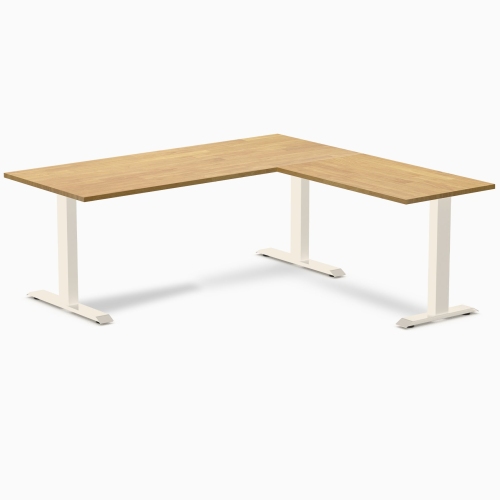
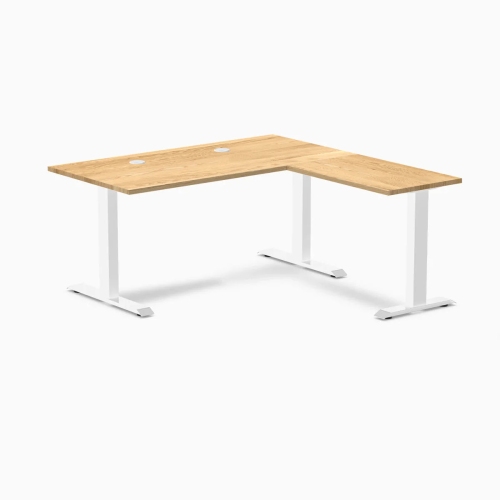
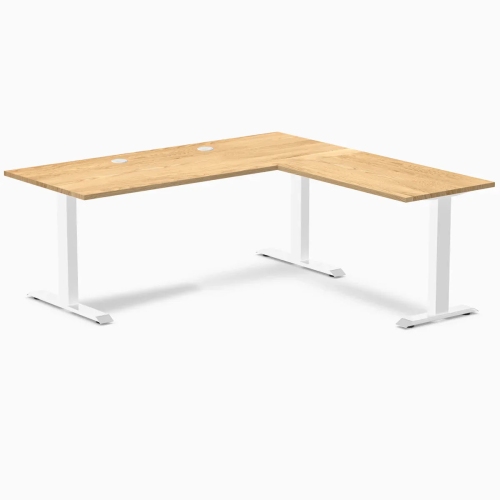
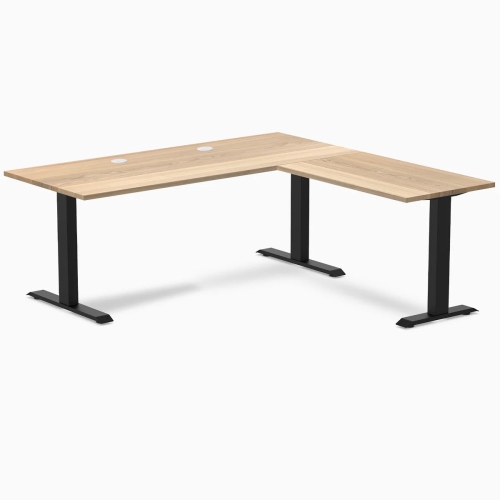
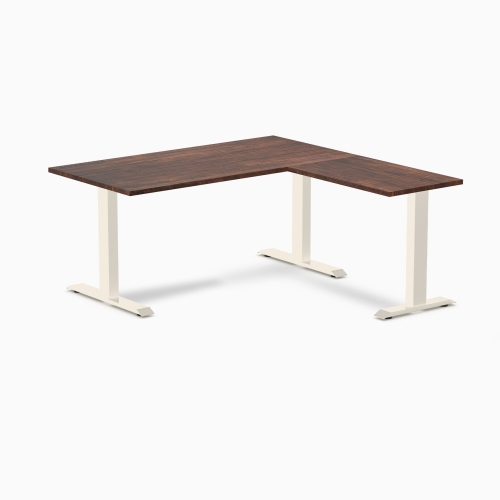
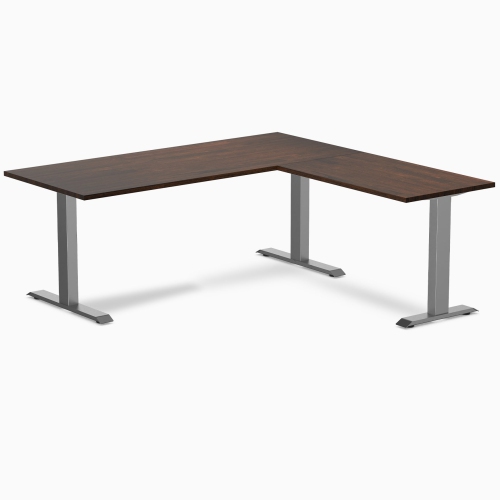
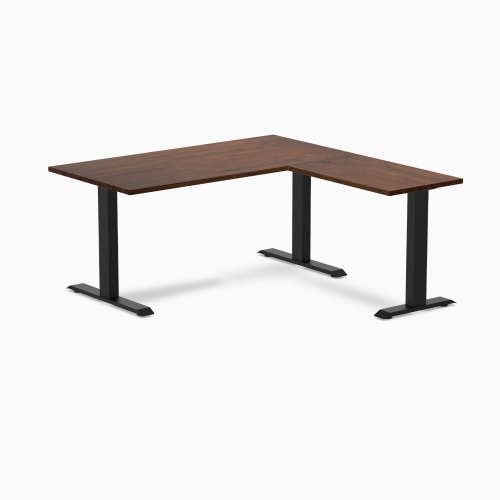
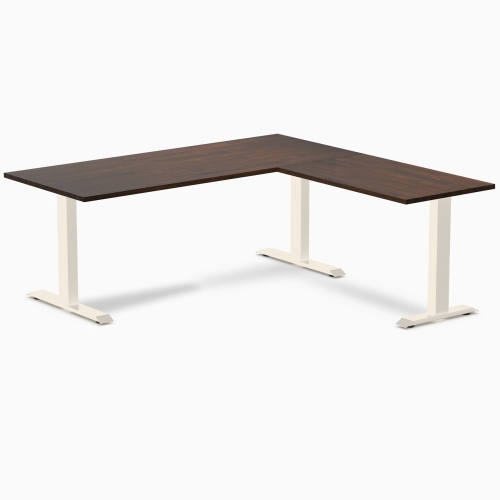
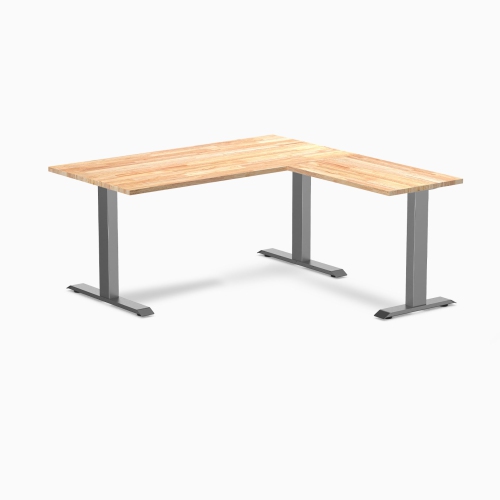
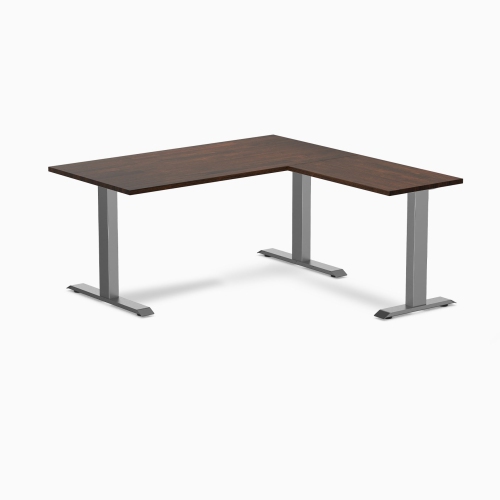
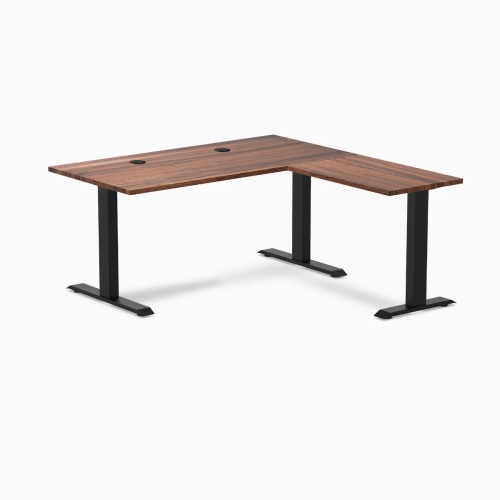
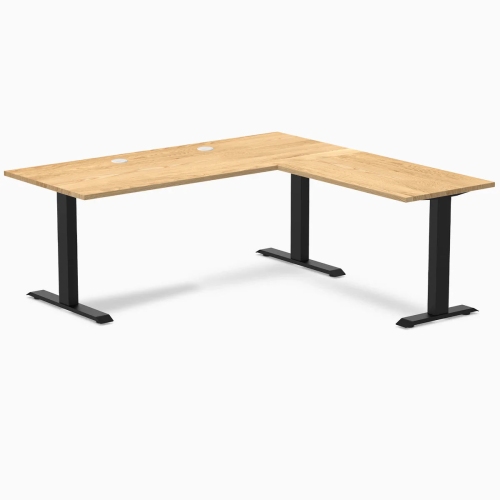
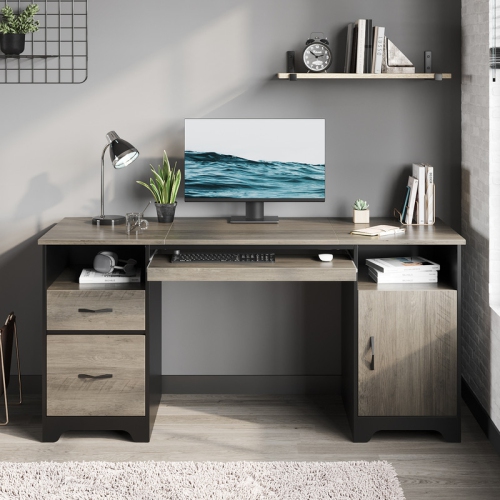
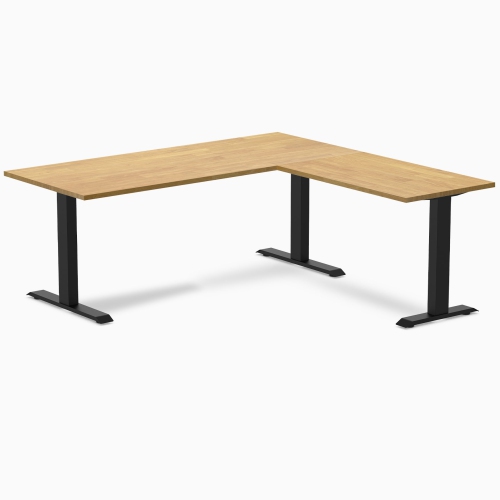
A clear desktop starts with well-planned drawer space
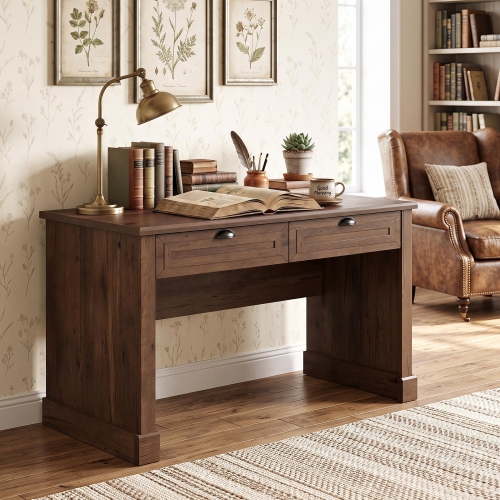
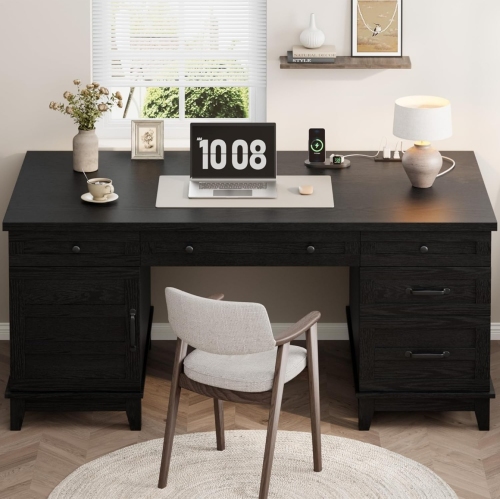
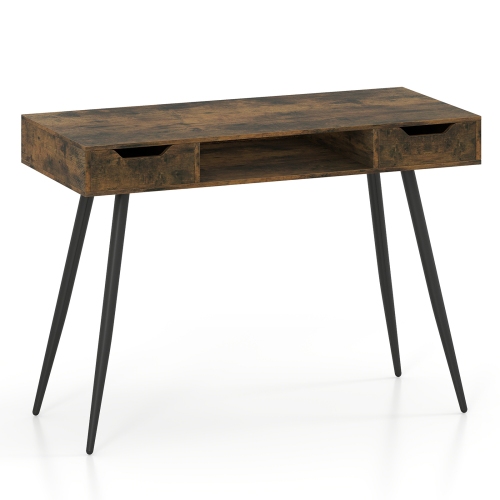
Solid wood writing desks with drawers combine a practical work surface with enclosed storage for the supplies that tend to gather around it: notebooks, pens, charging cables, reading glasses, and paperwork. Their appeal lies in that balance. A writing desk generally has a simpler profile than a large executive desk, leaving room for handwritten notes, a laptop, or a textbook without necessarily filling an entire home office. Drawers keep everyday essentials close while allowing the desktop to stay clear between tasks. For someone working in a living room or bedroom, that separation can make it easier to put work away at the end of the day. Solid wood also brings visible grain and natural variation to a piece of furniture used at close range. Oak often has prominent grain, maple tends to have a finer texture, and walnut is known for its rich brown tones, although stains and finishes can alter their appearance considerably. Pine is typically softer than these hardwoods and may show dents more readily, which can suit an informal, lived-in look but deserves consideration for a heavily used workspace. The term solid wood does not always mean every component uses the same material. A desk may have a solid wood top and frame alongside drawer bottoms, back panels, or other parts made from plywood or engineered wood, so component-level descriptions matter. Construction is as important as the wood species: secure joints, a stable base, and a well-supported top help a desk feel steady during typing or writing. Kiln-dried lumber has been dried under controlled conditions, but it can still respond to changes in indoor humidity. Well-designed construction allows for that natural movement rather than assuming wood will remain completely unchanged. For students, remote workers, letter writers, and anyone managing household paperwork, a thoughtfully proportioned wooden desk can serve as both a working surface and a lasting part of the room.
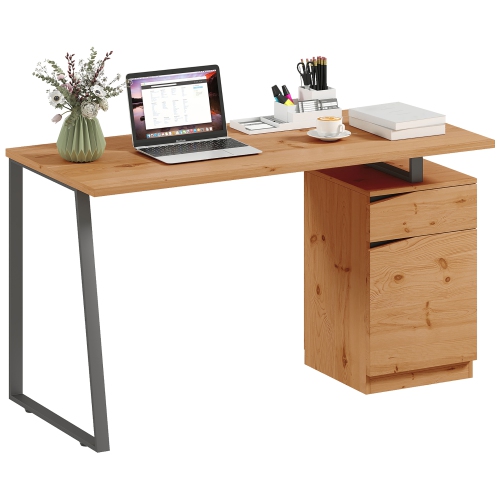
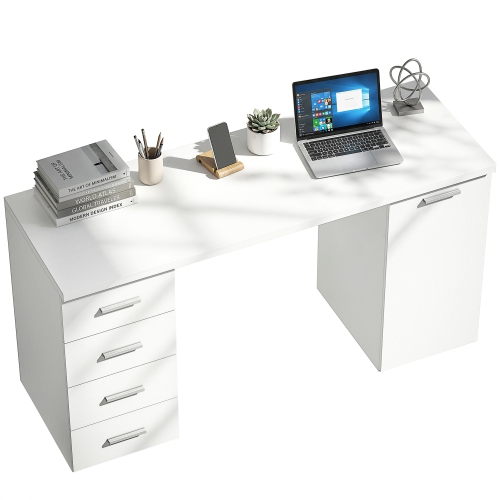
The most useful dimensions are not just the desk’s overall width, depth, and height, but also the space left for the person sitting at it. A shallow drawer beneath the desktop can be convenient for stationery, yet it reduces the clearance above the thighs. Side drawers may narrow the knee opening, while crossbars or stretchers can affect where feet rest. Comparing those measurements with an existing chair helps avoid a setup where armrests cannot slide underneath or knees press against the drawer apron. There should also be enough room behind the chair to sit down and stand up without blocking a doorway or main walkway. Desktop depth deserves particular attention when a writing desk will support a monitor, keyboard, and an open notebook together. A surface that works well for a laptop alone may feel crowded once a separate screen and its stand are added. Monitor arms introduce another consideration: a clamp needs a suitable edge, adequate clearance underneath, and a top that meets the mount manufacturer’s requirements. Drawer placement should follow the way the desk will be used. A central pencil drawer suits small tools and loose stationery; a bank of side drawers can separate study supplies from household documents. A deep drawer is not automatically a filing drawer, and letter-size or legal-size folders require compatible dimensions and supports. Drawer slides influence access as much as storage capacity. Full-extension slides allow more of the contents to come into view, while opening clearance matters when the desk sits beside a wall or other furniture. Dovetail joints can contribute to strong drawer boxes, though accurate assembly, suitable materials, and sound hardware remain important. For a narrow room or a modest work corner, Small Solid Wood Desks With Drawers offer a related option where footprint is a priority. A compact desk still needs usable legroom and enough surface area for the tasks it will handle; a smaller outer size alone does not guarantee a comfortable fit.
Style and upkeep help determine how well a solid wood writing desk fits into everyday life. Straight legs, restrained hardware, and a simple drawer front can blend into a shared living area, while turned details or framed drawer fronts give a workspace a more traditional character. An open base can make a desk look less bulky, whereas drawers extending down one side create a more substantial silhouette and additional storage. Wood colour need not match every other piece exactly. Similar undertones can tie a desk to nearby shelving or a bed frame without making the room feel overly matched. If the desk will face into the room rather than sit against a wall, a finished back and tidy cable routing become more noticeable. Handles should also be comfortable to use and positioned where they will not catch clothing as someone passes. For frequent handwriting, a desk pad can provide a consistent writing surface and help protect the finish from pen marks and pressure. Coasters keep drink rings away from the wood, and spills are best wiped up promptly with a soft cloth rather than left around drawer edges or joints. Routine care usually means gentle dusting and cleaning according to the finish manufacturer’s directions; abrasive cleaners, excess water, and unsuitable polishes can damage the surface. Direct sunlight may change wood colour over time, and placement beside a radiator or heating vent can expose the desk to excessive drying. Solid wood may be repairable or refinishable, but the options depend on the finish, construction, and extent of any damage. Loose hardware is worth addressing early, and drawers should stay within their stated load limits rather than becoming storage for dense stacks of books. When moving the desk, lifting it with appropriate help instead of dragging it reduces strain on the legs and joints. These practical details matter whether the desk supports daily assignments, occasional correspondence, or a dedicated home office. As a gift for a student or someone setting up a workspace, a writing desk is most successful when its size, storage layout, and appearance suit the recipient’s room and habits.
Top selling and popular products
-
 Your price for this item is $97.99
-
 Your price for this item is $89.99
-
 Your price for this item is $84.99
-
 Your price for this item is $97.99
-
 Your price for this item is $649
-
 Your price for this item is $749
-
 Your price for this item is $649
-
 Your price for this item is $649
Discover more categories related to Solid Wood Writing Desks With Drawers
Top Collections:
Best Black Friday Deals This Year, Best Black Friday Deals On Electronics, Kindle Devices, Pokemon Centers, Best Black Friday Deals On Apple Products, Best Cameras for Sports Photography, Dyson Airwrap, Pokémon 30th Celebration Cards, Apple iPhone 17 Pro, Canon G7X Cameras
Some products may be subject to Environmental Handling Fees
(EHF) depending on your province.
Learn more about EHFs.