Solid Wood Dining Table Tops
Solid Wood Dining Table Tops offer a timeless centerpiece for any dining space, blending classic elegance with versatile style. Perfect for both casual family meals and special gatherings, these table tops provide a sturdy foundation for your dining area. Whether you’re updating your current setup or designing a new room, Solid Wood Dining Table Tops deliver a refined look that complements a variety of interior décors. Explore a range of sizes and finishes to find the ideal match for your home and create a welcoming spot for sharing meals and making memories.
Sort
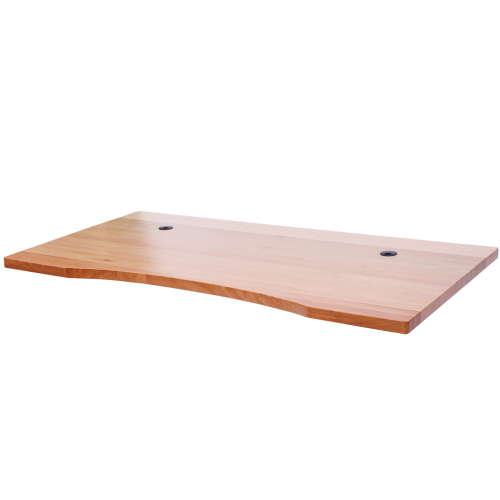
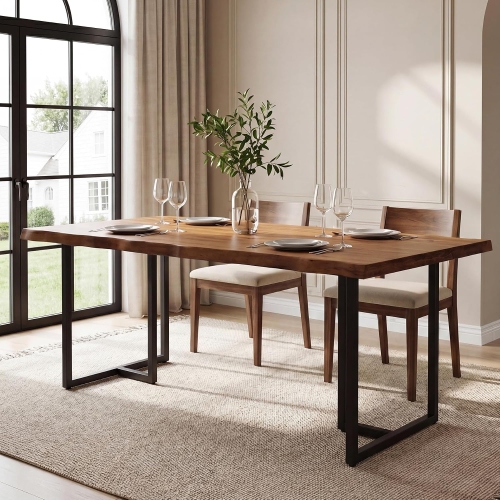
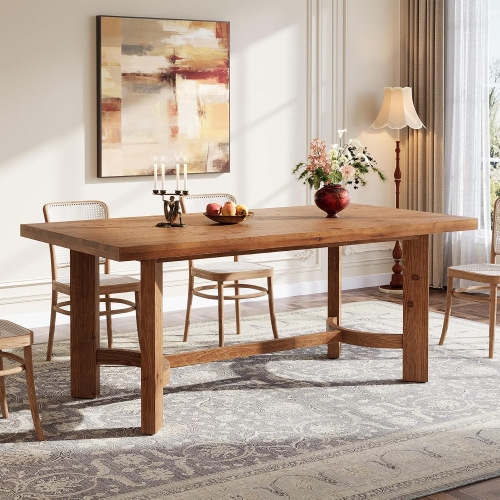
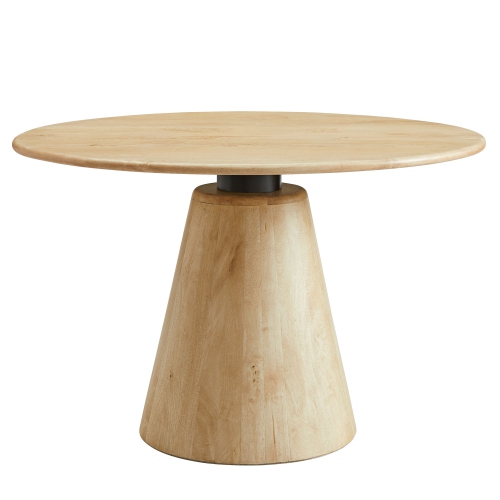
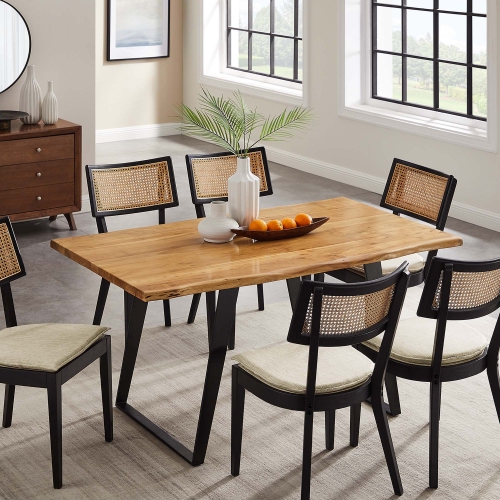
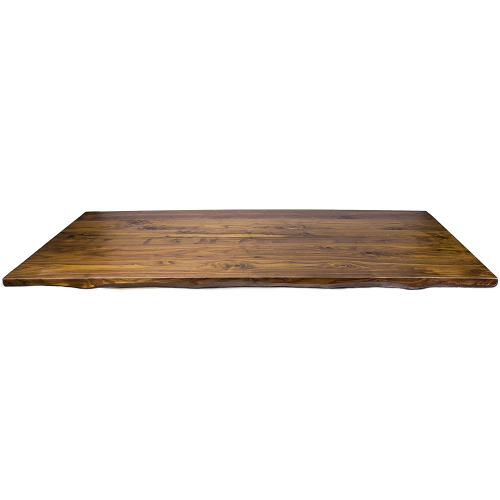
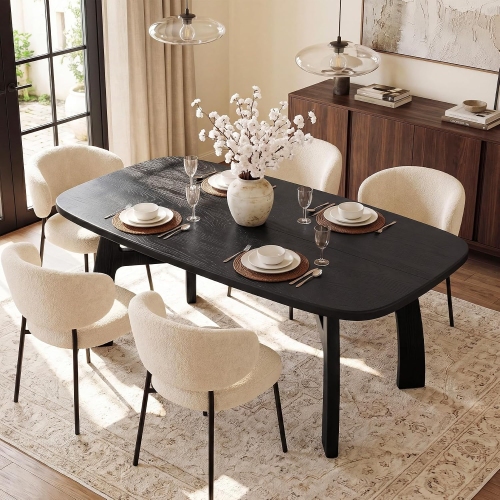


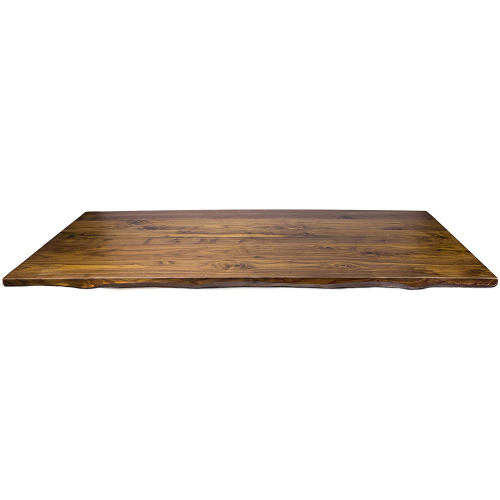

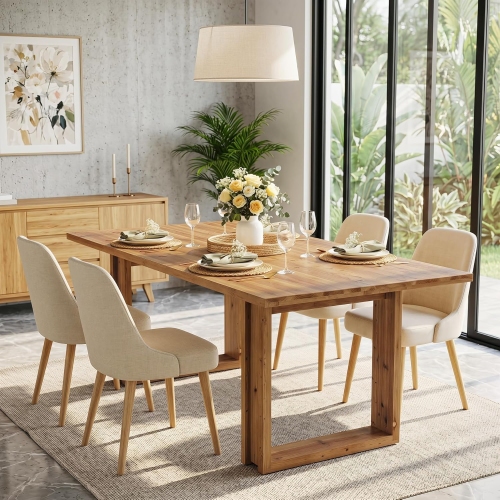


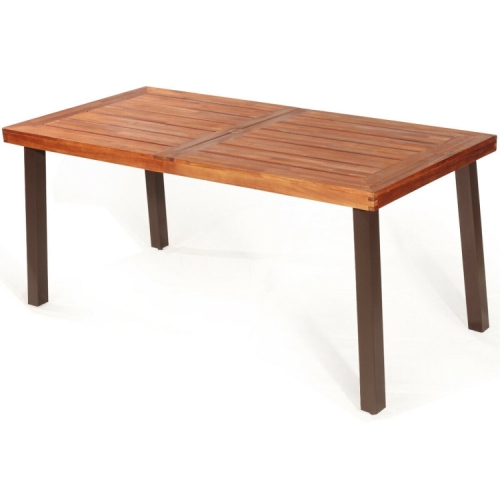

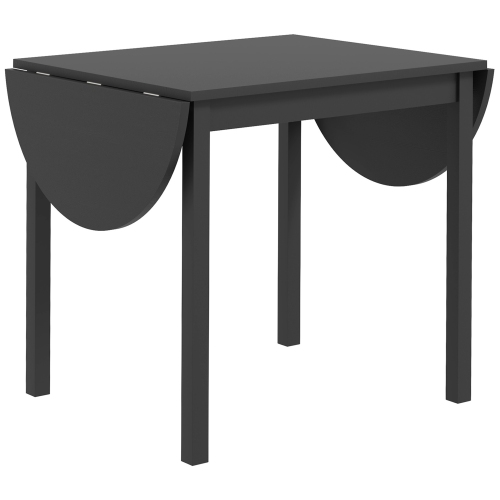

Natural grain meets the demands of everyday dining
Solid wood dining table tops bring the grain, texture, and character of real timber to the centre of a dining space. Unlike a wood veneer surface applied over a different core, a solid wood top is made from timber throughout its main thickness, whether that means joined boards or a wider slab. Joined-board construction is common and can create a strong, stable surface while showing natural variations between pieces. A separate tabletop can replace a worn dining surface, pair with a compatible base, or form part of a furniture project with a more personal finish. Oak, maple, walnut, and pine each have a distinct appearance and feel. Oak typically has a pronounced grain that suits both traditional rooms and simple, modern interiors. Maple generally offers a finer, more understated grain, while walnut is known for its rich brown tones and varied figuring. Pine has a softer surface that can develop dents and marks more readily, making it a different proposition from harder woods in a busy household. Species matters, but the finish, construction, and way the table is used also influence how it wears. Knots, colour changes, and grain patterns are part of the material’s character rather than signs that every top should look identical. A smooth, straight-edged top creates a crisp outline, while a live-edge dining tabletop follows the natural contours of the wood along one or more sides. Live edges vary in shape and may reduce usable space at narrow points, so their appeal is both visual and practical. For shoppers furnishing a room from scratch, solid wood dining tables offer an alternative to matching a separate top and base. Tabletop-only options are especially relevant when an existing base is sound, has sentimental value, or already fits the room well. In either case, the surface should feel suited to everyday meals, not simply look appealing in an empty room.
The right dimensions depend on seating, room layout, and the structure beneath the top. Rectangular solid wood dining table tops make efficient use of longer rooms and allow seating along both sides, while round tops can make conversation feel more connected in a compact dining area. Oval shapes soften the outline of a longer table, and square tops can work well in breakfast nooks or smaller dining spaces. As a general planning allowance, about 24 inches of table edge per person gives diners room for place settings and elbows, although wider chairs and generous settings may need more. Around 36 inches between the table edge and a wall or nearby furniture is a useful starting point for pulling out chairs; a busy walkway behind seated diners often needs additional clearance. Measuring with the chairs in place gives a clearer picture than measuring the tabletop footprint alone. Width also changes the experience: serving bowls, water glasses, and a shared platter take up more space than individual plates. When replacing a top, its length and width are only part of the fit. Thickness affects the finished table height, the visual balance of the piece, and potentially the fasteners needed for assembly. The combined height of the base and top should leave comfortable space above the chair seats, with any apron or support rails accounted for. Base compatibility is particularly important with heavy hardwood tops, substantial overhangs, and pedestal designs. A base must support the weight and dimensions without creating a tipping risk, and the attachment points must suit the top’s construction. Solid wood naturally expands and contracts as moisture levels change, so appropriate mounting hardware should allow that movement rather than hold the wood rigidly across its width. Existing screw holes do not necessarily make a new top a direct replacement. Checking the mounting requirements, underside clearances, and base specifications helps avoid a beautiful surface that is awkward to sit at or unsuitable for the frame beneath it.
Finish and care are central to how a solid wood dining tabletop fits daily life. A finished top has a surface treatment already applied, but the type of treatment determines its protection and upkeep. Film-forming finishes, such as many lacquers and polyurethane coatings, create a protective layer over the wood; oil and hardwax oil finishes have different maintenance needs and may allow localized touch-ups when the finish system supports them. No finish makes a wooden dining surface immune to scratches, standing liquid, or hot cookware. An unfinished top leaves more control over colour and sheen, but it also requires suitable preparation, finishing, and curing before regular use. Stain changes the wood’s colour and should not be assumed to provide adequate protection on its own. The finished appearance depends on the species and grain, so a stain sample on matching wood is more useful than judging colour from the container alone. For a household where the dining table also hosts homework, puzzles, and laptop sessions, a smooth surface and a practical care routine can matter as much as the wood tone. Deep grooves, open knots, and pronounced texture may collect crumbs or interrupt a writing surface unless they are filled or covered. Rounded or eased edges can feel more comfortable against forearms than sharp square profiles, especially during longer meals or work sessions. Everyday care usually starts with promptly wiping spills using a soft cloth, drying the surface, and following the finish manufacturer’s cleaning instructions. Coasters, placemats, trivets, and a protective mat beneath craft projects help limit rings, scratches, and accidental marks. Harsh cleaners and abrasive pads can damage finishes, while repeated direct sunlight can alter the wood’s colour unevenly. Solid timber can often be refinished, though the repair method depends on the finish, remaining thickness, and extent of any damage. That capacity can make it a useful choice for furniture intended to stay in regular use for years. Whether the setting is a shared apartment, a family dining room, or a quiet kitchen corner, a well-matched wood top provides a substantial surface for meals and the many ordinary moments that happen between them.
Top selling and popular products
-
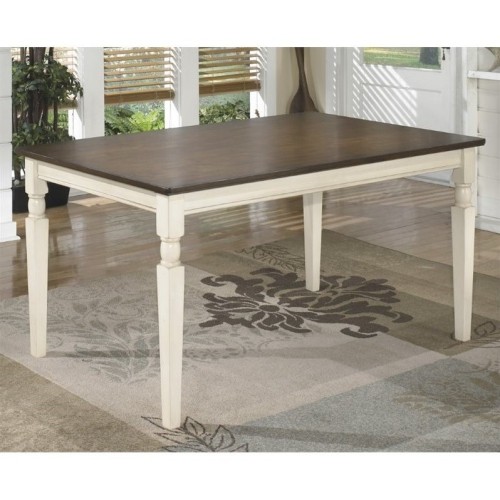 Your price for this item is $399
-
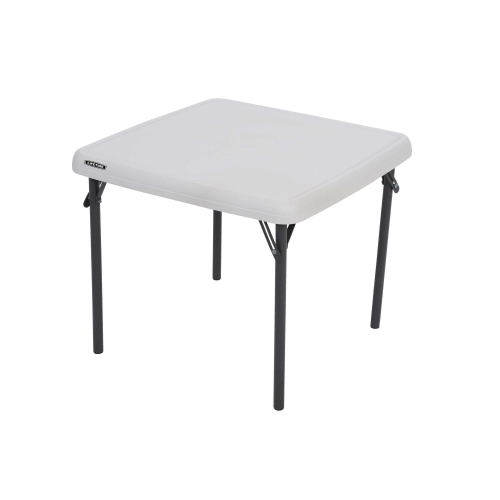 Your price for this item is $71.99
-
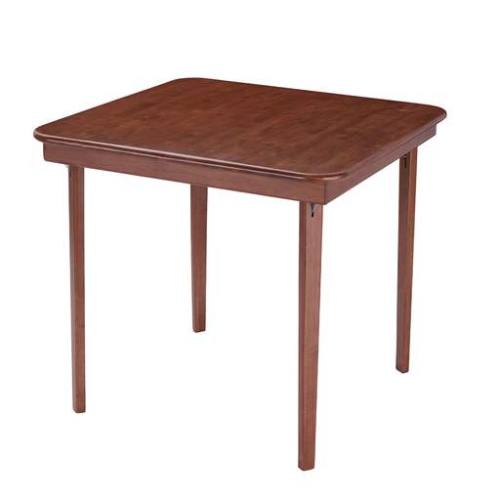 Your price for this item is $323.99
-
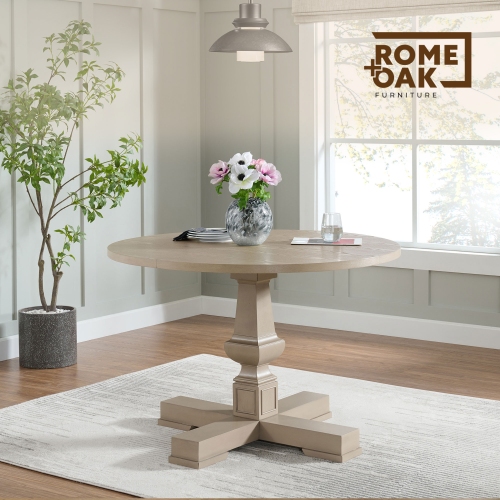 Your price for this item is $763.99
-
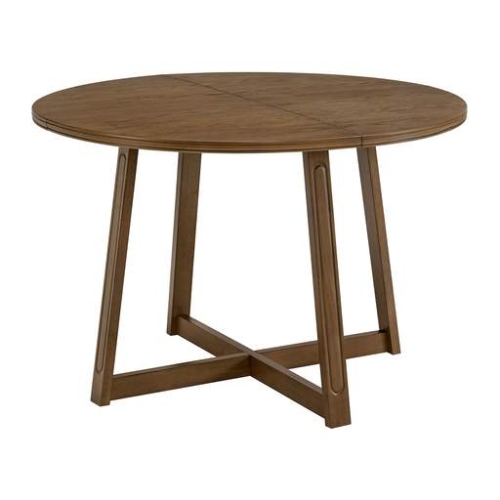 Your price for this item is $627.99
-
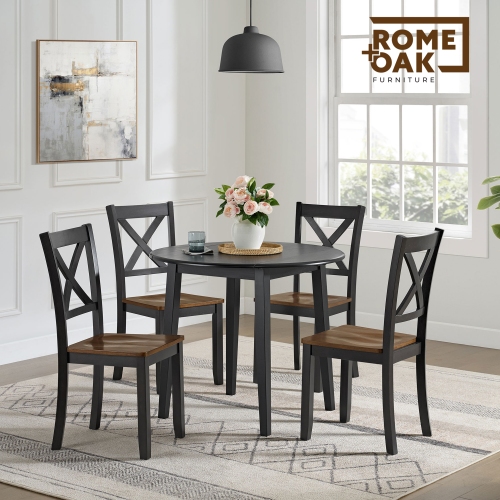 Your price for this item is $304.99
-
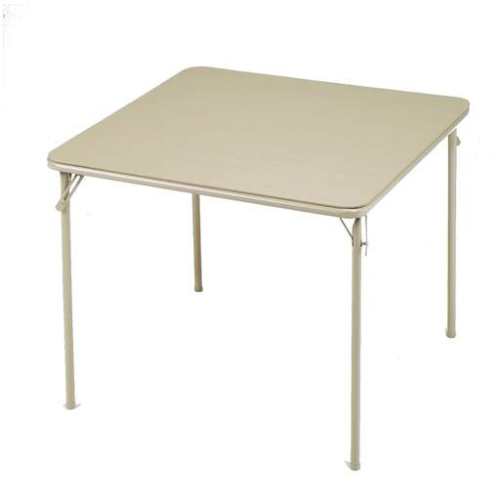 Your price for this item is $190.99
-
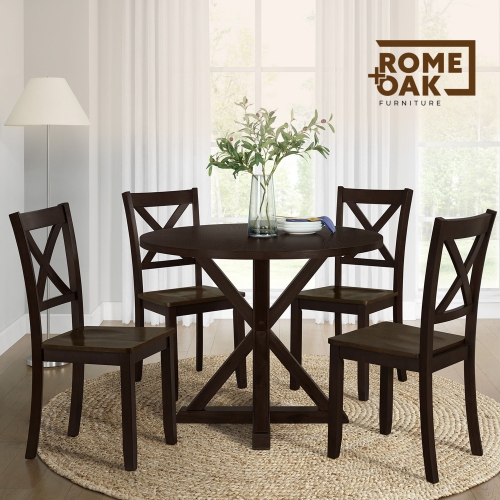 Your price for this item is $651.99
Discover more categories related to Solid Wood Dining Table Tops

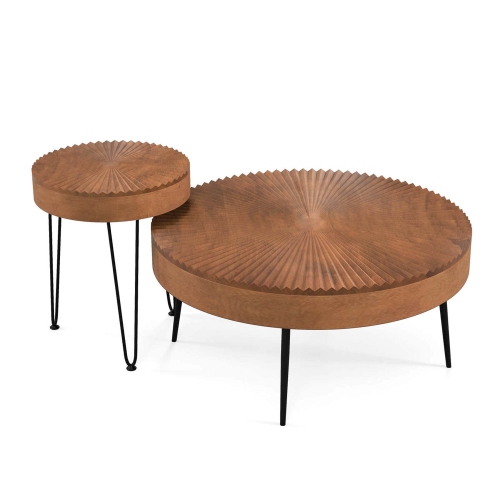
Top Collections:
Pokemon Centers, Kindle Devices, Best Cameras for Sports Photography, Pokémon 30th Celebration Cards, Apple iPhones 16, Canon G7X Cameras, iPhone 15 Apple, Flip Phones, Samsung Galaxy Phones, Alarm Clock
Some products may be subject to Environmental Handling Fees
(EHF) depending on your province.
Learn more about EHFs.