Solid Wood Furniture Tables
Solid wood furniture tables bring timeless elegance and lasting appeal to any living space. Whether you're looking to enhance your dining room, living area, or office, these tables offer a classic touch that complements a variety of interior styles. Explore a wide selection of solid wood furniture tables designed to suit different needs and preferences, making it easy to find the perfect piece for your home or workspace.
Sort
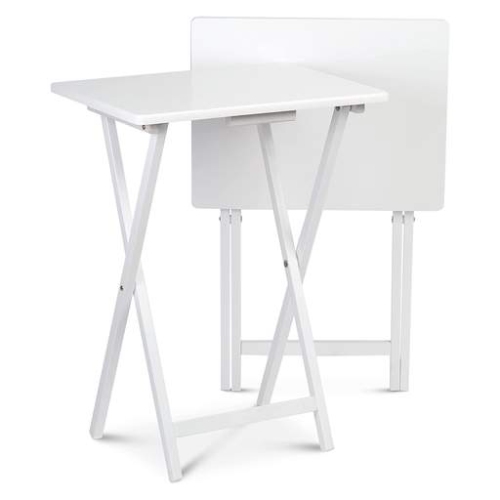
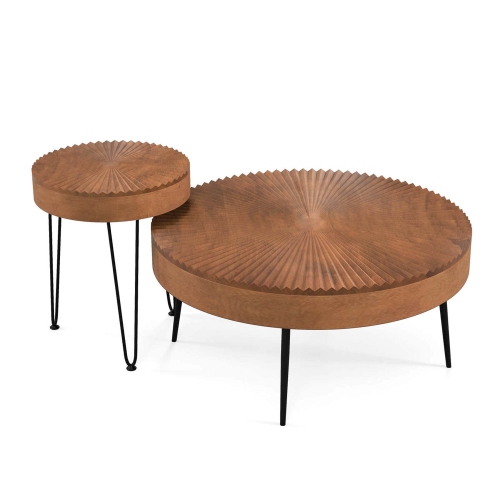
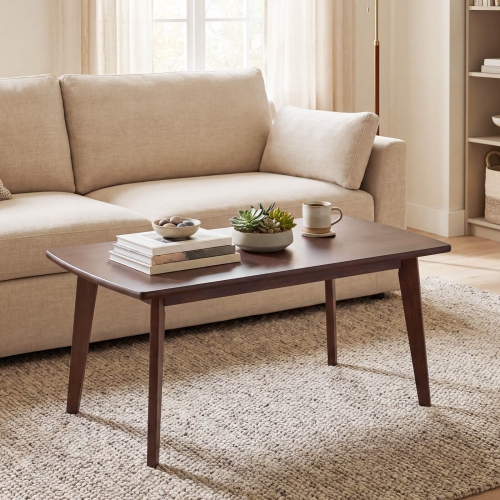
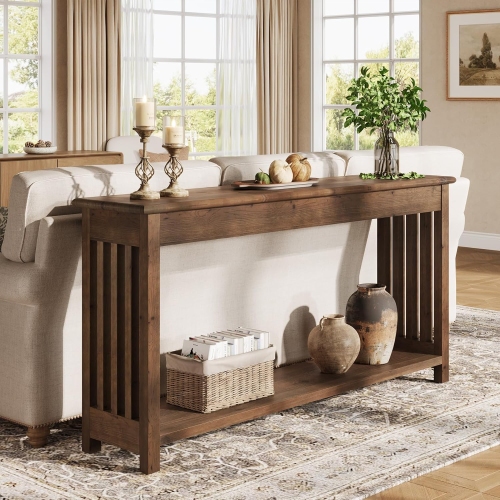
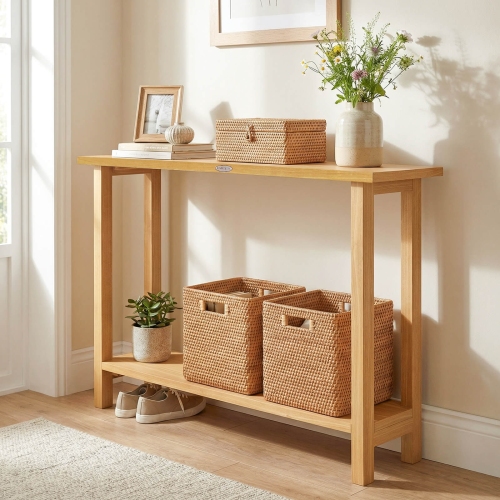
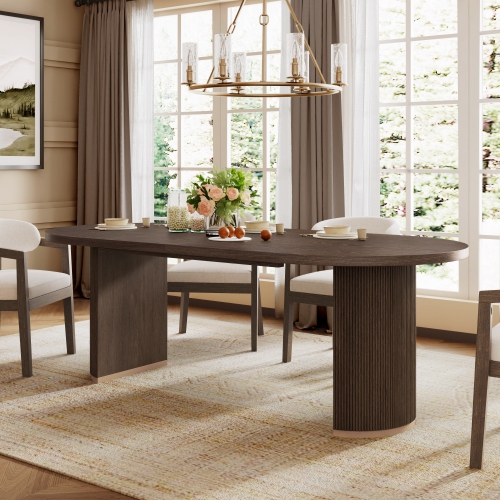
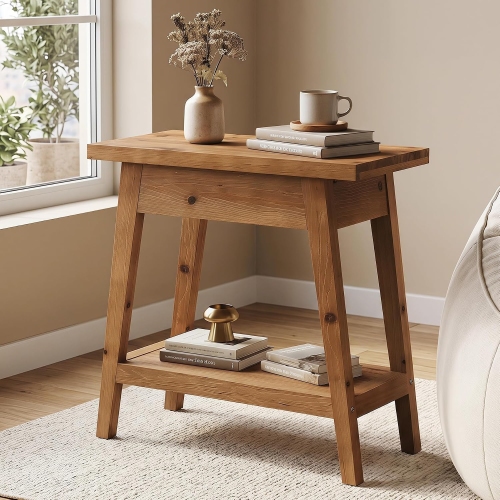
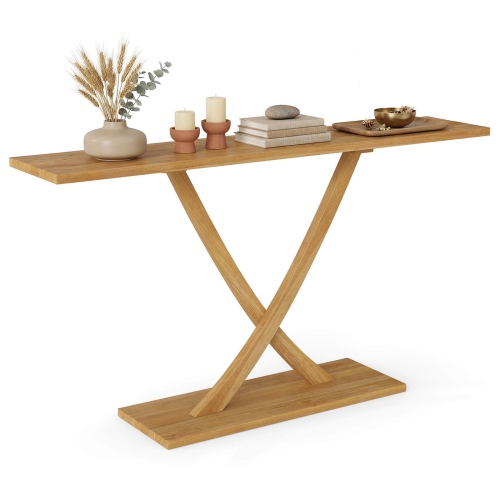

How grain and construction shape a table’s character
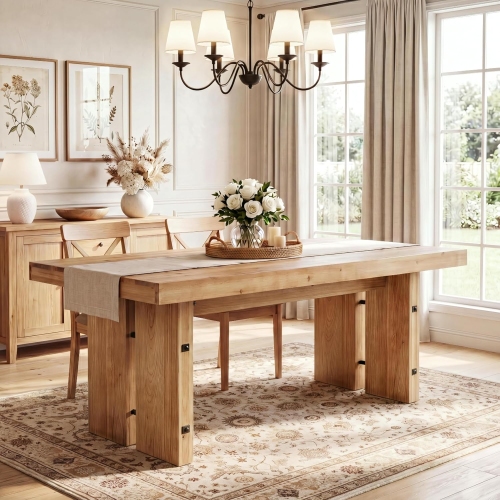
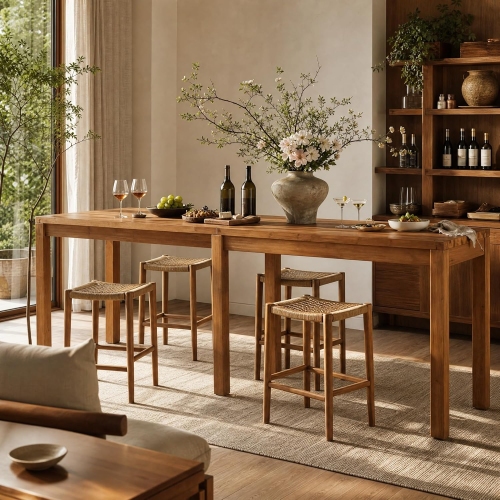
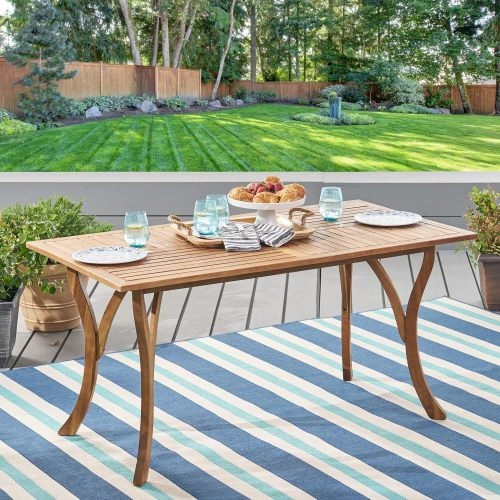
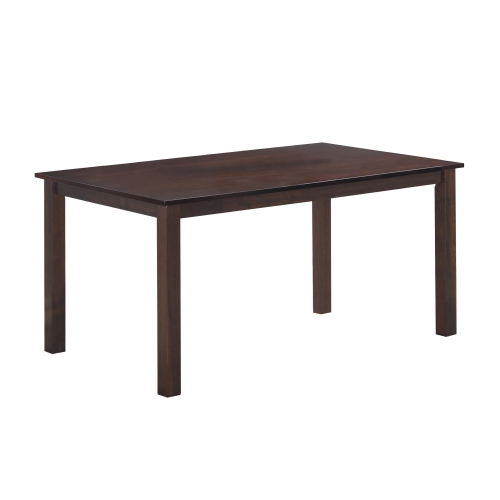
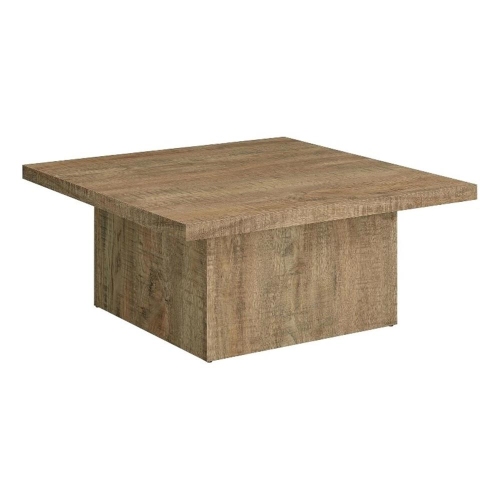
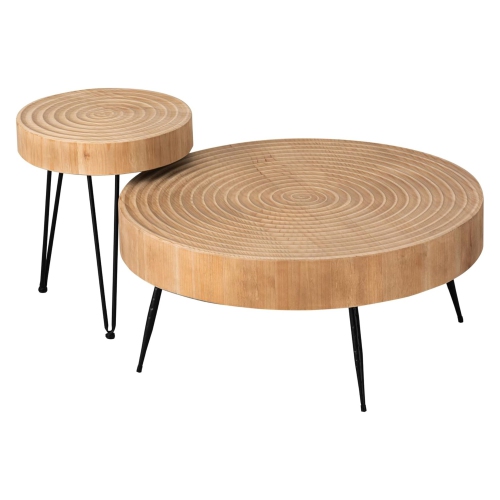
Solid wood furniture tables bring natural grain, practical surfaces, and a substantial feel to dining rooms, kitchens, living rooms, and workspaces. A solid wood tabletop is made from timber throughout its thickness, rather than a thin layer of wood veneer applied over a manufactured core. It may consist of several boards joined together, so “solid wood” does not necessarily mean a single slab. Construction can also differ between the top, legs, apron, and extension leaves; a wood tabletop paired with a metal base offers a different look and structure from an all-wood design. Oak, maple, walnut, acacia, and pine each have distinct characteristics. Oak often shows a pronounced grain, maple generally has a finer texture, and walnut is known for its rich brown tones and varied figuring. Acacia can display striking contrasts between lighter and darker sections, while pine commonly features visible knots and a softer surface that can acquire dents more readily. The species matters, but the finish and construction also influence how a table handles everyday use. A clear finish lets the grain remain prominent, a stain changes the colour while usually retaining some visible pattern, and paint creates a more uniform appearance. Smooth, evenly finished tops suit spaces where writing, dining, and easy cleanup share the same surface. Brushed or distressed textures introduce a more tactile look, although deeper grooves can require extra attention when removing crumbs. Natural variations mean that two tables made from the same species may not look identical. Changes in grain direction, small knots, and differences in tone give each surface its own character. For a household that gathers around meals, homework, and conversation, these details can make wood feel welcoming without requiring every chair, cabinet, or floorboard to match. Durability comes from the whole construction, including secure joints, a stable base, a suitable finish, and dimensions that support the way the table will be used.
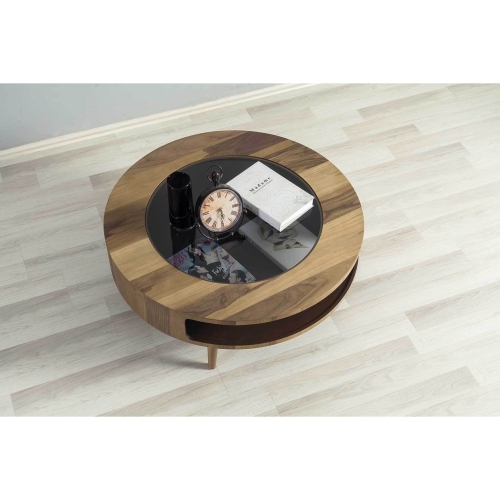
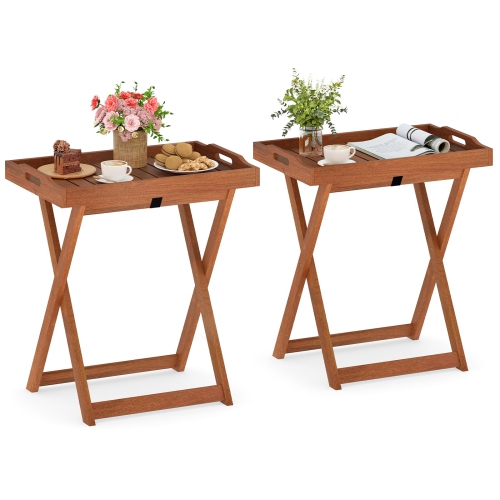
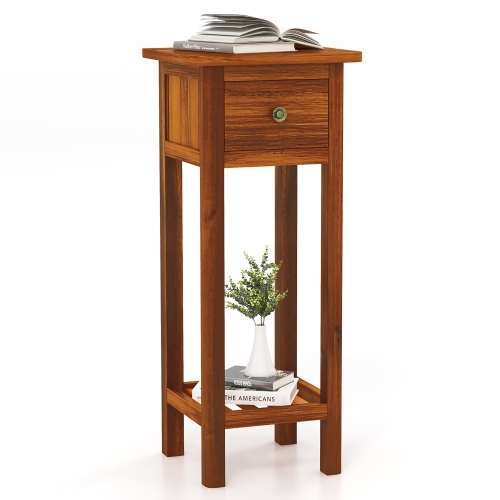
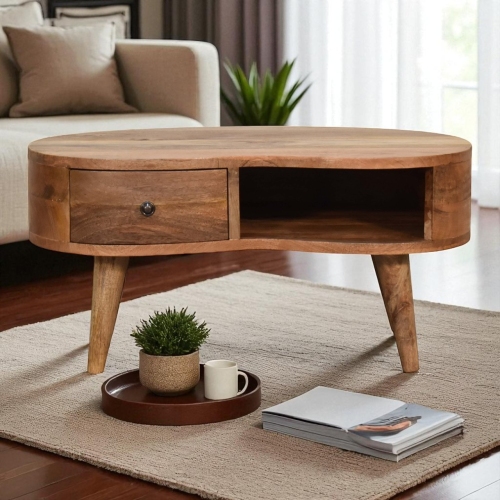
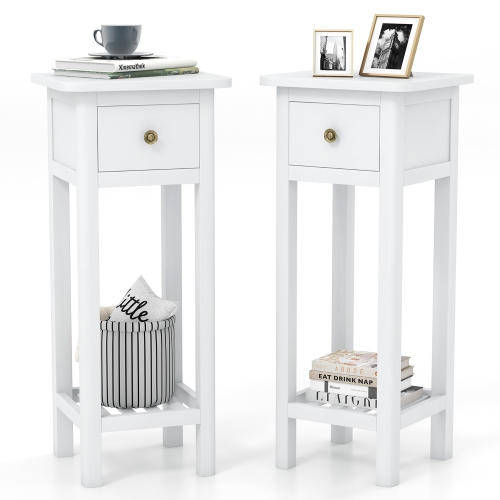
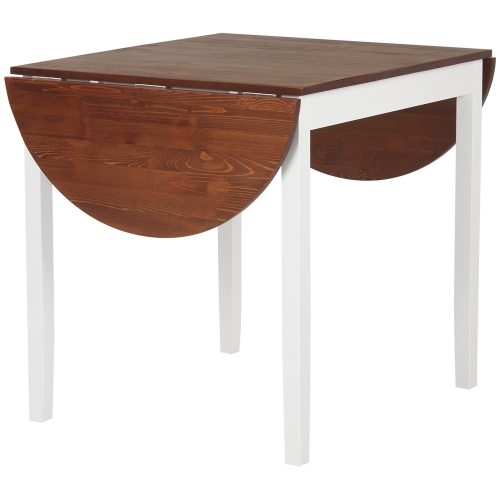
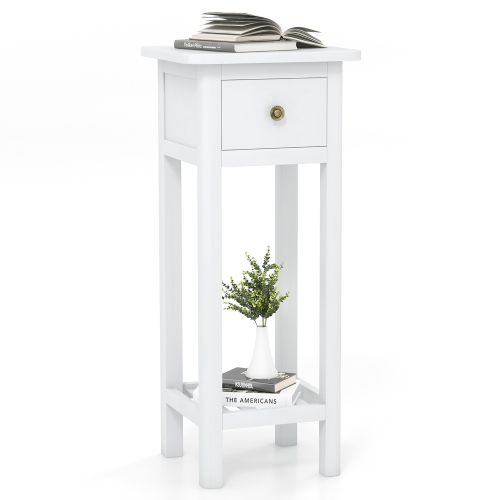
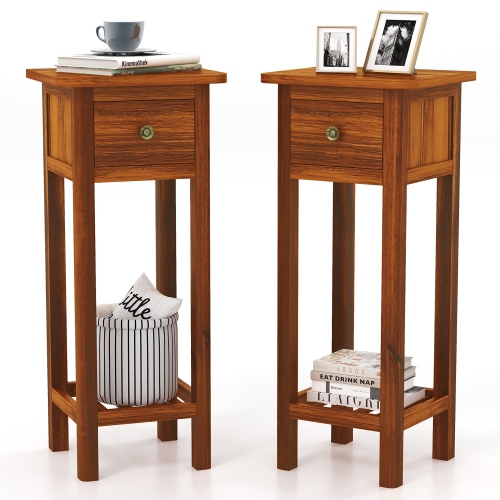
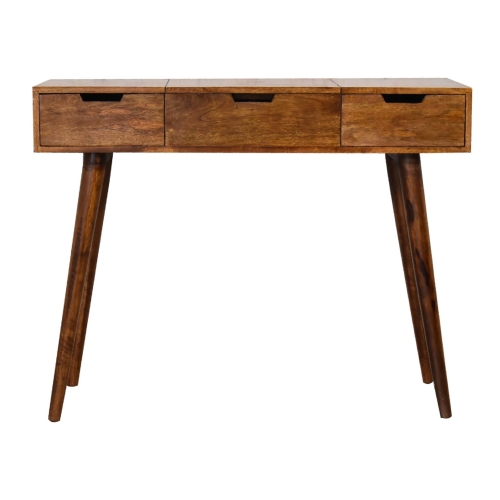
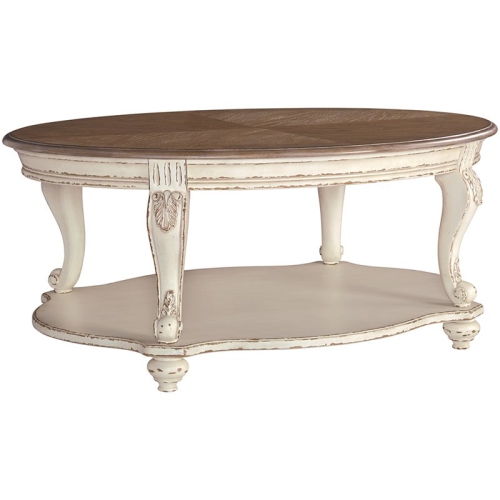
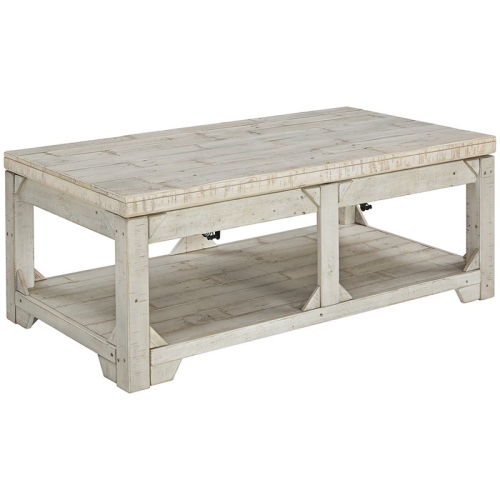
The most useful table is one that fits both the room and the activities happening around it. Rectangular dining tables work well in longer spaces and provide a clear arrangement for several place settings, while round tables can make conversation feel more connected in a kitchen nook or compact dining area. Square tables create a balanced layout in similarly proportioned rooms, and oval shapes offer an elongated surface without sharp corners at the ends. Seating capacity depends on more than tabletop length: leg placement, chair width, apron depth, and the shape of the base all affect usable space. Allowing approximately 24 inches of table edge per diner is a helpful starting point, with more room needed for wider chairs or generous place settings. Around 36 inches between the table edge and nearby walls or furniture can provide room to pull chairs out, while a frequently used walkway may need additional clearance. A pedestal base can reduce interference from corner legs, but its footprint still needs to leave comfortable space for feet. Extension tables accommodate a changing number of guests without occupying their full length every day; the opening mechanism, leaf storage, and support beneath the extended top all influence convenience. Beyond dining, solid wood coffee tables provide a central surface for a tray, books, or a board game, while side tables keep a lamp and reading materials close to a favourite chair. A console table can furnish an entryway or sit behind a sofa, provided its depth leaves a clear route through the room. For a table that also serves as a laptop workspace, legroom and a smooth writing surface deserve as much attention as appearance. In homes with young children, rounded edges and a stable, well-supported base can be practical considerations. A heavy tabletop alone does not guarantee stability, especially on an uneven floor. Measuring the intended position, neighbouring furniture, and delivery route helps establish whether the proportions will work beyond a photograph.
Everyday care helps solid wood tables retain their appearance while remaining useful surfaces rather than furniture that feels too precious to touch. Spills are best wiped up promptly with a soft cloth, followed by drying, because standing moisture can affect both the finish and the wood beneath it. Coasters protect against drink rings, placemats reduce contact with cutlery and crockery, and heat-resistant trivets provide a barrier beneath hot serving dishes. A dining tabletop should not be treated as a chopping board, even when its wood resembles a kitchen work surface. Cleaning methods depend on the finish: a sealed surface, an oiled top, and a waxed table may have different maintenance needs. Manufacturer care directions are the most reliable reference for suitable cleaners and any required maintenance treatments. Oiled surfaces may need periodic attention, whereas other finishes should not receive oil or wax unless recommended. Wood also responds to changes in indoor humidity, so sensible placement away from direct heat sources and prolonged sunlight can help limit movement and uneven fading. Protective pads beneath decorative objects reduce scratches, and lifting objects rather than sliding them helps preserve the surface. Some solid wood tables can be repaired or refinished when wear develops, but the appropriate approach depends on their construction, condition, and existing finish. For a coordinated room, matching every wood tone is not essential; repeating a similar undertone or pairing a prominent grain with quieter surrounding finishes often looks more considered. Related Natural Wood Tables can offer further ways to introduce visible grain into a furnished space. The strongest choice brings together comfortable proportions, a useful shape, and a finish that suits the household’s routines, whether that means shared dinners, a quiet reading corner, or a flexible surface that supports several parts of daily life.
Top selling and popular products
-
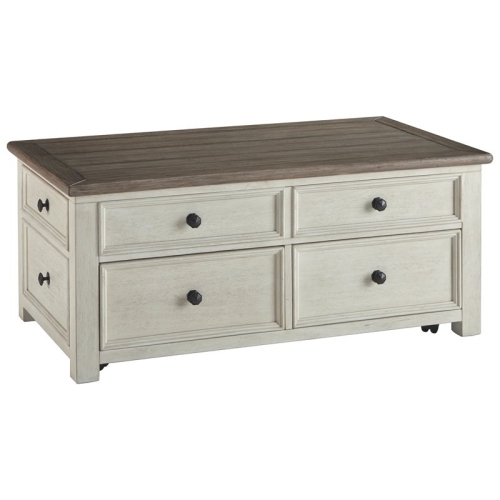 Your price for this item is $949
-
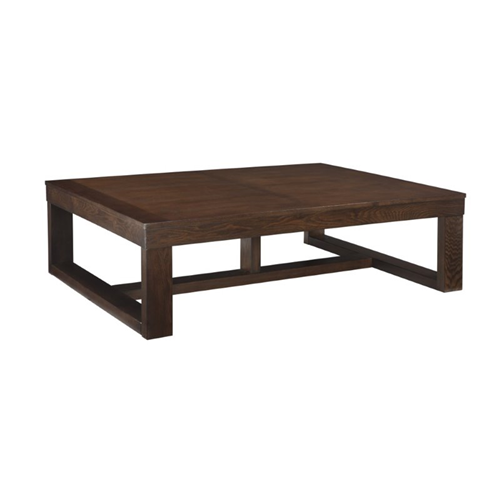 Your price for this item is $449
-
 Your price for this item is $649
-
 Your price for this item is $599
-
 Your price for this item is $549
-
 Your price for this item is $376.99
-
 Your price for this item is $473.99
-
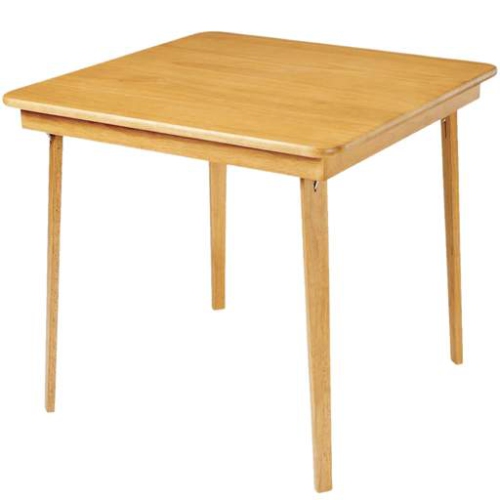 Your price for this item is $329.99
Discover more categories related to Solid Wood Furniture Tables
Top Collections:
Best Black Friday Deals This Year, Best Black Friday Deals On Electronics, Kindle Devices, Pokemon Centers, Best Black Friday Deals On Apple Products, Best Cameras for Sports Photography, Dyson Airwrap, Pokémon 30th Celebration Cards, Apple iPhone 17 Pro, Canon G7X Cameras
Some products may be subject to Environmental Handling Fees
(EHF) depending on your province.
Learn more about EHFs.