Solid Wood Garden Planters
Enhance the beauty of your outdoor space with our collection of solid wood garden planters. Whether you're looking to grow vibrant flowers, fresh herbs, or even small shrubs, our range of solid wood garden planters offers a versatile and stylish solution. Explore our selection today and elevate your gardening experience with our durable and attractive solid wood garden planters.
Sort

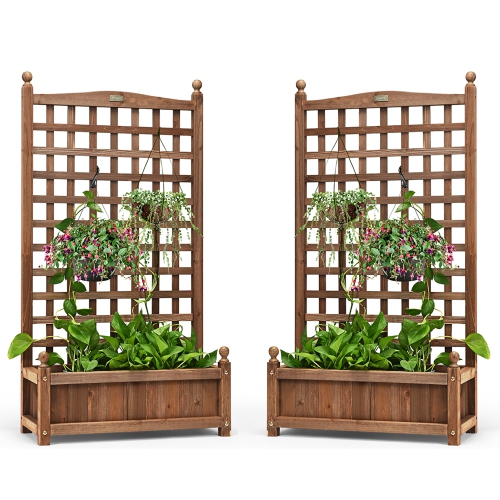
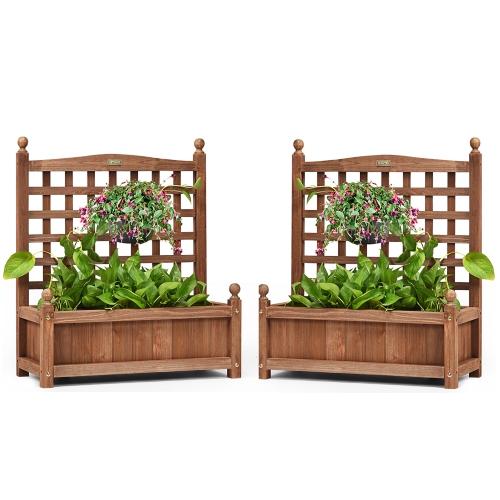
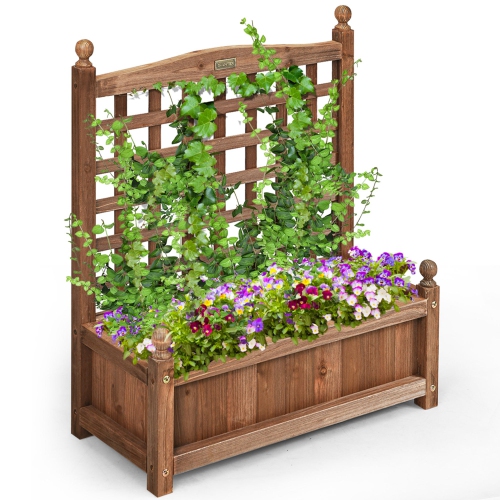
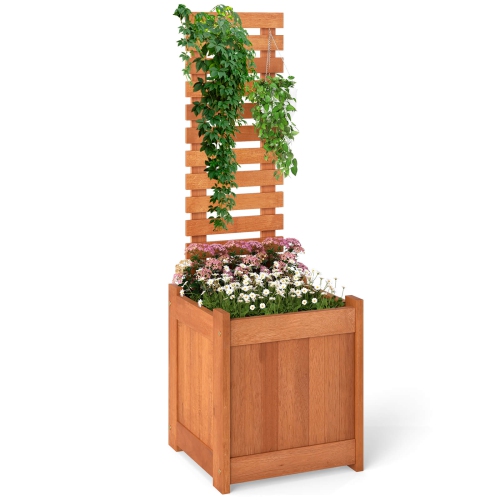

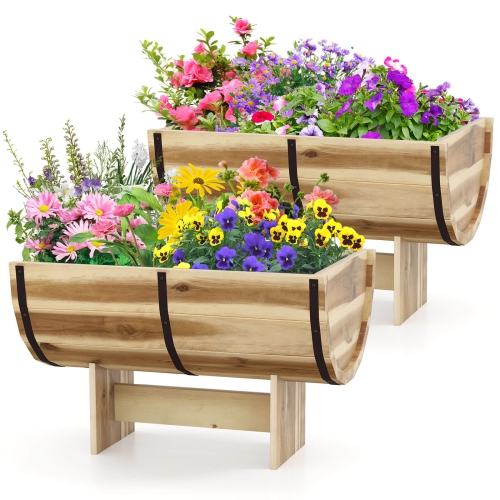


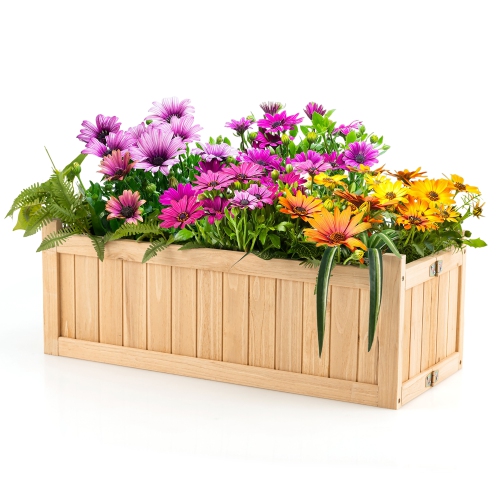


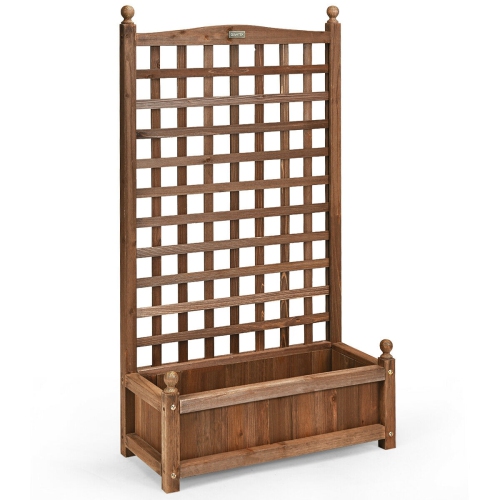
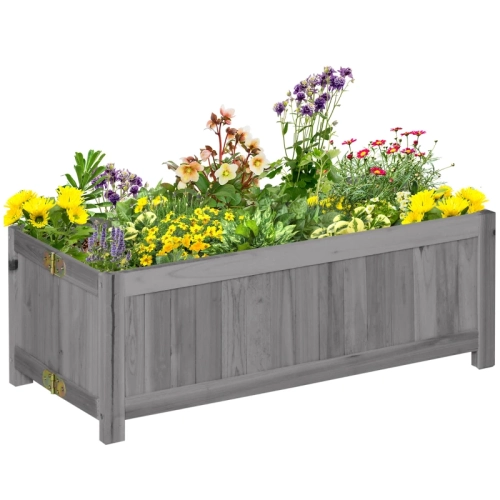
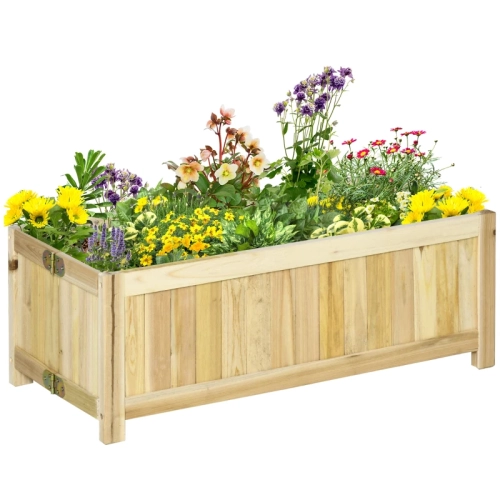
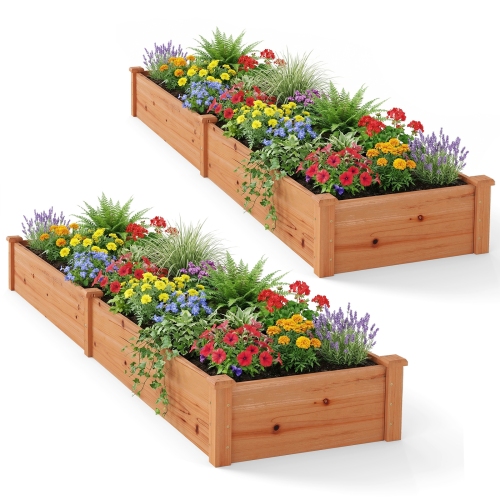
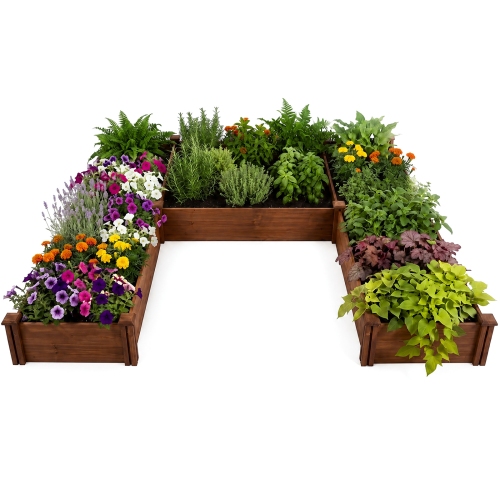
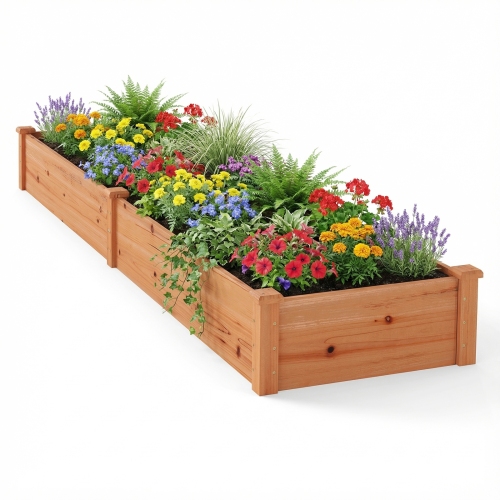

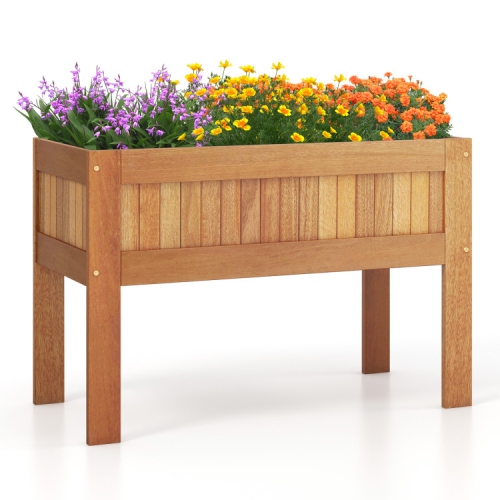
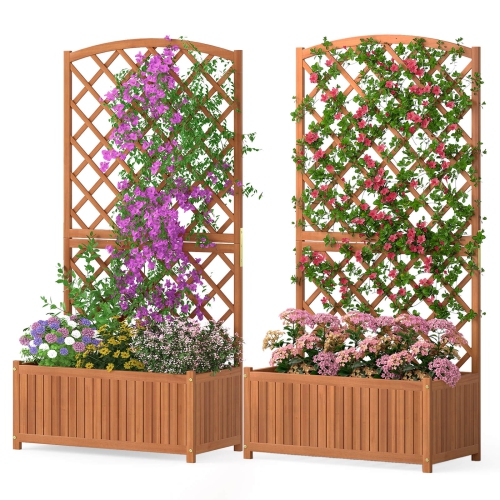

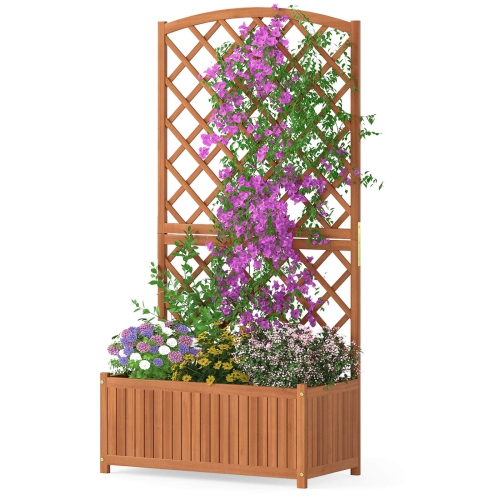
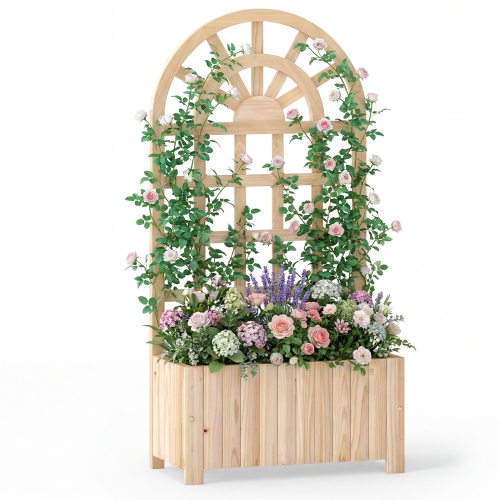

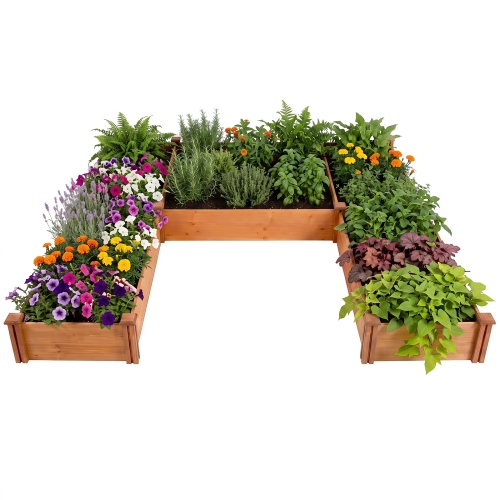
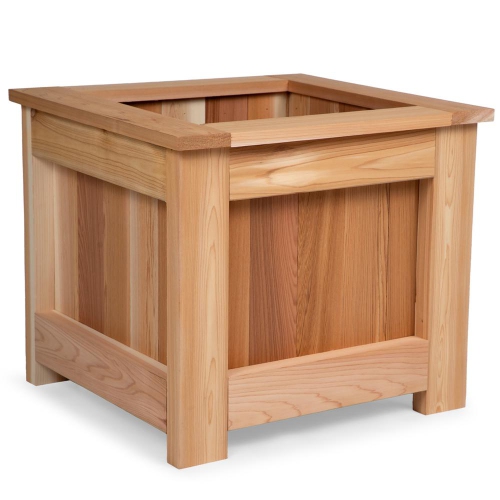
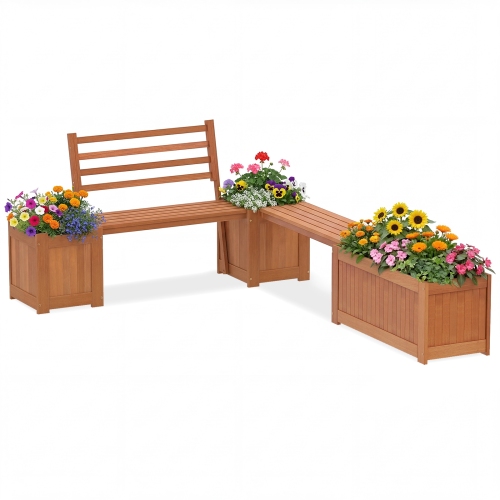
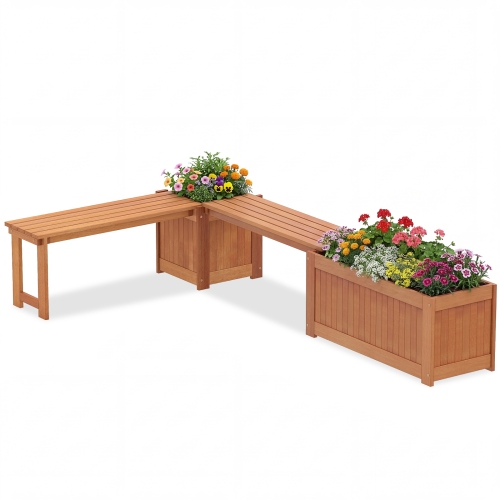

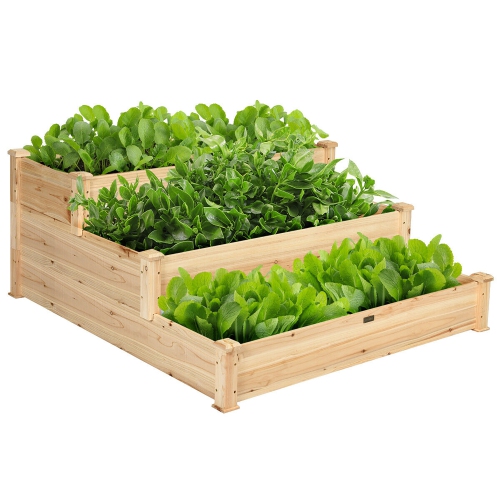
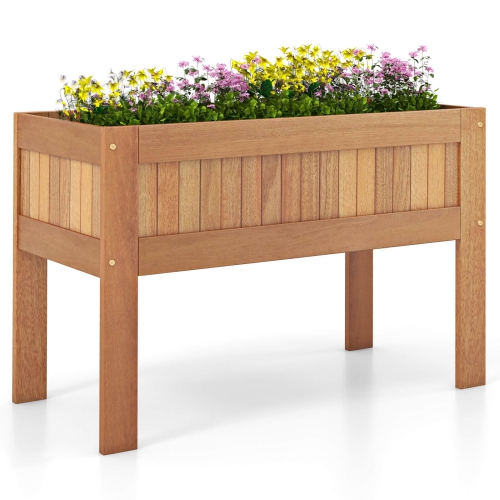
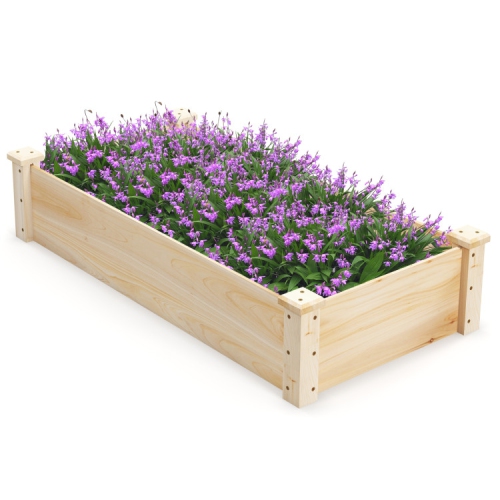


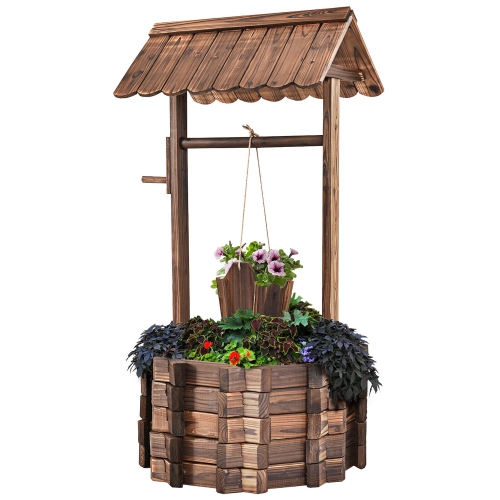
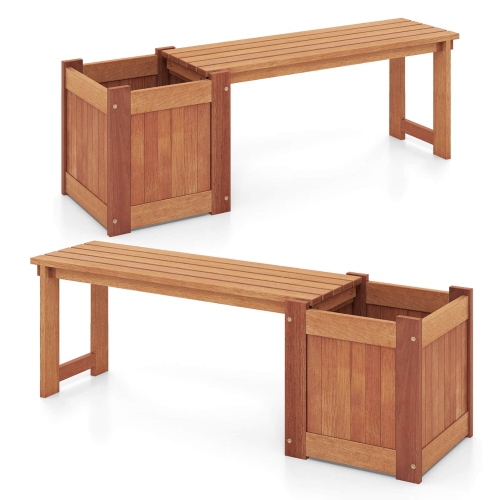
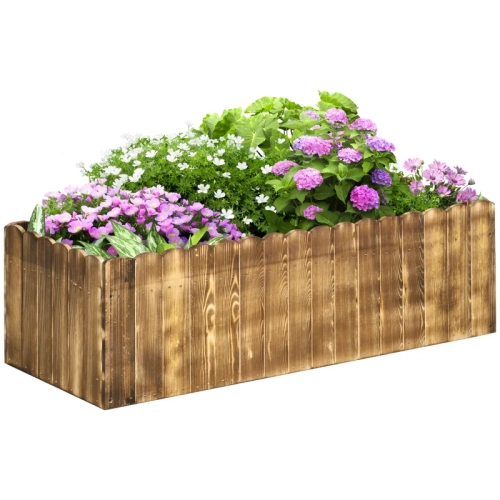
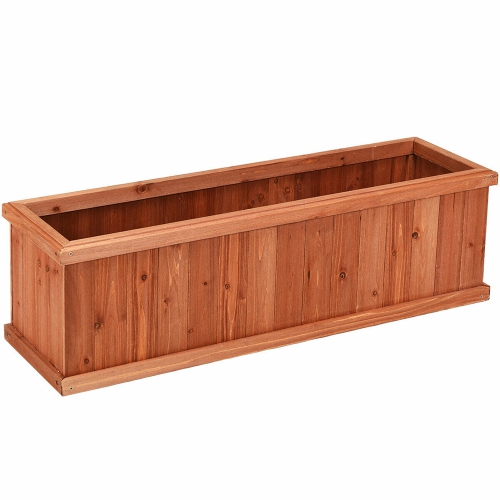

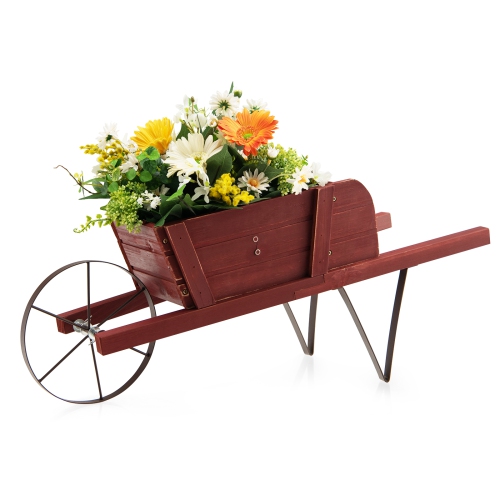
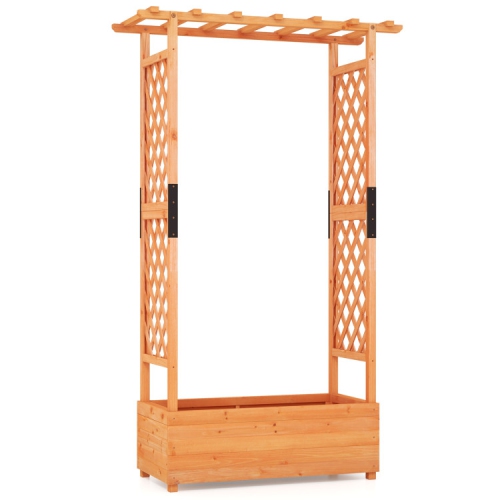

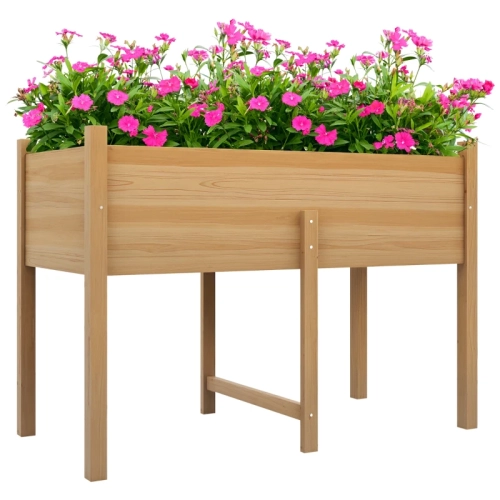
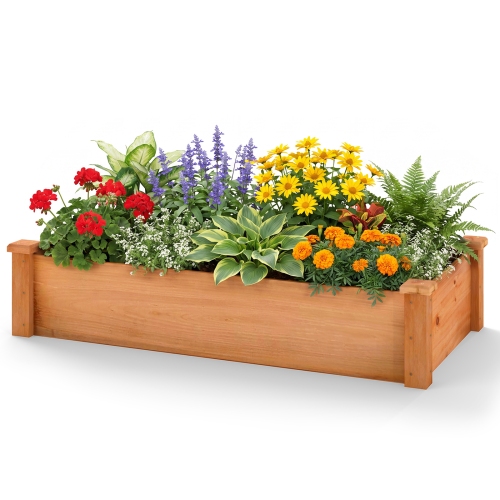
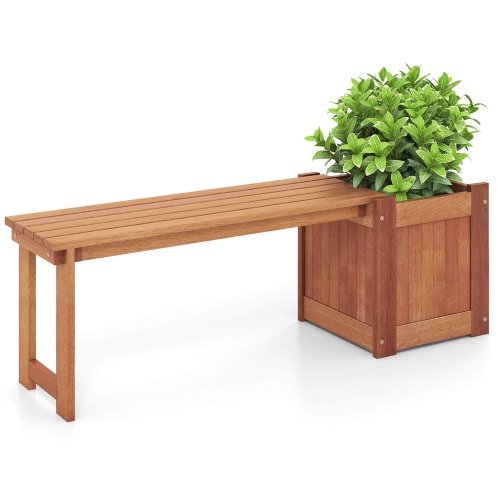
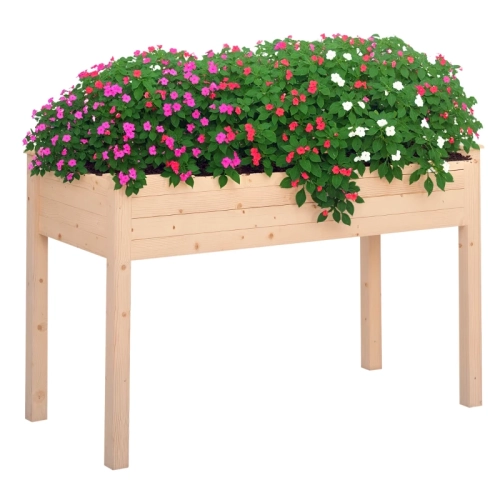
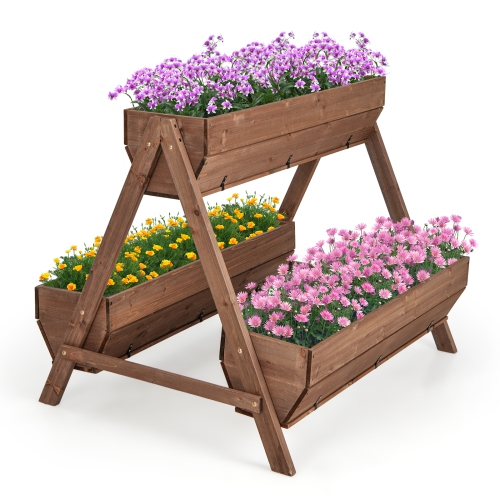
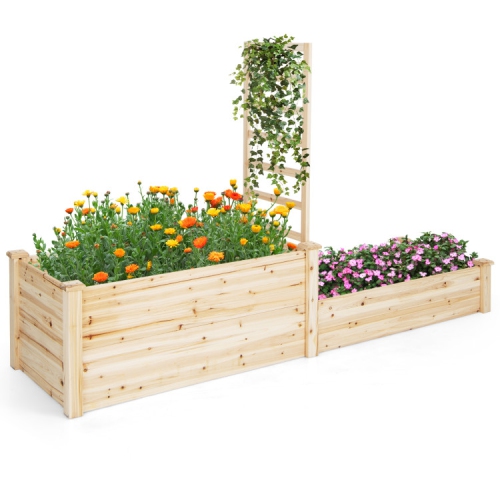
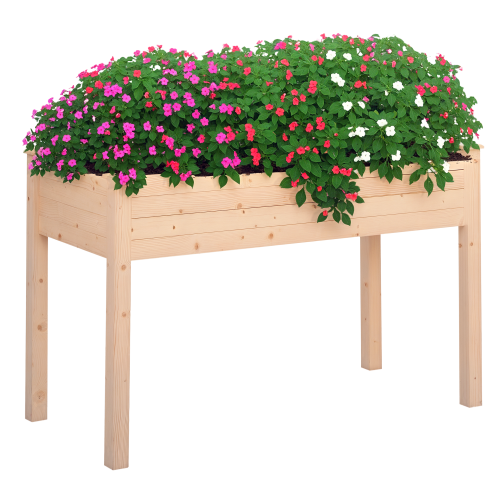
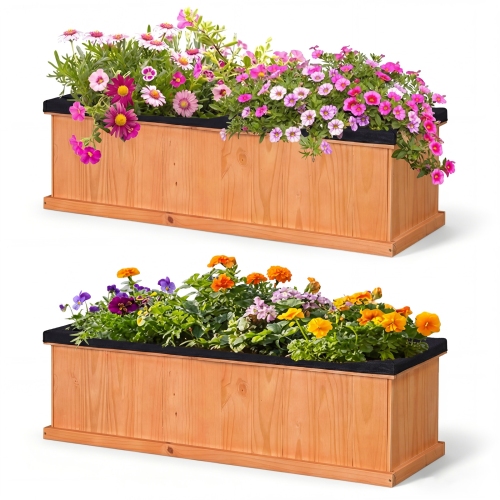


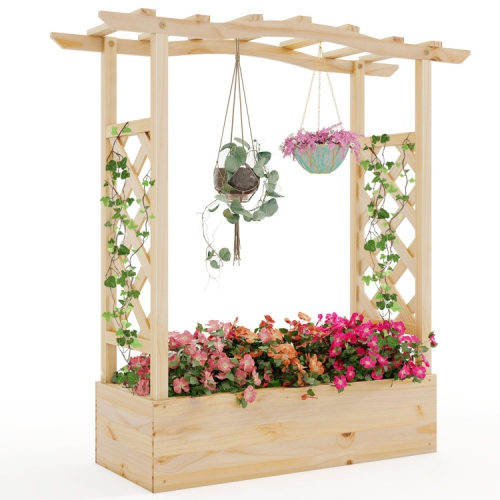
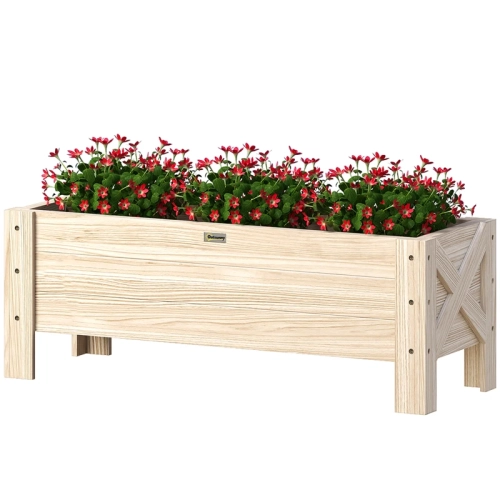
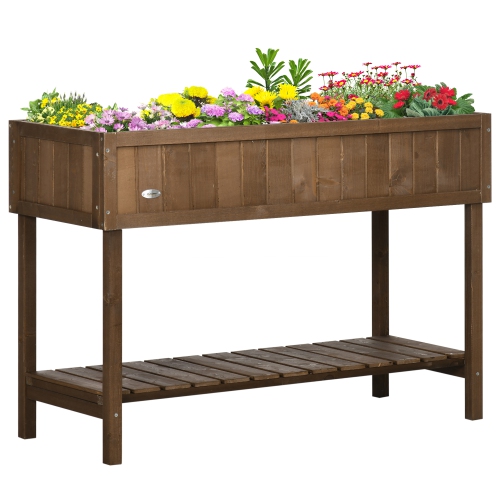
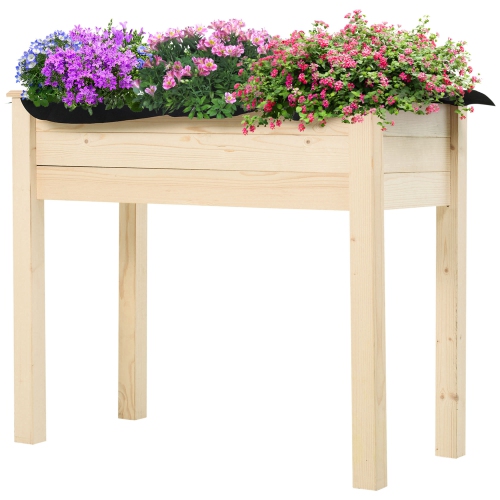
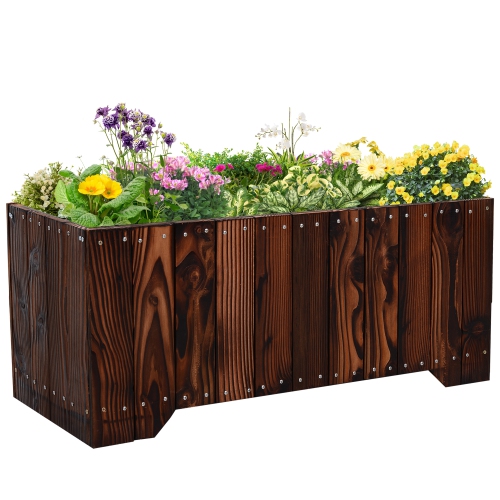
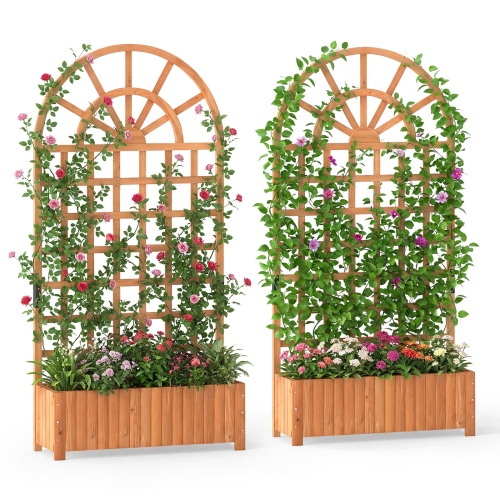
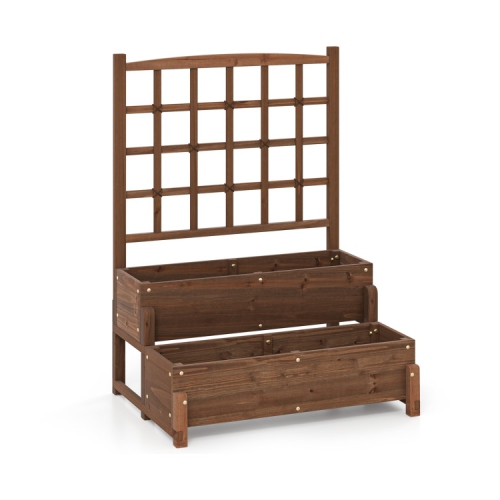
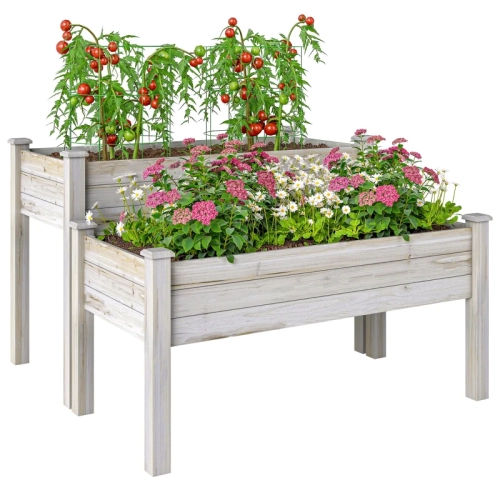
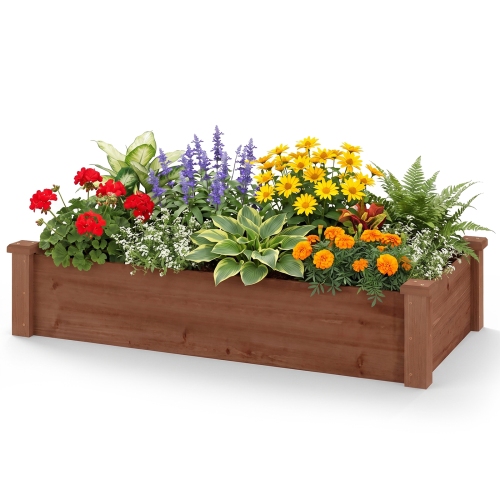

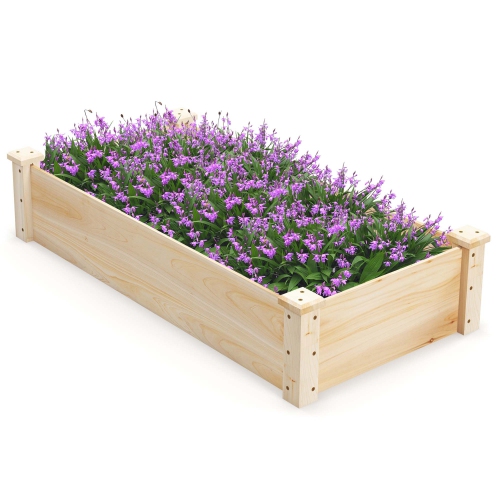
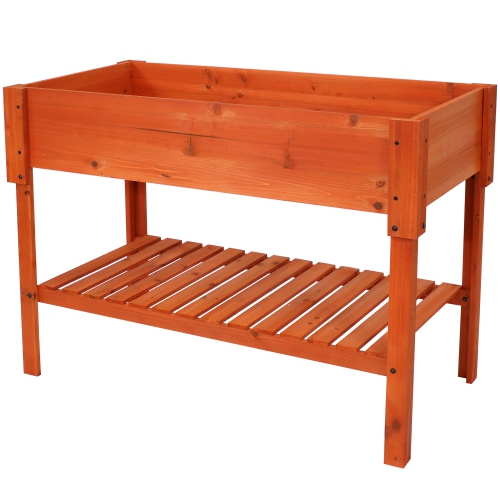
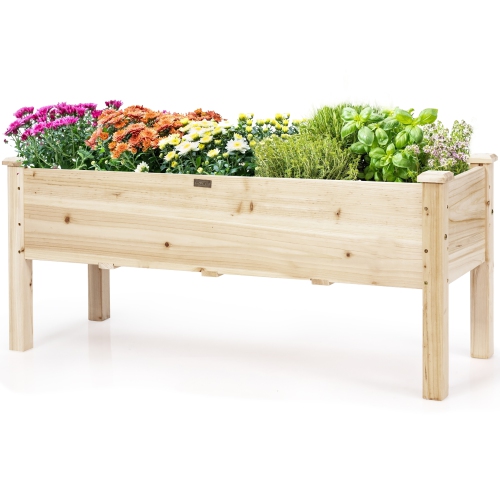
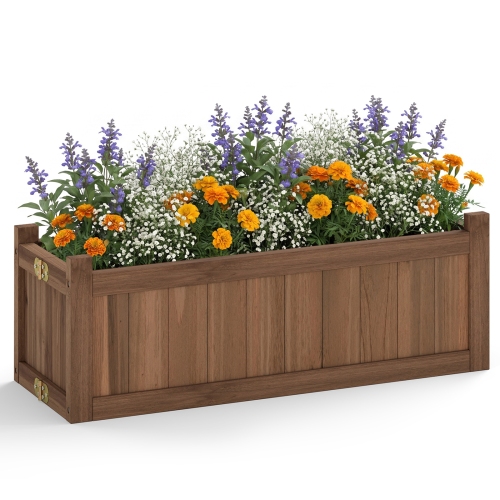


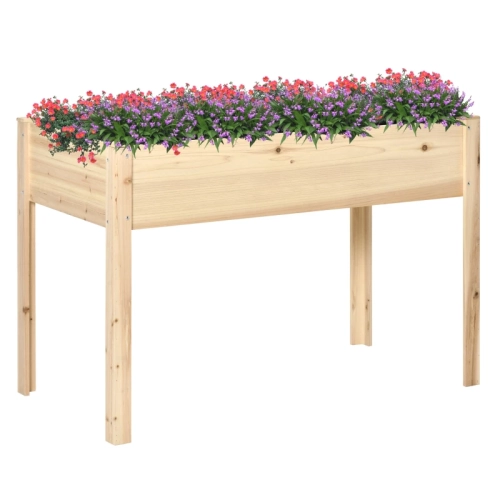
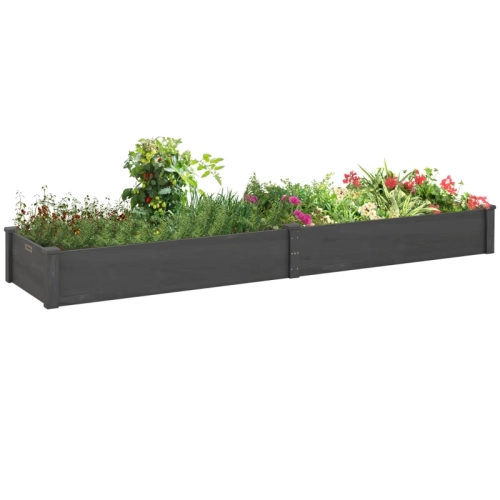
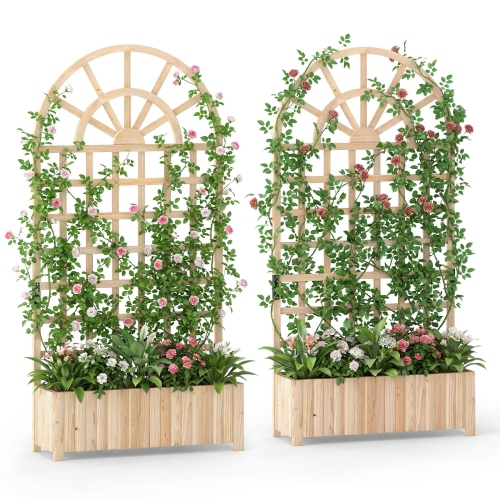

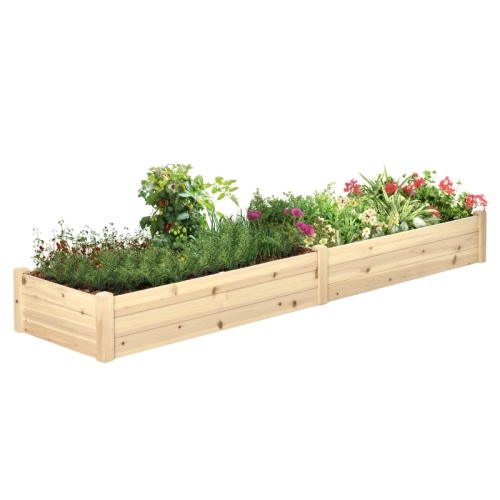
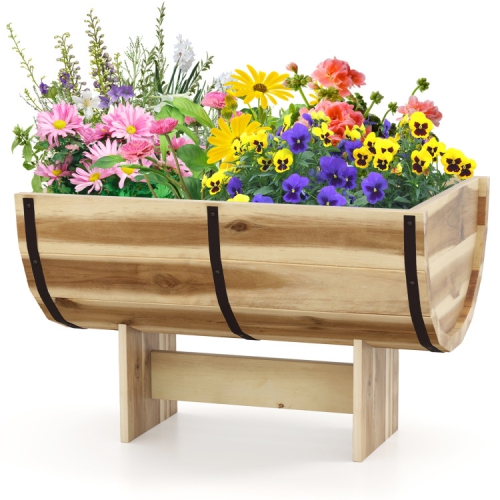
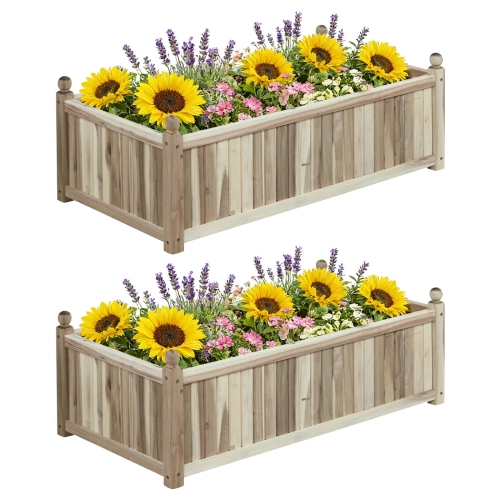
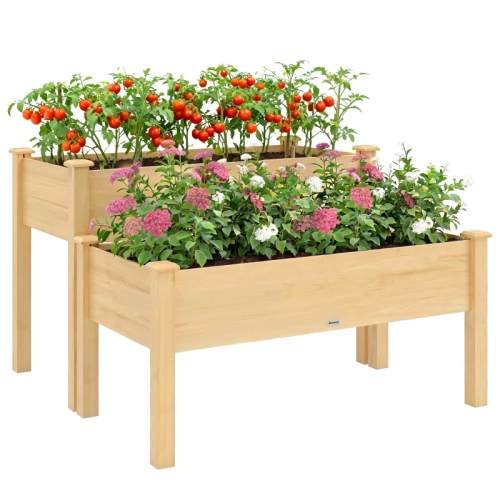
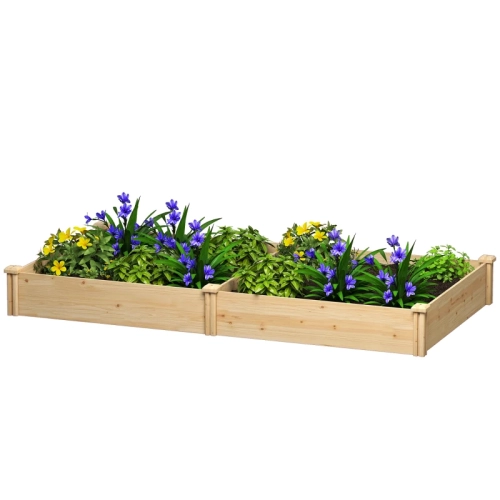
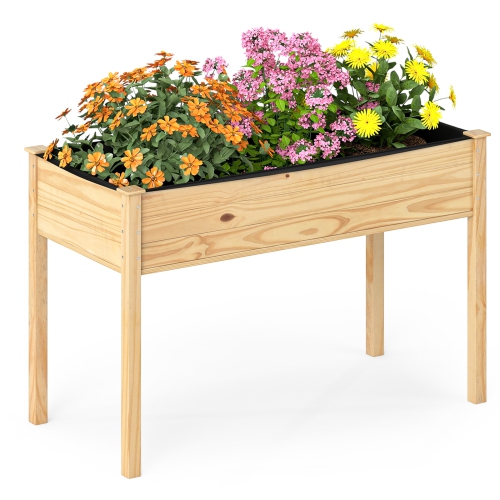
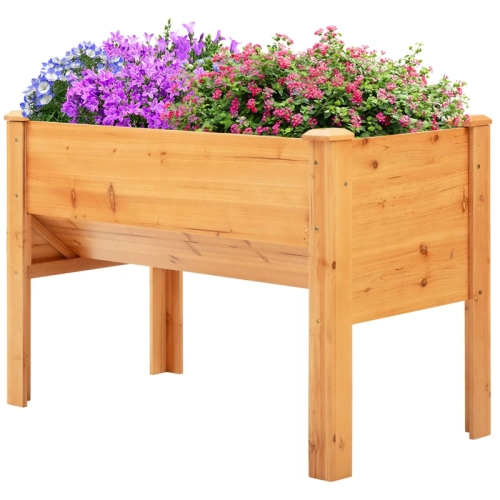


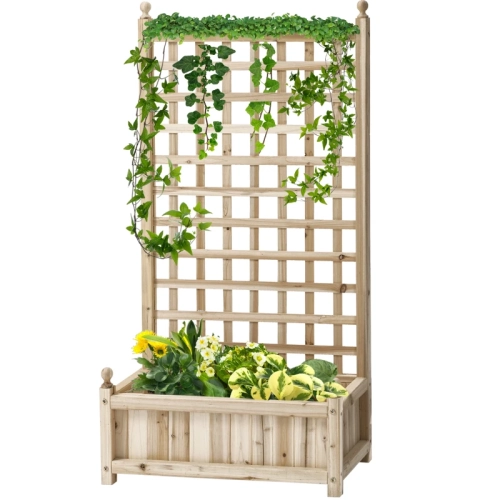

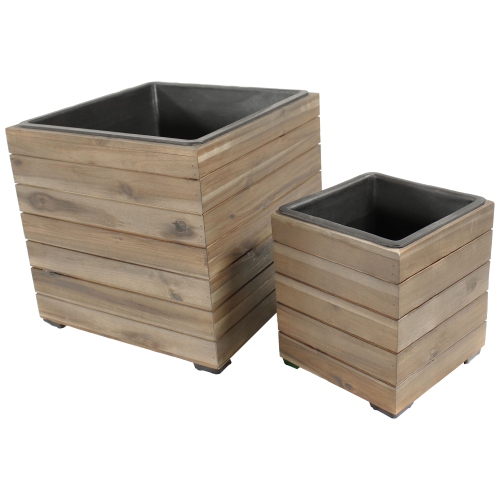
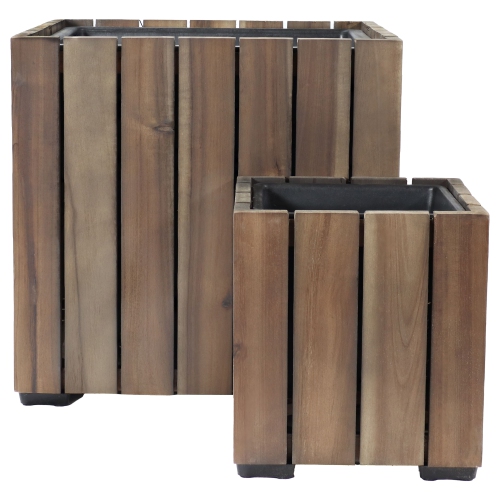
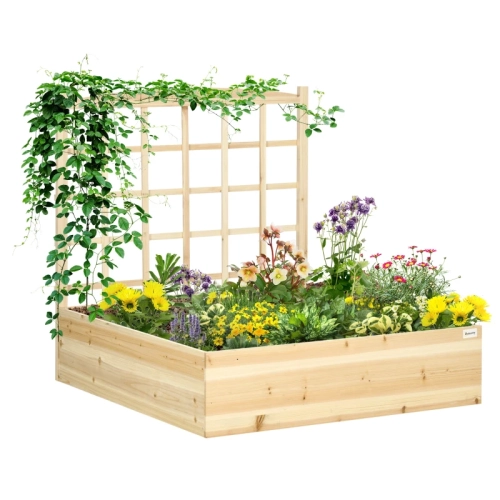

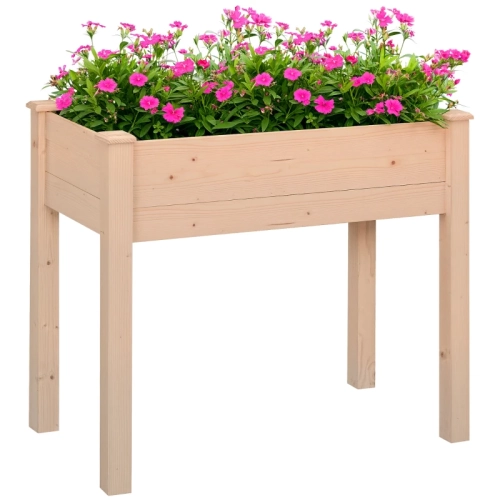
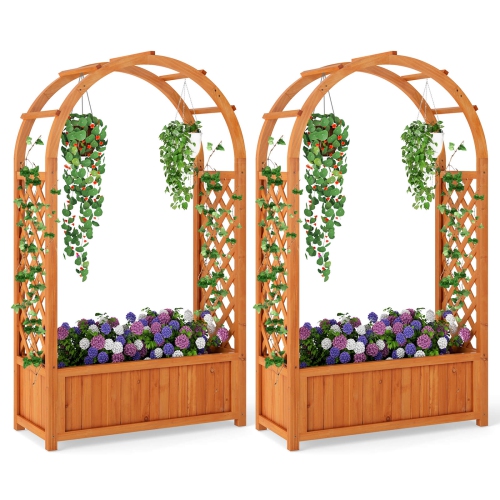
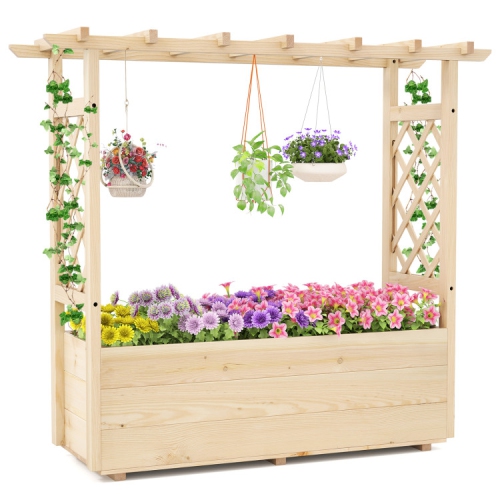
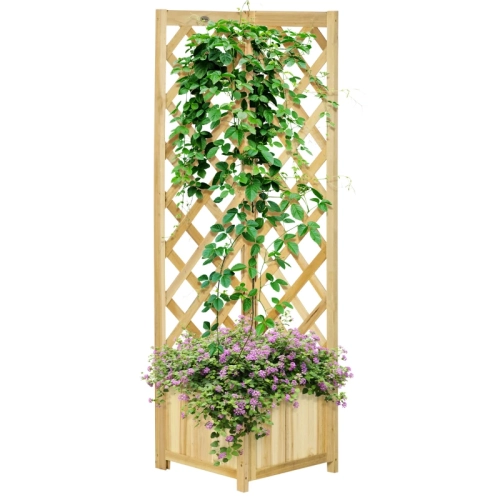
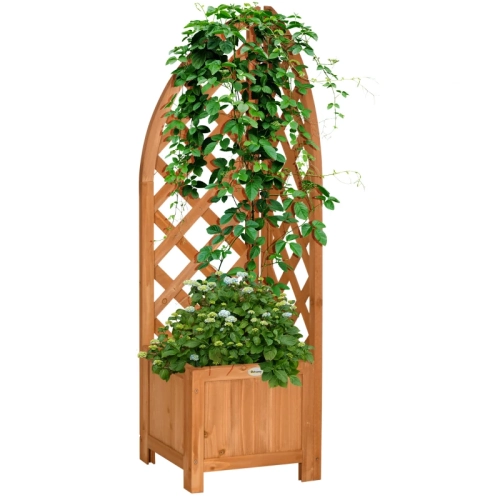
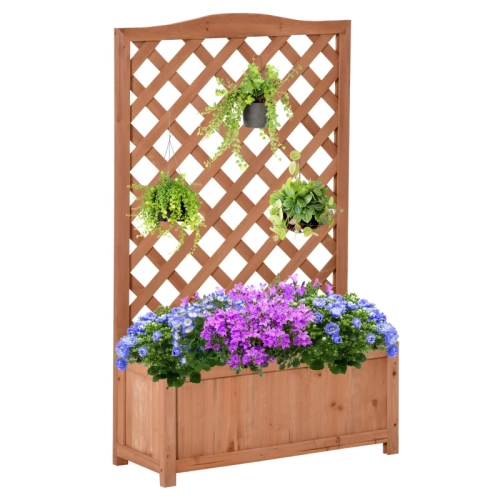
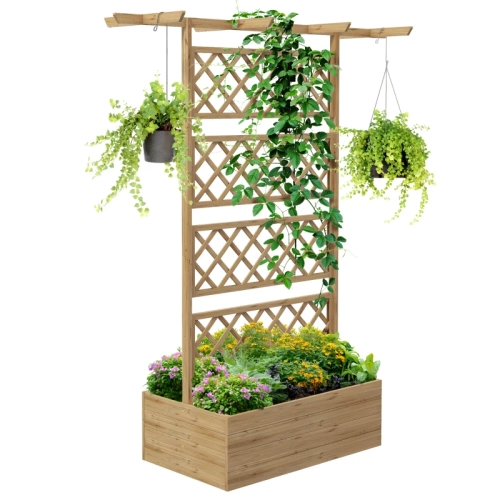
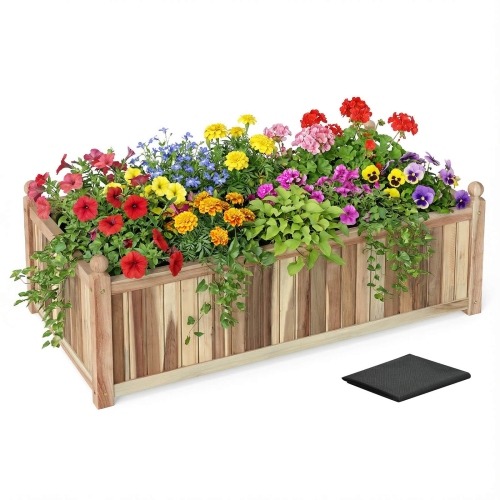
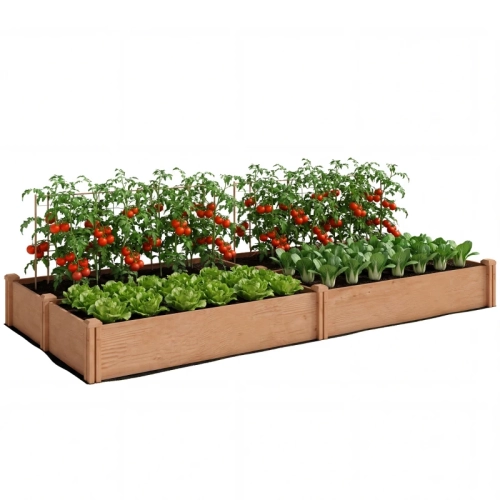
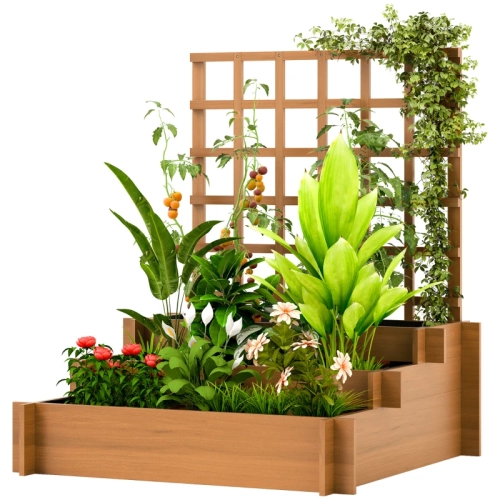
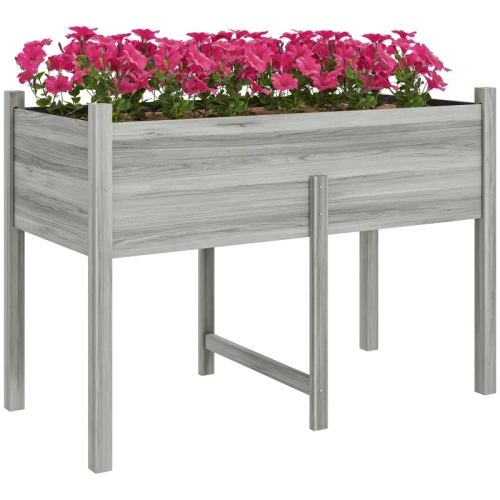
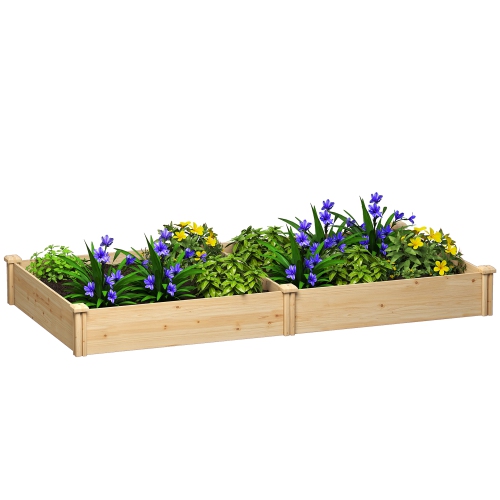





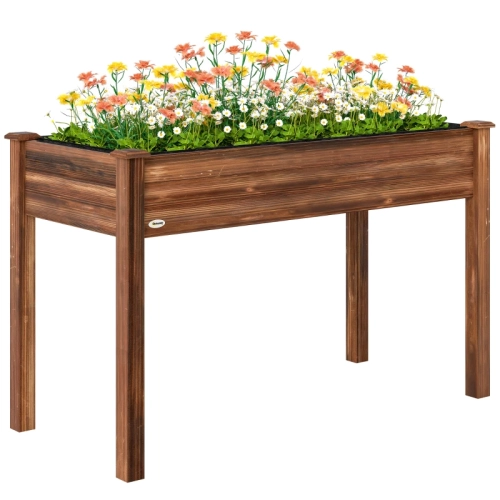
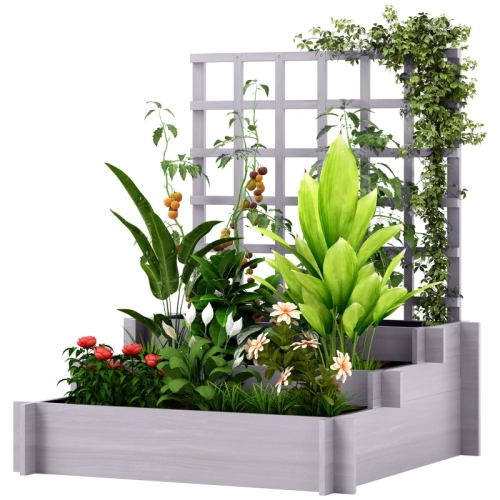
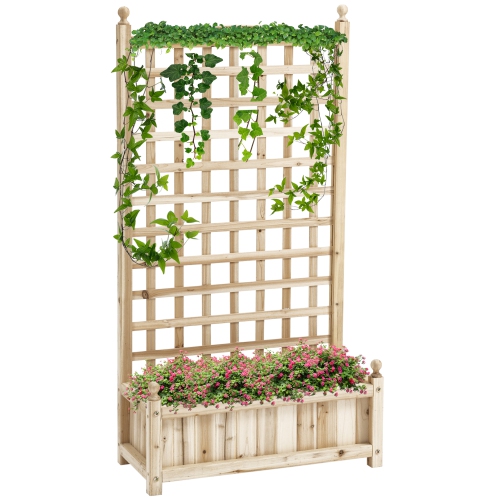
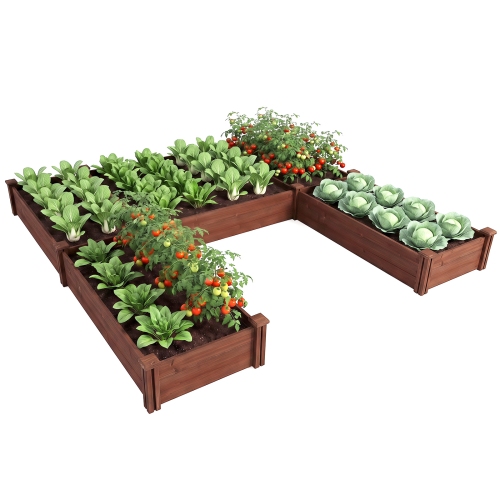
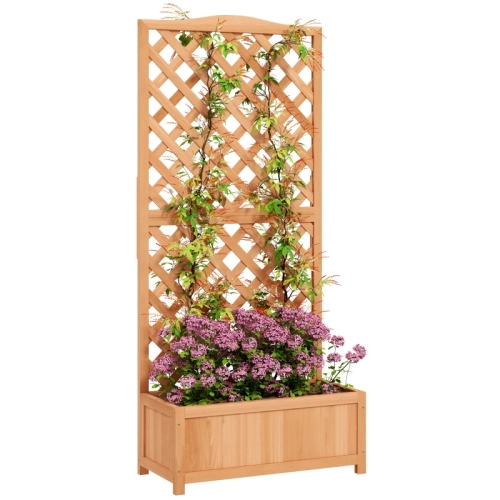
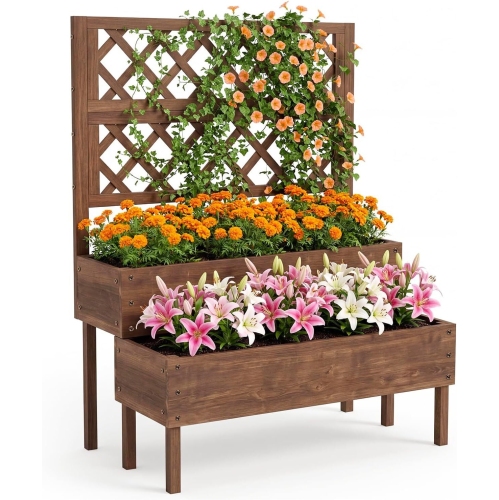
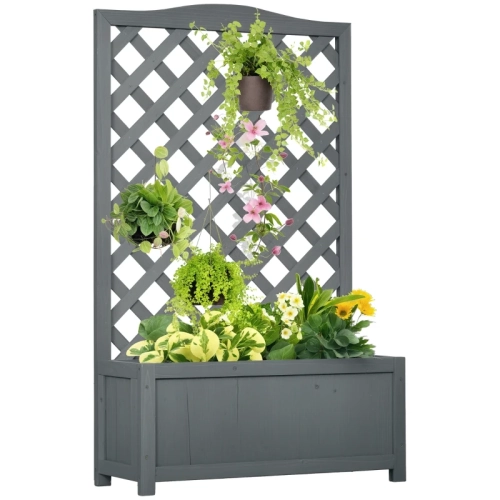
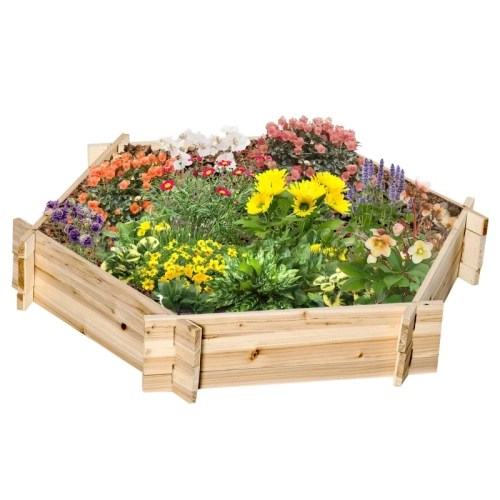
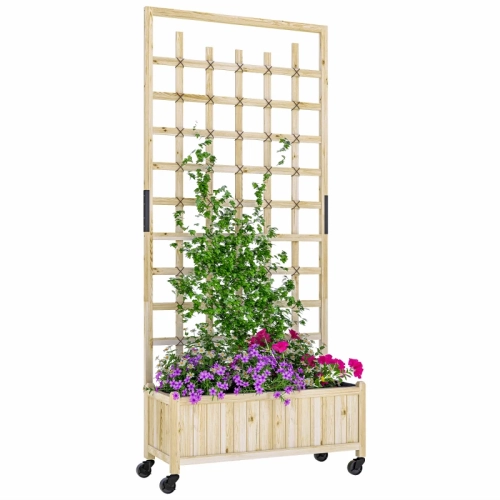
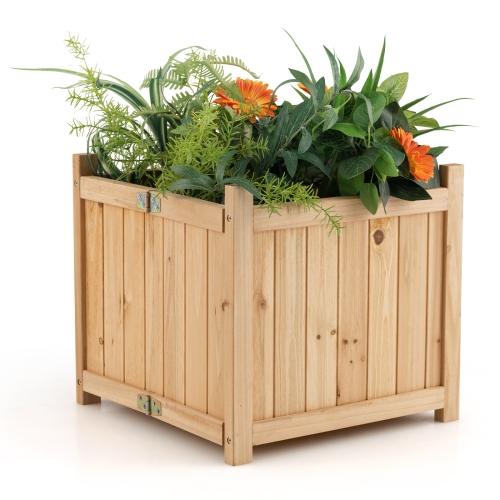
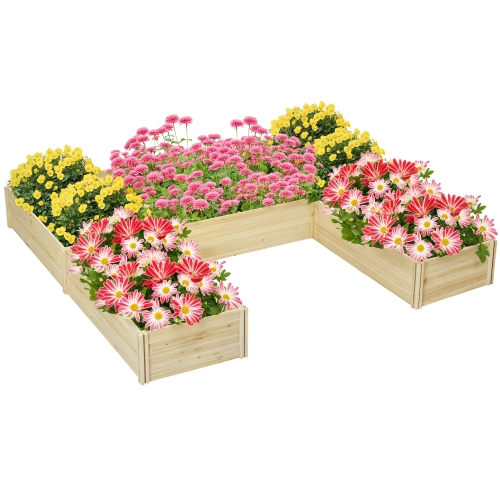
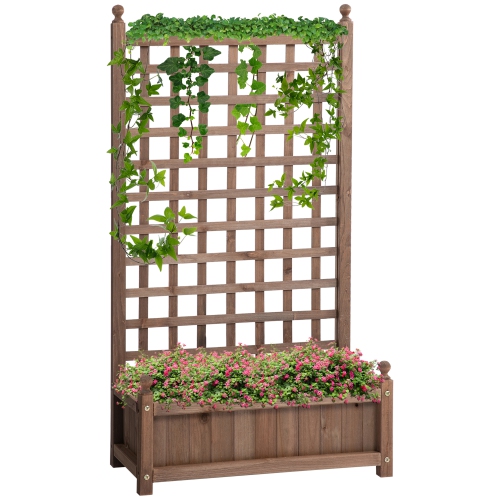

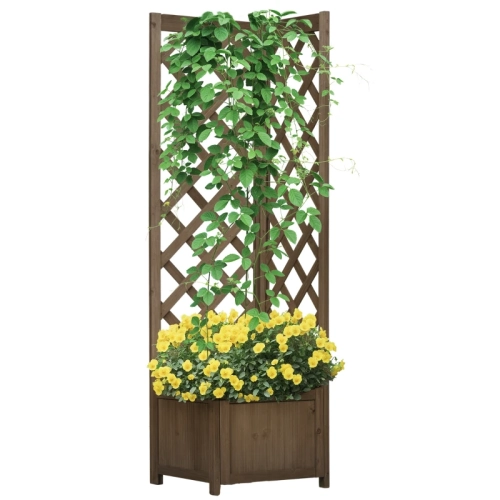
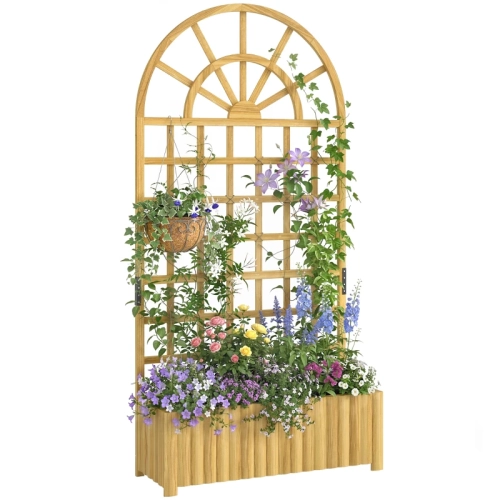
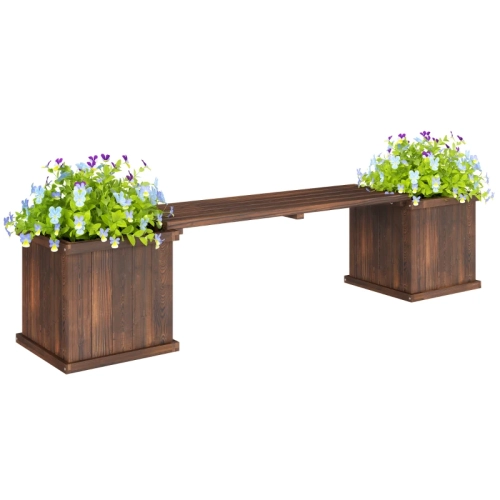
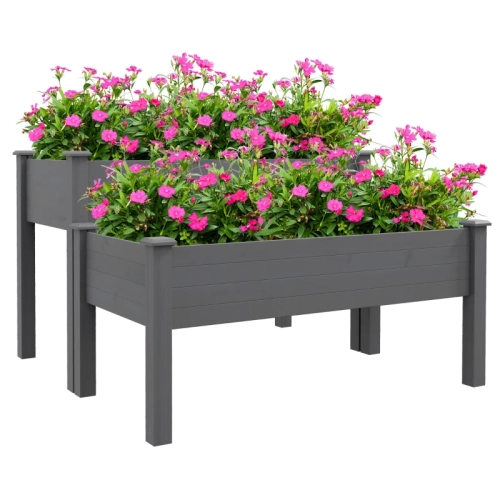
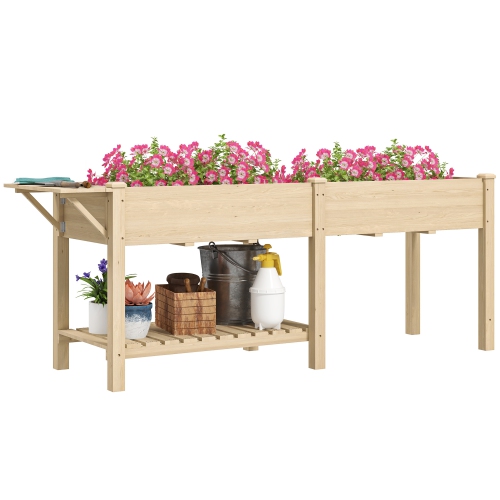
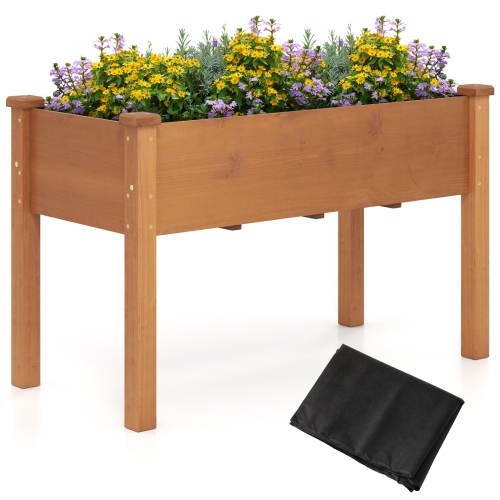
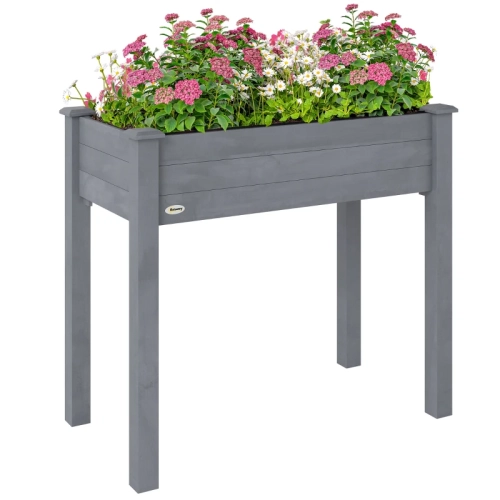

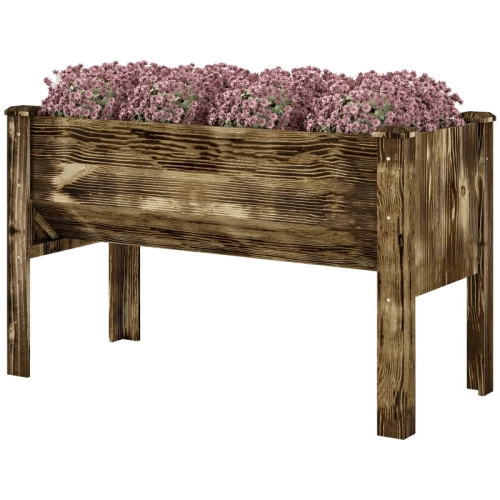

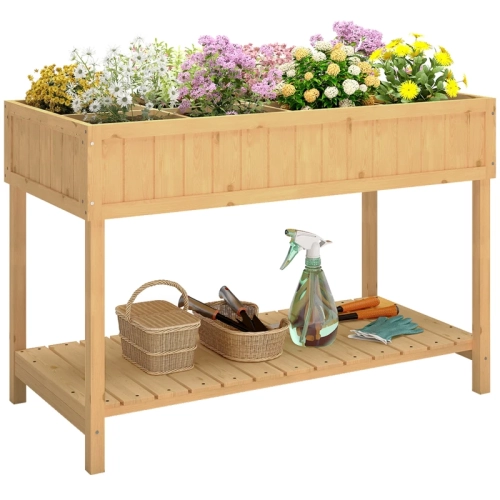
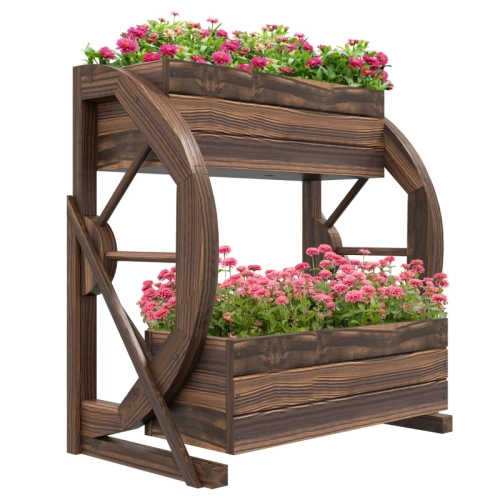
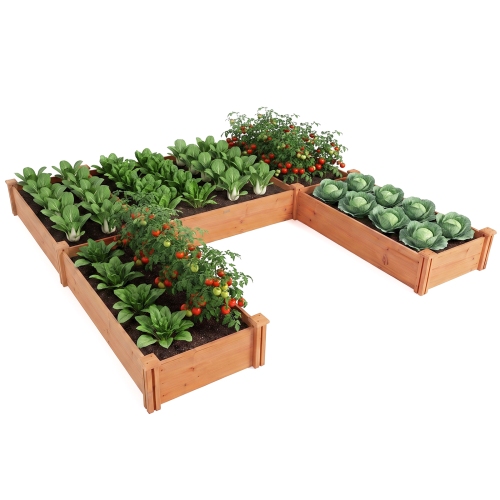
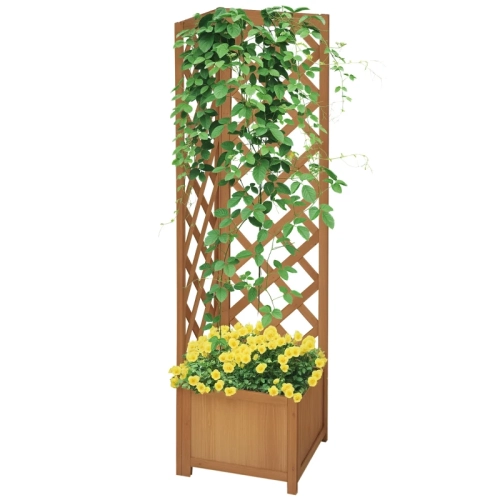
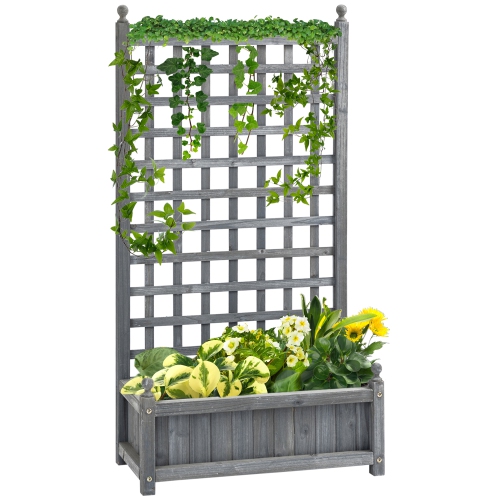

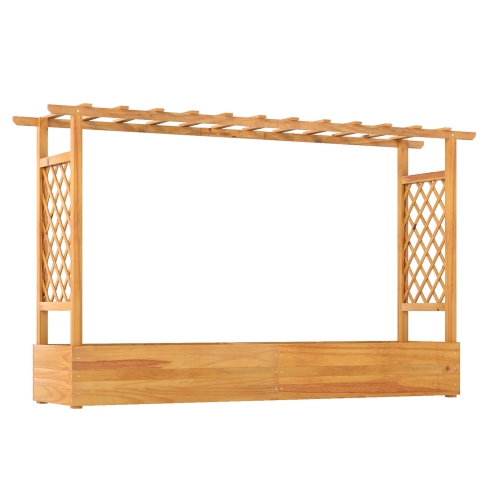
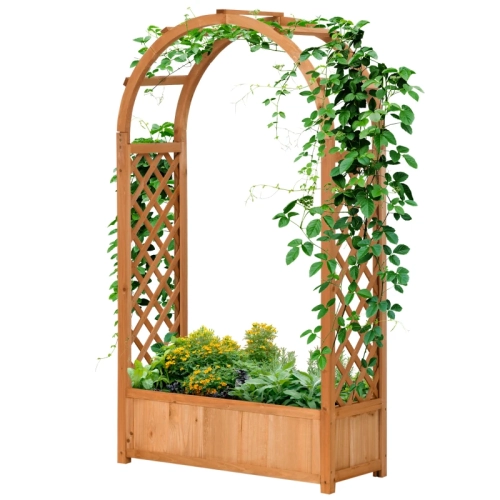
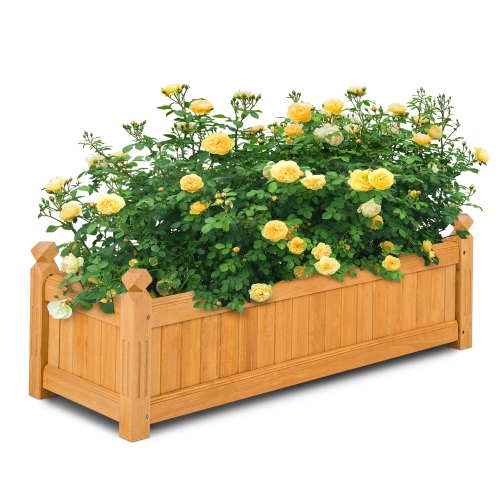
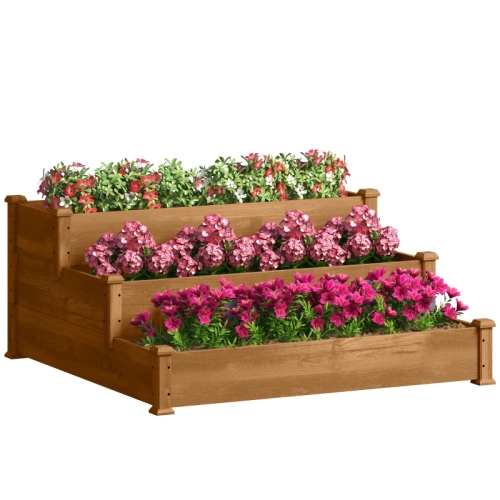
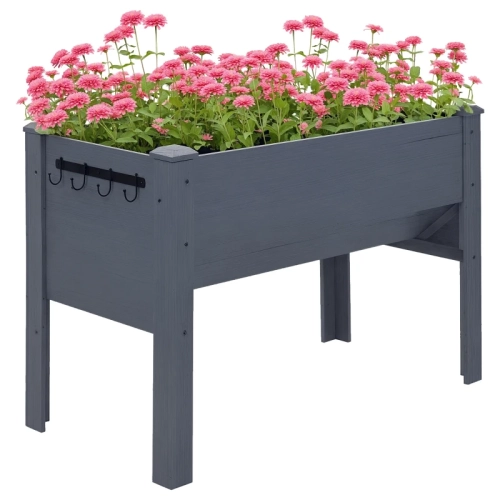
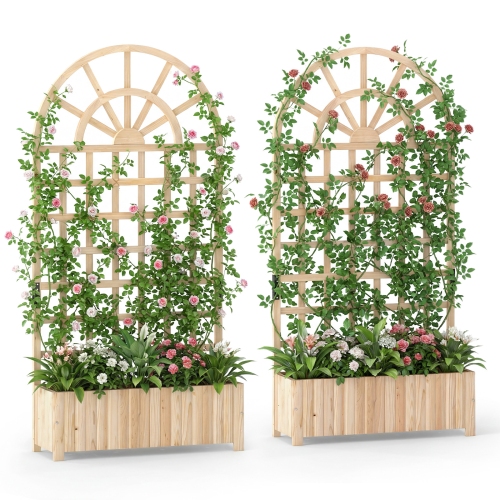
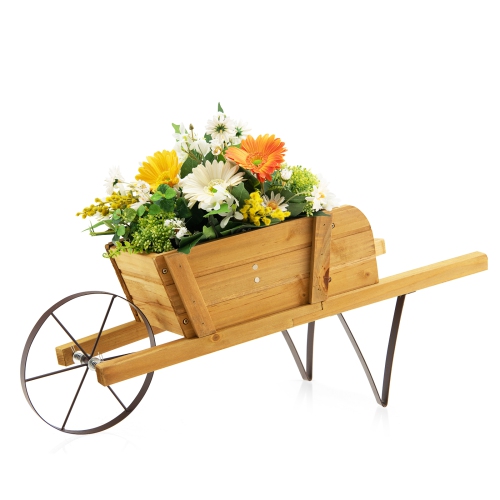
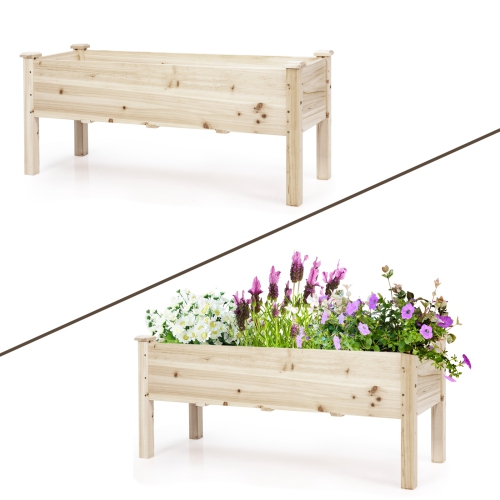
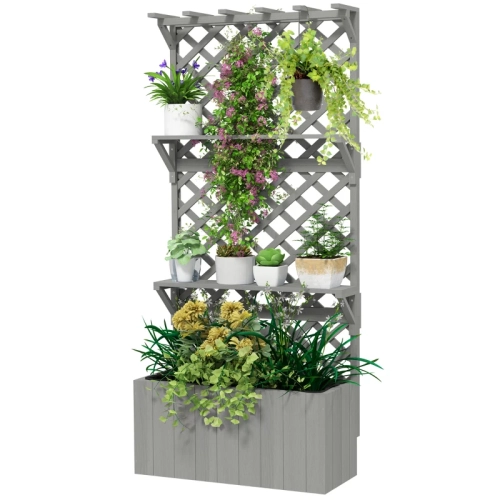
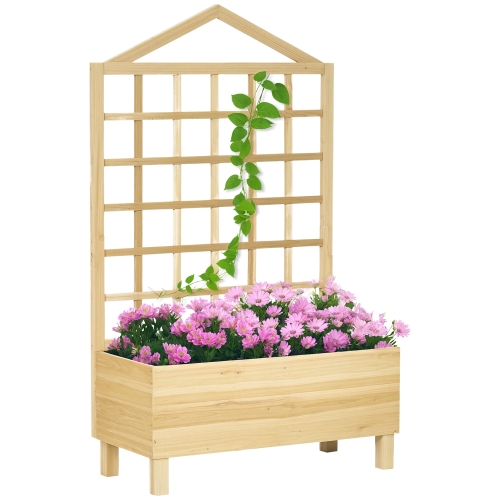
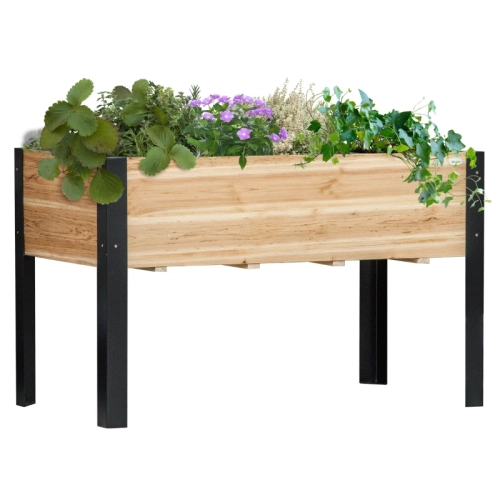
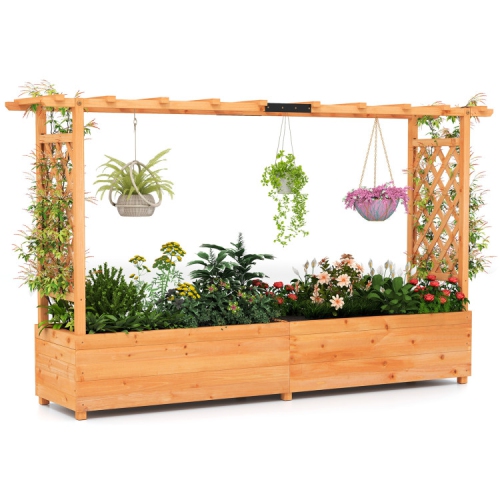
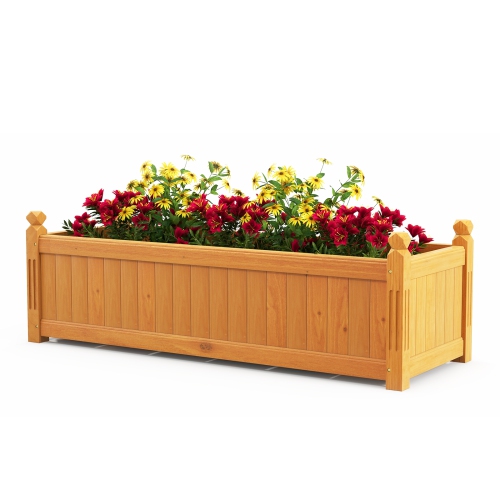
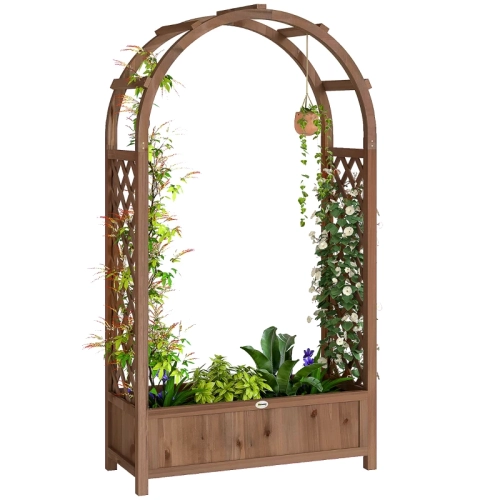

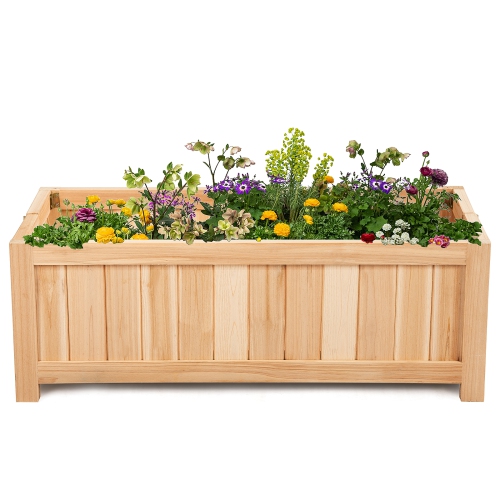
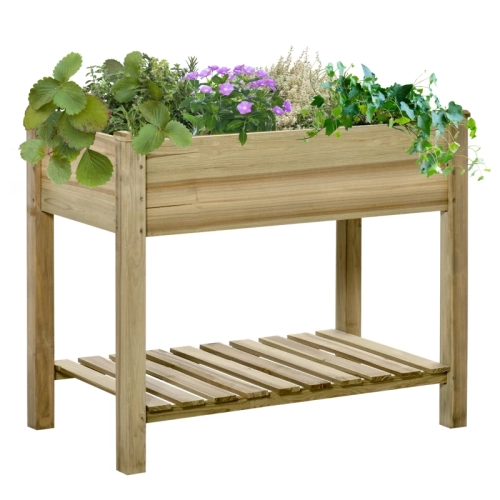


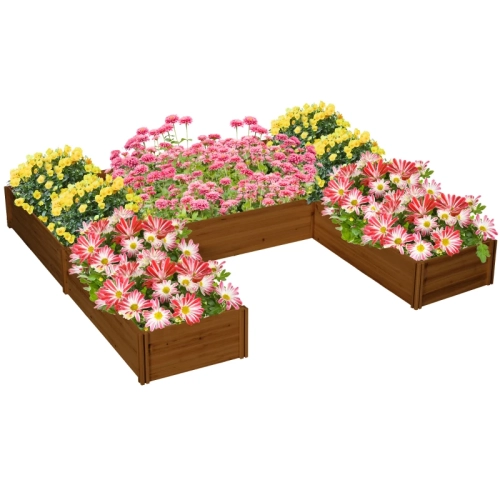
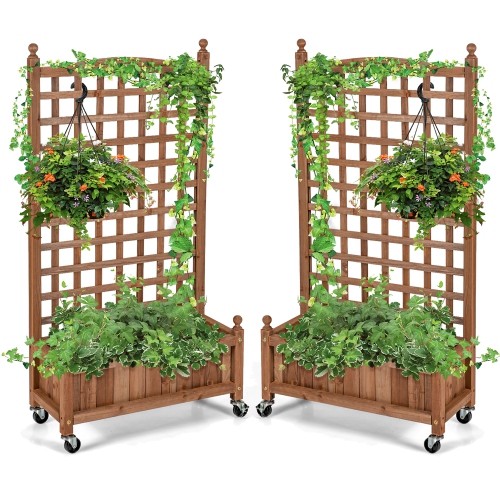
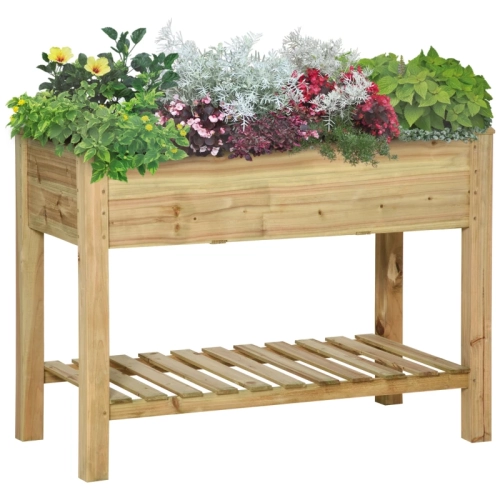
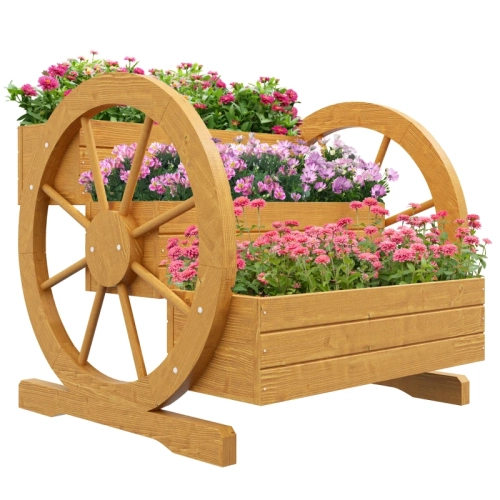
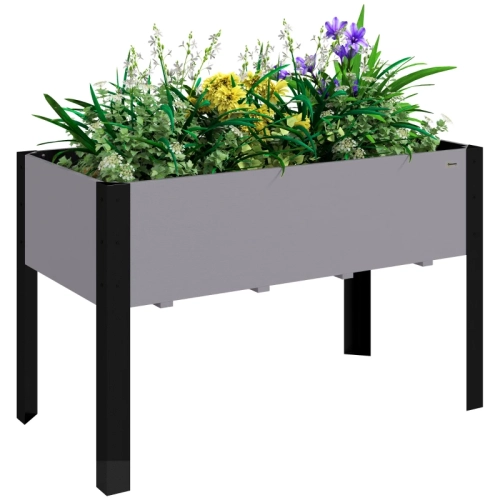
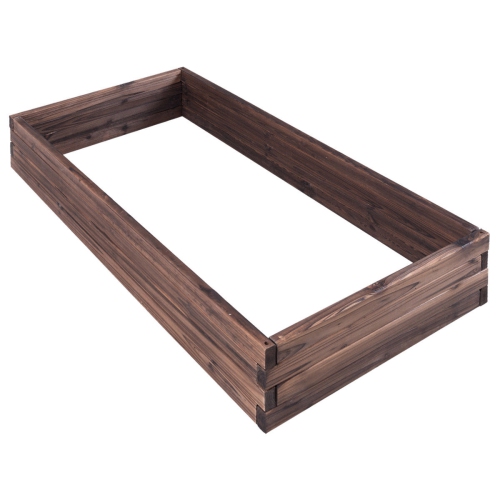
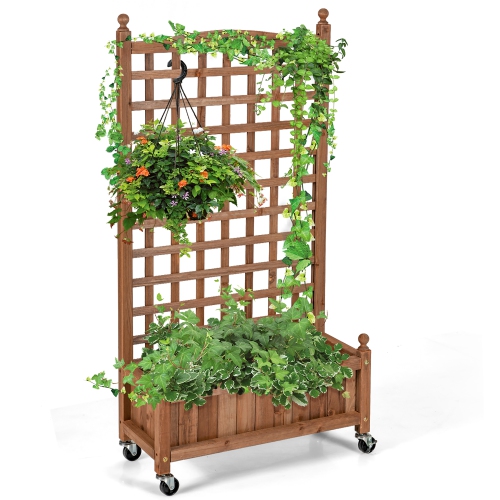

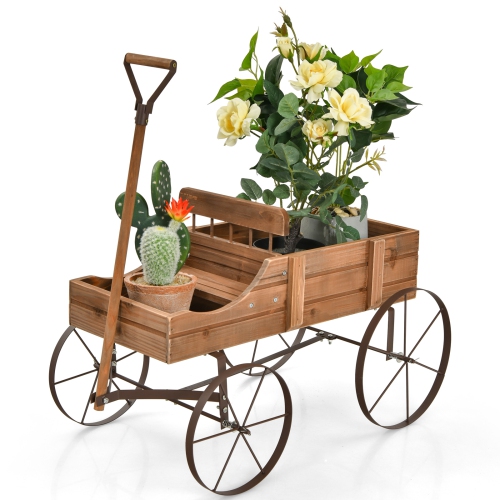
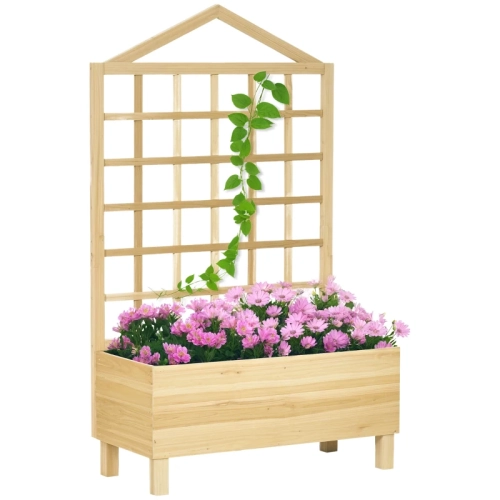
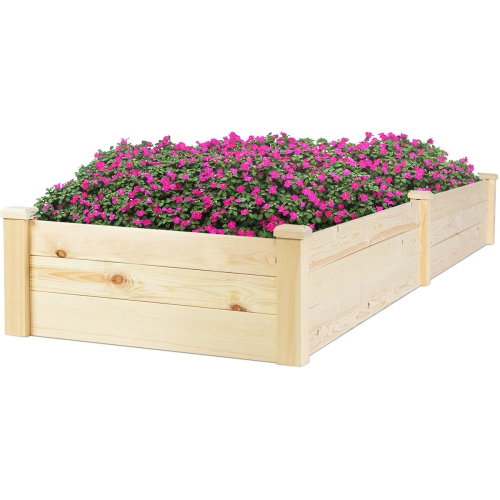
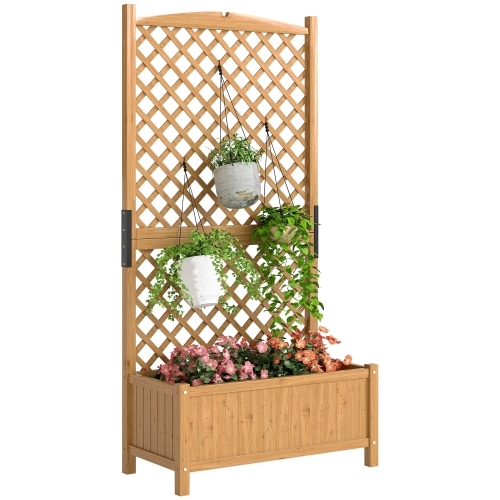
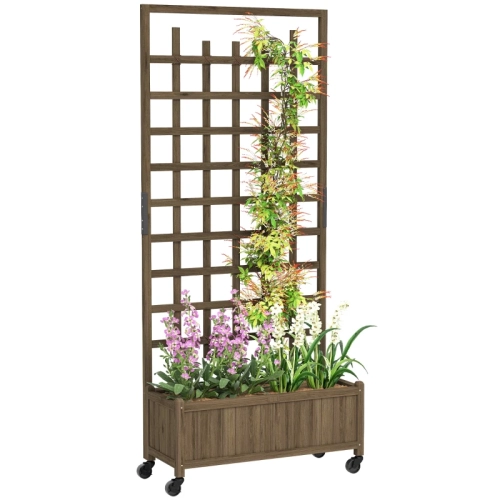

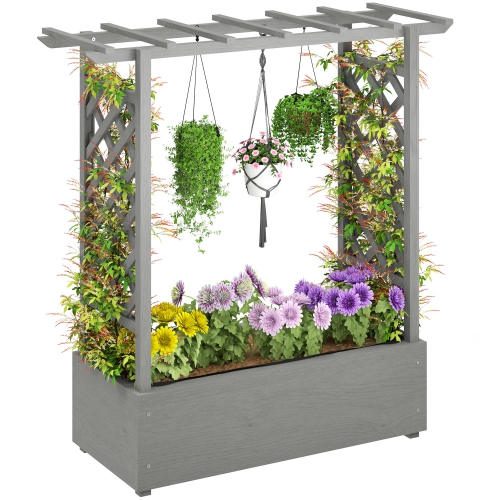
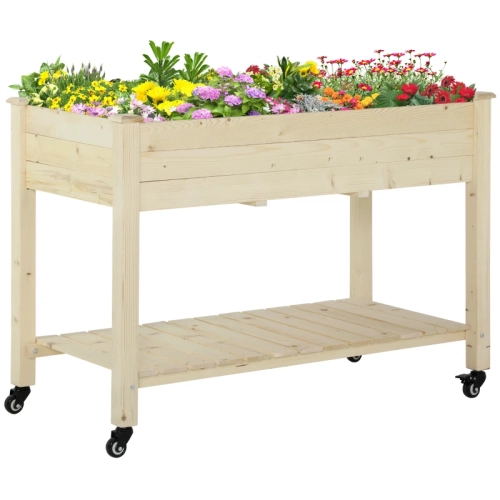
Wood grain is only part of the story
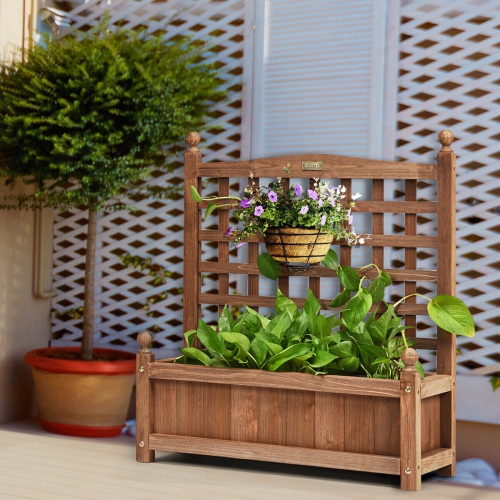
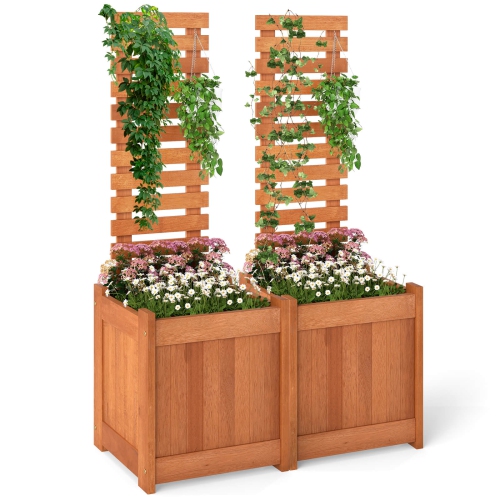
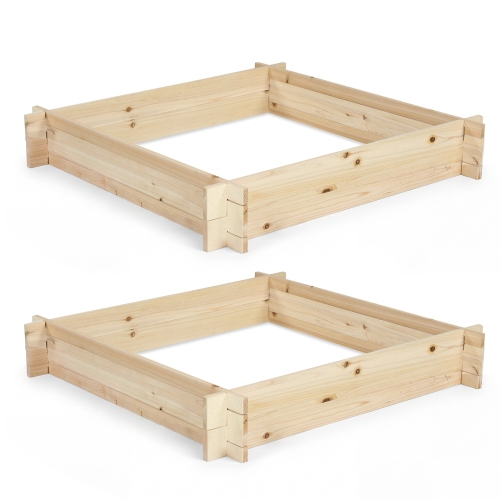
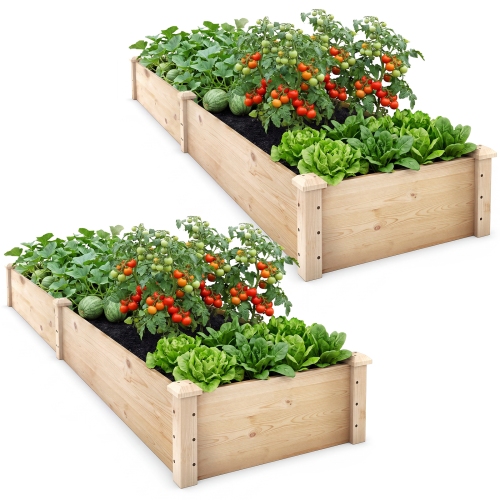
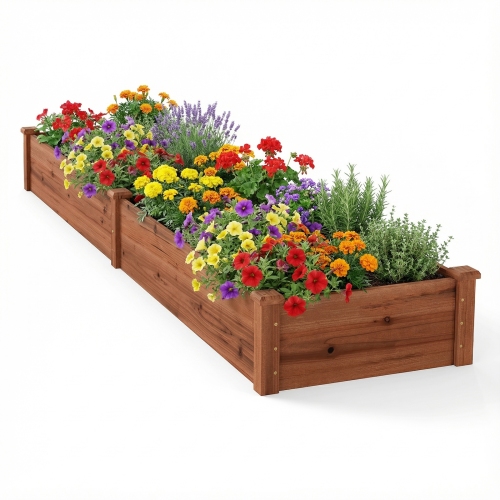
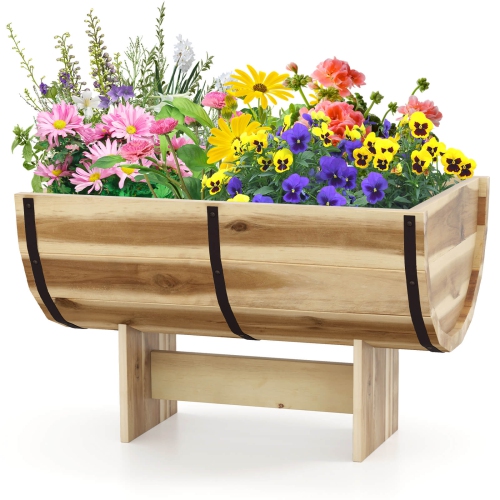
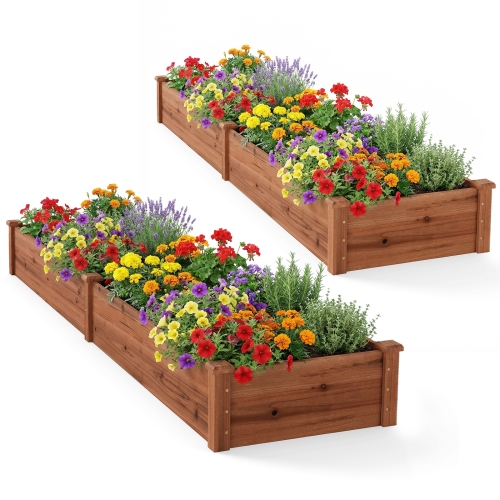
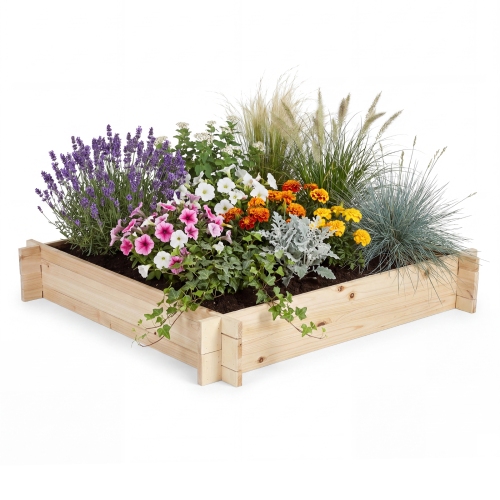
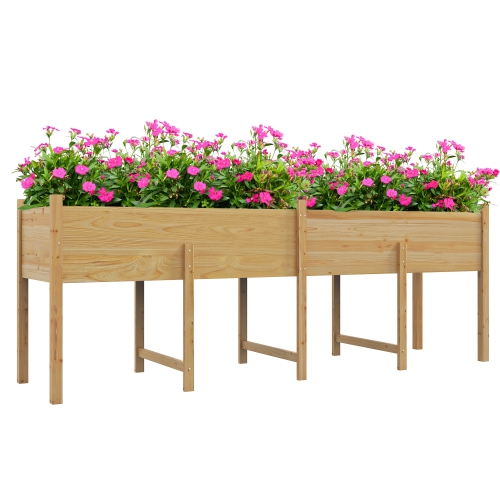
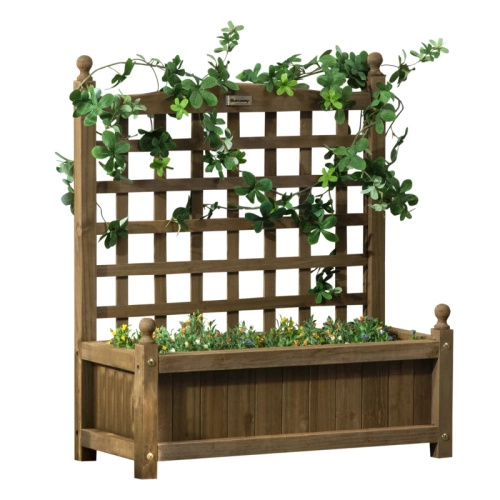
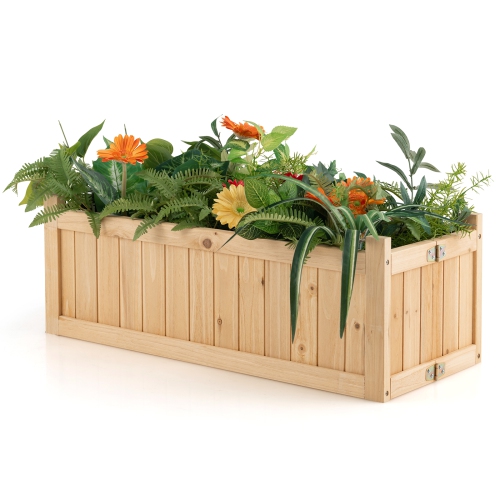
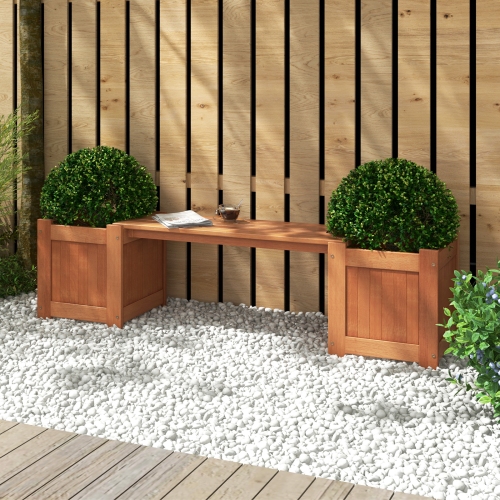
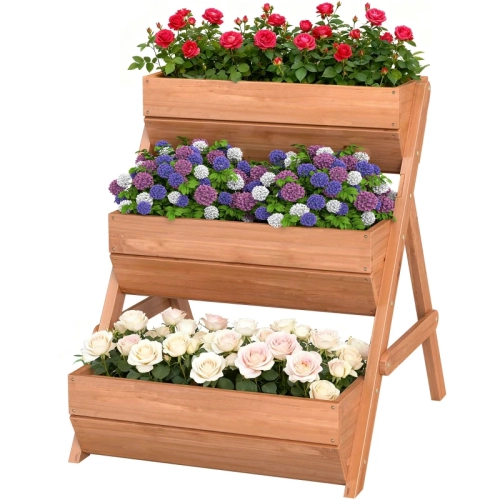
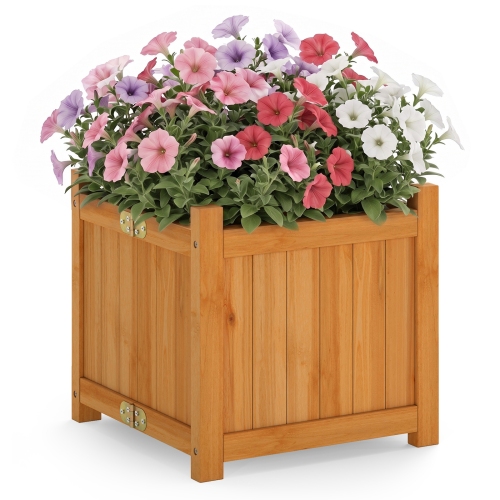
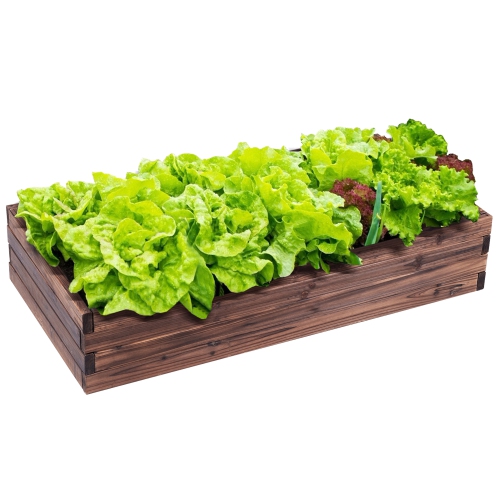
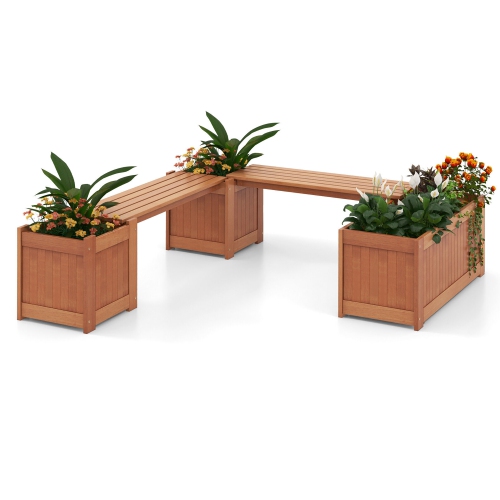
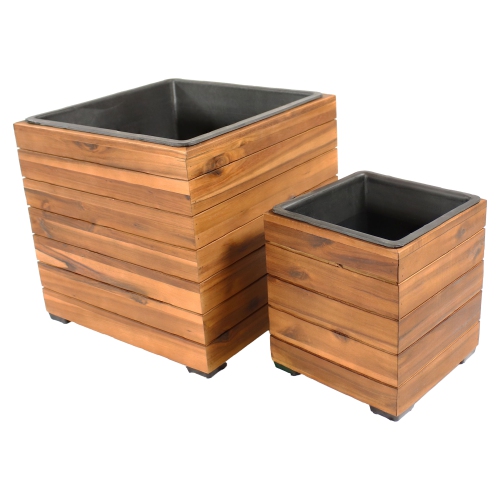
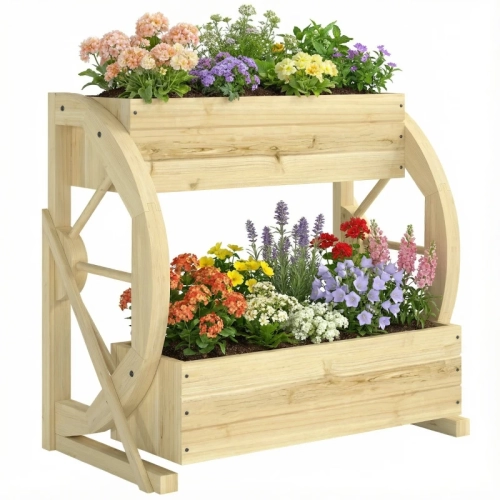
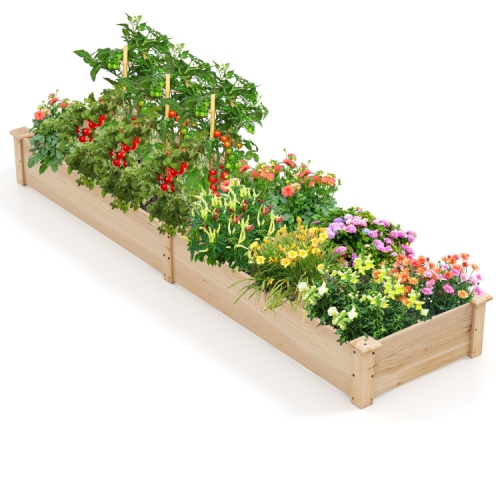
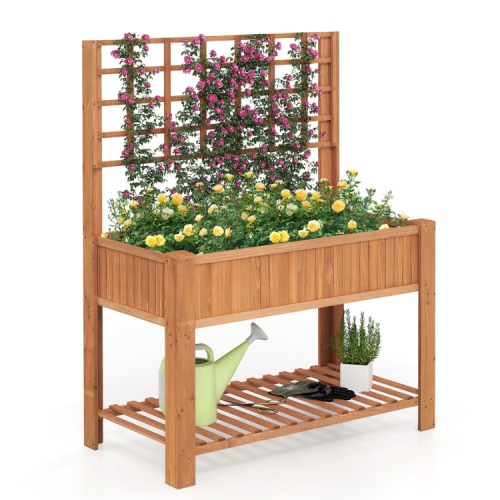
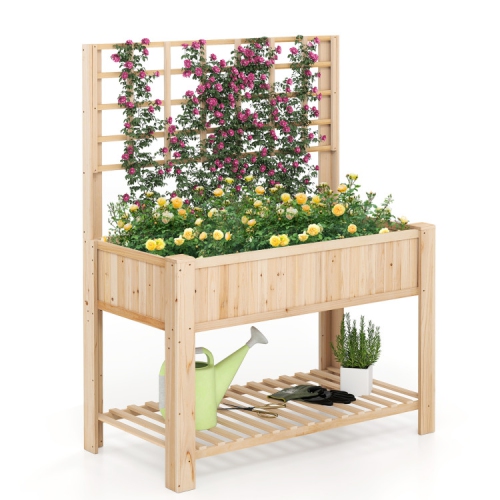
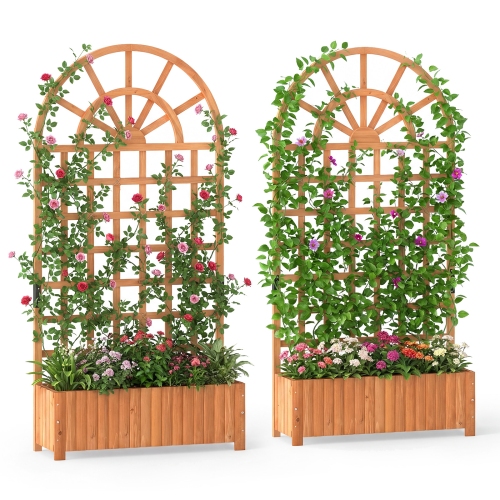
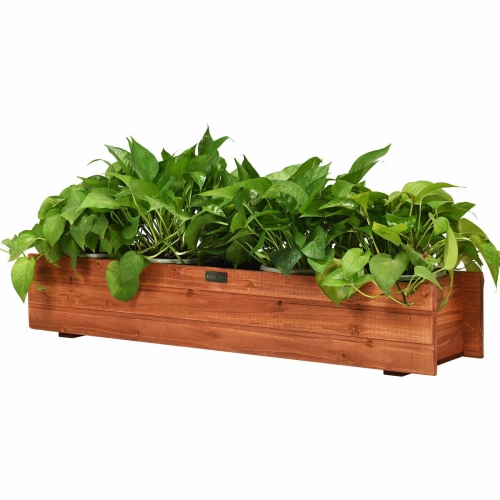
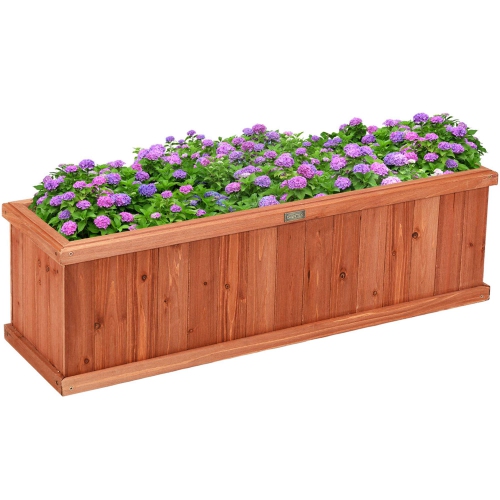
Solid wood garden planters bring the texture and character of real timber to patios, decks, balconies, and backyard growing spaces. Made with solid wood boards rather than wood-look composite panels, these containers and bed frames can hold flowers, herbs, vegetables, or ornamental plants while giving a planting area a defined shape. Their grain, knots, and subtle colour variations make each planter look slightly different, whether the surrounding space features brick, paving stones, metal furniture, or wooden decking. Cedar, fir, and acacia are among the woods used for outdoor planters, with different characteristics worth considering. Cedar heartwood has natural resistance to decay and some insects, although drainage, construction quality, and regular care still influence its lifespan. Fir provides a comparatively lightweight structure and generally benefits from an appropriate outdoor finish to help manage moisture exposure. Acacia is a dense hardwood with pronounced grain patterns; its weight and maintenance needs depend on the construction and finish. No wood species is completely protected from deterioration when moisture remains trapped against it. The design of the planter matters just as much as the timber: securely joined corners, substantial side panels, and a properly supported base help a container carry the weight of damp soil. Styles range from straightforward rectangular boxes to square tubs, barrel-shaped containers, and elevated beds on legs. A long box can establish a planting border beside a seating area, while a pair of square planters can frame an entrance without requiring an in-ground bed. Natural finishes keep the grain visible, while painted or stained surfaces can coordinate with nearby furnishings. An unfinished surface may gradually develop a silvery patina, depending on the wood and exposure. These changes are part of the material’s appearance, but surface weathering should not be confused with soft patches, loose joints, or other signs that the structure needs attention.
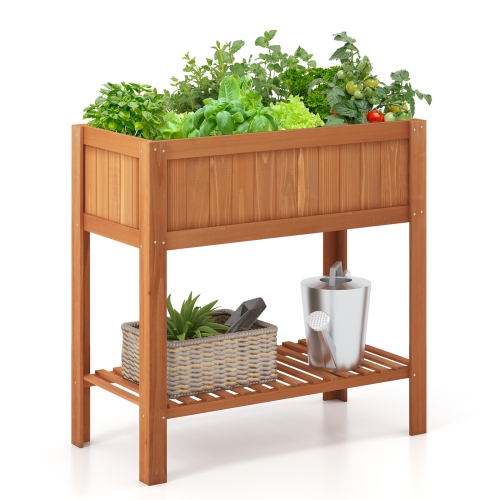
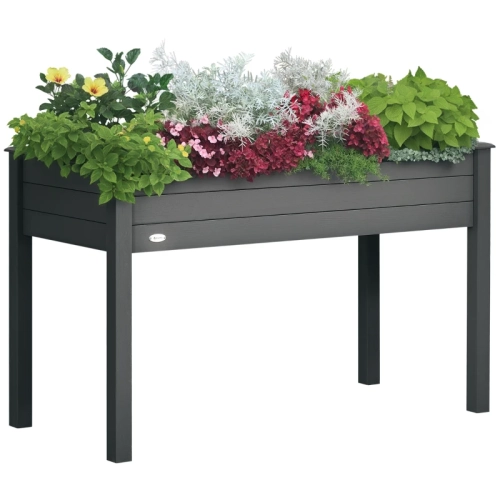
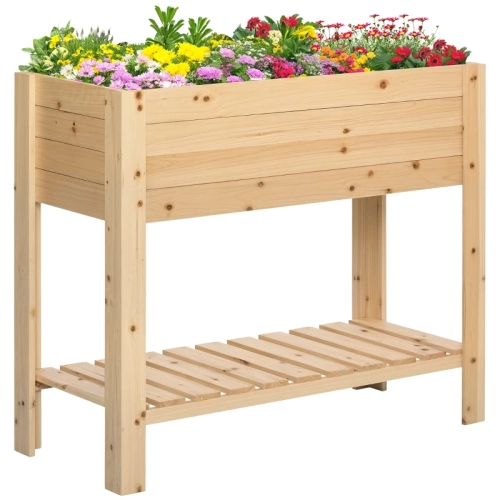
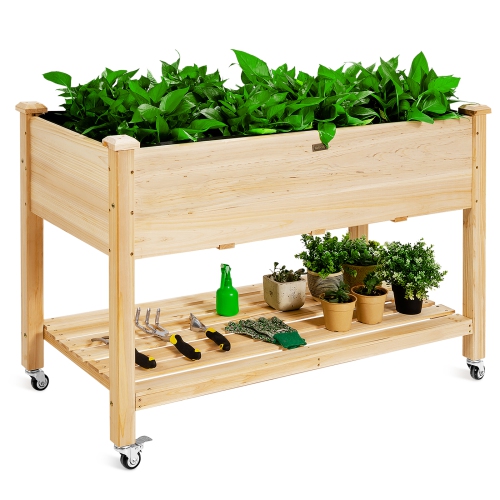
The right size depends on both the planting plan and the space around the container. Outside dimensions determine whether a planter fits beside a doorway or along a railing, but interior dimensions establish how much room is available for roots. A tall exterior does not necessarily mean a deep planting cavity; some designs have a raised internal shelf or a separate insert. Shallow-rooted herbs and compact flowers may suit a smaller container, whereas larger vegetables and shrubs generally need more soil volume and room to develop. Plant-specific recommendations remain important, especially for crops such as tomatoes that can become large and require support. For anyone comparing upright shapes, Tall Wooden Planters offer a related category to consider where vertical proportions suit an entrance, patio corner, or narrow stretch beside outdoor seating. Tall containers and elevated working-height planters serve different purposes, however: one emphasizes height and visual impact, while the other brings the planting surface closer to the gardener. An elevated box can make tending herbs or trimming flowers more comfortable for someone who prefers not to bend or kneel. Leg placement, clearance underneath, and the height of the actual soil surface affect how easily it can be used from a chair. Ground-level boxes may have a closed base with drainage openings or an open bottom intended to sit directly over soil. Open-bottom frames are not interchangeable with self-contained patio planters, since they need an appropriate surface beneath them and may allow roots to grow into the ground. On a deck or balcony, the combined weight of the wood, growing medium, retained water, and mature plants deserves attention. Building rules and structural limits should be checked before placing large containers, and filled planters should not obstruct doorways or walking routes. A little room around the sides also makes watering, pruning, and checking the wood easier.
Drainage is one of the most important details in a wooden planter because healthy roots and durable timber both benefit when excess water can escape. Closed-bottom designs need drainage openings that remain clear after filling. A liner can help separate damp growing medium from the interior boards, but it should suit the planter’s construction and preserve drainage rather than turn the container into a watertight tub. Fabric and plastic liners behave differently, so the manufacturer’s directions are useful when deciding how they should be fitted. Adding a layer of stones is not a substitute for drainage holes and can reduce the root space available. A container-appropriate growing mix generally manages water and air more effectively than dense soil taken straight from a garden bed. Beneath the planter, feet or suitable risers can help keep the base from sitting in trapped water, provided the support is stable and compatible with the design. Runoff should have a clear path that does not leave puddles against nearby woodwork or create a slippery walking surface. Before planting, assembled boxes benefit from a check of corner joints, base supports, and fasteners; once filled, even a modest container can be difficult to reposition. Finishes and liners intended for ornamental planting are not automatically appropriate for herbs or vegetables, so suitability for edible growing should be confirmed. Ongoing care usually involves clearing blocked drainage holes, removing accumulated debris, and inspecting joints and exposed surfaces. Where a protective coating is recommended, the correct preparation and reapplication schedule depend on the wood and the coating already present. Abrasive cleaning or an incompatible finish can damage the surface rather than preserve it. For a keen cook, a herb planter near the kitchen door can make a thoughtful gift; for someone who enjoys flowers, a generous box provides room to combine upright blooms with trailing varieties. In either case, matching the planter’s size, weight, and care requirements to the recipient’s space makes it easier to enjoy.
Top selling and popular products
-
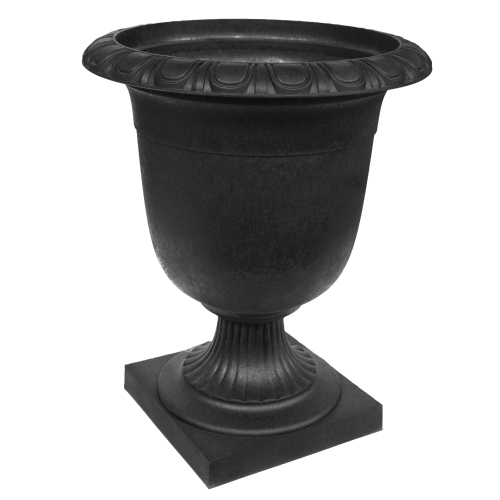 Your price for this item is $57.99
-
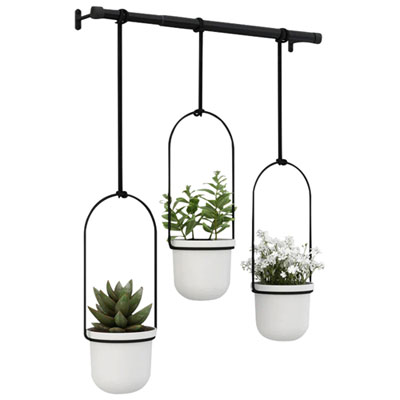 Your price for this item is $54.98
-
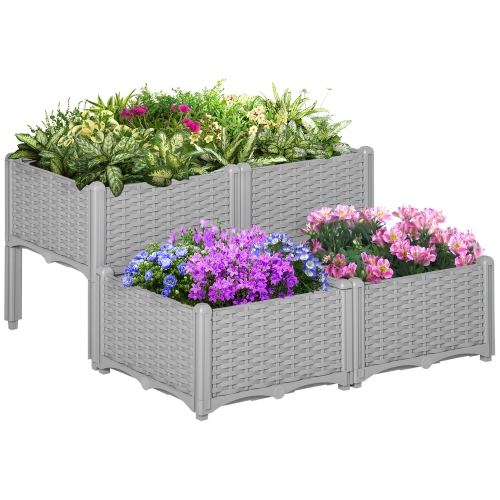 Your price for this item is $94.99
-
 Your price for this item is $79.99
-
 Your price for this item is $105.99
-
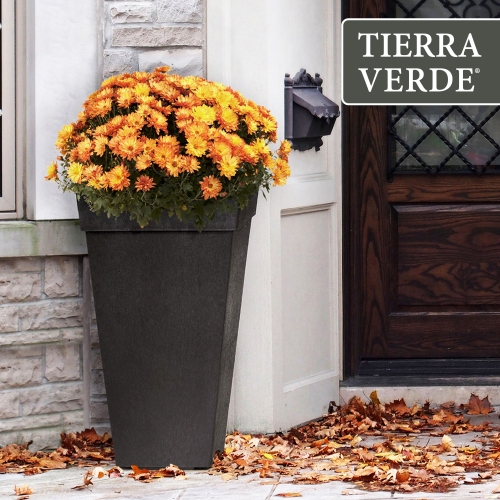 Your price for this item is $142.99
-
 Your price for this item is $117.75
-
 Your price for this item is $117.75
Discover more categories related to Solid Wood Garden Planters

Top Collections:
Pokemon Centers, Best Cameras for Sports Photography, Kindle Devices, Samsung Galaxy Phones, Canon G7X Cameras, Pokémon 30th Celebration Cards, Refurbished Apple Laptops, iPhone 15 Apple, Laptops for Students, Budget Smartphones
Some products may be subject to Environmental Handling Fees
(EHF) depending on your province.
Learn more about EHFs.