Solid Wood Narrow Nightstands
Solid Wood Narrow Nightstands offer a stylish and functional solution for maximizing space in bedrooms of any size. With their slim profiles, these nightstands fit perfectly beside beds or in tight corners, providing a convenient spot for essentials without taking up too much room. Explore a range of designs and finishes to find the ideal solid wood narrow nightstands that complement your decor and meet your storage needs.
Sort
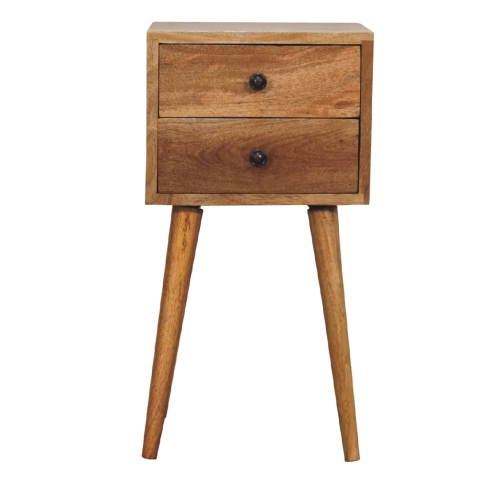
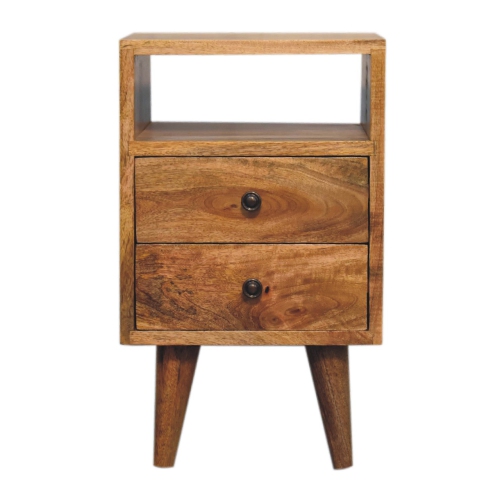
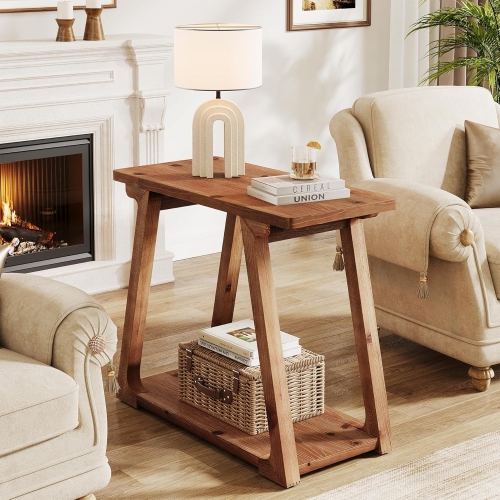
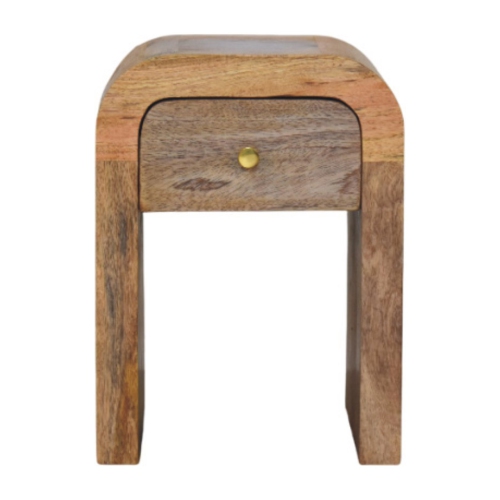
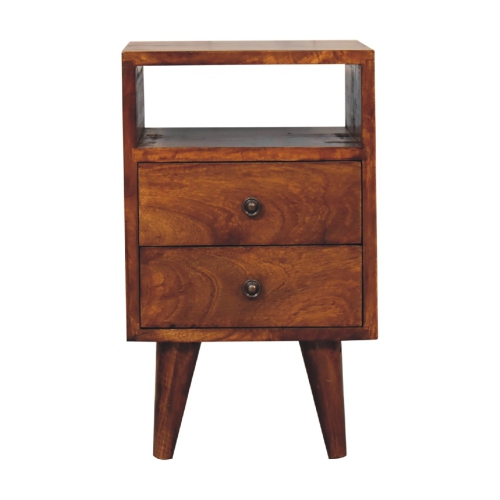

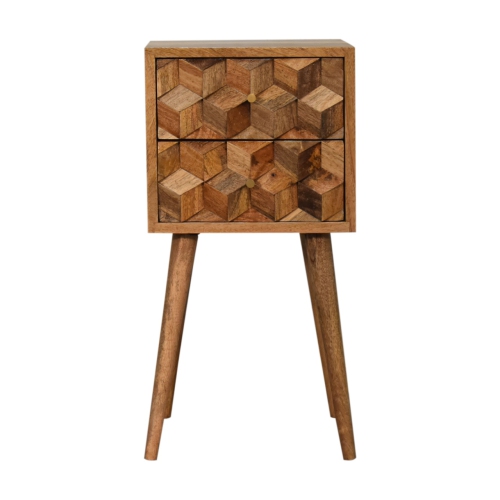
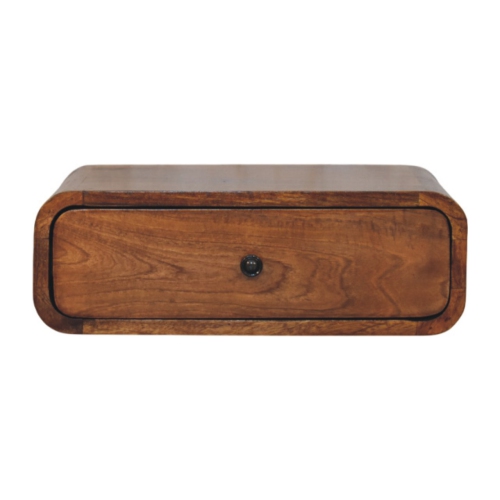
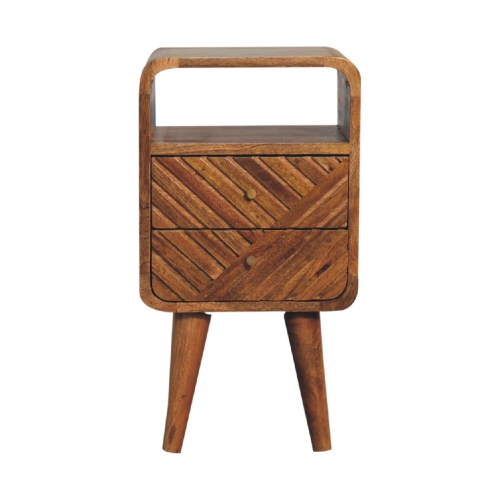
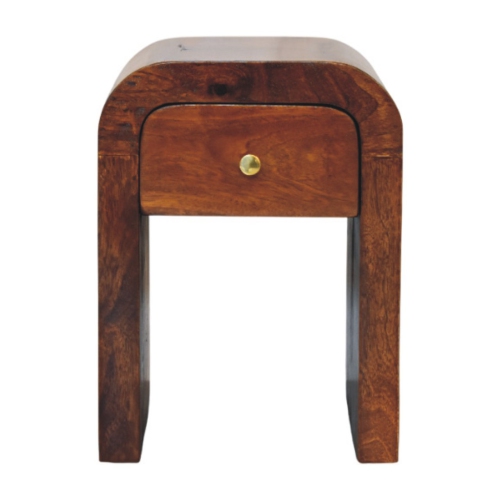
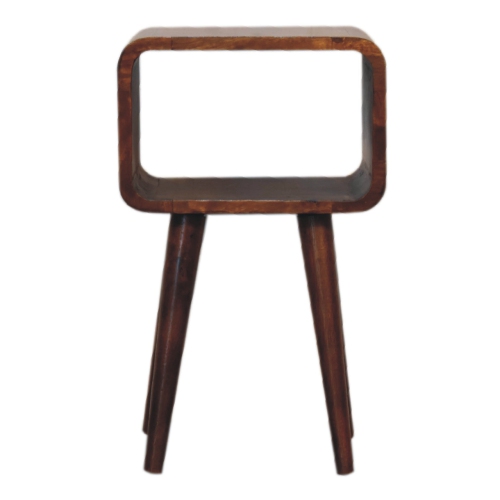

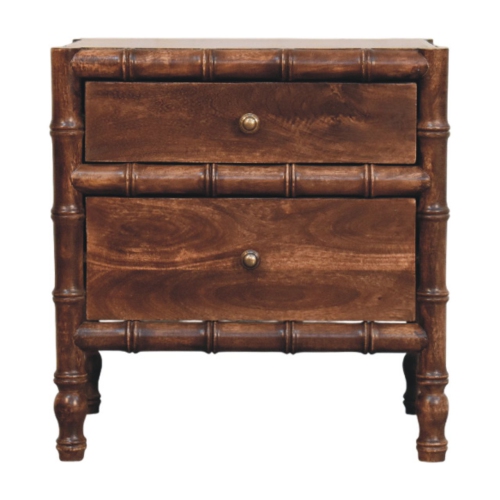
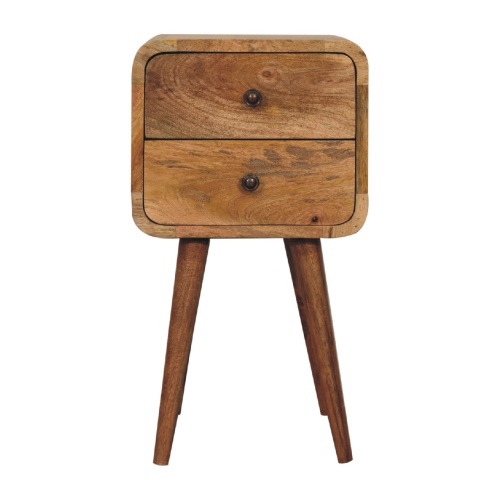
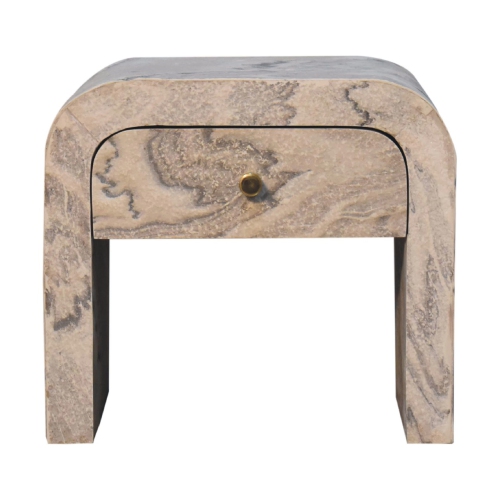
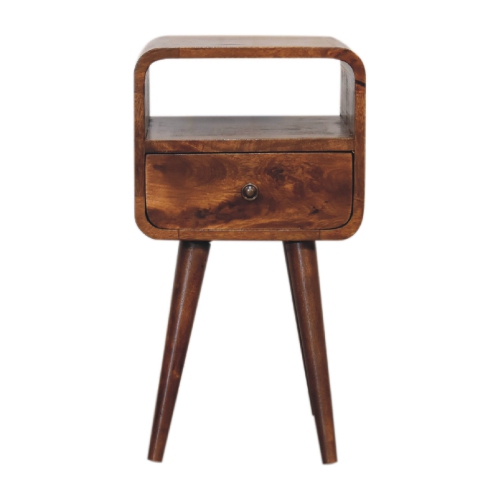
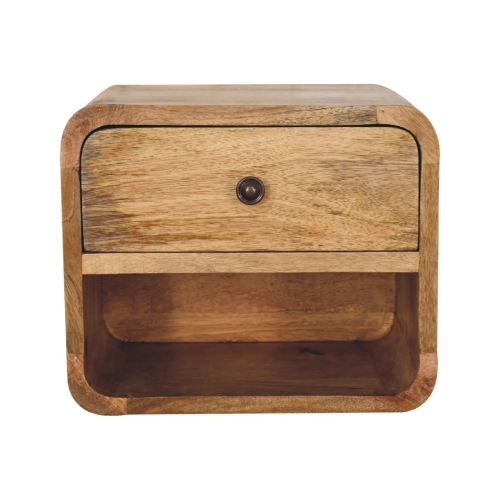
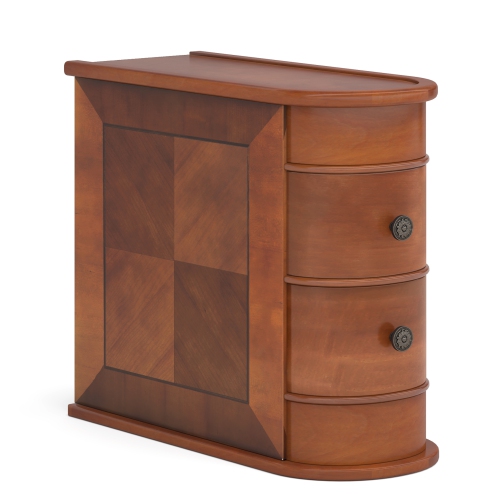
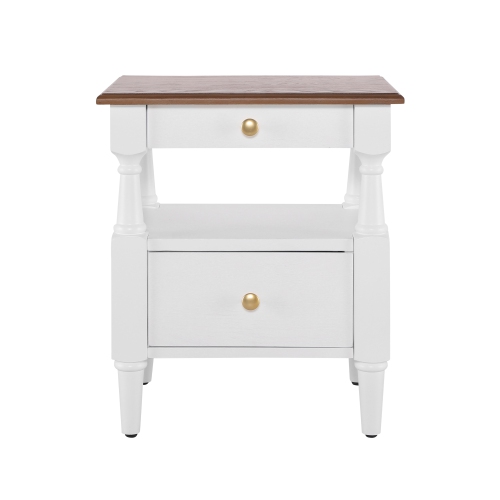
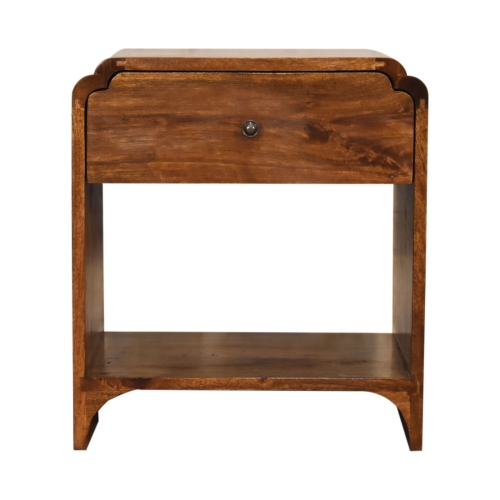
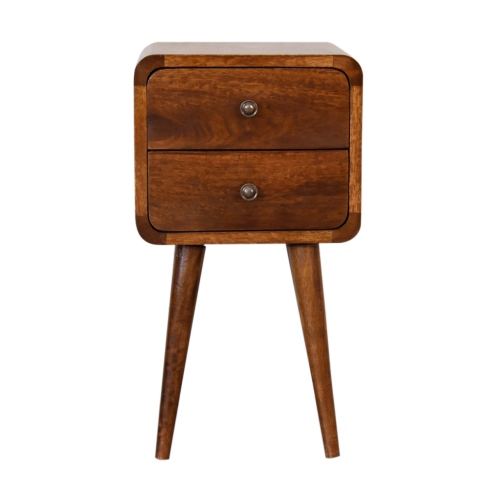
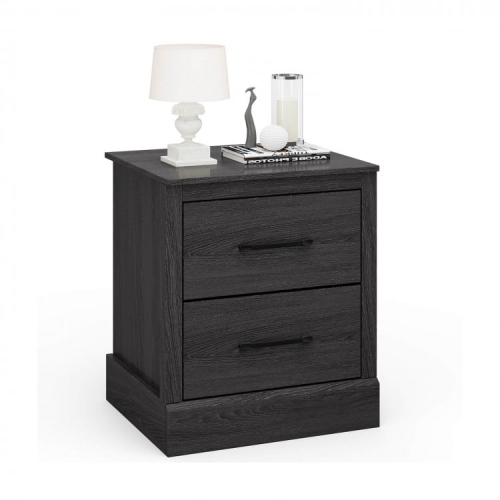
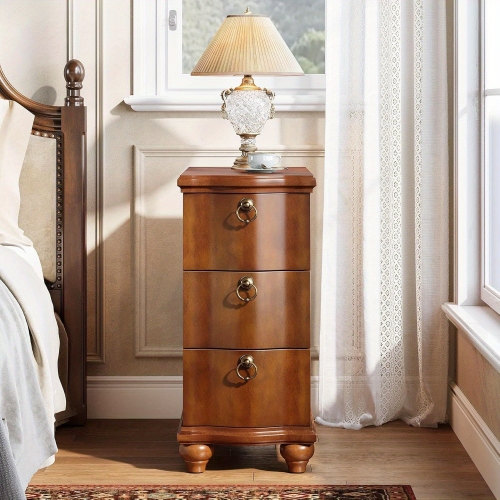
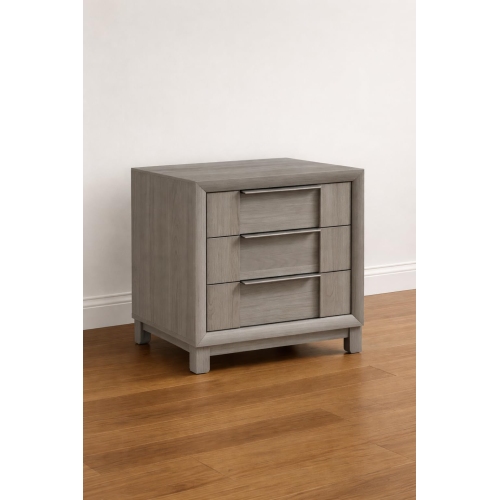
Bedside essentials within reach without crowding your room
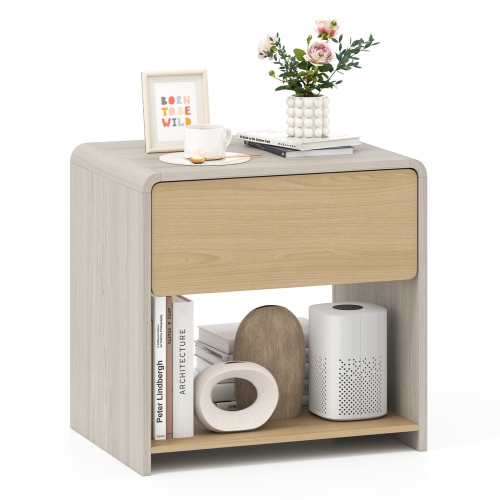
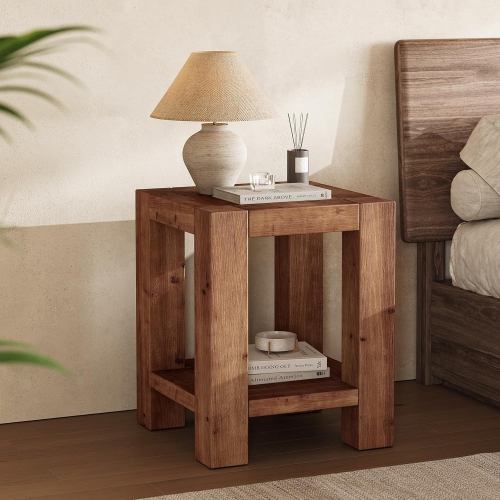
Solid wood narrow nightstands are compact bedside tables that provide a surface for everyday essentials and, in many designs, storage without taking up the width of a larger bedside cabinet. Their slim proportions suit small bedrooms, apartments, guest rooms, and tight spaces between a bed and a wall. They can also provide a convenient landing spot beside a reading chair or recliner, provided there is enough clearance for the chair to move freely. A narrow footprint leaves more room for walking while keeping a lamp, glasses, a book, or a glass of water within reach. Width is only part of the fit, however. Depth determines how far the nightstand projects into the room, while height affects how comfortably its surface can be reached from the mattress. A top near mattress height often makes bedside essentials easier to access, although the most comfortable position depends on the bed frame, mattress thickness, and individual reach. Measuring beside the fully assembled bed gives a clearer picture than relying on the bed frame dimensions alone. Baseboards, nearby outlets, window coverings, and the swing of a bedroom door can all reduce the usable space. Drawer clearance matters too: a cabinet may fit neatly beside the bed but still need room in front for a drawer to open without hitting bedding or another piece of furniture. For a compact sleeping area, a shallow profile can be just as useful as a narrow one. The top should also accommodate the actual objects used at bedtime. A broad lamp base may leave little room for a phone, whereas a smaller lamp or wall-mounted light can preserve more usable surface. On either side of a shared bed, nightstands do not have to be identical in width to feel balanced; similar heights, wood tones, or hardware can connect two different layouts while respecting the space available.
The appeal of solid wood extends beyond its appearance. Natural grain gives each piece subtle variation, and the material can suit anything from a simple, lightly furnished room to a bedroom with substantial upholstered furniture. Oak often has a pronounced grain pattern, maple generally offers a finer texture, and pine can show distinctive knots and a softer character. Walnut is known for its rich brown tones, though stains and protective finishes can significantly influence the final colour of any species. Wood type alone does not determine durability: construction, finish quality, hardware, and everyday use all contribute to how a nightstand holds up. Tightly fitted joints, a stable base, and drawers that travel smoothly are useful details in furniture handled every day. Solid wood construction can include boards joined together, rather than one uninterrupted piece of timber. Descriptions may also distinguish between a solid wood frame or top and drawer bottoms, backs, or other components made from different materials. Those details help clarify what the construction term covers. Finish deserves equal attention because a painted surface, a clear protective coating, and an oiled surface can have different care needs and repair options. Some finishes allow small marks to be touched up, while more extensive refinishing depends on the construction and the original coating. A narrow silhouette does not automatically mean a light or delicate piece, so stability and the stated weight limits remain important. Raised legs can make a compact room feel more open and leave access beneath for cleaning; a plinth base creates a more grounded appearance and reduces the open gap below. Within the broader category of Solid Wood Night Stands, narrow designs bring these material and construction choices to rooms where every centimetre of floor space has a purpose.
Storage layout shapes how a narrow nightstand works in daily life. A single drawer keeps smaller belongings out of sight while leaving the top ready for the things used most often. An open shelf makes a book or basket easy to reach, though it also leaves its contents visible. A combination of closed and open storage offers both options without requiring a wide cabinet. Usable interior dimensions matter more than the drawer front alone: thick side panels, runners, and the cabinet frame can reduce the room inside. Handles should be comfortable to grasp from bed, and their projection should not create an awkward obstacle along a tight walkway. For a shared bedroom, each person may need a different balance of surface space and storage, particularly when one side holds reading materials and the other mainly serves as a spot for glasses and a phone. In a guest room, a clear top and an accessible shelf can make the space easier for visitors to use without adding unnecessary furniture. Cords also need a sensible route to an outlet, with enough slack to avoid pulling a charger or lamp when the nightstand is moved for cleaning. Everyday care is usually straightforward, but it should match the finish. A soft cloth removes dust, spills should be wiped up promptly, and coasters help protect the surface from water rings. Excess water, abrasive cleaners, and dragging objects across the top can damage the coating or mark the wood. Felt pads beneath accessories can reduce scratches, while suitable floor protectors help prevent marks when repositioning the furniture. Lifting rather than dragging also reduces strain on the legs and joints. With proportions that fit the room, storage suited to bedtime routines, and care appropriate to the finish, a solid wood narrow nightstand can provide dependable everyday function without crowding the space beside the bed.
Top selling and popular products
-
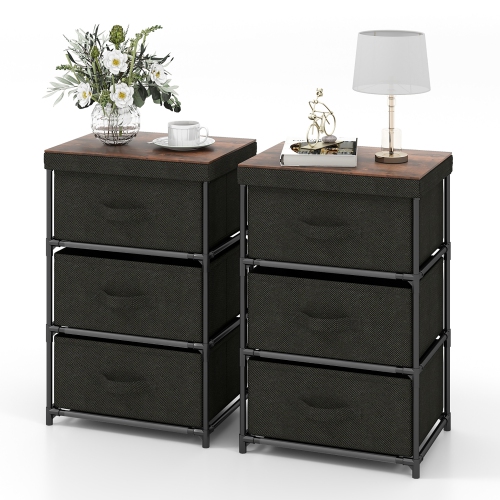 Your price for this item is $99.99
-
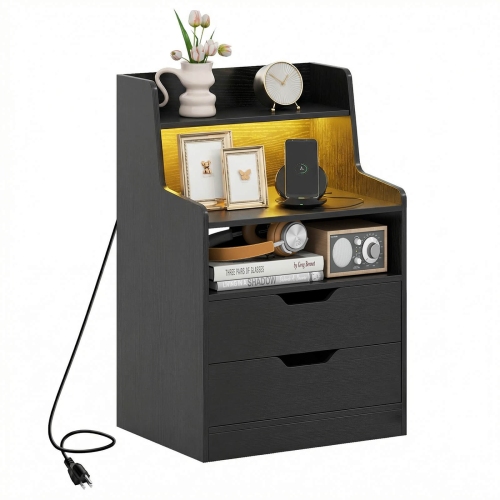 Your price for this item is $107.99
-
 Your price for this item is $188.99
-
 Your price for this item is $79.99
-
 Your price for this item is $119.99
-
 Your price for this item is $189.99
-
 Your price for this item is $218.49
-
 Your price for this item is $258.52
Discover more categories related to Solid Wood Narrow Nightstands
Top Collections:
Best Black Friday Deals This Year, Best Black Friday Deals On Electronics, Kindle Devices, Dyson Airwrap, Best Cameras for Sports Photography, Best Black Friday Deals On Apple Products, PS5 Pro Consoles, Portable Snow Blowers, Canon G7X Cameras, Pokémon 30th Celebration Cards
Some products may be subject to Environmental Handling Fees
(EHF) depending on your province.
Learn more about EHFs.