Solid Wood Side Tables With Storage
Looking for a stylish and functional addition to your living space? Solid wood side tables with storage offer the perfect blend of elegance and practicality. Whether you need extra storage for books, magazines, or remote controls, our selection of side tables with storage compartments will help you keep your living area organized and clutter-free. Here are some great options available.
Sort
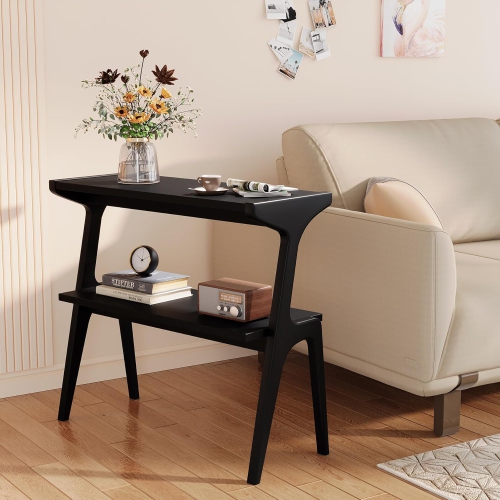

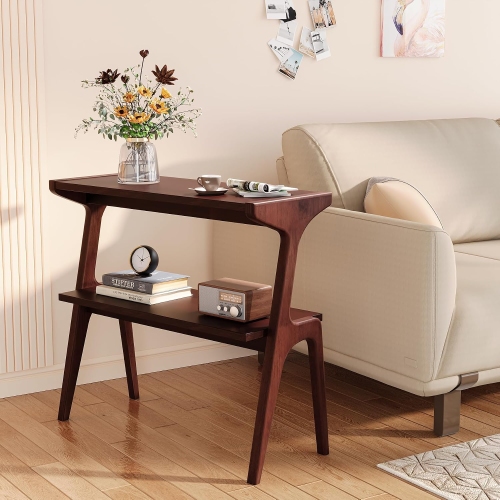
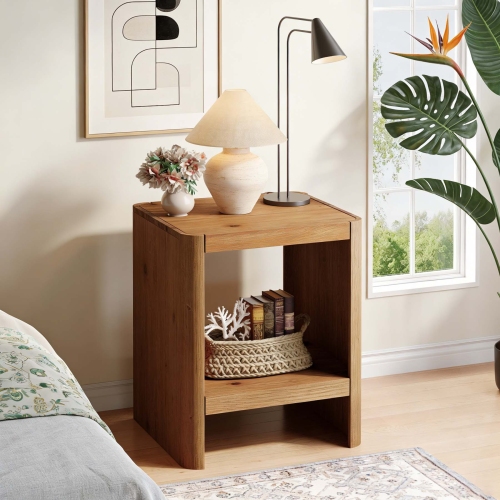
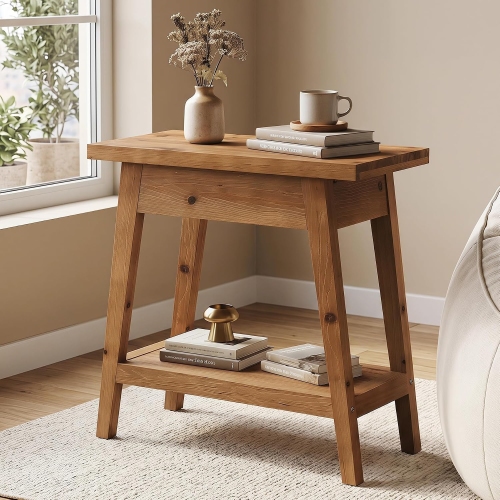


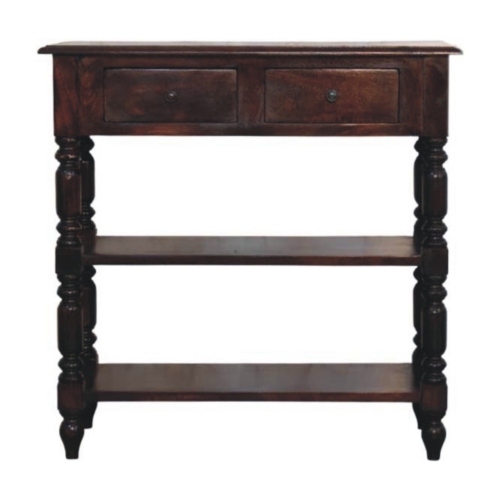

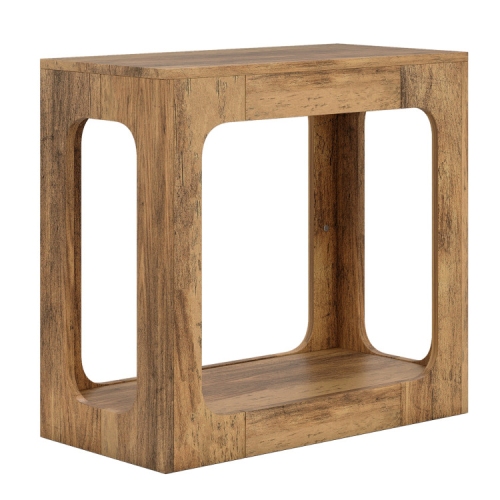

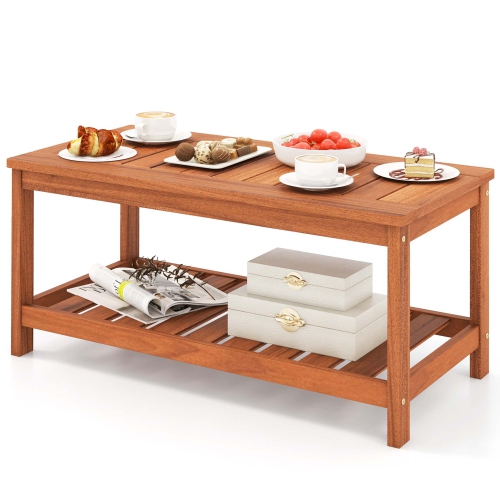

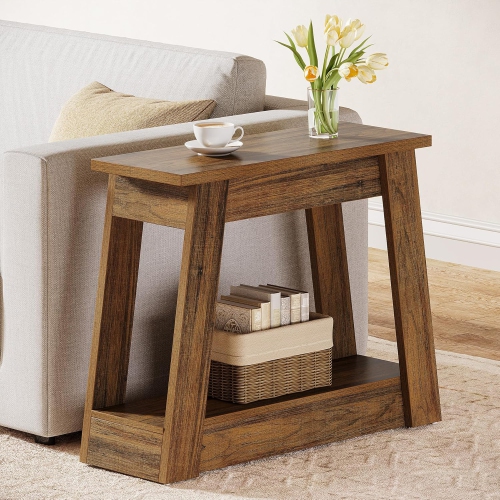


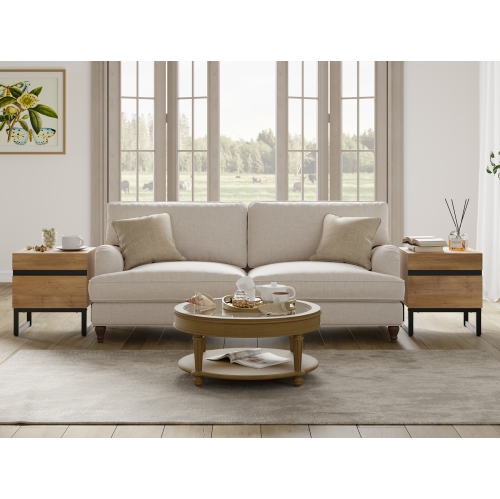


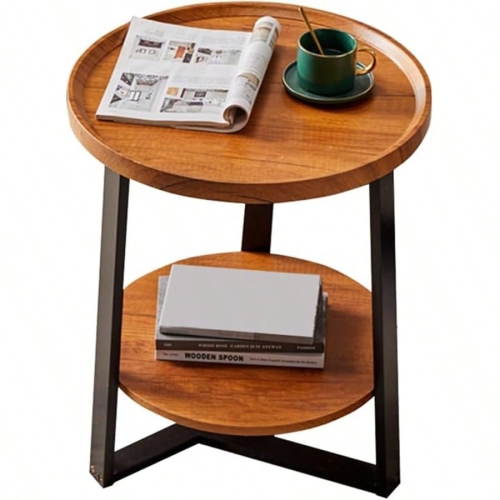

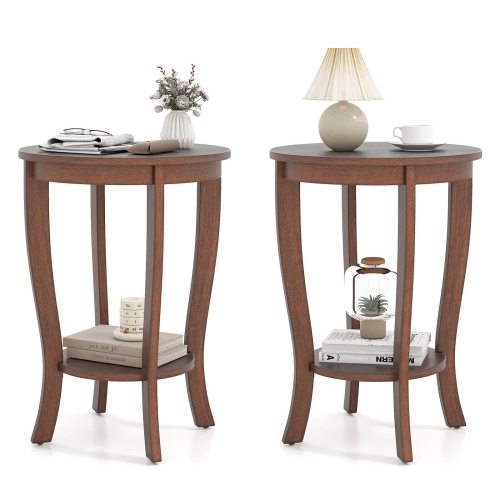


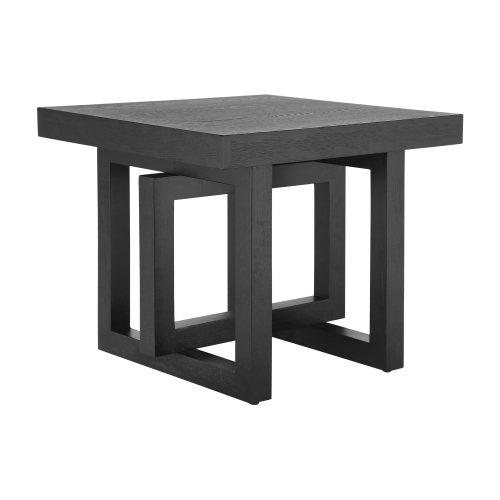

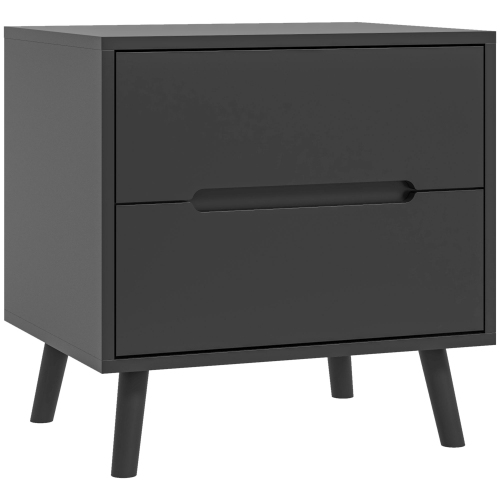


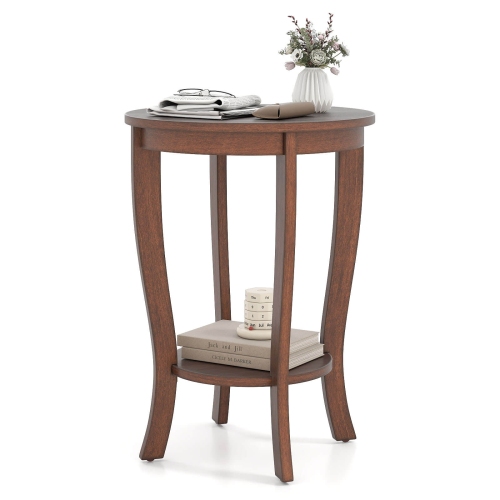
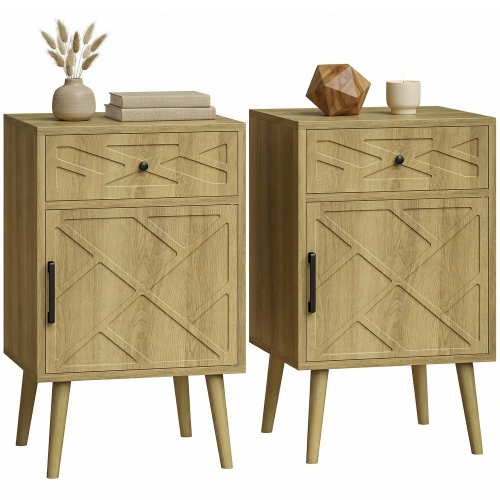

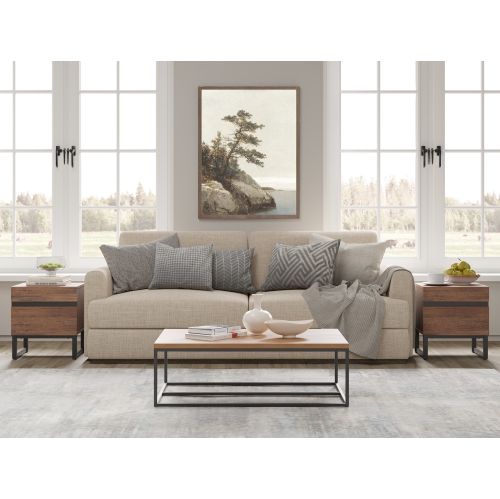

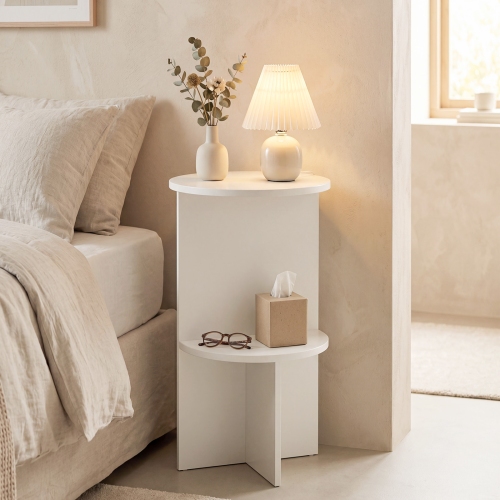
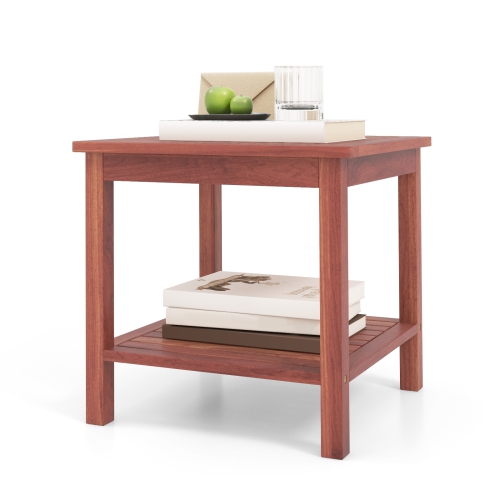


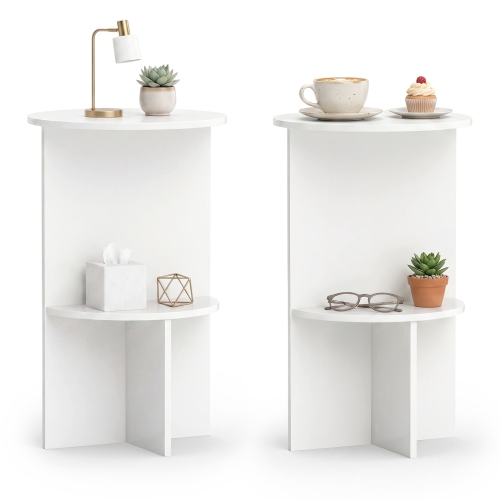
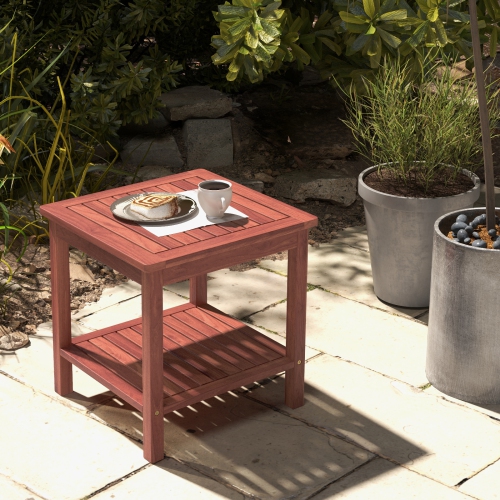

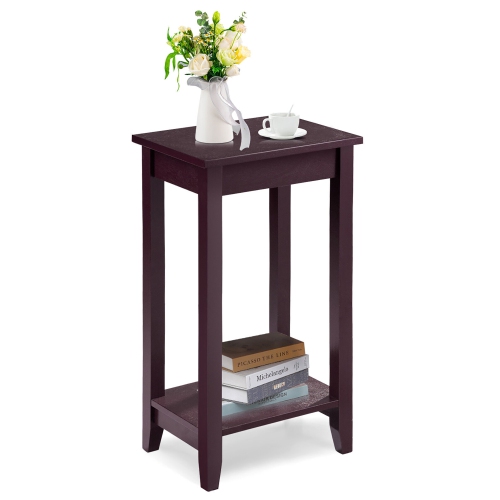
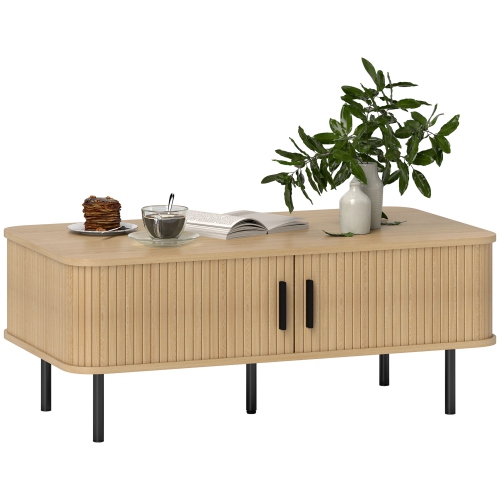
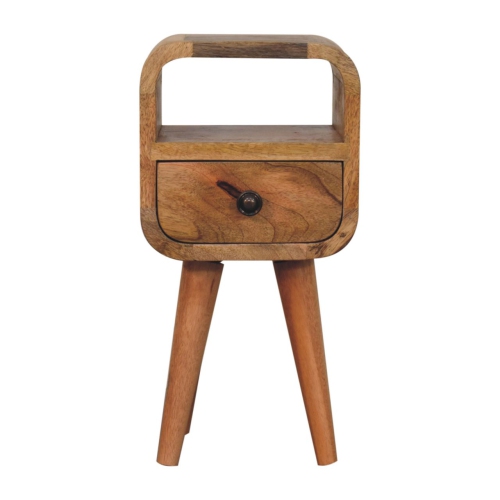

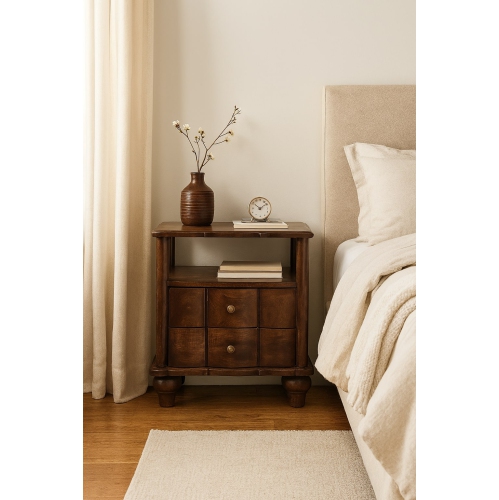
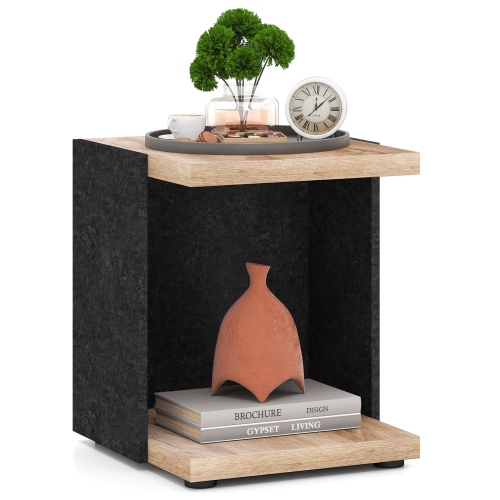
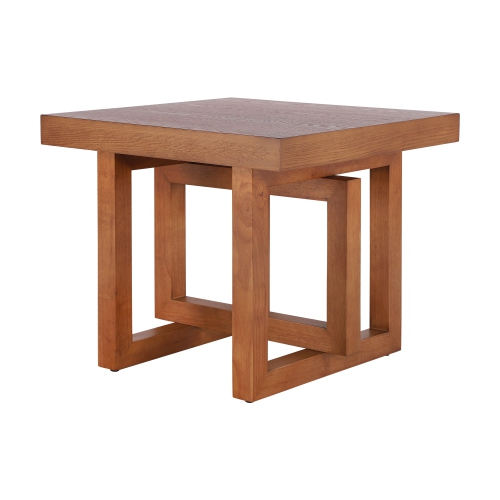
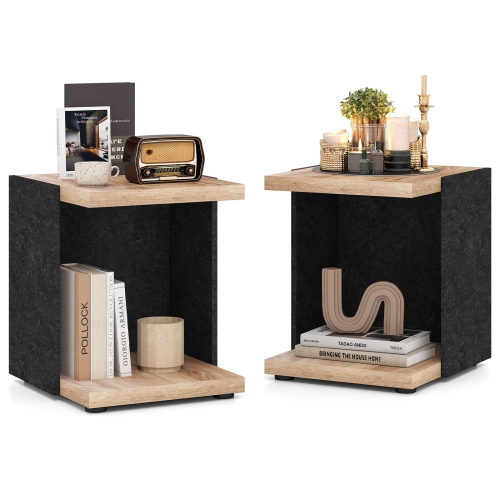


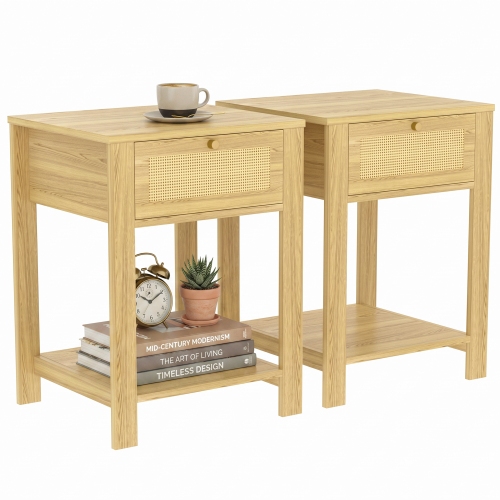

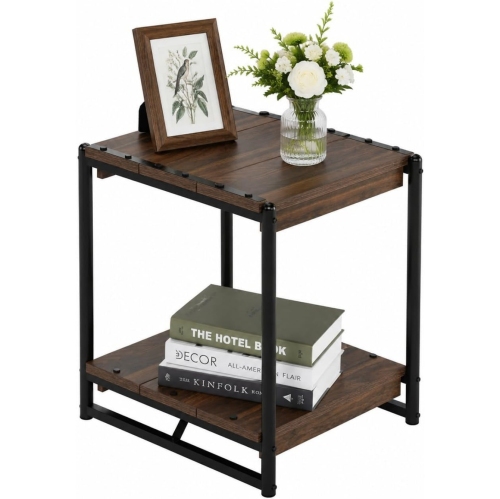

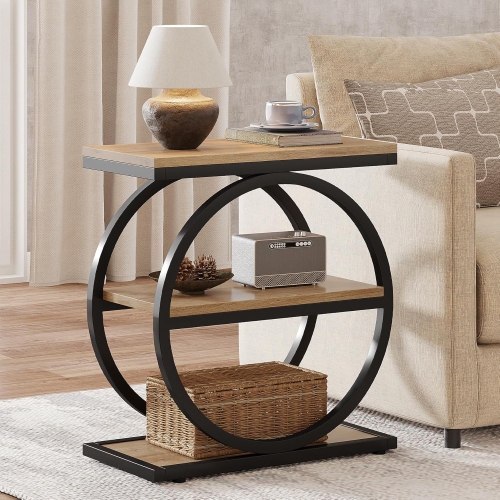
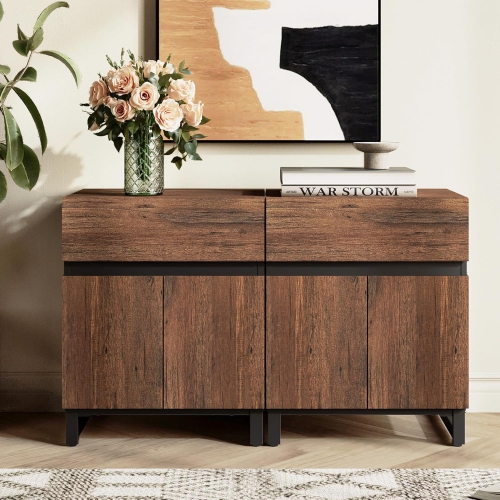

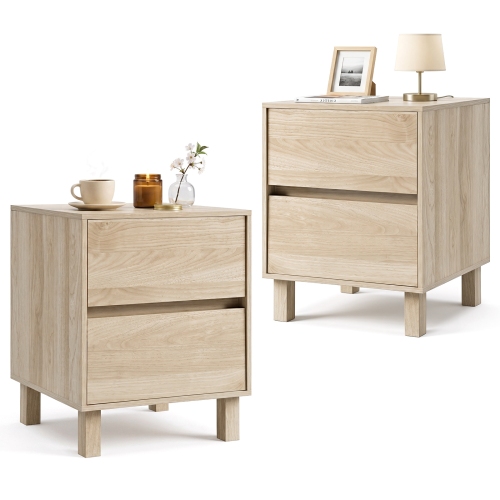
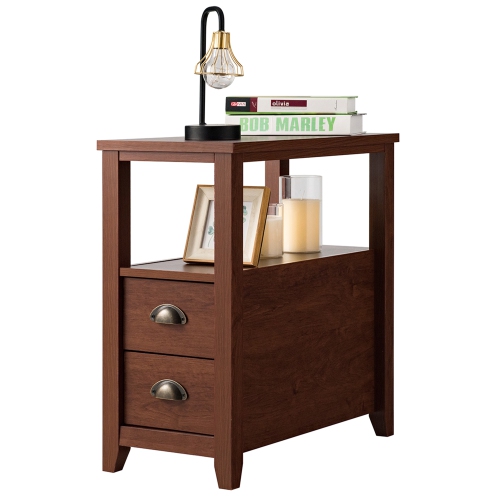
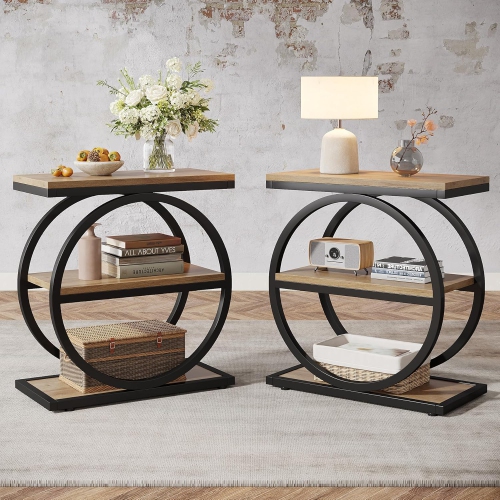
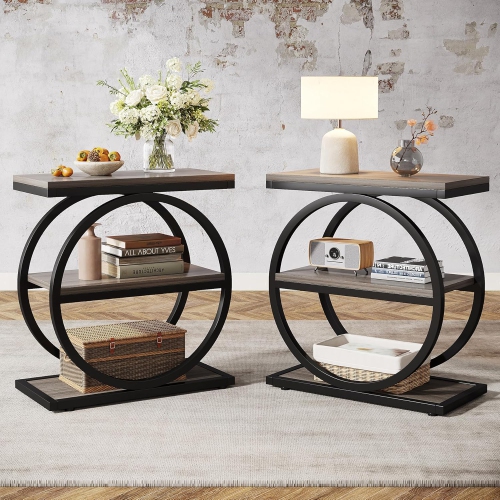
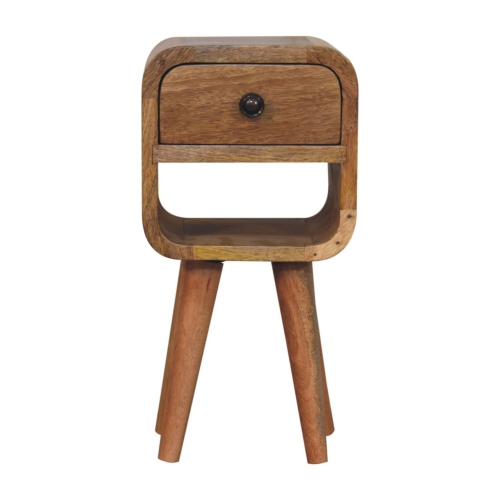


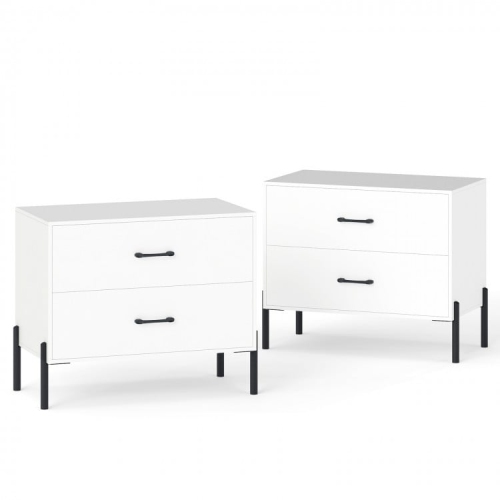


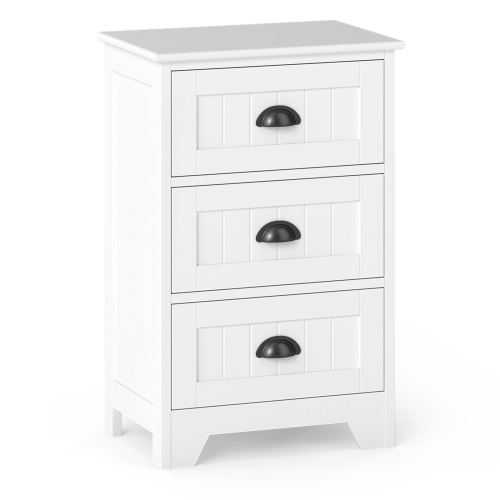


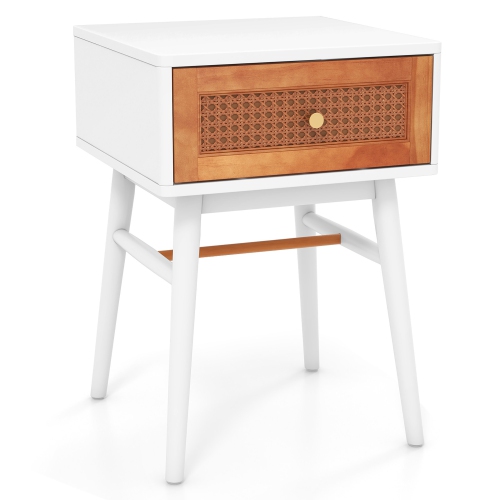

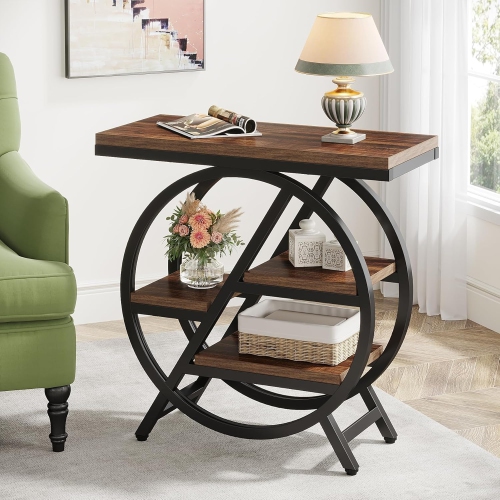
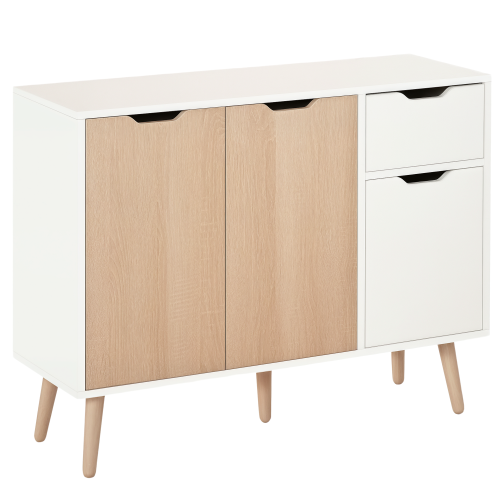
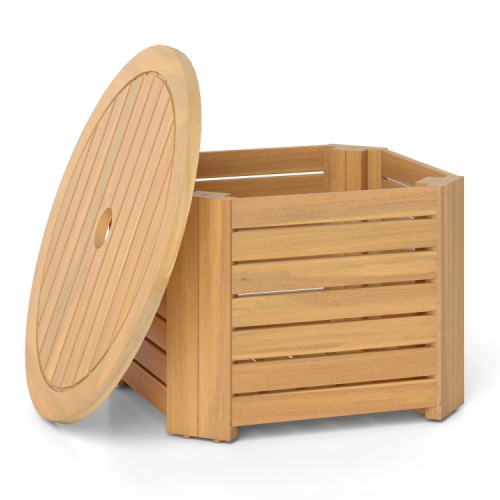
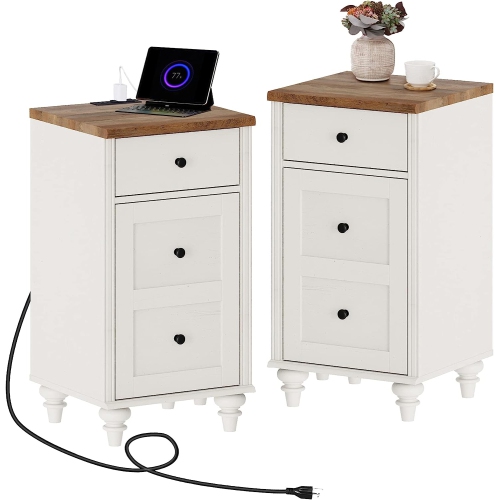

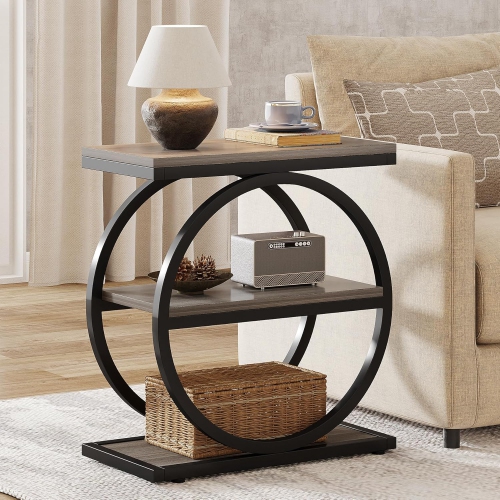


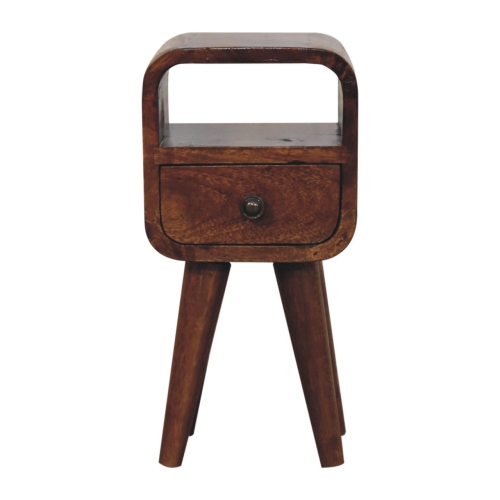

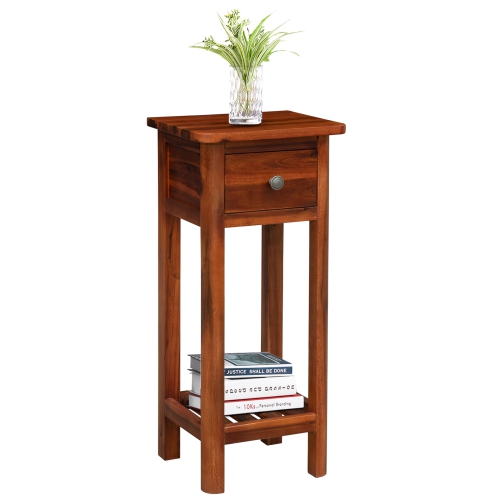


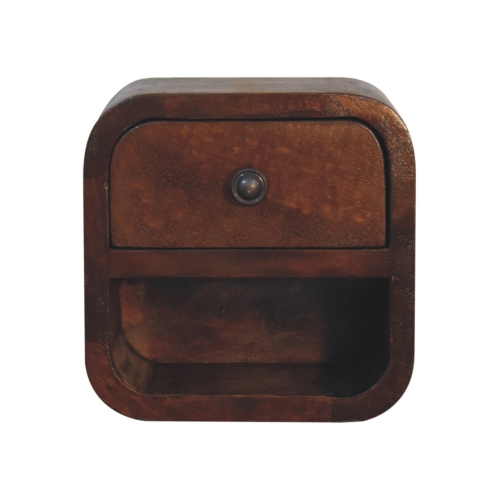
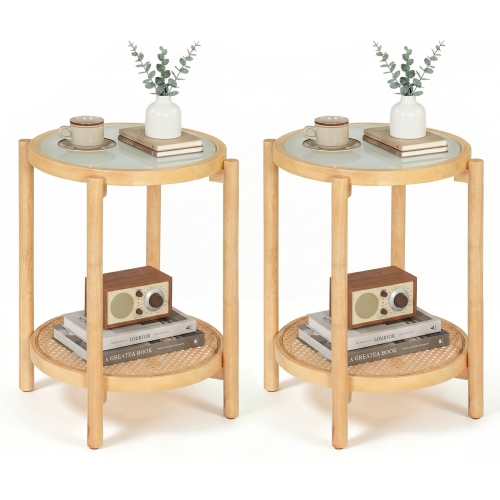
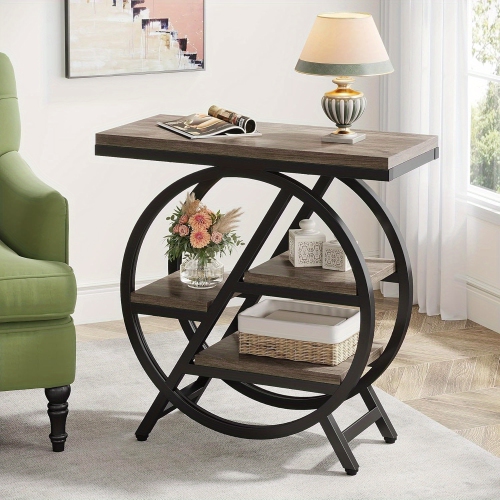
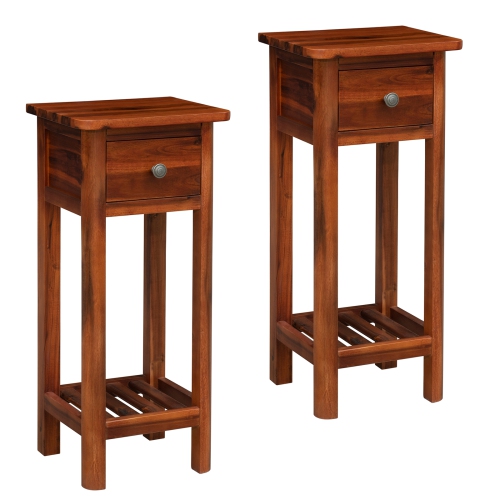


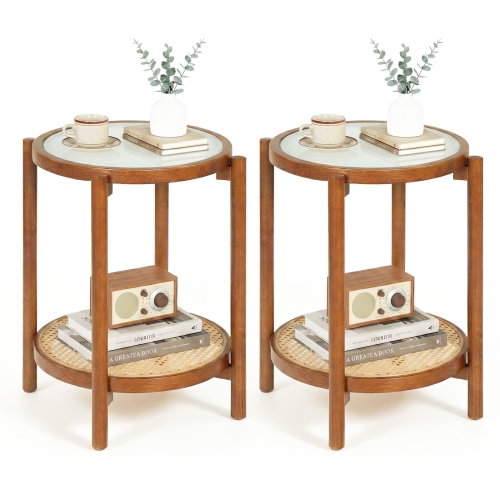

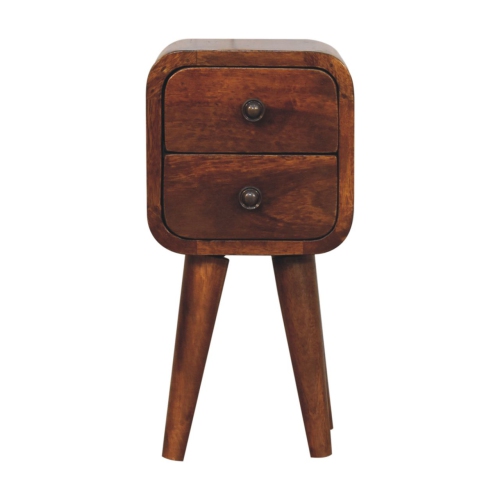
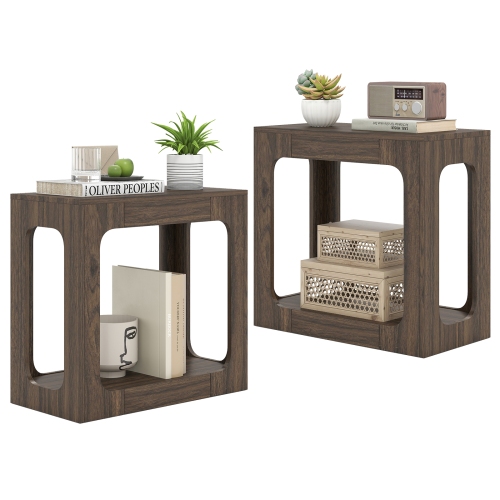
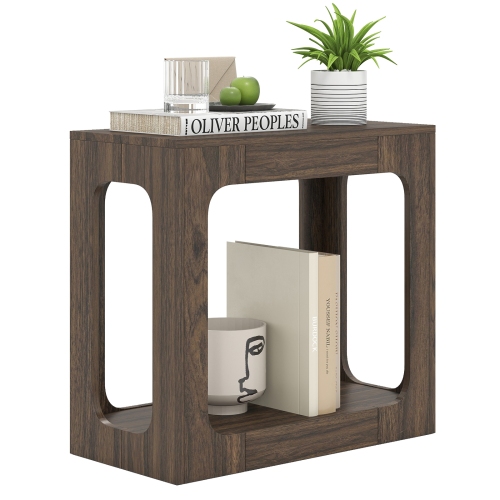


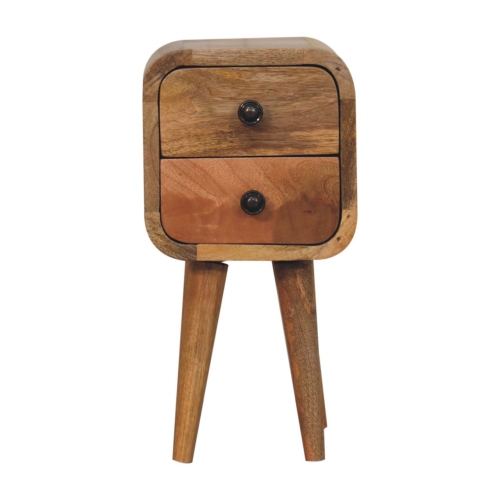


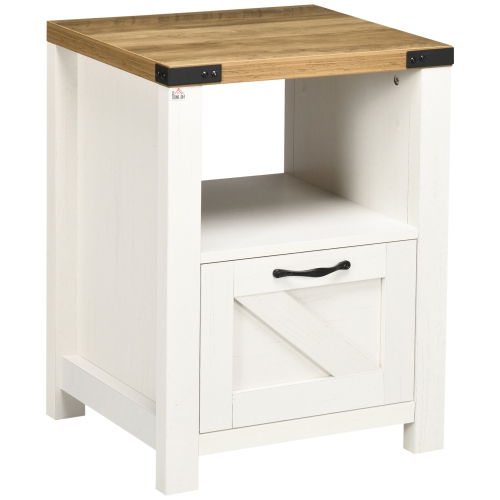

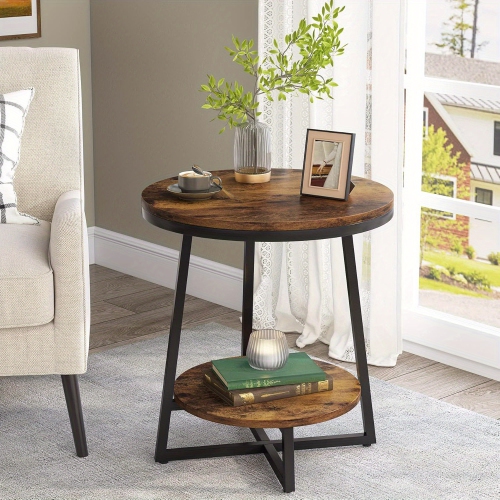
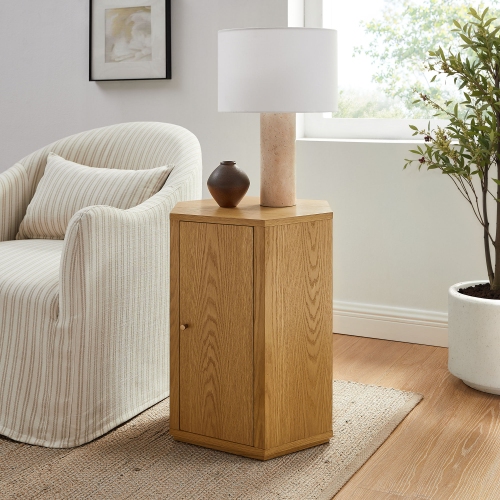
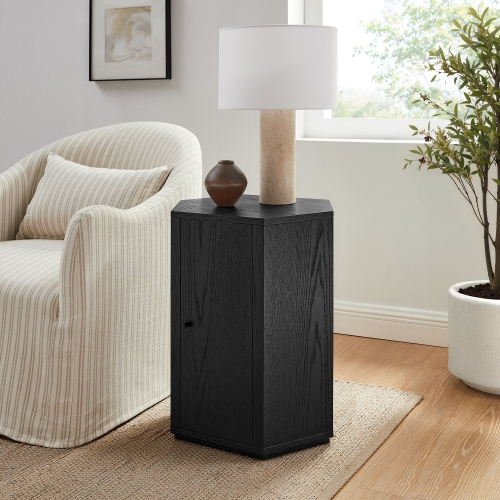
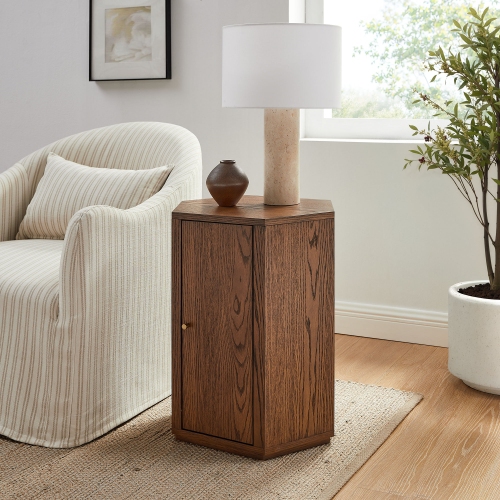


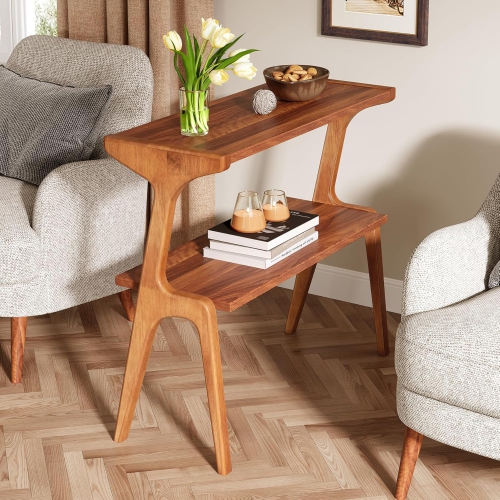


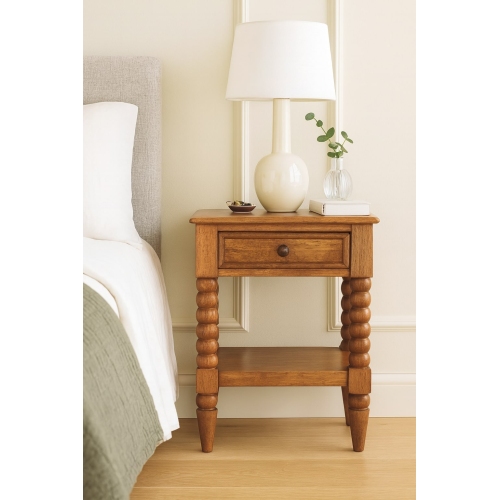
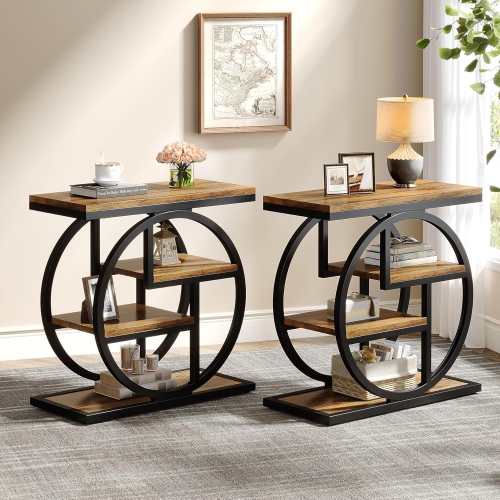

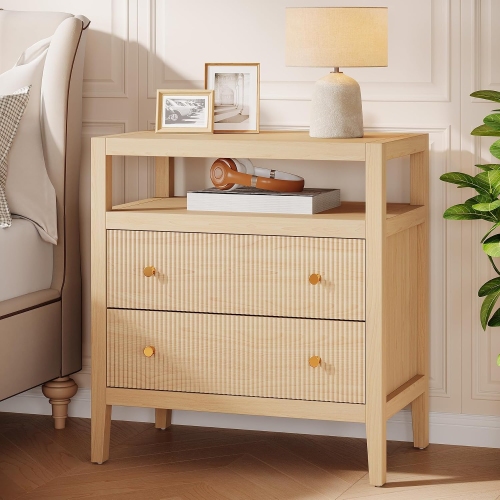


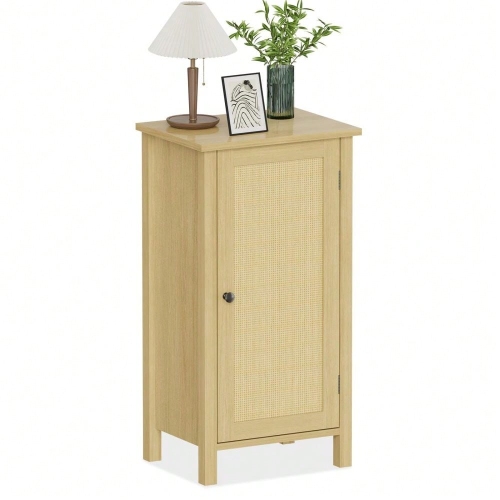


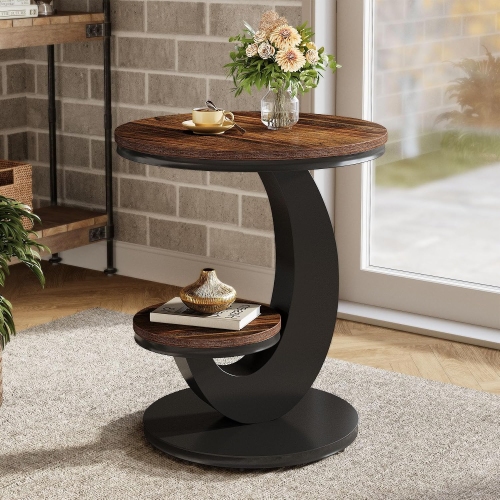
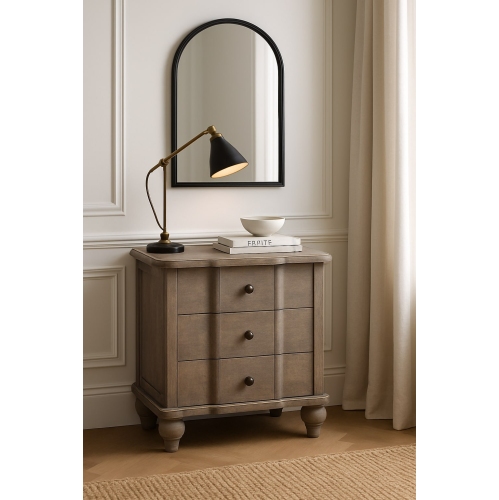


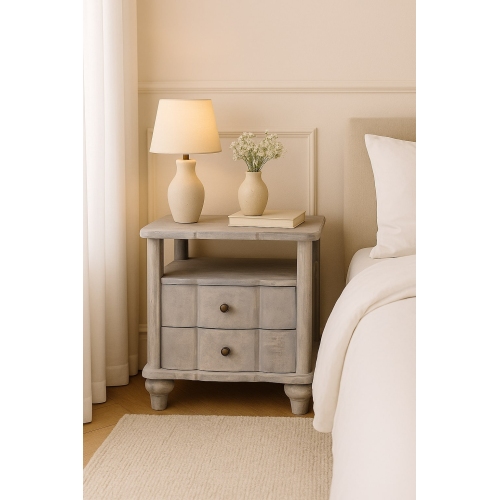

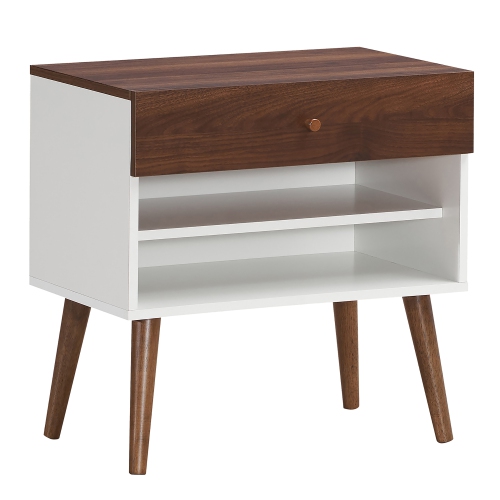
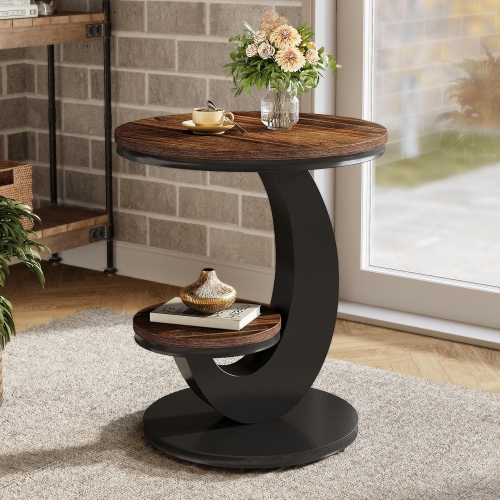


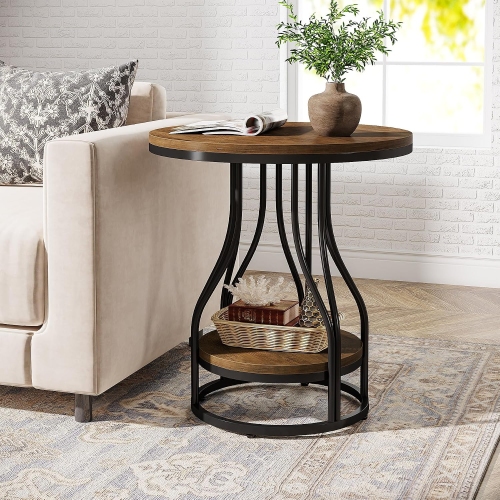
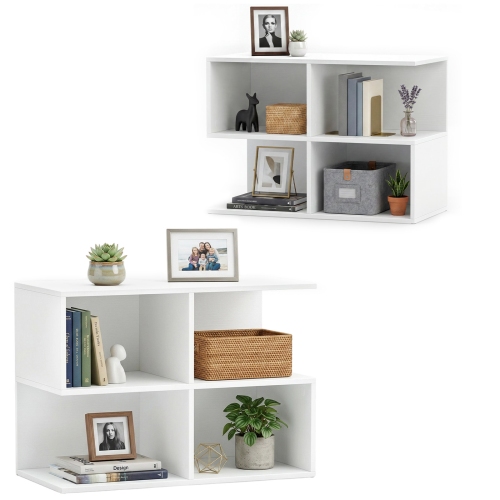

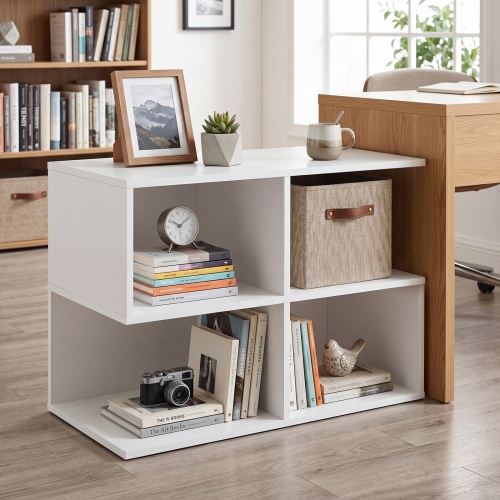
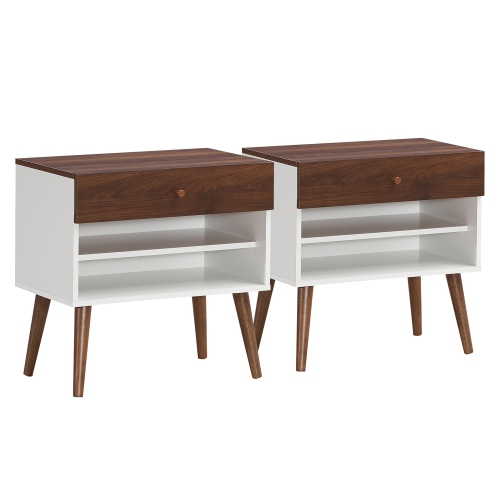
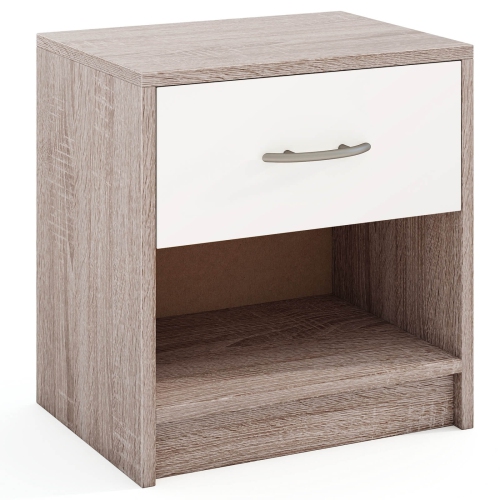
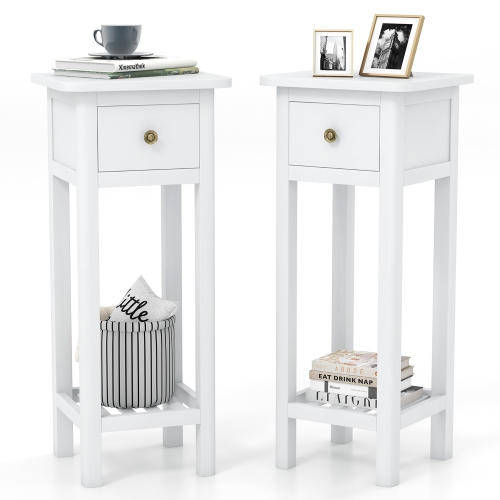

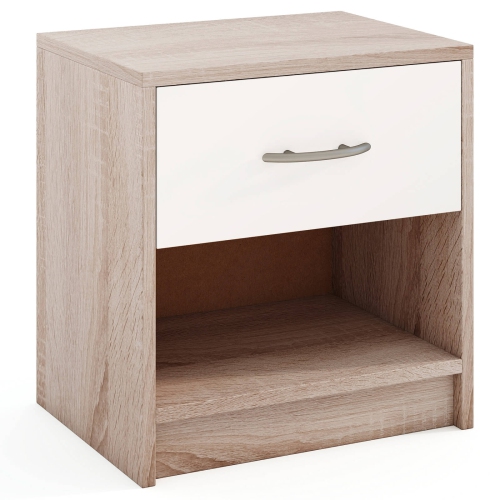
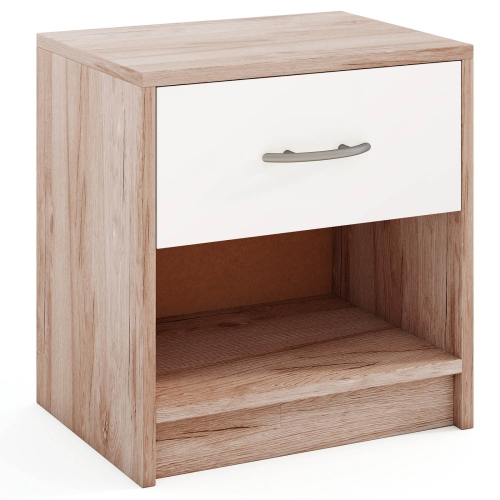

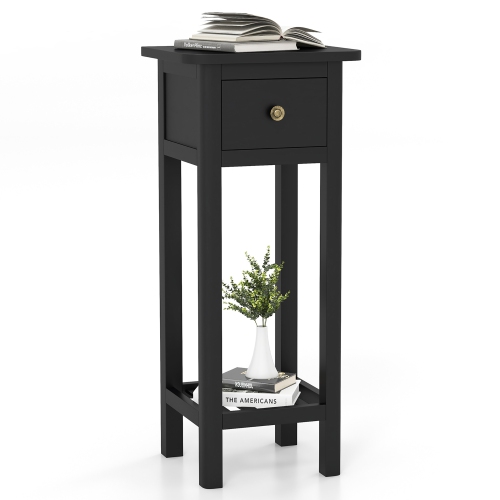
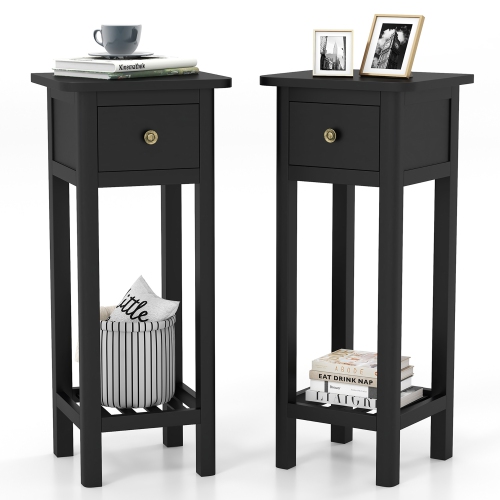
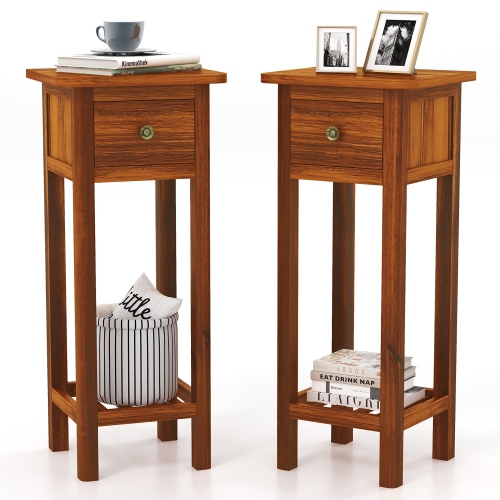

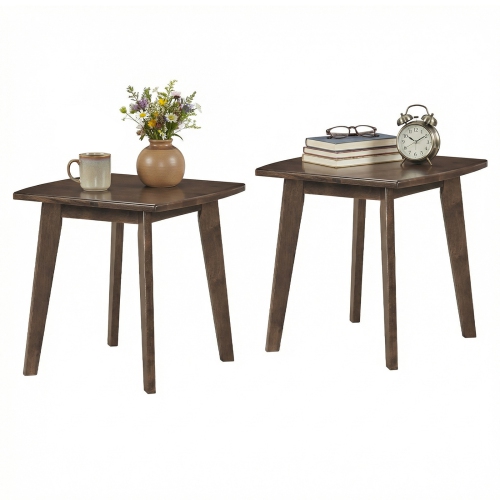
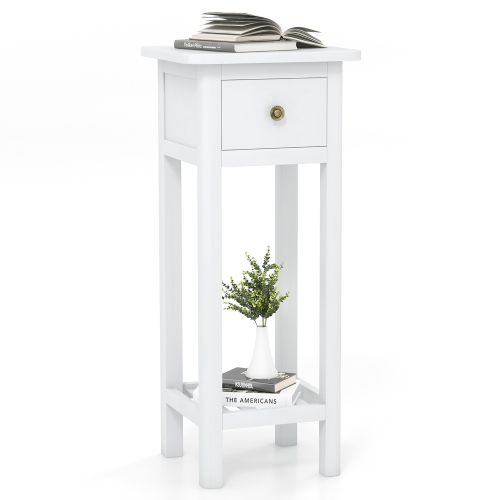
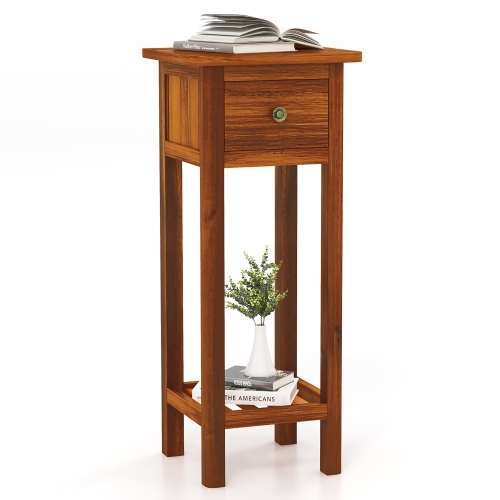

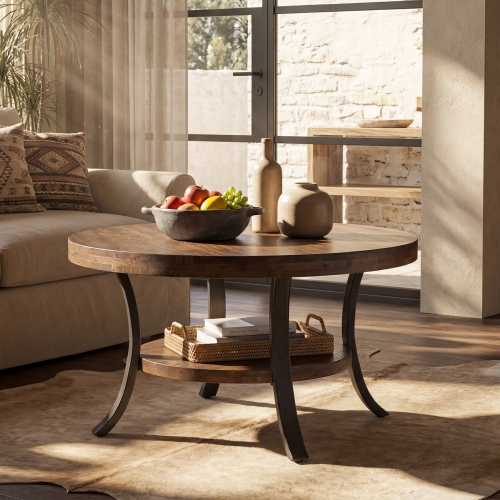

Natural wood character with space for everyday essentials
Solid wood side tables with storage combine a convenient surface beside a seat or bed with space for the small essentials that tend to gather nearby. Drawers, shelves, and cupboard compartments give remote controls, books, reading glasses, and charging cables a place to settle without taking over the tabletop. Their compact footprint makes them useful beside a sofa, between a pair of armchairs, or next to a bed where a full-size bedside chest would feel crowded. Solid wood construction gives each table its own grain pattern, with variations in tone and texture that distinguish one piece from another. It is worth distinguishing solid wood from wood veneer: solid wood components are made from timber throughout, while veneer is a thin layer of real wood applied over another material. A table described as solid wood may still use different materials for drawer bottoms, back panels, or other components, so construction details help clarify what the description covers. For everyday comfort, the most useful proportions relate to the furniture around the table. A top near the height of a sofa arm keeps a drink or lamp within comfortable reach, while a bedside surface works well when it is easy to reach from the mattress. Width and depth matter just as much as height. A narrow table can fit beside a sofa without crowding a walkway, but it still needs enough surface area for the things that will actually sit there. A lamp base, coaster, and book can occupy more room than expected. Clearance around the table also affects how well the storage works: a drawer needs room to open, and a cupboard door should not swing into a bed frame or neighbouring chair. These practical proportions help a side table feel like part of the room rather than an obstacle squeezed into an unused gap.
The storage layout shapes how solid wood end tables work in daily life. An open lower shelf keeps a favourite book, a folded throw, or a small basket easy to reach, making it especially useful beside a reading chair. A drawer keeps smaller belongings out of sight and prevents a collection of cables, spare batteries, and notepads from becoming part of the room’s visual clutter. Cupboard storage offers more enclosed space, although the opening and internal shelf arrangement determine whether taller belongings will fit. A combination of a drawer and an open shelf can suit shared living rooms, giving everyday essentials a concealed home while leaving reading material accessible. Internal dimensions are more useful than the outside measurements alone when the storage has a particular job to do. Drawer sides, runners, and cabinet framing all take up space, so a compact table may hold less than its silhouette suggests. Smooth drawer movement, secure handles, and doors that close neatly contribute to the sense of quality during repeated use. Storage also needs to work with the table’s placement. A shelf tucked tightly between a sofa and a wall may be difficult to reach from the side, while a front-opening drawer can remain convenient in the same position. In a bedroom, closed storage helps keep the area around a bedside lamp uncluttered; in a living room, an accessible shelf can make shared reading material easier to find. Households with children may prefer rounded corners and fewer projecting handles, while anyone positioning a table beside a recliner needs to account for the chair’s full movement. Style can support these practical choices without overwhelming them. Straight legs and simple drawer fronts suit clean-lined rooms, while visible joinery, turned legs, or textured grain add a more traditional or rustic character. The wider category of Wooden Side Tables With Storage offers another way to explore the relationship between wood finishes, proportions, and storage layouts.
Wood species and surface finishes influence both the appearance of a side table and the care it needs. Pine typically has a noticeable grain and knots, with a softer surface that can pick up dents more readily than many hardwoods. Oak often shows a prominent grain, while walnut is associated with deeper brown tones and a distinctive natural pattern. Mango wood can display considerable colour variation within a single piece, and rubberwood often has a relatively even texture that takes finishes well. A stain can alter the apparent colour of any wood, so the species name alone does not describe the finished look. Natural markings are part of solid wood’s character rather than a promise that every surface will appear perfectly uniform. Matching a table to existing furniture does not require an identical finish: similar undertones can connect different woods, while a contrasting table can give a seating area more definition. The finish also affects upkeep. Painted, lacquered, and oiled surfaces can have different cleaning and maintenance requirements, making the supplied care directions important. For routine cleaning, a soft cloth and prompt attention to spills help protect the surface; abrasive pads and harsh cleaners can damage a finish. Coasters under drinks and a protective layer beneath a plant pot help prevent moisture marks, while felt pads beneath a lamp can reduce scratching. Solid wood responds to changes in indoor humidity, so keeping it away from direct heat sources helps limit unnecessary movement. Durability depends on more than the timber itself: firm joints, a stable base, suitable hardware, and an intact finish all contribute to everyday performance. Some solid wood surfaces can be repaired or refinished, although the appropriate approach depends on their construction and coating. With a practical storage layout and proportions suited to the room, these tables can remain useful through furniture rearrangements, moves, and changing routines.
Top selling and popular products
-
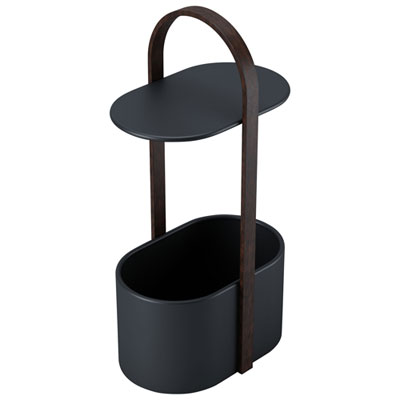 Your price for this item is $93.98
-
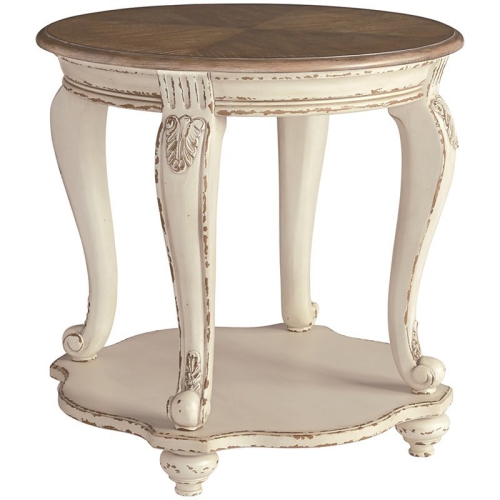 Your price for this item is $369
-
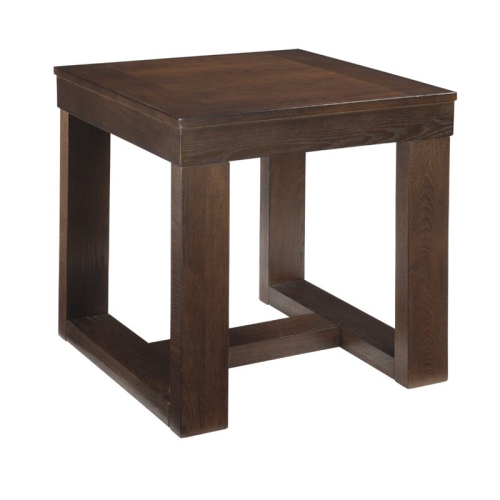 Your price for this item is $199
-
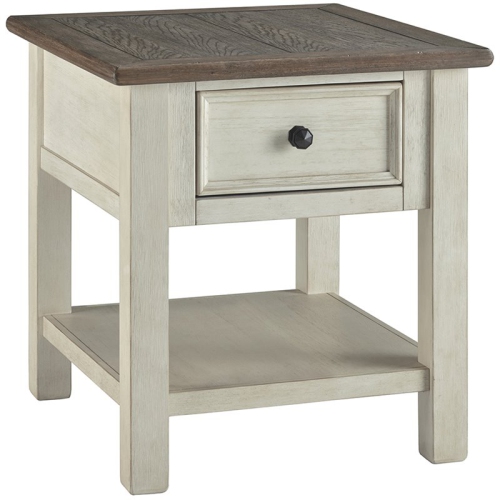 Your price for this item is $399
-
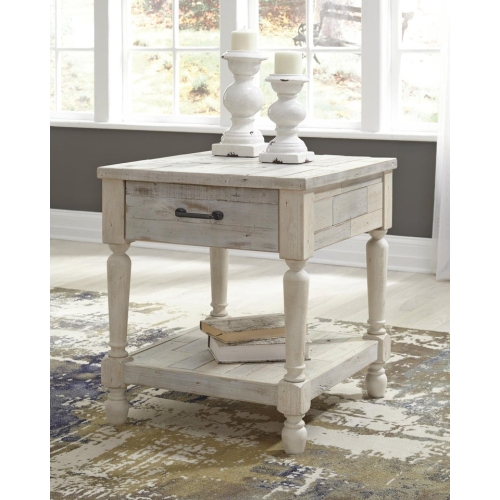 Your price for this item is $249
-
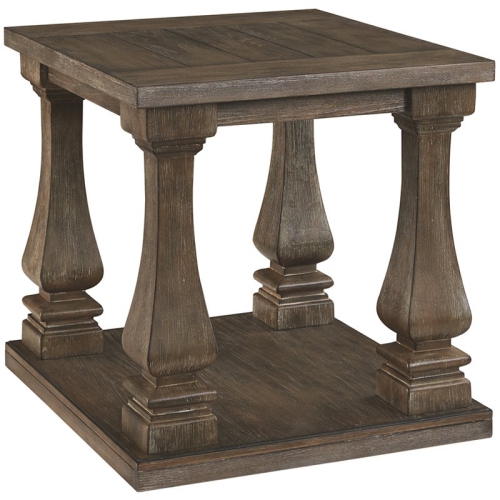 Your price for this item is $375
-
 Your price for this item is $452.99
-
 Your price for this item is $224.99
Discover more categories related to Solid Wood Side Tables With Storage
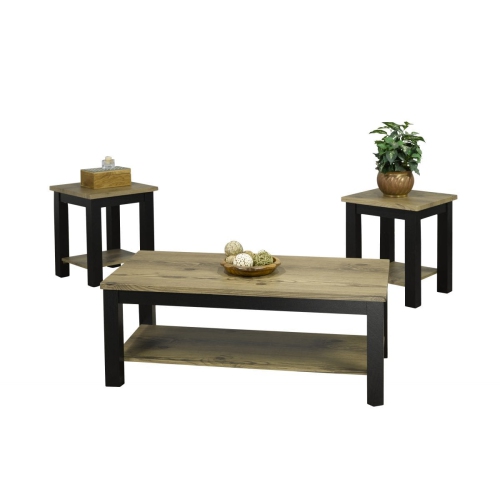
Top Collections:
Pokemon Centers, Kindle Devices, Best Cameras for Sports Photography, Pokémon 30th Celebration Cards, Apple iPhones 16, Canon G7X Cameras, iPhone 15 Apple, Flip Phones, Samsung Galaxy Phones, Alarm Clock
Some products may be subject to Environmental Handling Fees
(EHF) depending on your province.
Learn more about EHFs.