Solid Wooden Desks for Home Office
If you're looking to add some personality to your home office, a solid wooden desk is a great place to start. Solid wood desks are built to last and can be passed down from generation to generation. They're also available in a wide range of styles and colors, so you can choose one that matches the rest of your home decor. Here are some of our favorites.
Sort

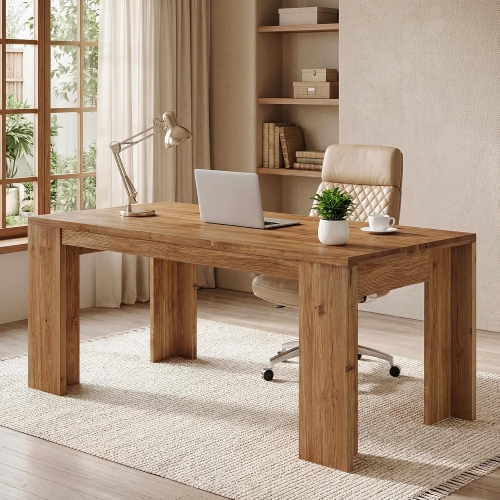


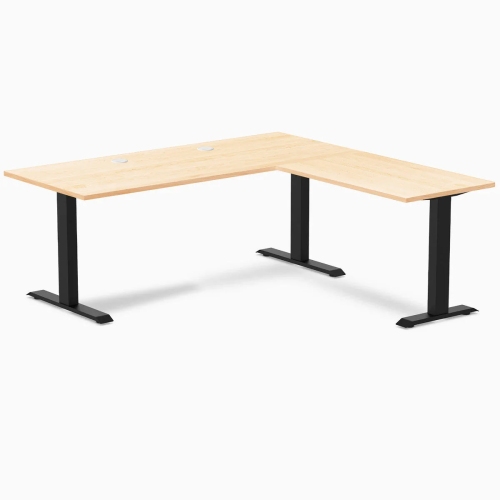

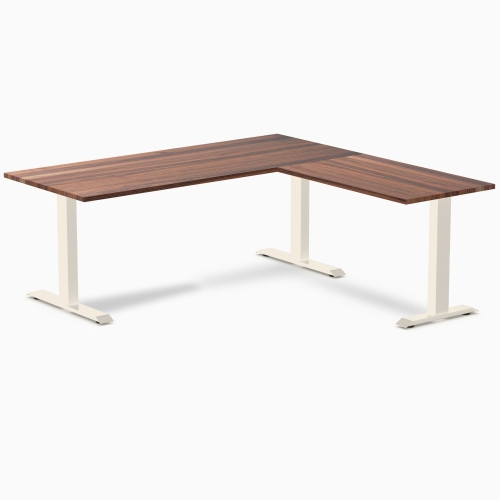
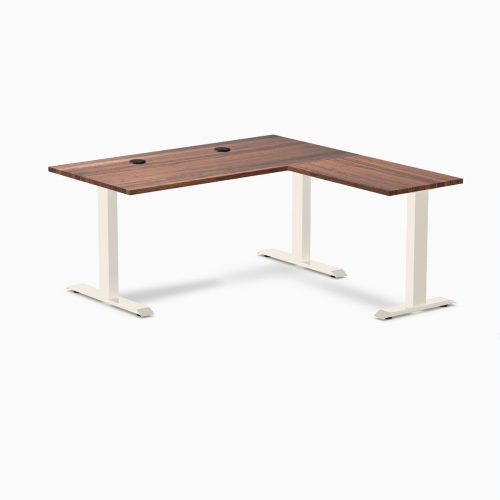




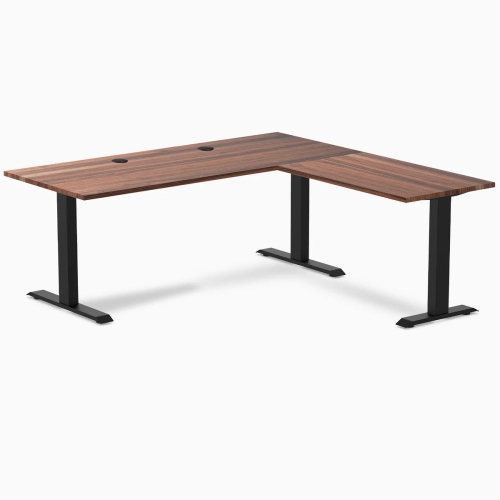
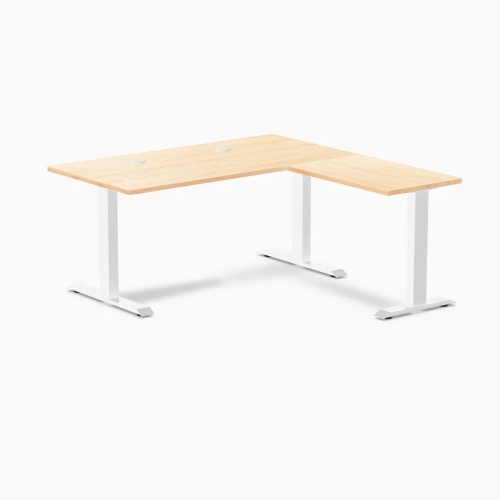
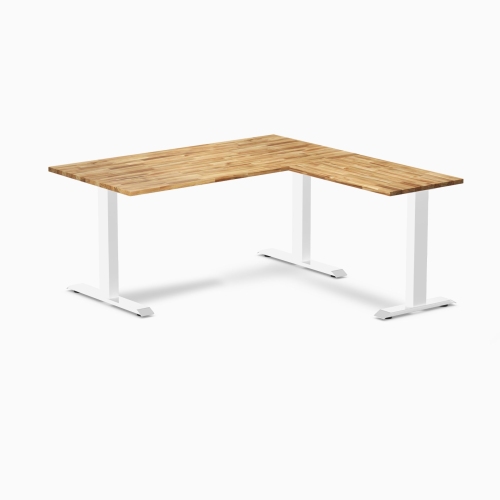
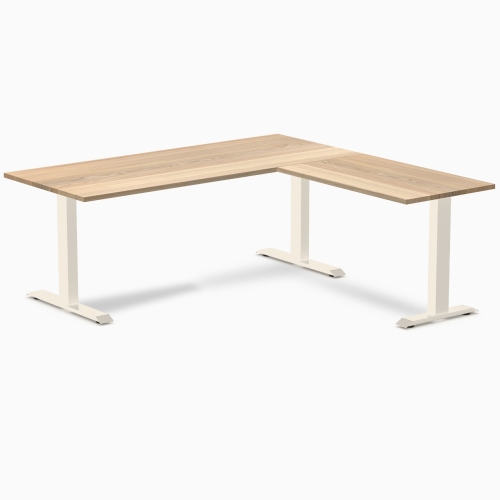







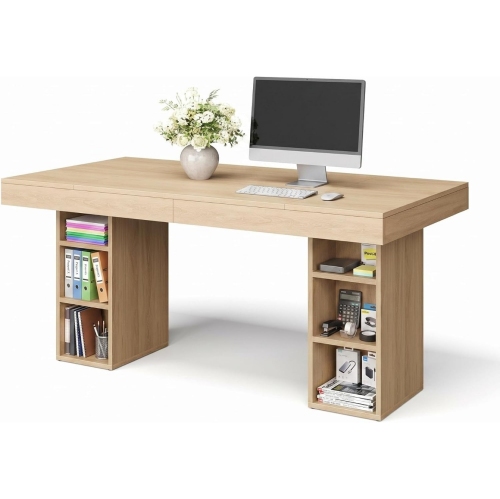
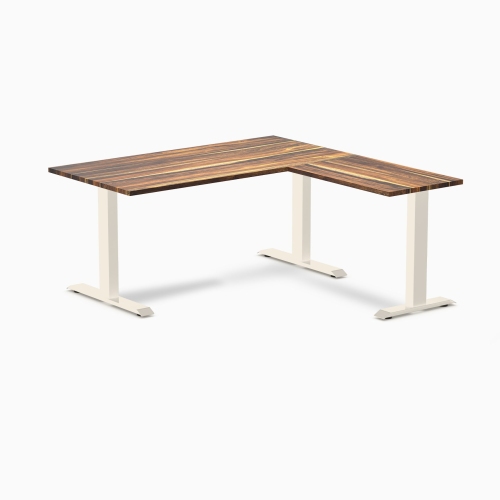
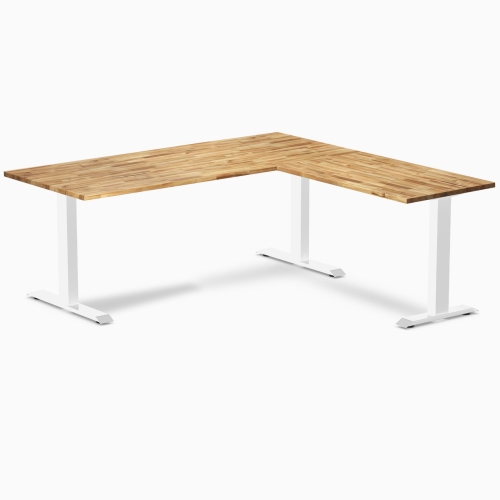


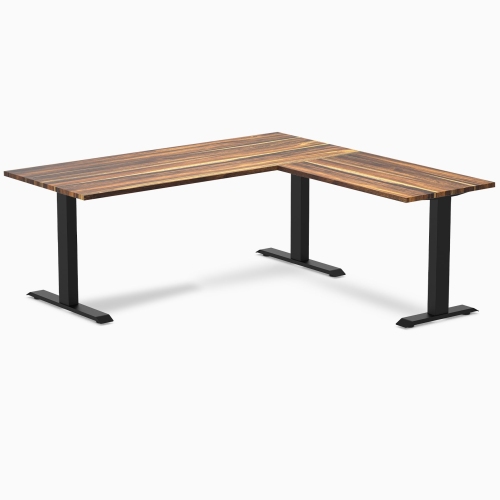









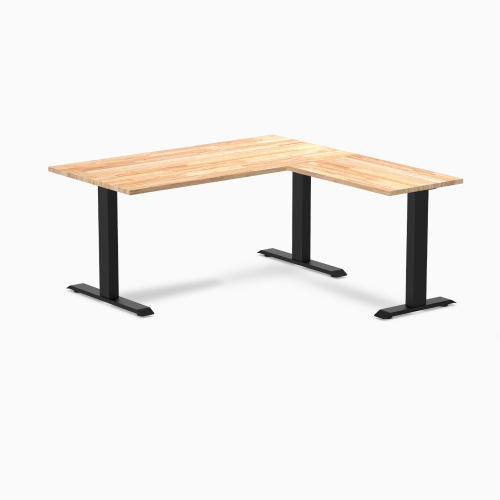


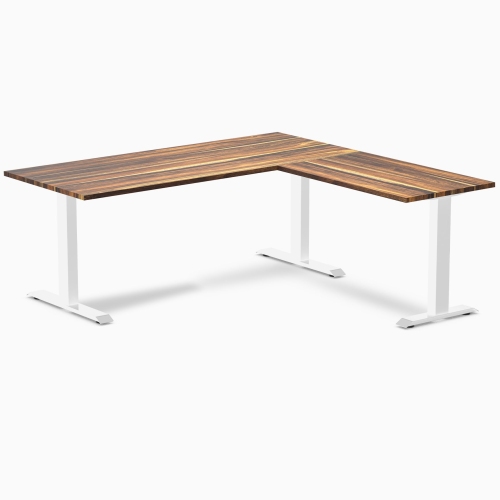
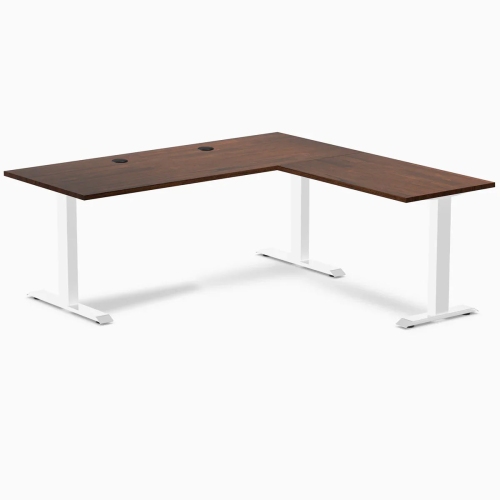
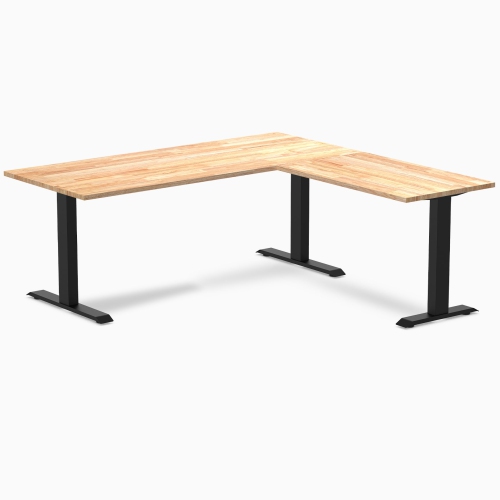















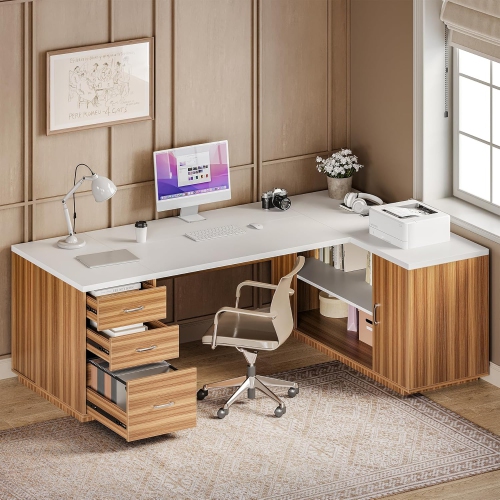
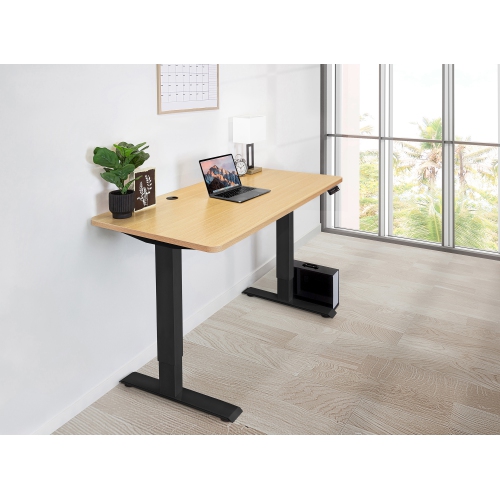
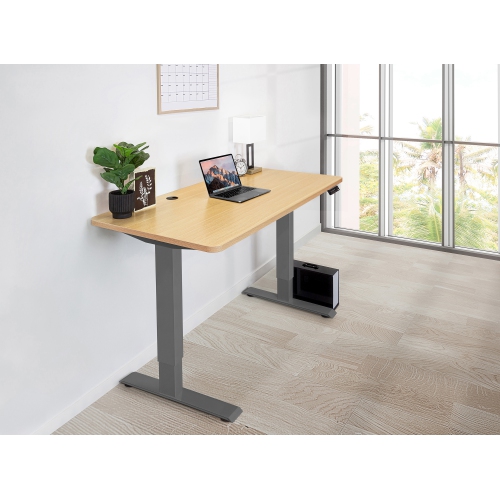
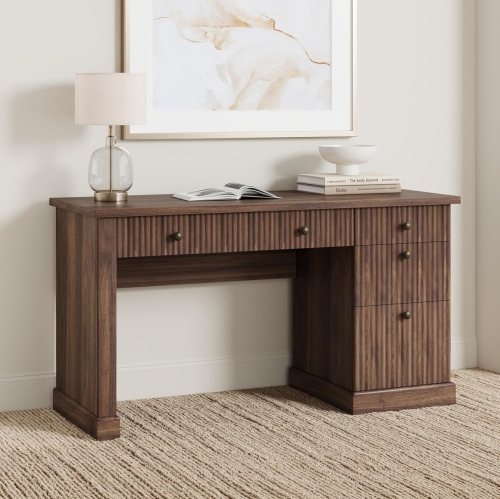

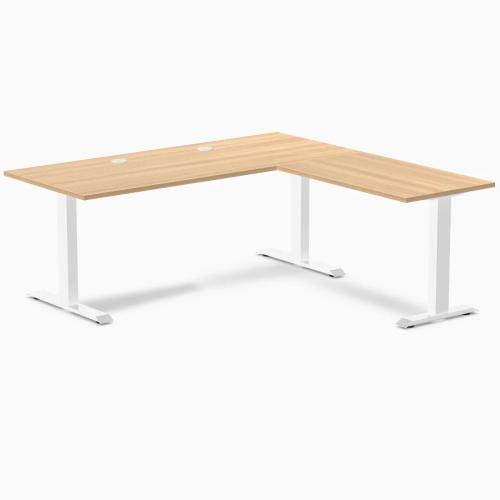
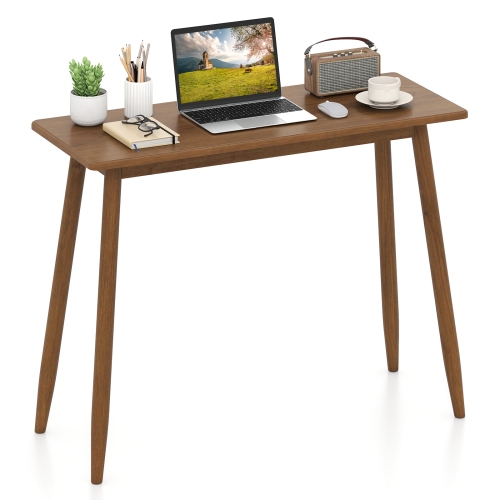
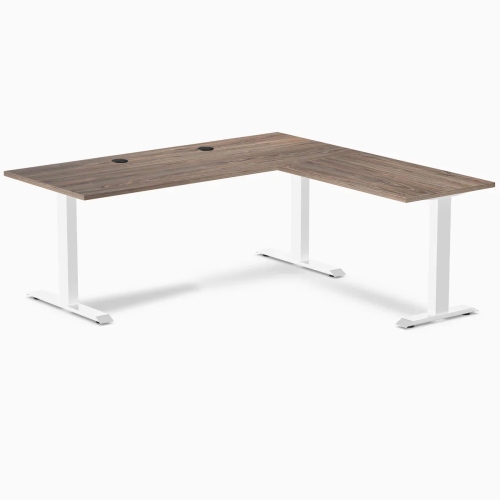
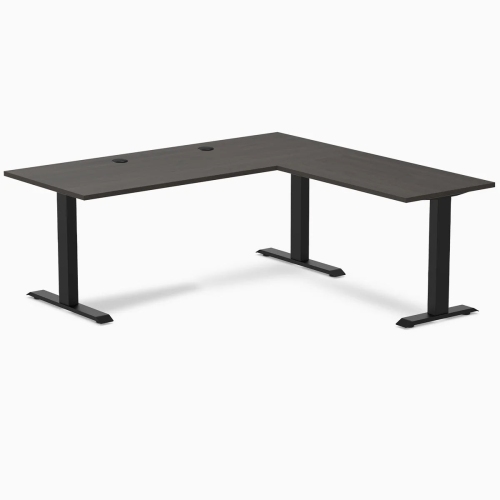







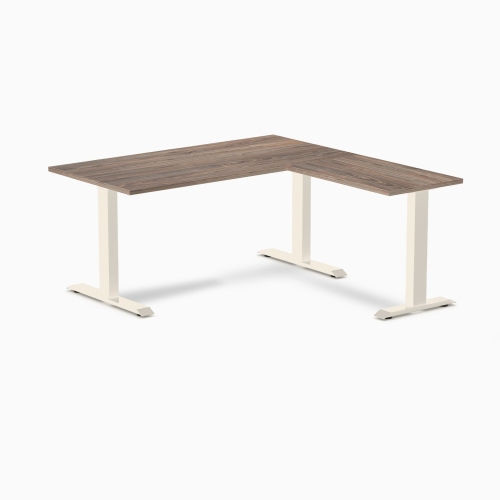
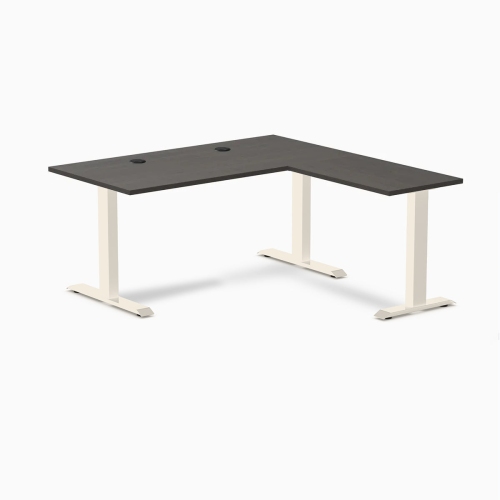


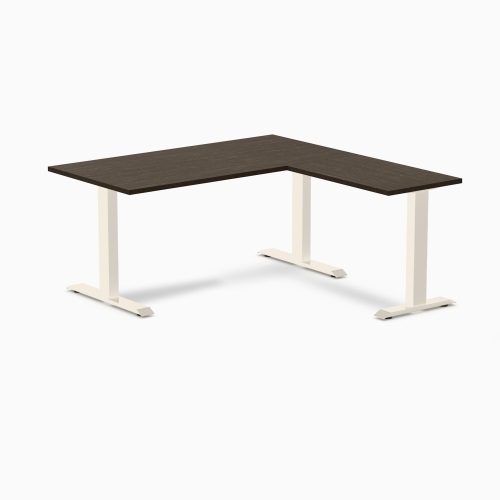
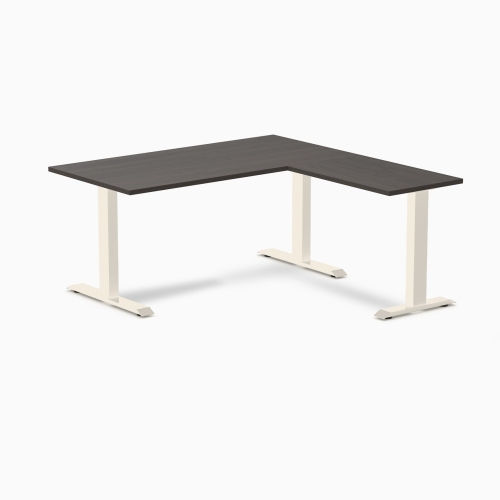

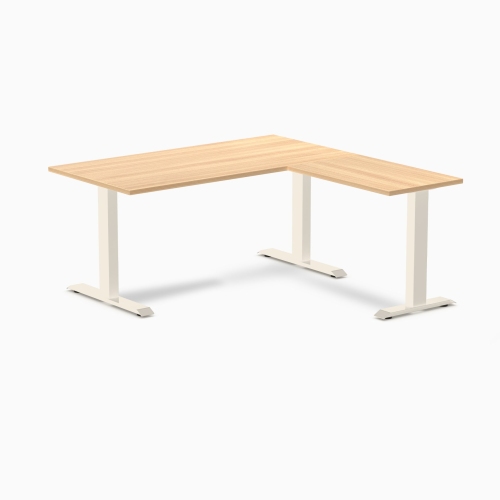
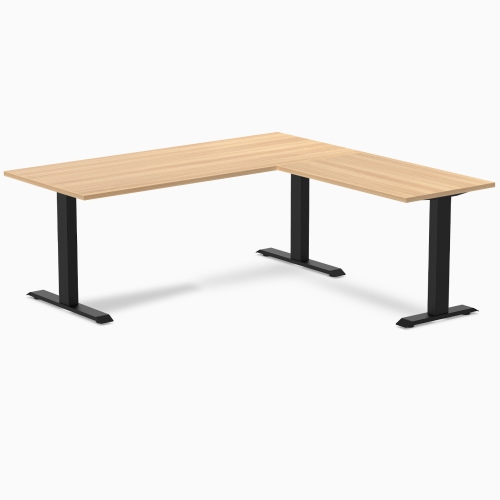
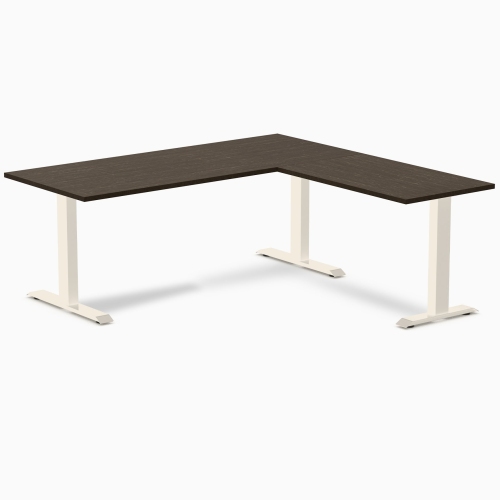
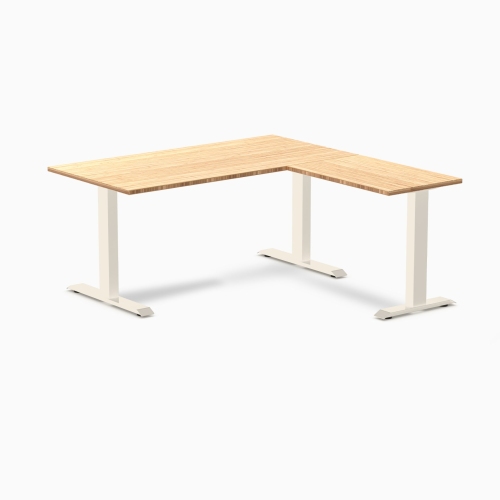
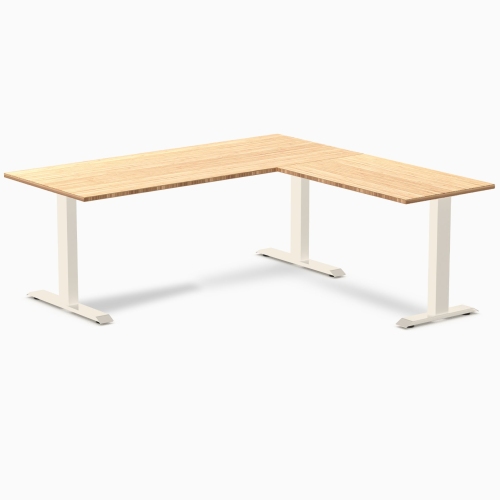
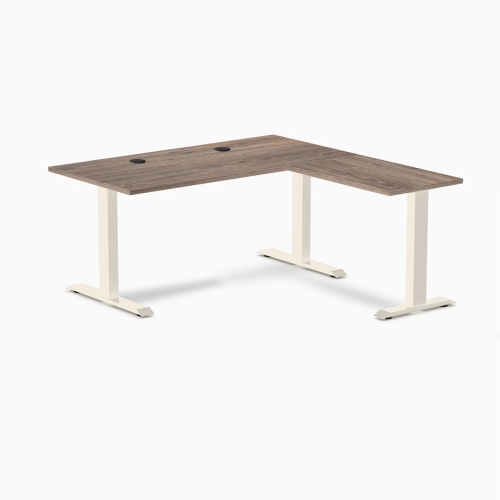
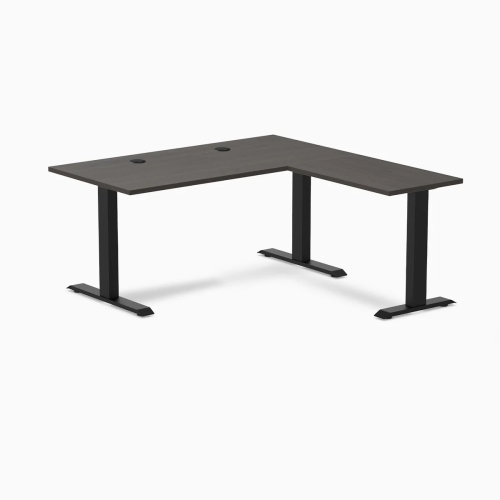
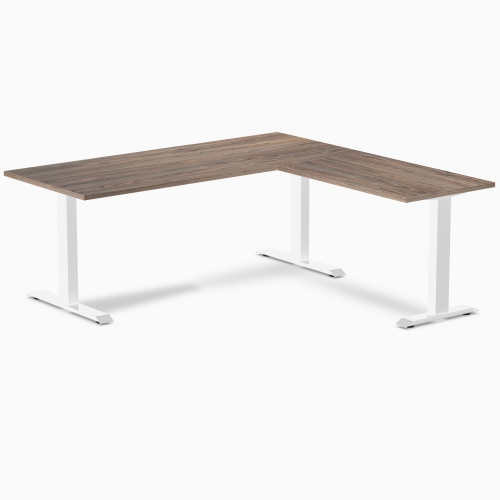
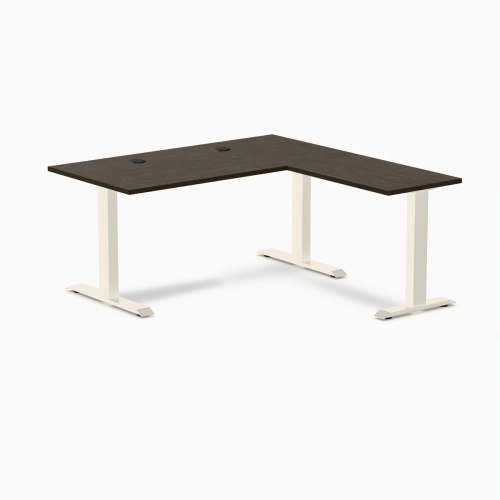


More than wood grain goes into a dependable desk
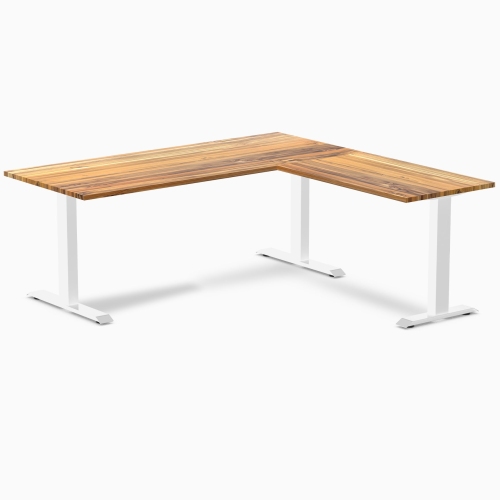
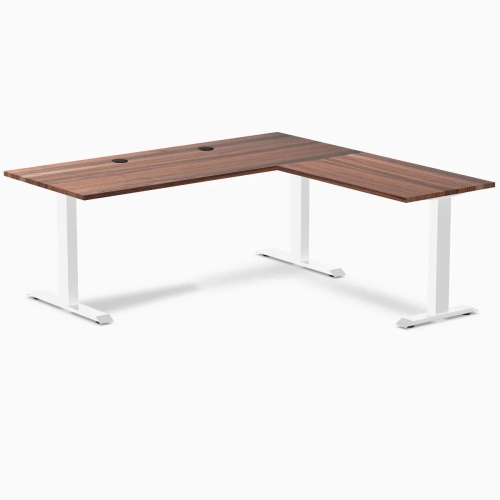
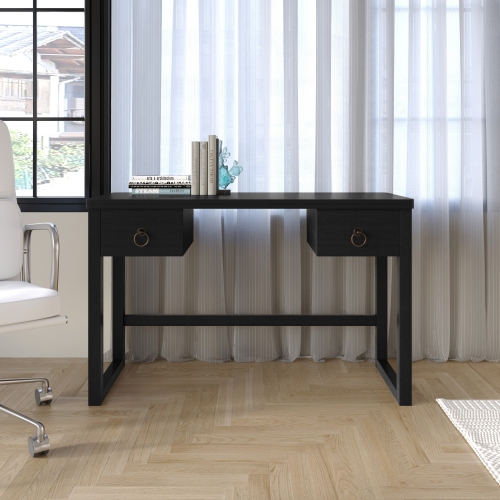
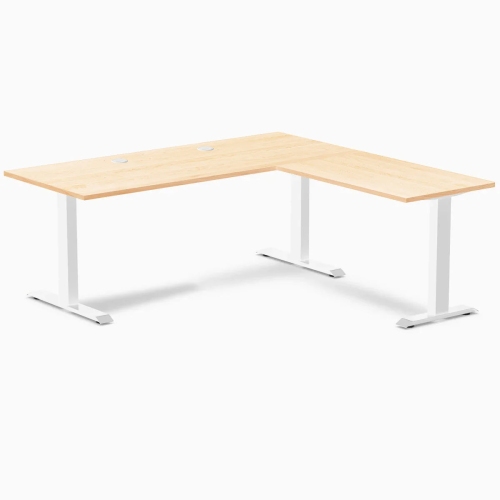
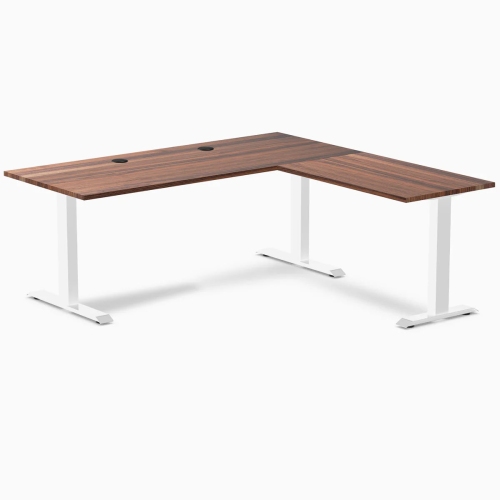
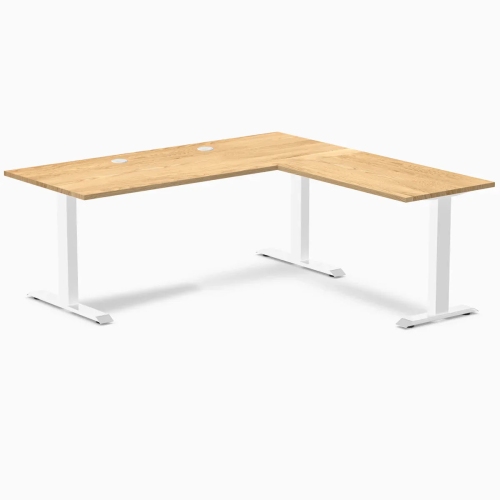
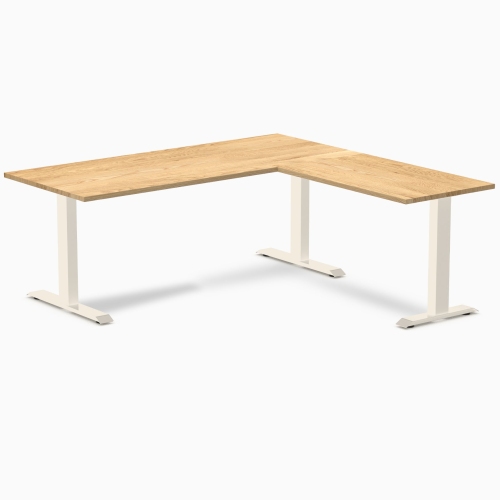
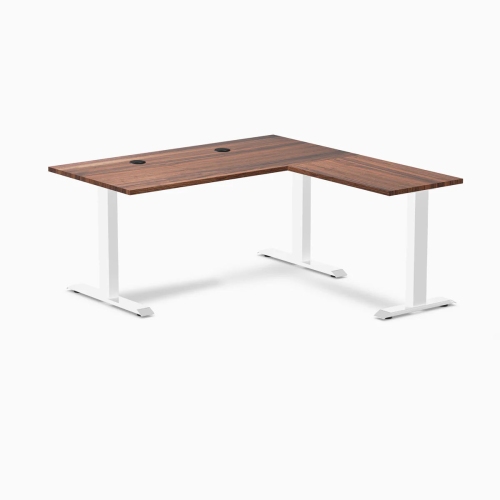
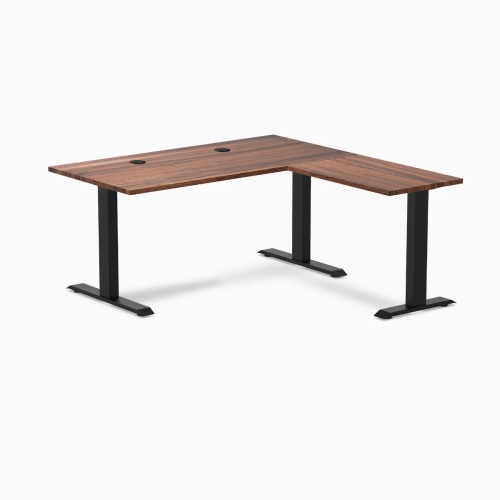
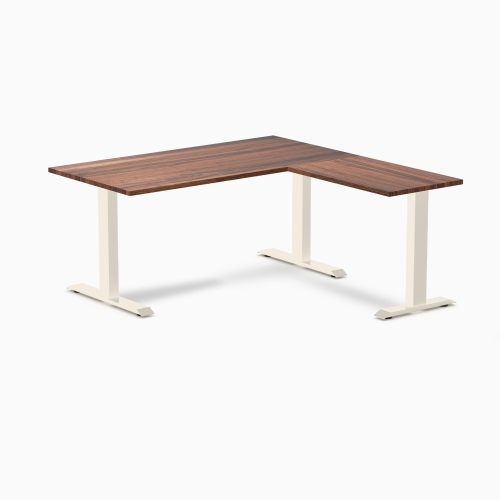
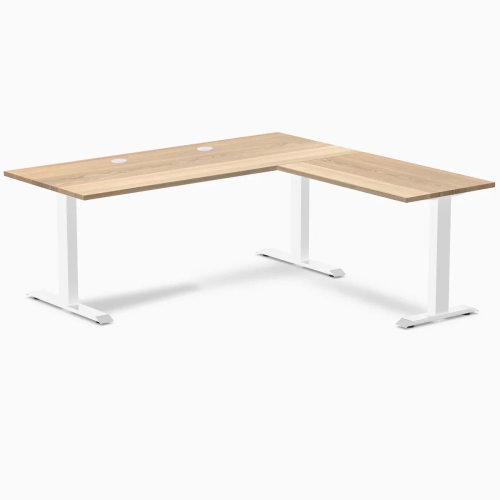
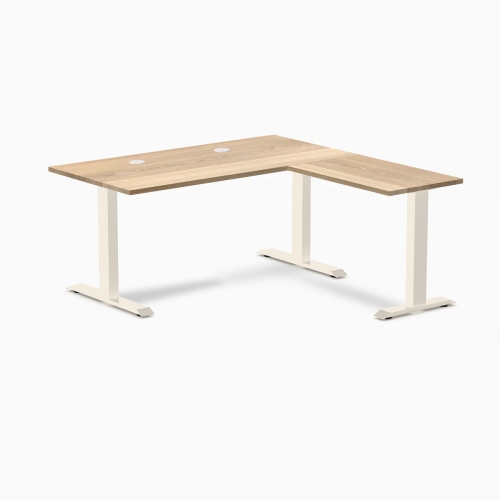
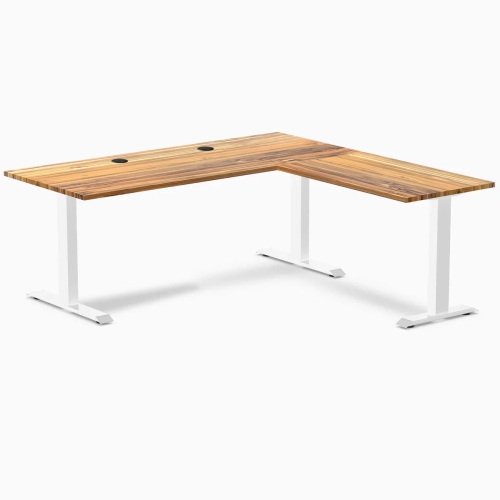
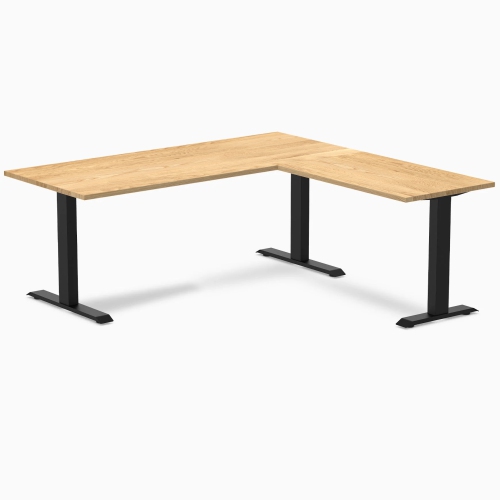
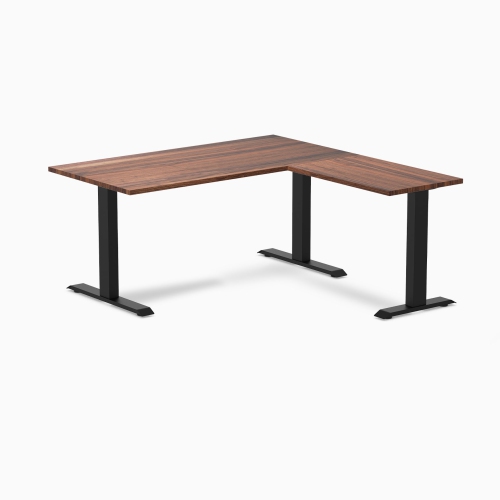
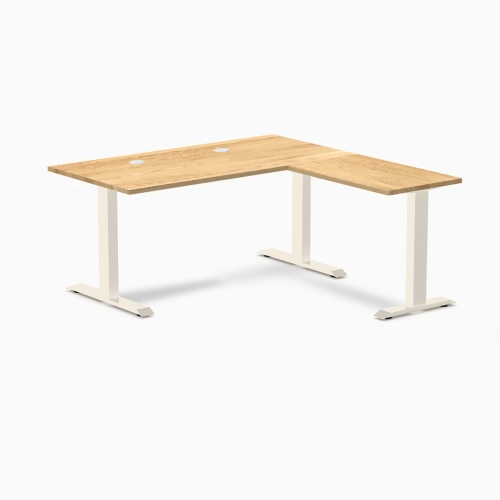
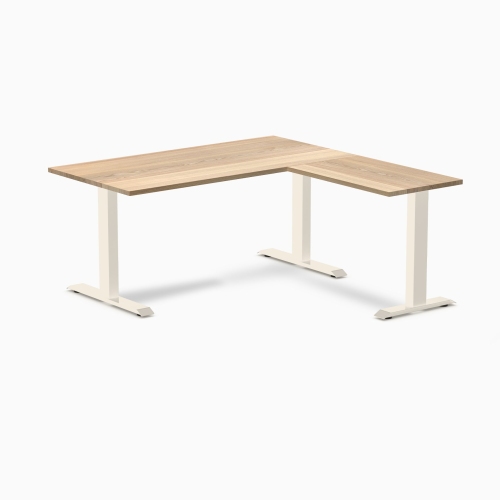
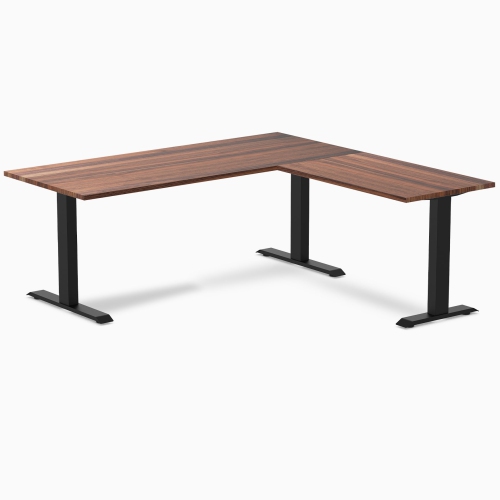
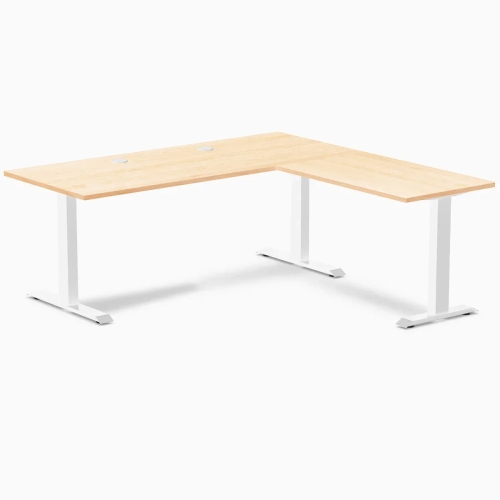
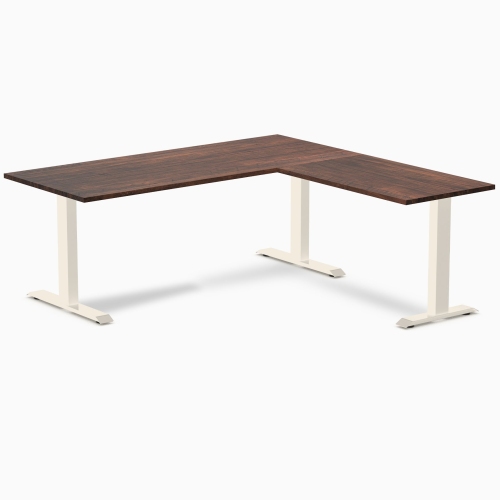
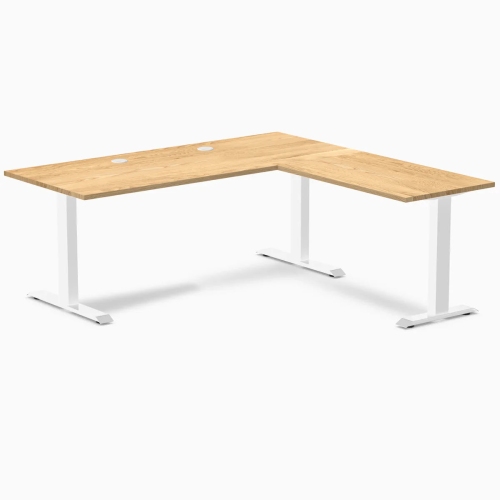
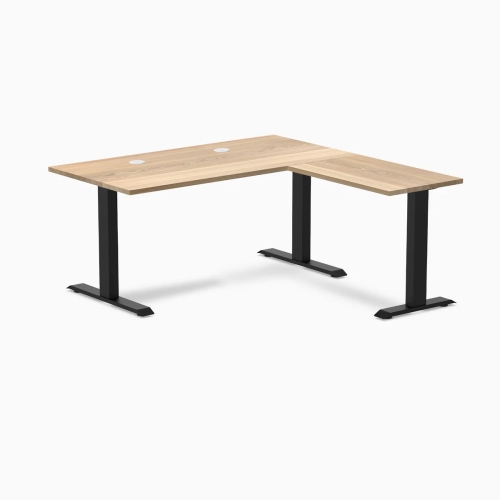
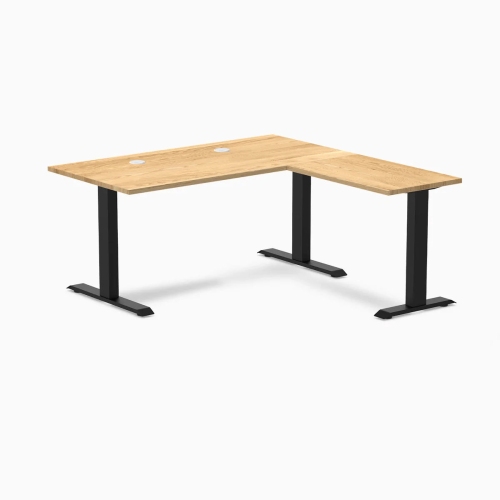
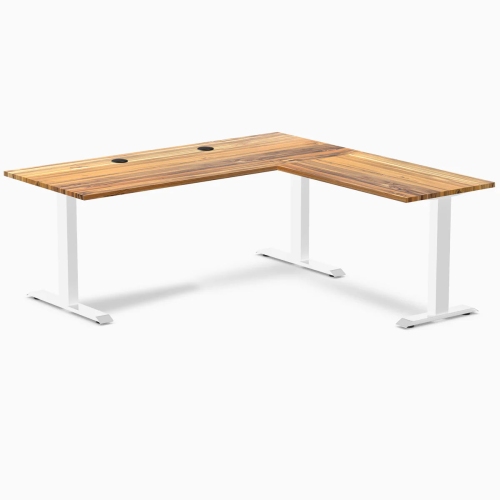
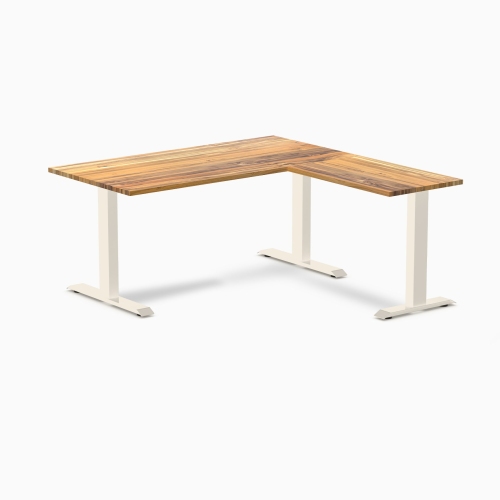
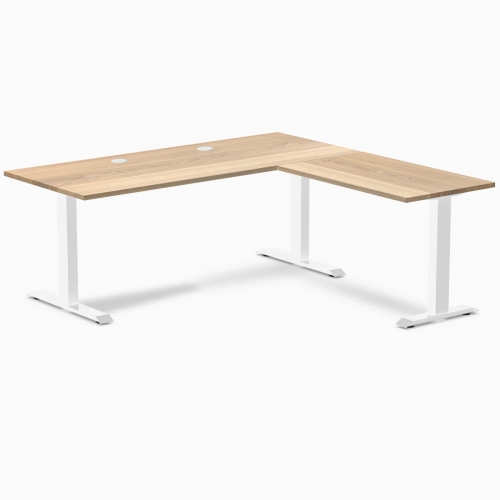
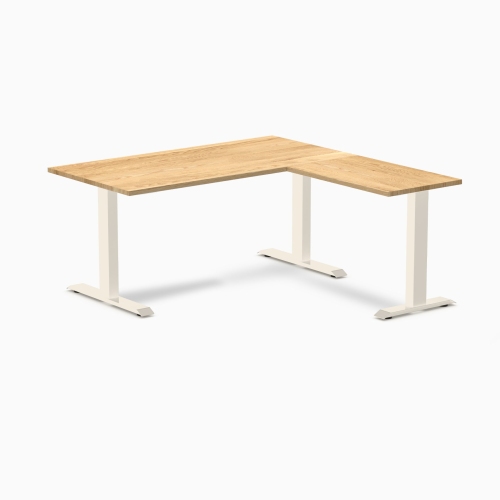
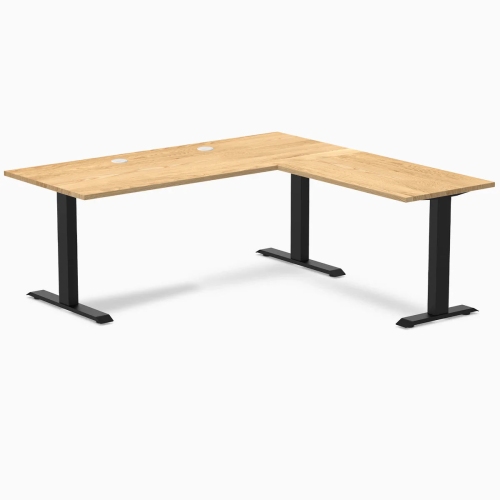
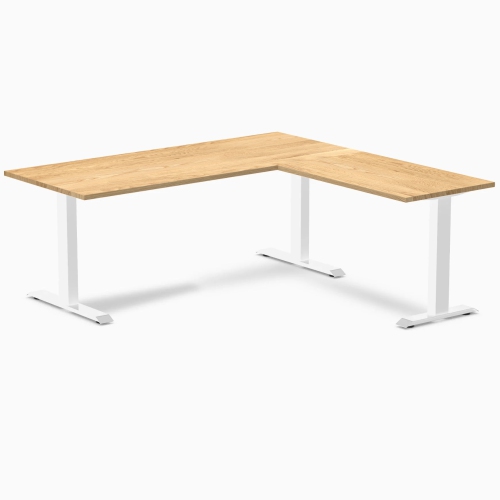
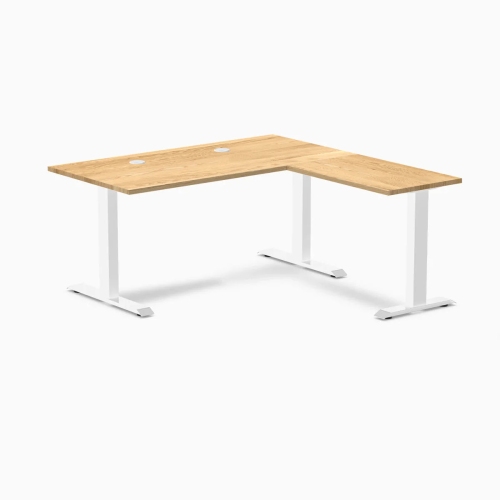
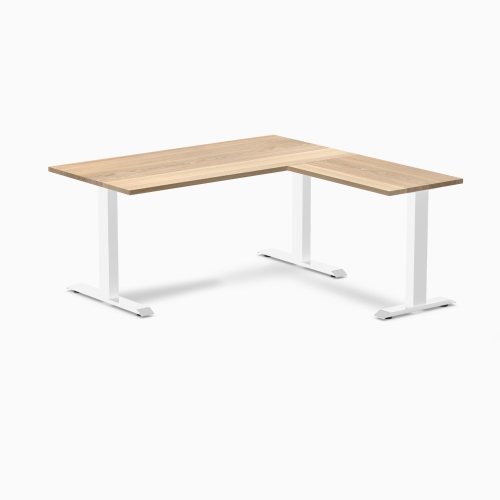
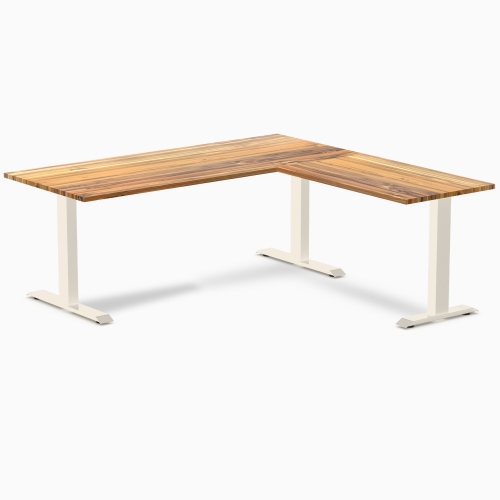
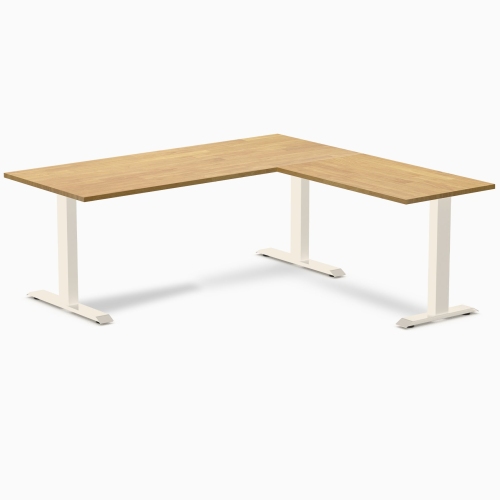
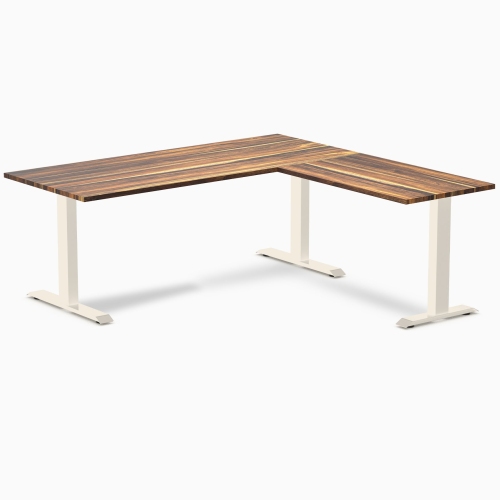
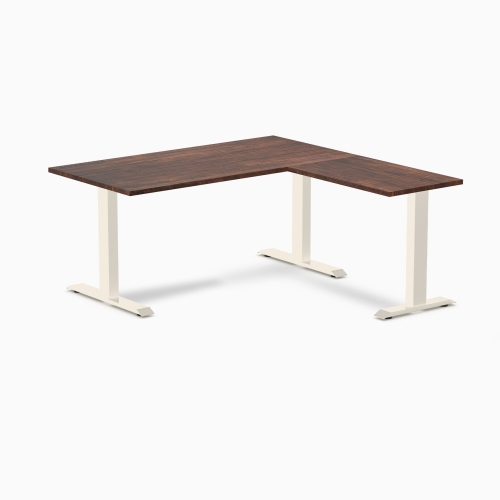
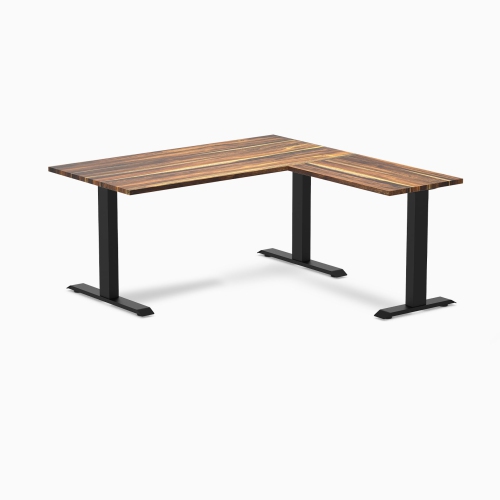
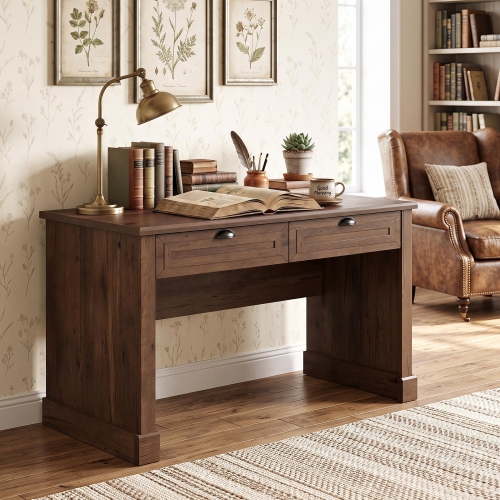
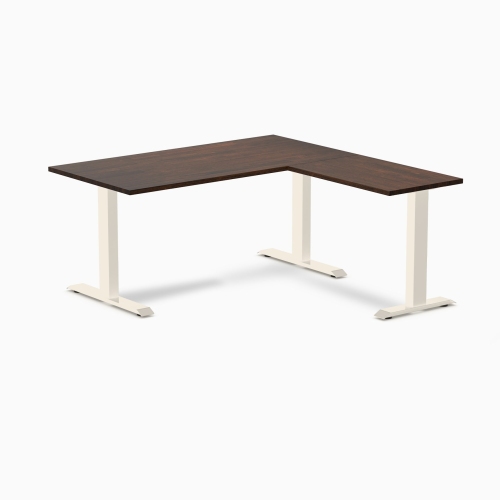
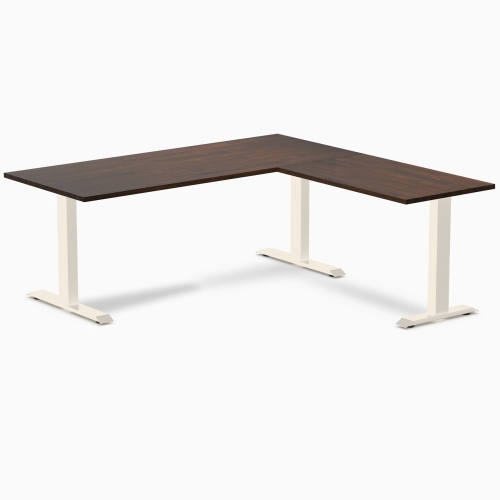
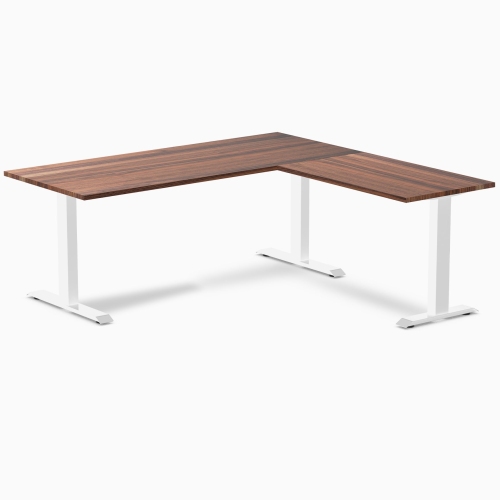
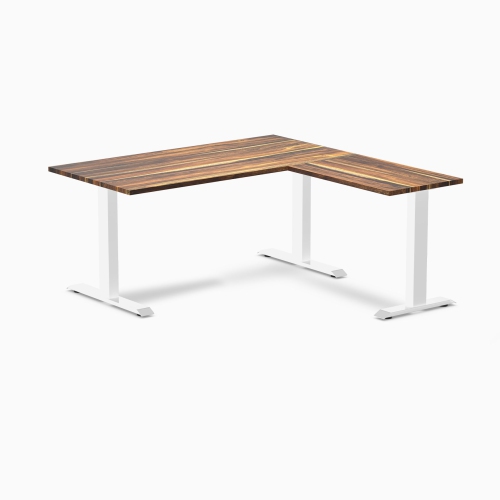
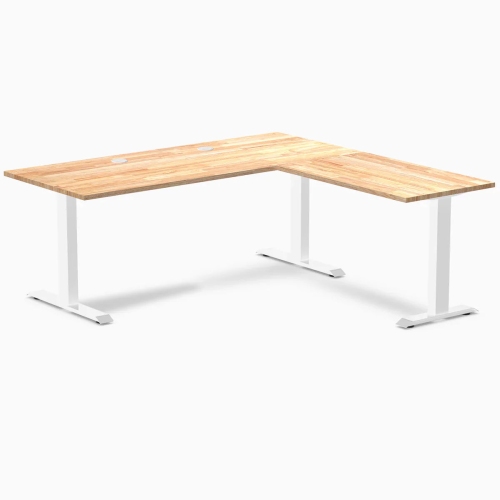
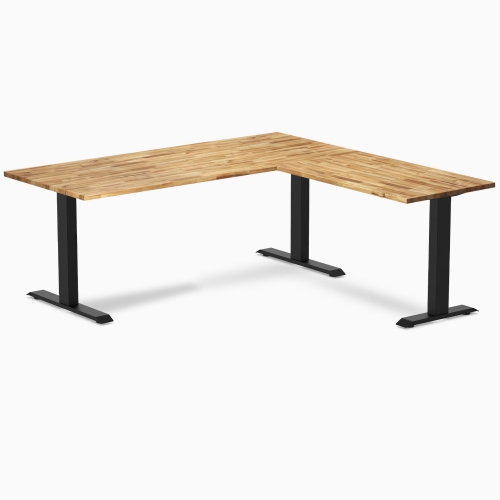
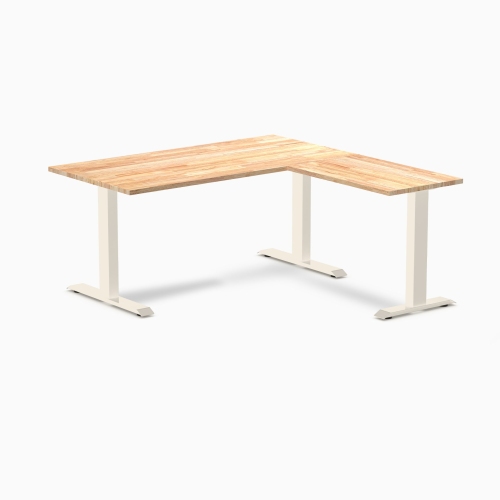
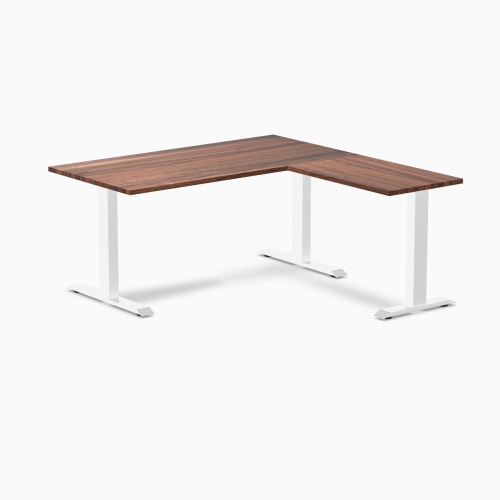
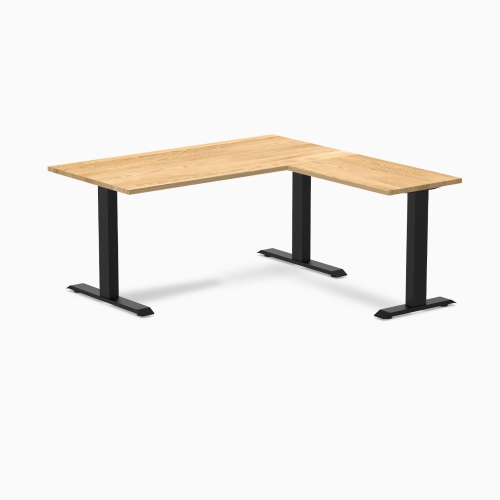
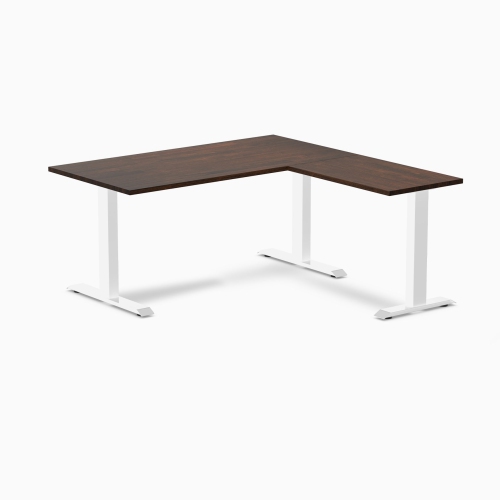
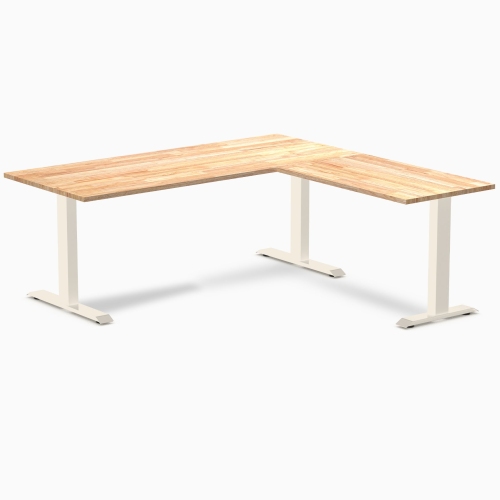
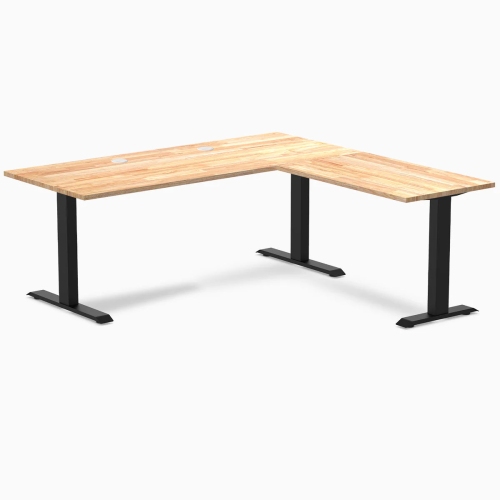
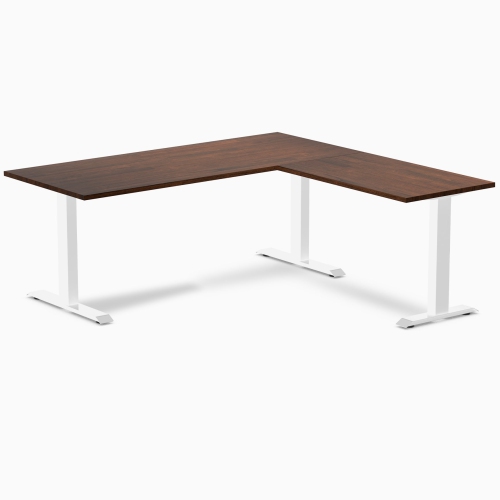
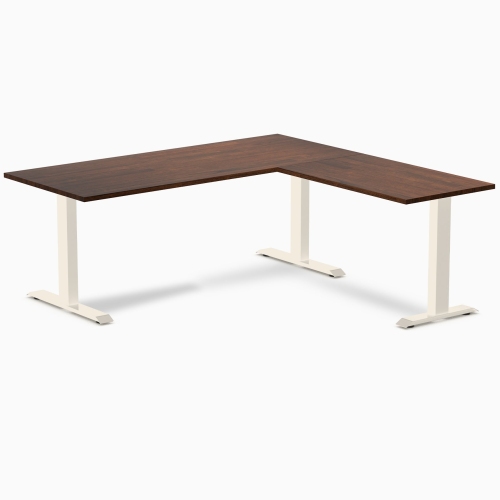
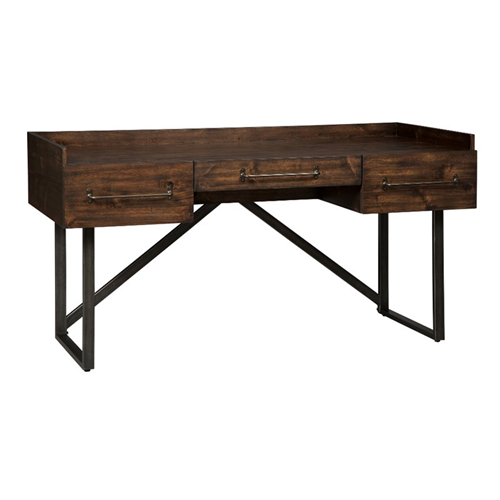
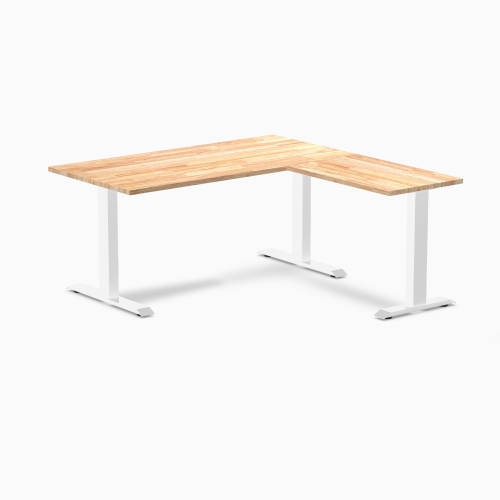
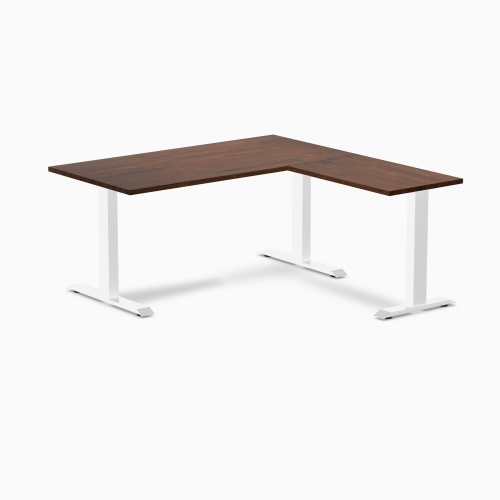
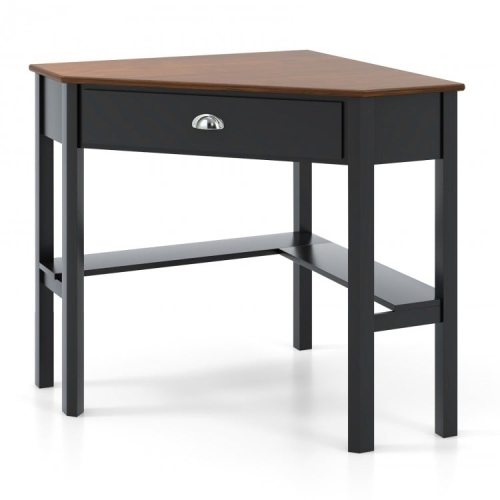
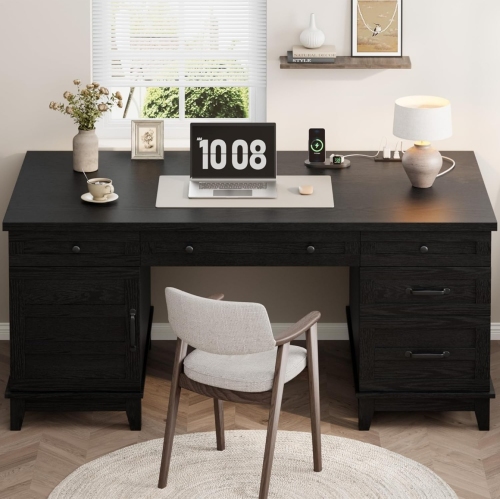
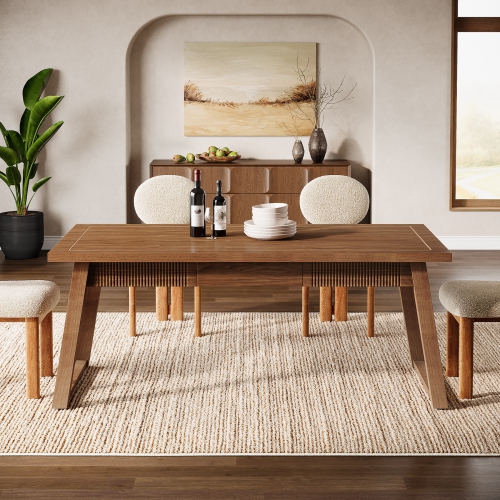
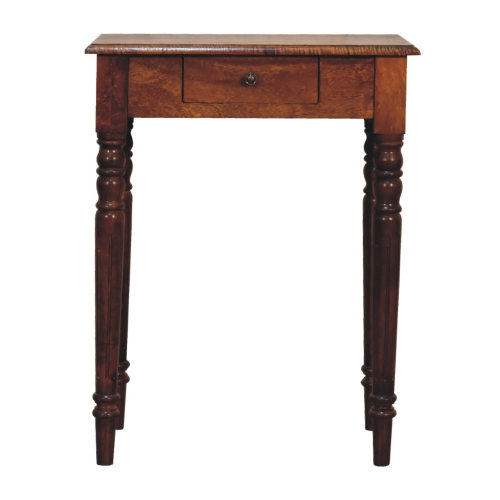
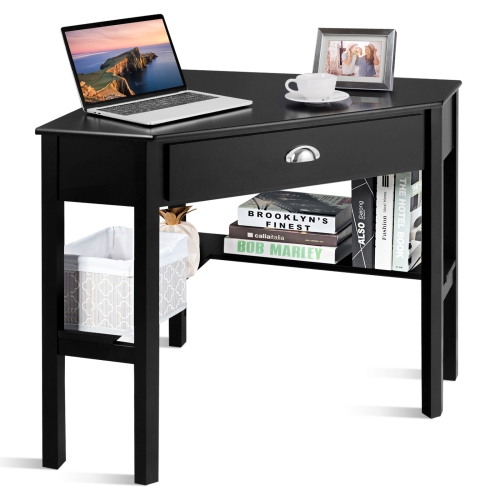
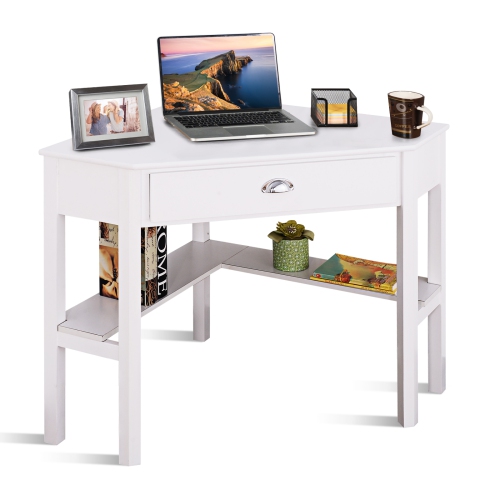
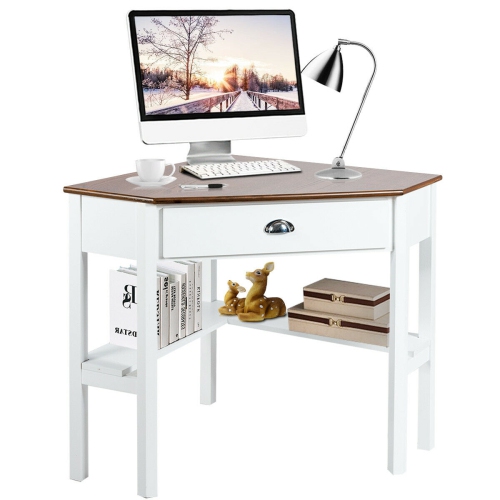
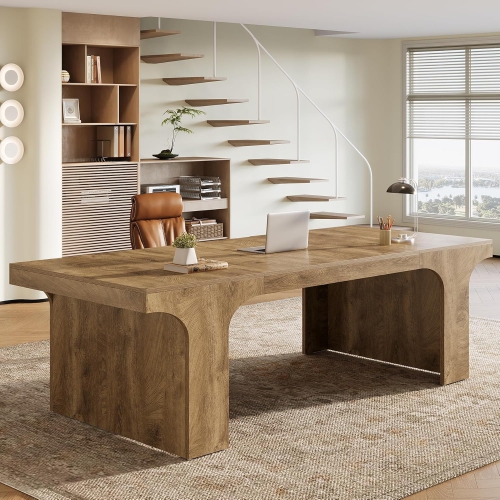
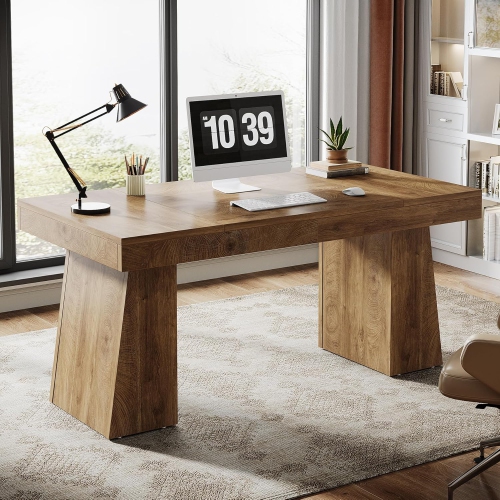
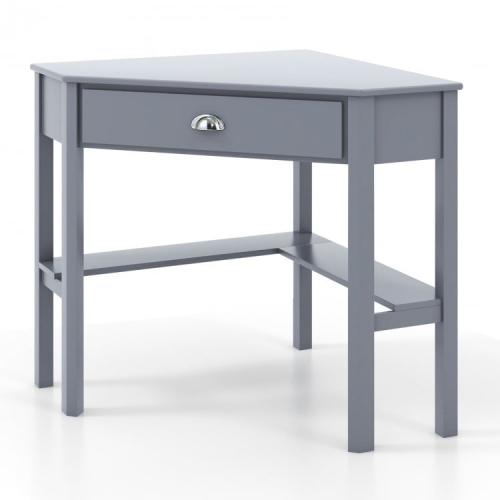
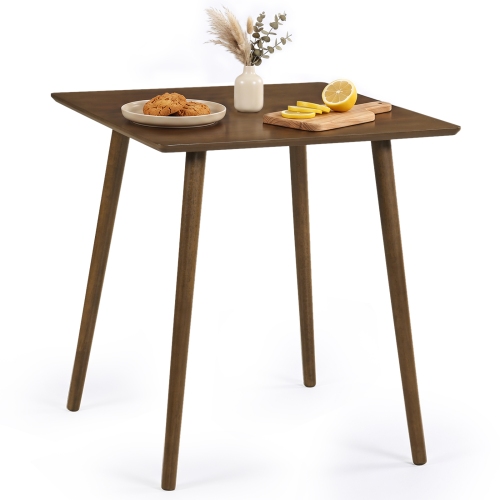
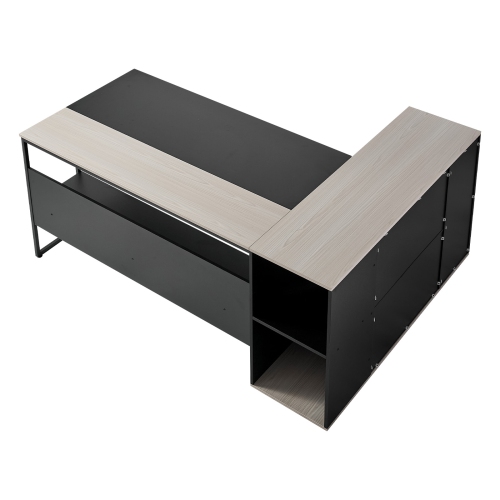
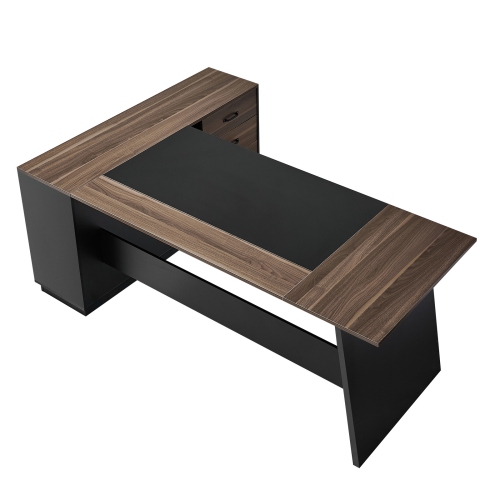
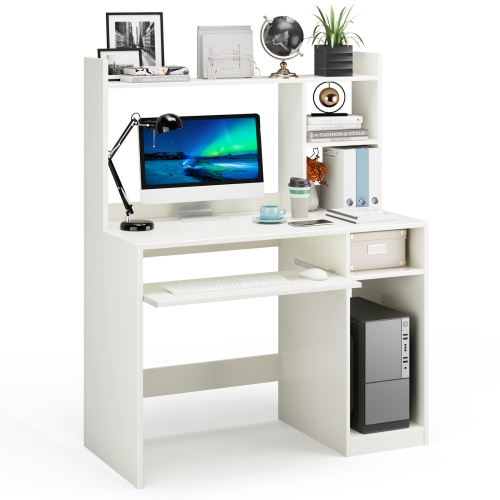
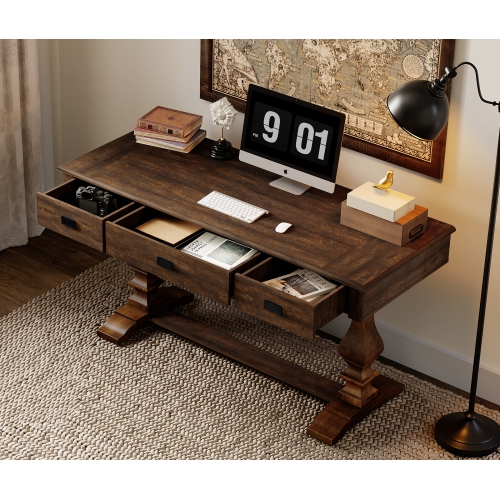
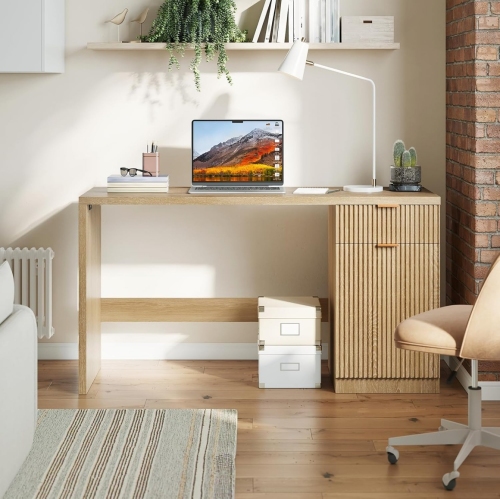
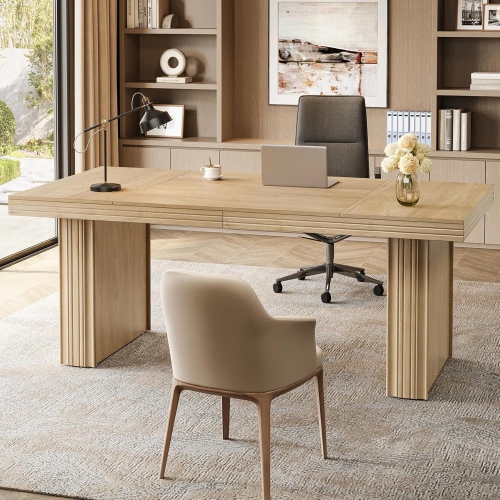
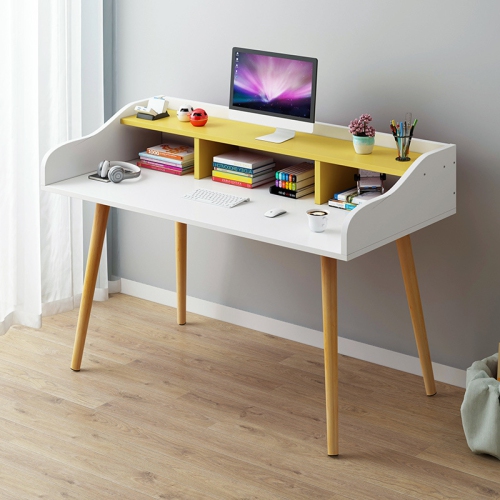
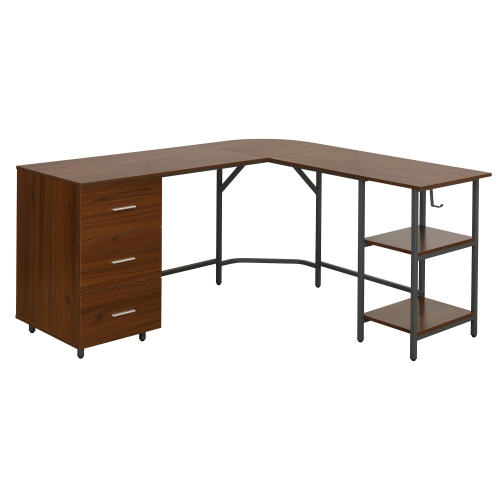
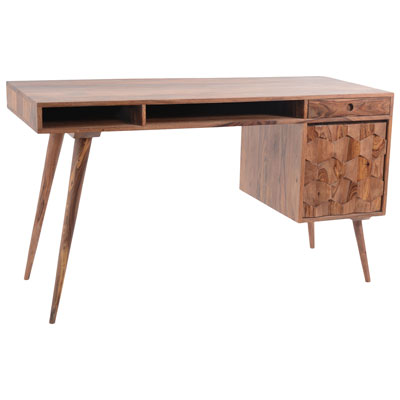
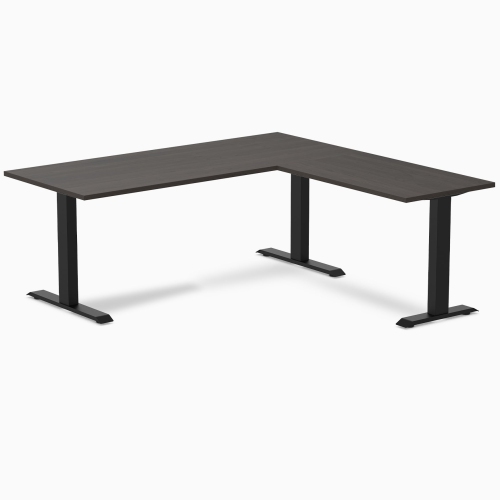
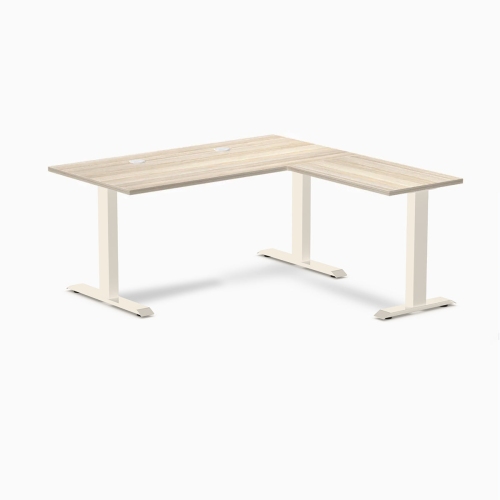
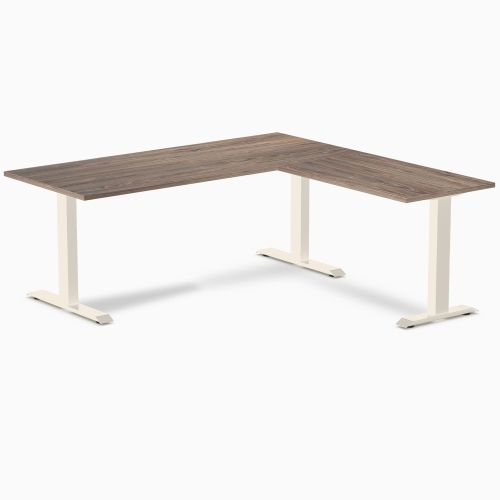
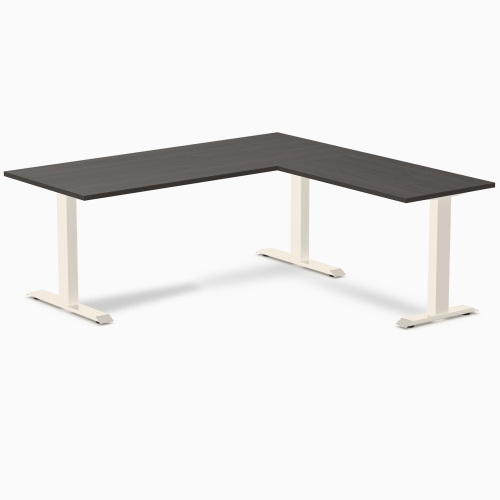
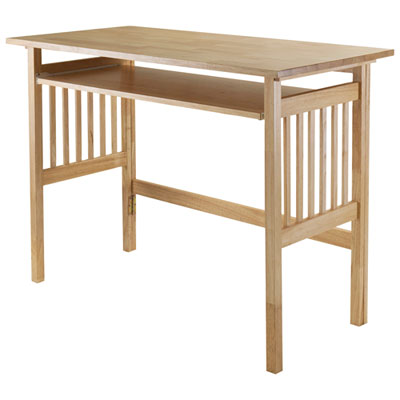
Solid wooden desks for a home office bring a practical work surface and the character of natural timber into spaces used for focused work, studying, and everyday paperwork. Styles range from compact writing desks with slender legs to broad workstations with drawers, cabinets, or open shelving. A smaller desk can give a laptop and notebook a permanent place in a bedroom alcove, while a deeper surface can accommodate a monitor, keyboard, and reference materials without making every task feel like a shuffle. The appeal of solid wood lies partly in its variation: grain patterns, knots, and changes in tone give each surface a distinct appearance. Oak often shows prominent grain, walnut tends towards rich brown tones, and maple generally has a lighter, more understated look. Acacia can display pronounced contrasts between light and dark areas, while pine offers a softer surface that may show dents more readily with daily use. Species alone does not determine performance; construction, board thickness, joinery, and the finish all contribute to how a desk feels and holds up. Material descriptions also matter because a solid wood desktop does not necessarily mean every drawer base, back panel, or supporting component is made from the same material. Wood veneer is a thin layer of real wood over another substrate, rather than solid timber throughout. The broader range of Solid Wood Desks can suit different interiors, from rooms with clean lines and pale finishes to more traditional offices with substantial furniture and darker tones. Tapered legs keep the look visually light, square supports create a more grounded presence, and a wood top paired with a metal base adds contrast. In a shared living space, a desk that relates to nearby shelving or dining furniture can feel like part of the room rather than an office squeezed into it.
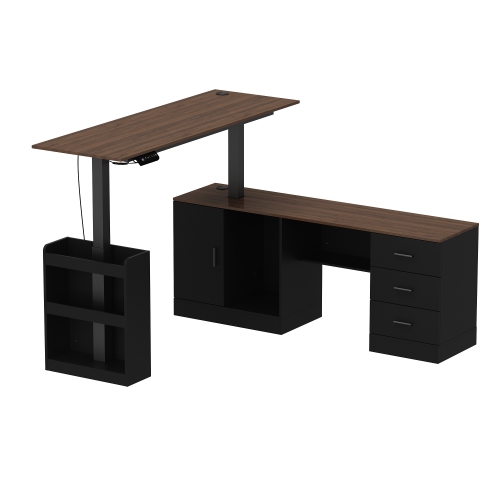
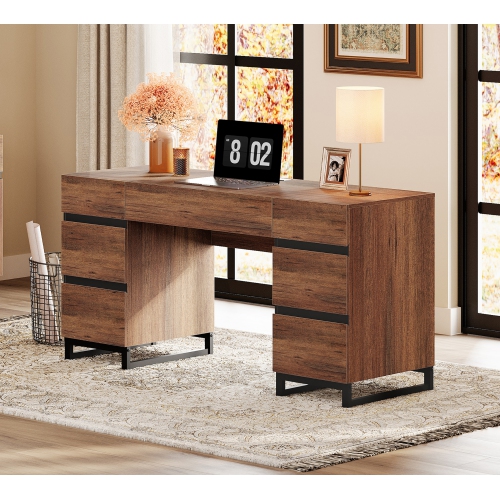
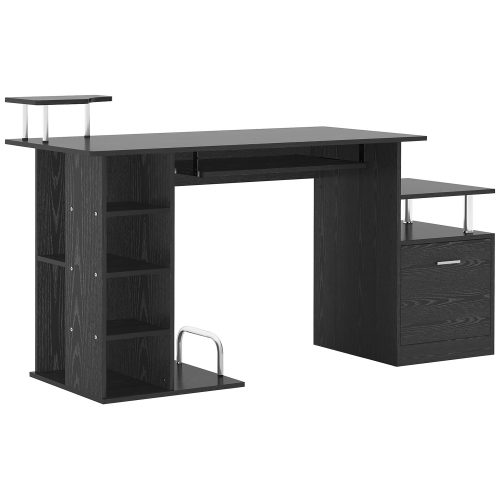
A comfortable home office depends as much on the desk’s proportions as its appearance. Width determines how much equipment and paperwork can sit side by side, but depth is equally important when a screen needs to sit at a comfortable viewing distance. A shallow writing desk may work well for occasional laptop use yet feel restrictive once a separate keyboard and monitor are added. For someone reviewing spreadsheets beside printed documents, or attending video calls while taking handwritten notes, a broader, deeper surface leaves useful space between tasks. The footprint includes more than the desktop: chair movement, drawer clearance, nearby doors, and the route through the room all affect everyday fit. A desk tucked beneath a window may make good use of an otherwise empty wall, provided it does not obstruct a vent or put the screen in persistent glare. Underneath, generous knee room lets the chair move close enough for relaxed shoulders and supported forearms. A thick apron or central drawer can reduce that clearance even when the overall desk height seems suitable. Built-in storage is helpful for stationery, chargers, and papers, although drawer pedestals also occupy space that might otherwise provide legroom. Open shelves keep frequently used materials within reach, while enclosed drawers create a calmer backdrop when the office shares space with a guest room or lounge. Cable openings and trays, where included, help keep cords away from the working area and reduce clutter around the legs. For monitor arms, the desktop thickness, edge shape, weight rating, and mounting requirements need to match the hardware; an apron beneath the rear edge may prevent a clamp from fitting. Solid wooden desks can serve remote professionals, students, creative hobbyists, and households managing bills or school forms. A desk can also make a thoughtful gift for someone establishing a home office, particularly when its dimensions, storage arrangement, and style have been matched to the recipient’s room and routine.
Durability in a solid wooden desk comes from sound construction as well as the way the furniture is used and maintained. Well-fitted joints, securely attached legs, and a base that resists side-to-side movement help a desk remain steady during typing, writing, or drawing. Long desktops need suitable support, especially when carrying several pieces of equipment, and the stated load limit is more useful than judging strength by appearance alone. Some desks arrive assembled, while others require the base, drawers, or hardware to be fitted; access through stairwells and doorways deserves attention because solid wood furniture can be heavy. Once in place, an even floor and correctly adjusted levelling feet, where fitted, help prevent rocking. Wood also responds to changes in indoor humidity, expanding and contracting as moisture levels shift. Keeping a desk away from direct heat sources and maintaining reasonably stable indoor conditions can help limit movement, particularly during the cooler months when home heating is used more often. Prolonged direct sunlight may alter the colour of both the wood and its finish, sometimes leaving a visible difference beneath objects that rarely move. Everyday care is usually straightforward, but it should follow the finish manufacturer’s directions. A soft cloth removes dust, spills are best wiped up promptly, and excess water should not be left sitting on the surface or around joints. Coasters beneath drinks and a protective mat for writing or craft work help guard against rings, ink marks, and pressure dents. Felt pads under accessories can reduce scratches when a lamp or desktop organiser is moved. Oil, wax, lacquer, and other finishes have different maintenance needs, so a treatment intended for one surface may not suit another. Some solid wood surfaces can be repaired or refinished, depending on their construction and finish, but that possibility is not a reason to overlook routine protection. With an appropriate size, dependable support, and care suited to the surface, a wooden desk can remain a useful part of the home as work habits, equipment, and room arrangements change.
Top selling and popular products
-
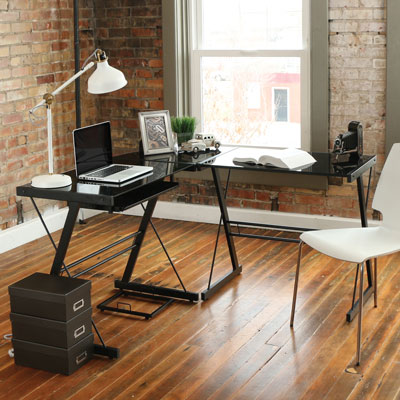 Your price for this item is $304.99
-
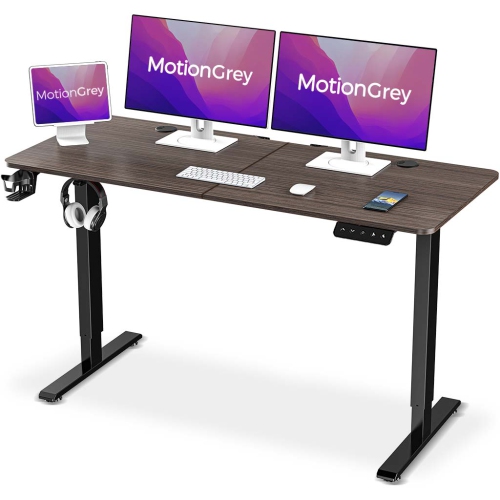 Your price for this item is $142.92
-
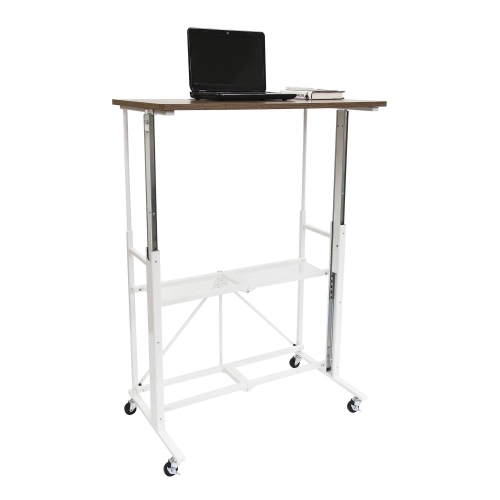 Your price for this item is $248.99
-
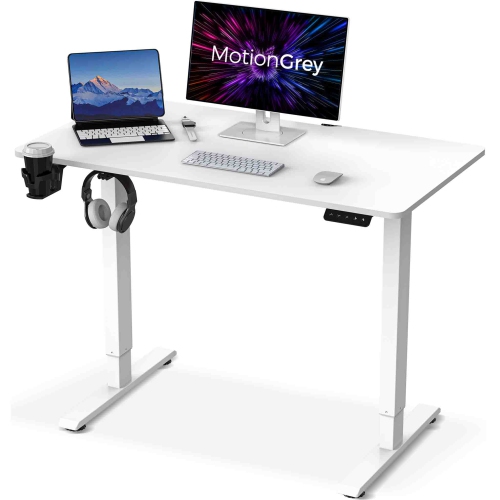 Your price for this item is $133.91
-
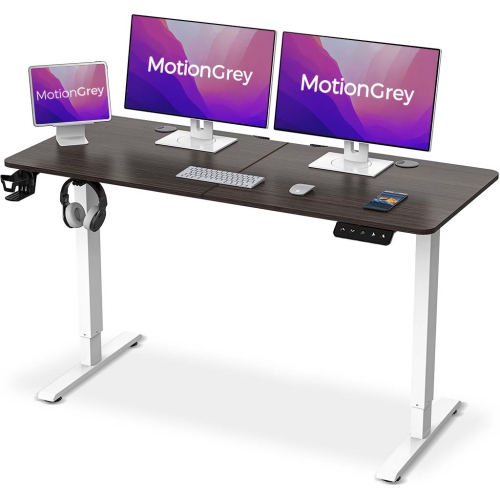 Your price for this item is $158.99
-
 Your price for this item is $142.94
-
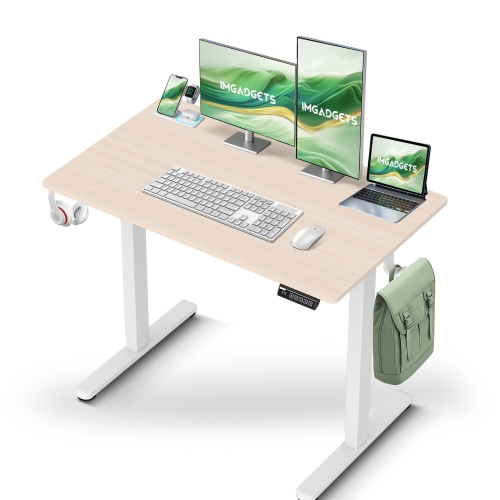 Your price for this item is $119.99
-
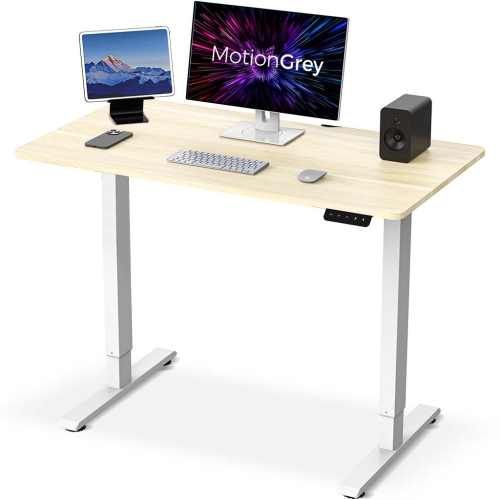 Your price for this item is $133.91
Discover more categories related to Solid Wooden Desks for Home Office
Top Collections:
Pokemon Centers, Best Cameras for Sports Photography, Kindle Devices, Samsung Galaxy Phones, Canon G7X Cameras, Pokémon 30th Celebration Cards, Refurbished Apple Laptops, iPhone 15 Apple, Laptops for Students, Budget Smartphones
Some products may be subject to Environmental Handling Fees
(EHF) depending on your province.
Learn more about EHFs.