Spa a Vendre
Spa a Vendre offers an exceptional selection for those looking to elevate their relaxation experience at home. Explore a wide range of options designed to fit various spaces and lifestyles, perfect for transforming your backyard or indoor area into a personal oasis. Whether you’re seeking a peaceful retreat after a long day or a gathering spot for friends and family, discover the ideal spa solution to match your needs and preferences. Find comfort, style, and quality with Spa a Vendre and enjoy the ultimate in-home leisure.
Sort
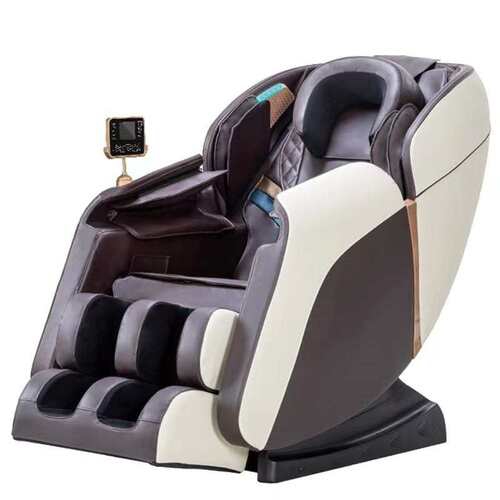


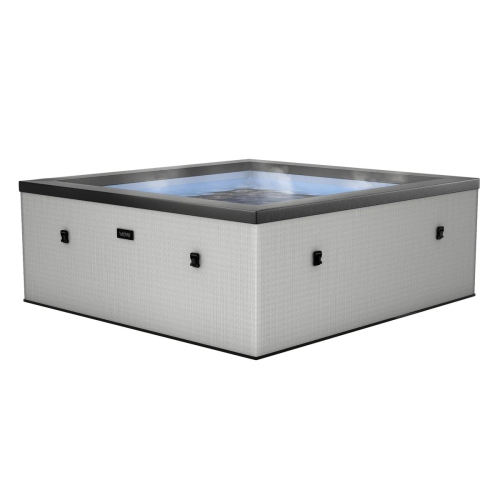

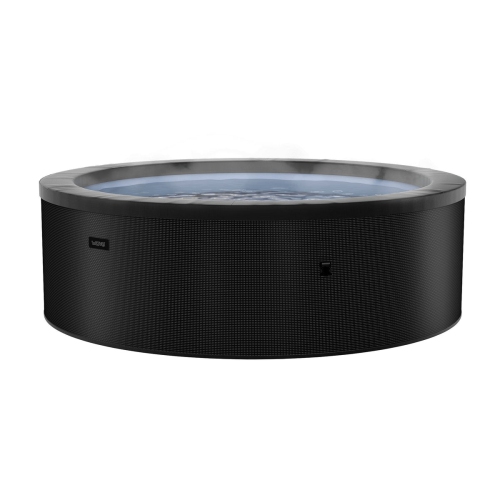

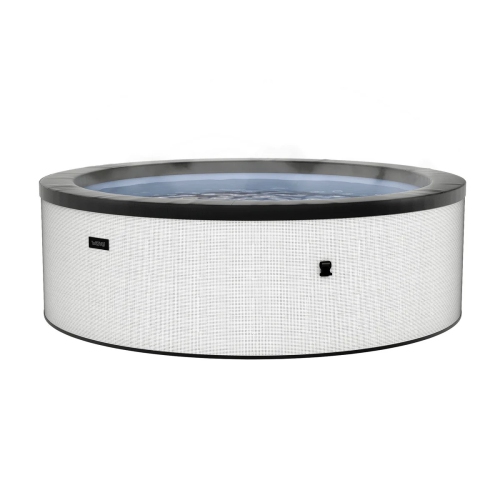
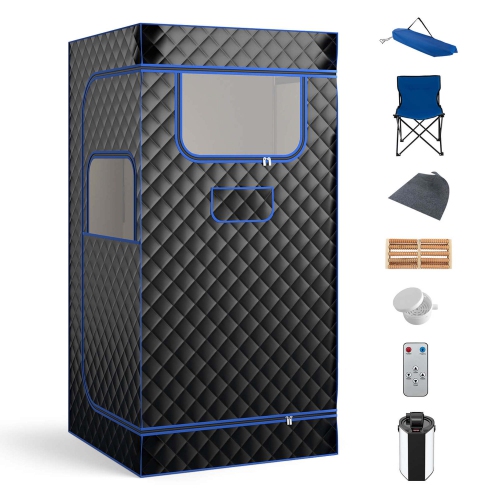


How seating and jet placement shape hot tub comfort
Hot tubs create a dedicated place to settle into a supported seat, enjoy the movement of the water, and spend unhurried time at home. In a residential setting, a spa usually means a self-contained hot tub with seating, water circulation, filtration, and controls for heating and jets, rather than a spa treatment or appointment. The main differences between hot tubs are their construction, seating layout, installation requirements, and the way the water moves around each seat. Rigid-shell spas commonly use moulded acrylic supported by a structural backing, while some portable designs use rotationally moulded plastic or reinforced inflatable walls. Each construction has a different feel: a sculpted shell can provide defined seats and footwells, while an inflatable design generally offers a softer perimeter and a more open interior. Seating capacity is a useful starting point, but the arrangement matters just as much as the stated number of places. A couple who mainly want space to stretch out may prefer a lounger and separate upright seat, whereas a household that enjoys conversation may find an open bench layout more comfortable. Loungers occupy more floor space inside the tub, and their fit depends on the user’s height and buoyancy. Deeper seats can suit taller adults, while shallower positions may make it easier for shorter users to keep their shoulders comfortably above the water. Footwell space also affects comfort when several people are seated together. Jets vary in size, position, and adjustability, so their placement across the back, legs, or feet is more informative than the total jet count alone. Adjustable flow and directional nozzles allow different seats to offer different sensations without making the whole tub feel equally vigorous. Accessible controls, readable displays, secure handholds, and a practical entry point all contribute to everyday ease of use. For shared spaces, the sound of pumps and moving water is another consideration, especially when the spa sits close to a sitting area or neighbouring property.
A hot tub’s footprint includes more than the outside dimensions of its cabinet. There needs to be room to enter and exit, move the cover, and reach the equipment panels for servicing. A compact spa can still require a generous clear area once steps, a cover lifter, and an unobstructed walkway are included. Delivery access is equally important: gates, corners, overhead obstructions, and changes in elevation can affect how a tub reaches its final position. Filled weight is a major installation consideration because the load includes the shell, equipment, water, and occupants. A level, load-bearing base appropriate to the model helps support the structure, and an elevated deck requires an assessment of its capacity rather than an assumption that it can carry the added weight. Indoor installations need additional attention to moisture management, ventilation, drainage, and surfaces that tolerate splashes. Electrical requirements differ by design; some tubs connect to a specified receptacle, while others require a dedicated hardwired circuit installed by a qualified electrician. The manufacturer’s instructions and applicable local requirements determine the correct arrangement. Construction details also influence long-term ownership. A well-supported shell, durable frame, accessible equipment compartment, and securely fitted cabinet panels help make routine use and servicing more straightforward. Acrylic surfaces are generally smooth and easy to wipe, though abrasive cleaners can damage the finish. Cabinet materials have their own care requirements, with natural wood needing a different routine from moulded or composite panels. Inflatable walls need a clear, suitable surface beneath them and protection from sharp objects. Insulation and a properly fitted cover help retain water heat between uses, while secure cover straps help keep the cover in position. Hardware, seams, hinges, and cover handles deserve attention because they are handled repeatedly. A cover should be treated as a protective component, not as a seat or a surface for storing heavy objects. These practical details often have more influence on day-to-day satisfaction than decorative lighting or other optional features.
Water care is part of owning any spa, regardless of its size or seating arrangement. Filtration removes suspended particles, but it does not replace regular testing and an appropriate sanitizer routine. Balanced water helps protect equipment and keeps bathing more comfortable, while neglected water can become cloudy or develop deposits on the shell and fittings. The correct testing schedule, sanitizer level, and cleaning products depend on the spa’s instructions and the treatment system being used. Cleaning or replacing filters as directed, wiping the waterline, and draining and refilling at the recommended intervals help keep maintenance manageable. A quick rinse before entering can reduce the amount of body lotion, hair products, and other residue introduced into the water. Chemicals belong in their original containers, stored securely away from children, and should never be mixed together. Around the tub, a stable access step and a clear walking surface make entering and leaving less awkward, especially when carrying a towel or helping another adult. Coordinating the surrounding space with Spa Furniture can provide a practical place for towels, robes, and a seat outside the water, provided furnishings do not block access or create a climbing route for children. Materials used beside a spa should suit repeated splashes and be easy to clean, with care instructions followed for cushions, finishes, and metal fittings. A simple layout often works best: an open path to the entrance, a convenient towel spot, and enough clearance to operate the cover without moving furniture each time. Children require close, continuous adult supervision, and the cover should be secured when the spa is not in use. Anyone who is pregnant or has a health condition should seek medical advice about hot tub use. Comfortable sessions also depend on appropriate water settings and time limits. With a layout that suits its users and a realistic care routine, a home spa can become a familiar place for quiet relaxation or conversation.
Top selling and popular products
-
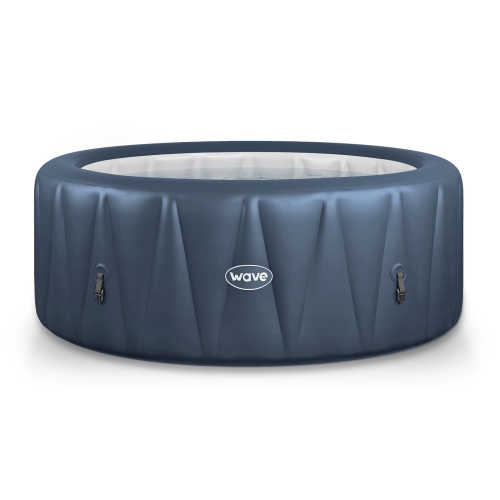 Your price for this item is $1149
-
 Your price for this item is $1249
-
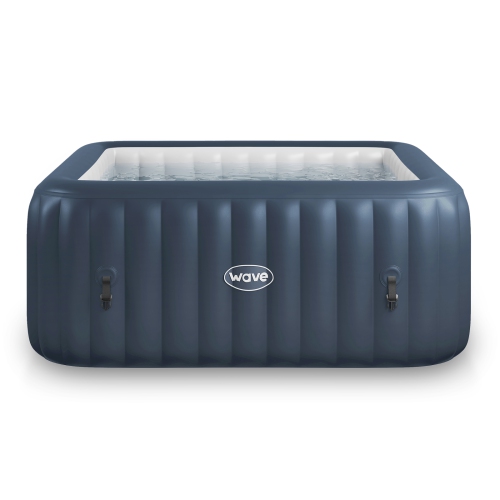 Your price for this item is $1149
-
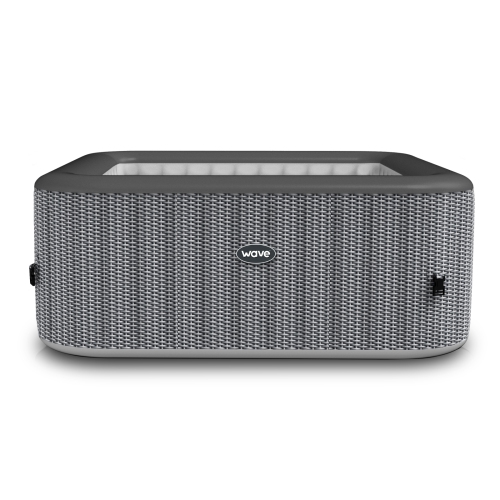 Your price for this item is $1348
-
 Your price for this item is $3489
-
 Your price for this item is $3489
-
 Your price for this item is $3489
-
 Your price for this item is $3489
Discover more categories related to Spa a Vendre

Top Collections:
Pokemon Centers, Kindle Devices, Best Cameras for Sports Photography, Pokémon 30th Celebration Cards, Apple iPhones 16, Canon G7X Cameras, iPhone 15 Apple, Flip Phones, Samsung Galaxy Phones, Alarm Clock
Some products may be subject to Environmental Handling Fees
(EHF) depending on your province.
Learn more about EHFs.