Spa Furniture
Enhance the comfort and style of your spa with our exquisite collection of spa furniture. From sleek and modern designs to cozy and inviting pieces, we offer a wide range of furniture options to elevate the ambiance of your spa space. Whether you are looking for durable outdoor seating or luxurious indoor loungers, our selection caters to all your needs. Transform your spa into a relaxing oasis where clients can unwind in utmost comfort with our carefully curated furniture pieces designed to complement any decor style.
Sort
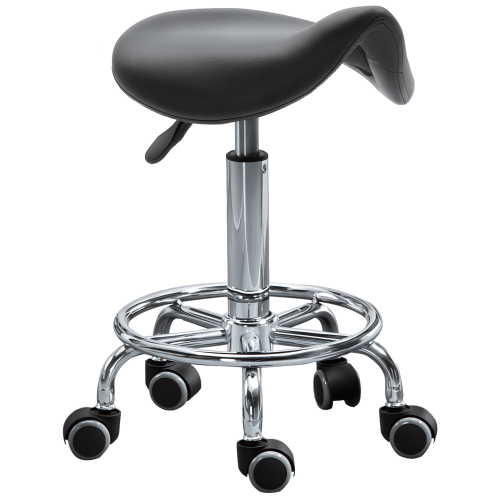
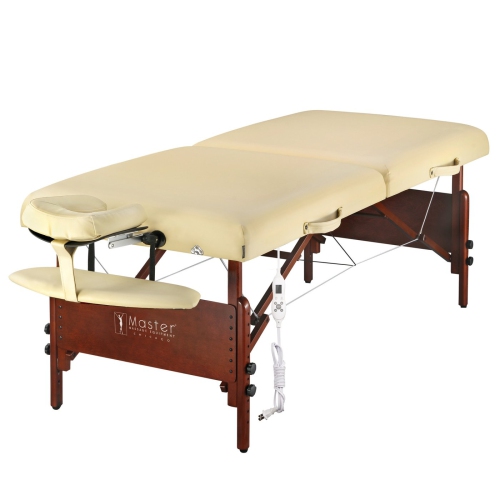
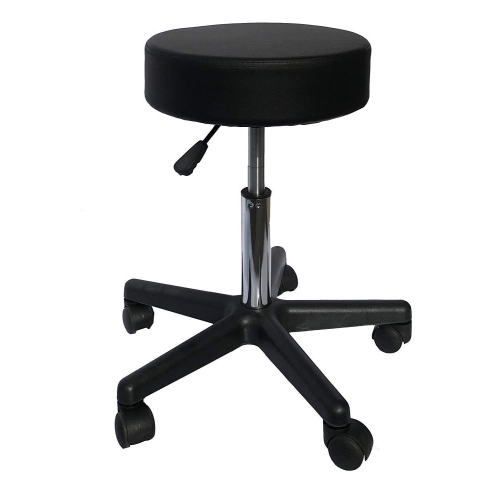
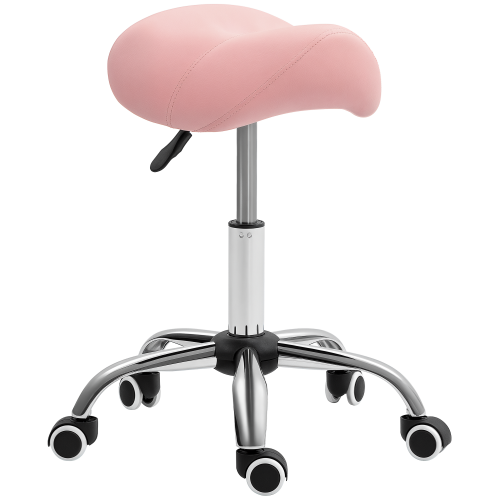
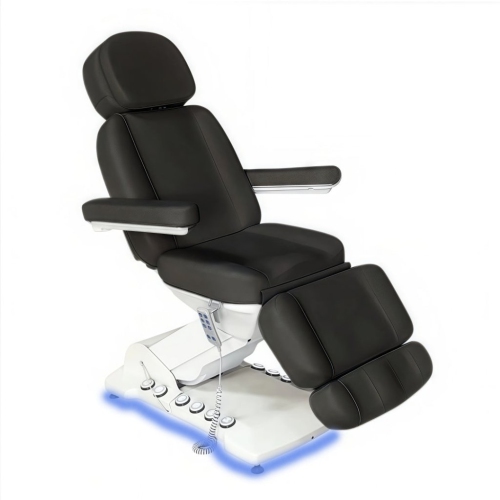
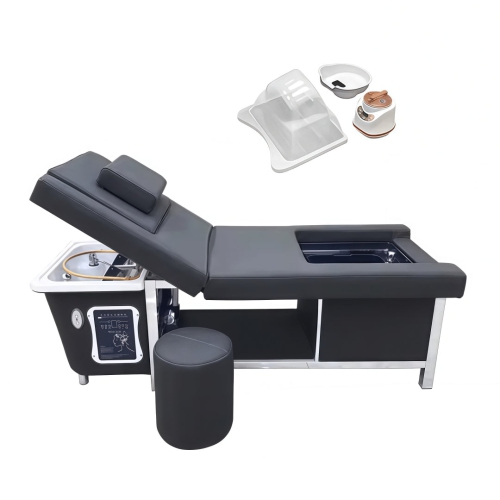
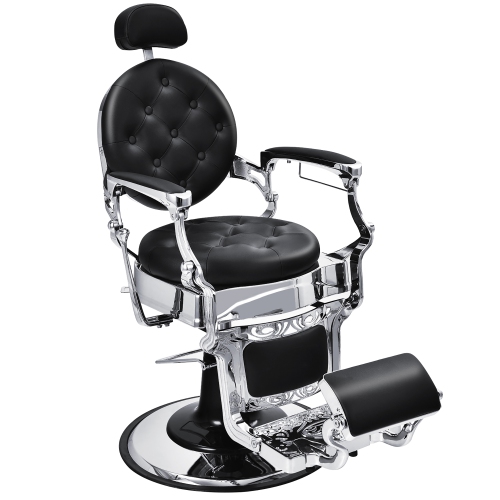
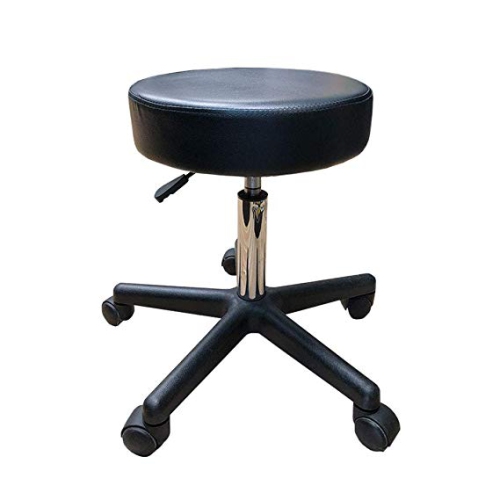

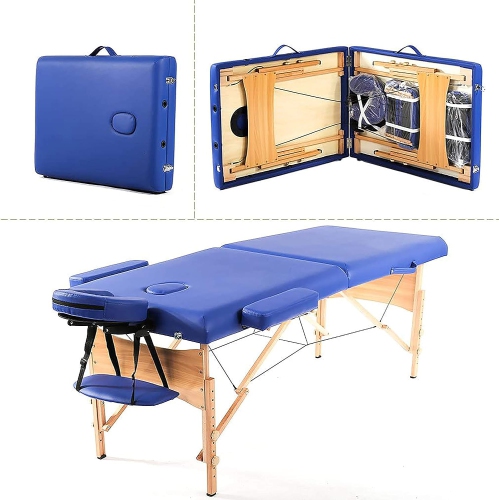

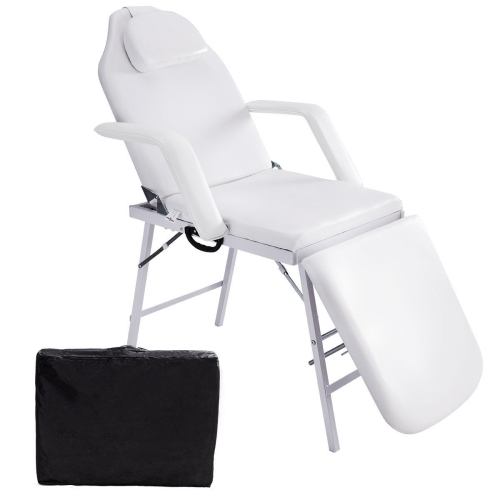
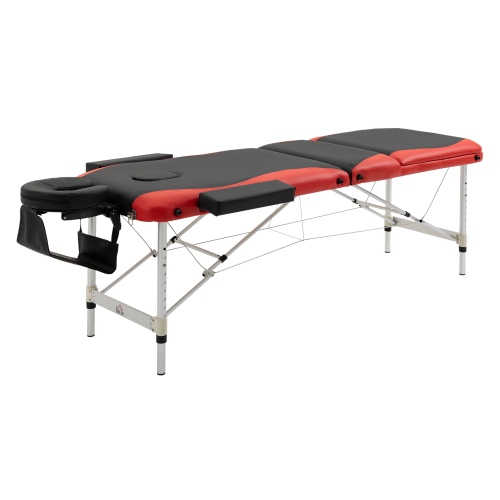
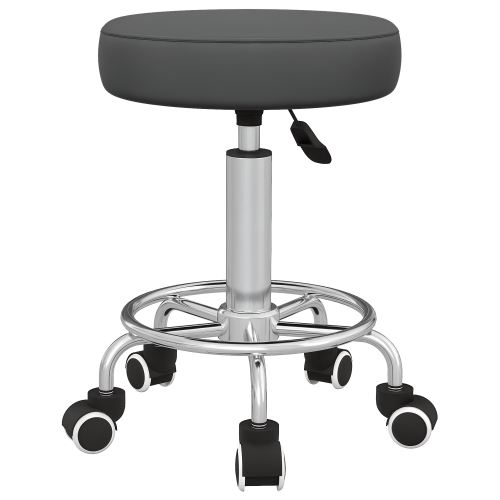
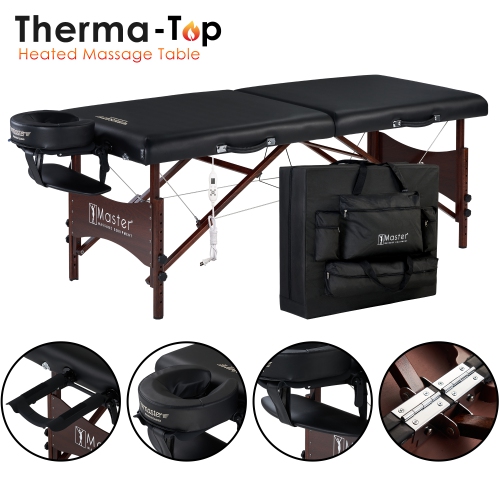
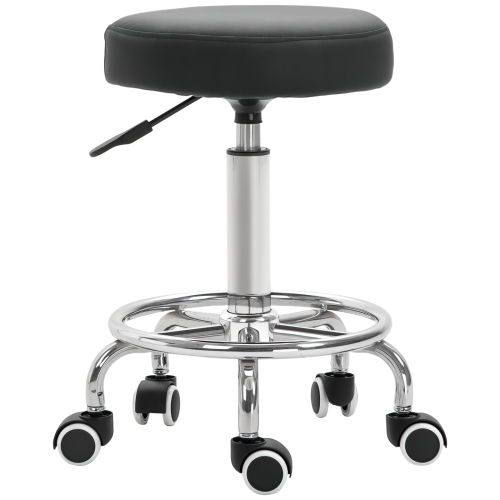
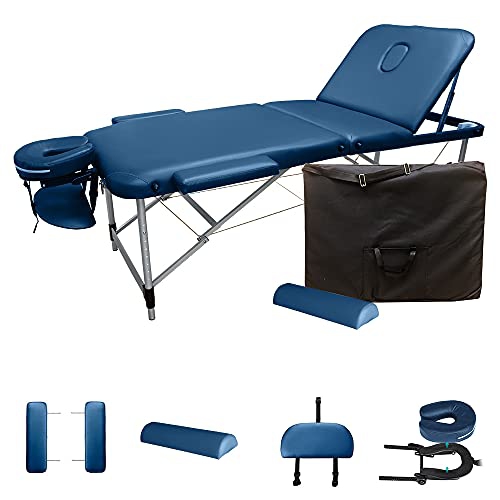
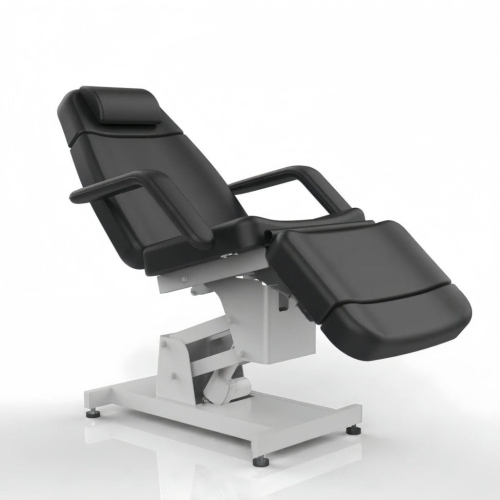
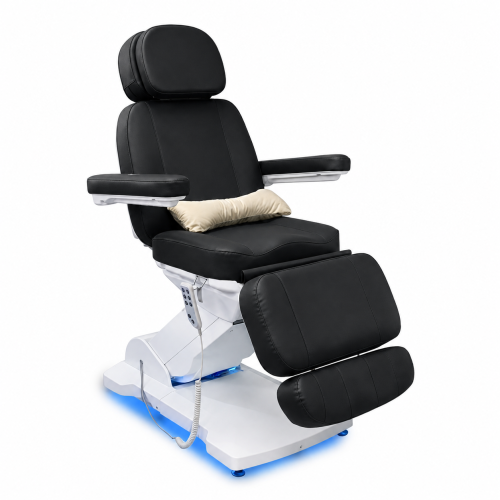
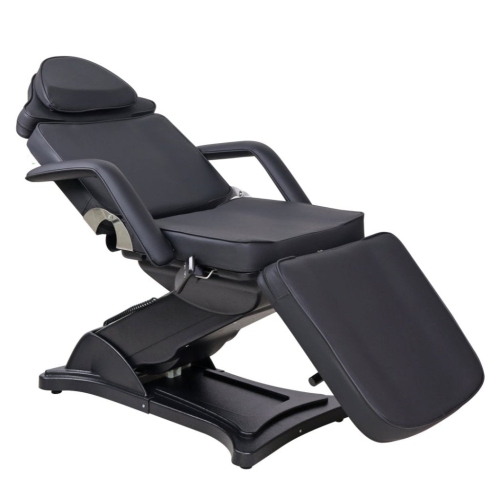
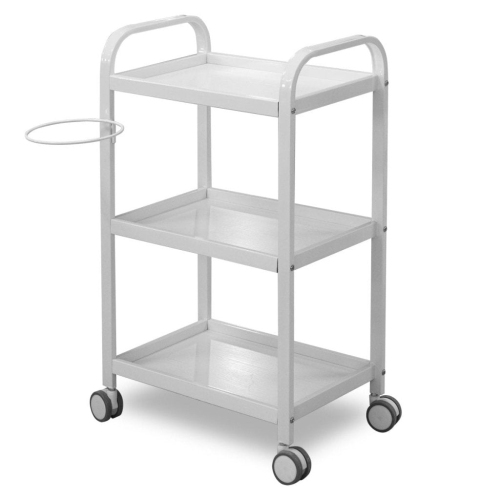
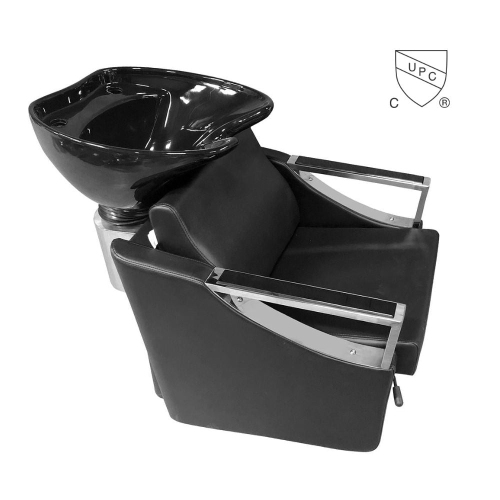
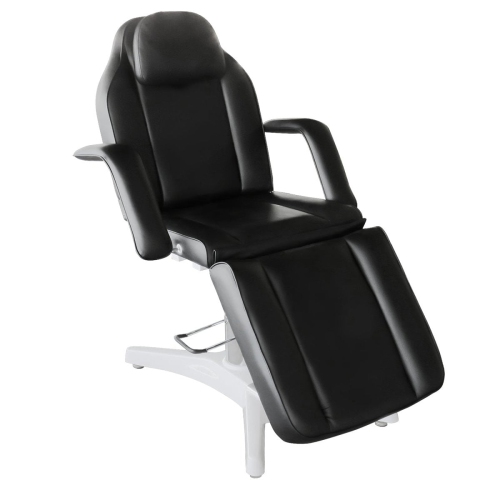
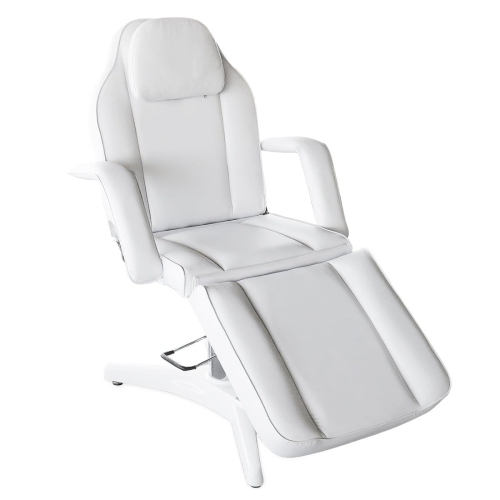
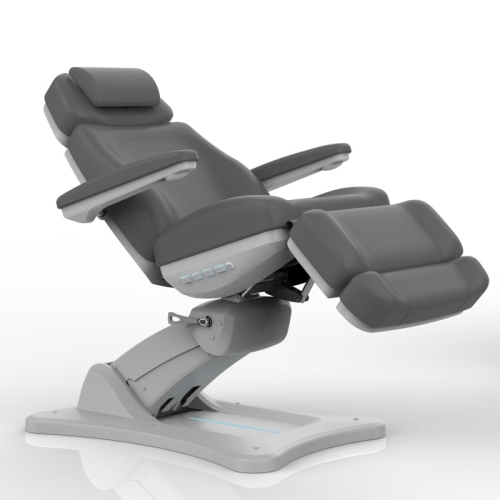
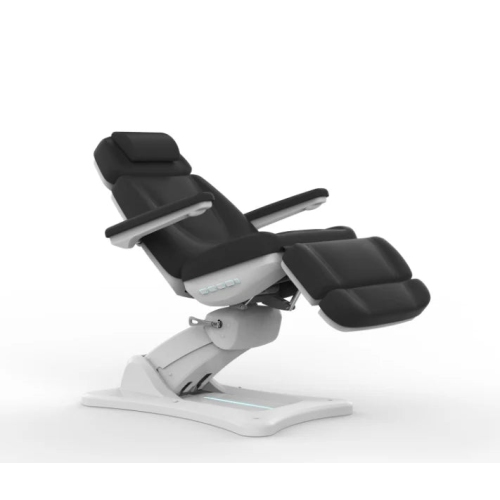
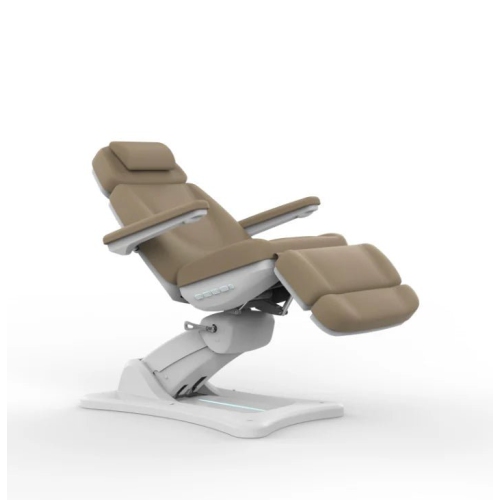
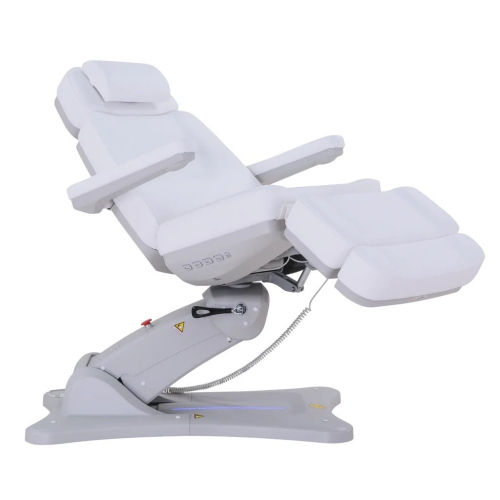
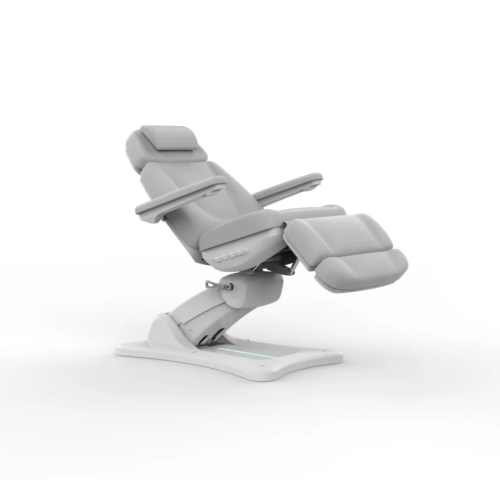
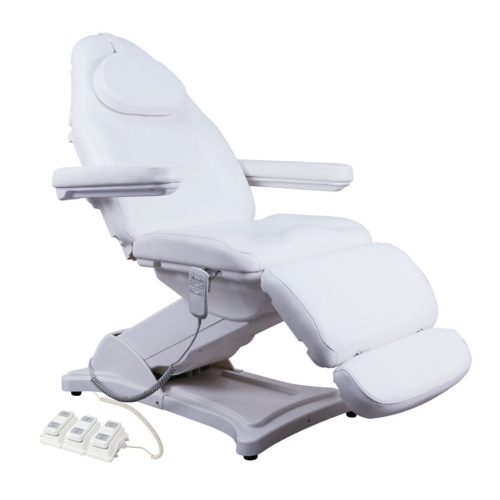
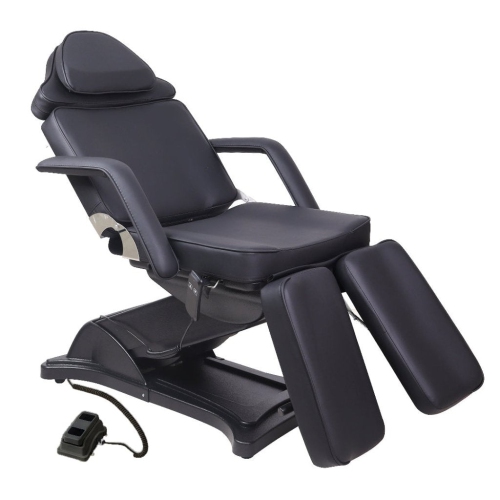
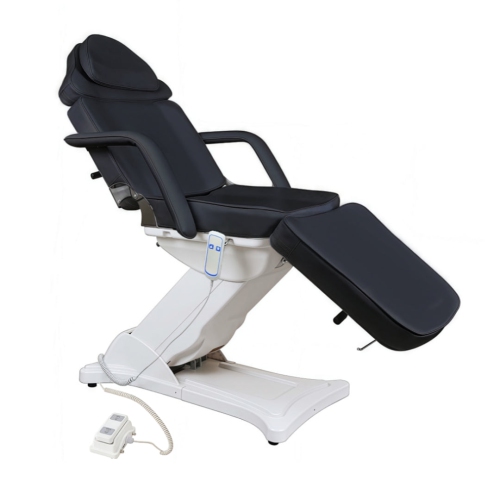
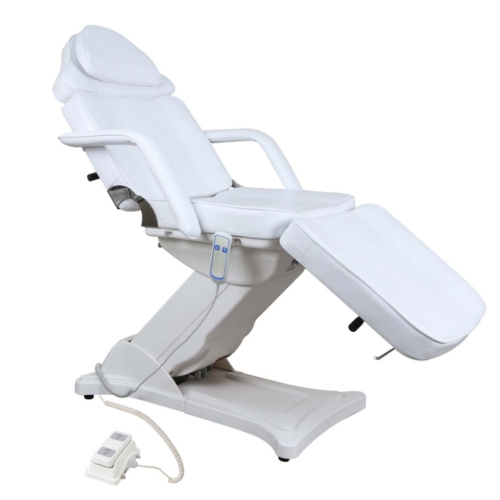
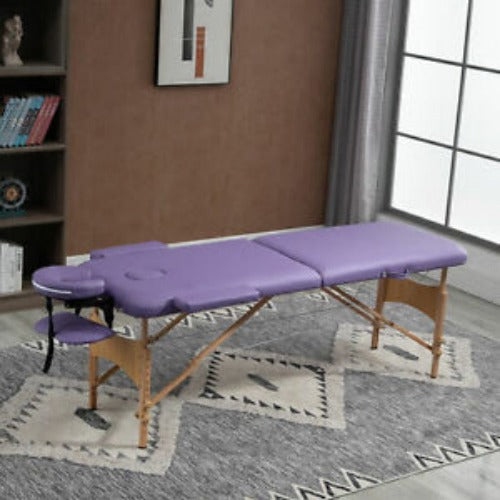
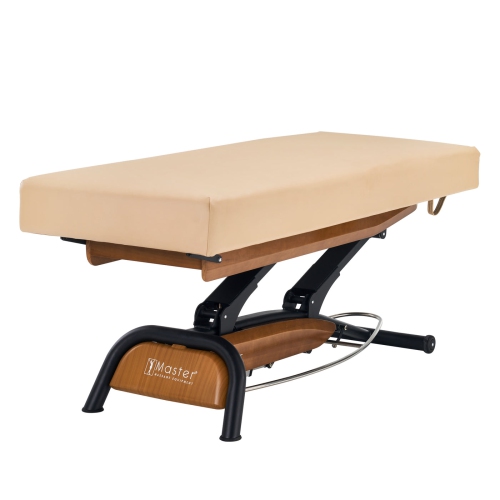
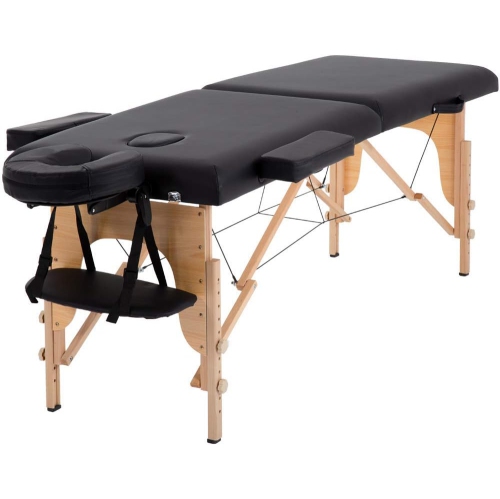
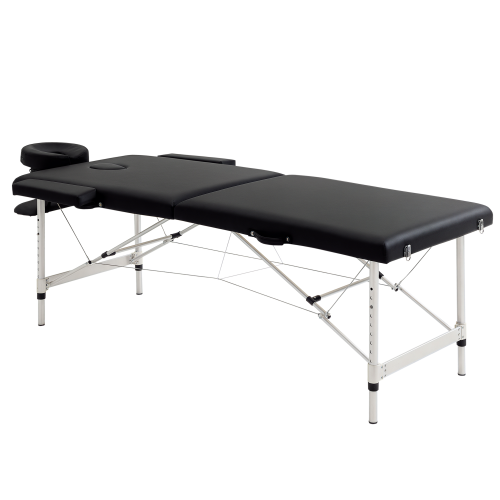
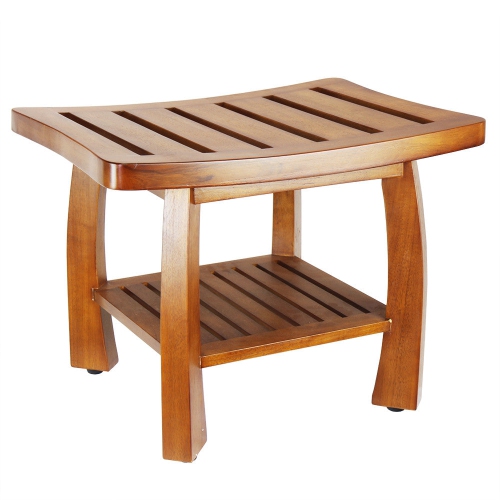
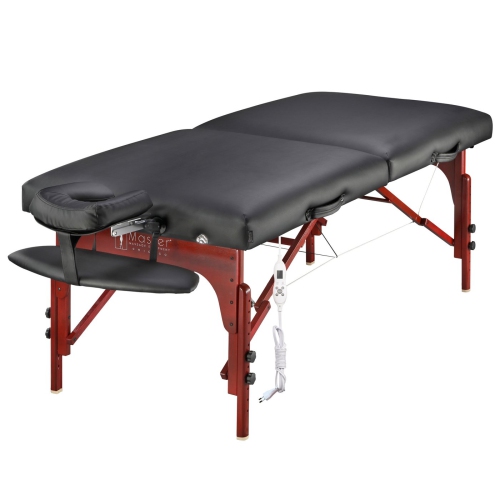
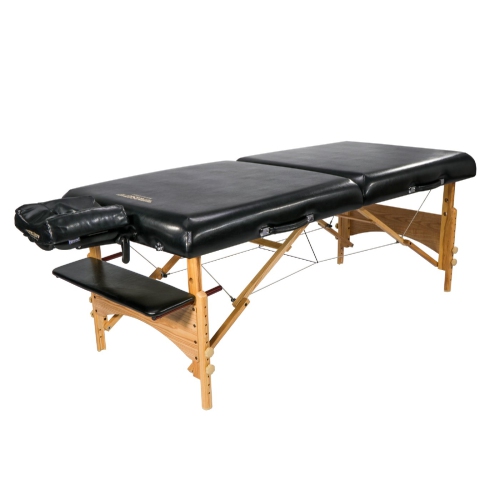
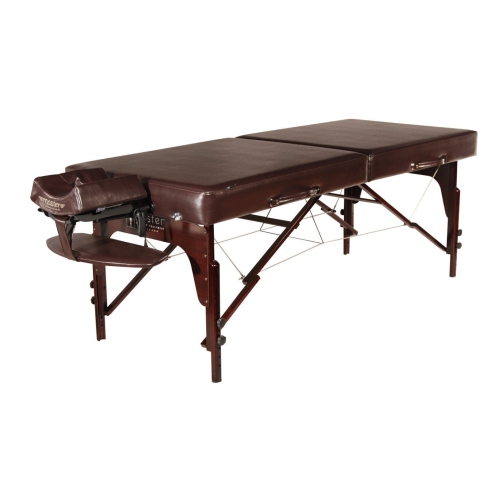
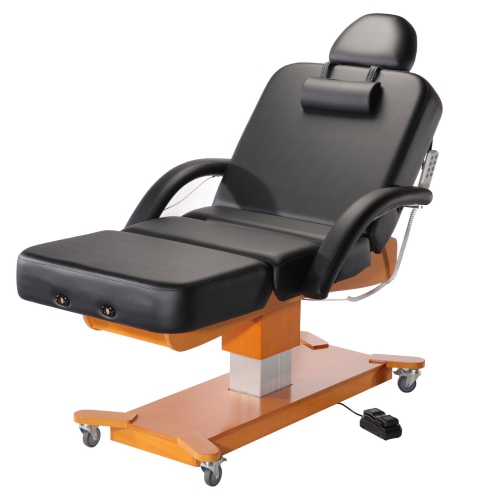
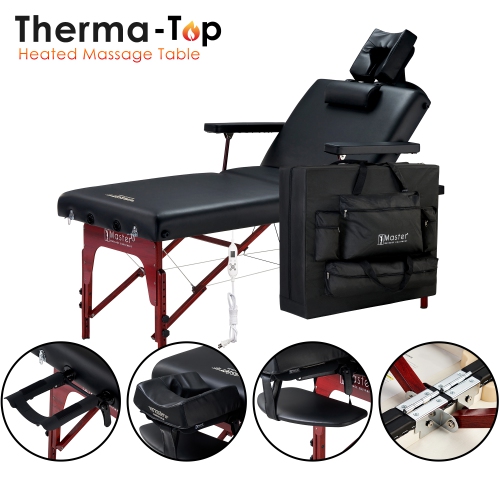
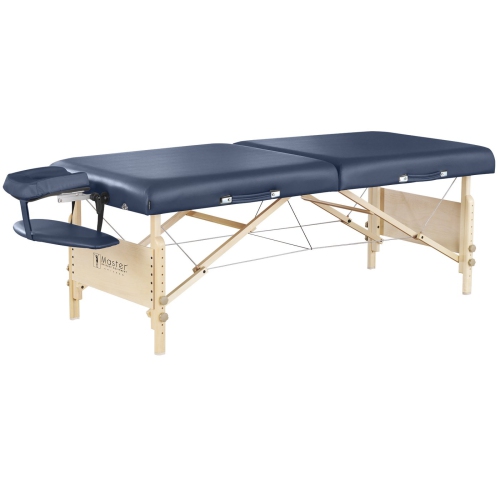

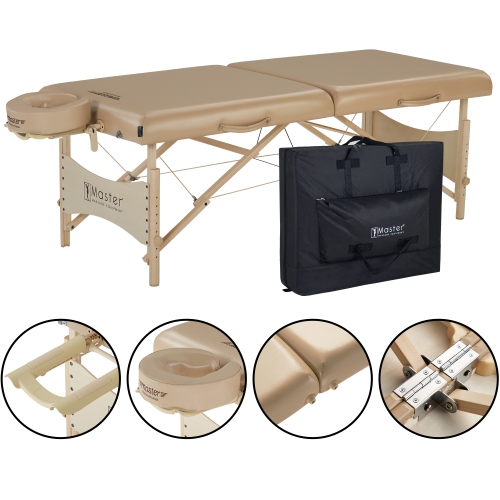
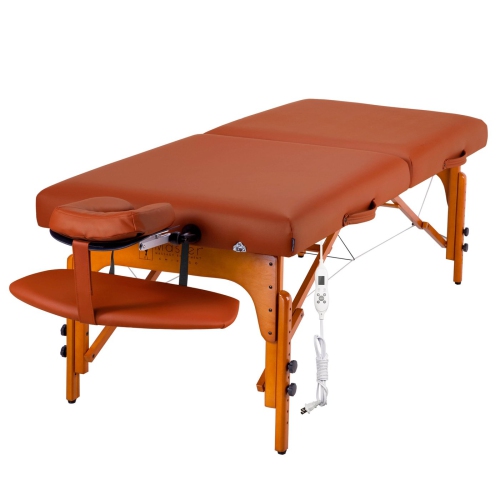

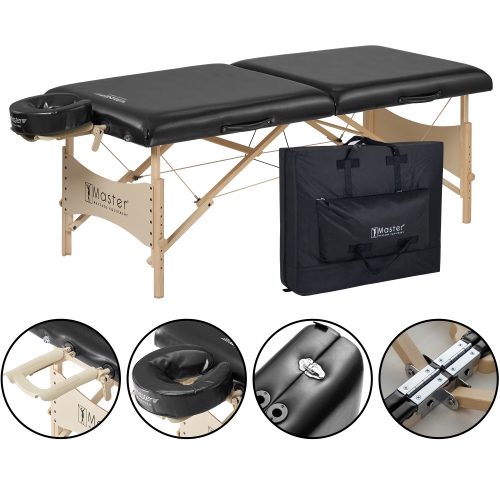
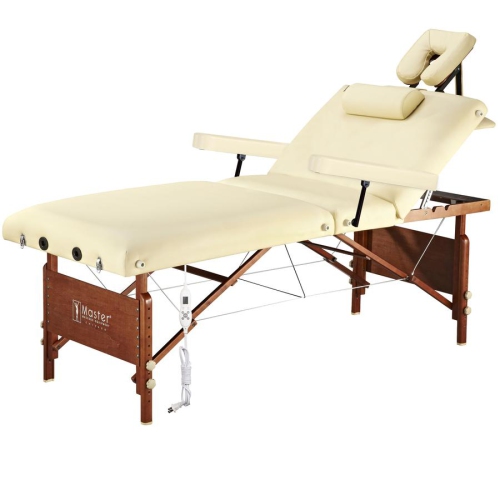

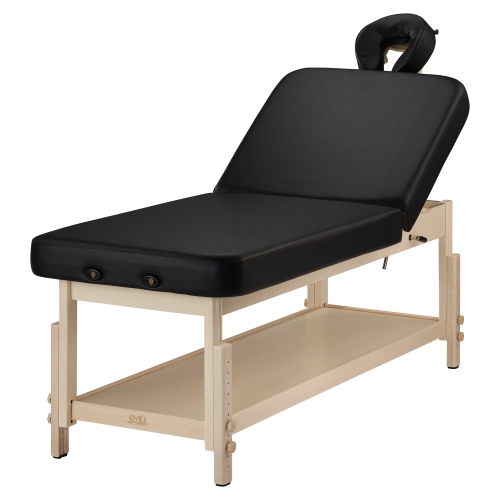
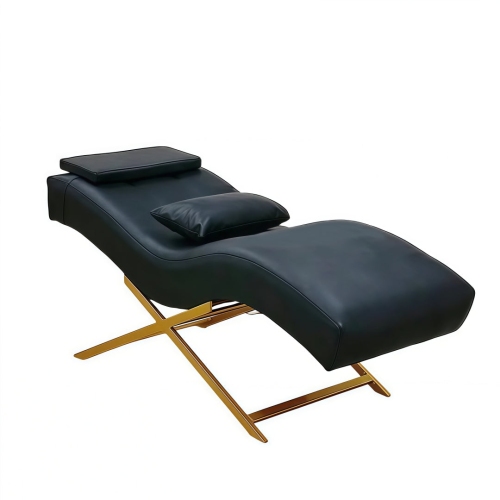
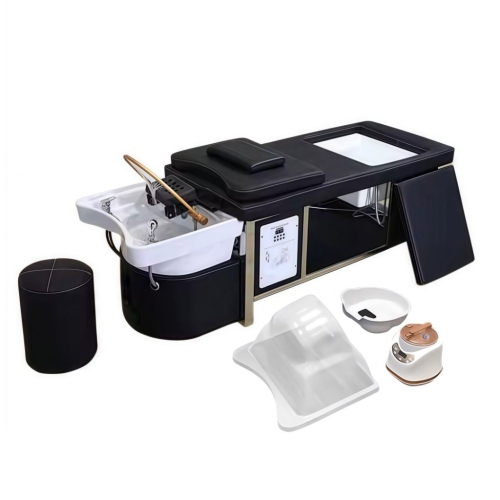
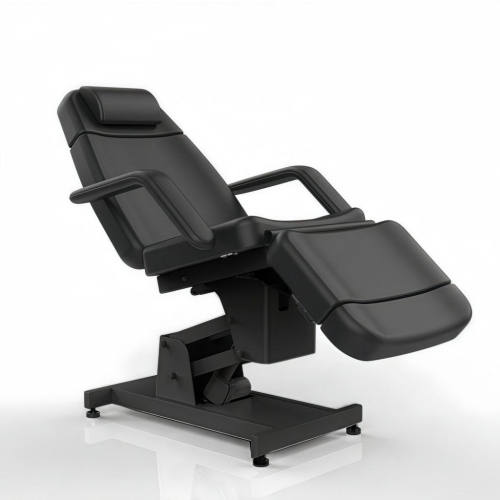
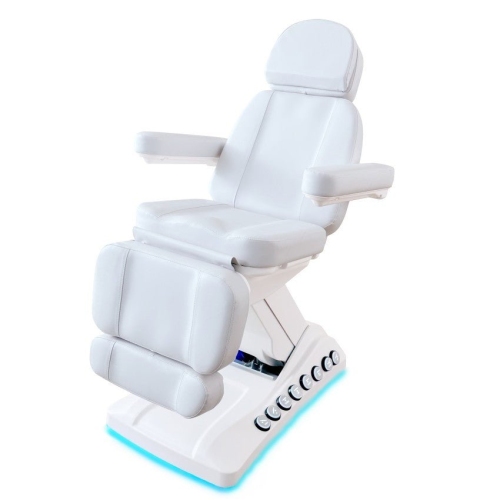
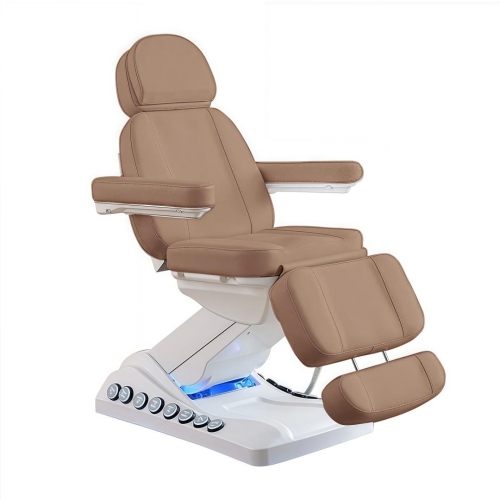
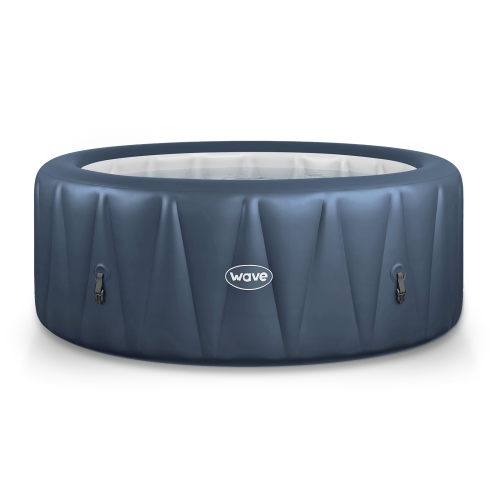
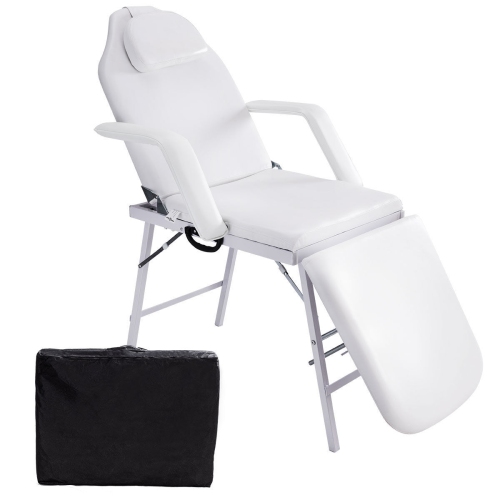
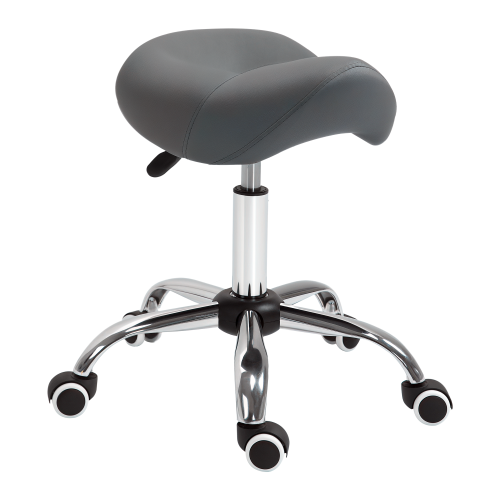
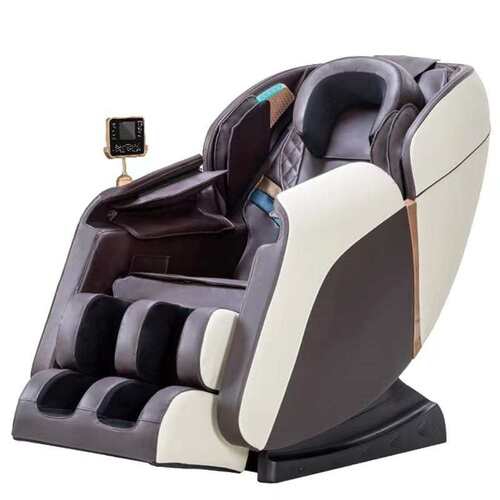
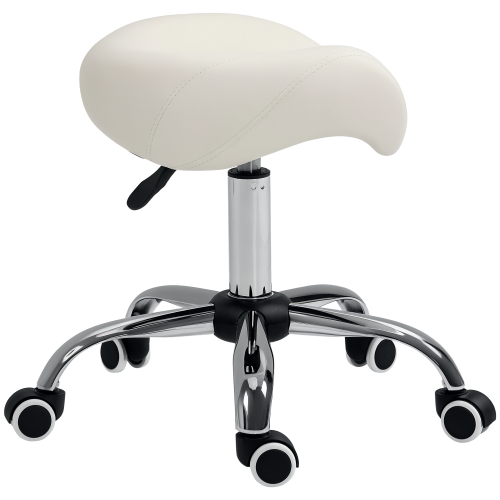
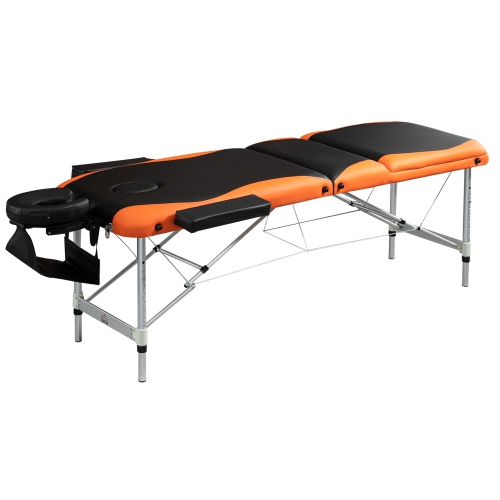
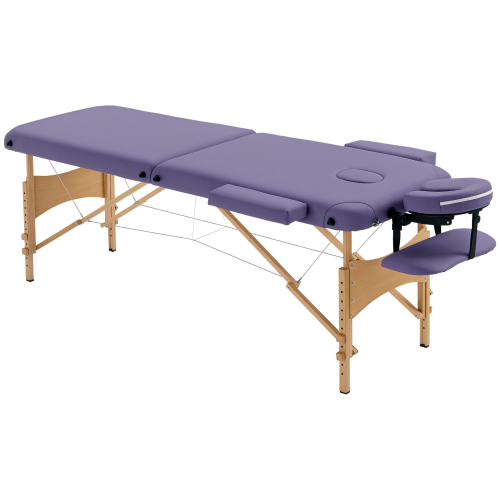
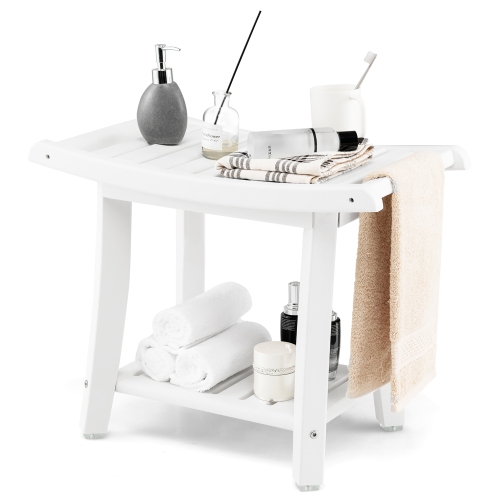
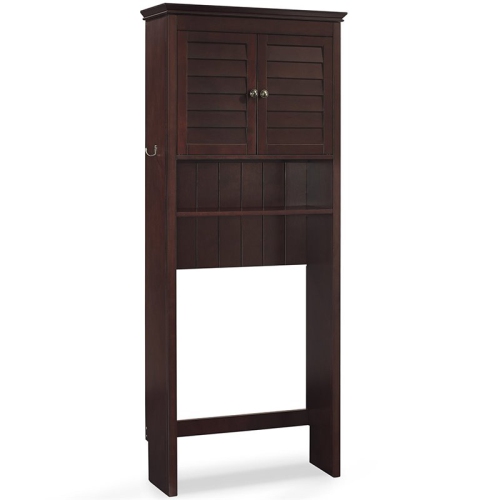

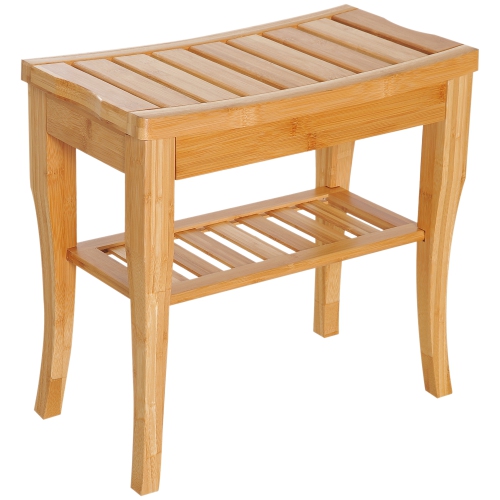
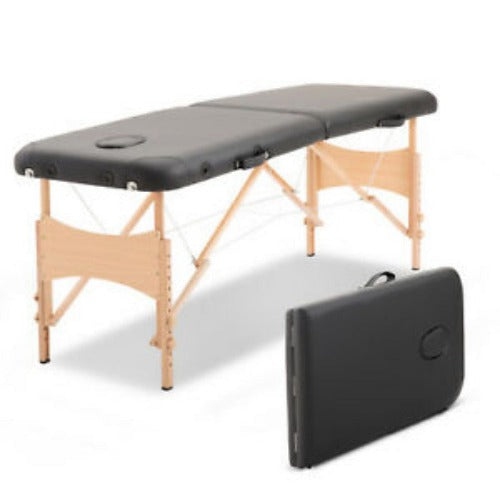
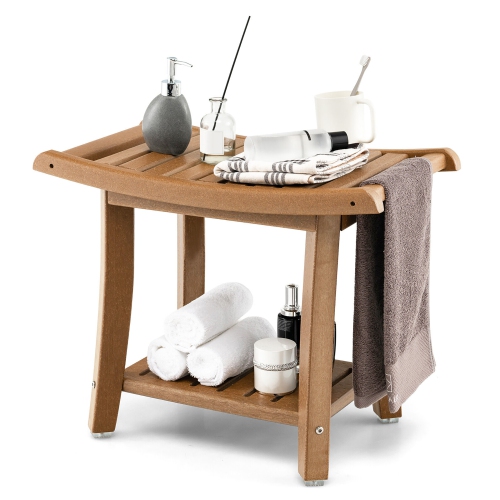
Client comfort starts with furniture that fits the treatment
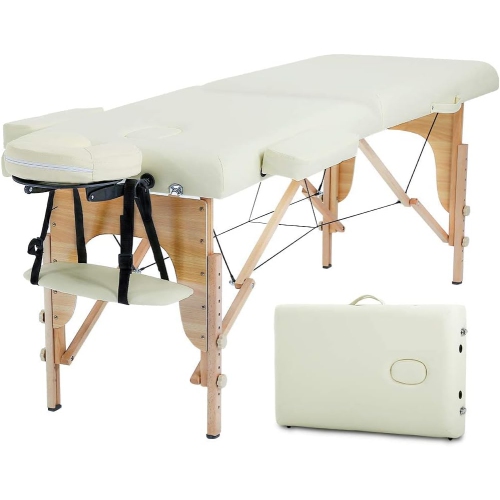
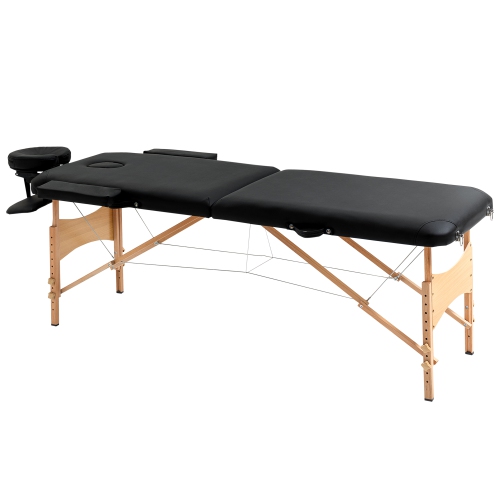
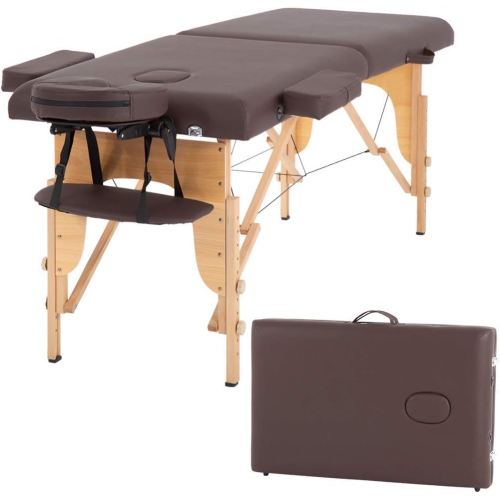
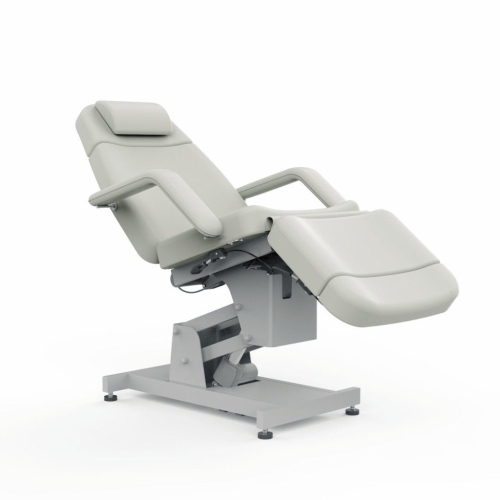
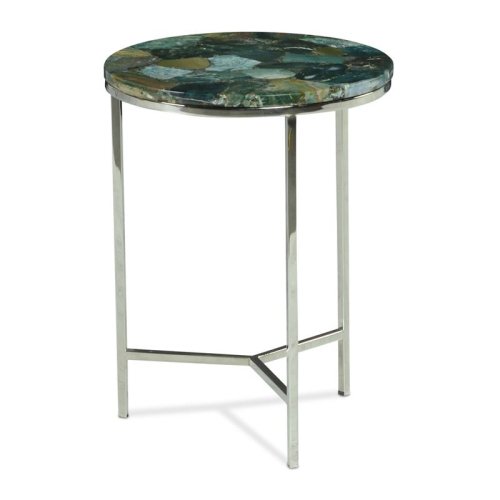
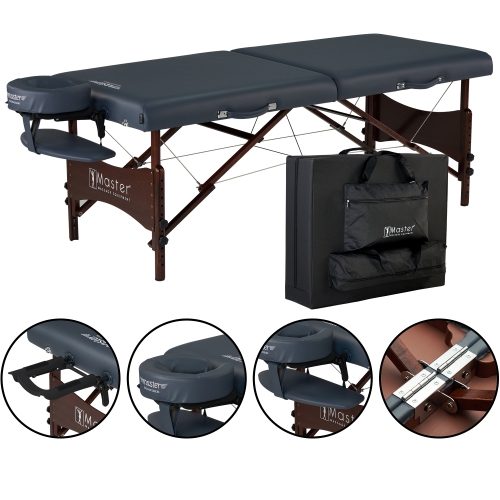
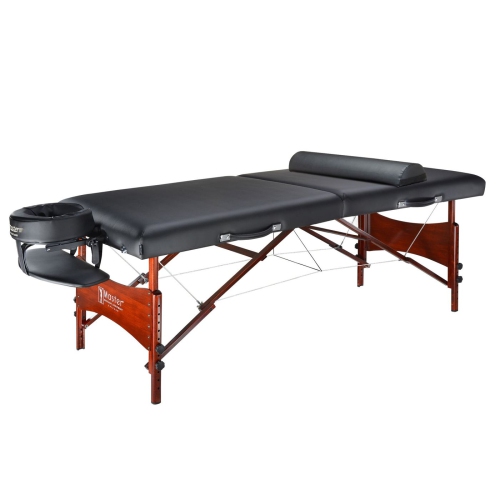
Spa furniture includes treatment tables and beds, facial chairs, manicure stations, pedicure seating, practitioner stools, and storage furniture designed to support personal care services. Its purpose is both practical and comfort-focused: clients need a supportive place to sit or recline, while practitioners need clear access to their work and room to move. These furnishings suit day spas, esthetics studios, massage practices, nail salons, and dedicated treatment rooms within larger businesses. Some also fit a home space used for personal grooming or relaxation, provided their dimensions and care requirements suit the room. Treatment tables generally provide a broad, padded surface for lying down, while adjustable facial beds and chairs can offer raised backrests, leg sections, or removable arm supports for different positions. A stationary table may suit a room devoted to one type of treatment; a model with manual, hydraulic, or electric adjustment can provide more flexibility when several practitioners share the same space. Height adjustment is particularly relevant when a practitioner alternates between seated, detailed work and tasks performed while standing. The useful distinction is not simply how many adjustments a piece has, but whether those adjustments support the intended service without awkward reaching or repeated repositioning. A face cradle, for example, serves a different purpose from the headrest on a chair used for seated facial treatments. Padding should feel supportive across the full treatment surface, with enough cushioning for longer appointments and enough stability to keep the client comfortably positioned. Width matters as well: a wider bed can give clients more room, but it can also increase the distance a practitioner must reach. Published dimensions, adjustment ranges, and weight capacities help clarify whether a piece is suitable for its intended users. Where a manufacturer distinguishes between working capacity and static capacity, the rating relevant to treatment use is the important one. Together, these details shape how comfortably the furniture fits into an ordinary appointment, from the moment a client sits down to the point when the surface is prepared for the next service.
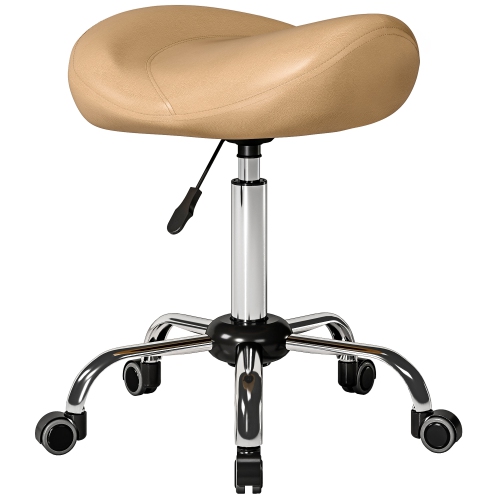
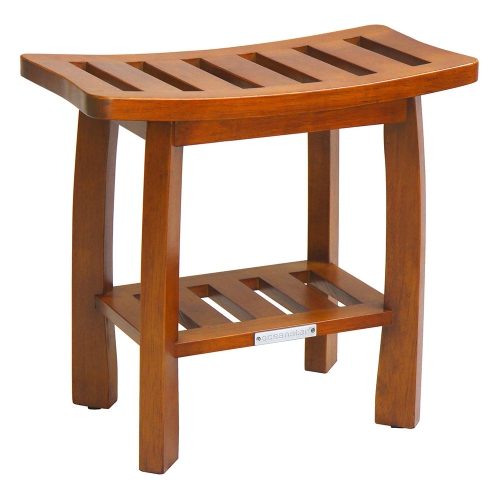
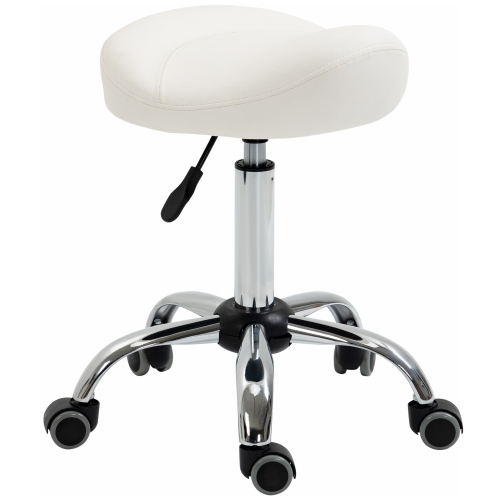
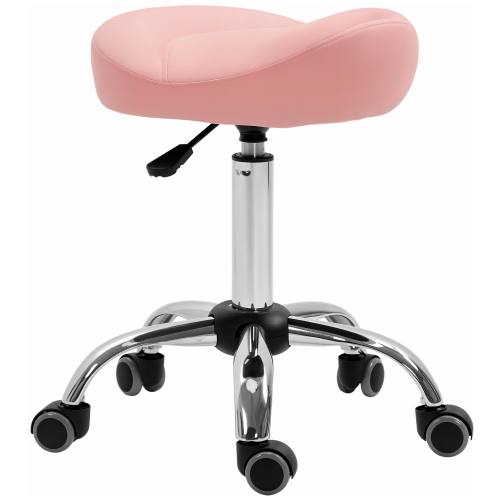
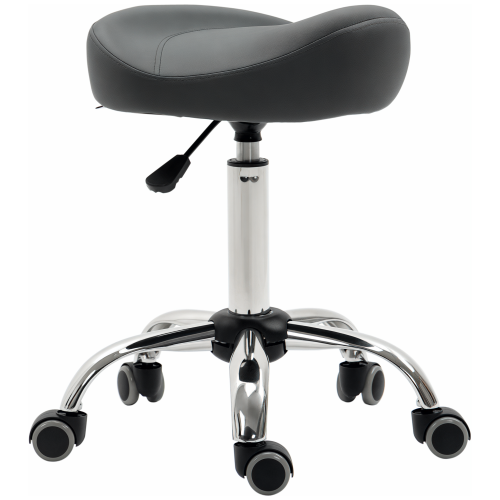
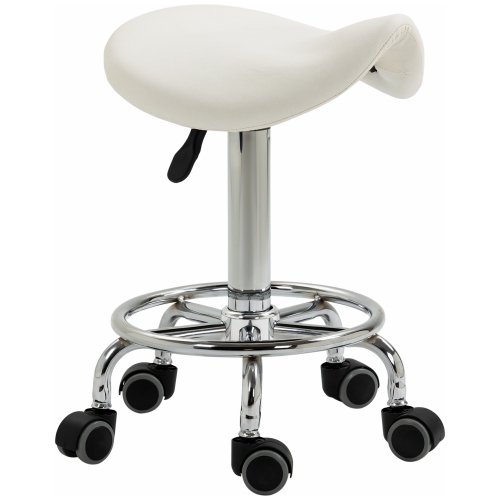
Materials and construction affect the appearance, upkeep, and useful life of spa furniture. Upholstered treatment surfaces commonly use vinyl or other coated coverings that can be wiped clean, though compatibility with cleaning and disinfecting products varies by material and manufacturer. A smooth surface with accessible seams is generally easier to maintain than deeply textured upholstery or decorative tufting in an active treatment area. Oils, lotions, nail products, and repeated cleaning can all be demanding on finishes, making the recommended care method an important part of the furniture’s suitability. Cleaning removes visible soil, while disinfection requires an appropriate product and the specified contact time; furniture care directions and applicable professional hygiene requirements both matter. Protective covers and linens can help manage everyday use, but they do not replace the required cleaning of underlying surfaces. Wood frames can bring warmth and a more residential appearance to a treatment room, while metal frames often suit a streamlined, utilitarian setting. Neither material alone determines durability. Joint construction, hardware, finish quality, and the way weight is supported are just as relevant. Sealed cabinet surfaces and intact edge finishes are useful around products that may drip or spill, and accessible corners make routine wiping less cumbersome. On adjustable furniture, hinges, lift mechanisms, locking controls, and electrical components also need attention according to the manufacturer’s maintenance directions. For mobile furniture, castors should suit the flooring, roll smoothly under the intended load, and lock securely wherever movement would interfere with a service. Practitioner seating deserves similar consideration. A stool that adjusts to the treatment height can help reduce unnecessary reaching, while the choice between a flat, contoured, or saddle-style seat depends on the task and the person using it. Back support may be helpful for some seated work, but it should not prevent close access to the client. In a busy room, durability is felt in small details: a drawer that opens cleanly, a stool that stays steady, and upholstery that remains intact through repeated use and proper care.
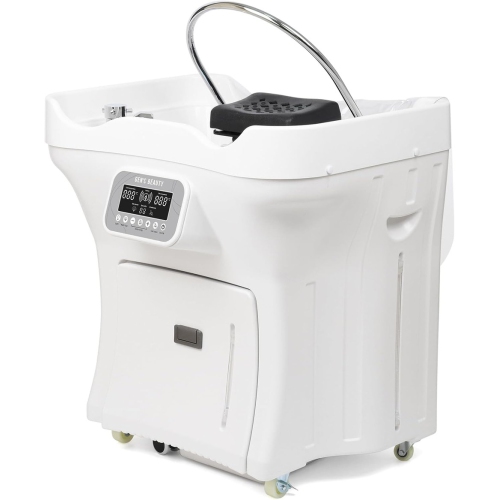
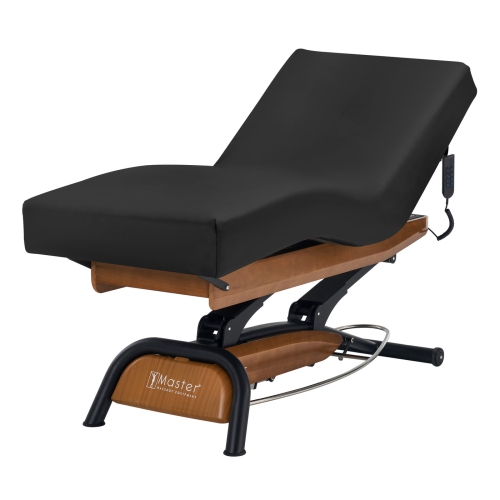
The layout around spa furniture is as important as the furniture itself. A treatment bed needs more than a footprint on the floor; it also needs space for a practitioner to move along its sides, adjust its sections, and help a client get on or off comfortably. Doorways, delivery routes, base dimensions, and clearance for a fully reclined chair can determine whether a piece fits as intended. Electric adjustments require a suitable power connection, with cords positioned away from walking routes and moving parts. Manicure stations bring their own practical considerations, including knee clearance, forearm support, task lighting, and room to keep tools organized without crowding the working surface. Where a station incorporates dust collection or ventilation features, its specifications and maintenance requirements should match the intended work; those features should not be assumed to replace any required room ventilation. Pedicure seating can range from chairs used with separate foot-care equipment to integrated stations with specific plumbing, electrical, installation, and sanitation requirements. Those differences affect both room planning and daily upkeep. Storage helps bring these working areas together. A narrow trolley can keep frequently used supplies within easy reach, while enclosed cabinetry gives clean linens and other materials a defined place away from the treatment surface. Drawers with practical internal dimensions are often more useful than a large cabinet that leaves smaller supplies piled together. Shelves and worktops should have suitable load ratings, particularly when holding equipment, and furniture that requires anchoring should be secured as directed. In reception or relaxation areas, supportive chairs, easy-care finishes, and a clear route through the room help create a welcoming first impression without competing with the working areas. Colour and finish can tie these spaces together, whether the preference is pale wood and neutral upholstery or darker cabinetry with simple metal accents. For complementary personal care accessories, Spa Essentials extends the focus beyond the furnishings themselves. A well-matched spa setup balances this visual character with the less visible details that matter every day: comfortable positioning, accessible storage, straightforward cleaning, and enough room to work without feeling crowded.
Materials and construction affect the appearance, upkeep, and useful life of spa furniture. Upholstered treatment surfaces commonly use vinyl or other coated coverings that can be wiped clean, though compatibility with cleaning and disinfecting products varies by material and manufacturer. A smooth surface with accessible seams is generally easier to maintain than deeply textured upholstery or decorative tufting in an active treatment area. Oils, lotions, nail products, and repeated cleaning can all be demanding on finishes, making the recommended care method an important part of the furniture’s suitability. Cleaning removes visible soil, while disinfection requires an appropriate product and the specified contact time; furniture care directions and applicable professional hygiene requirements both matter. Protective covers and linens can help manage everyday use, but they do not replace the required cleaning of underlying surfaces. Wood frames can bring warmth and a more residential appearance to a treatment room, while metal frames often suit a streamlined, utilitarian setting. Neither material alone determines durability. Joint construction, hardware, finish quality, and the way weight is supported are just as relevant. Sealed cabinet surfaces and intact edge finishes are useful around products that may drip or spill, and accessible corners make routine wiping less cumbersome. On adjustable furniture, hinges, lift mechanisms, locking controls, and electrical components also need attention according to the manufacturer’s maintenance directions. For mobile furniture, castors should suit the flooring, roll smoothly under the intended load, and lock securely wherever movement would interfere with a service. Practitioner seating deserves similar consideration. A stool that adjusts to the treatment height can help reduce unnecessary reaching, while the choice between a flat, contoured, or saddle-style seat depends on the task and the person using it. Back support may be helpful for some seated work, but it should not prevent close access to the client. In a busy room, durability is felt in small details: a drawer that opens cleanly, a stool that stays steady, and upholstery that remains intact through repeated use and proper care.
The layout around spa furniture is as important as the furniture itself. A treatment bed needs more than a footprint on the floor; it also needs space for a practitioner to move along its sides, adjust its sections, and help a client get on or off comfortably. Doorways, delivery routes, base dimensions, and clearance for a fully reclined chair can determine whether a piece fits as intended. Electric adjustments require a suitable power connection, with cords positioned away from walking routes and moving parts. Manicure stations bring their own practical considerations, including knee clearance, forearm support, task lighting, and room to keep tools organized without crowding the working surface. Where a station incorporates dust collection or ventilation features, its specifications and maintenance requirements should match the intended work; those features should not be assumed to replace any required room ventilation. Pedicure seating can range from chairs used with separate foot-care equipment to integrated stations with specific plumbing, electrical, installation, and sanitation requirements. Those differences affect both room planning and daily upkeep. Storage helps bring these working areas together. A narrow trolley can keep frequently used supplies within easy reach, while enclosed cabinetry gives clean linens and other materials a defined place away from the treatment surface. Drawers with practical internal dimensions are often more useful than a large cabinet that leaves smaller supplies piled together. Shelves and worktops should have suitable load ratings, particularly when holding equipment, and furniture that requires anchoring should be secured as directed. In reception or relaxation areas, supportive chairs, easy-care finishes, and a clear route through the room help create a welcoming first impression without competing with the working areas. Colour and finish can tie these spaces together, whether the preference is pale wood and neutral upholstery or darker cabinetry with simple metal accents. For complementary personal care accessories, Spa Essentials extends the focus beyond the furnishings themselves. A well-matched spa setup balances this visual character with the less visible details that matter every day: comfortable positioning, accessible storage, straightforward cleaning, and enough room to work without feeling crowded.
Top selling and popular products
-
 Your price for this item is $2799
 -
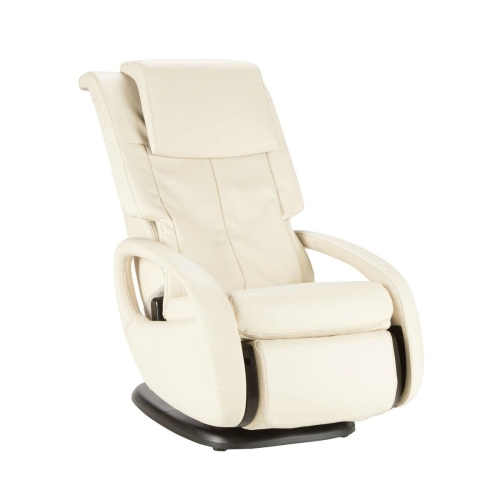 Your price for this item is $3799
 -
 Your price for this item is $1899.99
 -
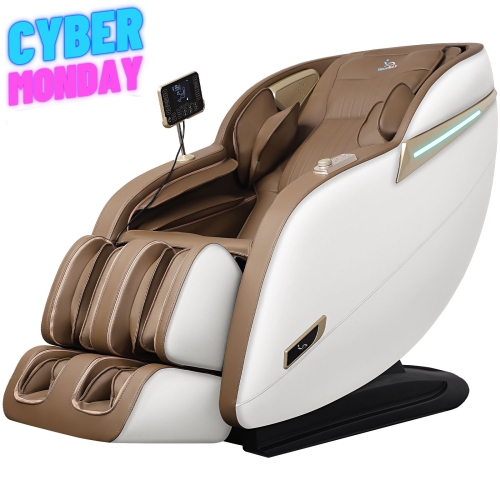 Your price for this item is $1889
 -
 Your price for this item is $2799
 -
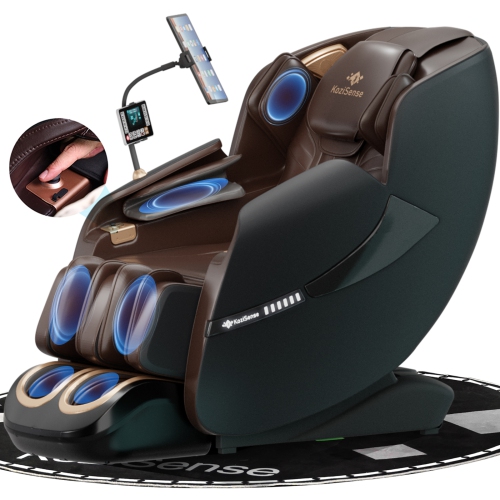 Your price for this item is $1899.99
 -
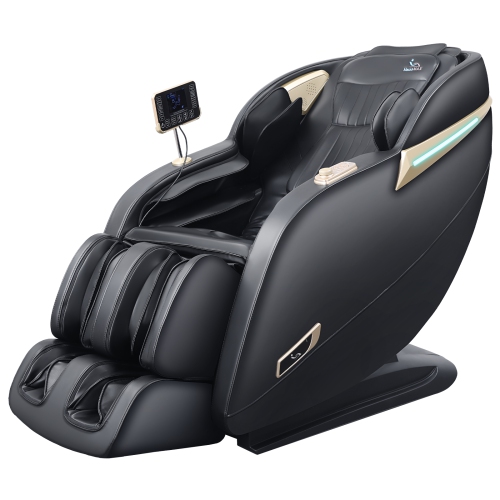 Your price for this item is $1889
 -
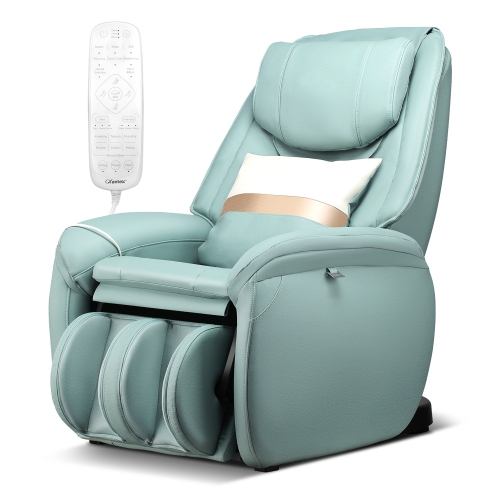 Your price for this item is $1230.99
Discover more categories related to Spa Furniture
Top Collections:
Pokemon Centers, Budget 4K TVs, Kindle Devices, Canon G7X Cameras, Apple iPhones 16, iPhone 15 Apple, Laptops for Business Work, Flip Phones, Xiaomi Phones, Refurbished Apple Laptops
Some products may be subject to Environmental Handling Fees
(EHF) depending on your province.
Learn more about EHFs.