Space Saving Bedroom Ideas
Create a serene and organized oasis with our collection of space-saving bedroom ideas. Whether you're looking to maximize storage in a small room or simply streamline your decor, these innovative solutions will help you make the most of your space without compromising on style. From multifunctional furniture pieces to clever storage hacks, transform your bedroom into a functional and inviting retreat with these creative ideas.
Sort
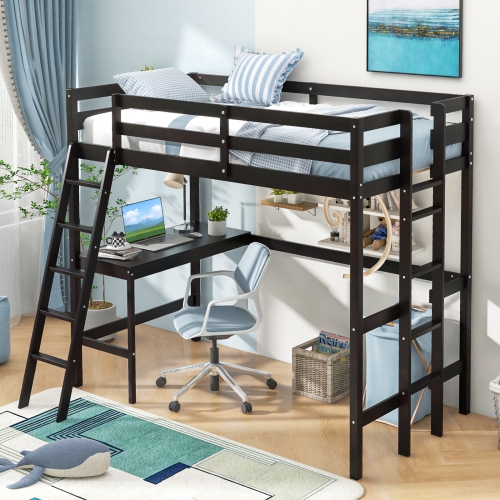
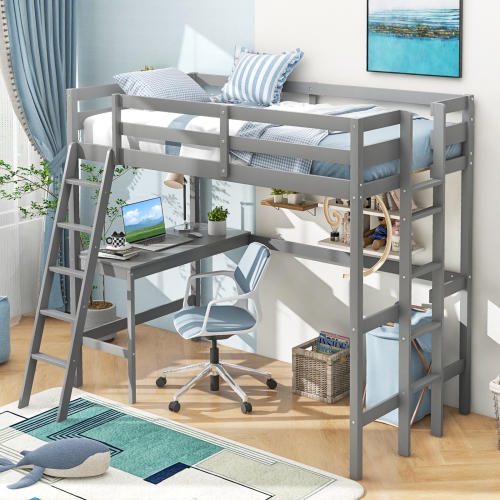
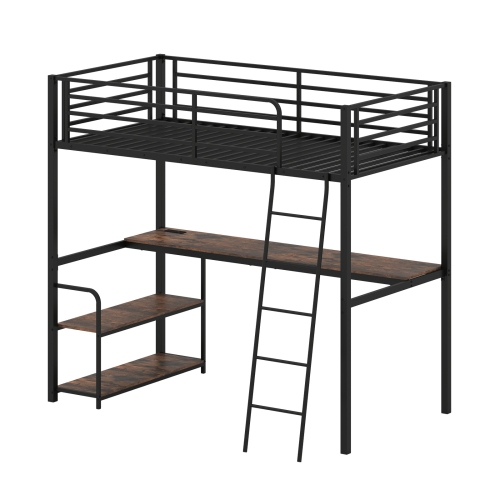
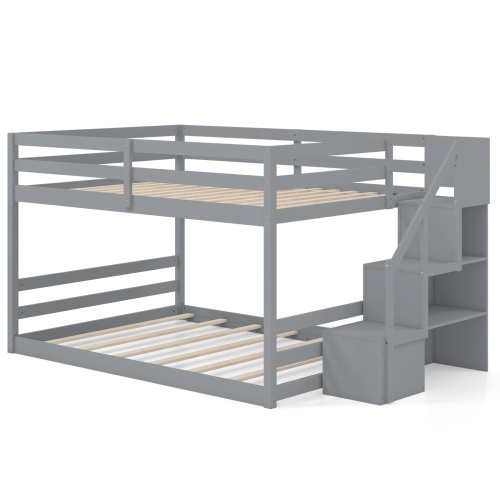
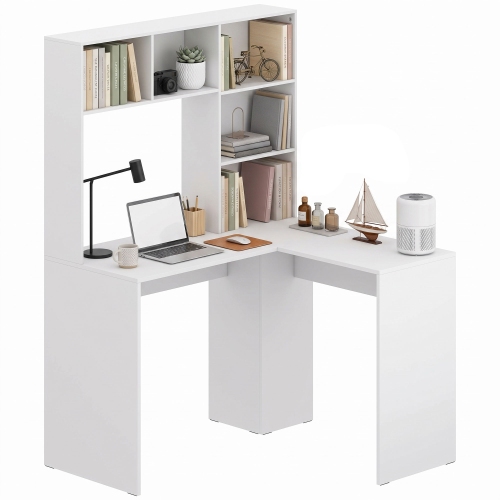
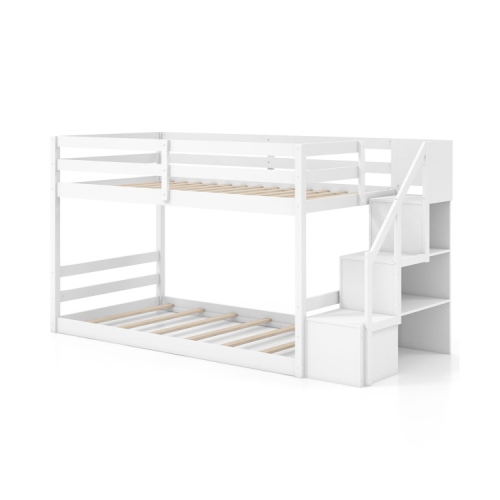
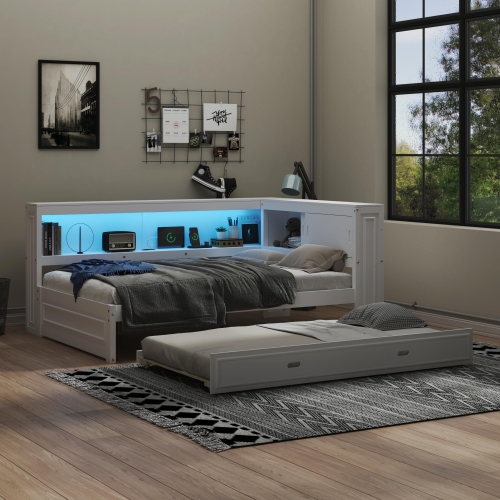
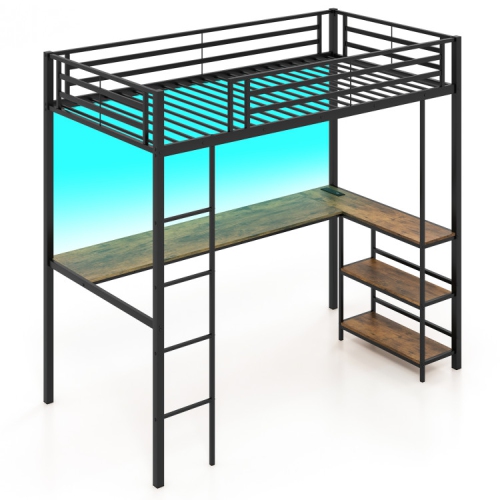
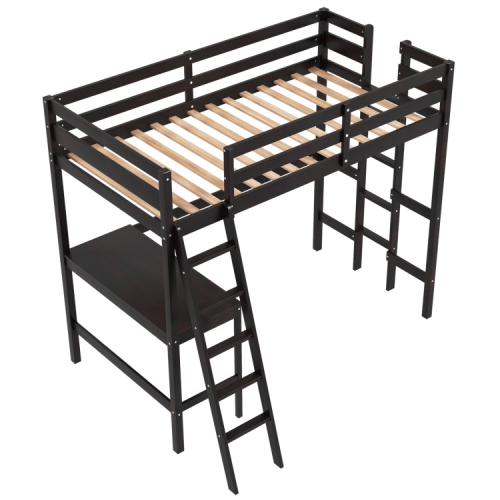
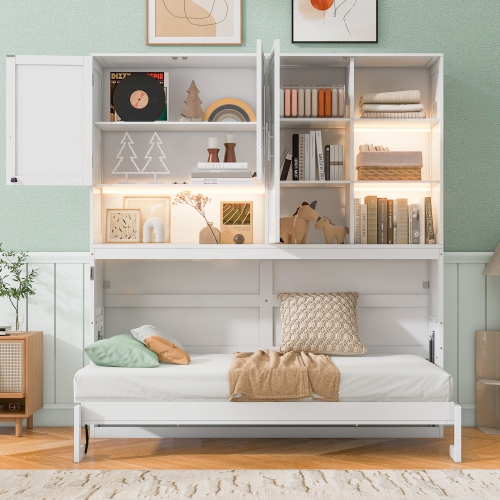
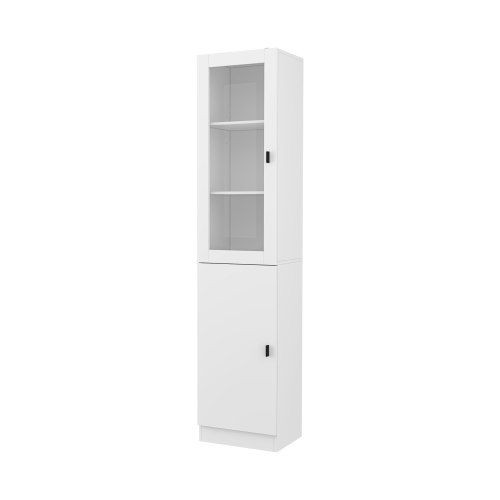
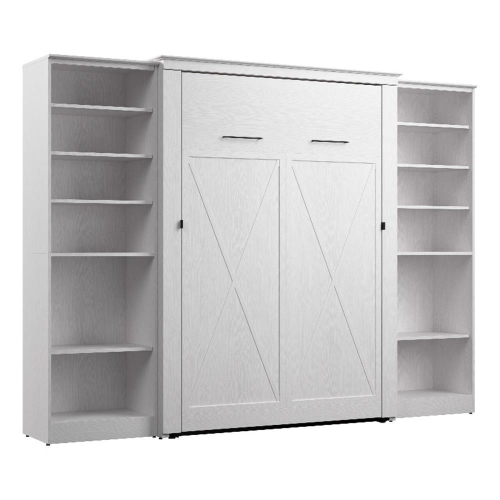
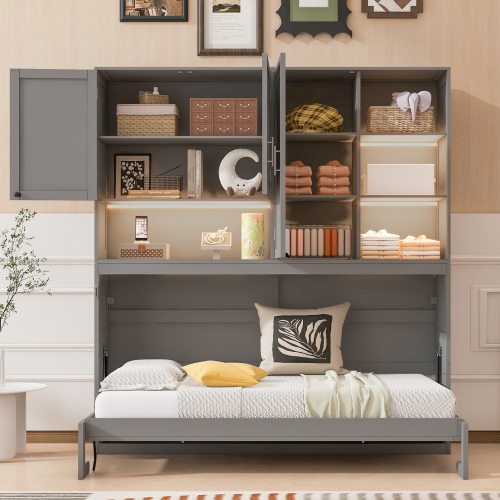
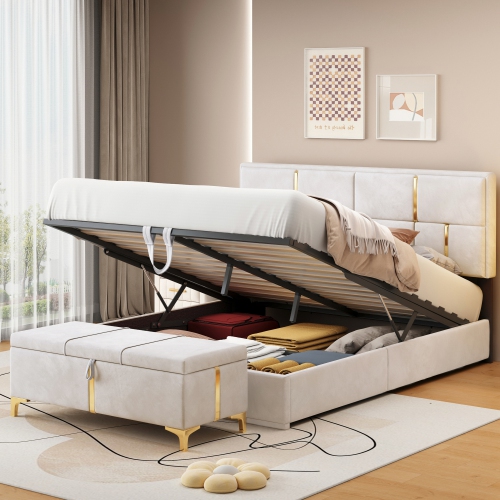
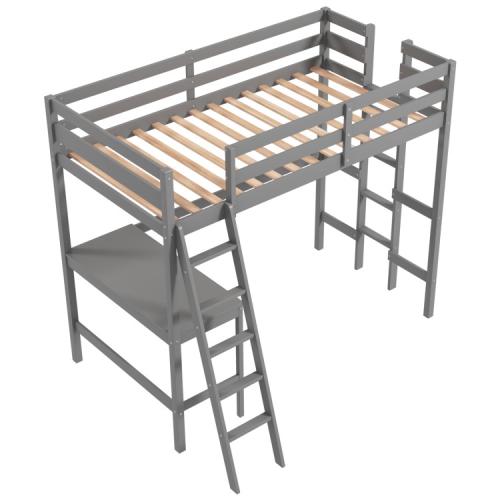
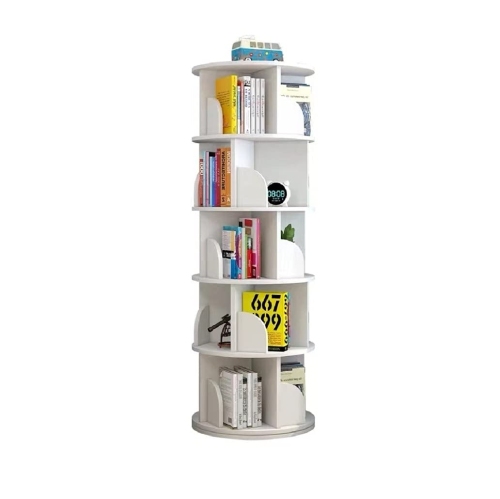
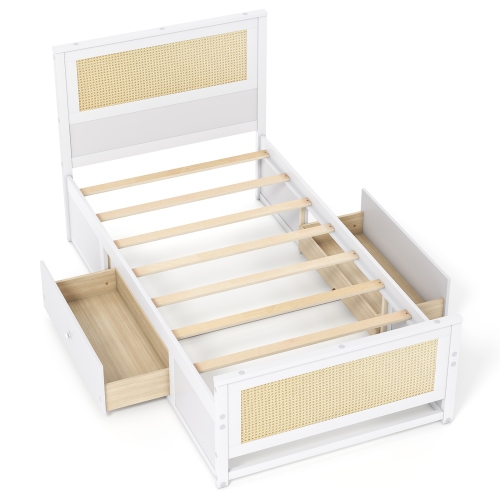

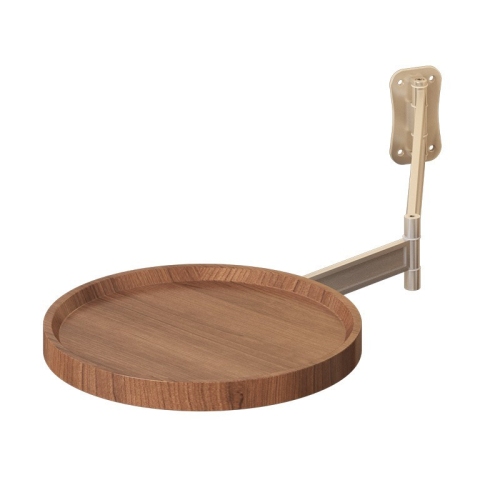
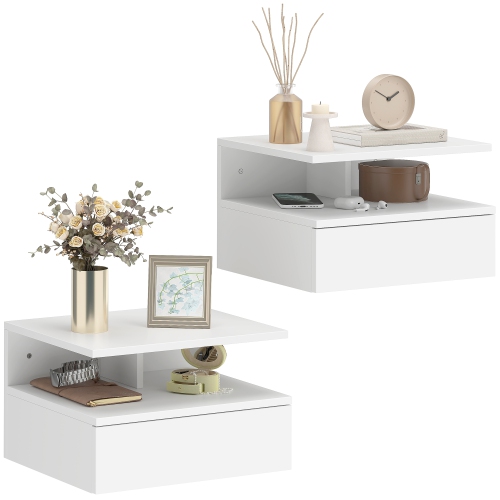
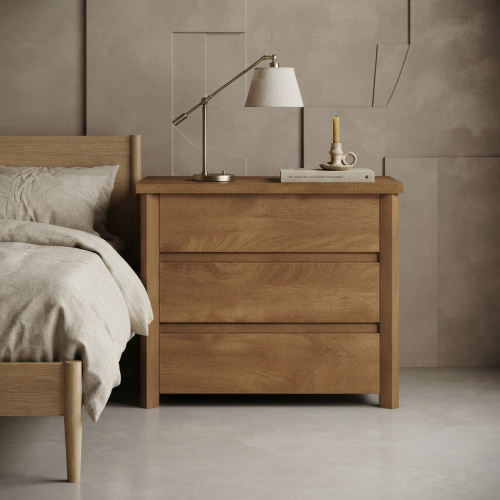
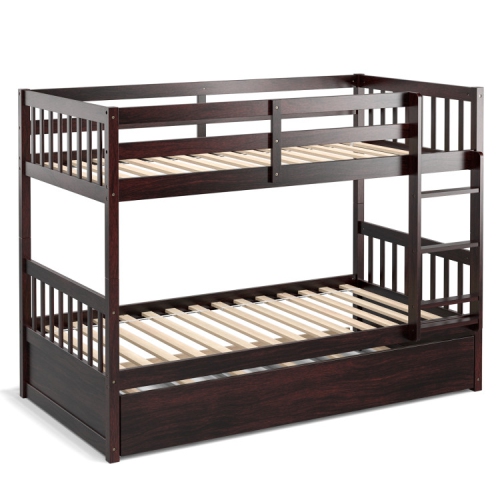
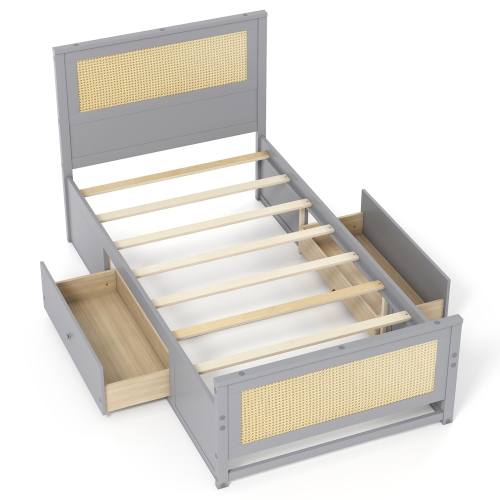
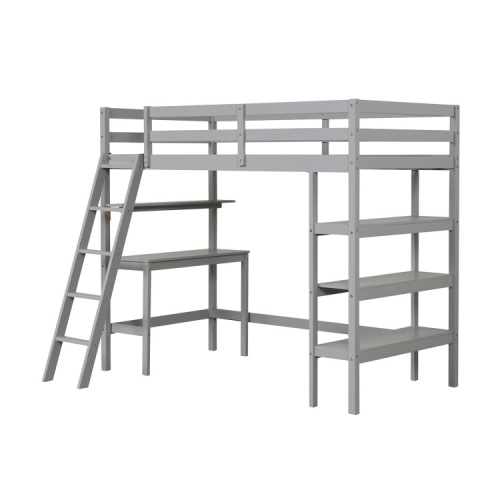
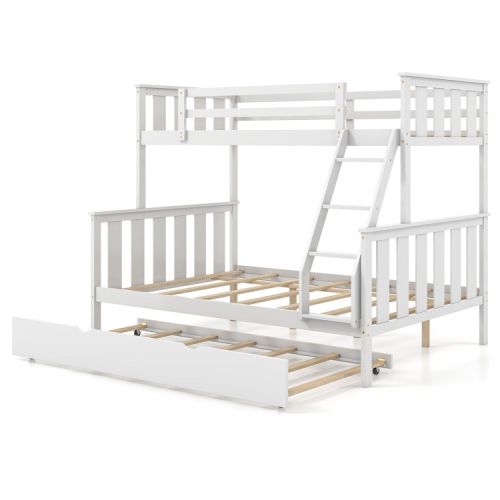
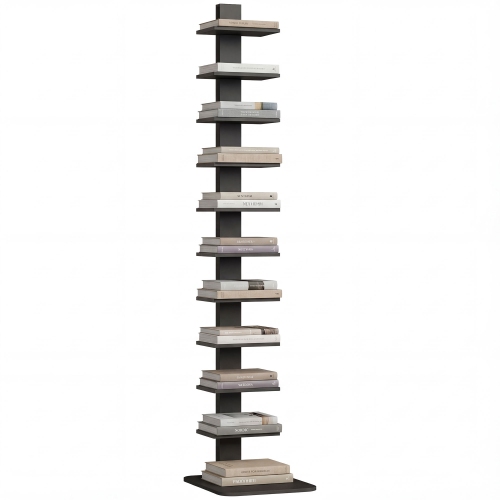
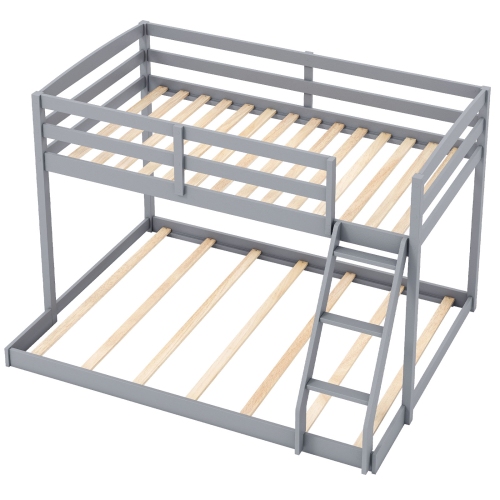
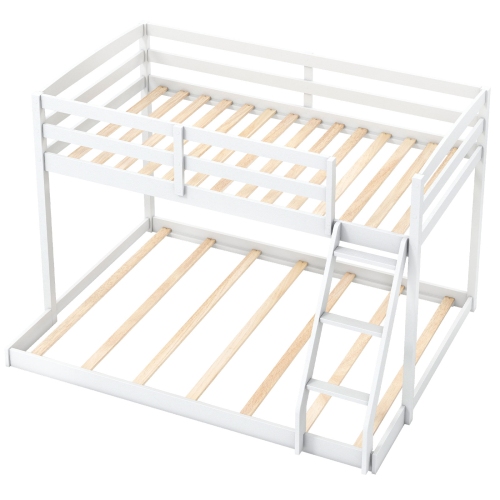
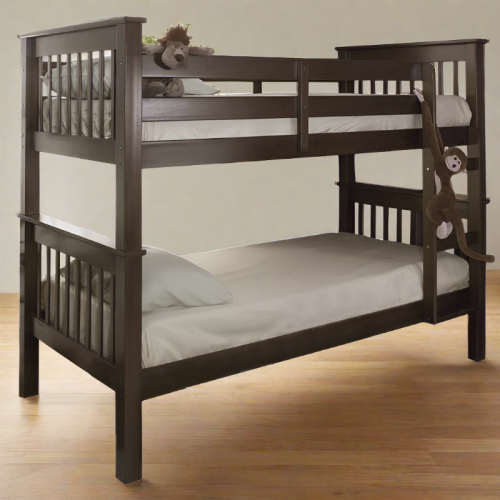

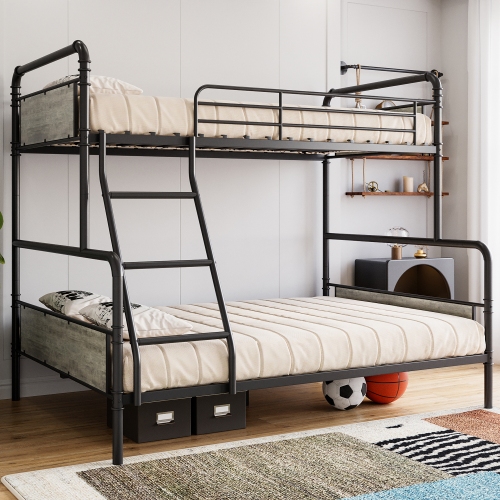
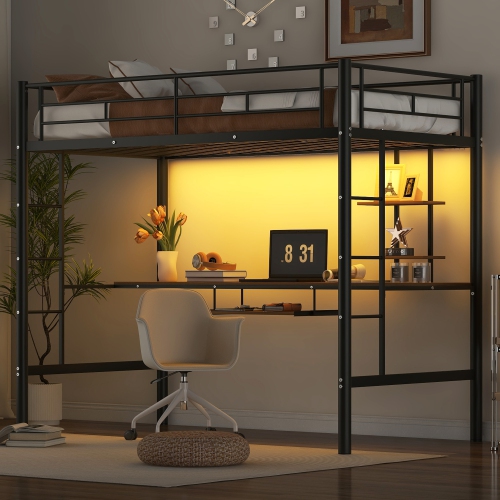
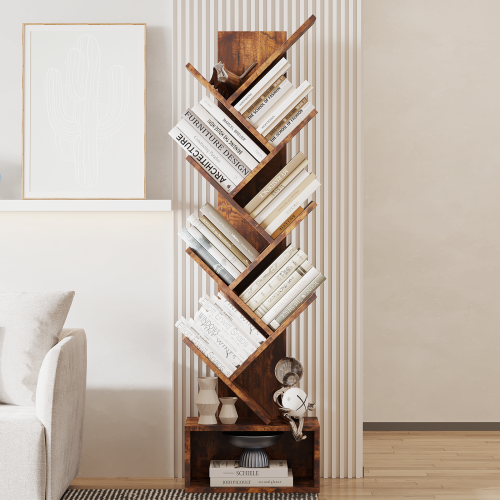
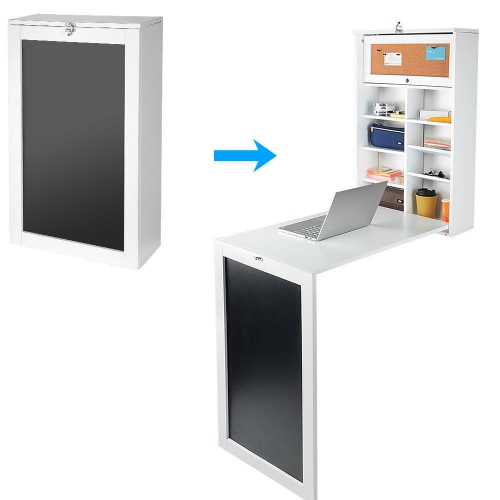
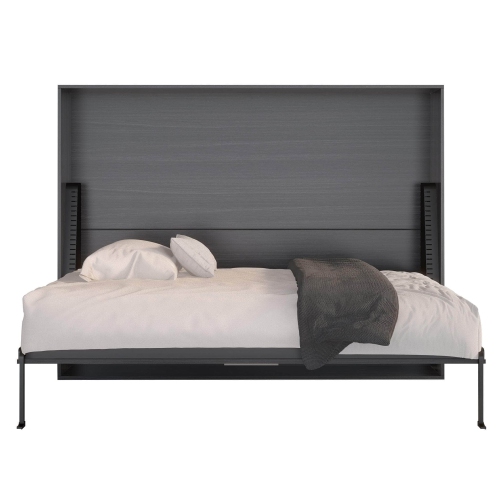
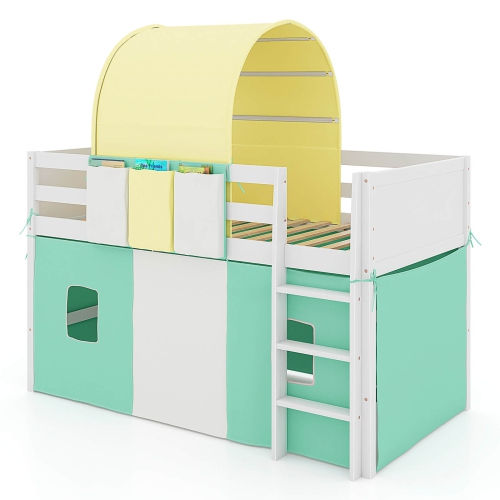
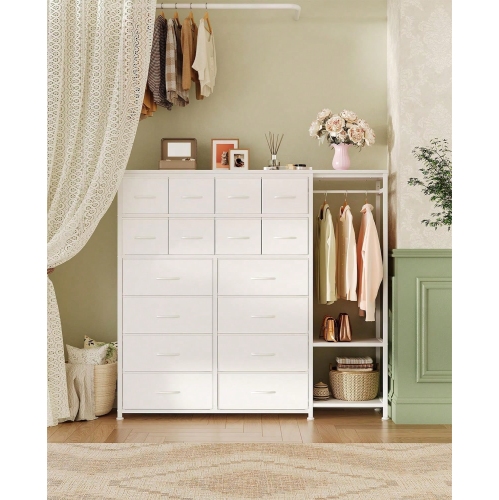
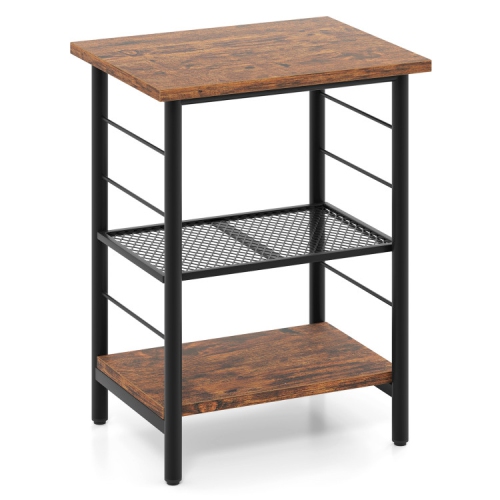

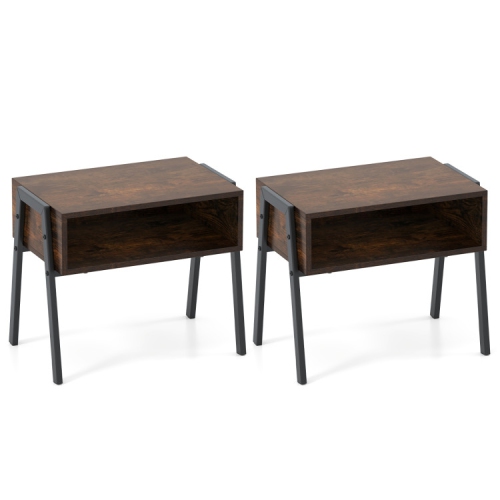
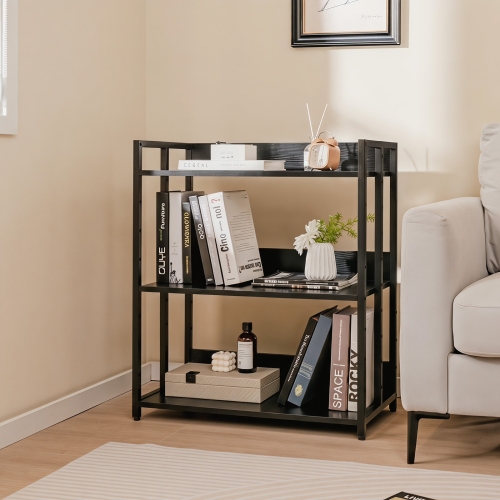
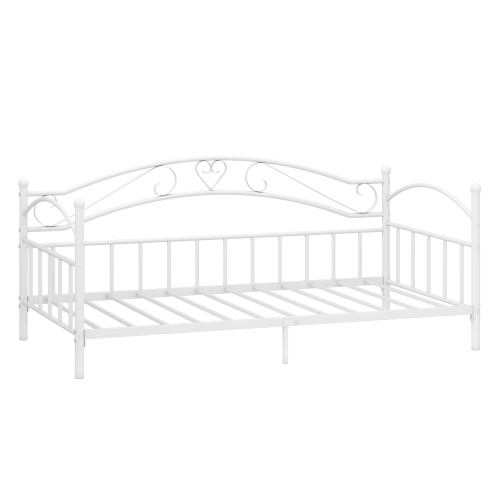
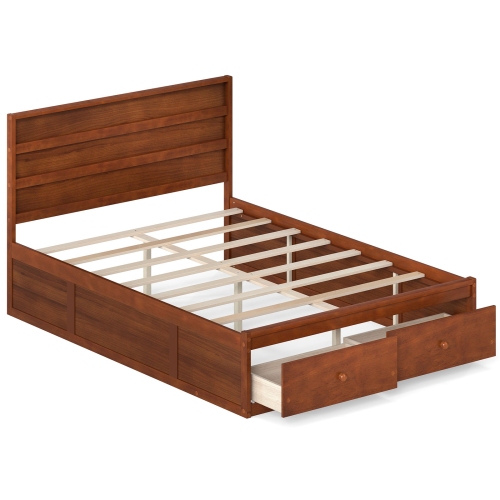
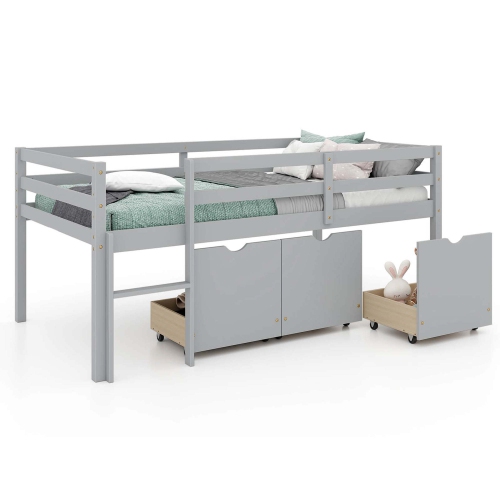
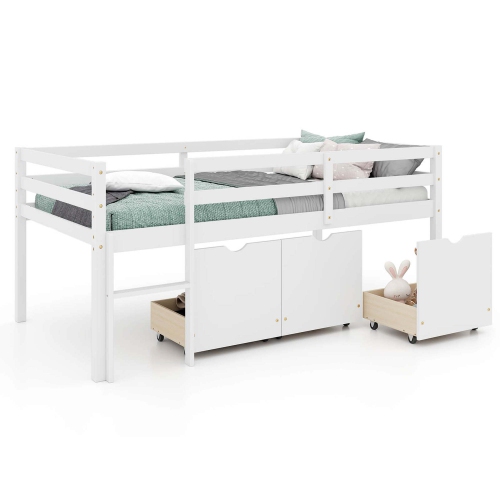

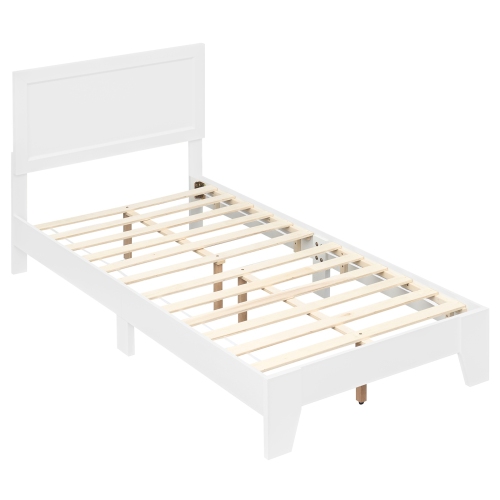
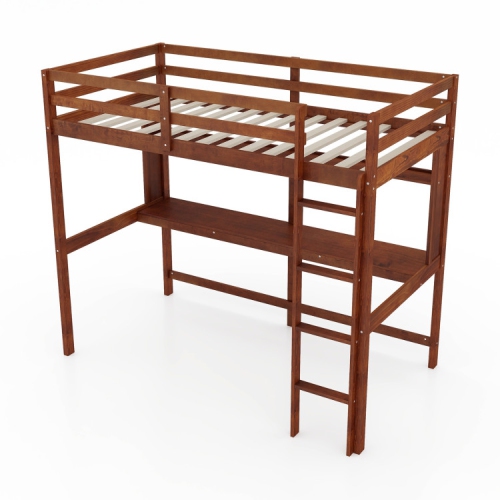
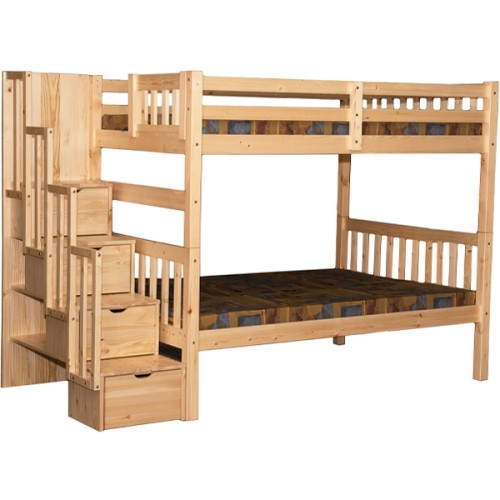
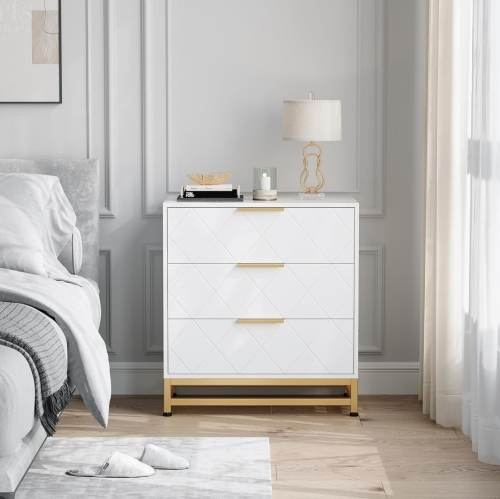
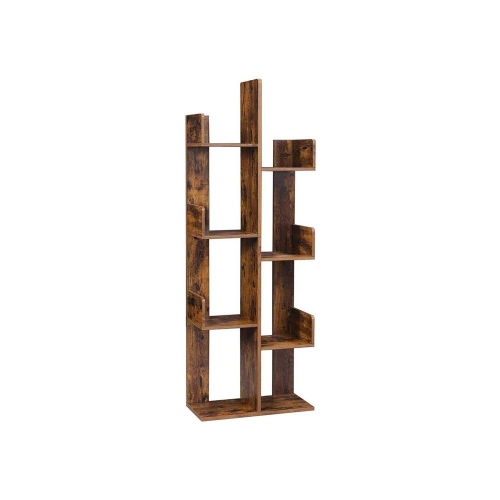
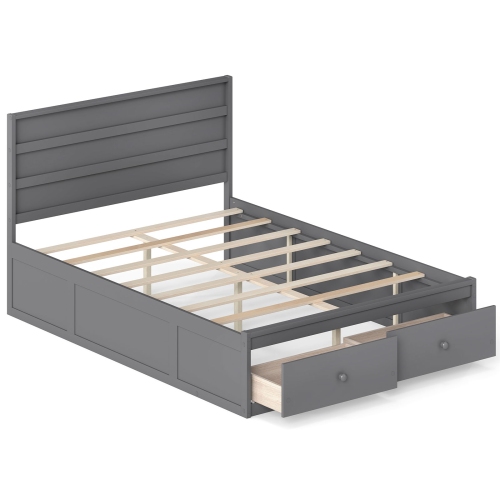
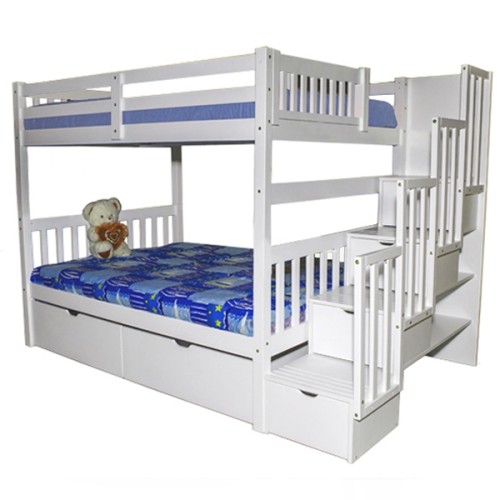
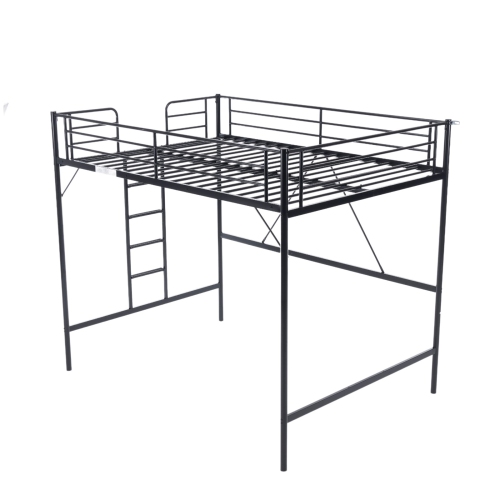
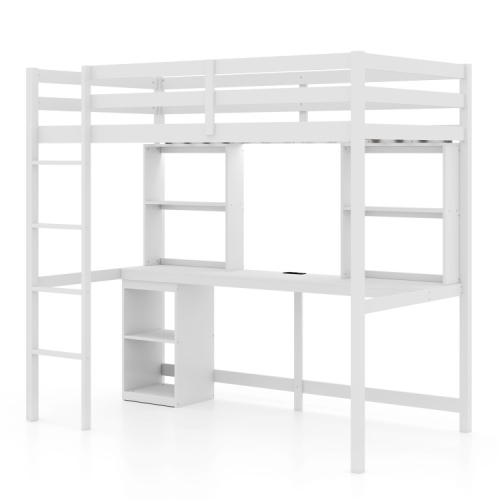
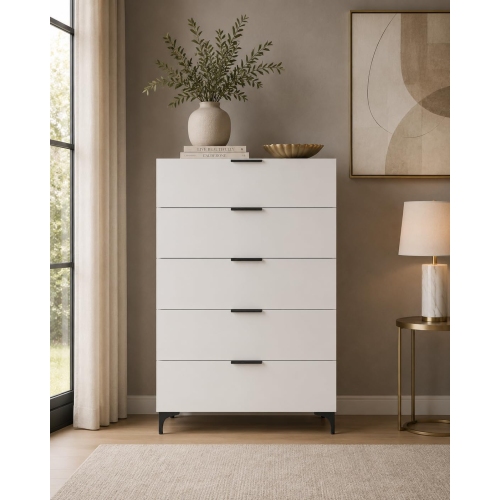
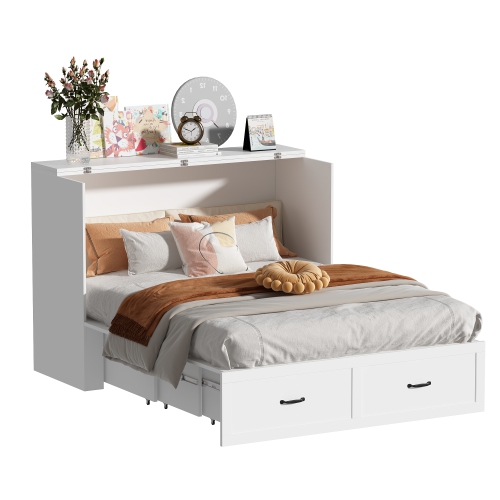
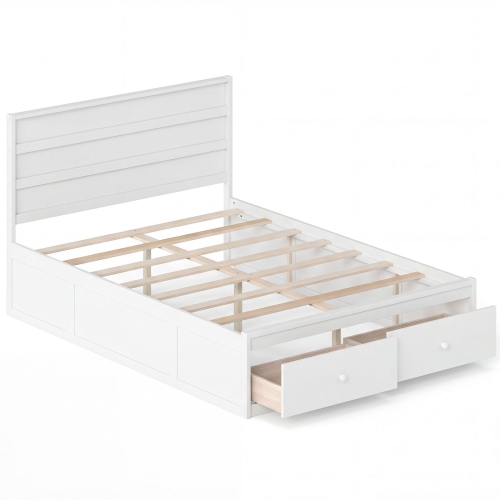
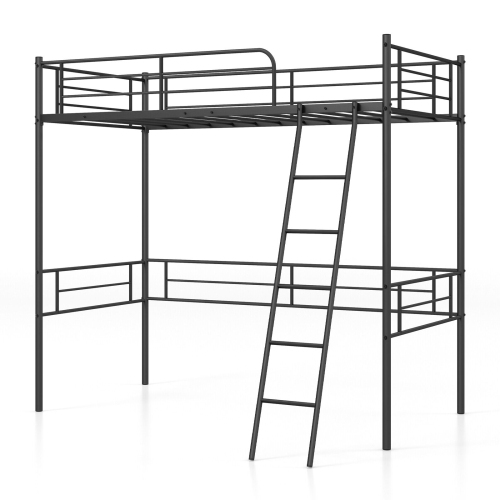
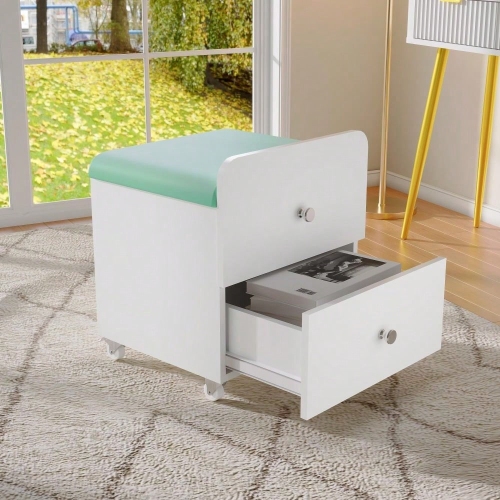
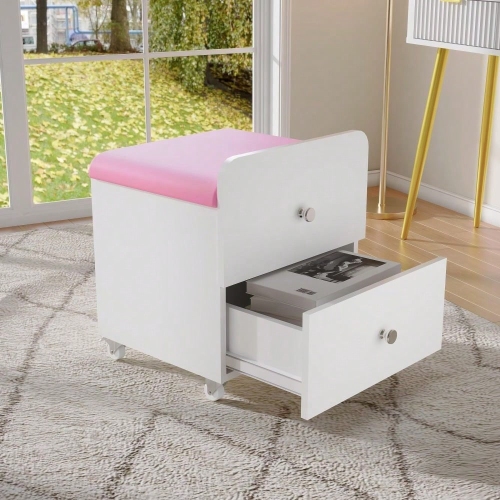
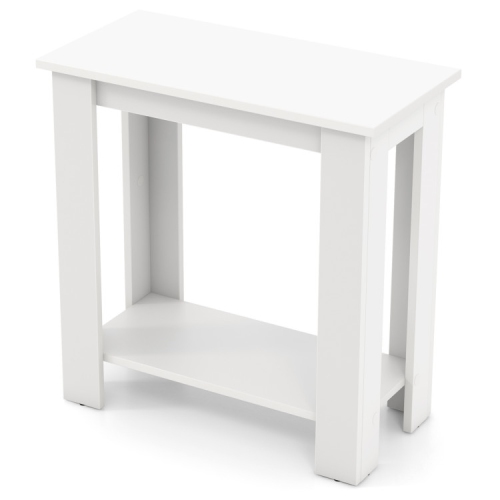
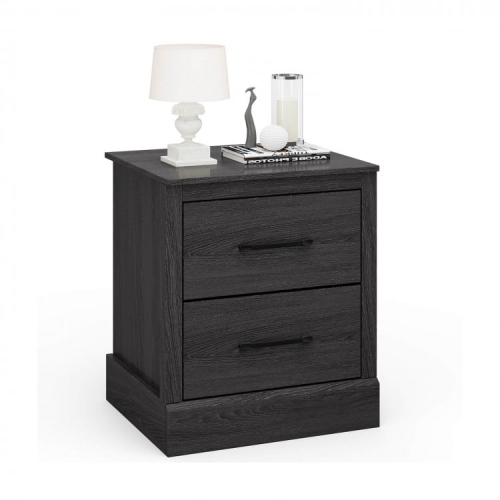
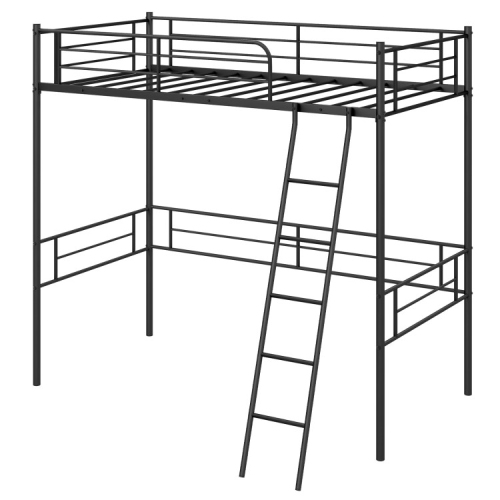
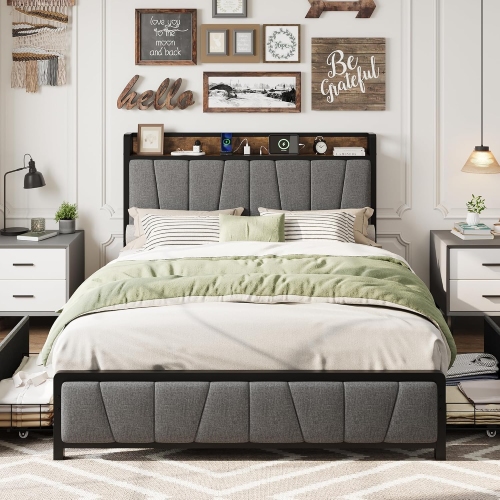
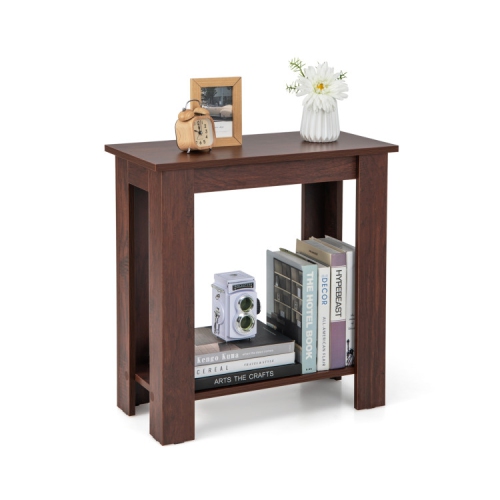
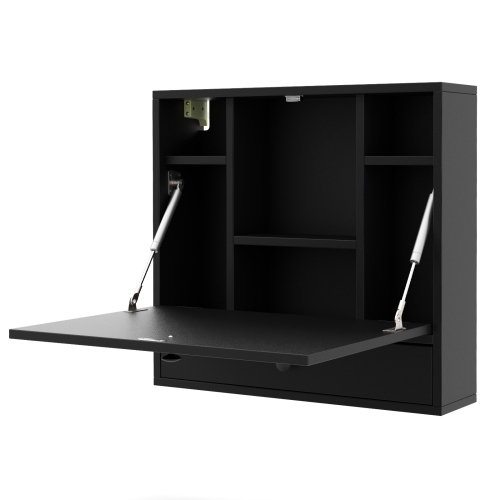
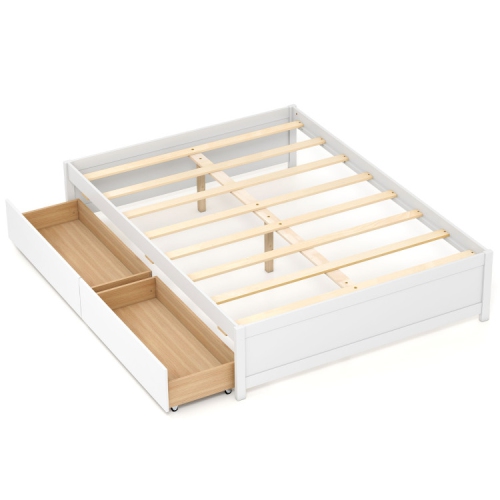
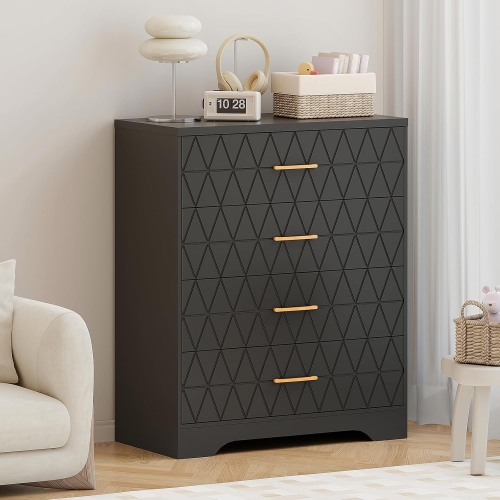
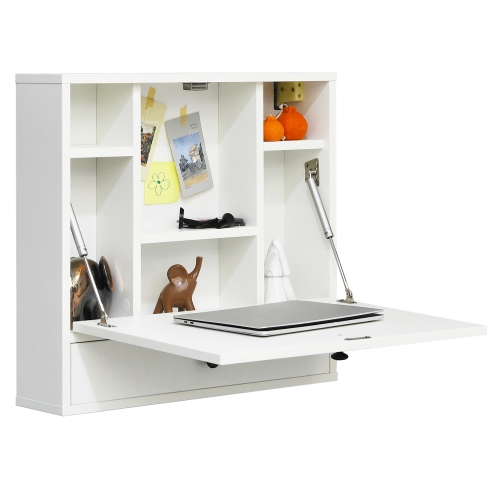
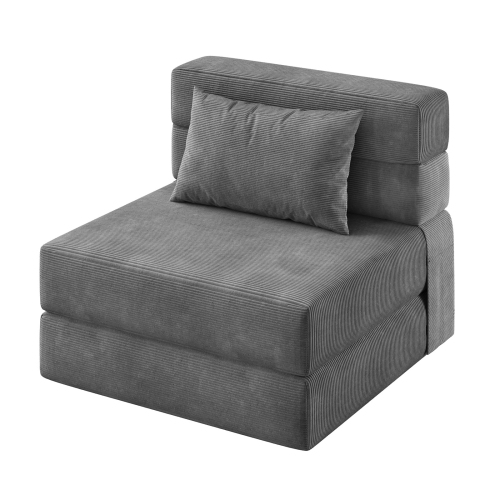
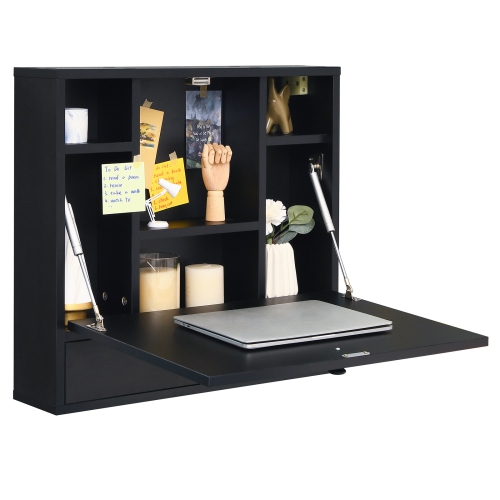
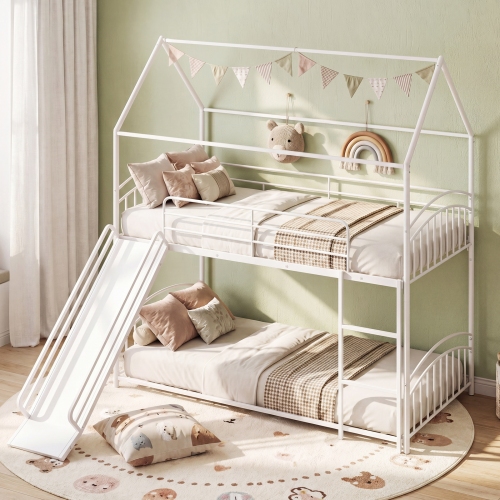
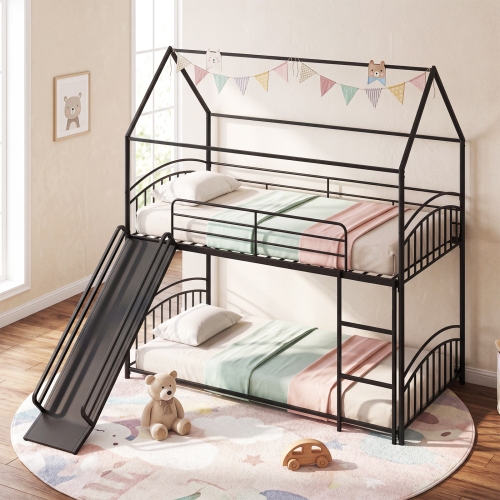
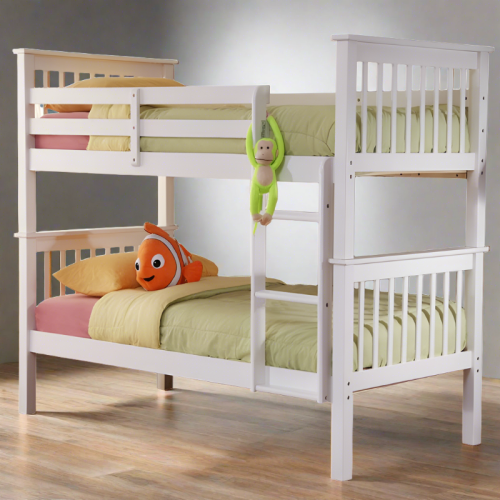
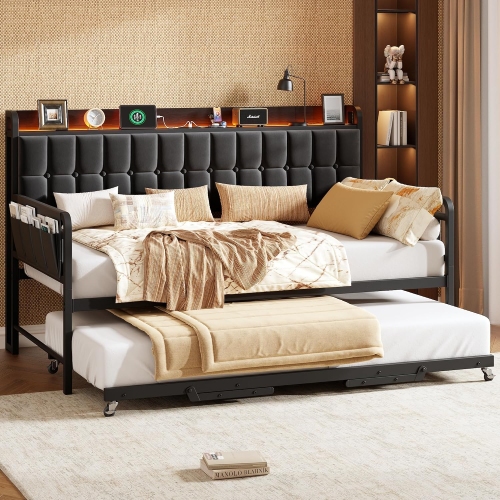


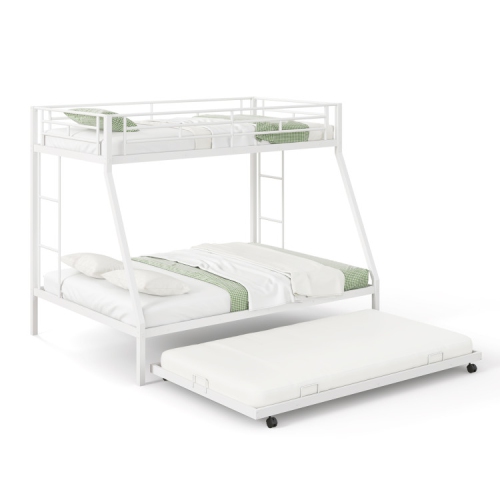
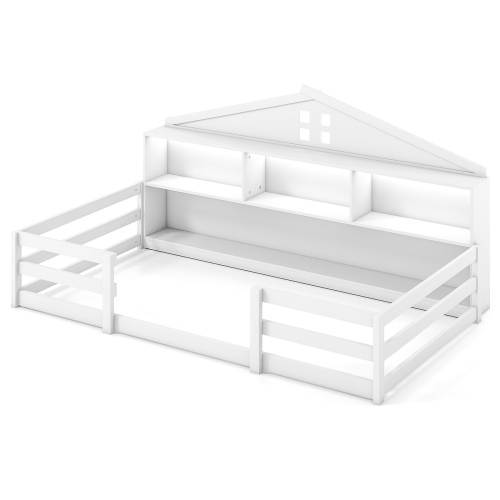
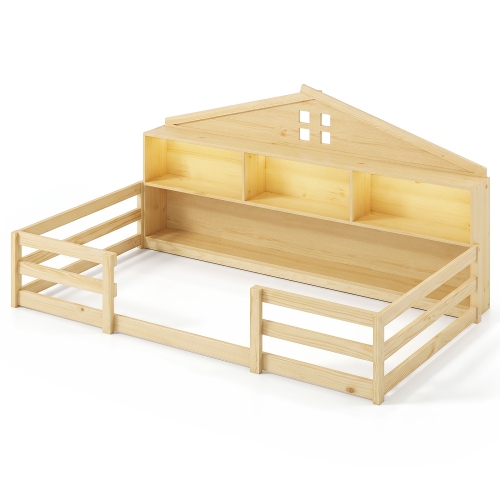
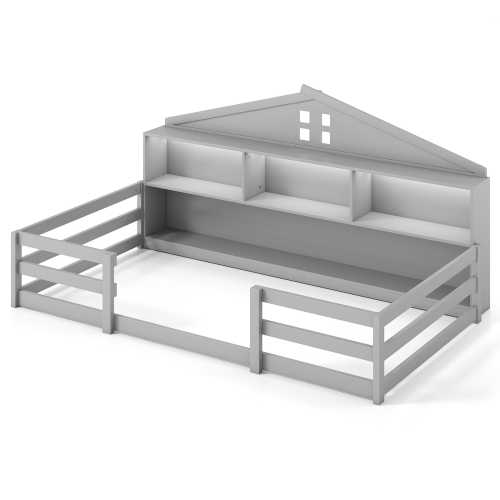
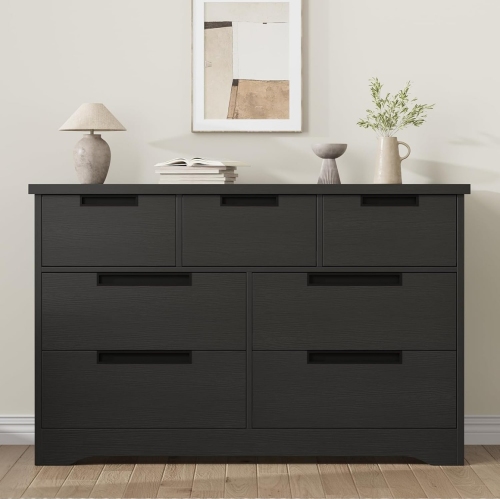
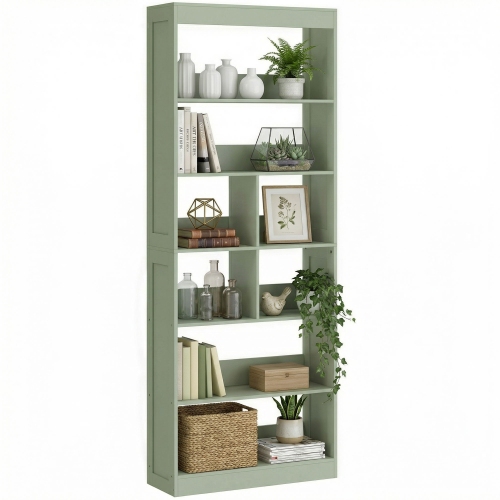
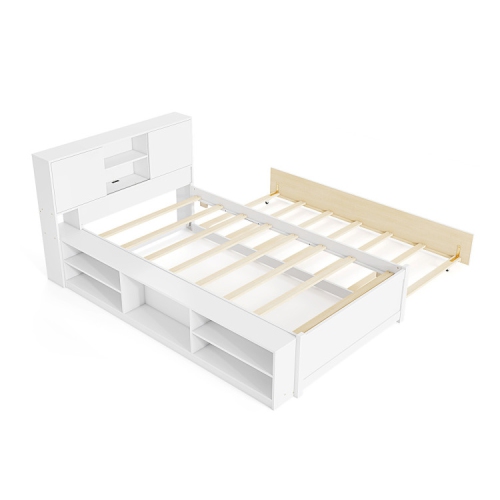
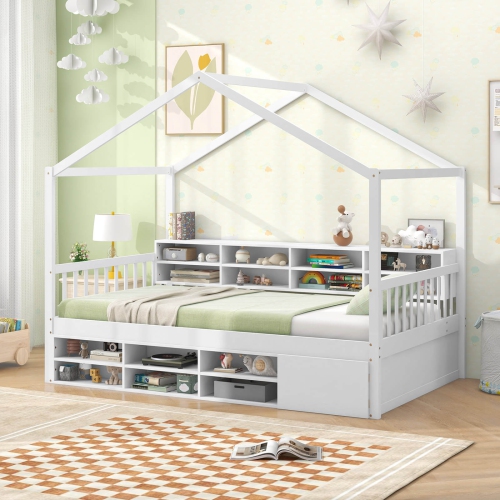
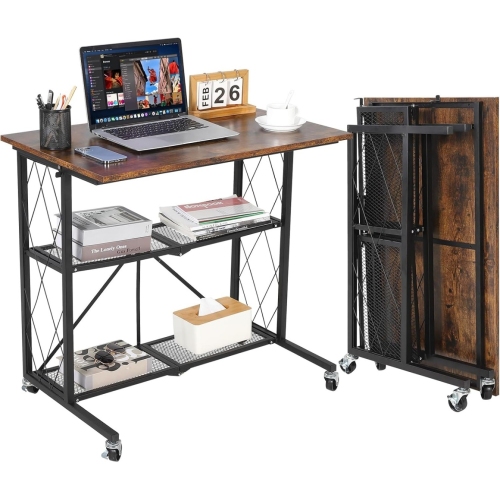
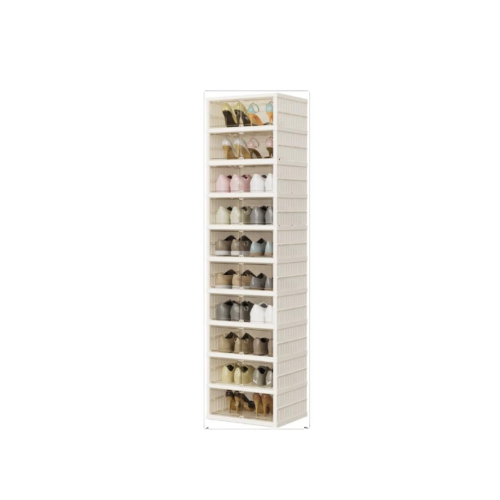
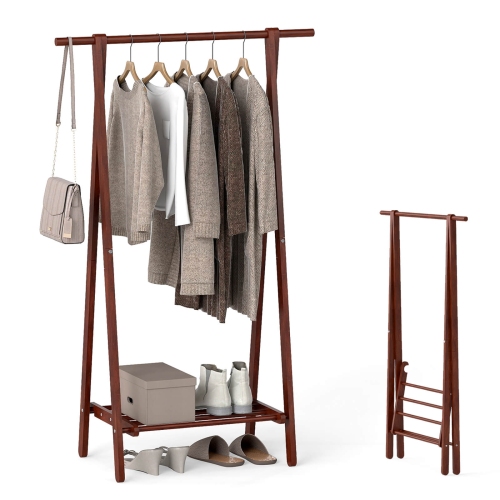
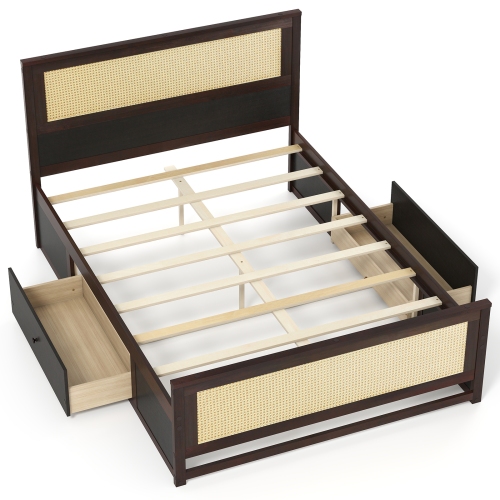
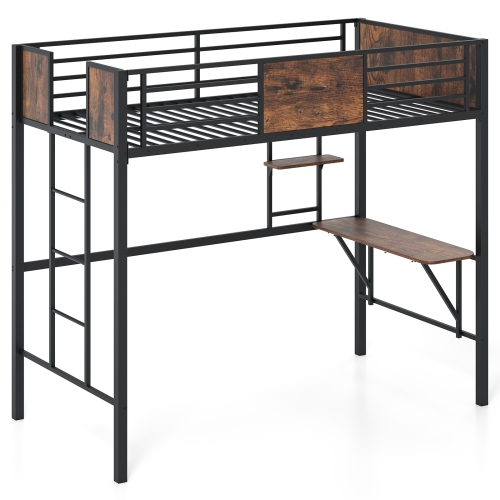
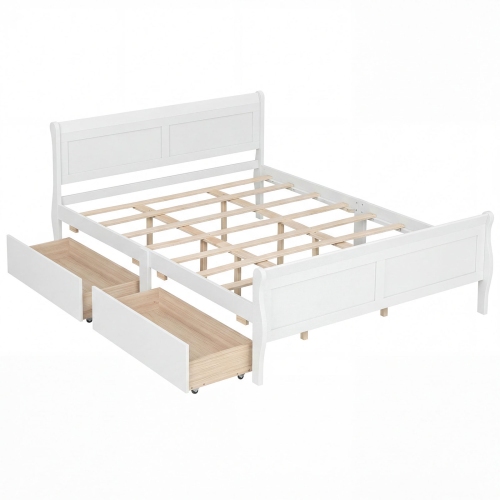
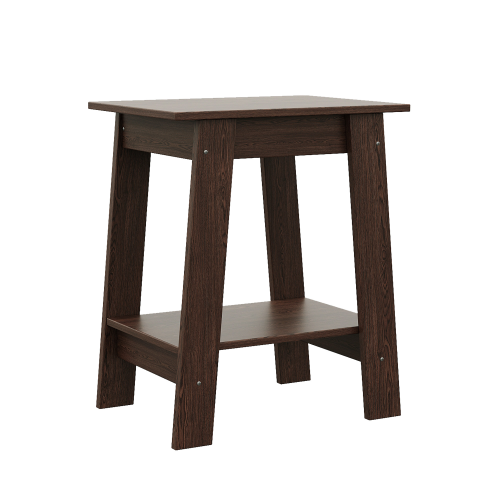
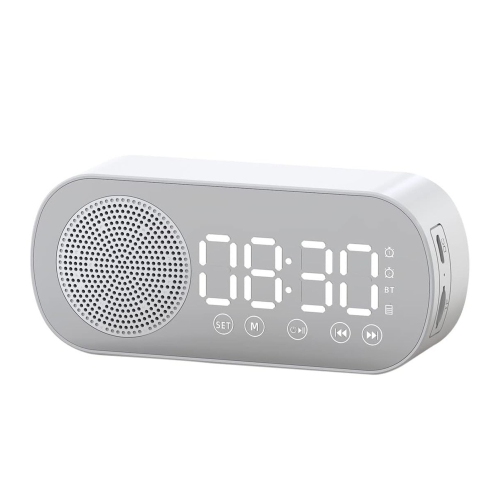
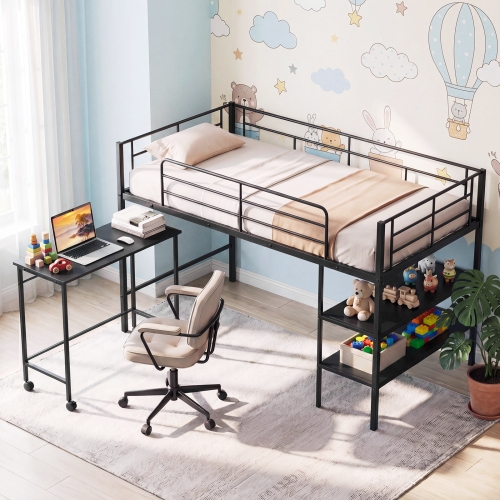
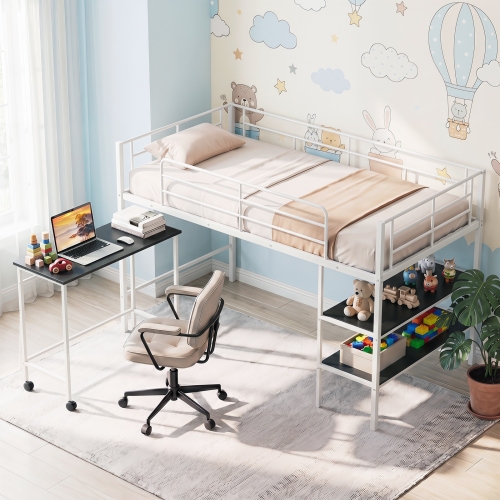
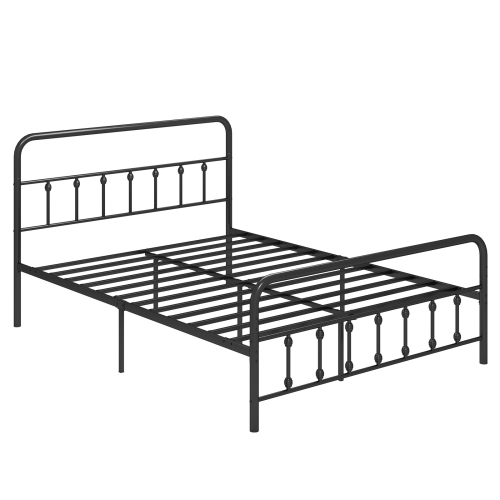
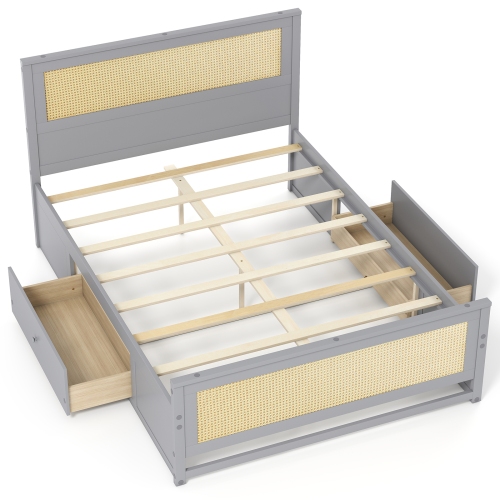
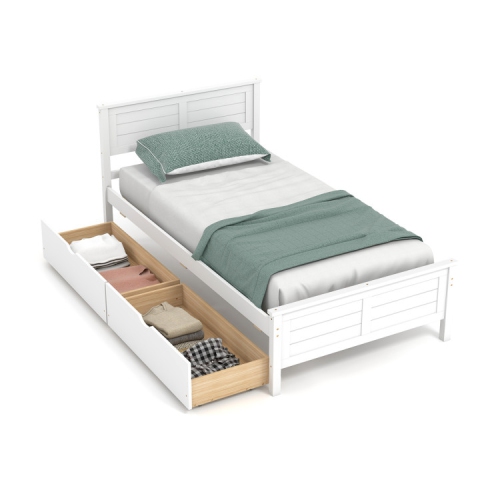
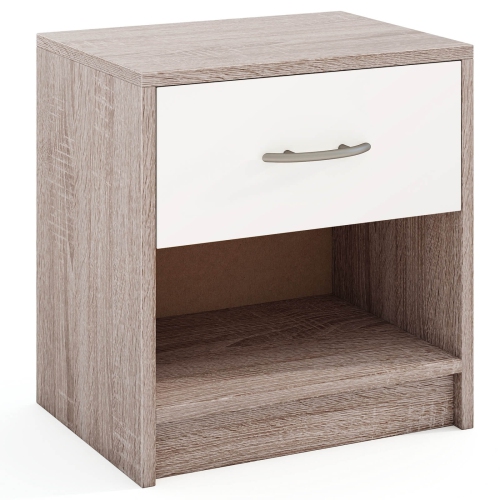
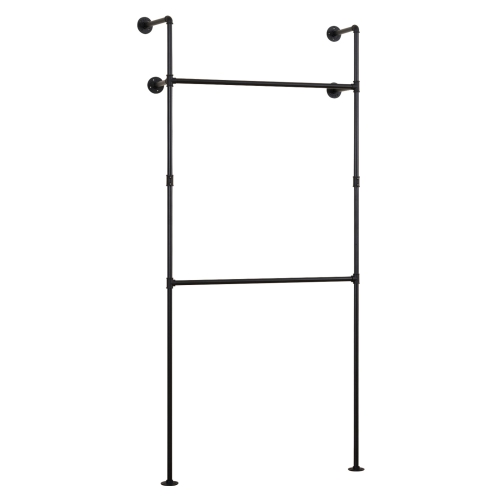
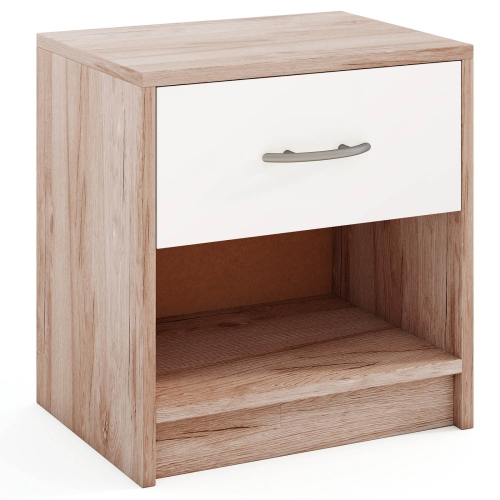
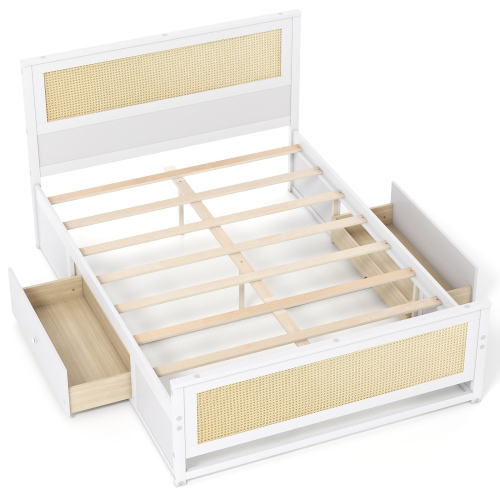
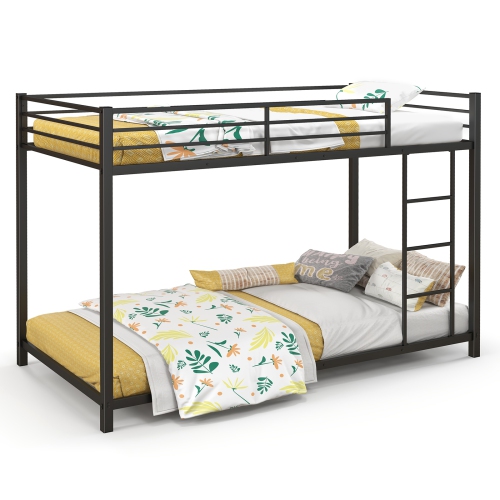
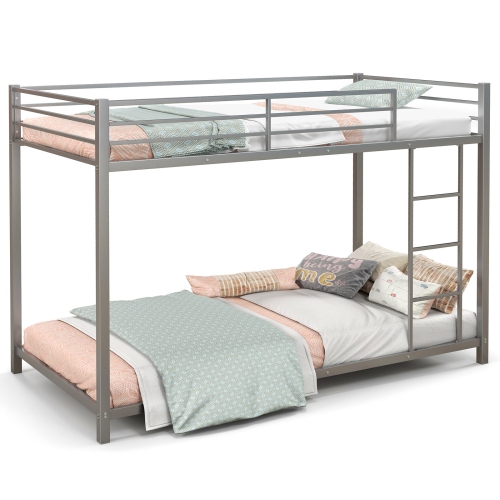
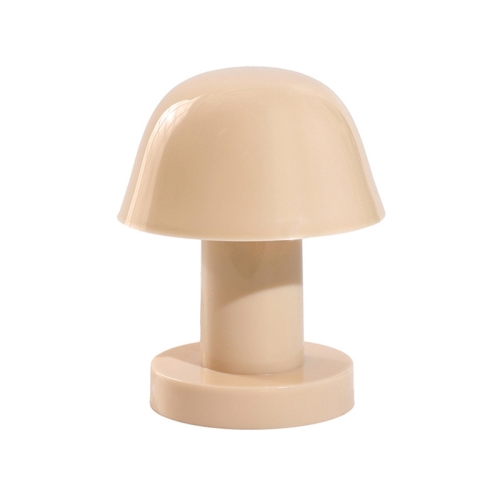
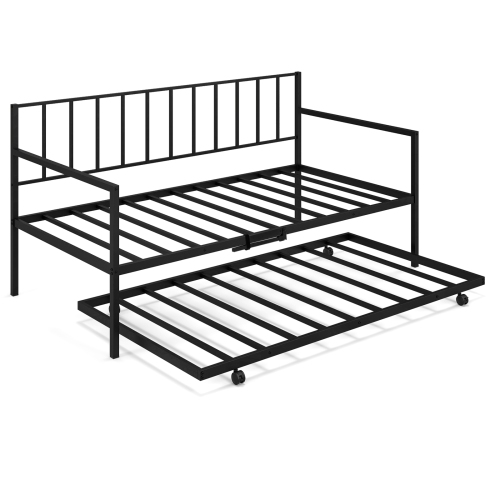
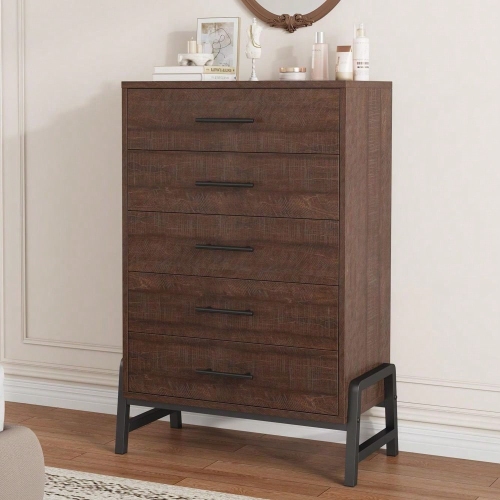
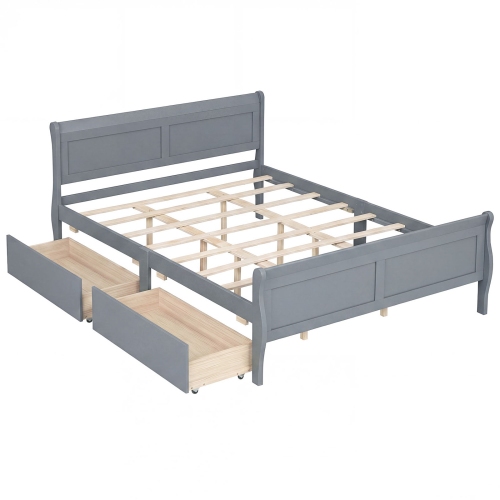
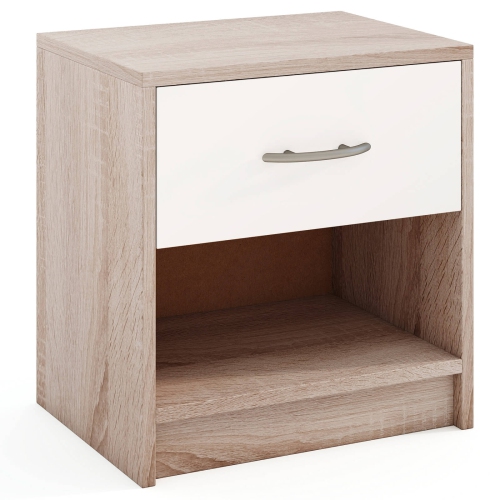
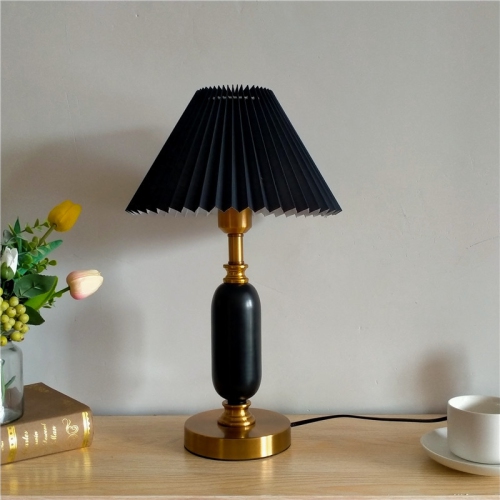

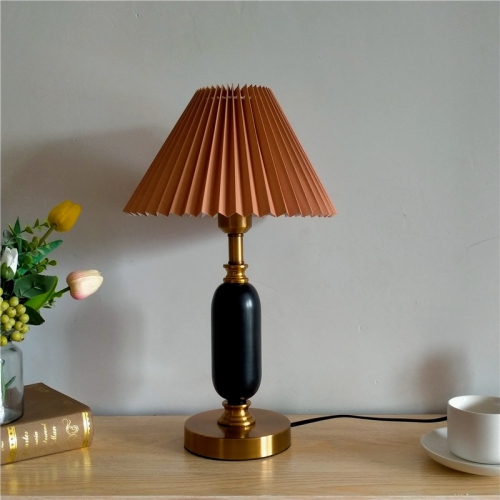
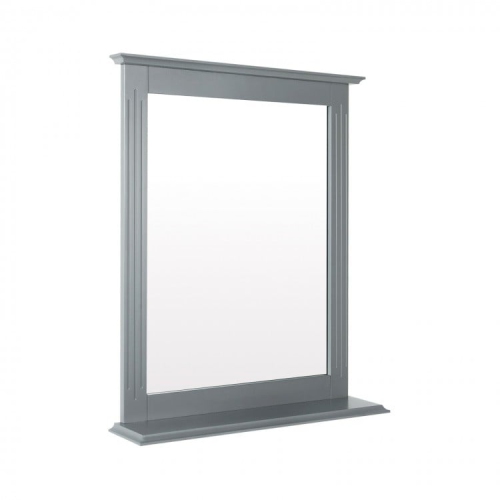
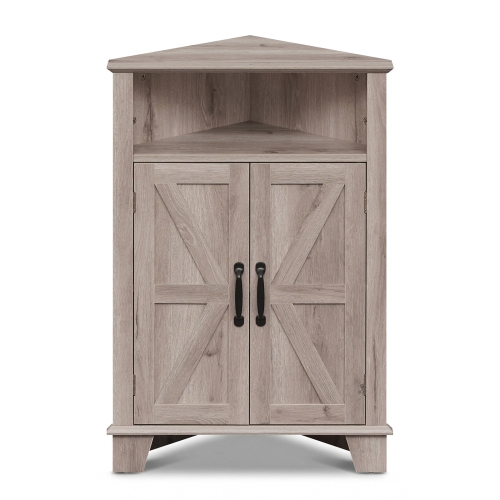

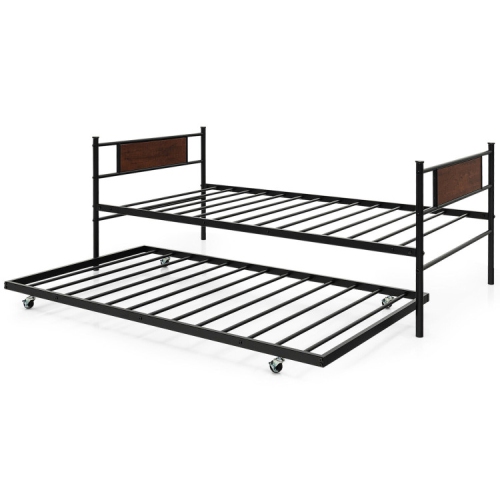
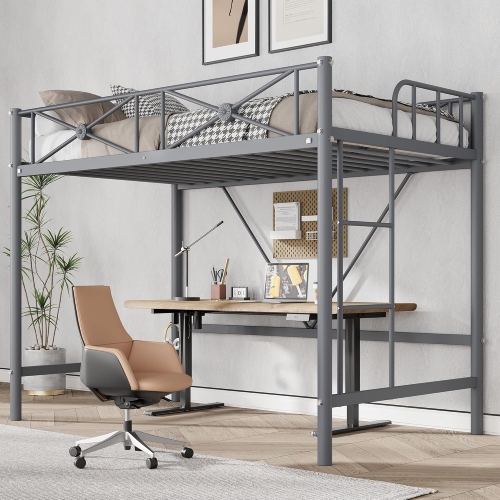
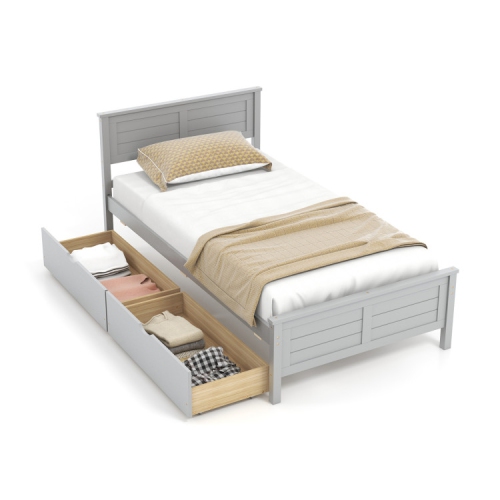
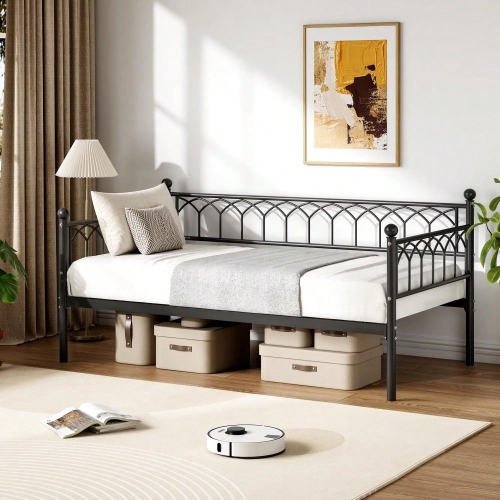
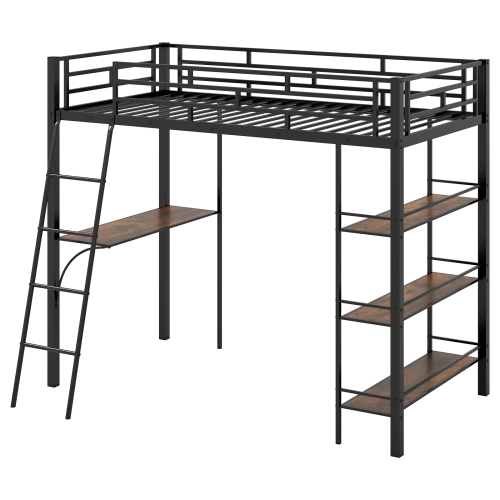


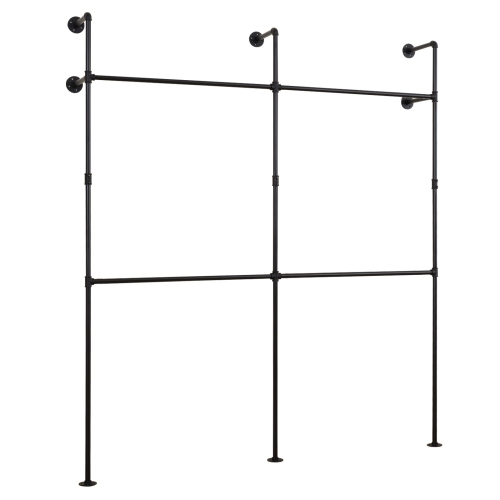
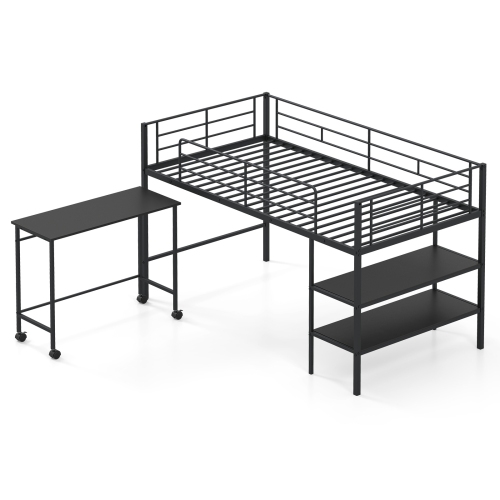
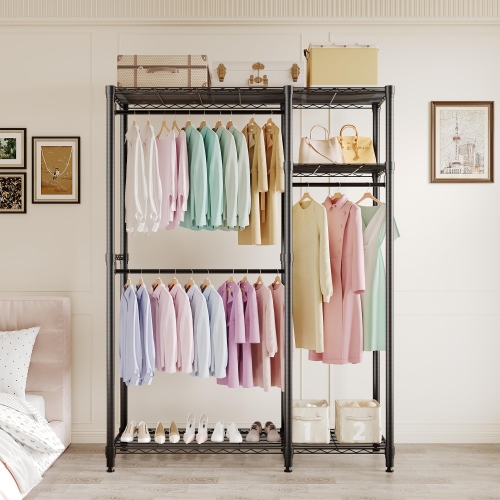
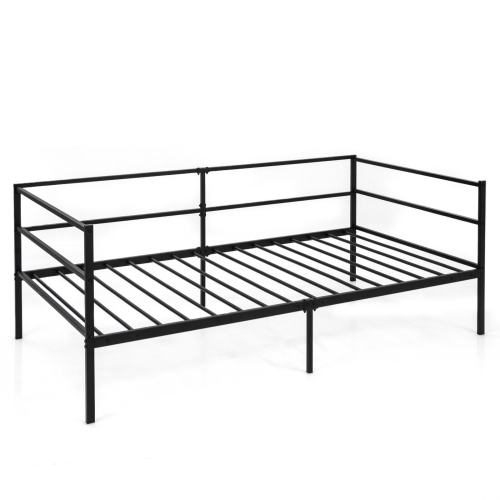
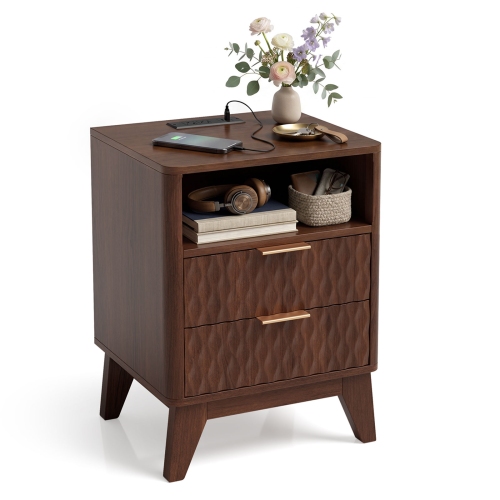
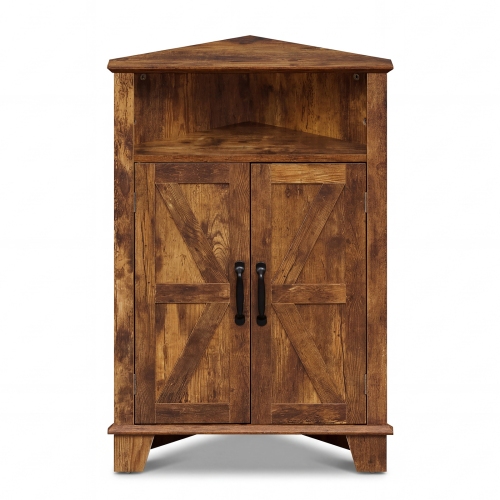
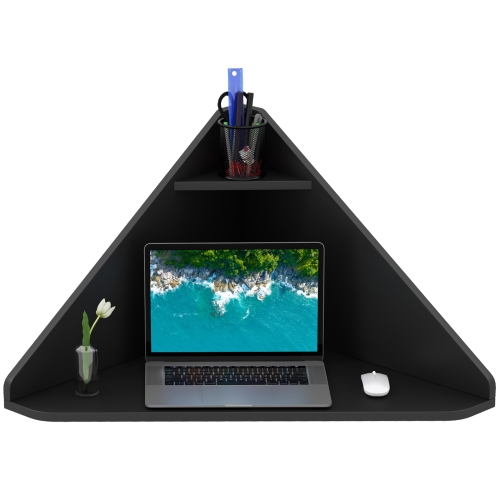
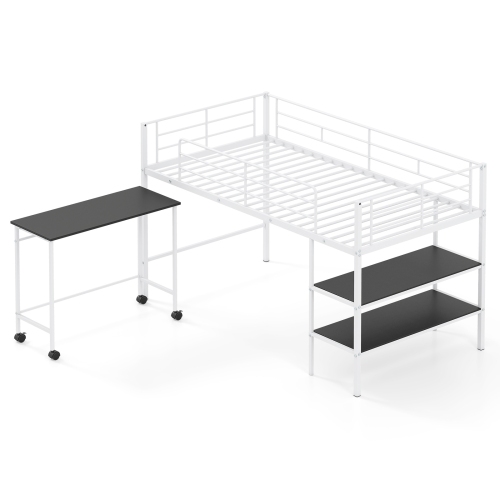
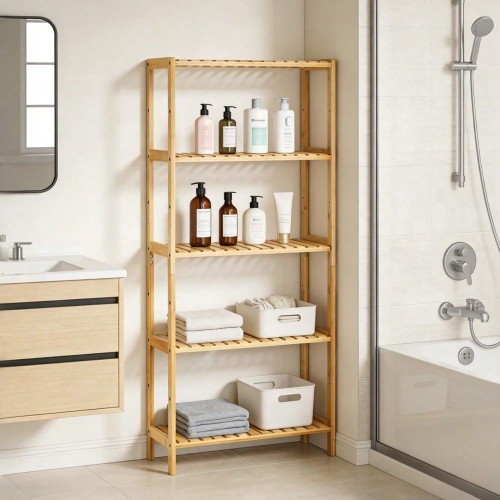
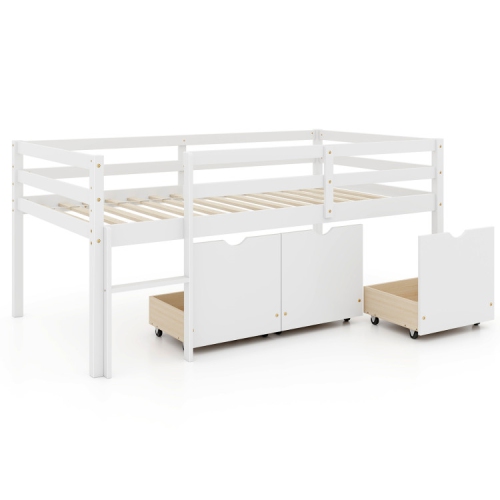
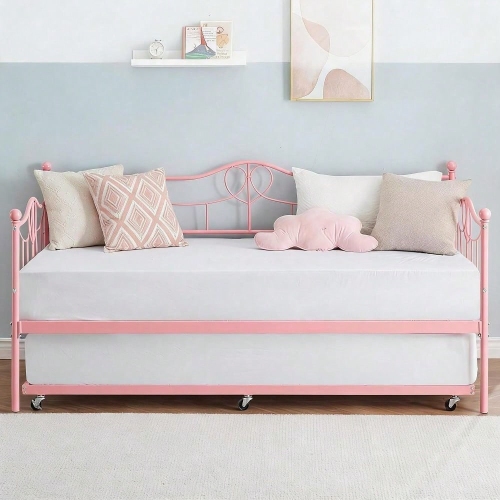
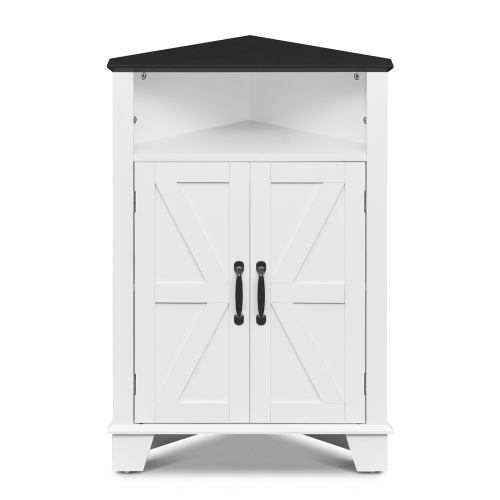
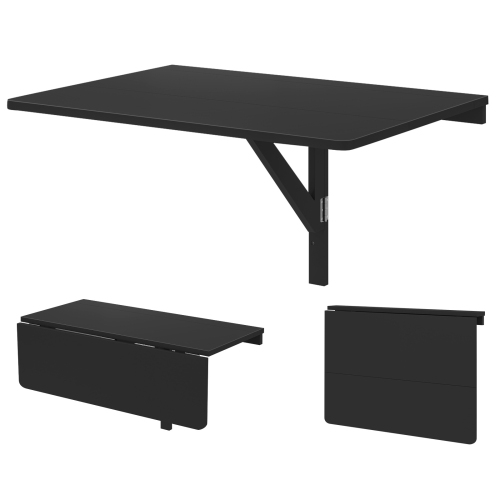
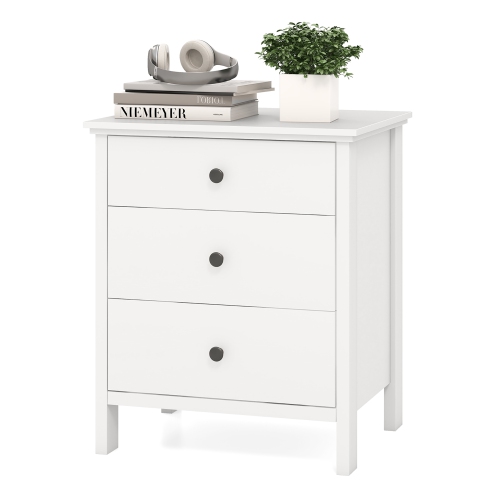
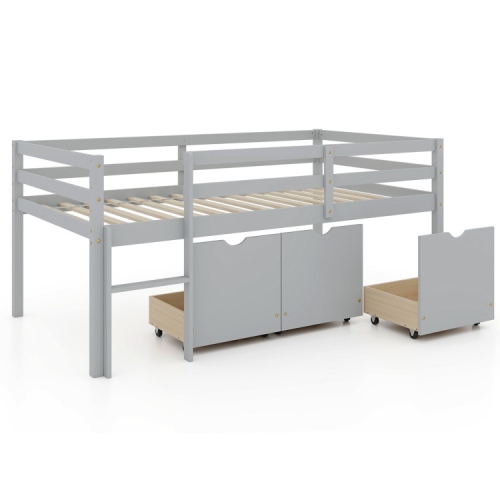
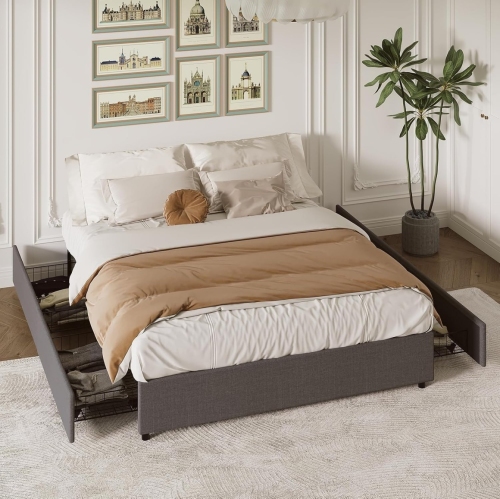
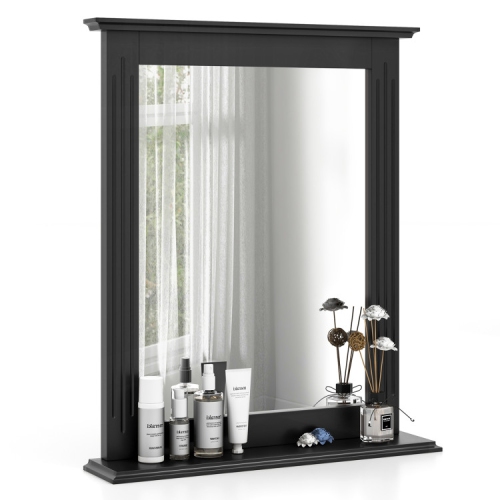
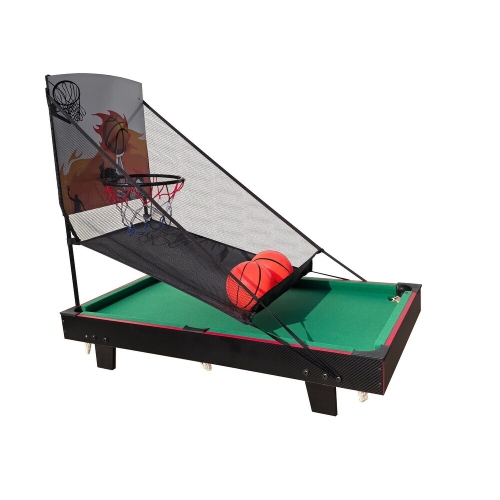
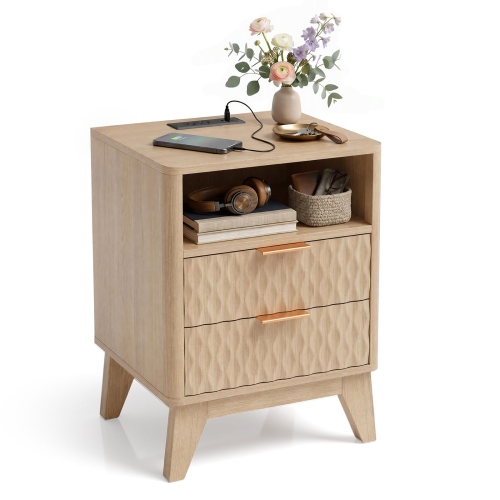
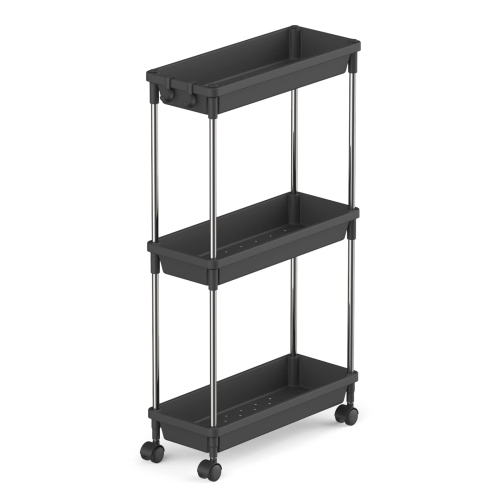
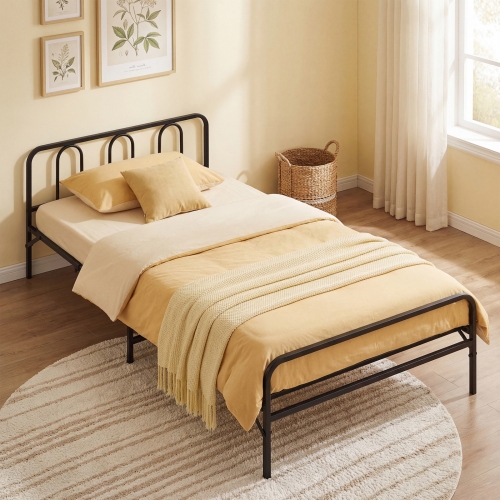
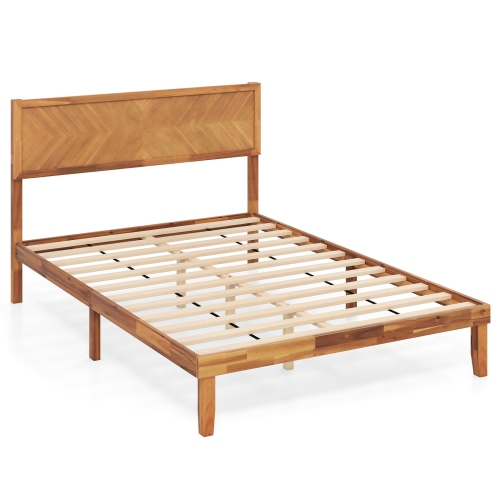
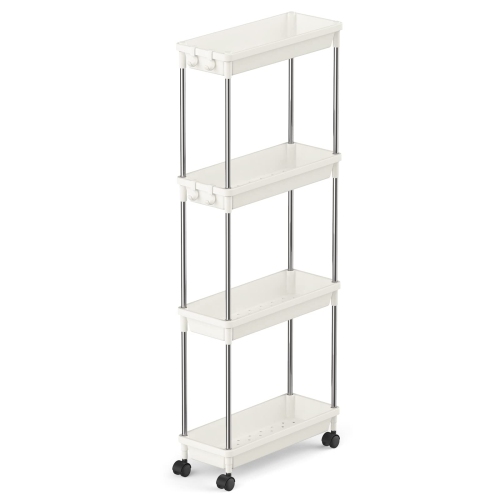
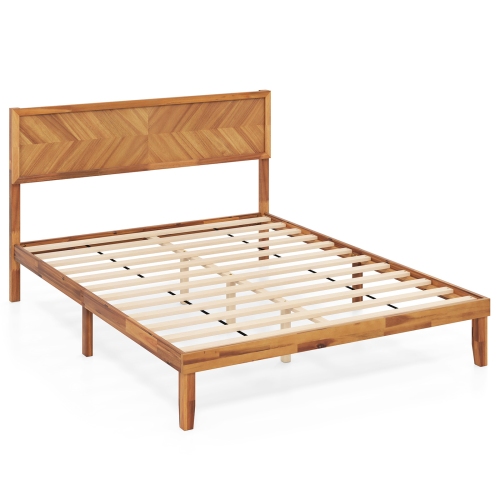
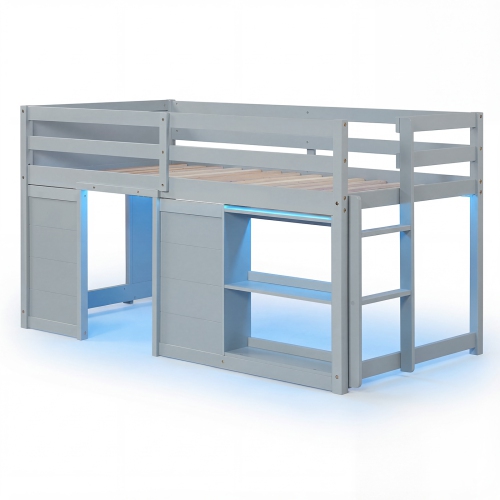
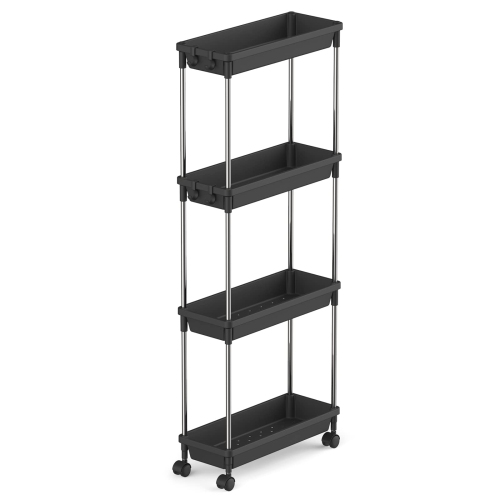
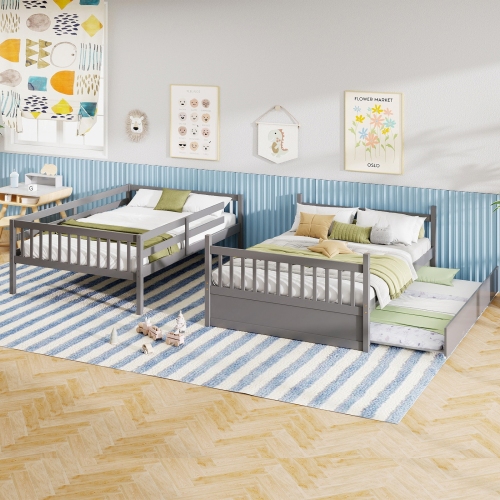
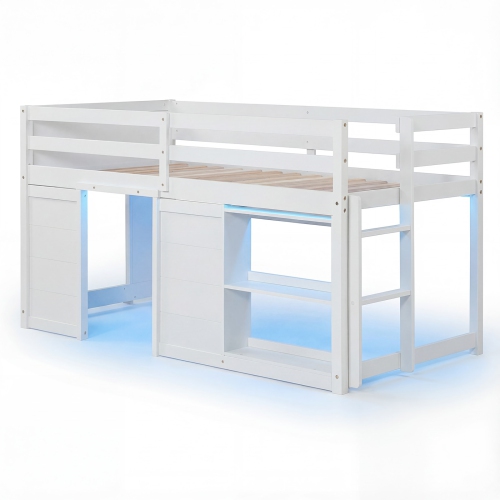
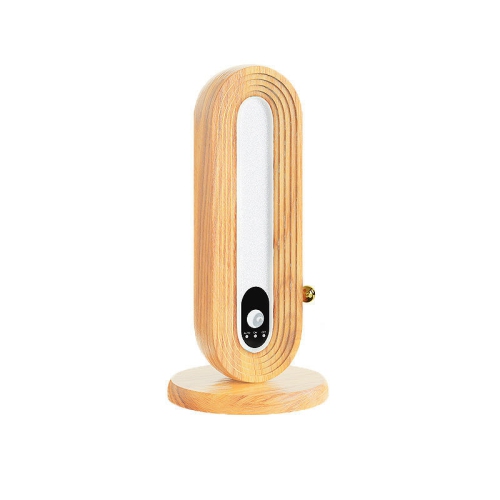
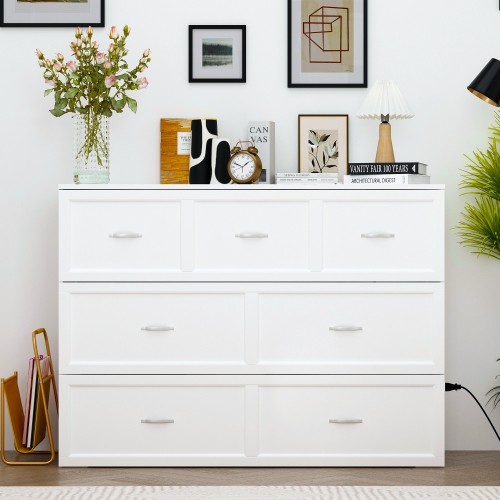
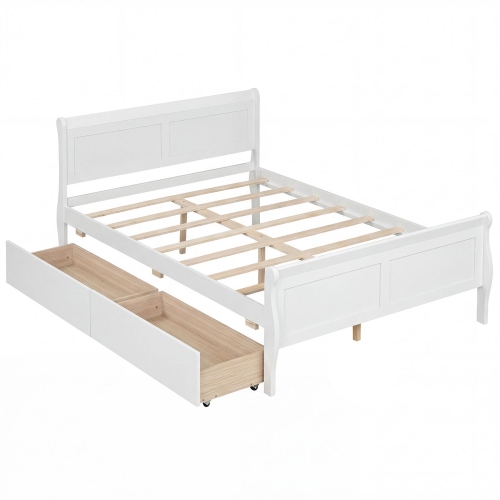

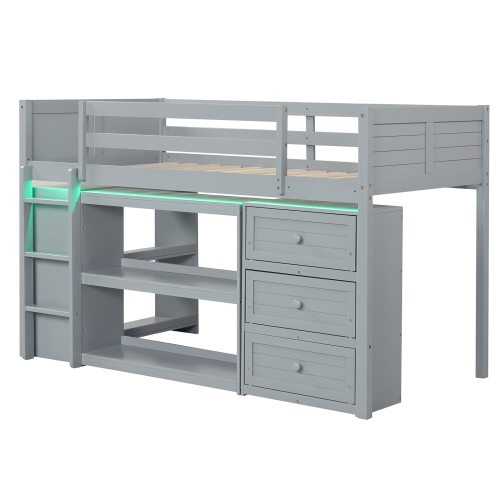
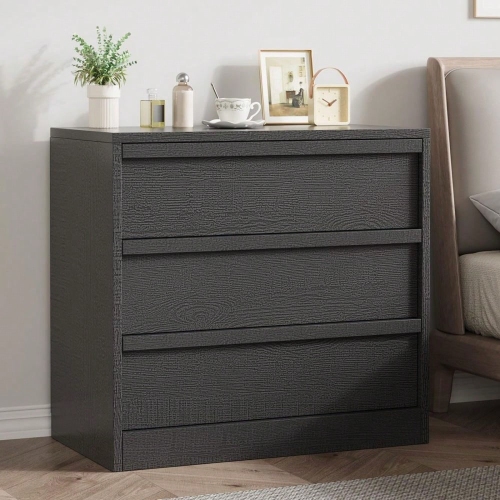
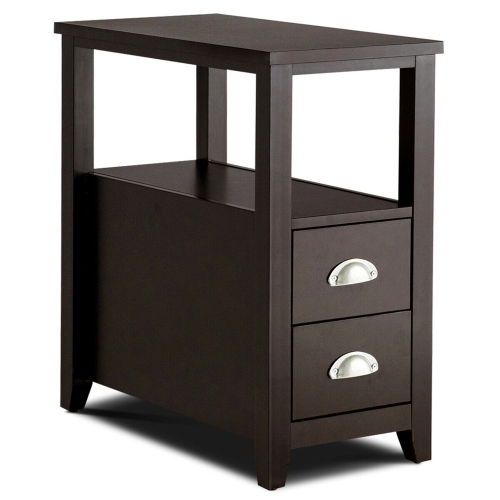
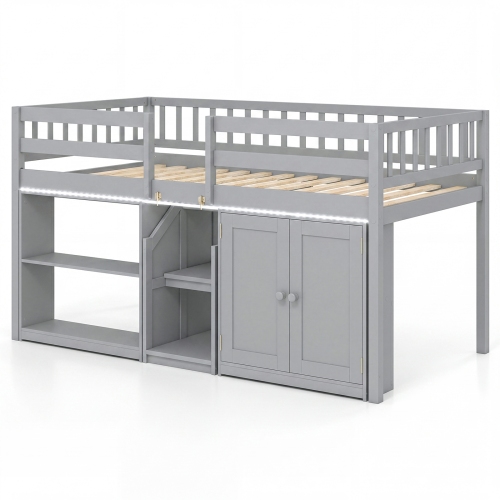
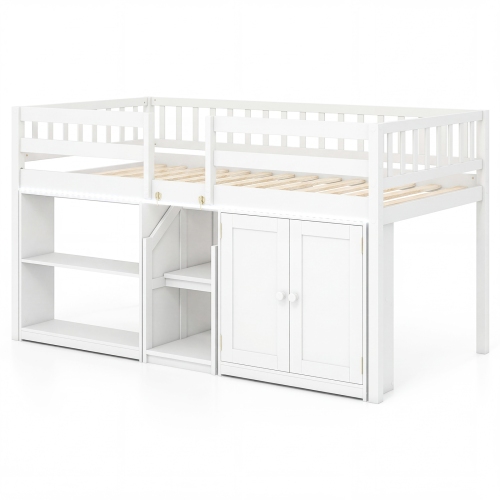
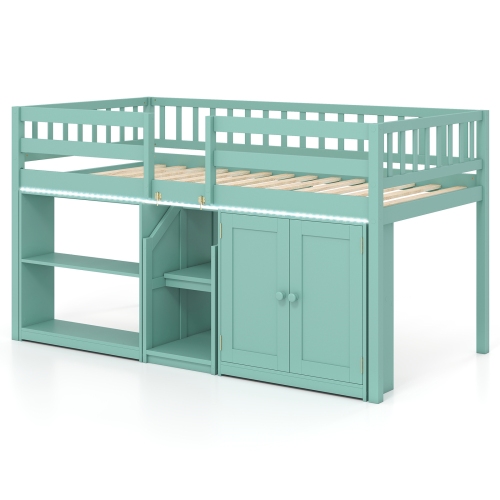
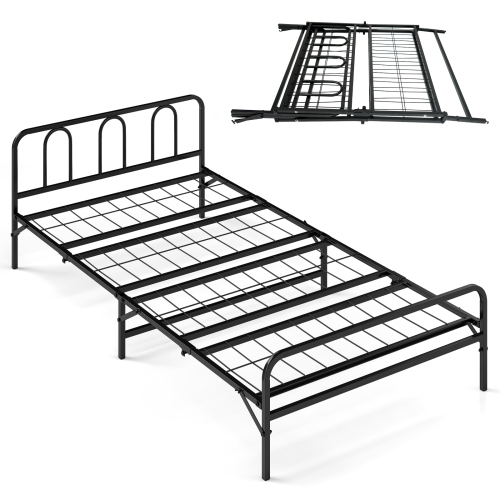

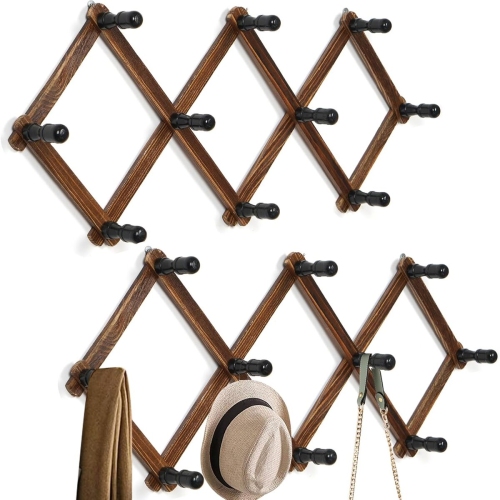

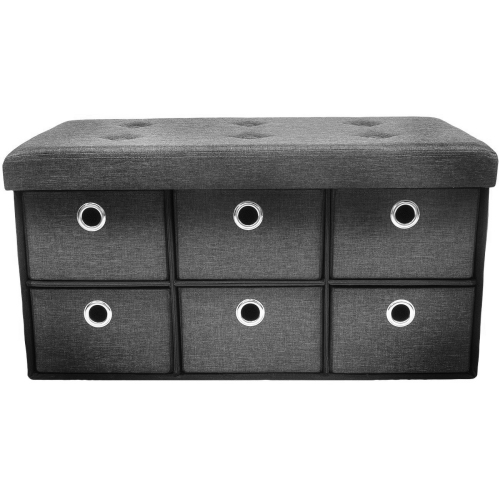

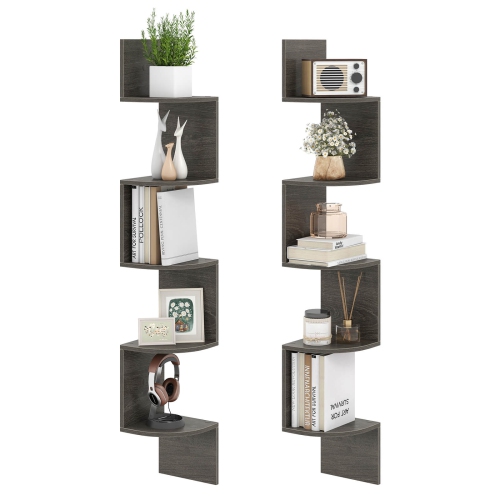
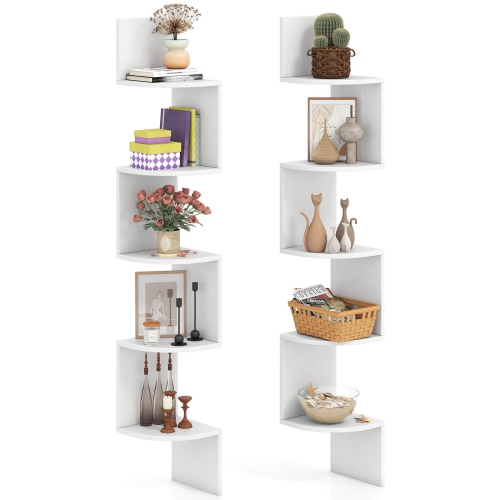

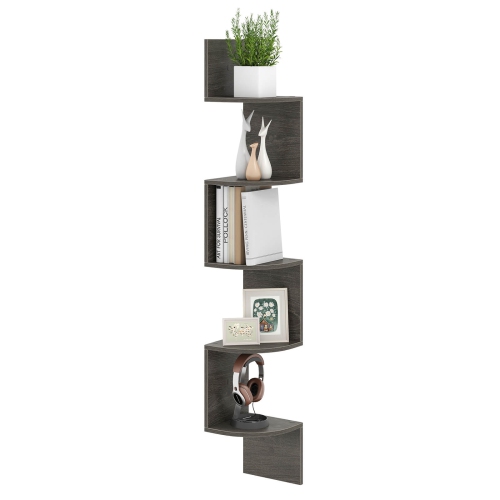
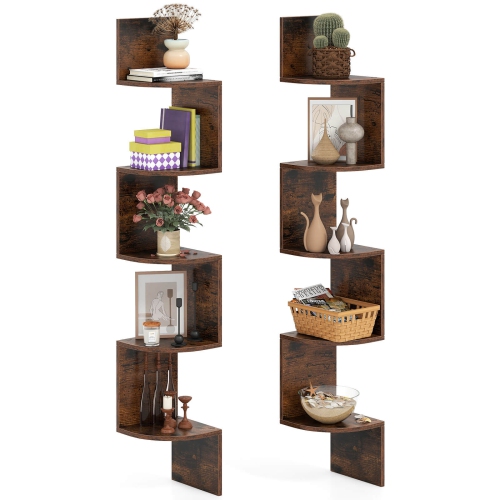

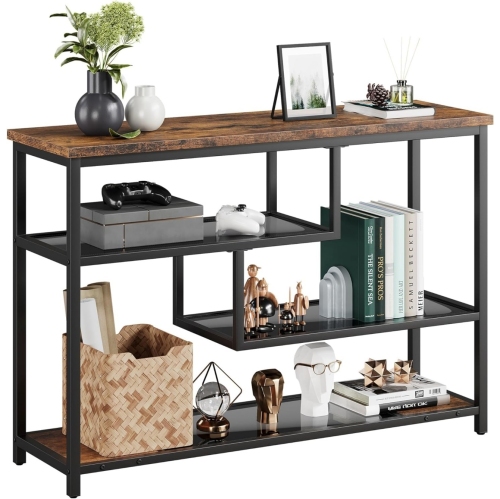
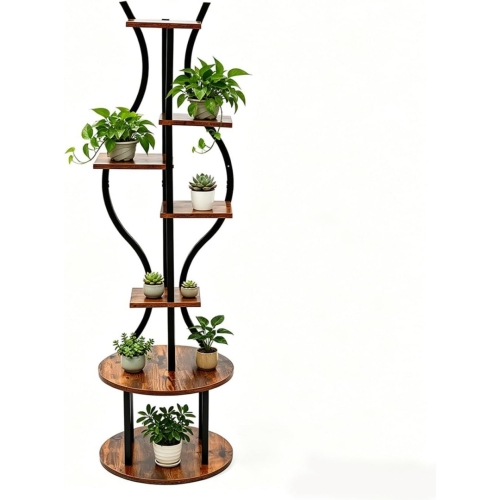
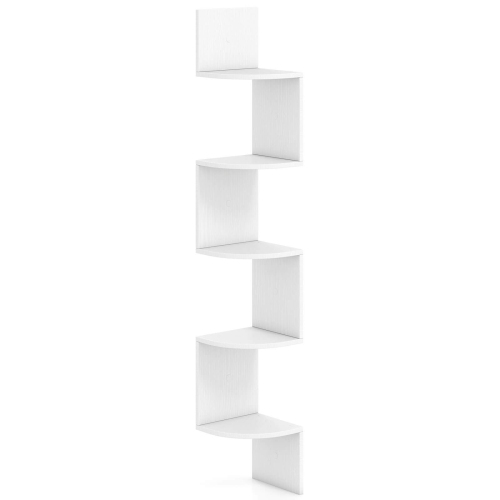
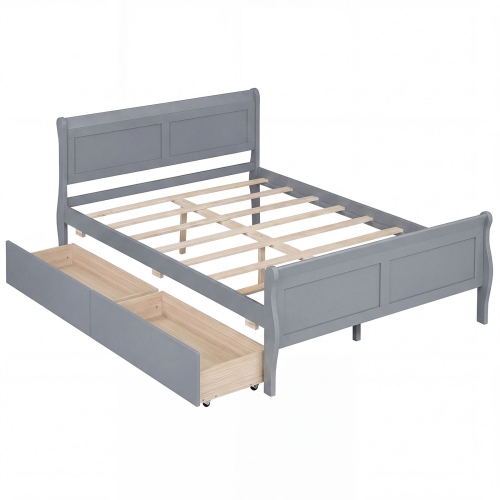
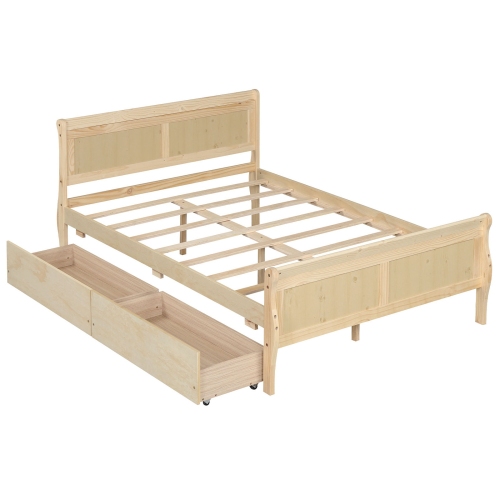
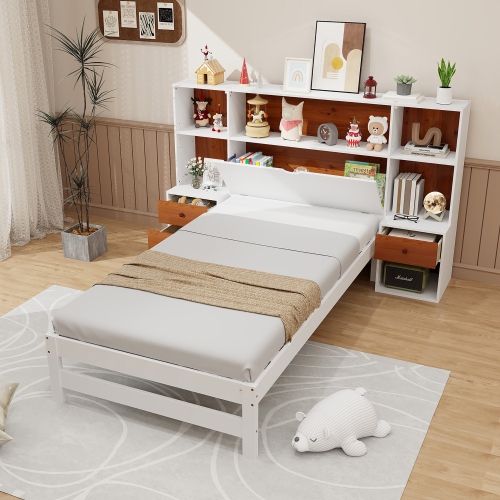
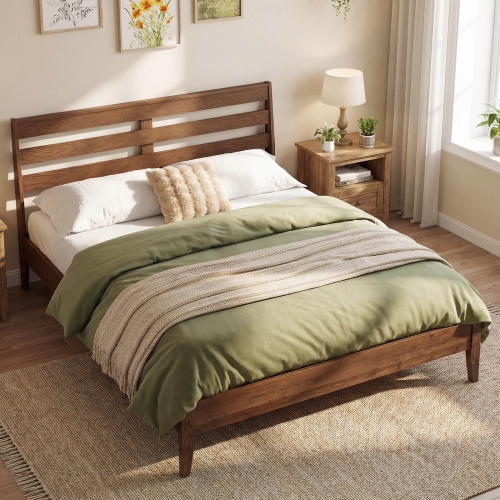
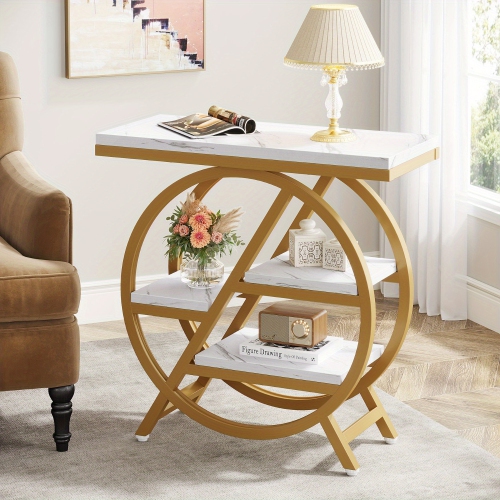
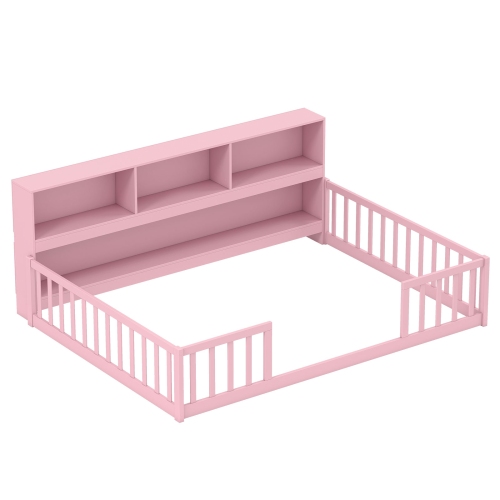
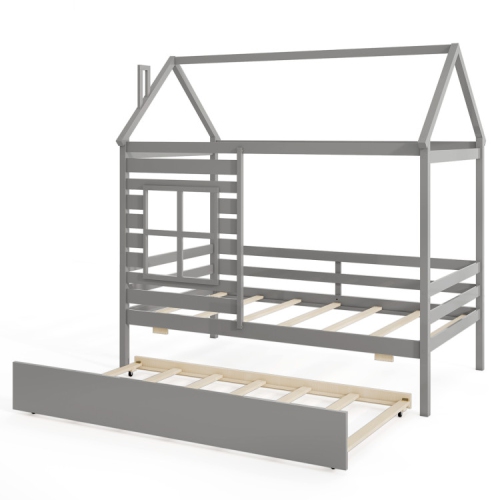
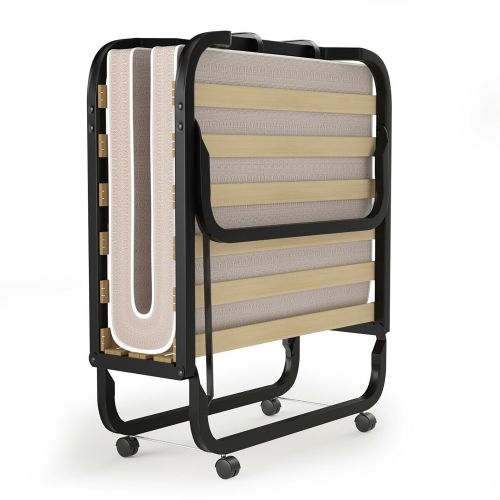

Bedroom furniture that leaves room for everyday routines
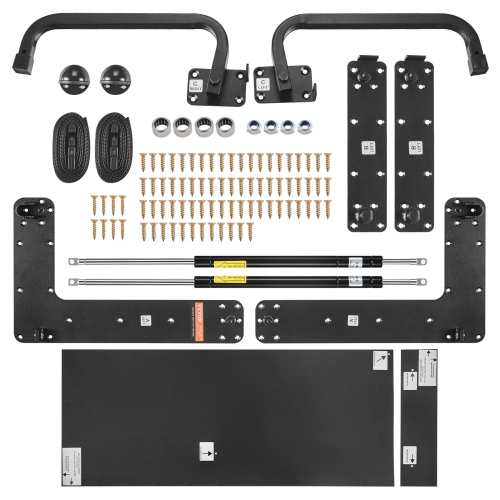
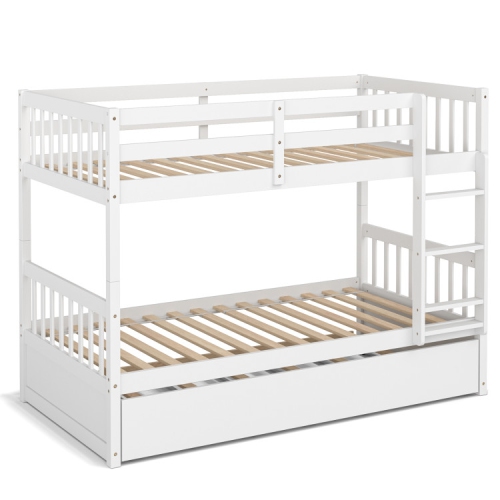
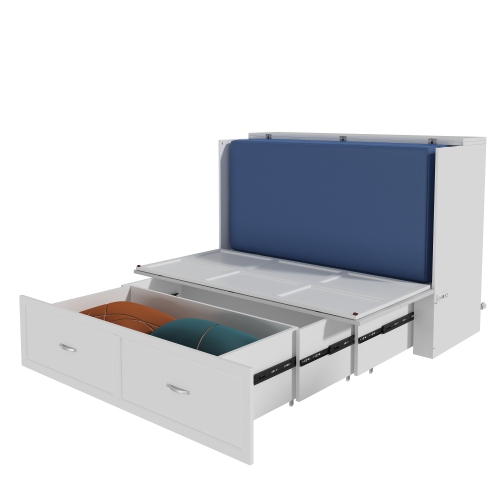
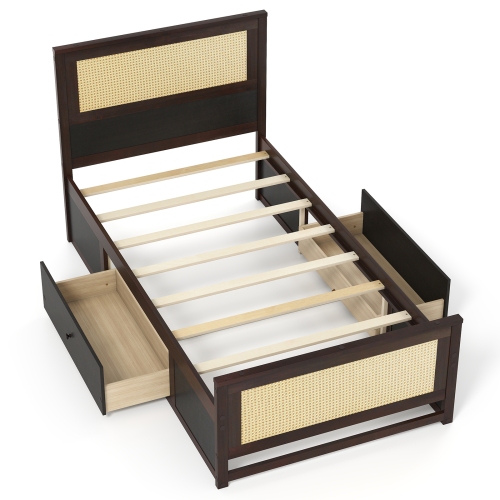
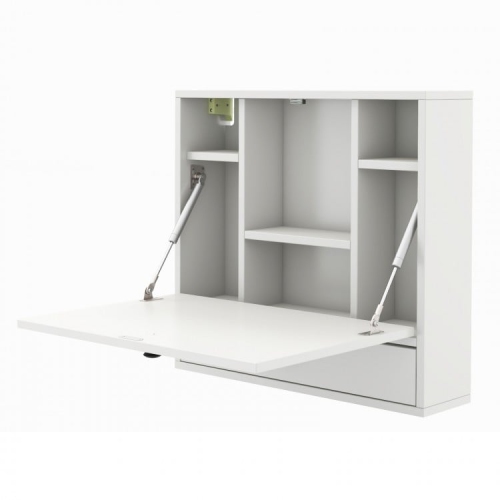
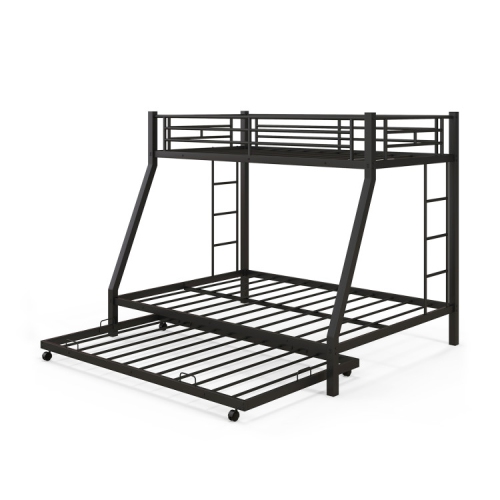
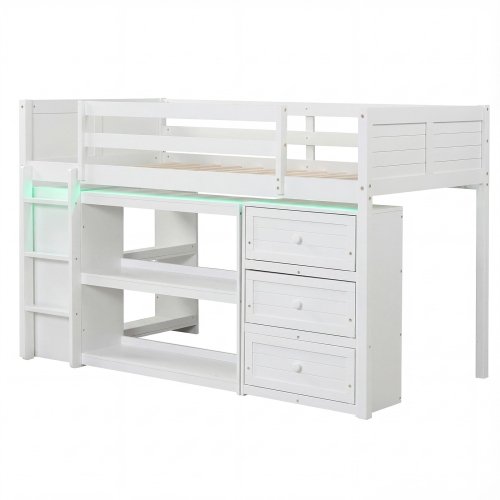
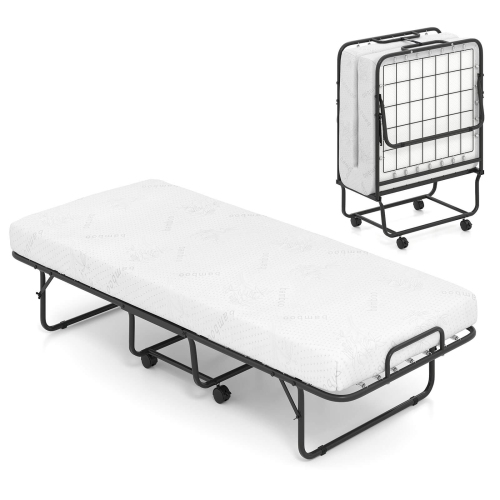
Space saving bedroom ideas centre on furniture that makes room for everyday routines: getting dressed without squeezing past a drawer, reaching a bedside lamp comfortably, and putting away bedding without filling the wardrobe. The most useful pieces combine a compact footprint with storage or another practical function, so the room can feel settled rather than crowded. Beds with drawers, lift-up mattress platforms, tall dressers, narrow bedside tables, and wall-mounted shelves all make use of space that might otherwise sit empty. Choosing between them depends on the room’s layout as much as its floor area. A drawer needs enough clearance to open beside the bed, while a lift-up platform needs overhead room and an accessible lifting position. Browse space saving beds with those everyday movements in mind, including how easily someone can get in and out of bed once nearby furniture is in place. Storage beds are especially useful for spare linens and less frequently used belongings, while drawers near the foot of the bed may suit a narrow room with limited clearance along the sides. A loft bed can leave room below for a study area or storage, provided its height, guardrails, ladder, and intended age range suit the user and the ceiling height. Foldaway beds offer a different approach for bedrooms that also serve another purpose, although their opening area must remain clear and installation must follow the manufacturer’s requirements. In a shared bedroom, preserving a clear route to each sleeping area often matters more than adding another storage compartment. Mattress dimensions, frame dimensions, and headboard depth should be considered separately, since two frames designed for the same mattress size can occupy noticeably different amounts of space. The result is a bedroom arranged around the way it is used, whether that means a student making room for a desk, a couple sharing a smaller home, or a guest room that needs to stay useful between visits.
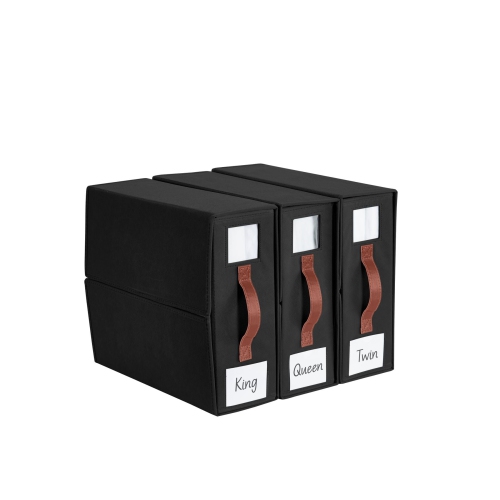
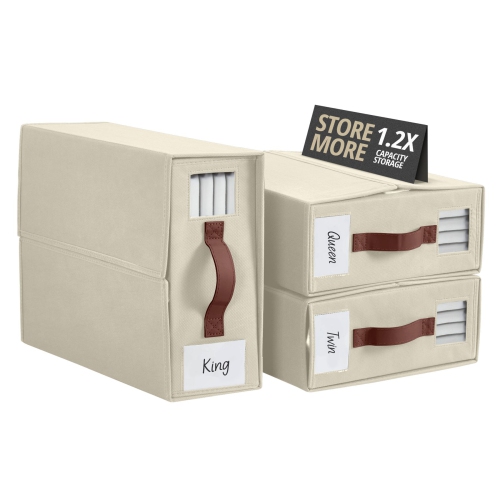
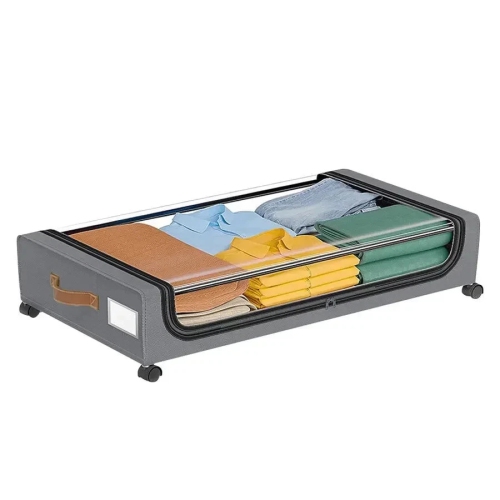
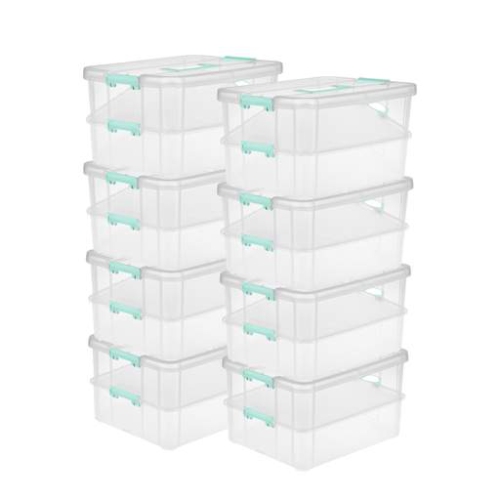
Bedroom storage works best when the contents are easy to reach and easy to return to their place. A tall chest of drawers uses vertical space without requiring the width of a long dresser, while a shallow cabinet can keep folded clothing organized along a wall where deeper furniture would interrupt a walkway. Inside a wardrobe, hanging organizers, shelf dividers, and stackable containers help separate clothing and accessories without adding another large piece of furniture to the room. Underbed storage is useful for belongings that do not need daily access, but container height should account for the bed’s actual clearance, including support rails and centre legs. Smooth-running wheels or handles can make containers easier to retrieve, particularly on carpet, and lids help limit dust on stored linens. For frequently used belongings, a bedside drawer or accessible shelf is usually more practical than a box tucked behind several others. Materials influence both appearance and upkeep. Solid wood brings natural variation in grain and may be refinished where the construction and finish allow, while engineered wood offers a consistent surface and is commonly used in compact storage furniture. Metal frames can create a visually open look, although stability depends on the design, joints, and correct assembly rather than material alone. Upholstered furniture adds softness but benefits from care suited to its fabric, especially in homes with pets or where a bed is used for reading and relaxing. Drawer runners, hinges, shelf supports, and handles deserve attention because these parts see repeated use. Published weight limits matter for shelves and storage compartments as well as sleeping surfaces. Tall furniture should be secured as directed, and wall-mounted storage needs suitable fixings for the wall construction. Keeping heavier belongings lower down makes storage easier to handle. A mix of closed storage for clothing and open shelves for a few favourite books can keep a small bedroom personal without leaving every surface occupied.
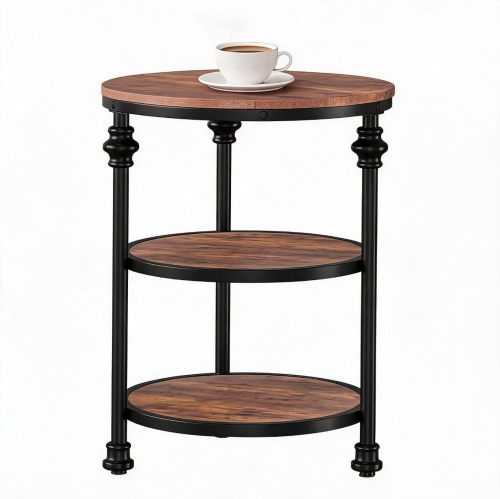
Multipurpose furniture is particularly helpful when a bedroom also needs to accommodate work, study, or occasional guests. A compact desk with a shallow drawer provides a place for writing materials without becoming a catch-all for the whole room, while a chair that tucks fully beneath the desktop leaves more walking space when work is finished. A narrow console may serve as a dressing area if its height, depth, and legroom suit that use. Storage benches can hold bedding and provide a place to sit, but they need enough clearance around the bed to remain useful rather than becoming an obstacle. Nesting tables and small bedside units offer flexible surfaces where a full-size nightstand would feel bulky. Wall-mounted lighting can free up a bedside surface, with attention to installation requirements, cord placement, and comfortable reach from the pillow. Mirrors and lighter colours can make a room feel more open, but they work alongside a practical layout rather than replacing one. A mirror needs secure mounting and a position that does not interfere with doors, drawers, or the route around the bed. Furniture dimensions should also be checked against the delivery route, including stairways, hallway turns, and door openings; a piece that fits the bedroom may still be difficult to bring inside. For renters or people who move often, freestanding furniture with straightforward assembly may be a better fit than built-in or wall-mounted designs, depending on the home’s rules. Rounded corners may be worth considering where furniture sits close to a busy passage, and washable covers or wipeable finishes can simplify routine care. Following the recommended cleaning method helps protect finishes, while checking fittings as directed helps furniture remain steady through regular use. The strongest space saving bedroom ideas leave a little breathing room: a clear patch beside the wardrobe, an uncluttered bedside surface, and storage that supports daily habits without making the room harder to live in.
Top selling and popular products
-
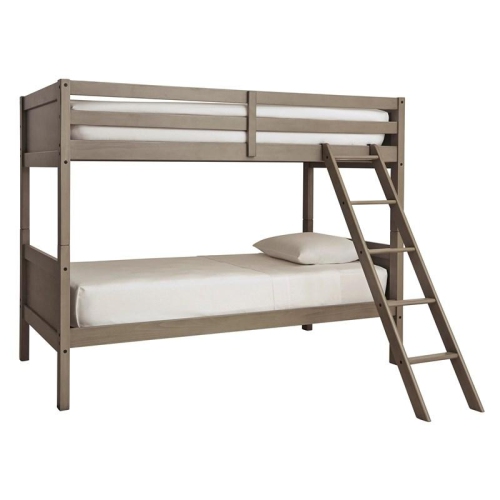 Your price for this item is $799.99
-
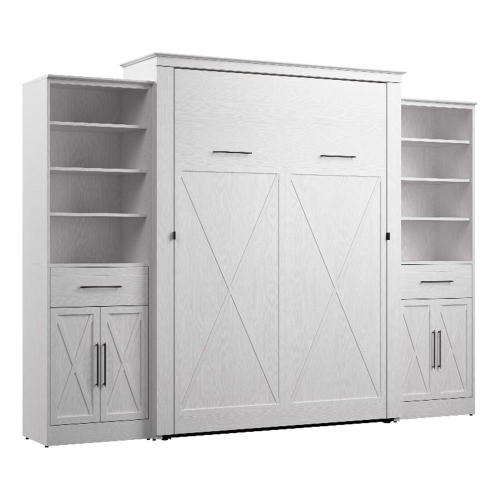 Your price for this item is $3519.99
-
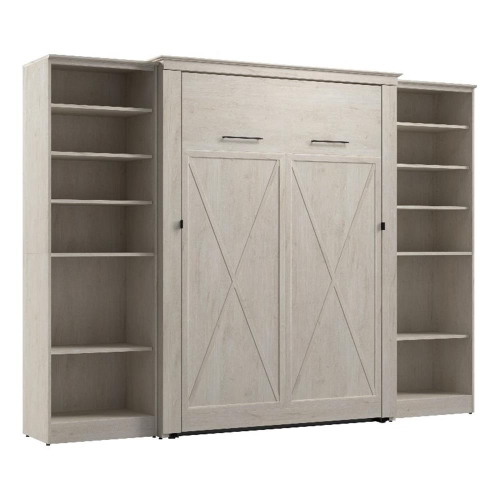 Your price for this item is $3099.99
-
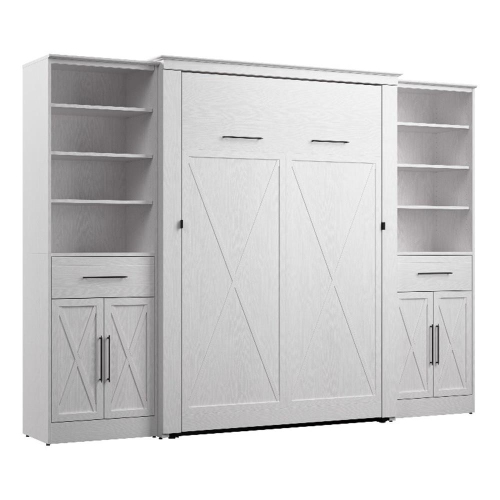 Your price for this item is $3349.99
-
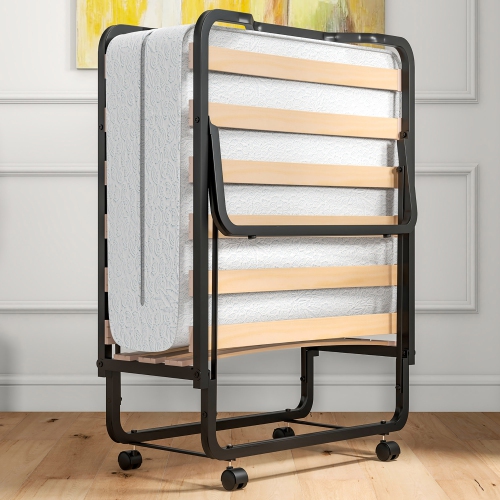 Your price for this item is $235.99
-
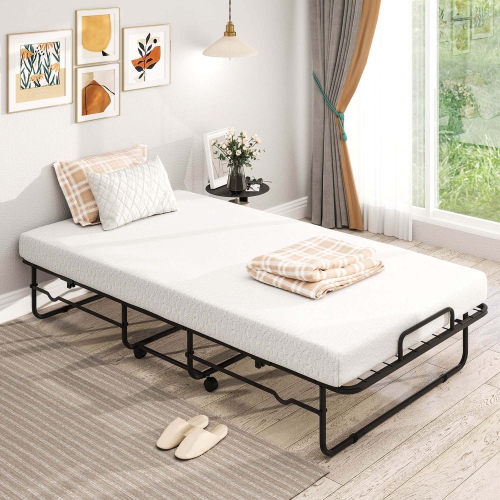 Your price for this item is $243.99
-
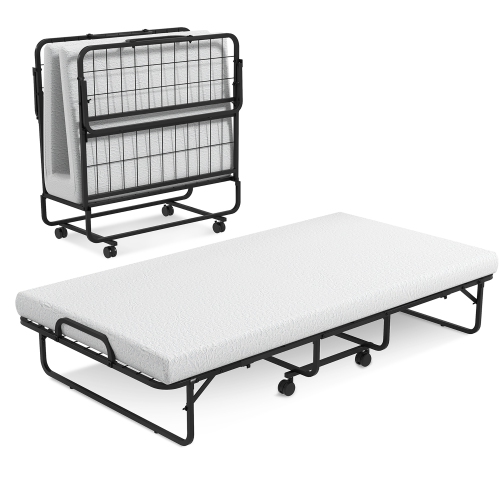 Your price for this item is $233.99
-
 Your price for this item is $364.99
Discover more categories related to Space Saving Bedroom Ideas
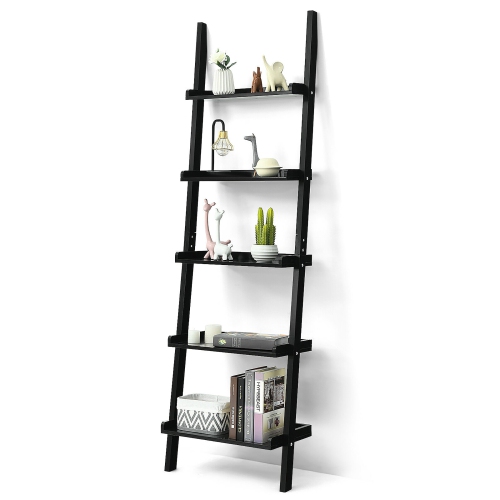
Top Collections:
Best Black Friday Deals This Year, Best Black Friday Deals On Electronics, Kindle Devices, Best Black Friday Deals On Apple Products, Best Budget Office Chairs, Best Cameras for Sports Photography, Dyson Airwrap, Canon G7X Cameras, Best Laptops for Writers, Samsung Galaxy Phones
Some products may be subject to Environmental Handling Fees
(EHF) depending on your province.
Learn more about EHFs.