Small Space Bedroom Storage Solutions
Small Space Bedroom Storage Solutions make it easy to maximize every inch of your room while keeping your essentials organized and accessible. Whether you're working with a compact apartment or a cozy guest room, the right storage options help create a neat and comfortable retreat. Discover creative ways to store clothing, accessories, and more without sacrificing valuable floor space. With versatile designs and smart organization ideas, Small Space Bedroom Storage Solutions are perfect for transforming tight quarters into a functional and stylish haven.
Sort
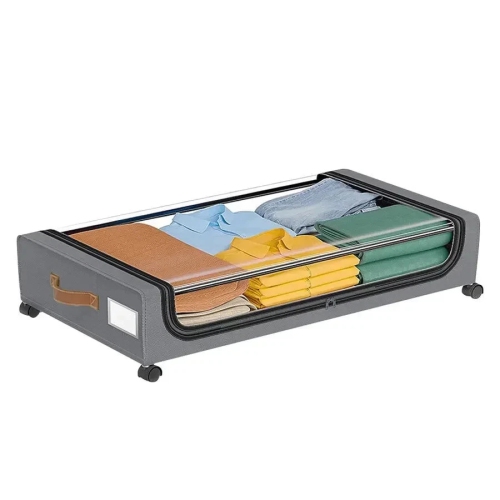
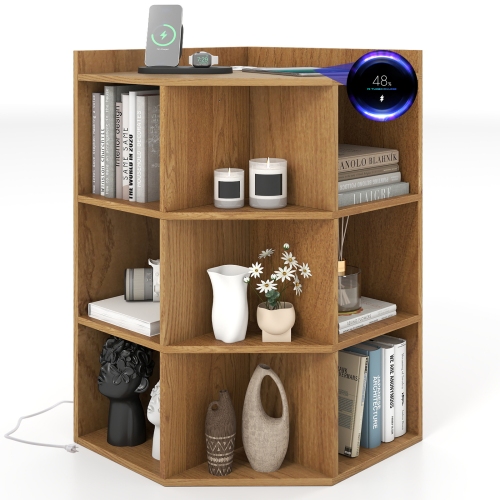
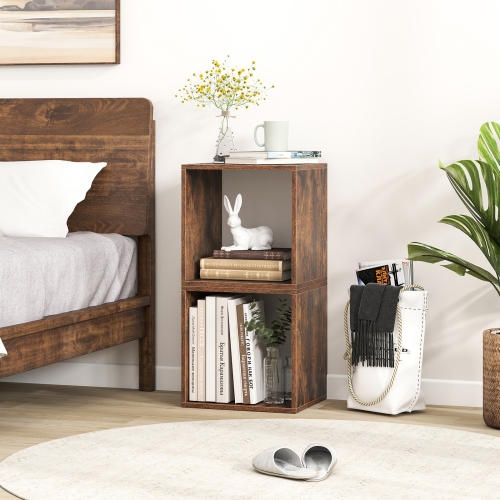
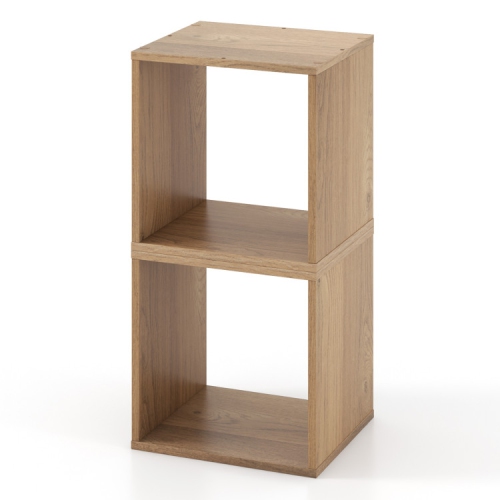
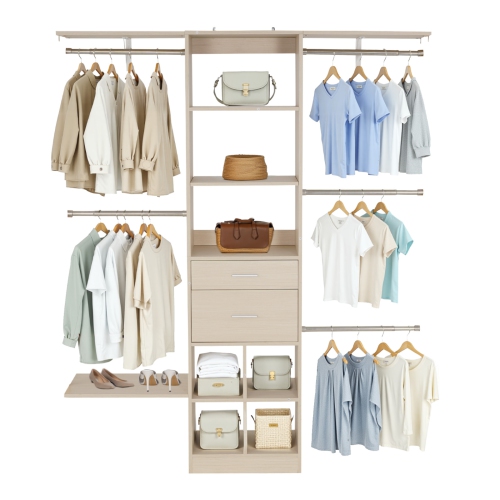
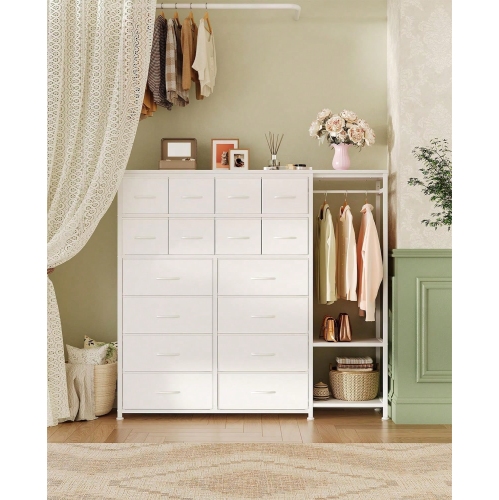
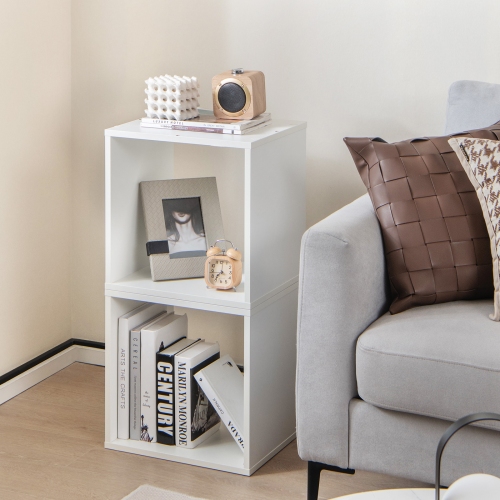
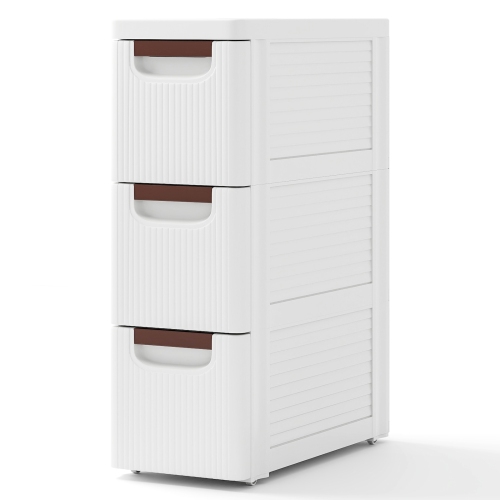
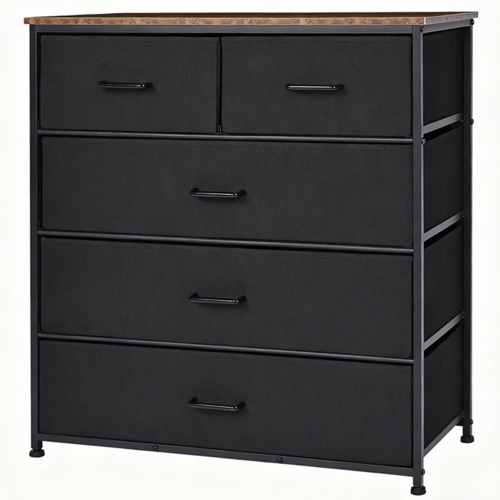
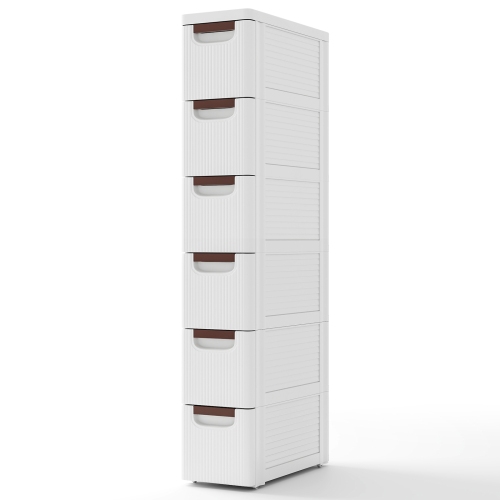
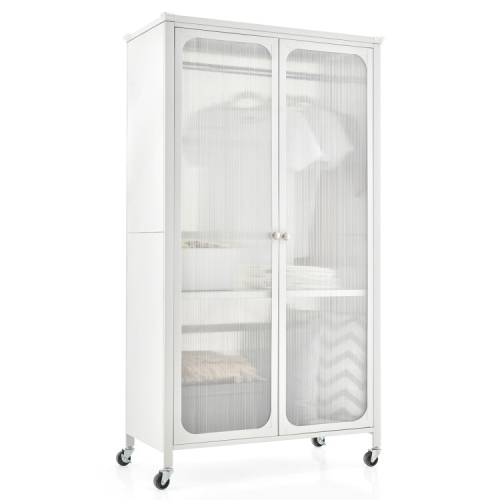
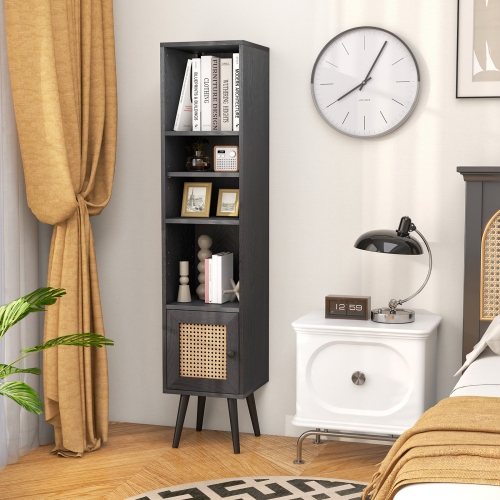
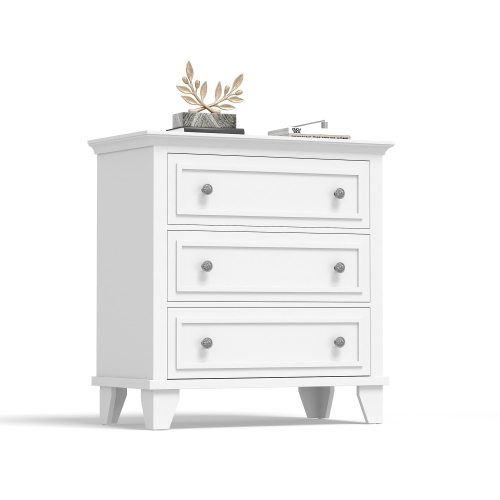
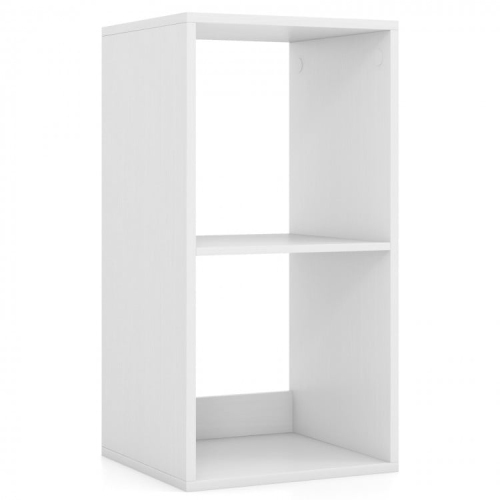
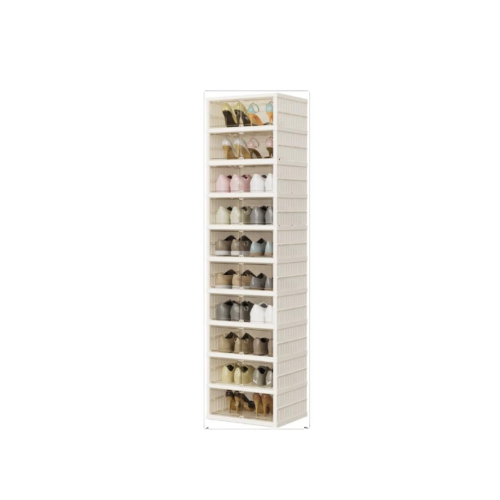
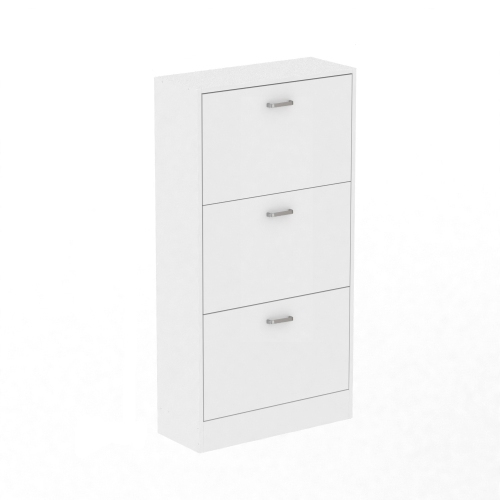
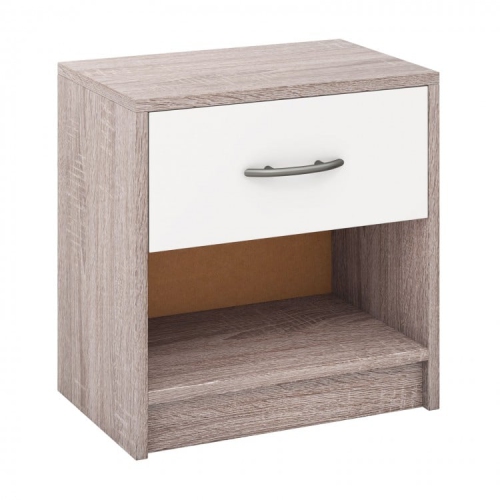
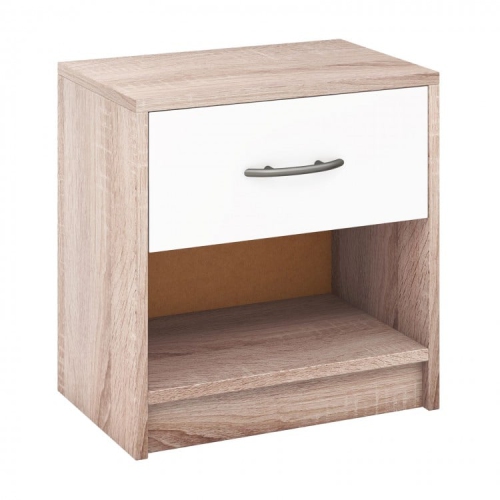
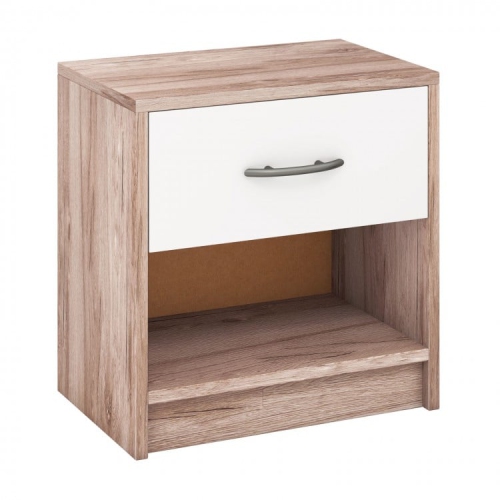
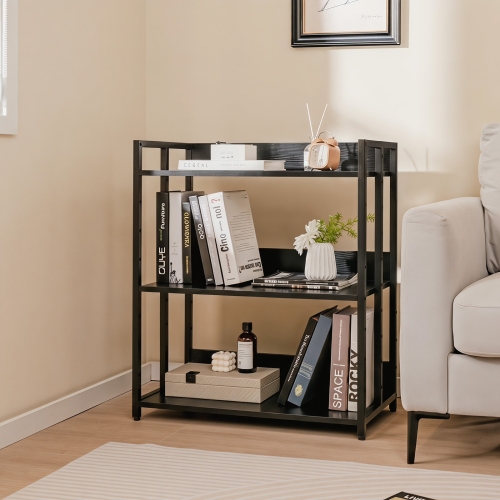
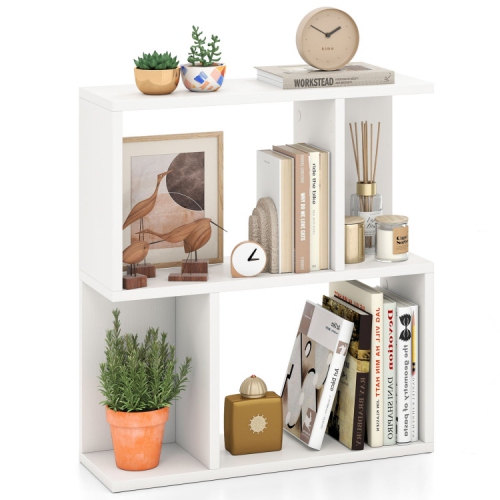
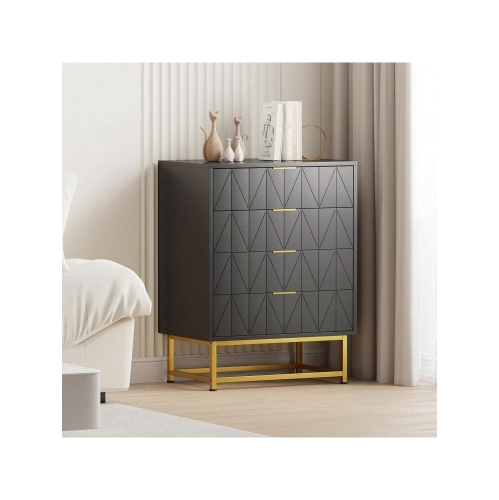
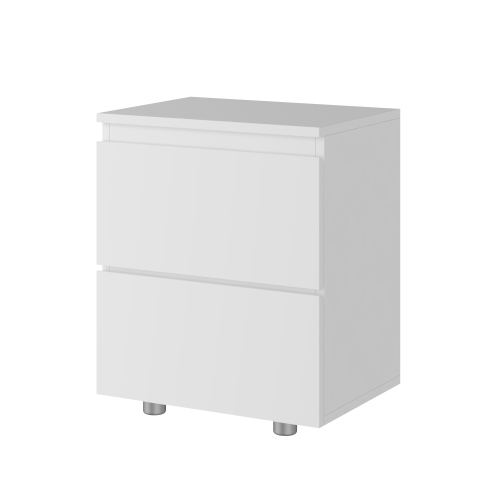
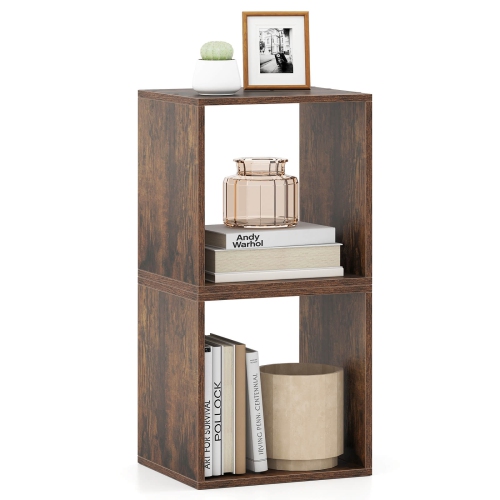
Storage that fits your routine without crowding the room
Small space bedroom storage solutions make room for clothing, bedding and everyday essentials by combining multipurpose furniture with under-bed storage and vertical storage. Storage beds, narrow chests, bedside drawers and wall-mounted shelves each use a different part of the room, helping keep the floor clear without moving necessary belongings elsewhere. In a compact bedroom, the most useful storage is often the kind that fits an existing routine: a drawer within reach of the bed for reading glasses, a shallow bin for folded sheets, or a tall shelving unit that keeps bags from gathering beside the door. Under-bed containers suit belongings that are needed less frequently, while open shelves and easy-access drawers work well for daily essentials. Beds with built-in drawers can reduce the need for a separate dresser, although the drawers still need enough clearance to open comfortably. Lift-up storage beds offer another arrangement, with access from above rather than along the sides; their suitability depends on the lifting mechanism, mattress requirements and surrounding space. A slim bedside table may leave more walking room than a wider cabinet, but its surface should still accommodate a lamp and anything regularly kept close at hand. Fit involves more than the width of a piece of furniture. Drawer travel, door swings, baseboard depth and the position of outlets all affect how storage works once it is in place. A unit that fits neatly against a wall can still interrupt access to a closet or make changing the bedding awkward. Vertical storage makes use of height, especially above a desk or beside a wardrobe, while keeping frequently used belongings within comfortable reach. Wall-mounted storage requires suitable hardware for the wall construction, and tall furniture should be secured according to the manufacturer’s instructions. Keeping windows, heaters and walking routes unobstructed helps the bedroom remain comfortable to move through, rather than simply packed with more places to put things. The result is storage that supports the room’s main purpose as a place to rest.
Materials and construction influence how bedroom storage looks, feels and holds up to repeated use. Solid wood can bring warmth and a substantial feel, while engineered wood offers a range of finishes that can coordinate with existing furniture. Neither description alone establishes durability: panel thickness, joinery, edge finishing and the quality of hinges or drawer runners also matter. Drawers used every morning benefit from smooth movement and handles that are comfortable to grasp, particularly when space beside the bed is tight. Metal frames and shelving can provide a slim profile, with stated load limits helping establish what each shelf can safely hold. Fabric bins and soft-sided organizers are useful for lightweight belongings and can be easier to move between a shelf and a closet. Their structure varies, so reinforced sides or a firm base may be helpful where containers will be pulled out regularly. Clear containers make contents visible, while opaque boxes give open shelving a quieter appearance and keep personal belongings out of sight. Ventilation is another consideration for footwear, laundry and stored textiles; belongings should be clean and fully dry before being enclosed. Care requirements differ by finish and material. A soft cloth may be suitable for routine dusting, while spills, cleaning products and excess moisture can affect surfaces differently, making the manufacturer’s care directions important. Removable fabric liners or washable covers can simplify upkeep where those features are included. Upholstered storage benches bring a softer surface to the room, though their fabric care needs and lid operation deserve attention, especially in homes with children. Hardware that remains accessible for occasional tightening can also make a difference over time. For wheeled under-bed storage, floor type and wheel clearance affect movement, and low frames or thick rugs can limit access. Useful capacity is not simply the largest measurement on a label: an interior divided into manageable sections may serve folded clothing better than one deep compartment where smaller belongings disappear beneath a pile. Storage that is easy to reach and maintain is more likely to stay organized through everyday use.
Different households need different combinations of concealed storage, open display and flexible furniture. In a shared bedroom, separate drawers or clearly divided shelf space can give each person a place for clothing and personal belongings without requiring two full-sized dressers. In a child’s room, lower compartments can make everyday clothing and toys easier to put away, provided the furniture is age-appropriate and installed safely. Students and renters may find freestanding storage practical where permanent wall mounting is not permitted, while a bedroom that doubles as a home office may need a clear distinction between work supplies and bedside essentials. A small desk with drawers can contain stationery and charging accessories, but storage should not take away the legroom needed for comfortable use. Benches and ottomans can combine seating with enclosed space for extra bedding when their dimensions suit the room; placing one at the foot of the bed only works if there is still enough room to pass. Closet organizers, hanging compartments and shelf dividers can make existing storage more useful without adding another large piece of furniture. Matching storage depth to its contents helps avoid wasted space, with shallow sections suited to small accessories and deeper compartments better suited to folded blankets or bulkier clothing. Colour and finish also shape how crowded a room feels. Coordinated finishes can connect separate pieces visually, while a mix of closed doors and a few open shelves leaves room for books, photographs or a favourite decorative object without exposing every stored belonging. Related Solutions for Small Bedrooms can complement storage with other furnishings suited to compact layouts. The most useful arrangement leaves space for ordinary moments: opening a drawer without stepping into the hallway, setting down a book without clearing a pile, or finding clean bedding without emptying a cupboard. Bedroom storage earns its place when it keeps necessary belongings accessible while leaving the room comfortable to sleep, dress and unwind in.
Top selling and popular products
-
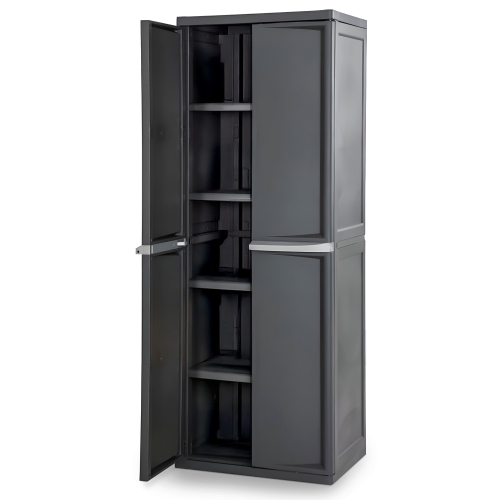 Your price for this item is $576.99
-
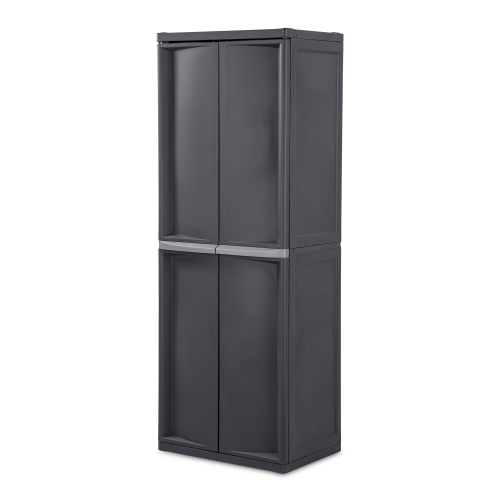 Your price for this item is $1166.99
-
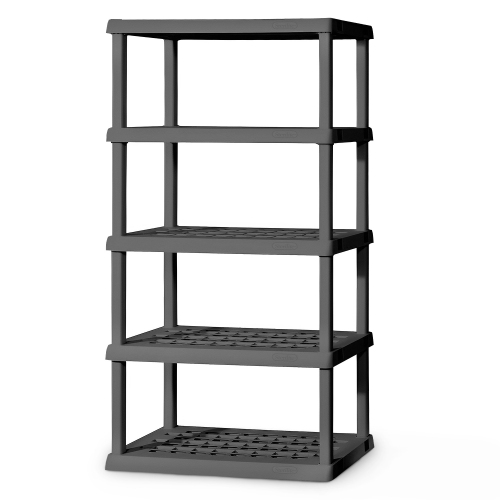 Your price for this item is $347.99
-
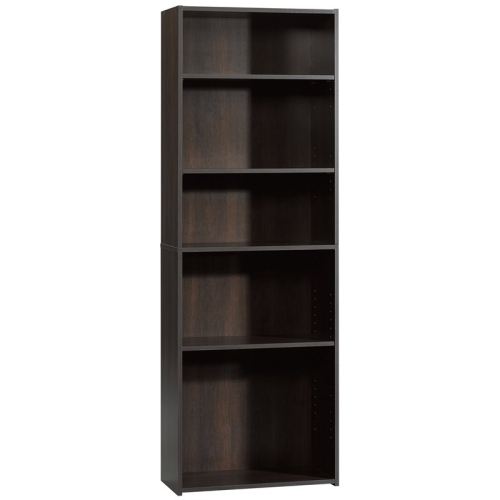 Your price for this item is $208.99
-
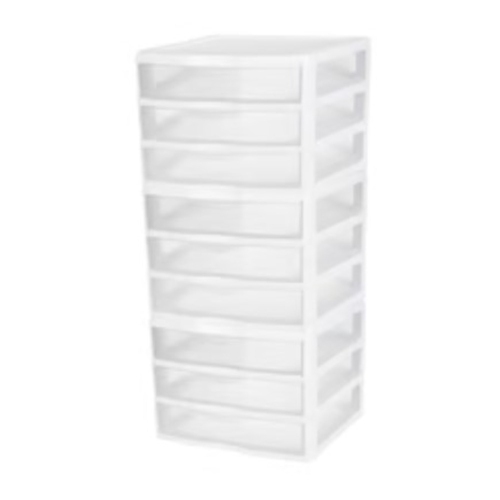 Your price for this item is $137.99
-
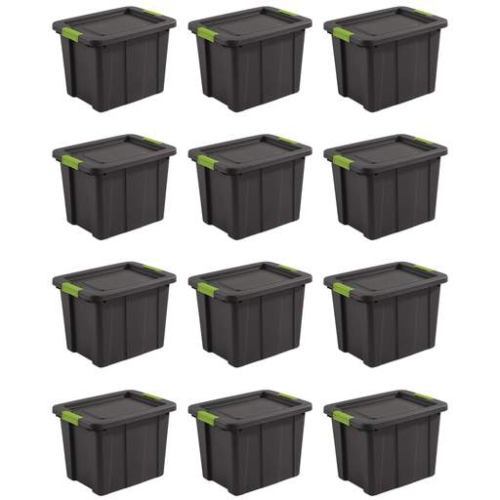 Your price for this item is $592.99
-
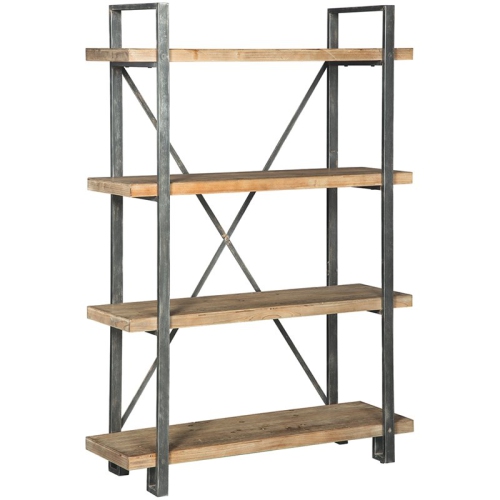 Your price for this item is $599
-
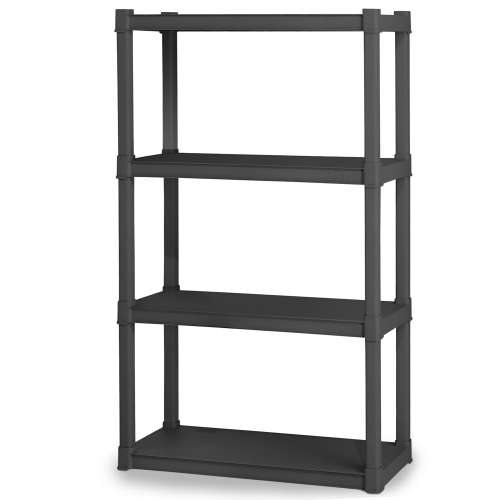 Your price for this item is $186.99
Discover more categories related to Small Space Bedroom Storage Solutions
Top Collections:
Best Black Friday Deals This Year, Best Black Friday Deals On Electronics, Kindle Devices, Best Black Friday Deals On Apple Products, Best Budget Office Chairs, Best Cameras for Sports Photography, Dyson Airwrap, Canon G7X Cameras, Best Laptops for Writers, Samsung Galaxy Phones
Some products may be subject to Environmental Handling Fees
(EHF) depending on your province.
Learn more about EHFs.