Spice Mills
Looking to add some flavor to your culinary creations? Look no further than our collection of spice mills. These handy kitchen gadgets are designed to effortlessly grind and dispense your favorite spices, ensuring that each dish is perfectly seasoned to your liking. Whether you're a master chef or a novice in the kitchen, our range of spice mills offers a variety of options to suit your needs. From sleek and modern designs to classic and traditional styles, find the perfect spice mill to elevate your cooking experience and unlock a world of delicious possibilities.
Sort

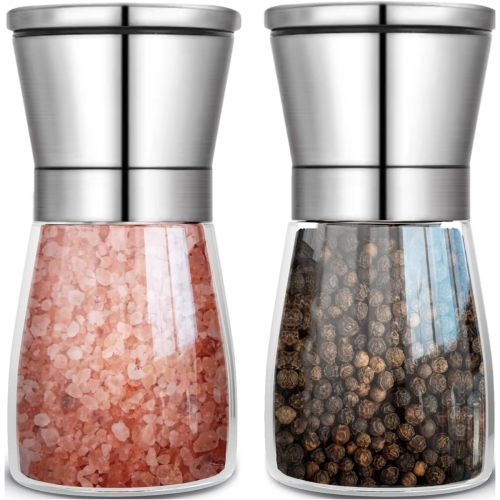
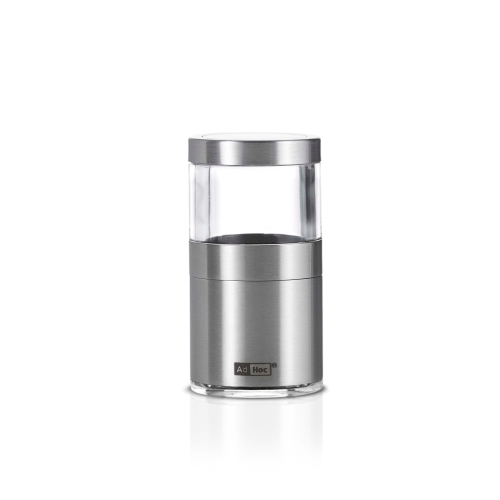
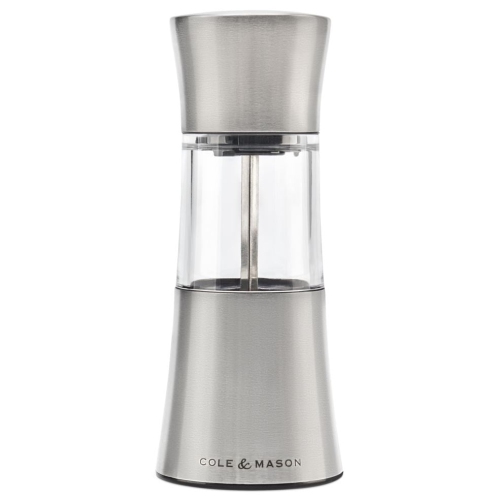
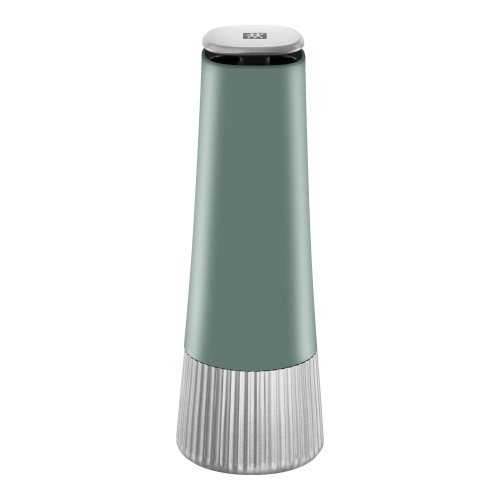


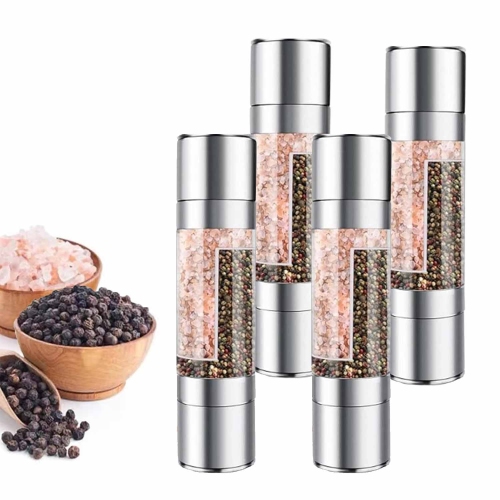
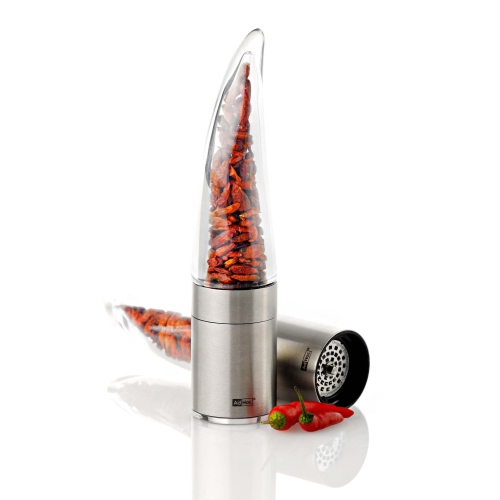
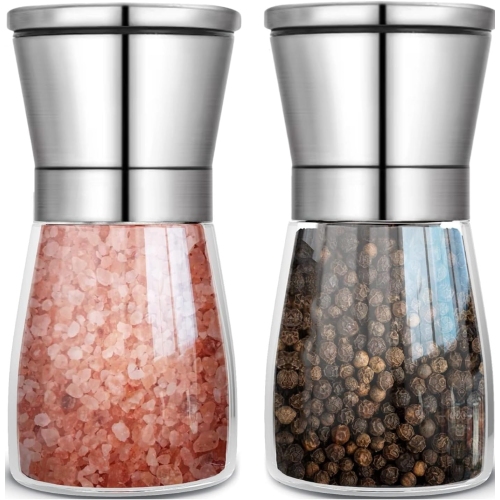

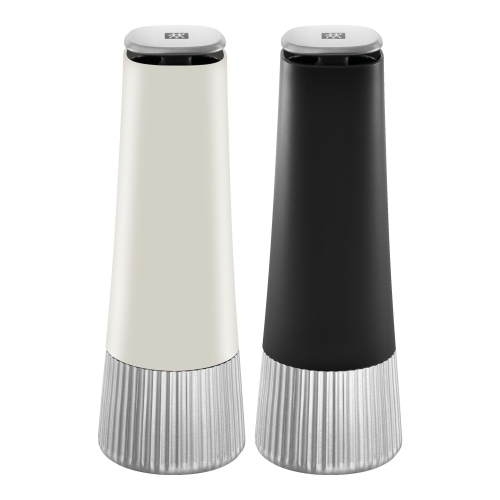

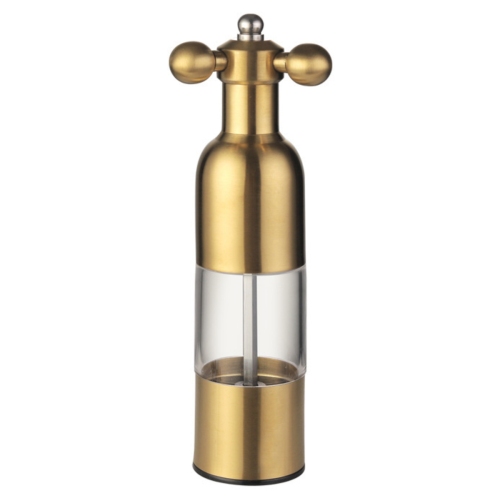
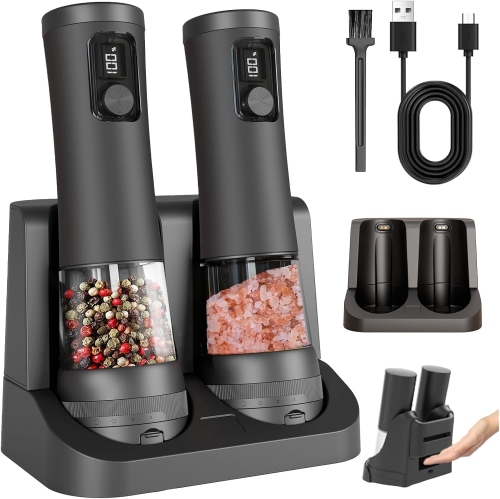
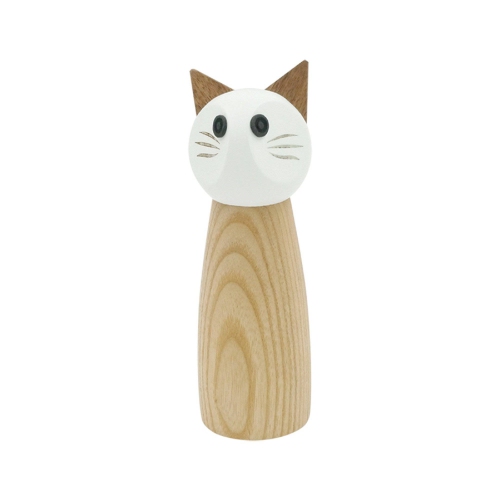

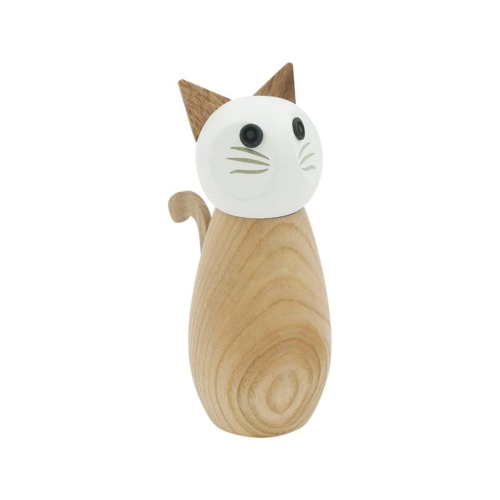
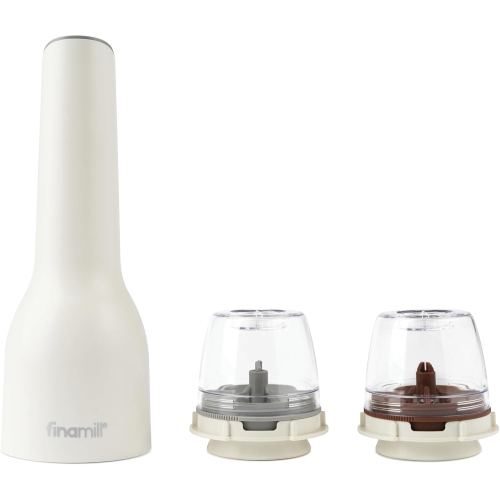

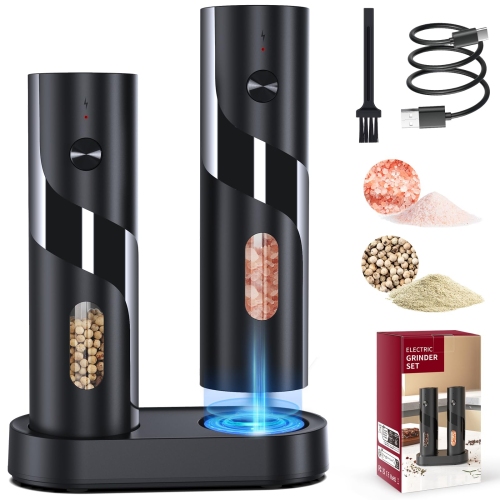
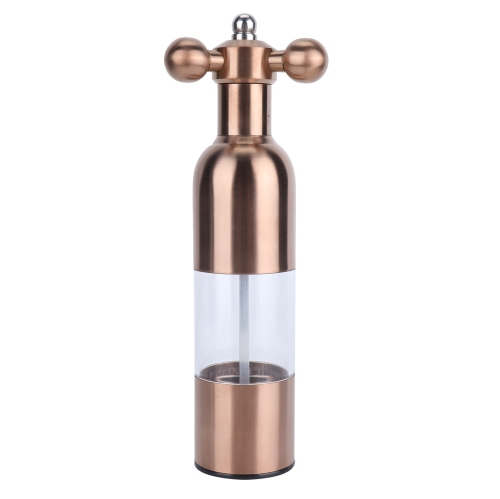
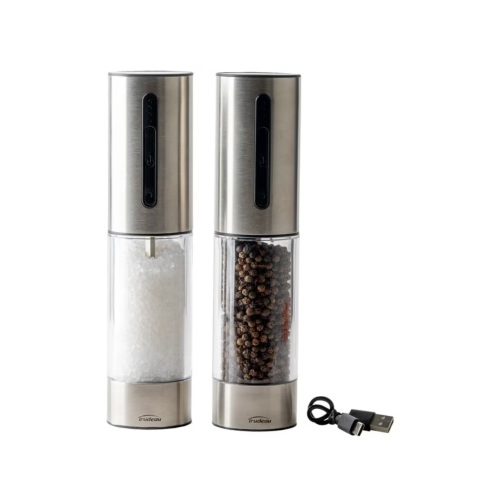



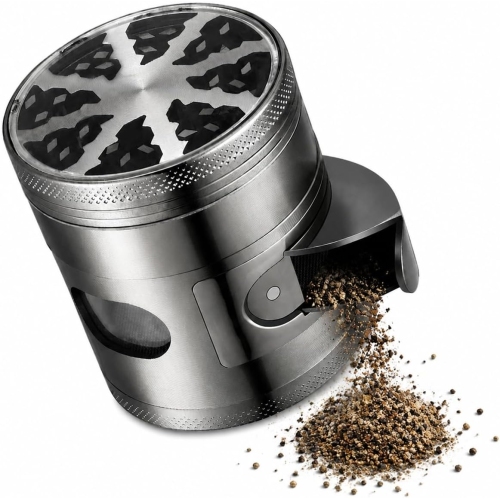
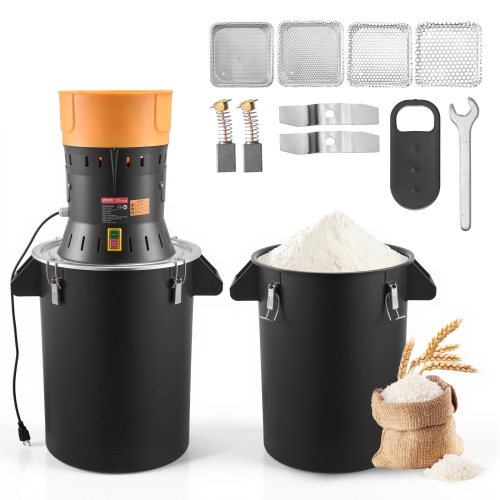
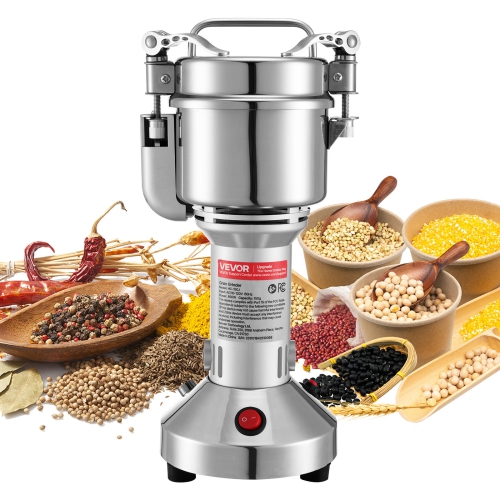
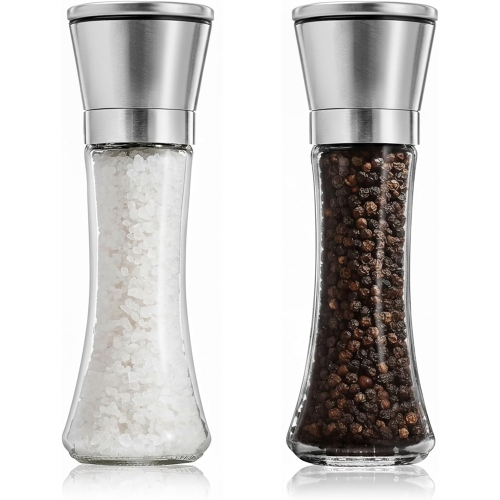
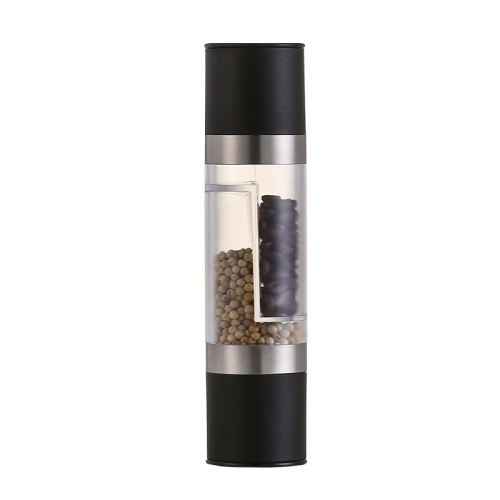
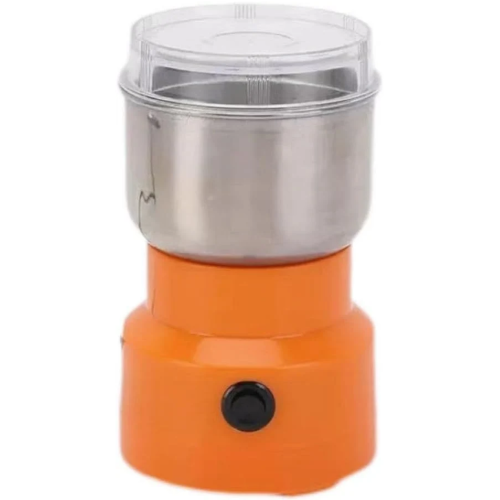
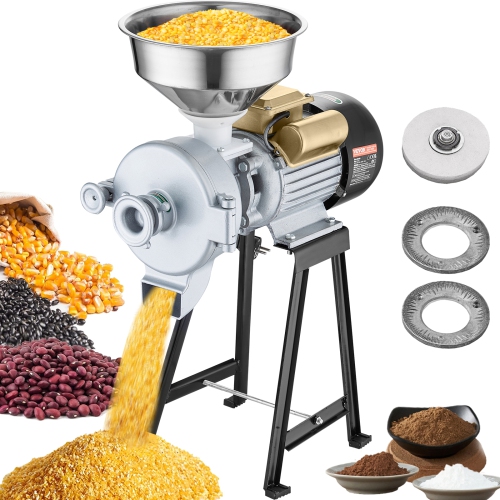
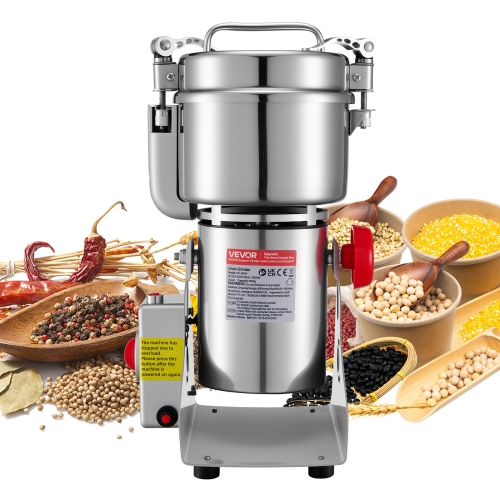
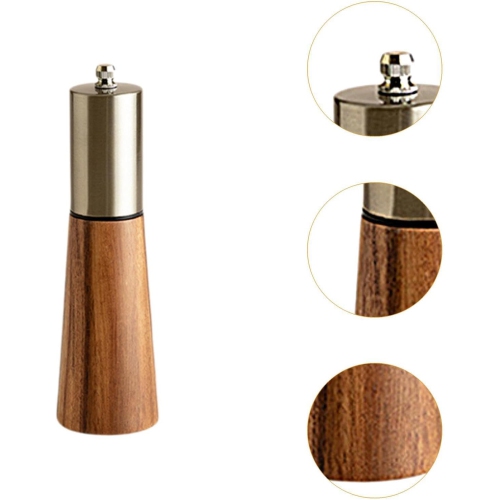
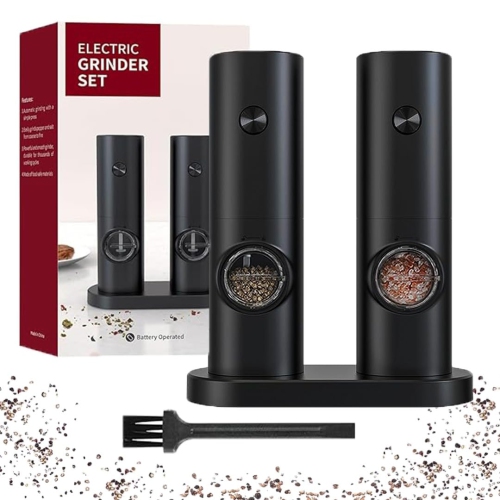
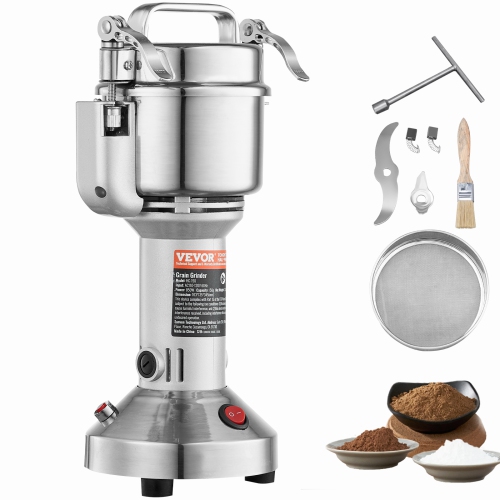
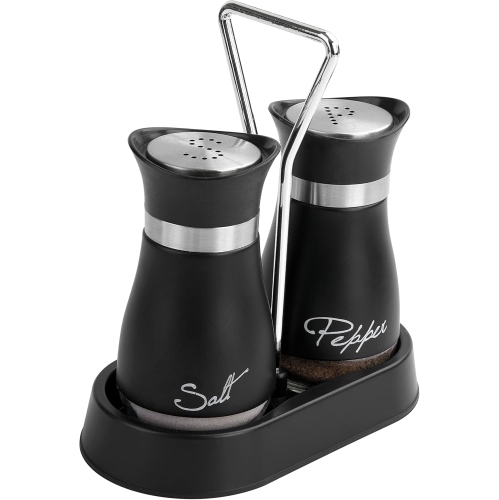
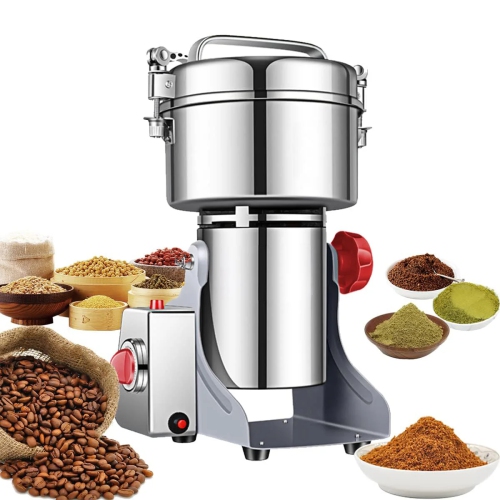
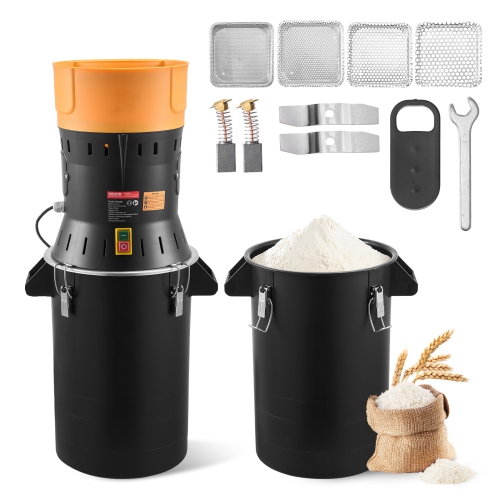
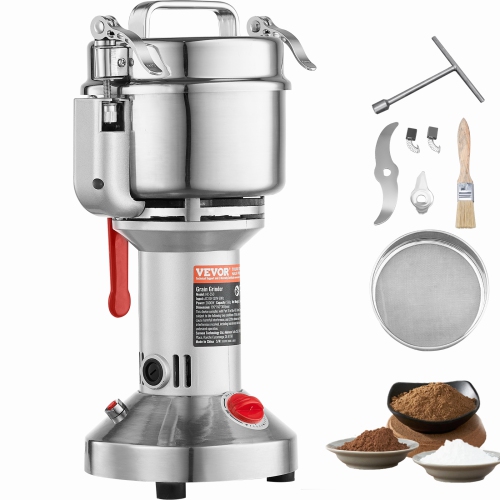
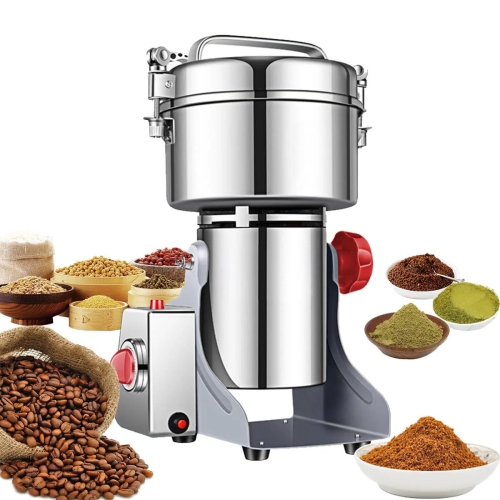
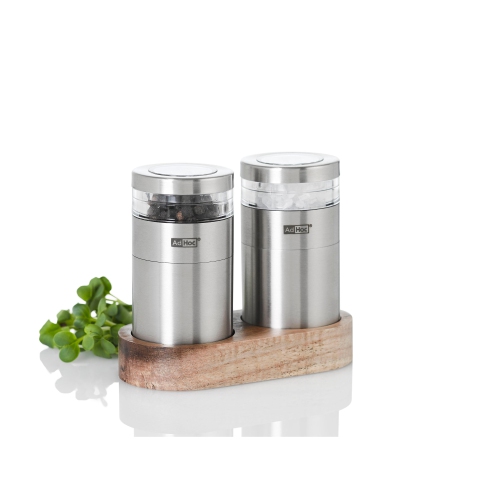
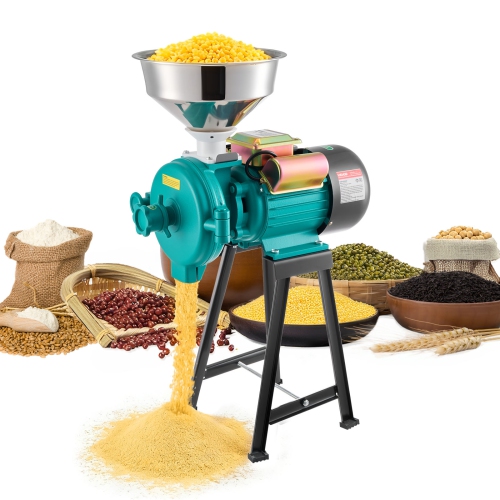
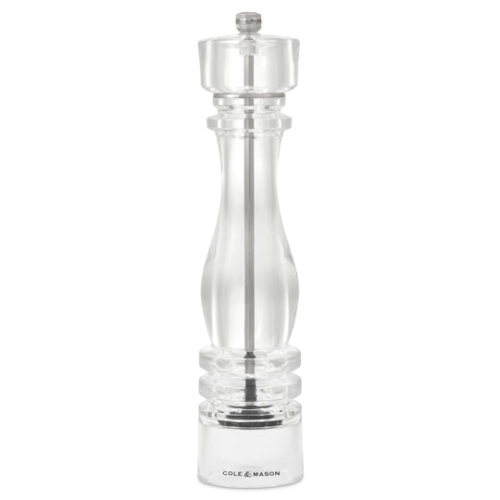
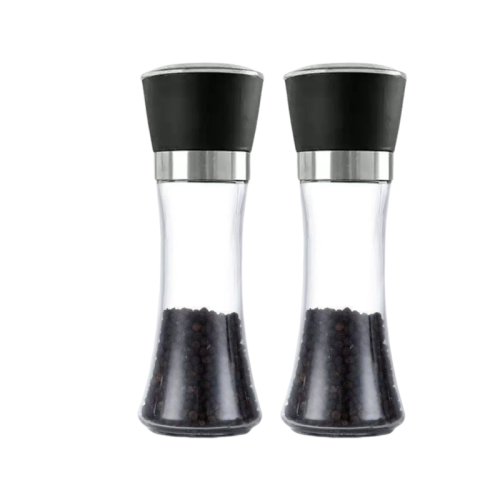
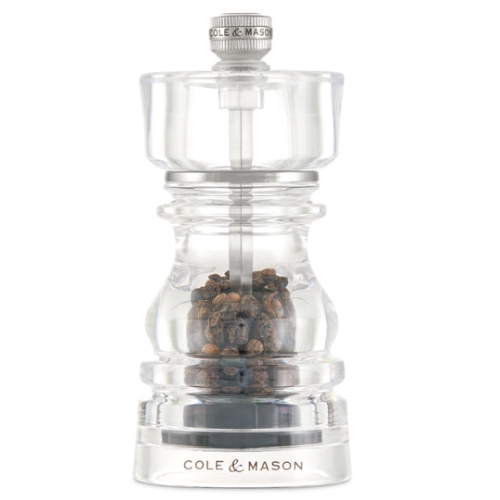
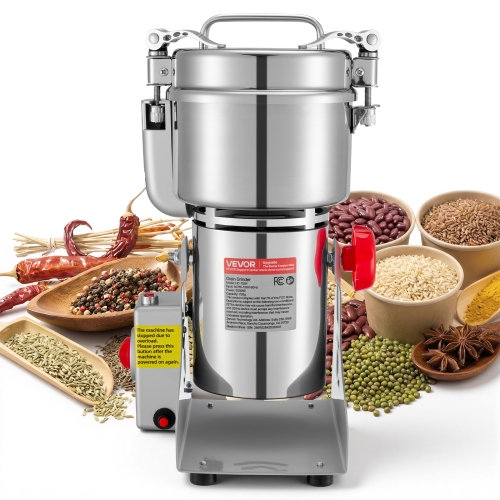
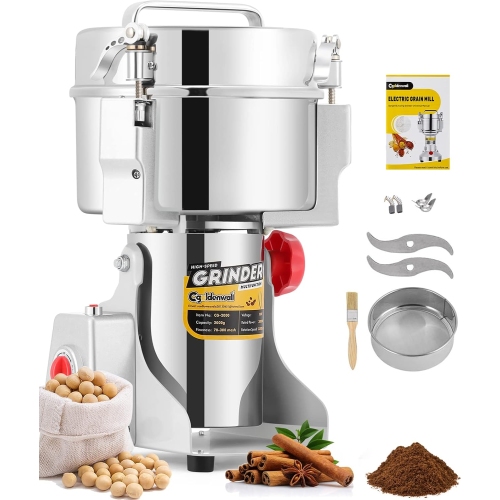
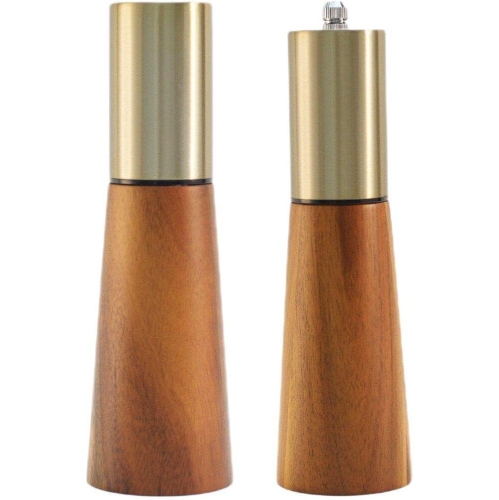

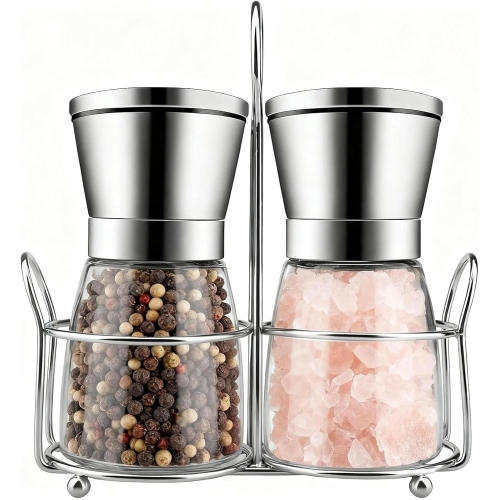

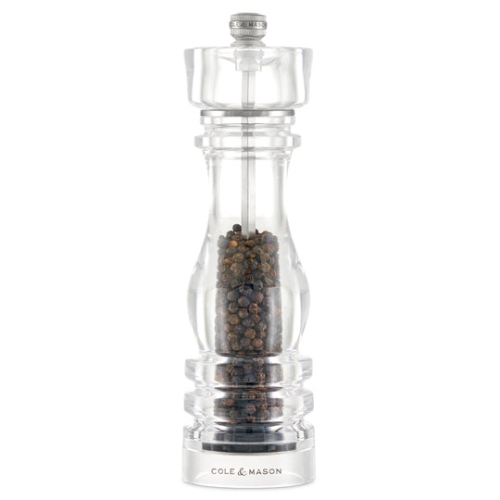
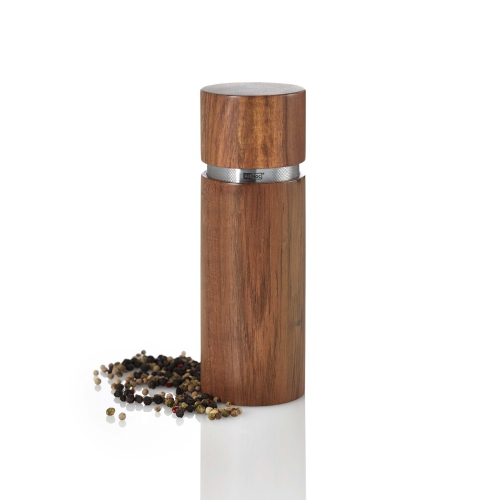
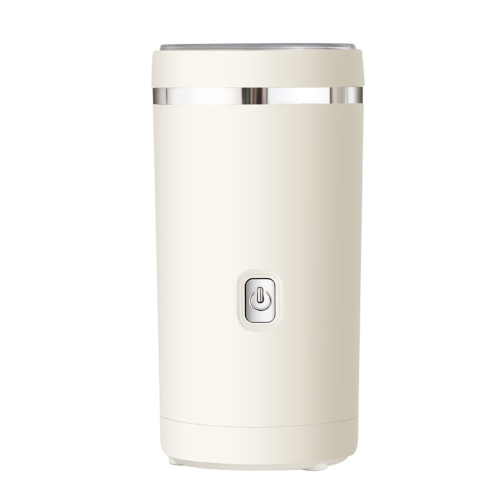
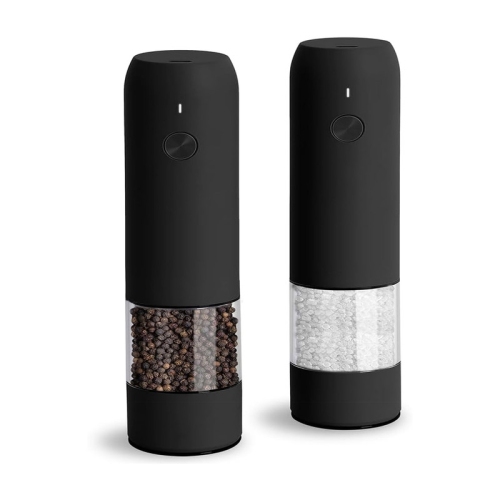
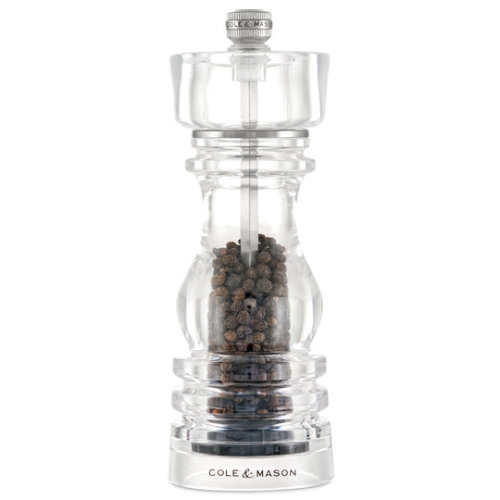
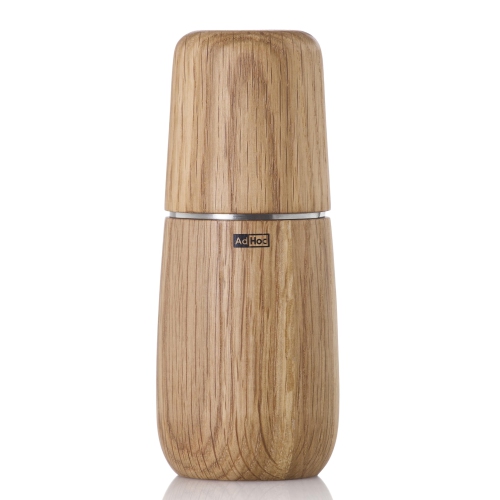

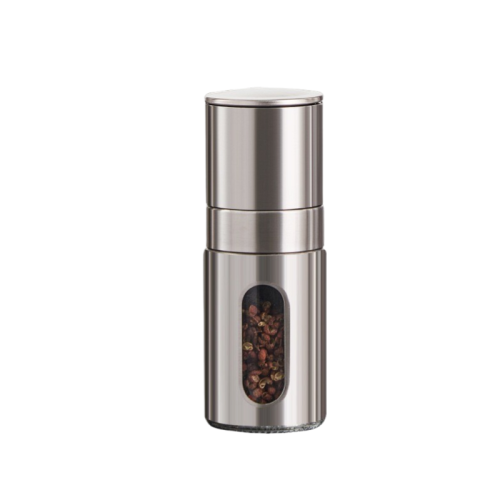
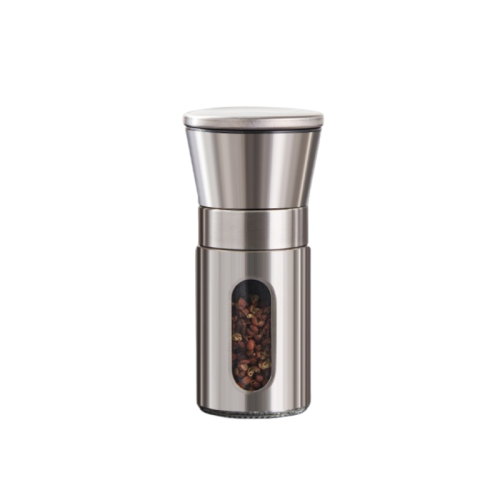
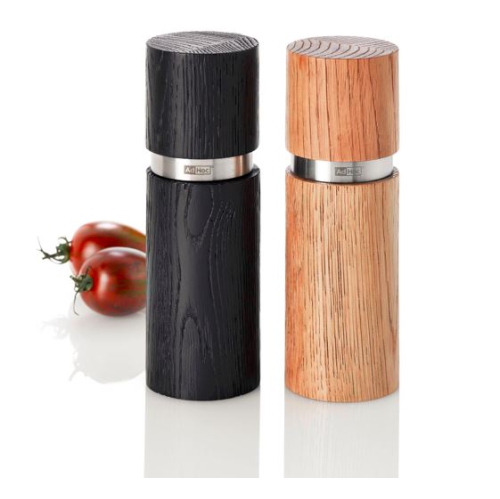

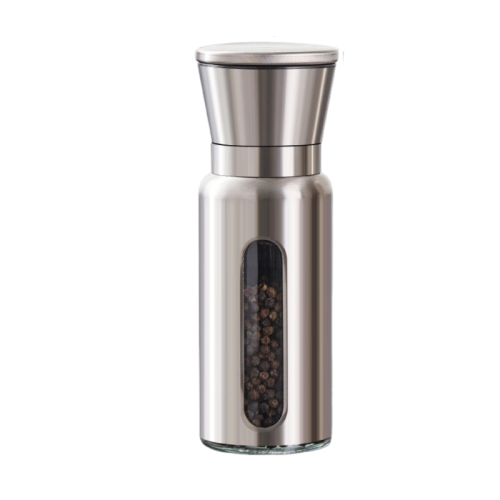
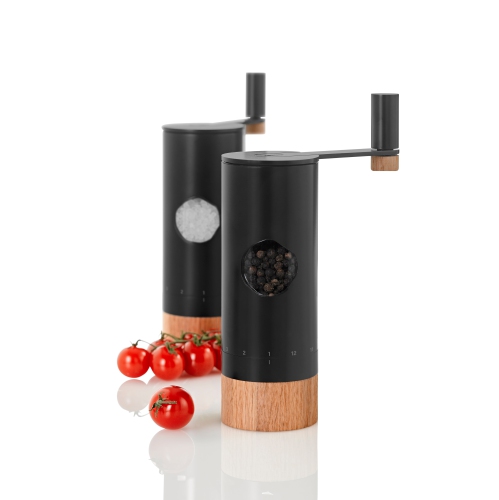
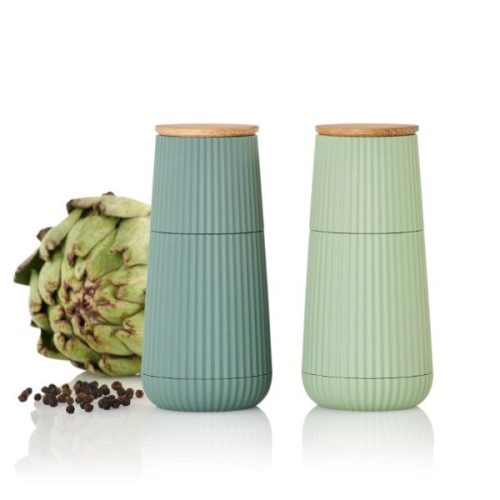
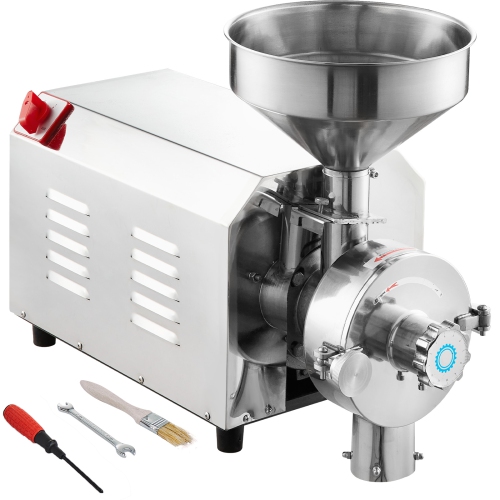
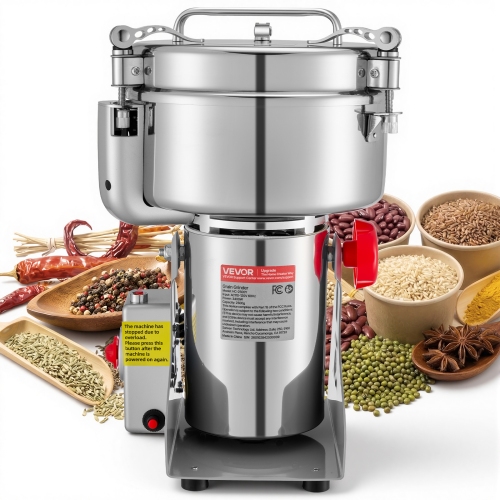
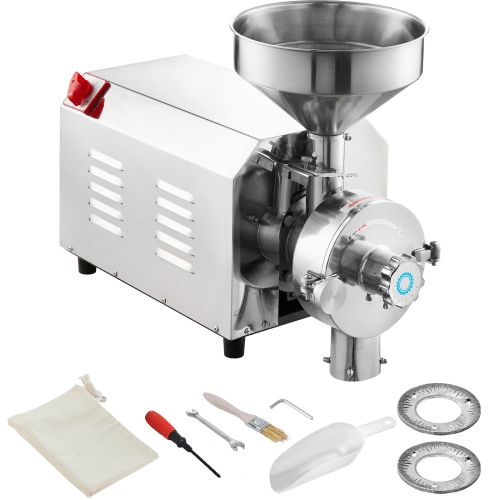
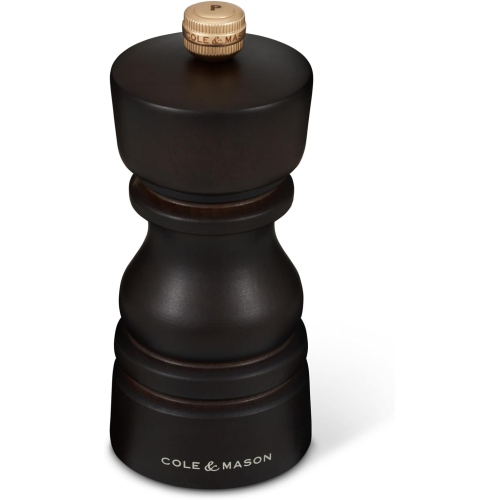
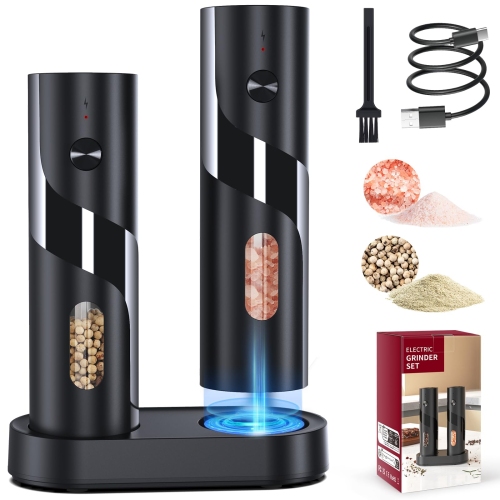
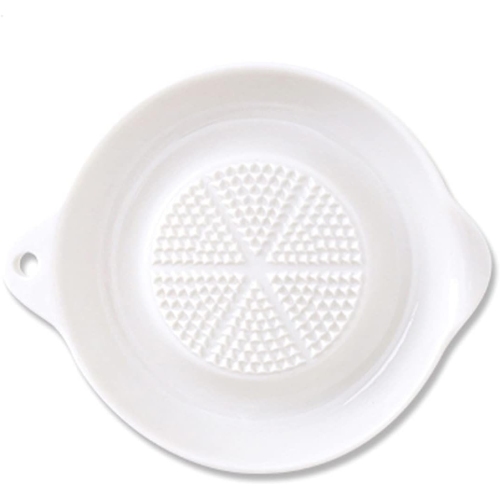
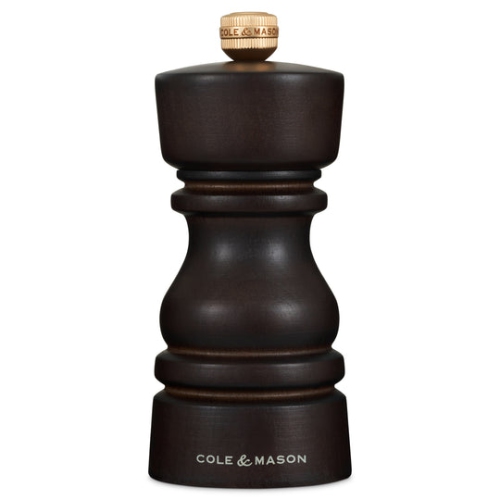
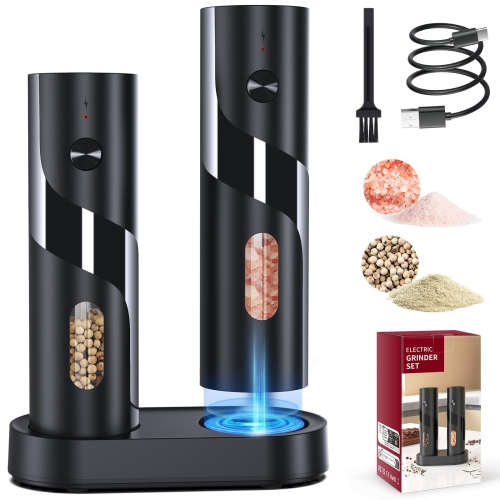
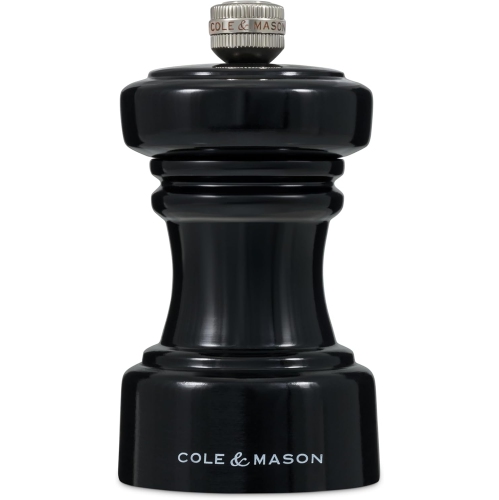
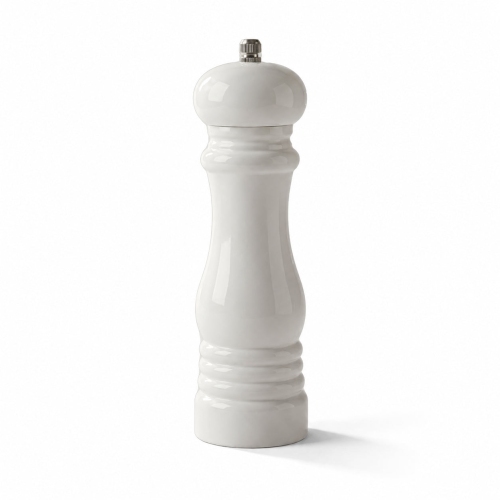
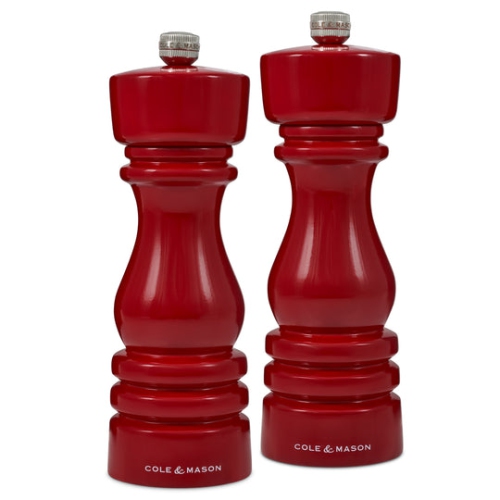
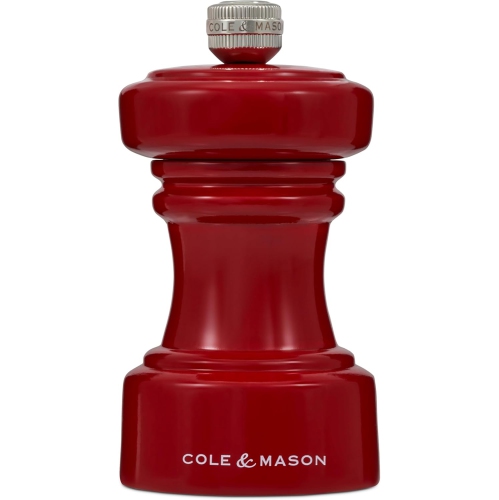
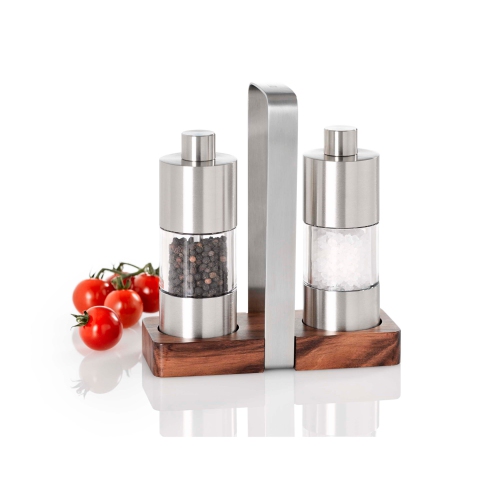
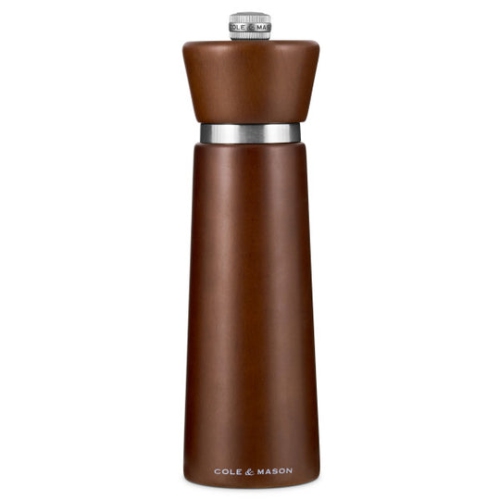

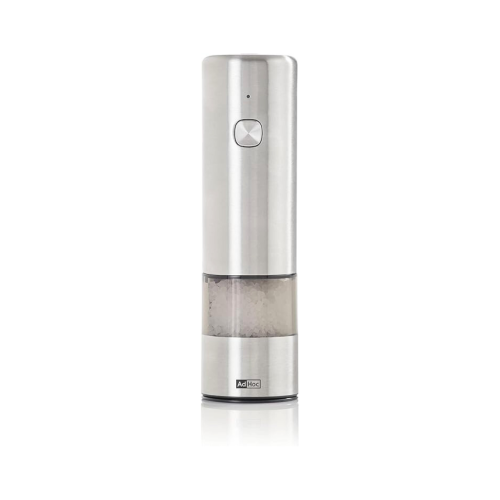
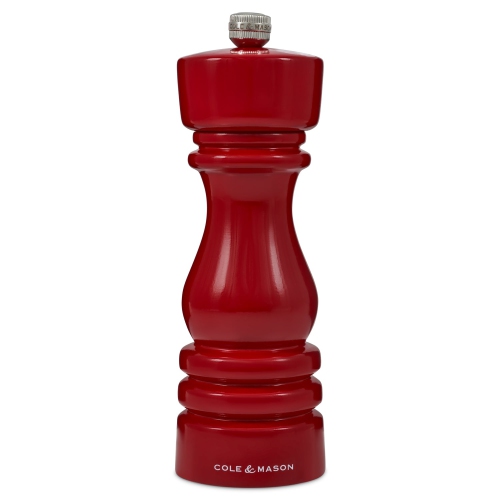
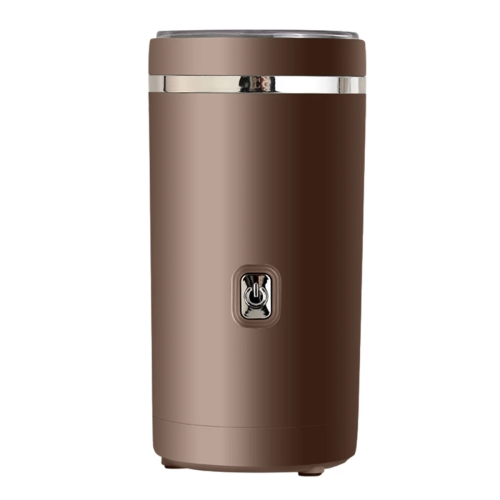
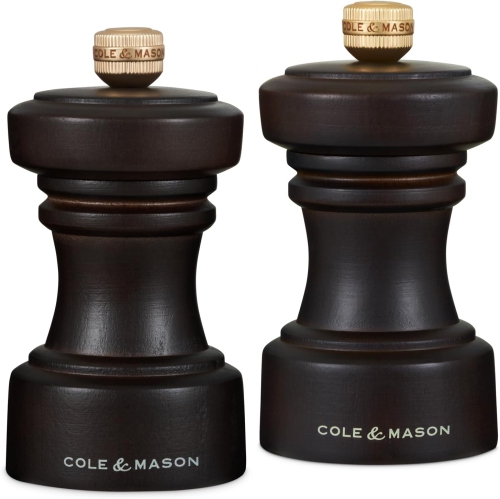
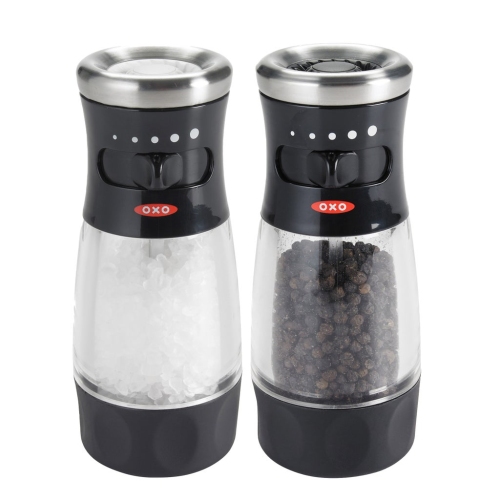
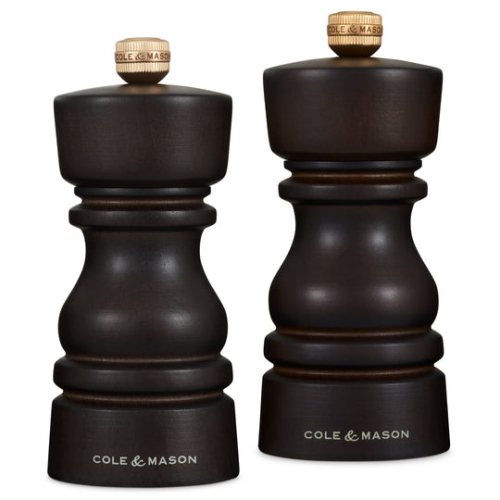
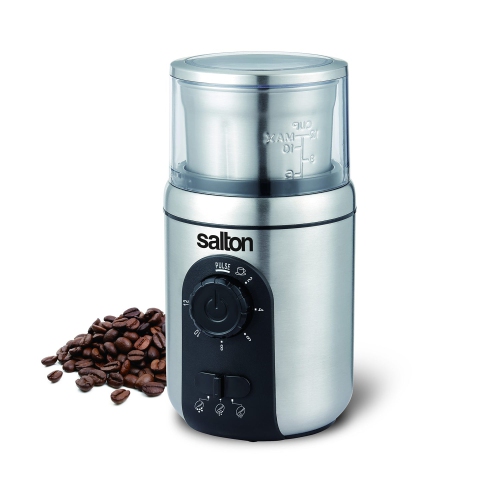
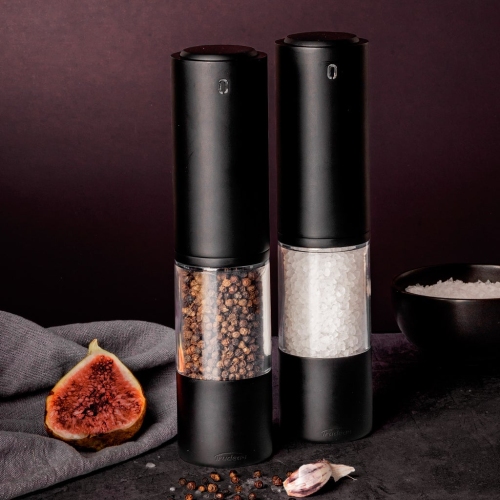
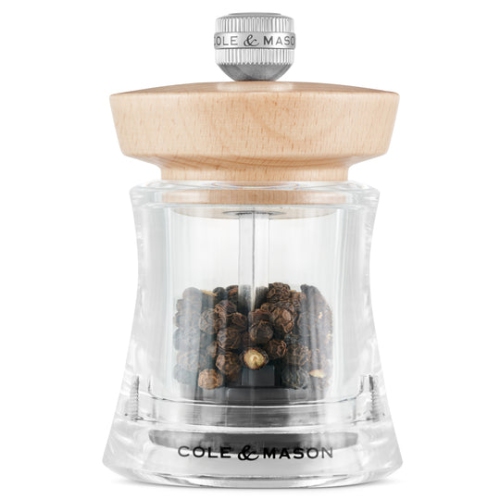
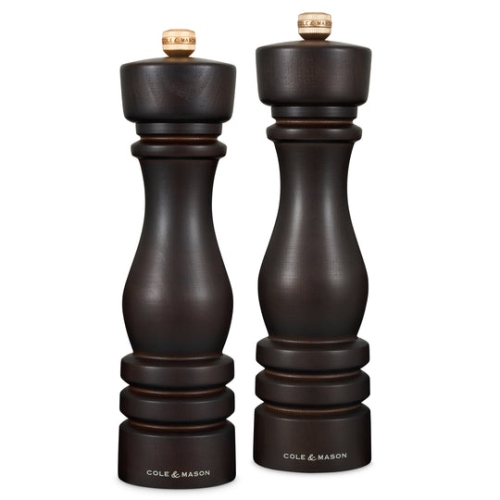
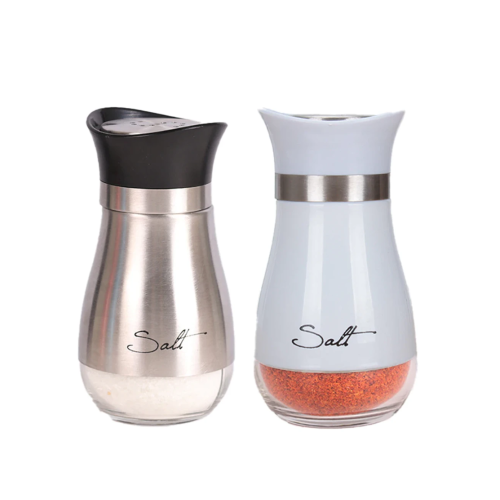
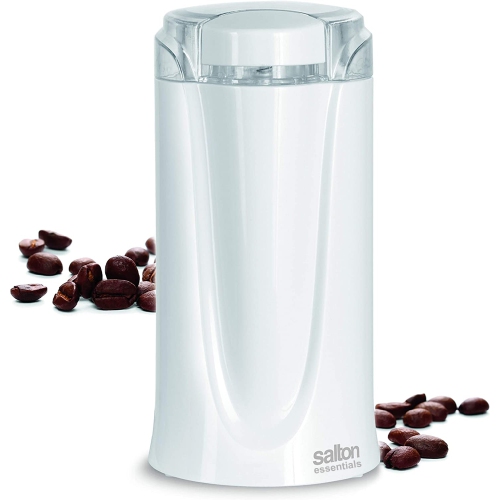
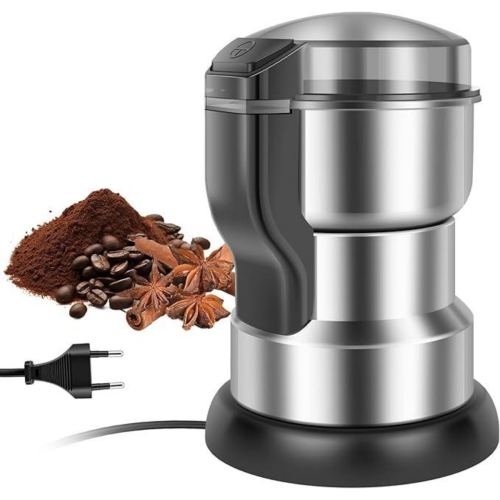
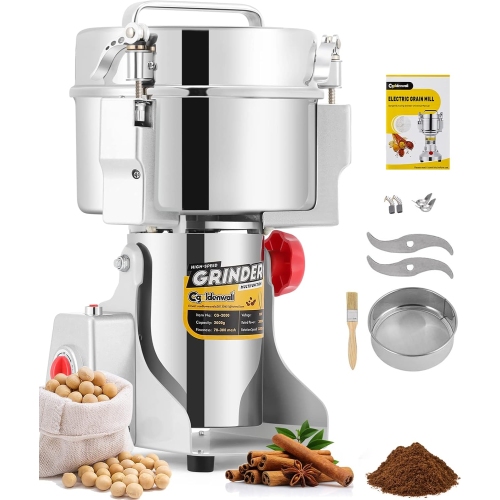
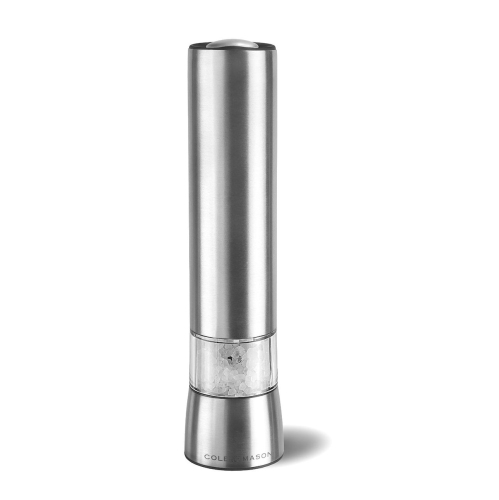

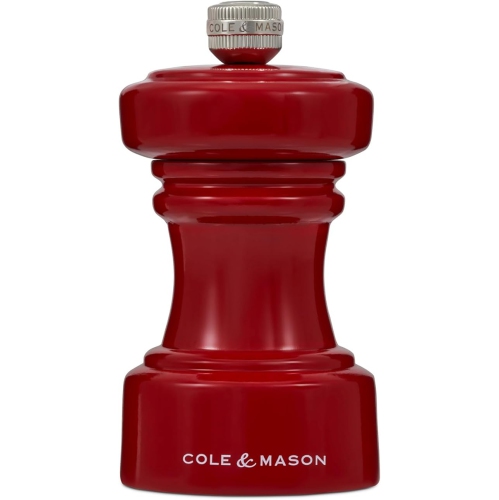
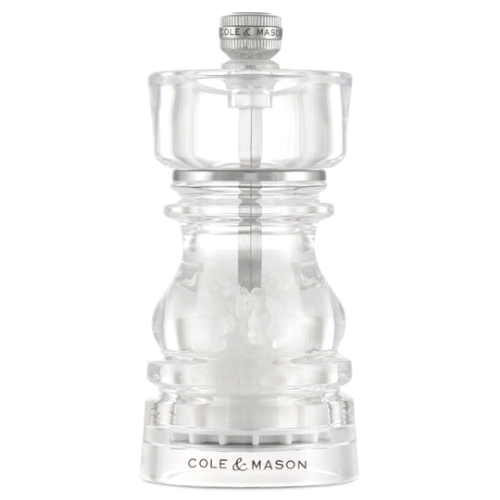
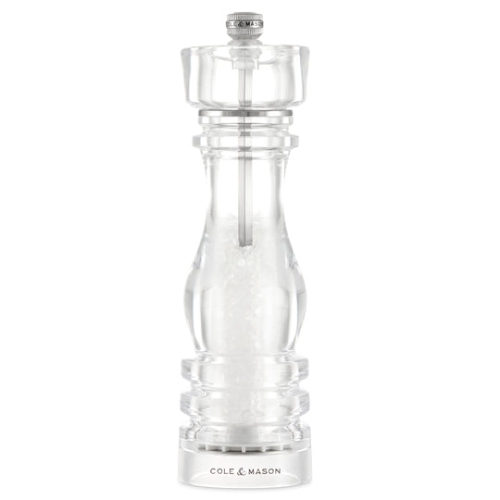
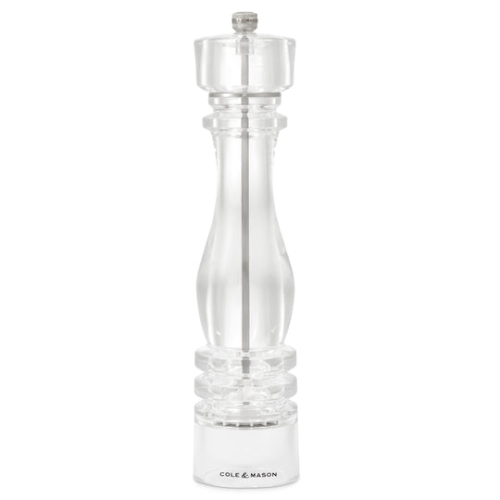
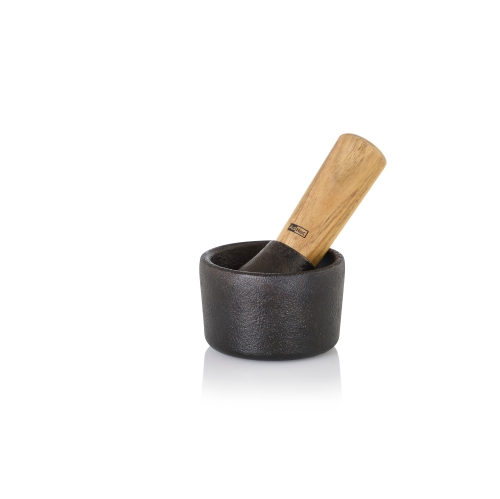
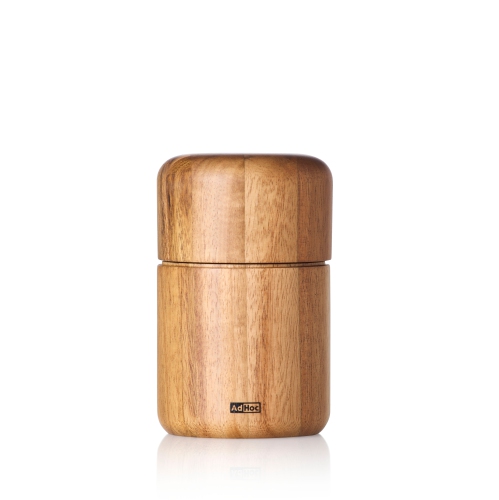
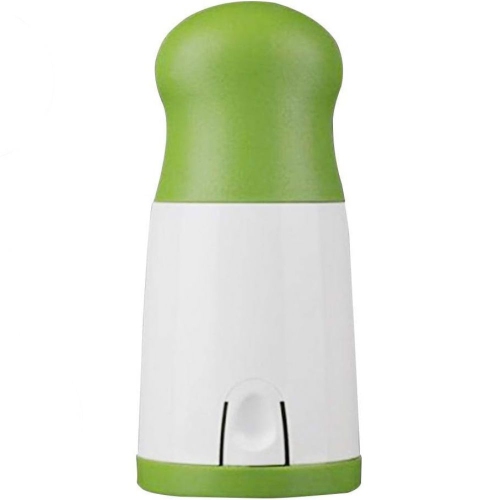
Freshly ground flavour starts with the right mechanism
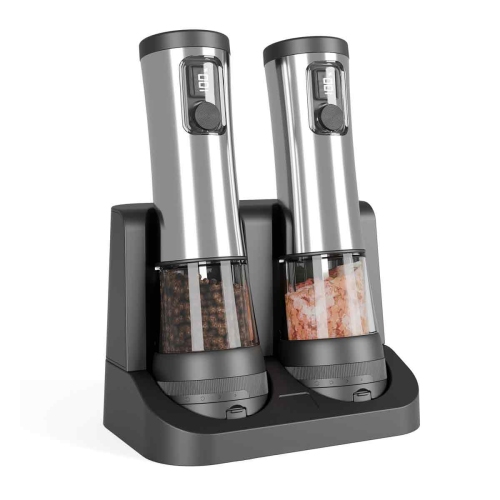
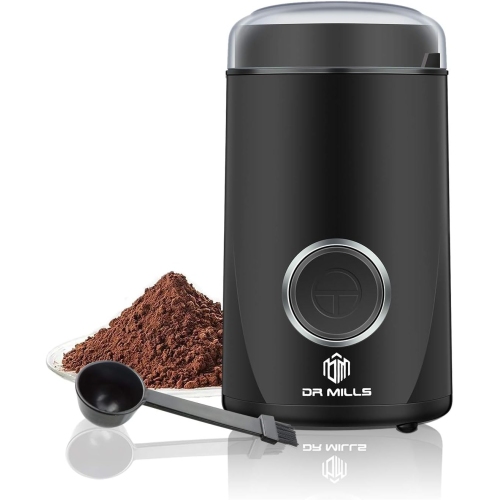
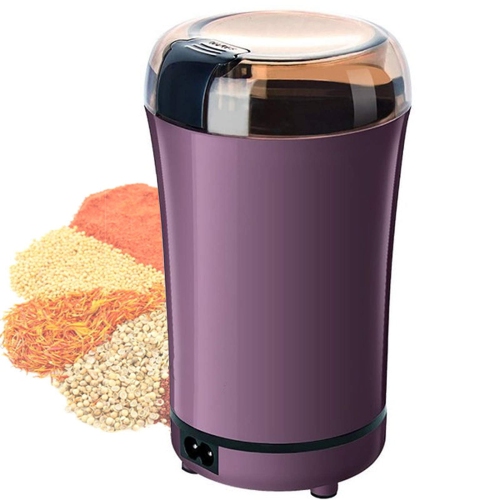
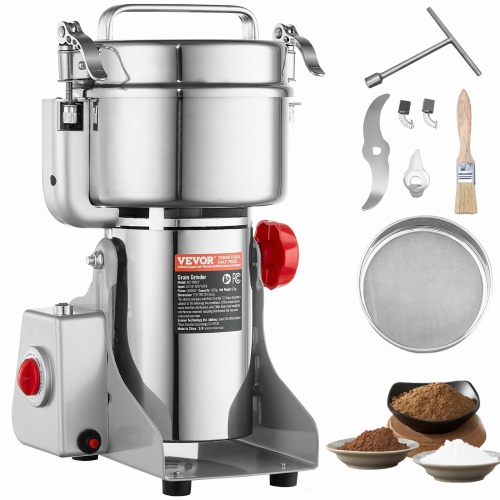
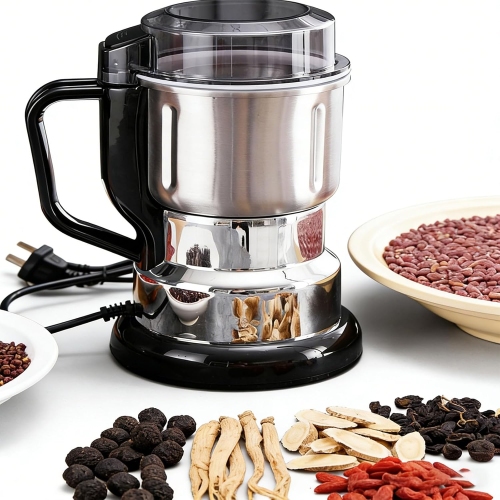
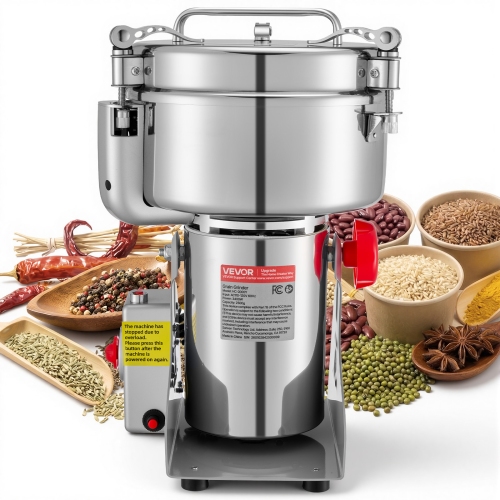
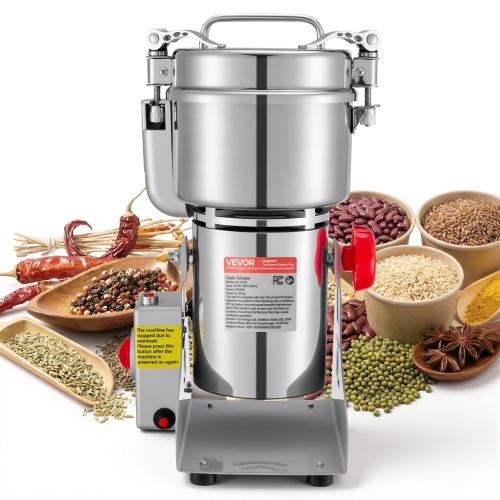
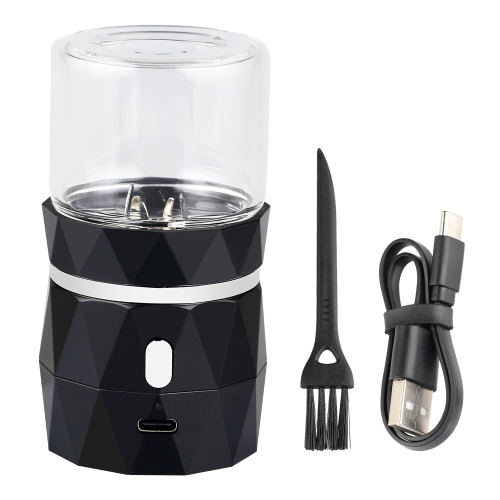
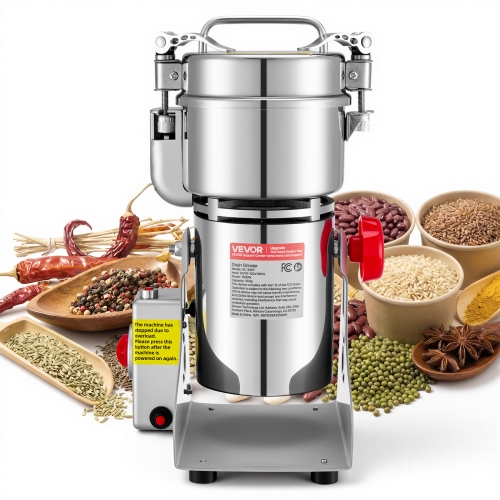
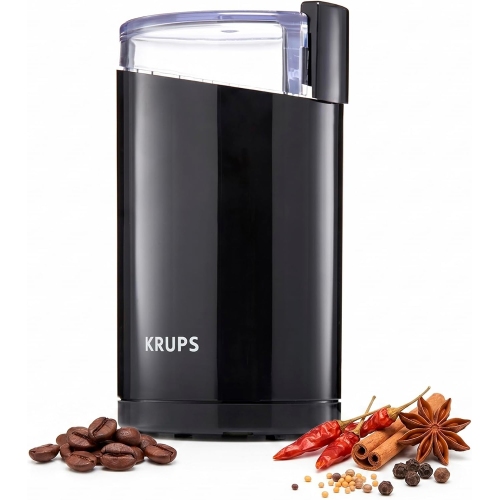
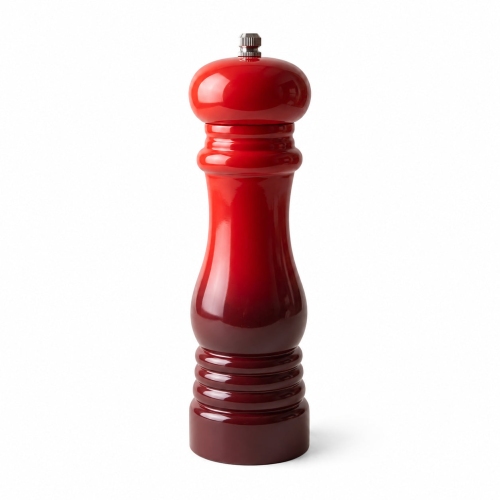
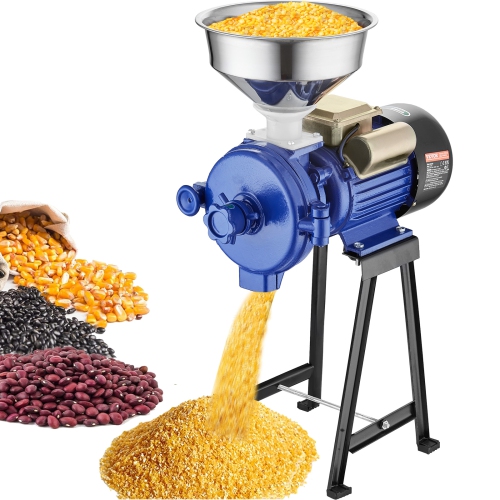
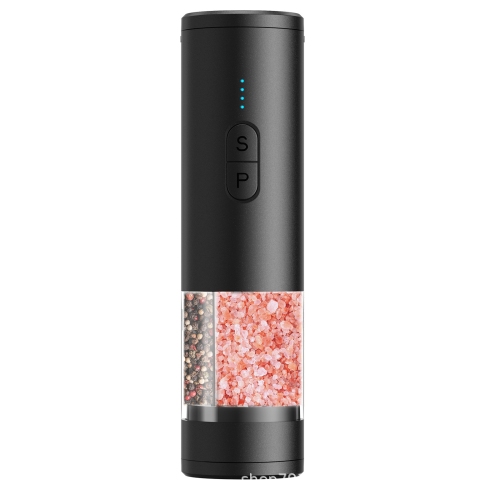
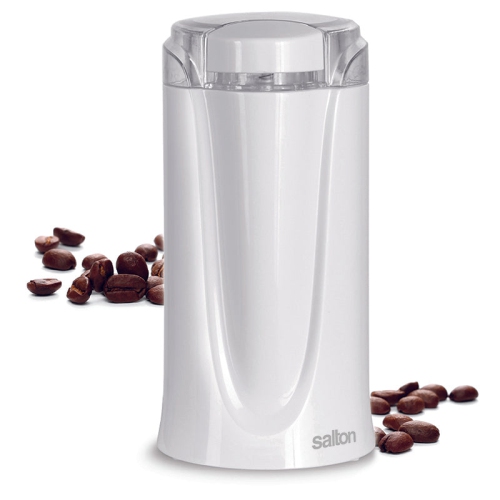
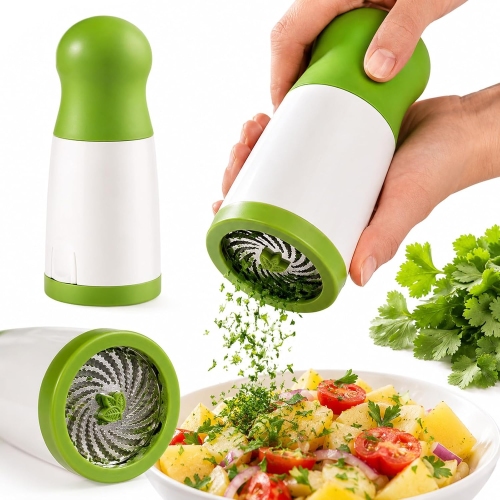
Spice mills are kitchen tools that grind whole spices into smaller particles for cooking, seasoning, and serving. Often called spice grinders, they include hand-operated mills and electric designs that use a motor to turn the grinding mechanism. Unlike a shaker, which dispenses seasoning that is already ground, a mill breaks down whole peppercorns or other suitable spices as they are needed. This releases aromatic oils close to the moment of use, bringing a distinct fragrance to something as simple as scrambled eggs, roasted vegetables, or a bowl of pasta. Manual spice mills typically work with a twisting motion or hand crank and offer direct control over how much seasoning reaches the food. Electric spice mills reduce the amount of twisting required and can be convenient when one hand is occupied with a mixing spoon or serving dish. Adjustable coarseness is another useful distinction: a fine grind distributes more evenly through mashed potatoes and smooth sauces, while a coarse grind leaves noticeable pieces on grilled meat, salad, or bread dipped in oil. The adjustment may sit at the top or bottom of the mill, depending on its design. Grinding mechanisms also vary, and their intended contents matter more than their outward appearance. A mill designed for pepper is not automatically suitable for salt, and a salt mill is not necessarily intended for every dried spice. Ceramic mechanisms are commonly used for salt because they resist corrosion, while hardened steel mechanisms are often used for pepper. Whole coriander, cumin, and other dry spices require a mechanism specifically suited to their size and hardness. Cinnamon sticks, fibrous ingredients, oily seeds, and damp seasonings can be unsuitable for a conventional table mill. Checking the intended use helps distinguish a compact seasoning mill from a blade-style spice grinder, which processes ingredients in a chamber and serves a different role in preparing spice blends.
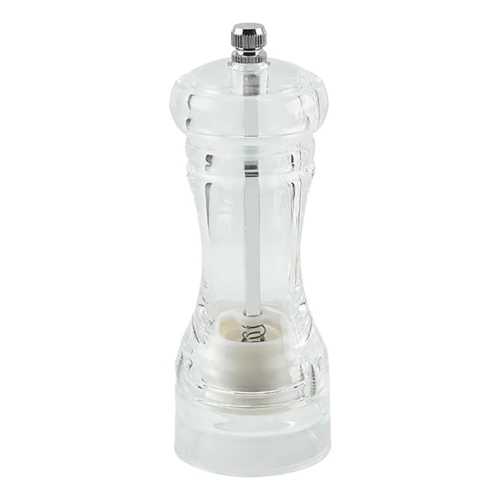
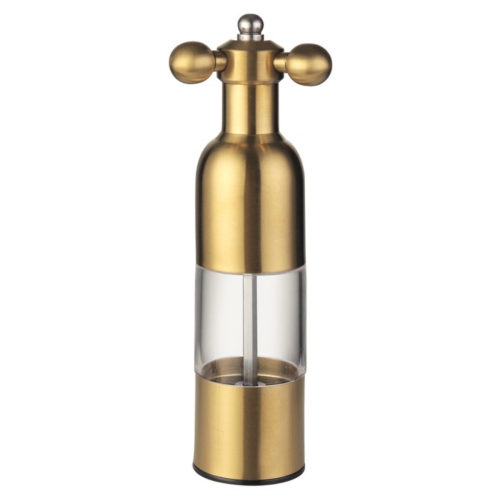
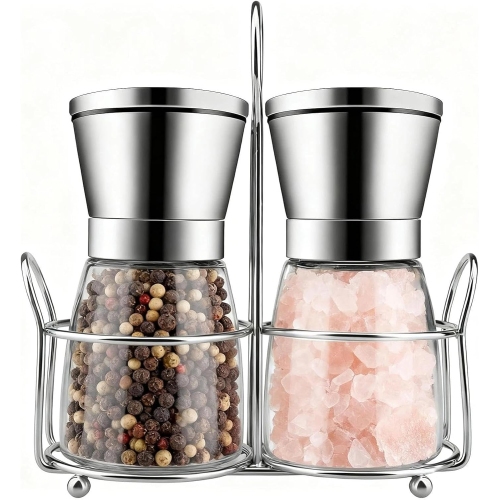
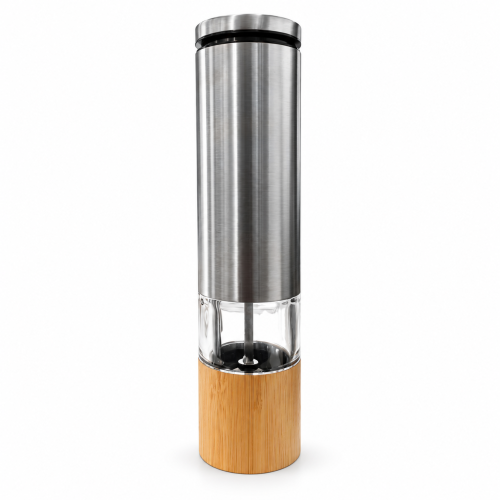
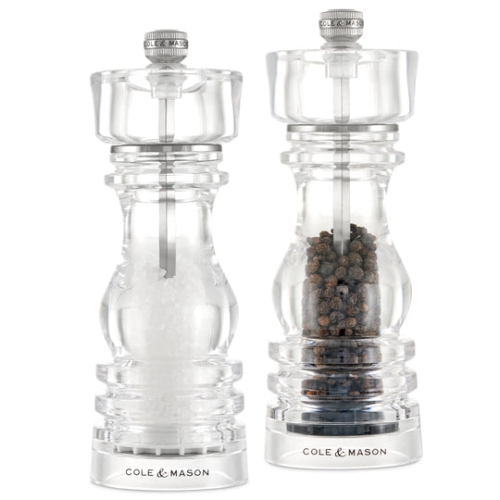
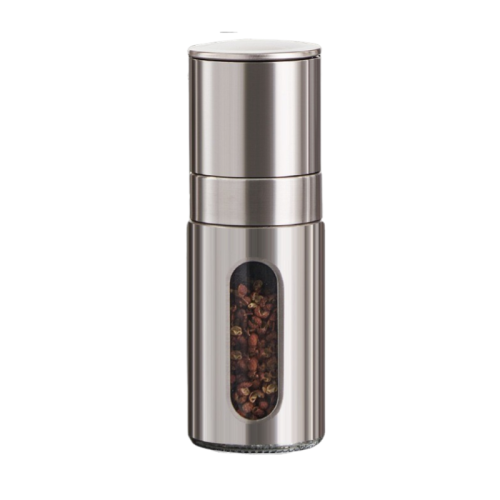
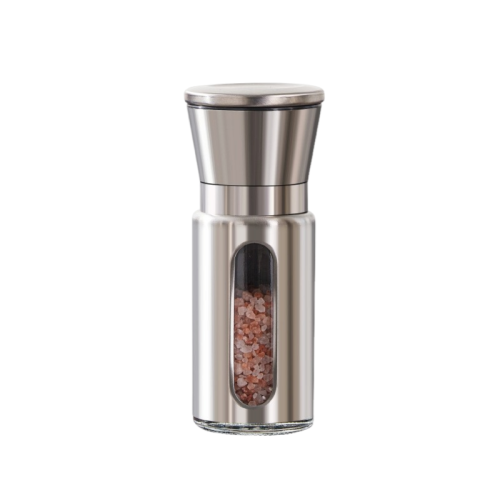
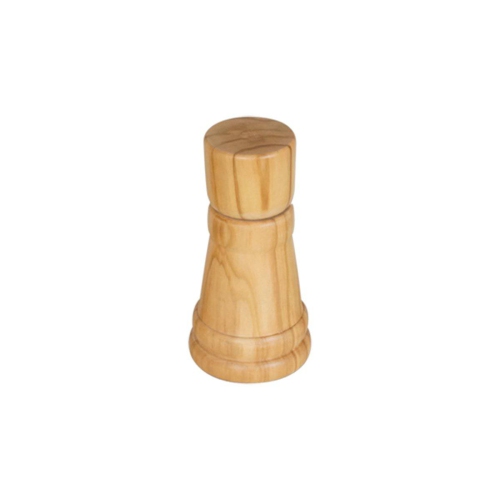
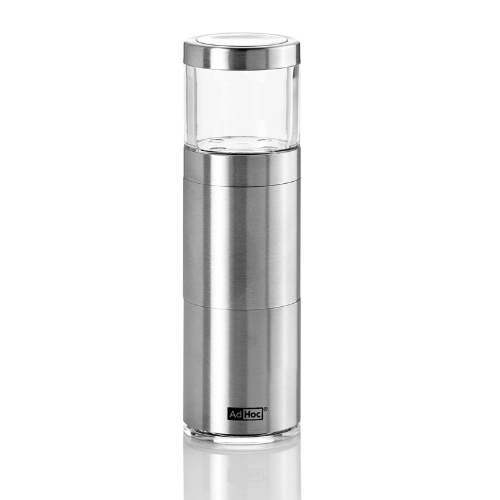
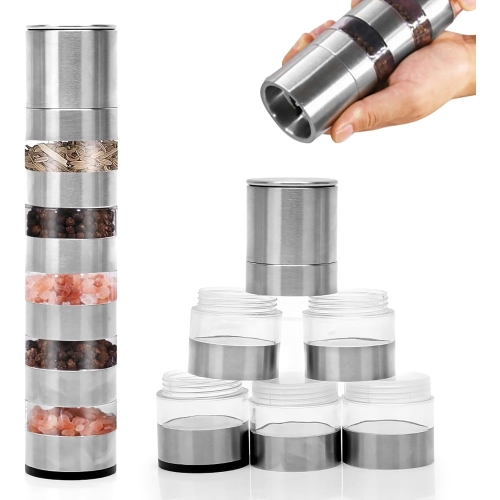
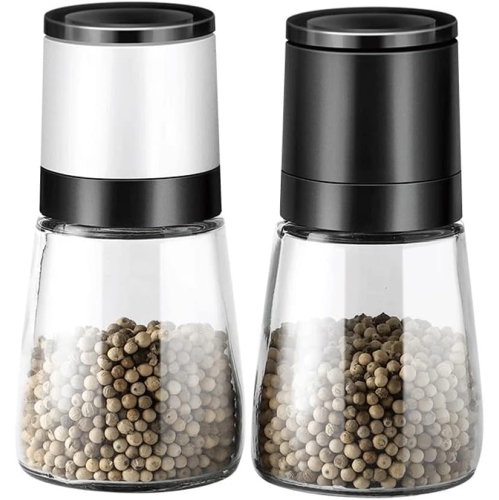
The body of a spice mill affects how it feels in the hand, how easily its contents can be identified, and how it fits into a kitchen or dining space. Wood offers a warm appearance and a grip that can feel comfortable during repeated turns, though its finish needs protection from prolonged moisture. Stainless steel has a clean, understated look and a sturdy feel, while glass makes it easy to see both the spice and the remaining fill level. Clear acrylic can provide similar visibility with less weight, although it may scratch with abrasive cleaning. Overall size deserves attention alongside capacity. A tall mill may hold more, but a shorter design can fit more comfortably beneath a cupboard or inside a drawer. Diameter, weight, and the shape of the turning head influence handling, particularly for someone who finds a narrow or slippery surface difficult to hold. Electric designs may ease twisting effort, but button placement, balance, and the weight of the battery compartment still affect comfort. Refilling should be straightforward enough to avoid scattering peppercorns across the counter; a wide opening and an easily removed top can make that task less awkward. A clear fill window can also help prevent overfilling where the mechanism needs room to operate. Durability depends on more than the outer shell, with the grinding assembly, adjustment parts, and fit of the moving components all contributing to consistent performance. Care is generally simple but should follow the mill’s instructions. Many mills need only a soft cloth on the exterior and a dry brush around accessible grinding surfaces rather than washing or soaking. Wood, metal mechanisms, and electrical components may be damaged by immersion. Keeping the mill away from rising steam also helps prevent moisture from entering the chamber and causing contents to clump. Grinding into a small dish before seasoning a steaming pot keeps the mill farther from that moisture and makes the quantity easier to judge.
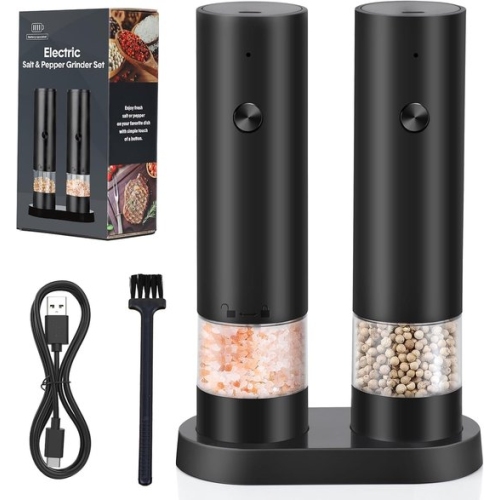
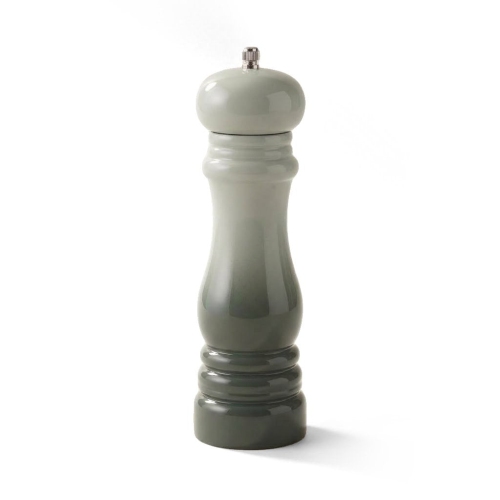
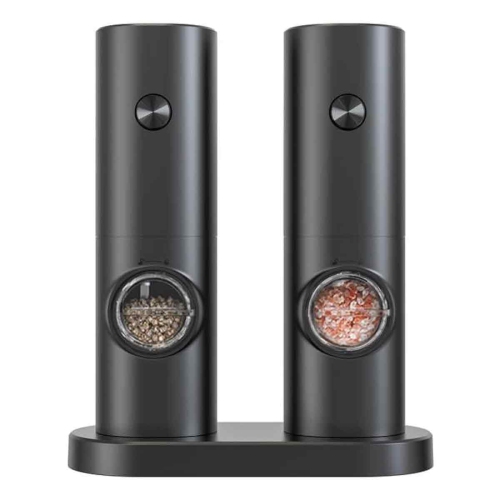
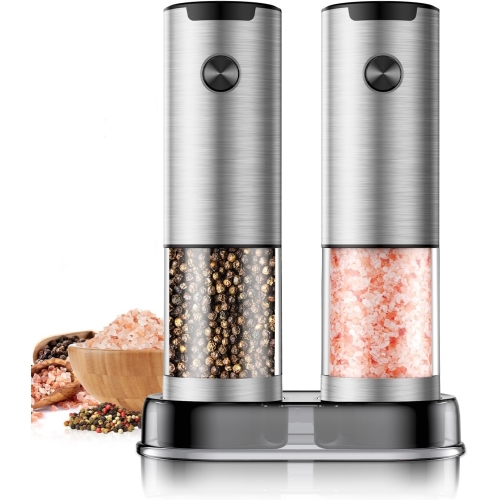
In everyday use, the most practical spice mills are those that suit the way food is prepared and served. Someone who cooks frequently may prefer a comfortable, larger-capacity mill that stays near the preparation area, while a compact pair can be easier to pass around a dining table. Separate mills for different seasonings keep flavours distinct, especially when a strongly aromatic spice would linger in a shared mechanism. Labels, contrasting colours, or visible contents can help distinguish salt from pepper without an extra test turn over the plate. A top-mounted grinding mechanism may leave less residue on the surface beneath it, while a tray or resting base can catch stray grains from a bottom-grinding design. These small details become noticeable when a mill moves between the counter and the table several times a day. A mill can also work alongside Spice Shakers, with whole spices reserved for grinding and ready-ground blends kept close by for measured additions. Storage habits matter as well: whole spices generally retain their aroma longer when kept tightly closed, dry, and away from direct light and cooking heat. A clear mill is useful for checking contents, but it need not sit on a sunny windowsill. Filling it with a manageable amount rather than treating it as long-term bulk storage can help keep seasoning fragrant. For gifting, spice mills suit housewarmings, weddings, and people who enjoy cooking or setting a welcoming table. A comfortable grip and an easy refill process are often more useful than an elaborate appearance, particularly for a gift intended for daily use. Matching finishes can bring a coordinated look to a kitchen, while different shapes can make a pair easier to tell apart. Whether used for a finishing turn of pepper over soup or a coarse sprinkle over sliced tomatoes, a well-suited mill makes freshly ground seasoning an easy part of a familiar meal.
Top selling and popular products
-
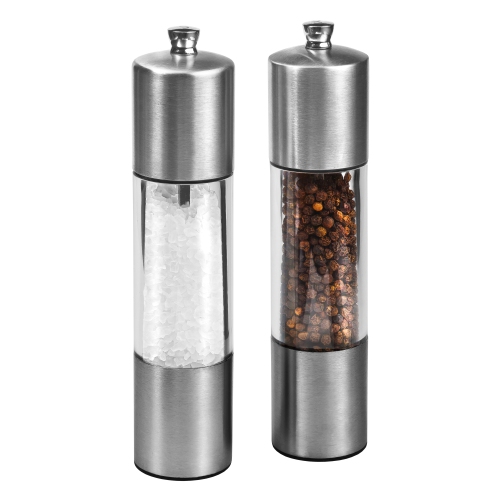 Your price for this item is $59.95
-
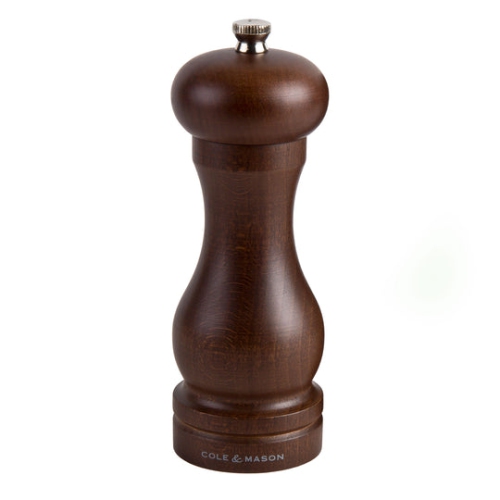 Your price for this item is $29.95
-
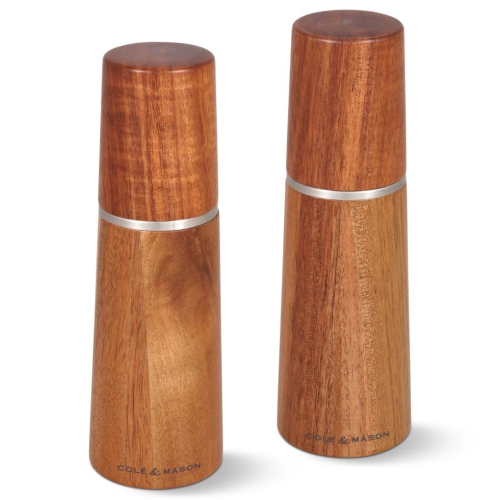 Your price for this item is $79.95
-
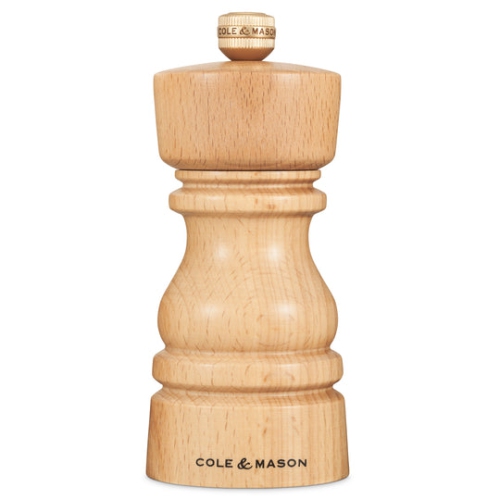 Your price for this item is $39.95
-
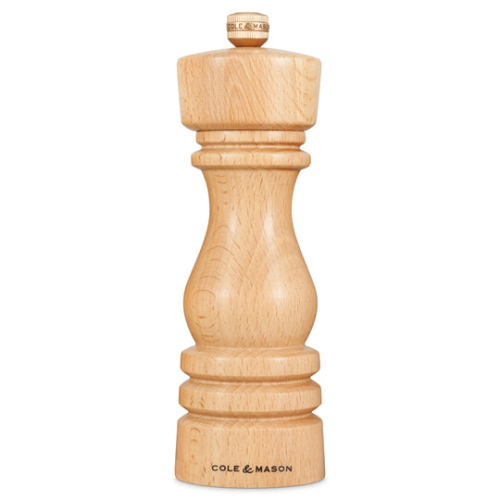 Your price for this item is $44.95
-
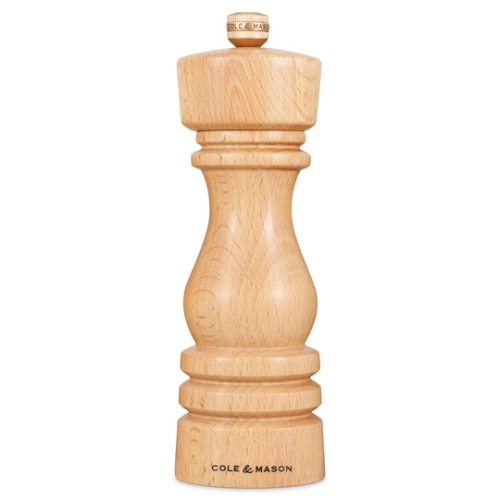 Your price for this item is $44.95
-
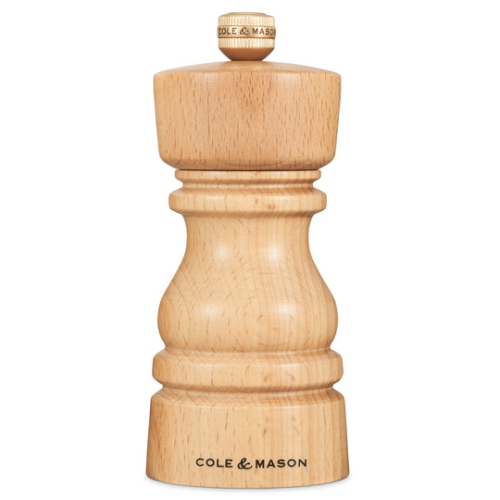 Your price for this item is $39.95
-
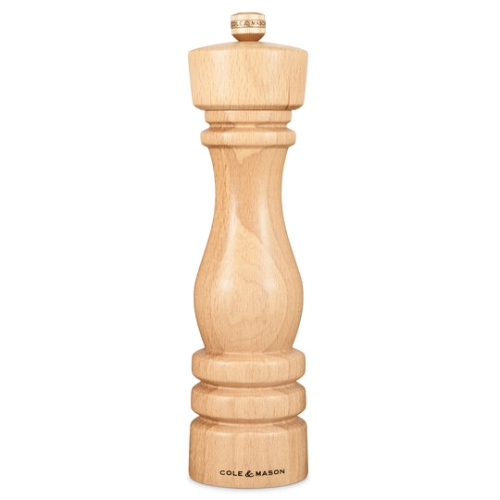 Your price for this item is $49.95
Discover more categories related to Spice Mills
Top Collections:
Best Black Friday Deals This Year, Best Black Friday Deals On Electronics, Kindle Devices, Best Black Friday Deals On Apple Products, Best Budget Office Chairs, Best Cameras for Sports Photography, Dyson Airwrap, Canon G7X Cameras, Best Laptops for Writers, Samsung Galaxy Phones
Some products may be subject to Environmental Handling Fees
(EHF) depending on your province.
Learn more about EHFs.