Spring Beds With Mattress
Upgrade your sleep experience with our premium selection of spring beds paired with comfortable mattresses. Dive into a world of relaxation and rejuvenation as you explore our range of carefully curated options designed to provide you with the ultimate combination of support and comfort. Whether you prefer a firm feel or a plush surface to sink into after a long day, our spring beds with mattresses offer the perfect blend of style and functionality to elevate your bedroom decor while ensuring a restful night's sleep. Discover the ideal match for your sleeping preferences and transform your bedroom into a cozy sanctuary where you can unwind and recharge every night.
Sort
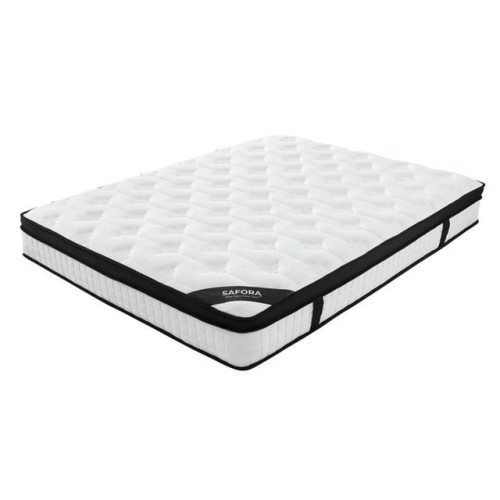
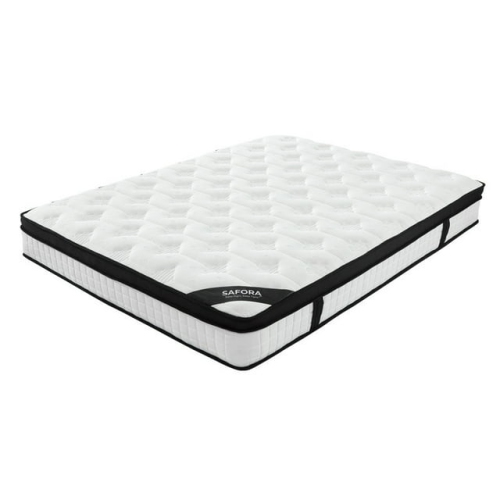
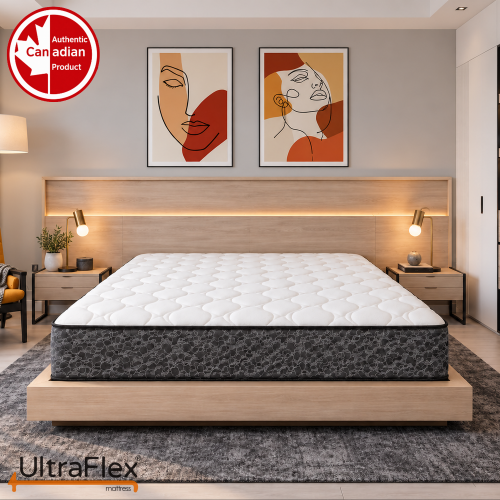
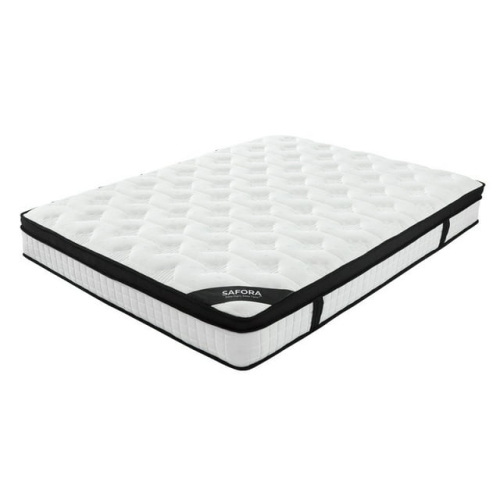
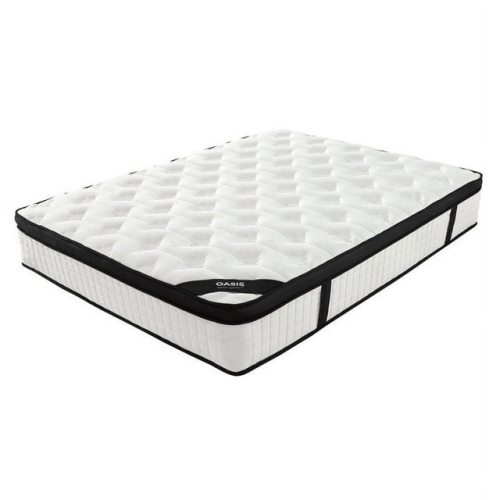
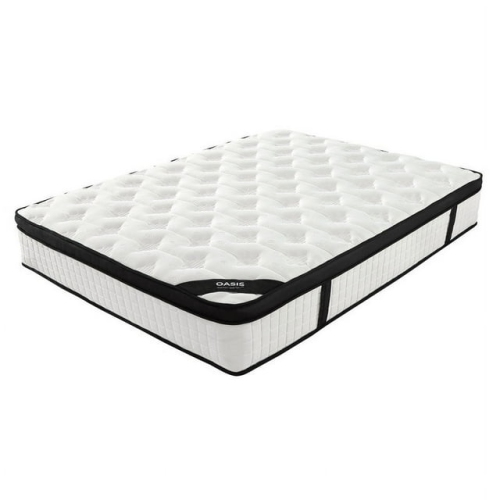
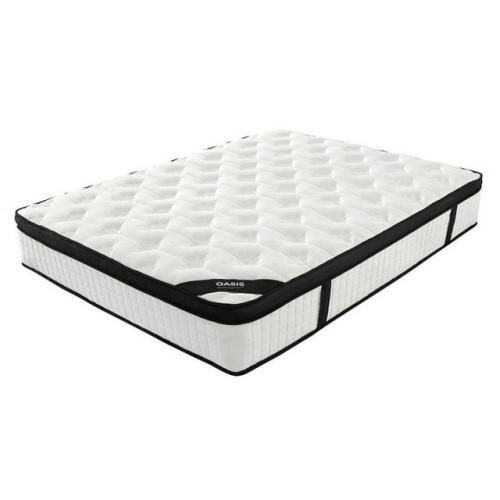


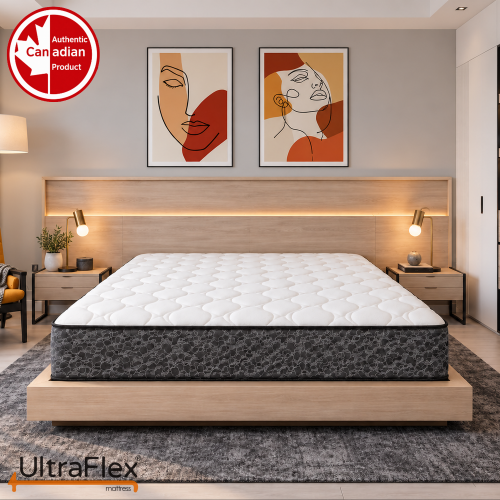

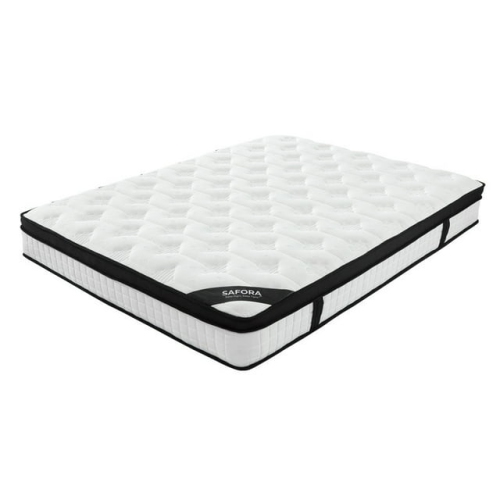
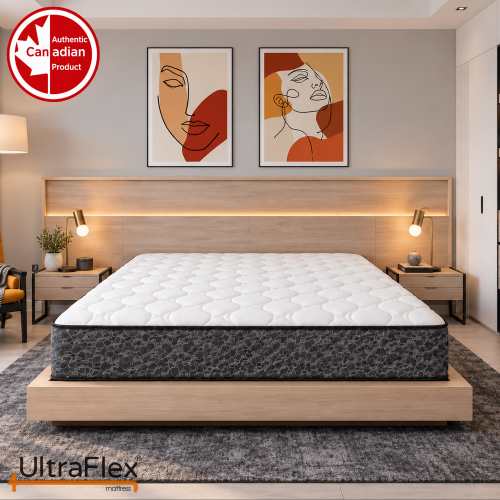
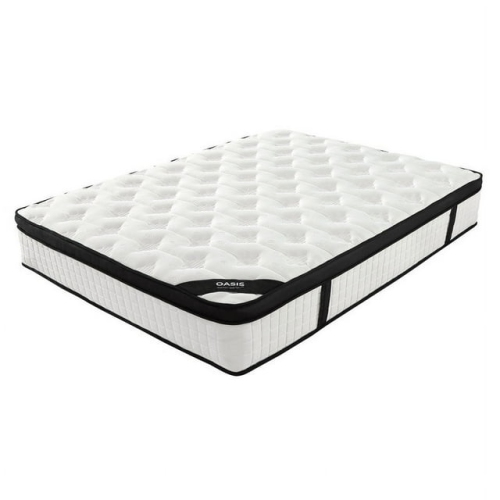
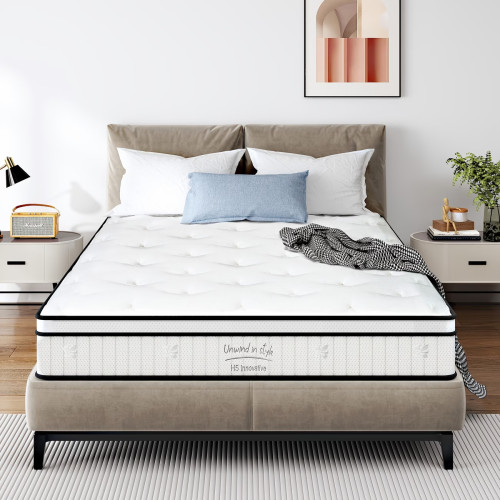
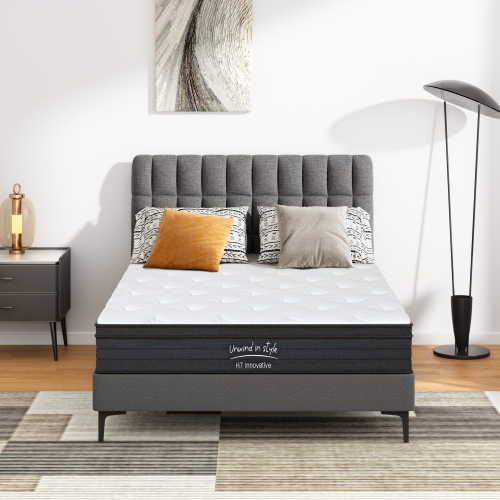
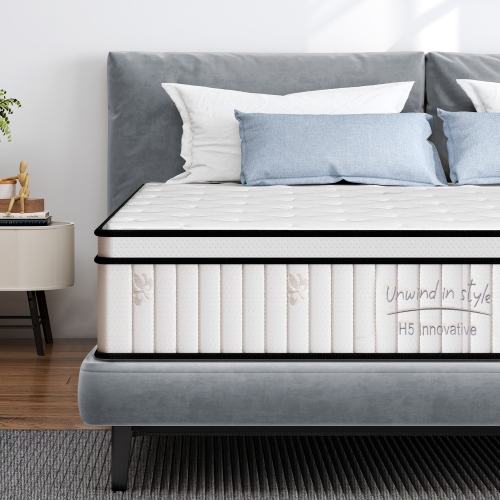
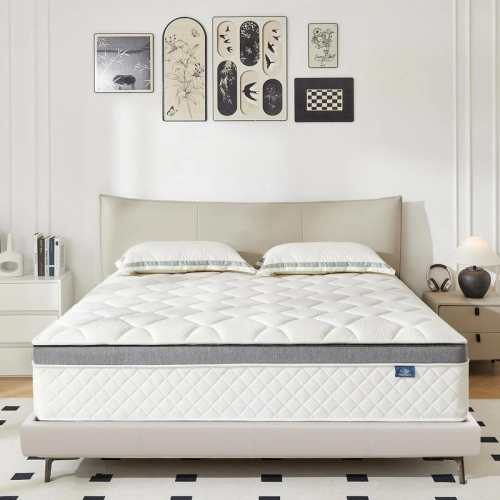
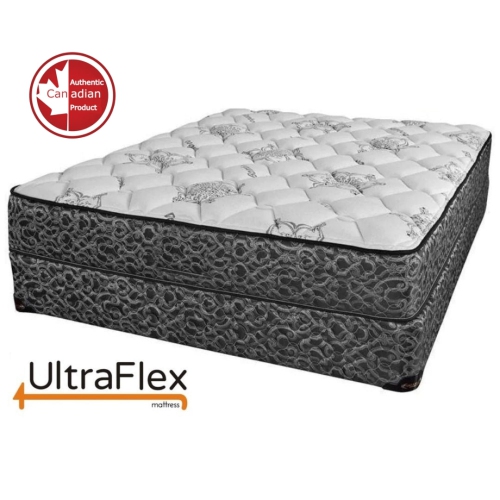
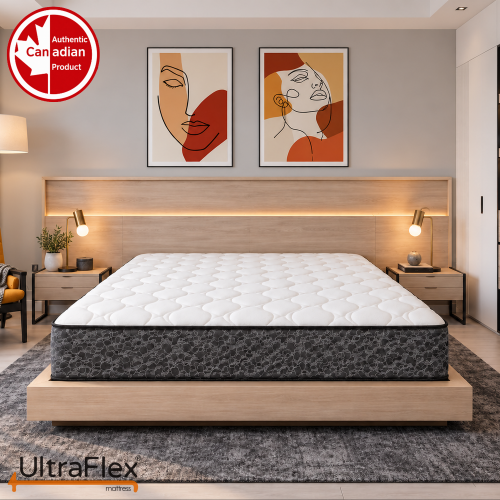
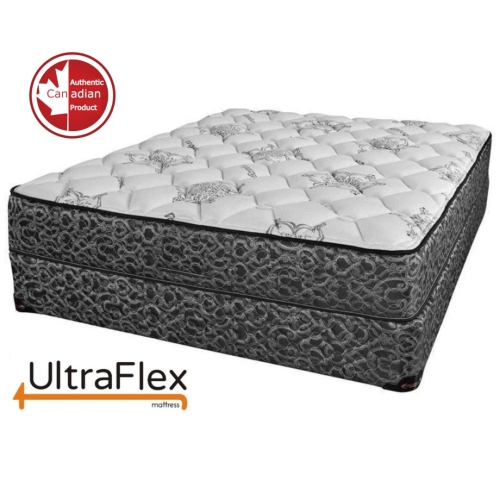
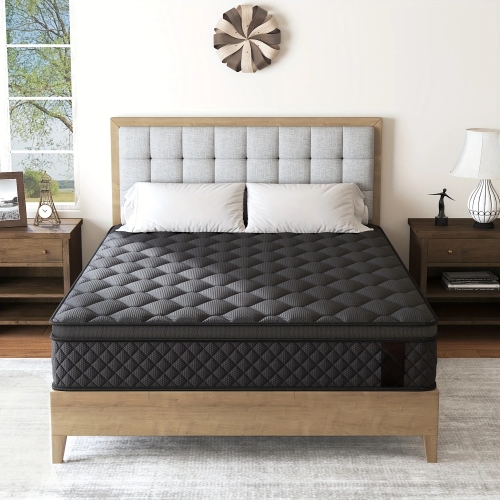
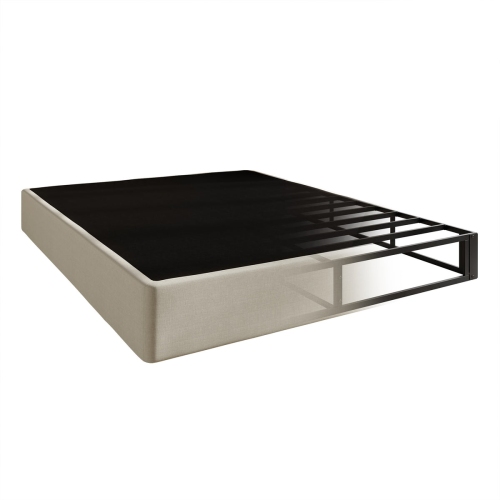
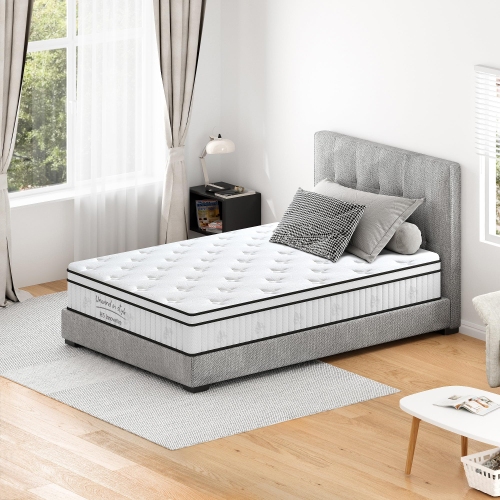
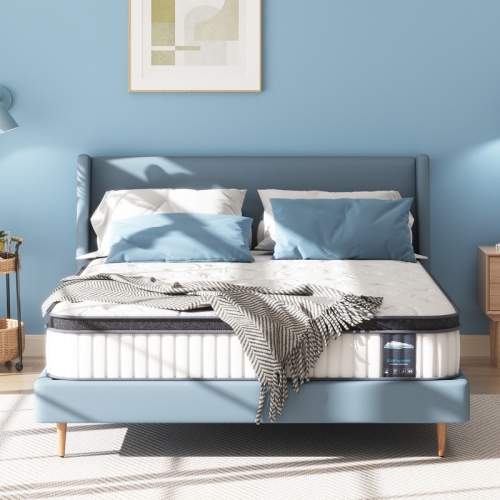
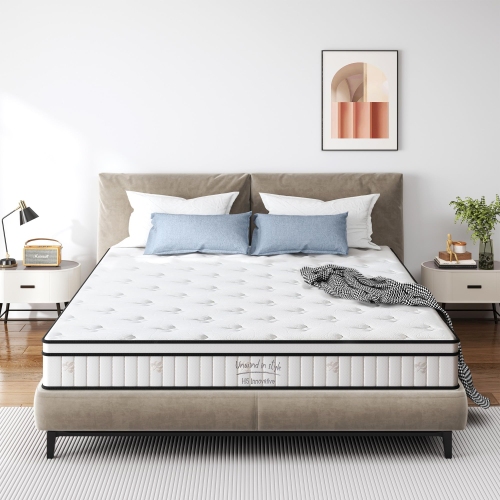
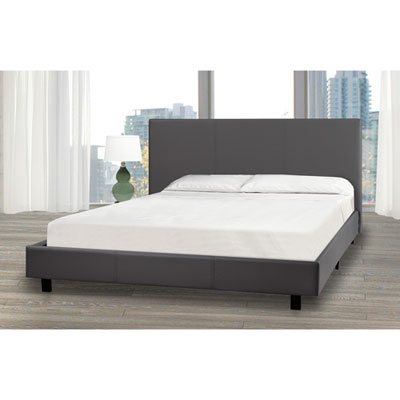
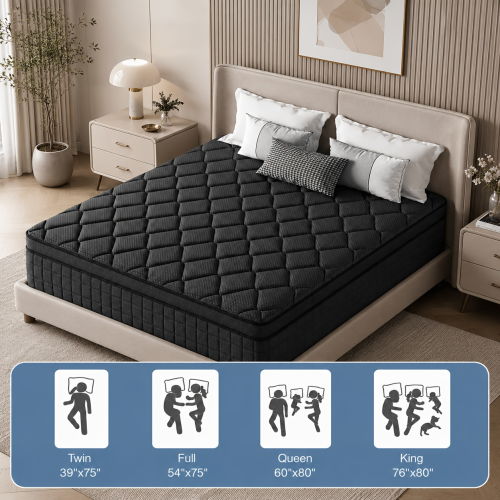
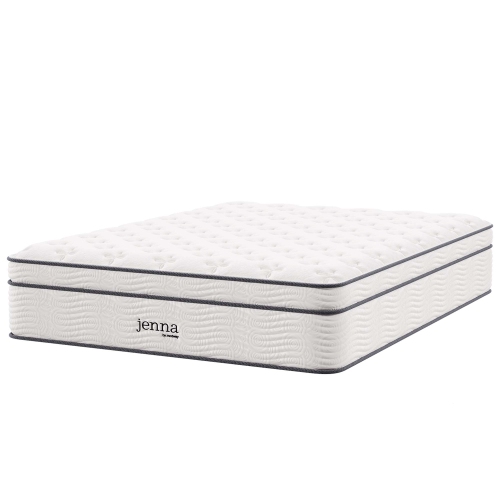
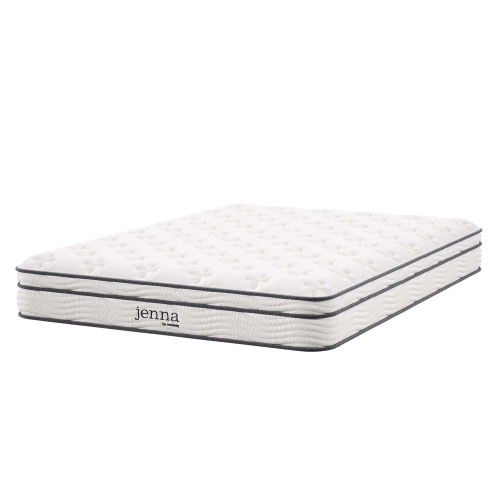
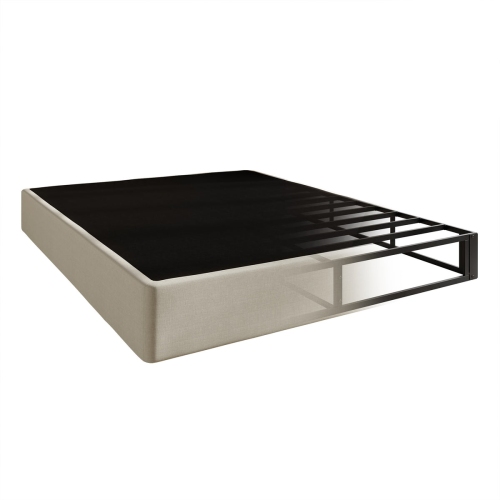
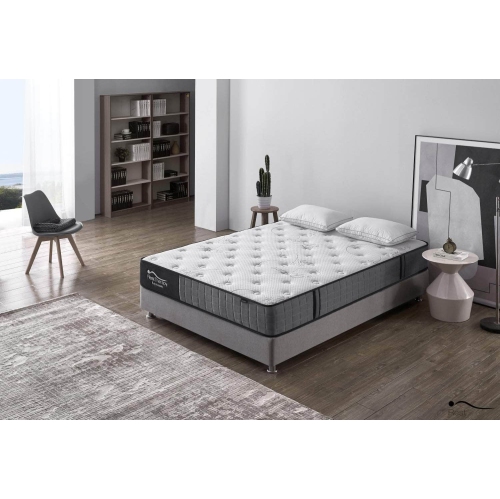
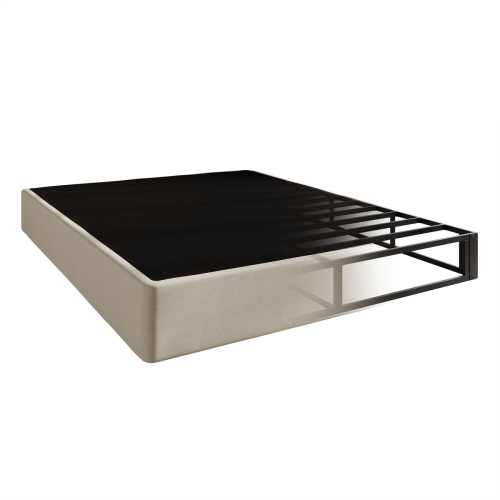
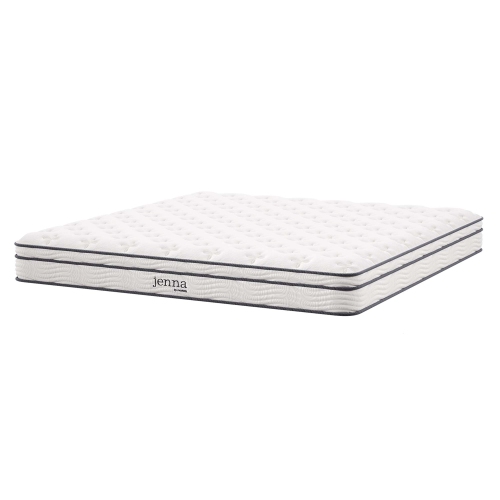


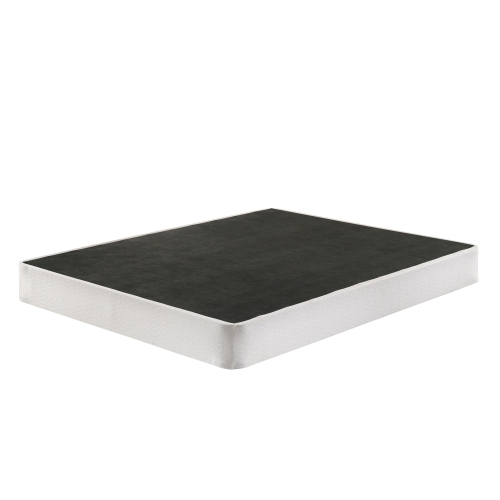

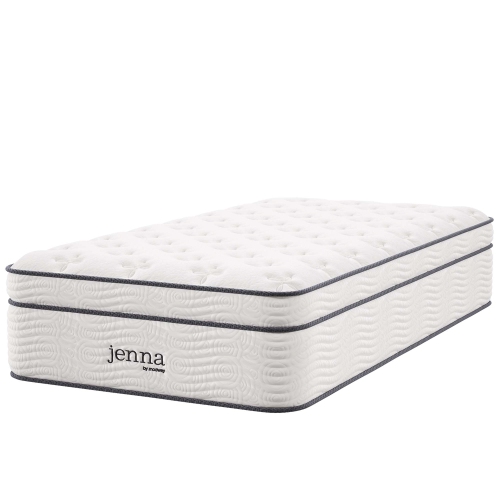
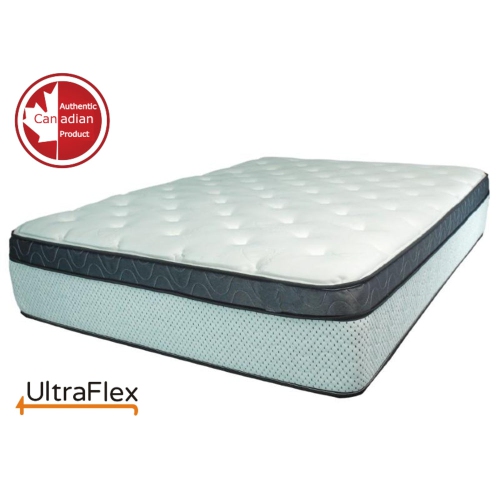
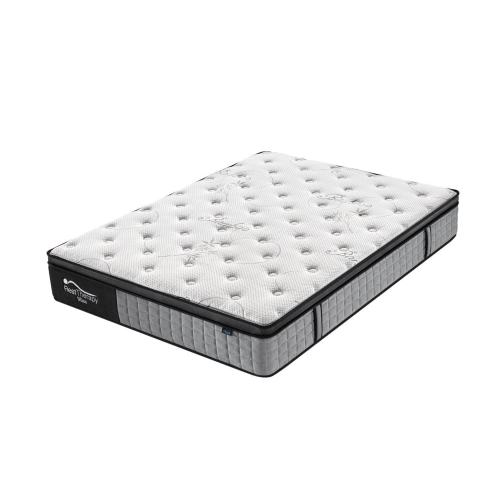

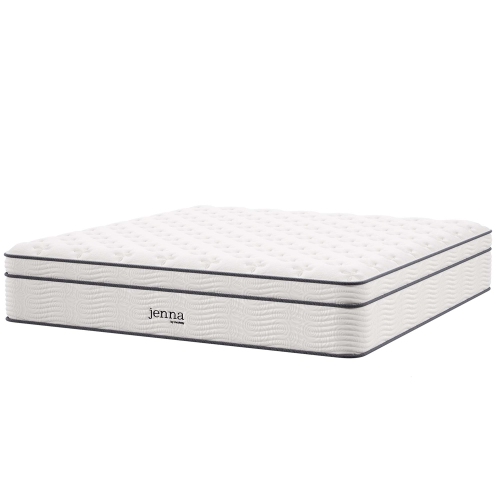
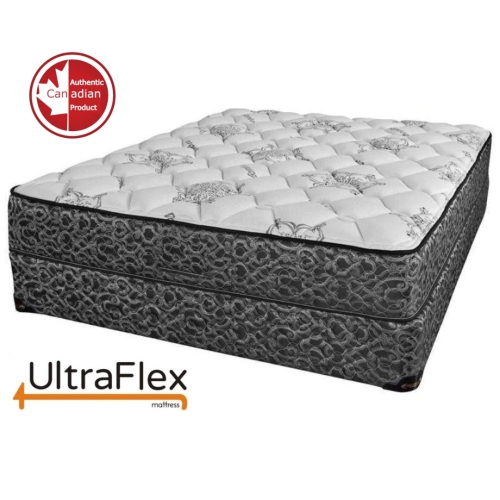



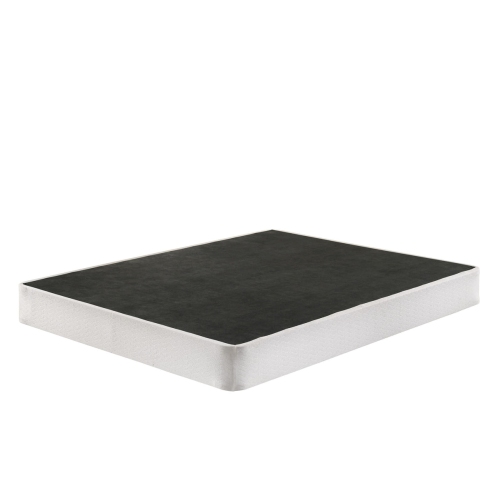
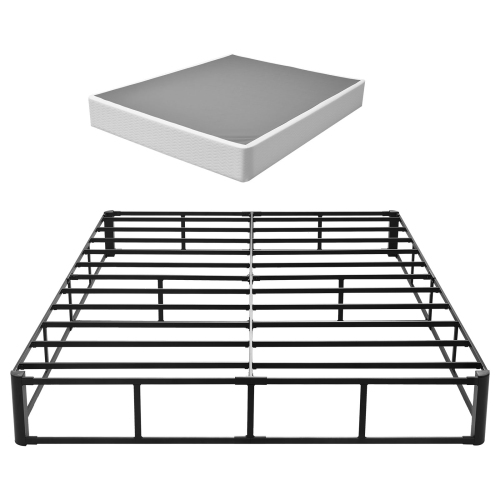

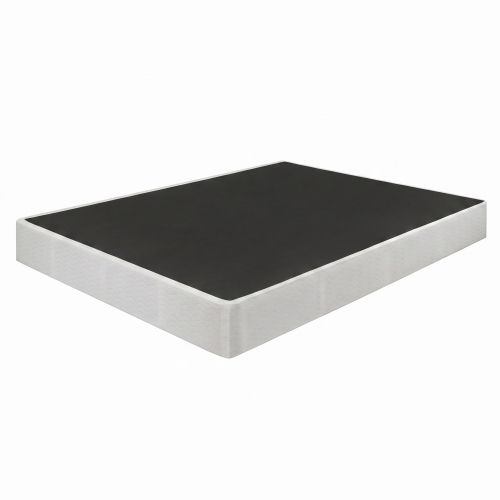
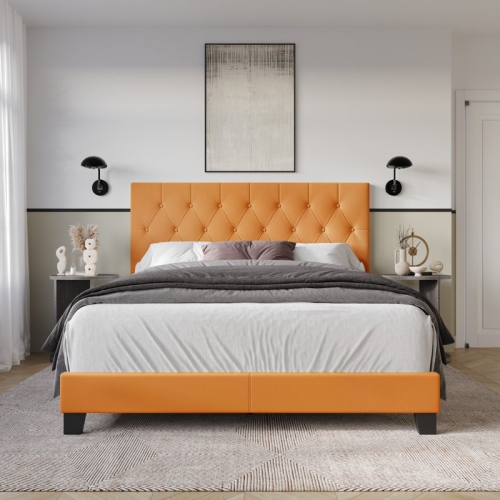

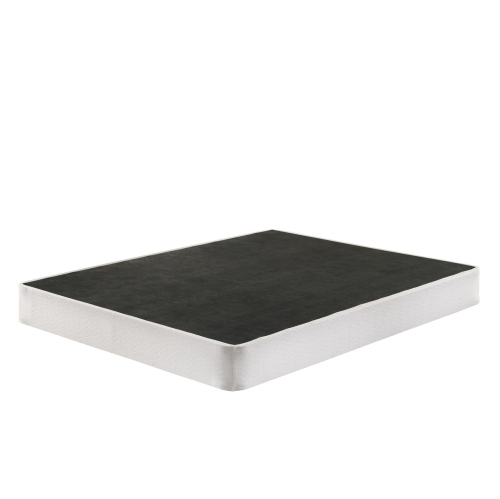
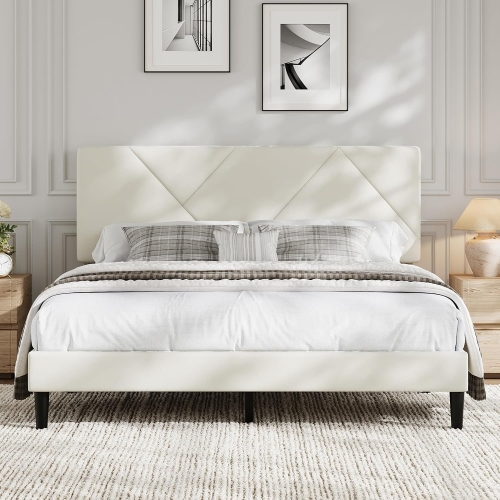

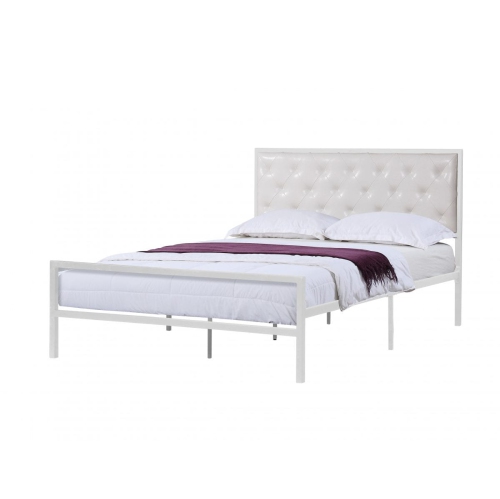
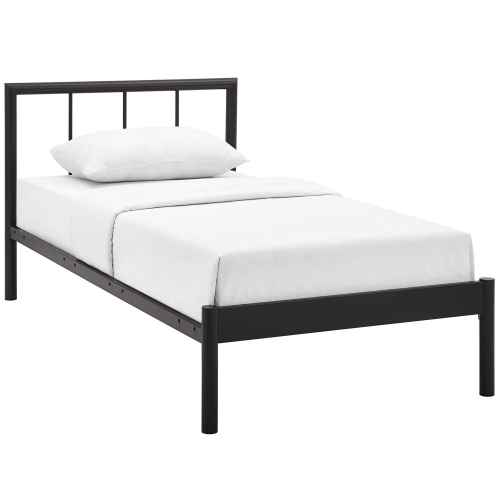


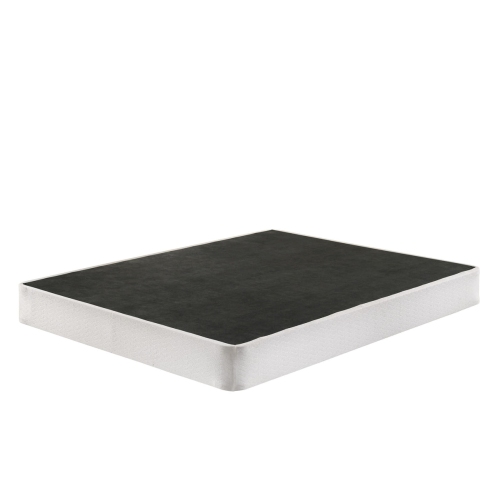

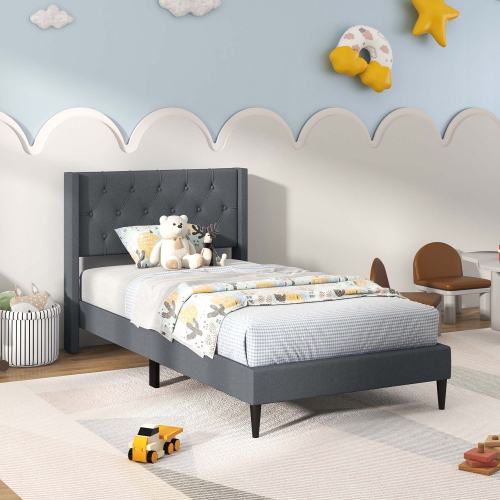

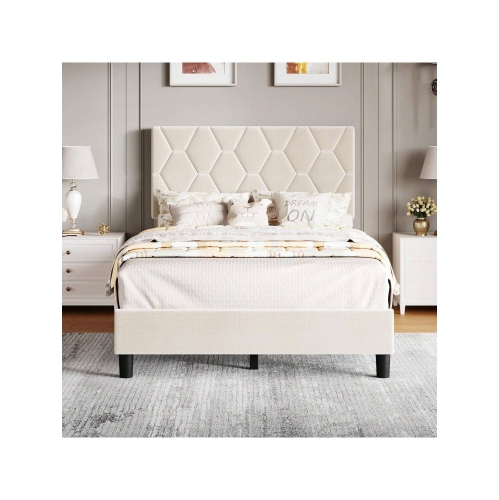
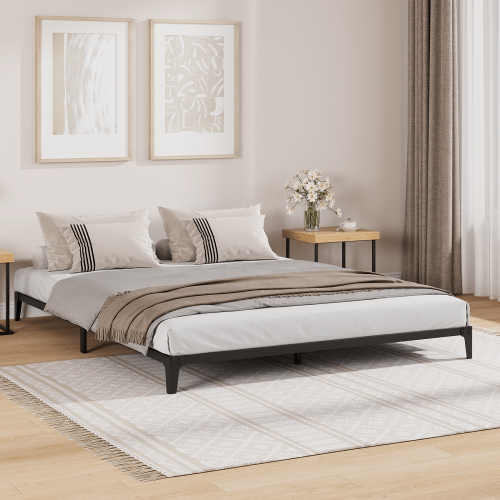
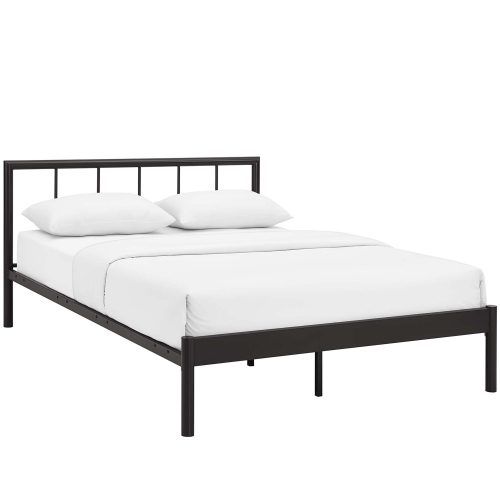
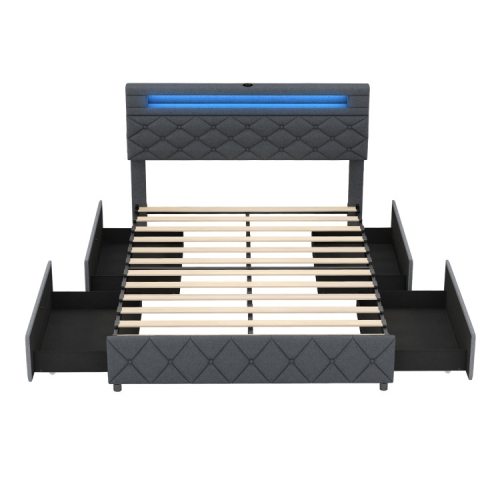
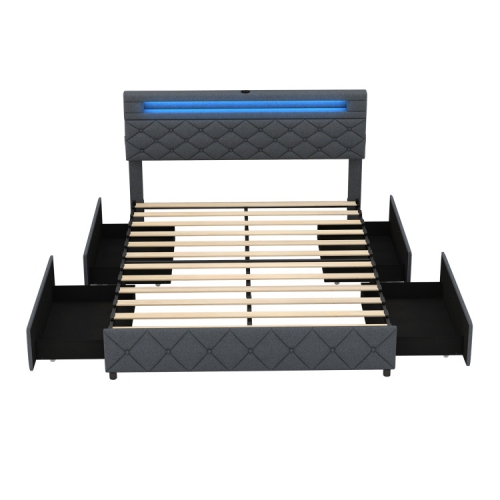

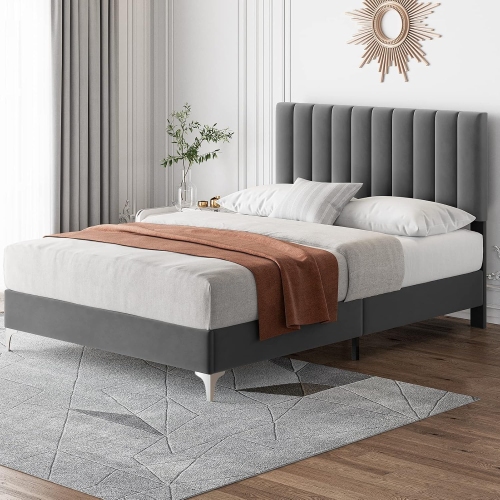
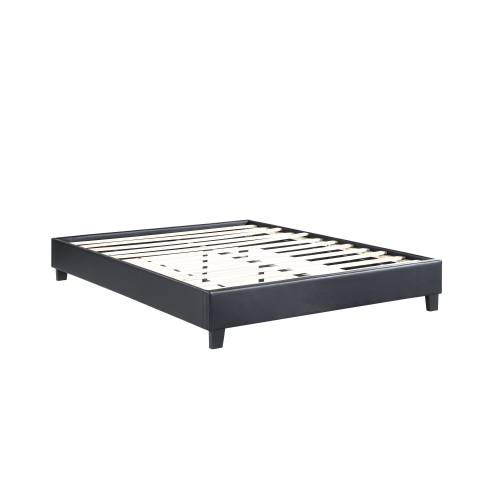
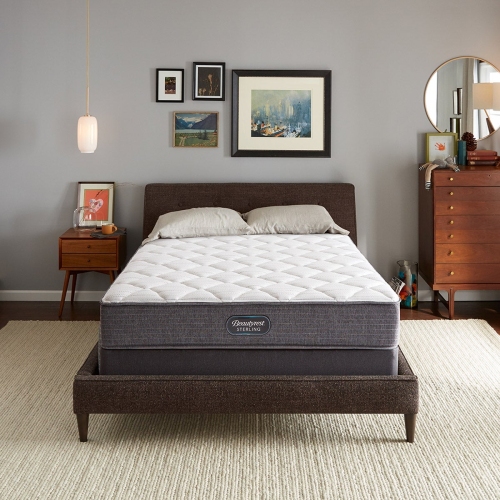


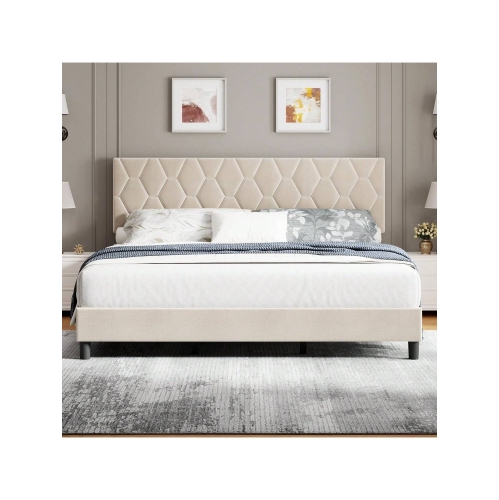
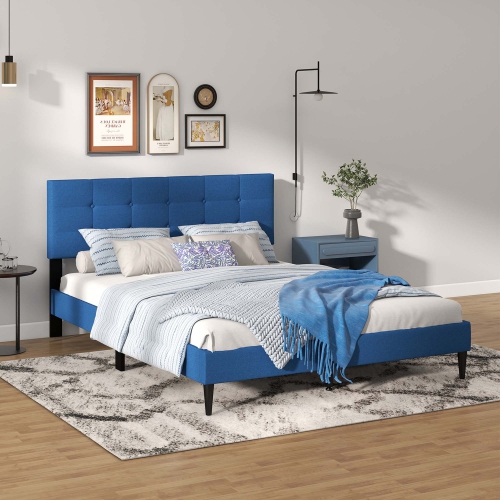


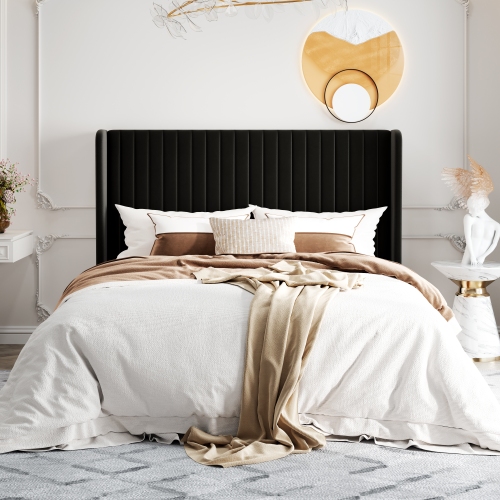

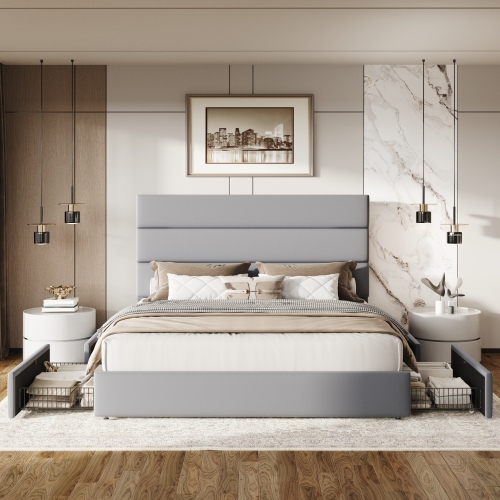
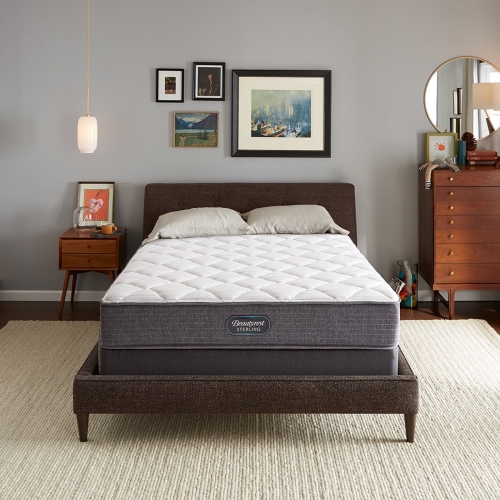
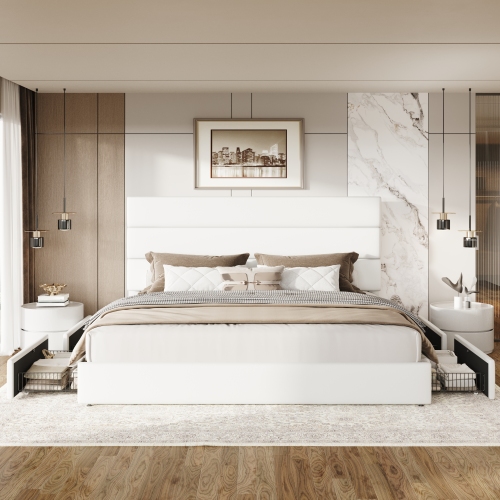
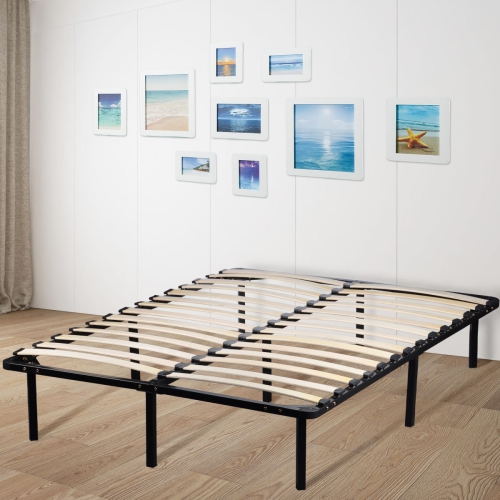


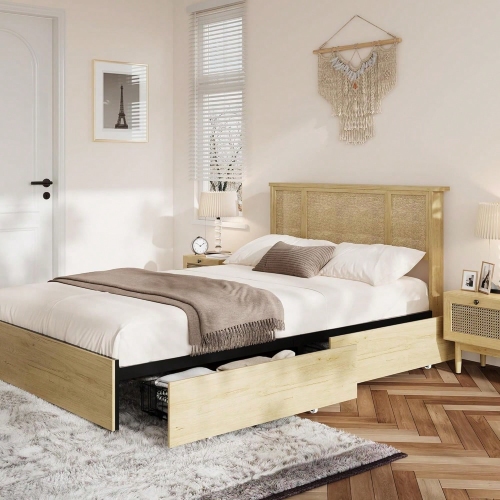
How coils and comfort layers shape mattress feel
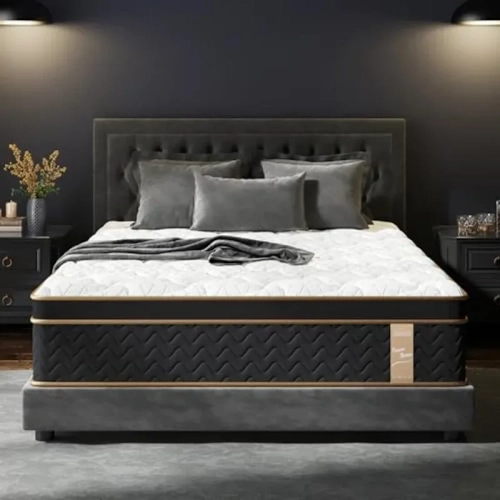
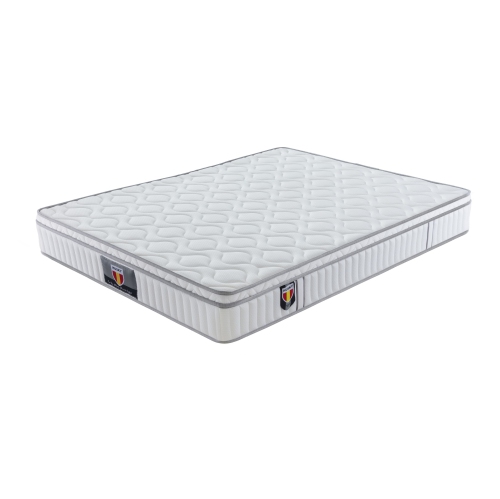
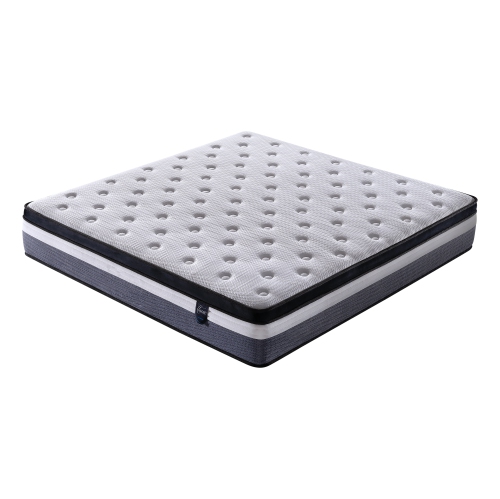
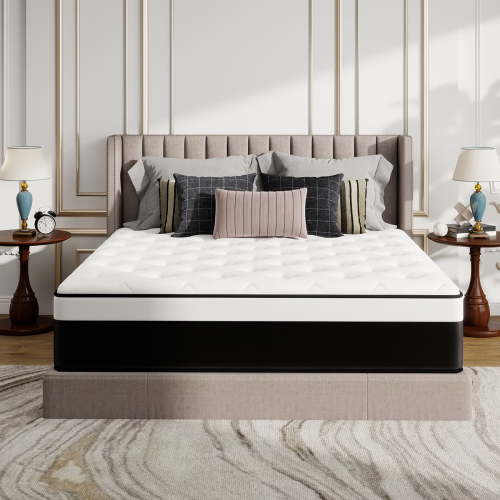
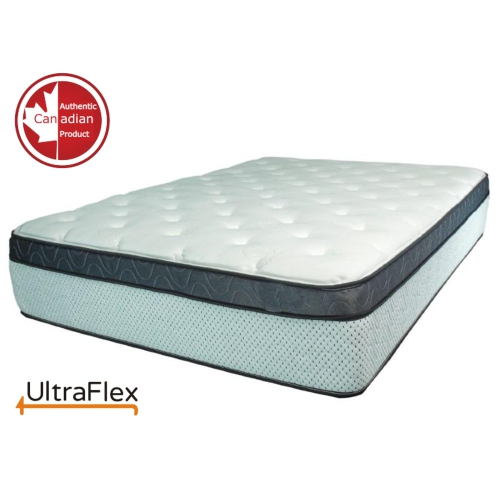
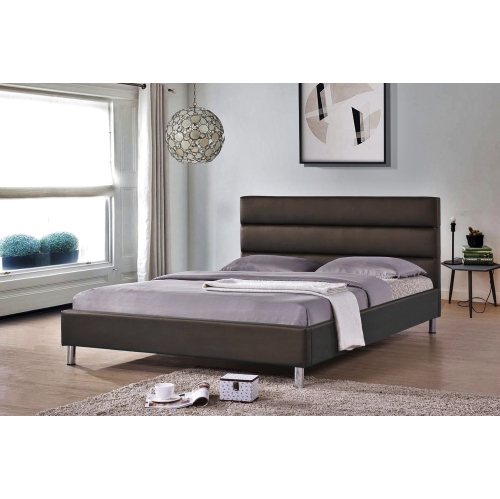
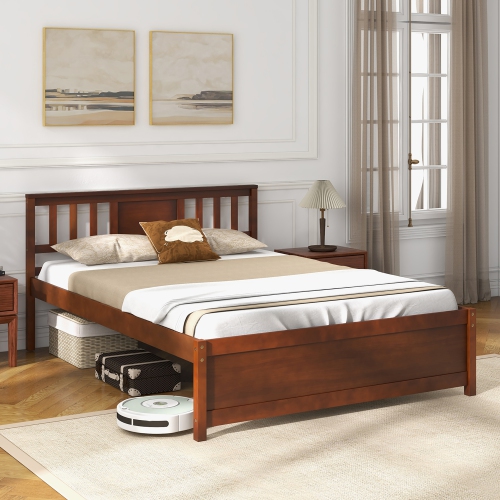
Spring beds with mattresses combine a supportive bed base or frame with a mattress built around steel coils, creating a complete sleeping setup when the required components are included. The term can describe a traditional innerspring mattress paired with a box spring, a pocket-coil mattress on a suitable foundation, or a bed frame bundled with a compatible spring mattress. The distinction matters because a mattress, foundation, and frame each perform a different job: the mattress cushions the body, the foundation supports the mattress, and the frame holds the sleeping surface above the floor. Traditional innerspring designs generally use connected coils that respond together under pressure, giving the mattress a familiar, responsive feel. Pocket-coil designs place individual springs inside fabric pockets, allowing them to compress more independently and helping limit movement across the bed. For two people sharing a mattress, that difference may be noticeable when one person turns over or gets out of bed. Comfort layers above the springs can include quilted fibre, polyurethane foam, memory foam, or latex, depending on the construction. These layers influence how closely the surface contours around the shoulders and hips, while the coil system contributes to support and responsiveness. A pillow-top or Euro-top adds cushioning near the surface, but a thicker top does not automatically mean a softer or more supportive mattress. Firmness is also distinct from support: a mattress can feel plush while still providing a stable base beneath the body. Side sleepers often appreciate cushioning at pressure points, while back and stomach sleepers may prefer a surface that limits excessive sinking. Personal preference, body weight, and sleeping position all affect how a mattress feels. Reinforced edges can make sitting to put on socks or sleeping near the side feel more secure, although edge construction varies between designs. For a shared bed, the balance between surface comfort, movement transfer, and usable sleeping space is often more meaningful than any single construction detail.
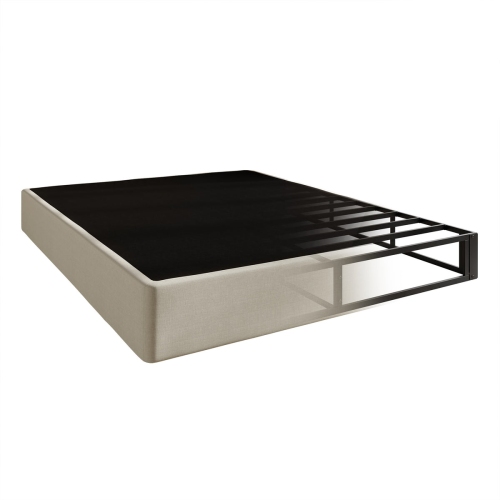
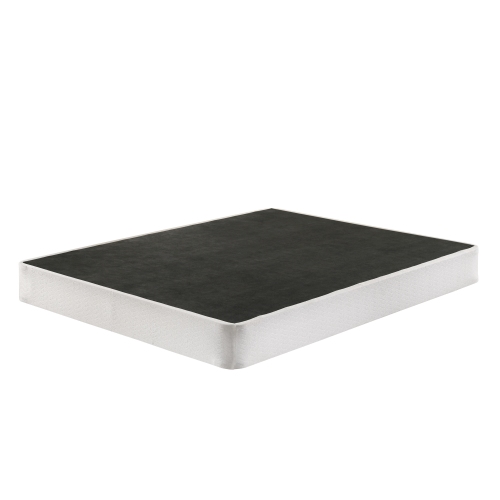
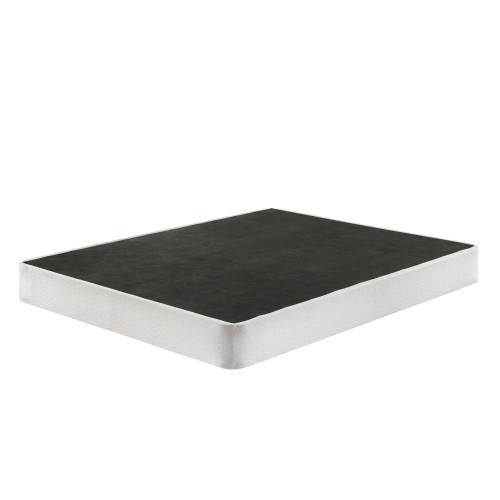
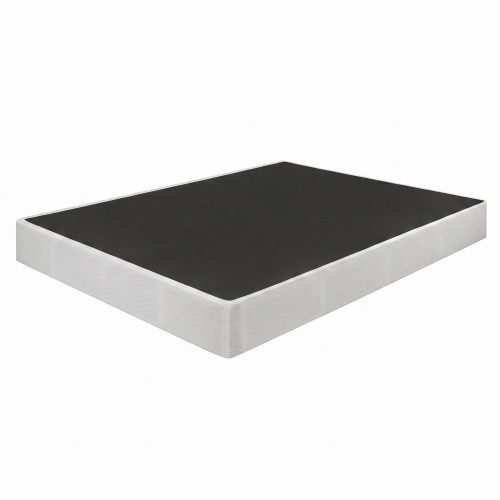
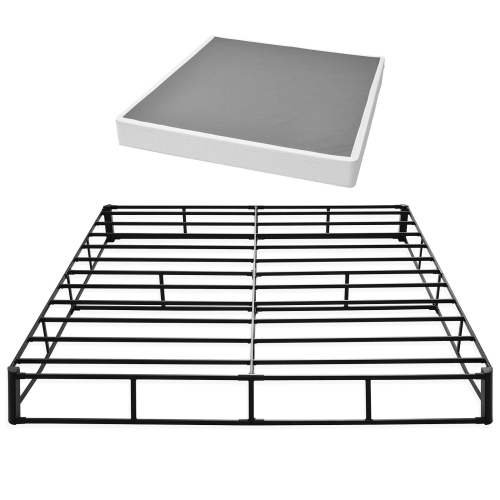
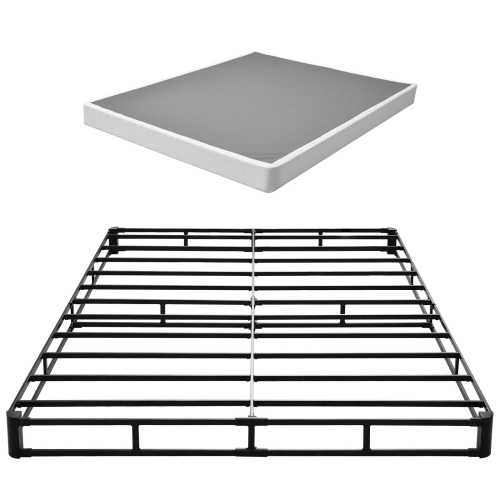
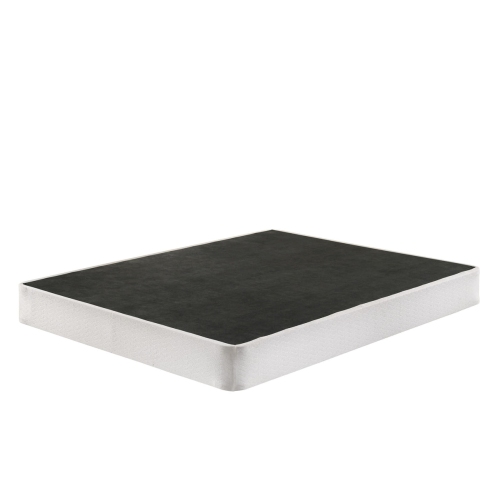
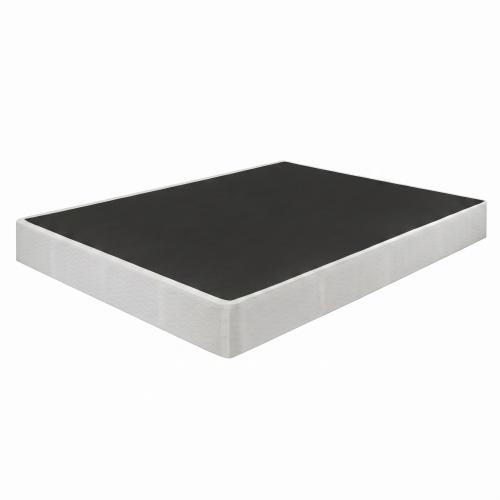
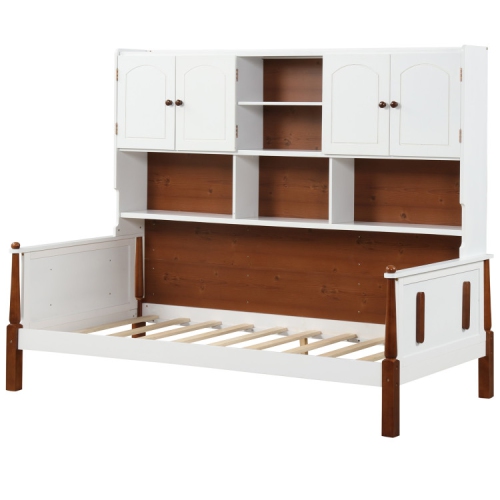
The fit of a spring bed and mattress extends beyond choosing twin, double, queen, or king. A mattress should match the frame’s stated dimensions, with enough clearance for bedding but without large gaps around its edges. A twin can suit a child’s bedroom or a compact guest room, while a double provides more width for a single sleeper who likes room to stretch. Queen and king sizes offer additional space for couples, provided the bedroom can still accommodate bedside tables, open drawers, and comfortable walking routes. In a smaller condo, the difference between a slim metal frame and a broad upholstered headboard can be substantial, even when both hold the same mattress size. Compatible Mattress Bed Frames provide the structure beneath the mattress, and their support design matters as much as their appearance. Closely spaced slats, a solid platform, or a separate foundation may be required, depending on the mattress manufacturer’s specifications. A traditional box spring contains springs, whereas many foundations sold for mattress support use a rigid structure without springs; the two are not automatically interchangeable for every mattress. Some platform beds need no separate foundation, while other frames are designed to hold one. Centre supports and suitable support legs are particularly important on wider beds, and the combined weight of the mattress and sleepers must stay within the bed’s stated capacity. Finished bed height also deserves attention. A deep mattress on a tall foundation can make getting into bed awkward, while a low platform may be harder to rise from for someone with limited mobility. Under-bed drawers or open clearance can provide useful storage, but drawers need space to extend and stored belongings should not obstruct required support components. Delivery access is another practical consideration: narrow staircases, tight hallway turns, and lift dimensions can affect whether a rigid foundation or large headboard reaches the bedroom easily. Upholstered frames bring a softer finish, wood adds grain and texture, and metal often creates a lighter visual outline.
A well-matched spring bed and mattress can serve as an everyday sleeping space, a first proper bed for a growing child, or a comfortable place for overnight guests. The intended use helps determine which details deserve the most attention. A frequently used primary bed benefits from a construction that suits the sleeper’s preferences night after night, while a guest bed often works best with a balanced feel that accommodates different sleeping positions. For a teenager, extra length may matter more than a wider headboard; for someone furnishing a first apartment, a frame that can be taken apart may make future moves simpler. A bed and mattress can also be a thoughtful household gift when the recipient has helped choose the size and comfort level, since mattress feel is highly personal. Long-term care begins with the support underneath: uneven slats, loose fasteners, or a poorly supported centre rail can contribute to movement, noise, and uneven wear. Periodic checks of the frame’s connections help keep the structure stable, especially after a move or reassembly. A washable mattress protector helps keep everyday spills and marks away from the mattress surface, while bedding should fit the mattress depth without pulling tightly at the corners. Mattress care depends on its construction. Many modern spring mattresses are designed to be rotated from head to foot but not flipped, particularly when their comfort layers are concentrated on one side. The care label and manufacturer’s directions take precedence over a general routine. Upholstered headboards may need gentle vacuuming, wood surfaces benefit from appropriate cleaning without excess moisture, and metal frames should be kept dry and checked for loosened joints. Durability depends on the quality of the complete construction and how it is used, rather than coil count alone. Persistent sagging, uneven support, or a change in comfort can signal that a mattress or its base needs attention. Keeping the mattress properly supported and the frame securely assembled helps preserve a stable, comfortable place to sleep.
Top selling and popular products
-
 Your price for this item is $1199
-
 Your price for this item is $644
-
 Your price for this item is $696.5
-
 Your price for this item is $591.5
-
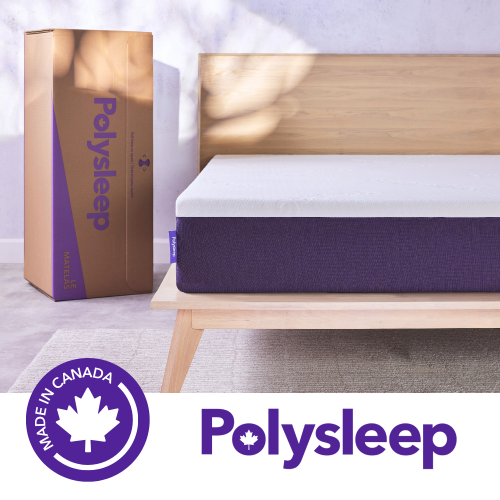 Your price for this item is $906.5
-
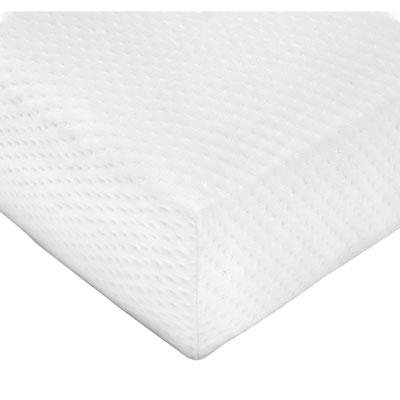 Your price for this item is $159.99
-
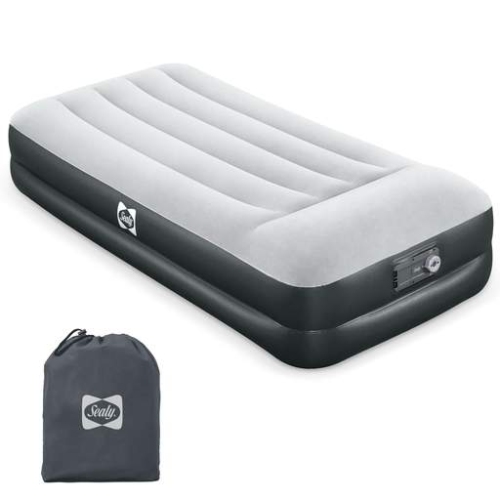 Your price for this item is $133.99
-
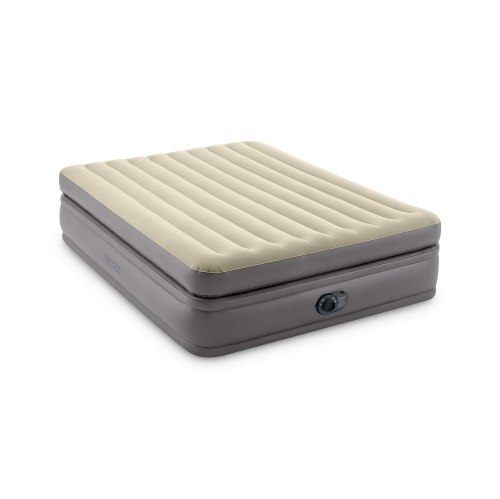 Your price for this item is $239.99
Discover more categories related to Spring Beds With Mattress
Top Collections:
Best Black Friday Deals This Year, Best Black Friday Deals On Electronics, Kindle Devices, Best Black Friday Deals On Apple Products, Best Budget Office Chairs, Best Cameras for Sports Photography, Dyson Airwrap, Canon G7X Cameras, Best Laptops for Writers, Samsung Galaxy Phones
Some products may be subject to Environmental Handling Fees
(EHF) depending on your province.
Learn more about EHFs.