Stainless Steel Bracelets
Stainless steel bracelets are a classic and timeless accessory for both men and women. These types of jewelry are known for their strength and durability, as well as their attractive luster and shine. Here are some great options available.
Sort

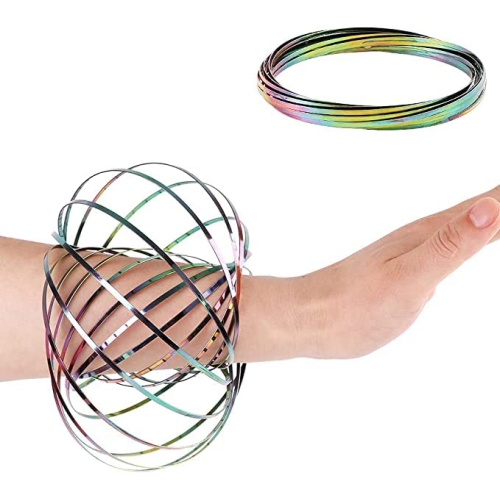
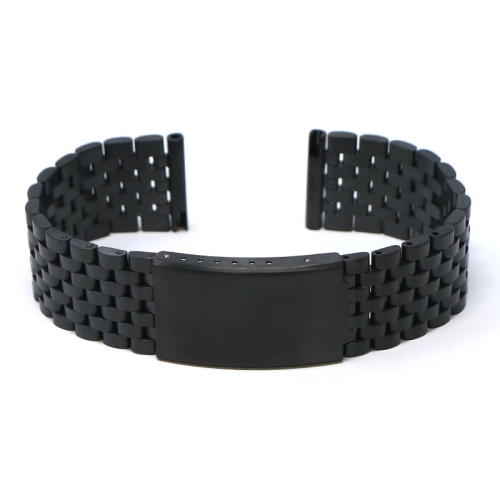

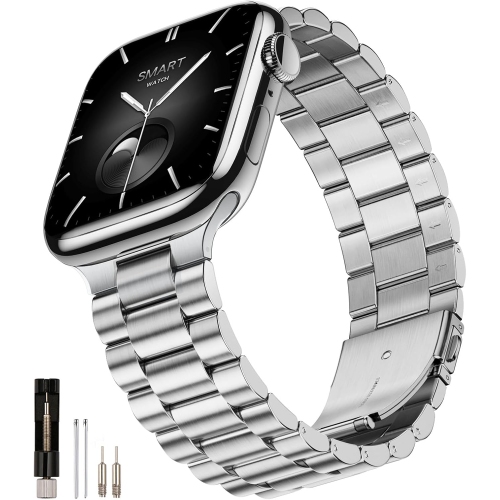


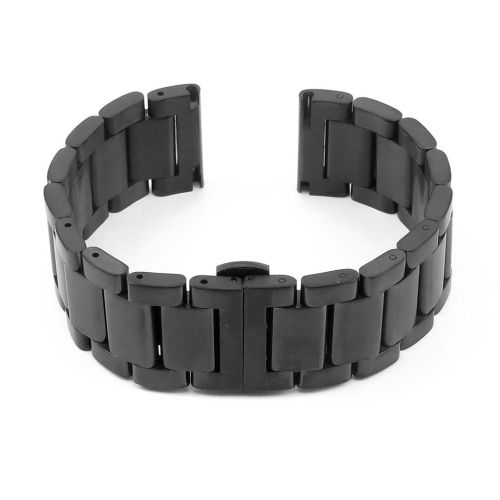



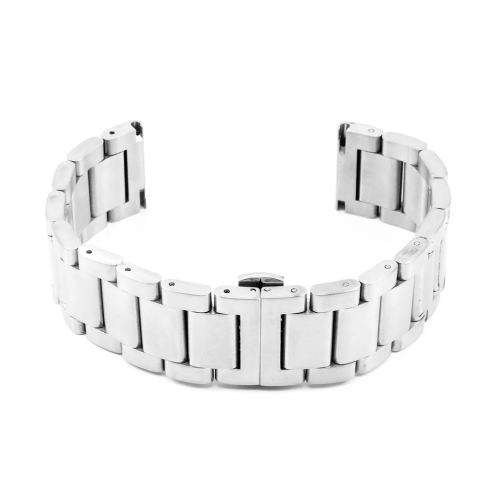


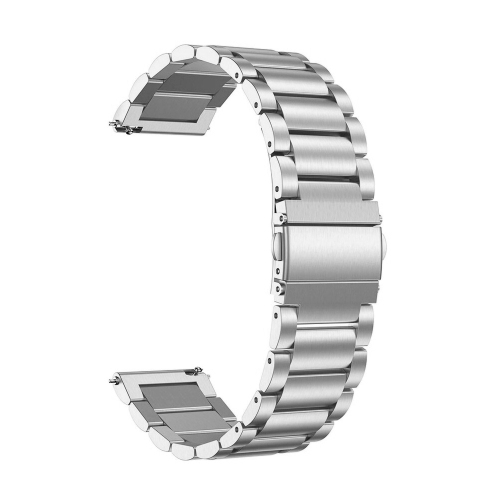

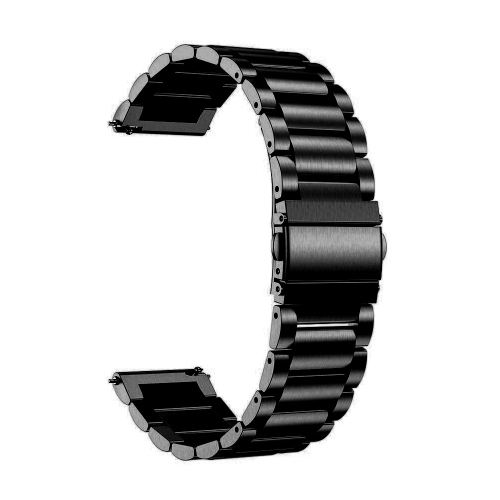
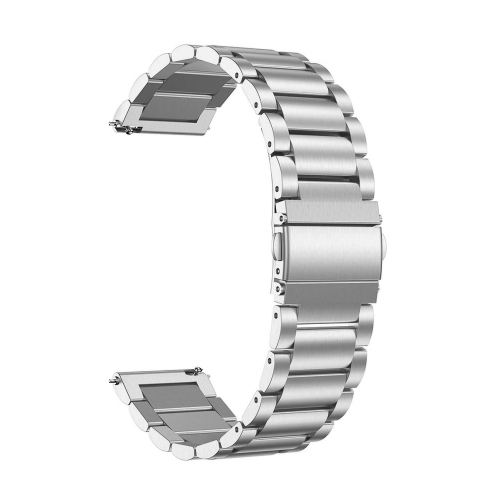
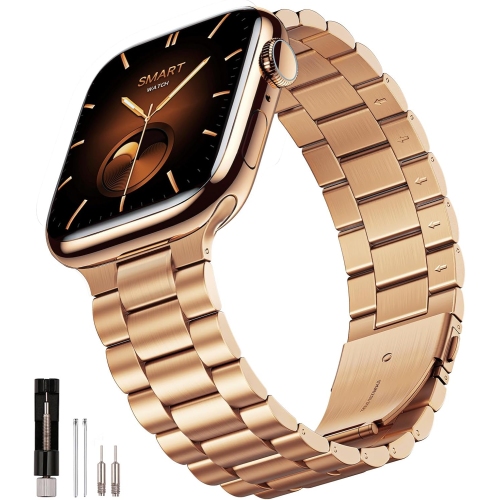
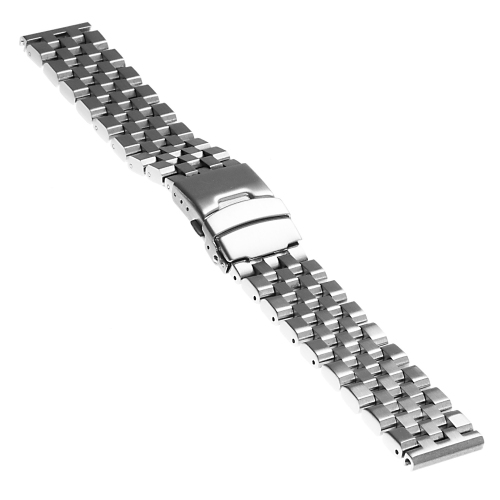
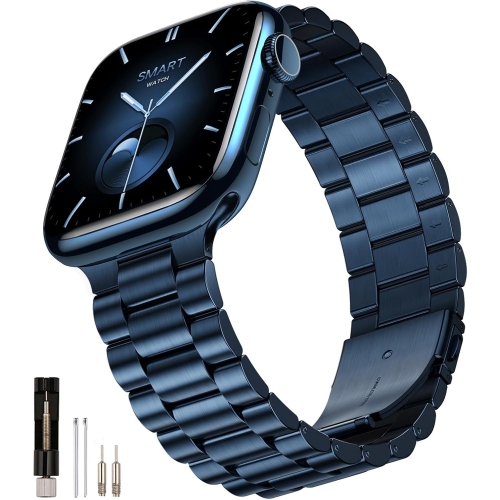
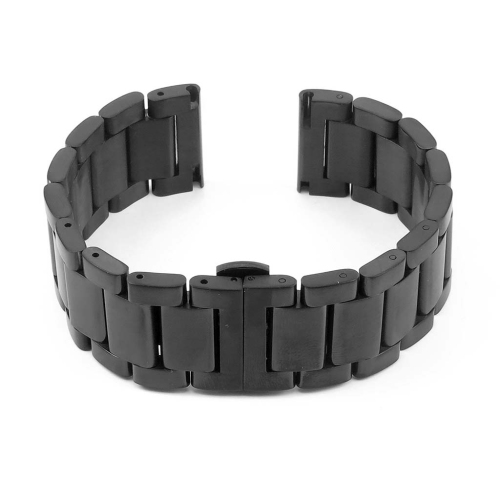
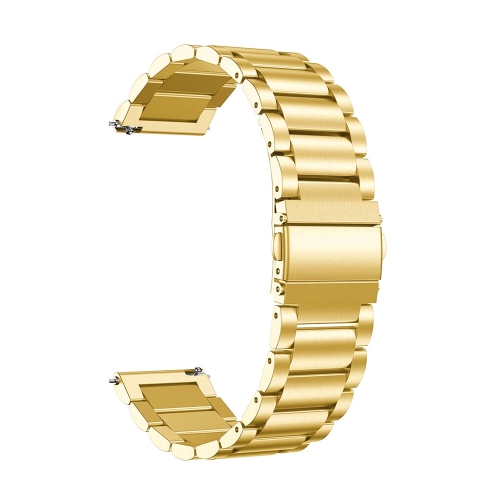


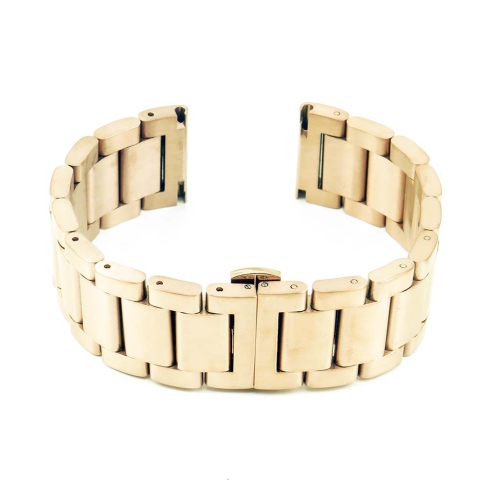


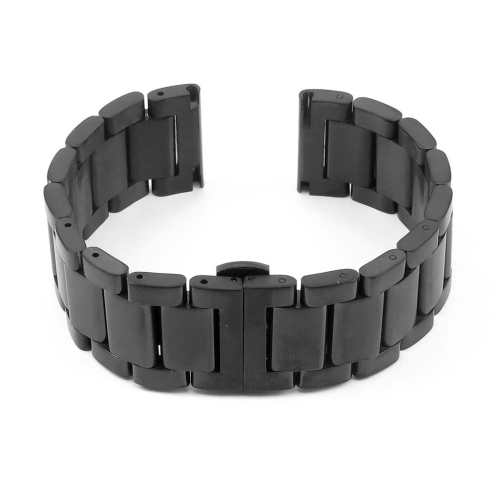


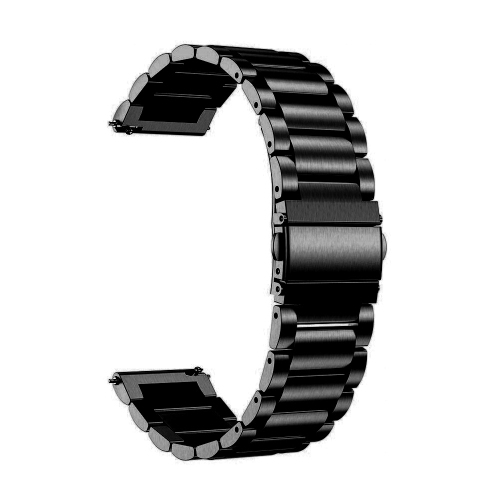
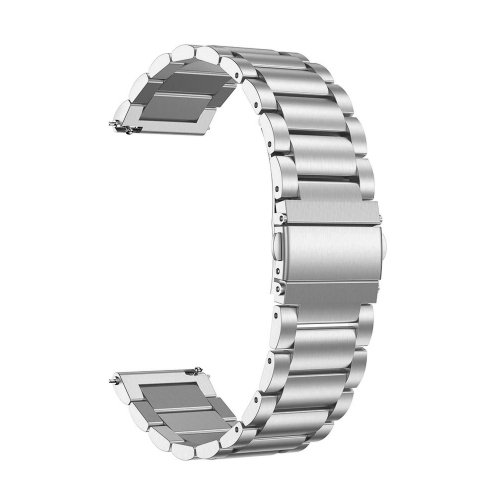
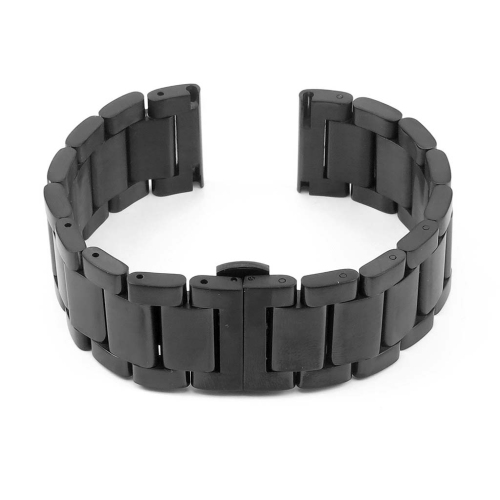


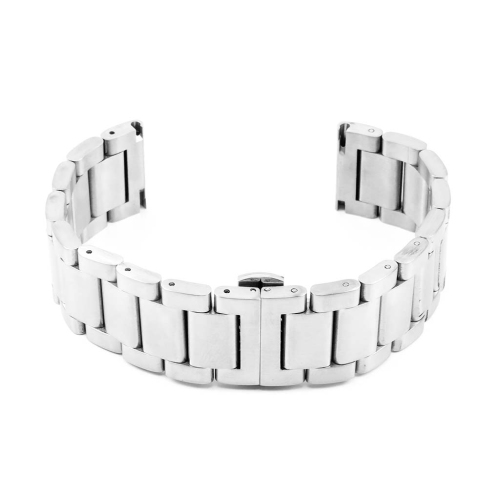


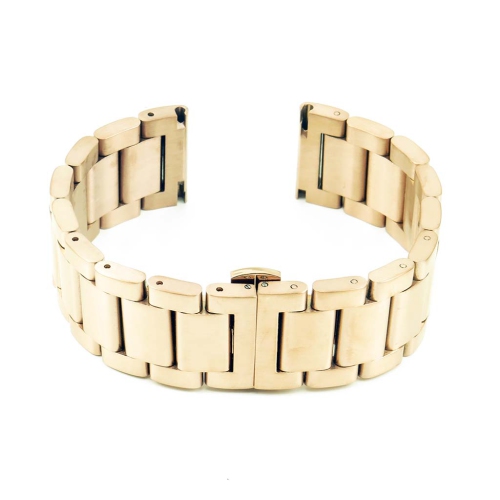
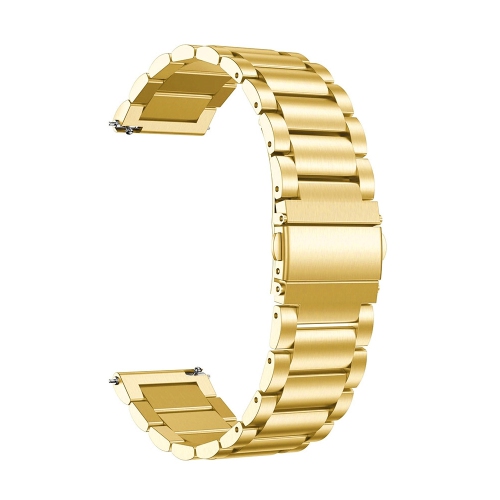
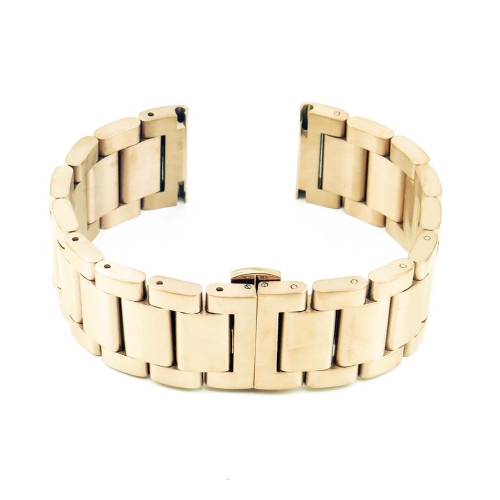


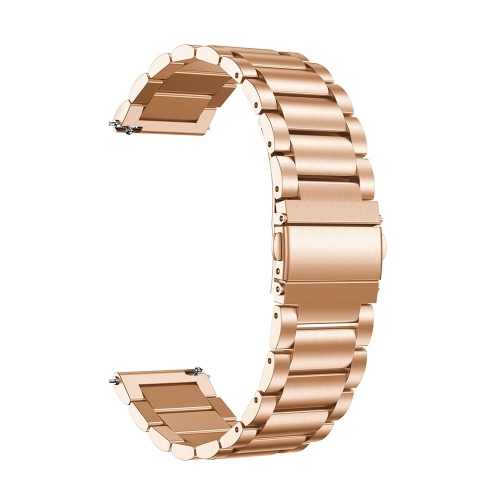
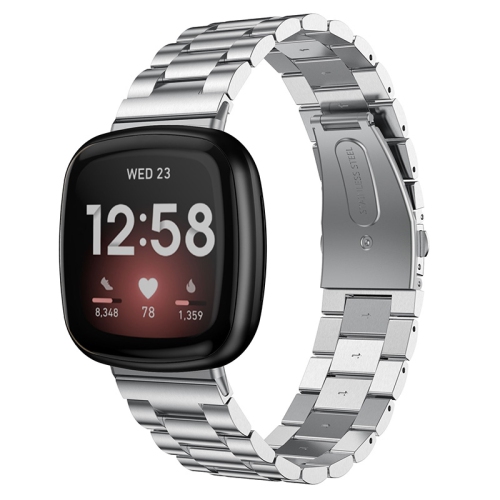


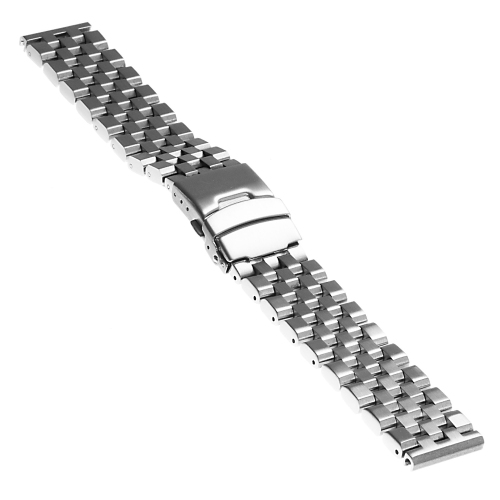


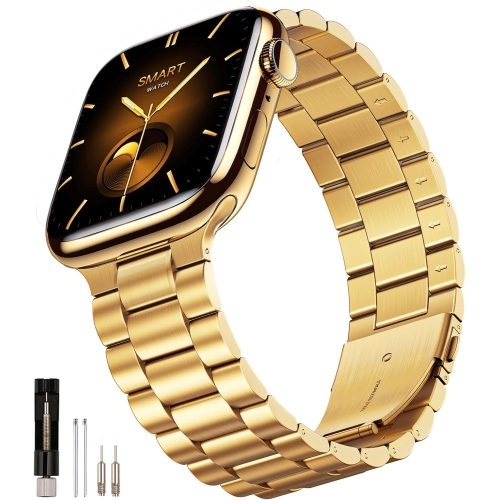

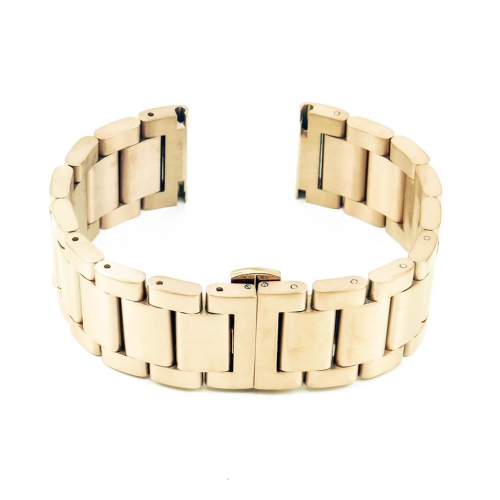

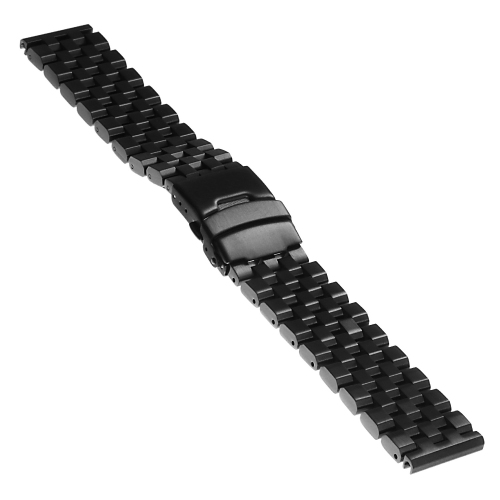


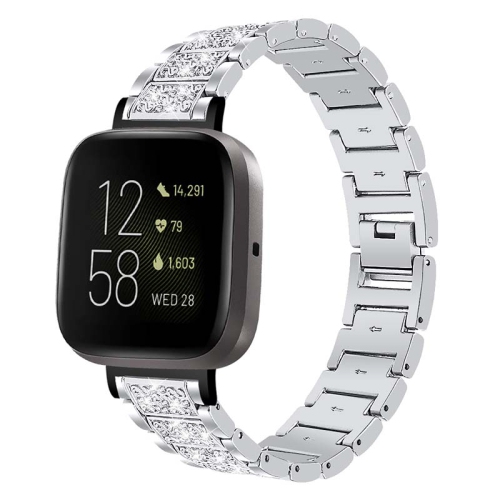

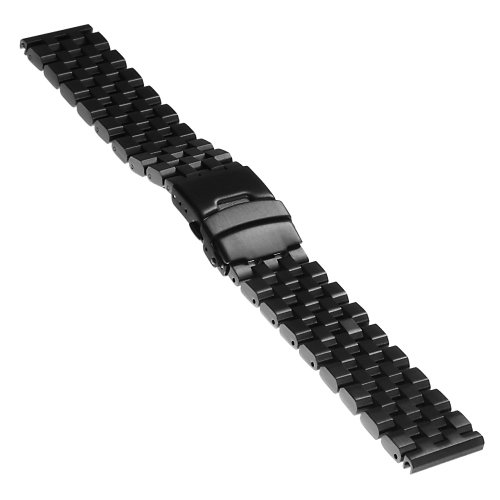
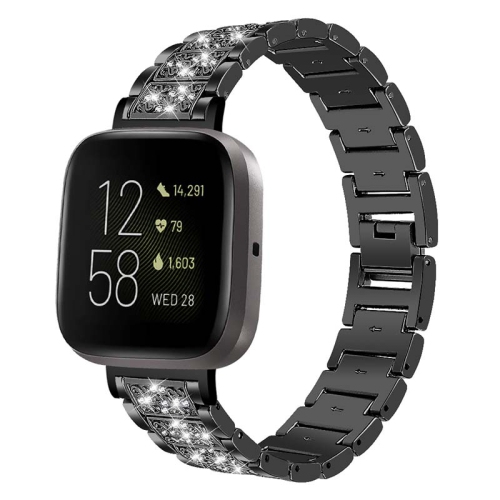

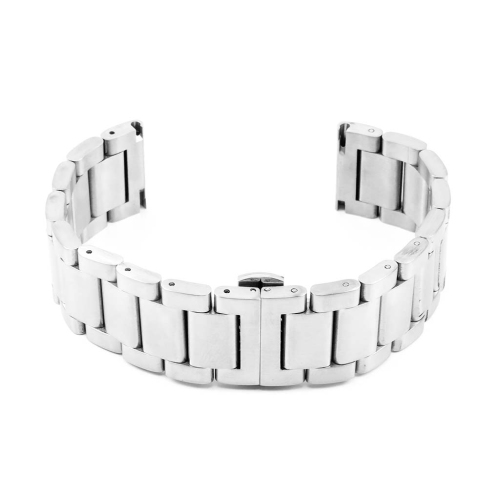

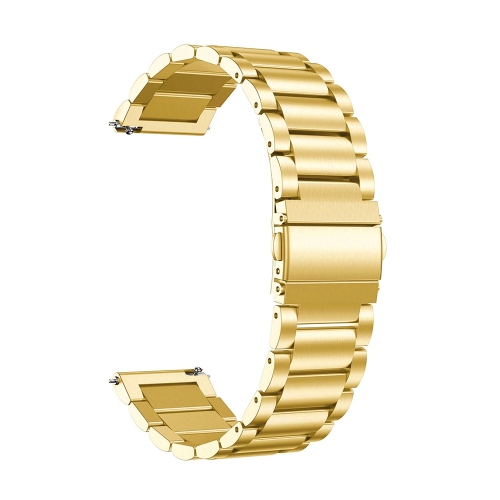


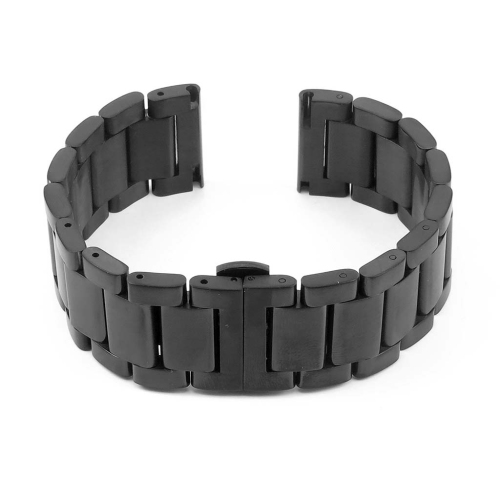

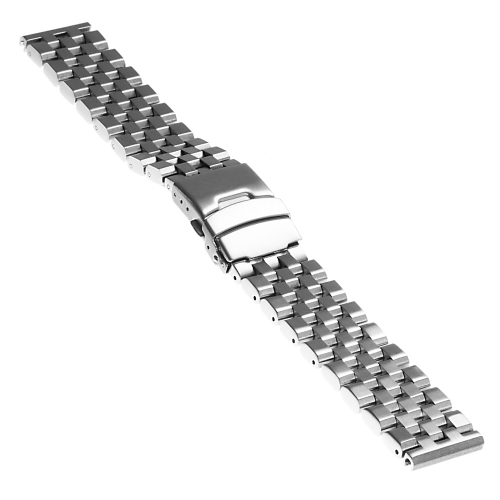


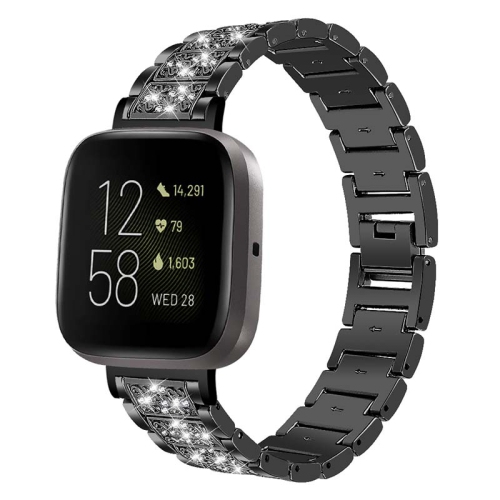


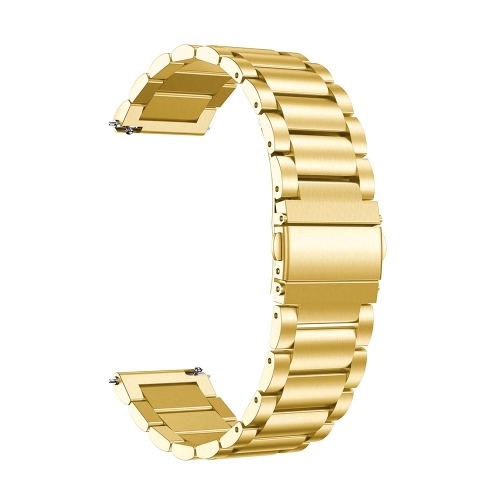


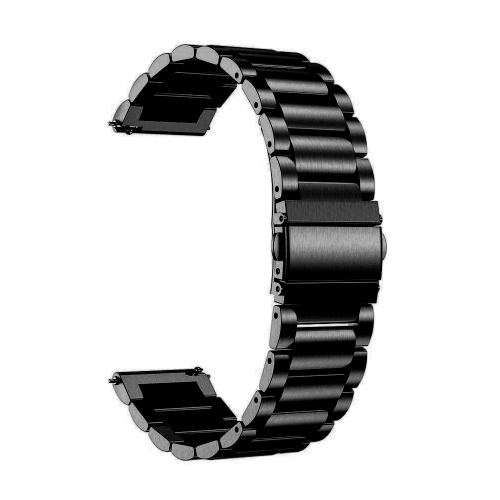


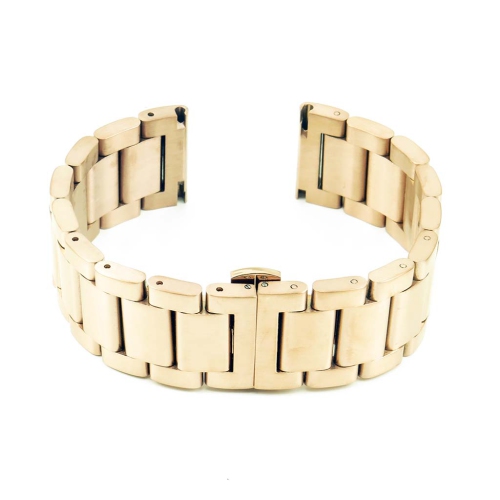


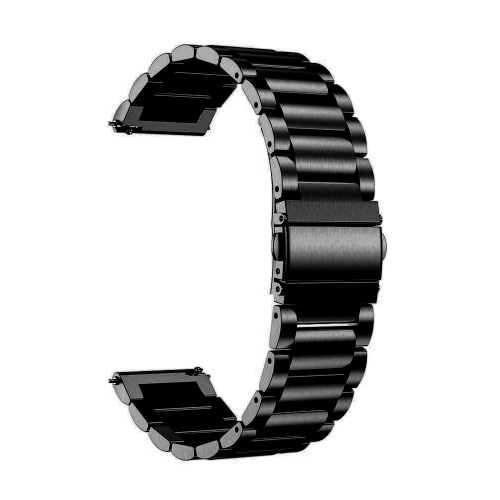
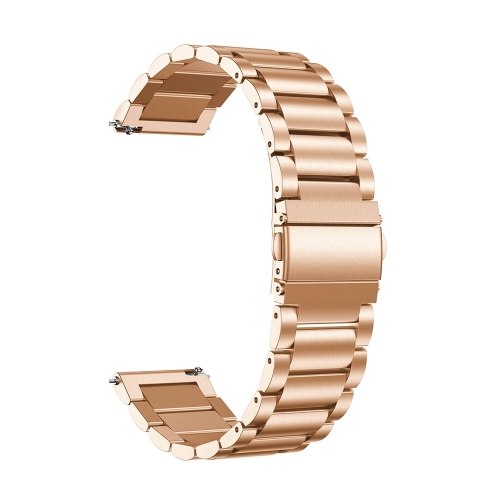


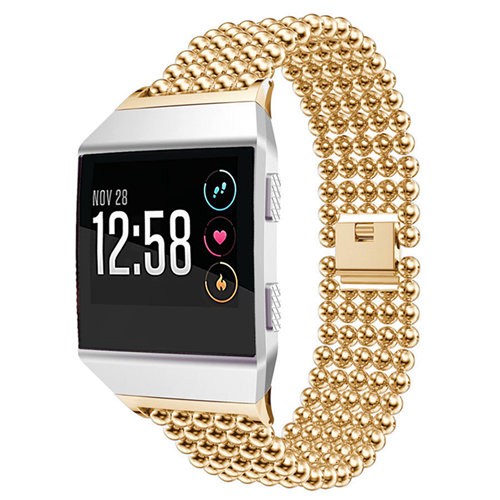
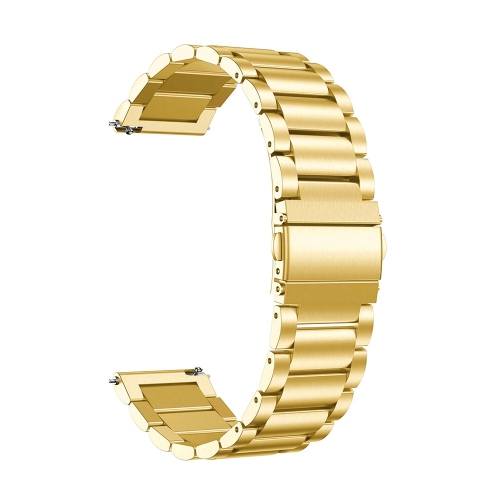


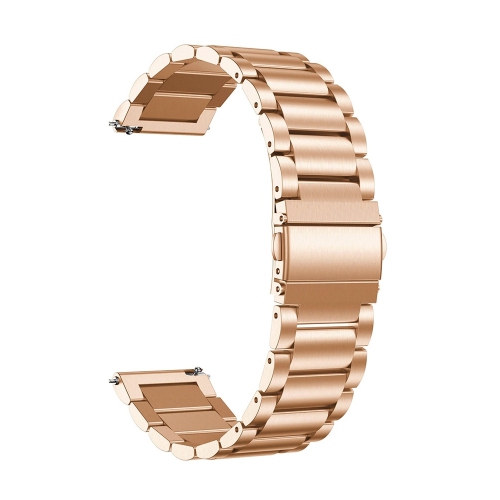


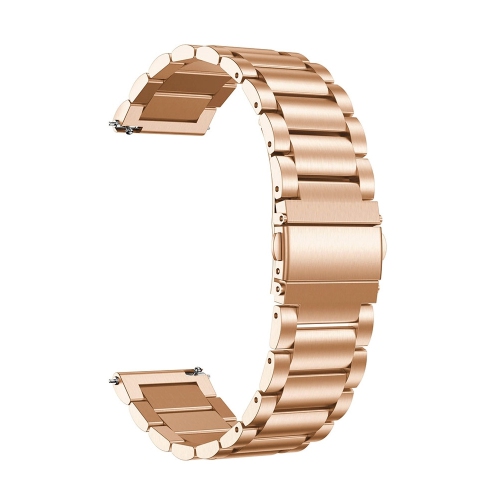

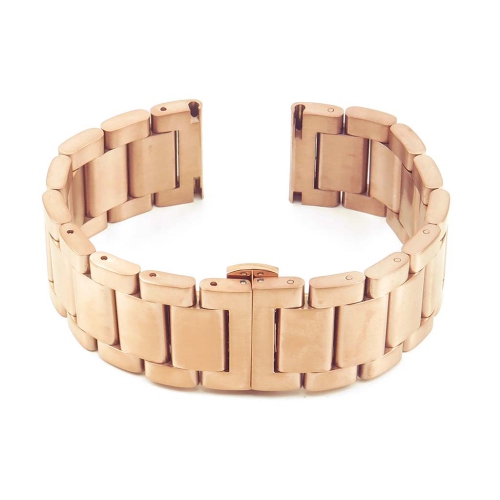


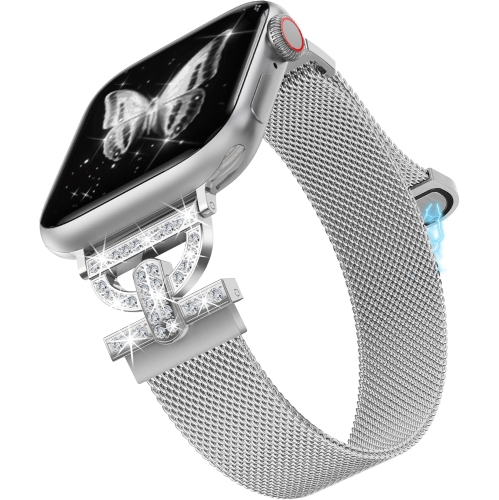
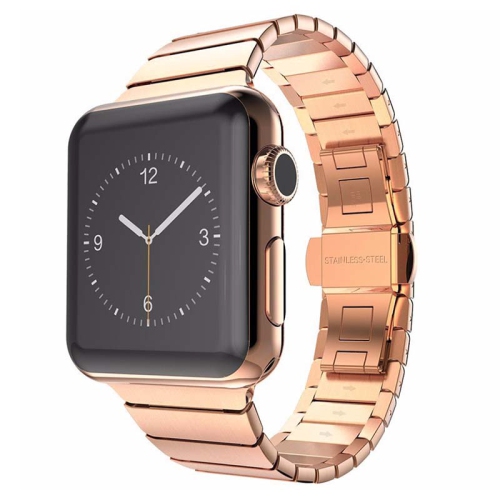


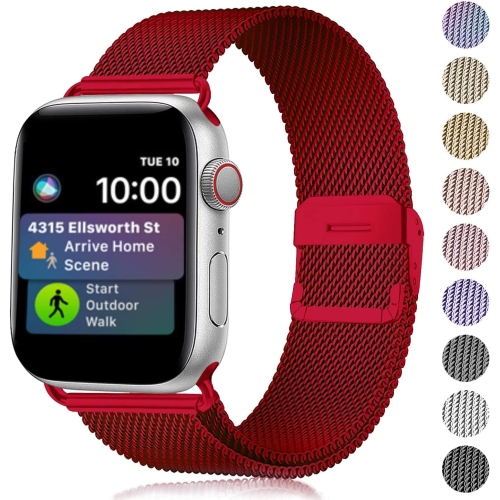


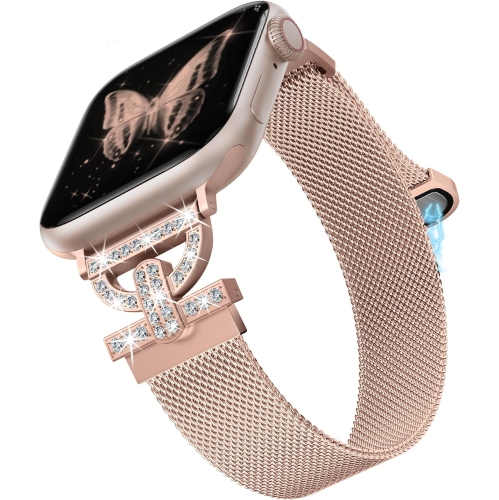
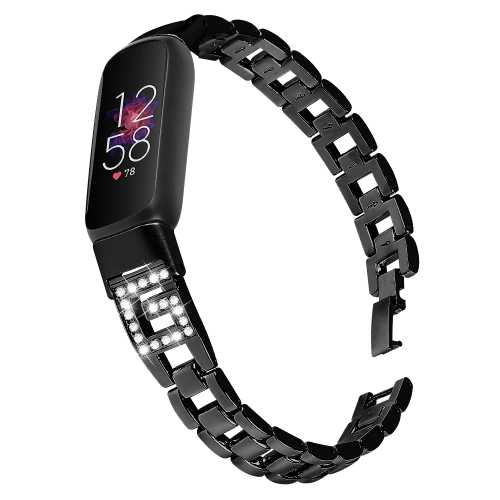


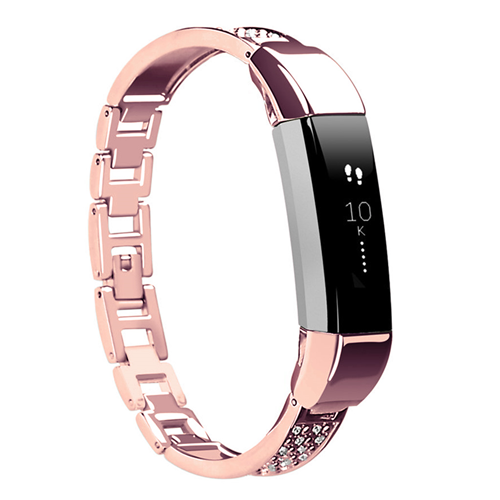
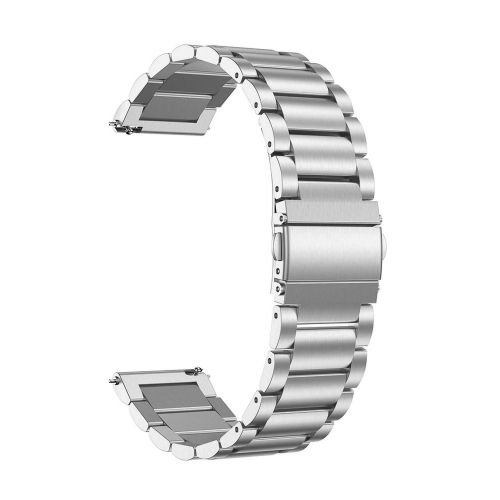
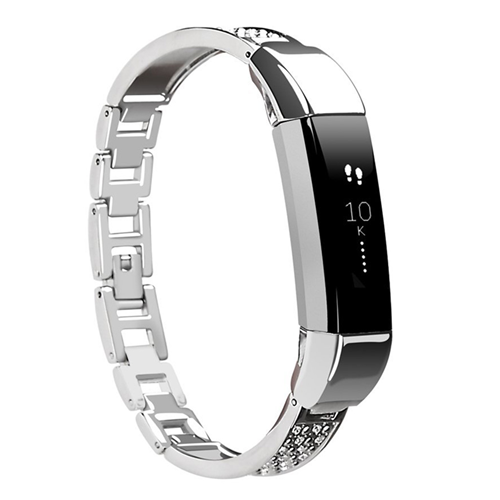


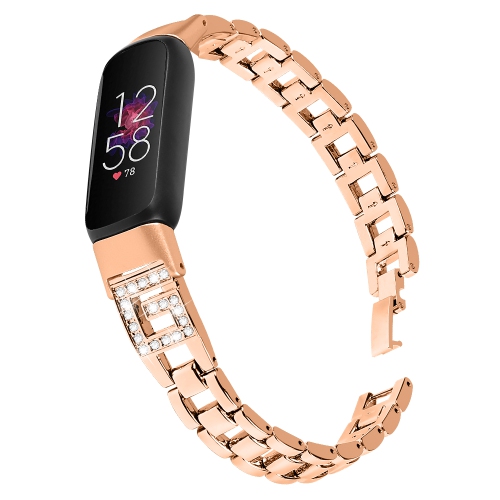

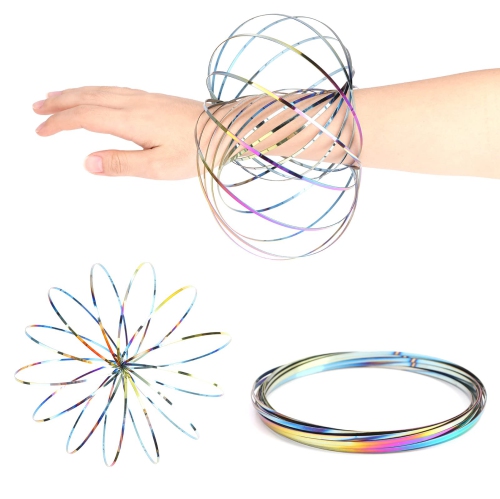


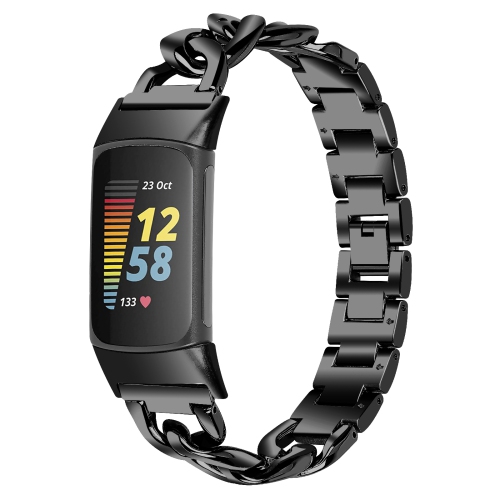

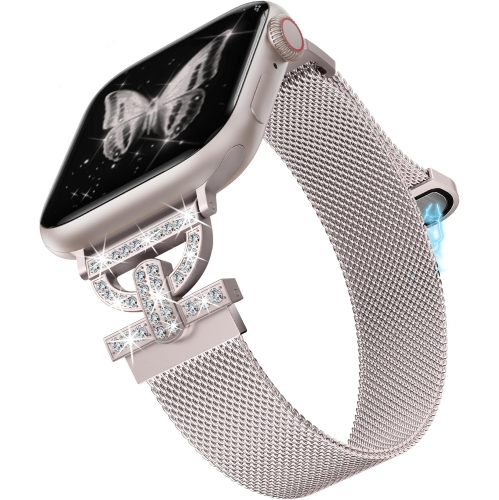
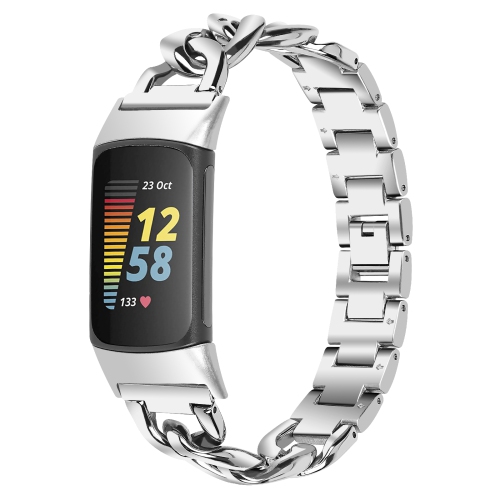


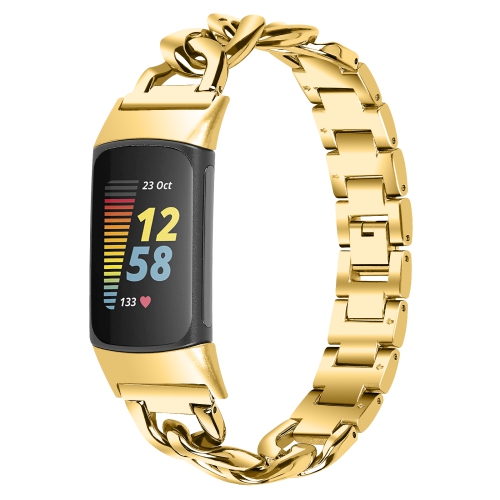

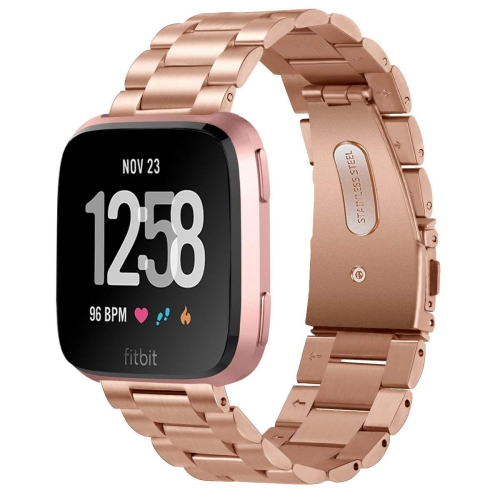
From subtle chains to cuffs with a bold presence
Stainless steel bracelets combine the strength of metal jewellery with a wide range of finishes, shapes, and link patterns. Their appeal lies partly in their versatility: a slim chain can sit quietly beside a shirt cuff, while a broad curb link or solid cuff gives a simple outfit a more substantial focal point. Stainless steel contains chromium, which helps form a protective surface layer that resists corrosion. This makes it a practical material for frequently worn jewellery, although resistance to tarnish and rust does not mean that every bracelet is scratchproof or suitable for constant exposure to water. The design matters as much as the metal. Curb chains have interlocking links that lie relatively flat, Figaro chains alternate link lengths, and rope or wheat patterns create a more textured appearance. Bangles offer a defined circular shape, while open cuffs frame the wrist without a continuous chain. ID-style bracelets introduce a smooth plate that contrasts with the surrounding links; whether that plate can be engraved depends on its construction and finish. Polished steel reflects light with a bright, mirror-like effect, whereas brushed surfaces have a softer sheen that can make small handling marks less noticeable. Silver-tone finishes show the familiar appearance of steel, while gold-tone, rose-gold-tone, and black finishes may rely on plating or other surface treatments. Those finishes can wear differently from the underlying metal, especially at edges and points of contact. Mixed-material designs may pair steel with leather, beads, or other accents, adding texture but also changing the bracelet’s care requirements. Styles described as men’s, women’s, or unisex can overlap considerably; wrist size, link width, weight, and personal taste are usually more useful distinctions. For everyday dressing, a narrow profile feels understated, while heavier links can suit someone who prefers jewellery with a noticeable presence.
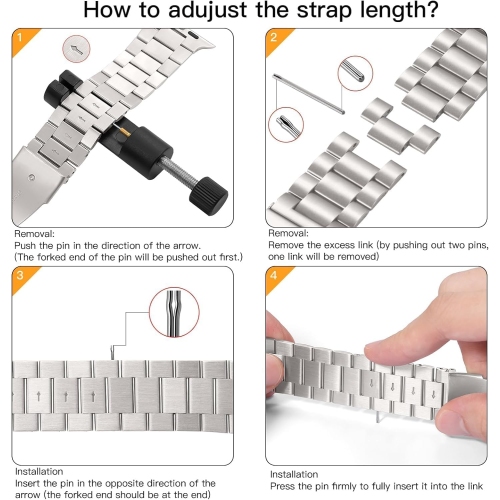
A comfortable fit depends on both wrist circumference and bracelet construction, so a single standard length is not reliable for everyone. A flexible tape measure placed around the wrist where the bracelet will sit provides a useful starting point. For many flexible chain bracelets, adding approximately 1 to 2 cm allows some movement, but this is only a starting range: broad links, a substantial clasp, personal preference, and the maker’s sizing instructions can all affect the best fit. The listed length may include the clasp, and a thick bracelet can have less usable space around the wrist than a fine chain of the same overall length. A close fit should still allow comfortable movement without pinching, while a looser fit should not slide so far down the hand that it catches during ordinary tasks. Someone who spends much of the day typing may prefer a flatter, lighter design that stays clear of the desk surface. A bracelet worn beside a watch needs enough separation to reduce repeated rubbing between the two pieces. Rigid bangles require a different measurement because they must pass over the widest part of the hand, not simply fit around the wrist. For open cuffs, the opening and inner dimensions matter, and the metal should not be repeatedly bent to change the fit unless the design specifically permits adjustment. Closures also influence everyday ease. Lobster clasps, toggle closures, fold-over clasps, and sliding adjustments each have a different feel, particularly when fastening a bracelet one-handed. Smooth link edges and a clasp that sits comfortably against the skin are worth considering alongside appearance. For sensitive skin, stainless steel should not automatically be treated as hypoallergenic. Some alloys, including many forms of 316L steel, contain nickel, and individual reactions vary. Clear material information is more useful than a broad label such as “surgical steel,” especially for anyone with a known metal sensitivity. Weight deserves similar attention: a substantial bracelet may feel reassuring to one wearer and distracting to another.
Straightforward care helps stainless steel bracelets retain their finish, but the right approach depends on every material in the design. For plain steel, gentle cleaning with a soft cloth and, where the care instructions allow, mild soap and lukewarm water can remove skin oils and everyday residue. A careful rinse followed by thorough drying helps keep moisture from lingering around links and clasps. Plated finishes, attached stones, leather sections, and adhesive-set details may need a different routine, so immersing a mixed-material bracelet is not always appropriate. Abrasive pads and harsh cleaning chemicals can damage surface treatments or leave fine scratches. Perfume, lotion, and hair products are best allowed to dry before jewellery is put on, limiting residue between links and against the skin. Removing bracelets before swimming, showering, lifting weights, or handling cleaning products can reduce unnecessary exposure and prevent catching or crushing damage. Even strong steel links and secure clasps have limits, and loose jewellery is unsuitable around moving machinery. Between wears, a separate pouch or a lined compartment keeps bracelets from rubbing against other jewellery. These practical details also matter when choosing a gift. Birthdays, graduations, anniversaries, and personal milestones can all suit a stainless steel bracelet, particularly when the style reflects what the recipient already wears. A person who favours plain accessories may appreciate a clean chain or brushed cuff, while someone drawn to bold shapes may prefer wider links or a more prominent clasp. Knowing the recipient’s wrist measurement is more helpful than guessing from clothing size, and adjustment features should be checked rather than assumed. Existing jewellery offers useful clues about preferred metal tones and proportions. For someone who likes coordinated wrist accessories, Stainless Steel Watch Bands can complement a bracelet’s finish, provided the band is compatible with the watch. Matching every detail is not essential; balancing a textured bracelet with a simpler watch band can create a considered look without making the wrist feel crowded.
Top selling and popular products
-
 Your price for this item is $24.99
-
 Your price for this item is $24.95
-
 Your price for this item is $49
-
 Your price for this item is $69.99
-
 Your price for this item is $39.99
-
 Your price for this item is $38
-
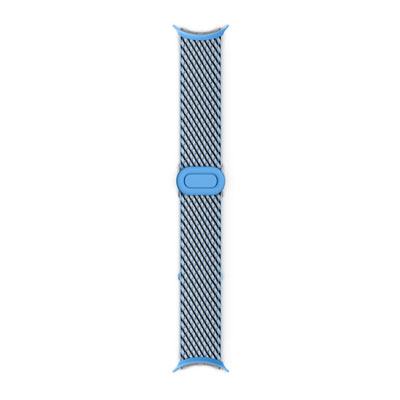 Your price for this item is $29.97
-
 Your price for this item is $45
Discover more categories related to Stainless Steel Bracelets


Top Collections:
Pokemon Centers, Kindle Devices, Best Black Friday Deals This Year, Pokémon 30th Celebration Cards, Best Black Friday Deals On Electronics, Best Cameras for Sports Photography, Best Black Friday Deals On Apple Products, Canon G7X Cameras, iPhone 15 Apple, Candle Warmer Lights
Some products may be subject to Environmental Handling Fees
(EHF) depending on your province.
Learn more about EHFs.