Stainless Steel Kitchen Bowls
Stainless Steel Kitchen Bowls are a must-have addition to any kitchen, offering versatility for meal preparation, mixing, and serving. Whether you’re baking, tossing salads, or organizing ingredients, these bowls provide reliable performance for everyday tasks. Explore a wide selection of Stainless Steel Kitchen Bowls to find the ideal sizes and styles that fit seamlessly into your cooking routine and kitchen décor.
Sort
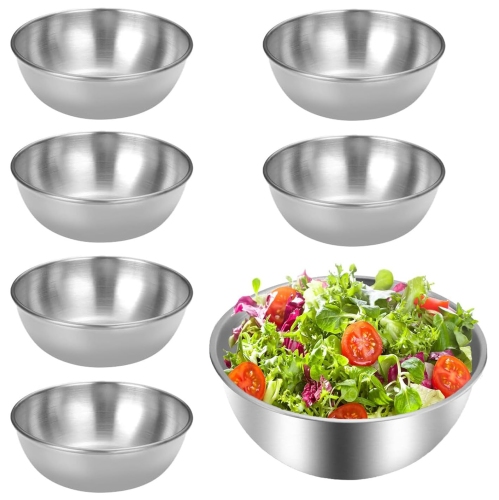

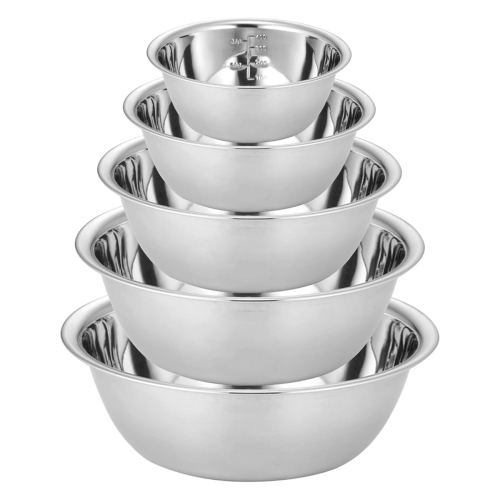

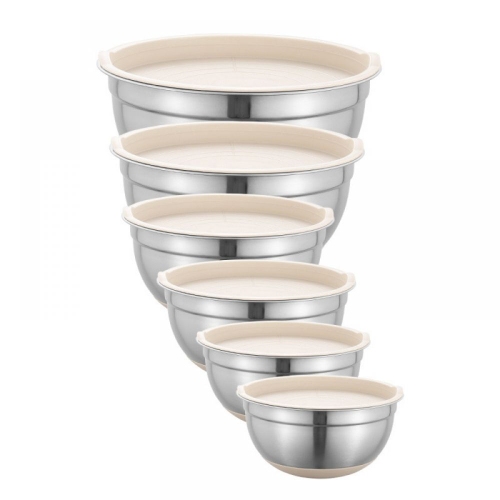

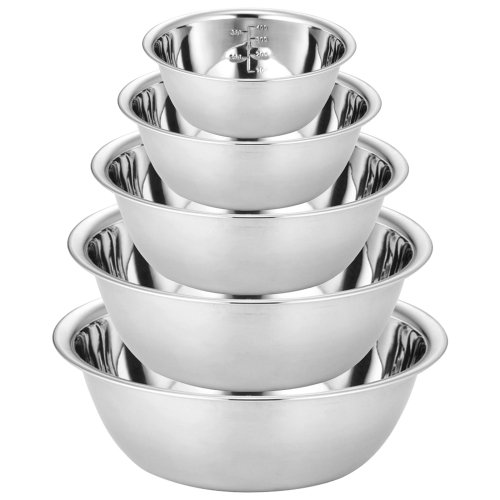





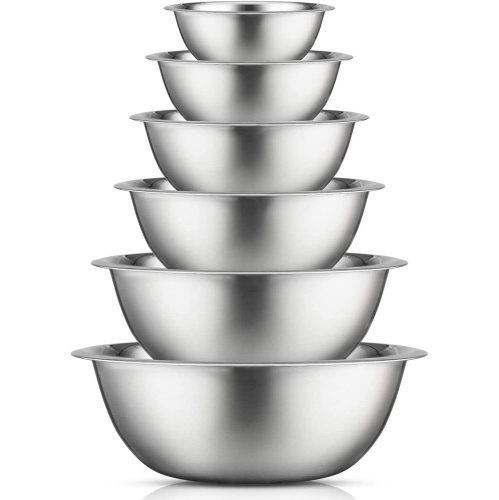

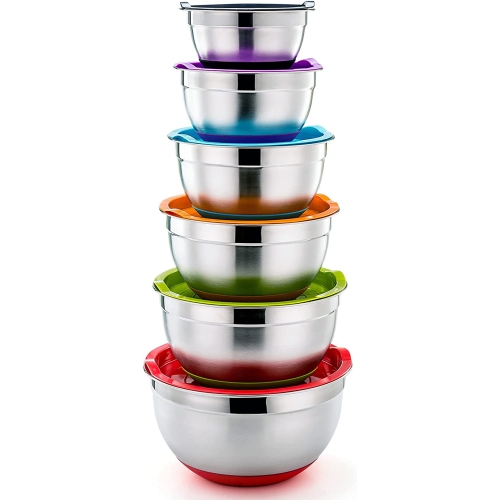


Lightweight bowls that stand up to everyday mixing
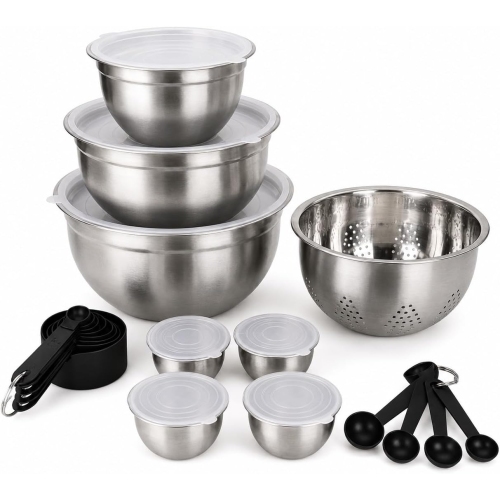
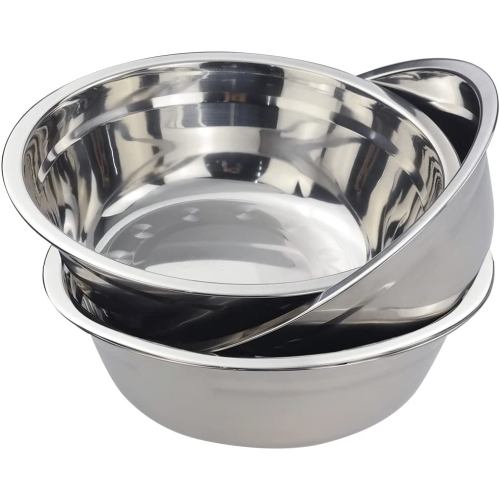
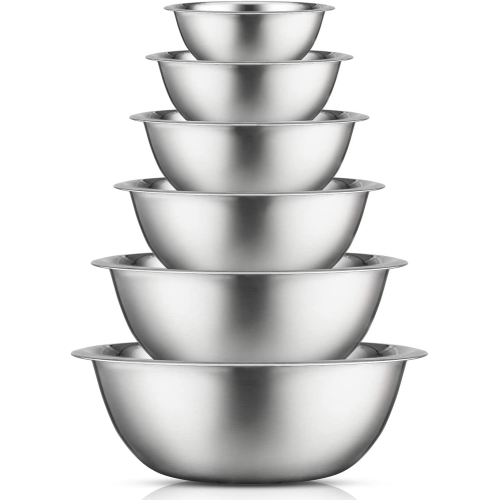
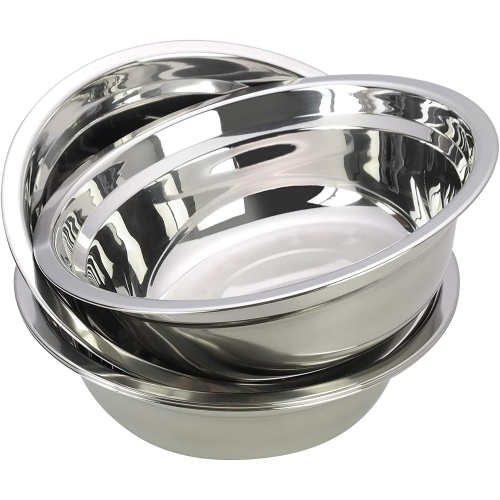
Stainless steel kitchen bowls are durable, relatively lightweight containers for mixing, preparing, serving, and storing food. Their smooth, non-porous surfaces resist lingering odours and flavours, making them useful for everything from whisking a lemon dressing to folding flour into cake batter. Unlike glass or ceramic, stainless steel will not shatter if a bowl slips against the sink, although thinner metal can dent with rough handling. That combination of manageable weight and everyday resilience suits busy family kitchens, shared households, and anyone who cooks regularly. Small bowls keep chopped herbs, measured spices, and beaten eggs ready beside the cutting board, while larger capacities leave room to toss greens or combine dough without spilling ingredients over the rim. Food-grade stainless steel is generally non-reactive during ordinary food preparation, so it works well with many ingredients, including tomato-based sauces and citrus marinades. Extended storage of very salty or acidic mixtures can still damage some finishes, making the intended use and care directions important. Material descriptions such as 18/8 and 18/10 refer to the approximate proportions of chromium and nickel in the steel; these are common compositions used in kitchenware for their resistance to corrosion. Grade alone does not describe the entire bowl, however. Metal thickness, construction, and finish also affect how it feels and performs. A heavier bowl can feel steadier under vigorous mixing, while a lighter one is easier to lift when pouring batter into a pan. Polished finishes have a reflective appearance suited to open shelving and table use; brushed finishes offer a softer look that can make everyday fingerprints less noticeable. Both can develop fine scratches with use. For bakers, a thoroughly clean stainless steel bowl is especially useful when whipping egg whites, since grease left on any mixing surface can interfere with foam formation. The material also transfers heat readily, which is helpful for chilling a bowl before whipping cream, but means its exterior can become hot when holding hot food.
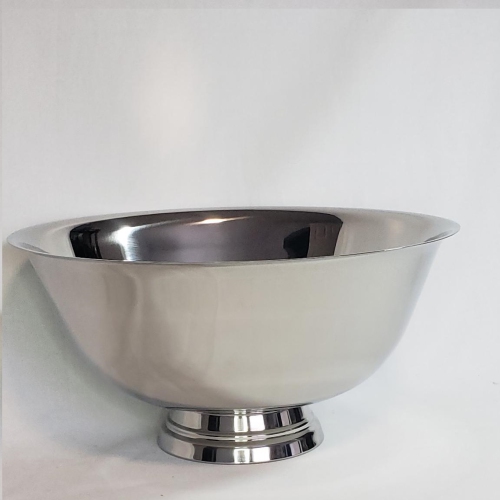
Capacity and shape determine how comfortably a kitchen bowl handles a particular task. A small prep bowl keeps a spoonful of dressing within easy reach, but bread dough needs enough space for kneading movements and rising. Salad leaves need more room than their measured volume suggests because tossing lifts ingredients above the resting level. A wide, shallow bowl makes it easier to fold ingredients with a spatula or reach beneath a pile of vegetables, while deeper sides help contain splashes from a whisk or hand mixer. A bowl’s stated capacity usually describes how much it can hold near the rim, not how much it can comfortably mix. Leaving working space helps keep flour on the counter to a minimum and allows wet ingredients to move freely. Base diameter matters too: a broad, flat base can improve stability, especially when one hand is adding oil and the other is whisking. Where included, silicone bases provide extra grip on a clean, dry counter, although they do not remove the need to steady the bowl during vigorous work. Rolled rims, side handles, and pouring spouts can make lifting and transferring mixtures more comfortable. Interior measurement marks are convenient for checking approximate quantities, while dedicated measuring tools remain useful for precision baking. Nesting designs reduce cupboard space, but handles, lids, and non-slip bases can affect how neatly bowls fit together. Storage space also includes the refrigerator: a bowl that fits beneath a shelf with its lid attached is more practical than one that requires rearranging the entire compartment. Lids help cover prepared ingredients and leftovers, but a fitted lid is not necessarily airtight or leakproof. For food carried to a gathering, closure security matters as much as capacity. At the table, stainless steel serving bowls provide a coordinated way to present salads, grain dishes, and side dishes. A broad opening allows serving utensils to move easily, while the overall diameter should leave room for plates and other dishes.
Everyday care helps stainless steel kitchen bowls retain their finish and remain pleasant to use. Warm water, dish soap, and a soft sponge are usually sufficient for routine cleaning. Dried batter or dough is easier to remove after soaking than after aggressive scraping, and rinsing promptly keeps food from hardening around rims or measurement markings. Many stainless steel bowls are dishwasher-safe, but that suitability depends on the complete construction, including attached bases, handles, and any lids. Plastic and silicone components can have different care requirements from the metal bowl itself. Thorough drying helps limit water spots, particularly where water collects beneath a rim or around an attached base. Steel wool, harsh scouring powders, and chlorine bleach can scratch or damage stainless steel, so gentler cleaning methods are preferable. Rust resistance does not mean the material is immune to corrosion; prolonged contact with concentrated salt, strong cleaners, or trapped moisture can cause problems. Covered refrigerator storage may be suitable when permitted by the care directions, but acidic or salty leftovers are better transferred to a container intended for longer storage. Ordinary metal mixing bowls should not be placed in a microwave, and an all-metal appearance does not establish that a bowl is safe for an oven, stovetop, freezer, or use over simmering water. Those uses depend on the manufacturer’s stated limits and any attached components. For households that prepare several dishes at once, different bowl sizes allow dry ingredients, chopped vegetables, and sauces to stay separate until needed. A nesting assortment can also suit a smaller kitchen where cupboard space is limited. As a housewarming or wedding gift, kitchen bowls offer practical value for people setting up a household, particularly when the sizes suit the way they cook. Someone who bakes frequently may appreciate generous mixing space, while a person preparing lunches may find smaller, covered bowls more useful. Comfortable handling, manageable storage, and straightforward cleaning are what make these everyday tools earn their place in a kitchen.
Top selling and popular products
-
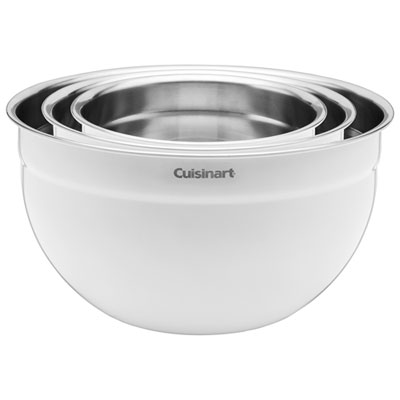 Your price for this item is $39.99
-
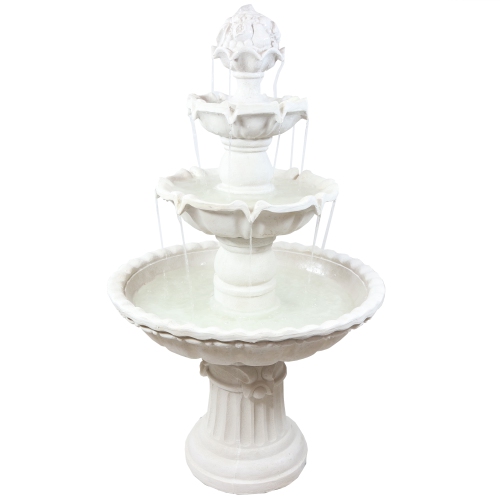 Your price for this item is $970.85
-
 Your price for this item is $20.99
-
 Your price for this item is $49.06
-
 Your price for this item is $6
-
 Your price for this item is $49.07
-
 Your price for this item is $64.88
-
 Your price for this item is $26.88
Discover more categories related to Stainless Steel Kitchen Bowls

Top Collections:
Pokemon Centers, Best Black Friday Deals This Year, Best Black Friday Deals On Electronics, Kindle Devices, Best Budget Office Chairs, Best Black Friday Deals On Apple Products, Best Cameras for Sports Photography, Pokémon 30th Celebration Cards, Dyson Airwrap, Canon G7X Cameras
Some products may be subject to Environmental Handling Fees
(EHF) depending on your province.
Learn more about EHFs.