Stainless Steel Salad Bowls
Stainless steel salad bowls offer a sleek and modern addition to any kitchen or dining space. Perfect for tossing, serving, or storing salads and other dishes, these versatile bowls combine style and practicality. Whether you're preparing a simple side salad or hosting a large gathering, stainless steel salad bowls provide a reliable option for everyday meals and special occasions alike. Discover the ideal size and design to complement your culinary needs and enhance your table setting.
Sort









Why bowl shape matters for tossing and serving salads
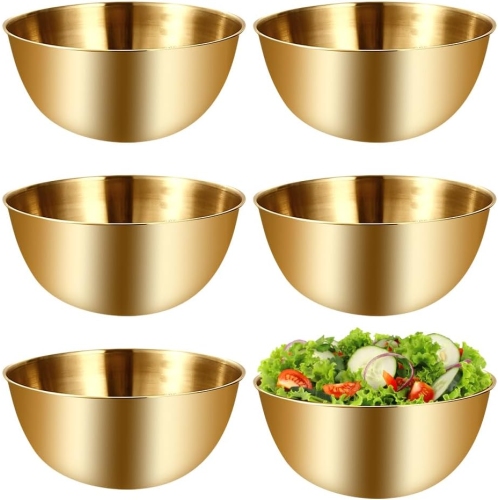
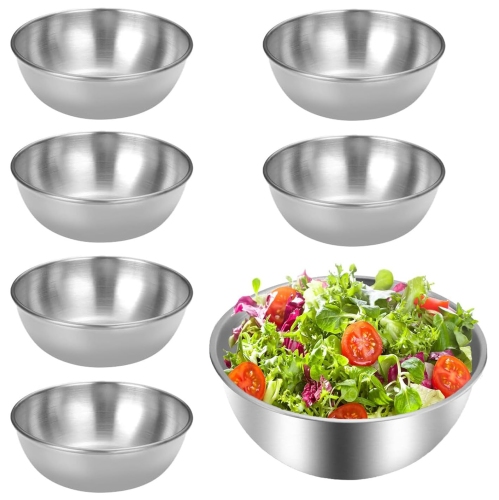
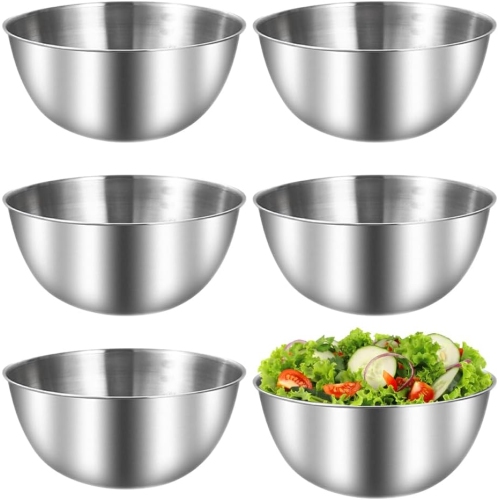
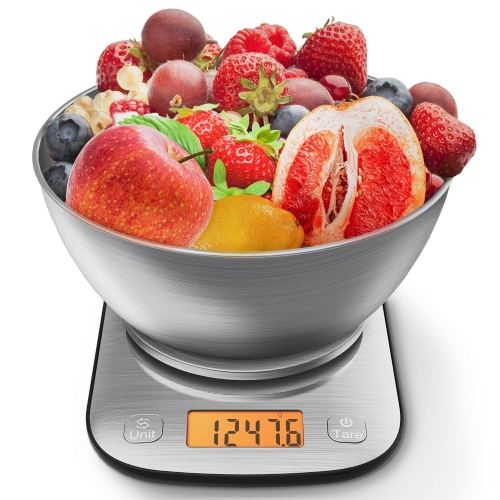
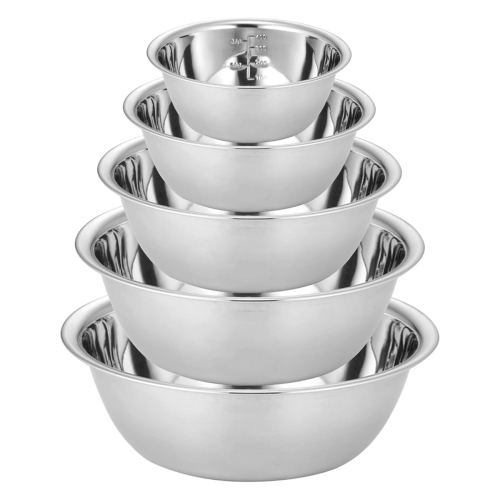
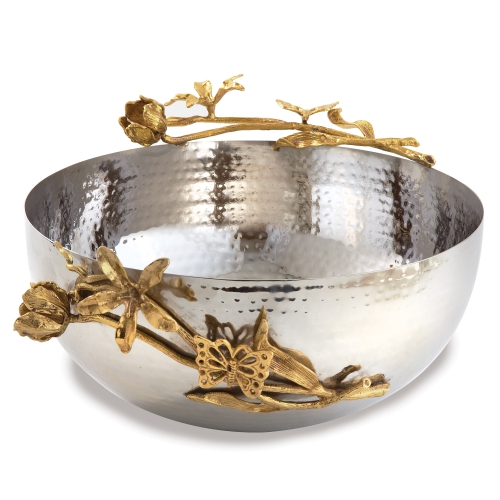
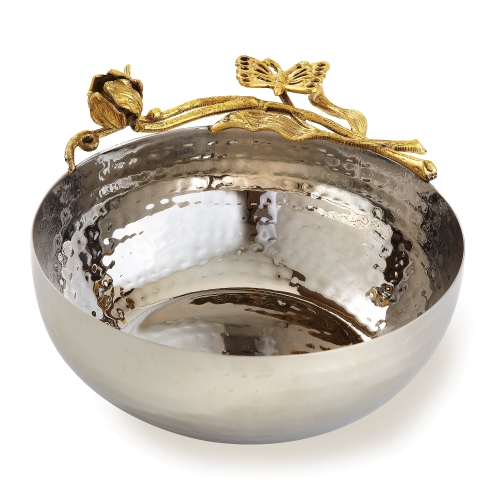
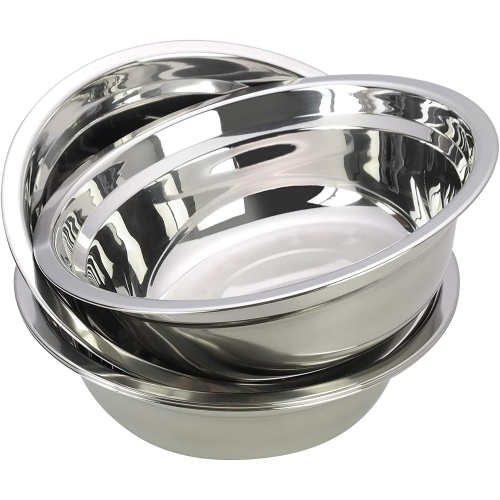
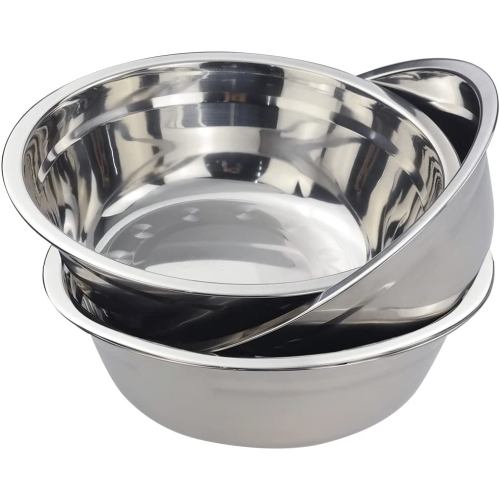
Stainless steel salad bowls are durable, relatively lightweight bowls for tossing, serving, and preparing salads. Their smooth, non-porous surfaces are easy to clean and do not readily absorb food odours, making them useful for everything from leafy greens to grain salads and chopped vegetables. Food-grade stainless steel is generally non-reactive during ordinary food preparation, so lemon juice, vinegar, and other common dressing ingredients can be mixed in the bowl without the flavour changes associated with some reactive metals. Compared with glass or ceramic, stainless steel is less vulnerable to breaking when bumped against a sink or countertop, although it can still scratch or dent. The bowl’s shape matters as much as its material. A deep bowl with gently sloping sides gives salad leaves room to turn over as dressing is folded through, helping keep ingredients inside rather than scattered across the work surface. A wider, shallower bowl spreads toppings across the surface and makes it easier for several people to serve themselves at the table. Capacity is worth considering alongside outside dimensions: a bowl that holds a finished salad comfortably may still be too small to toss that same salad without spilling. Leaving generous space above the ingredients makes a noticeable difference when mixing romaine, shredded cabbage, or a salad with substantial additions such as chickpeas and roasted vegetables. For one or two portions, a smaller bowl can keep preparation manageable without taking over the countertop. Larger households and people who regularly bring a shared dish to a gathering may prefer more capacity. Construction also affects how a bowl feels in use. Thinner walls keep weight down, while heavier construction can feel more substantial when stirring dense ingredients. A broad, flat base helps the bowl sit securely, and a smooth, rolled rim can offer a comfortable place to grip while tossing or carrying. Stainless steel grades and finishes vary, so the material description and construction details are useful points of comparison rather than assuming every bowl will perform identically.
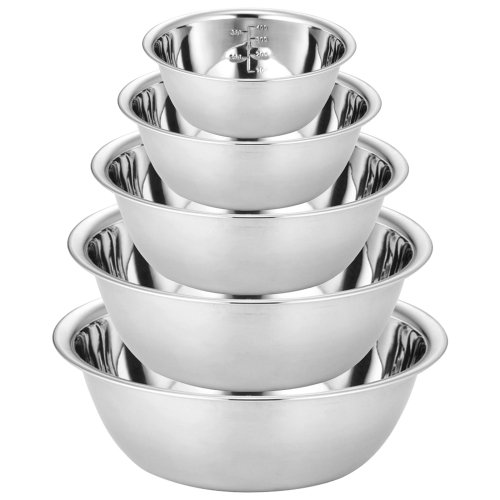
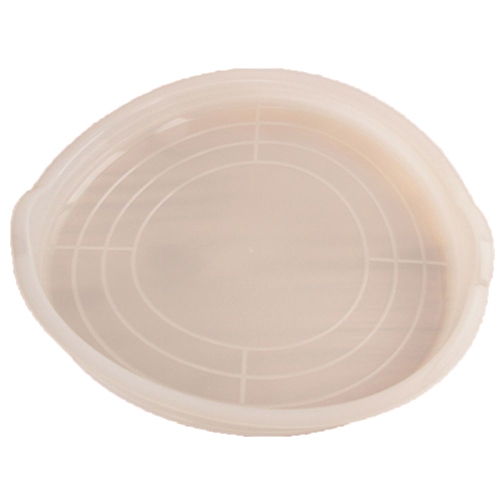
A stainless steel salad bowl can move between preparation and serving, but the best fit depends on how meals come together in a particular kitchen. Someone who washes greens, chops vegetables, and mixes dressing separately may appreciate a bowl large enough to combine everything just before eating. For lunches prepared ahead, a fitted lid can help cover ingredients in the refrigerator, provided the bowl’s dimensions suit the shelf space. A lid does not necessarily create a leakproof seal, so carrying dressed salad to work or a shared meal calls for checking the closure rather than assuming it can travel on its side. Keeping dressing separate until serving can also help delicate leaves retain their texture. Handles, a pouring edge, or a non-slip base may be useful features, though each changes how the bowl stores, cleans, or sits on the table. A non-slip base can reduce movement while mixing on a smooth countertop; handles can make a full bowl easier to lift but add to its overall width. Nesting shapes help organize a cupboard, especially where several bowl sizes share one shelf. It is worth allowing room for lids and any attached bases, which can affect how closely bowls stack. For broader food preparation tasks, Stainless Steel Kitchen Bowls offer related options for mixing, holding ingredients, and serving. For salads specifically, the serving opening should accommodate tongs or salad servers without making guests reach awkwardly around a narrow rim. A wide bowl can show off layers of cucumber, tomatoes, herbs, and greens, while a deeper profile takes up less table space relative to its capacity. Brushed finishes tend to make everyday marks less conspicuous, whereas polished finishes have a brighter appearance and may show fingerprints more readily. Neither finish prevents scratches completely. Some bowls have double-wall construction, which may help slow temperature changes, but an ordinary single-wall bowl should not be assumed to provide insulation. These distinctions matter most when choosing between a bowl used mainly for preparation and one intended to remain on the dining table throughout a meal.
Straightforward care helps stainless steel salad bowls stay pleasant to use and ready for the next meal. Washing soon after use prevents dressing, cheese, and finely chopped herbs from drying onto the surface. Warm water, mild dish soap, and a soft sponge are usually suitable for everyday cleaning; stubborn residue often loosens after a short soak. Abrasive pads and harsh cleaners can damage the finish, and chlorine bleach can cause corrosion. Dishwasher suitability depends on the complete construction, including any non-slip base, coating, lid, or attached handle, so care directions should be checked for each part rather than treating all stainless steel bowls alike. Rinsing thoroughly and drying with a soft cloth can reduce water spots, especially in homes with hard water. Stainless steel resists rust, but it is not immune to damage: prolonged contact with concentrated salt or acidic food can contribute to pitting or surface changes. For that reason, a bowl that works well for tossing a vinaigrette-dressed salad is not automatically the best container for leaving salty or acidic leftovers for extended periods. Transfer leftovers to suitable covered food storage containers and refrigerate promptly. Stainless steel bowls should not go in a microwave, and oven or freezer use should only be considered when permitted by the manufacturer. Good food-handling habits matter, too; a bowl used for raw meat should be thoroughly cleaned before holding ready-to-eat salad ingredients. For everyday use, a well-chosen bowl can suit home cooks who make frequent salads, households sharing larger meals, or anyone who appreciates serving pieces that also handle preparation. It can also make a practical housewarming or wedding gift, particularly when its size matches the recipient’s storage space and usual number of diners. Paired with comfortable salad servers, it supports a simple routine: prepare the ingredients, toss with enough room to move, and bring the finished dish to the table without needing a separate serving bowl.
Top selling and popular products
-
 Your price for this item is $15.99
-
 Your price for this item is $3.99
-
 Your price for this item is $19.99
-
 Your price for this item is $7.99
-
 Your price for this item is $44.99
-
 Your price for this item is $44.99
-
 Your price for this item is $109
-
 Your price for this item is $99
Discover more categories related to Stainless Steel Salad Bowls
Top Collections:
Pokemon Centers, Best Black Friday Deals This Year, Best Black Friday Deals On Electronics, Kindle Devices, Best Budget Office Chairs, Best Black Friday Deals On Apple Products, Best Cameras for Sports Photography, Pokémon 30th Celebration Cards, Dyson Airwrap, Canon G7X Cameras
Some products may be subject to Environmental Handling Fees
(EHF) depending on your province.
Learn more about EHFs.