Stainless Steel Stools
Looking for sleek and stylish seating options that combine durability with modern design? Look no further than our collection of stainless steel stools. Crafted with high-quality materials, these stools are not only built to last but also add a touch of sophistication to any space. From minimalist designs to intricate detailing, our wide range of options ensures that you'll find the perfect stool to suit your needs and complement your existing decor.
Sort
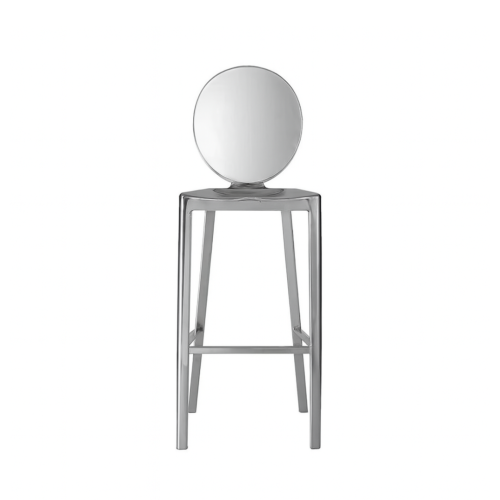
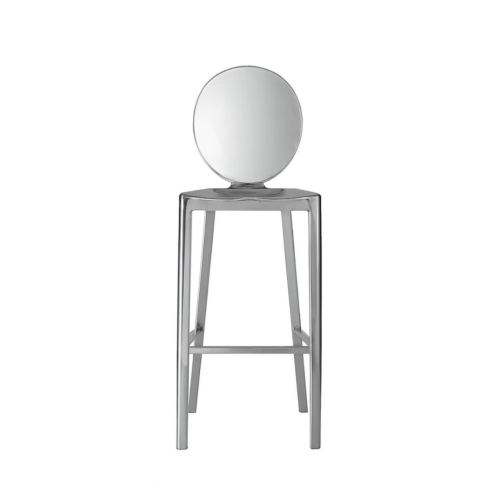
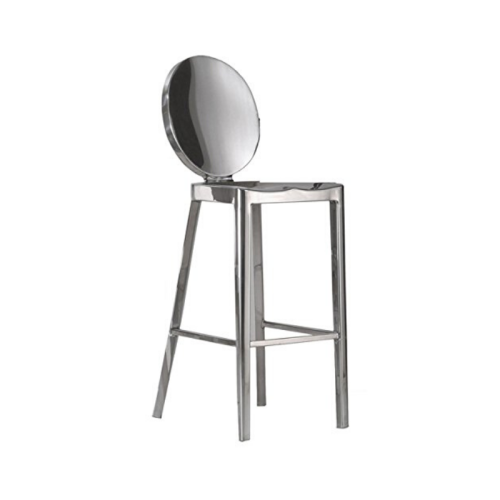

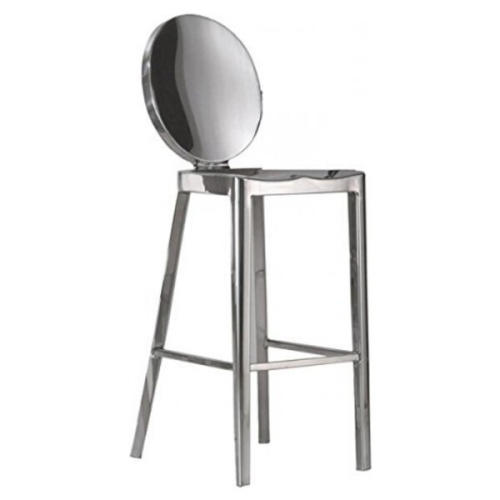


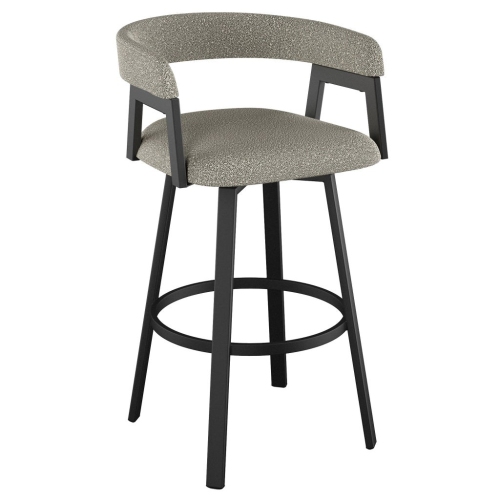
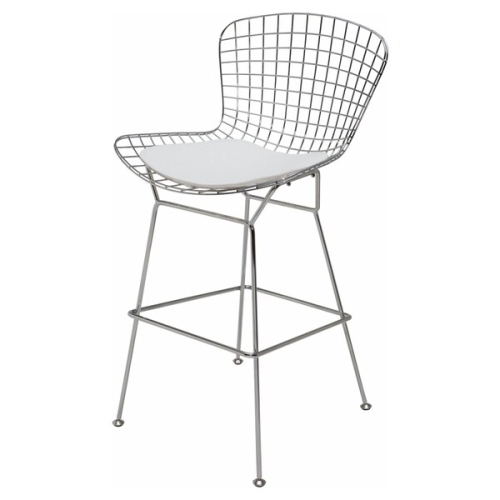
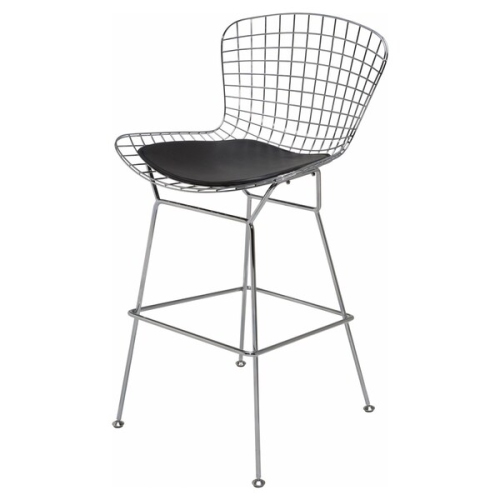
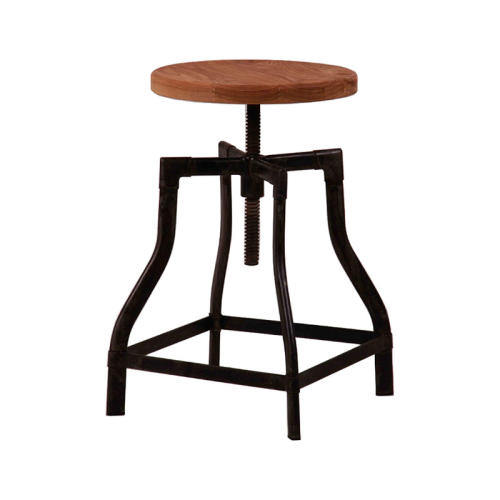
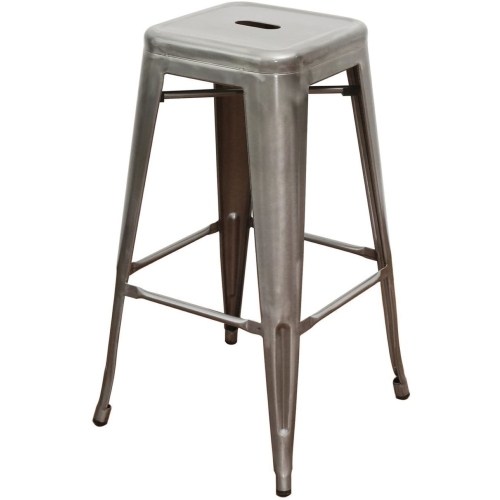
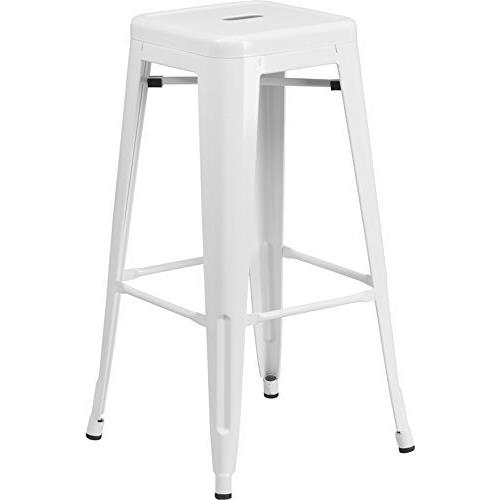
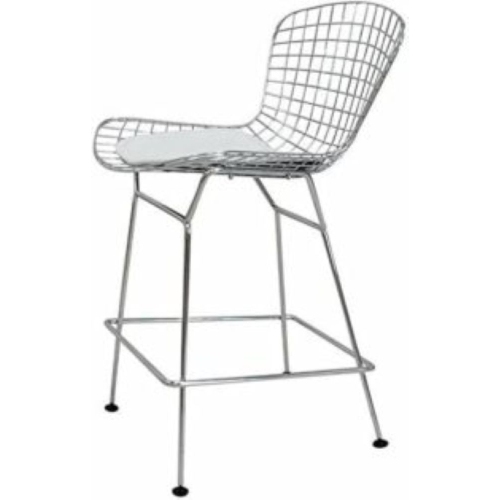
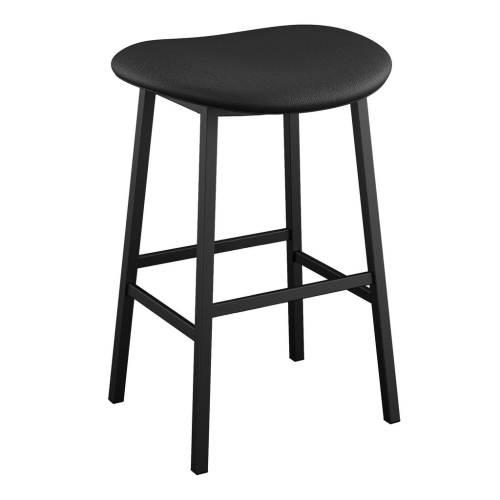
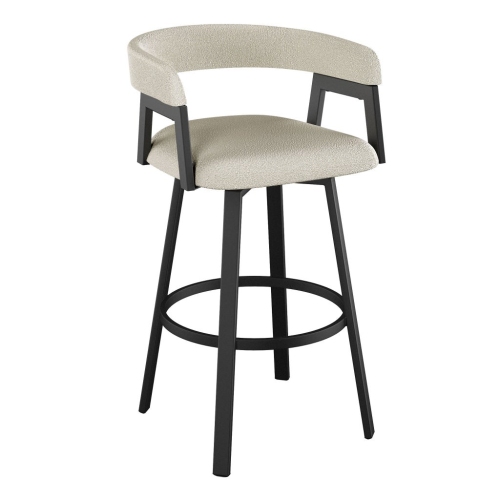
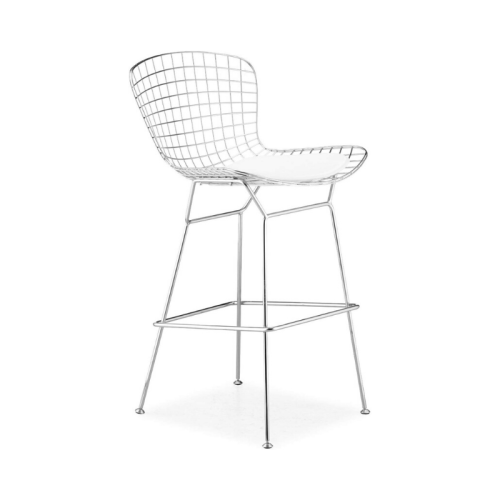
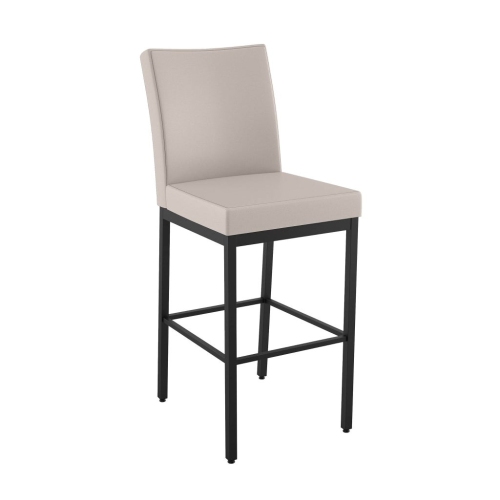
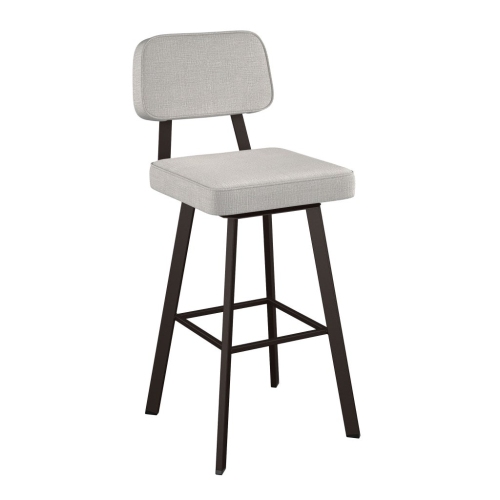
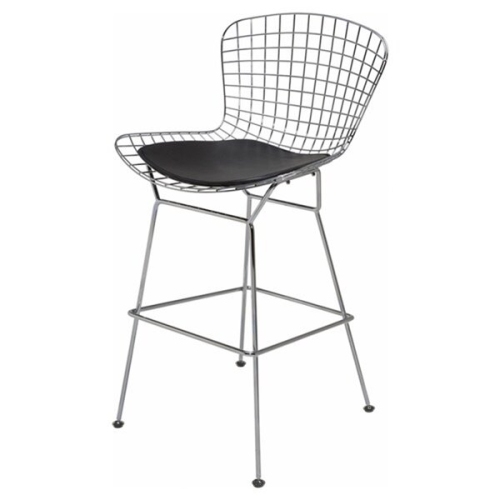
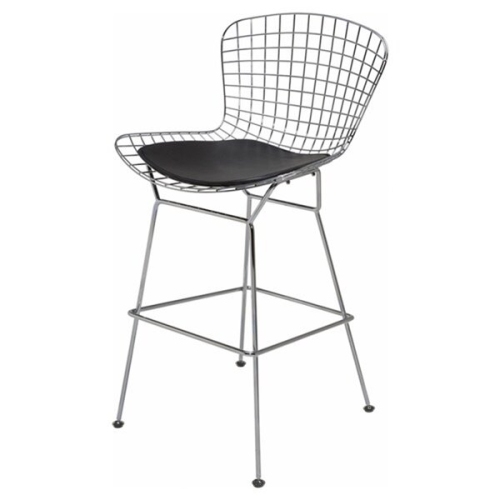
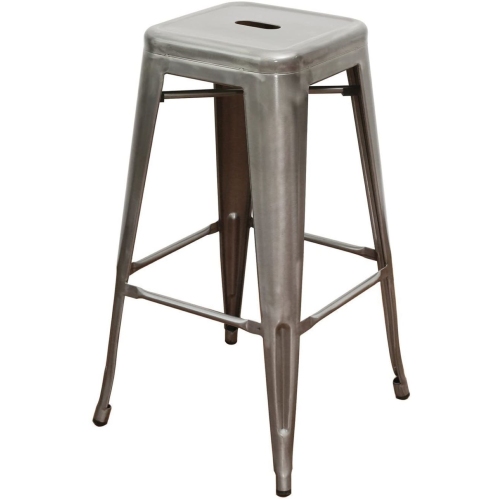
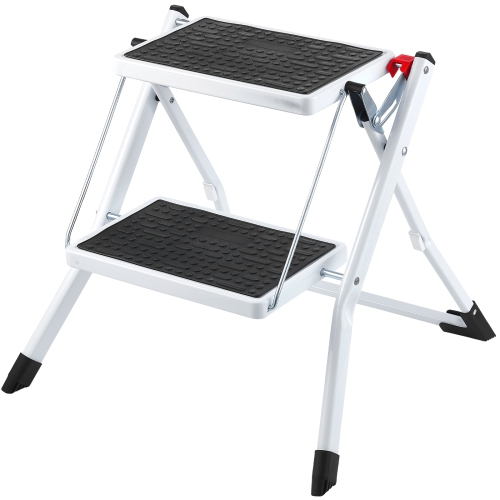
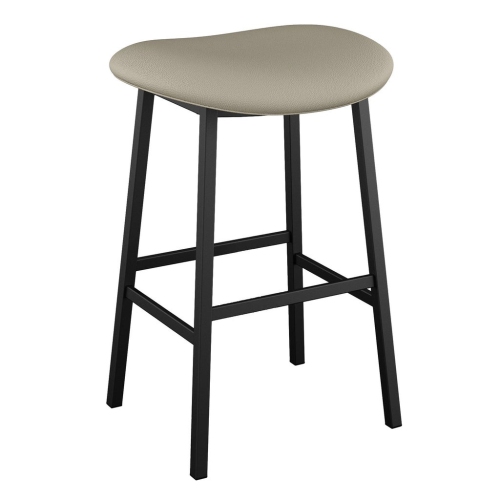
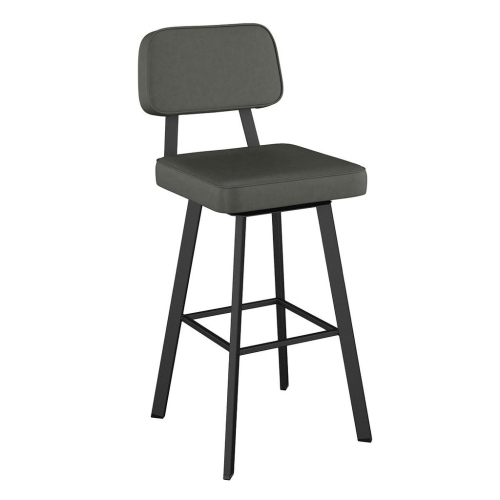
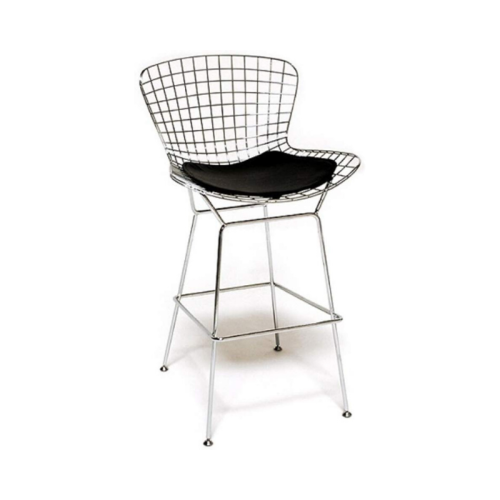
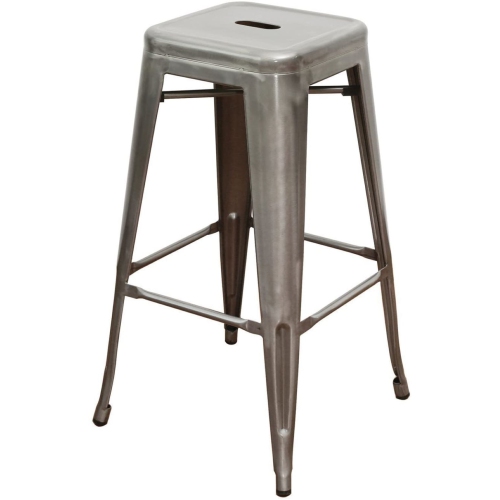
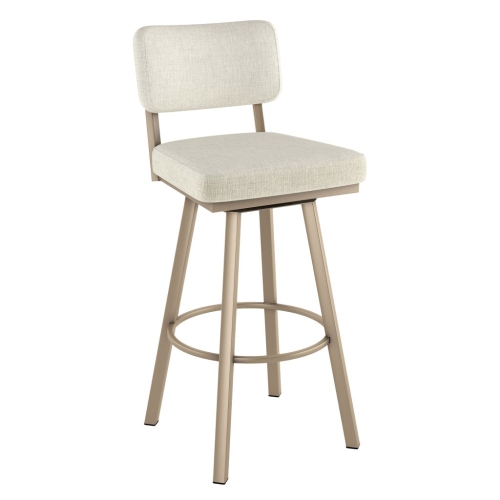
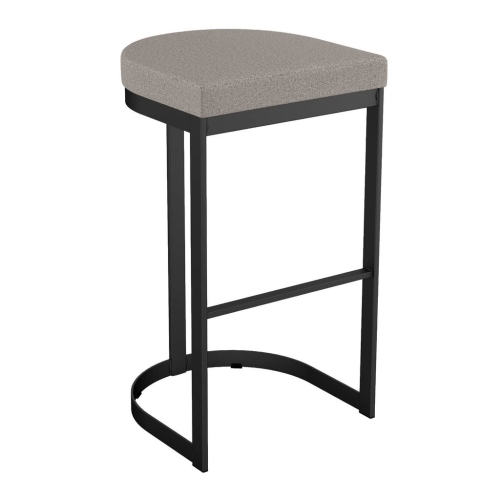
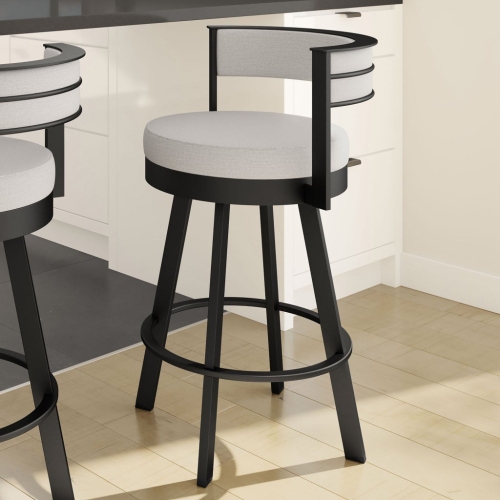
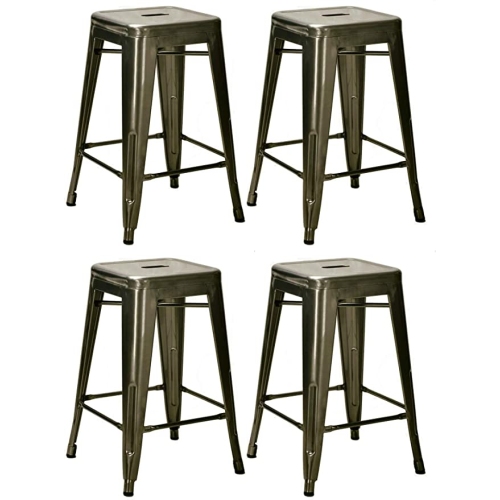
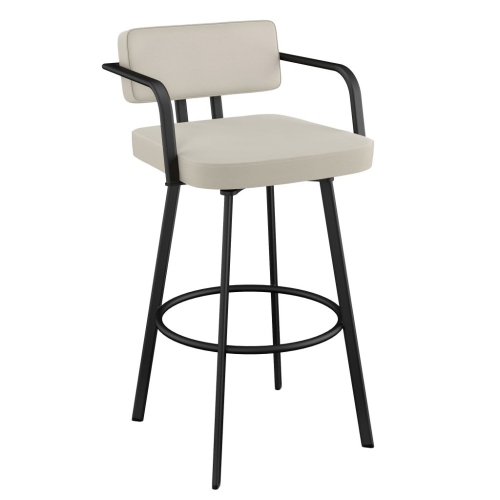
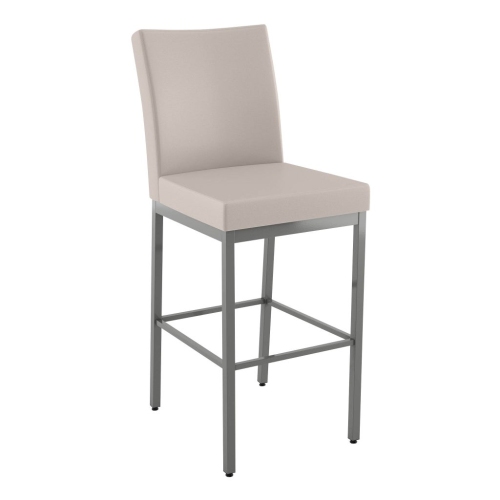
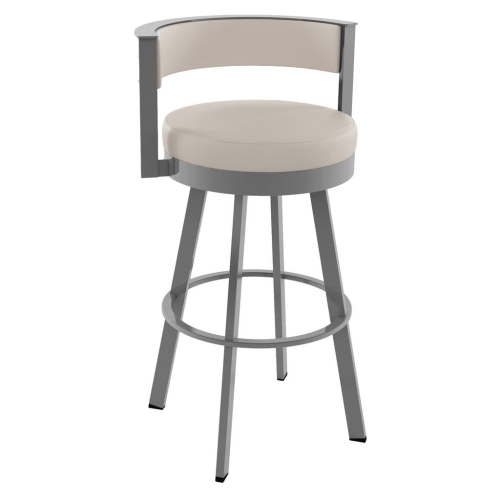
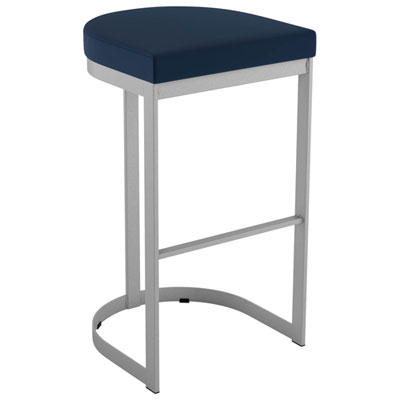
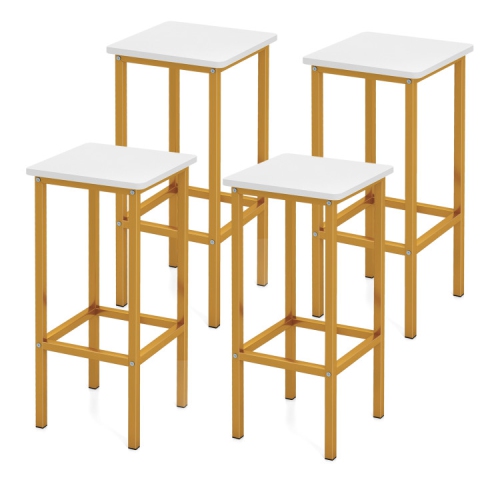
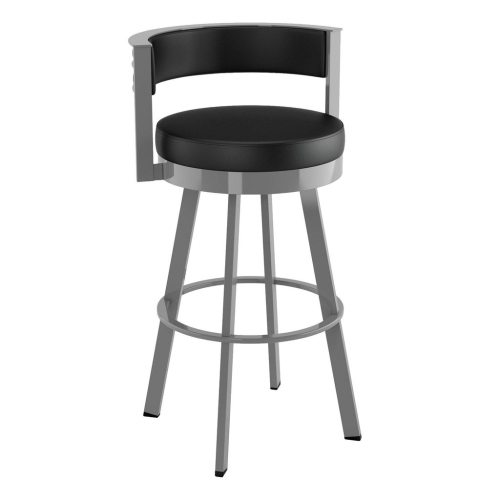
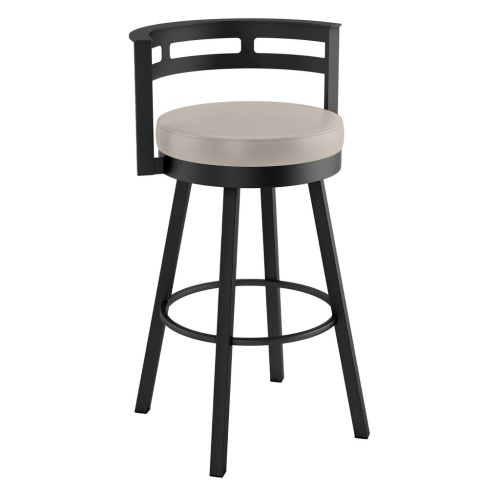
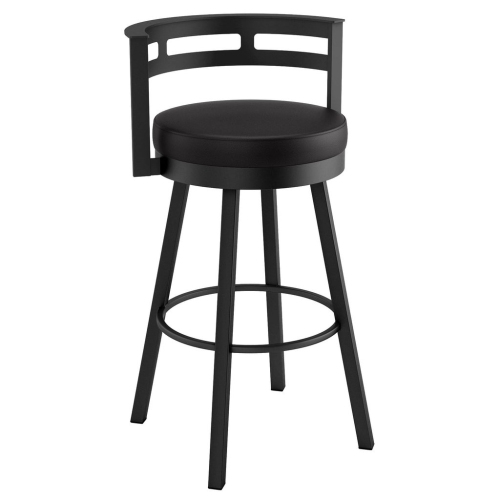
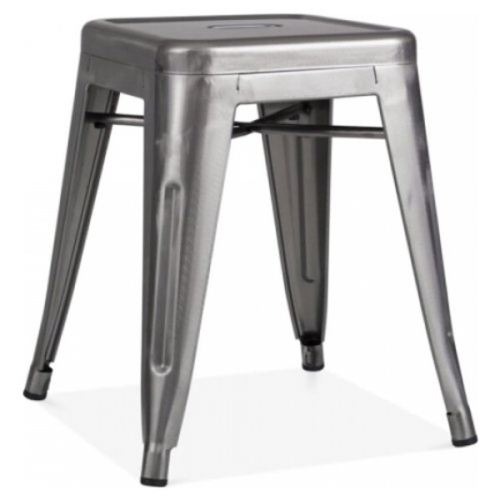
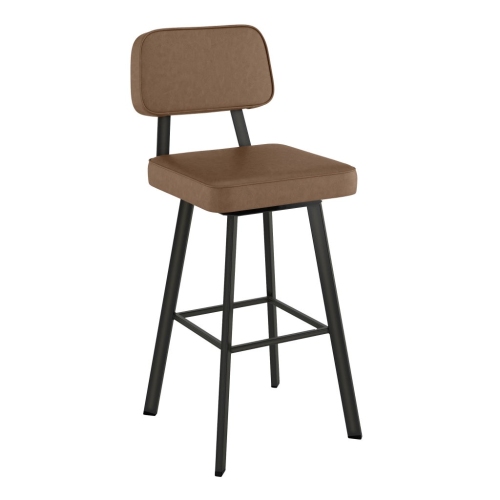
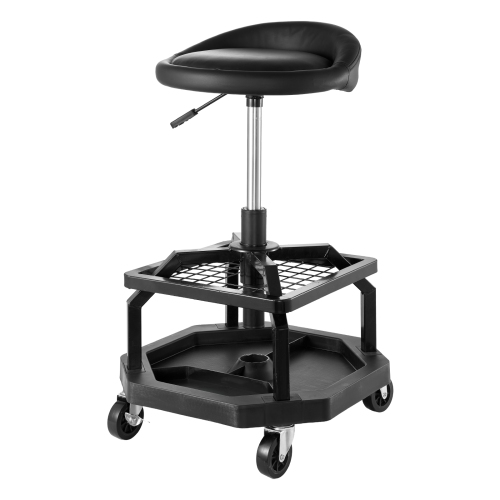
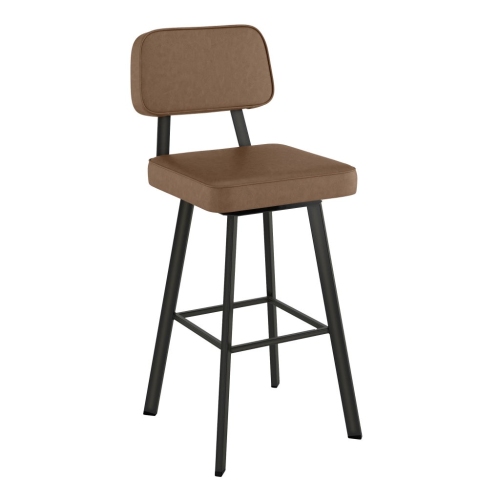
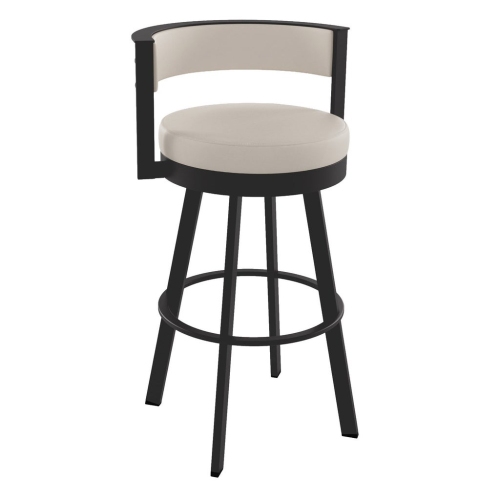
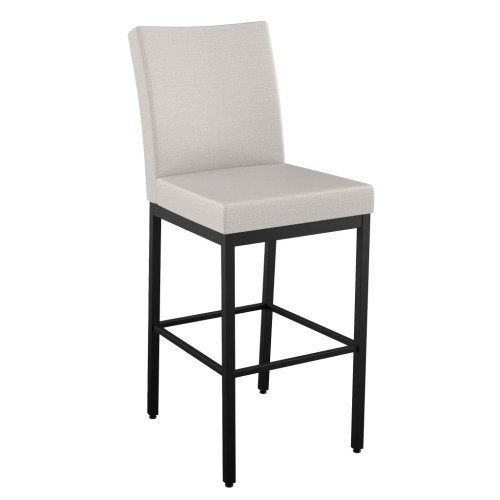
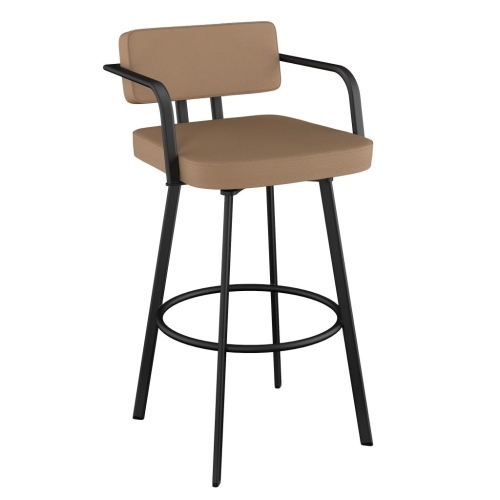
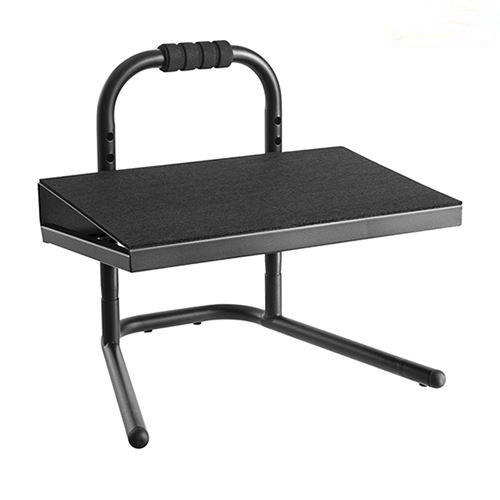
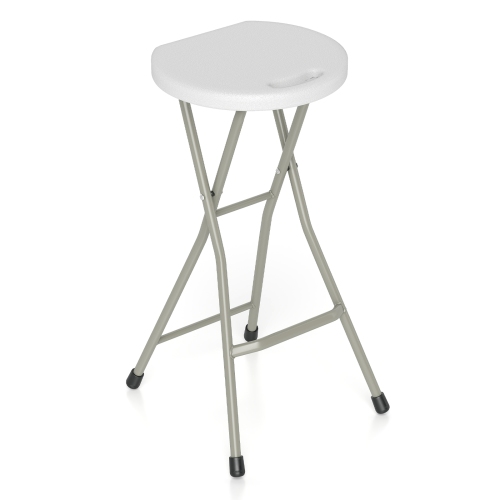
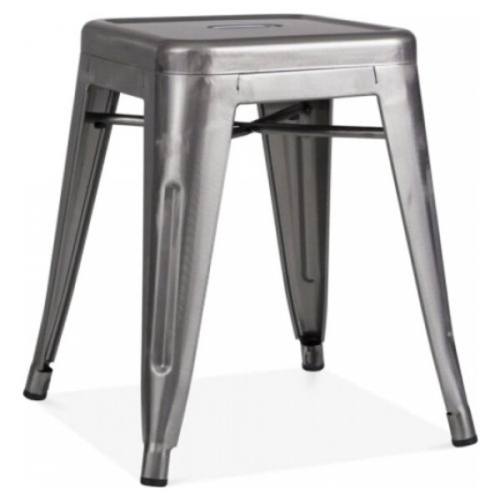
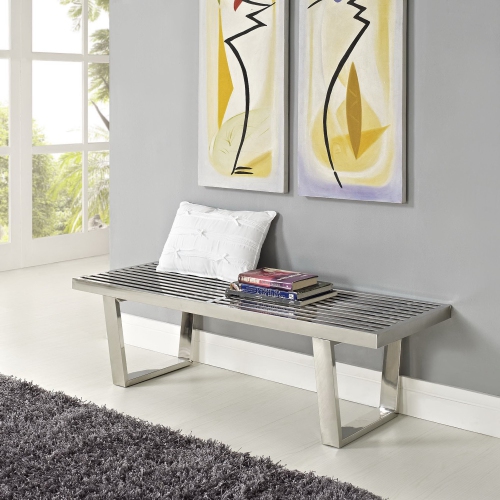
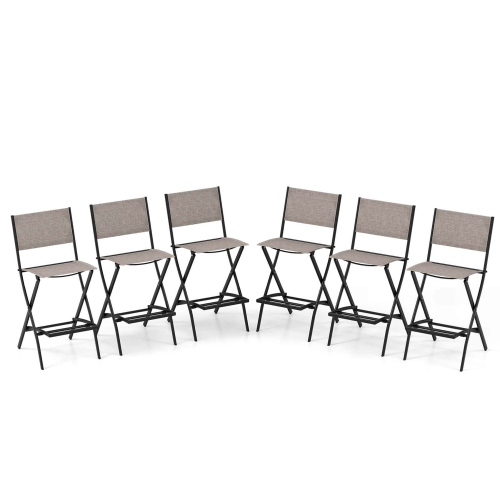
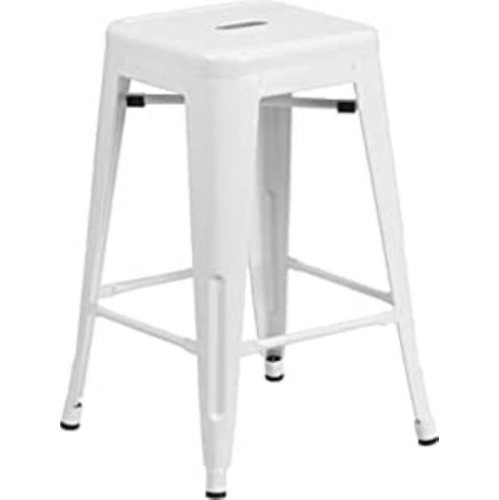
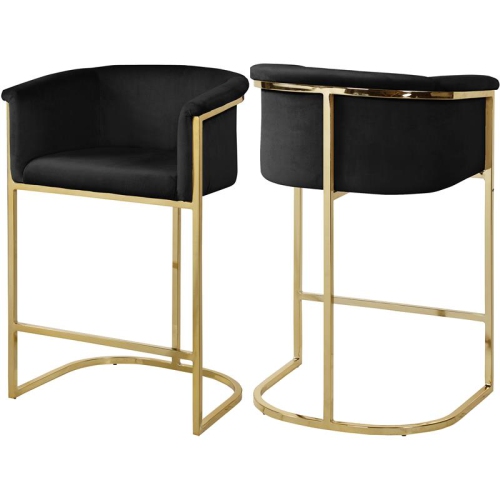
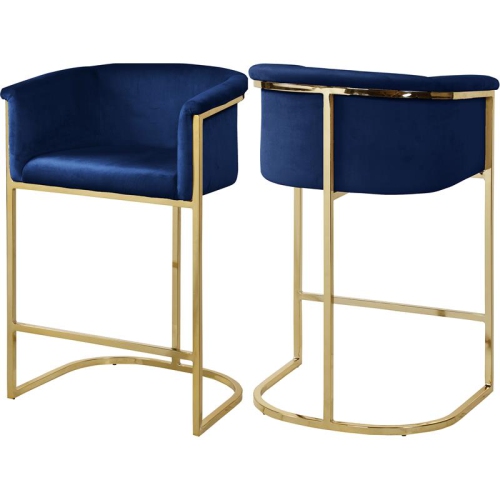
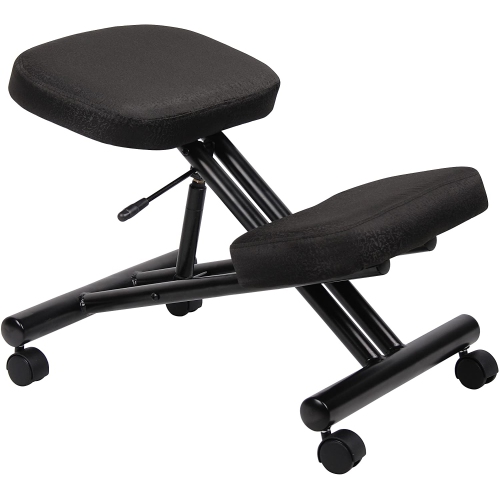
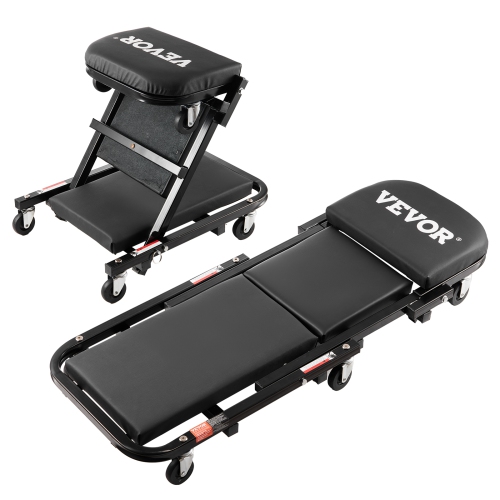
Comfort at the counter goes beyond the finish
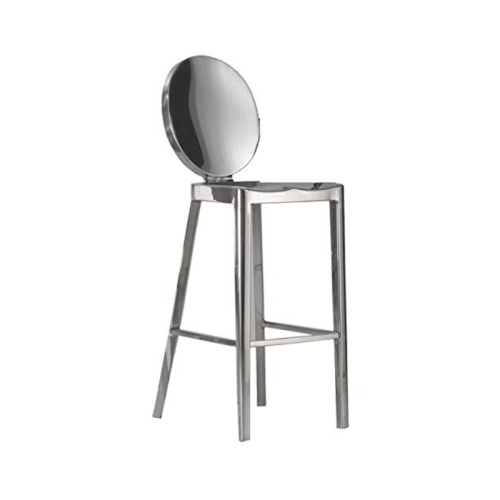
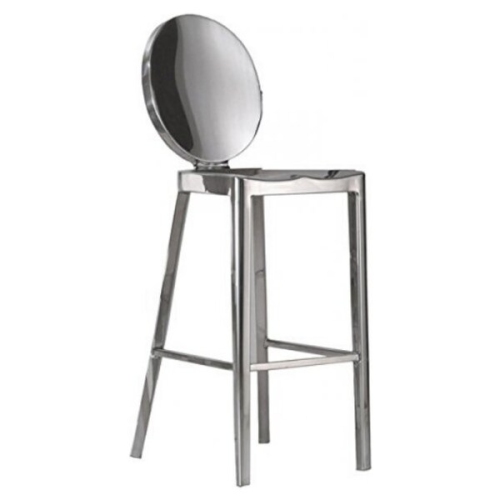
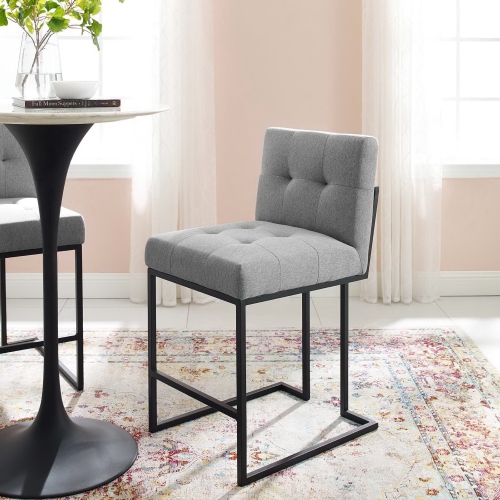
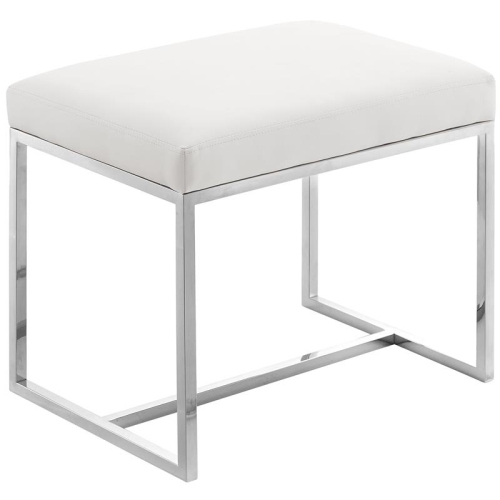
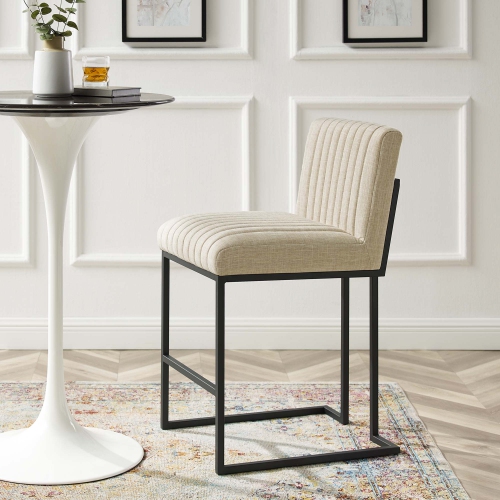
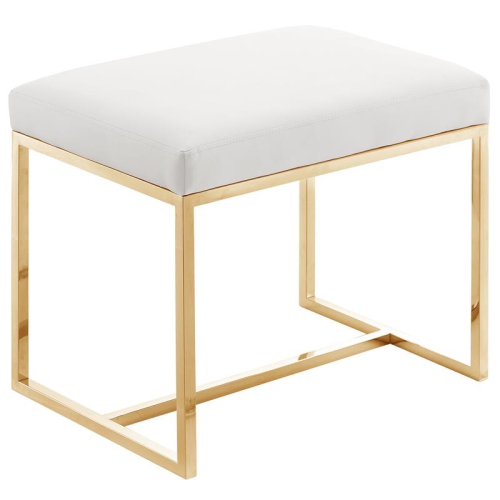
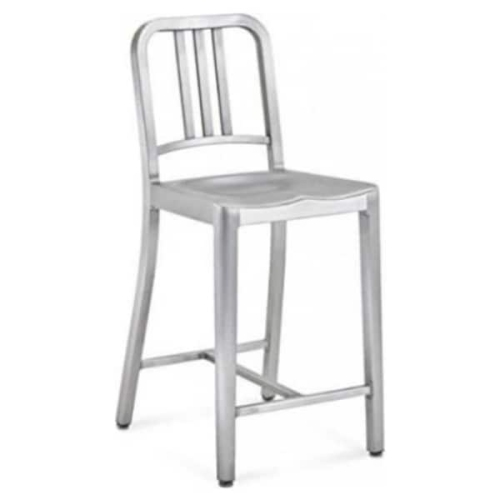
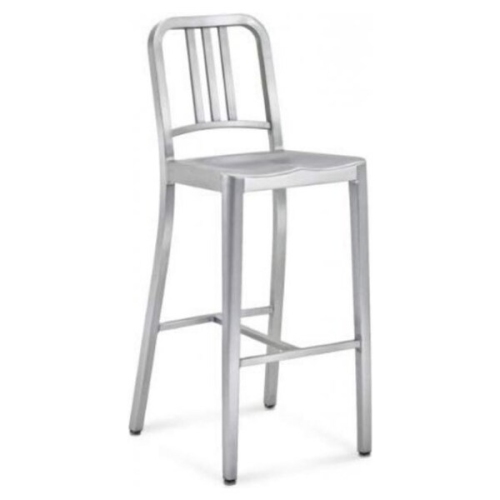
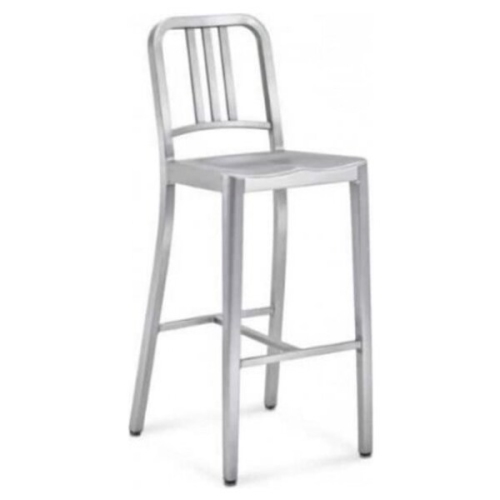
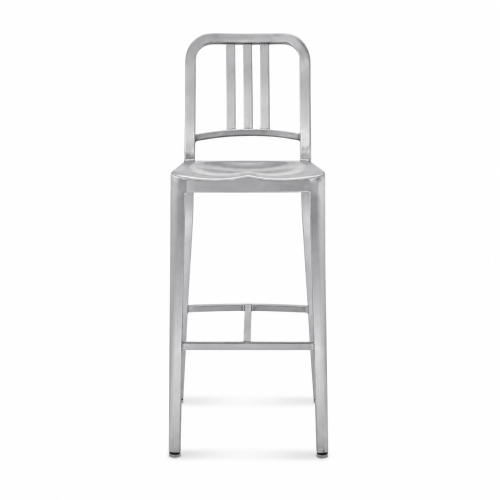
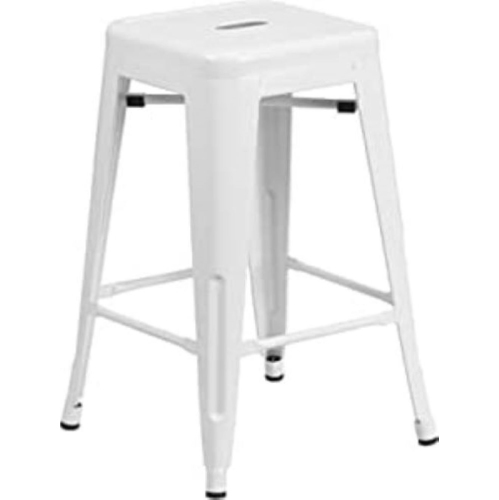
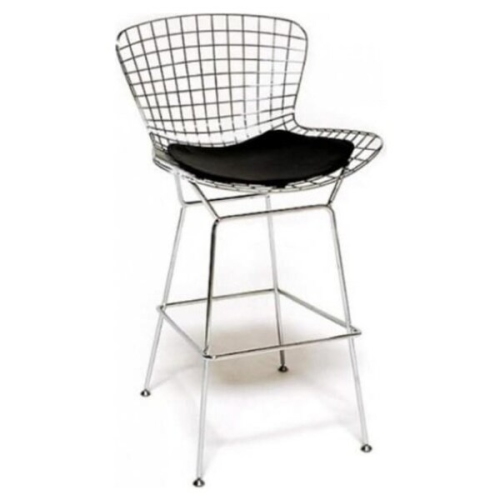
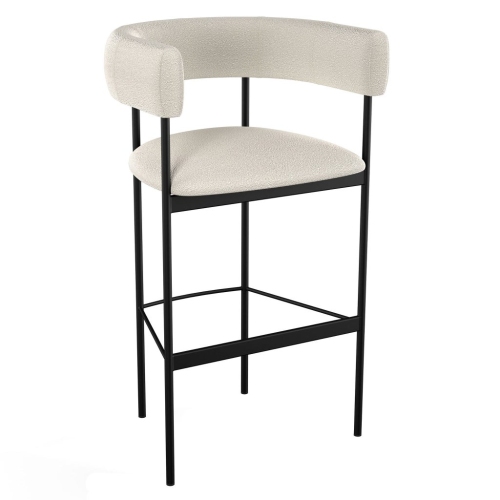
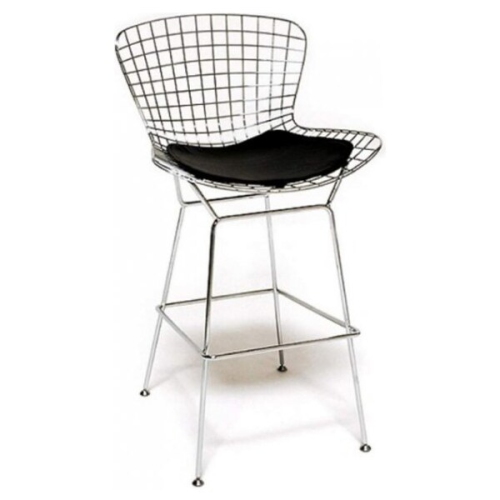
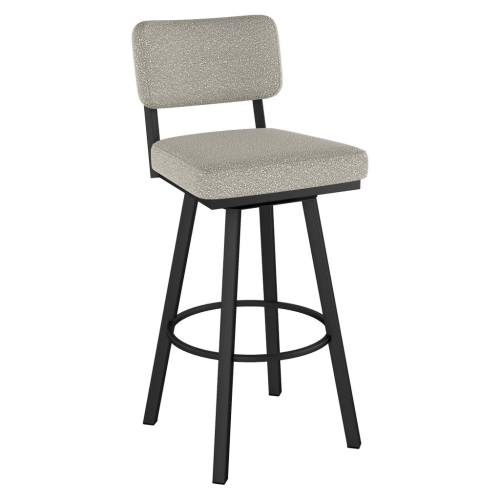
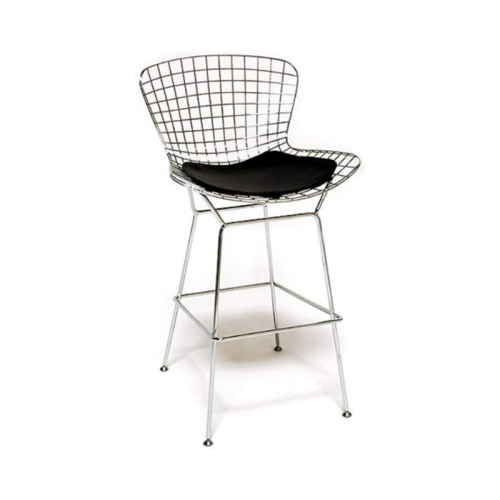
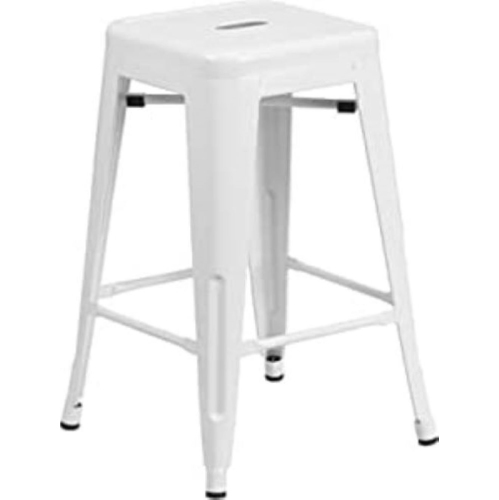
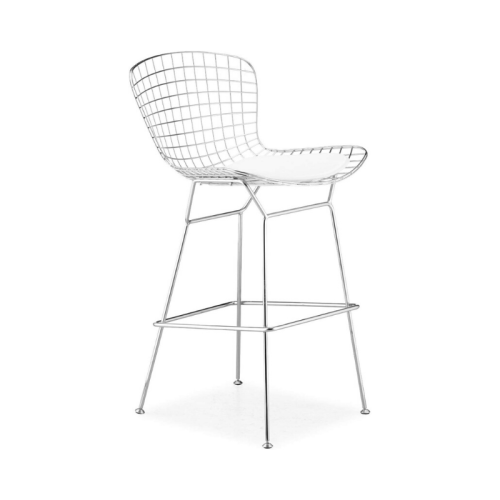
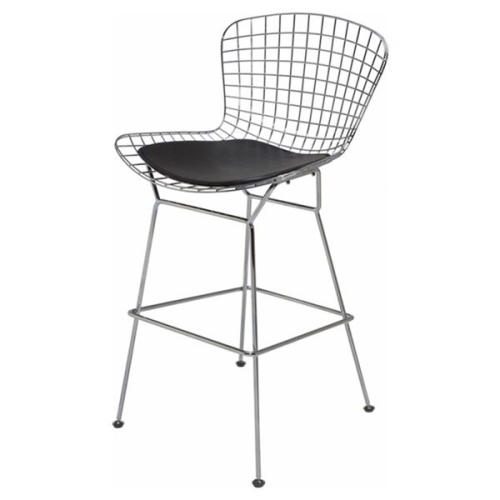
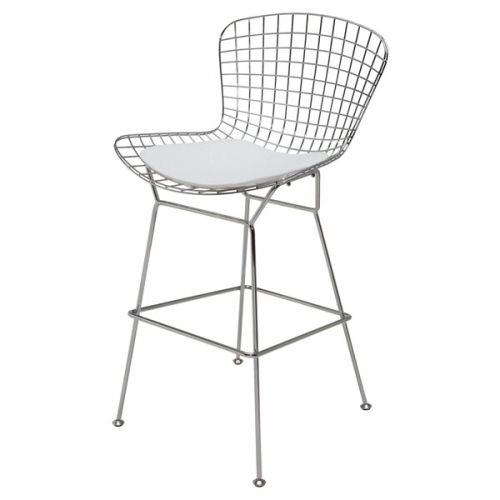
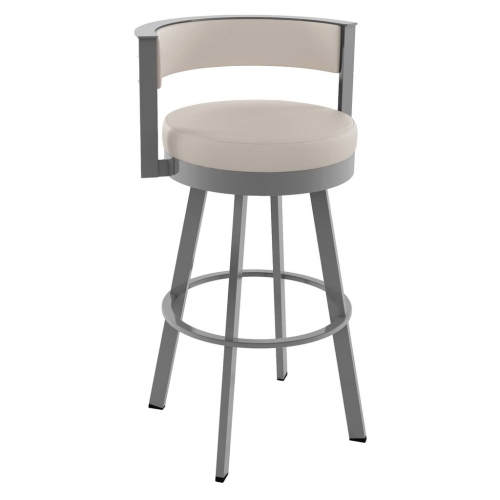
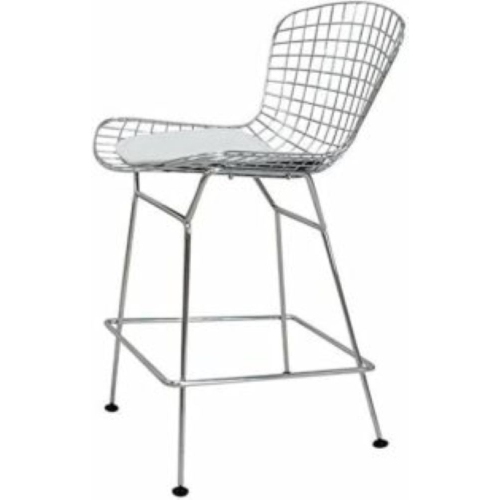
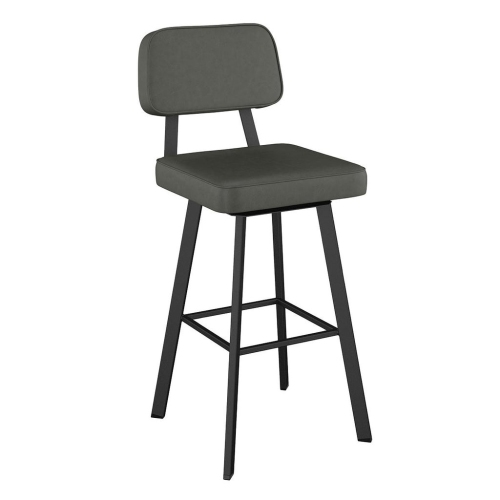
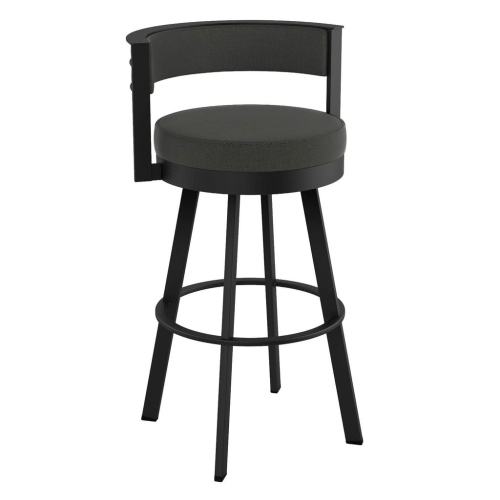
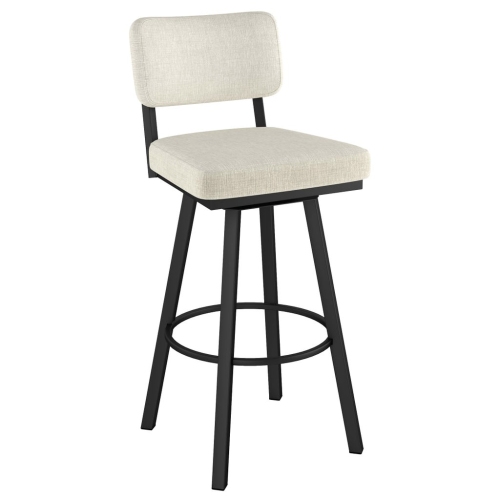
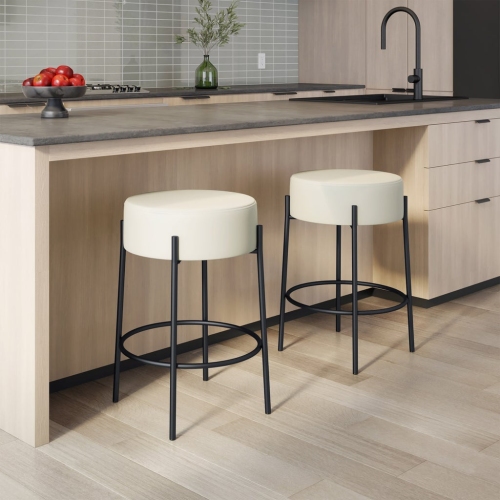
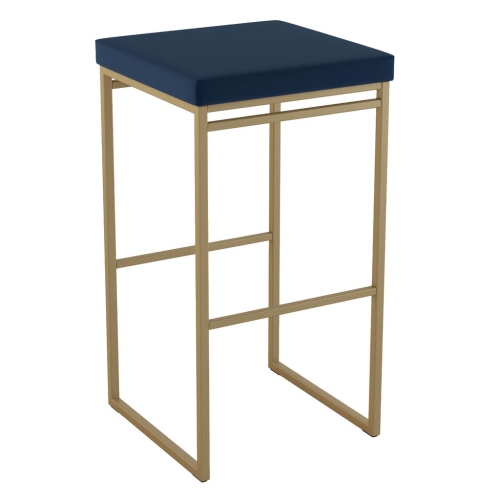
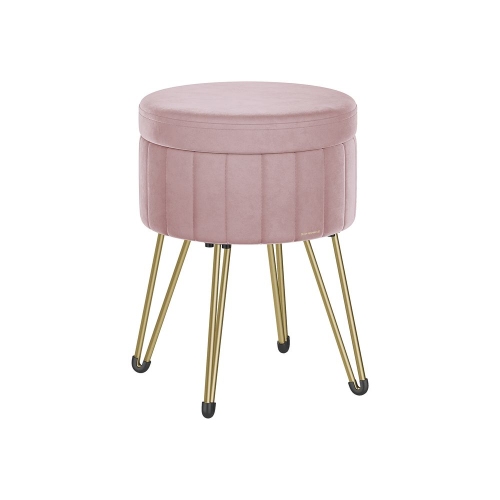
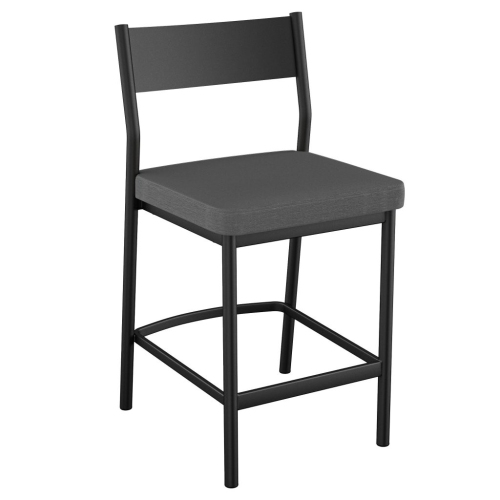
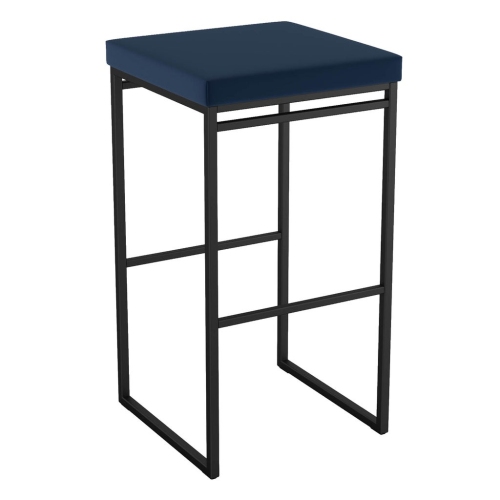
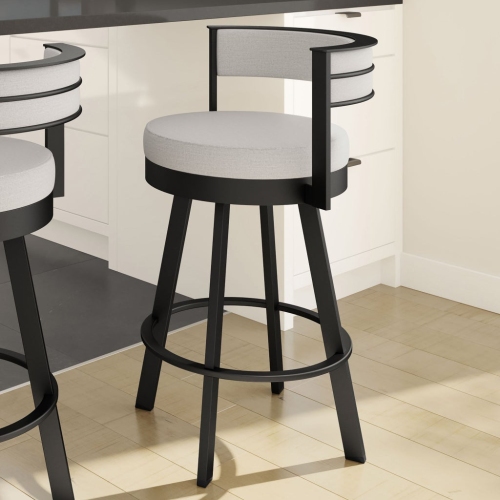
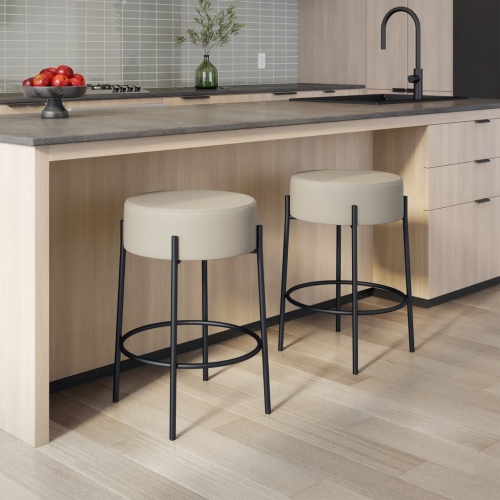
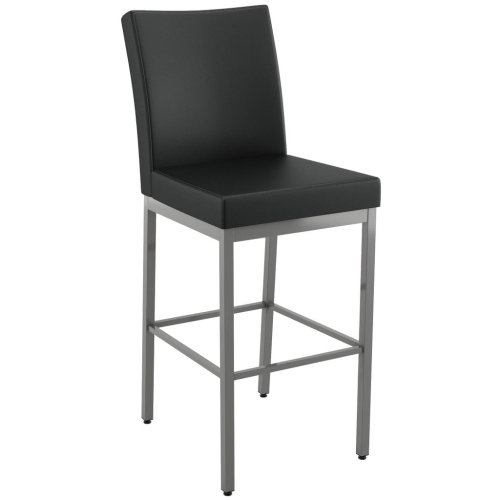
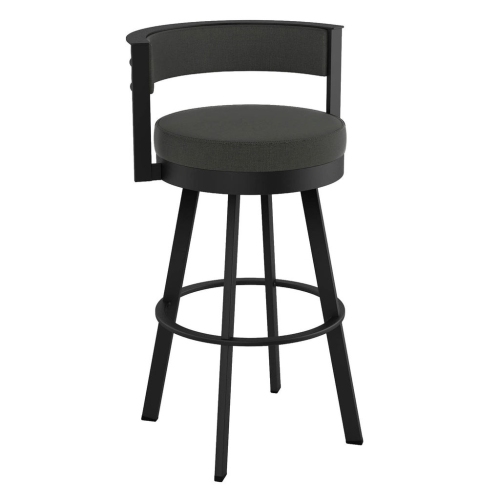
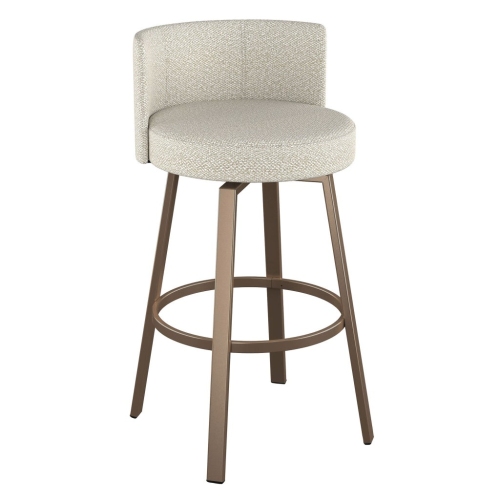
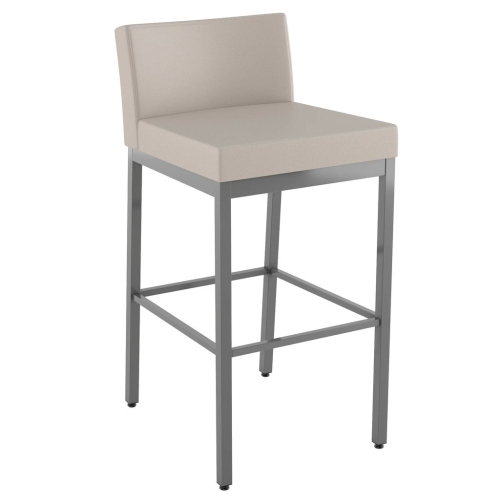
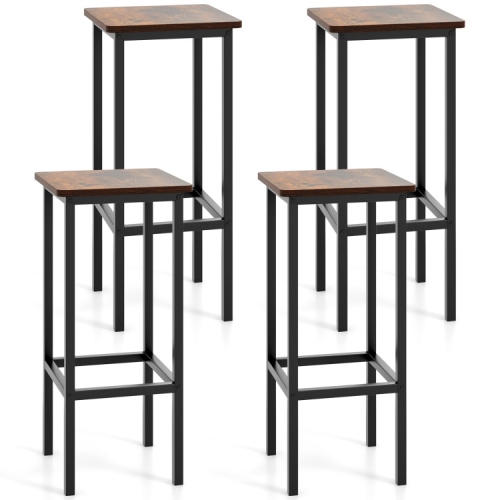
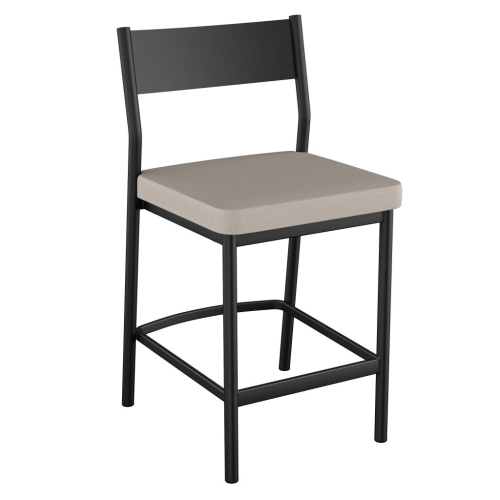
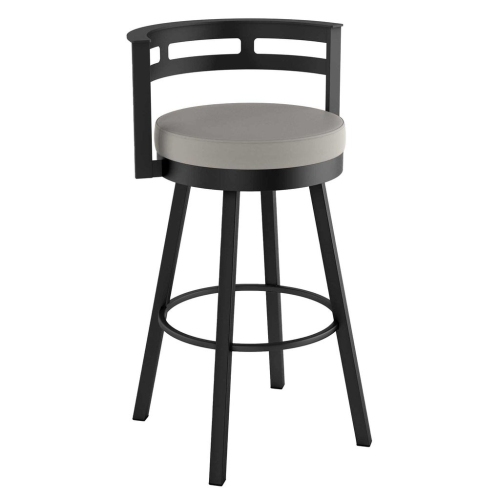
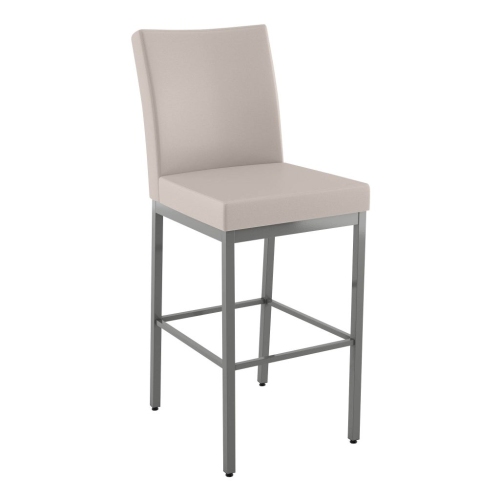
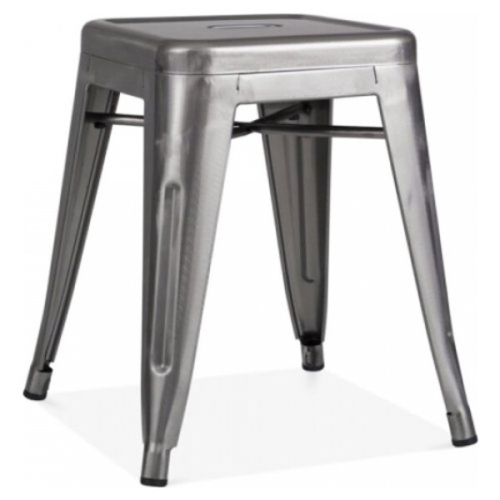
Stainless steel stools bring a clean, metallic finish to kitchen islands, breakfast bars, dining areas and multipurpose spaces. Their appeal comes from the balance of a relatively slim profile and a material that pairs easily with appliances, cabinet hardware and a wide range of countertop finishes. Against dark cabinetry, brushed stainless steel creates a clear contrast; beside pale wood or stone, it adds definition without introducing another strong colour. Polished finishes reflect more light and have a brighter appearance, while brushed finishes have a softer sheen and a visible grain that can make everyday fingerprints less noticeable. The category includes backless stools that tuck beneath an overhang, low-back designs that offer some support without blocking sightlines, and taller-backed seats suited to longer conversations over a meal. Some designs use stainless steel throughout the frame and seat, while others combine a stainless steel base with wood, moulded seating or upholstery. These differences affect more than appearance: a shaped wooden seat, a padded cushion and a flat metal seat can feel quite different over the course of breakfast or an evening spent chatting at the island. The White Metal Stools collection offers a different visual direction through white metal stools, whose painted appearance contrasts with the exposed metallic finish of stainless steel. In an open-plan room, stainless steel can connect the kitchen with an adjacent dining area, especially when similar metal details appear on lighting or furniture legs. It also suits compact apartments, where open frames and backless profiles can keep a seating area from feeling crowded. For a home studio or hobby space, the same straightforward styling can sit comfortably beside a work surface, provided the stool’s height and support suit the task. The best match depends on how the seating will actually be used, rather than on the finish alone.
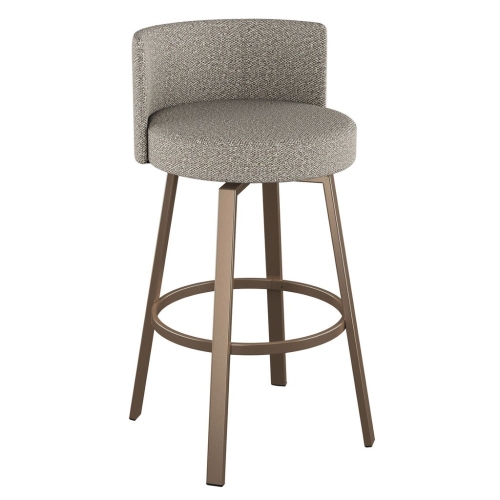
Fit is especially important with stainless steel stools because counter-height and bar-height seating are not interchangeable. Counter-height stools commonly have seats about 24 to 26 inches above the floor, while bar-height stools are often closer to 28 to 30 inches. Those ranges are useful starting points, but the relationship between the actual seat and the underside of the countertop matters most. Around 10 to 12 inches of clearance usually leaves room for thighs and comfortable movement, although a deep apron or support rail beneath the surface can reduce usable space. Seat width, the spread of the legs and the distance between neighbouring stools also influence how comfortably people can sit together. A broad seat may feel generous on its own but leave little elbow room when several stools share a short island. Armrests add support, yet they may prevent a stool from sliding fully underneath the counter. Backless designs are convenient where seating needs to disappear between meals, while a supportive back can be more comfortable for homework, remote work or a leisurely lunch. Footrests matter too: at counter or bar height, having somewhere to place the feet can make a noticeable difference during longer periods of sitting. Swivel seats allow someone to turn towards a conversation without dragging the whole stool across the floor, but their movement needs enough clearance from cabinet doors, nearby walls and other seats. Adjustable-height designs offer flexibility, although their usable height range and weight rating still need to match the people using them. For households with children, a stable footprint and predictable movement deserve particular attention; a tall stool is not a substitute for an age-appropriate child’s seat. On hardwood, tile or vinyl, suitable floor protectors help limit scuffs and scraping sounds. A stool that sits level, supports the user comfortably and leaves a clear walking route is easier to live with than one chosen purely for its appearance.
Stainless steel is valued for its resistance to corrosion and its suitability for regular cleaning, but the finish is not immune to scratches, staining or damage from unsuitable cleaners. Durability depends on the complete construction, including the quality of the frame connections, the seat attachment, the footrest and any moving parts. A substantial-looking base does not replace a stated weight capacity, and a residential stool should not be assumed suitable for the repeated demands of a café, reception area or other shared setting. Welded frames can have fewer fasteners to check, while assembled designs may need occasional tightening according to the manufacturer’s directions. Protective glides also wear over time, particularly when stools are moved frequently, and replacing worn glides can help prevent a metal leg from marking the floor. For routine care, a soft cloth with mild soap and water is often sufficient for stainless steel surfaces, followed by drying to reduce water marks. Wiping with the grain helps maintain the appearance of a brushed finish. Steel wool, abrasive pads and chlorine-based cleaners can damage the surface, so the manufacturer’s care instructions remain important. Mixed-material stools need a little more attention: upholstery may require spot cleaning, wood seats may have their own finish restrictions, and cleaning liquid should not be left around joints or adjustment mechanisms. Food spills and fingerprints are easier to manage when they are wiped away promptly rather than allowed to build up around seams and footrests. In a busy kitchen, an open frame with accessible surfaces can simplify cleaning after a meal, while deeply textured upholstery or closely spaced details may take more time. Cushions can add comfort, but their fit and fastening should keep them from sliding during use. With the right dimensions, supportive seating and care suited to each material, stainless steel stools can serve as everyday breakfast seats, casual gathering places or practical companions to a suitably sized work surface.
Top selling and popular products
-
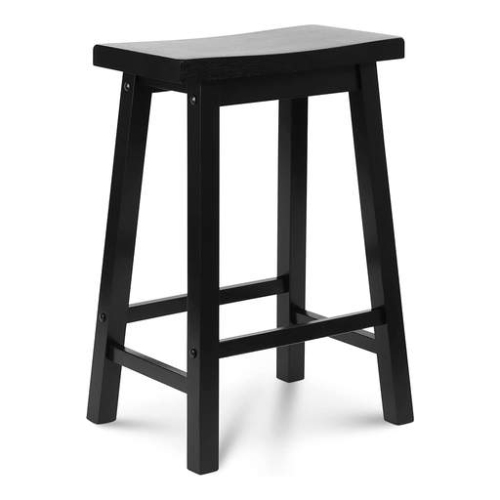 Your price for this item is $93.99
-
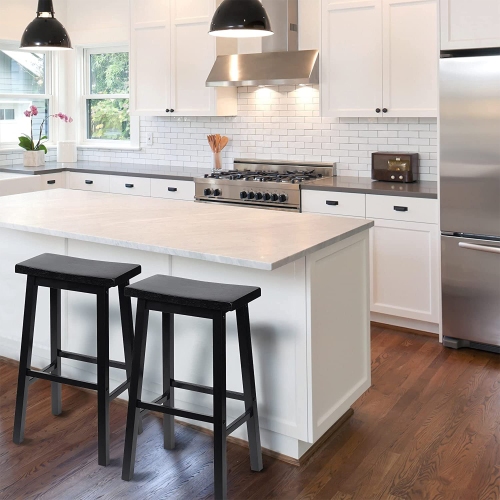 Your price for this item is $563.99
-
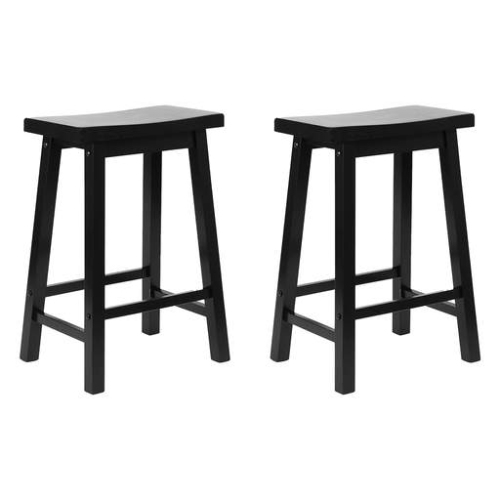 Your price for this item is $224.99
-
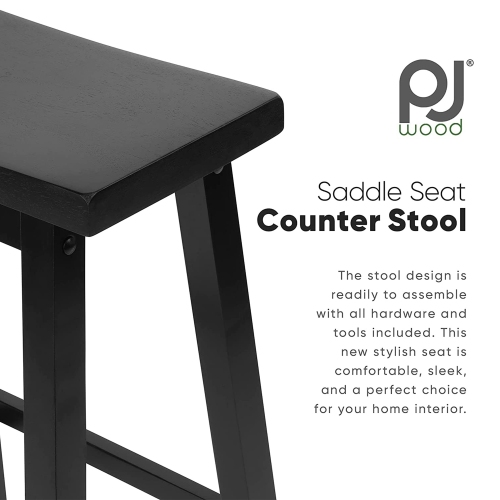 Your price for this item is $202.99
-
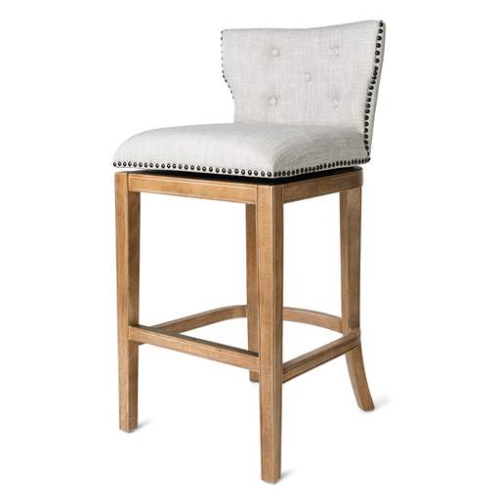 Your price for this item is $508.99
-
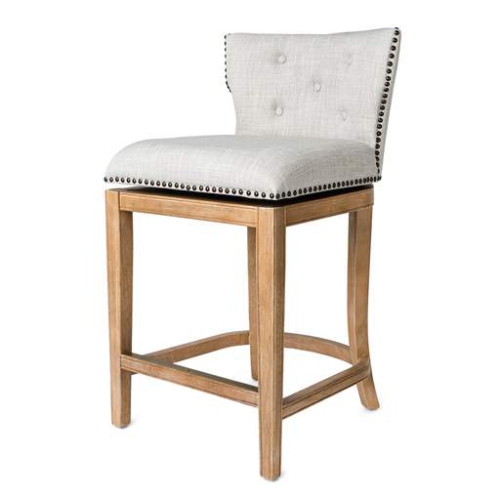 Your price for this item is $559.99
-
 Your price for this item is $512.99
-
 Your price for this item is $482.99
Discover more categories related to Stainless Steel Stools
Top Collections:
Best Black Friday Deals This Year, Best Black Friday Deals On Electronics, Kindle Devices, Pokemon Centers, Best Black Friday Deals On Apple Products, Best Cameras for Sports Photography, Dyson Airwrap, Pokémon 30th Celebration Cards, Apple iPhone 17 Pro, Canon G7X Cameras
Some products may be subject to Environmental Handling Fees
(EHF) depending on your province.
Learn more about EHFs.