Stair Treads With Adhesive Backing
Stair Treads With Adhesive Backing offer a practical solution for enhancing the look and feel of your staircase. Designed for easy installation, these stair treads help create a more comfortable and inviting atmosphere in your home or office. Whether you're updating your space or adding an extra layer of protection to your stairs, you'll find a range of styles and sizes to suit your needs. Explore options that blend seamlessly with your décor while providing added convenience and peace of mind.
Sort
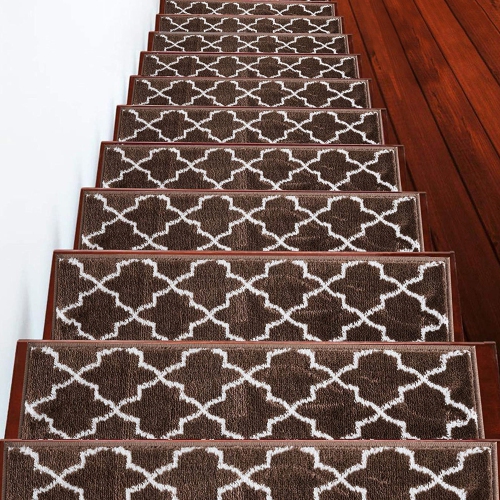
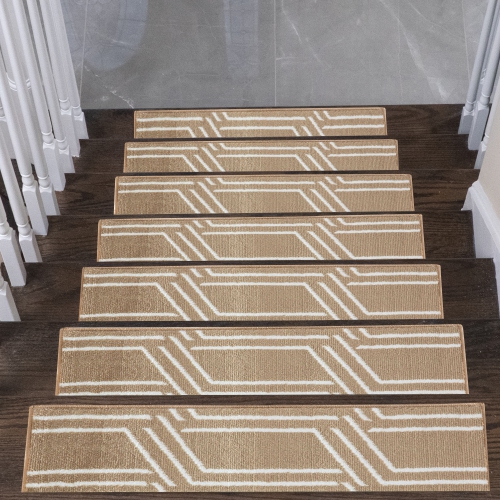
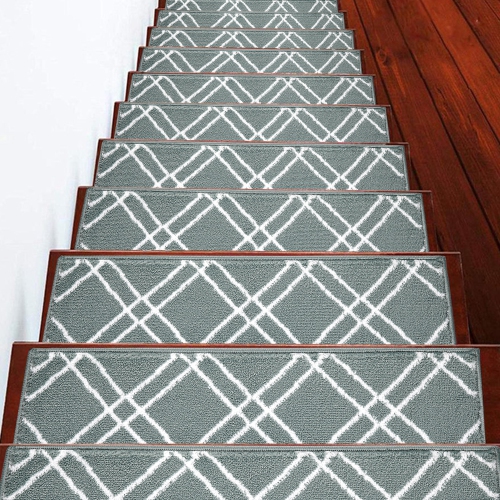
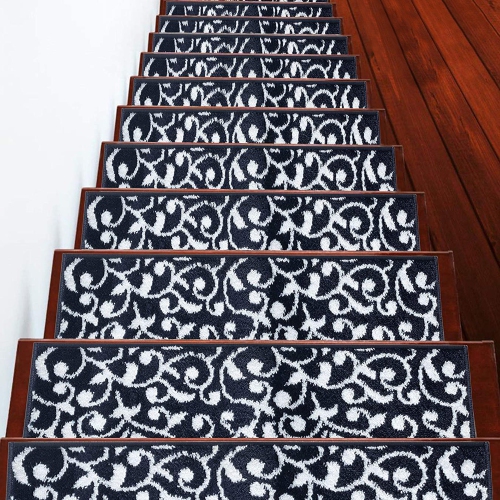

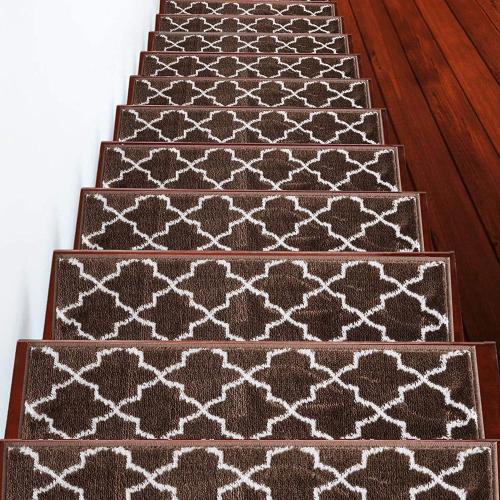
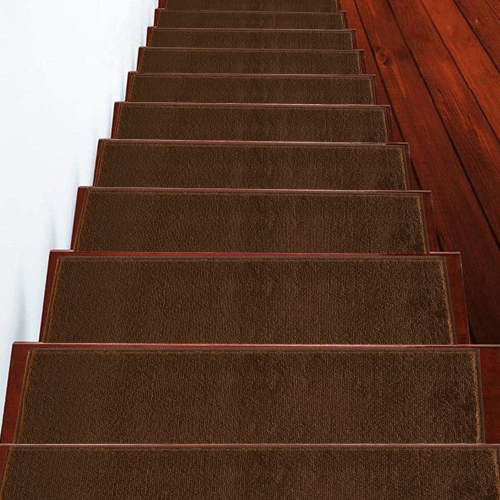
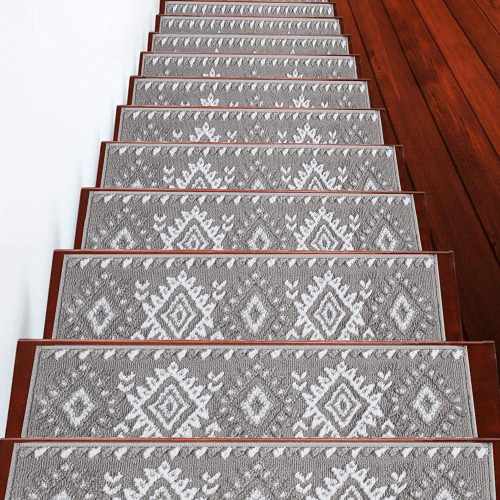
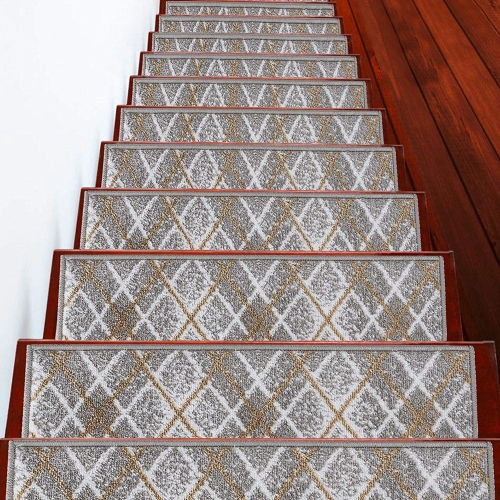
Why stair comfort depends on more than softness
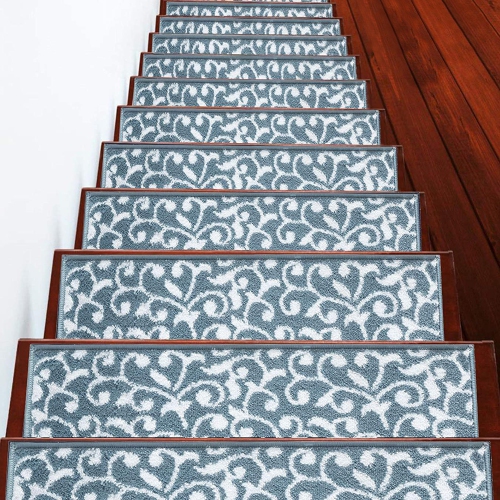
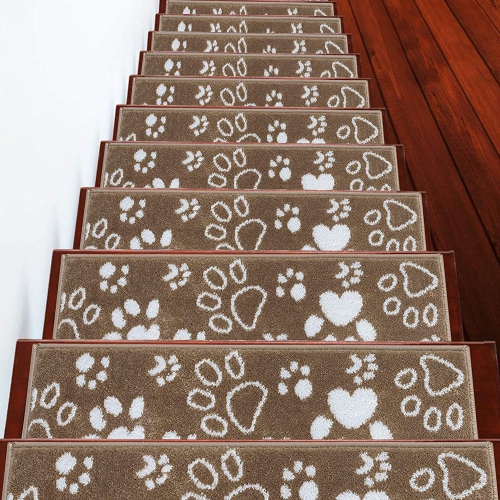
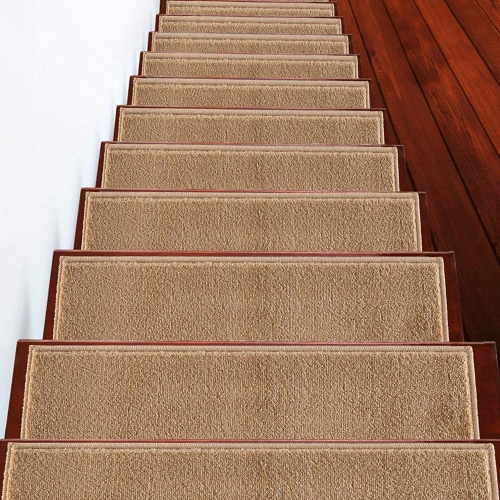
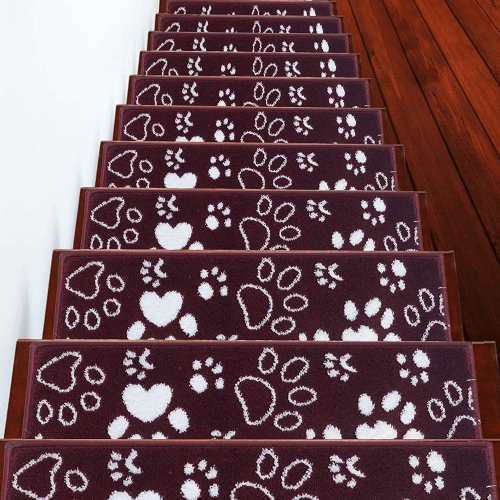
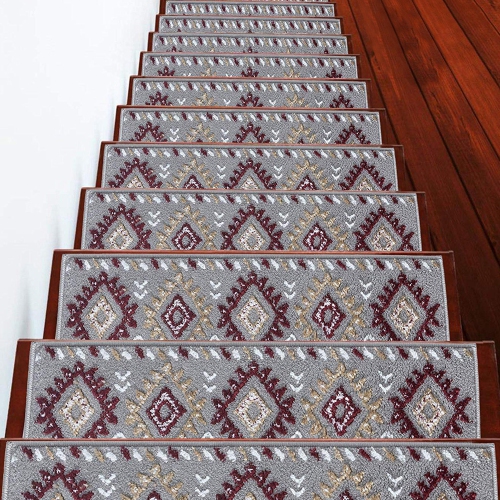
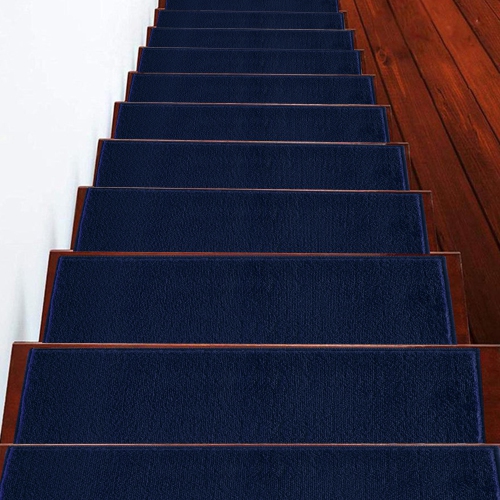
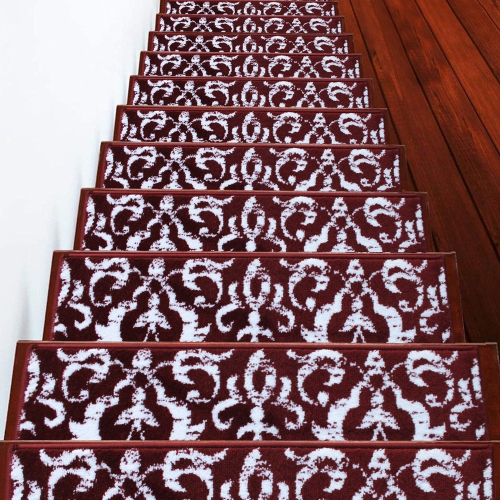
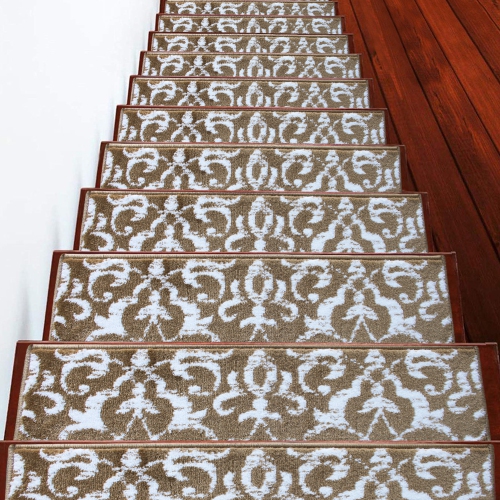
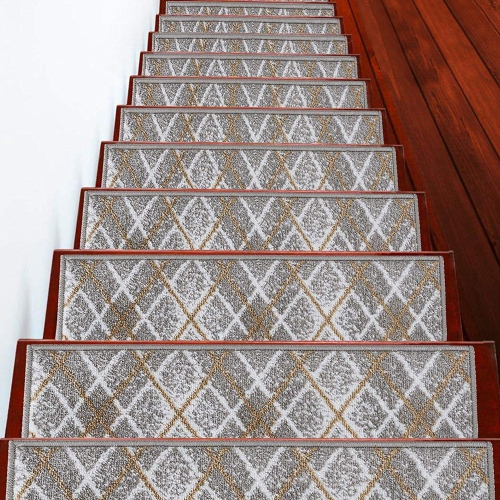
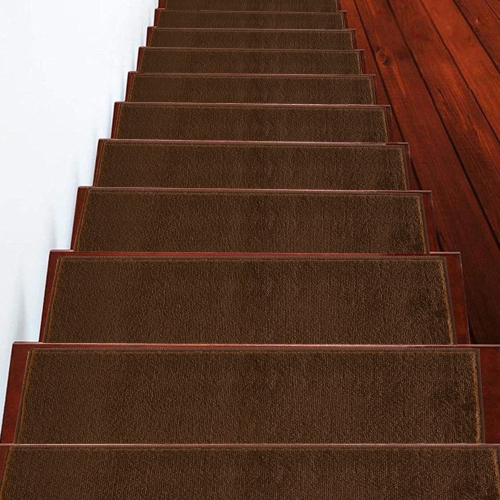
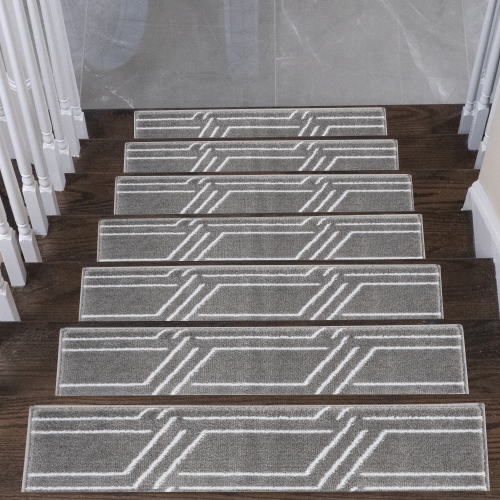
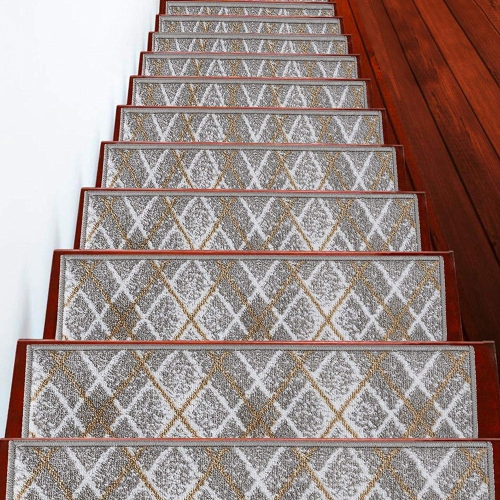
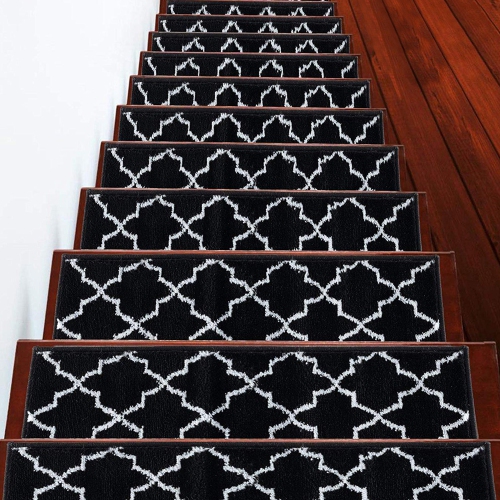
Stair treads with adhesive backing are individual coverings that attach to the horizontal surface of each step, adding texture underfoot while leaving part of the staircase visible. Often called peel-and-stick or self-adhesive stair mats, they offer an alternative to a continuous runner and generally attach without nails or separately applied glue. Depending on their construction, they can help improve traction, soften footfall noise, and protect covered areas from everyday scuffs. They are surface coverings rather than structural stair components, so their suitability depends on both the tread material and the stairs beneath it. Textile styles bring a softer feel to wooden steps, particularly along routes between bedrooms and living spaces where people often walk in socks. Polyester, nylon, and polypropylene are common carpet fibres, with differences in texture, resilience, and cleaning requirements. Dense, low-profile piles generally provide a firmer surface than thick, plush constructions, while bound edges help contain the fibres around the perimeter. For a closer look at textile options, Carpet Stair Treads includes the broader category of individual carpet coverings for steps. Rubber, vinyl, and abrasive-surface styles offer different textures and may suit utility stairs or other spaces where a soft carpet feel is less important, provided their stated use matches the location. Clear or translucent designs leave more of the underlying finish visible, while opaque coverings make a stronger visual change. Neutral shades can blend with flooring and baseboards; darker tones or subtle patterns may make everyday marks less noticeable. A contrasting colour can also help distinguish the covered area from the surrounding step, although placement should leave the stair edge easy to identify. Households with children, older adults, or pets may value a more textured walking surface, but no tread can eliminate the possibility of a slip or replace sound stairs, suitable lighting, and secure handrails.
Fit involves more than matching the width of a staircase. The usable depth of each step, the shape of the front edge, and any variation between steps all affect how an adhesive-backed tread sits. A rectangular covering needs enough flat surface for its backing to make full contact, without extending beyond the nosing or curling over an edge unless it is specifically designed to do so. Winder stairs and curved staircases often have narrower sections that require particular attention to dimensions and shape. Consistent placement creates a balanced appearance, but secure contact matters more than making a covering fit a space it was not designed for. Trimming is appropriate only when the construction allows it, since cutting through bound edges or backing layers can lead to fraying or lifting. Thickness also changes the feel underfoot: a cushioned tread should still lie flat and leave adequate clearance near doors or other moving fixtures. Surface compatibility is equally important. Finished hardwood, laminate, tile, and painted stairs can have very different bonding characteristics, and suitability for one does not establish suitability for another. Loose finishes, uneven surfaces, grout lines, and heavily textured coatings may prevent reliable adhesion. A clean, completely dry surface without dust, wax, polish, or oily cleaning residue generally gives an approved backing better contact. Adhesive systems vary, too. Some use pressure-sensitive adhesive beneath a removable liner, while others rely on a reusable gripping layer with different handling requirements. Descriptions such as removable, repositionable, and reusable are not interchangeable, and none should be taken as a universal promise of residue-free removal. A discreet compatibility test is especially useful on painted surfaces, delicate finishes, and older woodwork. For rented homes, permission to apply adhesive coverings may also matter. Removal methods, waiting periods before use, and any required setting time should follow the backing’s instructions rather than a general assumption about peel-and-stick materials.
Everyday wear gives stair treads different demands from a rug on a level floor. Feet repeatedly land in a relatively small area, often close to the front of each step, so pile density, edge finishing, and backing stability all contribute to durability. In a busy household, a low-profile surface may be easier to keep clear of lint and grit, while a softer pile may be preferred where underfoot comfort matters most. Pets introduce another consideration: textured coverings may help paws find purchase, but loose loops, raised corners, or damaged fibres can catch claws. Secure edges and a surface suited to the animal’s habits are more useful than softness alone. Textile treads can soften the sound of foot contact, although they will not necessarily address creaking boards or noise travelling through the staircase structure. Care requirements deserve as much attention as appearance. Some textile constructions tolerate machine washing, while others need vacuuming or spot cleaning; the backing may have stricter limits than the visible fabric. Washable does not automatically mean dryer-safe, and cleaning an adhesive layer does not necessarily restore its grip. Gentle vacuuming can remove particles that would otherwise work into the pile, while prompt attention to spills helps prevent marks from becoming harder to remove. Cleaning solutions should suit both the tread and the stair finish, particularly if moisture can reach the edges. Rubber and vinyl surfaces may allow wipe-clean care, but residue from an unsuitable cleaner can affect their texture or bonding. Any tread removed for cleaning needs to be dry and capable of attaching securely before it returns to use. Periodic checks for shifting, frayed edges, compressed pile, and corners that lift are worthwhile wherever stairs receive frequent traffic. A covering that no longer lies flat or holds securely needs attention rather than continued use. The most suitable stair treads with adhesive backing balance surface compatibility, dependable fit, manageable care, and the feel wanted underfoot, whether the staircase connects quiet bedrooms, a family living area, or a frequently used lower level.
Top selling and popular products
-
 Your price for this item is $130.55
-
 Your price for this item is $129.15
-
 Your price for this item is $130.55
-
 Your price for this item is $129.15
-
 Your price for this item is $129.15
-
 Your price for this item is $130.55
-
 Your price for this item is $144.99
-
 Your price for this item is $103.99
Discover more categories related to Stair Treads With Adhesive Backing
Top Collections:
Best Black Friday Deals This Year, Best Black Friday Deals On Electronics, Kindle Devices, Dyson Airwrap, Best Cameras for Sports Photography, Best Budget Office Chairs, Canon G7X Cameras, PS5 Pro Consoles, Best Black Friday Deals On Apple Products, XBOX One S Consoles
Some products may be subject to Environmental Handling Fees
(EHF) depending on your province.
Learn more about EHFs.