Stand Up Chairs
Looking to upgrade your seating experience? Stand up chairs are the perfect solution for those seeking a healthier and more dynamic way to sit while working or relaxing. These innovative chairs are designed to promote better posture, reduce back pain, and increase overall comfort. Whether you're working from home, gaming for hours, or simply want to improve your sitting habits, stand up chairs offer a versatile and stylish alternative to traditional seating options. Explore our range of stand up chairs to find the perfect fit for your needs and take the first step towards a more ergonomic and active lifestyle.
Sort
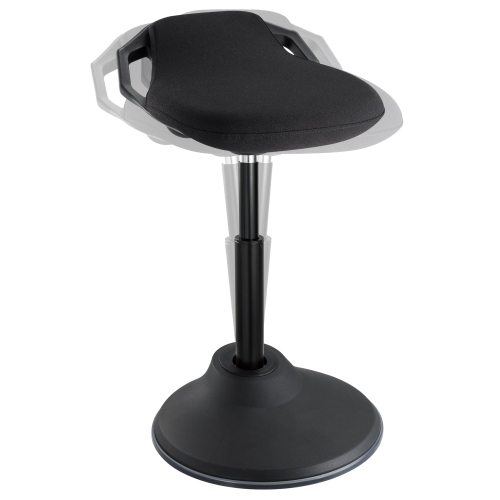
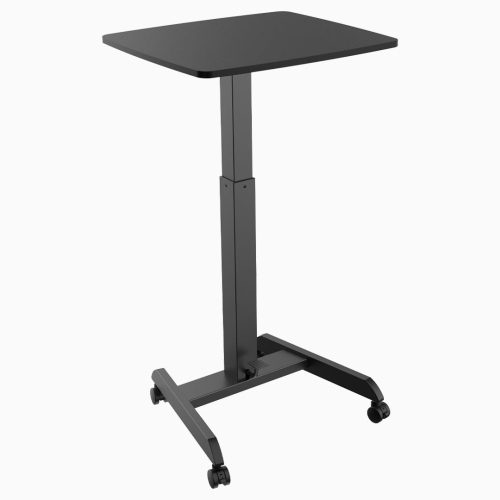
How lift chairs support comfortable movement at home
Stand up chairs are designed to make changing position feel more comfortable, controlled and manageable. The term commonly refers to power lift chairs and lift recliners, which use a built-in electric motor to tilt the seat forward and raise it gradually, helping the user move from sitting to standing without pushing hard against the arms or relying entirely on another person. These chairs generally look and feel like welcoming living-room armchairs, with padded seats, supportive backs and sturdy armrests. A wired or wireless remote control typically operates the lift and recline functions, allowing the user to find a comfortable position with minimal reaching or twisting. Some models offer several reclining angles, including a near-flat position for resting, while others may include features such as adjustable headrests, footrests, heat or massage. These added functions can make a chair useful throughout the day, whether it is placed in a family room for watching television, in a bedroom for reading, or in a quiet corner where someone can relax with a cup of tea. Stand up chairs may be especially helpful for older adults, people recovering from an injury, or anyone who finds deep, low seating difficult to leave. They can also be a thoughtful gift for a parent, grandparent or loved one who values comfort and greater independence at home. A lift chair is not a substitute for professional medical equipment or assistance when a person needs full support, and anyone with significant mobility concerns should consult a healthcare professional or occupational therapist about the right type of aid. For everyday use, however, the gradual lift motion and stable construction can make ordinary routines, such as sitting down after a walk or getting up to answer the door, feel less demanding.
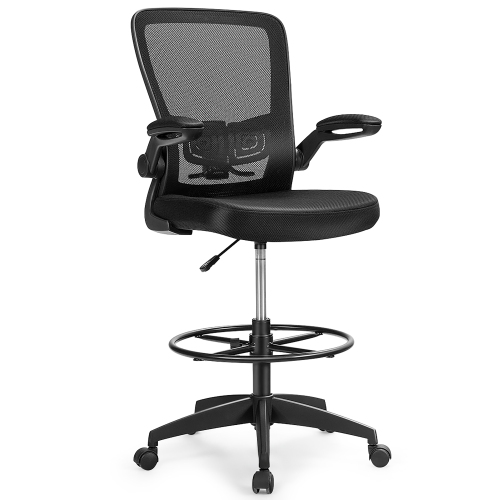
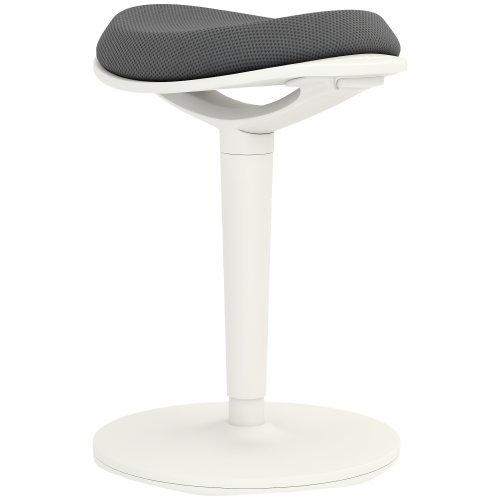
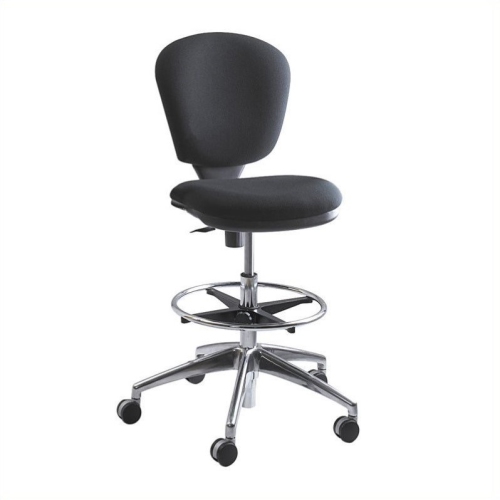
When comparing stand up chairs, begin with the user’s height, weight and available space. Seat height affects how easily the user’s feet rest on the floor, while seat depth determines whether the back is properly supported without pressure behind the knees. A chair that is too deep may leave the user slouching; one that is too shallow may not provide enough leg support. Check the listed weight capacity and measure doorways, halls and the intended room before ordering, especially because a reclining chair needs clearance behind it and space in front for the footrest. Wall-hugger designs can be useful where furniture sits close to a wall, although every model has its own clearance requirements. Consider the control layout as well. Large, clearly labelled buttons can be easier to use, and a remote with a long cord may be practical for someone who prefers not to lean forward. Think about the upholstery in relation to daily life: soft fabric can create a warm, relaxed feel during cooler months, while smooth materials may be easier to wipe clean after snacks, drinks or everyday spills. Firm cushioning can make standing easier for some users, while deeper, softer cushioning may appeal to someone who spends long periods reading or resting. Look for broad armrests, a stable base and a footrest that supports the legs comfortably rather than leaving the heels suspended. Noise level may also matter in a bedroom or shared living space, so a quiet motor can be a useful consideration. If the intended user works at a counter or alternating-height workstation, a different type of seating may be more appropriate. Tall perching stools and adjustable chairs are designed to provide support while keeping the body higher than a conventional office chair; explore Office Chairs For Standing Desk for seating intended for that setting.
Stand up chairs can support a range of routines beyond simply helping someone rise from a seat. A reader may use the reclined position to follow a novel while keeping the legs raised, while someone working from home may use a supportive chair for a short break between tasks. In a shared household, the best placement is often somewhere the chair can be used naturally rather than tucked away in a seldom-used room. Leave enough room for the lift and recline movement, keep the power cord arranged safely away from walkways, and position a side table nearby for a remote, glasses, a book or a drink. It is worth establishing a simple habit of operating the chair from a fully seated position and keeping hands, feet and pets clear of moving sections. A family member choosing a stand up chair as a gift should pay attention to the recipient’s furniture preferences, room décor and daily habits; a supportive chair in a familiar fabric can feel like a natural part of the home rather than a clinical addition. During the cooler months, the warmth of a padded recliner and an elevated footrest can make an evening at home especially inviting, while the lift function remains useful year-round. For a person who spends time entertaining, watching films or visiting with family, a comfortable upright position can be just as valuable as a fully reclined one. With the right dimensions, accessible controls and suitable range of movement, a stand up chair can provide a dependable place to rest, read, visit and rise with greater confidence.
When comparing stand up chairs, begin with the user’s height, weight and available space. Seat height affects how easily the user’s feet rest on the floor, while seat depth determines whether the back is properly supported without pressure behind the knees. A chair that is too deep may leave the user slouching; one that is too shallow may not provide enough leg support. Check the listed weight capacity and measure doorways, halls and the intended room before ordering, especially because a reclining chair needs clearance behind it and space in front for the footrest. Wall-hugger designs can be useful where furniture sits close to a wall, although every model has its own clearance requirements. Consider the control layout as well. Large, clearly labelled buttons can be easier to use, and a remote with a long cord may be practical for someone who prefers not to lean forward. Think about the upholstery in relation to daily life: soft fabric can create a warm, relaxed feel during cooler months, while smooth materials may be easier to wipe clean after snacks, drinks or everyday spills. Firm cushioning can make standing easier for some users, while deeper, softer cushioning may appeal to someone who spends long periods reading or resting. Look for broad armrests, a stable base and a footrest that supports the legs comfortably rather than leaving the heels suspended. Noise level may also matter in a bedroom or shared living space, so a quiet motor can be a useful consideration. If the intended user works at a counter or alternating-height workstation, a different type of seating may be more appropriate. Tall perching stools and adjustable chairs are designed to provide support while keeping the body higher than a conventional office chair; explore Office Chairs For Standing Desk for seating intended for that setting.
Stand up chairs can support a range of routines beyond simply helping someone rise from a seat. A reader may use the reclined position to follow a novel while keeping the legs raised, while someone working from home may use a supportive chair for a short break between tasks. In a shared household, the best placement is often somewhere the chair can be used naturally rather than tucked away in a seldom-used room. Leave enough room for the lift and recline movement, keep the power cord arranged safely away from walkways, and position a side table nearby for a remote, glasses, a book or a drink. It is worth establishing a simple habit of operating the chair from a fully seated position and keeping hands, feet and pets clear of moving sections. A family member choosing a stand up chair as a gift should pay attention to the recipient’s furniture preferences, room décor and daily habits; a supportive chair in a familiar fabric can feel like a natural part of the home rather than a clinical addition. During the cooler months, the warmth of a padded recliner and an elevated footrest can make an evening at home especially inviting, while the lift function remains useful year-round. For a person who spends time entertaining, watching films or visiting with family, a comfortable upright position can be just as valuable as a fully reclined one. With the right dimensions, accessible controls and suitable range of movement, a stand up chair can provide a dependable place to rest, read, visit and rise with greater confidence.
Top selling and popular products
-
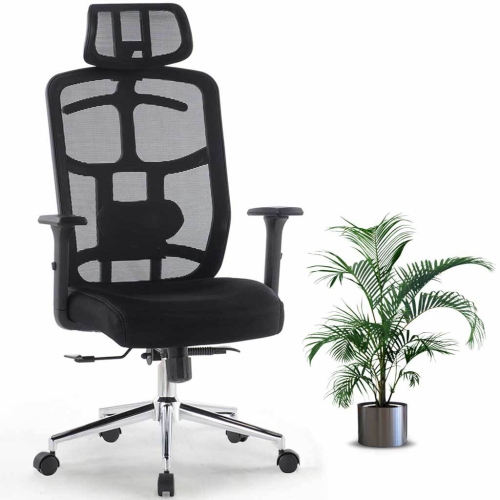 Your price for this item is $114.99
 -
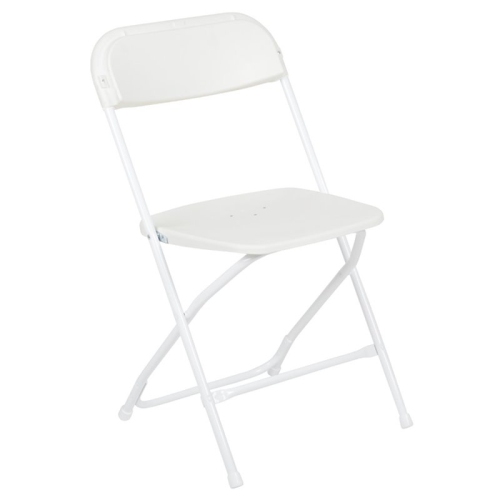 Your price for this item is $123
 -
 Your price for this item is $139.99
 -
 Your price for this item is $139.99
 -
 Your price for this item is $203.98
 -
 Your price for this item is $379.99
 -
 Your price for this item is $379.99
 -
 Your price for this item is $594.99
Discover more categories related to Stand Up Chairs
Top Collections:
Pokemon Centers, Kindle Devices, Best Budget Office Chairs, Apple iPhones 16, Canon G7X Cameras, iPhone 15 Apple, Alarm Clock, Refurbished Apple Laptops, Flip Phones, Best Laptops for Writers
Some products may be subject to Environmental Handling Fees
(EHF) depending on your province.
Learn more about EHFs.