Standard Bookcases
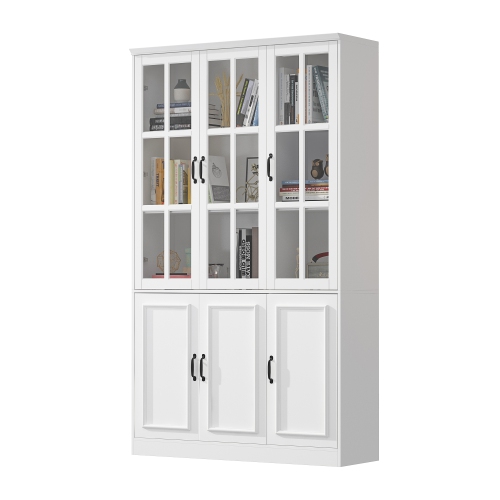
Looking to add a touch of organization and style to your living space or home office? Standard bookcases are the perfect solution for showcasing your book collection, displaying decorative items, or storing important documents. With their versatile design and functionality, standard bookcases offer ample storage space while enhancing the overall aesthetic of almost any room. Whether you're a bookworm looking to create a cozy reading nook or a professional seeking a sleek storage solution, standard bookcases have something to suit every taste and style. Here are some great options available.
Sort
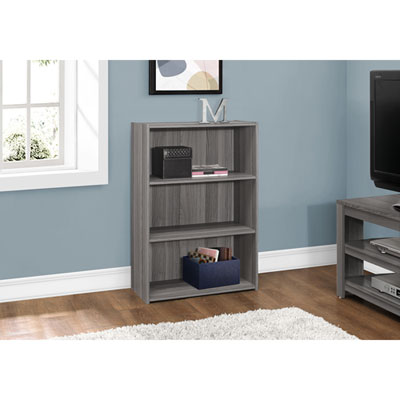
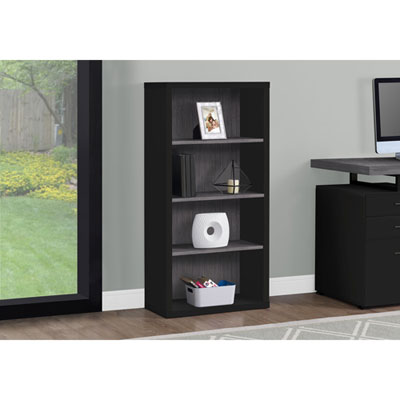
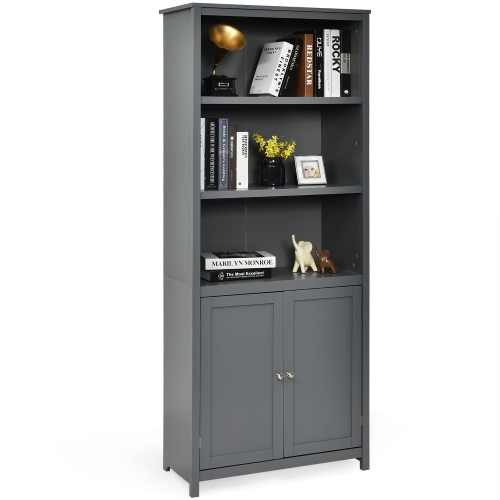
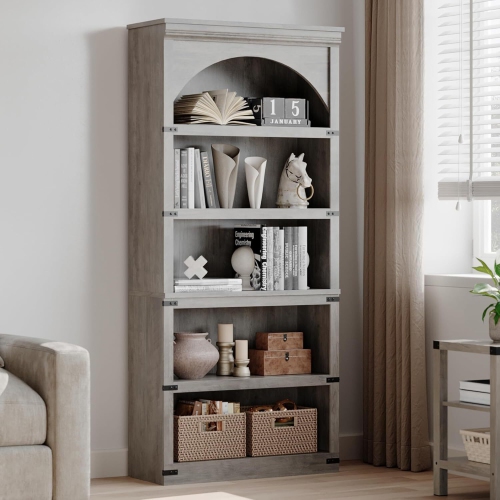
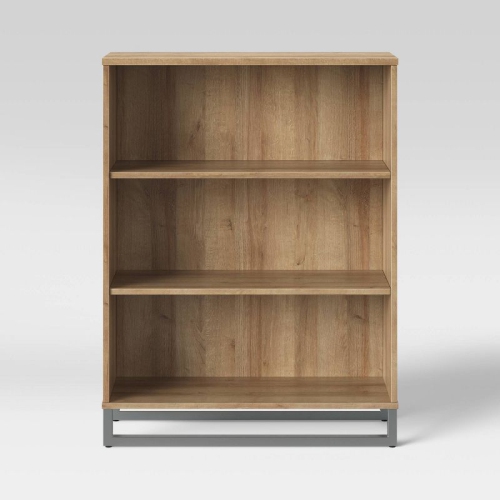
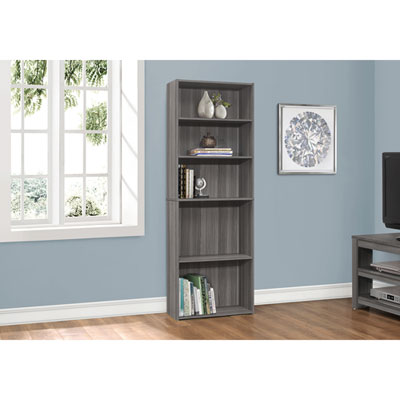
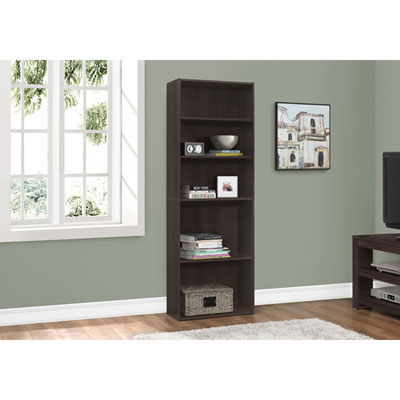
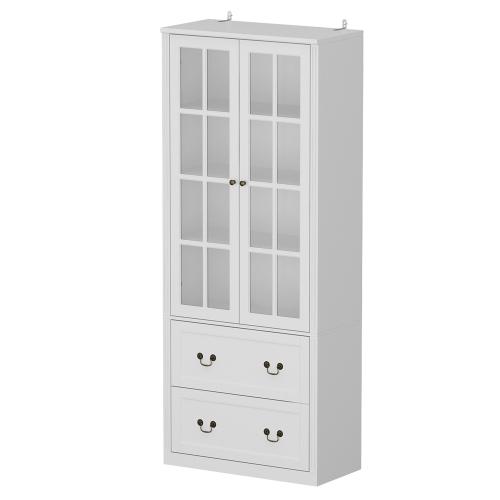
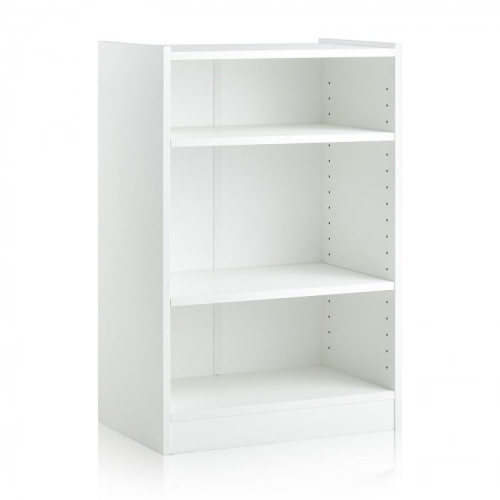
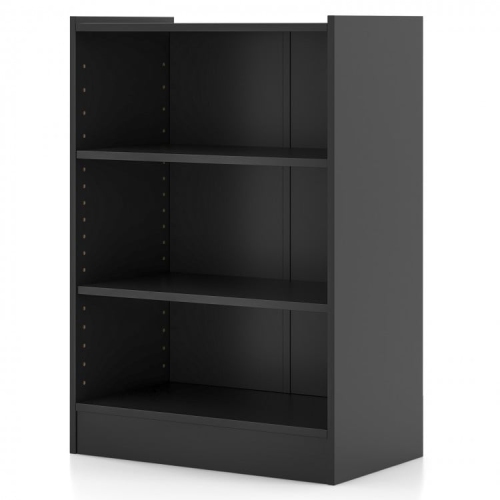
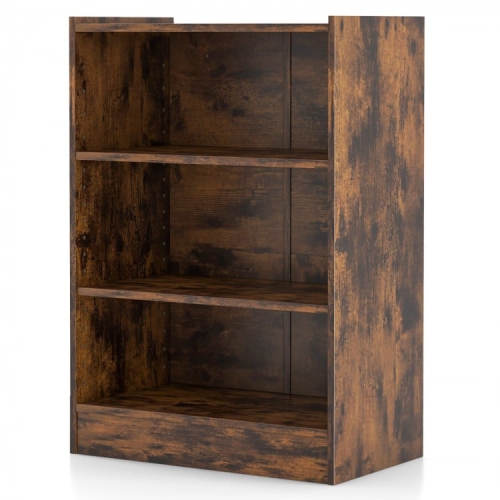
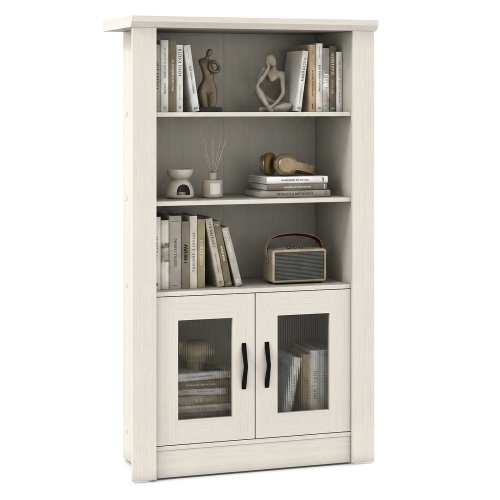
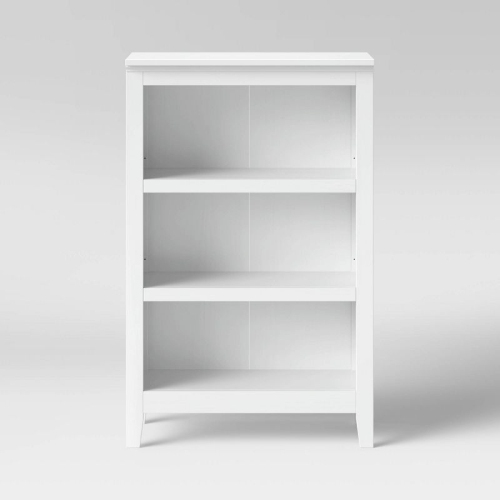
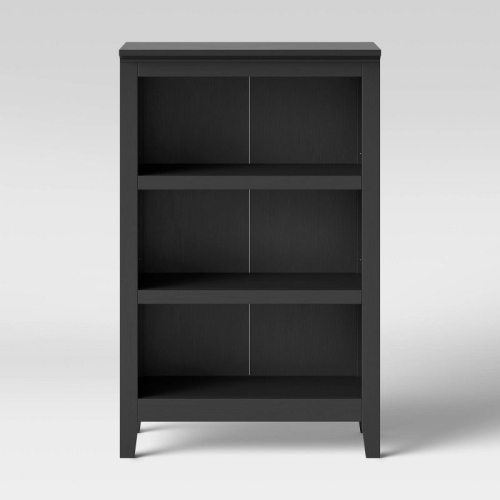
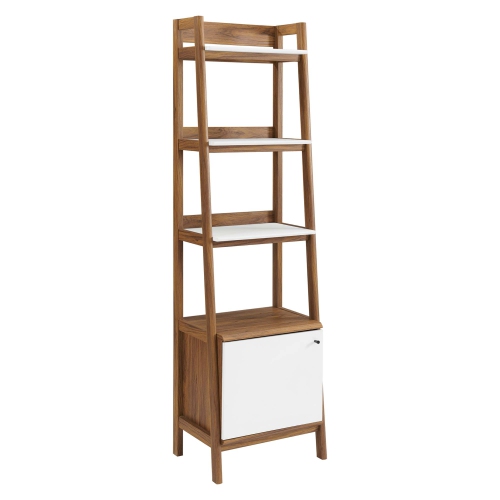
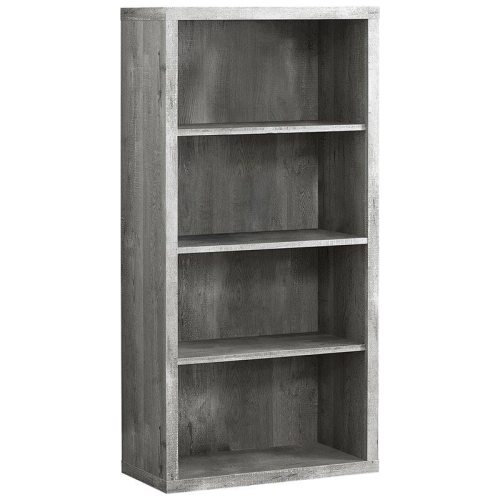
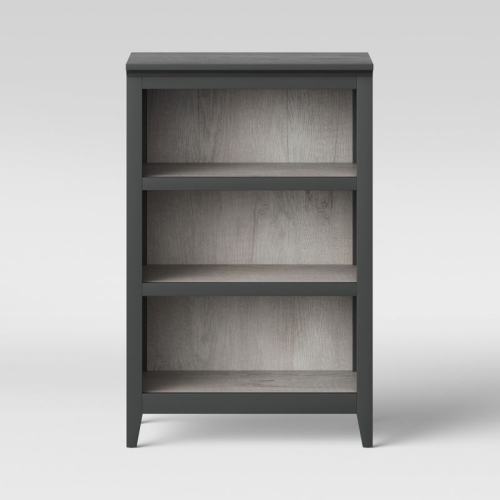
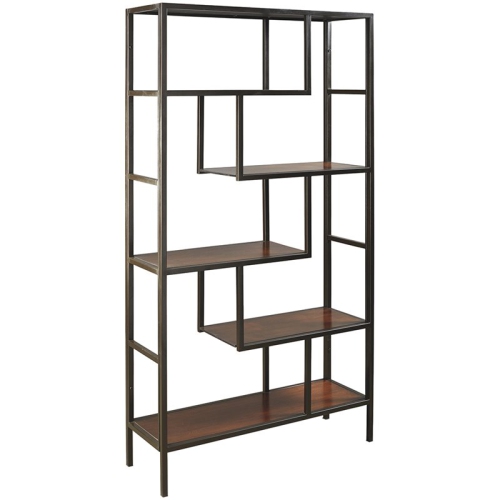
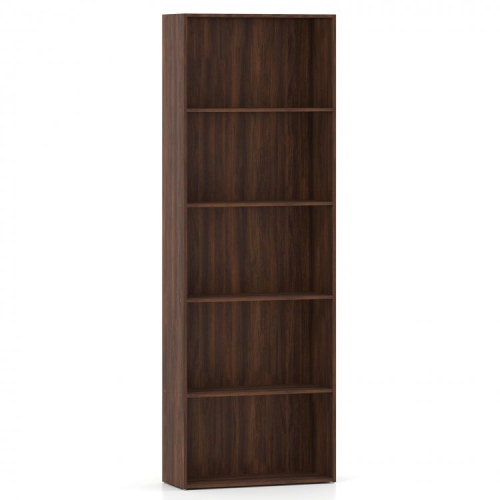
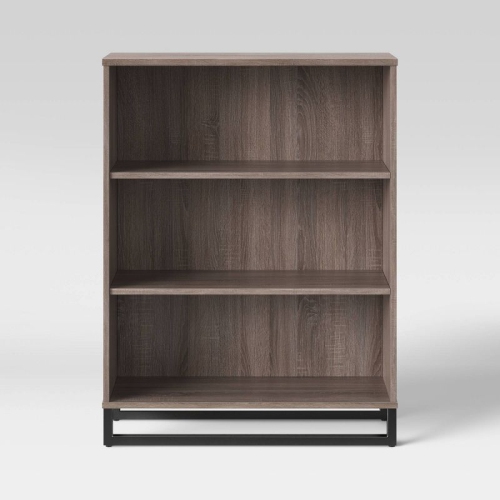
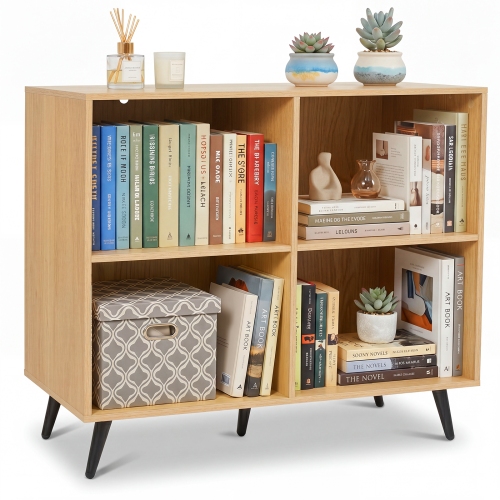
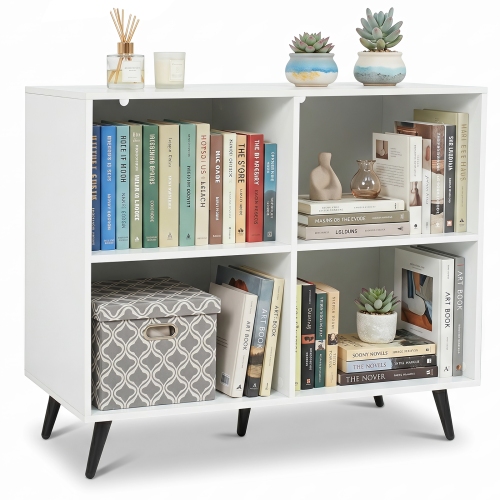
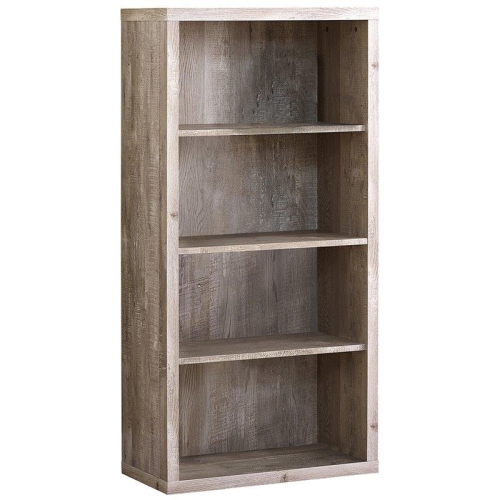
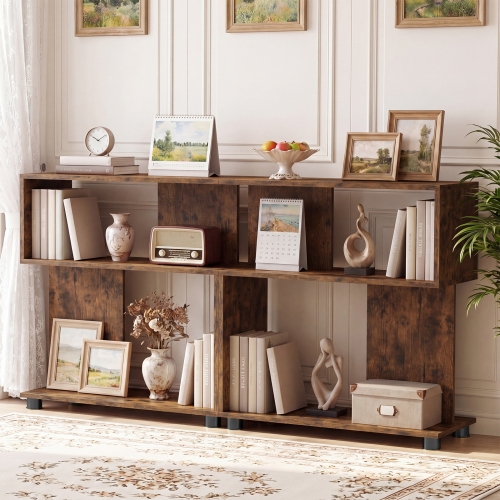
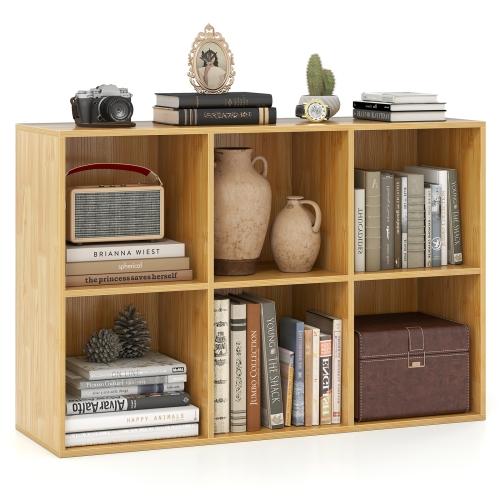
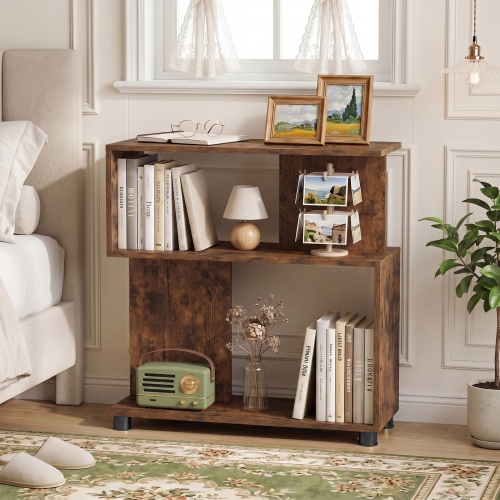
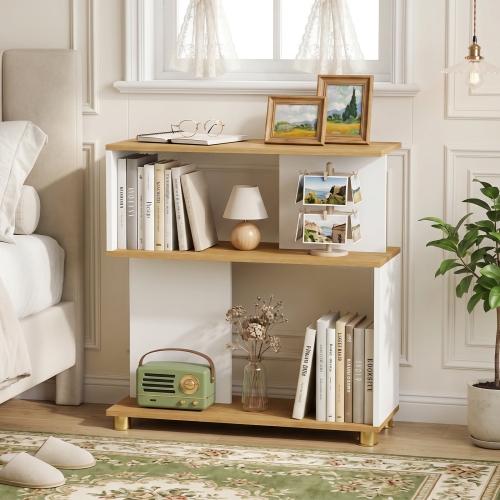
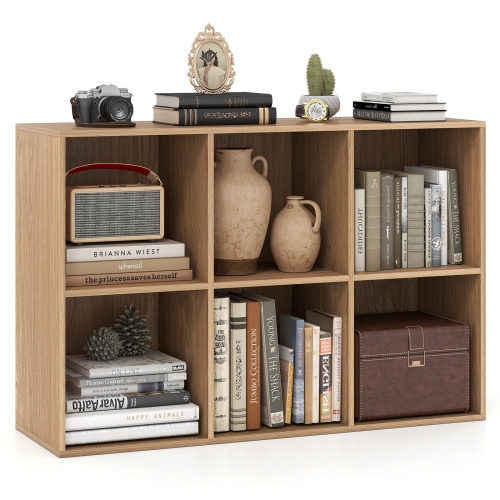
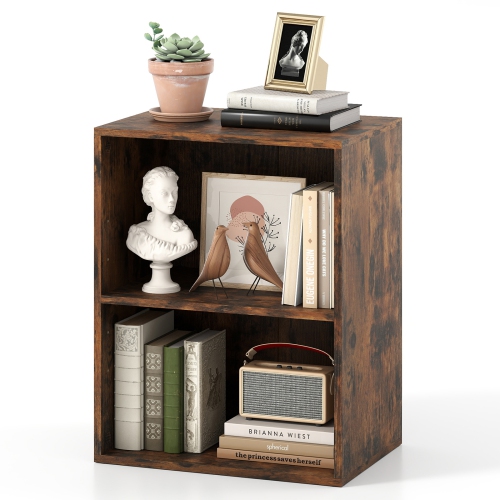
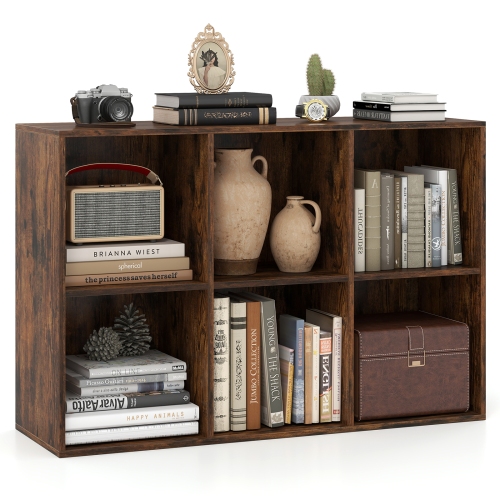
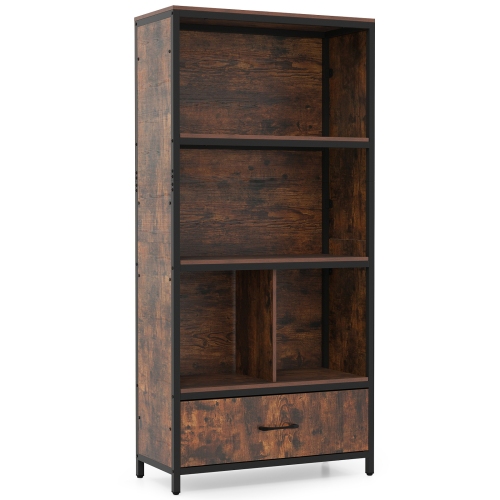
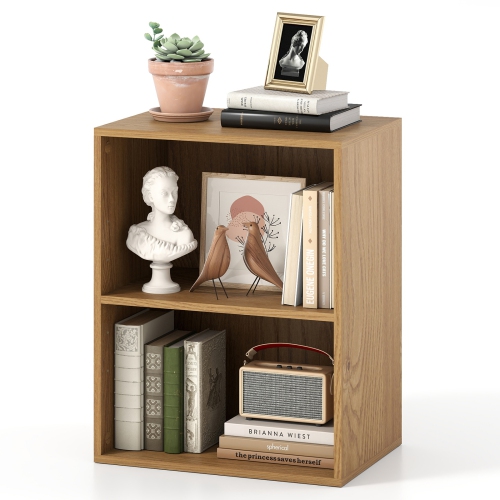
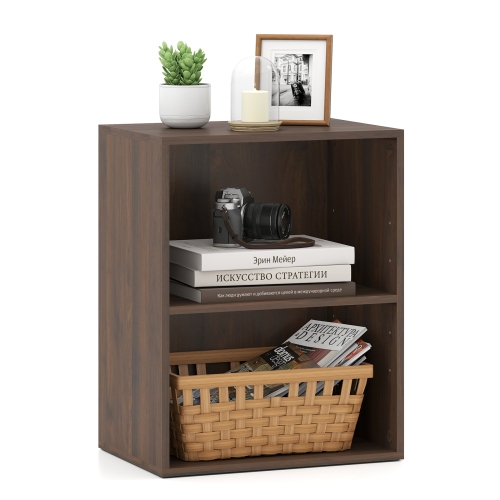
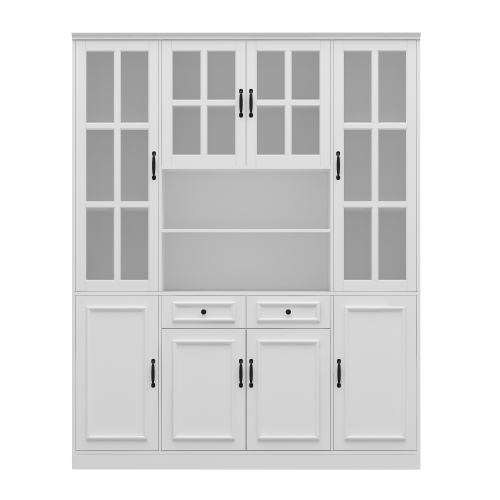
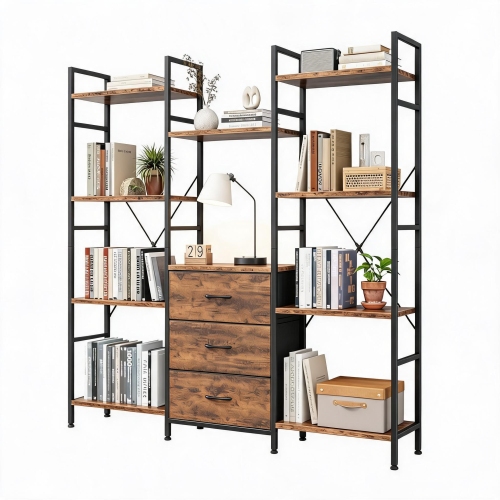
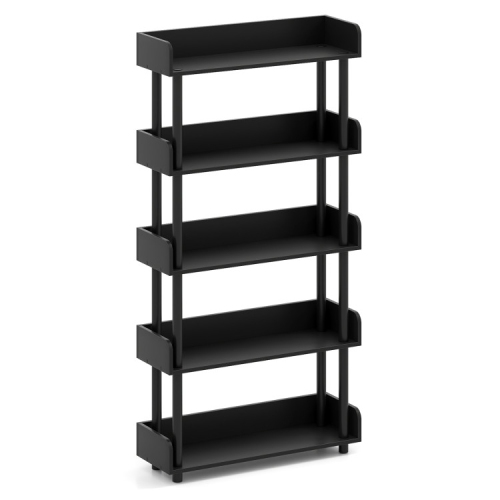
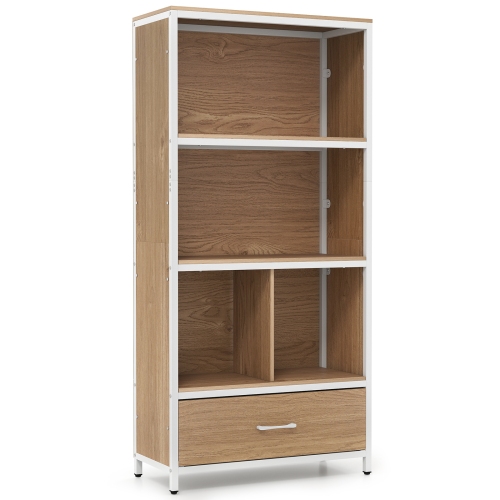
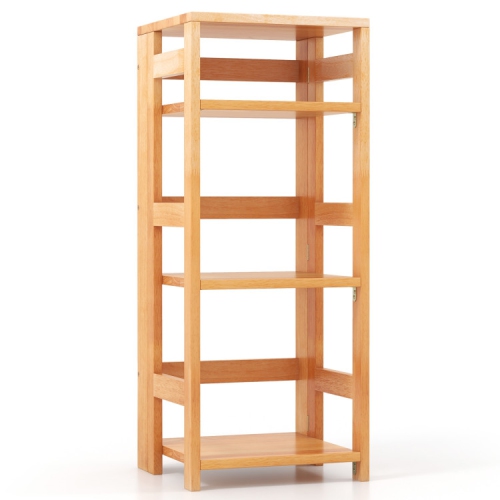
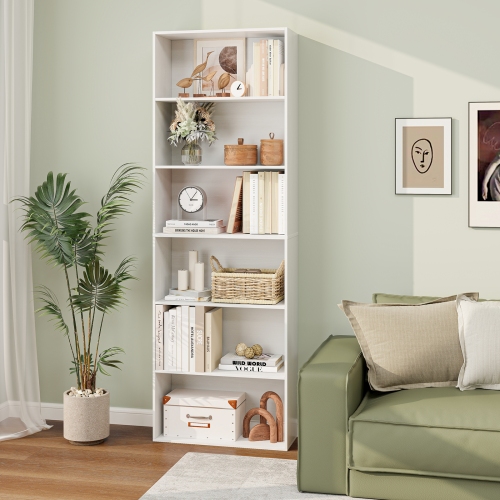
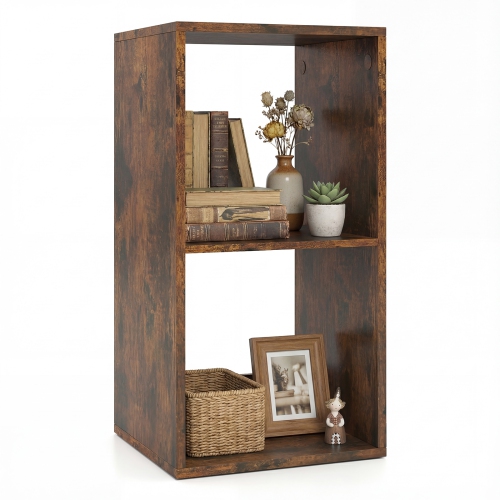
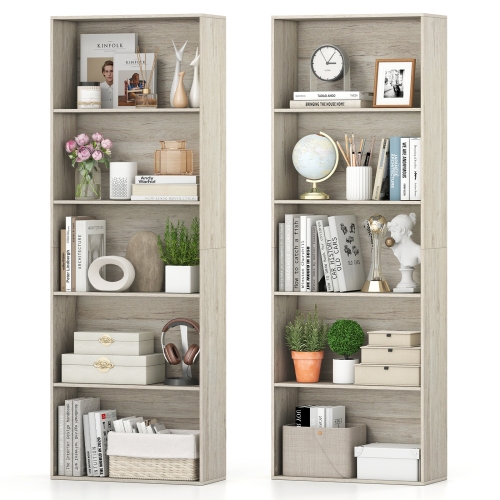
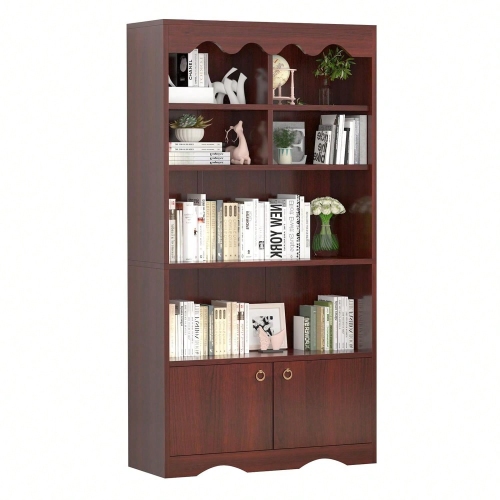
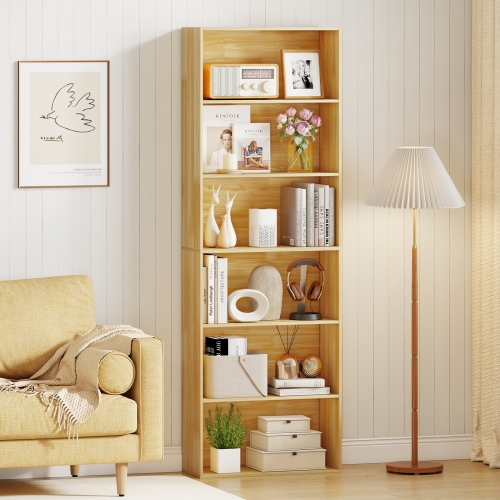
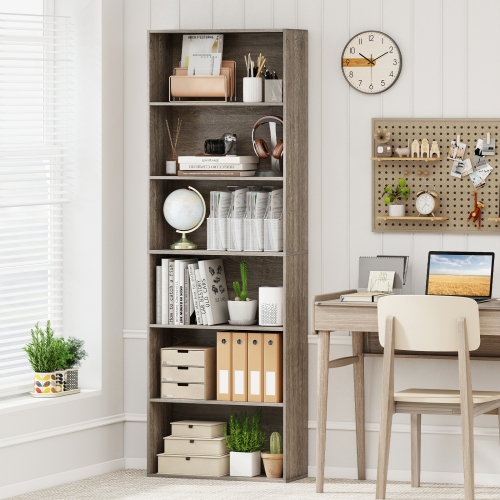
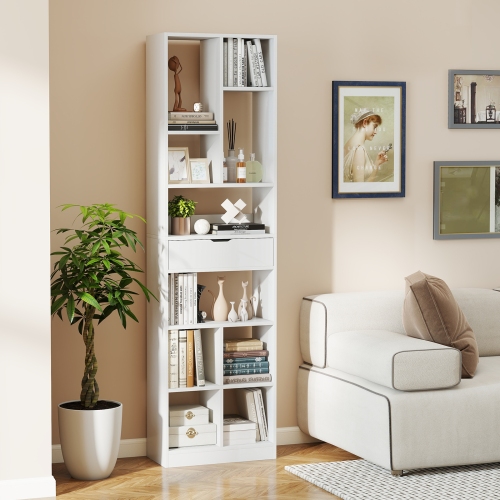
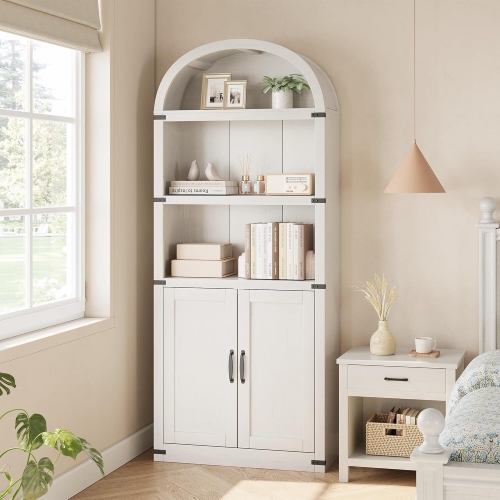
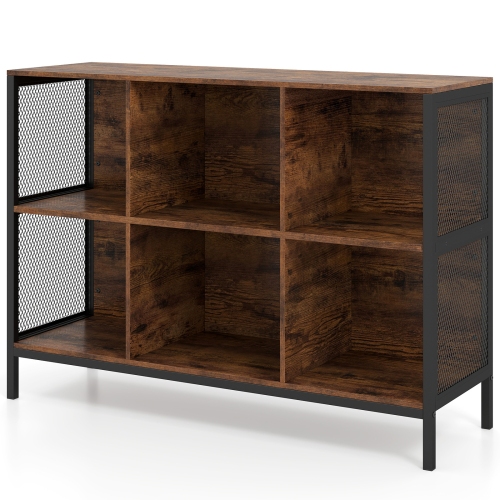
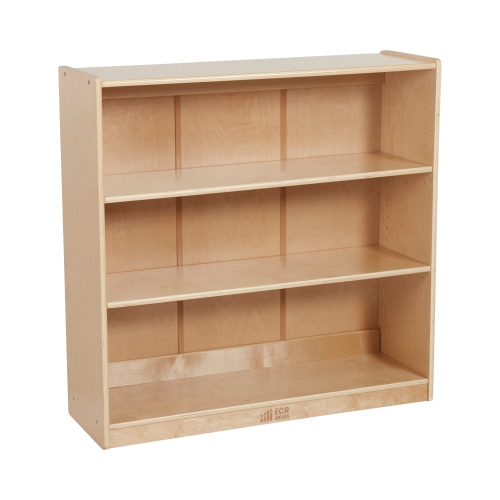
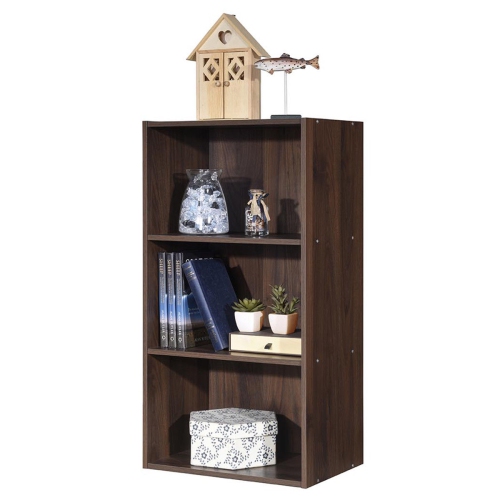
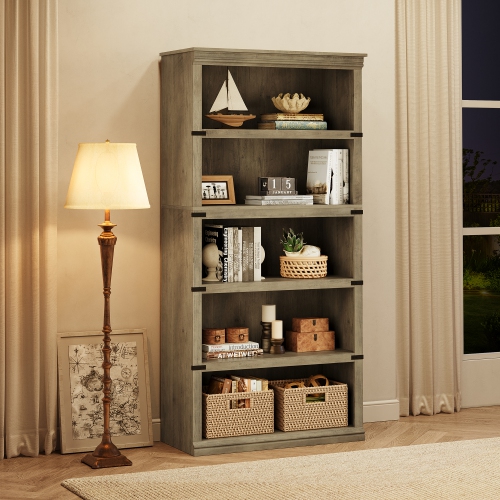
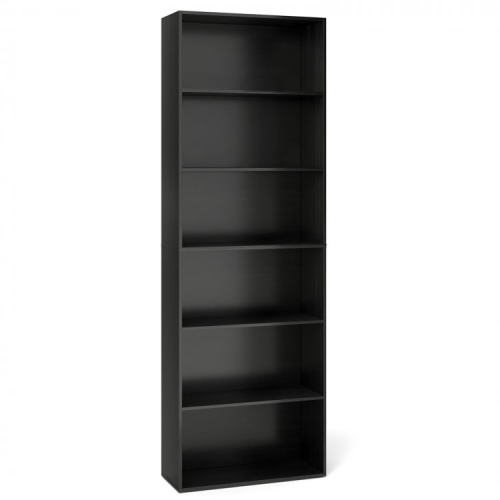
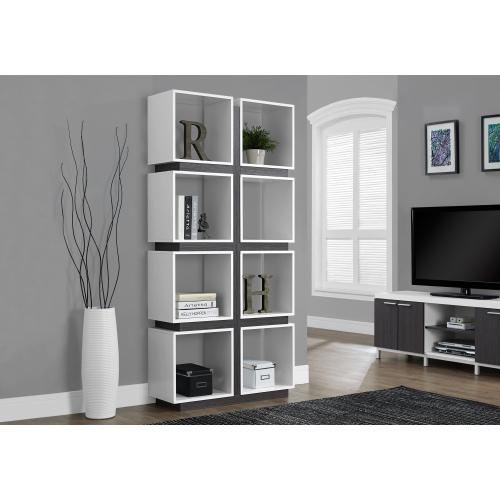
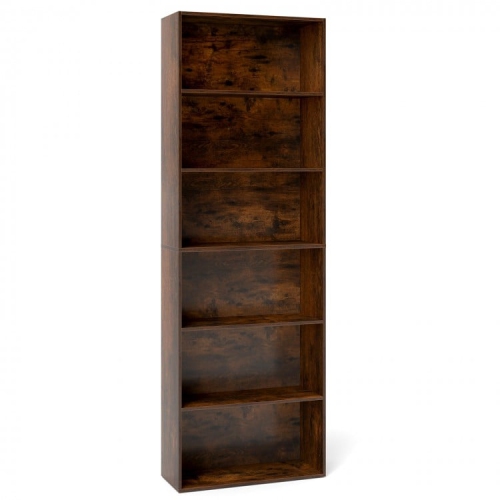
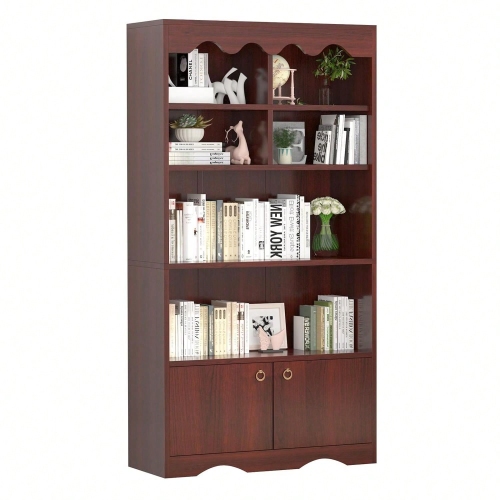
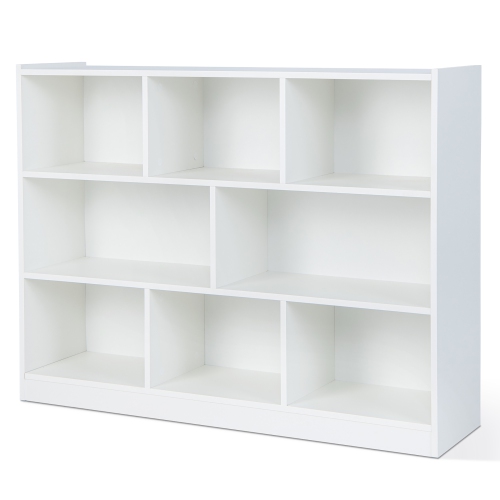
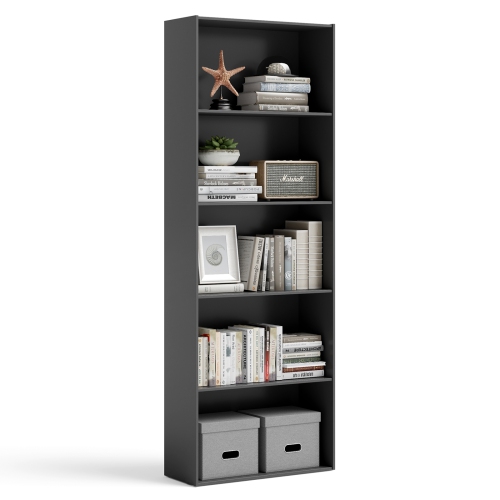
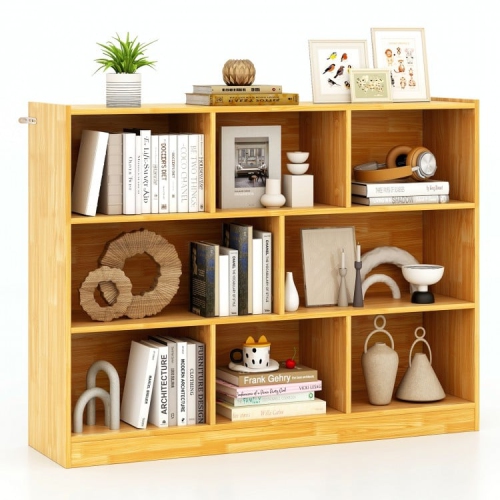
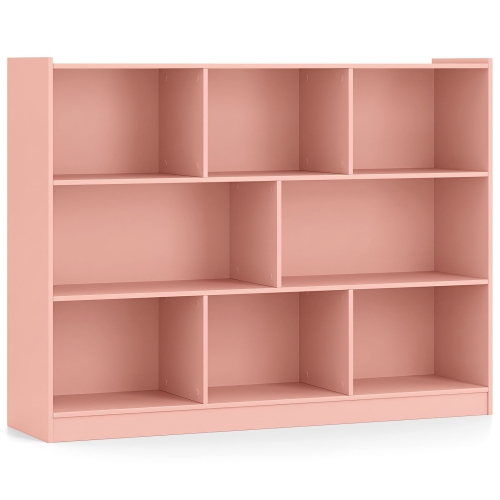
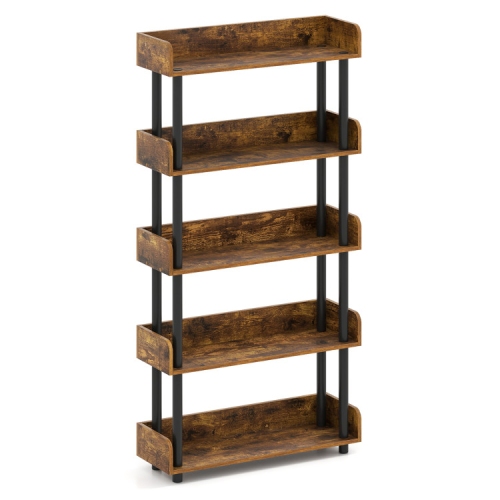
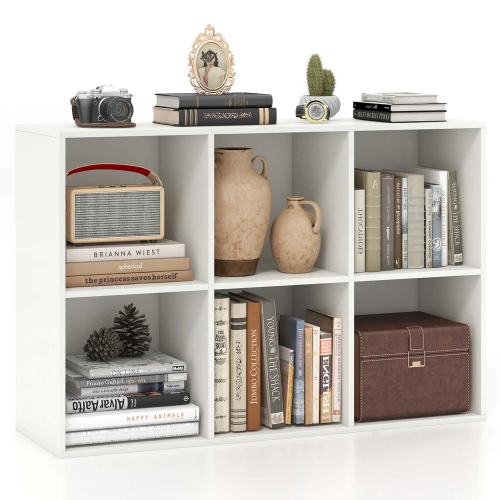
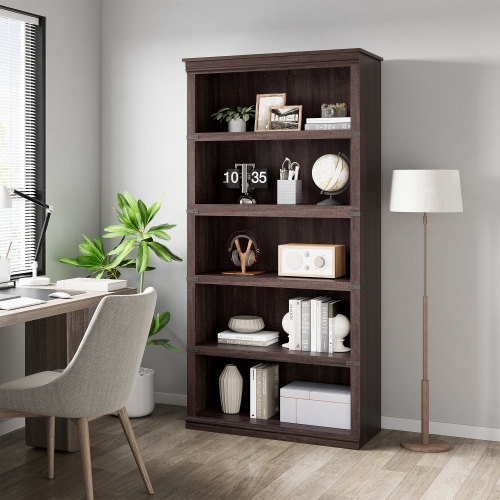
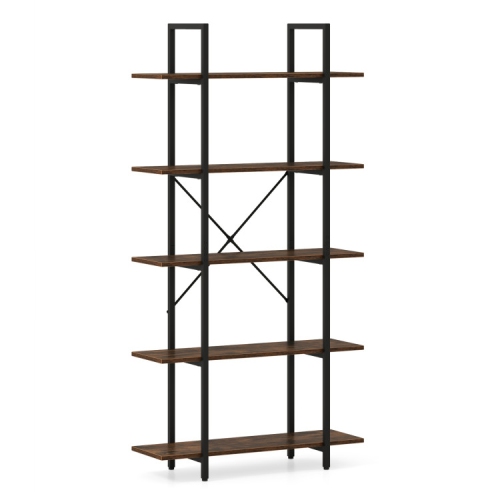
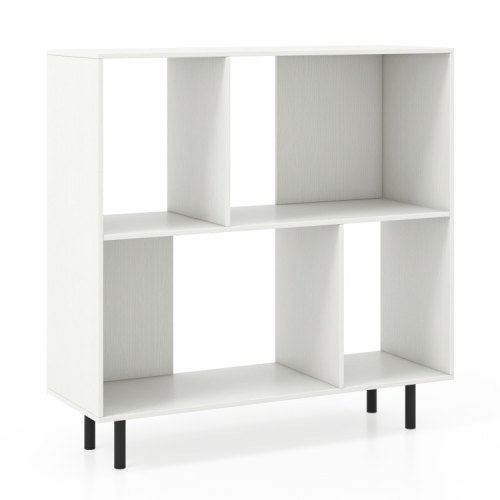
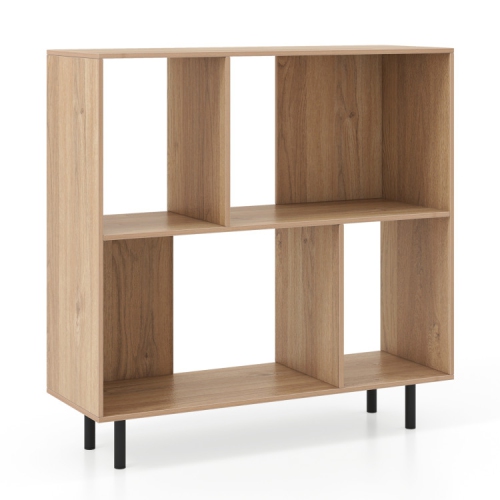
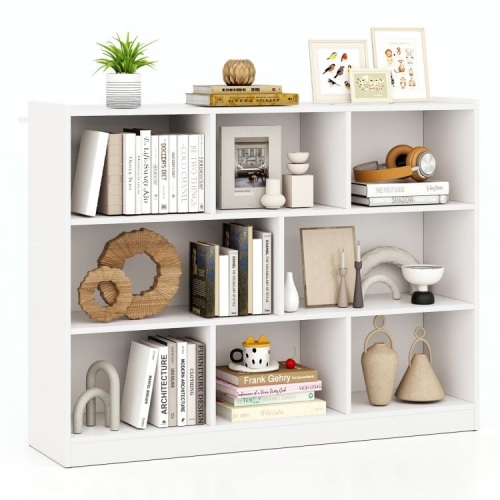
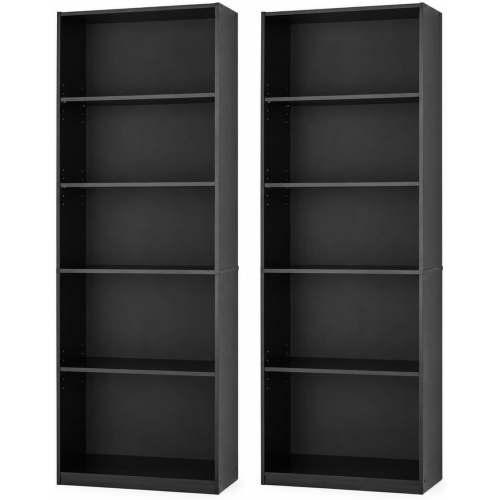
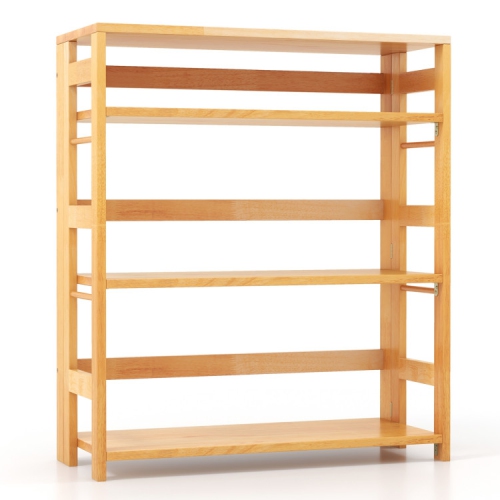
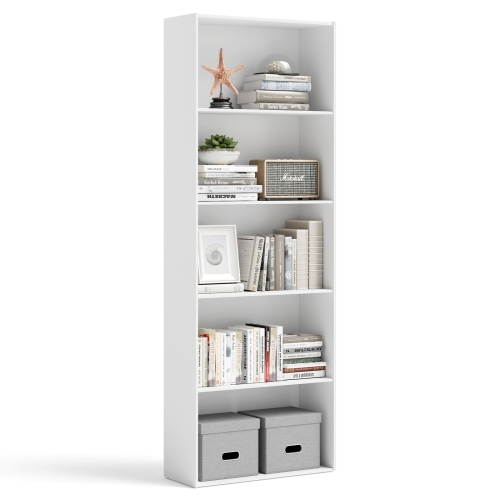
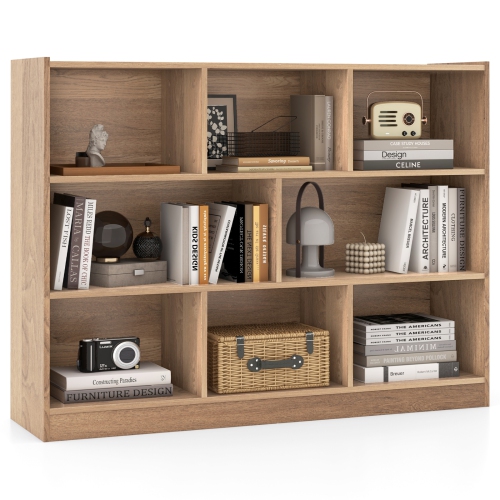
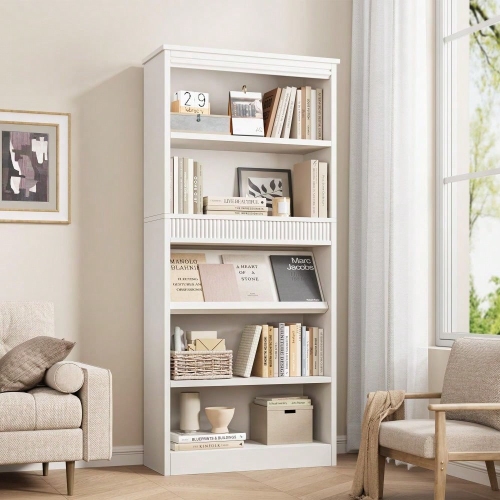
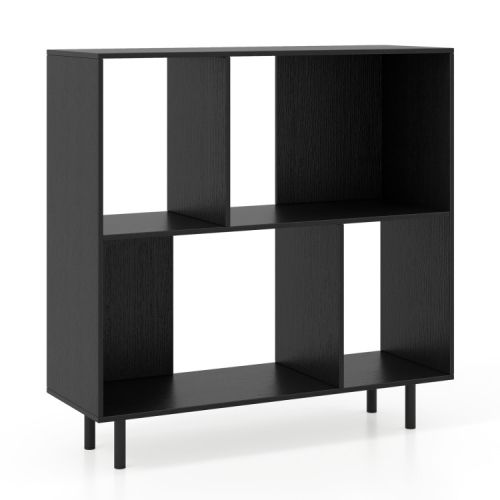

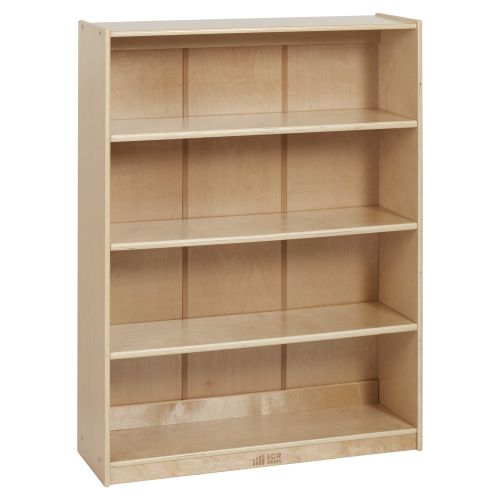
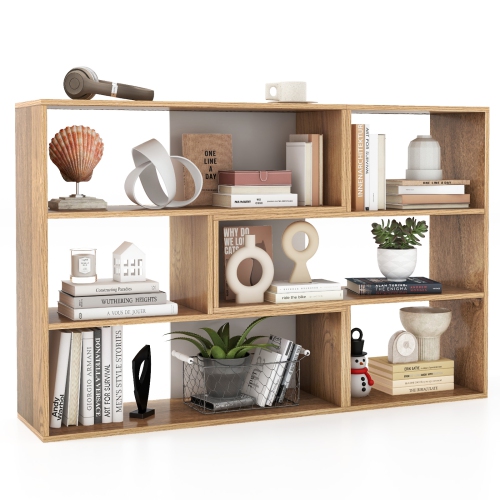

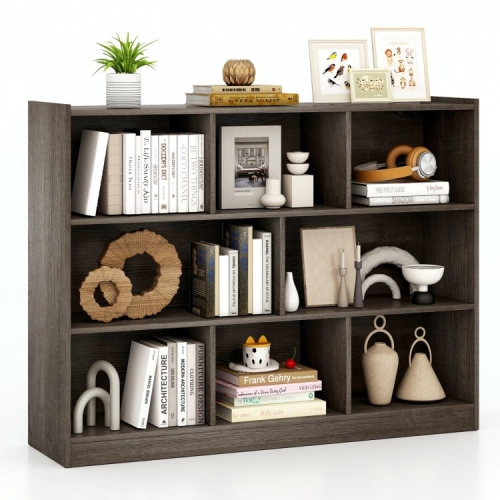
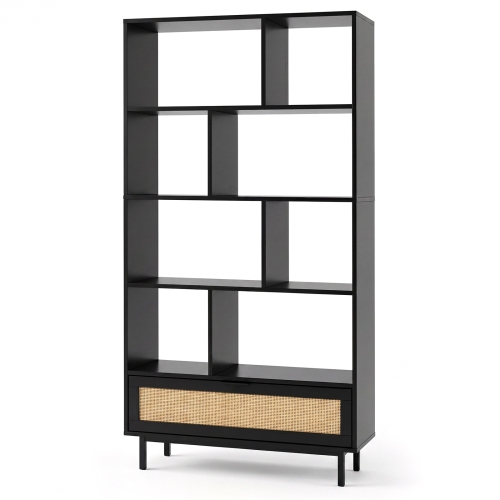
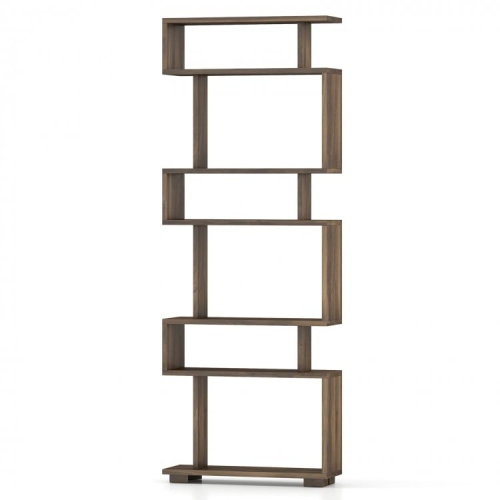
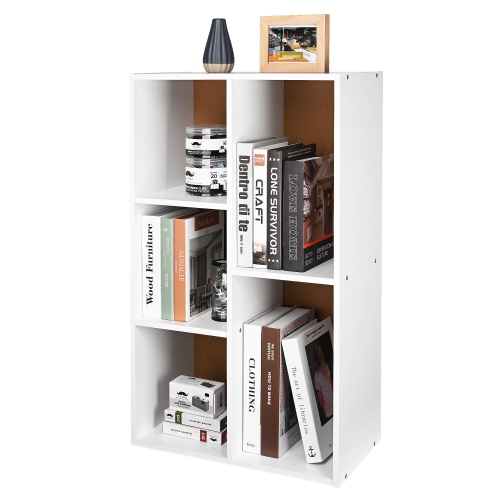

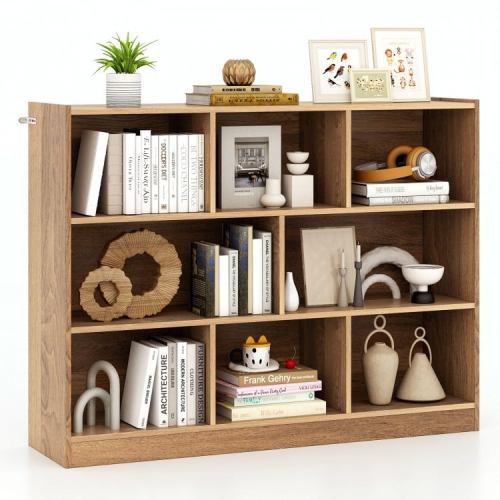
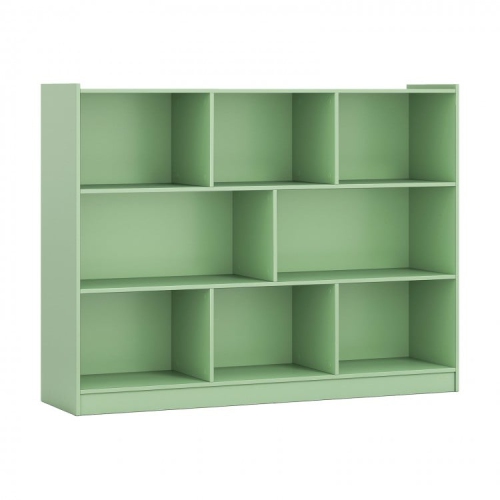
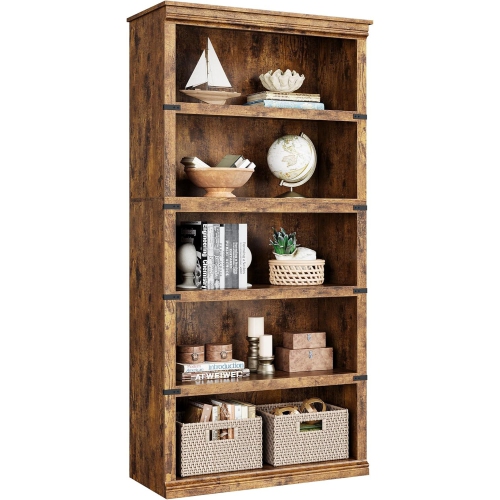
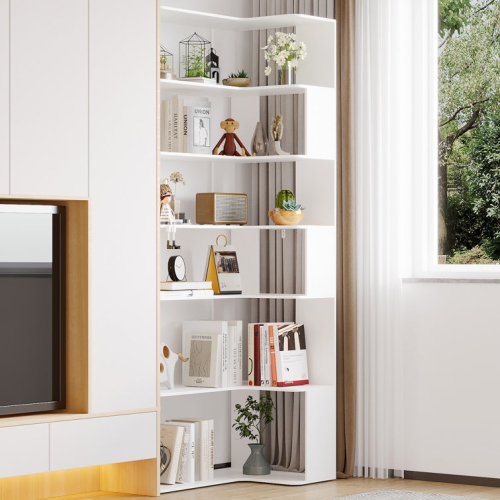
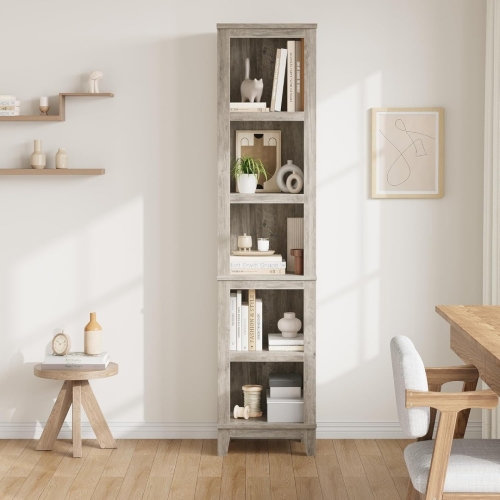
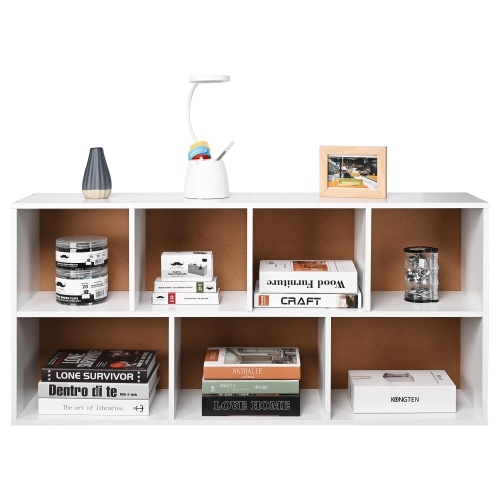
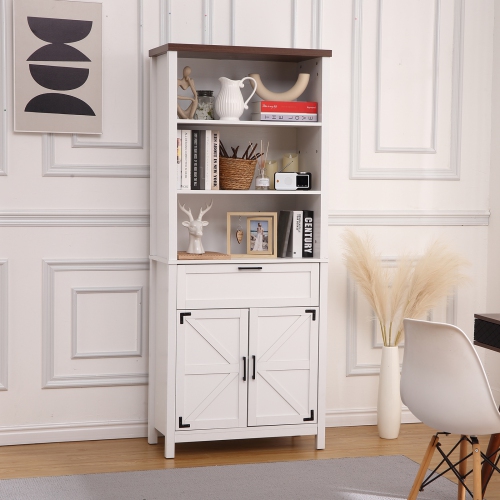
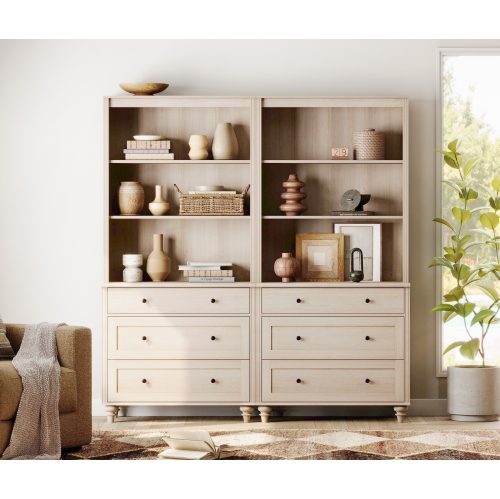
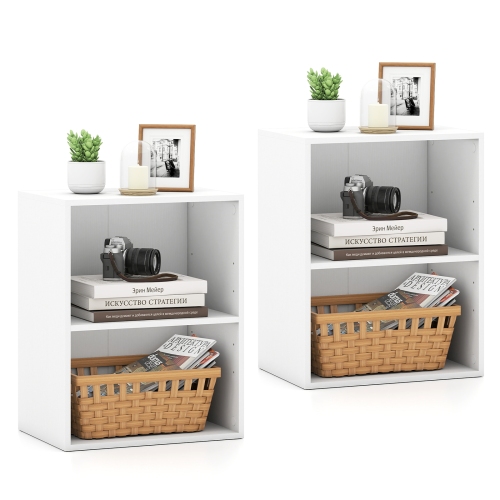
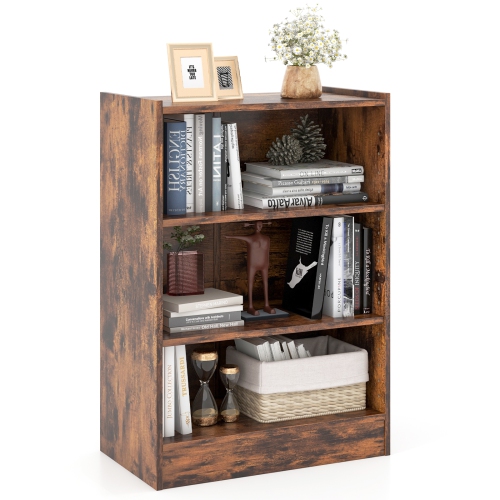
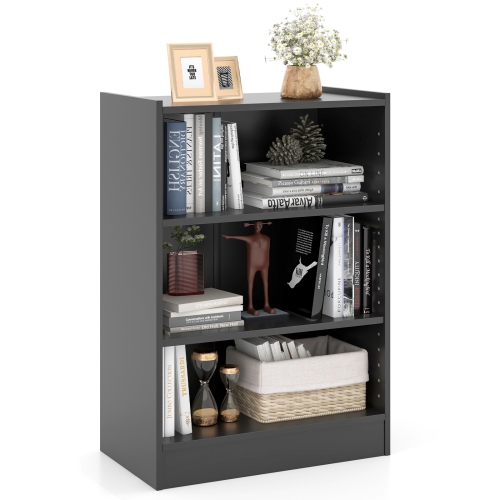
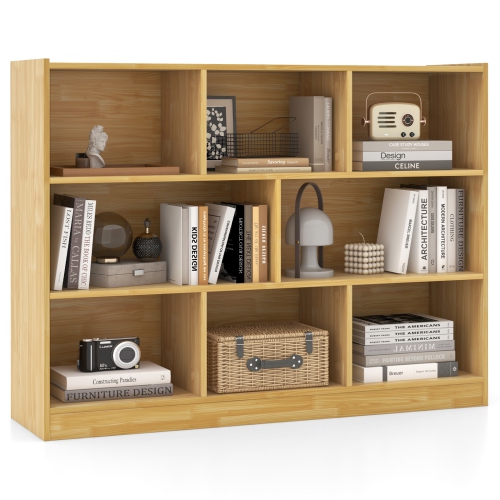
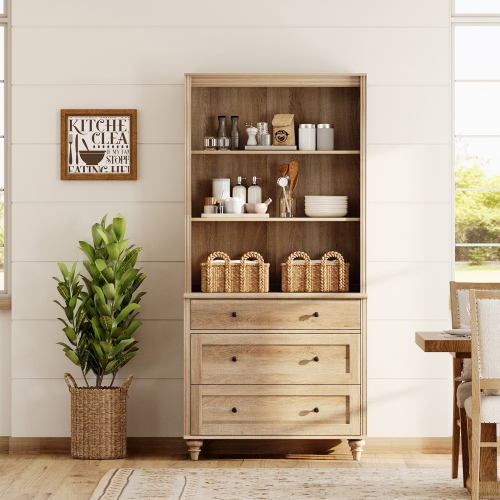
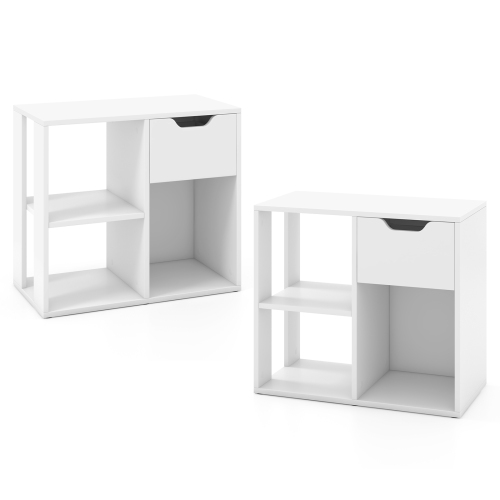
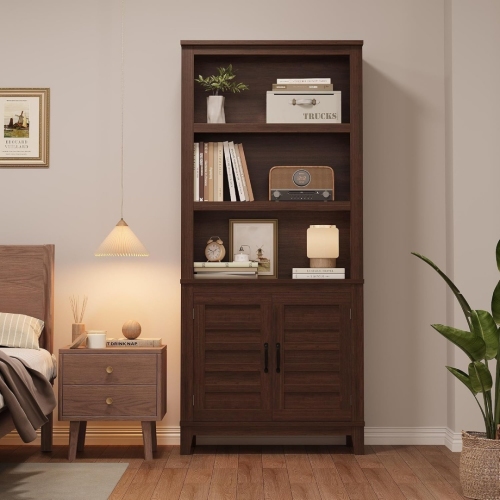
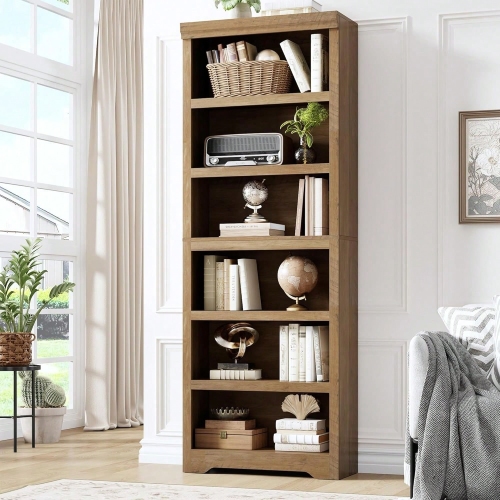
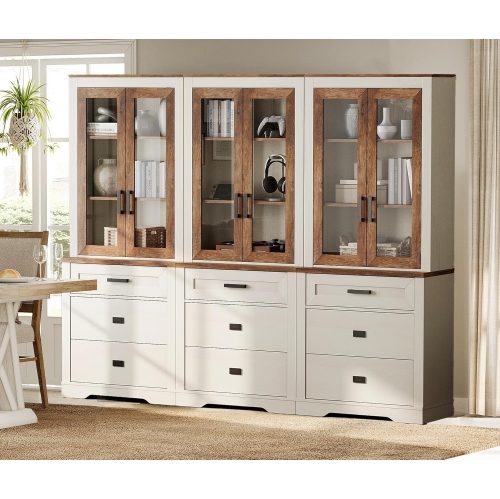
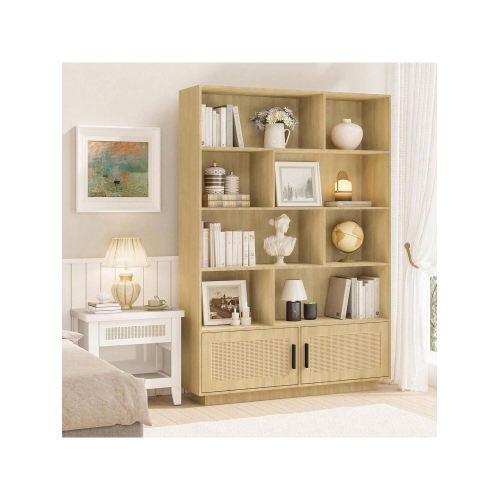
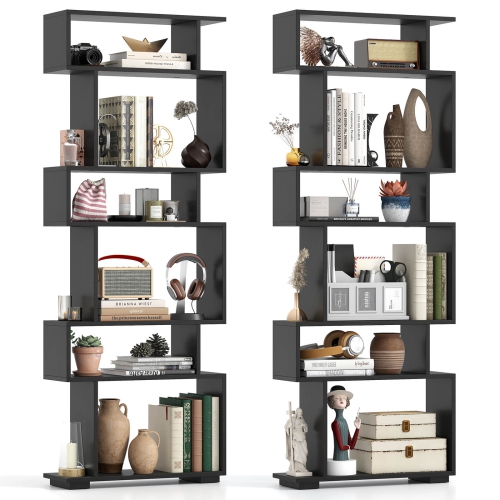
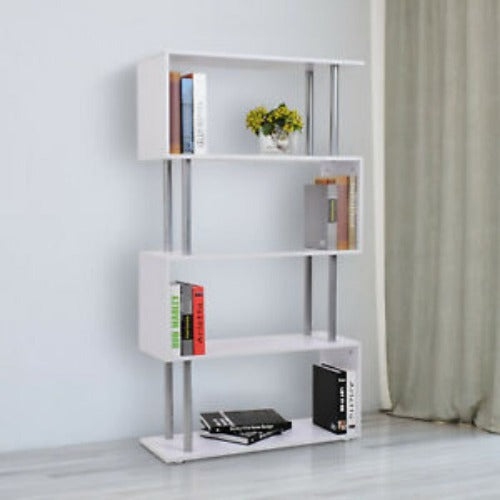
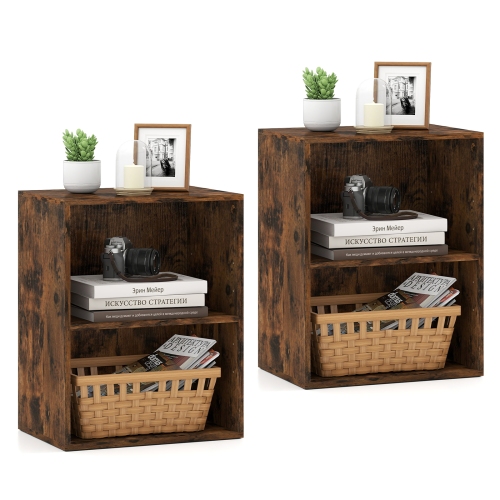
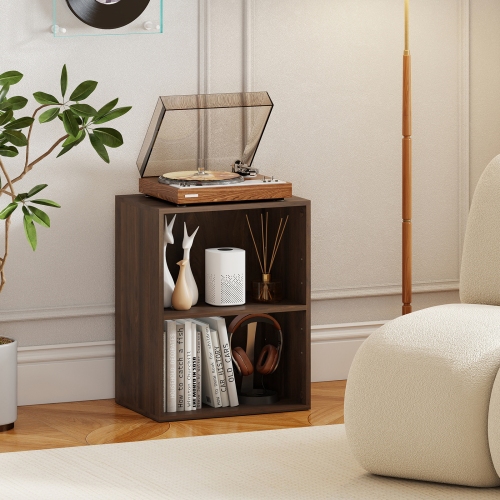
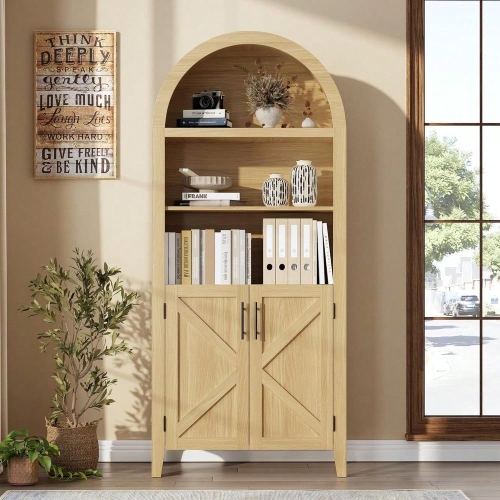
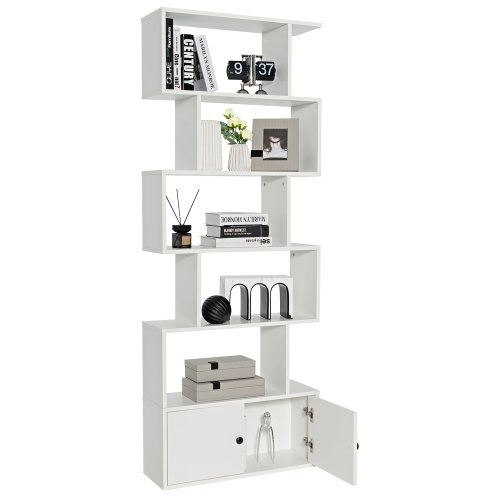
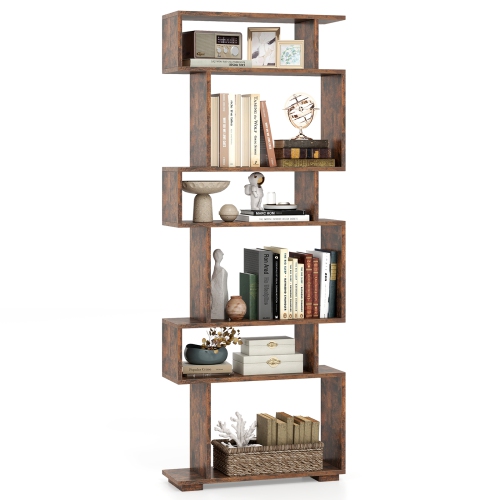
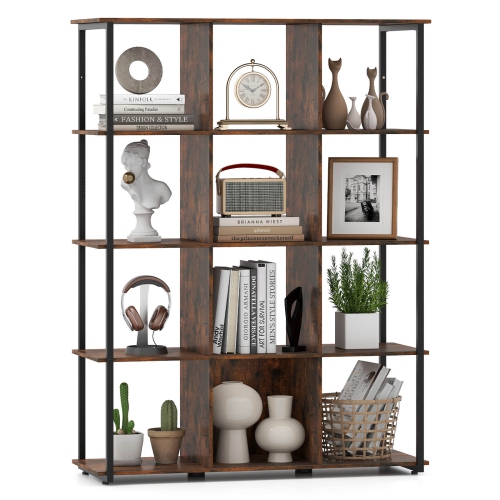
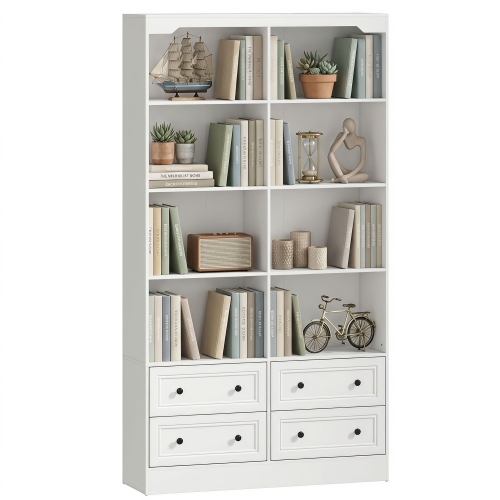
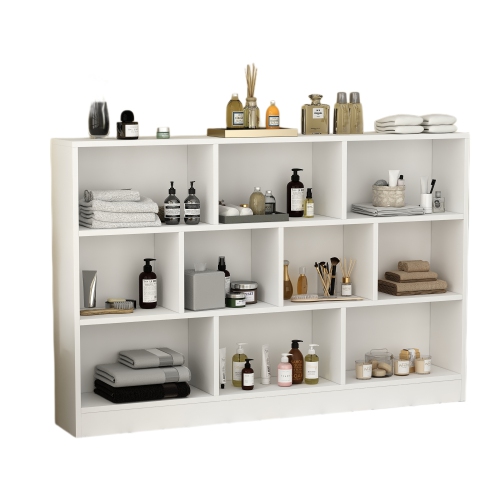
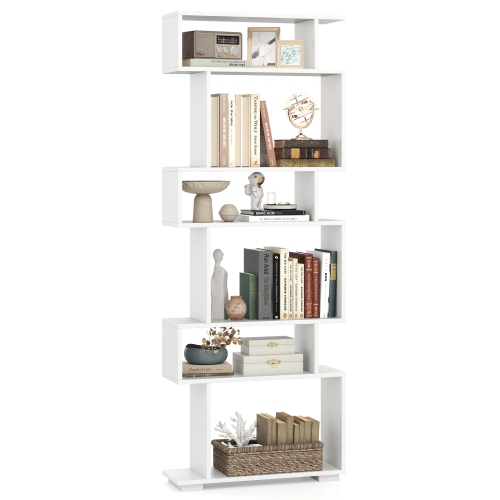
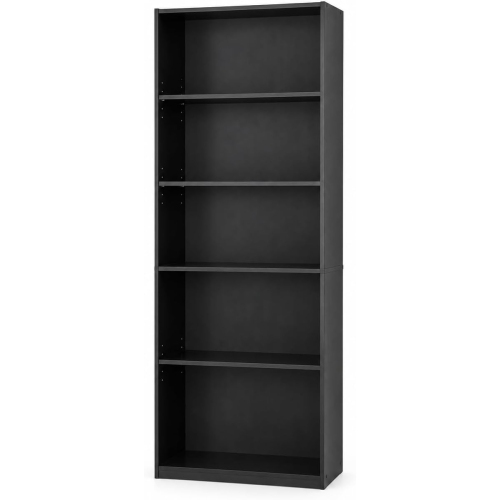
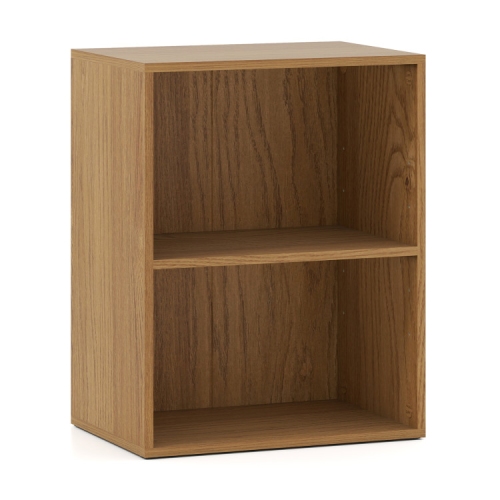
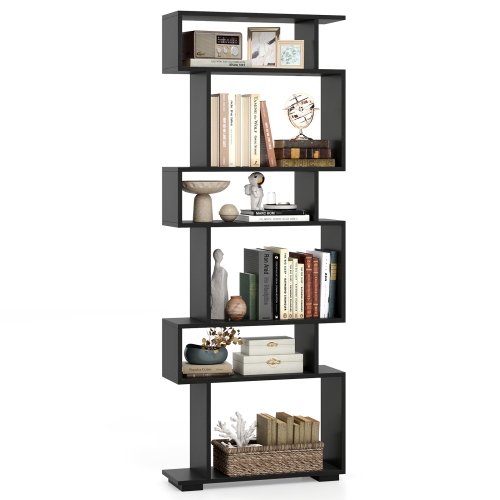
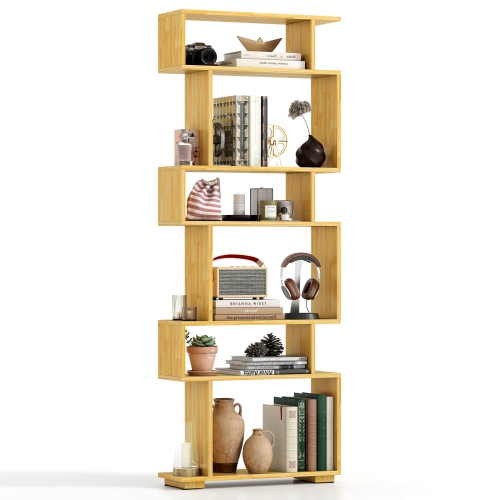
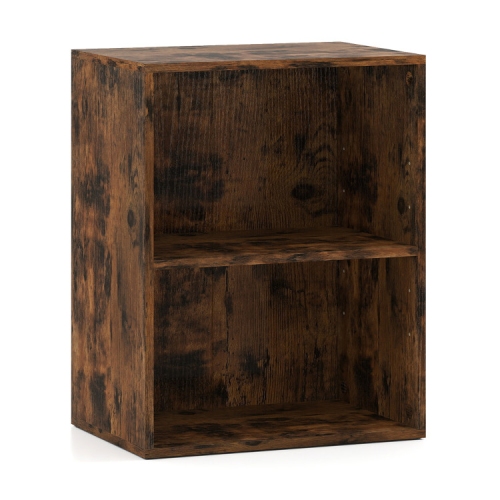
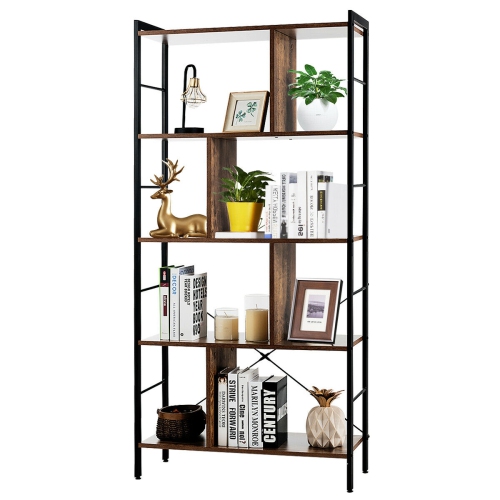
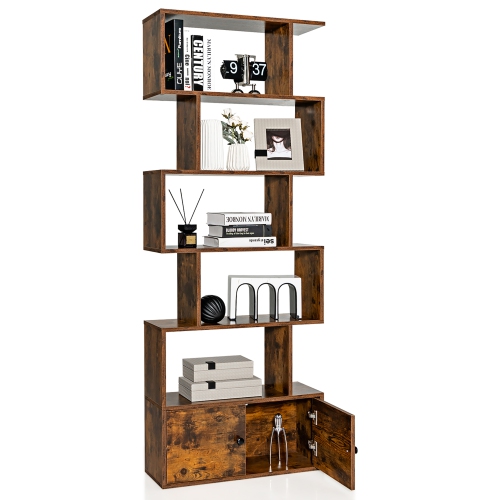
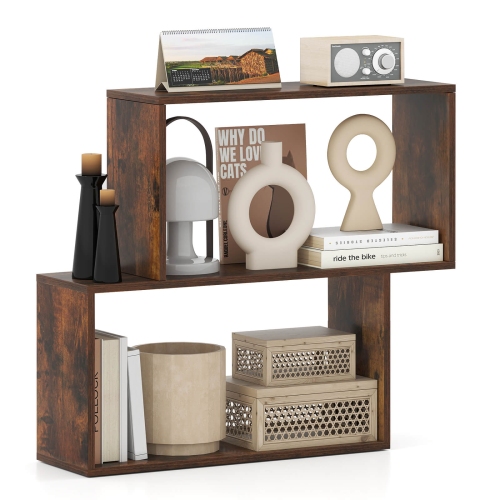
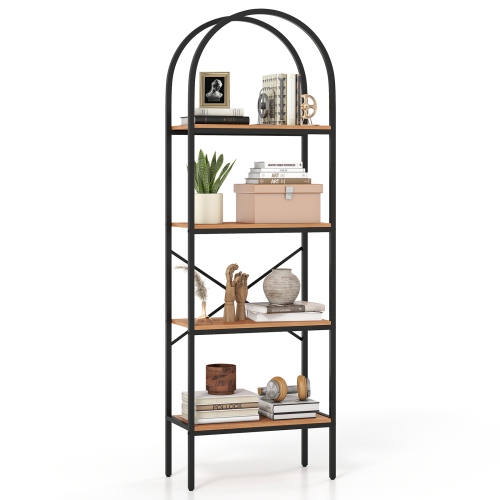
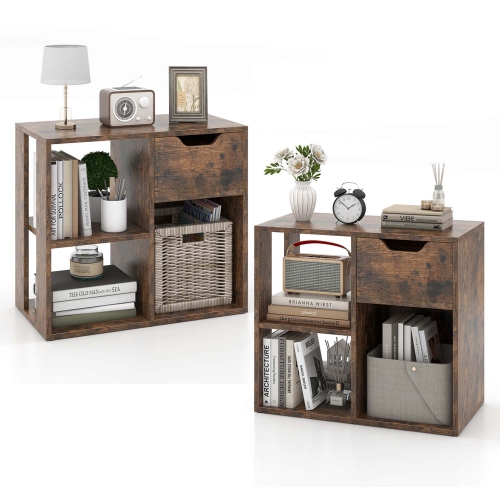
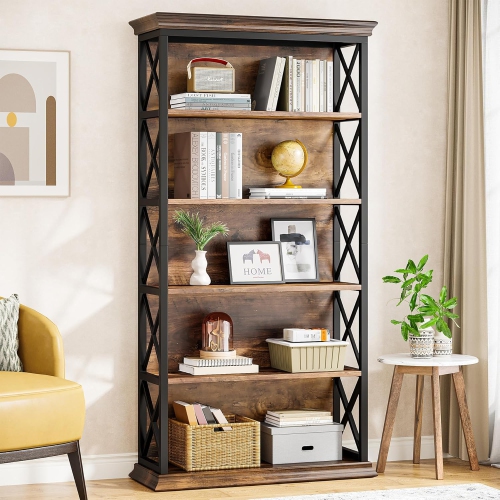
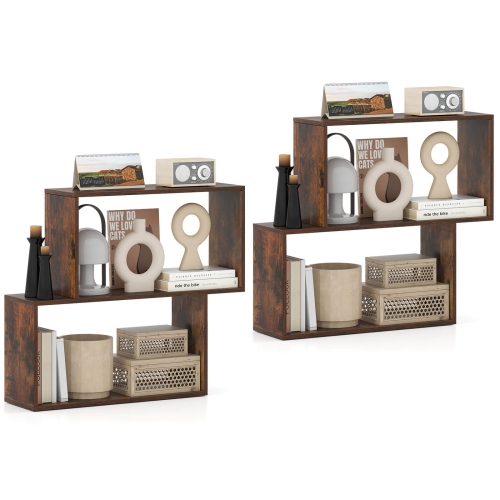
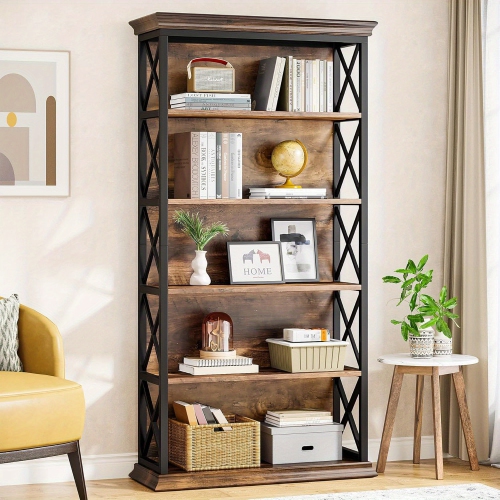
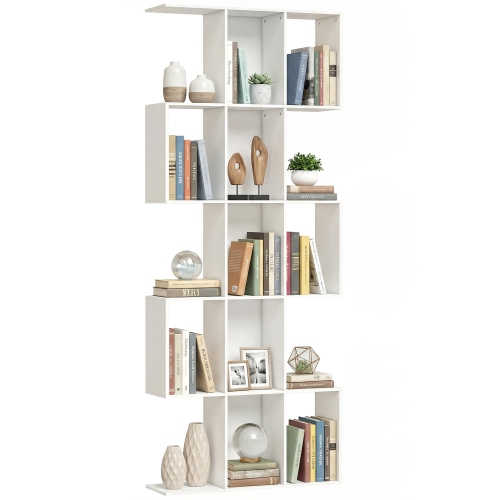


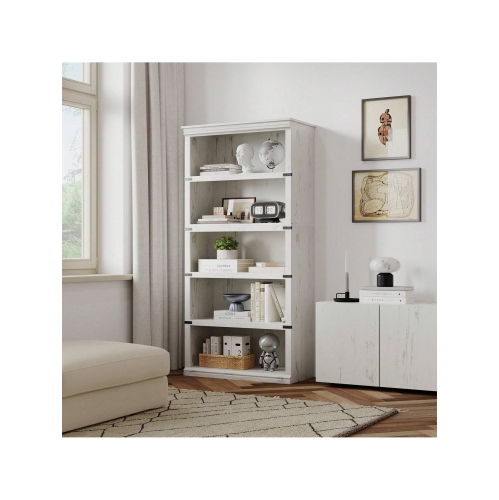
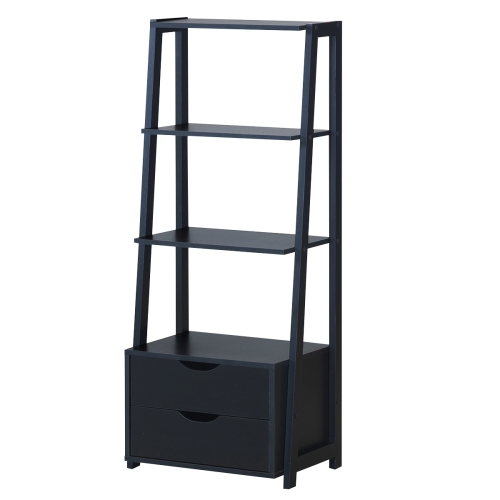
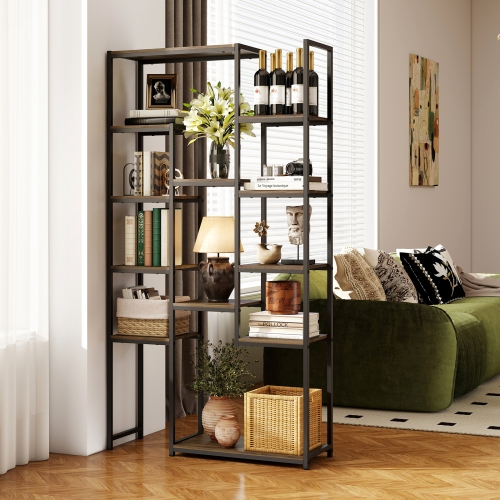
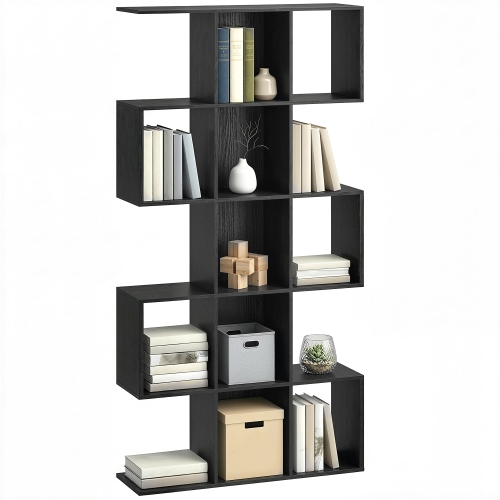
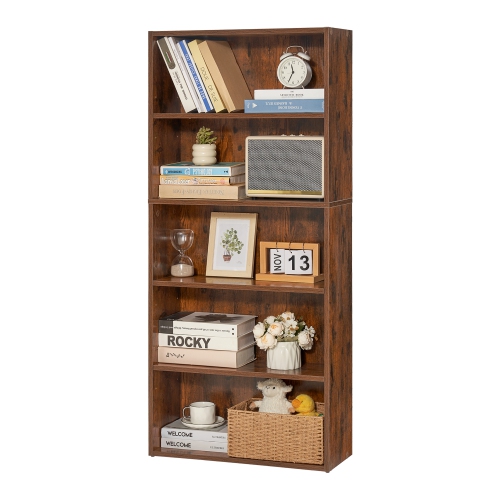
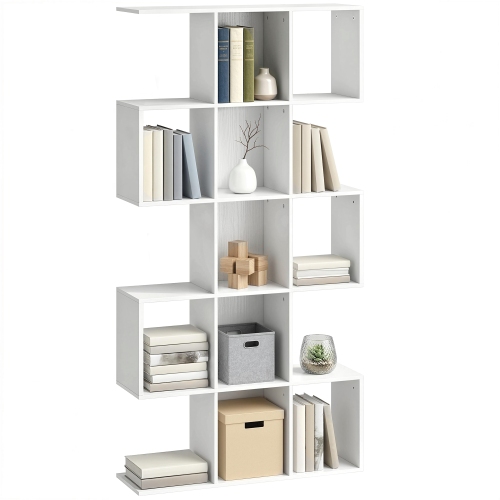
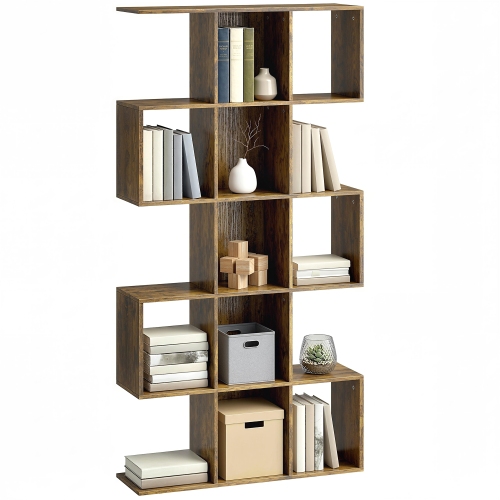
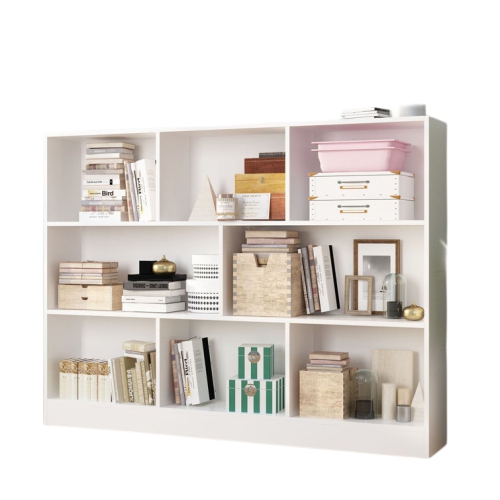
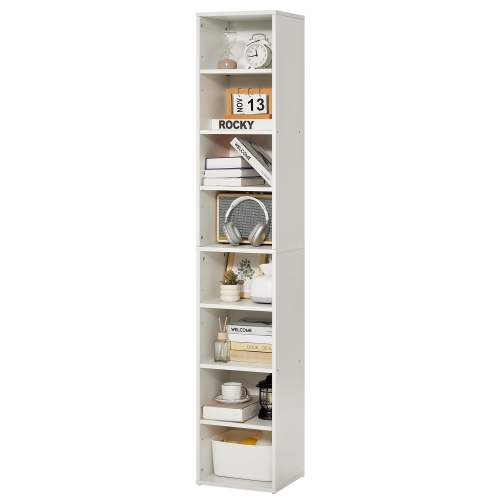
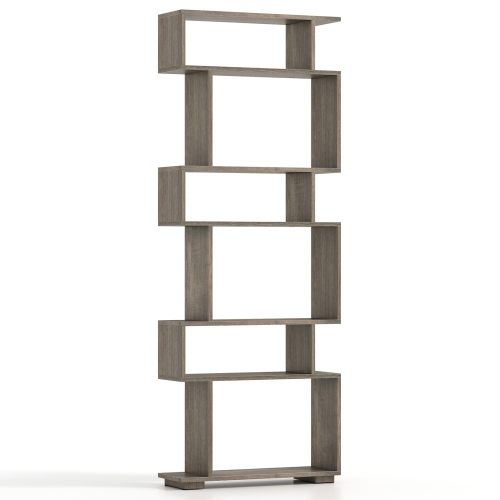
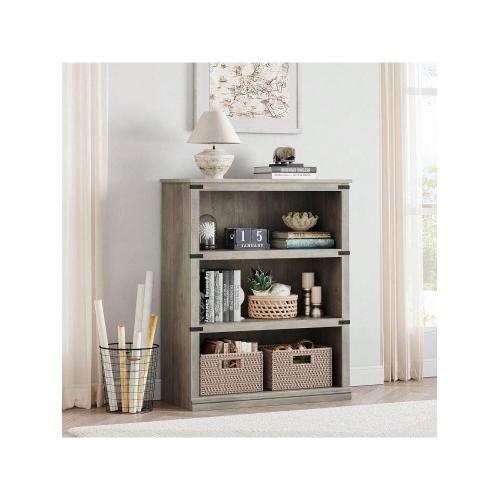

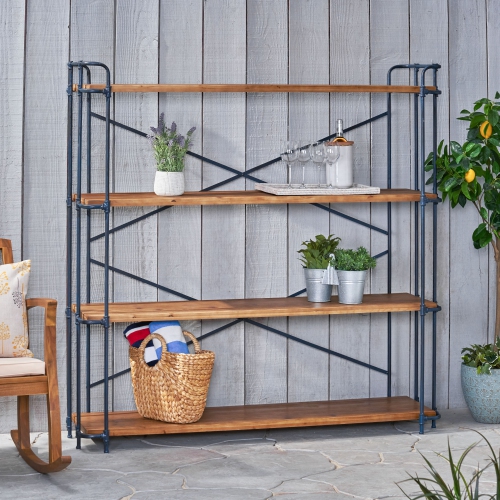
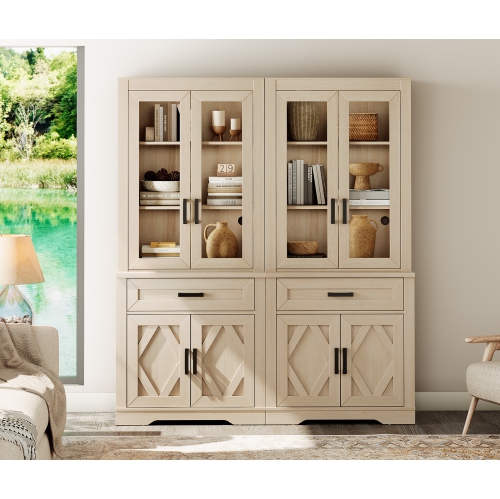
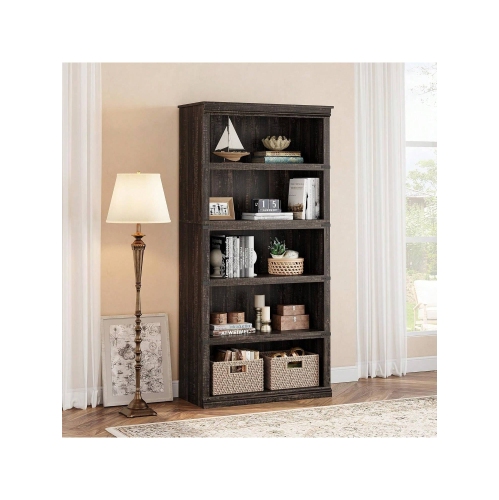
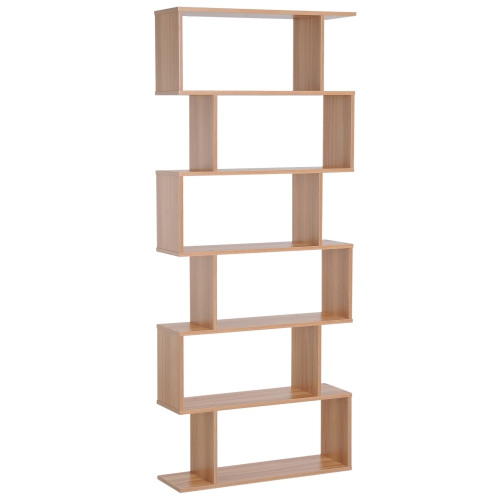
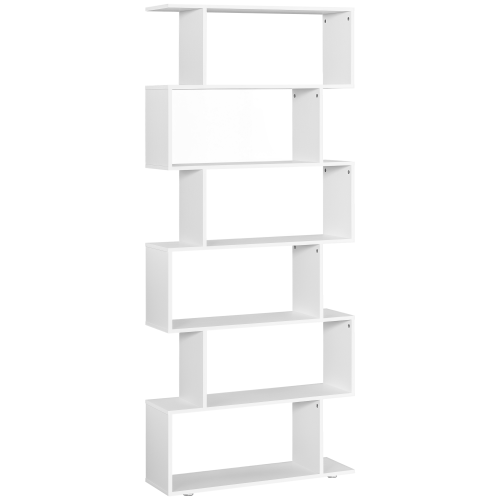

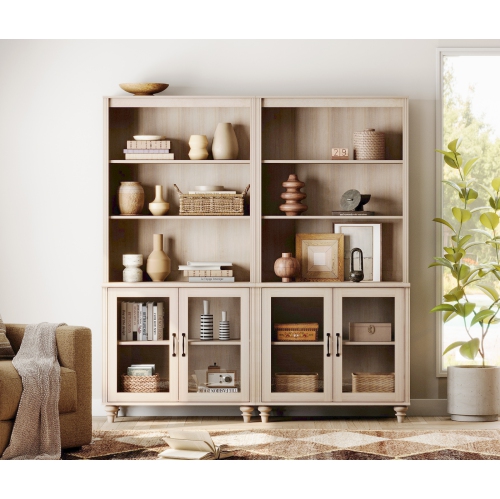
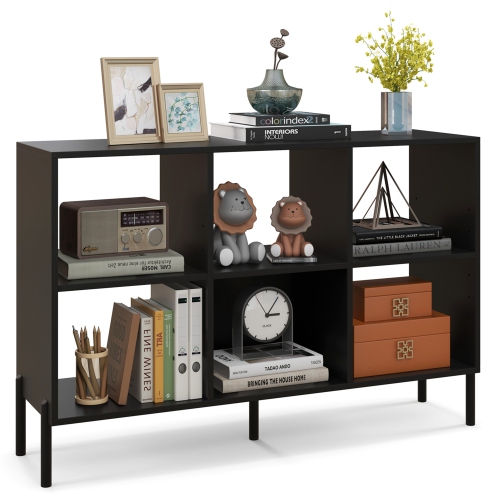

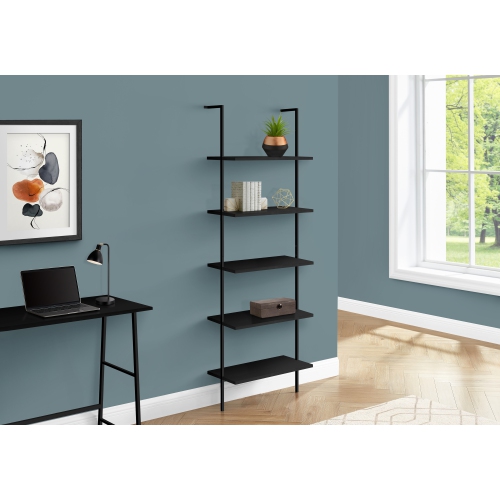

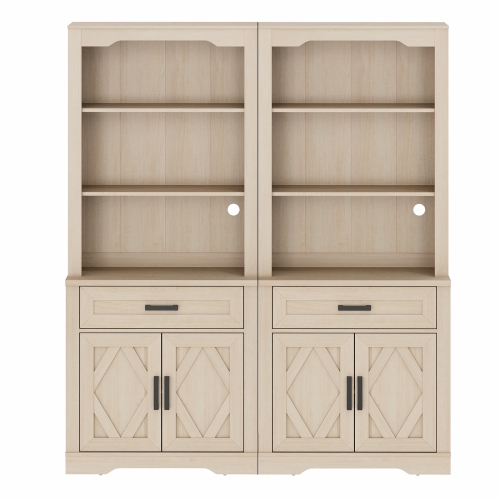
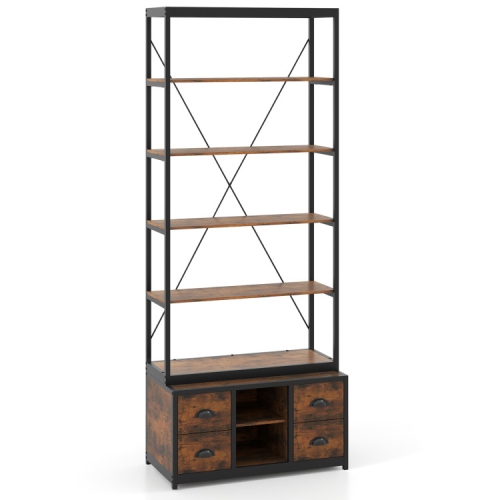
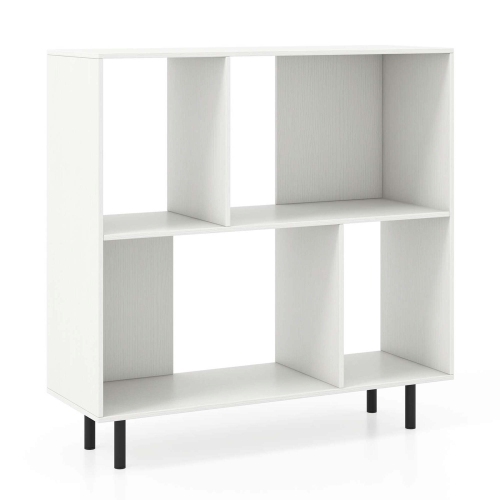
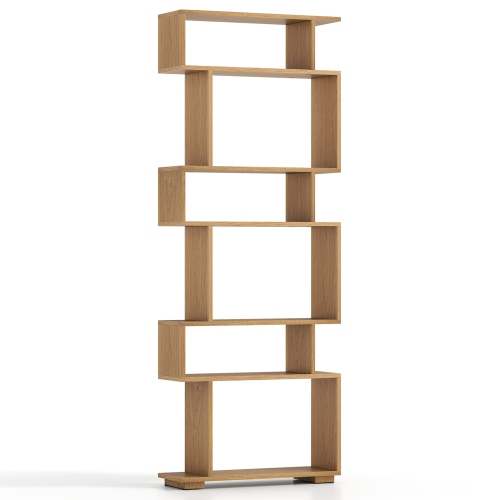
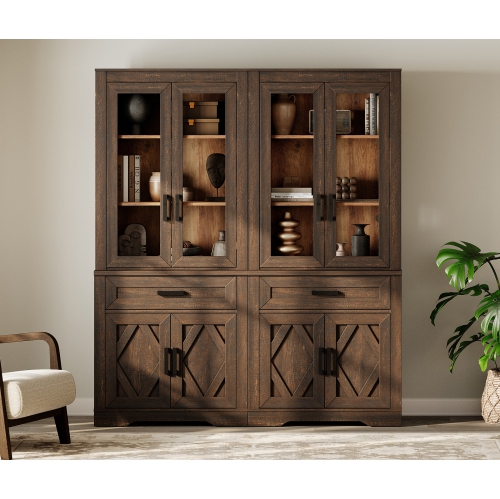
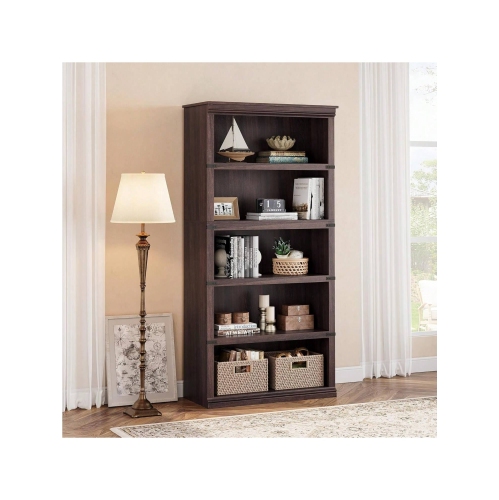
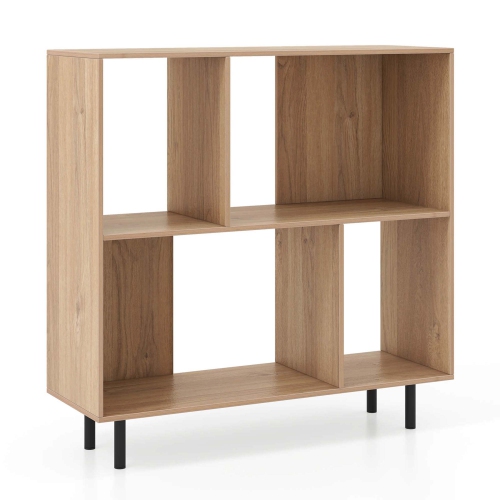
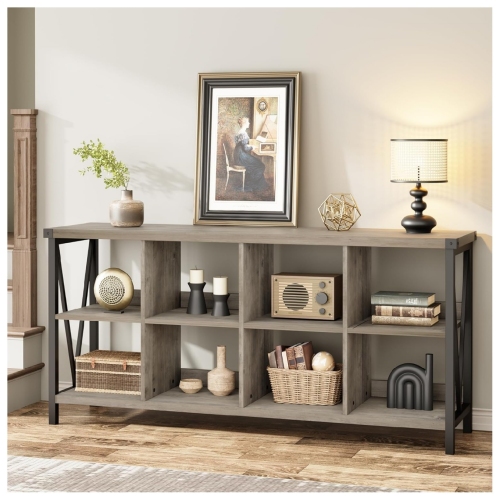
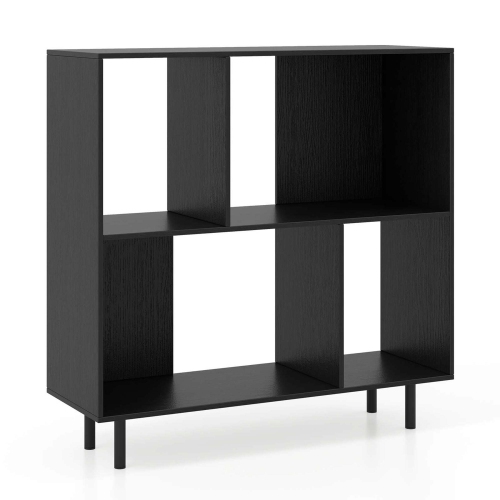
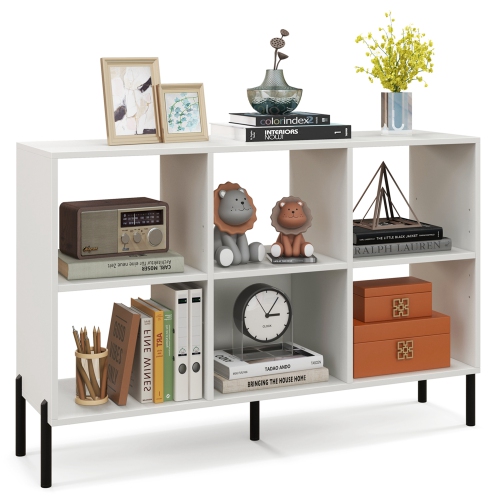
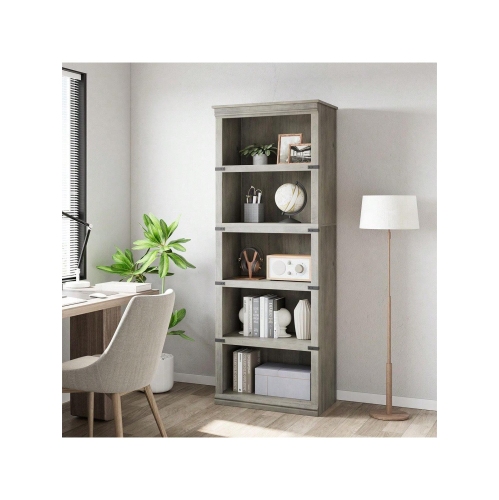
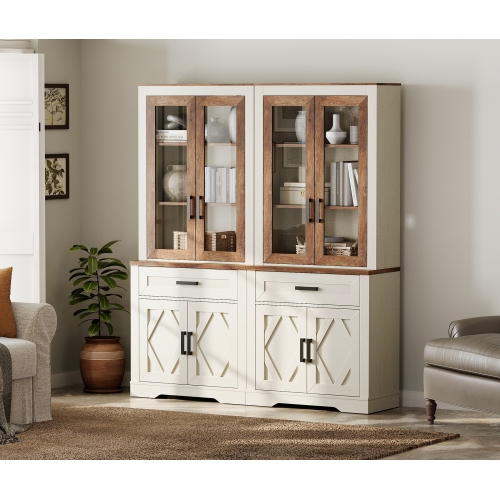
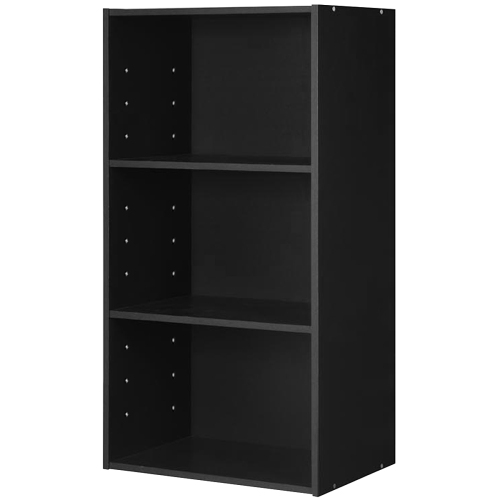
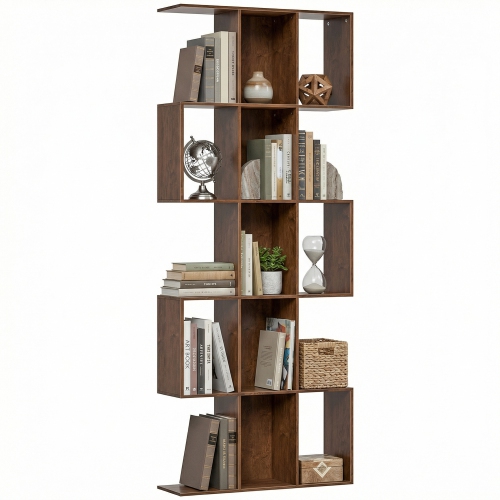
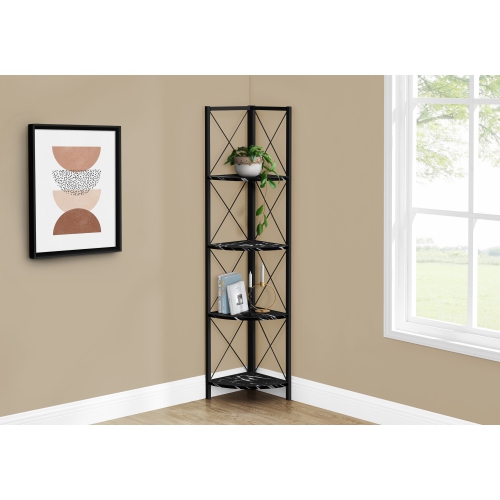
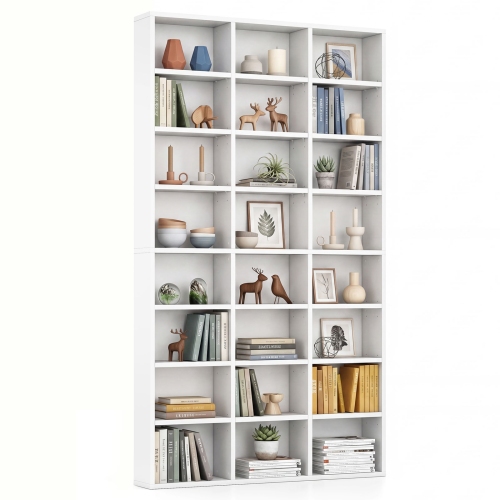
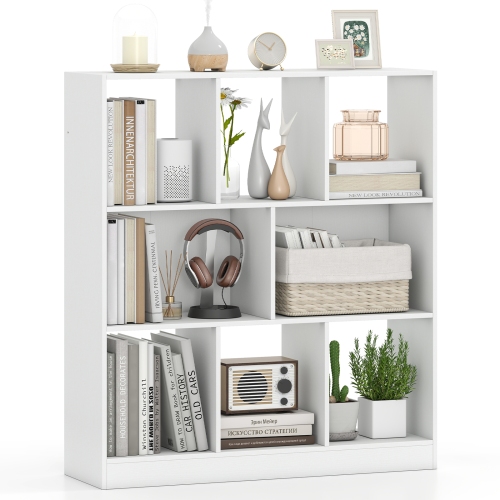
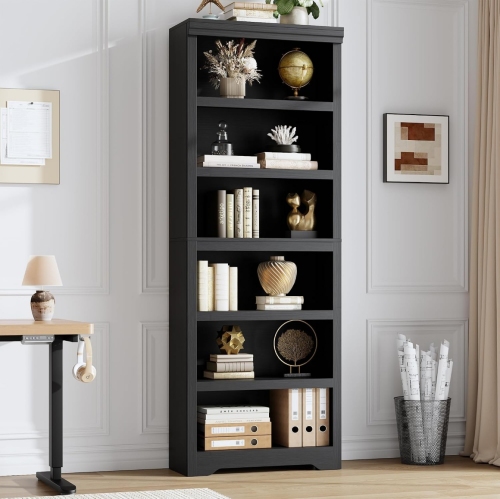
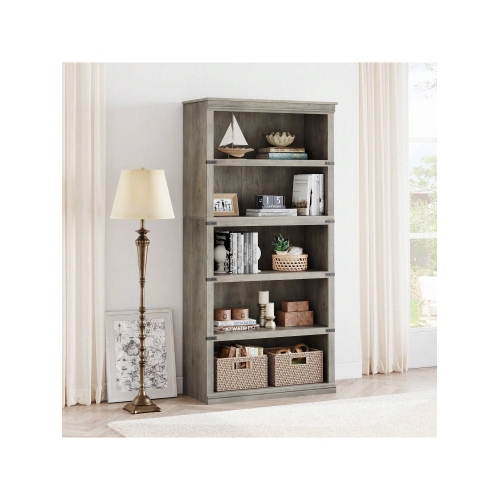
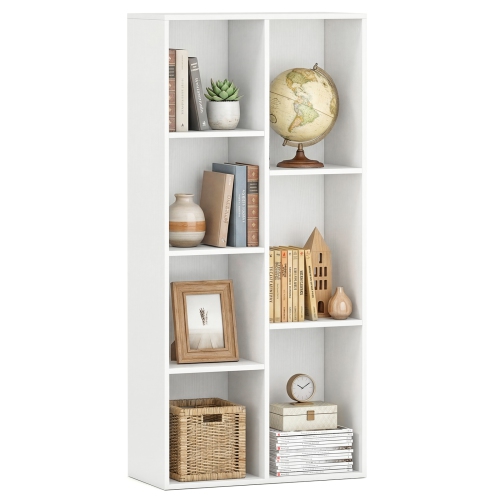
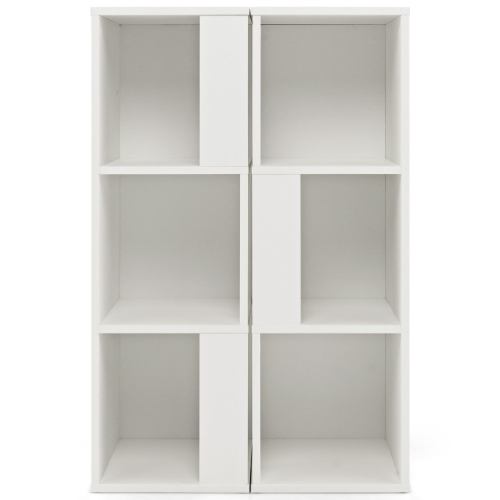
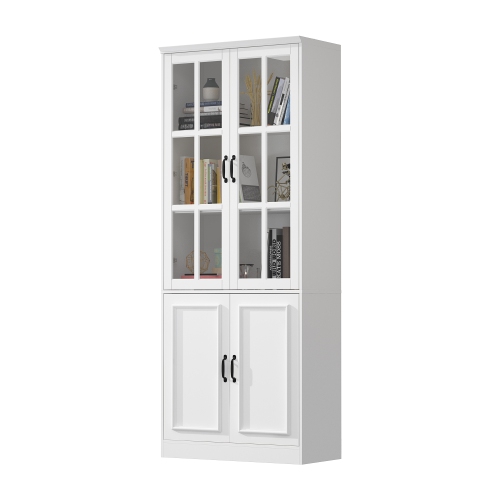
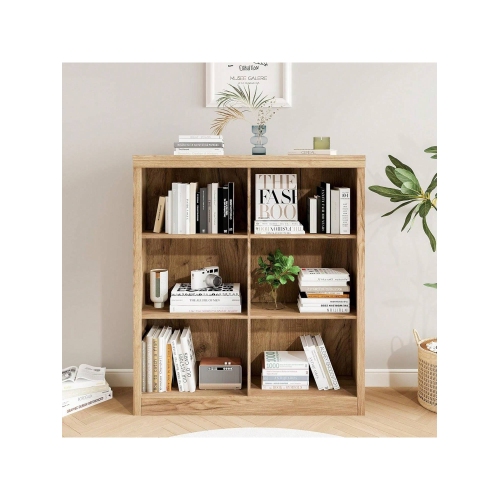
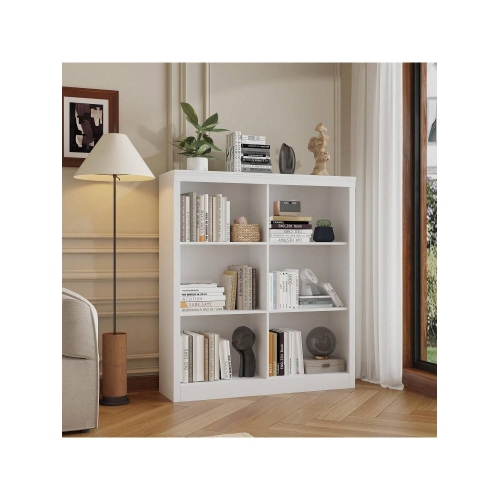
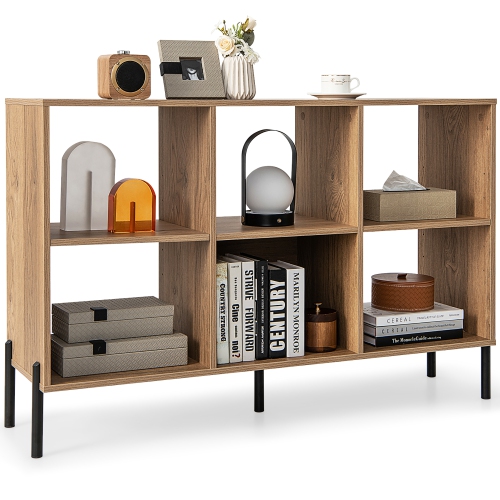
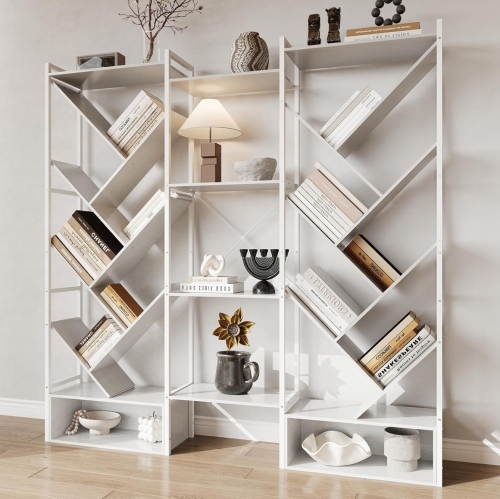
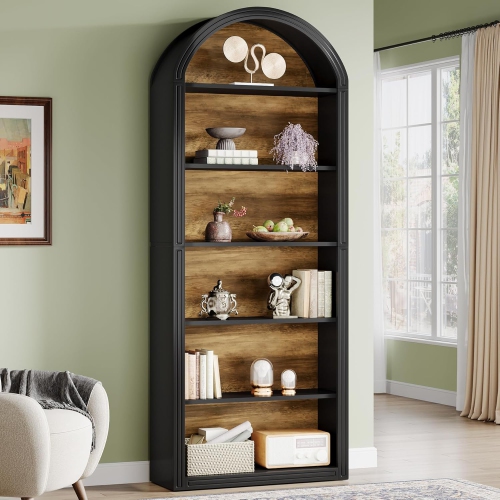
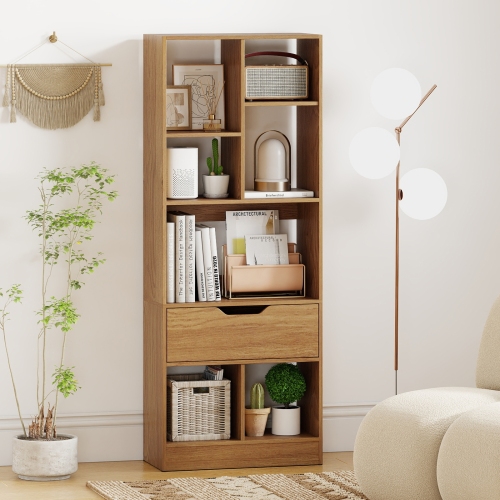
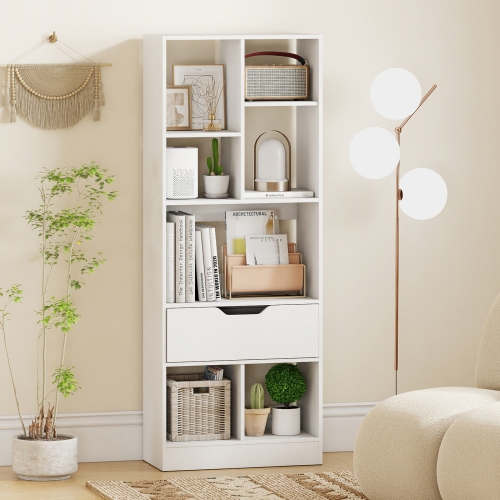
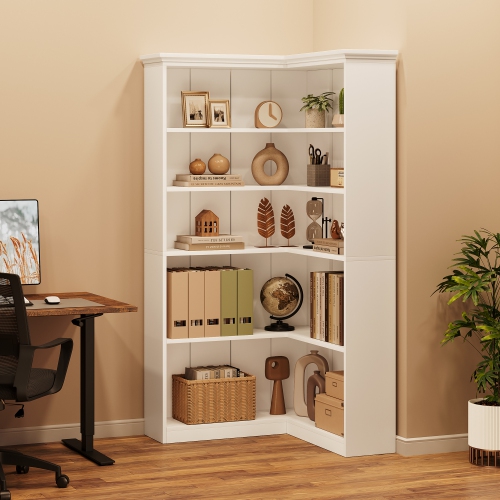
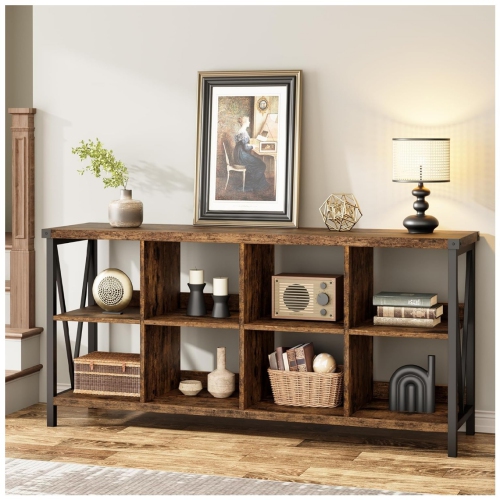
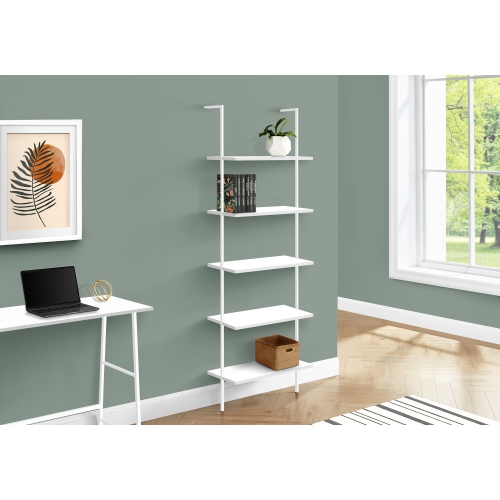
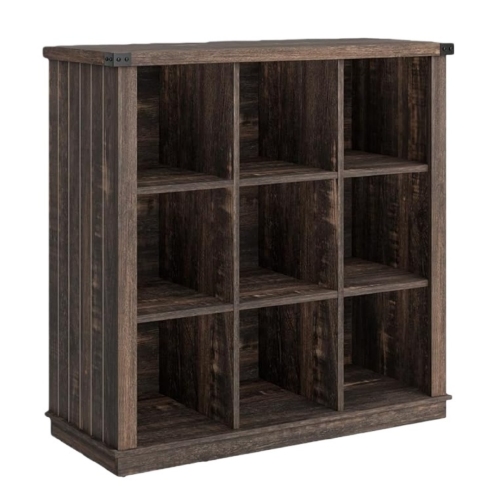
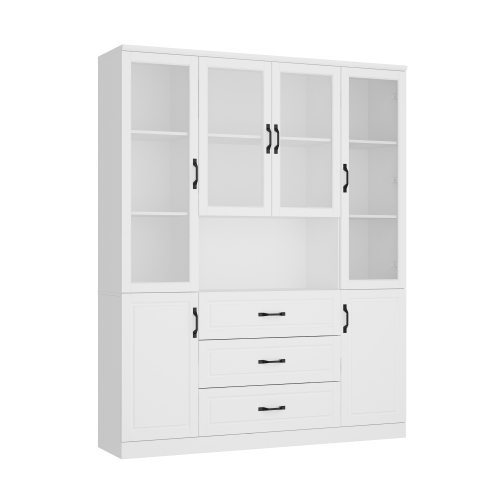
Shelf space that fits your books and your room
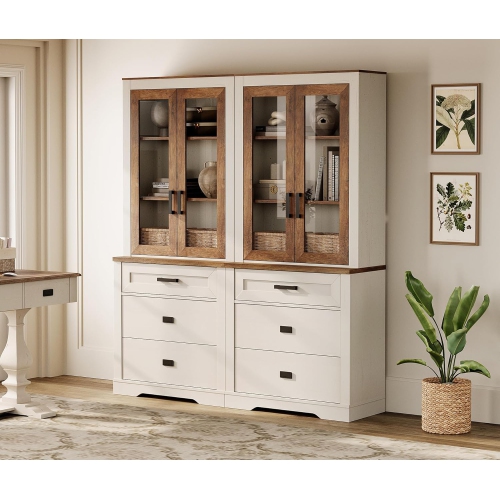
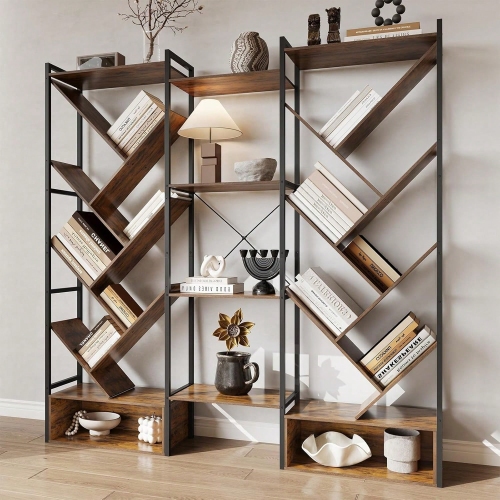
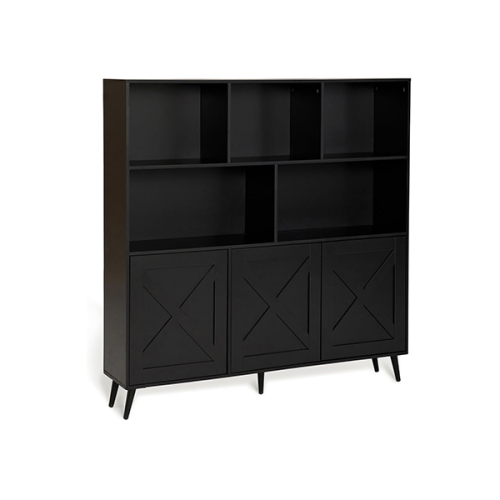
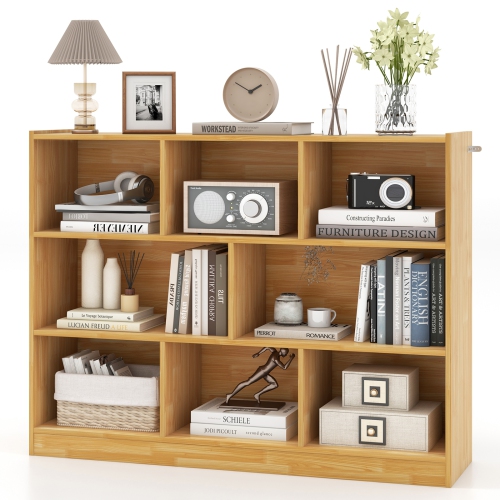
Standard bookcases are upright storage units with a series of horizontal shelves, usually arranged within a rectangular frame. Their straightforward shape makes them useful for keeping books, organizing household essentials, and displaying photographs or collected objects without taking over a room. Many standard bookcases offer shelf depths of roughly 11 to 12 inches, which accommodate most paperbacks and hardcovers, although oversized art books, albums, and storage boxes may need more space. Shorter units often stand around 36 to 42 inches tall, while taller designs commonly reach approximately 72 to 80 inches. These are typical dimensions rather than a universal sizing standard, so the measurements of an individual bookcase matter more than its category name. Overall depth can also differ from usable shelf depth, particularly when a frame, back panel, or raised edge takes up space. Adjustable shelves provide flexibility for collections that mix novels, textbooks, and binders; fixed shelves offer a consistent layout and may contribute to the structure of the unit. In a living room, a medium-height bookcase can sit comfortably beside an armchair, keeping reading material close at hand. A narrow, taller design can make better use of a small home office, while a low unit leaves more wall space open above it. Width deserves equal attention: a bookcase that fits between two walls may still feel crowded if it blocks an outlet, interferes with a door swing, or projects into a walkway. Baseboards can prevent the back from sitting flush against the wall, so allow for their depth when considering placement. Measuring the intended space, along with the largest books or containers, helps establish a useful fit. Related Shelf Bookcases offer another way to explore shelving layouts suited to reading collections and everyday storage. The most practical proportions leave room to retrieve a book easily and accommodate additions without filling every shelf from edge to edge.
Materials and construction influence how a standard bookcase looks, how much weight it can support, and how it holds up to everyday use. Solid wood brings natural grain and variation, with a substantial appearance that suits both traditional rooms and simpler interiors. Wood veneer provides a real wood surface over a supporting core, while engineered wood with laminate or other applied finishes offers a more uniform colour and texture. Metal-framed designs introduce a different visual character, often pairing slim supports with wood or wood-look shelves. None of these material descriptions alone establishes a bookcase’s load capacity: shelf thickness, span, supports, fastening points, and the overall construction all play a role. A shelf carrying a row of university textbooks faces a different load from one holding a few paperbacks and a framed photograph. Published weight limits should be checked for each shelf and for the complete unit, particularly when the intended contents include reference books, large albums, or filled baskets. Long shelves can be more susceptible to bowing under concentrated weight, so even distribution matters. Back panels also deserve attention because they can contribute to stability, help keep the frame square, and separate books from the wall behind them. For adjustable shelving, securely seated supports and shelf positions suited to the contents make the layout more dependable. Care is generally straightforward, but the finish determines the appropriate cleaning method. A soft cloth removes dust from shelf surfaces and bookcase edges; spills should be wiped up promptly rather than left around seams or exposed edges. Excess water, abrasive pads, and strong cleaners can damage some finishes, so the manufacturer’s care directions are the best reference. Direct sunlight may alter the colour of wood and fade book covers, while persistent dampness can affect both furniture and paper. Felt pads beneath display objects help reduce surface marks, and lifting objects instead of dragging them protects the finish. These small habits are especially useful in a frequently used family room or workspace.
The best use of a standard bookcase depends on what needs a permanent home. For an avid reader, enough closely spaced shelves can hold a substantial paperback collection without leaving large gaps above each row. For a student or someone working from home, taller shelf openings accommodate binders, manuals, and upright document holders, keeping reference material separate from the desk surface. A family bookcase may combine novels on upper shelves with picture books and labelled baskets lower down, making everyday belongings easier to locate. In a dining area, shelving can hold cookbooks and selected serving pieces, provided the shelf capacity and depth suit their weight and dimensions. A consistent arrangement does not require every shelf to look identical. Books grouped by subject are easier to find, while a few horizontal stacks create space for small objects without obscuring the collection. Leaving some open space keeps the display readable and makes it easier to remove a volume without disturbing neighbouring objects. Light finishes can blend into pale walls, darker wood tones can give a reading corner more definition, and a finish that relates to the desk or nearby cabinet helps the room feel connected. Practical access remains more important than appearance: frequently used materials belong within comfortable reach, and heavy contents are generally better placed on lower shelves. Freestanding bookcases should be secured using the manufacturer’s specified anti-tip hardware and installation method, with fasteners appropriate for the wall construction. This is important even when a unit feels sturdy, particularly in homes with children or pets. Shelves should never be used as steps, and keeping tempting objects off the top can help discourage climbing. Assembly space and access through doorways also matter, especially for larger units. Once assembled and positioned on a level surface, a well-chosen bookcase provides a settled place for the things used, read, and enjoyed every day, whether that means a compact collection beside a bed or a full wall of books in a dedicated study.
Top selling and popular products
-
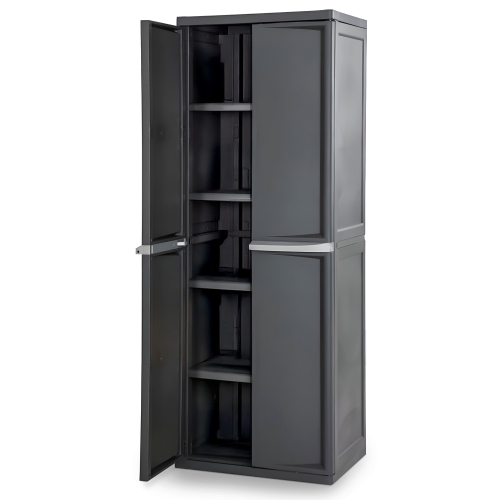 Your price for this item is $576.99
-
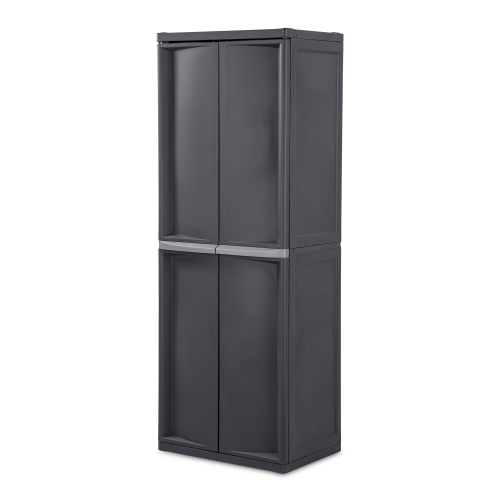 Your price for this item is $1166.99
-
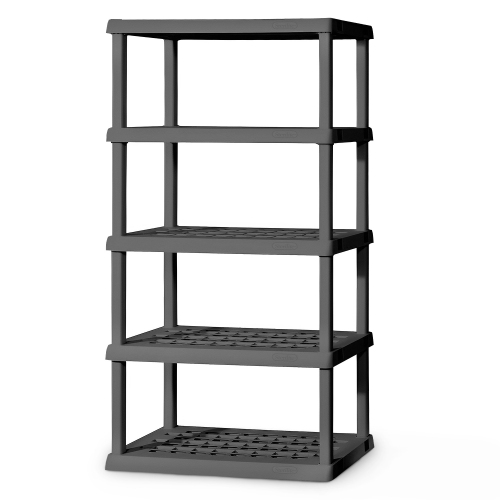 Your price for this item is $347.99
-
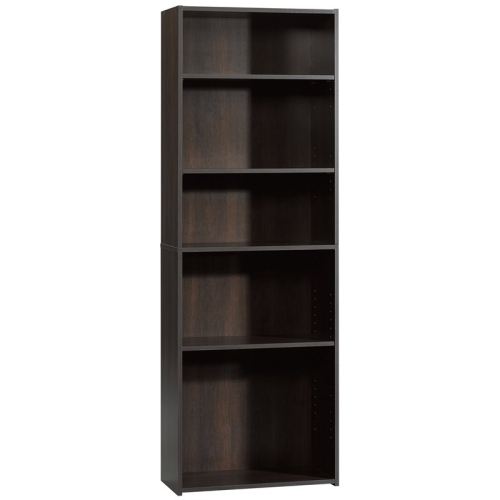 Your price for this item is $208.99
-
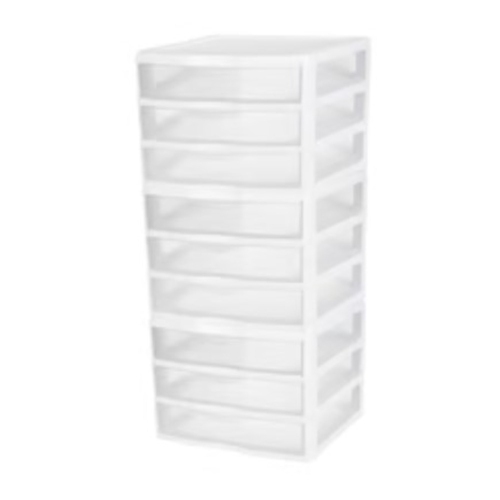 Your price for this item is $137.99
-
 Your price for this item is $592.99
-
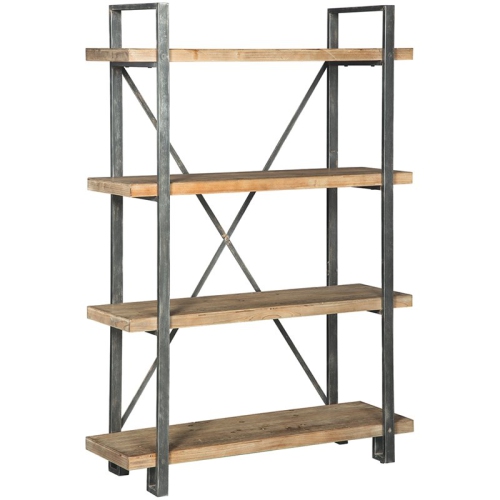 Your price for this item is $599
-
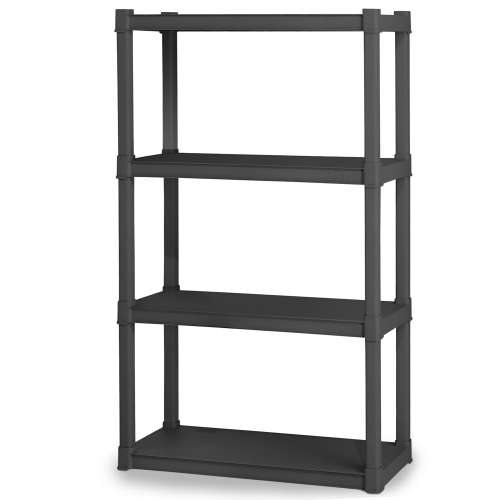 Your price for this item is $186.99
Discover more categories related to Standard Bookcases
Top Collections:
Best Black Friday Deals This Year, Best Black Friday Deals On Electronics, Kindle Devices, Best Black Friday Deals On Apple Products, Best Budget Office Chairs, Best Cameras for Sports Photography, Dyson Airwrap, Canon G7X Cameras, Best Laptops for Writers, Samsung Galaxy Phones
Some products may be subject to Environmental Handling Fees
(EHF) depending on your province.
Learn more about EHFs.