Tiered Planter Boxes
Elevate your gardening game with tiered planter boxes, the perfect solution for adding depth and dimension to your outdoor space. These versatile planters allow you to create stunning floral arrangements or grow a variety of herbs and vegetables in a compact and organized manner. Whether you have a spacious backyard or a cozy balcony, tiered planter boxes offer a stylish and practical way to showcase your green thumb skills. Explore our selection of tiered planter boxes and transform your outdoor oasis into a lush and vibrant paradise.
Sort

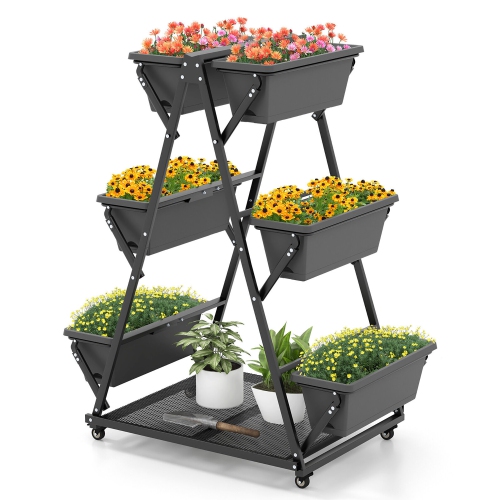

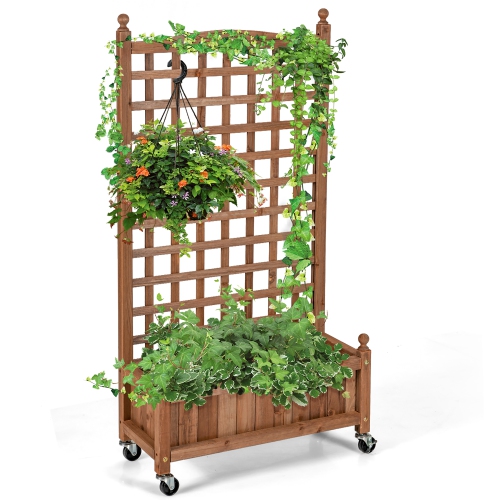
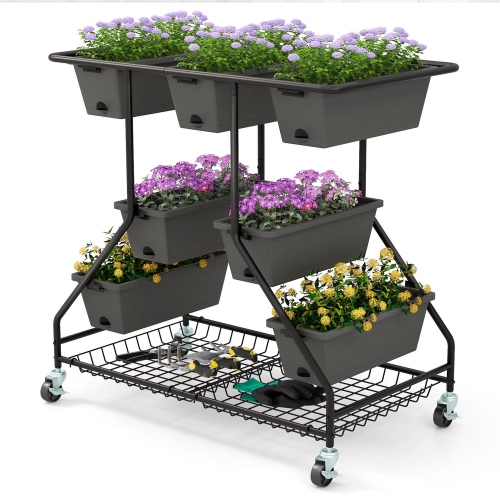
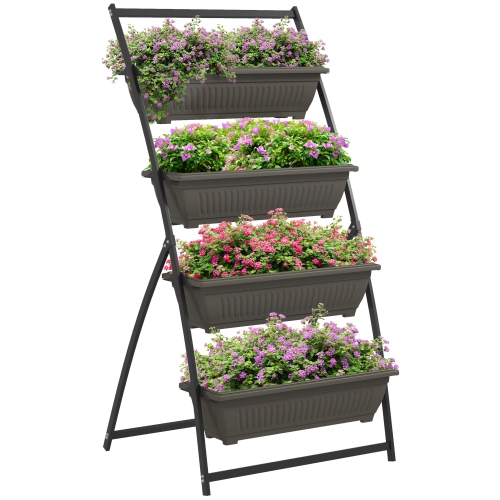
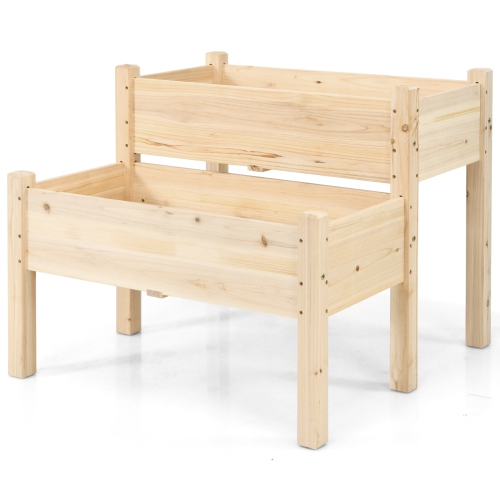
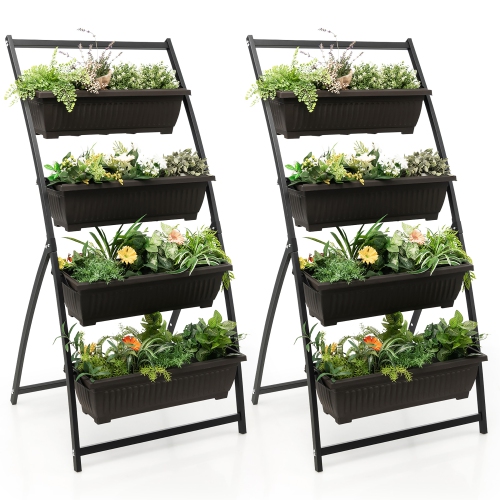
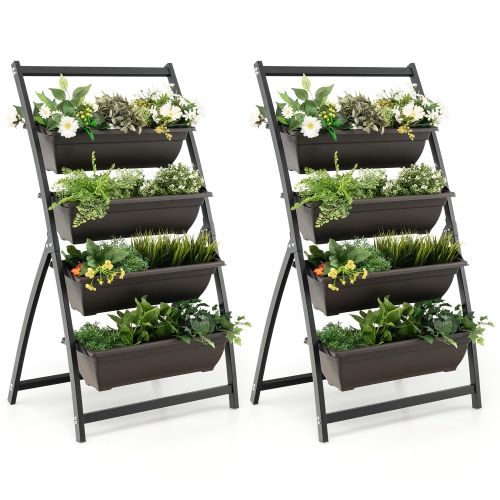
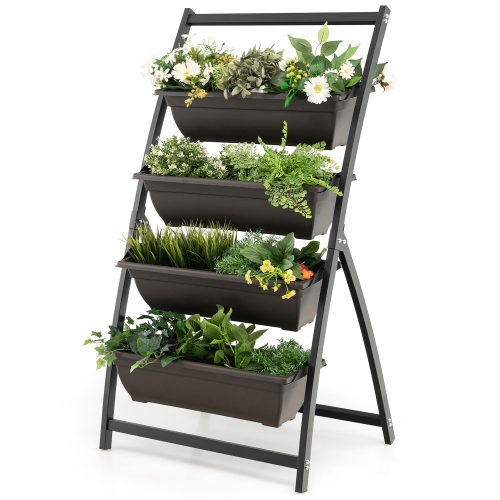


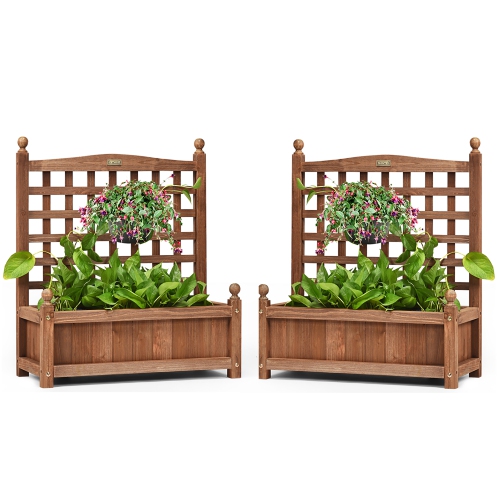
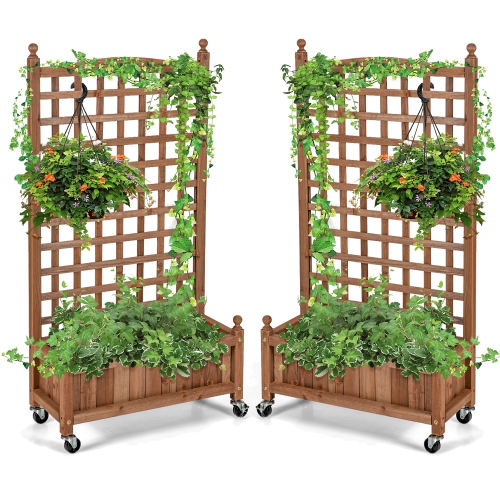
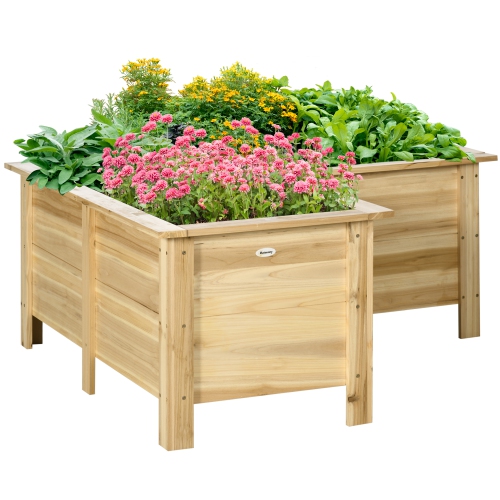
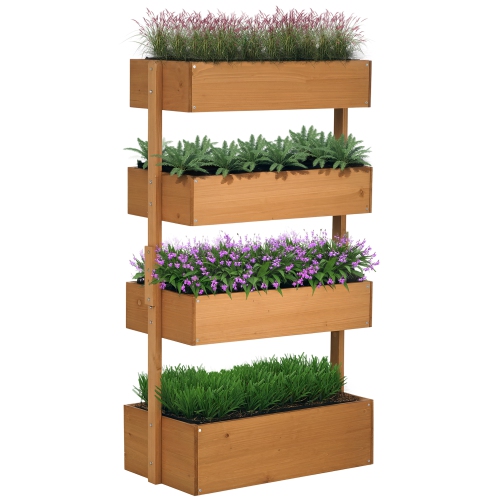
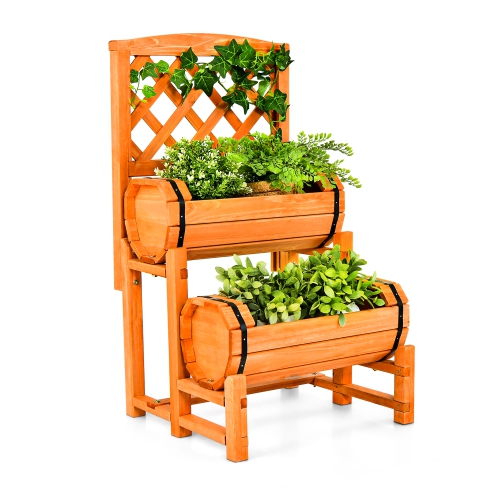
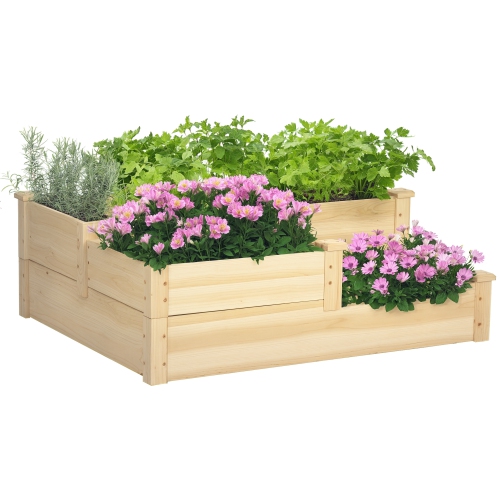
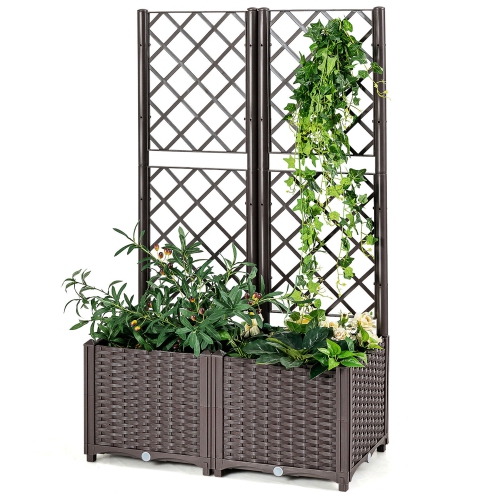
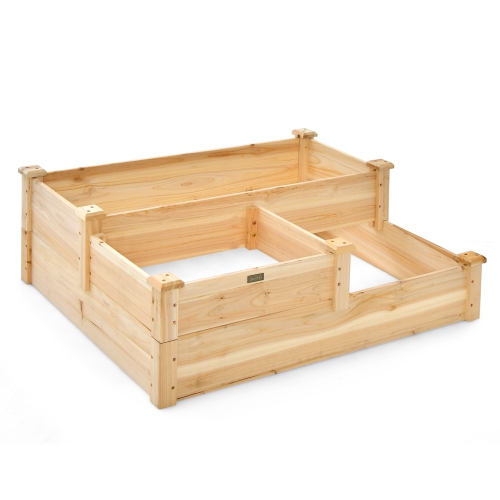
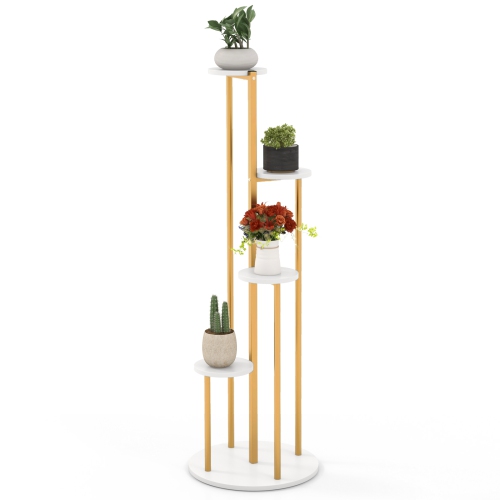
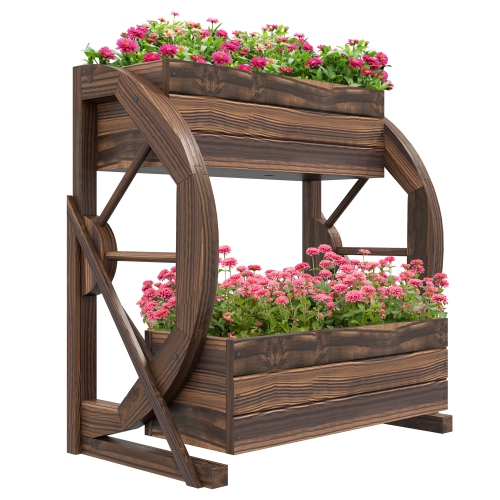
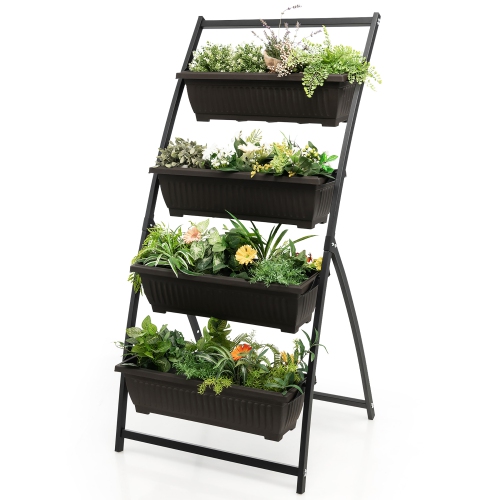
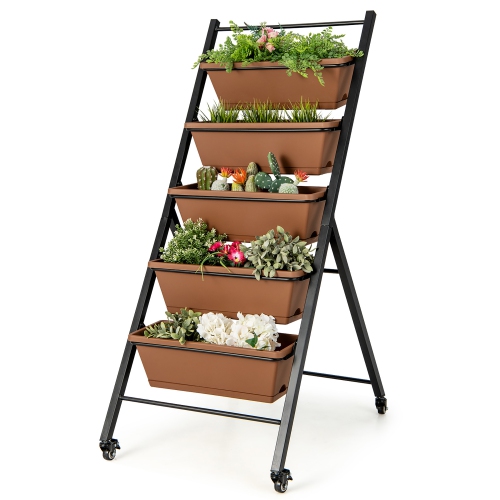
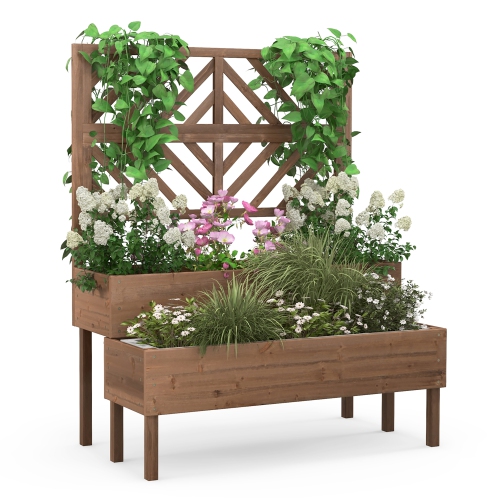
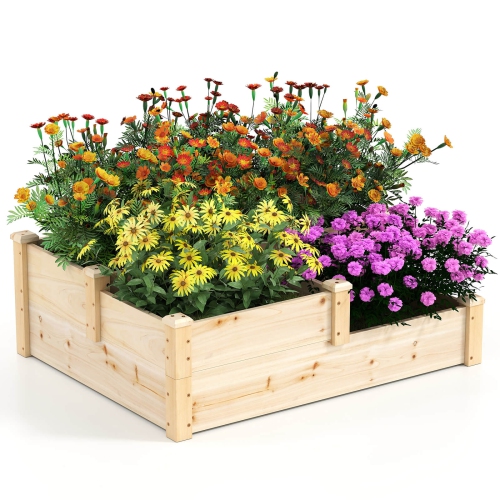
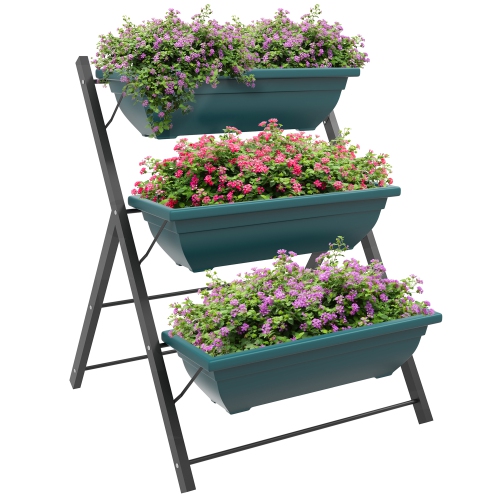
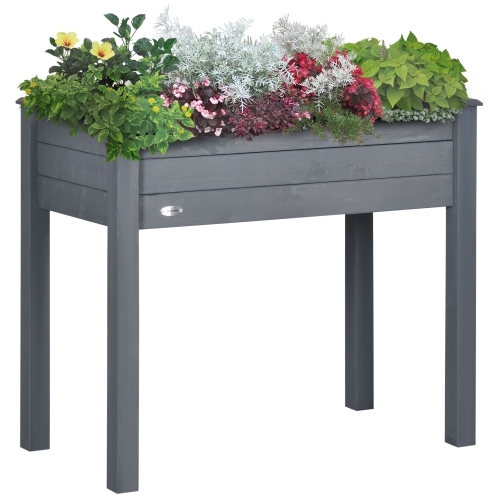

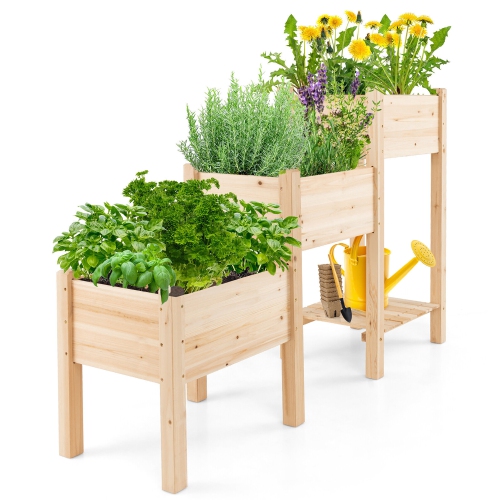
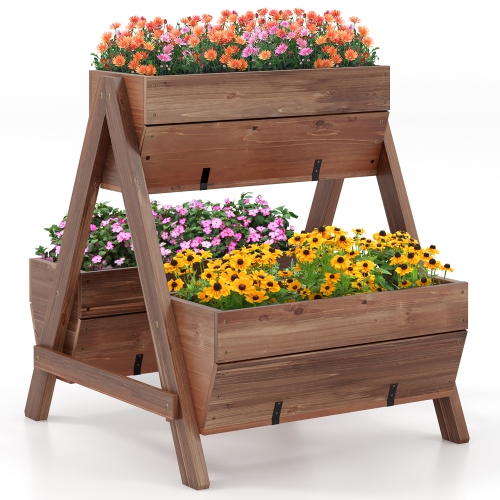
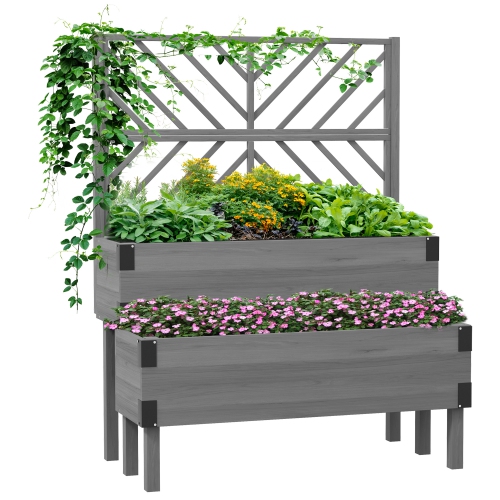
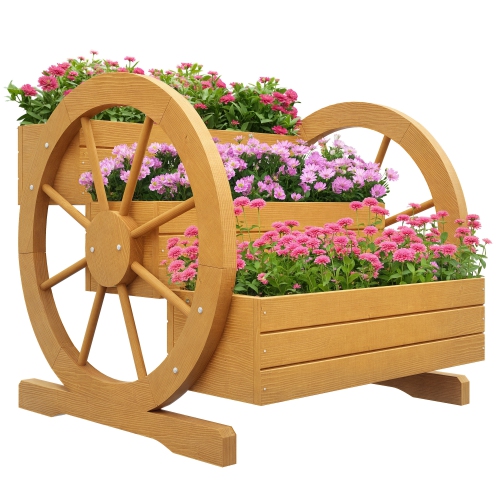
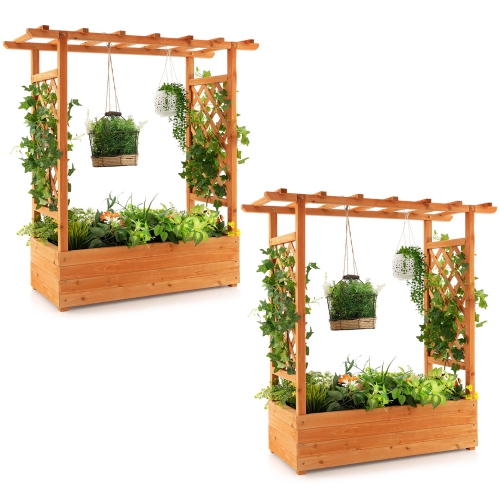
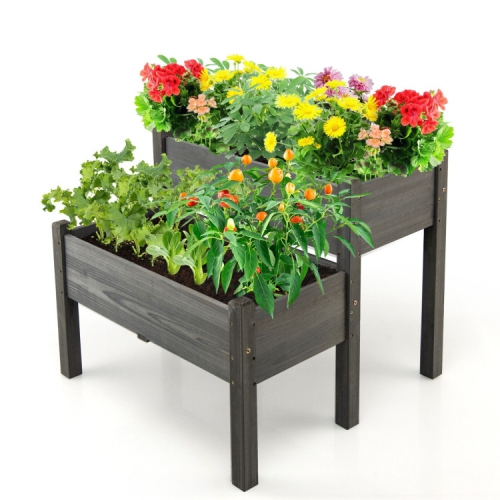
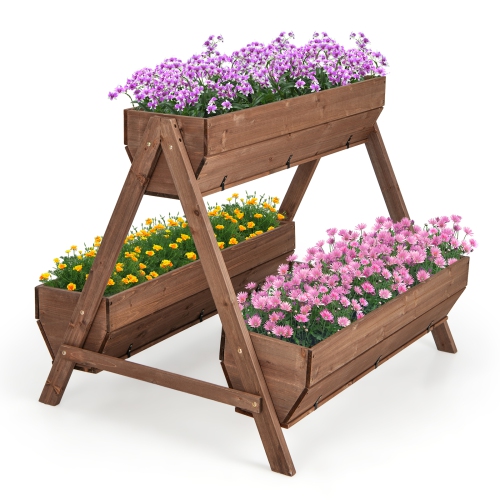
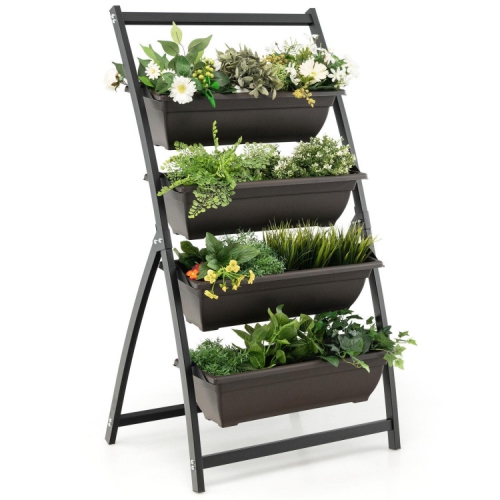
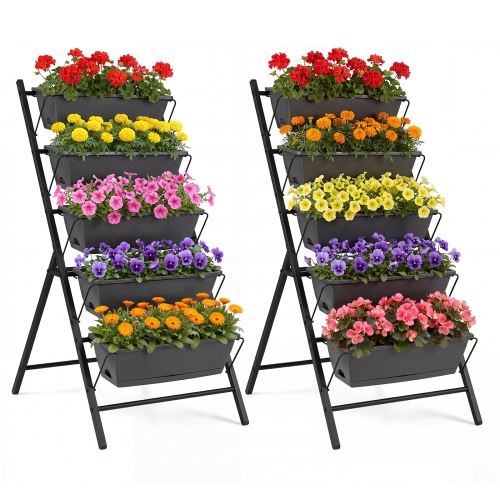
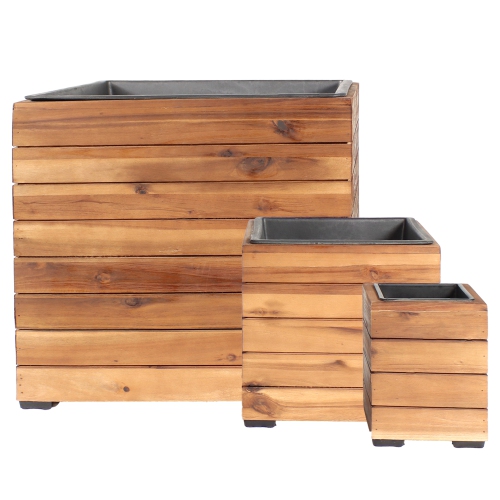
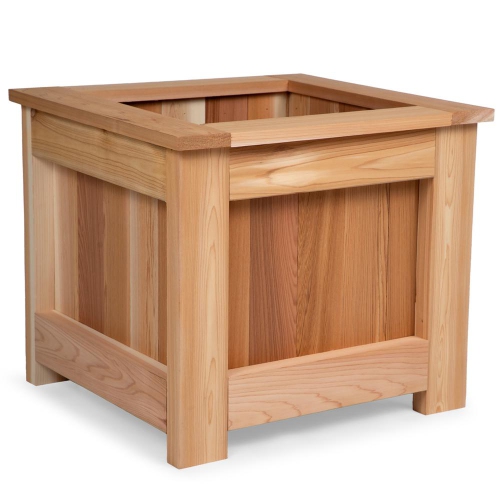
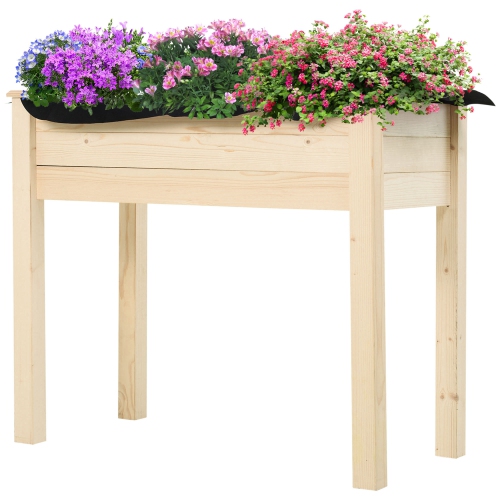
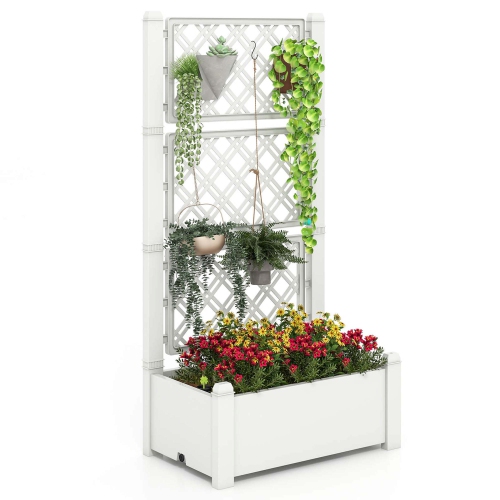
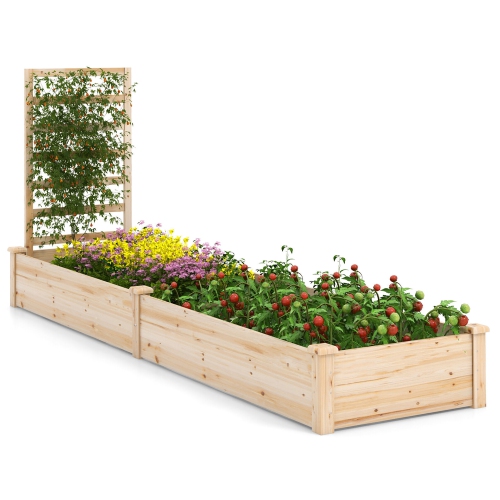
More planting space without crowding the floor
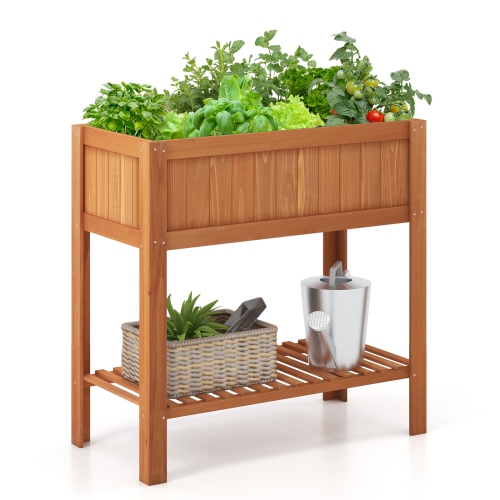
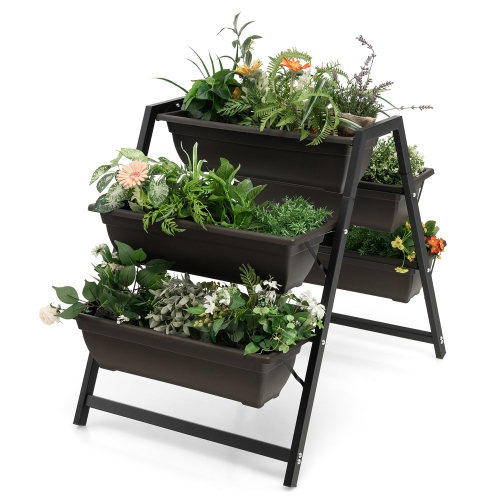
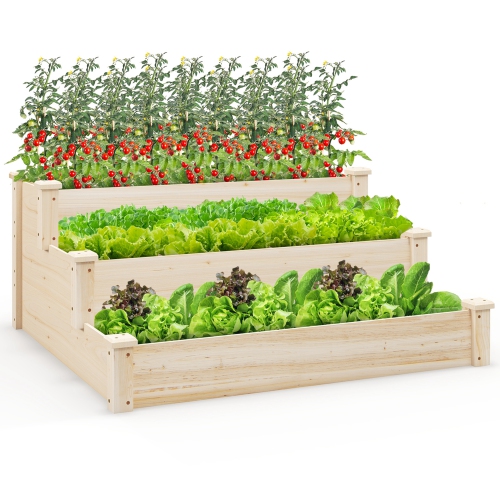
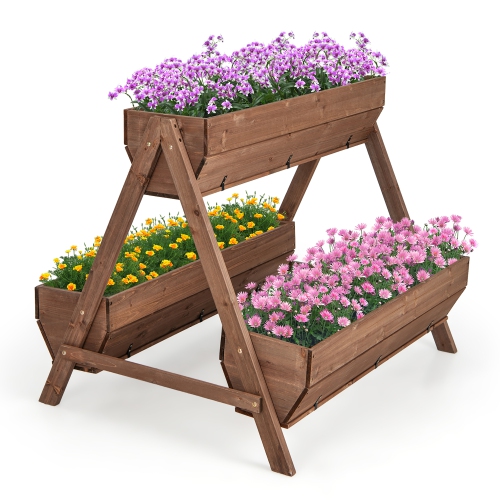
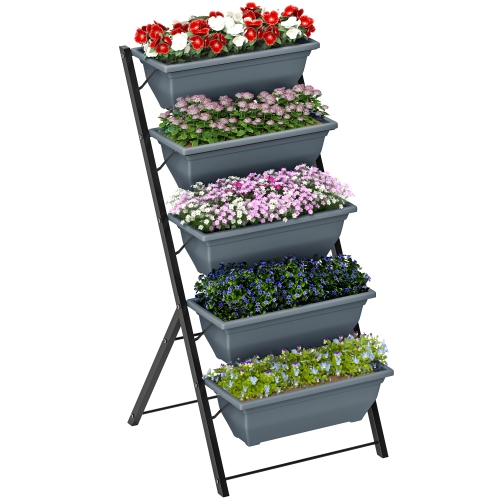
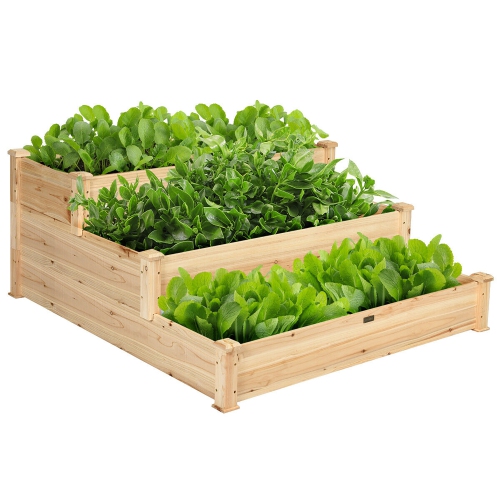
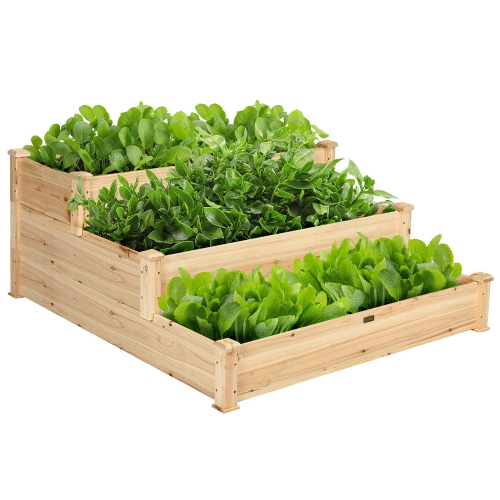
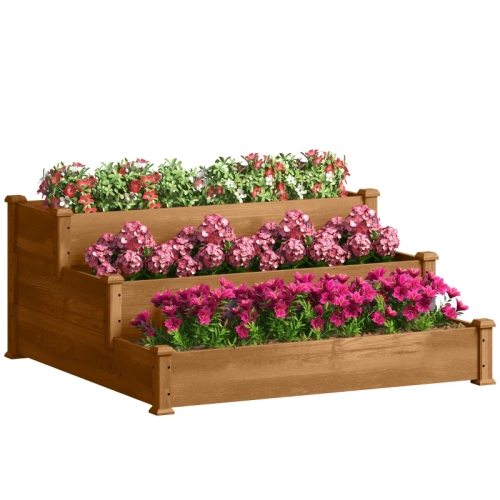
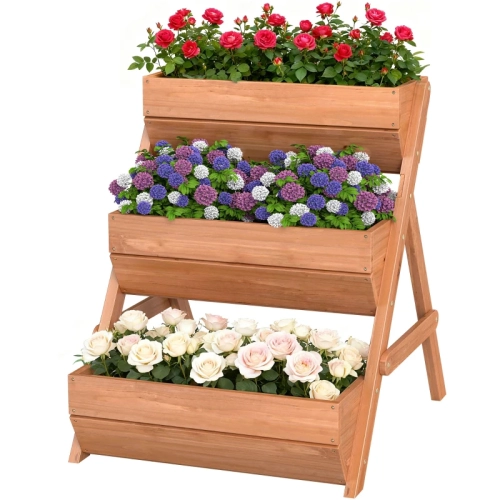
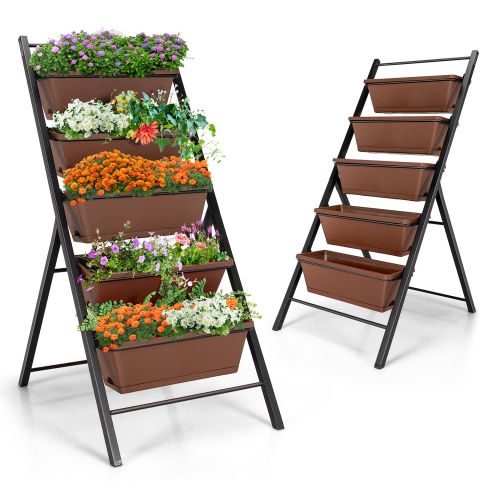
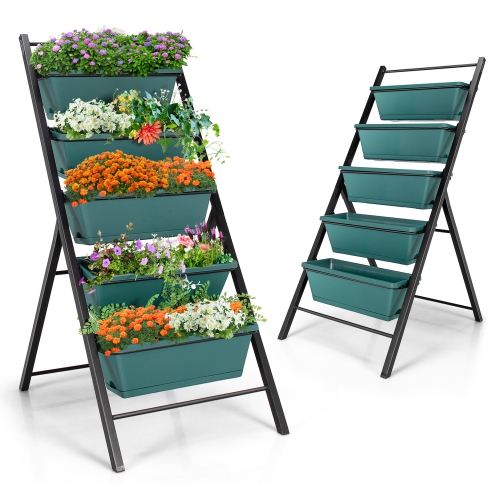
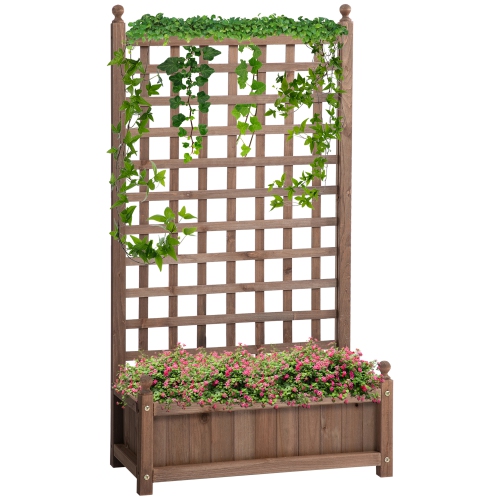
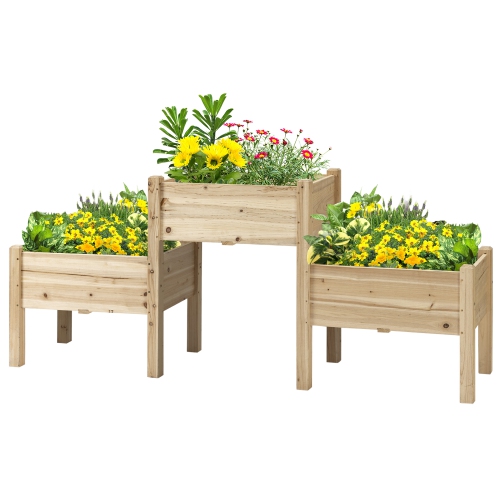
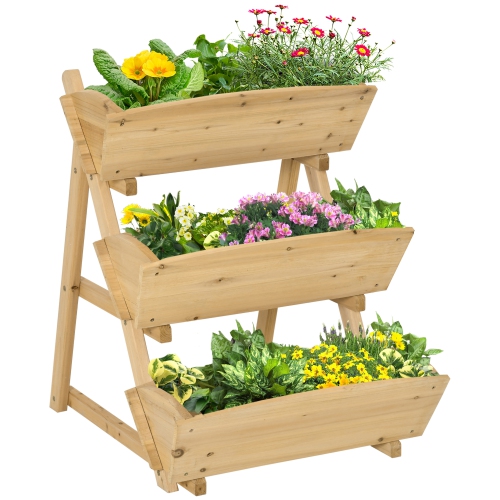
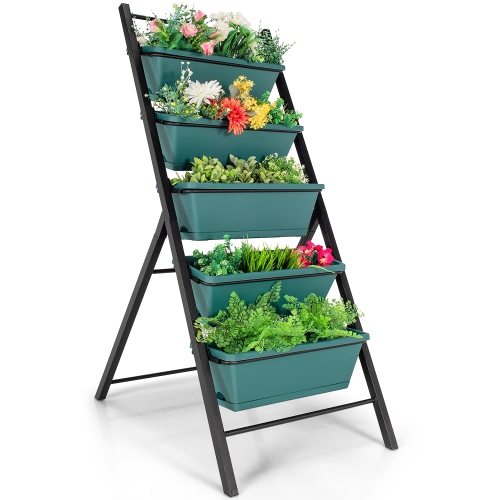
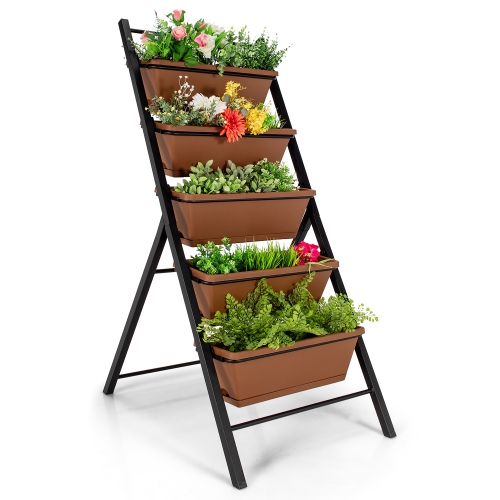
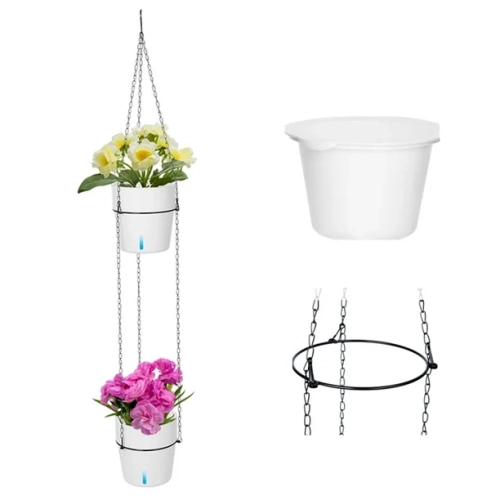
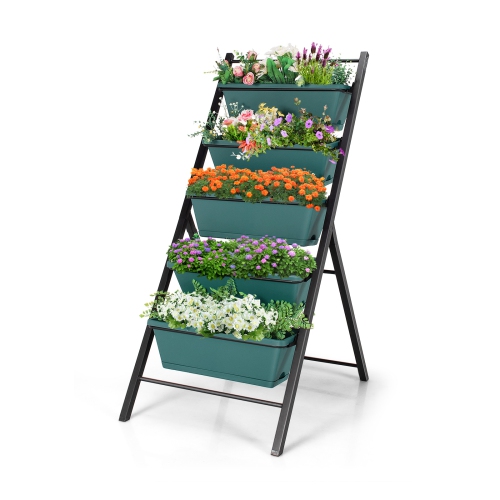
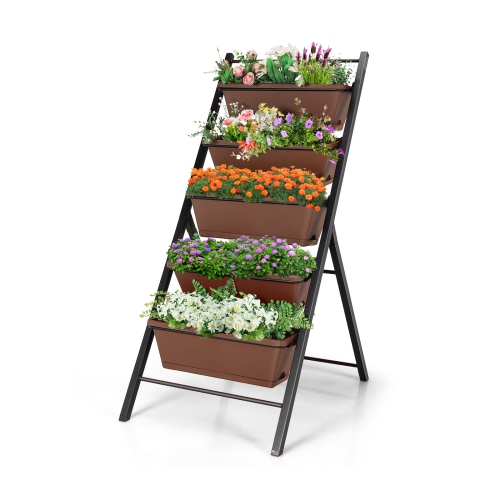
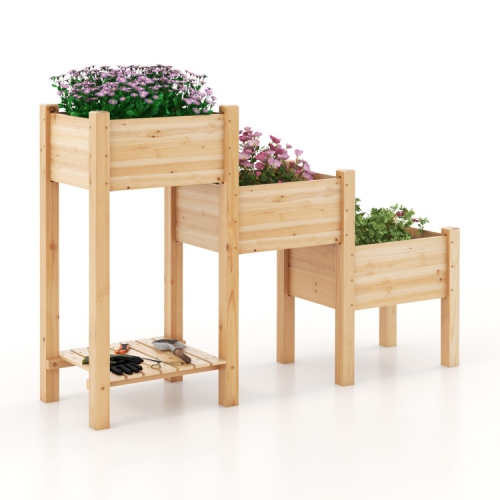
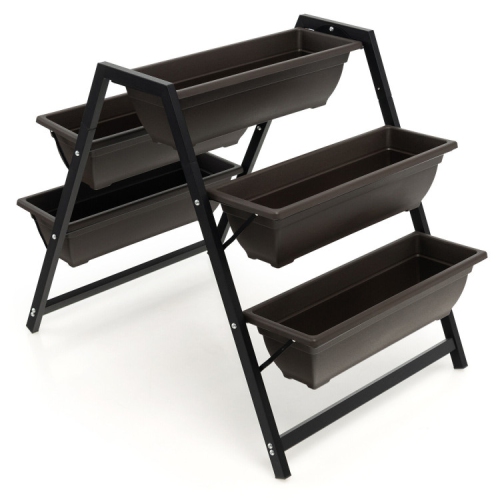
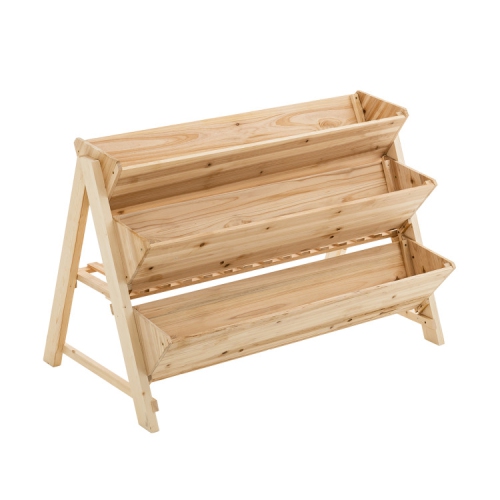
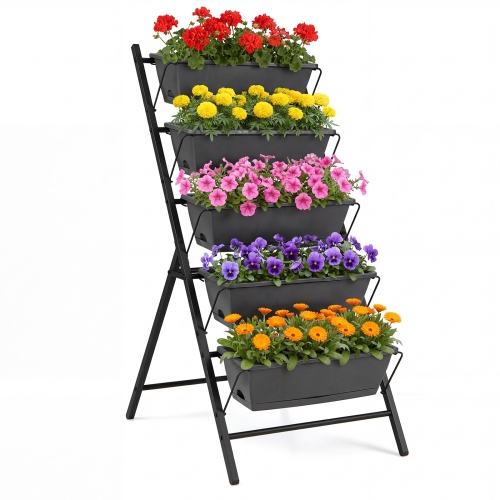
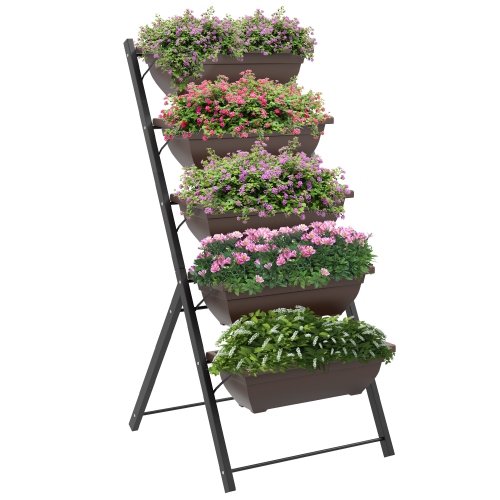
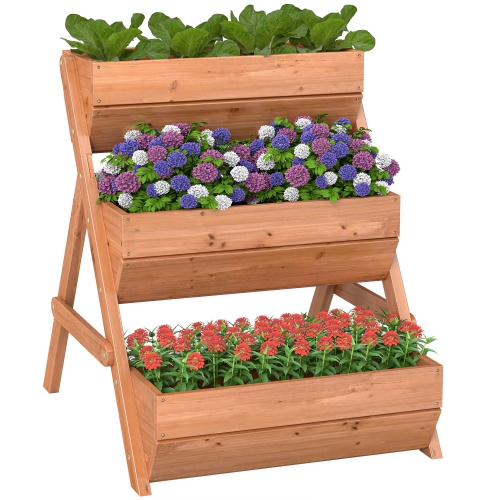
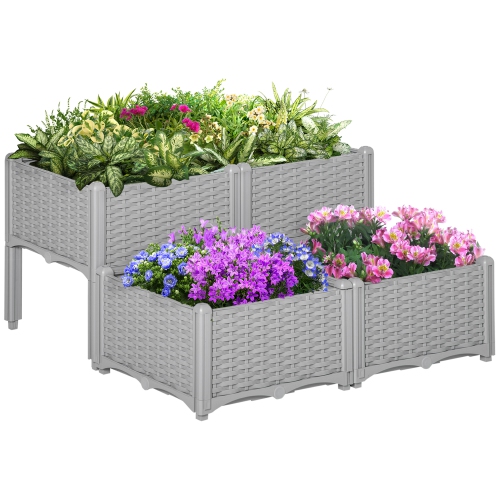
Tiered planter boxes bring several growing spaces into one arrangement, making room for herbs, flowers, leafy greens, and trailing plants without spreading individual pots across the floor. Their stepped shape gives each level a distinct planting area, so a compact display can have both height and depth. On a balcony, that might mean parsley and chives within easy reach, with a trailing plant spilling over the lowest edge. On a patio, wider tiers can frame a seating area while keeping a useful portion of the floor clear. Indoors, a model designed for interior use can group greenery beside a bright window, provided its drainage and water collection system protect the surrounding surfaces. The layout matters as much as the overall size: stacked boxes with generous gaps offer a different planting experience from shallow trays arranged closely together. Open spacing gives foliage room to spread and makes it easier to reach the soil, while closely arranged tiers suit smaller plants with more restrained growth. Some designs form a staircase, with each box set slightly behind the one below; others place troughs along an upright frame. These differences affect how much light reaches each level and how comfortably someone can plant, water, or trim. A stepped arrangement can also make a planting display easier to appreciate from a chair or through a window, rather than only from above. For households sharing a small outdoor space, a single organized planting area helps separate greenery from seating, storage, and walking routes. Tiered planter boxes can appeal to experienced gardeners arranging a compact herb collection, beginners starting with a few manageable plants, or anyone who enjoys adding colour and texture to a living space. They can also make a thoughtful housewarming gift for someone with a suitable spot and an interest in growing things, especially when the size and care requirements match the recipient’s routine.
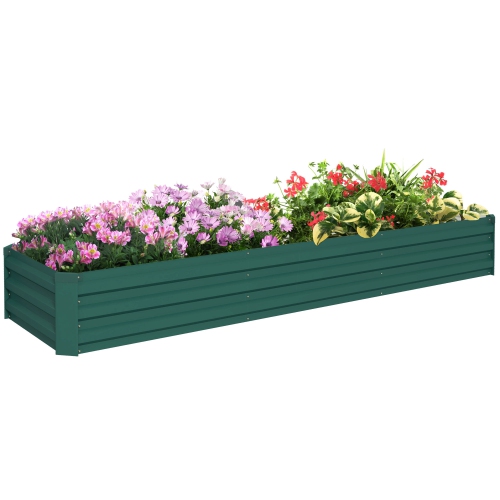
Materials shape both the appearance of tiered planter boxes and the attention they need over time. Wood brings visible grain and a warm finish that pairs naturally with foliage, but its suitability for prolonged contact with damp soil depends on the species, construction, and any applied treatment. Cedar is a familiar choice for outdoor planters because of its natural resistance to decay, though no wooden planter is entirely maintenance-free. Protective finishes may need periodic renewal according to the manufacturer’s directions, and wood can change colour as it ages. Metal offers a more defined outline and can suit spaces with simple railings, tiled floors, or streamlined furniture. For these designs, the quality of the coating and the condition of edges, joints, and fasteners influence resistance to rust. Plastic and resin constructions are often easier to move when empty and usually need straightforward surface cleaning, although their strength and resistance to cracking vary by material and design. Mixed-material planters may combine a metal frame with removable planting boxes, offering a useful balance of structure and convenience. Across all materials, sturdy joints, well-supported bases, and securely attached tiers matter because damp growing medium adds considerable weight. The visible footprint is only part of the fit: overall height, box depth, distance between tiers, and access from the sides determine how the planter works in daily use. A narrow unit may fit beside a doorway but still need extra clearance for leaves and watering. A taller frame can bring some planting tasks closer to hand, yet its upper tier should remain comfortably reachable without stretching or climbing. On a balcony, the permitted load and building rules deserve attention before placing any large soil-filled container. Planters should rest on a level, suitable surface without blocking exits or attaching to railings unless designed and approved for that use. Assembly requirements also vary, so access for tools and space to position the finished frame are practical details worth considering.
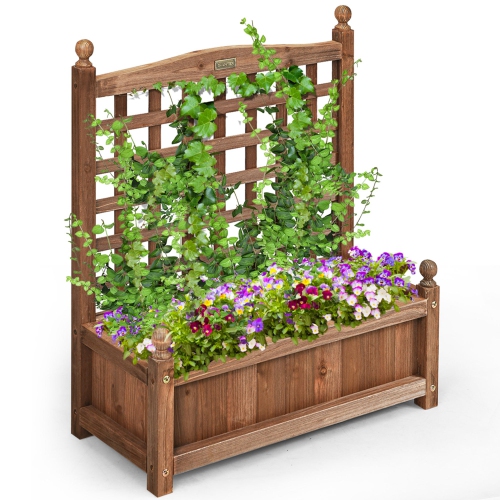
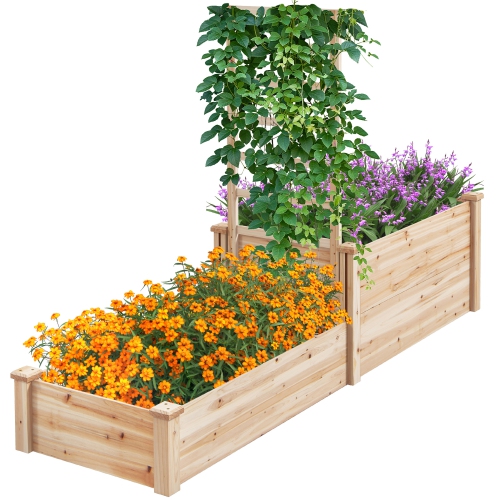
Planting depth and drainage help determine what a tiered planter can support successfully. Shallow boxes can suit some compact herbs and leafy greens, while larger plants or those with deeper root systems need more soil volume. Mature plant size is a better reference than the size of a seedling: a small starter plant can eventually shade the tier beneath it or crowd its neighbours. Grouping plants with similar light and watering needs makes care more manageable, particularly when several share the same trough. Trailing growth can soften the edges of a lower box, while upright plants may work well where their leaves will not block another tier. For climbing plants that need a dedicated support, trellis planter boxes offer a different layout centred on upward growth. With any tiered design, drainage openings should allow excess water to escape without leaving roots sitting in it. A liner can help contain growing medium or separate it from the outer box, but it should not obstruct the intended drainage path. For indoor placement, a suitable catch tray or watertight outer container is important, and collected water still needs regular attention. Outdoors, the direction of runoff matters when a planter stands above another balcony or beside a frequently used path. Removable boxes can simplify cleaning and replanting, although a filled box may be much heavier than expected. A potting mix intended for containers is generally more suitable than dense garden soil, and filling each tier according to its capacity helps avoid unnecessary strain on the frame. Routine care includes clearing drainage holes, wiping accessible surfaces, checking fasteners, and inspecting wood or coatings for wear. For edible plants, materials, liners, and finishes should be suitable for that intended use. The most practical arrangement leaves enough room to see the soil, reach each planting pocket, and tend the whole display without moving furniture every time. With that balance of growing space, comfortable access, and sound construction, tiered planter boxes can turn a modest footprint into a satisfying part of everyday home life.
Materials shape both the appearance of tiered planter boxes and the attention they need over time. Wood brings visible grain and a warm finish that pairs naturally with foliage, but its suitability for prolonged contact with damp soil depends on the species, construction, and any applied treatment. Cedar is a familiar choice for outdoor planters because of its natural resistance to decay, though no wooden planter is entirely maintenance-free. Protective finishes may need periodic renewal according to the manufacturer’s directions, and wood can change colour as it ages. Metal offers a more defined outline and can suit spaces with simple railings, tiled floors, or streamlined furniture. For these designs, the quality of the coating and the condition of edges, joints, and fasteners influence resistance to rust. Plastic and resin constructions are often easier to move when empty and usually need straightforward surface cleaning, although their strength and resistance to cracking vary by material and design. Mixed-material planters may combine a metal frame with removable planting boxes, offering a useful balance of structure and convenience. Across all materials, sturdy joints, well-supported bases, and securely attached tiers matter because damp growing medium adds considerable weight. The visible footprint is only part of the fit: overall height, box depth, distance between tiers, and access from the sides determine how the planter works in daily use. A narrow unit may fit beside a doorway but still need extra clearance for leaves and watering. A taller frame can bring some planting tasks closer to hand, yet its upper tier should remain comfortably reachable without stretching or climbing. On a balcony, the permitted load and building rules deserve attention before placing any large soil-filled container. Planters should rest on a level, suitable surface without blocking exits or attaching to railings unless designed and approved for that use. Assembly requirements also vary, so access for tools and space to position the finished frame are practical details worth considering.
Planting depth and drainage help determine what a tiered planter can support successfully. Shallow boxes can suit some compact herbs and leafy greens, while larger plants or those with deeper root systems need more soil volume. Mature plant size is a better reference than the size of a seedling: a small starter plant can eventually shade the tier beneath it or crowd its neighbours. Grouping plants with similar light and watering needs makes care more manageable, particularly when several share the same trough. Trailing growth can soften the edges of a lower box, while upright plants may work well where their leaves will not block another tier. For climbing plants that need a dedicated support, trellis planter boxes offer a different layout centred on upward growth. With any tiered design, drainage openings should allow excess water to escape without leaving roots sitting in it. A liner can help contain growing medium or separate it from the outer box, but it should not obstruct the intended drainage path. For indoor placement, a suitable catch tray or watertight outer container is important, and collected water still needs regular attention. Outdoors, the direction of runoff matters when a planter stands above another balcony or beside a frequently used path. Removable boxes can simplify cleaning and replanting, although a filled box may be much heavier than expected. A potting mix intended for containers is generally more suitable than dense garden soil, and filling each tier according to its capacity helps avoid unnecessary strain on the frame. Routine care includes clearing drainage holes, wiping accessible surfaces, checking fasteners, and inspecting wood or coatings for wear. For edible plants, materials, liners, and finishes should be suitable for that intended use. The most practical arrangement leaves enough room to see the soil, reach each planting pocket, and tend the whole display without moving furniture every time. With that balance of growing space, comfortable access, and sound construction, tiered planter boxes can turn a modest footprint into a satisfying part of everyday home life.
Top selling and popular products
-
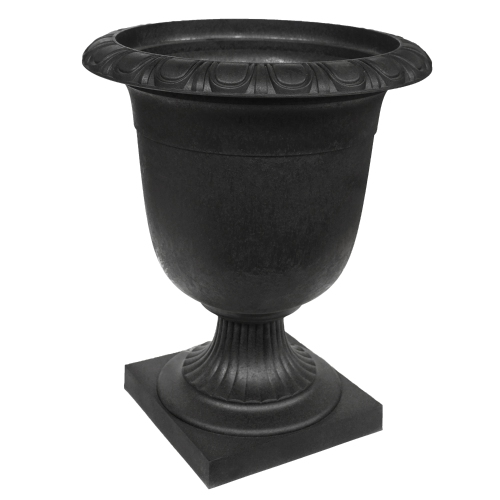 Your price for this item is $69.99
 -
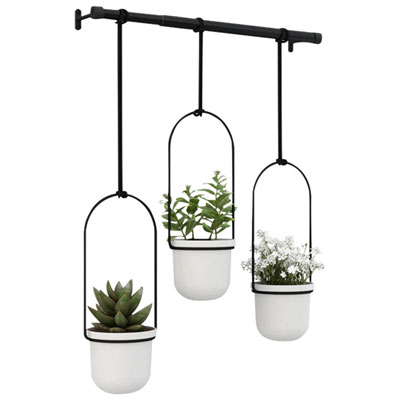 Your price for this item is $54.98
 -
 Your price for this item is $89.99
 -
 Your price for this item is $79.99
 -
 Your price for this item is $104.99
 -
 Your price for this item is $141.99
 -
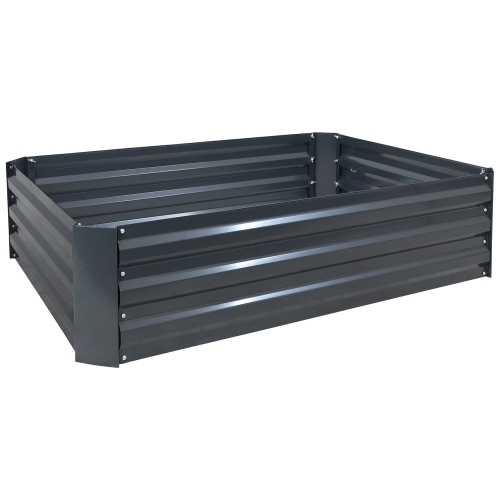 Your price for this item is $117.75
 -
 Your price for this item is $117.75
Discover more categories related to Tiered Planter Boxes
Top Collections:
Pokemon Centers, Kindle Devices, Best Budget Office Chairs, Apple iPhones 16, Best Laptops for Writers, iPhone 15 Apple, Canon G7X Cameras, Refurbished Apple Laptops, Alarm Clock, Motorola Razr Phones
Some products may be subject to Environmental Handling Fees
(EHF) depending on your province.
Learn more about EHFs.