Steel Bunk Beds
Looking for a sturdy and space-saving solution for your bedroom? Look no further than our collection of steel bunk beds. Designed with durability and functionality in mind, these versatile beds are perfect for maximizing your living space without compromising on style. With their sleek design and robust construction, these beds are not only built to last but also provide a comfortable and secure sleeping environment.
Sort
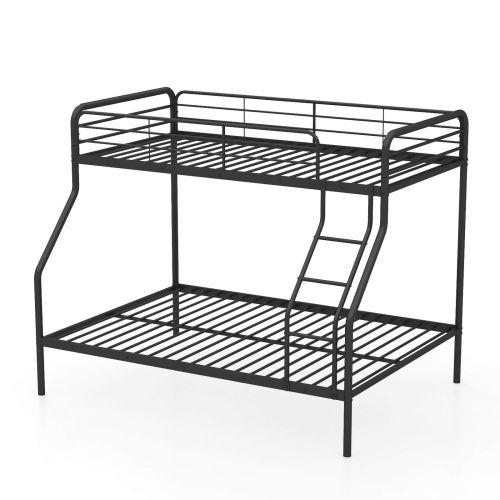
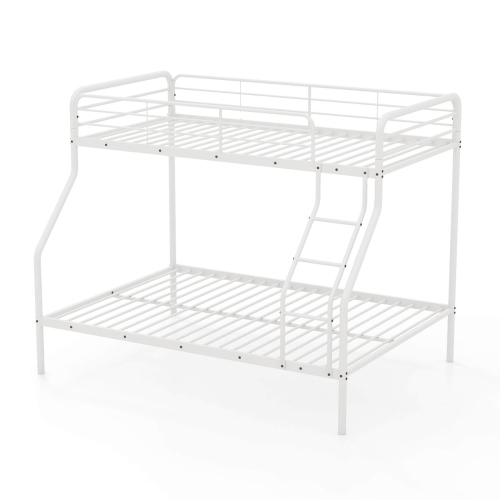
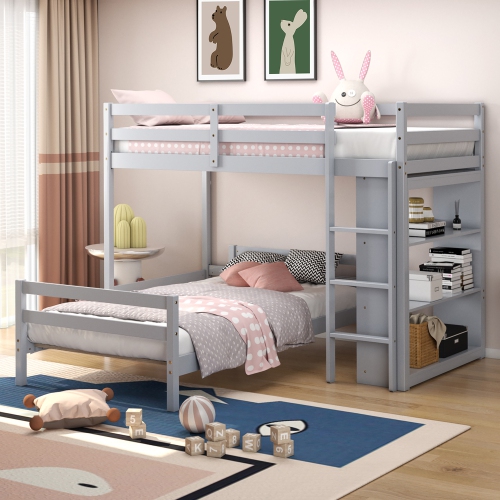
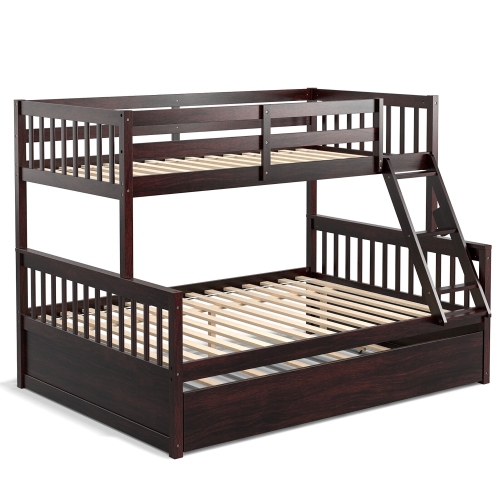
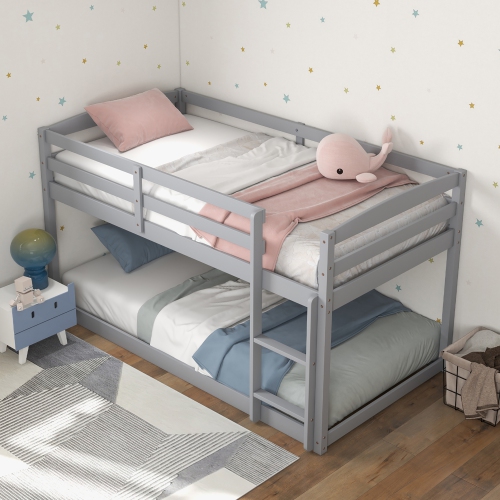

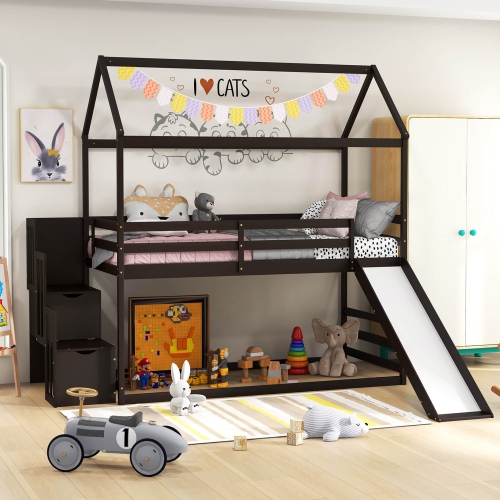
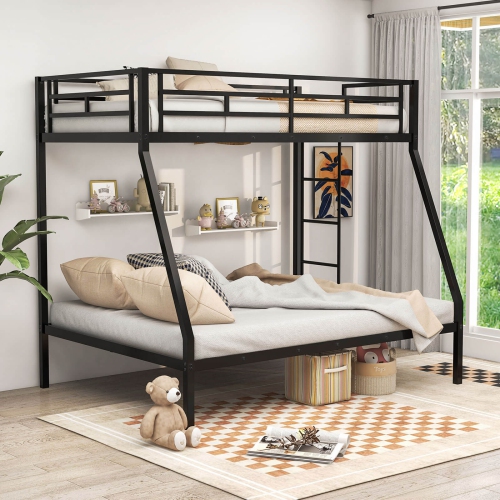
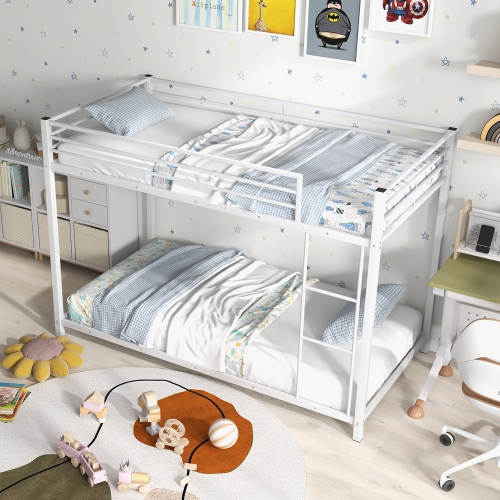
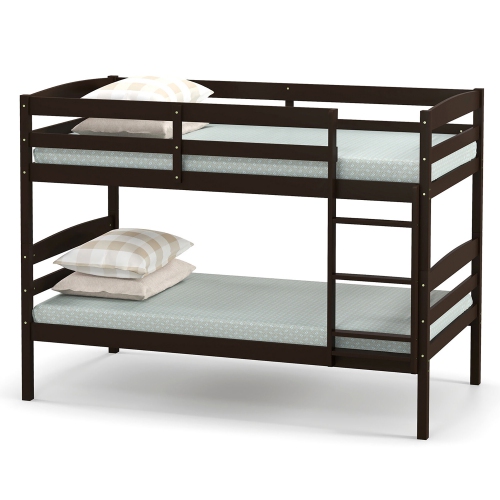

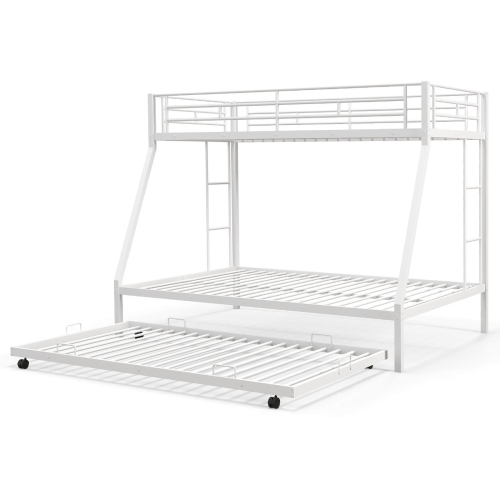
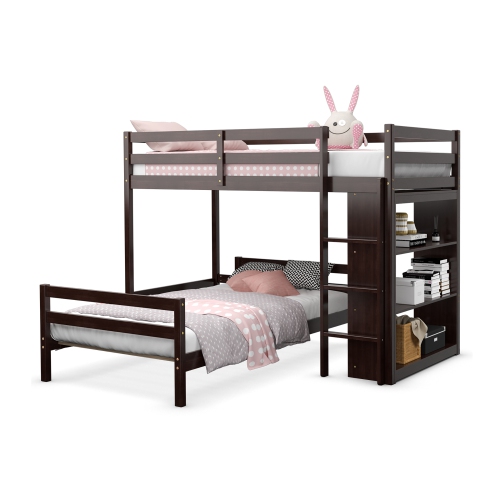
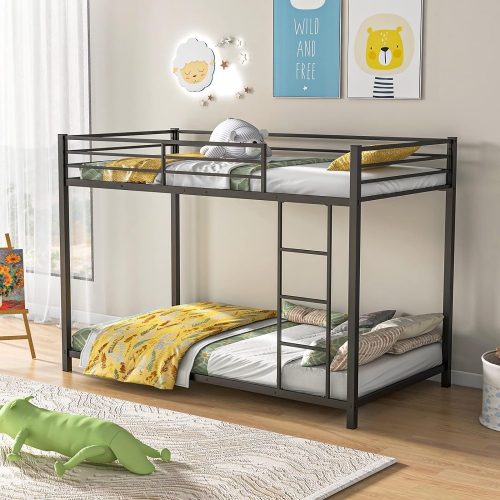
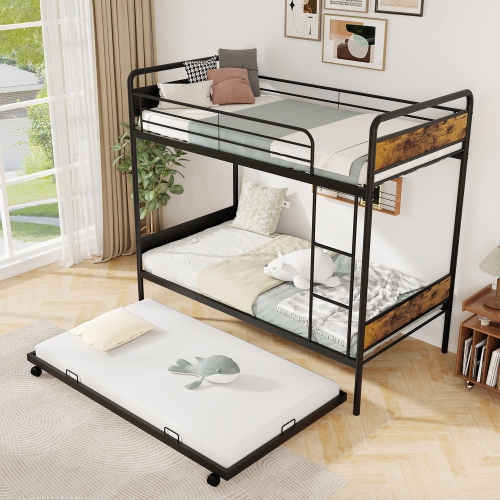
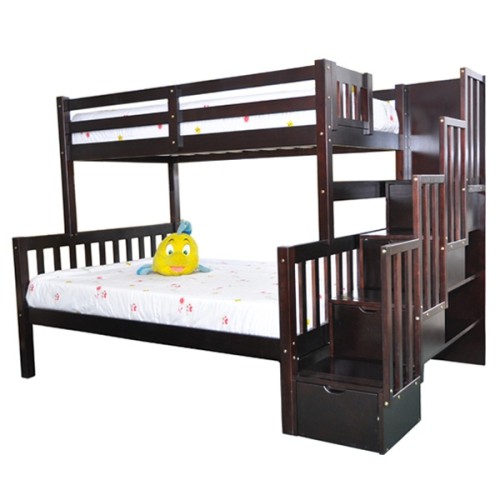
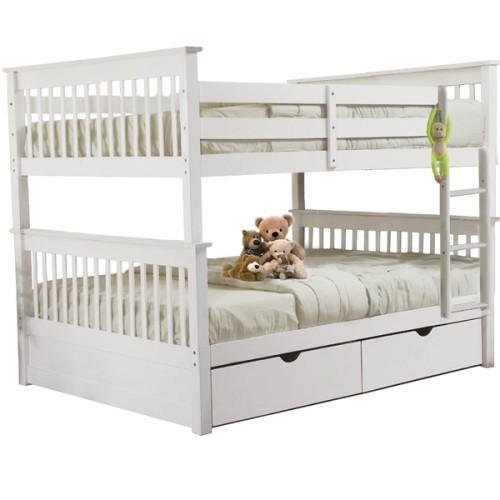
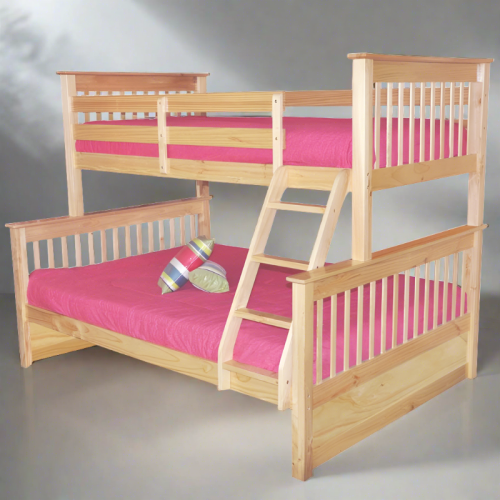
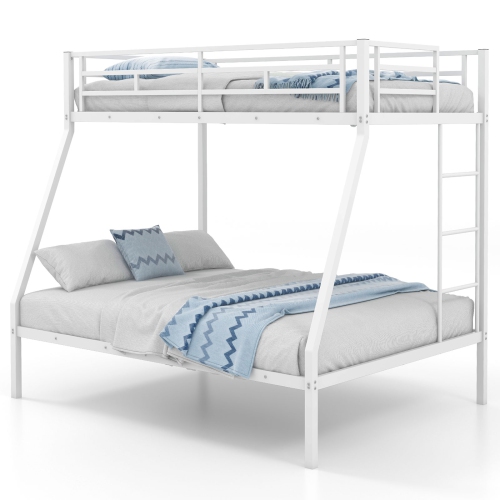
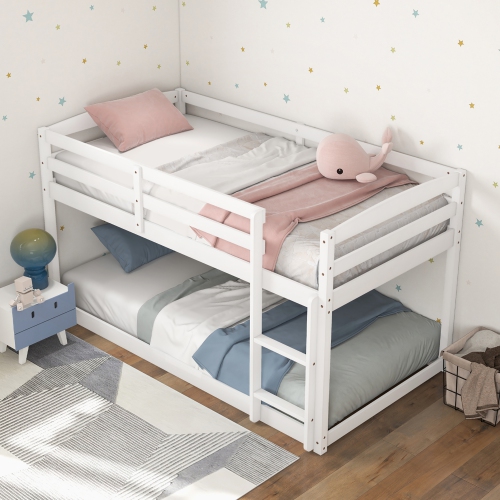
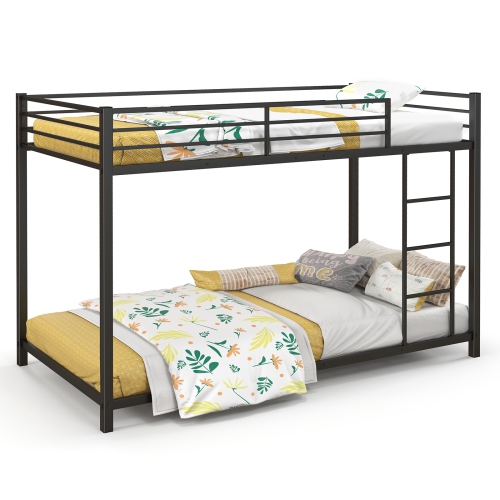
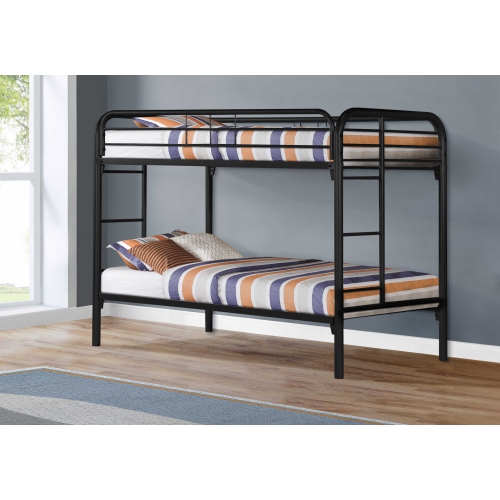
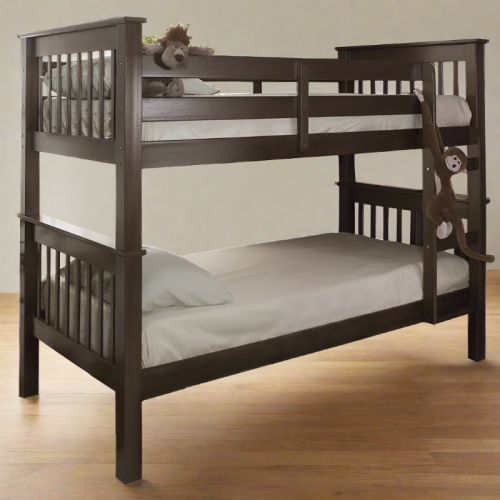
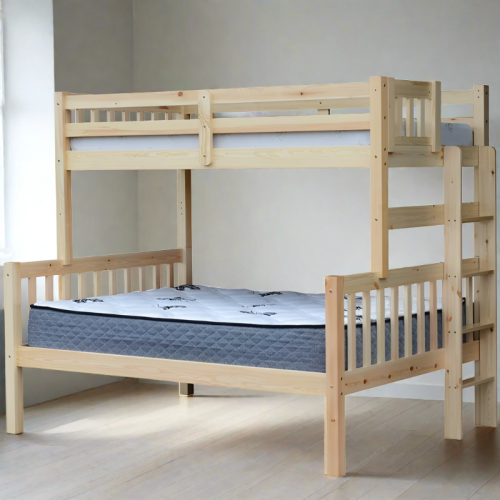
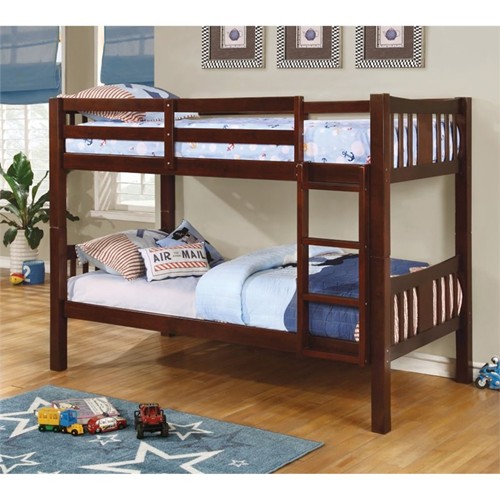
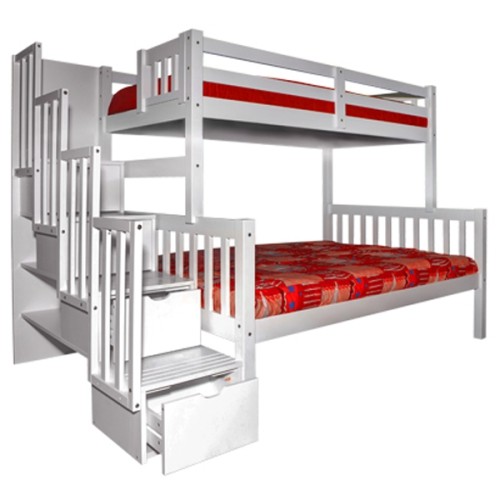
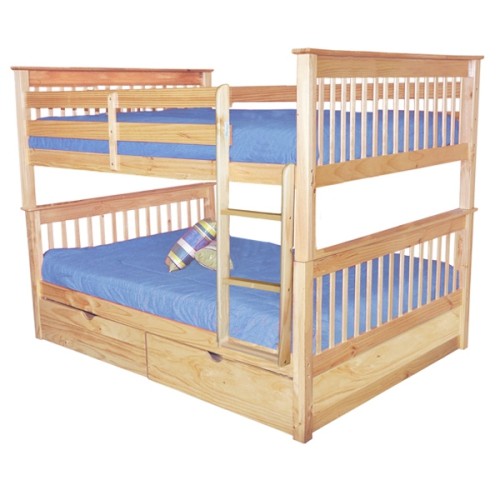

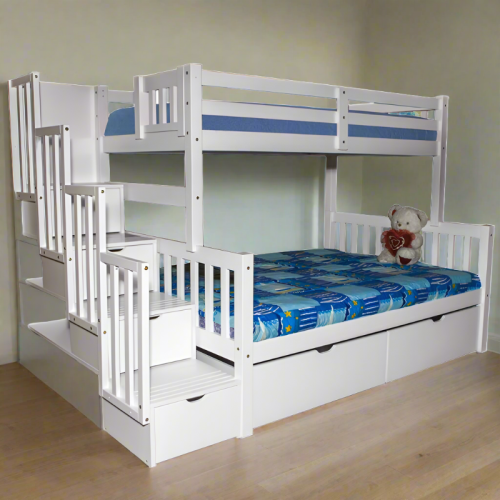
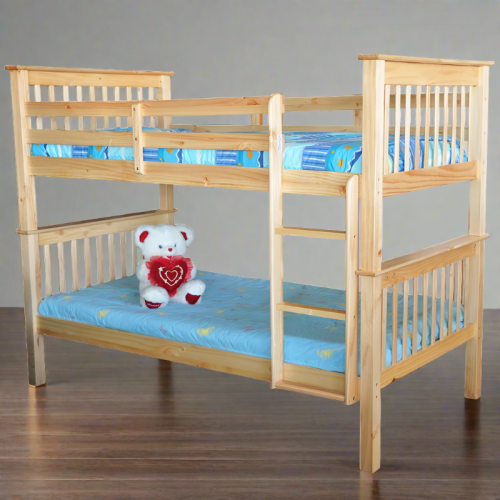

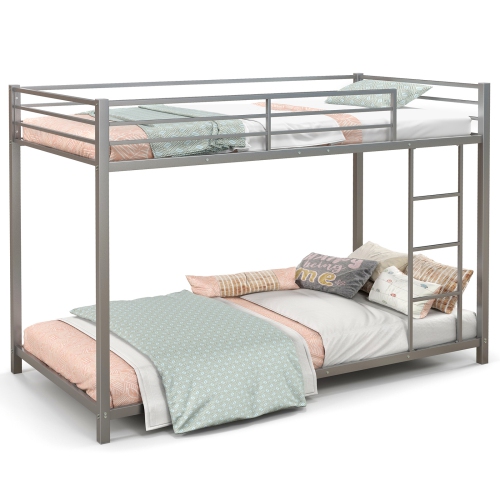
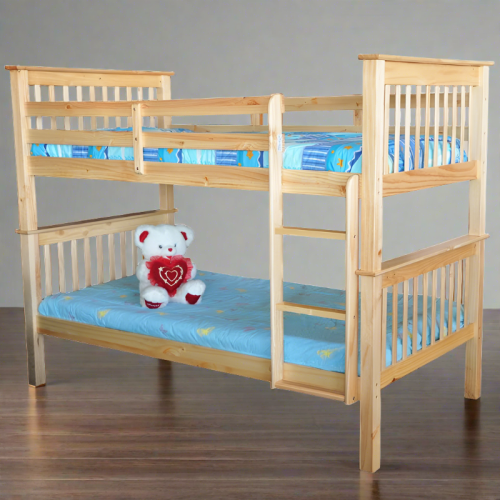
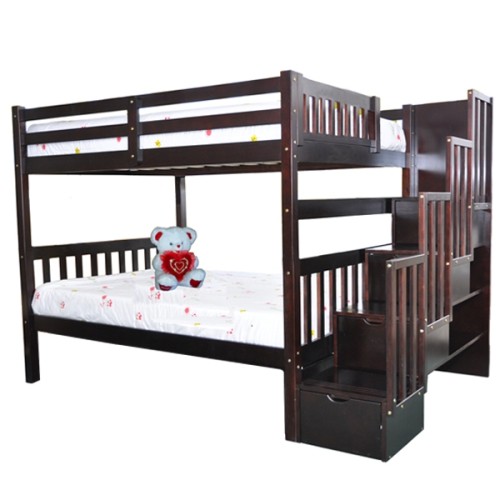
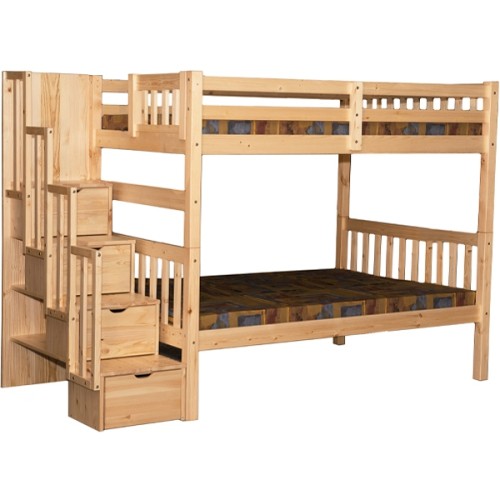
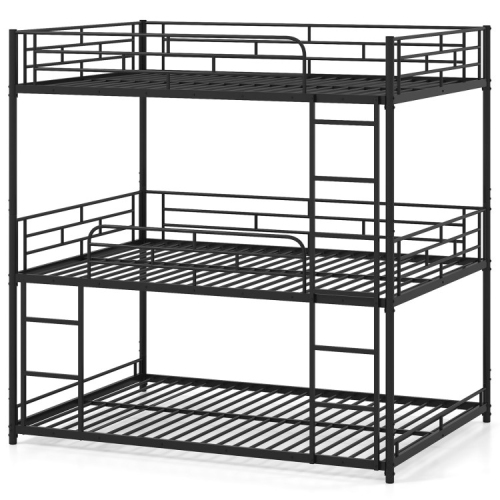
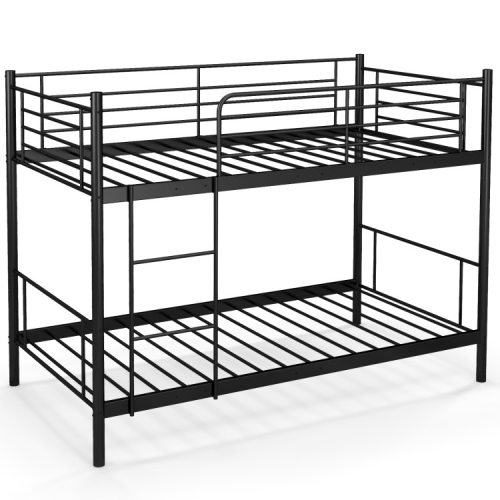
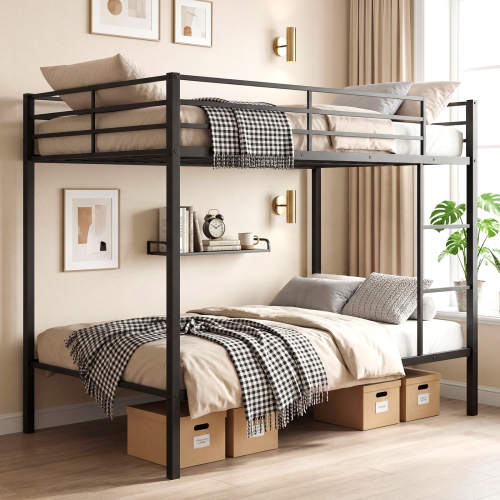
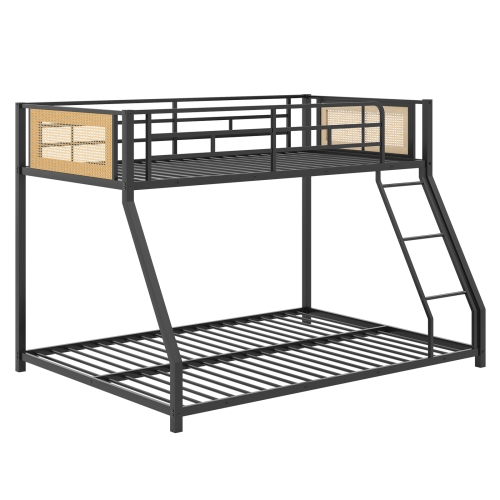
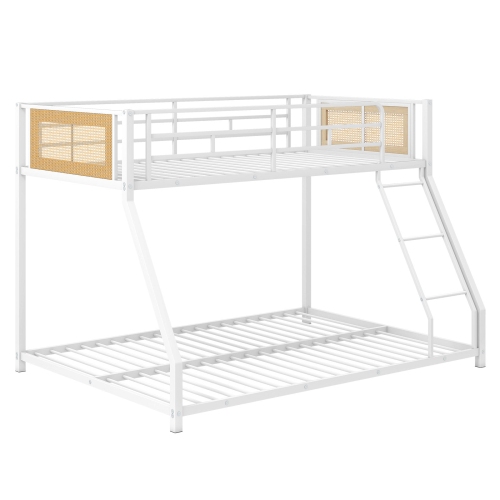
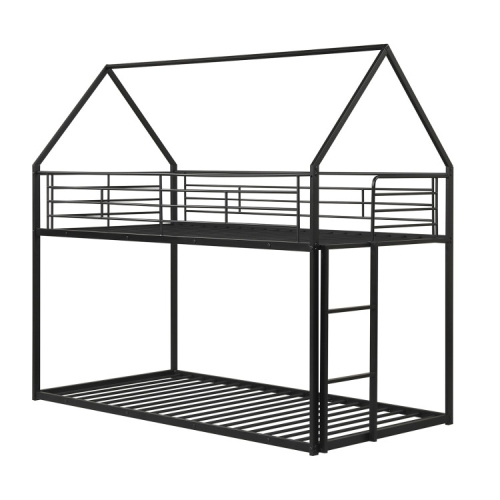
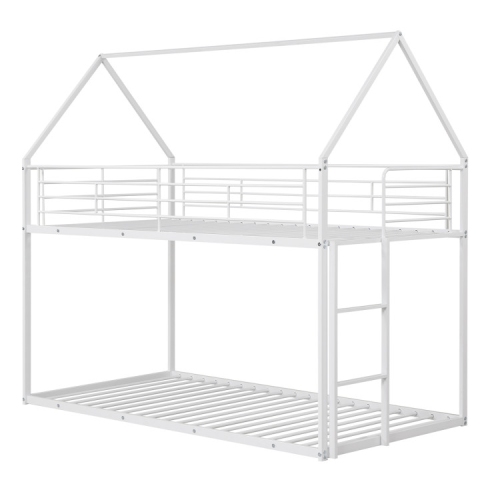
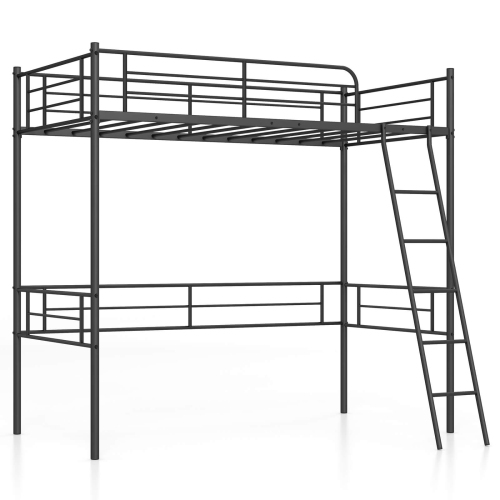

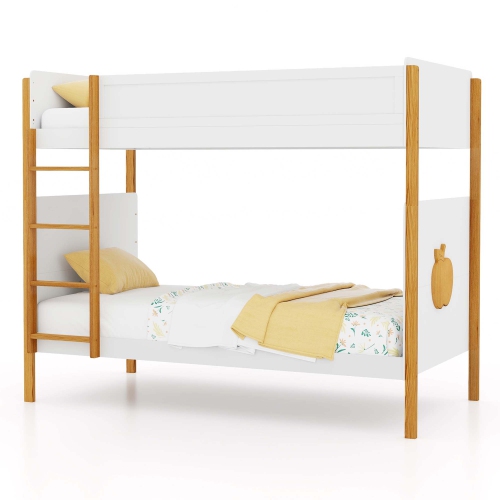
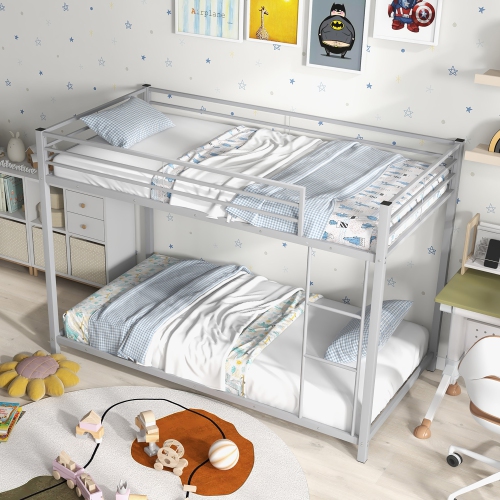
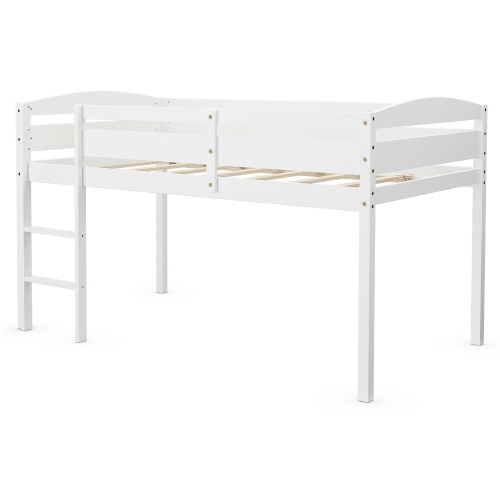
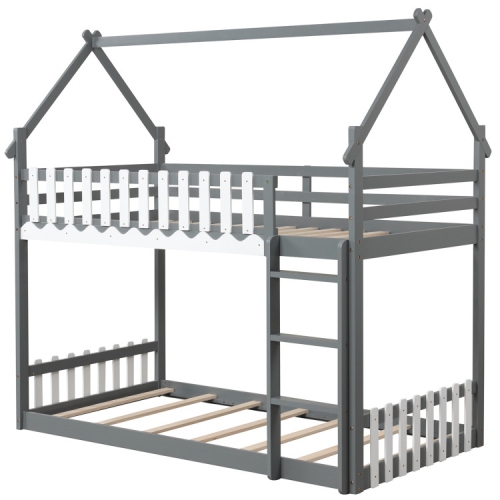
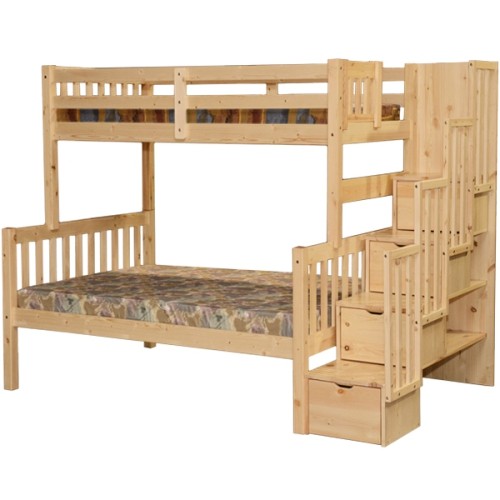
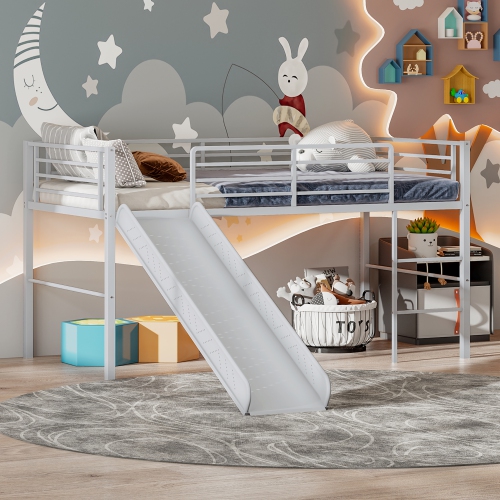
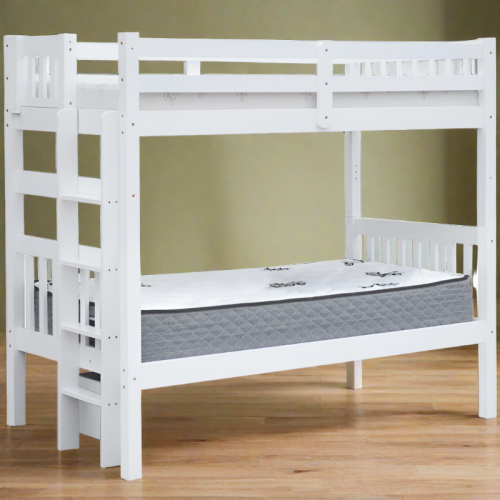
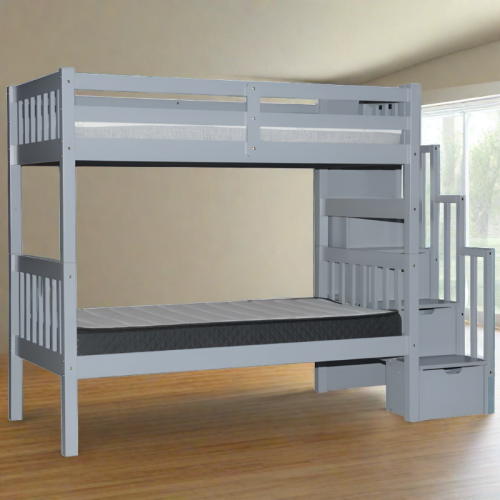
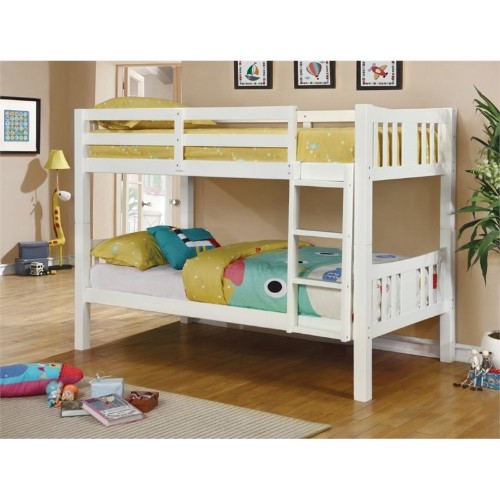

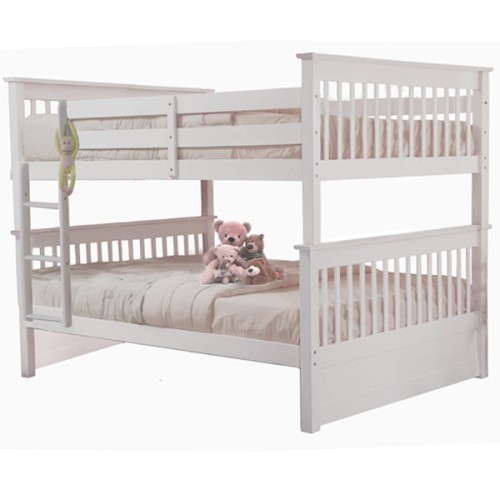
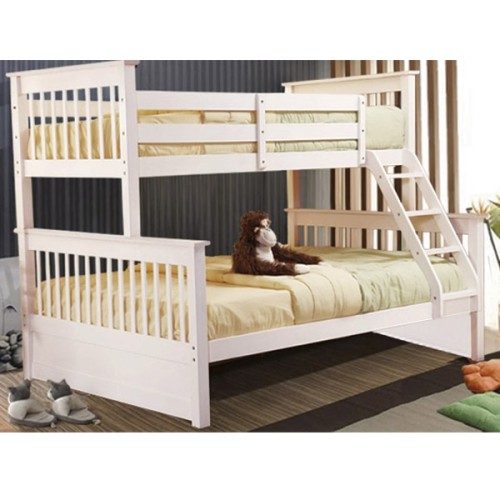
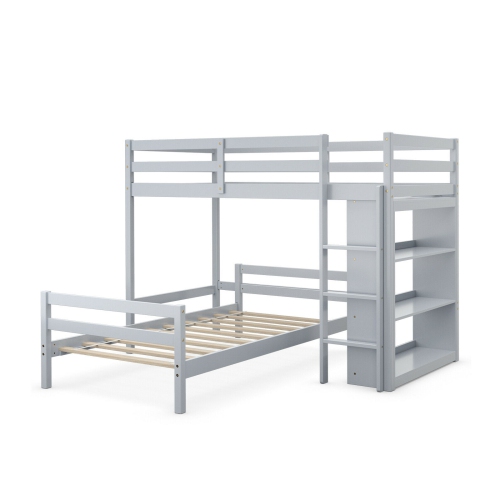
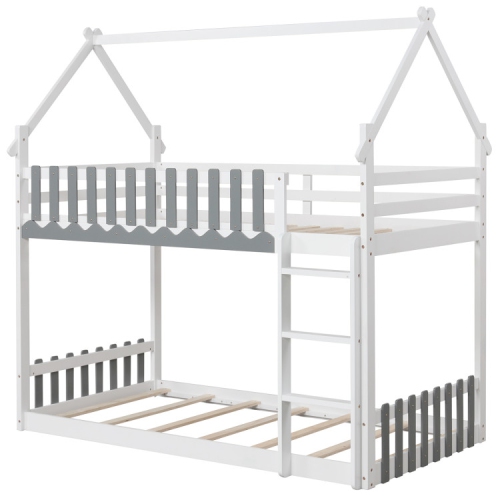
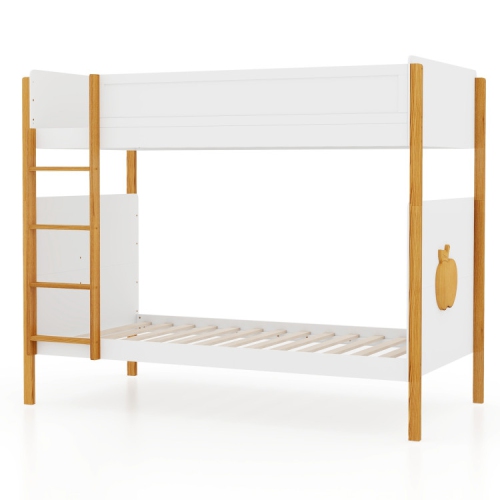
Two sleeping spaces with more room for everyday life
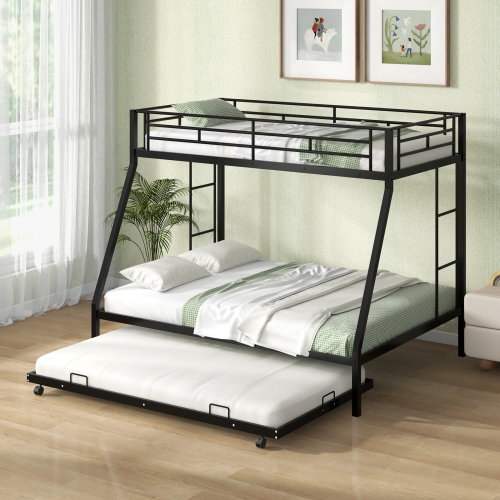
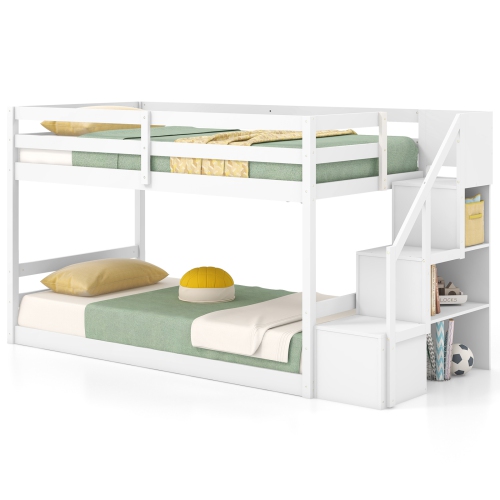
Steel bunk beds bring two sleeping spaces into a single footprint, making them a practical fit for shared bedrooms, guest rooms, and homes where floor space has several jobs to do. In a room shared by siblings, stacking the beds can leave more room for a desk, a dresser, or a clear area for play. In a guest room, a bunk layout can accommodate visiting family without filling the room with separate bed frames. Steel is an iron-based alloy used in furniture for its strength and its ability to form relatively slim rails, posts, and supports. That construction can give a bunk bed an open appearance, though the actual weight, stability, and capacity depend on the complete design rather than the material alone. Tubular frames often have rounded profiles, while square posts and straight rails create a more structured look. Welded sections and bolted connections work together to support the frame, and a well-assembled bed should feel secure during normal use. Painted or powder-coated finishes provide colour and help protect the steel surface; their resistance to scratches and wear varies with the finish and how the bed is used. Black, white, and grey frames can sit comfortably alongside wood dressers, colourful bedding, or simple upholstered accents without requiring every piece of furniture to match. Steel also belongs to the broader category of Metal Bunk Beds, where frame construction, sleeping arrangements, and overall dimensions can differ considerably. Twin-over-twin layouts give both sleepers similarly sized beds, while twin-over-full arrangements provide a wider lower sleeping surface. Other configurations may suit different room layouts, but the right choice starts with who will sleep there and how the room functions each day. A bunk bed for children sharing a room has different requirements from one intended for adult guests, particularly when it comes to weight ratings, climbing access, and comfortable headroom. Steel construction does not automatically make a bunk bed suitable for adults, so the stated intended use and capacity remain essential details.
Fit involves much more than checking whether the frame will stand against an empty wall. Overall length and width can extend beyond the mattress dimensions, and an angled ladder or built-in steps may require additional floor space. A lower bed that is wider than the upper bunk also changes how easily someone can move through the room. Leave practical clearance for bedroom doors, wardrobe doors, drawers, and the route between the bed and the doorway. In a narrow bedroom, a ladder at one end may work better than access along the side, provided the design allows that arrangement. Ceiling height matters just as much: the upper sleeper needs the clearance specified by the manufacturer, with enough space for comfortable movement above the mattress. Keep the bed away from ceiling fans, light fixtures, windows, and blind or curtain cords, and follow all placement instructions. Beneath the upper bunk, adequate headroom makes the lower bed more comfortable for sitting, reading, or helping a child settle in. Mattress fit is a safety requirement, not simply a comfort preference. Each bunk needs the exact mattress size and a thickness within the limits stated for that bed; an overly thick upper mattress can reduce the protective height of the guardrails. Adding a topper also increases the sleeping surface height and must not take it beyond the permitted limit. The support system determines whether the bed uses a mattress directly on slats or requires another specified foundation, so a box spring should never be assumed necessary or appropriate. Weight limits can differ between upper and lower bunks, and the manufacturer's definition of the rated load should be checked before use. Children younger than six should not use the upper bunk. For older children, teens, or adults, safe access still depends on the intended user being able to climb the ladder comfortably and follow the bed's use instructions. Guardrails, secure ladder attachments, and correctly fitted components are essential, alongside habits such as using the ladder rather than climbing the frame and keeping jumping or rough play off both bunks.
Durability in a steel bunk bed comes from the relationship between its materials, construction, assembly, and ongoing care. A substantial-looking frame is not a substitute for clear specifications, and a slimmer design is not necessarily less capable when it is properly engineered for its stated purpose. Check whether the sleeping platforms use steel slats, mesh, or another support arrangement, and follow any mattress requirements associated with that structure. Closely spaced supports may be important for certain mattresses, while the frame's crossbars and connections contribute to how firmly the bed holds together. Assembly deserves time and a clear working area, especially when long side rails and upper sections need to be held in alignment. Follow the supplied sequence, use the specified hardware, and have the number of adults recommended for the task. Position the bed on a level surface and use any anchoring components exactly as directed. After assembly, inspect connections at the intervals specified by the manufacturer, tightening hardware only as instructed. New creaks, movement at a joint, a bent support, or damage to a weld call for attention rather than makeshift padding or an improvised repair. Stop using the bed if damage affects its safety, and obtain suitable replacement parts or further direction from the manufacturer. Everyday cleaning is usually straightforward: remove dust with a soft cloth, wipe marks with a lightly dampened cloth and an approved mild cleaner, then dry the surface. Abrasive pads and harsh cleaning chemicals can damage the finish, while moisture left around joints or scratches can contribute to rust. Keep ladder treads clear and dry, and avoid hanging belts, bags, cords, or other objects from the rails. Practical details also shape long-term satisfaction. Clearance beneath the lower bunk may allow easier vacuuming or room for storage containers, provided they do not obstruct access. A design that can separate into individual beds may offer flexibility as sleeping arrangements change, but only when that conversion is expressly supported by the manufacturer. With appropriate sizing, careful placement, and routine checks, steel bunk beds can make a shared sleeping space feel organized while preserving room for everyday life.
Fit involves much more than checking whether the frame will stand against an empty wall. Overall length and width can extend beyond the mattress dimensions, and an angled ladder or built-in steps may require additional floor space. A lower bed that is wider than the upper bunk also changes how easily someone can move through the room. Leave practical clearance for bedroom doors, wardrobe doors, drawers, and the route between the bed and the doorway. In a narrow bedroom, a ladder at one end may work better than access along the side, provided the design allows that arrangement. Ceiling height matters just as much: the upper sleeper needs the clearance specified by the manufacturer, with enough space for comfortable movement above the mattress. Keep the bed away from ceiling fans, light fixtures, windows, and blind or curtain cords, and follow all placement instructions. Beneath the upper bunk, adequate headroom makes the lower bed more comfortable for sitting, reading, or helping a child settle in. Mattress fit is a safety requirement, not simply a comfort preference. Each bunk needs the exact mattress size and a thickness within the limits stated for that bed; an overly thick upper mattress can reduce the protective height of the guardrails. Adding a topper also increases the sleeping surface height and must not take it beyond the permitted limit. The support system determines whether the bed uses a mattress directly on slats or requires another specified foundation, so a box spring should never be assumed necessary or appropriate. Weight limits can differ between upper and lower bunks, and the manufacturer's definition of the rated load should be checked before use. Children younger than six should not use the upper bunk. For older children, teens, or adults, safe access still depends on the intended user being able to climb the ladder comfortably and follow the bed's use instructions. Guardrails, secure ladder attachments, and correctly fitted components are essential, alongside habits such as using the ladder rather than climbing the frame and keeping jumping or rough play off both bunks.
Durability in a steel bunk bed comes from the relationship between its materials, construction, assembly, and ongoing care. A substantial-looking frame is not a substitute for clear specifications, and a slimmer design is not necessarily less capable when it is properly engineered for its stated purpose. Check whether the sleeping platforms use steel slats, mesh, or another support arrangement, and follow any mattress requirements associated with that structure. Closely spaced supports may be important for certain mattresses, while the frame's crossbars and connections contribute to how firmly the bed holds together. Assembly deserves time and a clear working area, especially when long side rails and upper sections need to be held in alignment. Follow the supplied sequence, use the specified hardware, and have the number of adults recommended for the task. Position the bed on a level surface and use any anchoring components exactly as directed. After assembly, inspect connections at the intervals specified by the manufacturer, tightening hardware only as instructed. New creaks, movement at a joint, a bent support, or damage to a weld call for attention rather than makeshift padding or an improvised repair. Stop using the bed if damage affects its safety, and obtain suitable replacement parts or further direction from the manufacturer. Everyday cleaning is usually straightforward: remove dust with a soft cloth, wipe marks with a lightly dampened cloth and an approved mild cleaner, then dry the surface. Abrasive pads and harsh cleaning chemicals can damage the finish, while moisture left around joints or scratches can contribute to rust. Keep ladder treads clear and dry, and avoid hanging belts, bags, cords, or other objects from the rails. Practical details also shape long-term satisfaction. Clearance beneath the lower bunk may allow easier vacuuming or room for storage containers, provided they do not obstruct access. A design that can separate into individual beds may offer flexibility as sleeping arrangements change, but only when that conversion is expressly supported by the manufacturer. With appropriate sizing, careful placement, and routine checks, steel bunk beds can make a shared sleeping space feel organized while preserving room for everyday life.
Top selling and popular products
-
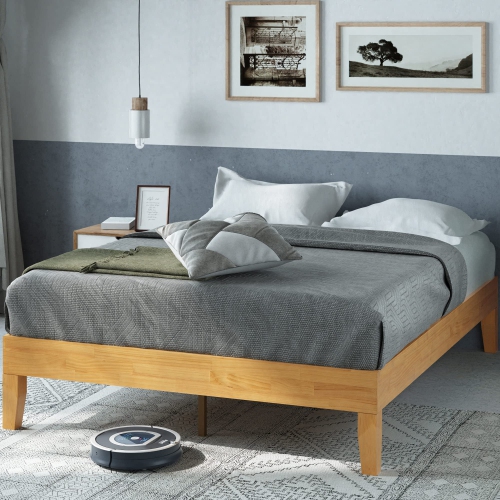 Your price for this item is $493.52
 -
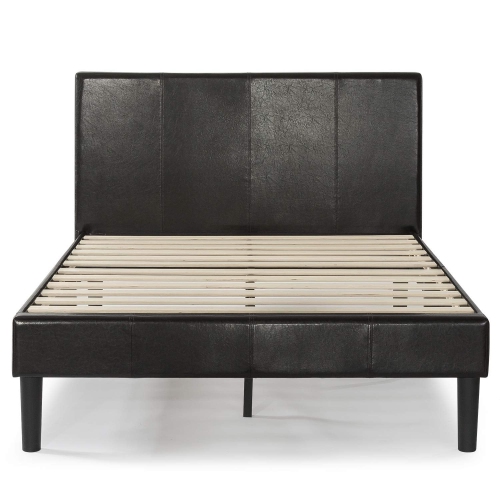 Your price for this item is $611.85
 -
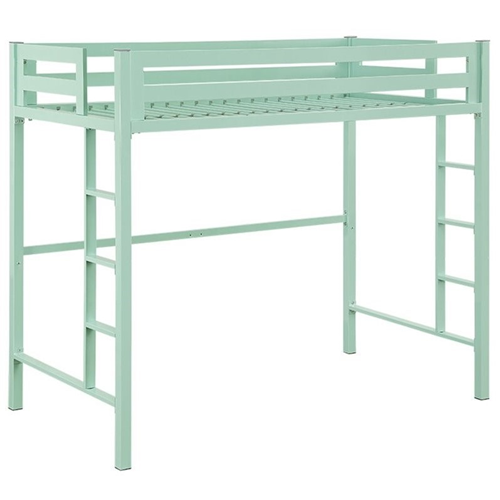 Your price for this item is $825.26
 -
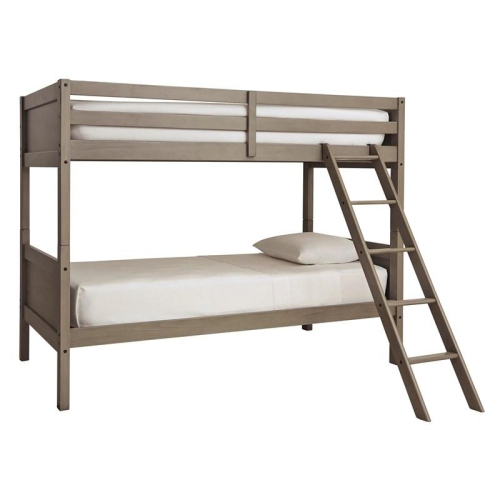 Your price for this item is $799.99
 -
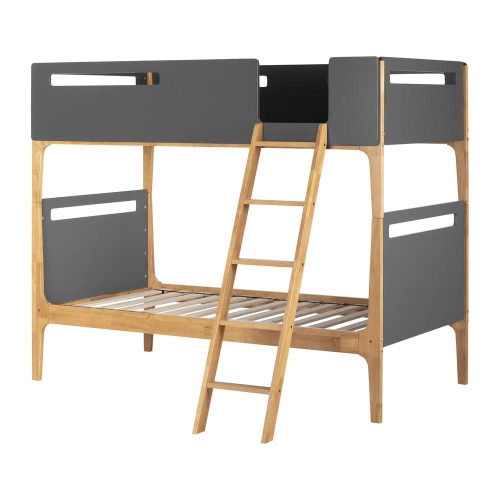 Your price for this item is $985.42
 -
 Your price for this item is $157.99
 -
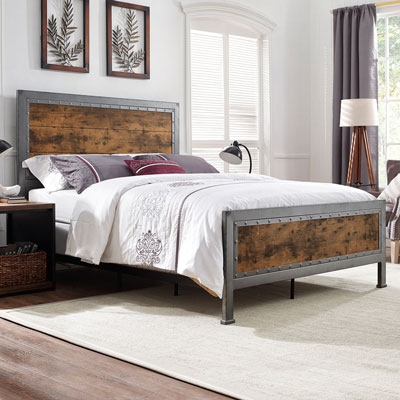 Your price for this item is $862.99
 -
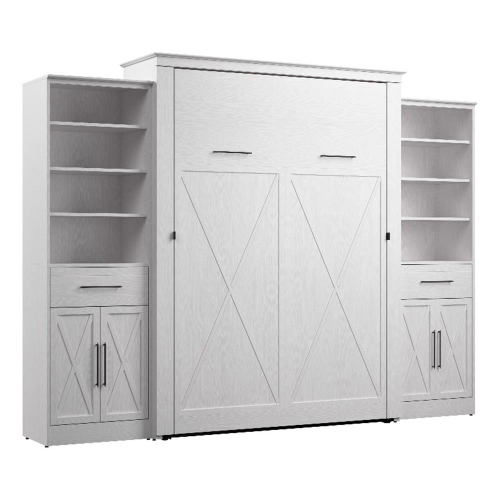 Your price for this item is $3519.99
Discover more categories related to Steel Bunk Beds
Top Collections:
Pokemon Centers, Kindle Devices, Best Budget Office Chairs, Apple iPhones 16, Canon G7X Cameras, iPhone 15 Apple, Alarm Clock, Refurbished Apple Laptops, Flip Phones, Best Laptops for Writers
Some products may be subject to Environmental Handling Fees
(EHF) depending on your province.
Learn more about EHFs.