Steel Coffee Table Legs
Elevate your living space with the sleek and modern appeal of steel coffee table legs, a perfect blend of durability and style. Whether you're aiming to refresh your current decor or build a custom piece from scratch, these versatile components offer the strength and stability needed for everyday use. Available in a variety of designs and finishes, steel coffee table legs can seamlessly complement any aesthetic, from industrial chic to minimalist elegance. Discover how these sturdy yet stylish supports can transform your coffee table into a stunning centerpiece that reflects your unique taste.
Sort


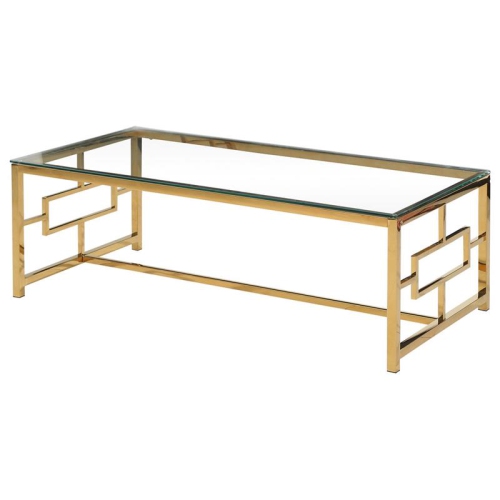
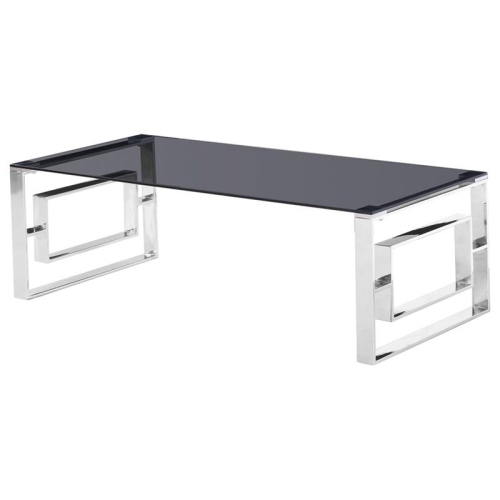
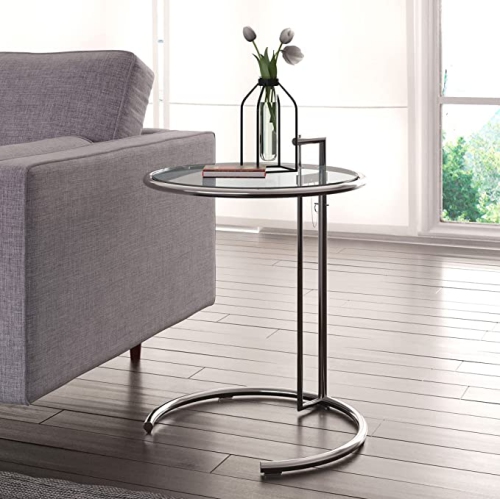
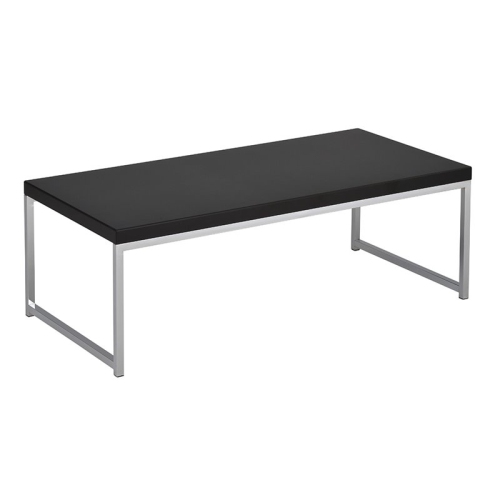
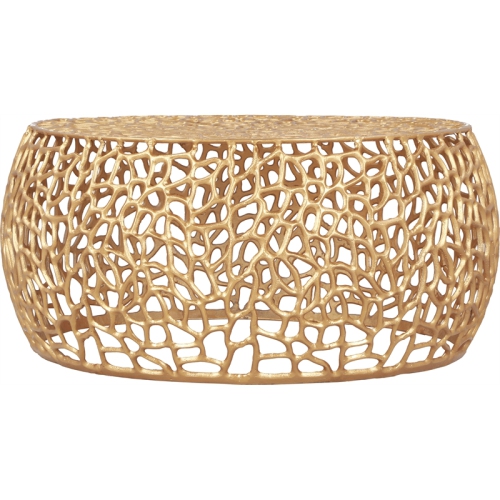
Sizing, styles, and installation details for a stable table
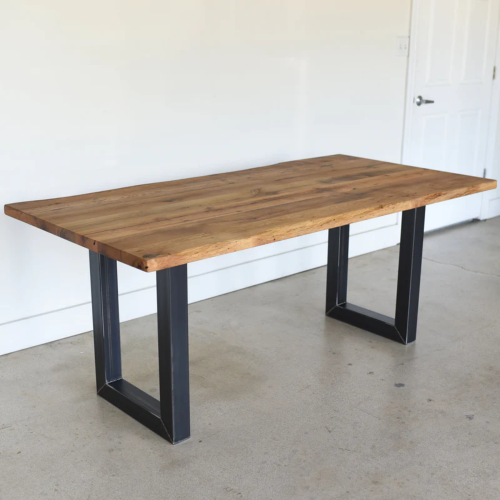
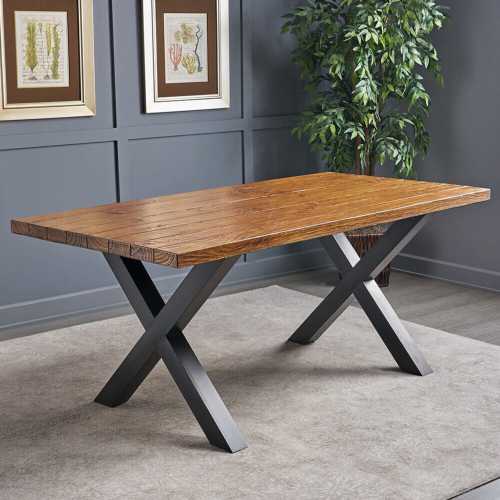
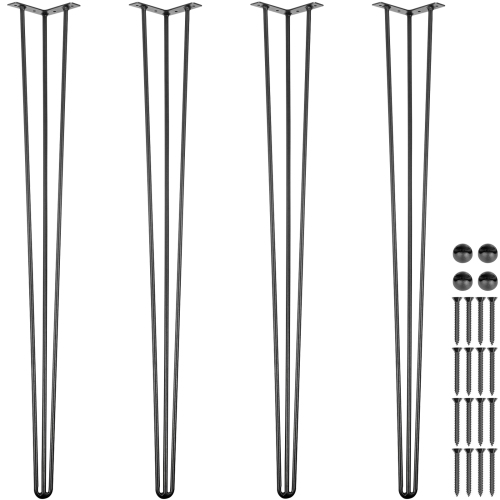
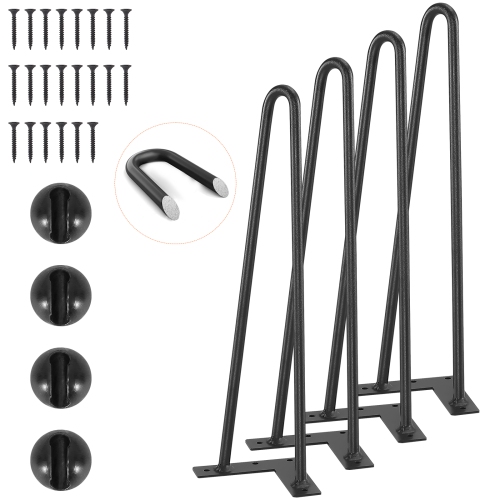
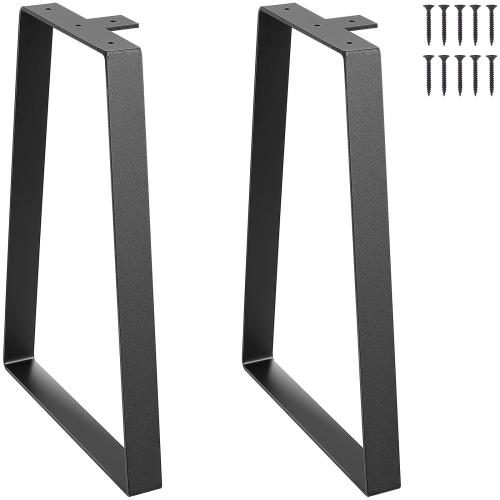
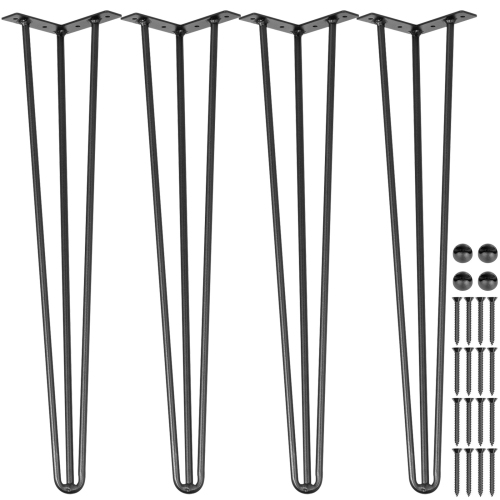
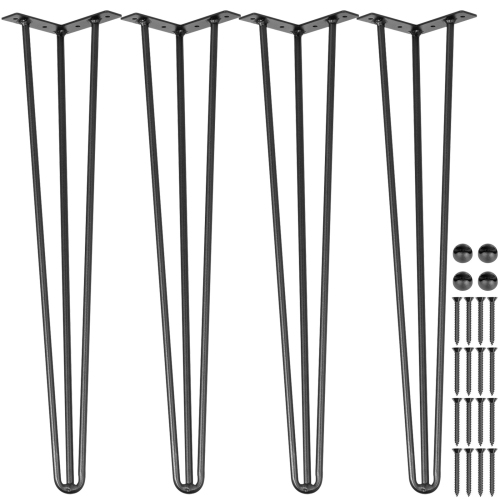
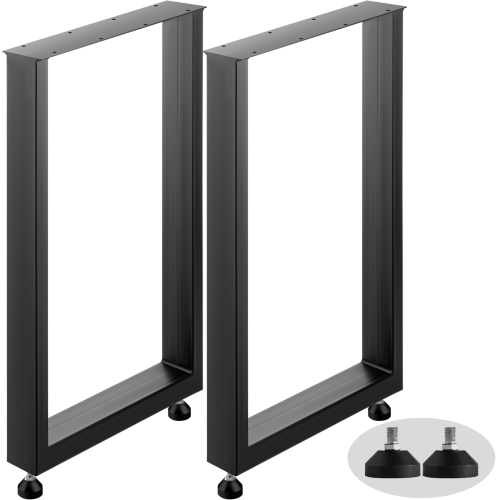
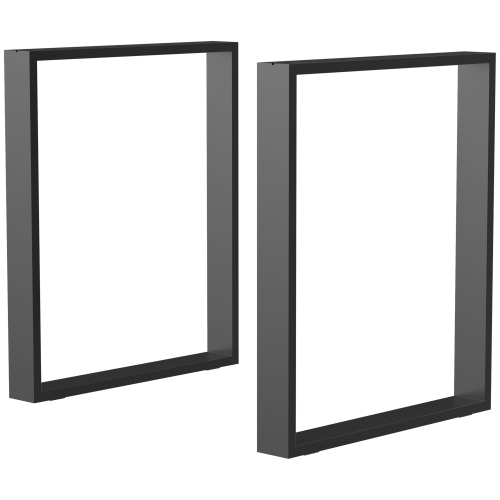
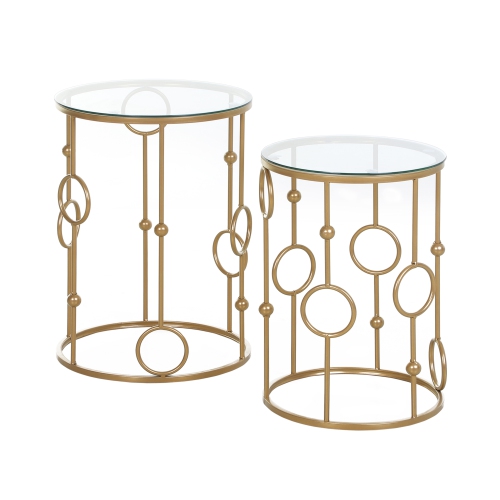
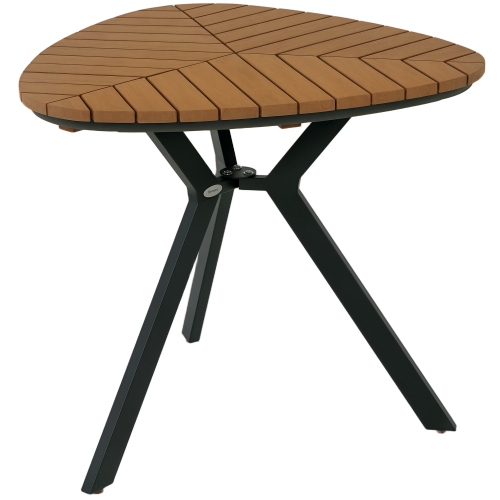
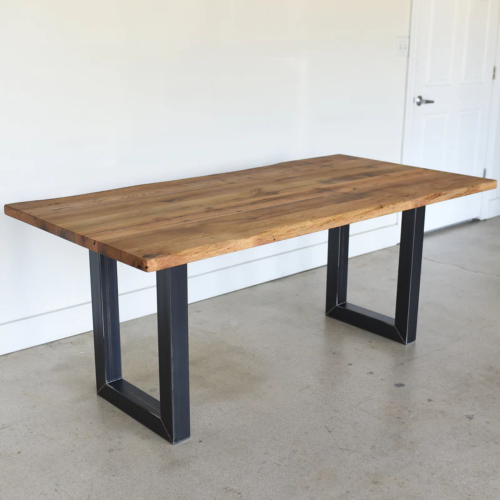
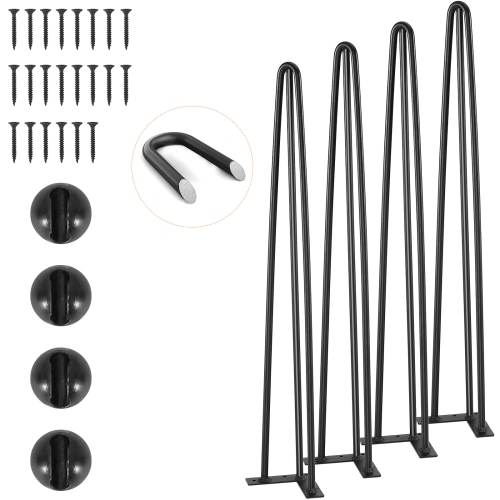
Steel coffee table legs offer a practical way to create, update, or repair a coffee table while adding a distinct architectural detail to the room. Standard coffee table legs are often about 16 inches tall, although the right height depends on the thickness of the tabletop, the desired clearance beneath the table, and the proportions of the surrounding furniture. A tabletop that is too high can feel awkward beside a sofa, while one that is too low may be difficult to use for drinks, books, a laptop, or decorative pieces. Steel legs are available in several silhouettes, including hairpin, trapezoid, X-shape, U-shape, and diamond-inspired designs. Hairpin legs tend to create a lighter, mid-century modern appearance, while trapezoid and U-shape frames provide a clean, contemporary profile. X-shape legs can add visual weight and strong support beneath a substantial wood slab or stone-style tabletop. For shoppers comparing related furniture hardware, the wider selection of Metal Table Legs can also provide useful options for different table sizes and design preferences. Steel coffee table legs may suit a home workshop project, a room refresh, a custom furniture build, or a straightforward replacement for worn or damaged supports. They can be especially useful when the tabletop has sentimental value, such as a reclaimed wood surface inherited from a family member, or when a plain tabletop needs a new look without replacing the entire piece.
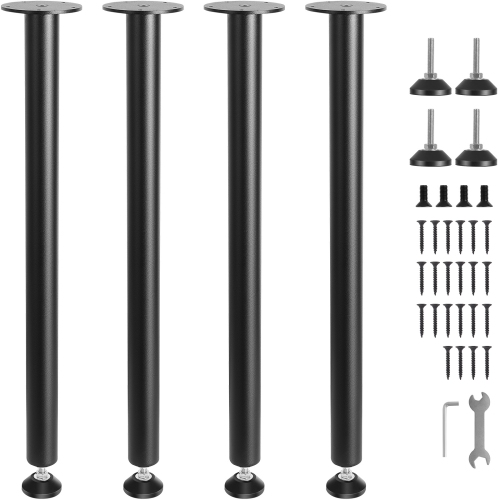
When choosing steel coffee table legs, begin with the tabletop’s length, width, thickness, and weight. A thick hardwood slab, concrete-style top, or stone surface may require a wider stance and a higher load rating than a lightweight manufactured-wood panel. Check the stated capacity for the complete set rather than assuming that a visually substantial design will support every tabletop. The number of legs also matters: sets of four can distribute weight evenly across smaller or lighter surfaces, while paired frames or structural designs may be better suited to longer, heavier tops. Measure the underside before ordering, allowing enough room for mounting plates, fasteners, and any reinforcing pieces. Many builders position the legs approximately 1 to 3 inches inward from the tabletop edge. This creates a useful overhang, keeps the supports from protruding into walking paths, and gives the table a balanced appearance. For a rectangular top, placing the legs at equal distances from each corner helps prevent rocking and keeps the visual lines tidy. Round and irregularly shaped tops call for careful spacing so the legs remain stable without appearing too close to the centre. The finish is another important consideration. Black steel complements industrial, farmhouse, contemporary, and minimalist interiors, while other painted or coated finishes can coordinate with cabinet hardware, lighting, shelving, or nearby seating. Smooth, simple lines tend to blend into a compact living room, whereas geometric legs can become a focal point beneath a plain tabletop.
Installation details can have a significant effect on the finished table. Look for sturdy mounting plates with appropriately sized holes, and select screws or threaded inserts that match the tabletop material and thickness. Fasteners should be long enough to hold securely without passing through the top surface. When attaching legs to solid wood, pre-drilling can help reduce the chance of splitting, particularly near corners or along narrow sections. For engineered wood, follow the material’s requirements and consider reinforcement if the panel is thin or the table will receive frequent use. Position each leg carefully, mark the holes, and check the alignment before tightening all fasteners. A level surface is essential; even a well-designed set of legs can wobble if the floor is uneven or the mounting points are inconsistent. Adjustable feet can help compensate for minor floor variations and are a useful feature in homes with hardwood, laminate, tile, or other easily marked surfaces. Rubber or plastic pads may also help reduce scratching, sliding, and noise when the table is moved. During the cooler months, coffee tables often become a central surface for warm drinks, reading materials, board games, and visiting, so secure attachment and dependable balance are worth prioritizing. Steel coffee table legs can also make a thoughtful gift for a confident do-it-yourselfer, furniture hobbyist, new homeowner, or someone creating a custom living space. Whether the finished table will hold a stack of art books beside a sofa or provide a sturdy surface in a media room, choosing the correct height, shape, load capacity, mounting hardware, and floor protection will help create a result that feels comfortable, stable, and suited to everyday use.
When choosing steel coffee table legs, begin with the tabletop’s length, width, thickness, and weight. A thick hardwood slab, concrete-style top, or stone surface may require a wider stance and a higher load rating than a lightweight manufactured-wood panel. Check the stated capacity for the complete set rather than assuming that a visually substantial design will support every tabletop. The number of legs also matters: sets of four can distribute weight evenly across smaller or lighter surfaces, while paired frames or structural designs may be better suited to longer, heavier tops. Measure the underside before ordering, allowing enough room for mounting plates, fasteners, and any reinforcing pieces. Many builders position the legs approximately 1 to 3 inches inward from the tabletop edge. This creates a useful overhang, keeps the supports from protruding into walking paths, and gives the table a balanced appearance. For a rectangular top, placing the legs at equal distances from each corner helps prevent rocking and keeps the visual lines tidy. Round and irregularly shaped tops call for careful spacing so the legs remain stable without appearing too close to the centre. The finish is another important consideration. Black steel complements industrial, farmhouse, contemporary, and minimalist interiors, while other painted or coated finishes can coordinate with cabinet hardware, lighting, shelving, or nearby seating. Smooth, simple lines tend to blend into a compact living room, whereas geometric legs can become a focal point beneath a plain tabletop.
Installation details can have a significant effect on the finished table. Look for sturdy mounting plates with appropriately sized holes, and select screws or threaded inserts that match the tabletop material and thickness. Fasteners should be long enough to hold securely without passing through the top surface. When attaching legs to solid wood, pre-drilling can help reduce the chance of splitting, particularly near corners or along narrow sections. For engineered wood, follow the material’s requirements and consider reinforcement if the panel is thin or the table will receive frequent use. Position each leg carefully, mark the holes, and check the alignment before tightening all fasteners. A level surface is essential; even a well-designed set of legs can wobble if the floor is uneven or the mounting points are inconsistent. Adjustable feet can help compensate for minor floor variations and are a useful feature in homes with hardwood, laminate, tile, or other easily marked surfaces. Rubber or plastic pads may also help reduce scratching, sliding, and noise when the table is moved. During the cooler months, coffee tables often become a central surface for warm drinks, reading materials, board games, and visiting, so secure attachment and dependable balance are worth prioritizing. Steel coffee table legs can also make a thoughtful gift for a confident do-it-yourselfer, furniture hobbyist, new homeowner, or someone creating a custom living space. Whether the finished table will hold a stack of art books beside a sofa or provide a sturdy surface in a media room, choosing the correct height, shape, load capacity, mounting hardware, and floor protection will help create a result that feels comfortable, stable, and suited to everyday use.
Top selling and popular products
-
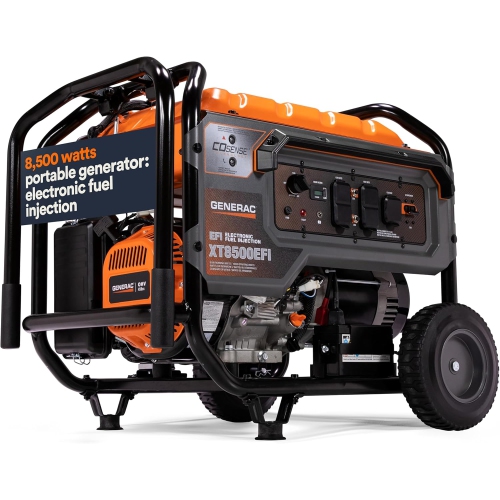 Your price for this item is $3000
 -
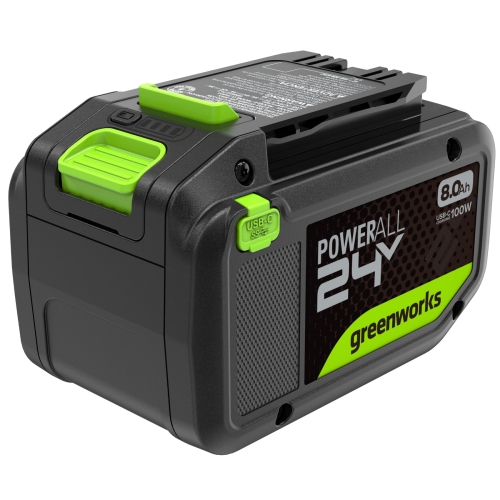 Your price for this item is $139.99
 -
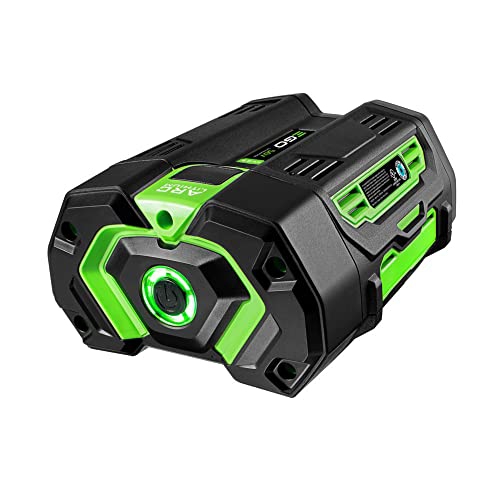 Your price for this item is $269
 -
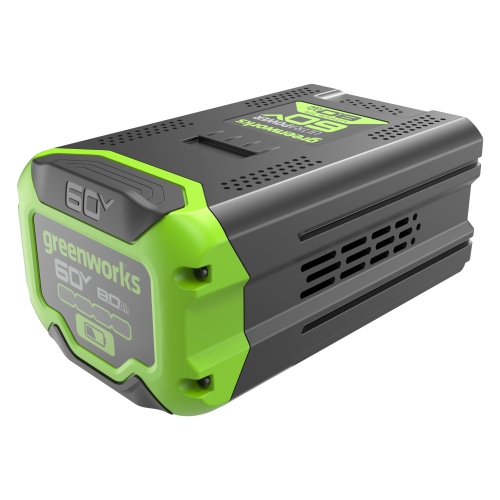 Your price for this item is $329.99
 -
 Your price for this item is $28.48
 -
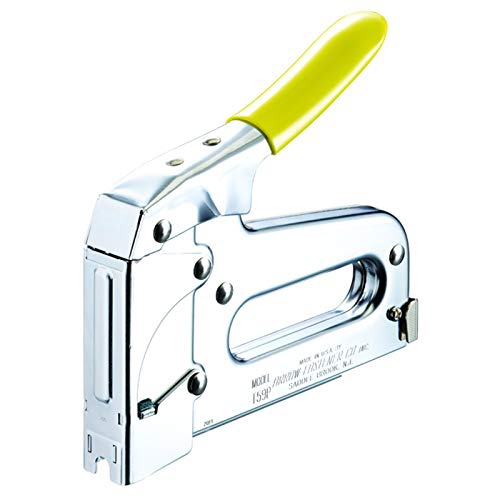 Your price for this item is $82.97
 -
 Your price for this item is $34
 -
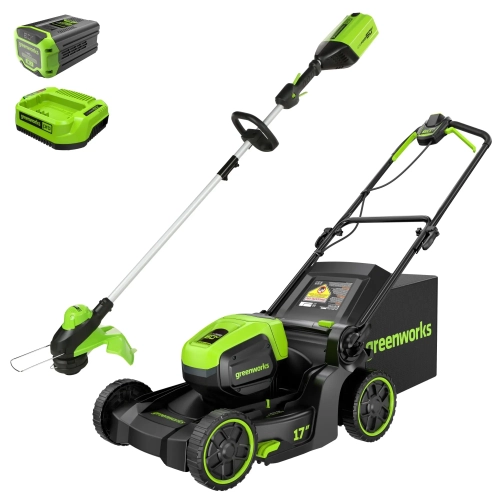 Your price for this item is $539.99
Discover more categories related to Steel Coffee Table Legs
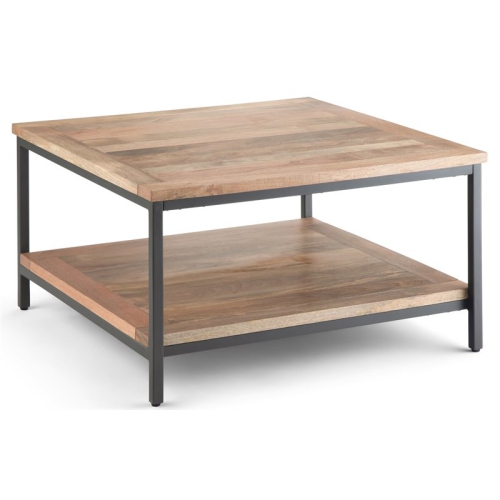
Top Collections:
Best Laptops for Video Editing, Pokemon Centers, Samsung Z Fold, Kindle Devices, Best Cell Phones Under $300, Best Laptops for Writers, Best Budget Office Chairs, Best Cell Phones Under $500, Best Laptop Computers for Students, iPhone 15 Apple
Some products may be subject to Environmental Handling Fees
(EHF) depending on your province.
Learn more about EHFs.