Steel Dining Table Legs
Looking to add a sleek and modern touch to your dining space? Look no further than our collection of steel dining table legs. Crafted with durability and style in mind, these table legs are the perfect foundation for creating a contemporary and sophisticated dining area. With their versatile design, these legs can effortlessly complement any tabletop material, allowing you to create a unique and personalized look that suits your taste.
Sort
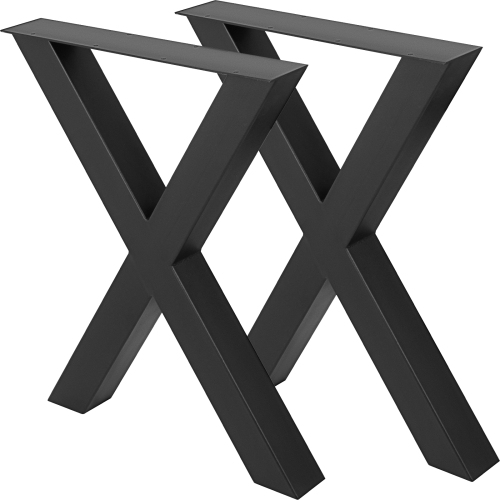
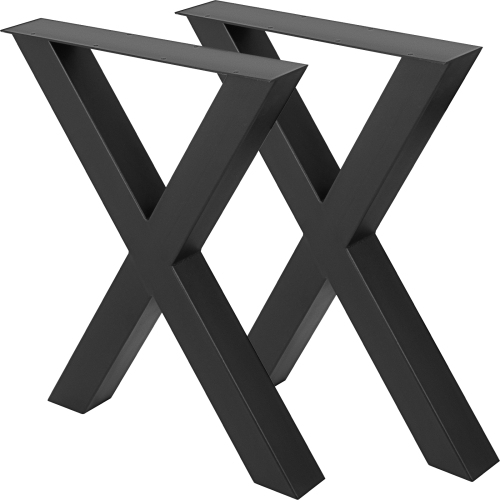
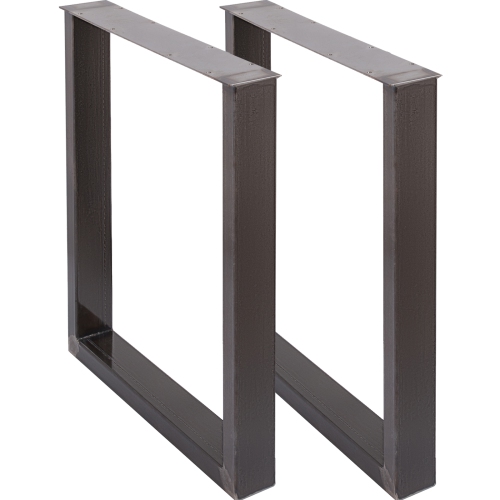
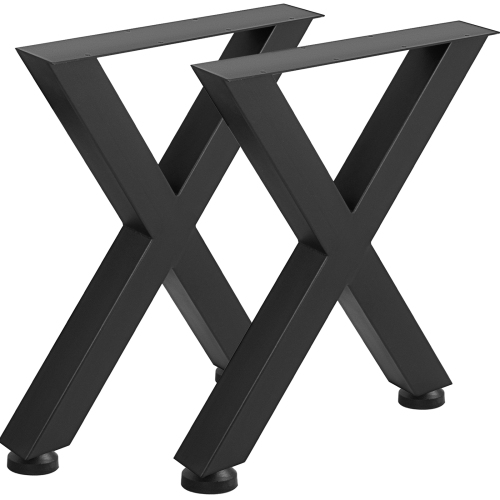
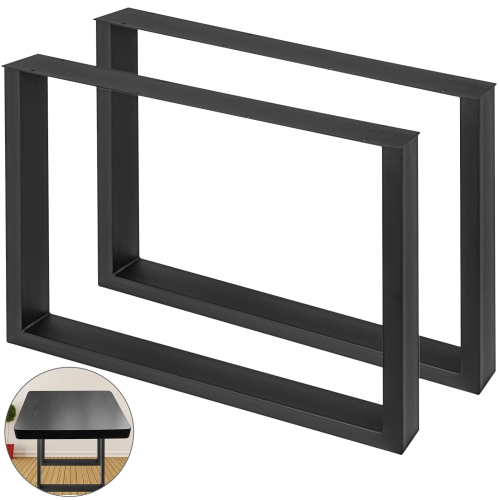
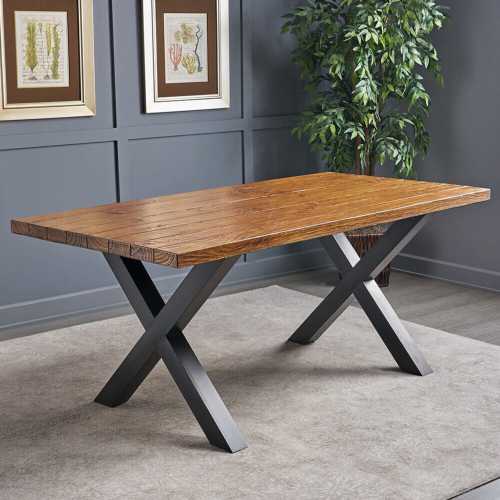

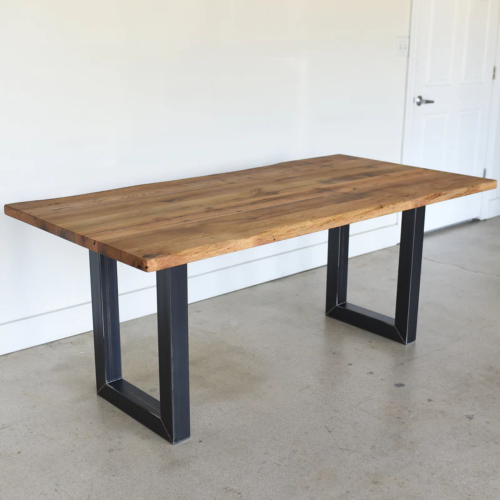
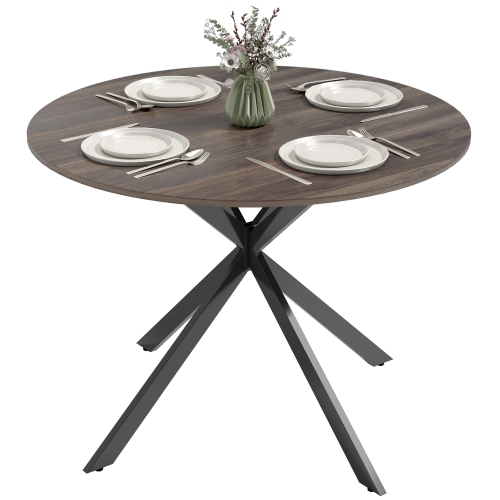
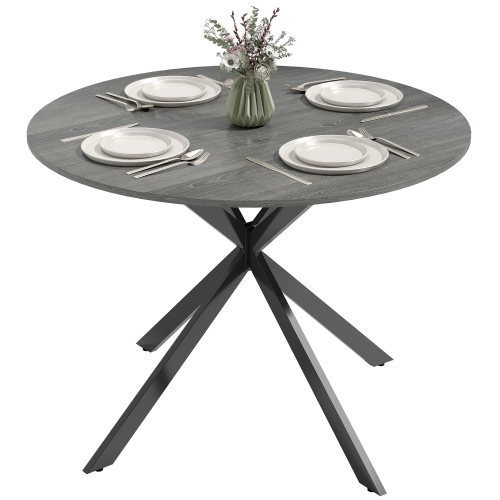
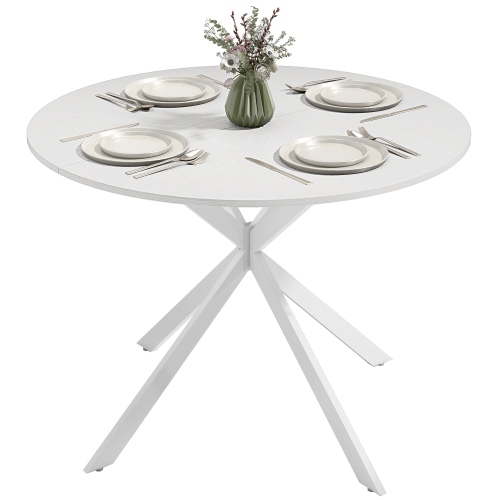
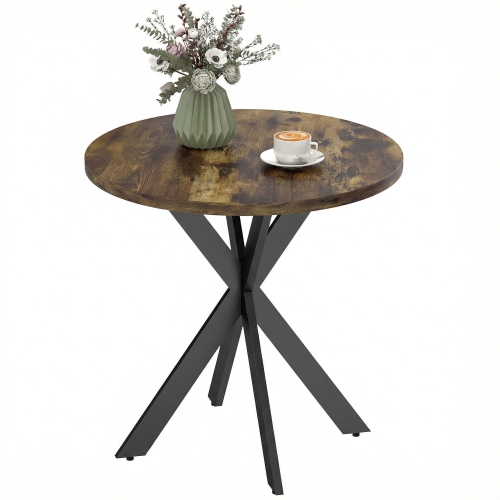
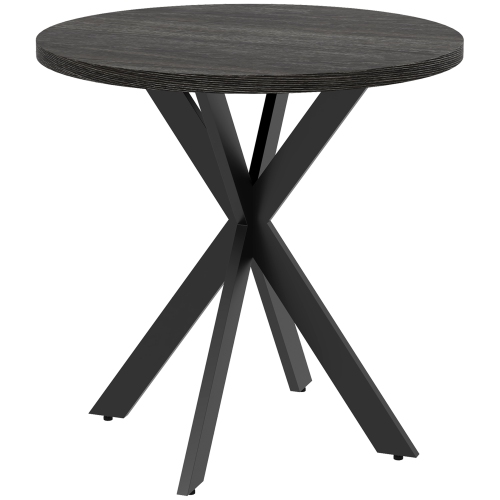
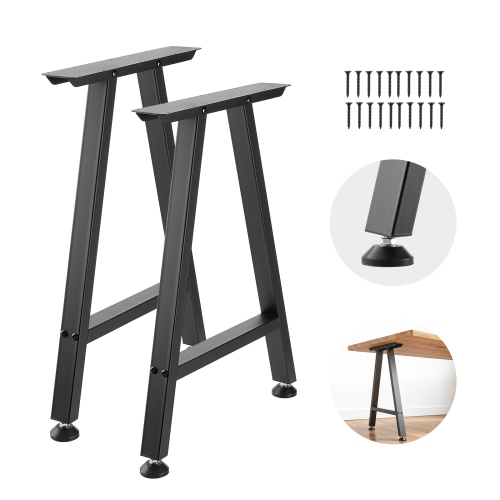
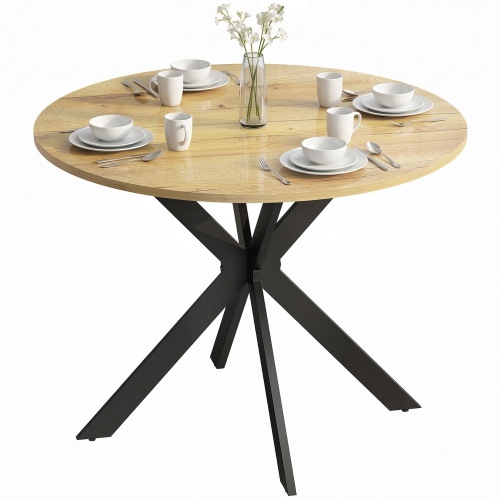
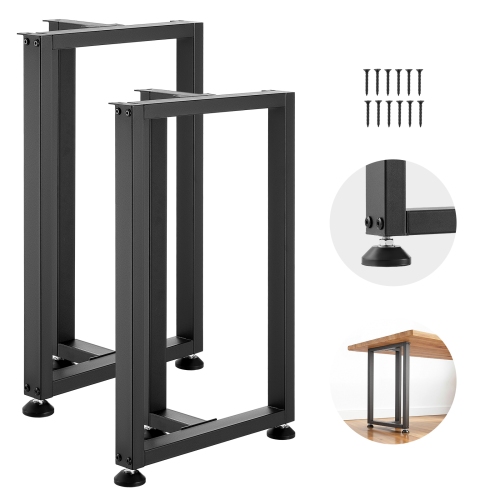
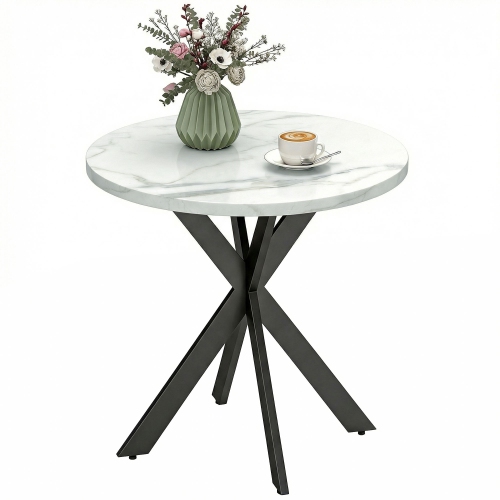
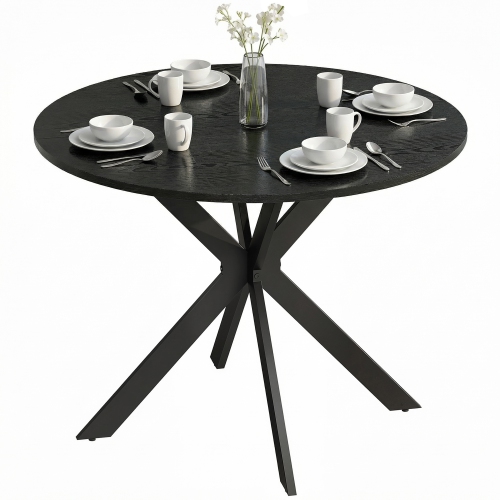
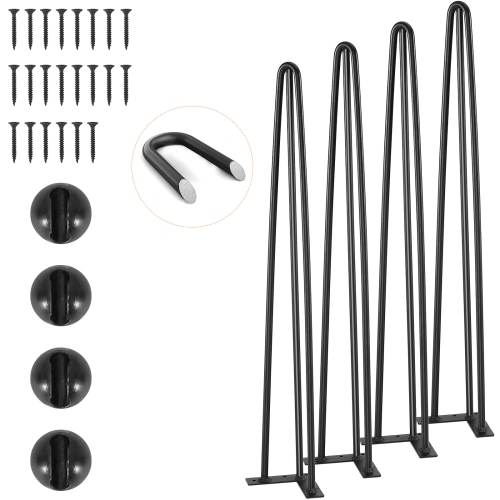
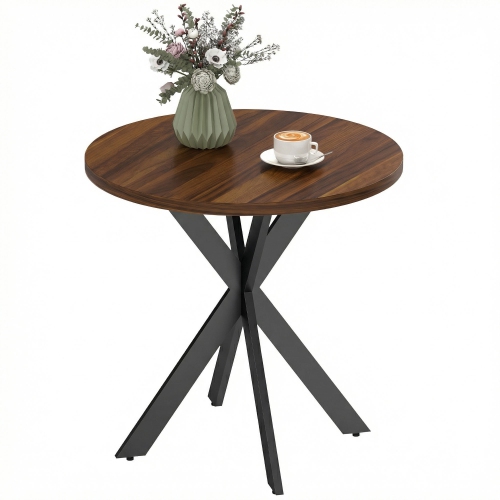
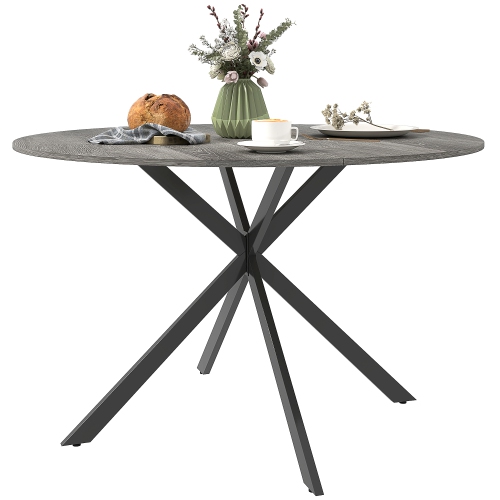
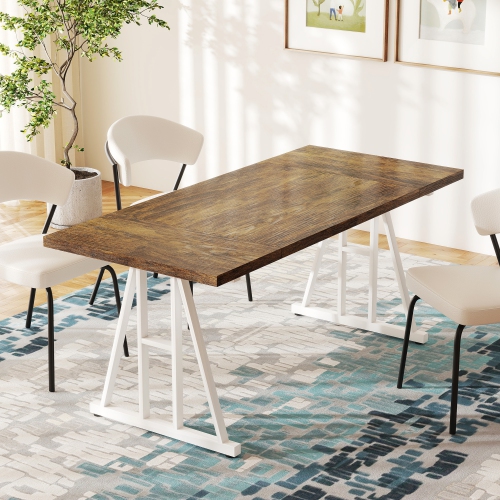
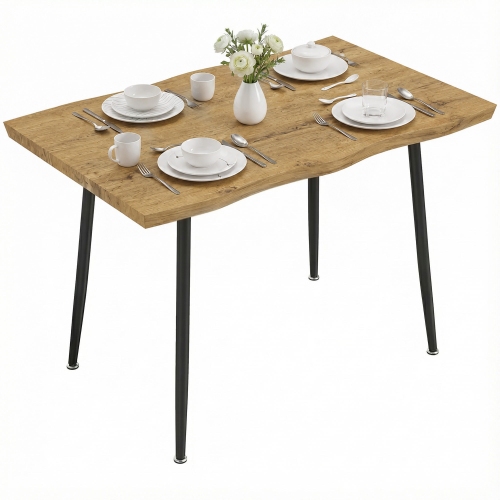
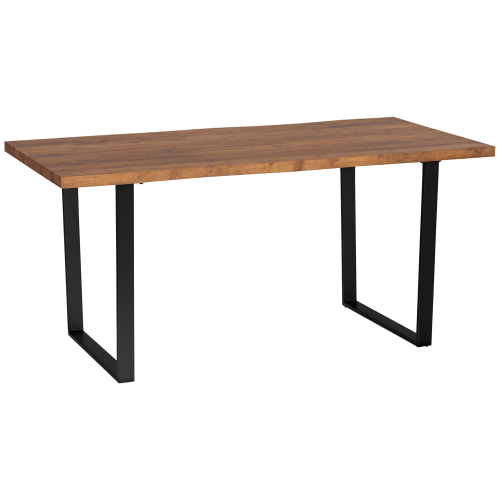
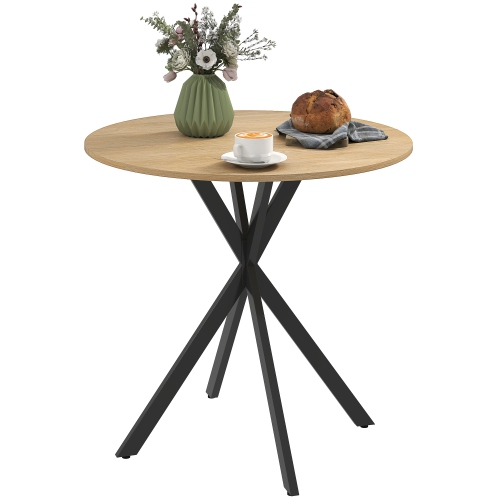
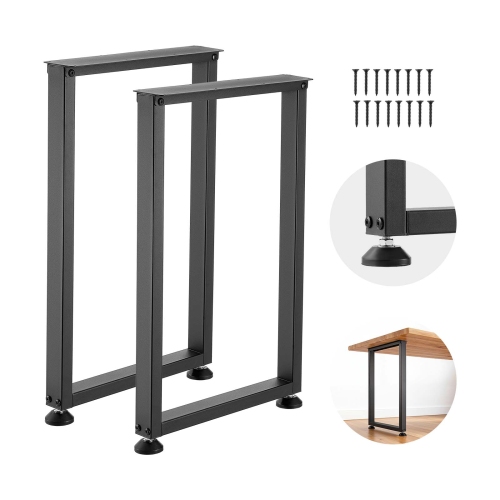
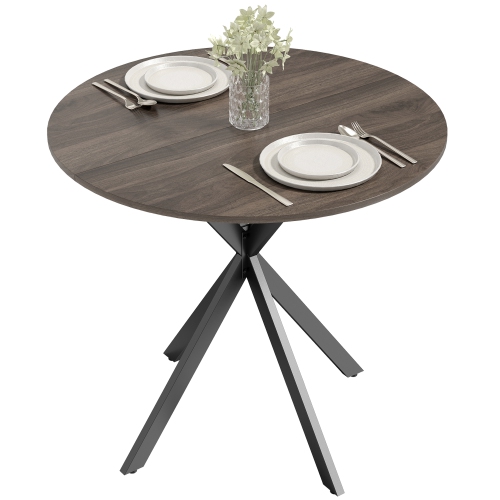
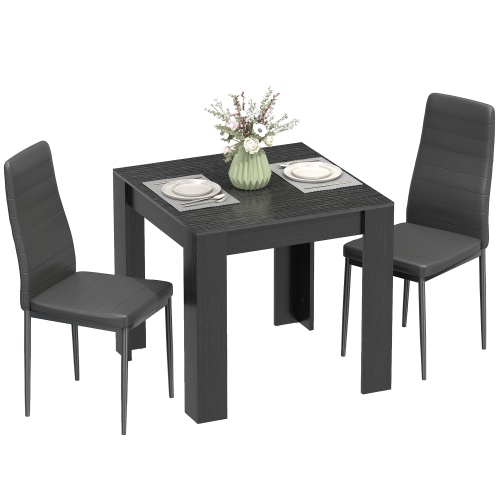
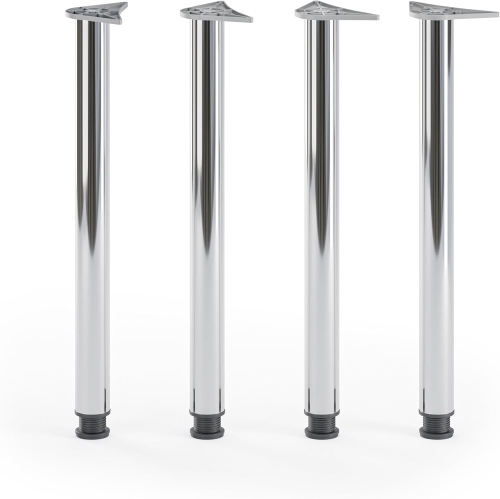
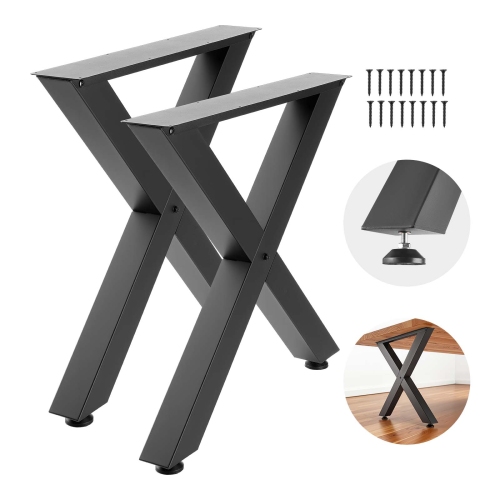
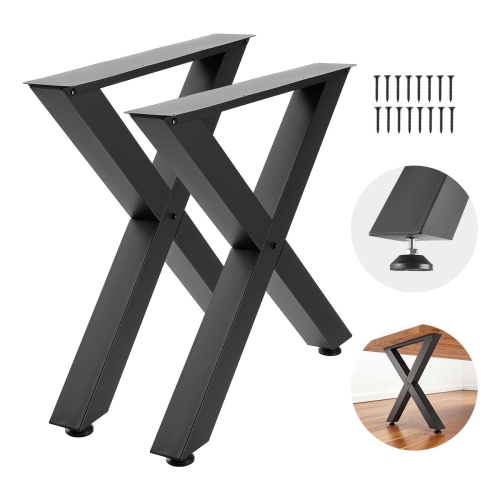
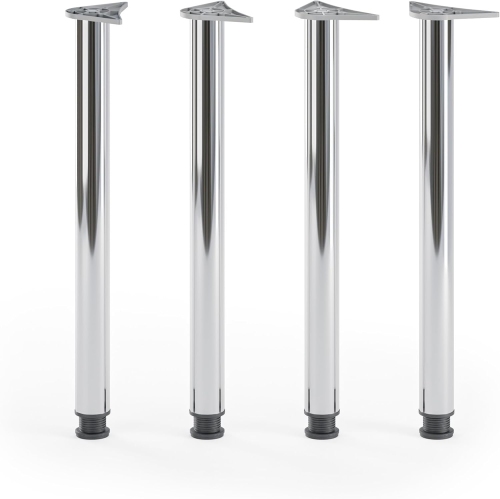
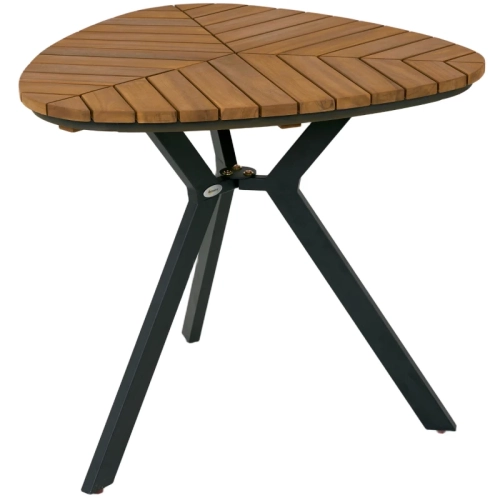
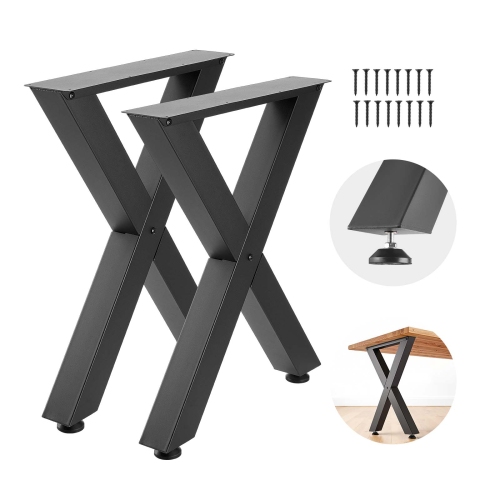
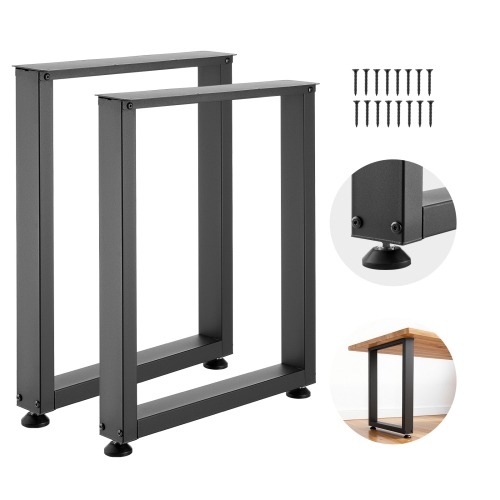
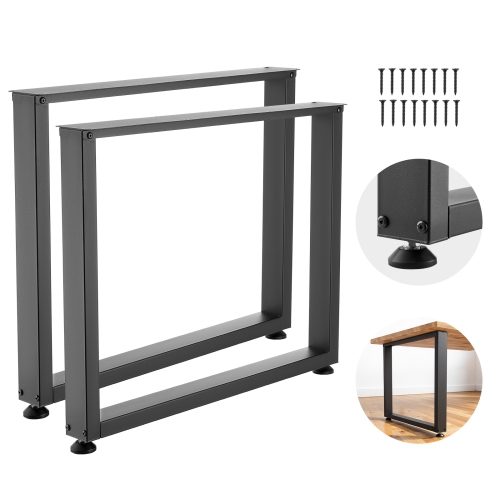
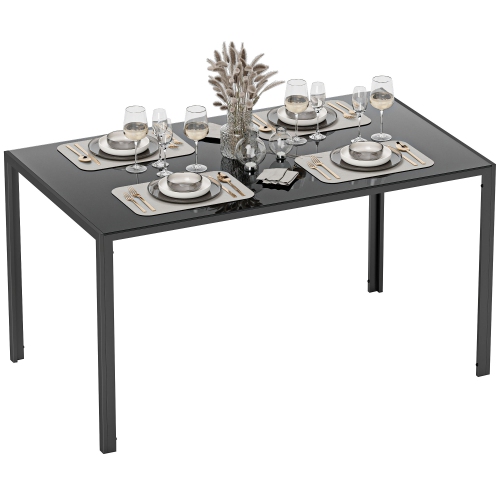
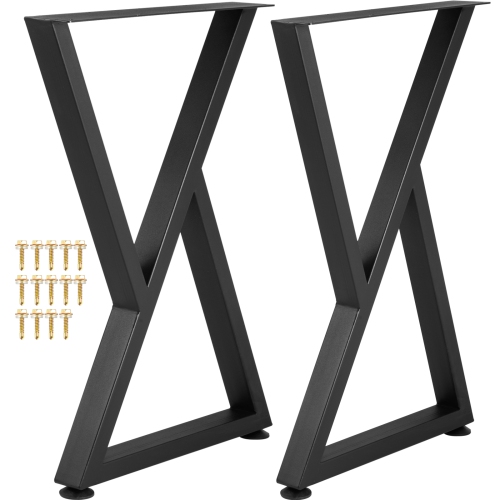
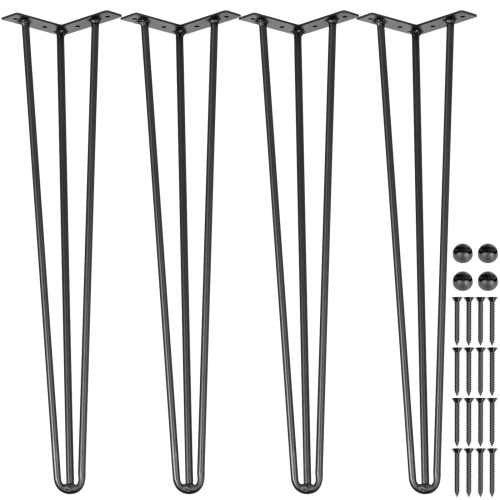
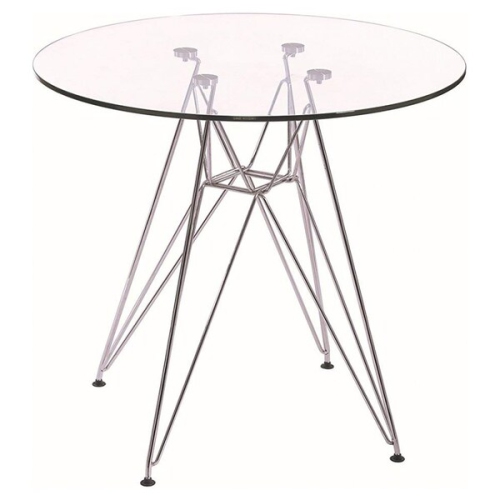
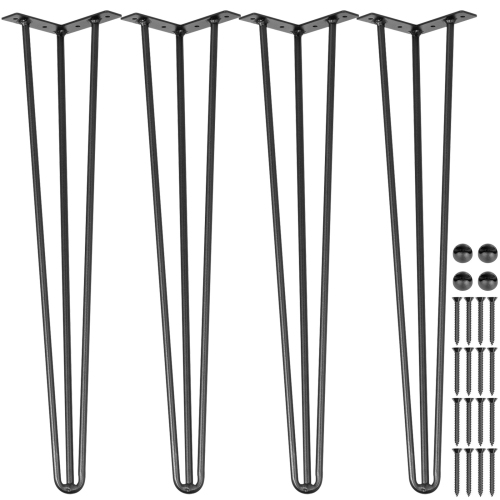
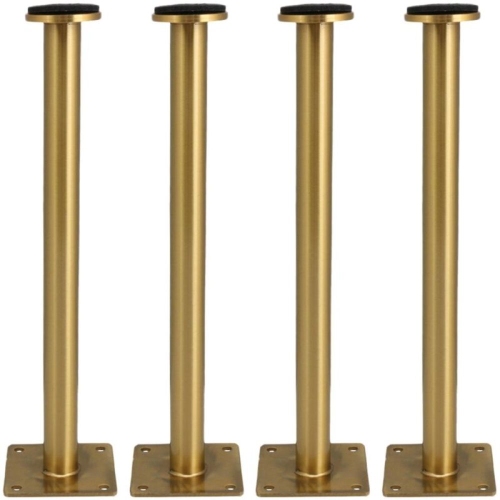
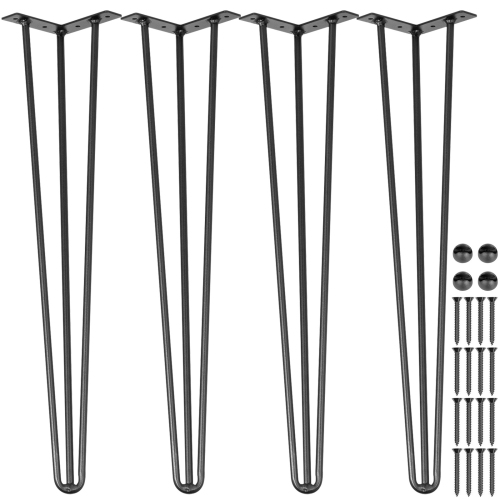
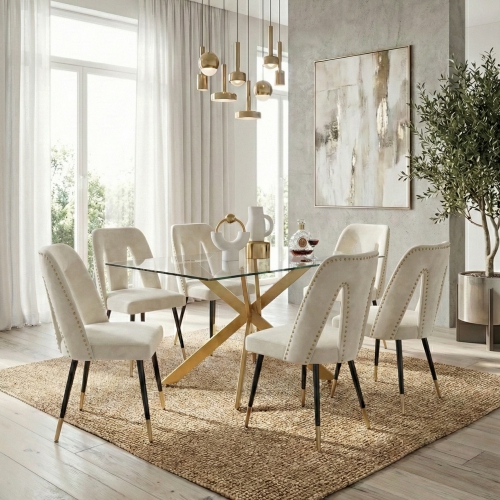
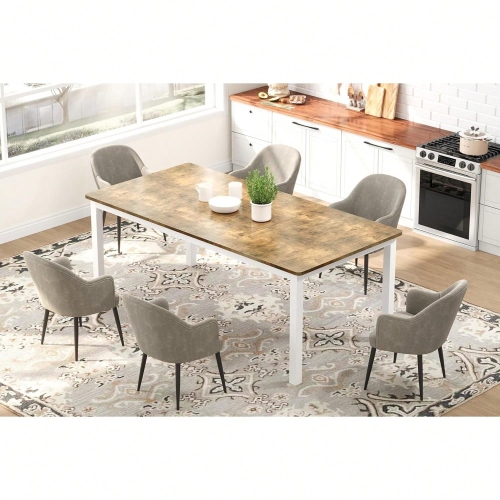
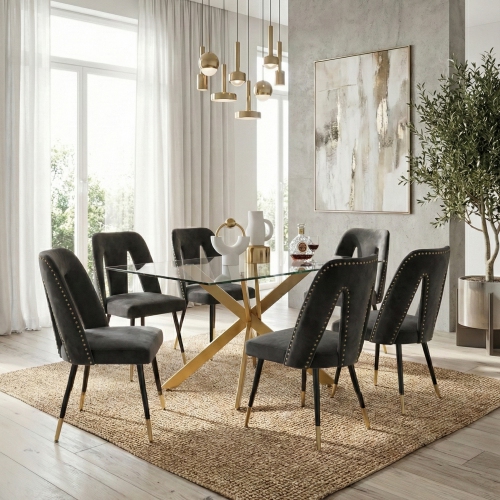
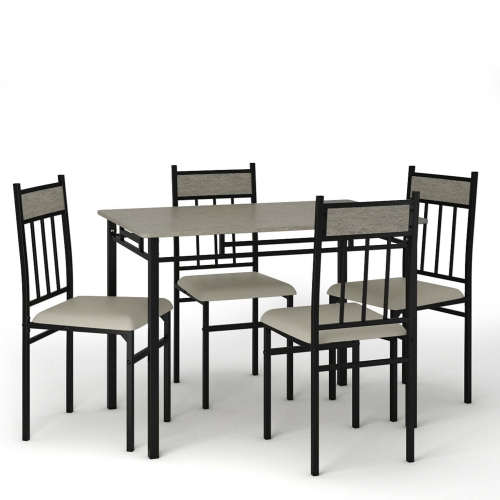
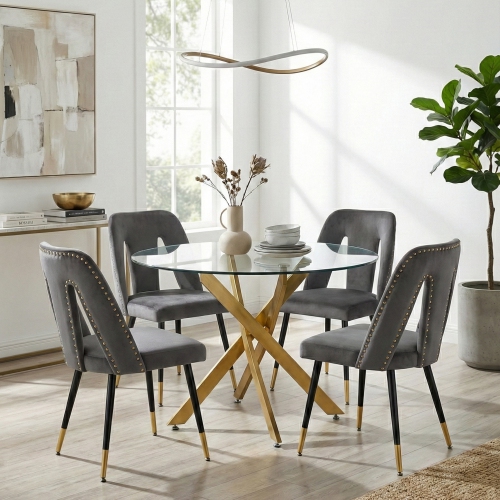
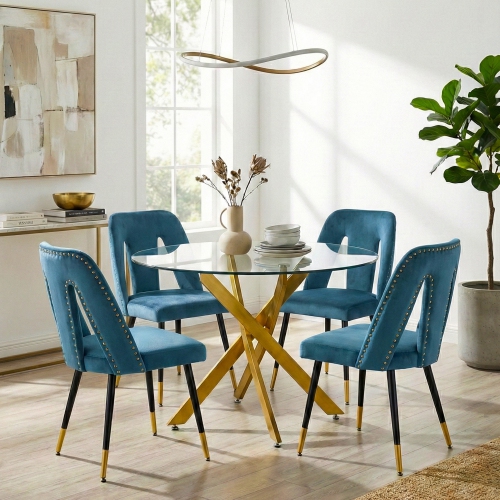
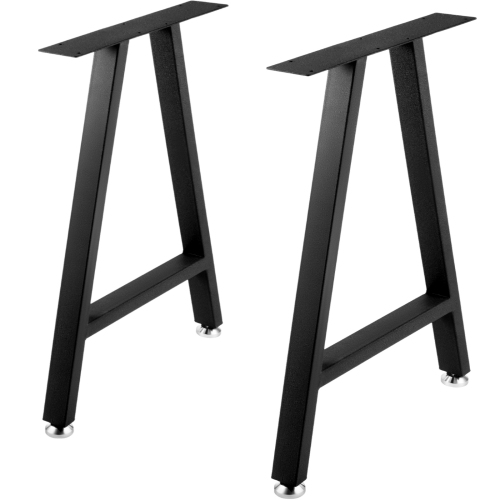
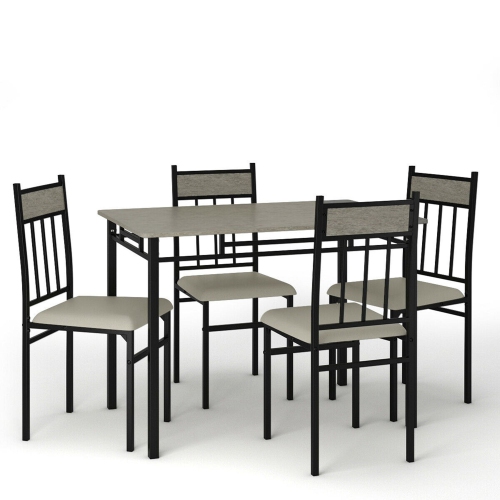
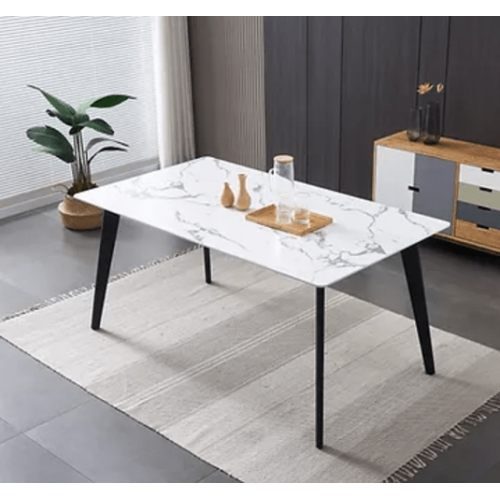
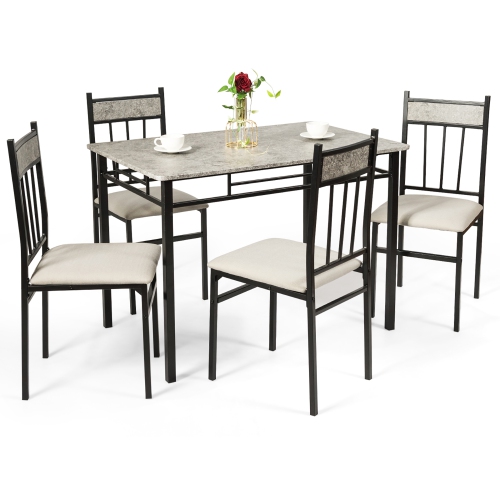
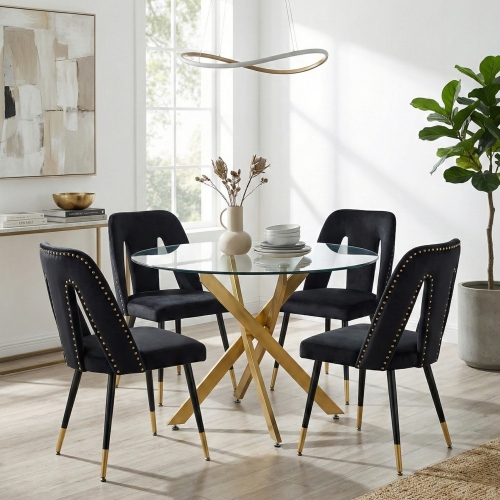
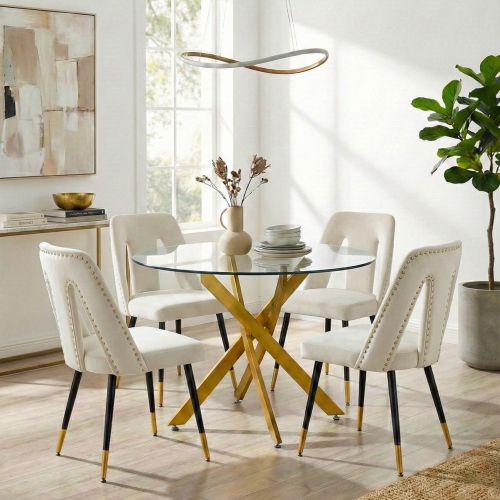
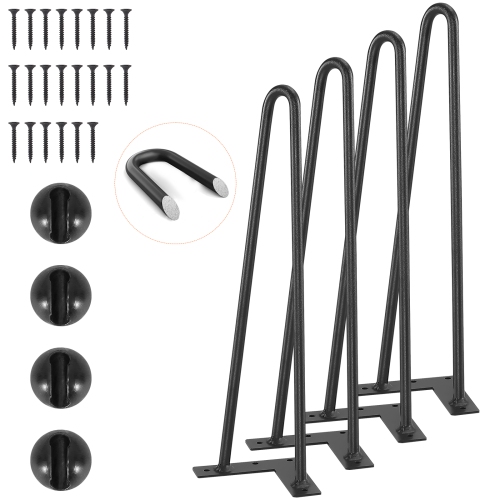
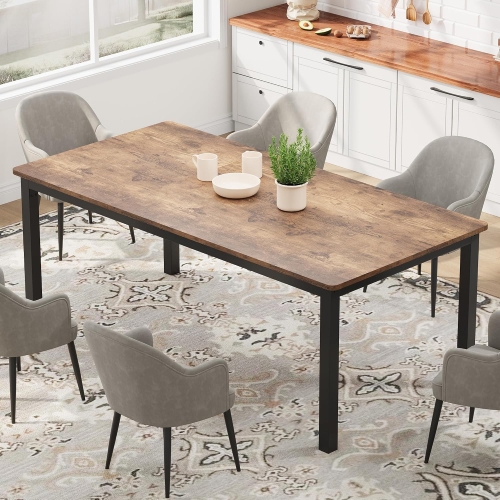
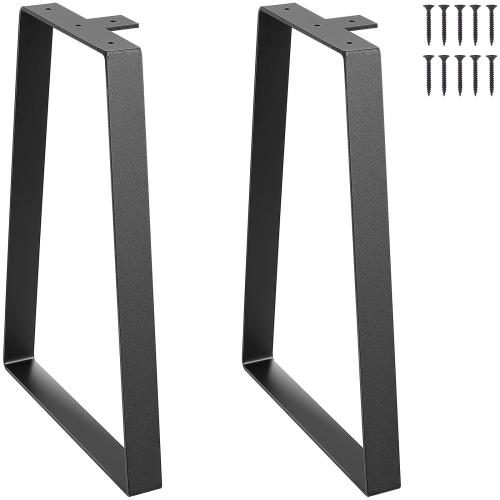
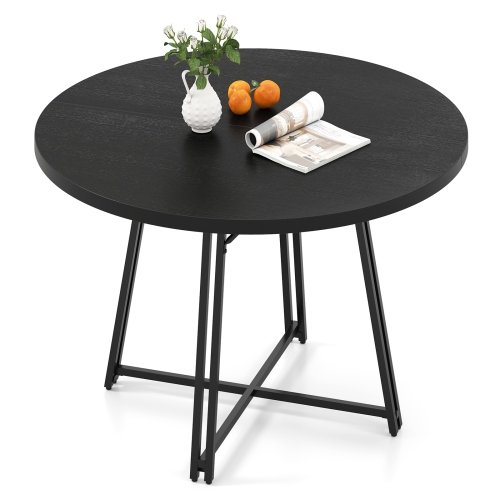
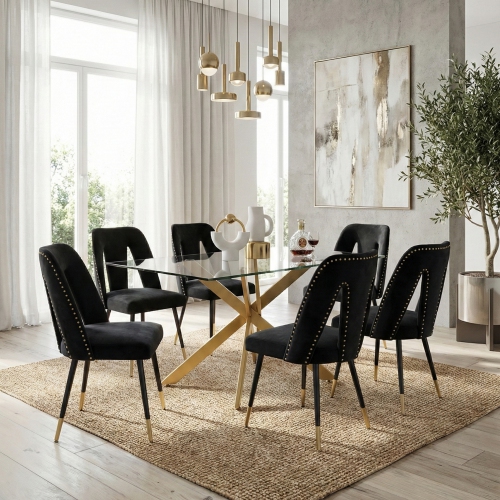
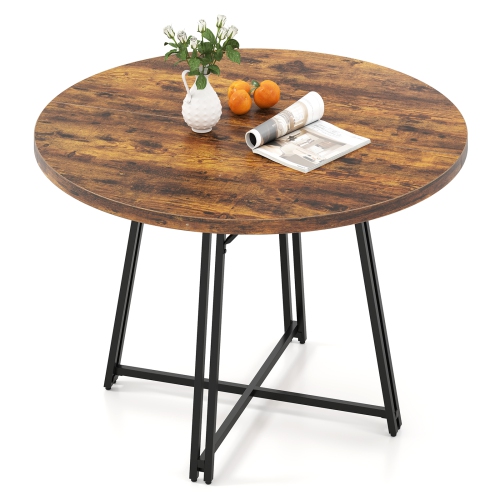
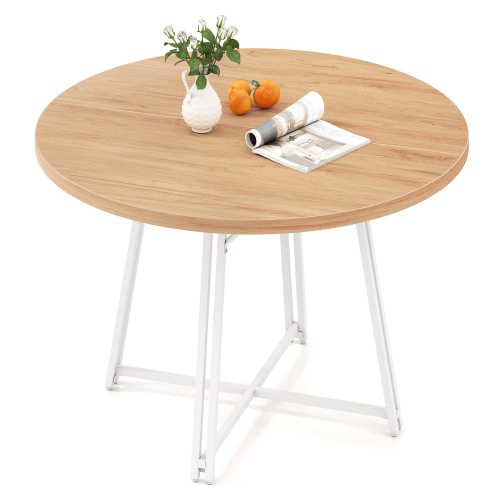
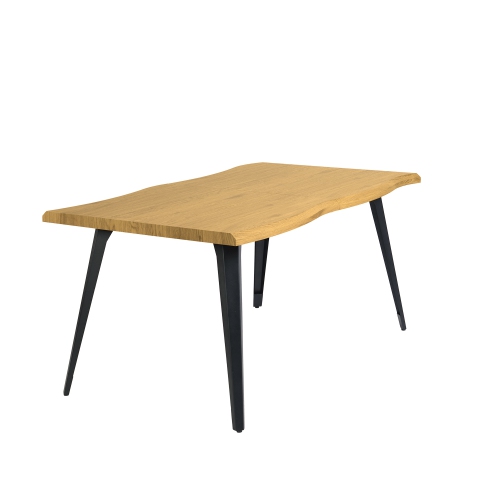
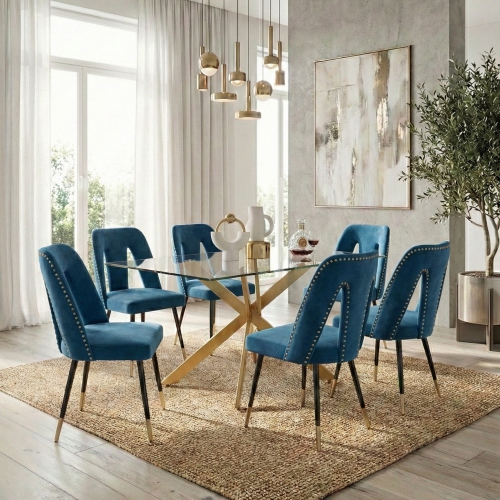
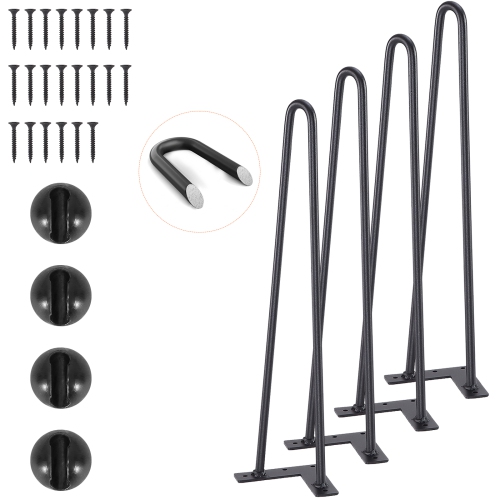
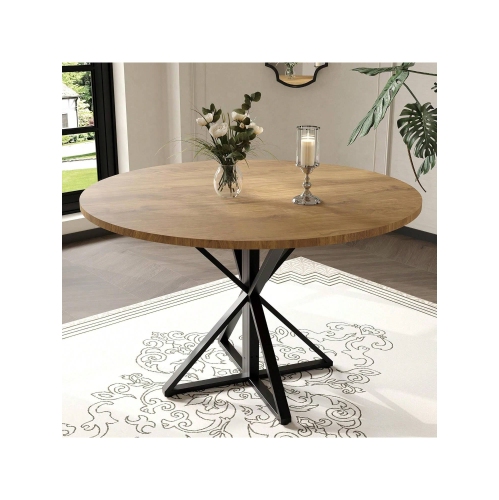
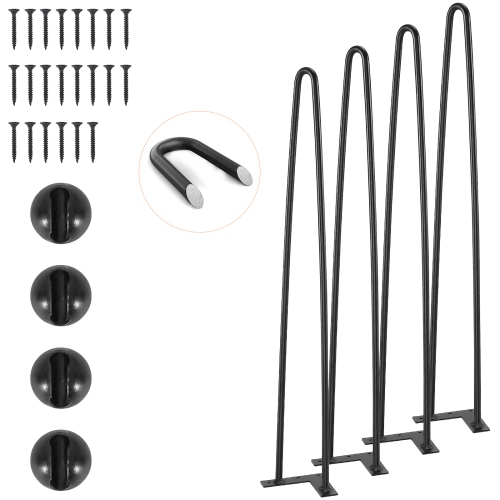
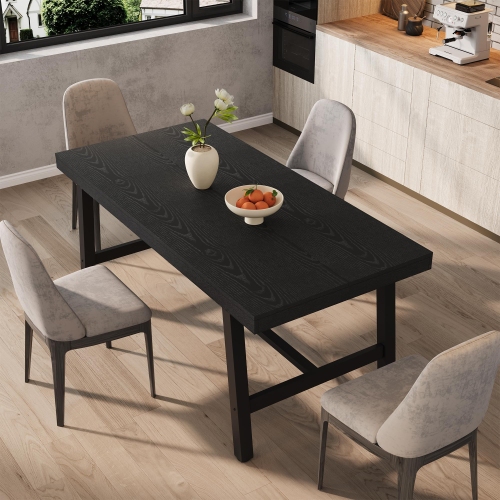
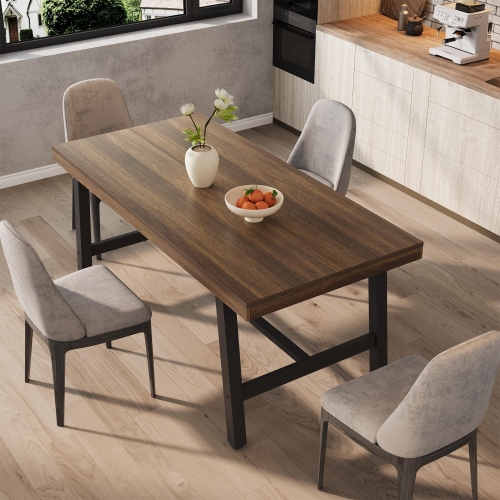
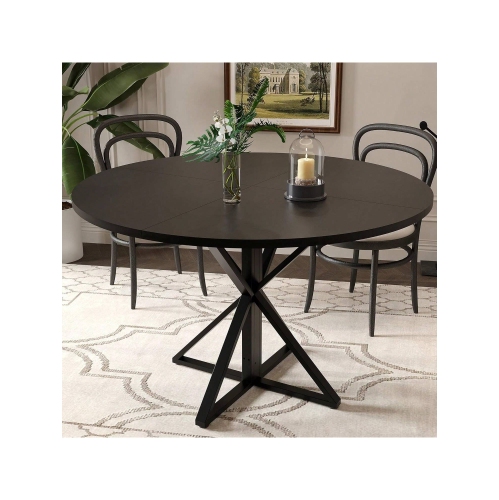
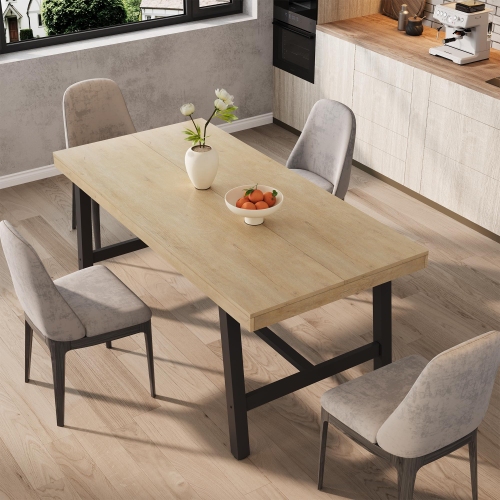
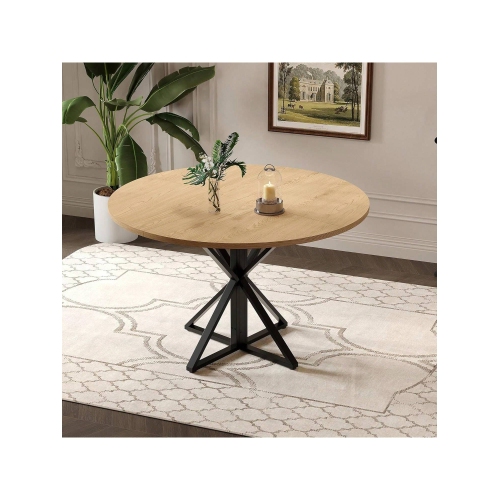
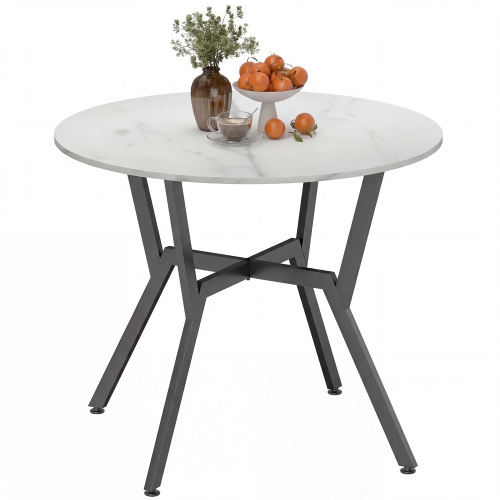
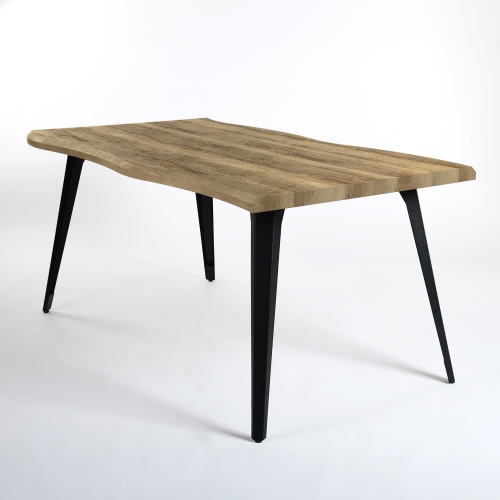
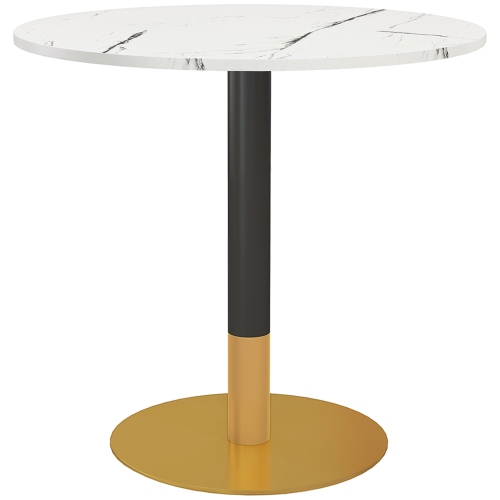
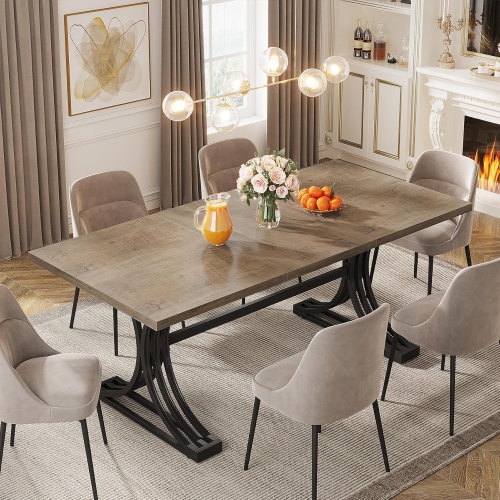
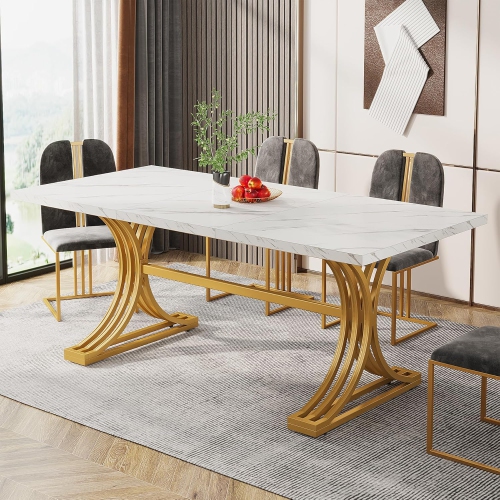
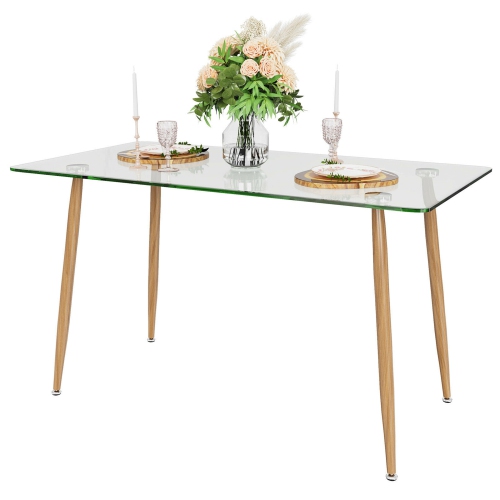
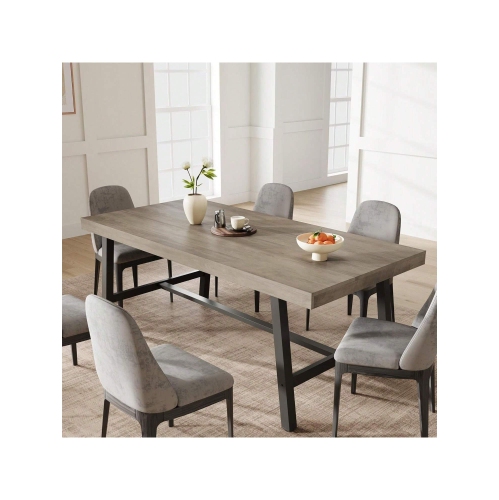
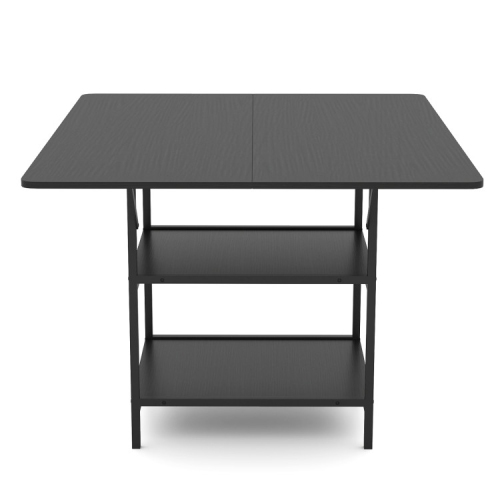
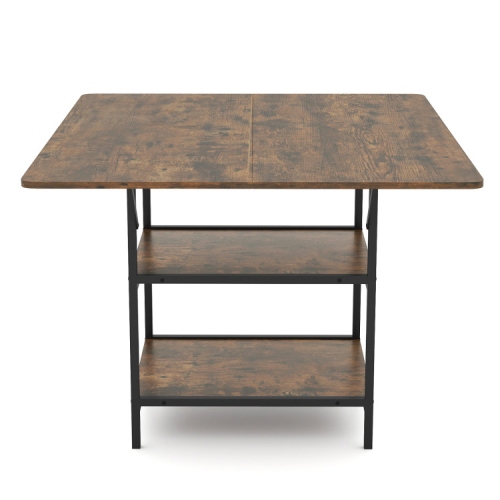
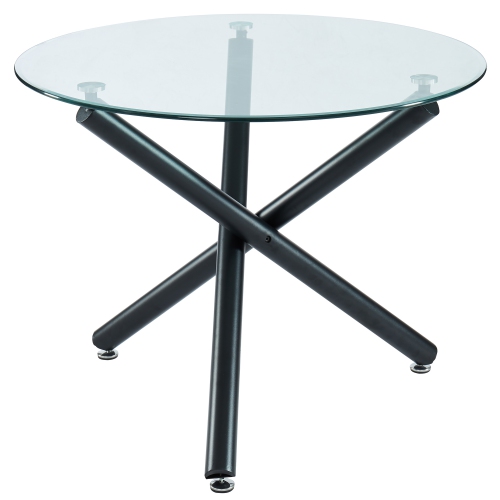
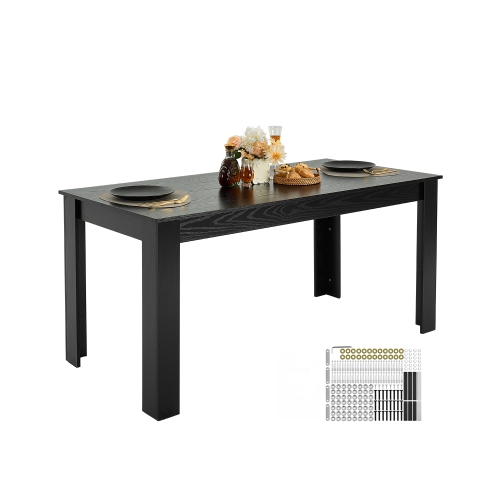
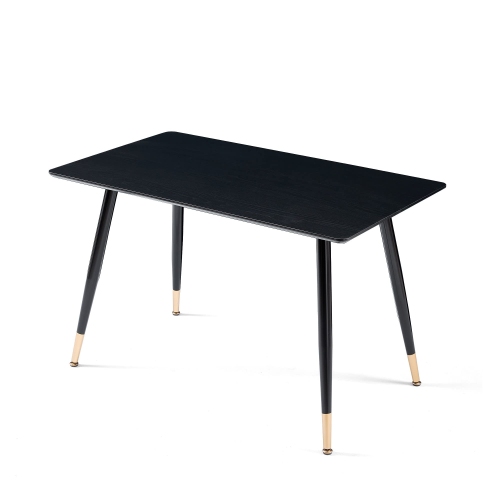

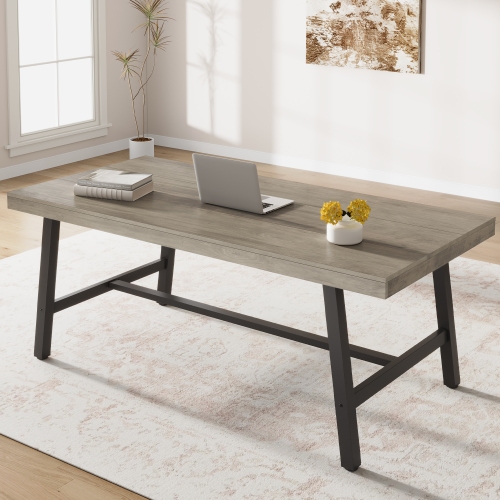
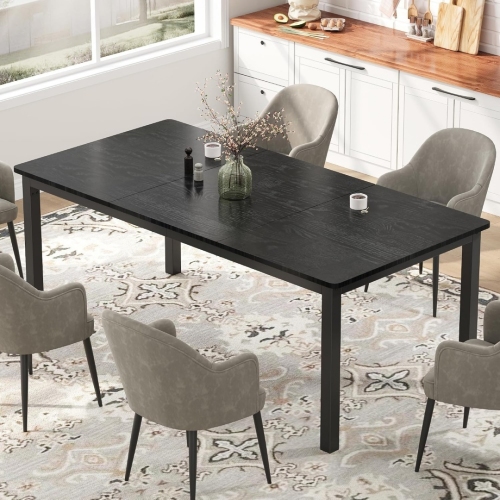
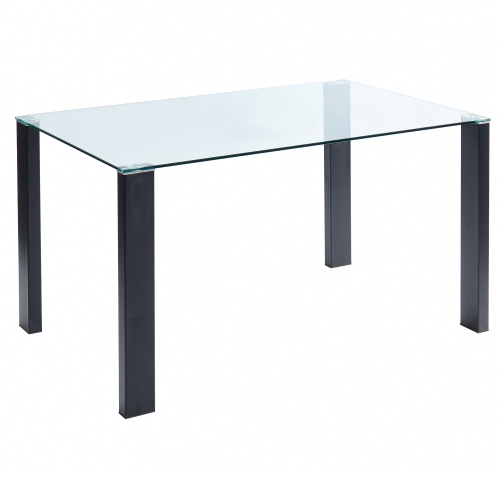
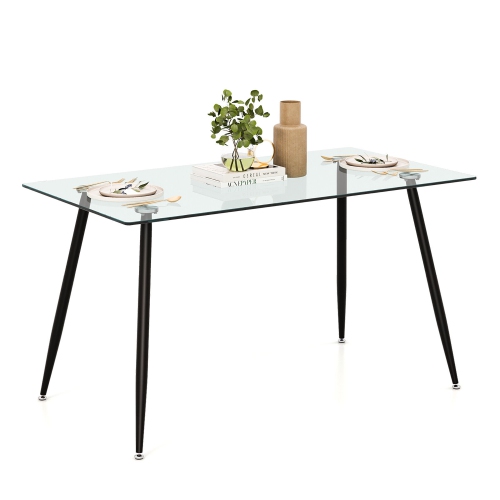
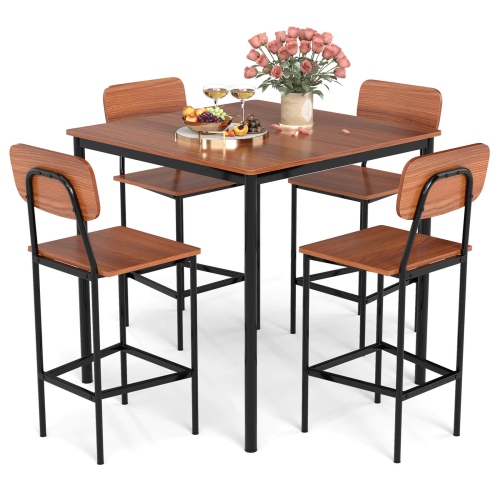
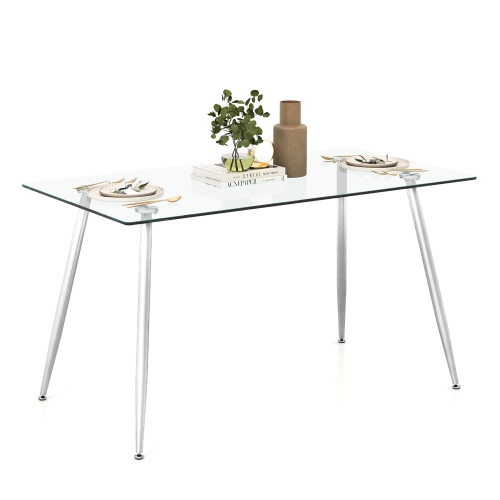
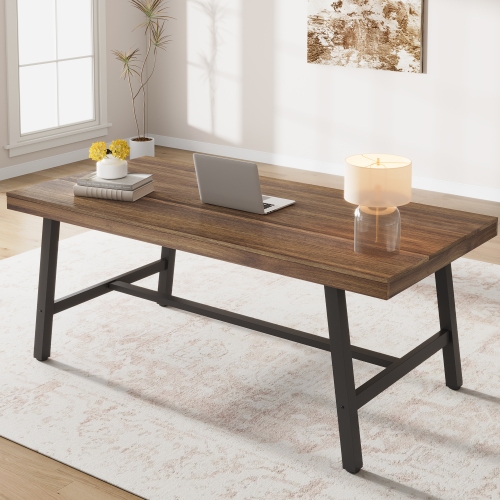
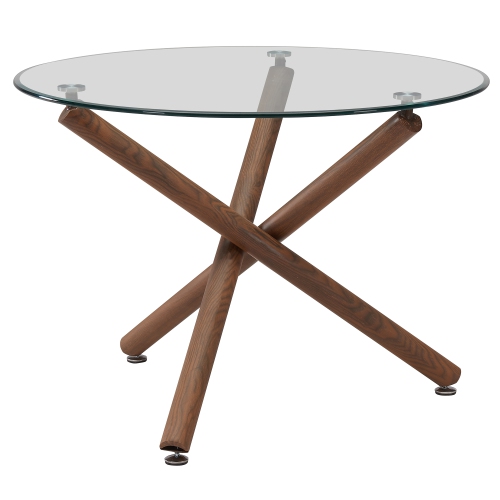
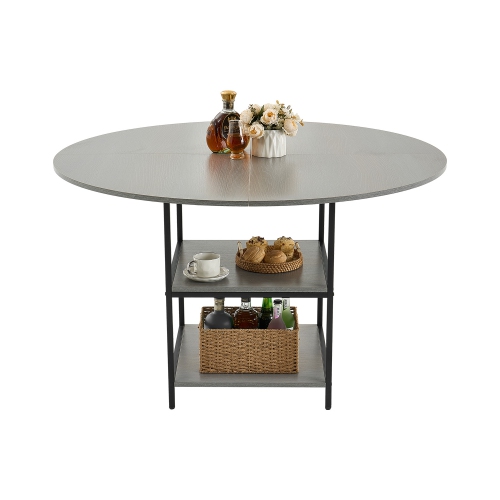
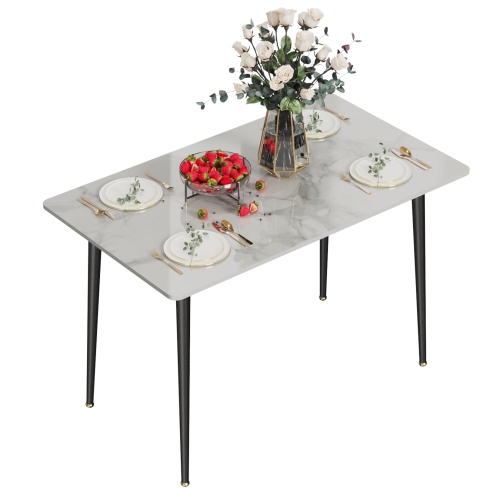
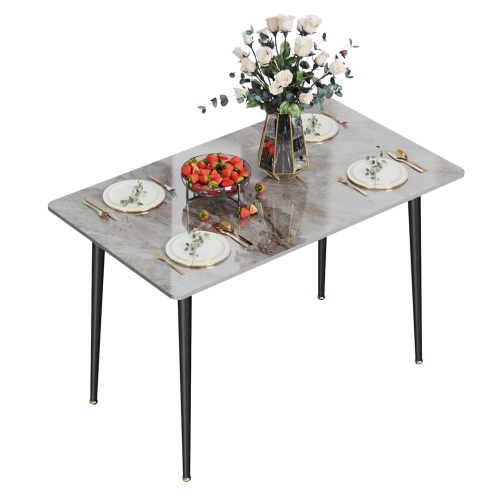
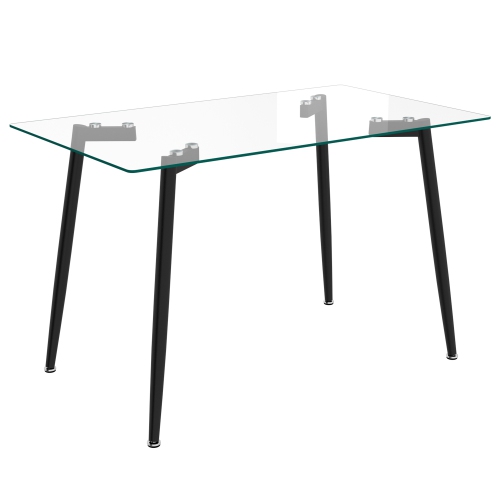
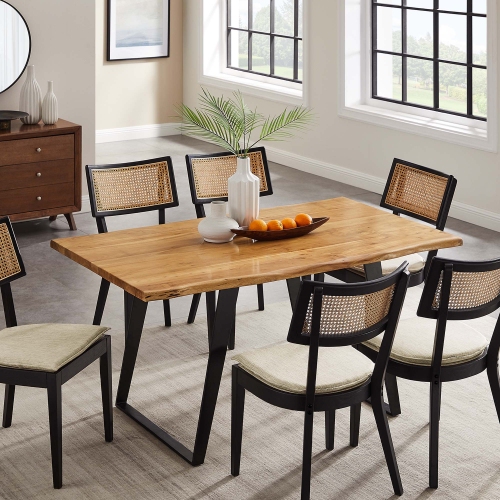
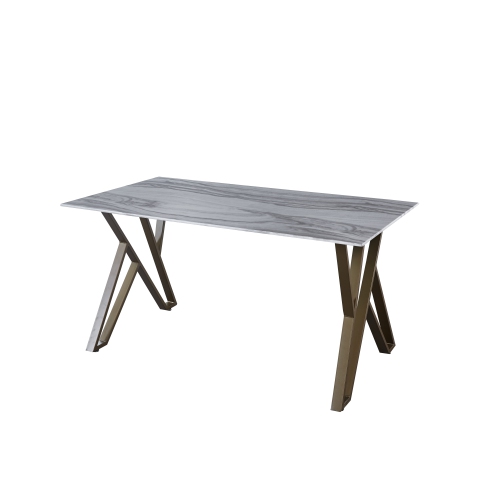
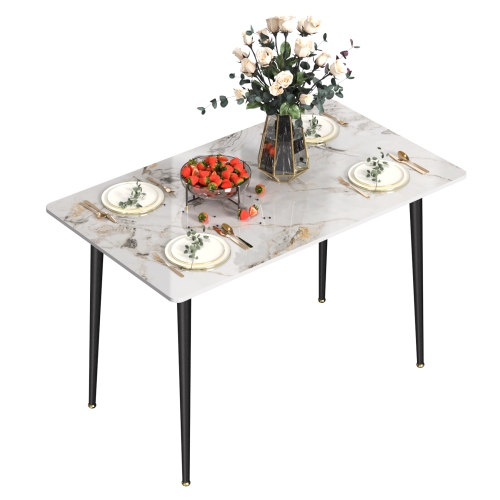
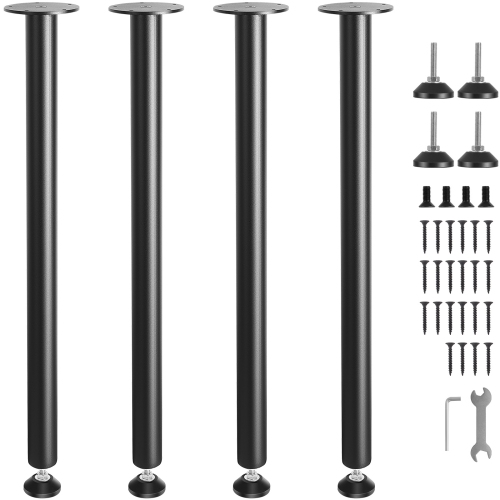
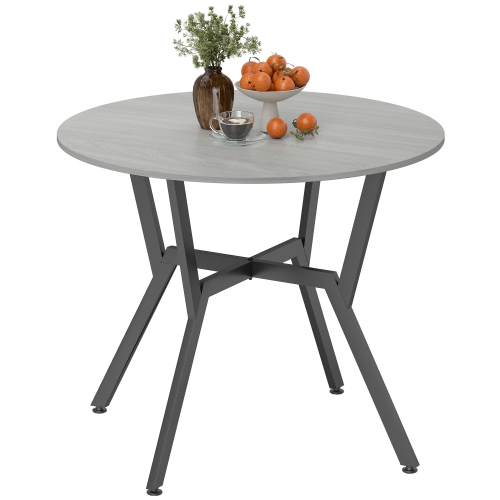
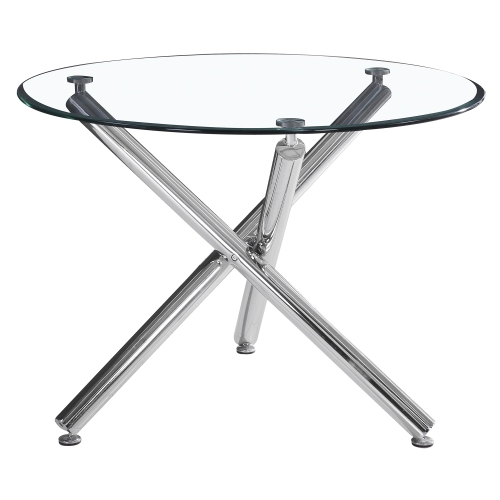
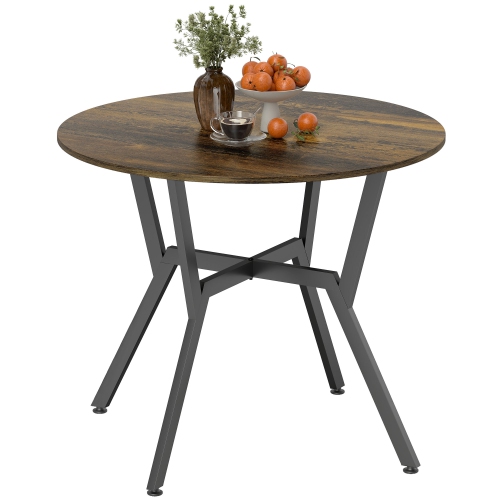
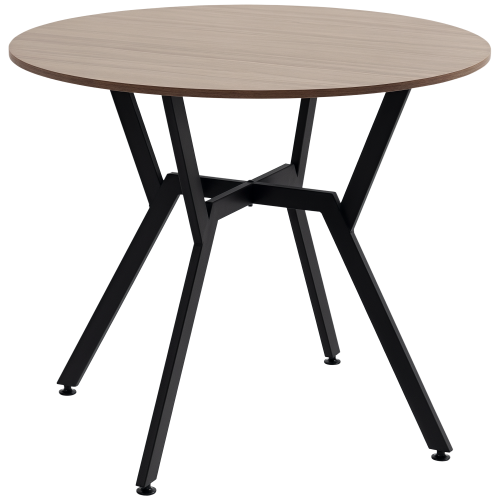
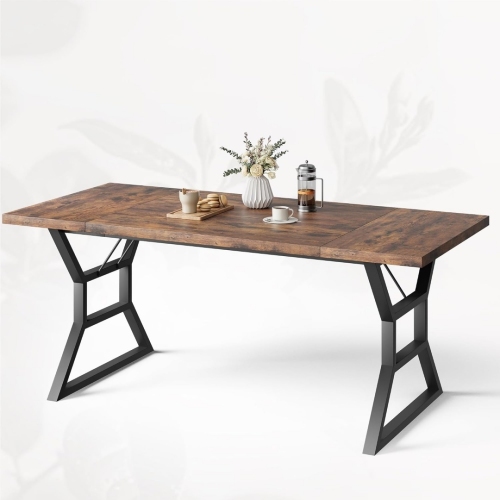
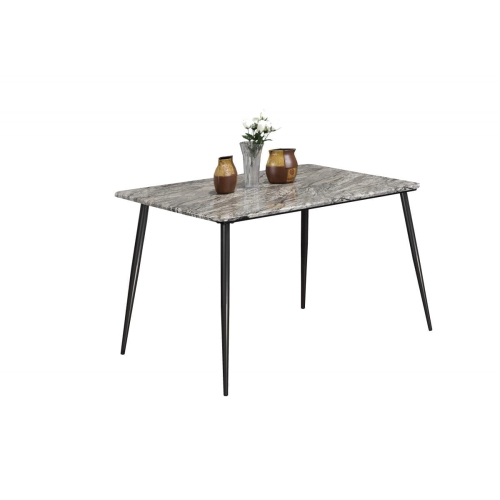
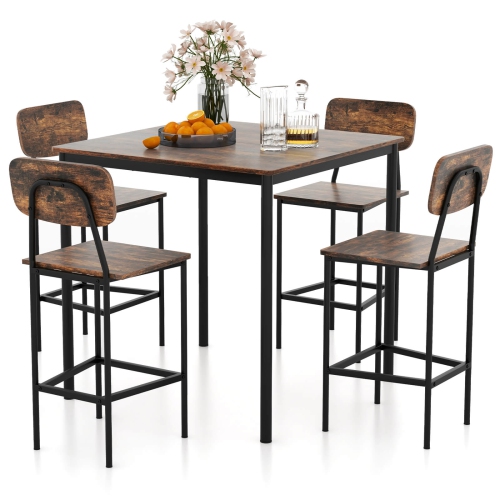
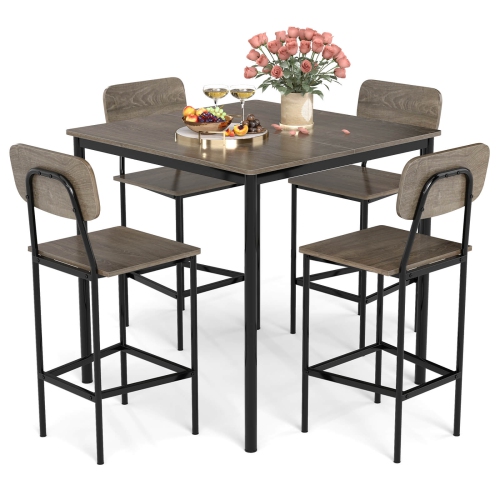
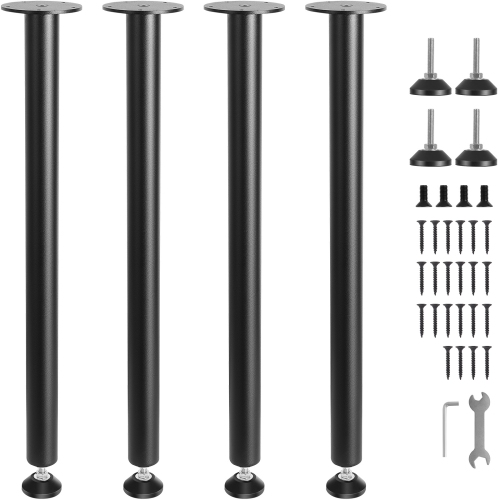

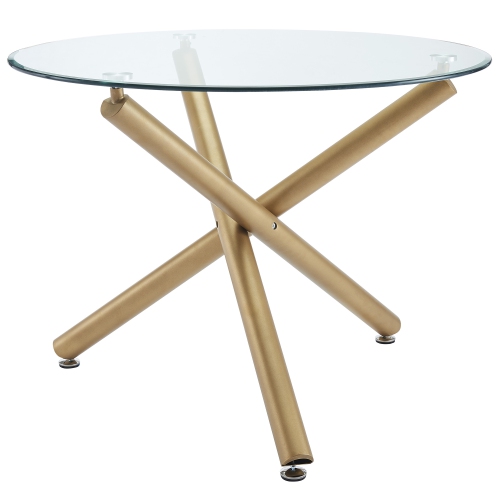
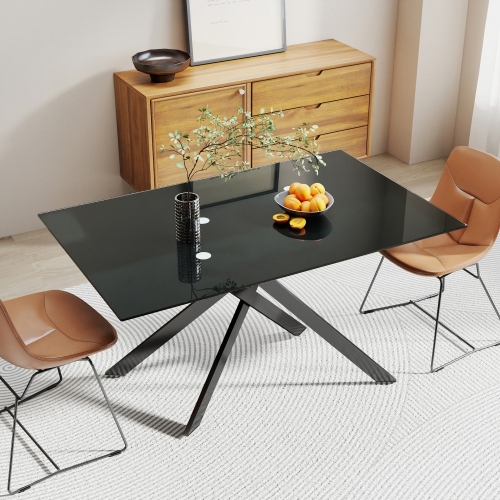
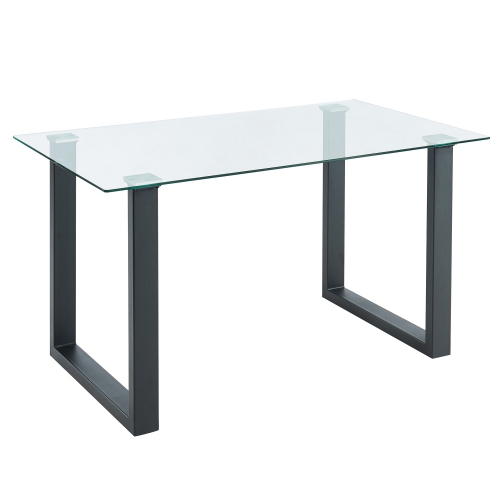
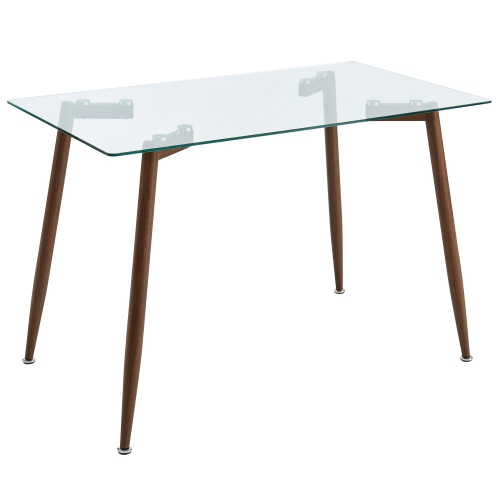
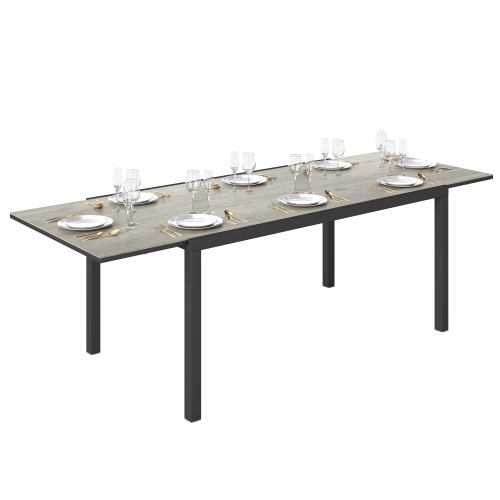
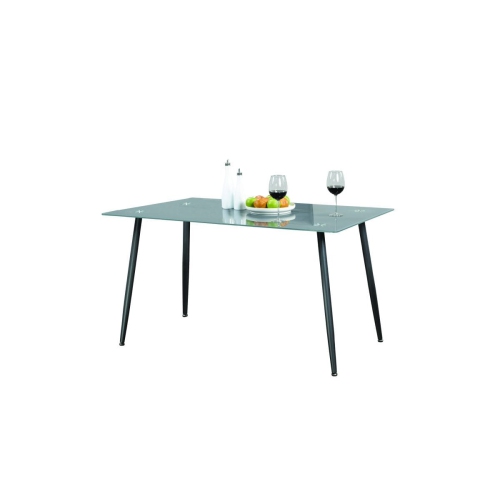
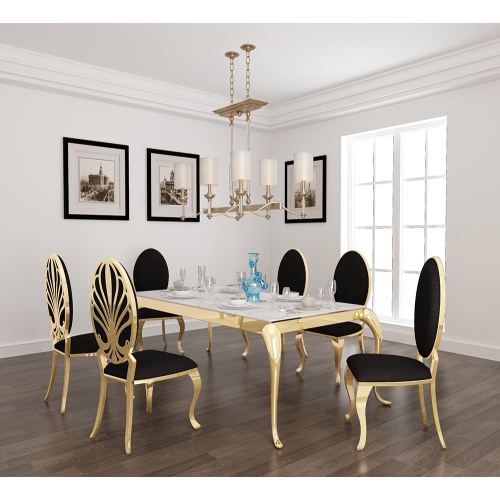
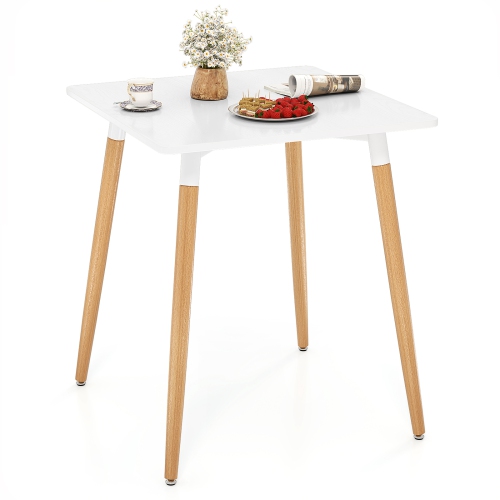
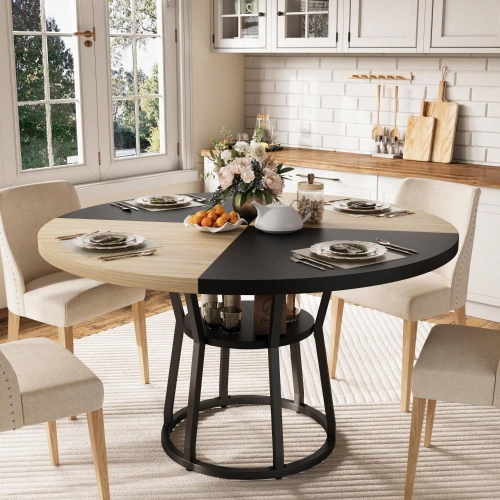
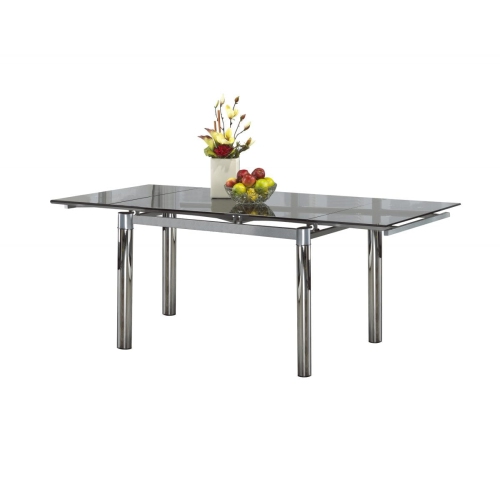
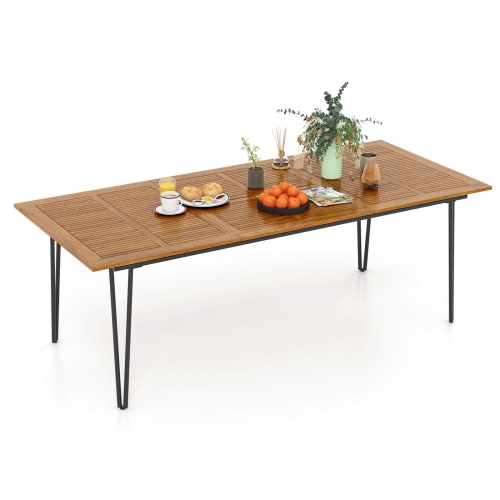
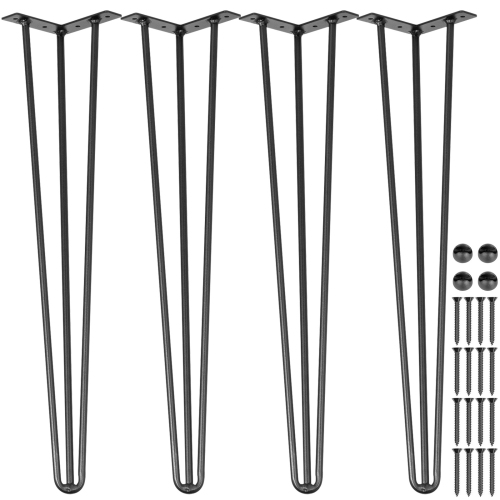
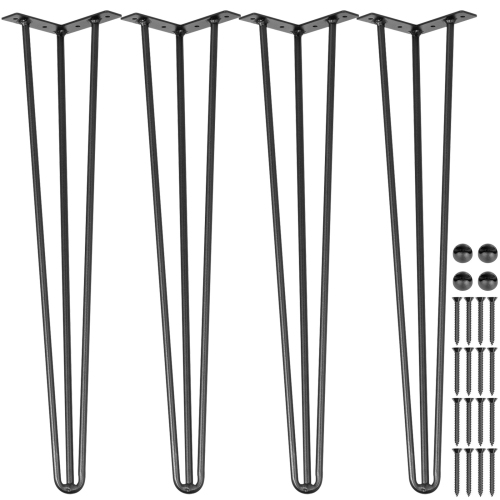
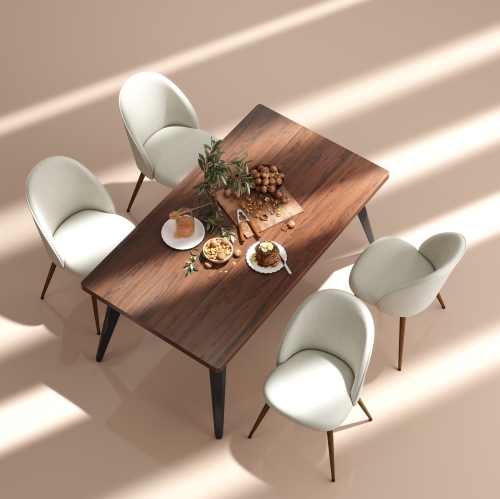
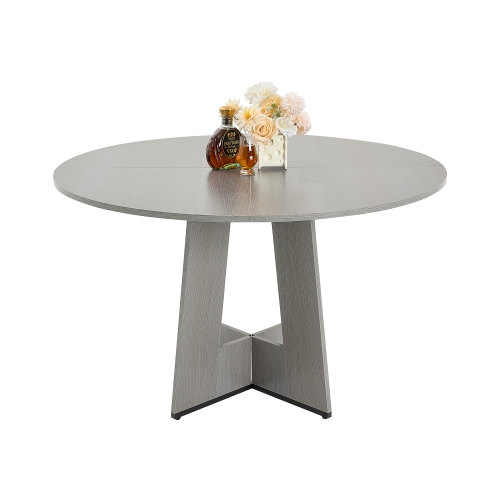
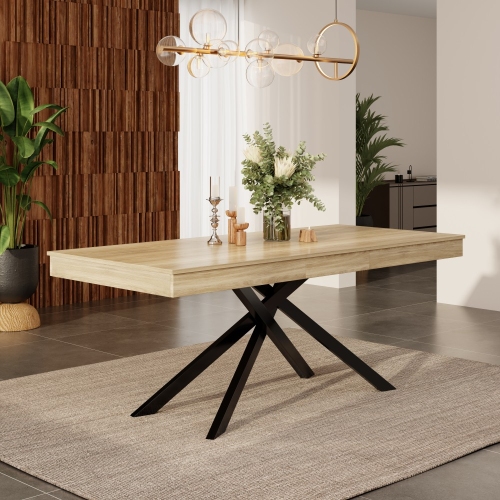
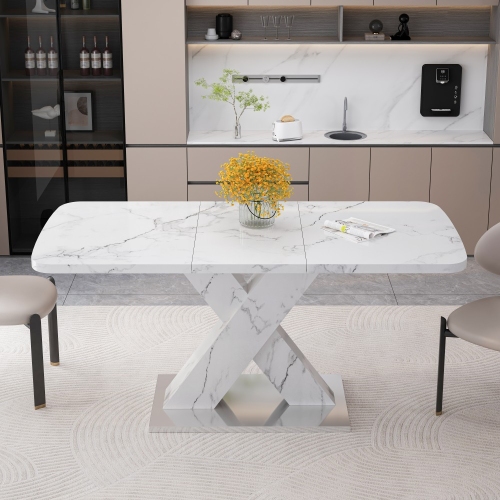
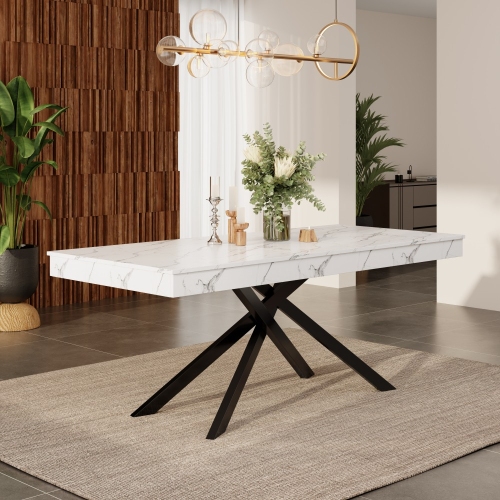
Stable support and comfortable clearance for everyday gatherings
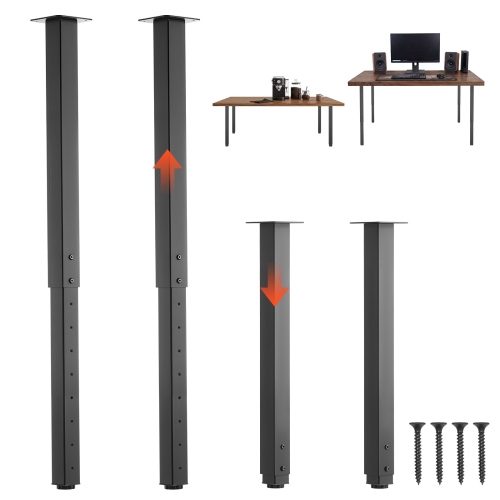
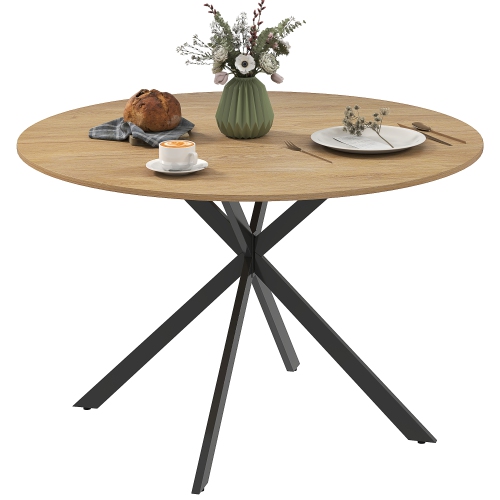
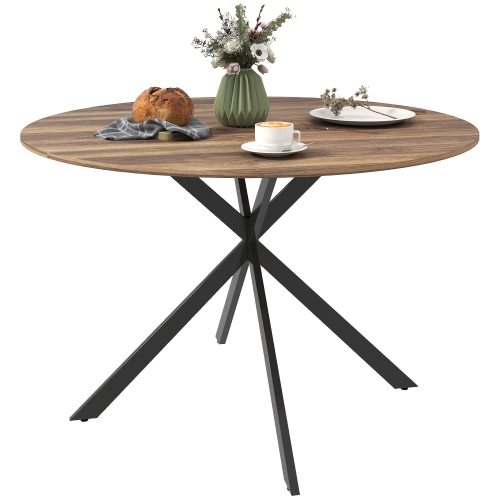
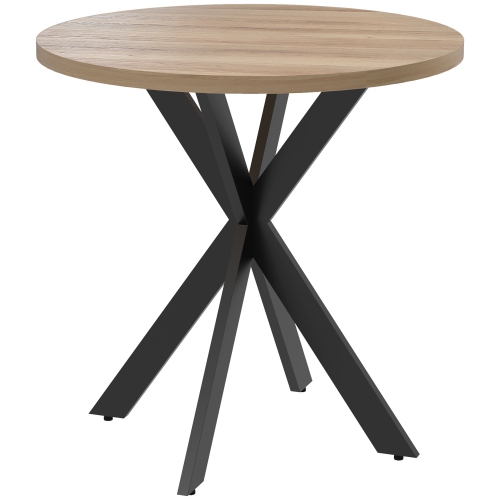
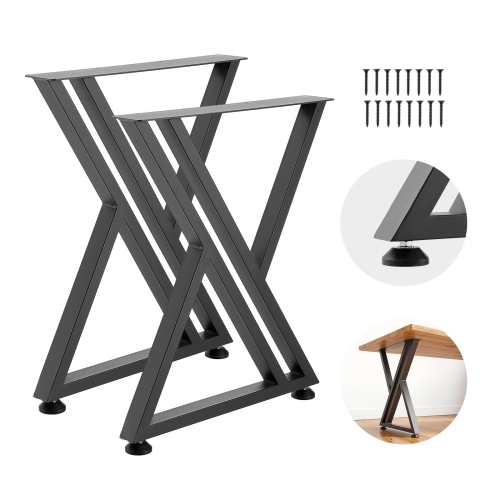
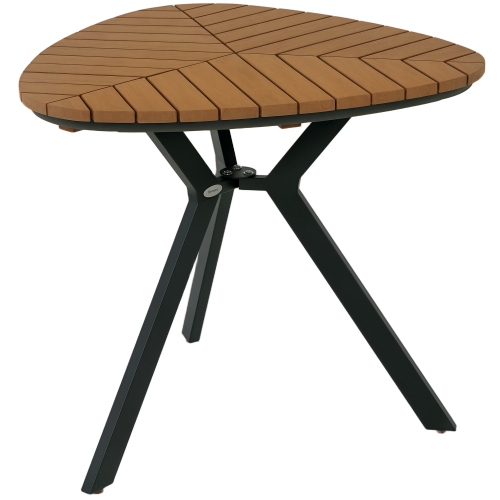
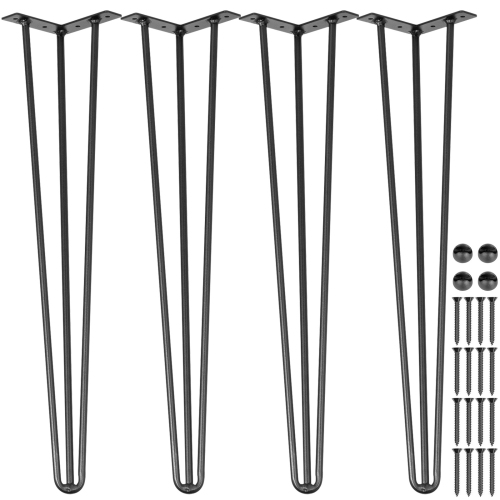
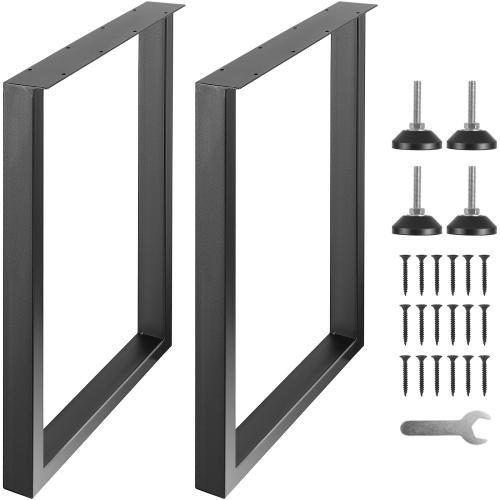
Steel dining table legs provide a practical foundation for creating or updating a dining table that suits your room, routines, and personal style. Whether you are building a table from a reclaimed wood top, refreshing a well-loved dining surface, or replacing worn supports, steel legs can bring a clean, structured look with the strength needed for everyday meals, homework, game nights, and gatherings with family and friends. Their crisp lines work well in modern, industrial, minimalist, and farmhouse-inspired spaces, while finishes such as black, white, silver, or brushed metal can help tie the table into nearby lighting, seating, and cabinet hardware. Some designs use simple straight supports for an understated appearance, while others feature angled, U-shaped, X-shaped, or trestle-style frames that become a noticeable part of the table’s character. As you compare options, begin with the tabletop you plan to use or the overall table size you want to create. The leg height should leave comfortable room for chairs and allow diners to sit naturally without their knees touching the underside of the top or the frame. Standard dining tables are often around 28 to 30 inches high, but the ideal height depends on the tabletop thickness, chair seat height, and the needs of everyone using the space. Check the stated dimensions carefully, including the width and depth of each support, because a broad frame may provide extra stability while reducing legroom at the ends or along the sides. For a long or heavy tabletop, a wider pair of legs, a central support, or a design intended for larger surfaces may help prevent movement and keep the table feeling steady when people lean against it. The mounting plate and screw placement also matter: make sure they can be positioned securely without interfering with the tabletop’s edges, apron, drawers, or other features. A measured sketch made on paper or masking tape can make it easier to picture where the legs will sit before drilling any holes.
Choosing steel dining table legs is also about the way the finished table will feel in daily use. A sturdy frame should remain stable when someone rests an elbow on the surface, pulls a chair in, or reaches across to serve a dish. Look for construction details such as solid steel, reinforced joints, a substantial mounting plate, and hardware that matches the material and thickness of your tabletop. Weight capacity is an important reference point, but it should be considered alongside the weight distribution of the table. A thick hardwood top, stone surface, or oversized board can place considerable force on the supports, especially when the table is moved or used by several people at once. If your tabletop is particularly large or dense, select legs with a capacity and configuration suited to that application rather than relying on appearance alone. Floor contact is another practical detail. Protective pads or adjustable feet can help reduce scratching on hardwood, laminate, tile, or vinyl, and adjustable levellers are useful when the floor is slightly uneven. This small feature can make a noticeable difference, especially in older homes where a table may rock even though the floor looks level. Think about clearance around the table as well. A pedestal or trestle arrangement can make it easier to seat more people along the sides, while individual corner legs may provide a familiar look but limit where chairs can be placed. For compact dining areas, slimmer supports can preserve visual space and make it easier to move around the room. In an open-concept kitchen or dining area, a substantial steel frame can help define the eating space without adding the visual bulk of a fully enclosed base. If you are furnishing a first apartment, setting up a home office that doubles as a dining area, or helping a family member update a dated table, replacement legs offer a way to change the character and height of an existing surface without replacing every component. They can also be a thoughtful housewarming gift for someone who enjoys hands-on projects, interior decorating, or creating custom furniture. For a broader selection of metal support styles that may suit related table projects, you can also browse Metal Table Legs.
Installation is usually straightforward, but careful preparation will help the finished table look polished and perform well. Place the tabletop upside down on a protected, level surface, mark each leg position, and measure from multiple edges so the supports are aligned evenly. If the tabletop is made from solid wood, allow enough room for seasonal movement and follow the manufacturer’s guidance for fastener placement; forcing screws too close to an edge can split the material. For thinner tops, use hardware that will not penetrate the finished surface, and confirm that the screws are suitable for the tabletop material. A pilot hole can improve accuracy and reduce the chance of damage, while a screwdriver or drill with controlled torque helps prevent stripped heads and overtightening. Once the legs are attached, turn the table upright with assistance rather than dragging it across the floor. Test it on a level surface, adjust the feet if available, and apply gentle pressure from different sides to check for rocking or shifting. Steel is generally easy to maintain: wipe away crumbs and spills with a soft, slightly damp cloth, then dry the surface to prevent marks. Avoid abrasive pads and harsh cleaners that may dull painted or plated finishes. In busy dining spaces, a durable powder-coated surface can be convenient because it handles frequent wiping and the occasional splash from cooking or serving. During the warmer season, a dining table may become the centre of relaxed meals with doors open and friends gathered nearby; during the cooler months, the same table can support long dinners, baking projects, board games, and study sessions under warm indoor lighting. Selecting legs that complement the tabletop, leave enough room for comfortable seating, and provide dependable support will help create a table that feels intentional rather than improvised. With the right measurements and a little patience during installation, steel dining table legs can give a familiar surface a fresh identity and make a custom dining space feel complete.
Choosing steel dining table legs is also about the way the finished table will feel in daily use. A sturdy frame should remain stable when someone rests an elbow on the surface, pulls a chair in, or reaches across to serve a dish. Look for construction details such as solid steel, reinforced joints, a substantial mounting plate, and hardware that matches the material and thickness of your tabletop. Weight capacity is an important reference point, but it should be considered alongside the weight distribution of the table. A thick hardwood top, stone surface, or oversized board can place considerable force on the supports, especially when the table is moved or used by several people at once. If your tabletop is particularly large or dense, select legs with a capacity and configuration suited to that application rather than relying on appearance alone. Floor contact is another practical detail. Protective pads or adjustable feet can help reduce scratching on hardwood, laminate, tile, or vinyl, and adjustable levellers are useful when the floor is slightly uneven. This small feature can make a noticeable difference, especially in older homes where a table may rock even though the floor looks level. Think about clearance around the table as well. A pedestal or trestle arrangement can make it easier to seat more people along the sides, while individual corner legs may provide a familiar look but limit where chairs can be placed. For compact dining areas, slimmer supports can preserve visual space and make it easier to move around the room. In an open-concept kitchen or dining area, a substantial steel frame can help define the eating space without adding the visual bulk of a fully enclosed base. If you are furnishing a first apartment, setting up a home office that doubles as a dining area, or helping a family member update a dated table, replacement legs offer a way to change the character and height of an existing surface without replacing every component. They can also be a thoughtful housewarming gift for someone who enjoys hands-on projects, interior decorating, or creating custom furniture. For a broader selection of metal support styles that may suit related table projects, you can also browse Metal Table Legs.
Installation is usually straightforward, but careful preparation will help the finished table look polished and perform well. Place the tabletop upside down on a protected, level surface, mark each leg position, and measure from multiple edges so the supports are aligned evenly. If the tabletop is made from solid wood, allow enough room for seasonal movement and follow the manufacturer’s guidance for fastener placement; forcing screws too close to an edge can split the material. For thinner tops, use hardware that will not penetrate the finished surface, and confirm that the screws are suitable for the tabletop material. A pilot hole can improve accuracy and reduce the chance of damage, while a screwdriver or drill with controlled torque helps prevent stripped heads and overtightening. Once the legs are attached, turn the table upright with assistance rather than dragging it across the floor. Test it on a level surface, adjust the feet if available, and apply gentle pressure from different sides to check for rocking or shifting. Steel is generally easy to maintain: wipe away crumbs and spills with a soft, slightly damp cloth, then dry the surface to prevent marks. Avoid abrasive pads and harsh cleaners that may dull painted or plated finishes. In busy dining spaces, a durable powder-coated surface can be convenient because it handles frequent wiping and the occasional splash from cooking or serving. During the warmer season, a dining table may become the centre of relaxed meals with doors open and friends gathered nearby; during the cooler months, the same table can support long dinners, baking projects, board games, and study sessions under warm indoor lighting. Selecting legs that complement the tabletop, leave enough room for comfortable seating, and provide dependable support will help create a table that feels intentional rather than improvised. With the right measurements and a little patience during installation, steel dining table legs can give a familiar surface a fresh identity and make a custom dining space feel complete.
Top selling and popular products
-
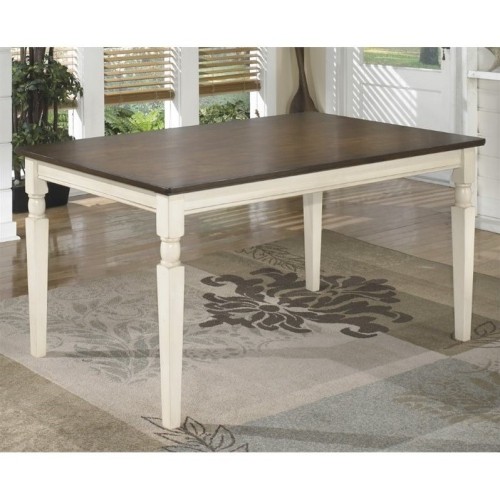 Your price for this item is $399
 -
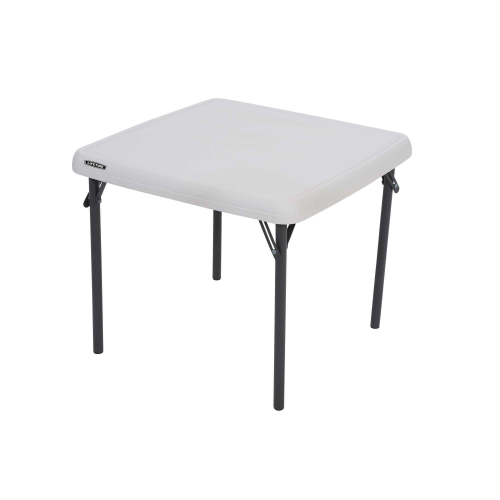 Your price for this item is $71.99
 -
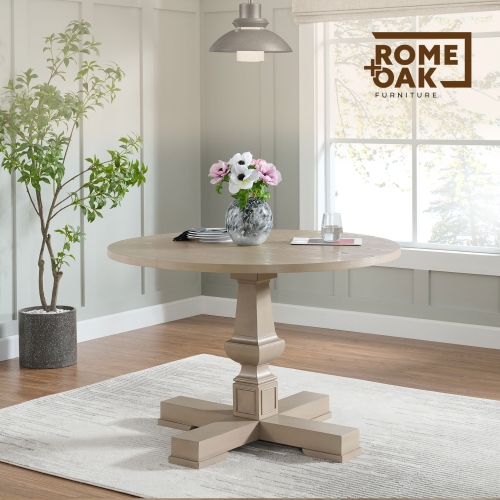 Your price for this item is $763.99
 -
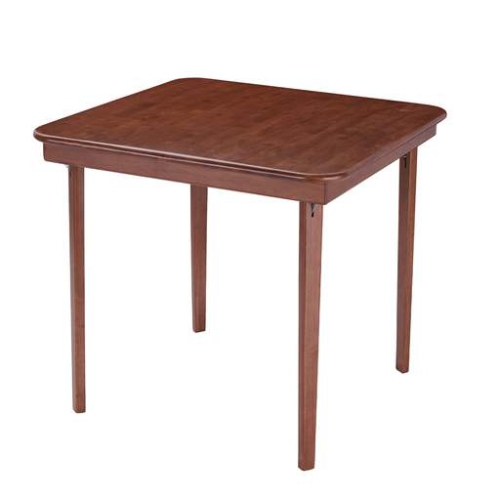 Your price for this item is $323.99
 -
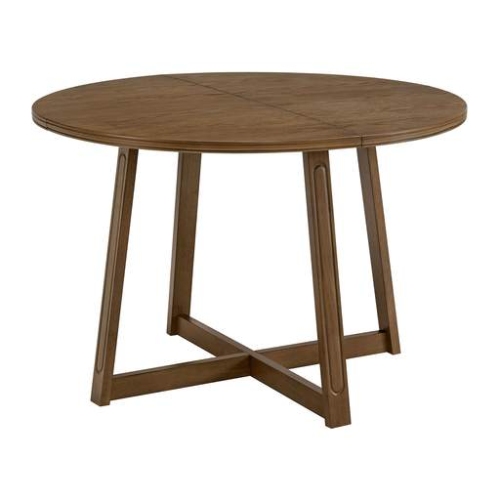 Your price for this item is $627.99
 -
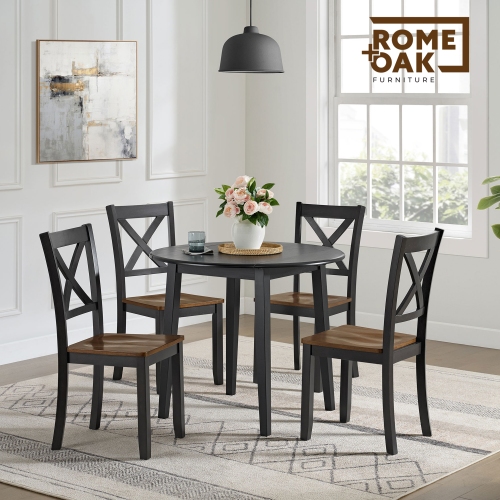 Your price for this item is $304.99
 -
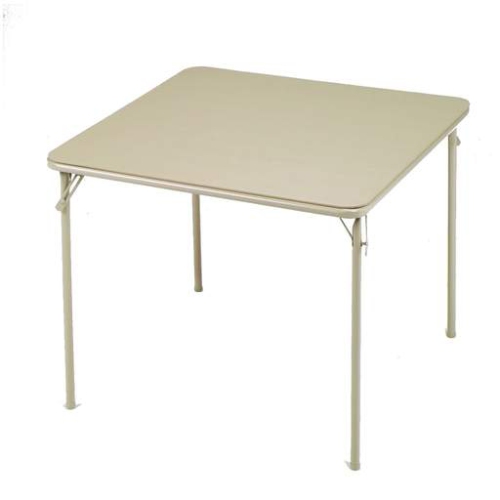 Your price for this item is $190.99
 -
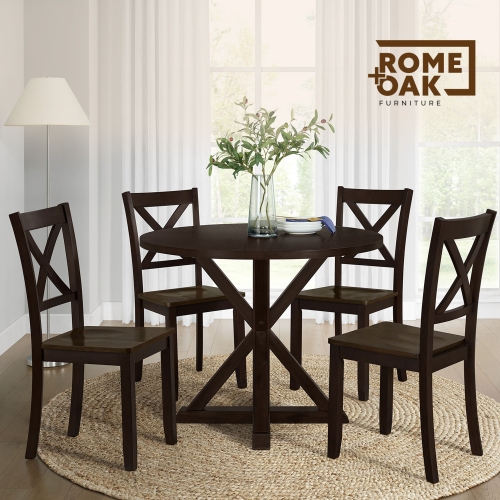 Your price for this item is $651.99
Discover more categories related to Steel Dining Table Legs
Top Collections:
Pokemon Centers, Best Cameras for Sports Photography, Kindle Devices, Samsung Galaxy Phones, Canon G7X Cameras, Pokémon 30th Celebration Cards, Refurbished Apple Laptops, iPhone 15 Apple, Laptops for Students, Budget Smartphones
Some products may be subject to Environmental Handling Fees
(EHF) depending on your province.
Learn more about EHFs.