Steel Raised Beds
Elevate your gardening game with steel raised beds, the perfect solution for creating a stylish and functional garden space. These durable and versatile raised beds offer a practical way to grow your favorite plants, flowers, herbs, and vegetables while adding a modern touch to your outdoor oasis. With their sturdy construction and sleek design, steel raised beds are not only aesthetically pleasing but also provide excellent drainage and soil aeration for healthy plant growth. Whether you're a seasoned gardener or just starting out, these steel raised beds are sure to enhance your gardening experience and elevate the look of your outdoor space.
Sort


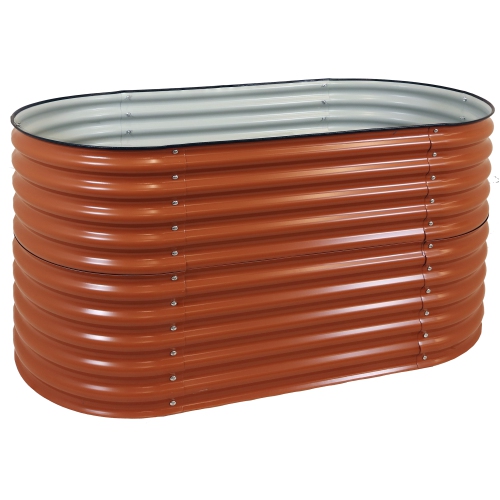
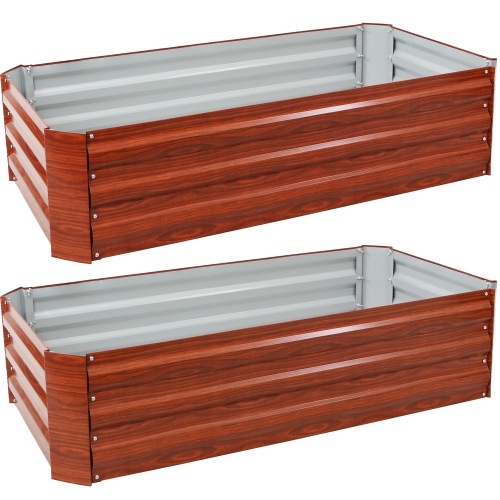
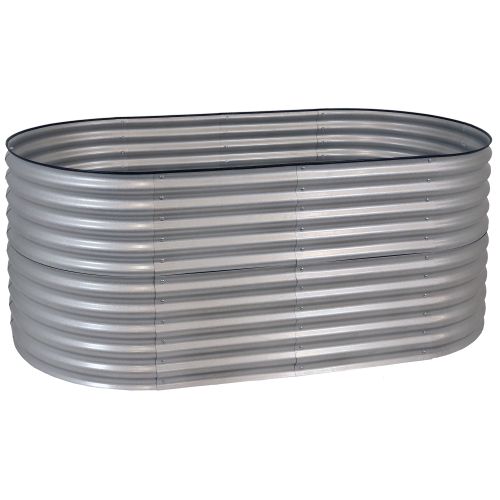
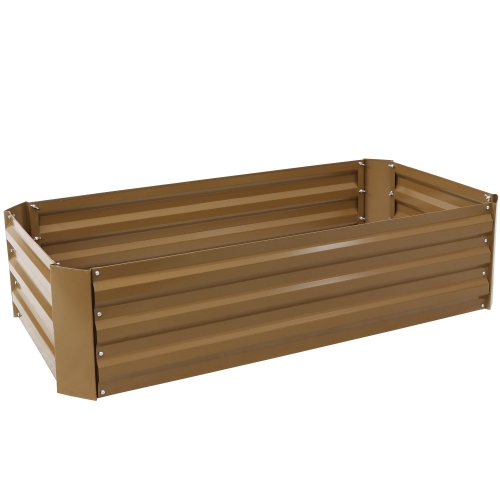

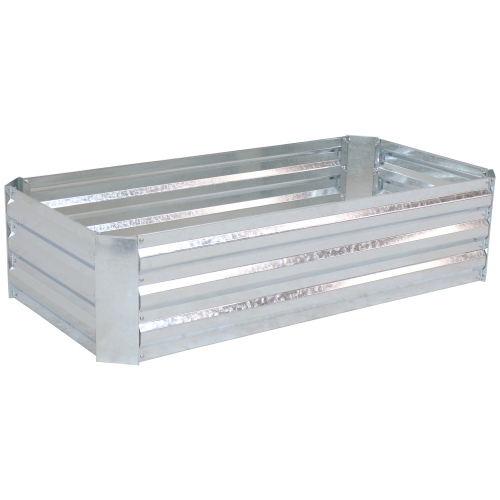
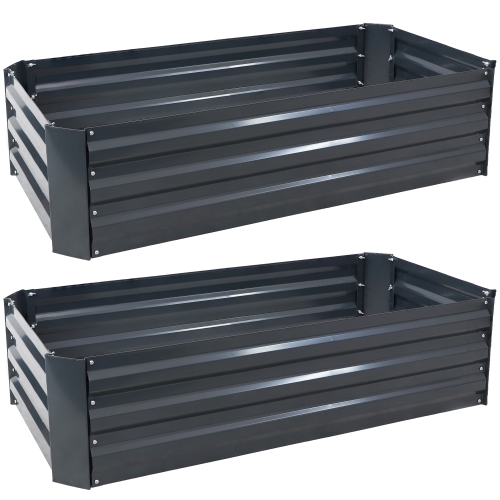
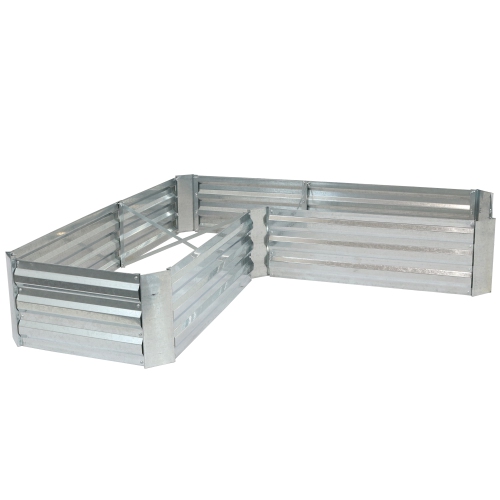
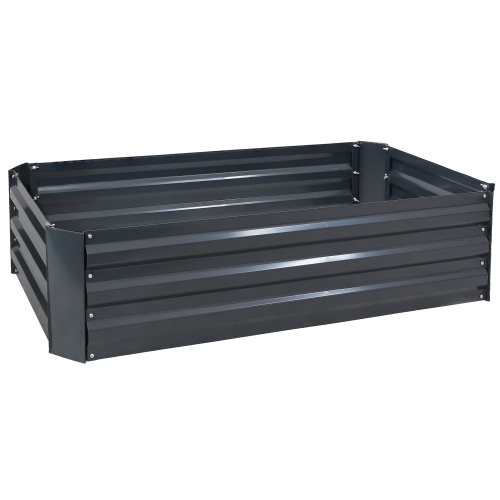
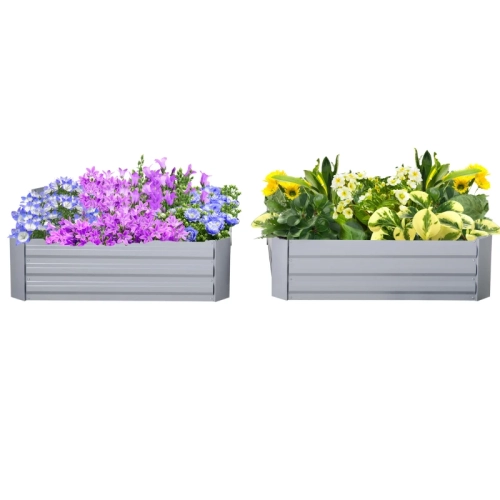
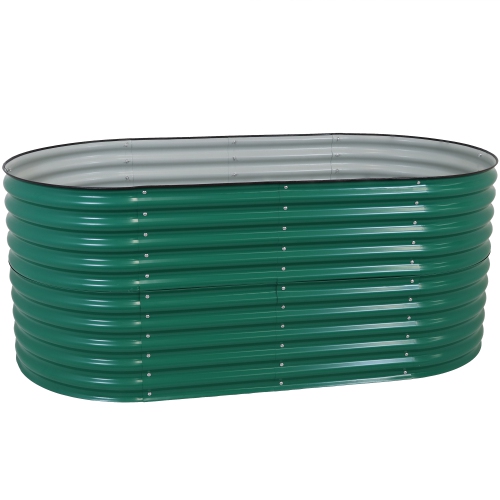
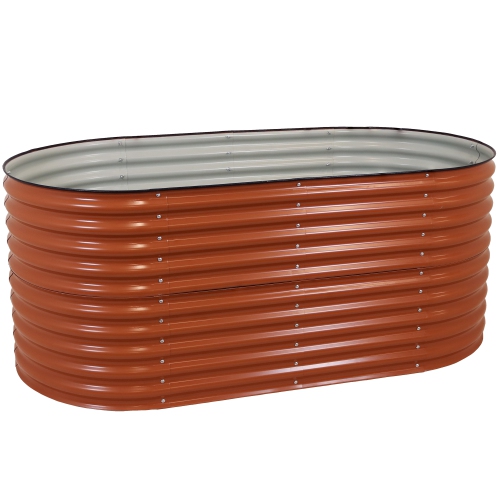
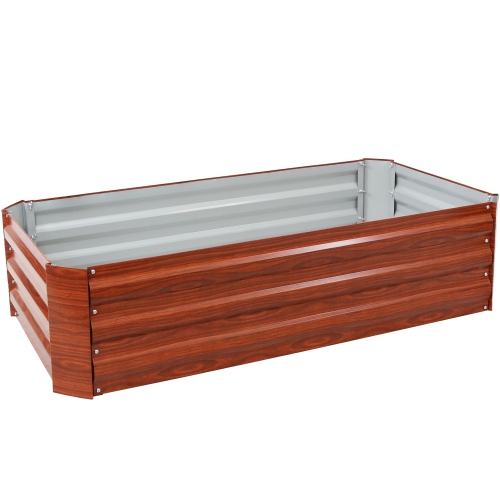
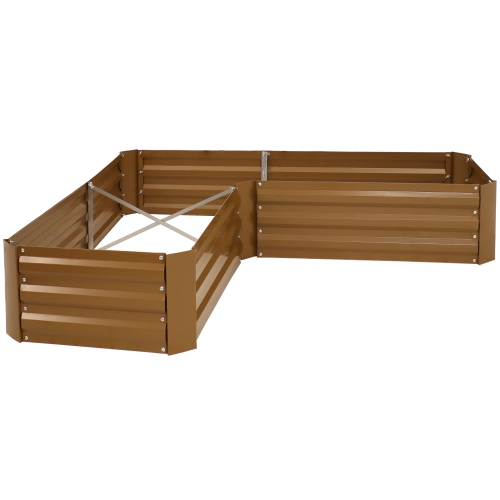
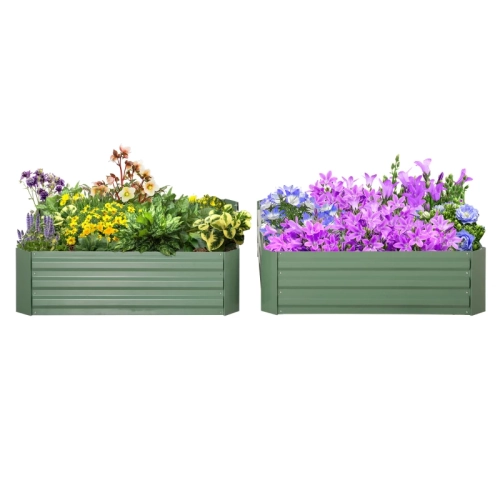
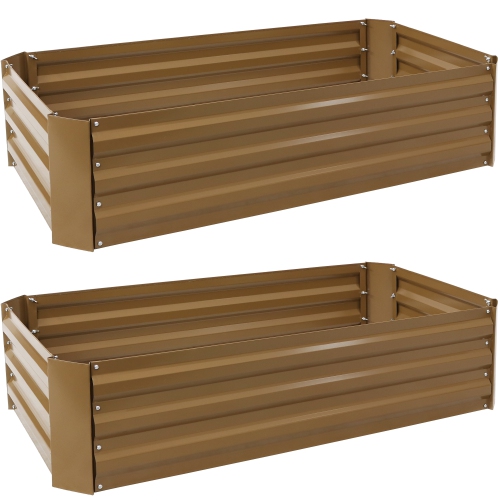
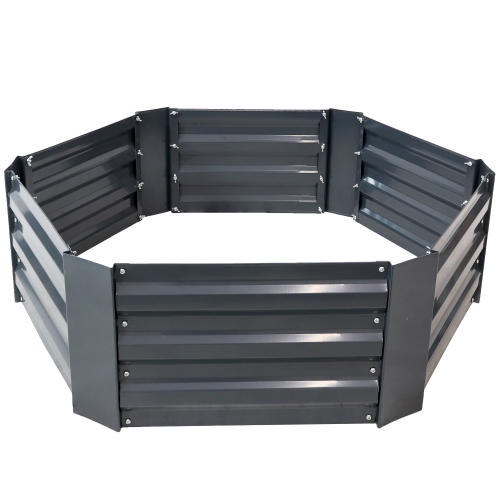
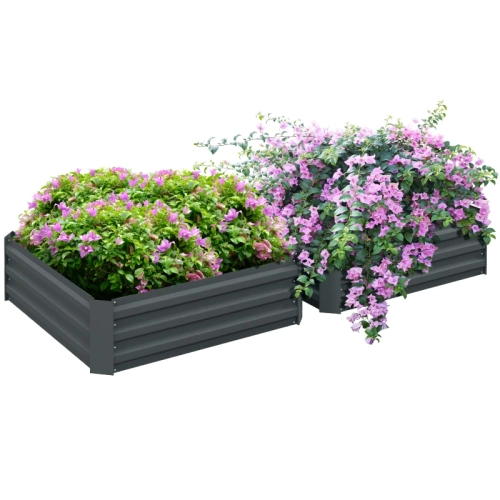
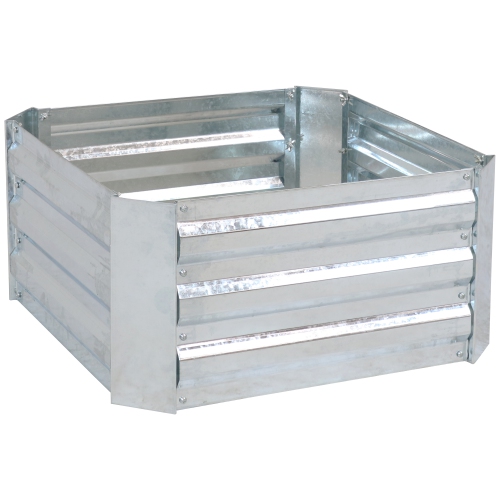
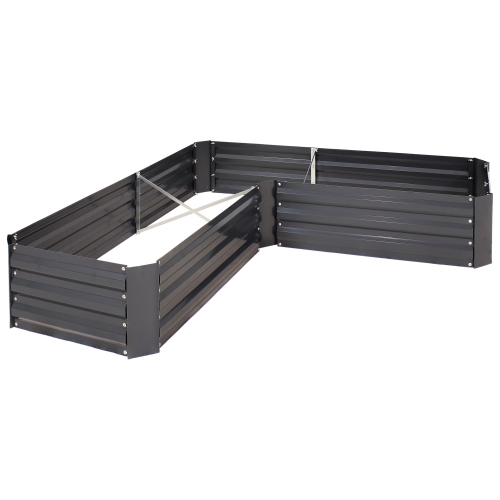

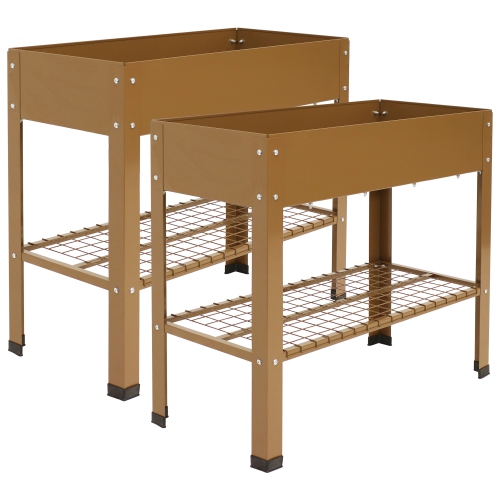
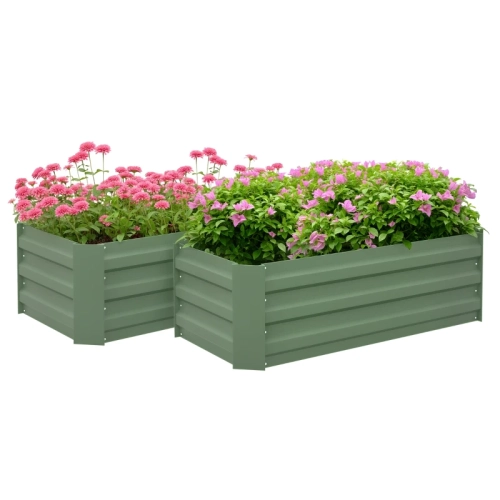
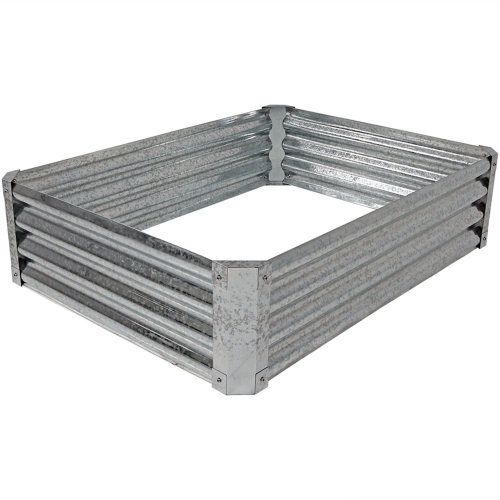
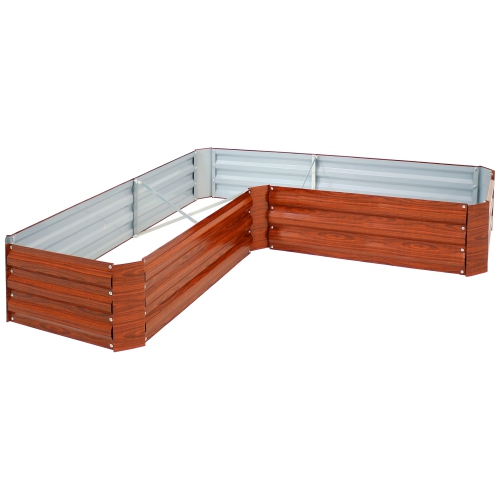
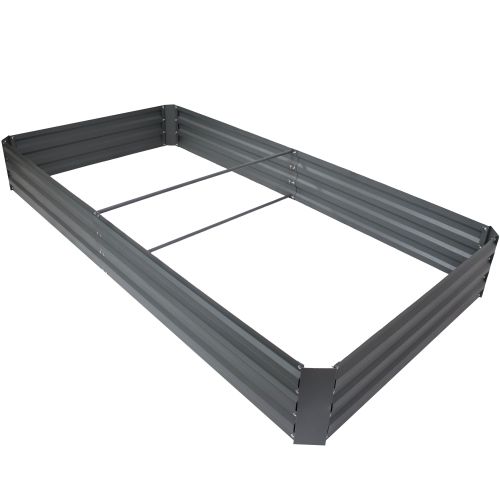
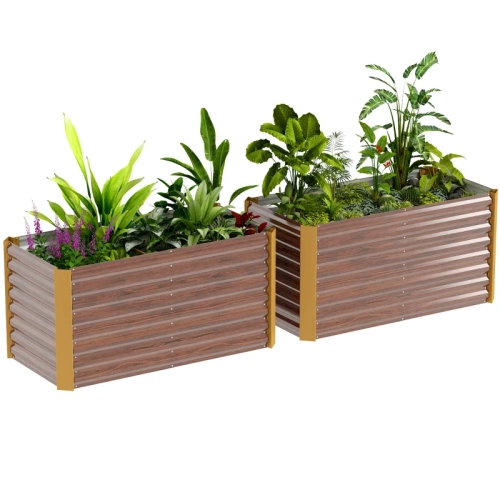
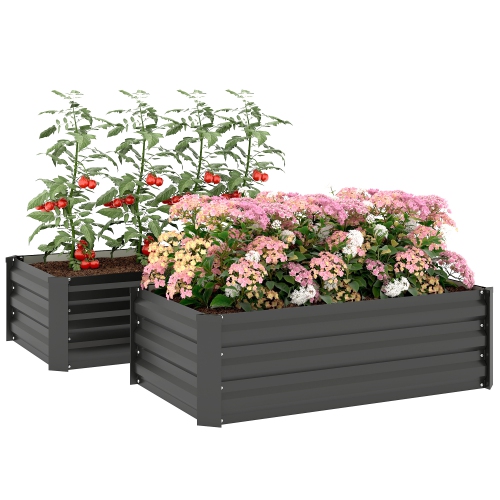
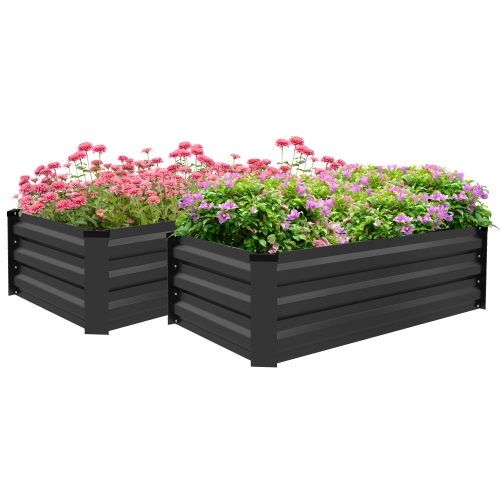
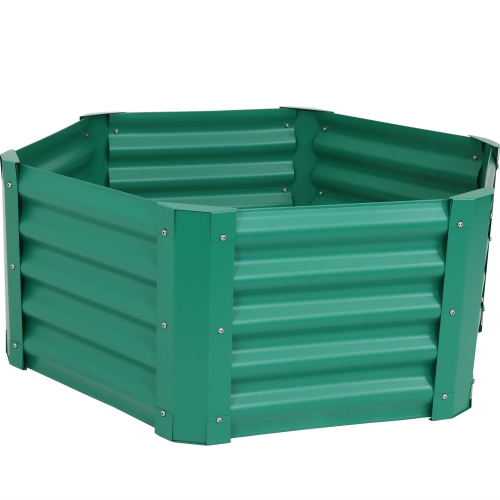
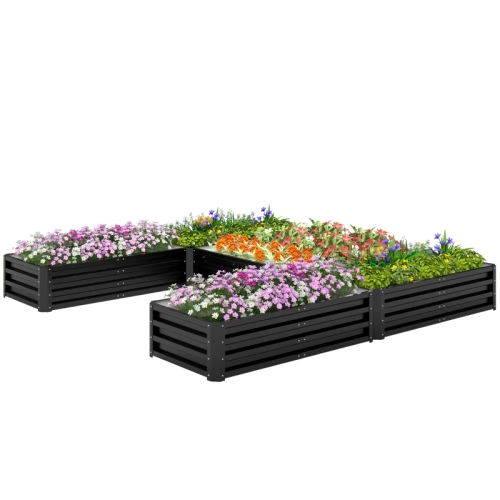
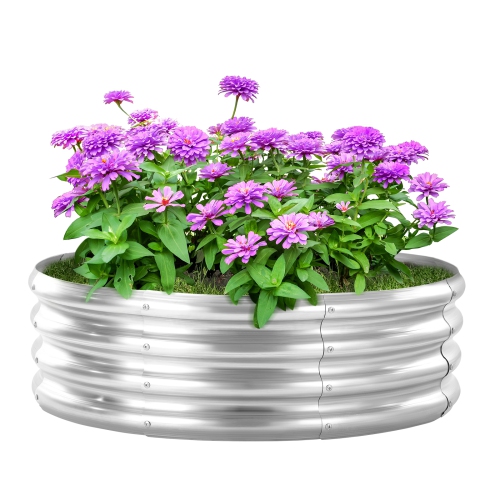
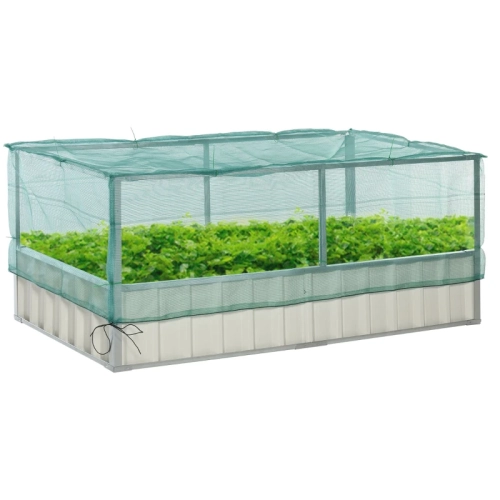
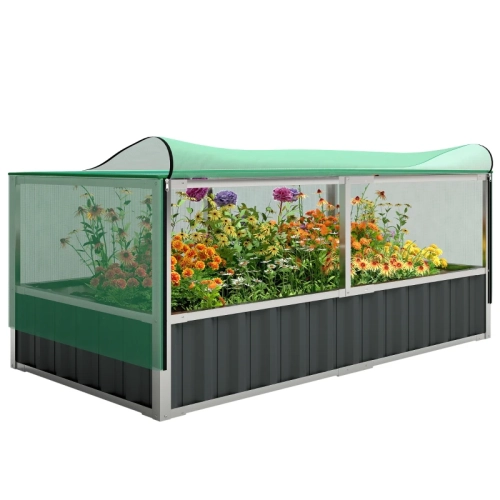
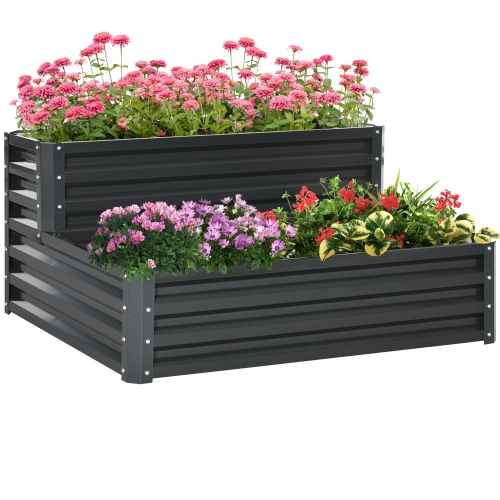
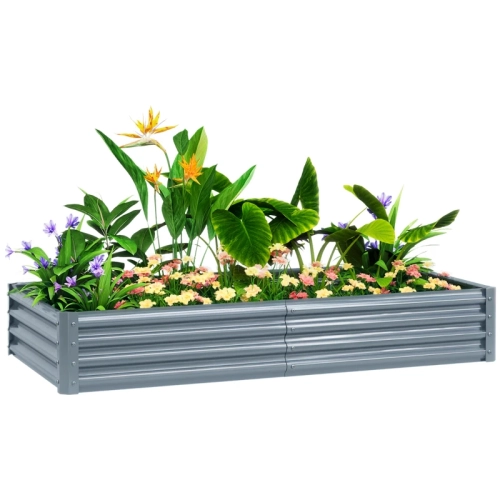
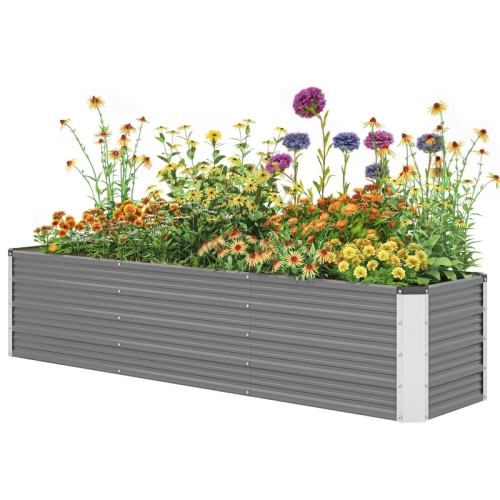
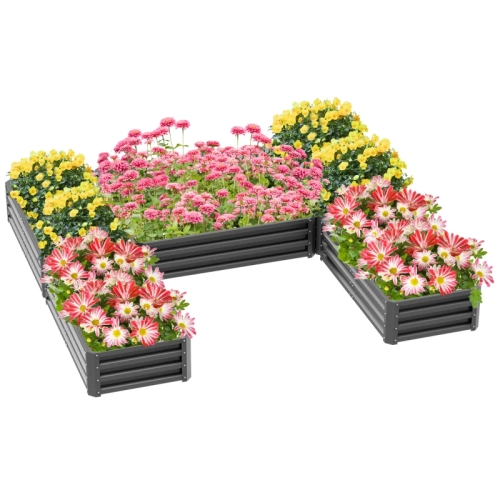
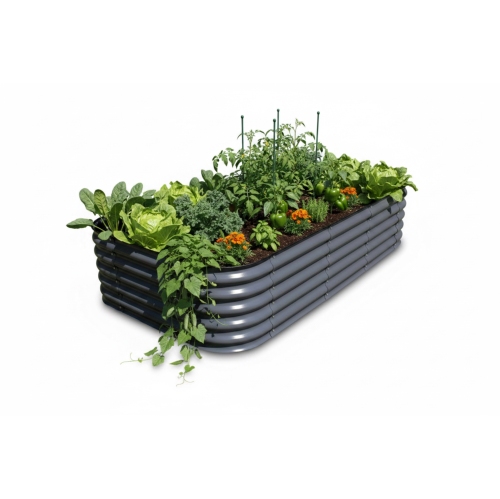
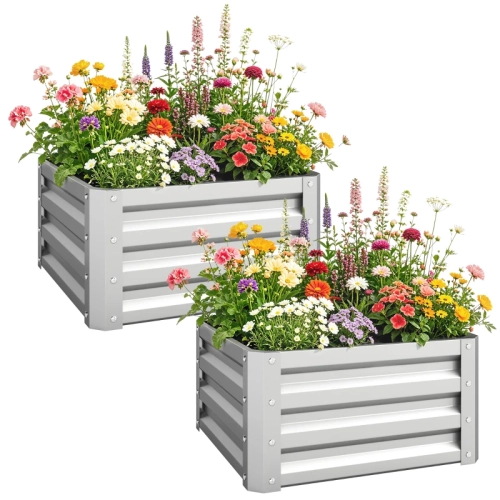
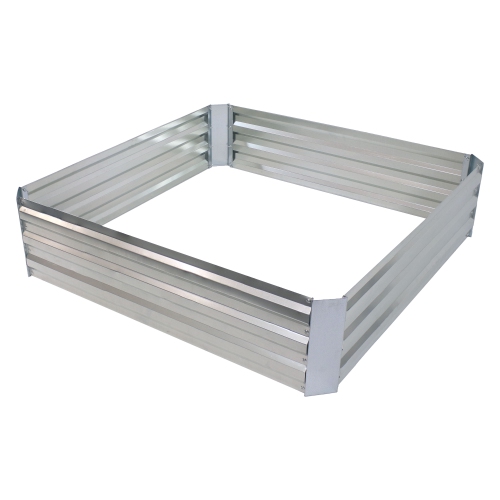
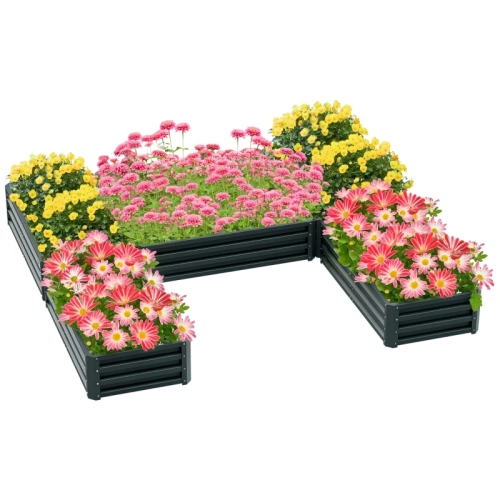
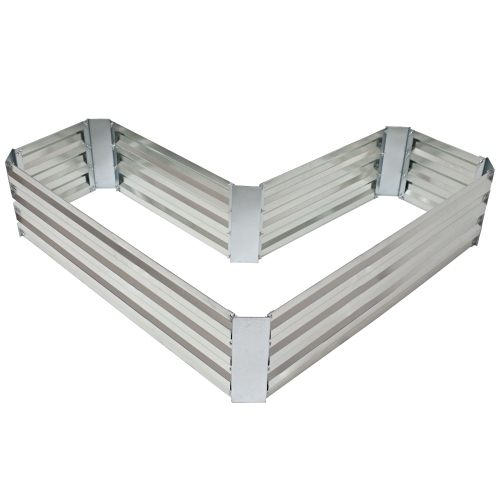
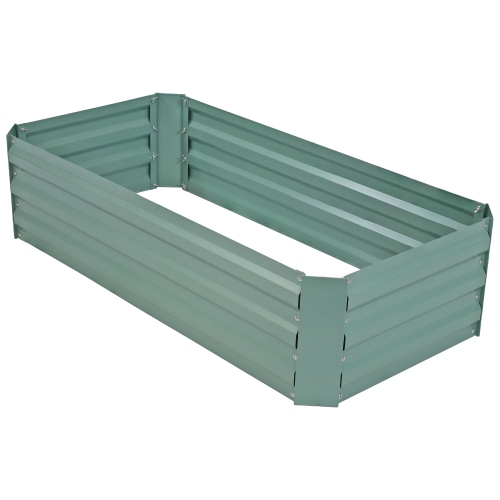
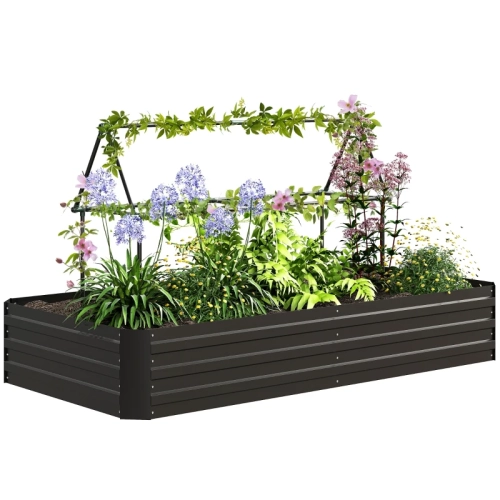
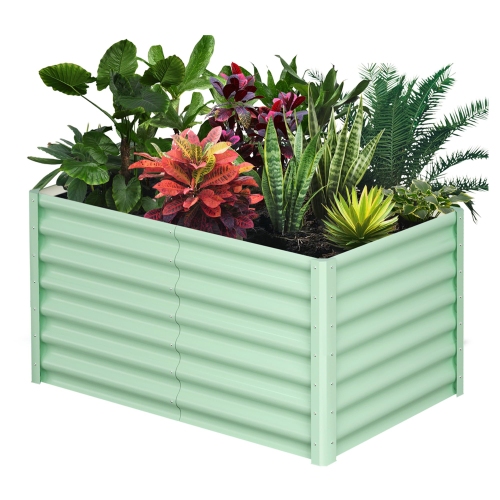
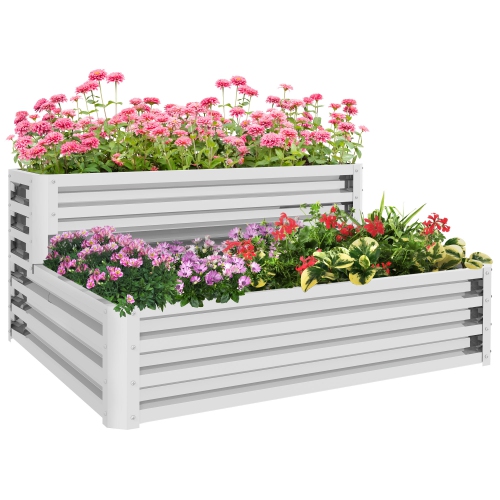
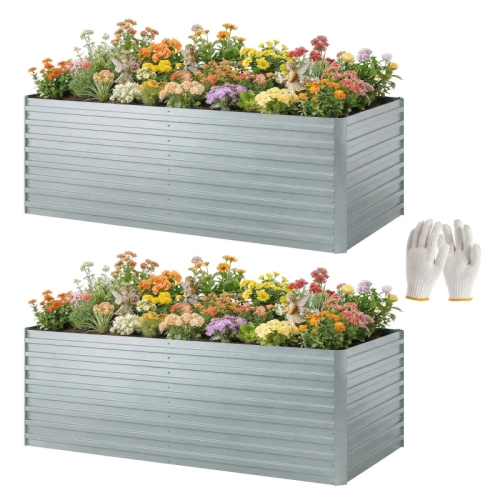
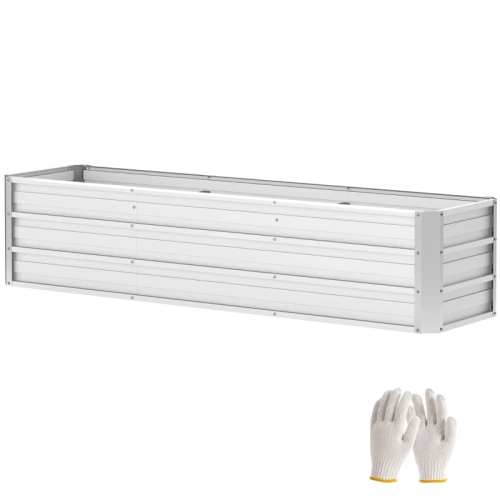
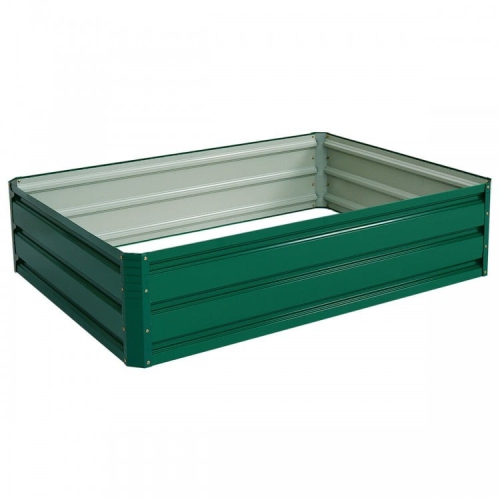
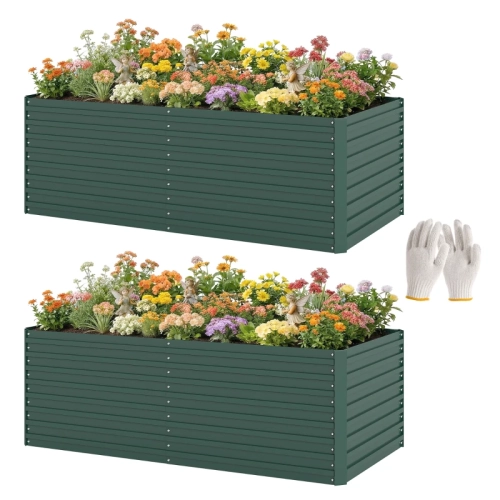
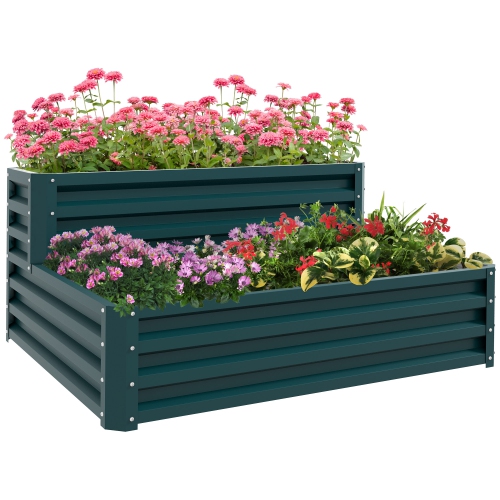
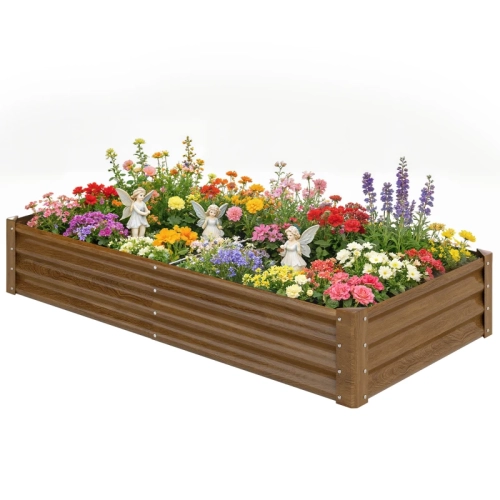
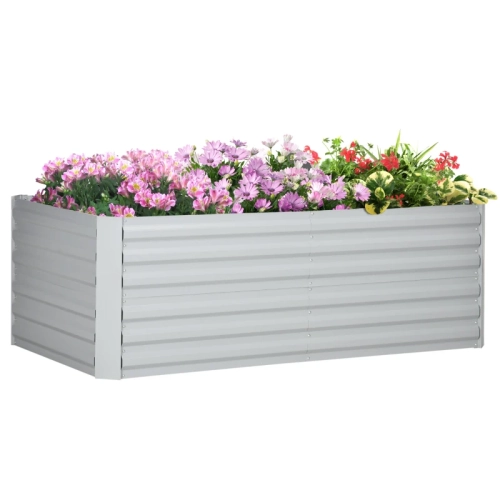
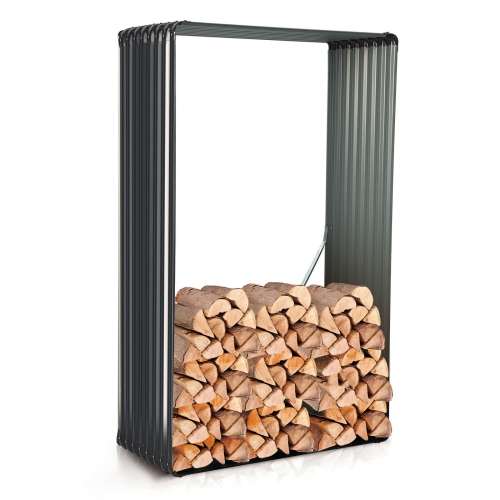
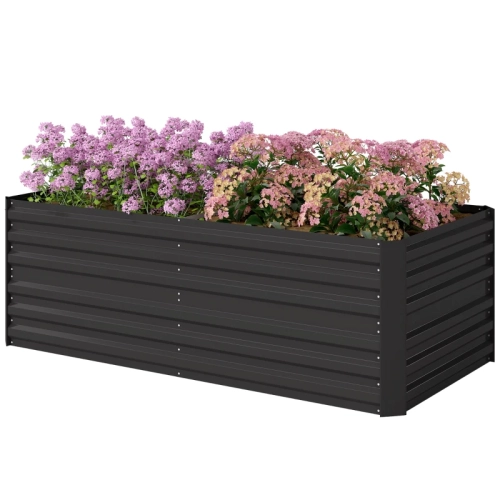
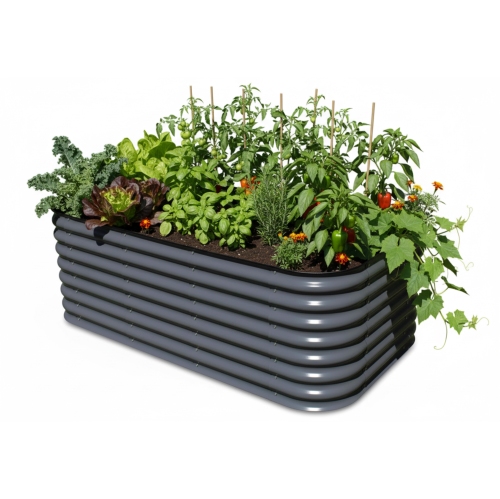
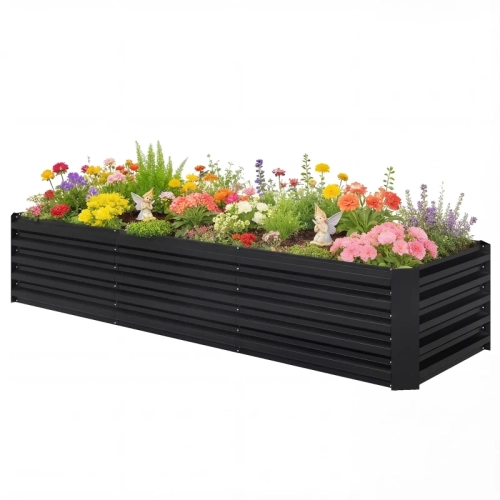
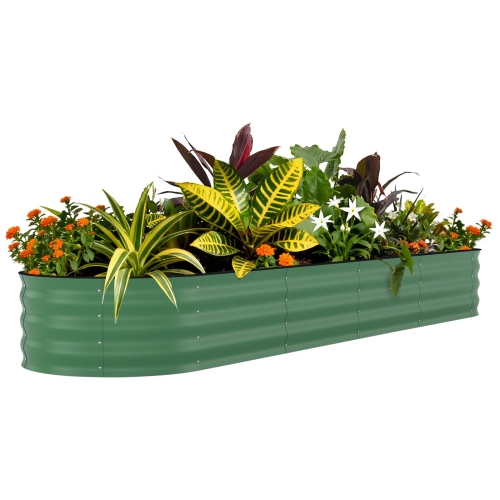
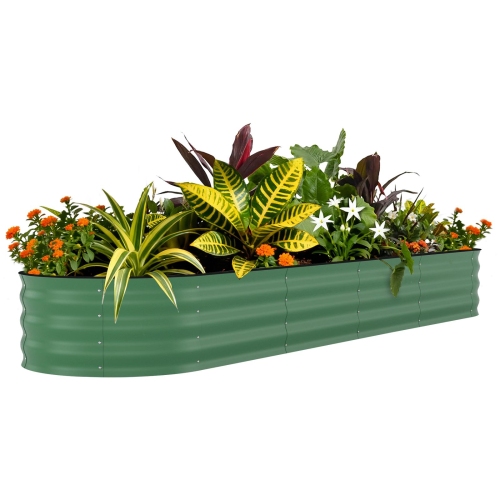
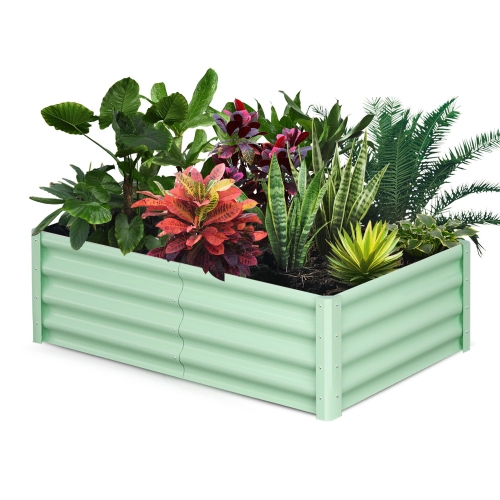
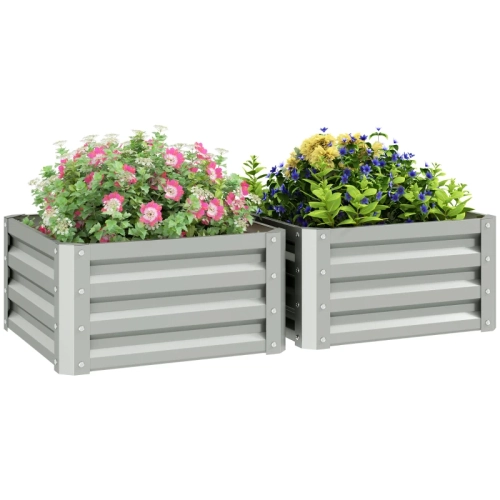
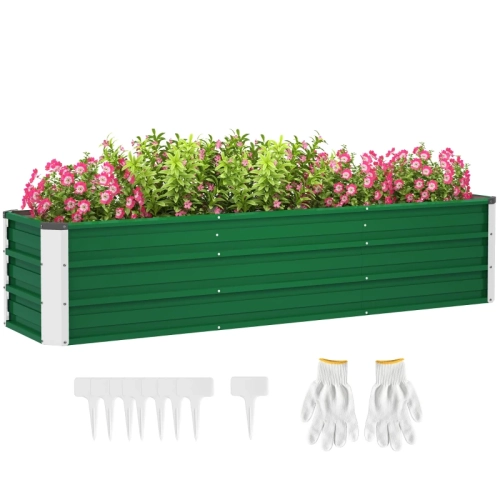
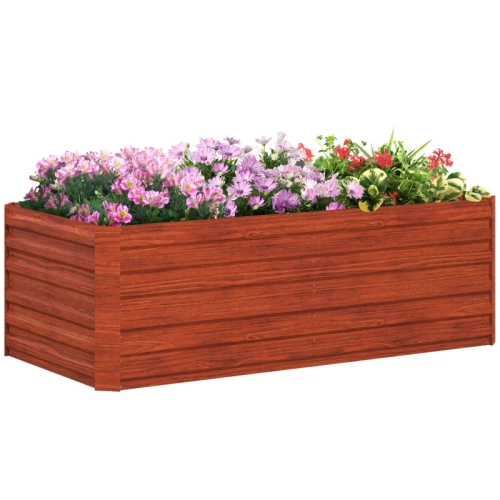
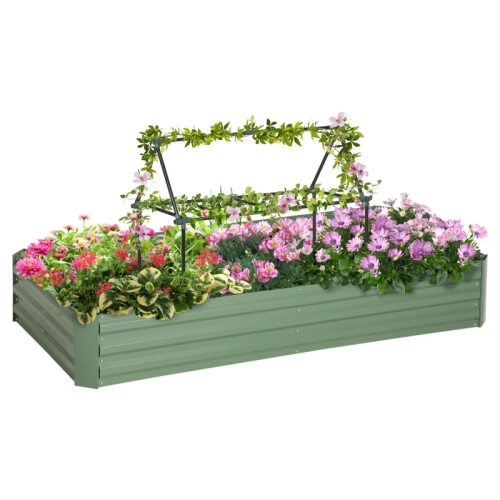
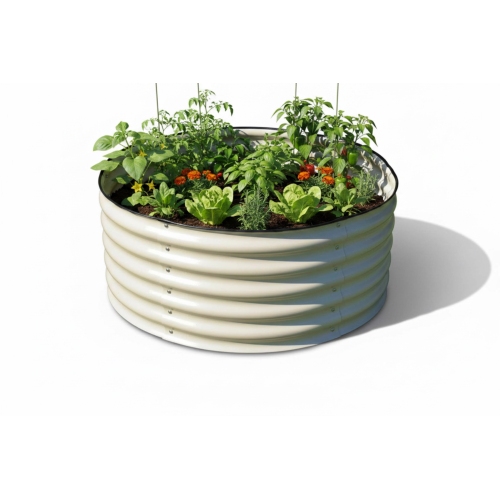
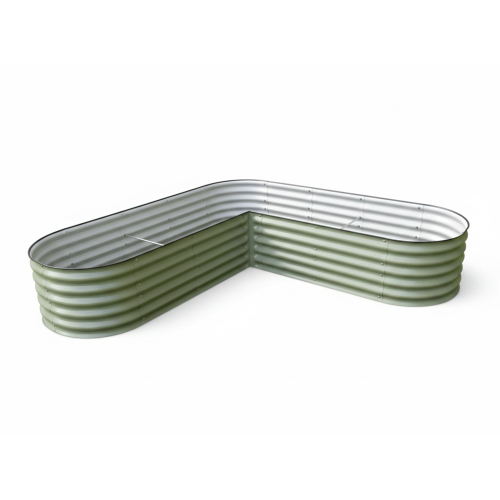
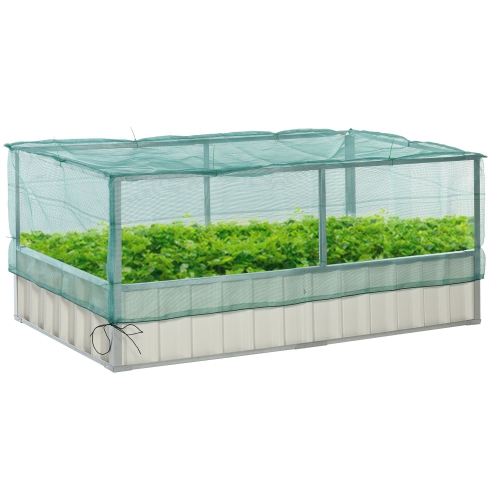
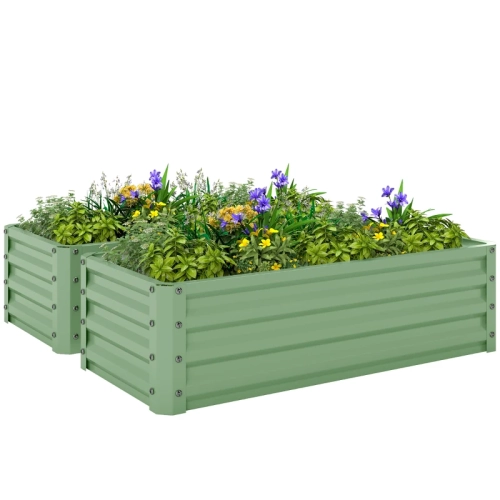
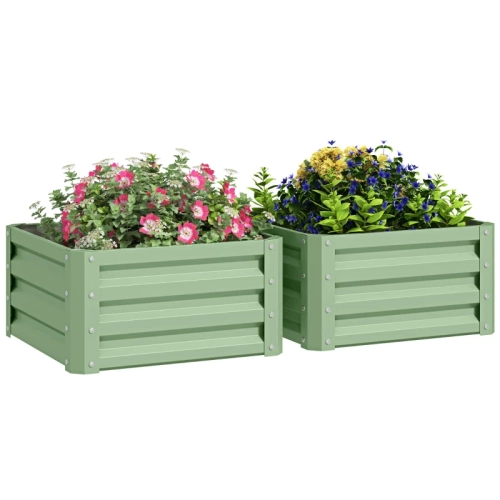
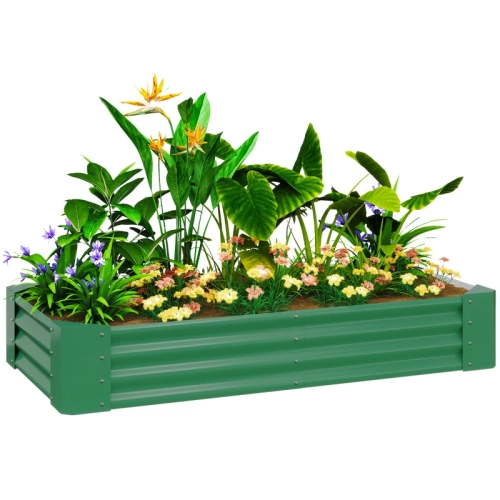
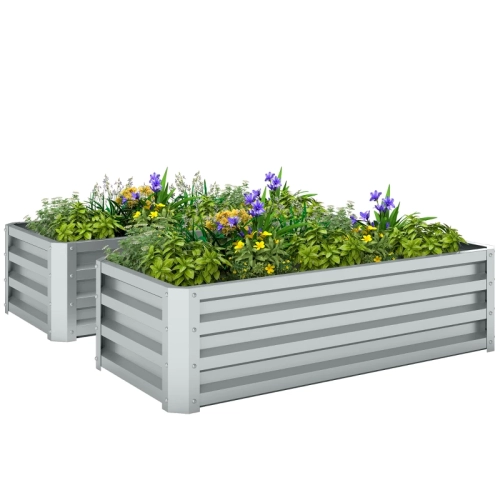
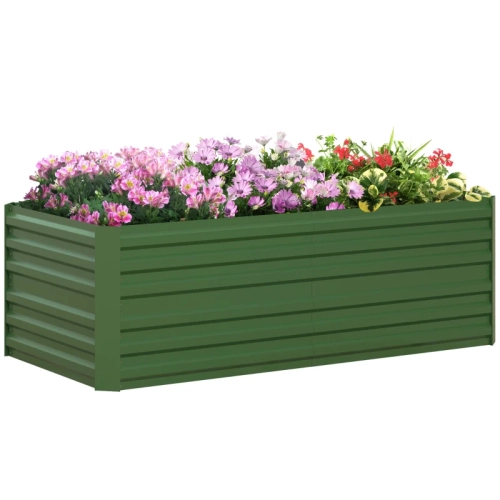
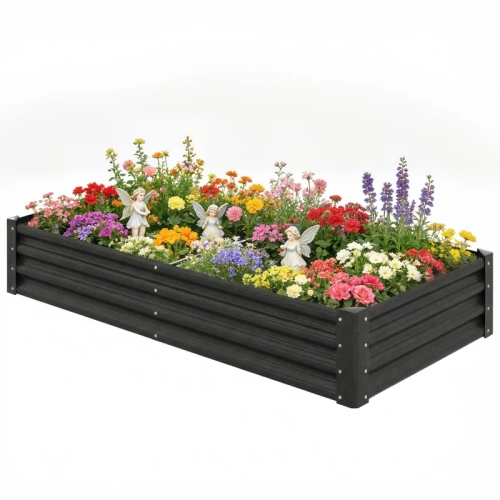
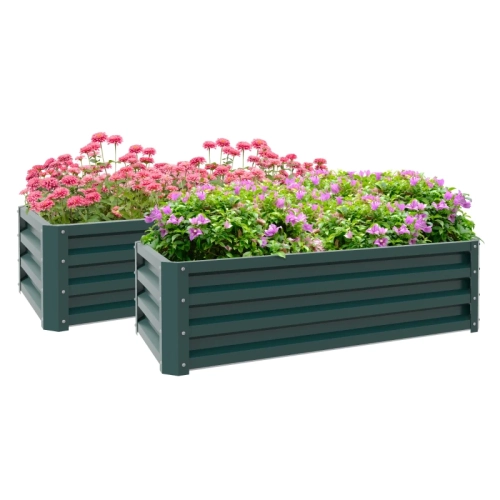
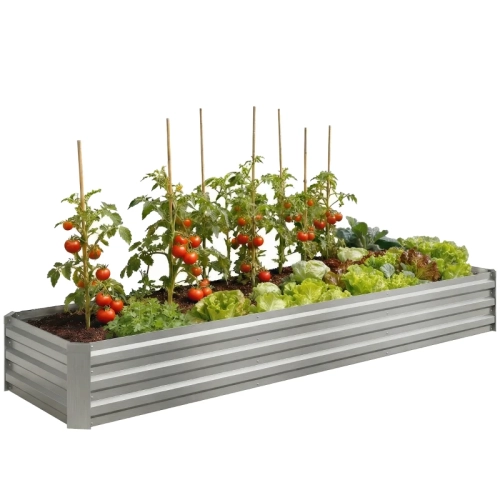
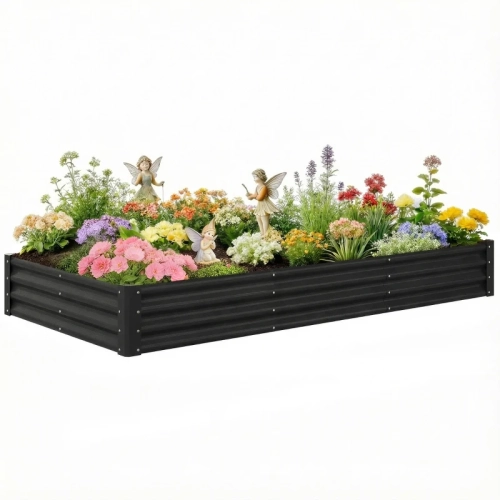
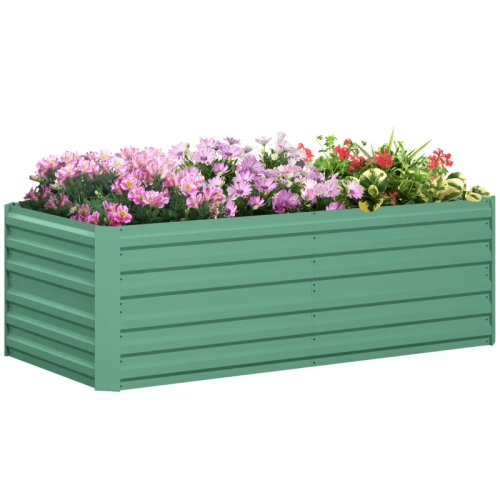
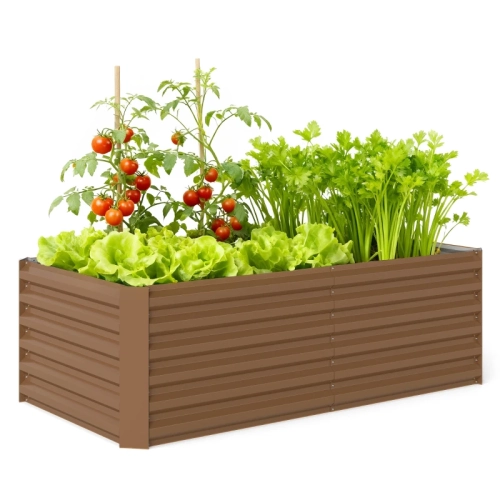
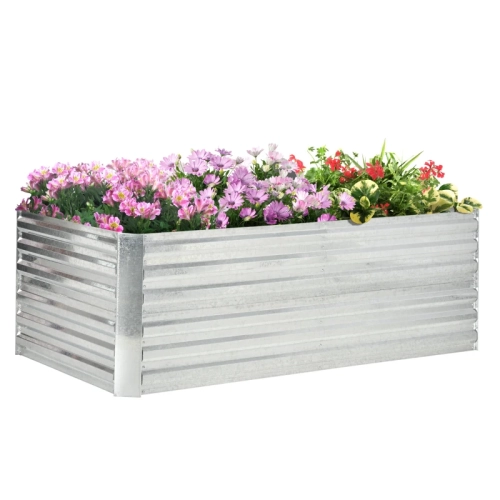
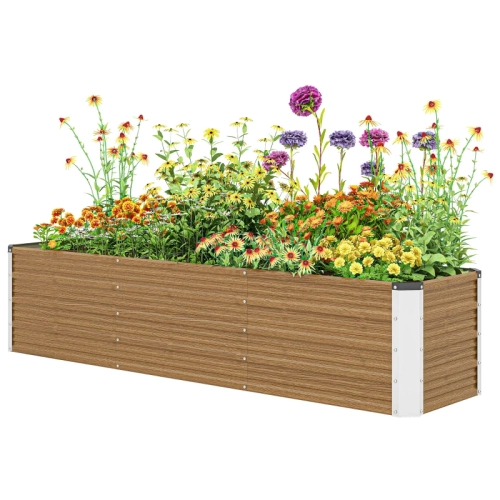
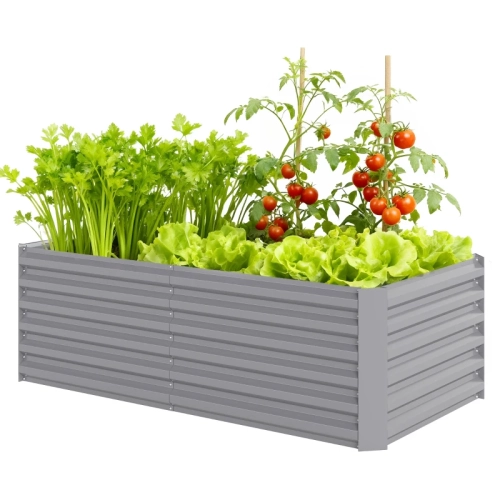
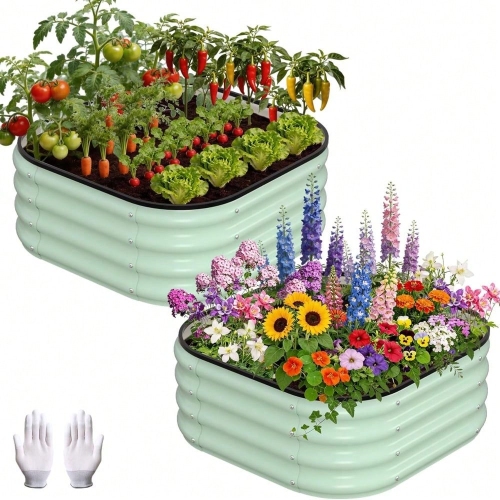
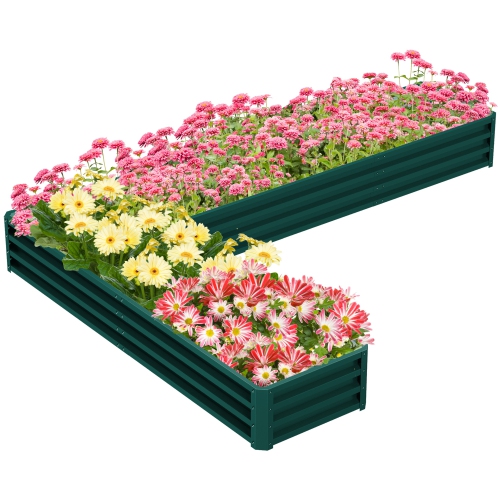
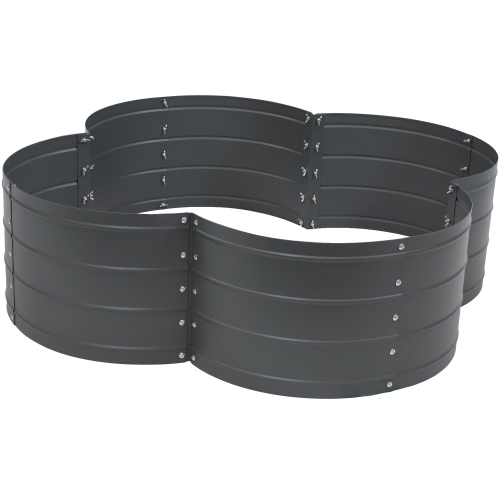
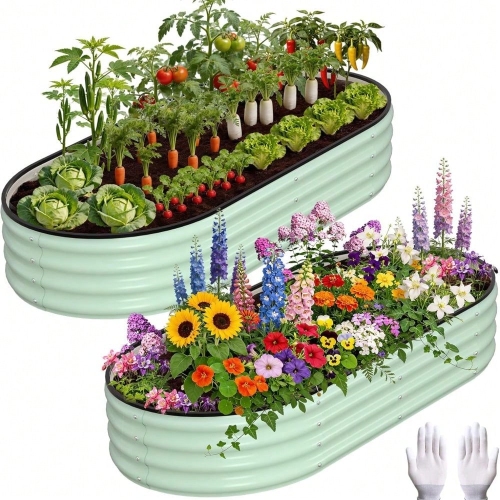
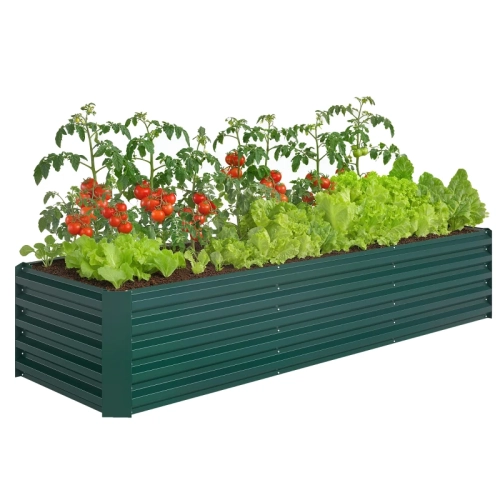
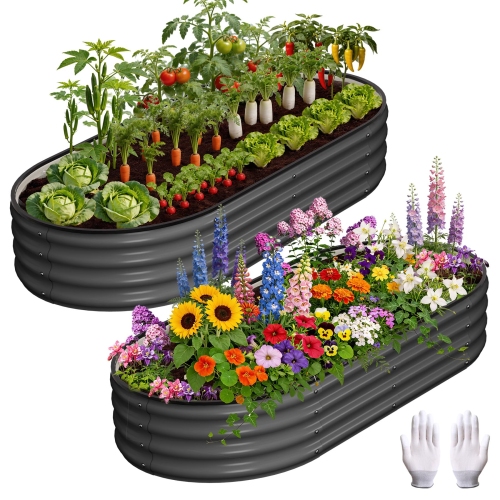
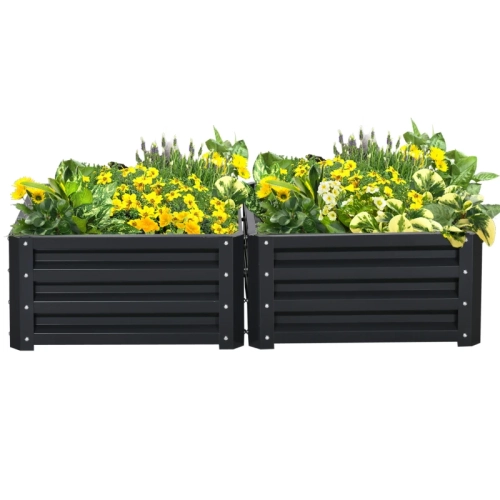
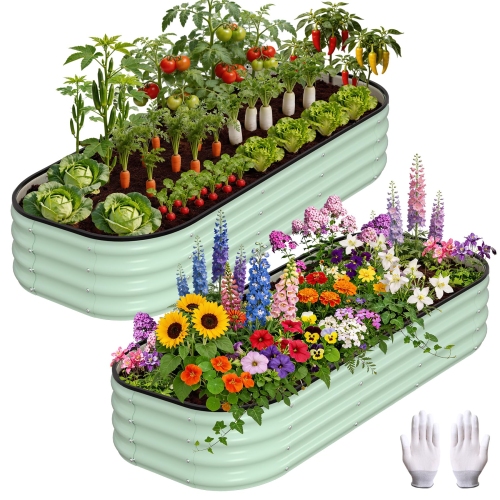
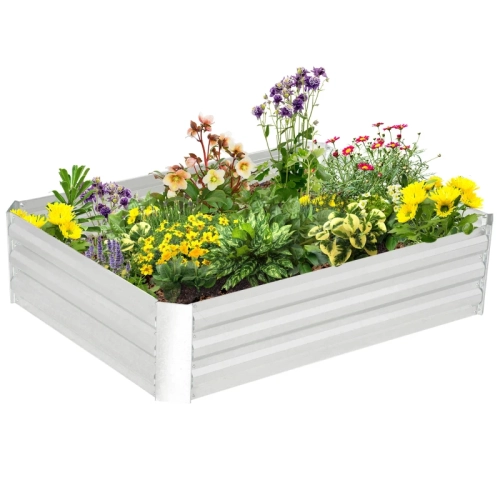
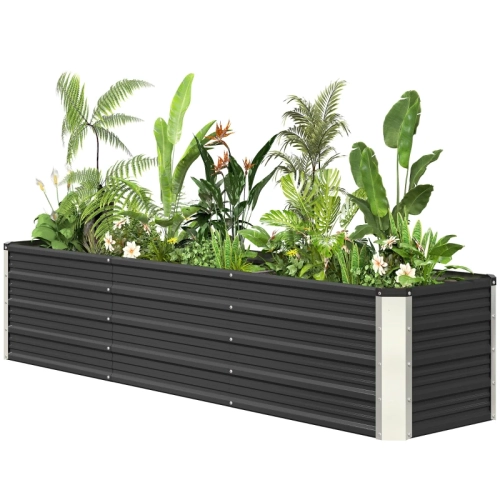
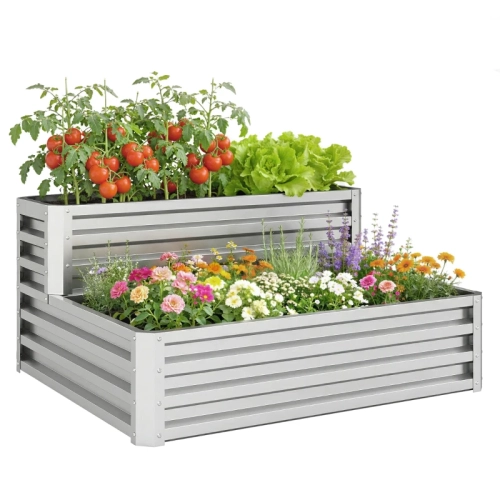
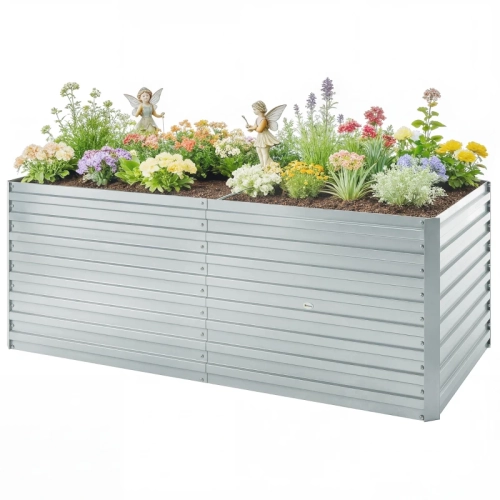
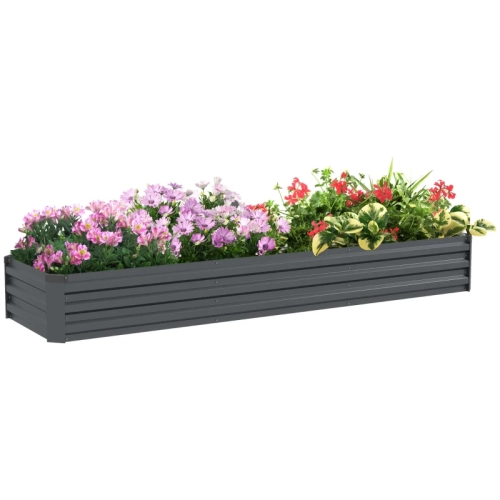
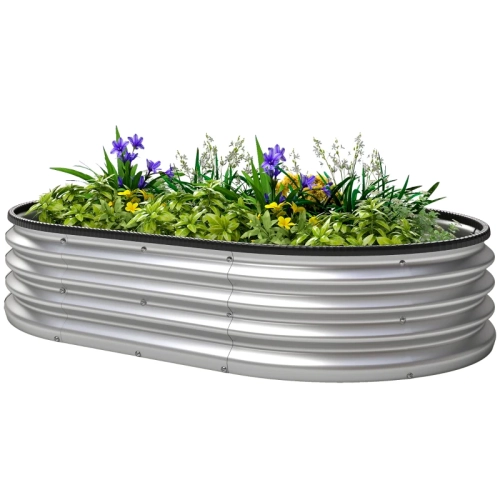
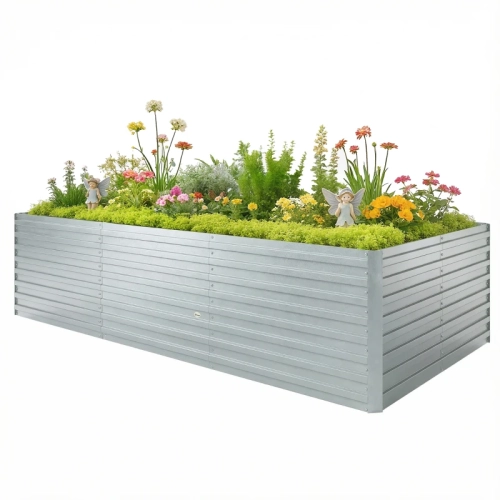
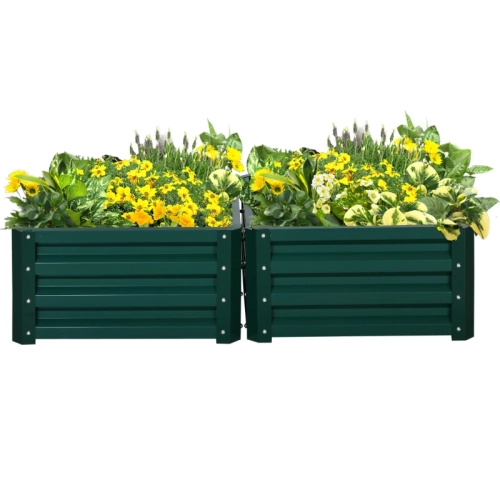
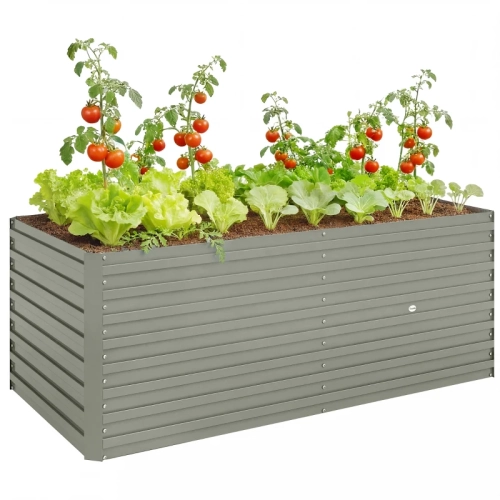
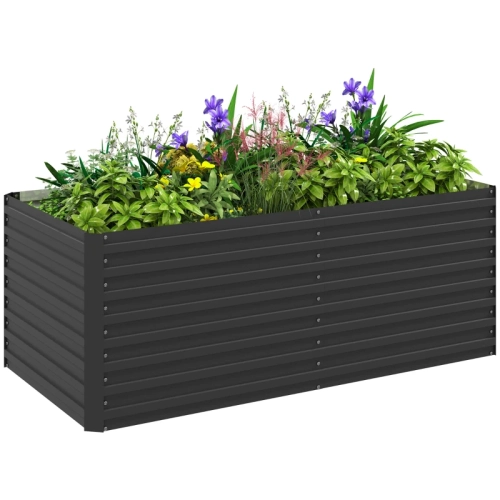
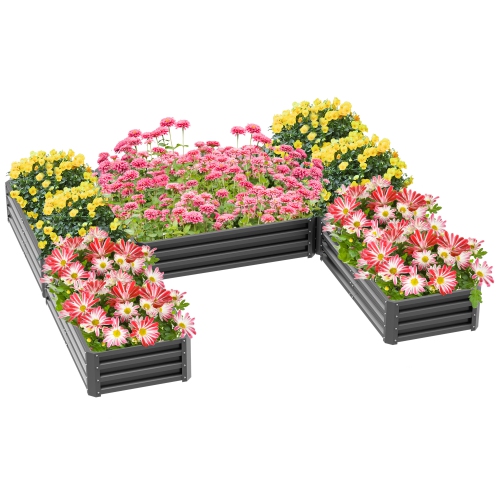
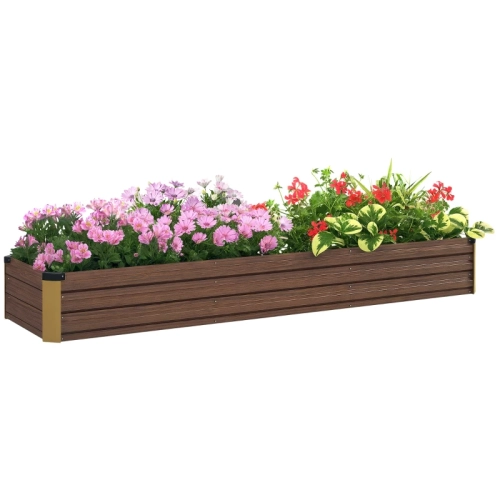
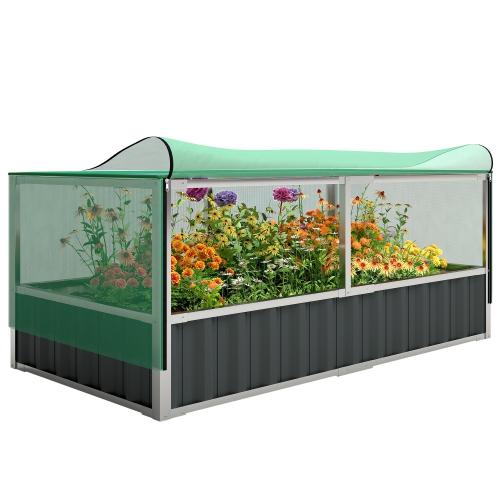
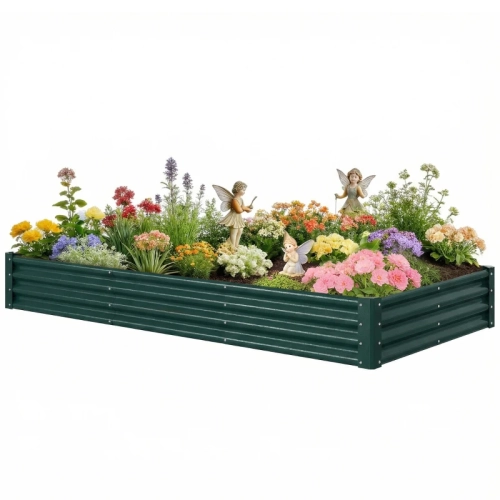
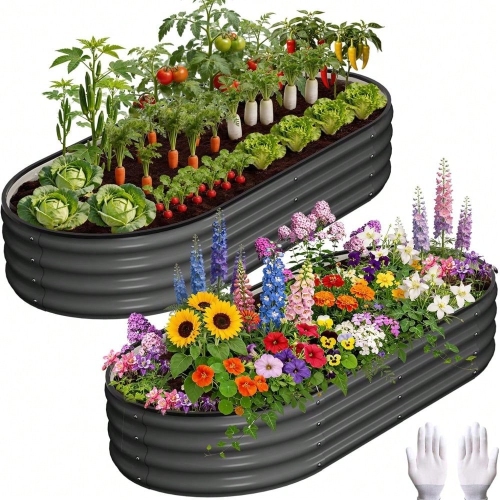
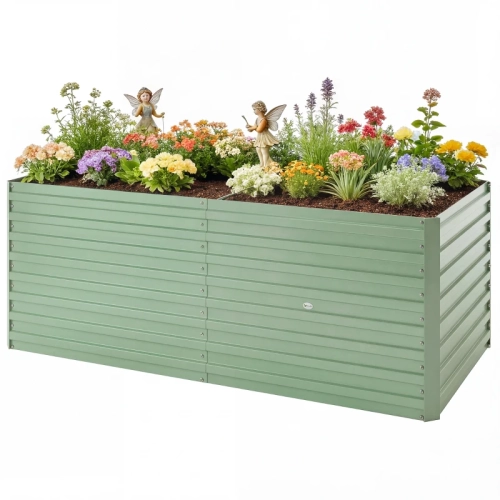
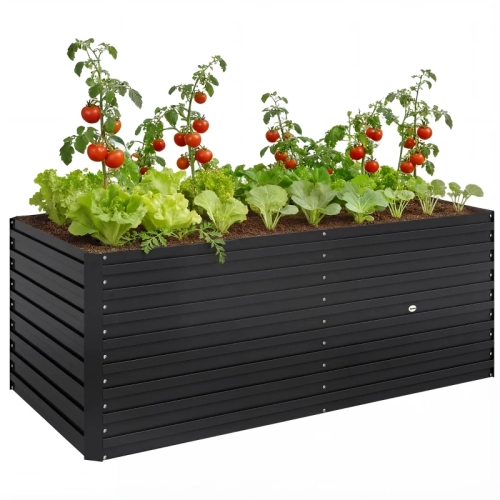
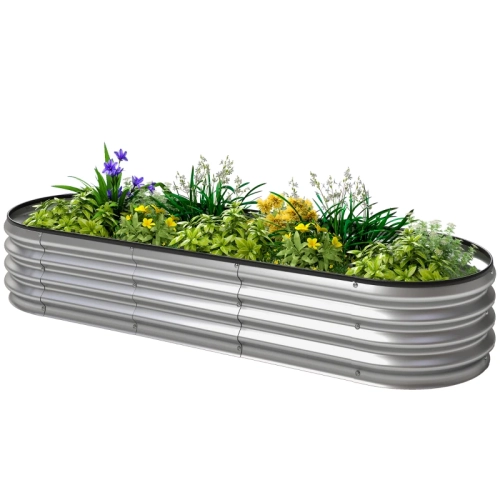
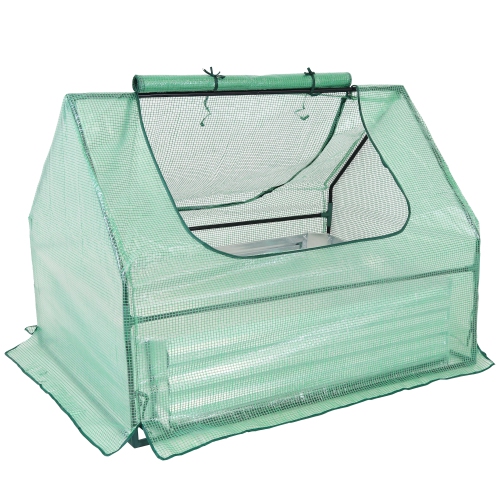
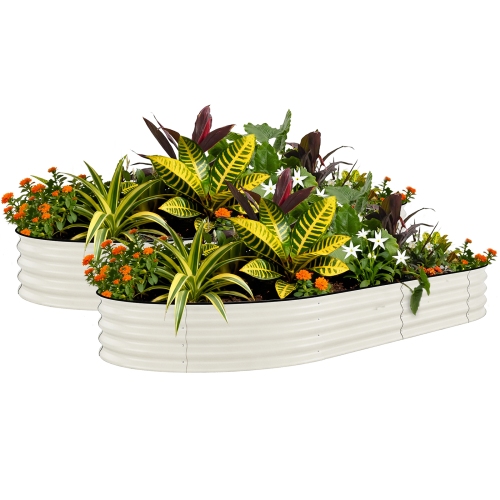
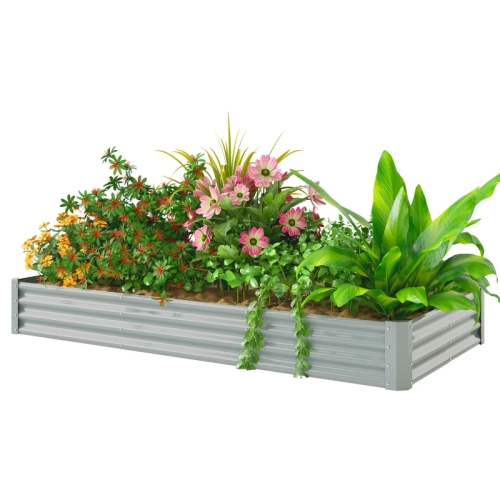
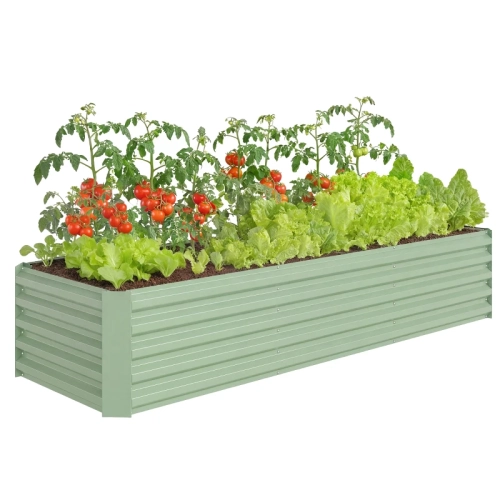
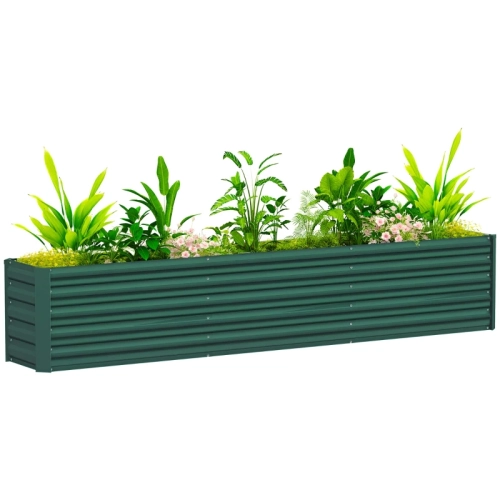
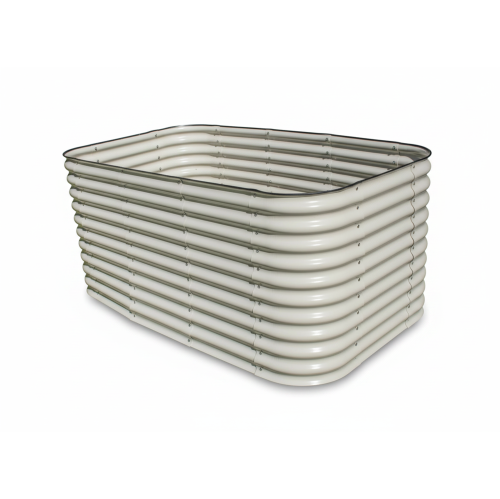
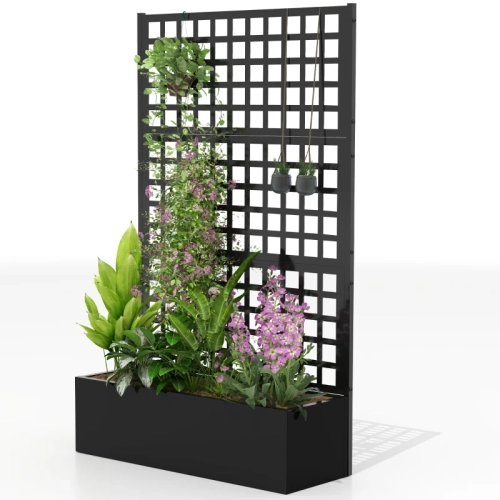
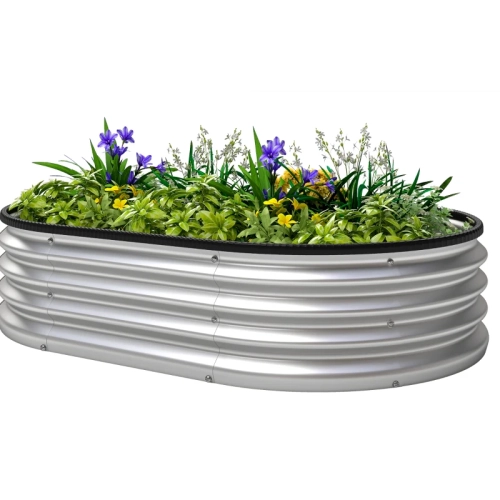
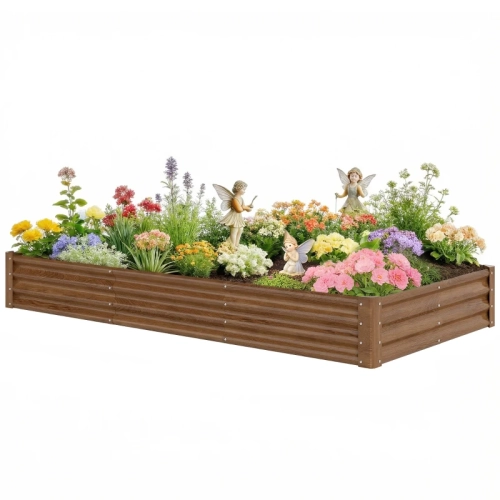
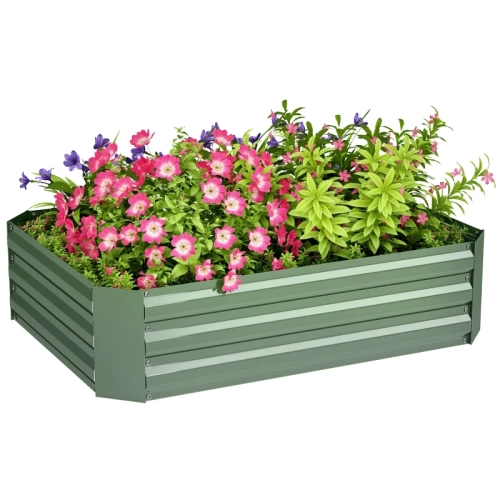
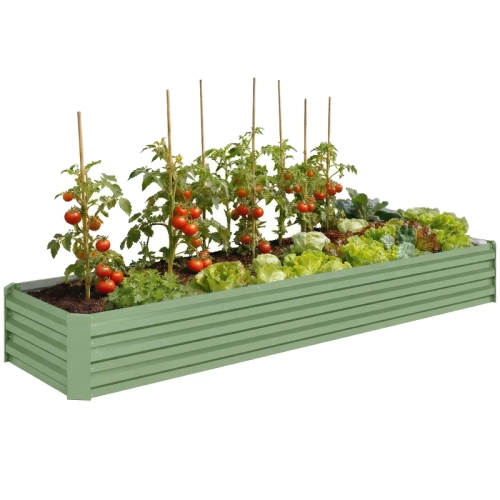
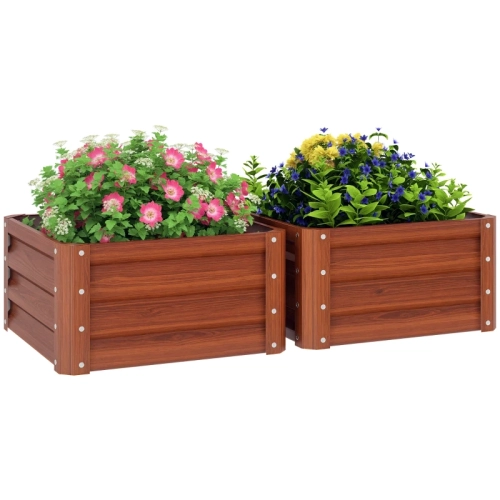
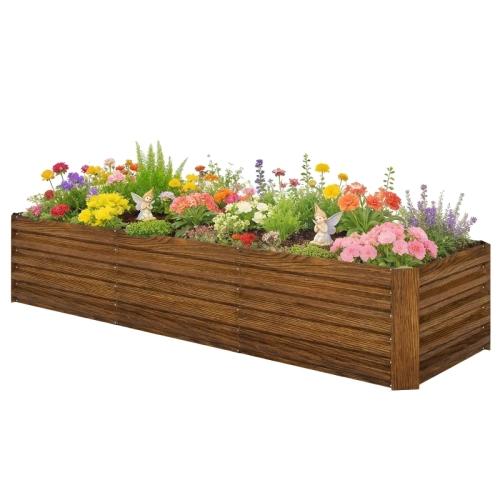
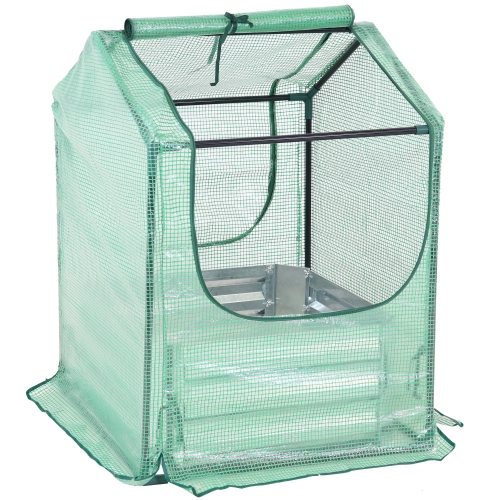
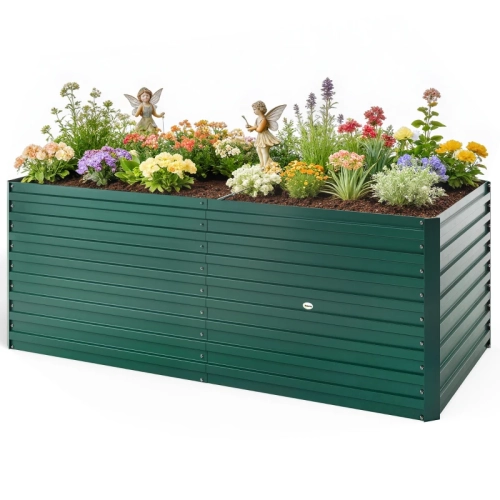
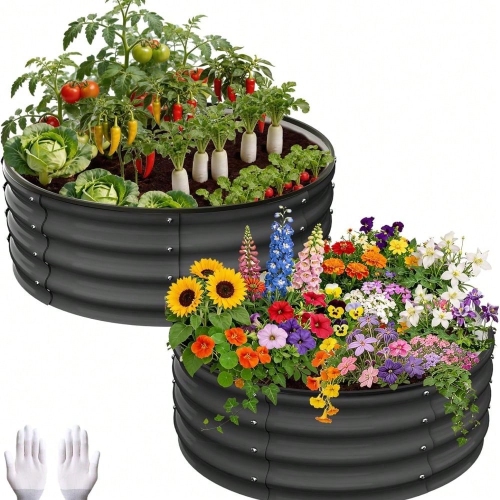
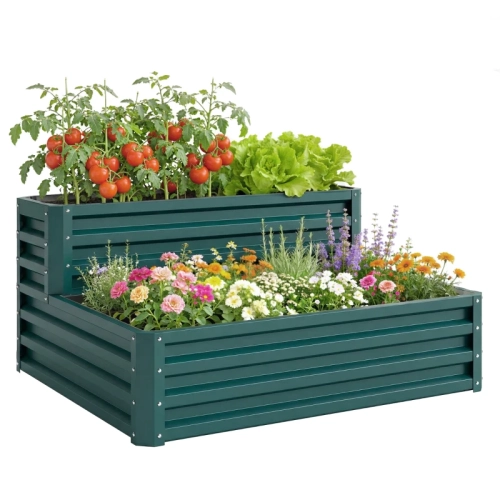
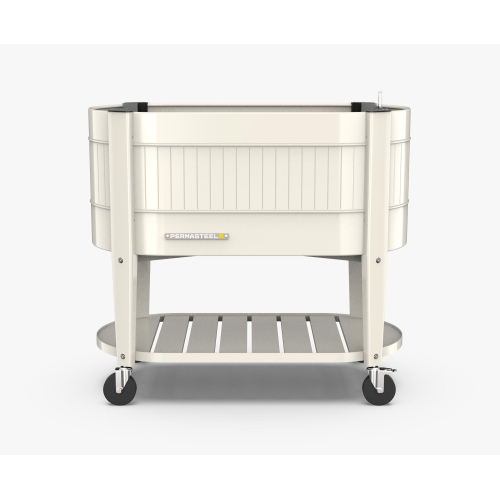
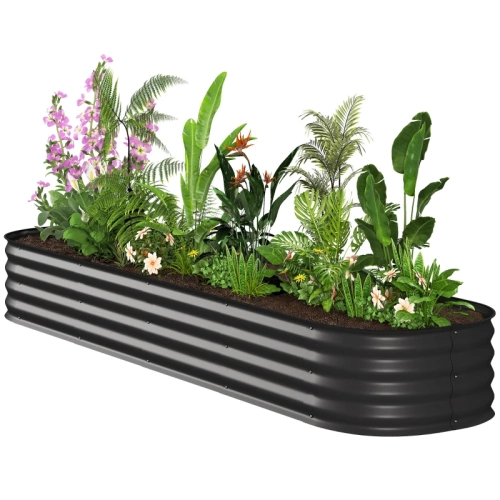
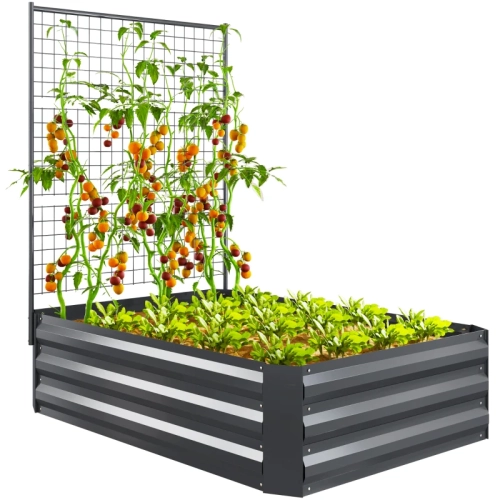
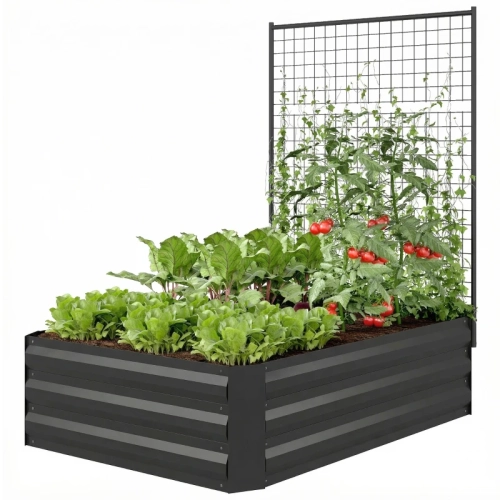
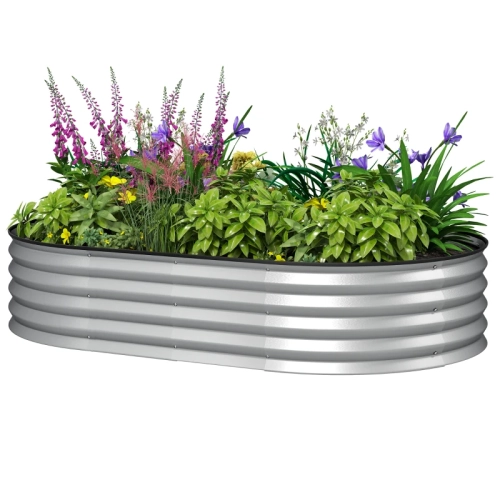
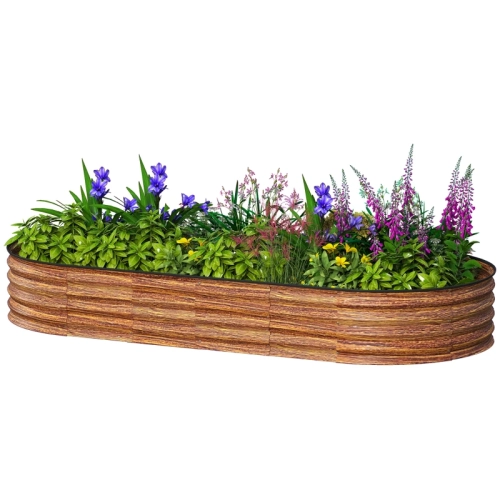
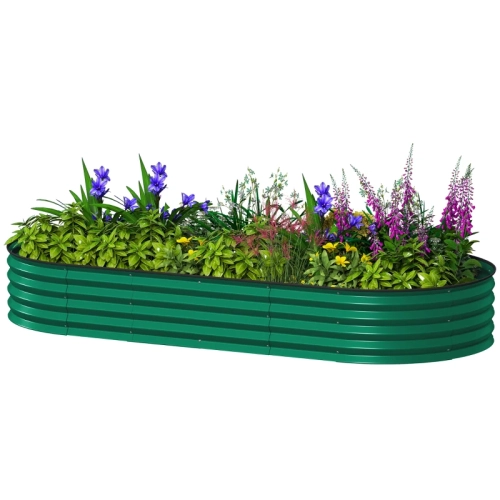
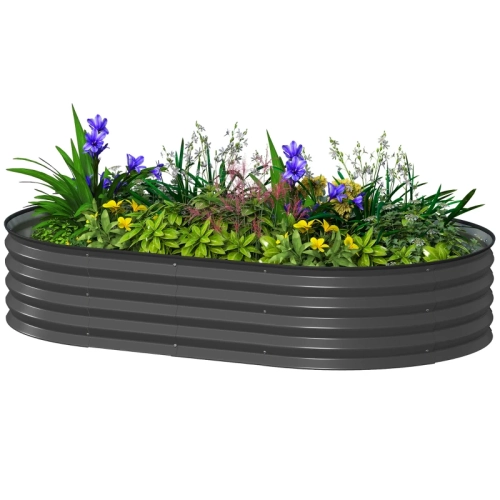
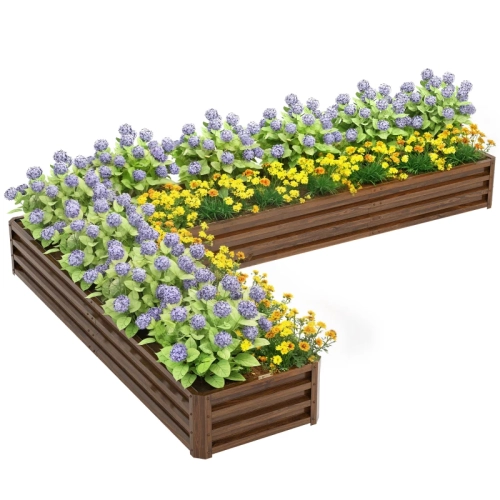
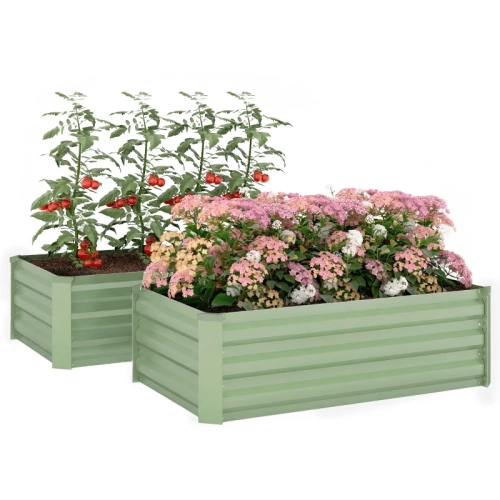
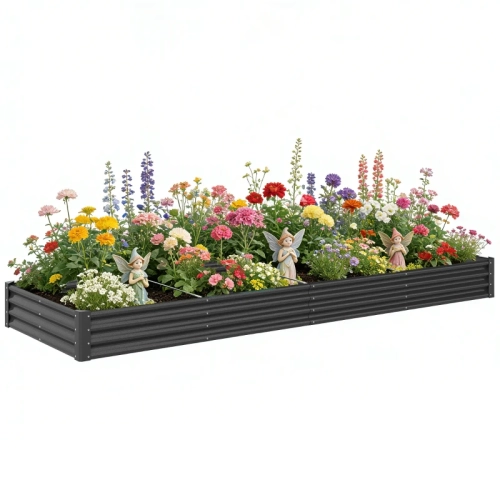
There’s more to raised beds than sturdy walls
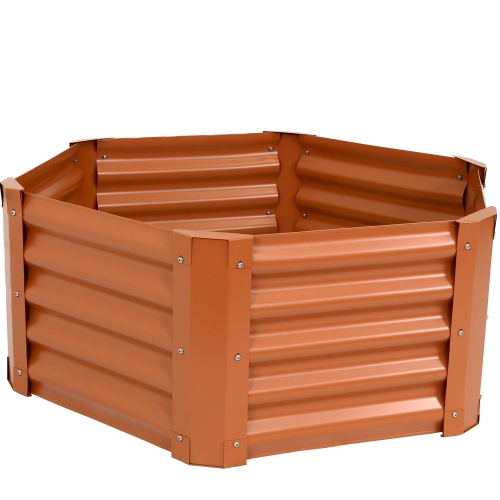
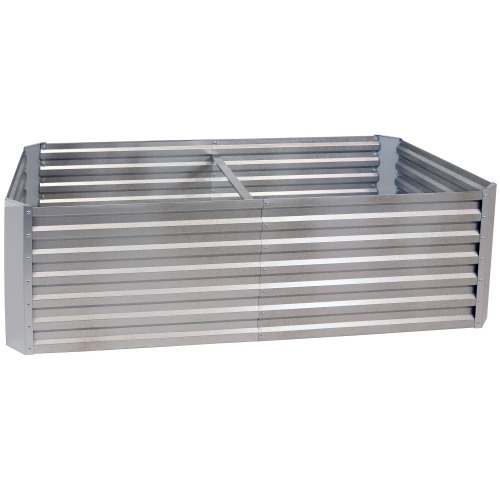
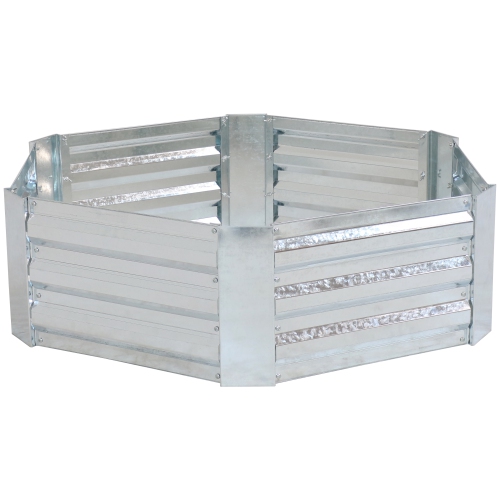
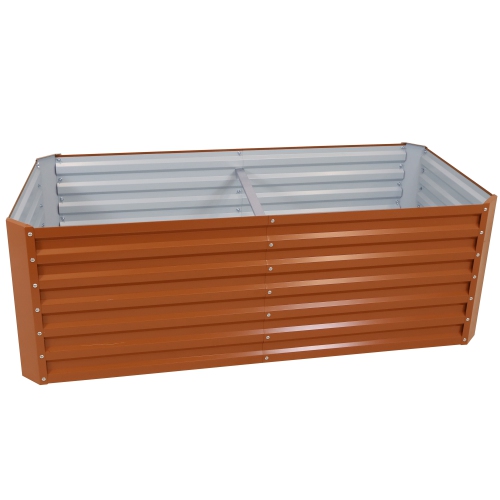
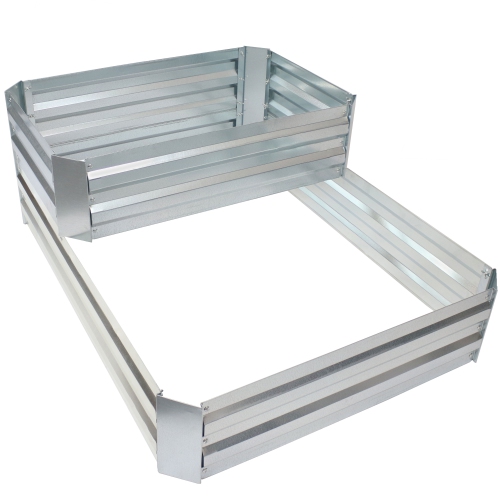
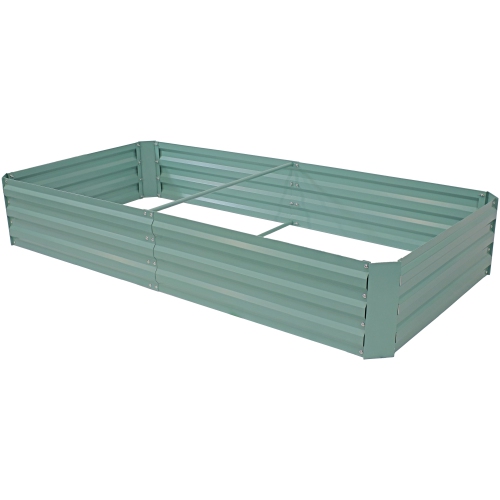
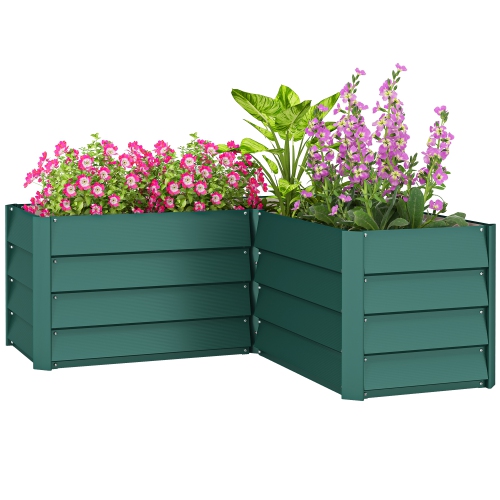
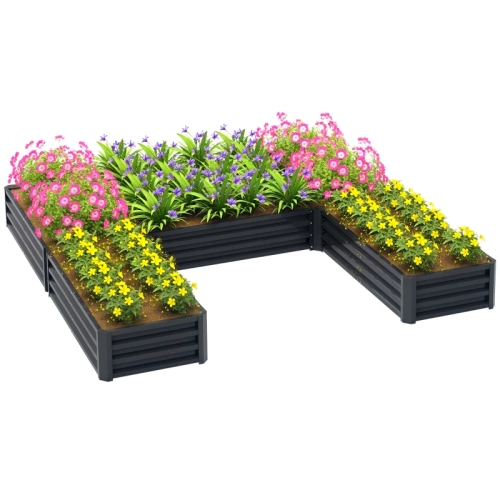
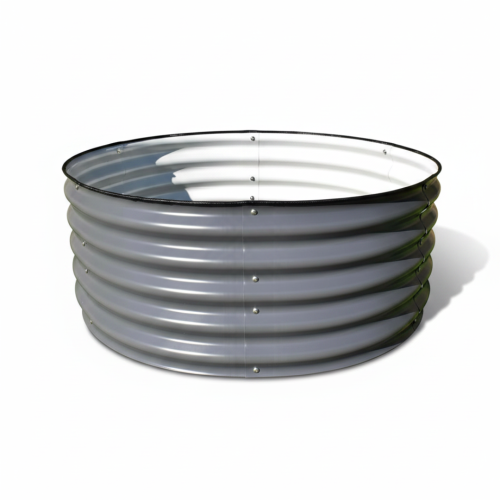
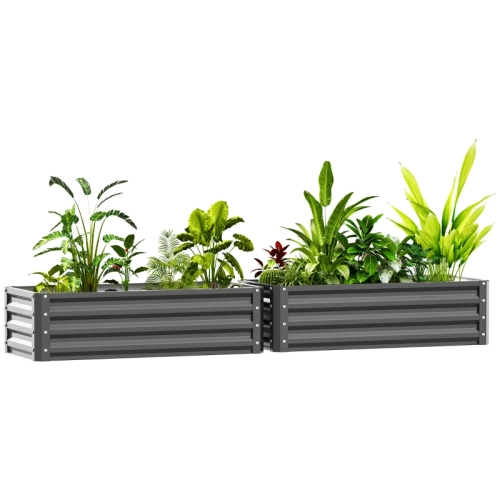
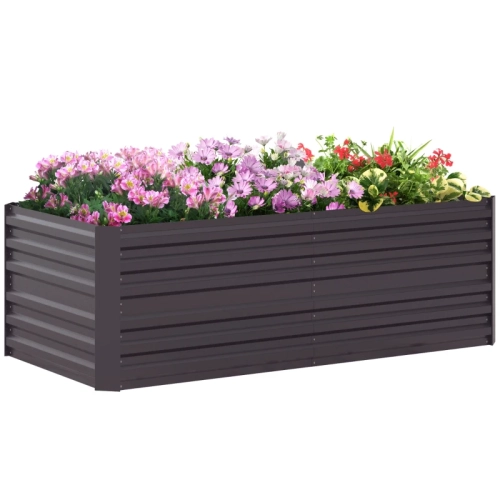
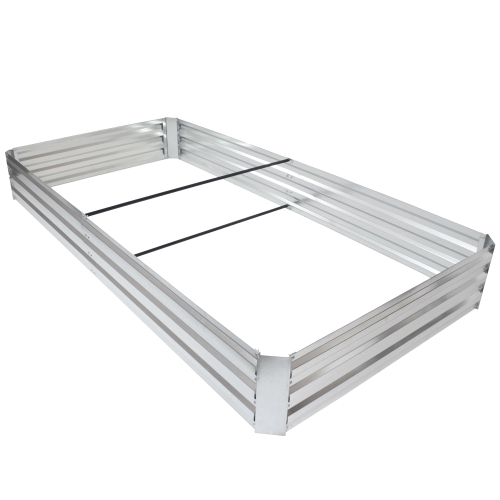
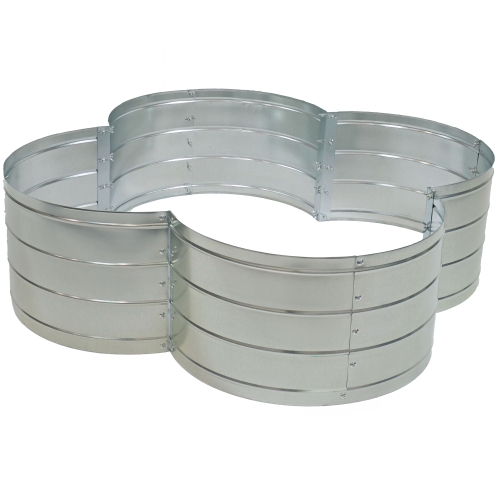
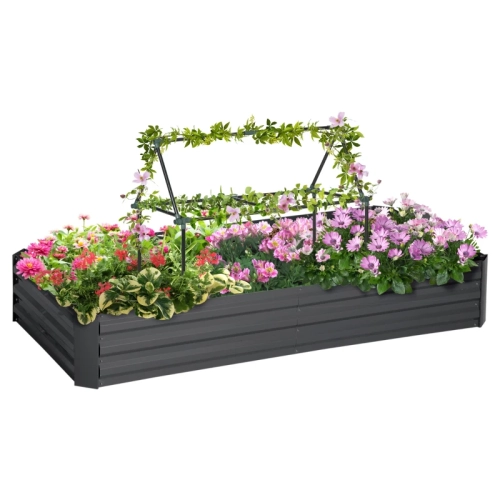
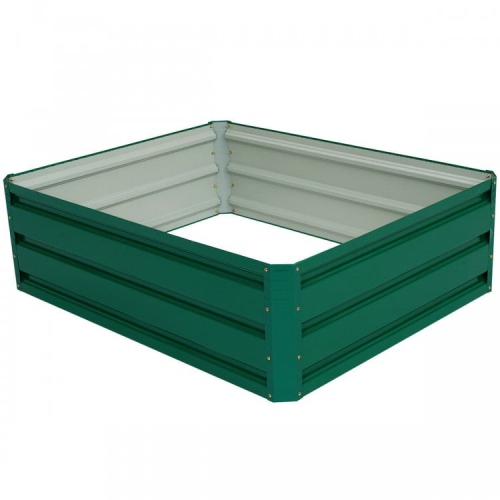
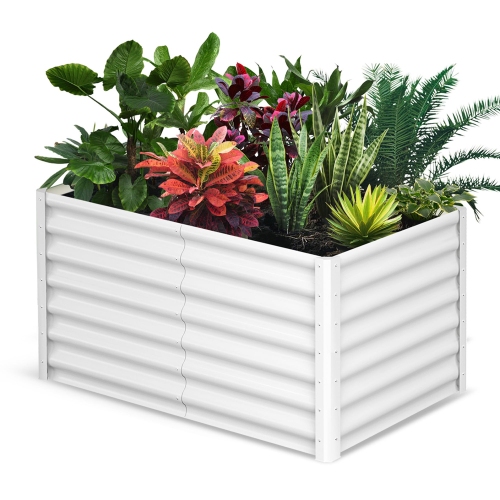
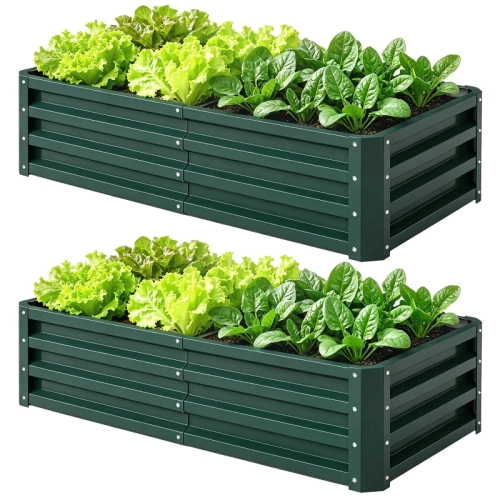
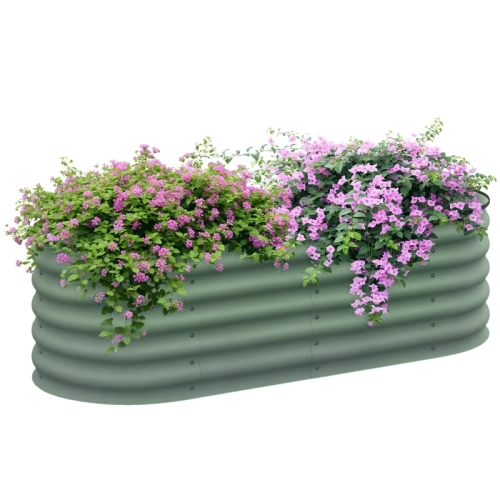
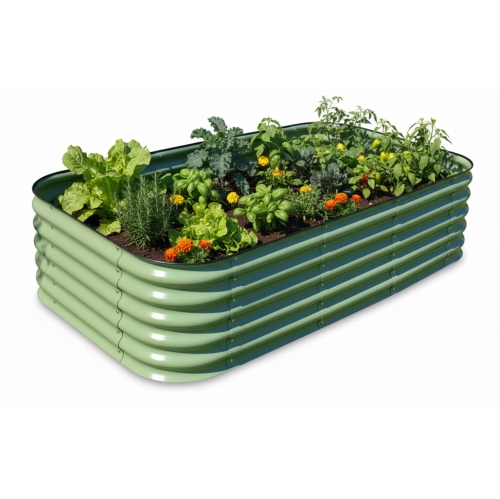
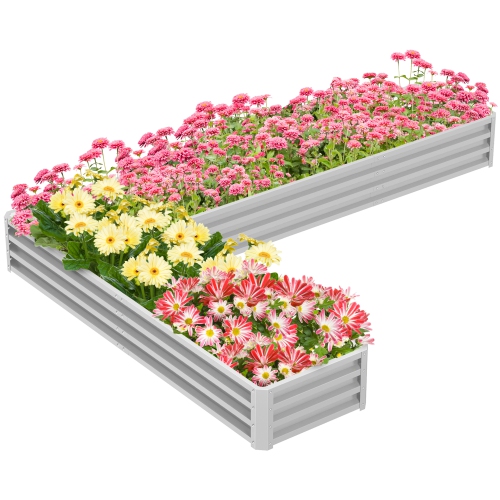
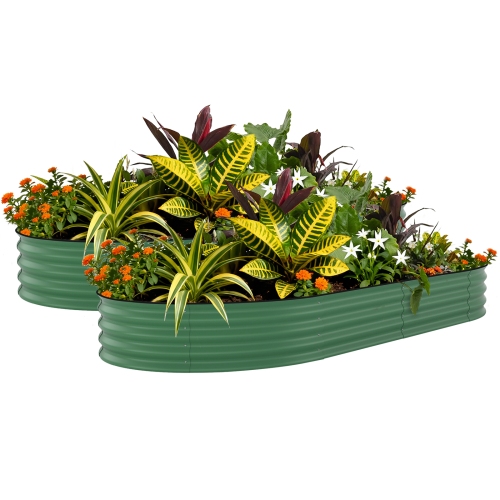
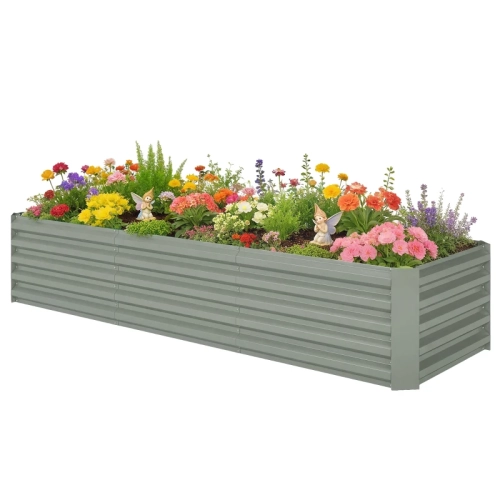
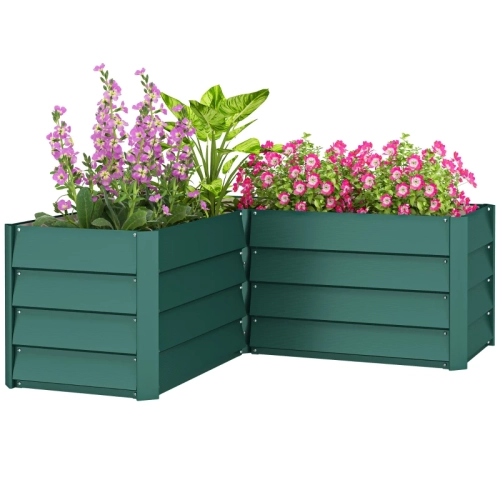
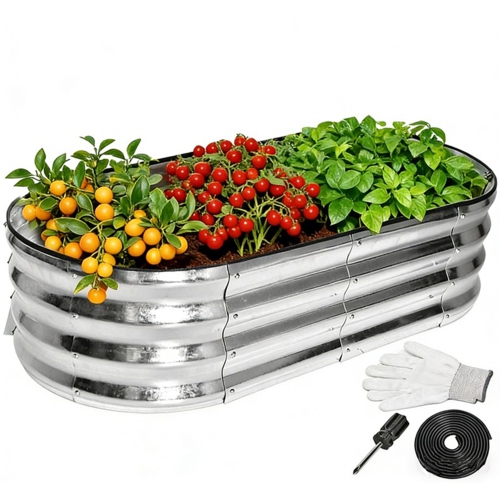
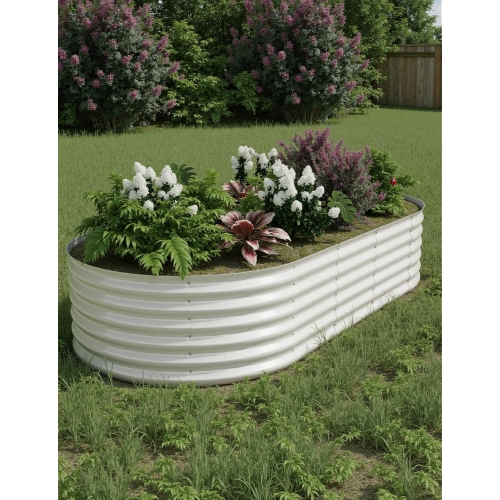
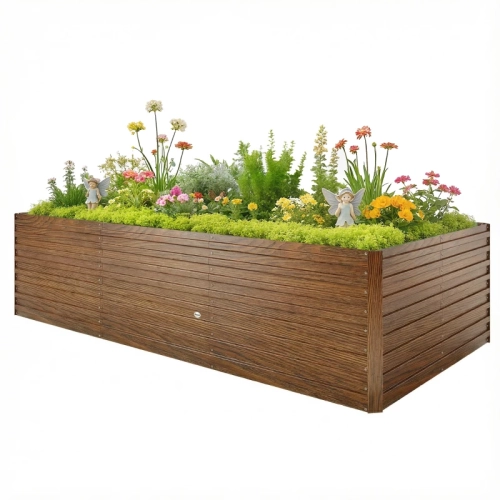
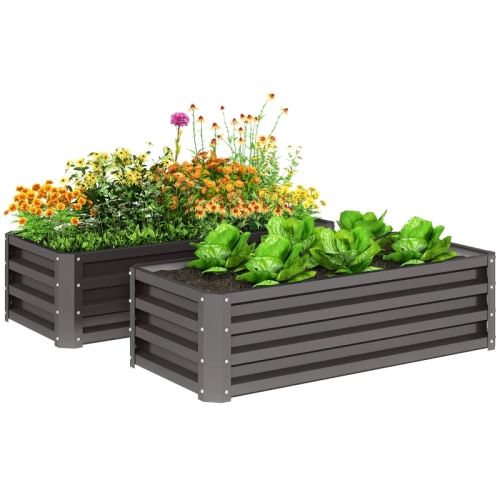
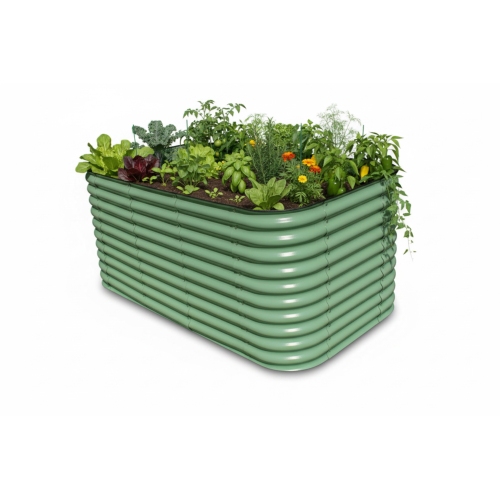
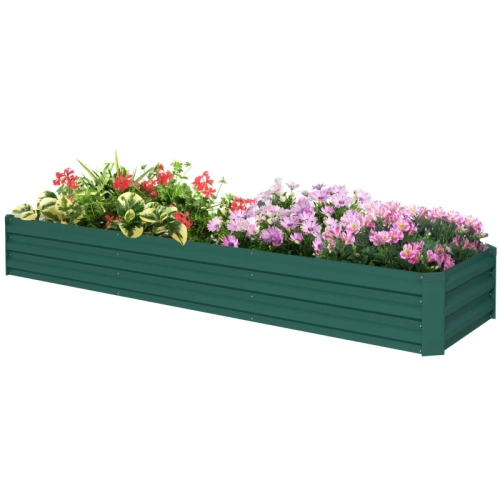
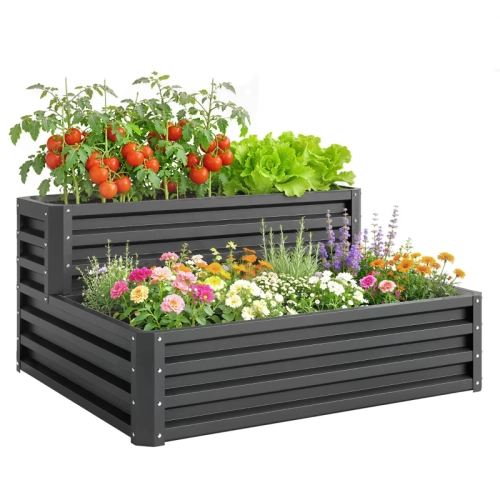
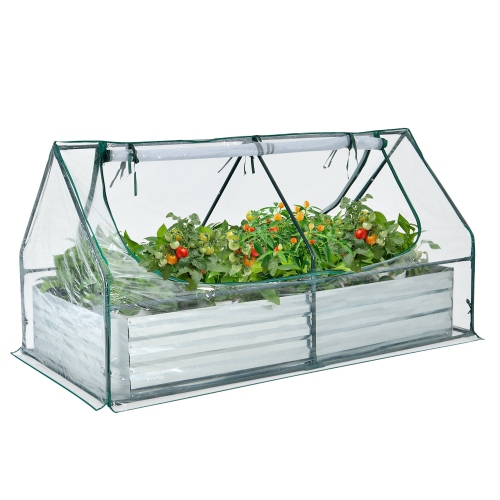
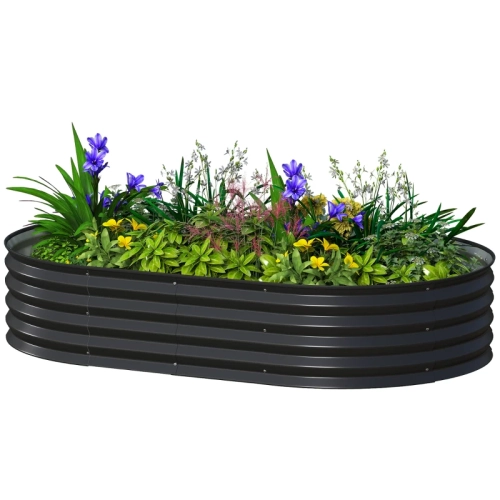
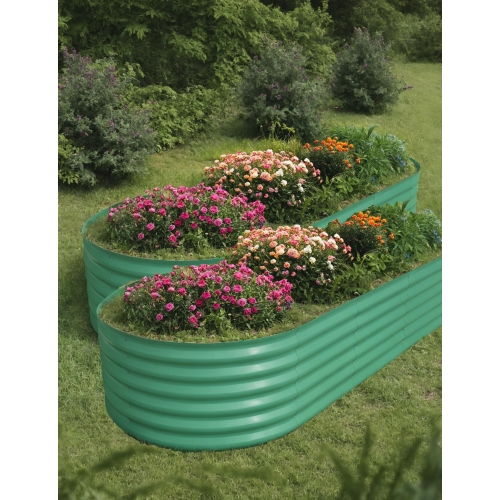
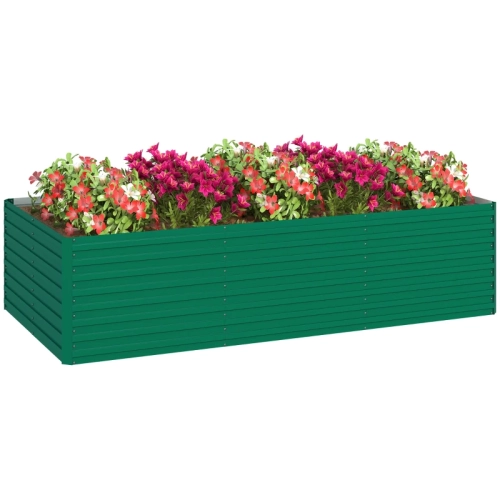
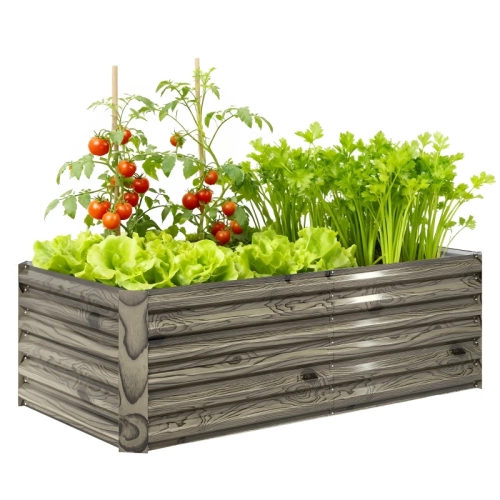
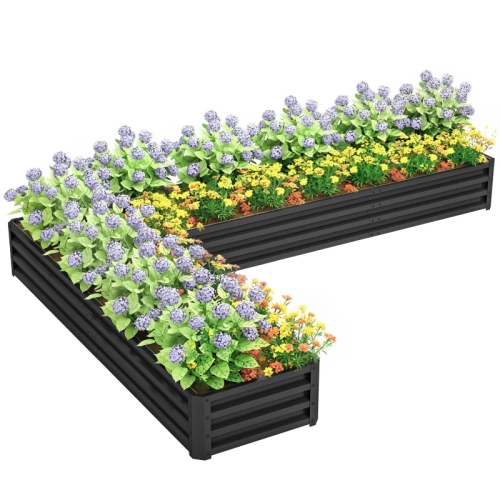
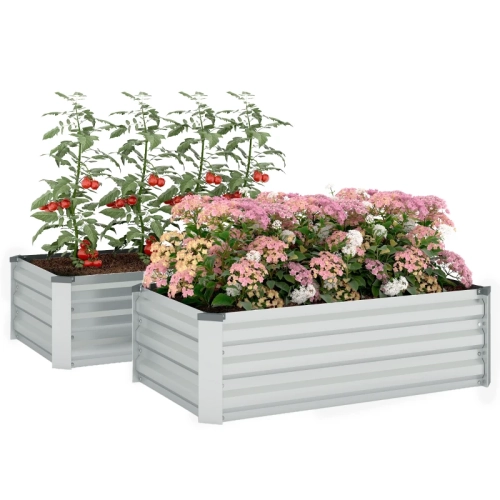
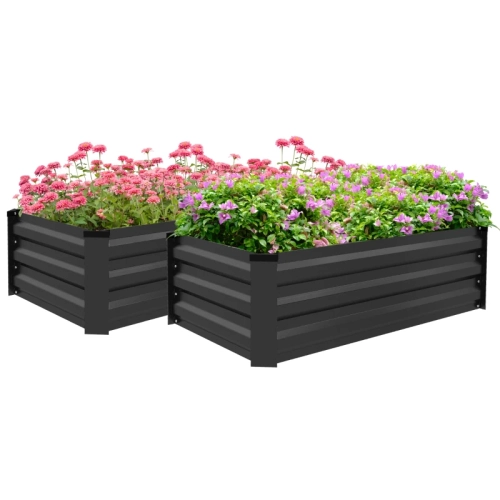
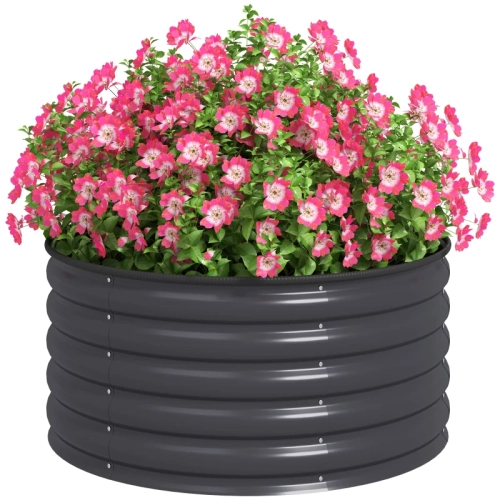
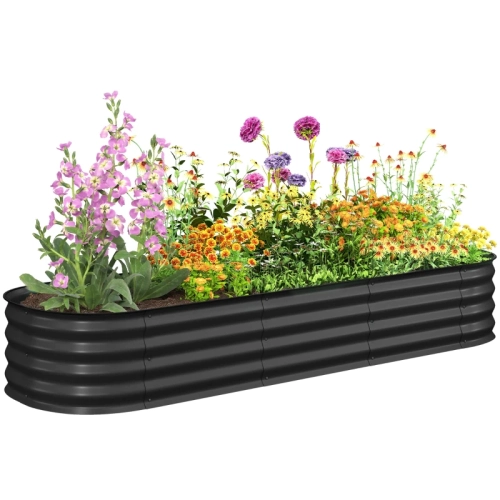
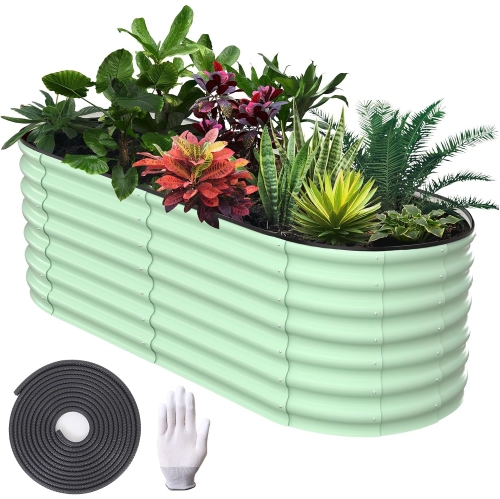
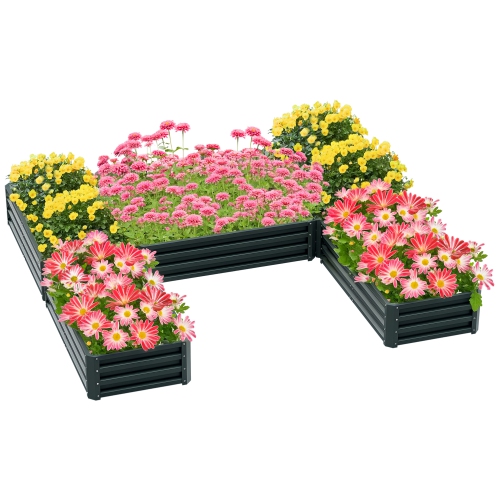
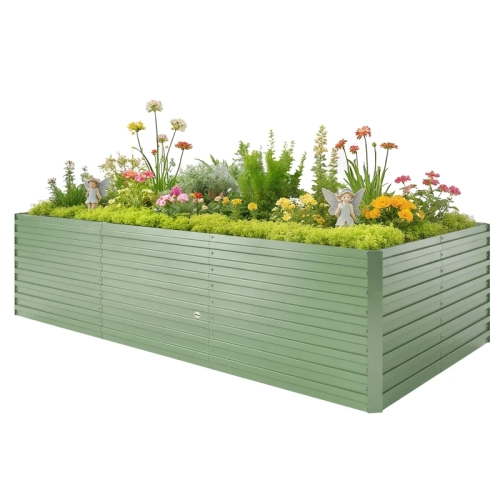
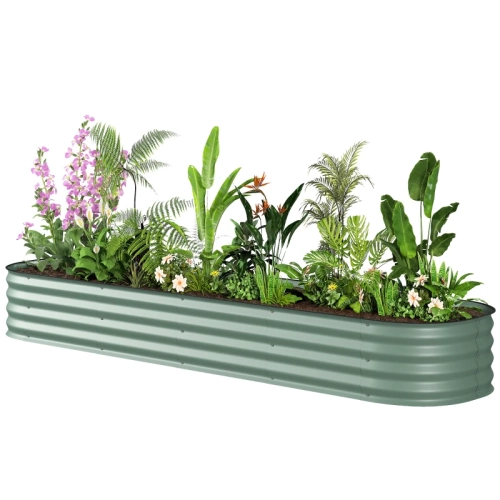
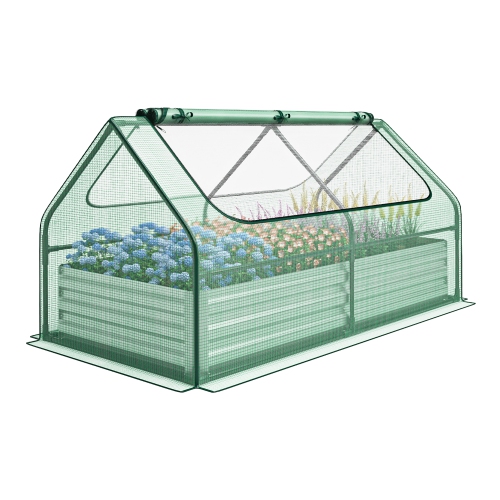
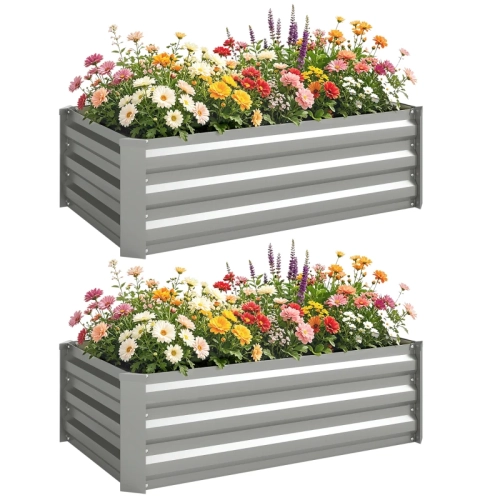
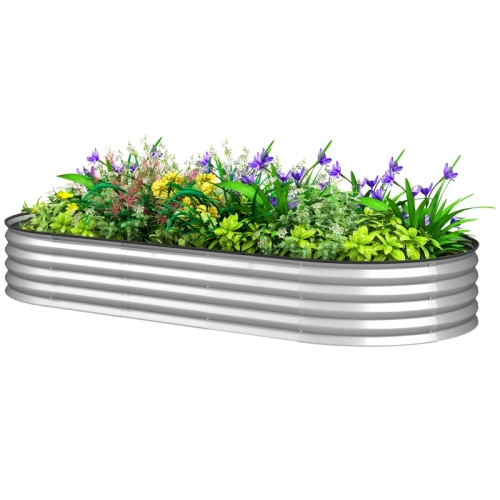
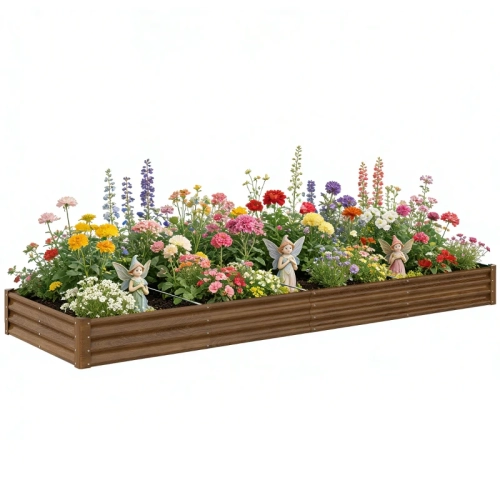
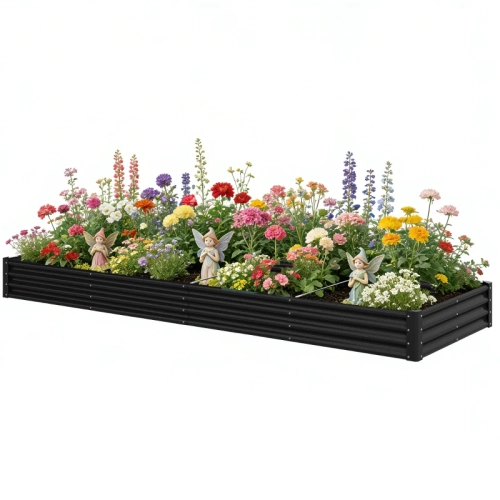
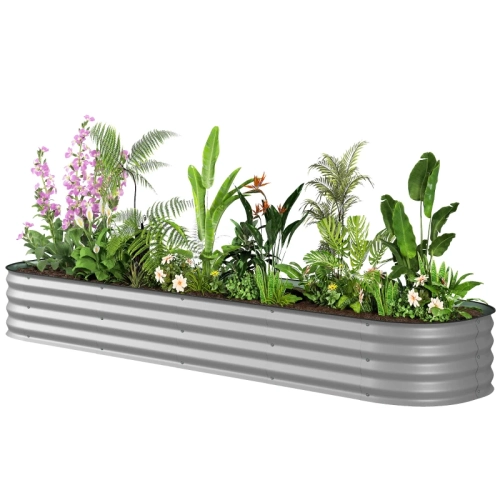
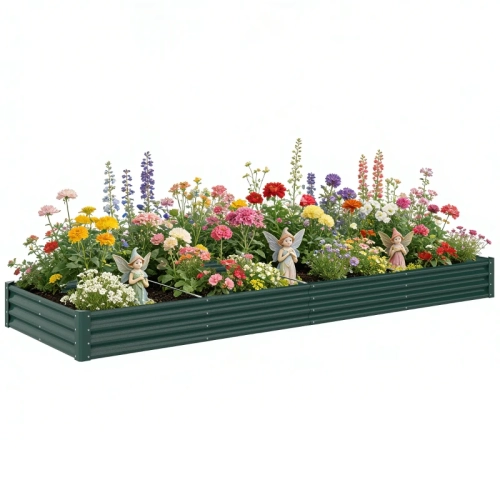
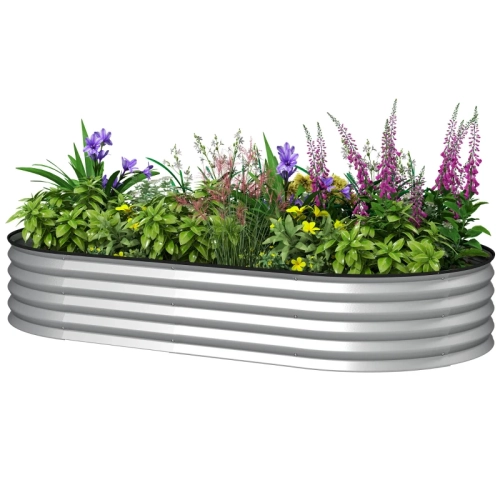
Steel raised beds are garden planting structures with steel walls that hold soil above the surrounding ground, creating a defined space for vegetables, herbs, flowers, and mixed plantings. Their appeal combines a tidy appearance with sturdy construction: steel does not rot like untreated wood, and properly protected panels can provide long service with routine care. Many designs use galvanized steel, which has a zinc coating that helps protect the underlying metal from corrosion. Others include an additional painted or powder-coated finish for colour and surface protection. These treatments improve resistance to moisture, but they do not make every bed completely rustproof, particularly where a protective layer has been scratched or damaged. Construction details matter alongside the material itself. Corrugated panels add rigidity, while reinforced corners, secure fasteners, and internal supports can help the walls resist pressure from soil. A rolled rim or protective edging provides a smoother contact surface around the top, an important detail where hands and forearms frequently rest during planting and harvesting. Steel beds can suit both crisp, geometric garden layouts and more relaxed spaces where flowers spill over the edges. Rectangular shapes make efficient use of straight borders, while round and oval forms soften the appearance of a patio-side planting area or a garden corner. Neutral finishes can sit quietly beside stone paths and fencing, while coloured panels add a more noticeable design feature. Compared with a border planted directly into the ground, a raised bed provides a clearer separation between growing space and walking space, helping keep feet away from plant roots. It also makes it easier to introduce a suitable soil blend where the existing ground is compacted or difficult to work. The result is a contained planting area with a distinct footprint, rather than a guarantee of effortless gardening; healthy growth still depends on appropriate light, soil, drainage, and care.
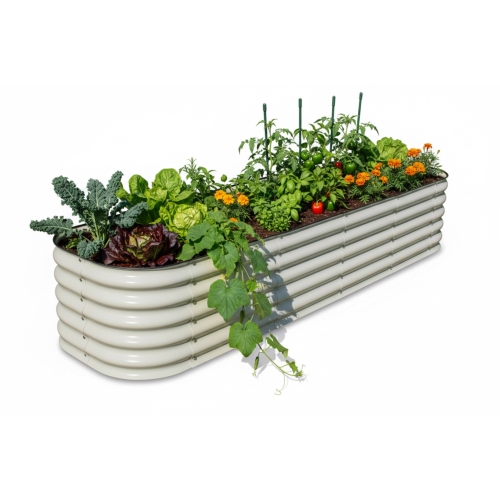
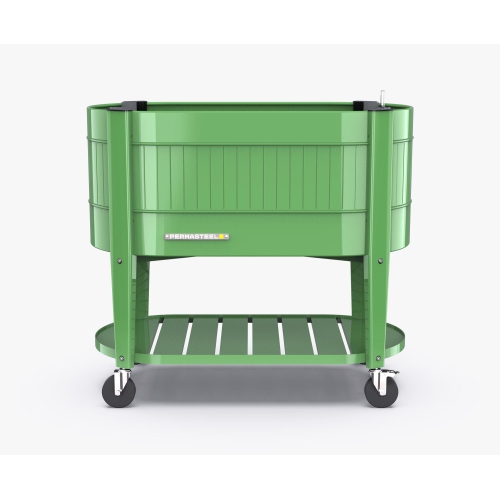
The right fit involves more than finding a shape that looks good in the yard. Overall length and width determine how a steel raised bed sits within a space, but usable planting depth, access from each side, and the route around it influence everyday comfort. A bed against a fence generally needs a narrower planting area than one accessible from both sides, since reaching the centre should not require stepping onto the soil. Space between beds also matters when carrying a watering can, kneeling beside a row of seedlings, or moving a garden cart. Taller walls can reduce how far someone needs to bend, although a comfortable working height depends on the gardener and the tasks involved. Gardeners considering Deep Metal Raised Garden Beds may be looking for additional rooting space, a higher planting surface, or greater separation from the ground below. Depth should match the intended planting: shallow-rooted greens and many herbs have different needs from long-rooted vegetables or substantial perennial plantings. Extra depth also increases the amount of soil required and the weight of the filled structure. Internal dimensions give a better sense of soil capacity than exterior measurements alone, and filling needs can change as the growing mix settles. An open-bottom bed is designed to connect with the ground beneath it, whereas a planter with a solid base needs suitable drainage openings and may have different placement requirements. Neither should be assumed suitable for a balcony, rooftop, or raised deck simply because its empty frame is lightweight. The combined weight of the frame, damp soil, water, and mature plants makes load capacity and property requirements important considerations. On paved surfaces, drainage also affects where excess water travels and whether soil can wash out beneath the edges. A level, stable location helps panels sit correctly and keeps the finished bed from twisting under an uneven load. Nearby taps, access to sunlight, and clearance for gates or doors all contribute to a planting space that remains practical once filled.
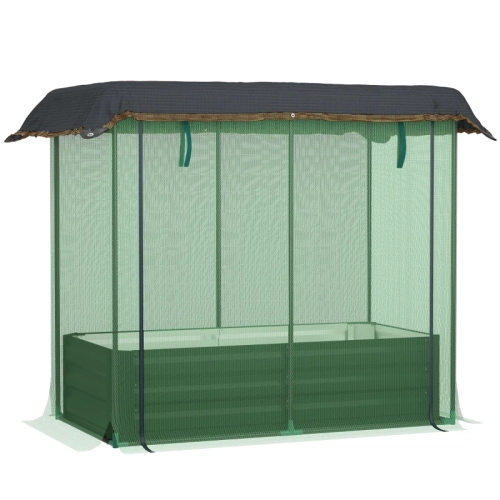
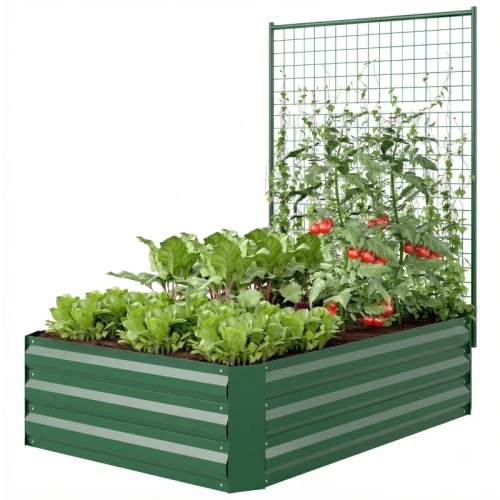
Daily use gives steel raised beds much of their character. A compact herb planting near an outdoor dining area offers easy access to parsley or chives, while a larger bed can bring rows of leafy greens and climbing vegetables into a clearly organized growing space. Flower growers may appreciate defined areas for cutting stems, and households gardening with children can use separate sections to make planting and tending easier to follow. For someone who enjoys hands-on gardening, a raised bed can also be a thoughtful gift, provided the recipient has an appropriate location and wants the assembly and soil-filling involved. Ownership includes care for both the plants and the structure. Well-draining soil suited to container or raised-bed planting helps balance moisture retention with airflow around roots; dense soil that compacts easily can make watering and root growth more difficult. The bed itself benefits from occasional checks of panel joints, braces, fasteners, and edge trim, especially after the soil has settled. Protective finishes last better when abrasive tools are kept from scraping the walls, and cleaning methods should match the manufacturer's recommendations. Any exposed metal or damaged coating deserves attention according to those instructions rather than an improvised treatment. For edible plantings, the bed's stated intended use and information about its coatings and components are more useful than assuming all metal containers are interchangeable. Accessories also need to suit the structure: a trellis adds height and support for climbing growth, but its attachment should not strain a thin panel or obstruct access. Irrigation tubing can make watering more consistent, while mulch can help manage moisture at the soil surface. Steel raised beds work best as a durable framework for a thoughtfully planned planting area, bringing together accessible growing space, defined edges, and a finish that complements the surrounding garden without replacing the attention plants need.
Top selling and popular products
-
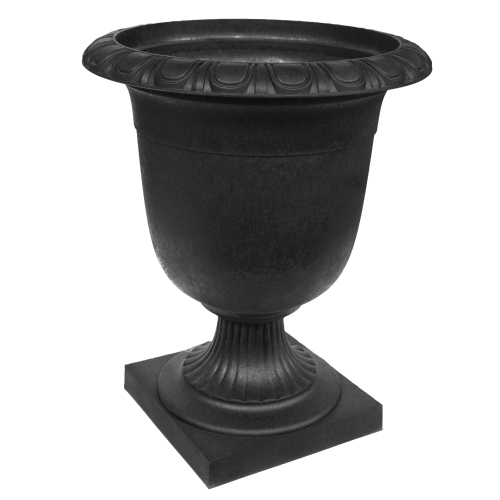 Your price for this item is $204.99
-
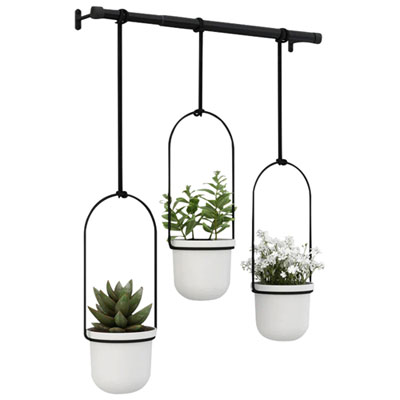 Your price for this item is $65.98
-
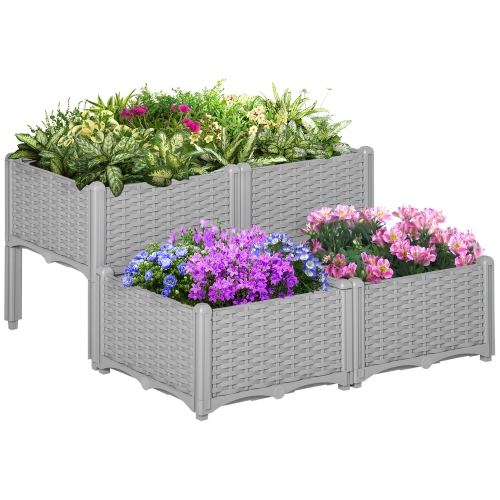 Your price for this item is $94.99
-
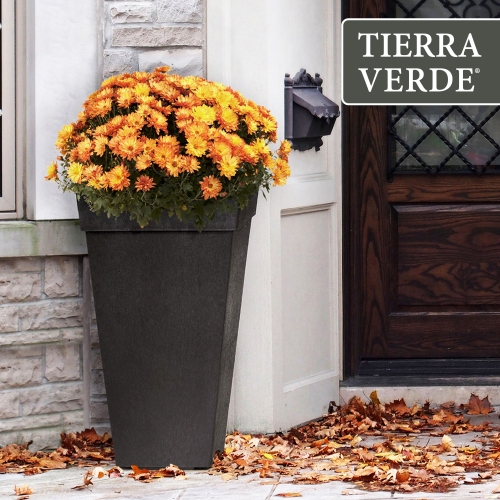 Your price for this item is $187.99
-
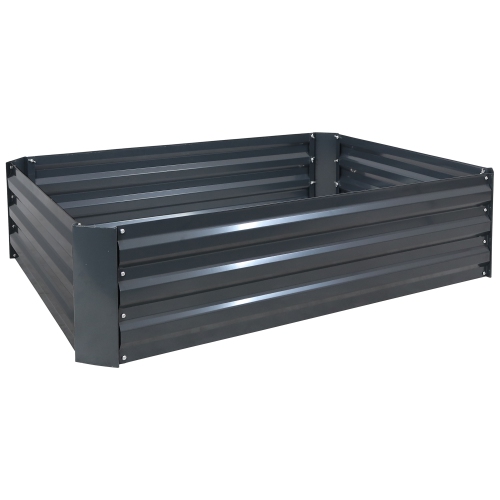 Your price for this item is $117.75
-
 Your price for this item is $117.75
-
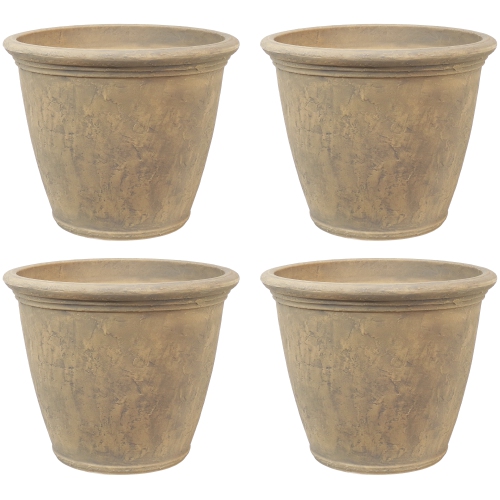 Your price for this item is $415.35
-
 Your price for this item is $134.25
Discover more categories related to Steel Raised Beds
Top Collections:
Best Black Friday Deals This Year, Best Black Friday Deals On Electronics, Kindle Devices, Pokemon Centers, Best Black Friday Deals On Apple Products, Best Cameras for Sports Photography, Dyson Airwrap, Pokémon 30th Celebration Cards, Apple iPhone 17 Pro, Canon G7X Cameras
Some products may be subject to Environmental Handling Fees
(EHF) depending on your province.
Learn more about EHFs.