Steel Storage Containers
Steel Storage Containers offer a versatile solution for organizing, storing, and protecting your belongings at home, in the office, or on the go. Designed to meet a variety of storage needs, these containers are ideal for keeping items secure and easily accessible. Whether you need extra space for tools, seasonal decorations, or important documents, Steel Storage Containers provide a reliable option to help keep your space tidy and clutter-free. Explore a wide selection to find the perfect fit for your storage requirements.
Sort
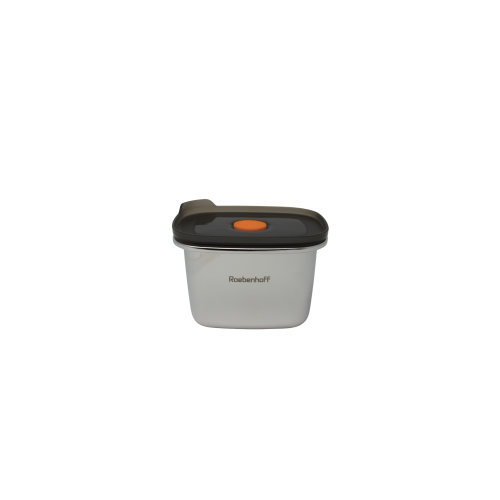
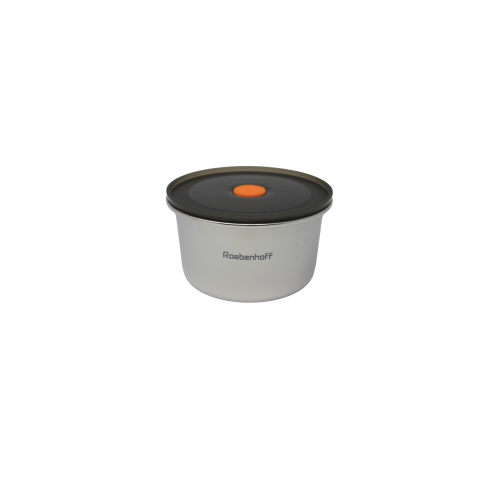
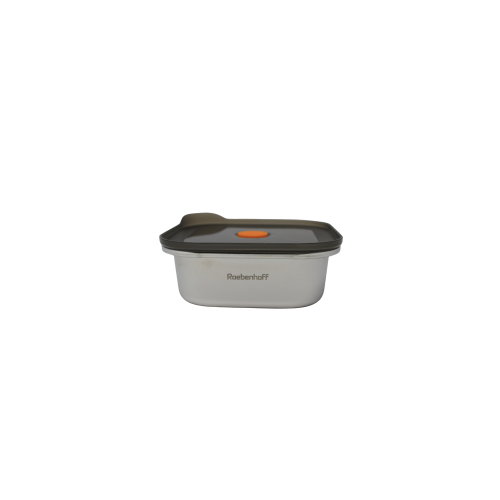
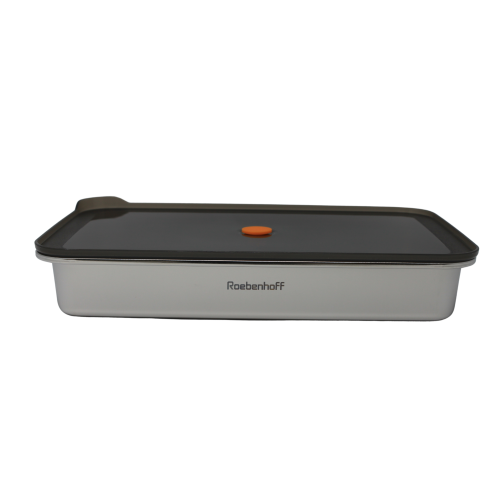
Why steel finishes and lids matter for storage
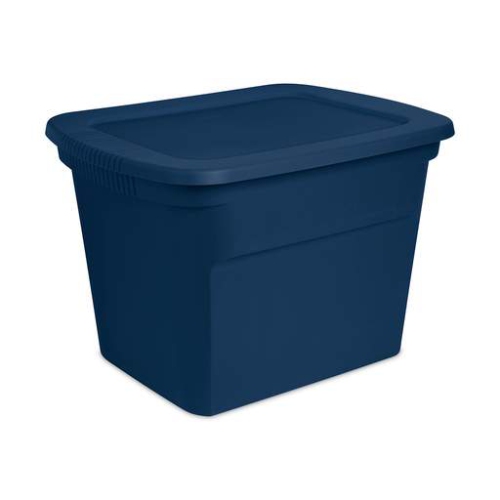
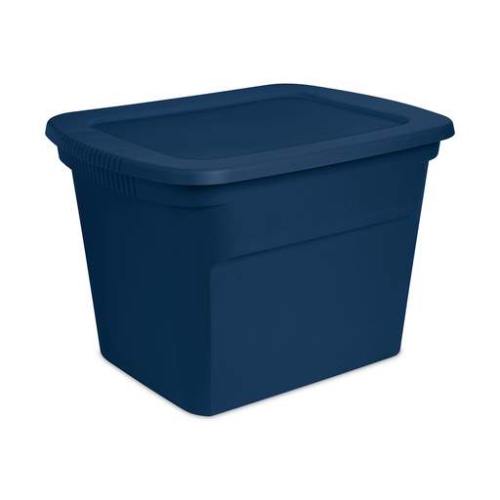
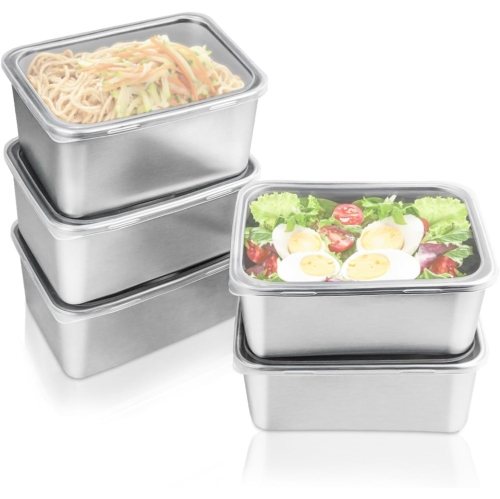
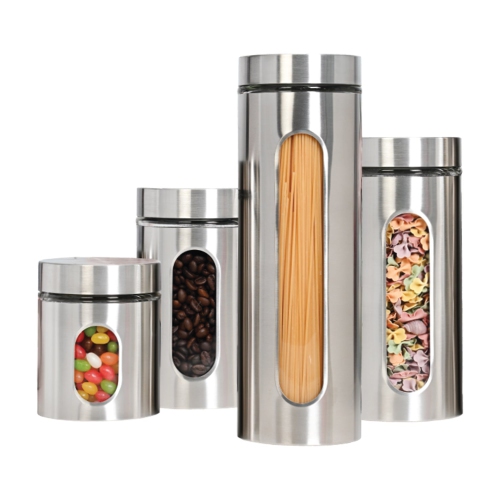
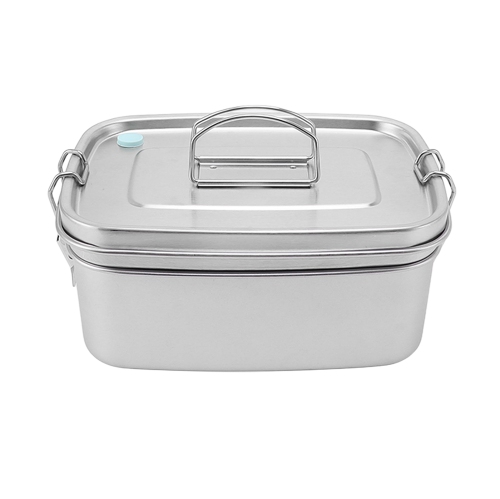
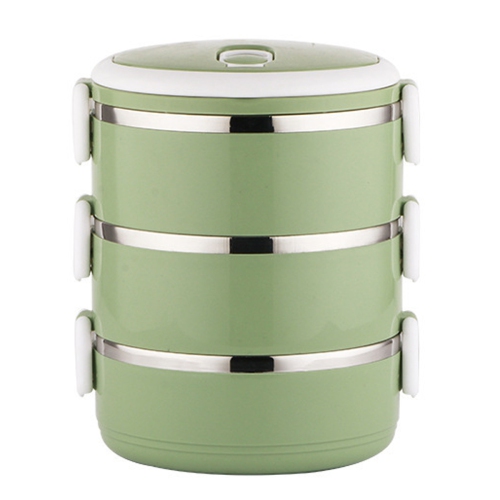
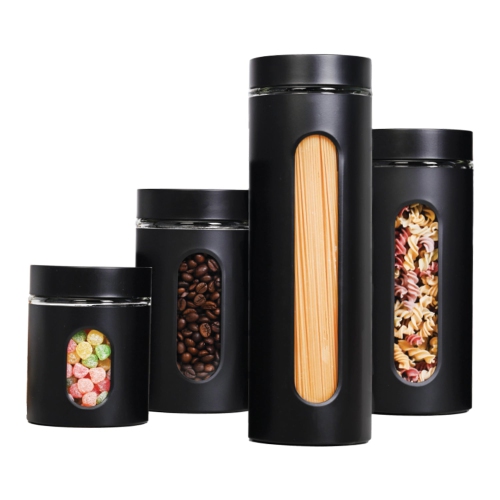
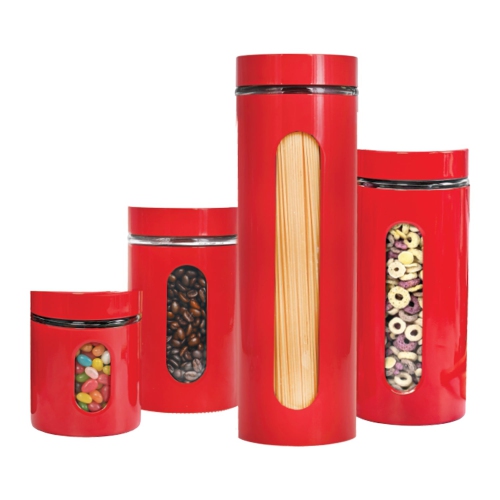
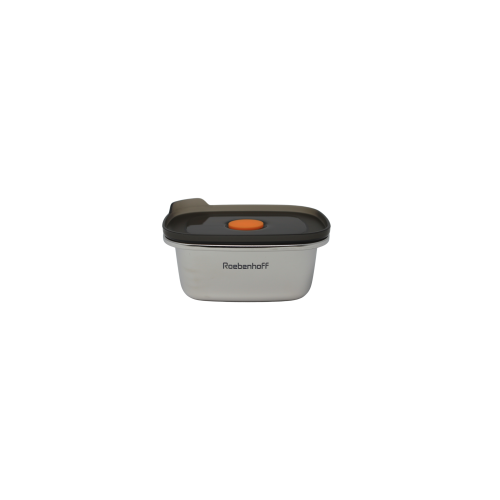
Steel storage containers provide enclosed storage for everything from packed lunches and pantry staples to tools, hardware, and bulky supplies. The term covers several distinct product types: stainless steel food containers for kitchens and lunch bags, steel bins and boxes for household or workshop organization, and larger steel enclosures for commercial or outdoor storage. Their suitability depends on the steel finish, construction, lid design, and stated purpose—not simply their metallic appearance. Stainless steel is often used for food storage because it resists corrosion and has a smooth surface that is straightforward to clean. Only containers identified as suitable for food contact should hold ingredients or prepared meals directly. Galvanized steel has a zinc coating that helps protect the underlying metal against rust, making it useful for certain utility applications, although that finish alone does not establish food suitability. Painted and powder-coated steel offer another protective surface for general storage, with performance depending on the coating remaining intact. In a kitchen, smaller containers can keep portions separate, while deeper canisters accommodate dry ingredients without leaving bags folded over on a shelf. In a utility room or garage, rigid steel boxes can group fasteners, hand tools, or repair supplies that would otherwise spread across a work surface. Larger industrial bins serve a different purpose, with load ratings and handling features that matter more than lunch-bag portability or cupboard fit. Steel walls generally resist flexing better than thin, soft-sided storage, but they can still dent, scratch, or corrode under unsuitable conditions. A close-fitting lid helps keep contents covered; it does not automatically make a container airtight, leakproof, waterproof, or pest-proof. Those are separate performance claims that should be confirmed in the specifications. This distinction is especially useful when comparing a container for loose screws with one intended to carry soup: both may have steel bodies, but their closures, seals, and intended handling can be very different.
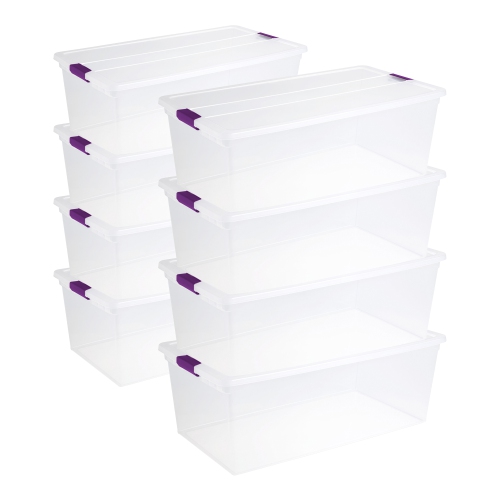
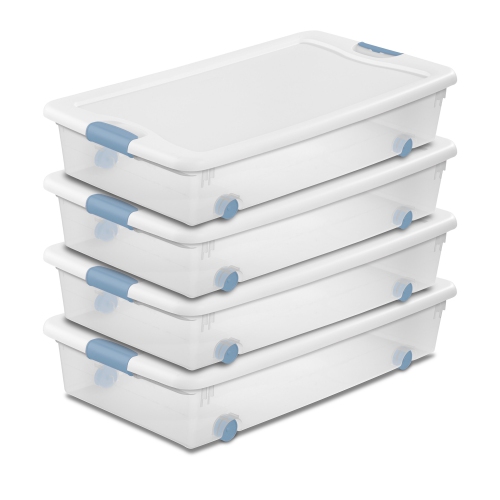
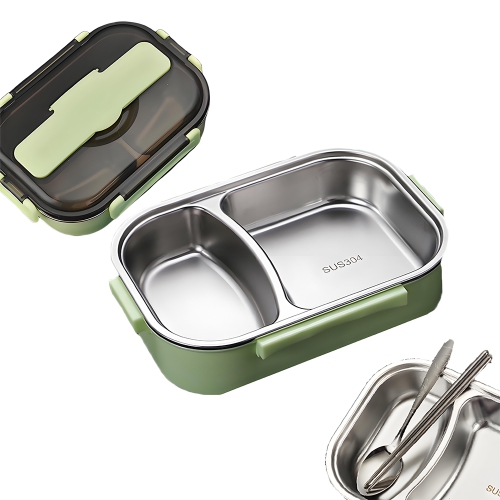
Size and shape determine how comfortably steel storage containers fit into everyday routines. Capacity describes how much a container holds, while external dimensions determine whether it fits a cupboard, refrigerator shelf, lunch bag, or workshop rack. Handles, hinges, and raised lids can add to the overall footprint, so the widest measurements matter as much as the size of the main body. A tall canister may use a narrow shelf efficiently but leave too little clearance to lift its lid; a wide, shallow container can make contents easier to reach without digging through several layers. For packed meals, compartments help separate foods, though a divided interior does not necessarily prevent liquid from moving between sections. For hardware storage, shallow bins make small parts more visible, while deeper boxes are better suited to bulkier contents that do not need frequent sorting. Empty steel containers also contribute weight, an important consideration for a child’s lunch bag, a daily commute, or a box that will be lifted from floor level. Comfortable handles and secure closures become particularly useful once the container is filled. Stackable designs can make better use of vertical space when their bases and lids are made to fit together, but stacking should follow the stated limits and leave frequently used contents accessible. Nesting is a different feature: it allows empty containers to fit inside one another, reducing the cupboard space needed between uses. For a coordinated utility area, Steel Storage Shelves can provide a place to arrange containers by task, provided the shelf dimensions and load ratings suit the filled containers. Heavier loads belong on lower shelves, where they are easier to handle and less likely to make the arrangement top-heavy. In larger storage applications, details such as reinforced corners, welded seams, lockable access, and compatible lifting points deserve attention. A lockable lid helps restrict access, but it does not establish a security rating, fire resistance, or protection against water entering through seams.
Care requirements vary across steel storage containers, particularly when lids, gaskets, coatings, or handles use different materials from the body. For food containers, washing before first use and cleaning promptly after meals help prevent residues from collecting around rims and seals. Removable gaskets need attention on both sides, followed by thorough drying before reassembly. Dishwasher suitability should be checked for every component rather than assumed from the steel body alone; a lid or seal may require handwashing even when the base can go in the dishwasher. Mild detergent and a soft cloth or non-abrasive sponge are often appropriate, while harsh cleaners, steel wool, and prolonged soaking may damage certain finishes. Stainless steel resists rust but is not immune to staining or corrosion, especially with prolonged exposure to salt, acidic residues, or unsuitable cleaning chemicals. Drying containers before putting them away also helps avoid trapped moisture between nested pieces. Heating and cooling compatibility are equally important. Steel containers should not be placed in a microwave unless both the appliance and container instructions explicitly permit that use. Oven and freezer suitability must also be confirmed, including any temperature limits and whether lids need to be removed. When storing food, steel construction does not replace safe refrigeration or temperature control, and a single-wall container does not provide the same performance as an insulated one. For utility storage, wiping away moisture and inspecting scratches, seams, hinges, and coating damage can help catch wear before it spreads. Outdoor use calls for an explicit outdoor rating and attention to drainage, ground contact, and exposure; an ordinary steel box is not automatically suitable for sitting uncovered through wet or snowy weather. These practical differences make matching the container to its user worthwhile. A commuter may value a compact footprint and dependable seal, a home cook may prefer easy-clean corners and nesting shapes, and a hobbyist may need sturdy handles and room for awkward tools. As a housewarming or practical gift, steel storage containers are most useful when their dimensions, weight, and care needs suit the recipient’s space and daily habits.
Size and shape determine how comfortably steel storage containers fit into everyday routines. Capacity describes how much a container holds, while external dimensions determine whether it fits a cupboard, refrigerator shelf, lunch bag, or workshop rack. Handles, hinges, and raised lids can add to the overall footprint, so the widest measurements matter as much as the size of the main body. A tall canister may use a narrow shelf efficiently but leave too little clearance to lift its lid; a wide, shallow container can make contents easier to reach without digging through several layers. For packed meals, compartments help separate foods, though a divided interior does not necessarily prevent liquid from moving between sections. For hardware storage, shallow bins make small parts more visible, while deeper boxes are better suited to bulkier contents that do not need frequent sorting. Empty steel containers also contribute weight, an important consideration for a child’s lunch bag, a daily commute, or a box that will be lifted from floor level. Comfortable handles and secure closures become particularly useful once the container is filled. Stackable designs can make better use of vertical space when their bases and lids are made to fit together, but stacking should follow the stated limits and leave frequently used contents accessible. Nesting is a different feature: it allows empty containers to fit inside one another, reducing the cupboard space needed between uses. For a coordinated utility area, Steel Storage Shelves can provide a place to arrange containers by task, provided the shelf dimensions and load ratings suit the filled containers. Heavier loads belong on lower shelves, where they are easier to handle and less likely to make the arrangement top-heavy. In larger storage applications, details such as reinforced corners, welded seams, lockable access, and compatible lifting points deserve attention. A lockable lid helps restrict access, but it does not establish a security rating, fire resistance, or protection against water entering through seams.
Care requirements vary across steel storage containers, particularly when lids, gaskets, coatings, or handles use different materials from the body. For food containers, washing before first use and cleaning promptly after meals help prevent residues from collecting around rims and seals. Removable gaskets need attention on both sides, followed by thorough drying before reassembly. Dishwasher suitability should be checked for every component rather than assumed from the steel body alone; a lid or seal may require handwashing even when the base can go in the dishwasher. Mild detergent and a soft cloth or non-abrasive sponge are often appropriate, while harsh cleaners, steel wool, and prolonged soaking may damage certain finishes. Stainless steel resists rust but is not immune to staining or corrosion, especially with prolonged exposure to salt, acidic residues, or unsuitable cleaning chemicals. Drying containers before putting them away also helps avoid trapped moisture between nested pieces. Heating and cooling compatibility are equally important. Steel containers should not be placed in a microwave unless both the appliance and container instructions explicitly permit that use. Oven and freezer suitability must also be confirmed, including any temperature limits and whether lids need to be removed. When storing food, steel construction does not replace safe refrigeration or temperature control, and a single-wall container does not provide the same performance as an insulated one. For utility storage, wiping away moisture and inspecting scratches, seams, hinges, and coating damage can help catch wear before it spreads. Outdoor use calls for an explicit outdoor rating and attention to drainage, ground contact, and exposure; an ordinary steel box is not automatically suitable for sitting uncovered through wet or snowy weather. These practical differences make matching the container to its user worthwhile. A commuter may value a compact footprint and dependable seal, a home cook may prefer easy-clean corners and nesting shapes, and a hobbyist may need sturdy handles and room for awkward tools. As a housewarming or practical gift, steel storage containers are most useful when their dimensions, weight, and care needs suit the recipient’s space and daily habits.
Top selling and popular products
-
 Your price for this item is $5.99
 -
 Your price for this item is $9.99
 -
 Your price for this item is $108.25
 -
 Your price for this item is $7.99
 -
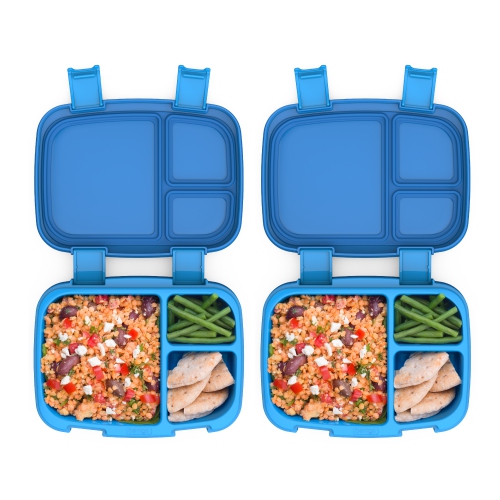 Your price for this item is $44.99
 -
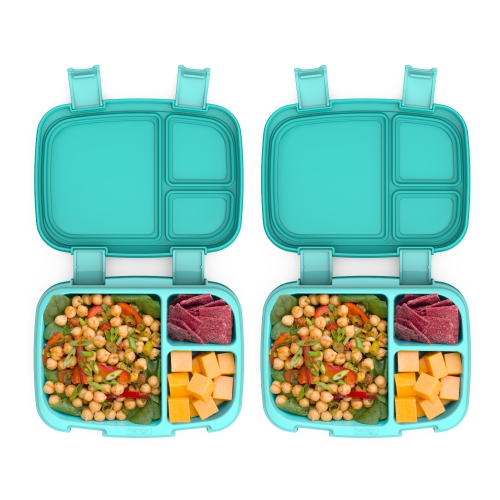 Your price for this item is $44.99
 -
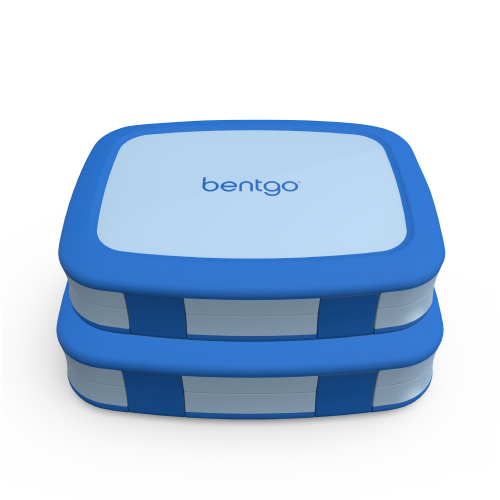 Your price for this item is $59.99
 -
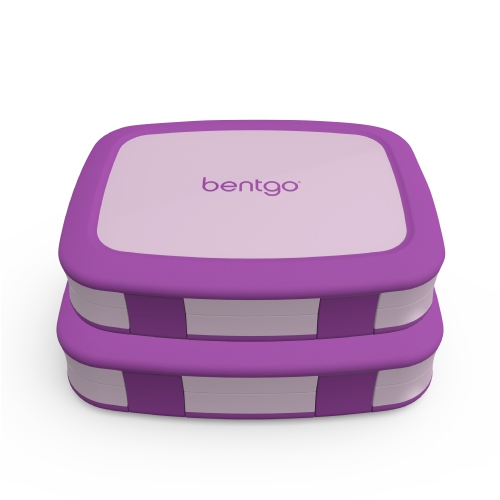 Your price for this item is $59.99
Discover more categories related to Steel Storage Containers
Top Collections:
Pokemon Centers, Kindle Devices, Best Budget Office Chairs, Apple iPhones 16, Canon G7X Cameras, iPhone 15 Apple, Alarm Clock, Refurbished Apple Laptops, Flip Phones, Best Laptops for Writers
Some products may be subject to Environmental Handling Fees
(EHF) depending on your province.
Learn more about EHFs.