Steel Containers
Steel Containers offer a reliable and versatile solution for organizing, storing, and transporting a wide range of items. Perfect for home, office, or commercial use, these containers are designed to help keep your space neat and efficient. With various sizes and styles available, Steel Containers can accommodate everything from pantry staples to tools and supplies. Explore options that fit your needs and enjoy the convenience of streamlined storage.
Sort

Why food-safe storage takes more than a metal finish
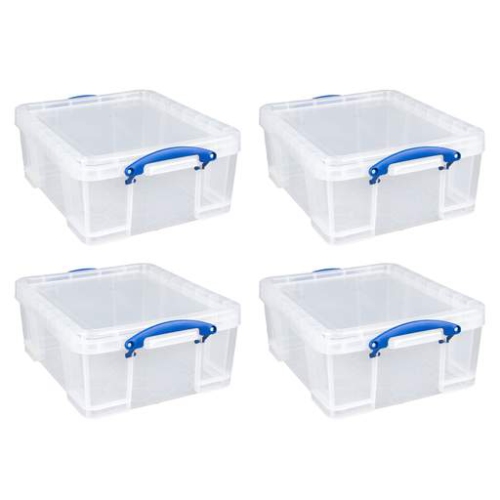
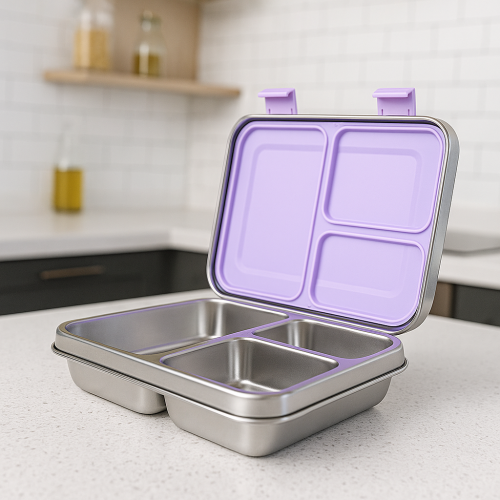
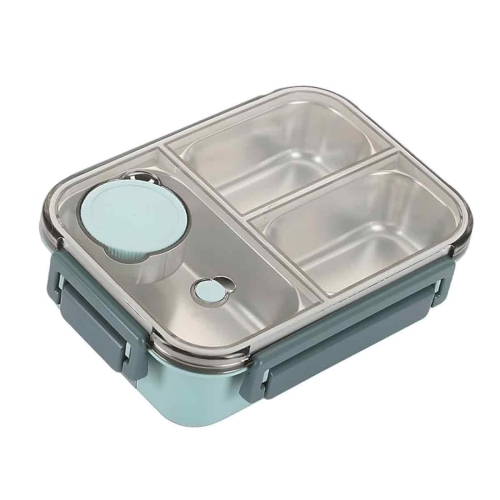
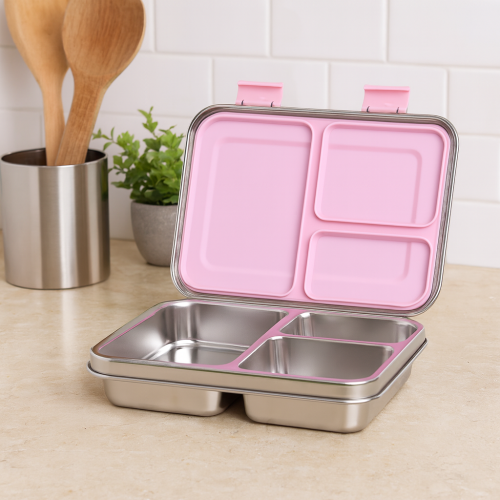
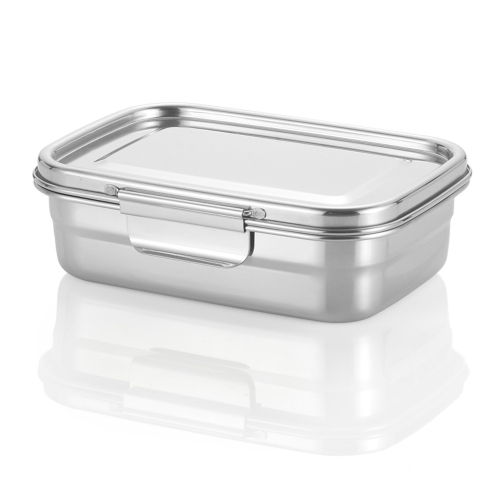
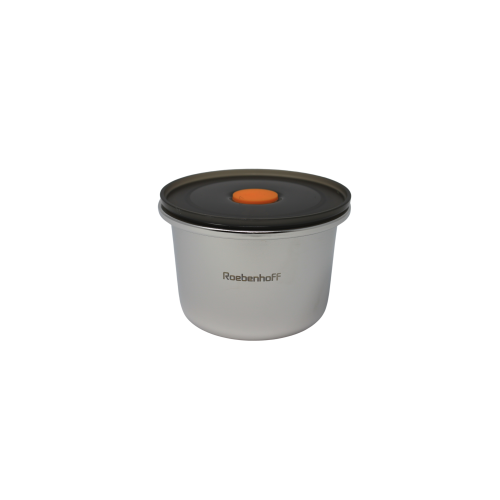
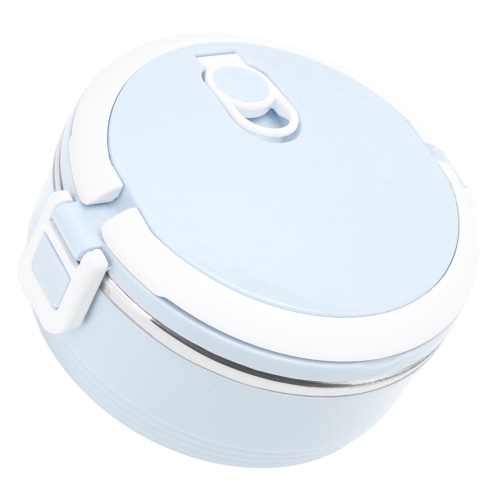
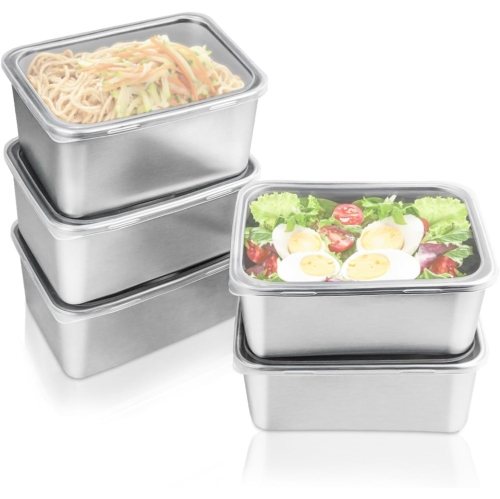
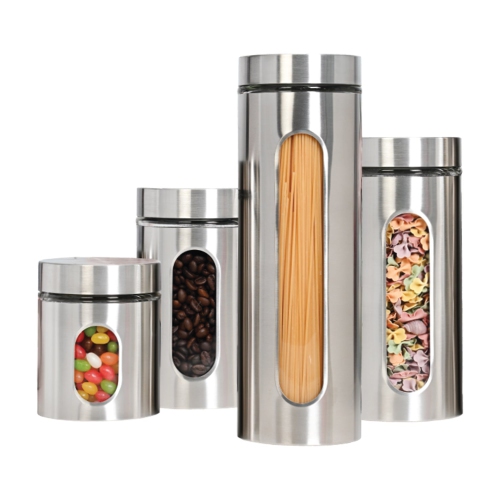
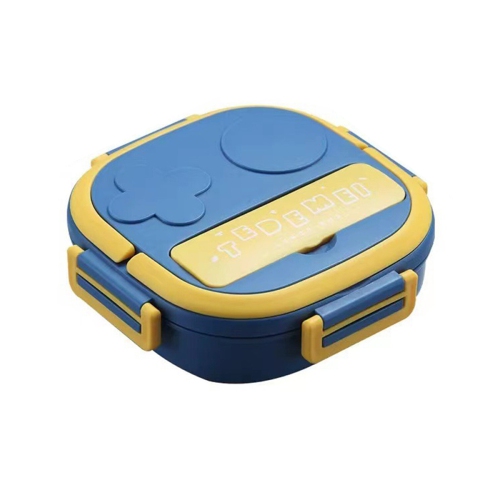
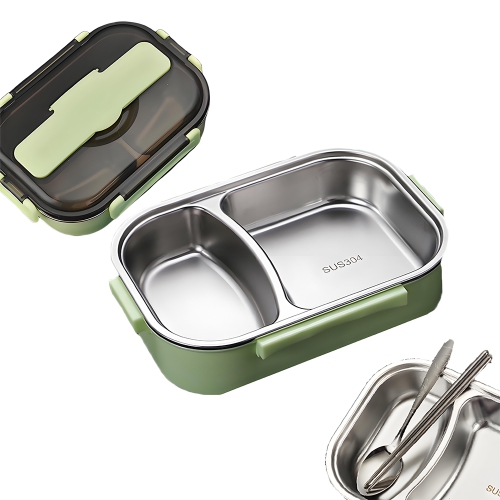
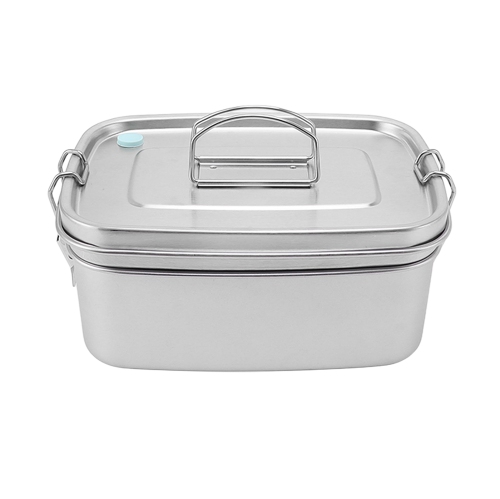
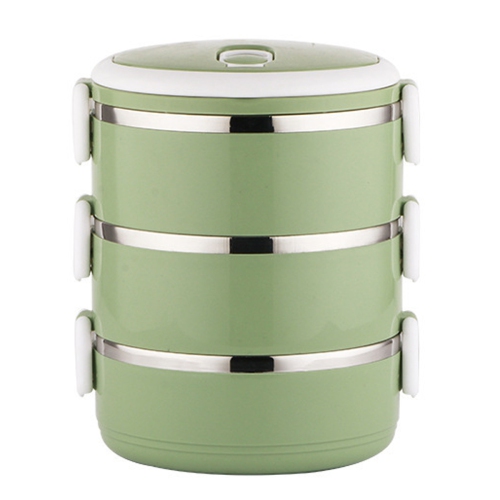
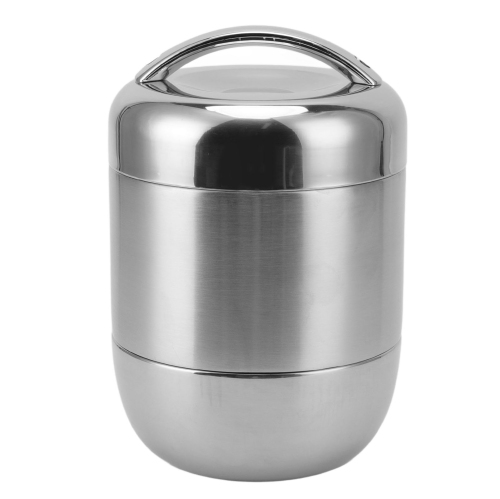
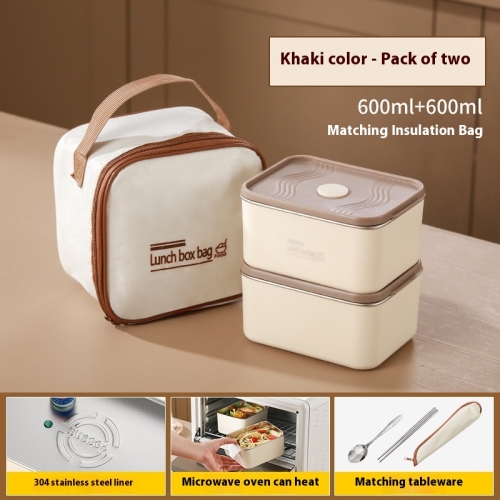
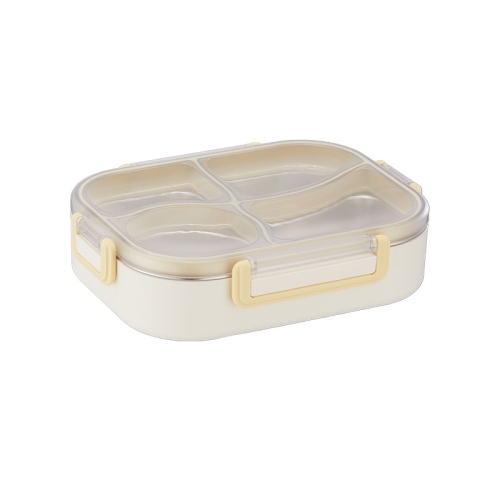
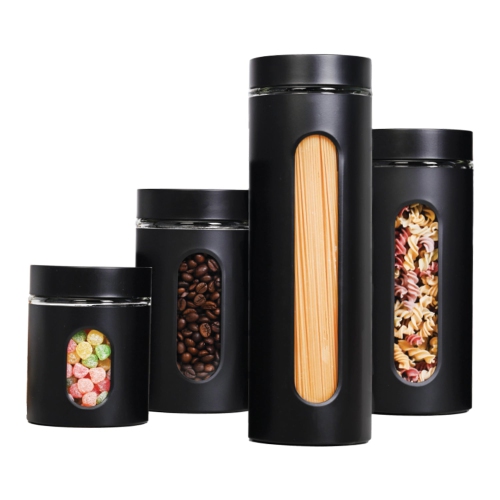
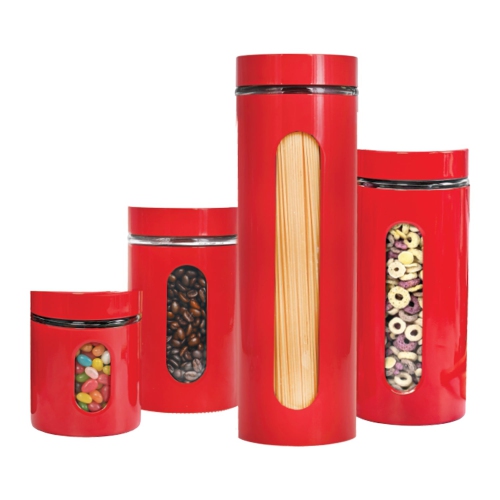
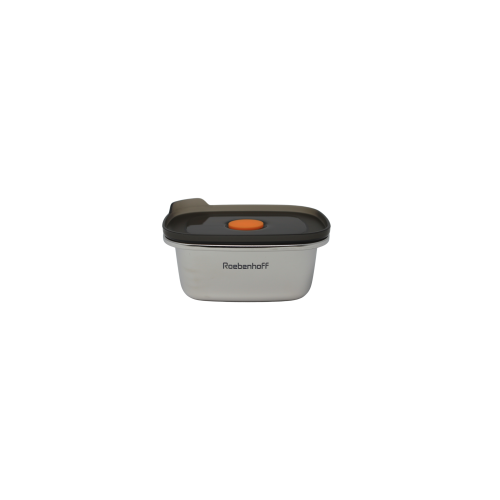
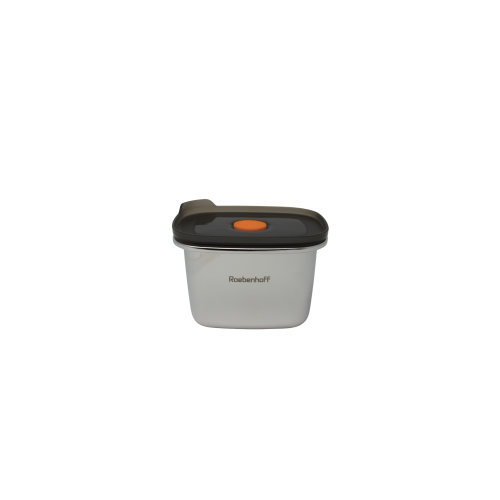
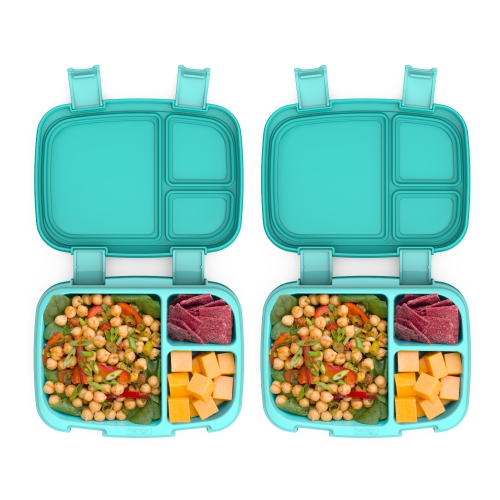
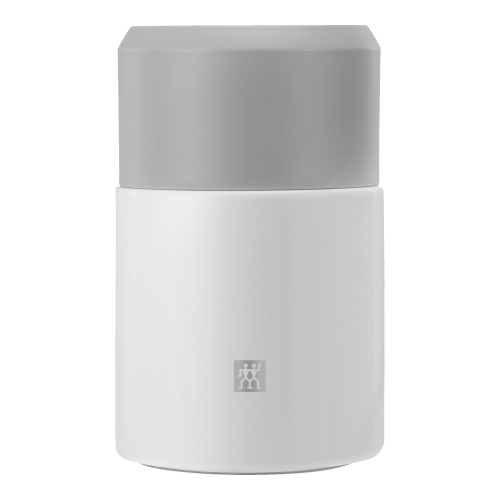
Steel containers are rigid storage vessels used to hold food, household supplies, tools, and other belongings, with designs ranging from compact lunch boxes and pantry canisters to larger utility bins. The term also covers industrial drums and shipping units, but those serve different purposes from containers designed for a kitchen cupboard, desk drawer, or packed lunch. For everyday household use, the most important distinction is between stainless steel and steel protected by a coating or finish. Stainless steel contains chromium, which helps resist corrosion, and is widely used for food storage because its smooth surface is easy to clean. Other steel containers may have painted, powder-coated, or lined surfaces suited to organizing dry goods or household accessories; their suitability for direct food contact depends on the manufacturer's specifications. A metal appearance alone does not establish that a container is food-safe, airtight, or suitable for liquids. Those qualities depend on the complete construction, including the lid, seams, seals, and any interior lining. Stainless steel food containers can accommodate everything from a sandwich and sliced vegetables to cooked grains or baking ingredients, provided the design matches the contents. A wide opening makes it easier to scoop flour or wash the corners, while a shallow rectangular shape can keep lunch components within reach without requiring a deep stack of food. Round containers often work well for portions that are stirred or spooned, although they may leave unused space beside neighbouring containers in a cupboard. For belongings beyond the kitchen, steel storage boxes can gather charging cables, craft supplies, or small hand tools into a defined space. Comparing steel designs with other Storage Containers can help clarify whether a sturdy metal body, a clear view of the contents, a lighter carrying weight, or a particular shape matters most for the intended use.
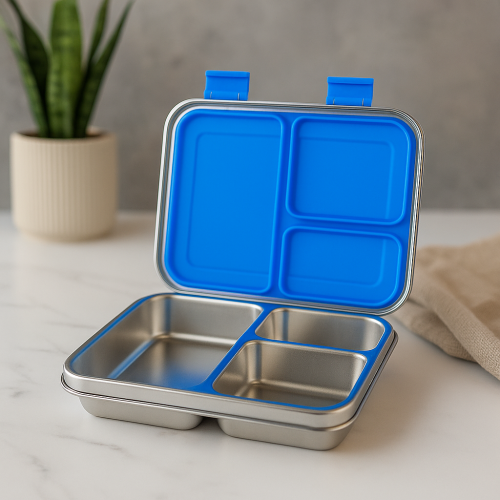
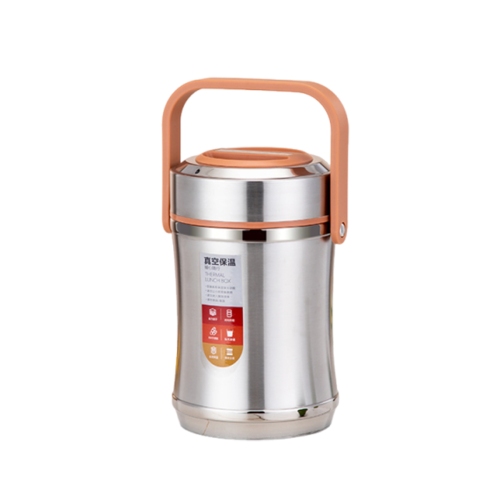
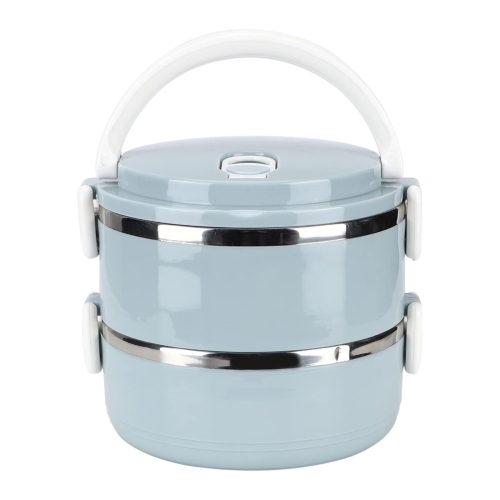
Size and lid design have a greater effect on daily convenience than capacity alone. A container may hold enough food for lunch yet still be too tall for an insulated lunch bag, too wide for a narrow refrigerator shelf, or awkward to carry alongside a water bottle. Exterior measurements include the space taken up by clips, handles, and projecting lid edges, so they are useful when matching containers to an existing drawer or bag. Interior dimensions matter for foods that should stay intact, such as a sandwich, crackers, or a slice of cake. Divided compartments can keep portions organized, but an internal divider does not necessarily stop dressing or juice from passing between sections. Separate inserts or individually sealed compartments are more appropriate when keeping wet and dry foods apart is essential. Similarly, a snug lid can help protect dry contents without being leakproof. Containers intended to carry soup or sauces need a closure specifically rated for that task, and the seal must be clean, correctly seated, and fully closed. Clip closures offer a firm fastening, while press-on lids may be simpler for quick access at home. For a child's lunch or a person with limited hand strength, the effort needed to open each latch deserves attention alongside the security of the seal. Stackable containers can make better use of shelf height when their lids and bases sit securely together; nesting designs save space when empty but may require the lids to be stored separately. Opaque steel walls conceal the contents, which gives open shelving a tidy appearance but makes labels useful for distinguishing rice from oats or identifying prepared meals. A removable label on the lid can record the contents and preparation date without obscuring the finish. For food carried away from home, remember that an ordinary steel container does not replace an insulated bag and suitable cold packs for perishables. Heat retention requires a design specifically built and rated for that purpose.
Durability is one of steel's practical strengths, although construction and care determine how well a container stands up to repeated use. Steel does not shatter like glass, but thin walls can dent, polished surfaces can scratch, and a damaged rim may prevent the lid from fitting properly. Rounded interior corners, smooth edges, and accessible seals make cleaning easier, particularly after storing sticky foods or oily dressings. Stainless steel resists rust rather than being completely immune to it; prolonged contact with salt, harsh cleaning chemicals, or trapped moisture can damage some surfaces. Washing promptly after use, rinsing thoroughly, and drying before storage help keep both the body and closure in good condition. Dishwasher suitability should be checked for every component, since a steel base, plastic lid, silicone gasket, and decorative finish may have different care requirements. Removable gaskets need cleaning underneath as well as on the exposed surface, followed by careful refitting so the lid closes as intended. Abrasive pads and steel wool can mark the finish, while a soft cloth or non-scratch sponge is generally gentler. Appliance compatibility also needs confirmation: a steel container is not automatically suitable for the microwave, oven, or freezer simply because it is used for food. Conventional metal containers should stay out of a microwave, and oven use requires an appropriate rating for the body and any parts left attached. For freezing, follow the stated limits and leave the specified expansion space rather than filling to the brim. These details matter to people who prepare lunches ahead of time, pack snacks for children, organize baking supplies, or want household storage that tolerates frequent handling. Steel containers can also make a practical housewarming gift or a useful addition to a student's first kitchen, especially when the sizes fit modest cupboards and everyday portions. A thoughtful selection favours useful shapes, manageable weight, reliable closures, and straightforward cleaning over a large number of pieces. The result is storage that fits naturally into daily routines, whether that means opening a neatly packed lunch, finding an ingredient without rummaging, or returning small essentials to the same place after use.
Size and lid design have a greater effect on daily convenience than capacity alone. A container may hold enough food for lunch yet still be too tall for an insulated lunch bag, too wide for a narrow refrigerator shelf, or awkward to carry alongside a water bottle. Exterior measurements include the space taken up by clips, handles, and projecting lid edges, so they are useful when matching containers to an existing drawer or bag. Interior dimensions matter for foods that should stay intact, such as a sandwich, crackers, or a slice of cake. Divided compartments can keep portions organized, but an internal divider does not necessarily stop dressing or juice from passing between sections. Separate inserts or individually sealed compartments are more appropriate when keeping wet and dry foods apart is essential. Similarly, a snug lid can help protect dry contents without being leakproof. Containers intended to carry soup or sauces need a closure specifically rated for that task, and the seal must be clean, correctly seated, and fully closed. Clip closures offer a firm fastening, while press-on lids may be simpler for quick access at home. For a child's lunch or a person with limited hand strength, the effort needed to open each latch deserves attention alongside the security of the seal. Stackable containers can make better use of shelf height when their lids and bases sit securely together; nesting designs save space when empty but may require the lids to be stored separately. Opaque steel walls conceal the contents, which gives open shelving a tidy appearance but makes labels useful for distinguishing rice from oats or identifying prepared meals. A removable label on the lid can record the contents and preparation date without obscuring the finish. For food carried away from home, remember that an ordinary steel container does not replace an insulated bag and suitable cold packs for perishables. Heat retention requires a design specifically built and rated for that purpose.
Durability is one of steel's practical strengths, although construction and care determine how well a container stands up to repeated use. Steel does not shatter like glass, but thin walls can dent, polished surfaces can scratch, and a damaged rim may prevent the lid from fitting properly. Rounded interior corners, smooth edges, and accessible seals make cleaning easier, particularly after storing sticky foods or oily dressings. Stainless steel resists rust rather than being completely immune to it; prolonged contact with salt, harsh cleaning chemicals, or trapped moisture can damage some surfaces. Washing promptly after use, rinsing thoroughly, and drying before storage help keep both the body and closure in good condition. Dishwasher suitability should be checked for every component, since a steel base, plastic lid, silicone gasket, and decorative finish may have different care requirements. Removable gaskets need cleaning underneath as well as on the exposed surface, followed by careful refitting so the lid closes as intended. Abrasive pads and steel wool can mark the finish, while a soft cloth or non-scratch sponge is generally gentler. Appliance compatibility also needs confirmation: a steel container is not automatically suitable for the microwave, oven, or freezer simply because it is used for food. Conventional metal containers should stay out of a microwave, and oven use requires an appropriate rating for the body and any parts left attached. For freezing, follow the stated limits and leave the specified expansion space rather than filling to the brim. These details matter to people who prepare lunches ahead of time, pack snacks for children, organize baking supplies, or want household storage that tolerates frequent handling. Steel containers can also make a practical housewarming gift or a useful addition to a student's first kitchen, especially when the sizes fit modest cupboards and everyday portions. A thoughtful selection favours useful shapes, manageable weight, reliable closures, and straightforward cleaning over a large number of pieces. The result is storage that fits naturally into daily routines, whether that means opening a neatly packed lunch, finding an ingredient without rummaging, or returning small essentials to the same place after use.
Top selling and popular products
-
 Your price for this item is $5.99
 -
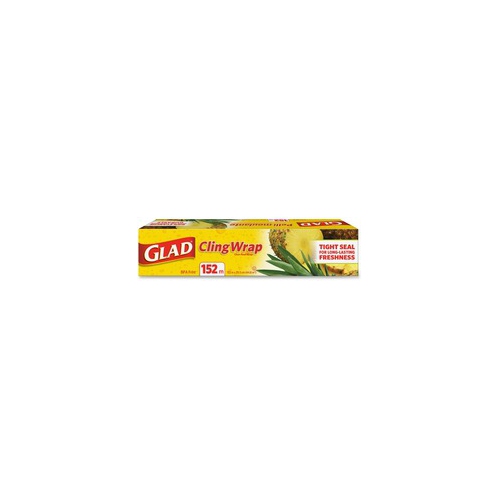 Your price for this item is $9.99
 -
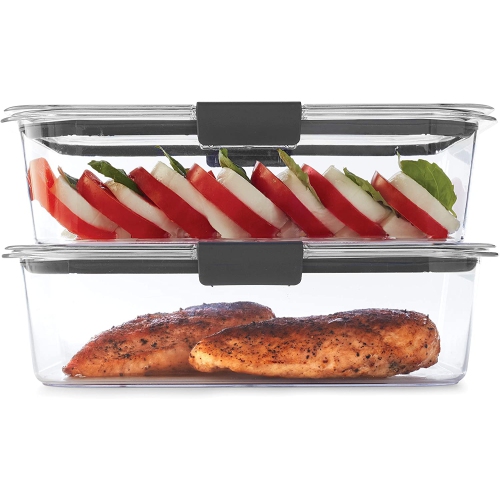 Your price for this item is $108.25
 -
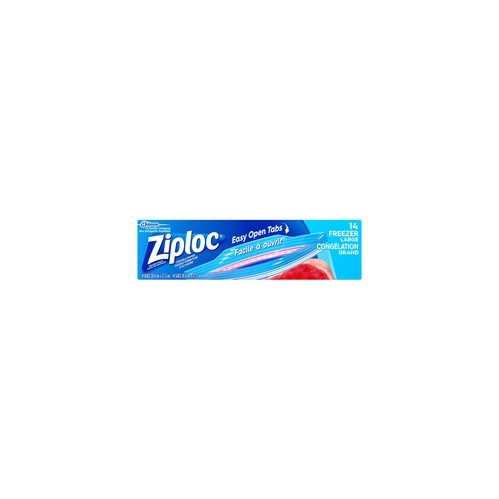 Your price for this item is $7.99
 -
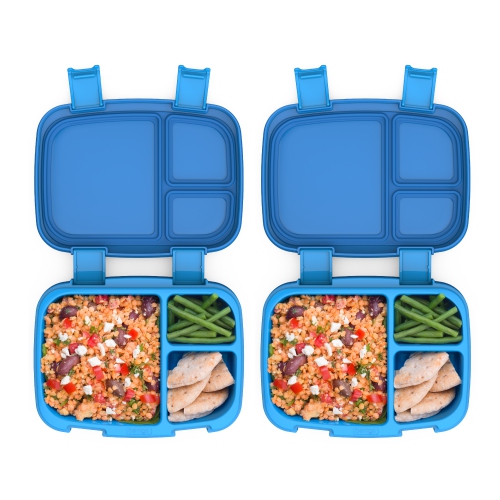 Your price for this item is $44.99
 -
 Your price for this item is $44.99
 -
 Your price for this item is $59.99
 -
 Your price for this item is $59.99
Discover more categories related to Steel Containers
Top Collections:
Pokemon Centers, Kindle Devices, Best Budget Office Chairs, Apple iPhones 16, Canon G7X Cameras, iPhone 15 Apple, Alarm Clock, Refurbished Apple Laptops, Flip Phones, Best Laptops for Writers
Some products may be subject to Environmental Handling Fees
(EHF) depending on your province.
Learn more about EHFs.