Pool Ladders
Dive into the world of pool ladders, where safety meets convenience and style. Whether you're upgrading your backyard oasis or setting up a new above-ground pool, choosing the right ladder is essential for a seamless swimming experience. Pool ladders not only provide easy access in and out of the water but also enhance the overall aesthetic of your pool area. Explore a variety of designs and materials that cater to different needs, ensuring stability and durability while complementing your outdoor decor. Make a splash with confidence by finding the perfect pool ladder to suit your lifestyle and elevate your aquatic adventures.
Sort






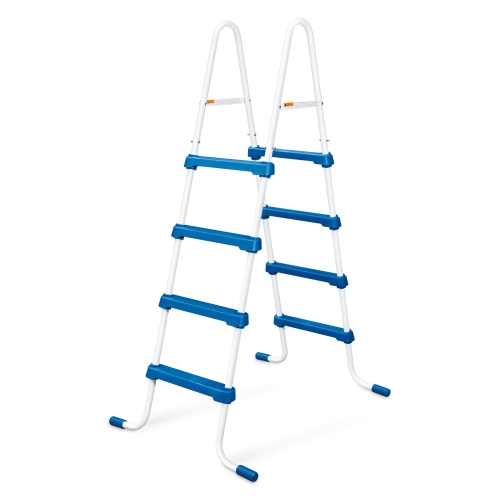
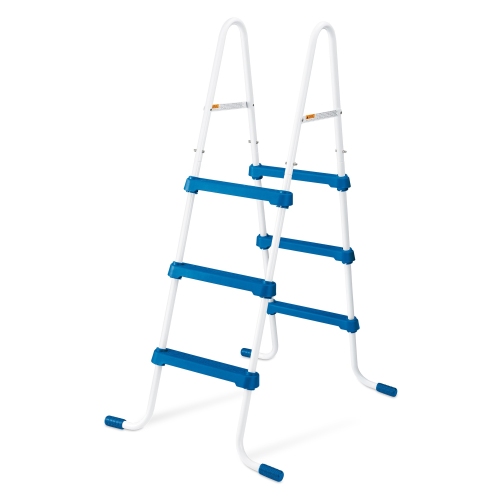
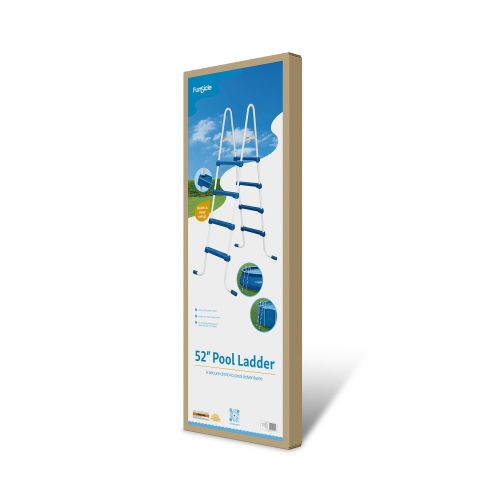
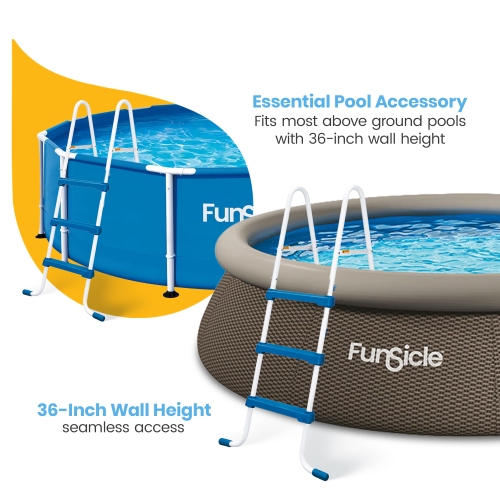











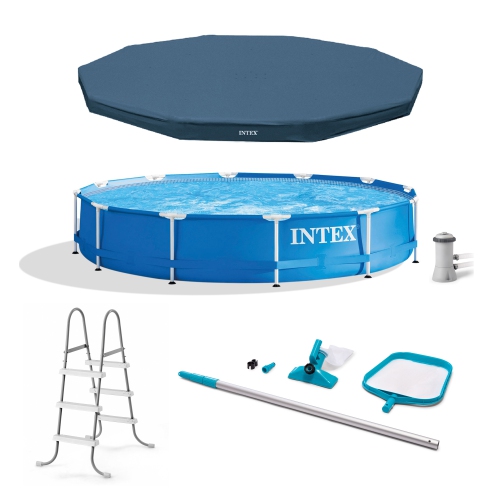

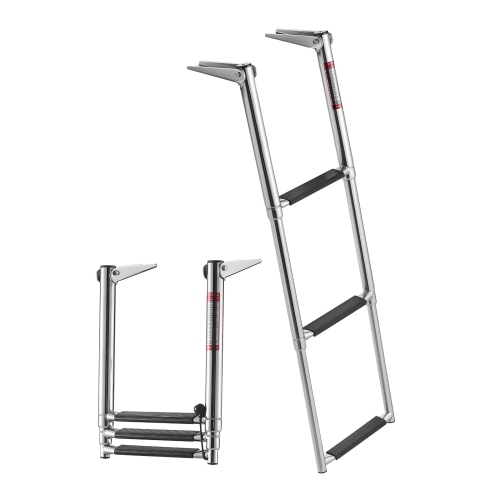
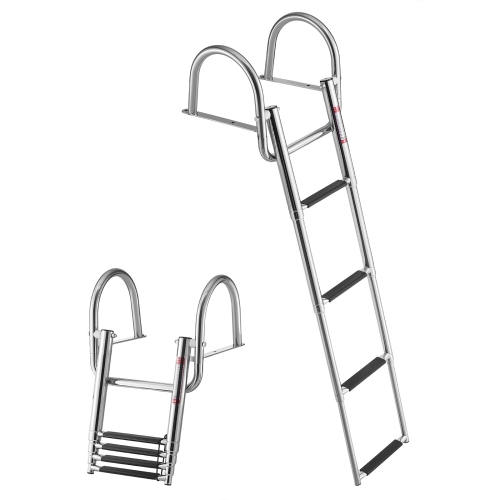


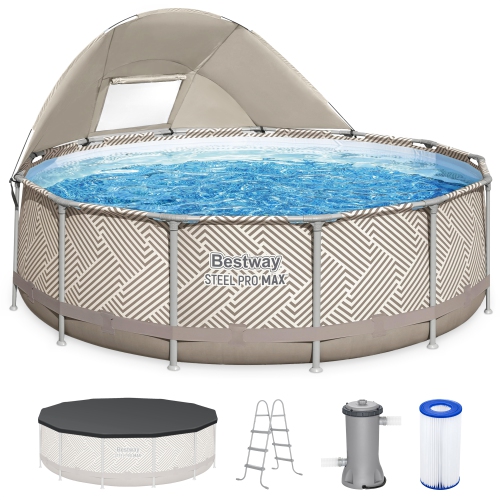
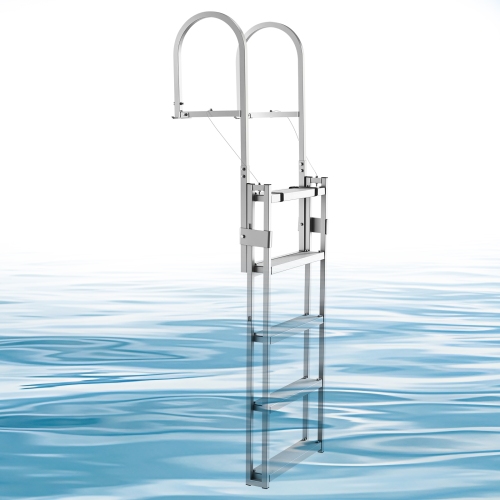
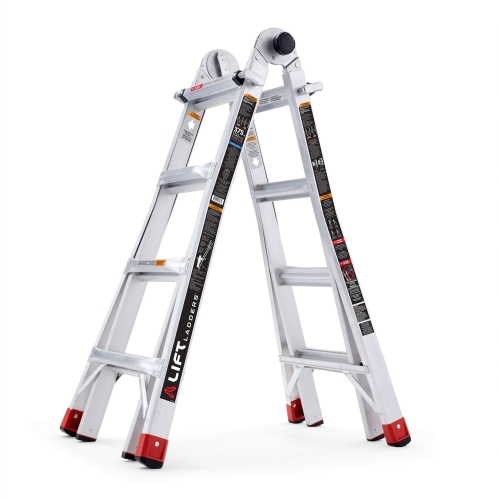

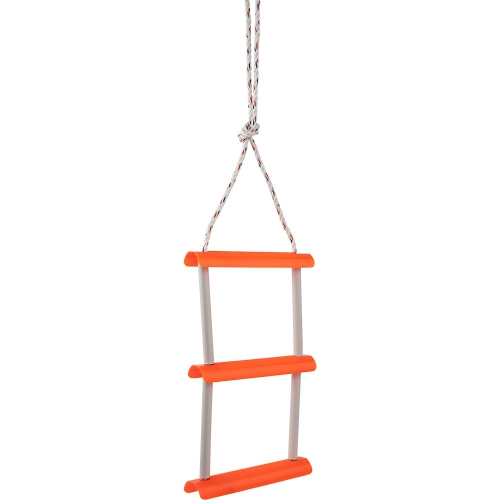


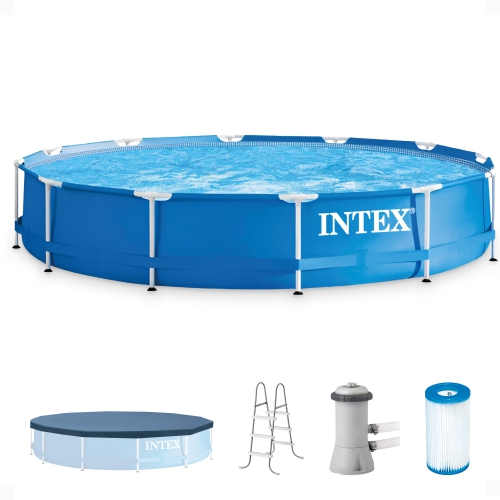



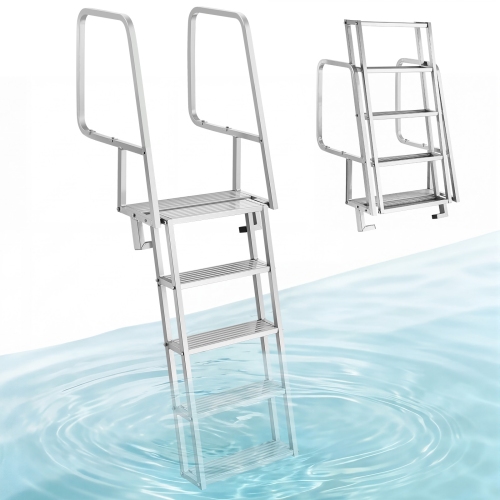
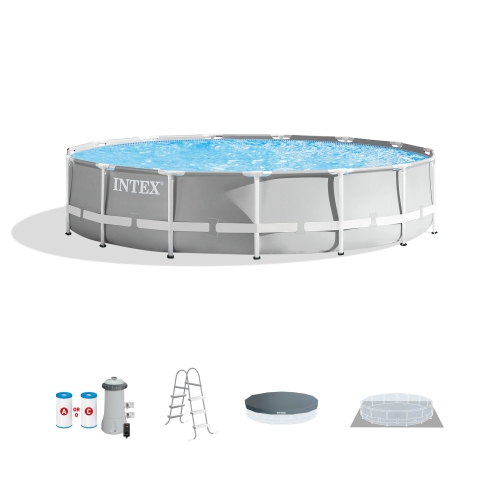



Pool entry starts with the right fit and footing
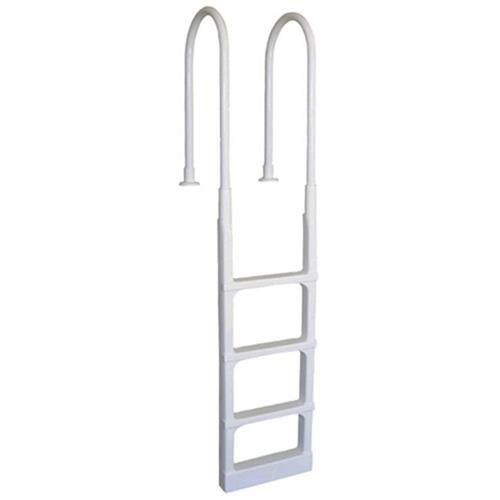
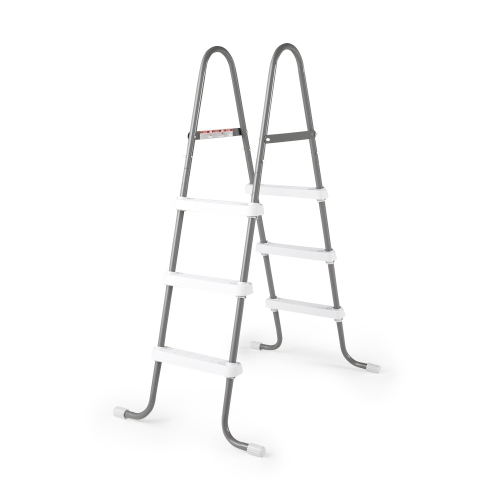
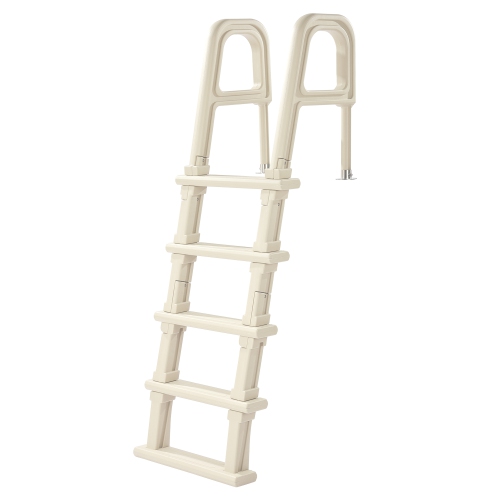
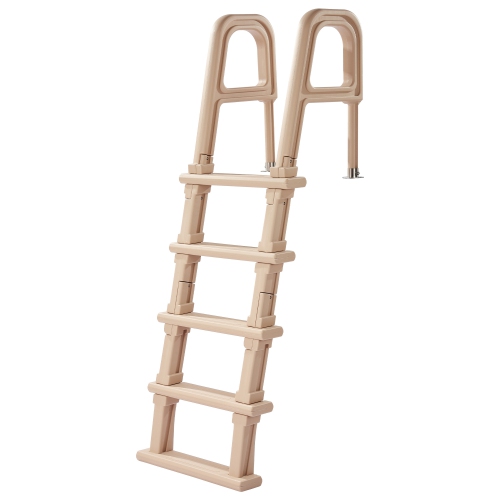
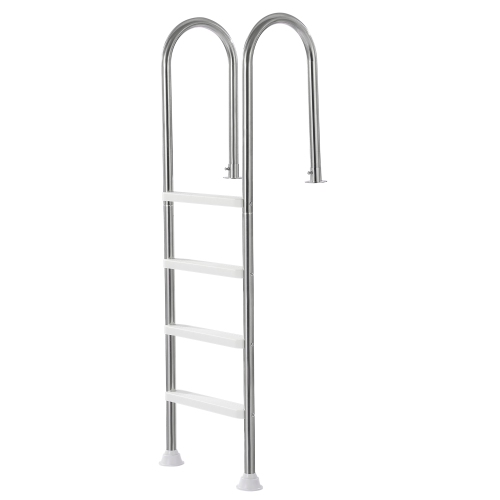
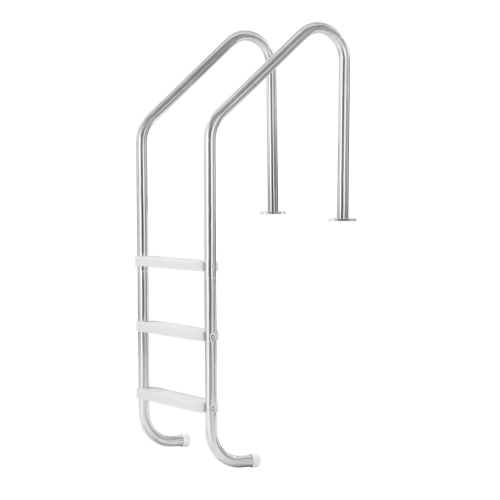
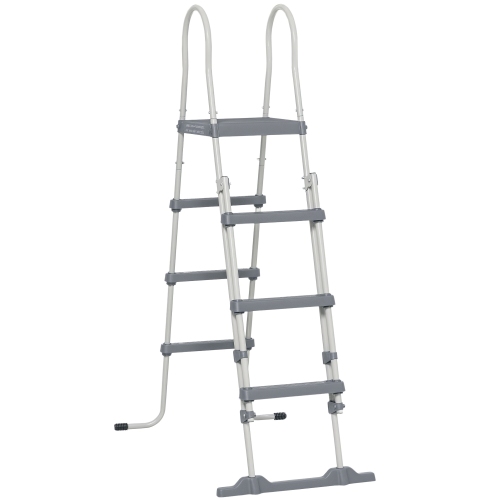
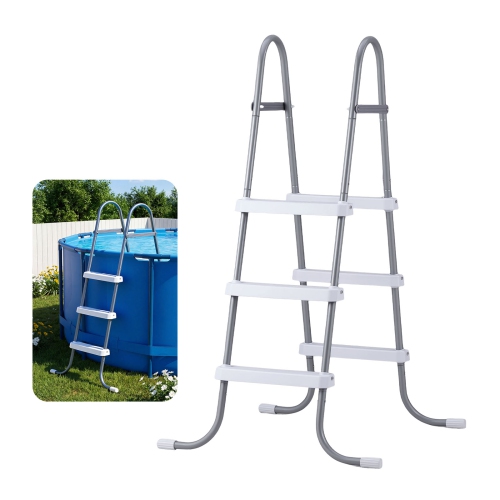
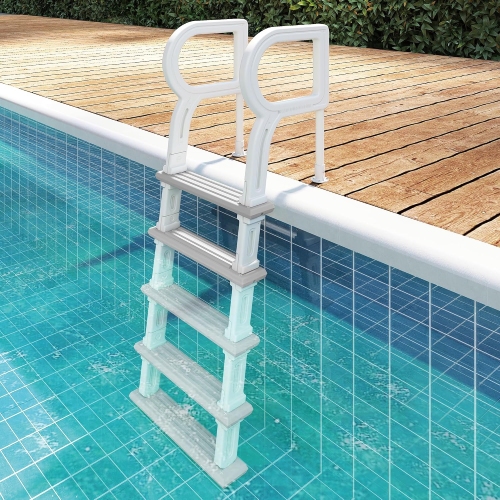
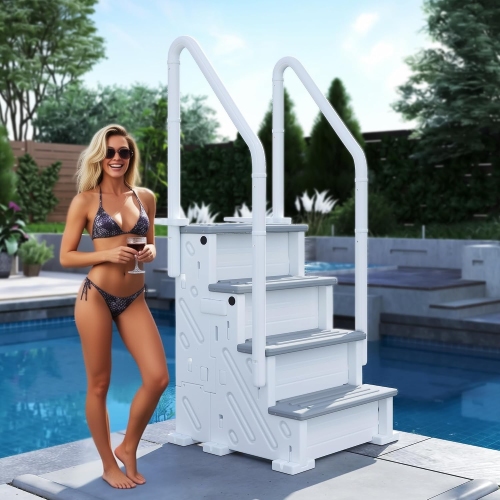
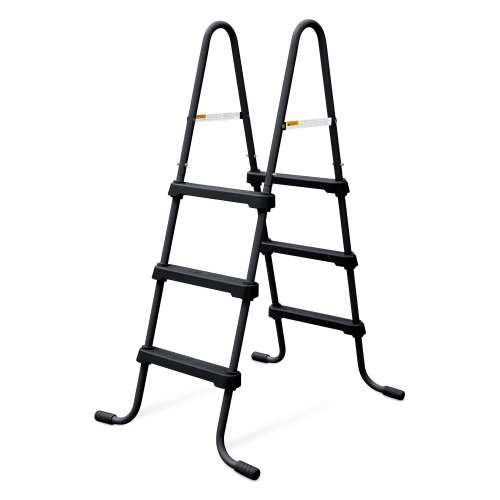
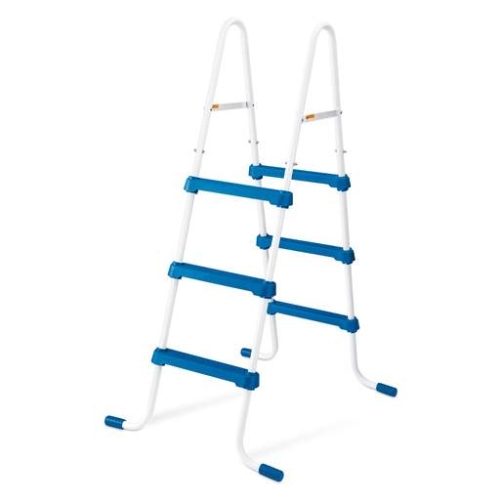
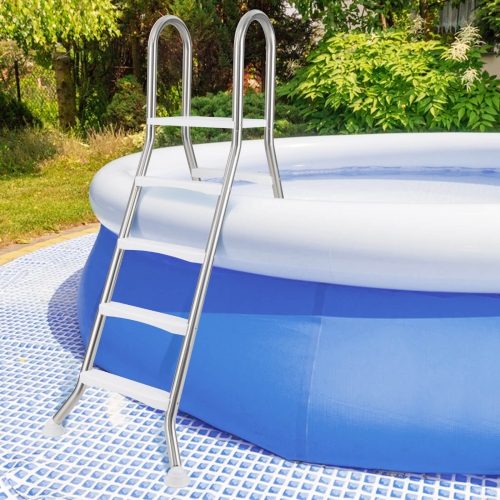
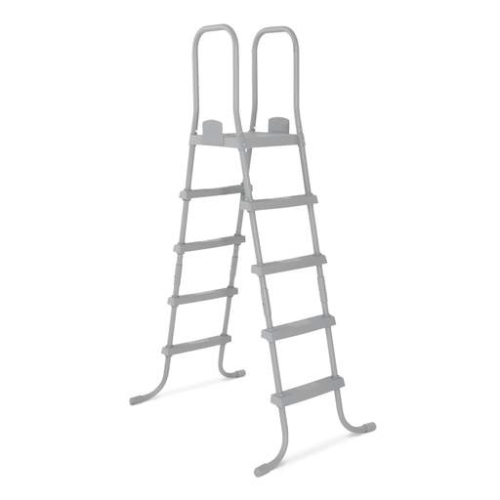
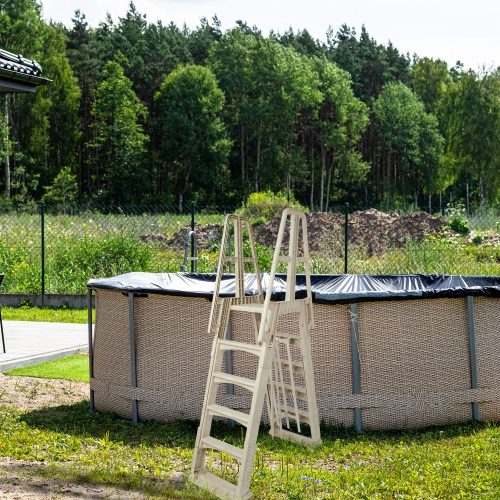
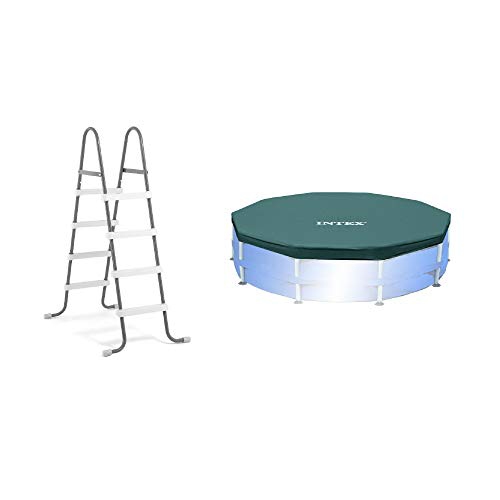
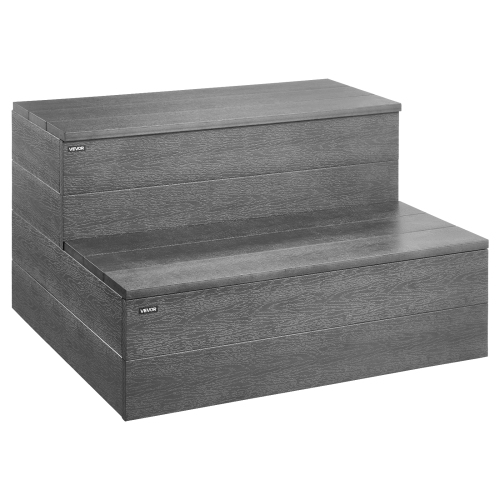
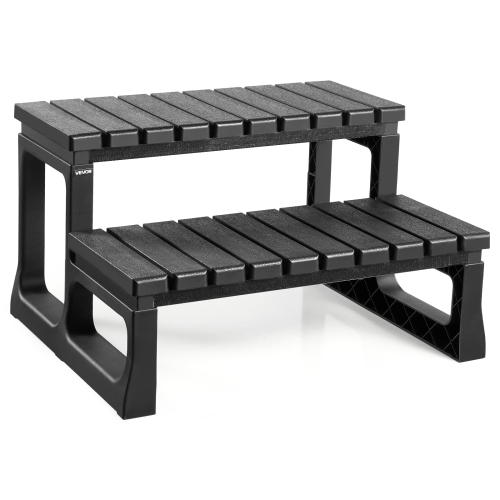
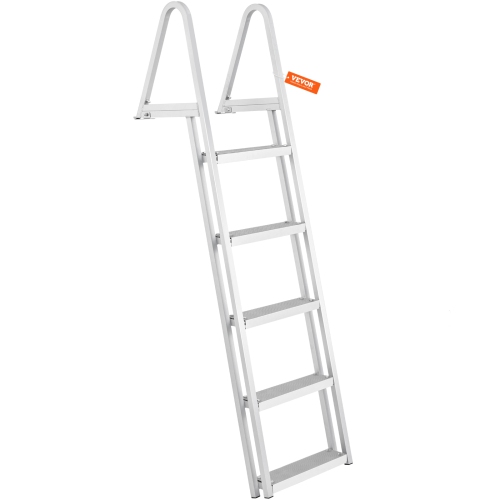
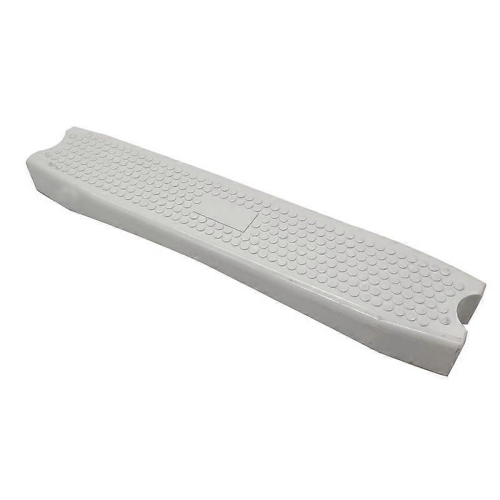
Pool ladders provide a designated way to enter and leave a swimming pool, with steps or rungs and handrails that support a controlled climb. The right design depends on the pool’s construction, its height or depth at the entry point, and whether swimmers approach from ground level or a surrounding deck. Above-ground pool ladders commonly use an A-frame shape, with one set of steps outside the pool and another inside. This arrangement lets swimmers cross the pool wall without using the wall itself as a foothold. For an above-ground pool with a deck, a deck-mounted ladder can provide access from the platform directly into the water. Inground pool ladders typically attach at the pool edge and extend down into the water, with lower contact points positioned as specified by the manufacturer. Wider pool steps offer a different climbing experience, giving swimmers more room to place their feet than a narrow rung-style ladder. These distinctions matter in everyday use: an adult finishing a swim may prefer a compact ladder that leaves more space for swimming, while someone who finds narrow rungs uncomfortable may appreciate broad treads and continuous handrails. Neither design is a substitute for an accessible entry system when a swimmer needs a lift or other mobility support. Fit involves more than choosing between above-ground and inground styles. Pool wall height, deck height, water depth at the installation point, and the ladder’s footprint all affect compatibility. Common above-ground wall heights include 42, 48, 52, and 54 inches, but a ladder must be expressly rated for the actual installation rather than chosen by appearance alone. Adjustable designs accommodate only the range stated by their manufacturer. Space outside the pool also matters, particularly where an A-frame ladder sits beside a fence or walkway. A suitable setup leaves room to approach the steps, grasp the rails, and climb without squeezing past furniture or stepping over hoses.
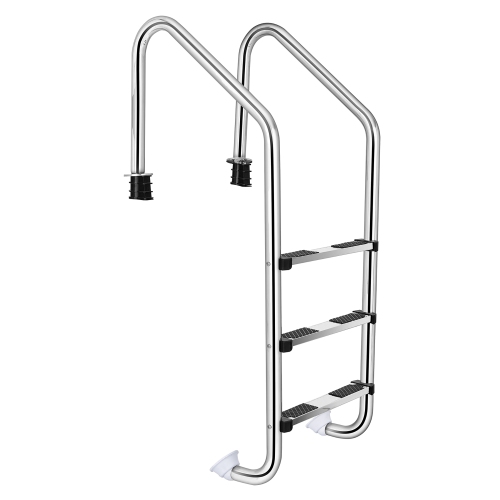
Materials influence how pool ladders feel underfoot, how much they weigh, and what care they need over time. Stainless steel is common in inground pool ladders because it offers strength in a relatively slim profile, often paired with moulded treads for grip. Its resistance to corrosion depends on the steel grade, water chemistry, and ongoing maintenance; stainless steel is not rust-proof. Saltwater pools require particular attention to material compatibility, including fasteners and mounting hardware, rather than an assumption that every metal ladder is suitable. Resin and moulded plastic components are common in above-ground ladders and broader step systems. They do not rust, but their long-term performance still depends on construction quality, exposure, and use within the stated limits. Coated steel frames combine metal support with a protective finish, making scratches, chips, and exposed joints important inspection points. Material alone does not establish a ladder’s weight capacity. The manufacturer’s stated load rating applies to the complete assembly, and any restrictions on the number of users must also be followed. Tread shape and spacing deserve equal attention. A broad, textured step offers a different foothold from a rounded rung, especially for bare feet, while well-positioned handrails give swimmers something to hold as they move between the water and pool edge. Textured surfaces can improve traction, but they can still become slippery when coated with sunscreen residue or algae. For a household with children and adults sharing the pool, consistent step spacing and an easy-to-reach grip can make the entry point more comfortable to use. Some above-ground ladders include removable outside steps, lift-up sections, or locking access features. These can help restrict entry when used correctly, but they do not replace active adult supervision, required fencing, or other barriers. A ladder should also have the clearances, guards, and installation details specified for its design to help reduce entrapment risks around and beneath the steps.
Durability depends as much on a sound installation as on the ladder itself. A pool ladder needs the support and attachment points intended for its design; a pool wall, top rail, or nearby deck board should not be treated as a mounting surface unless the pool and ladder instructions permit it. Deck-mounted designs may require compatible anchors, brackets, and suitable structural support. Where metal components require electrical bonding under applicable rules, that work belongs with a qualified professional. Some drop-in steps and ladders require ballast to stay correctly positioned in the water, and only the specified ballast material and method should be used. Improvised weights or attachments can create hazards or damage the pool. Contact with a vinyl liner also needs care: compatible protective pads or manufacturer-approved barriers may help prevent abrasion beneath ladder feet, but they cannot correct a poor fit or unstable assembly. Routine upkeep is straightforward when built into the pool’s normal cleaning schedule. Rinsing exposed surfaces, cleaning treads with a material-compatible product, and checking fasteners help keep the access point in usable condition. Harsh abrasives or unsuitable cleaners can damage finishes, so cleaning methods should match the material. Cracks in moulded steps, loose rails, worn tread surfaces, corrosion around joints, and missing hardware are reasons to stop using the ladder until the issue is resolved. After removal and reinstallation, attachment points and stability need another check before anyone climbs. For outdoor pools that are closed for part of the year, removal, draining, and storage requirements vary by design; trapped water and unsuitable storage can damage components. Related pool accessories, such as compatible cleaning tools and protective mats, can support upkeep around the entry area without replacing the ladder’s required fittings. For families, regular swimmers, and people setting up a backyard pool for shared use, a well-matched ladder provides a practical route between the water and poolside. Secure mounting, suitable capacity, comfortable footholds, and regular checks all contribute to an entry point that suits both the pool and the people using it.
Top selling and popular products
-
 Your price for this item is $3000
-
 Your price for this item is $159.99
-
 Your price for this item is $329.99
-
 Your price for this item is $149.99
-
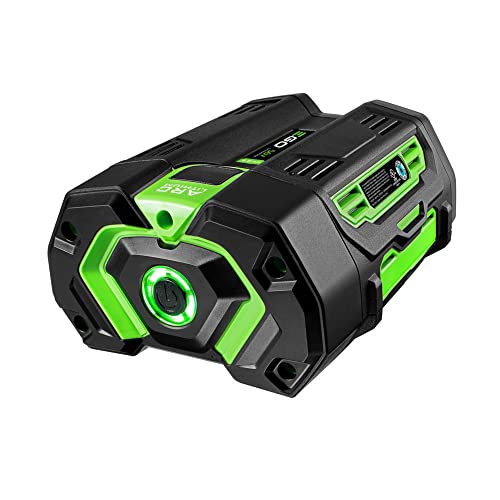 Your price for this item is $264
-
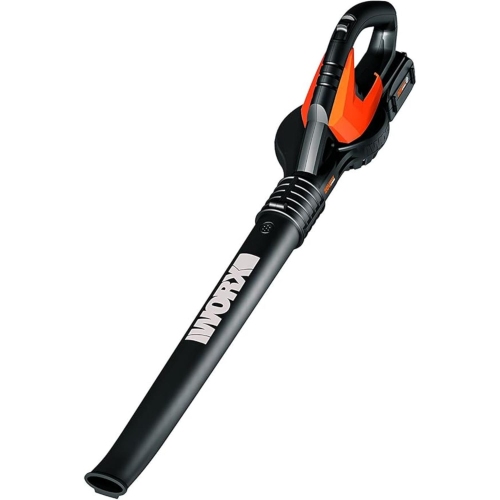 Your price for this item is $217.55
-
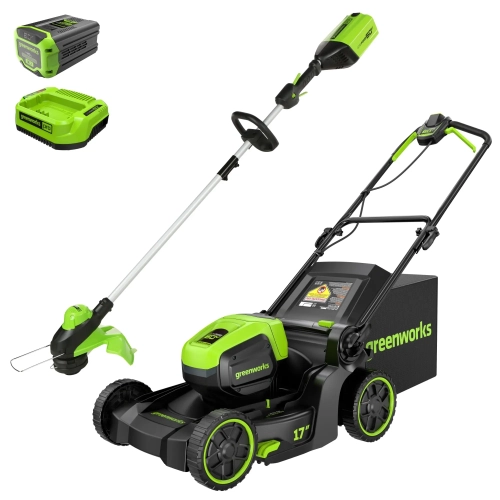 Your price for this item is $779.99
-
 Your price for this item is $659.99
Discover more categories related to Pool Ladders
Top Collections:
Pokemon Centers, Best Cameras for Sports Photography, Kindle Devices, Samsung Galaxy Phones, Canon G7X Cameras, Pokémon 30th Celebration Cards, Refurbished Apple Laptops, iPhone 15 Apple, Laptops for Students, Budget Smartphones
Some products may be subject to Environmental Handling Fees
(EHF) depending on your province.
Learn more about EHFs.