Stew Pots
Looking to elevate your culinary creations to the next level? Our collection of stew pots is here to help you simmer, sauté, and stew your way to delicious meals every time. Whether you're a seasoned chef or a cooking enthusiast, these versatile and durable pots are essential for crafting hearty stews, soups, and braised dishes with ease. With a variety of sizes and materials to choose from, finding the perfect stew pot to suit your kitchen needs has never been easier. Dive into our selection and discover the perfect pot to bring your favorite recipes to life.
Sort

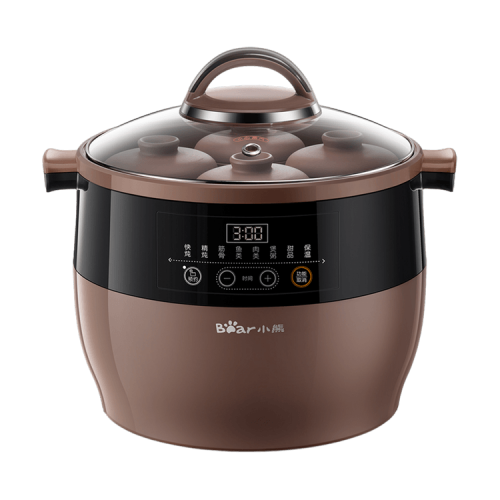
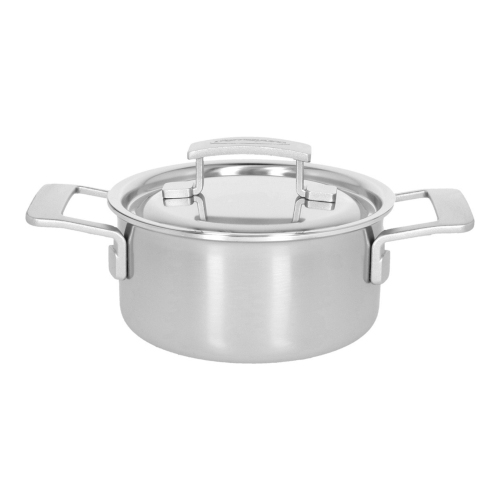
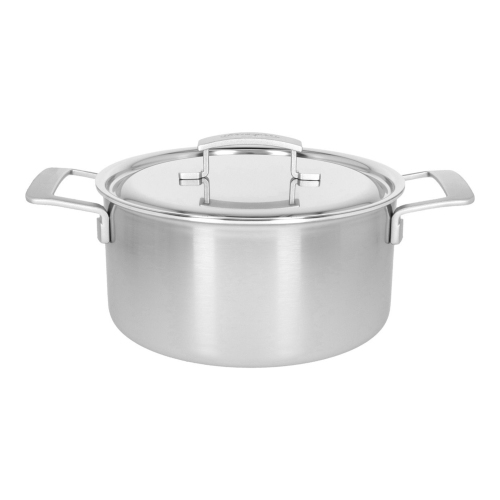
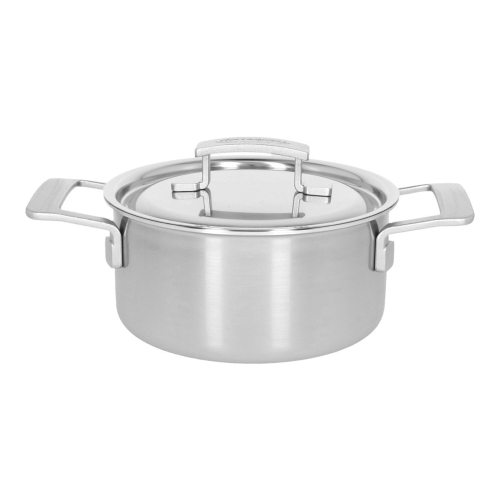
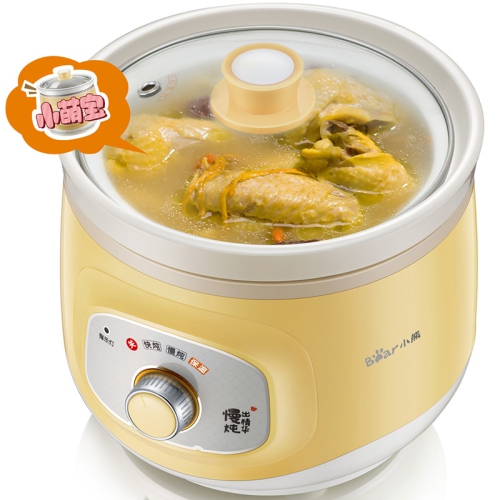
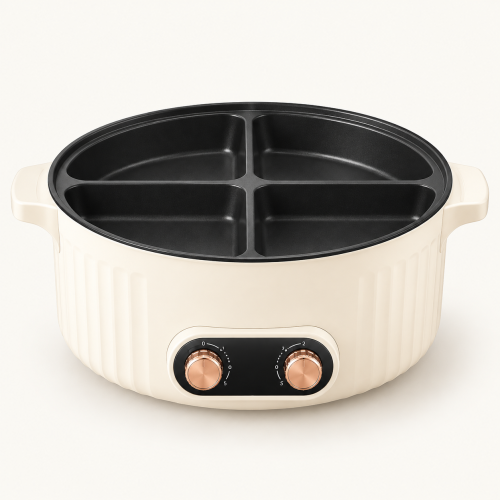
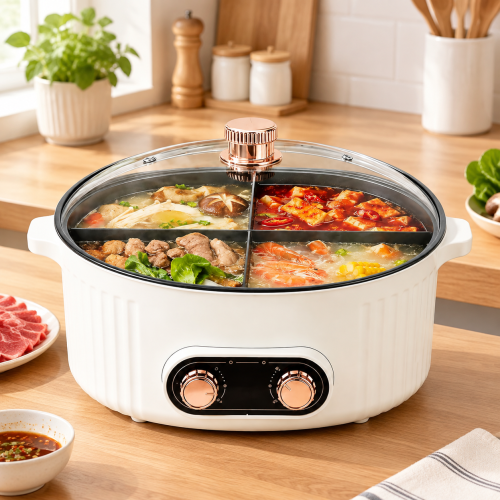
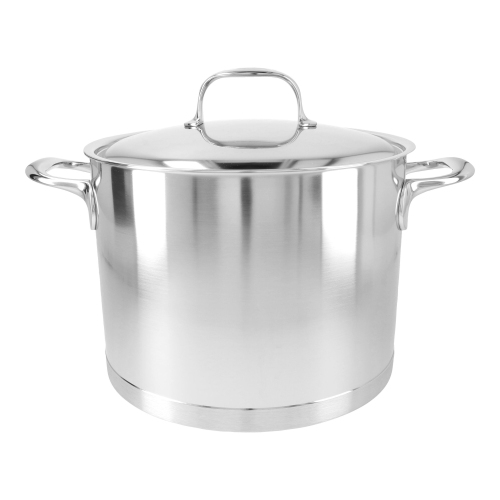

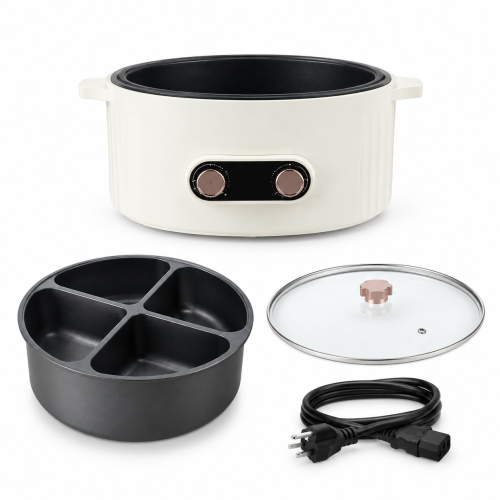

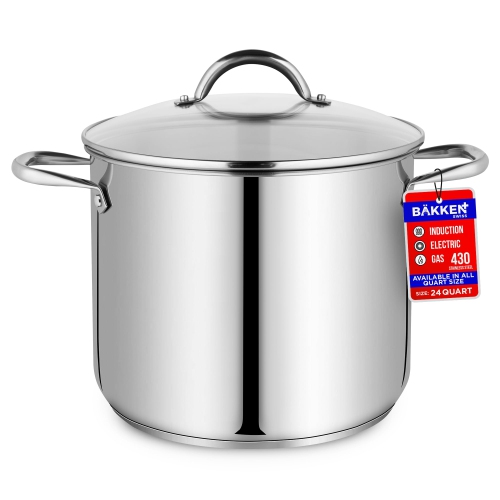
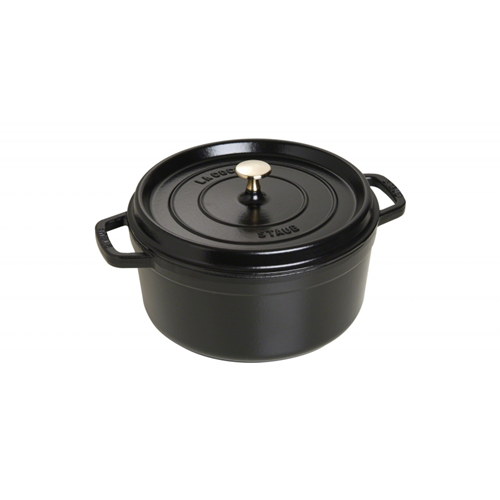
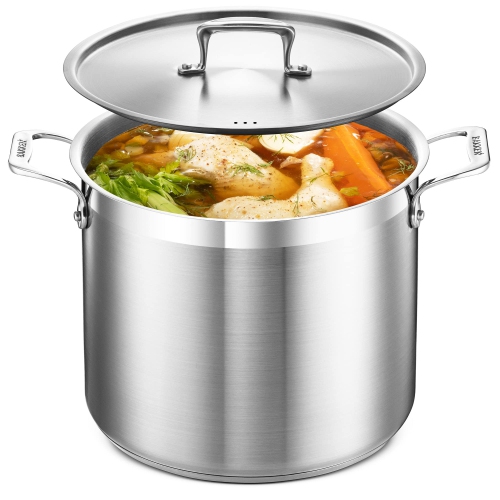

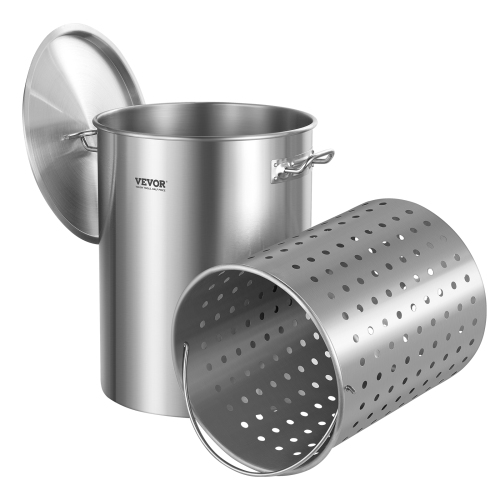
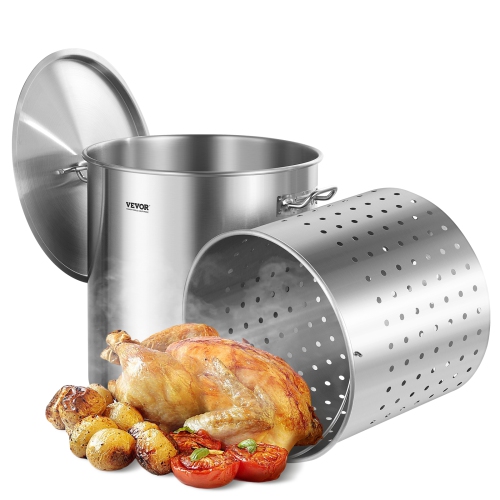
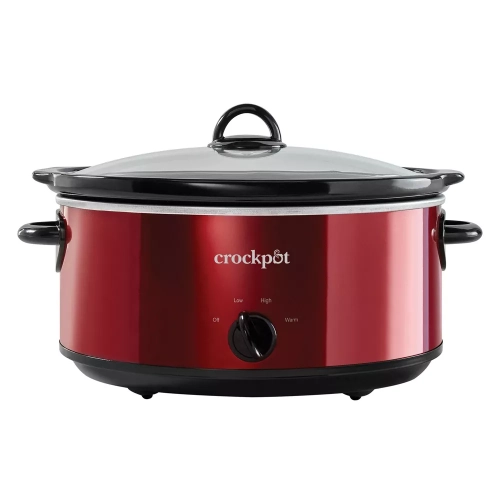
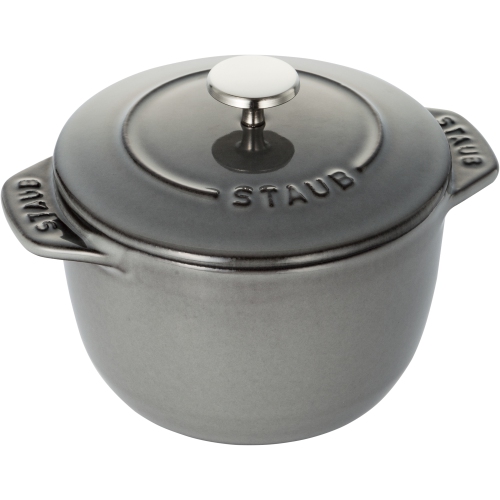

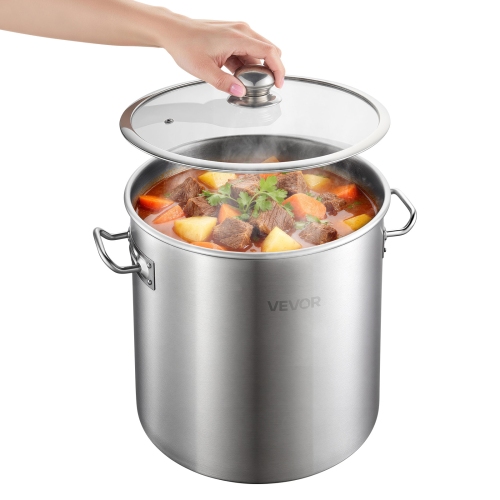
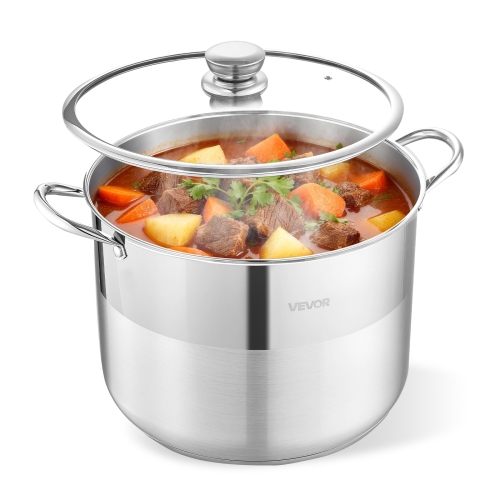
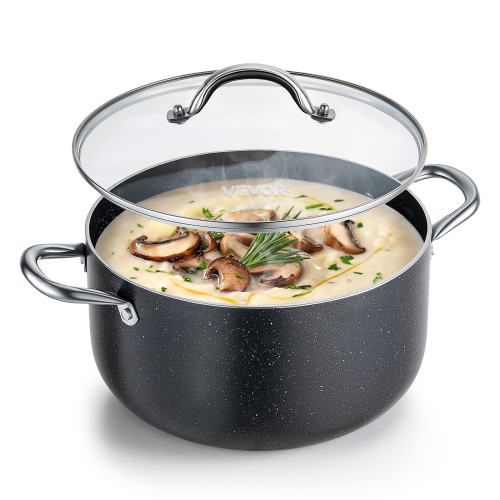
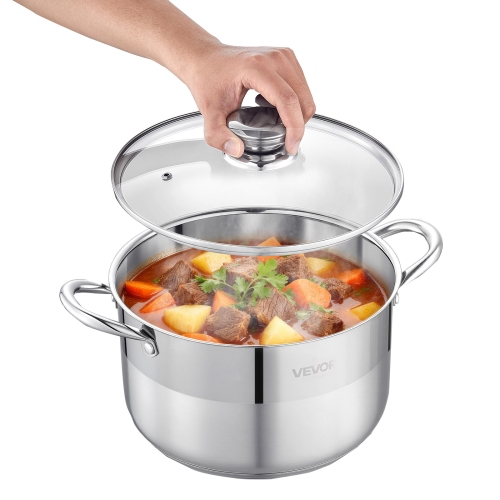
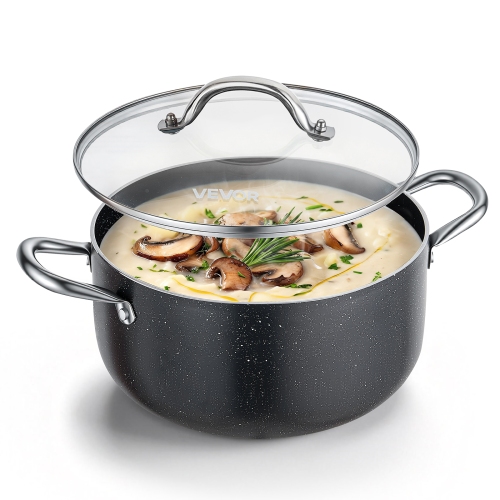
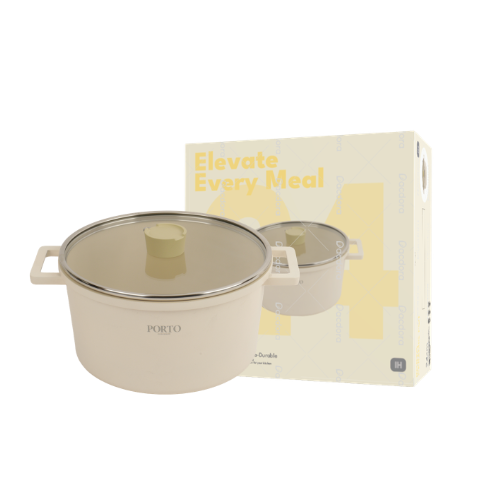
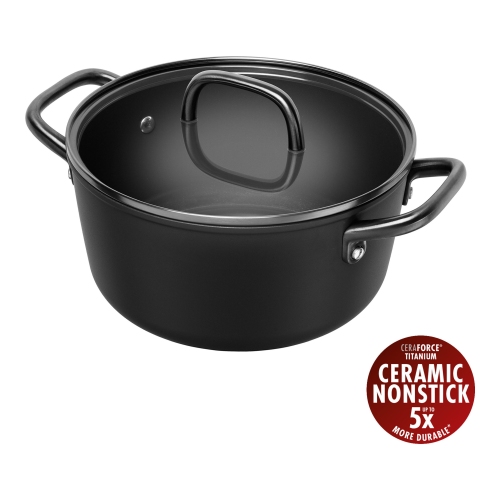
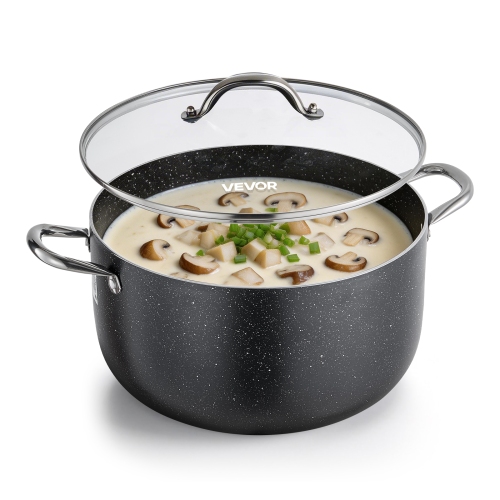

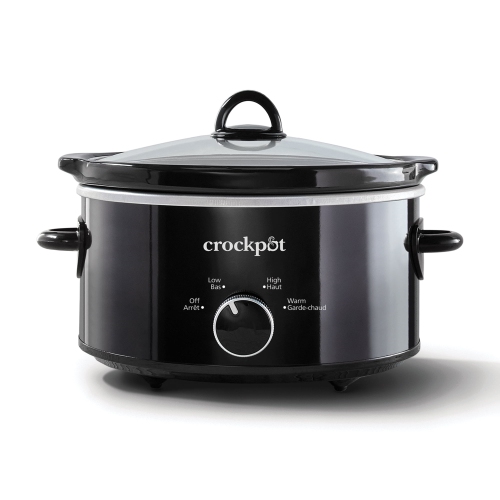
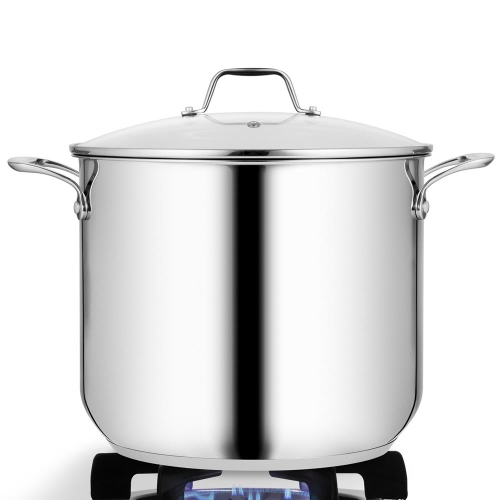

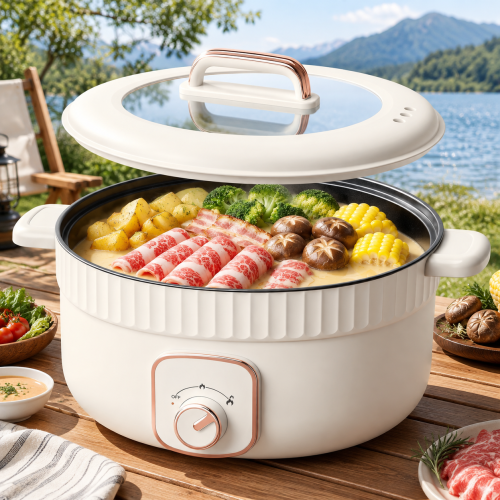
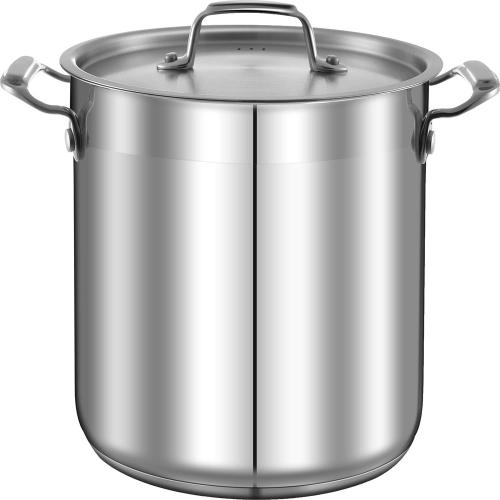
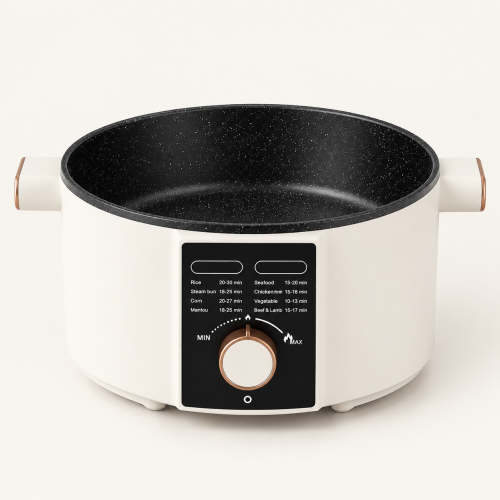
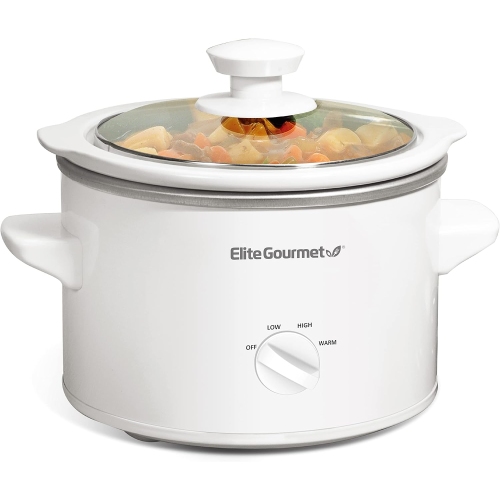

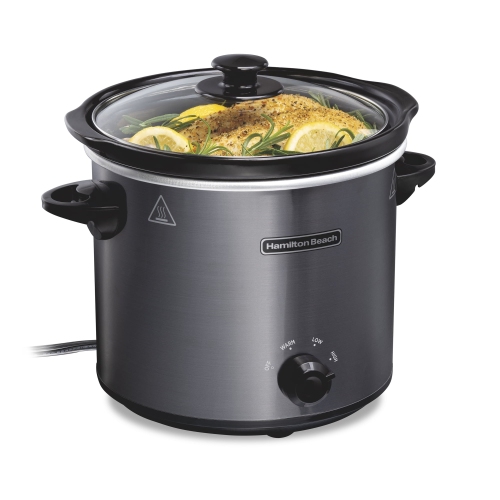
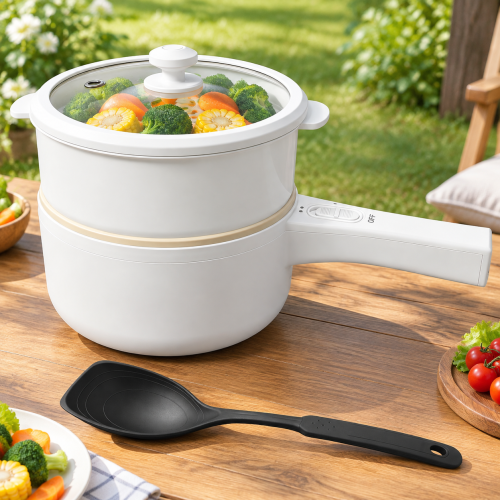






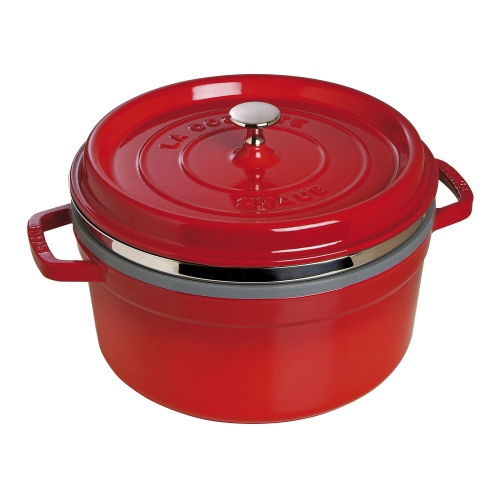
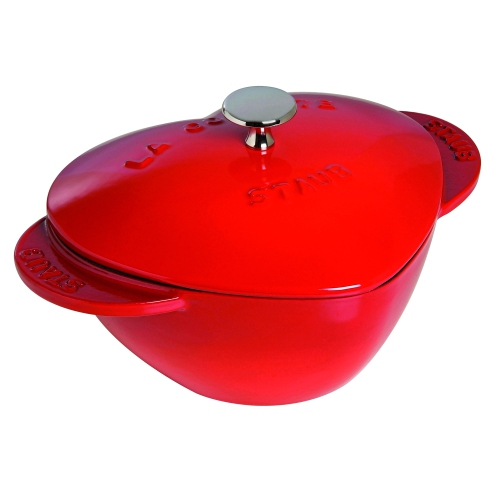
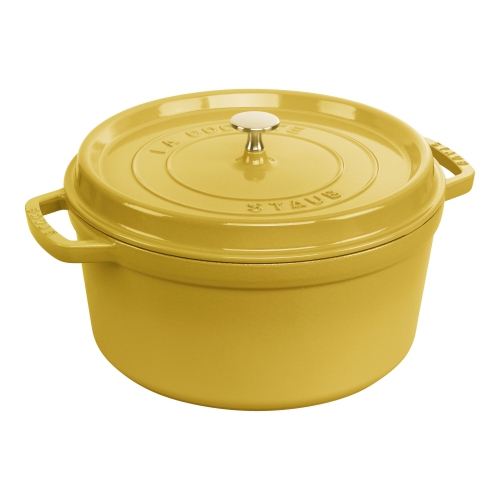



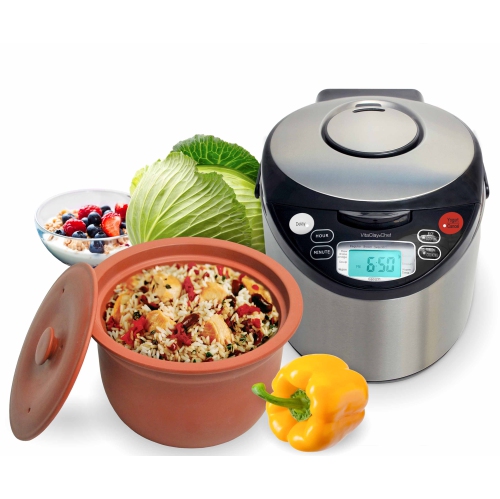
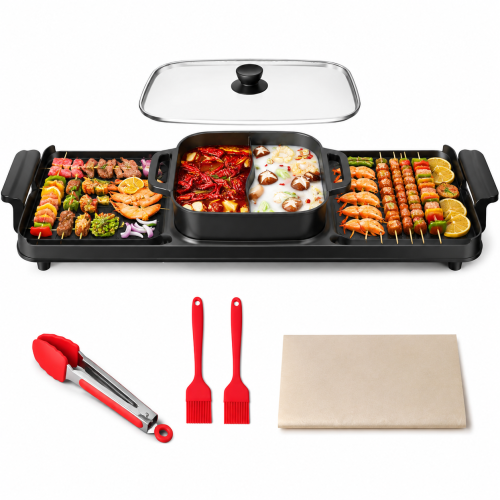
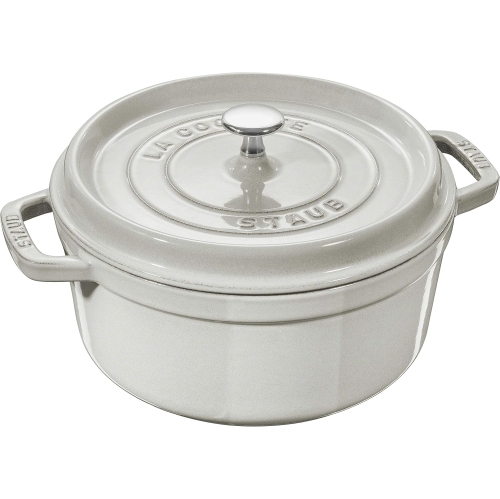
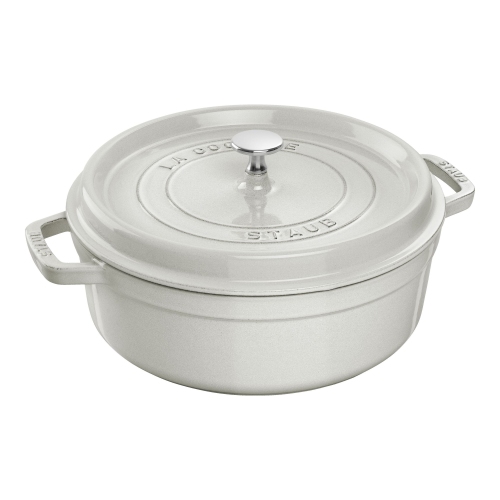
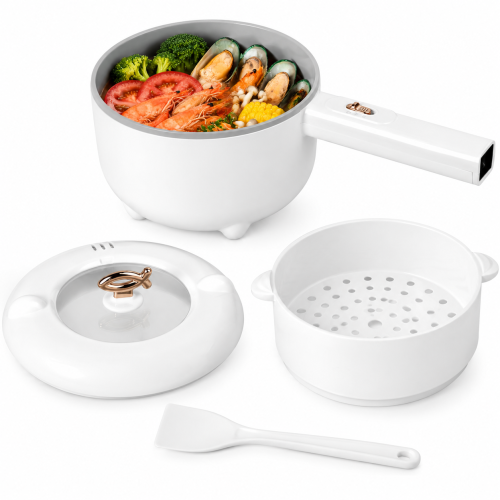
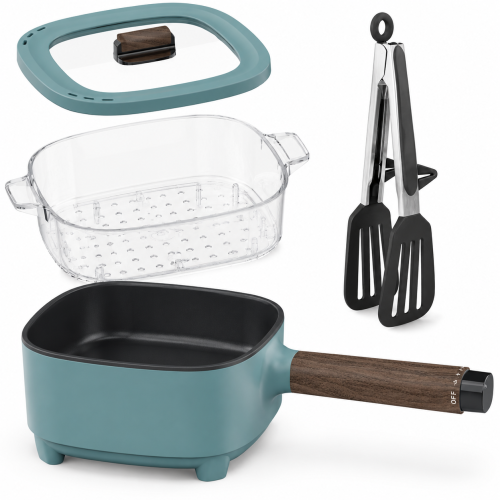
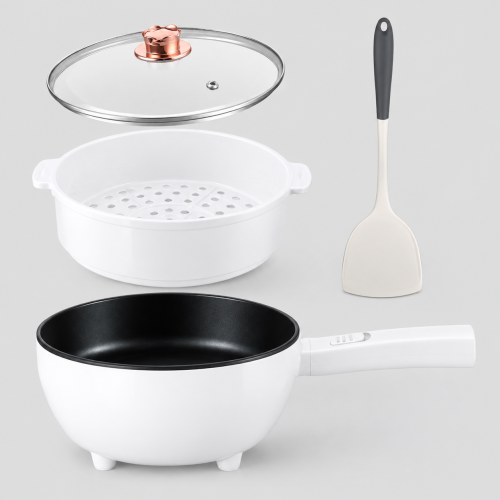
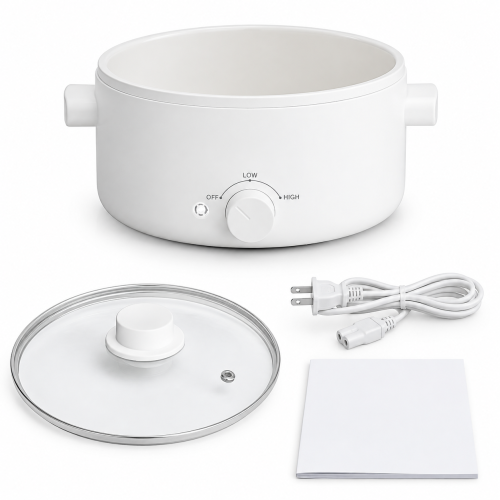



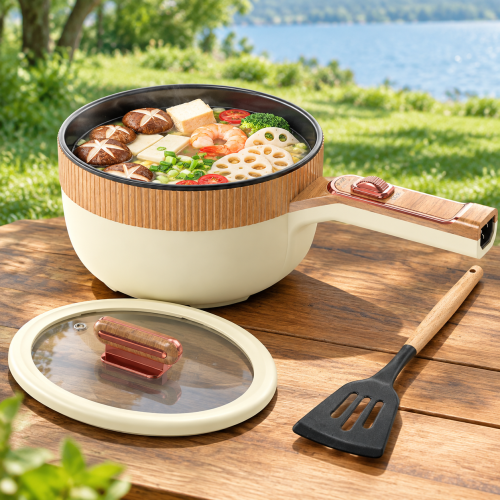
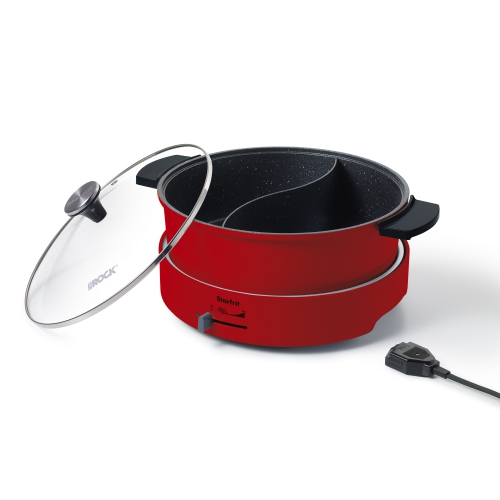
How pot shape and materials influence your simmer
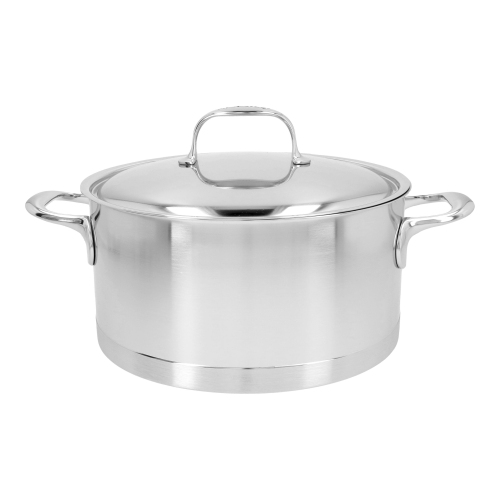
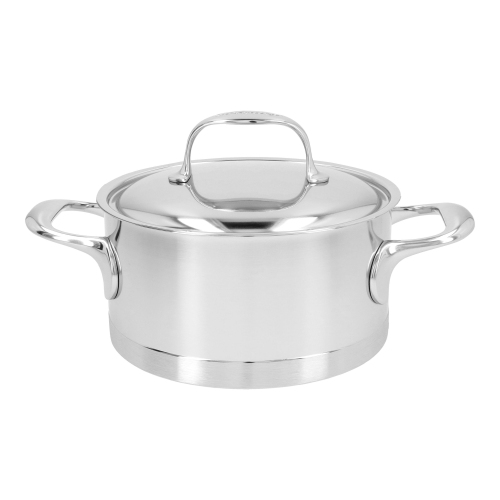
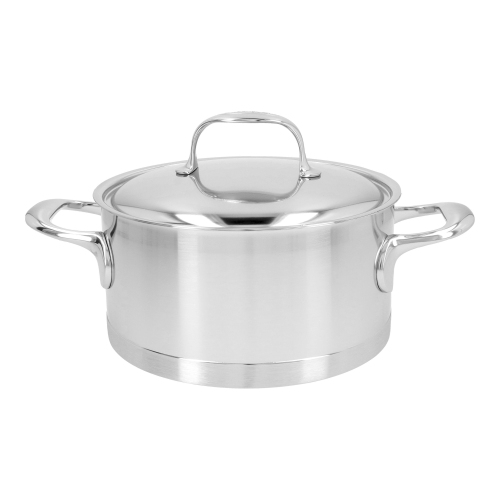
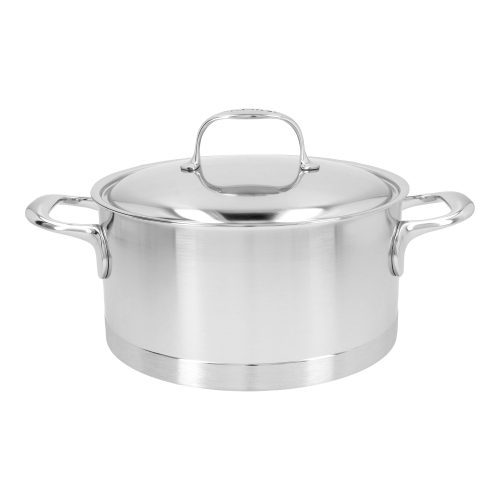
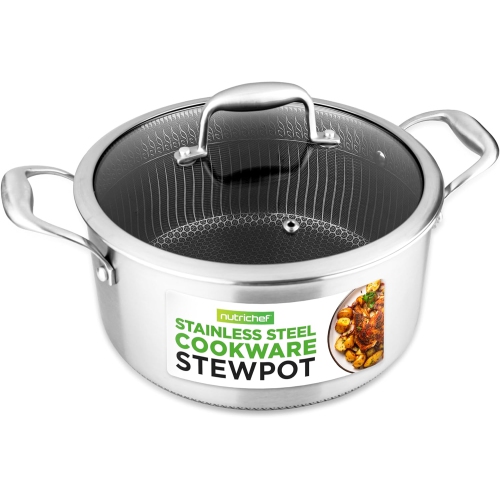
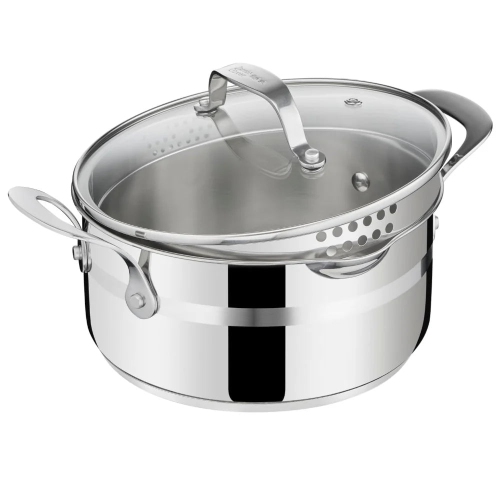
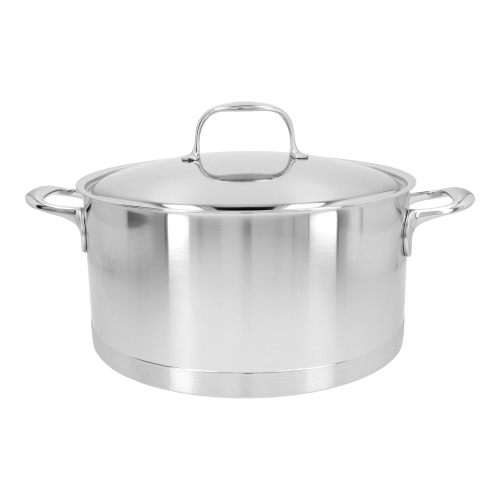
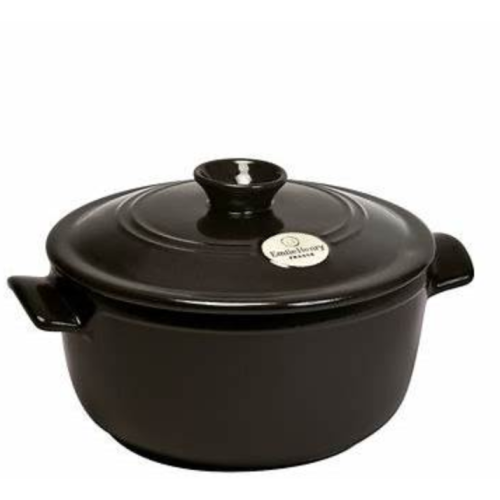
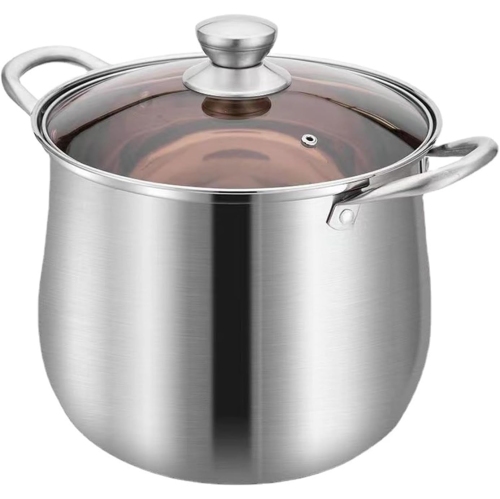
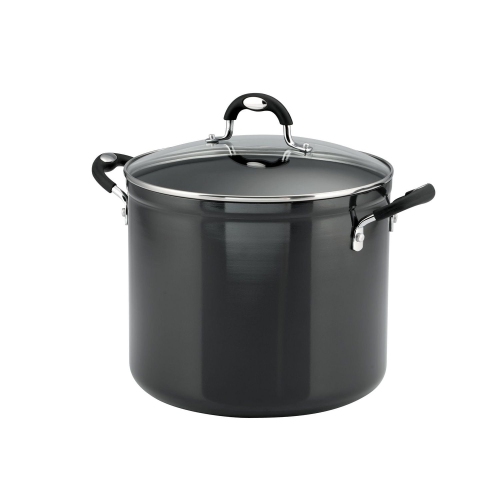
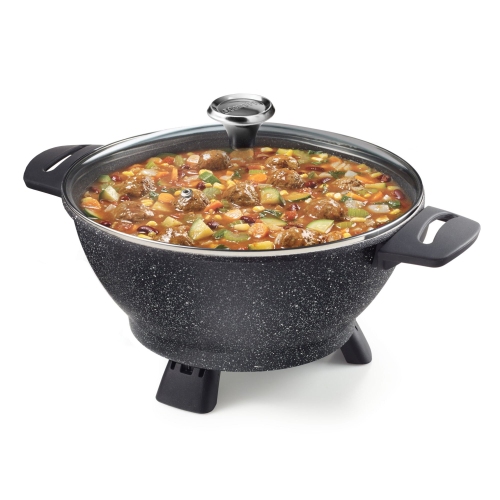
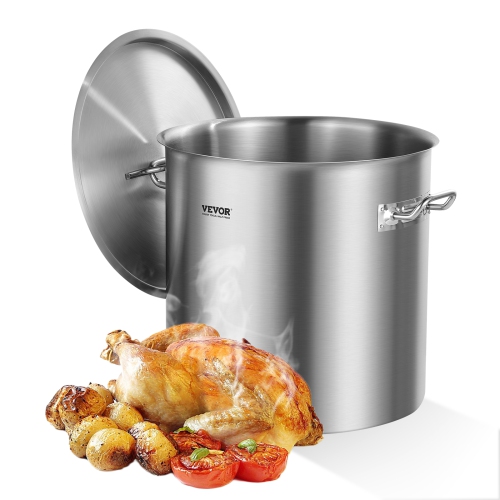
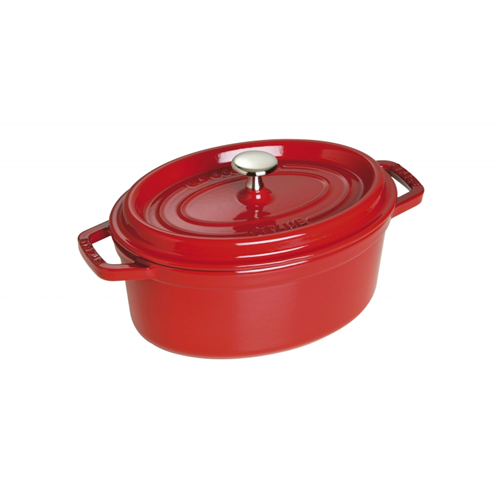
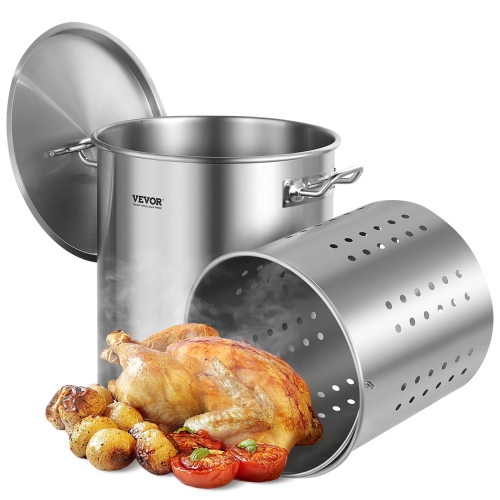
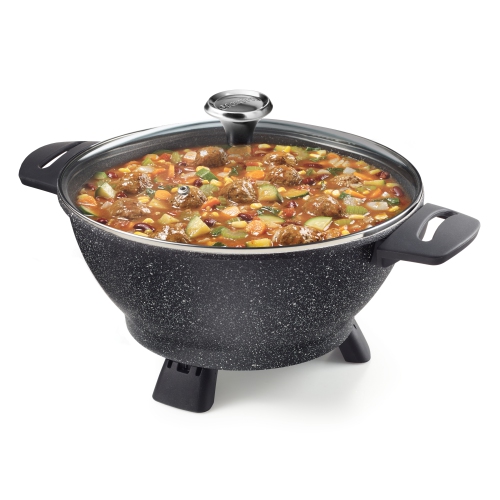
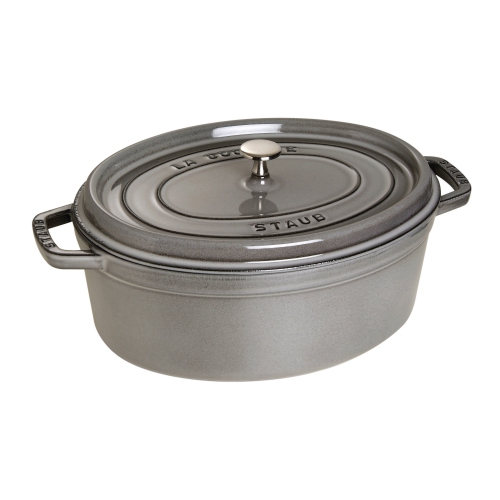
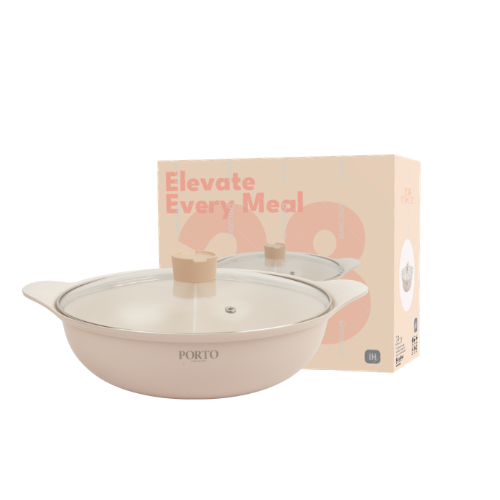
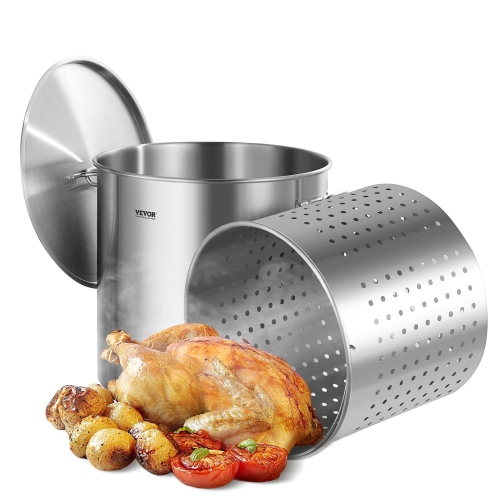
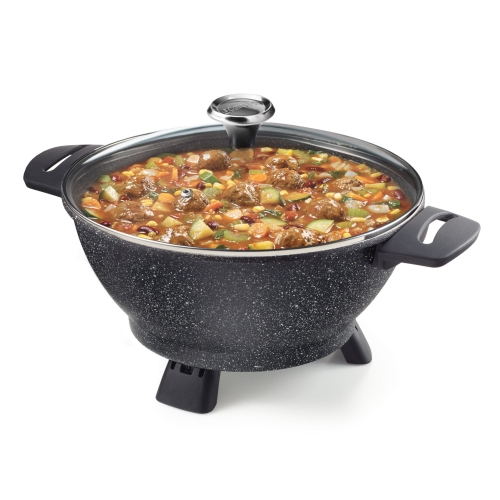
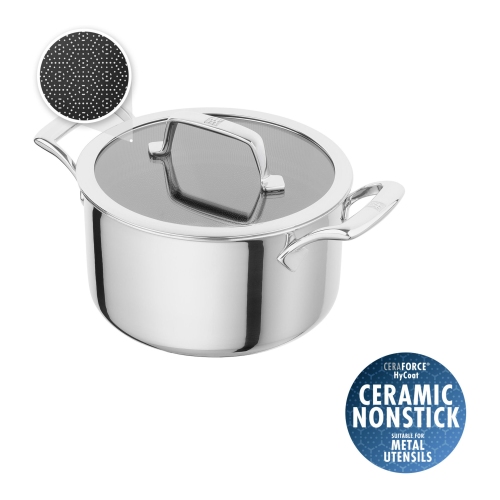
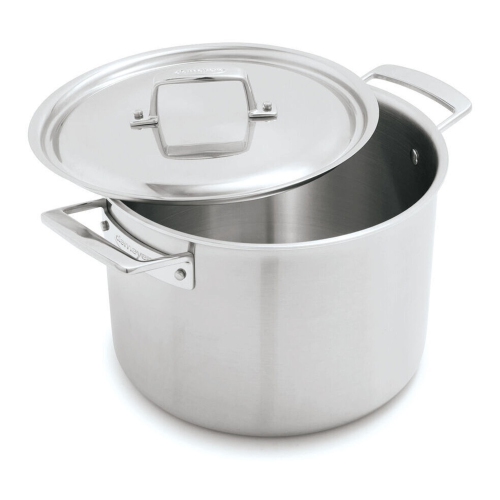
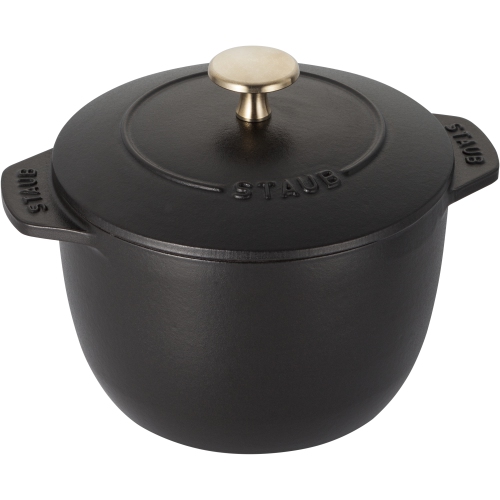
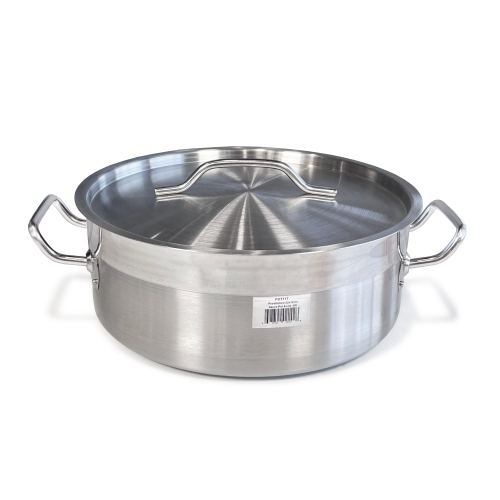
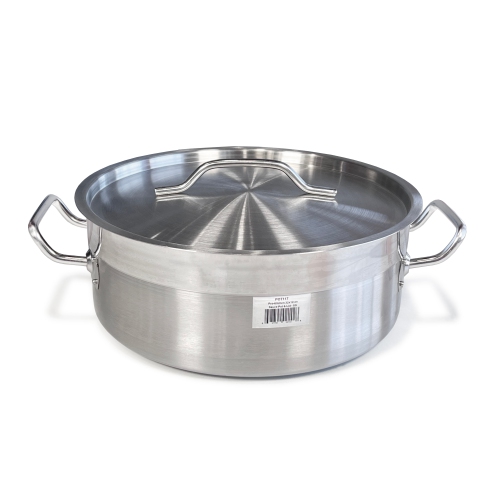
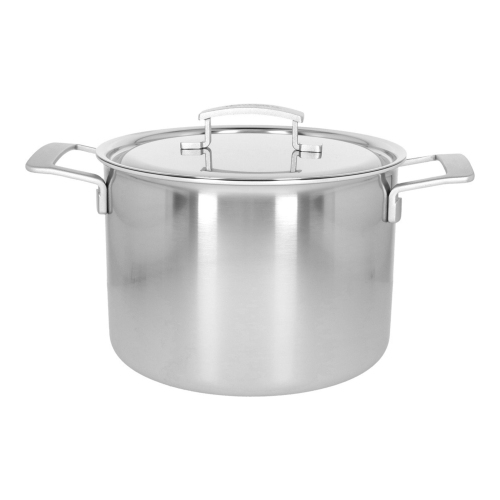
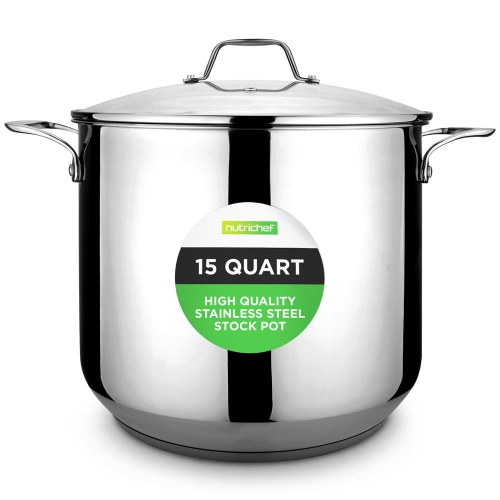
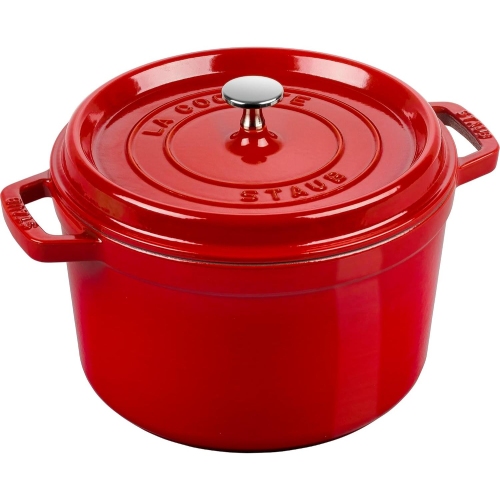
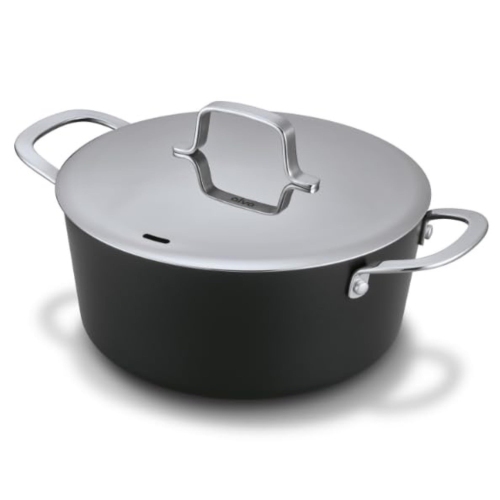
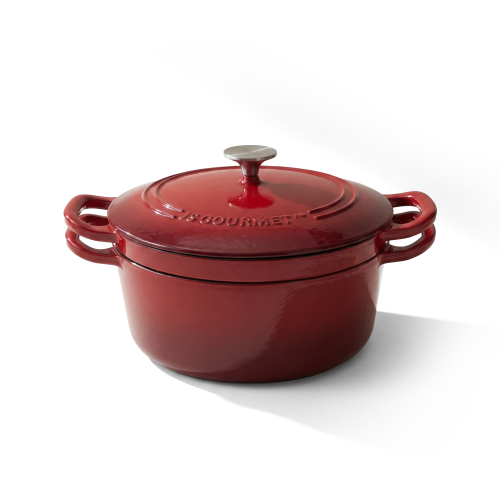
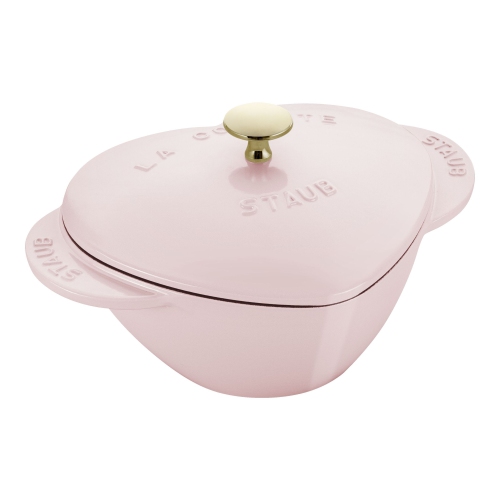
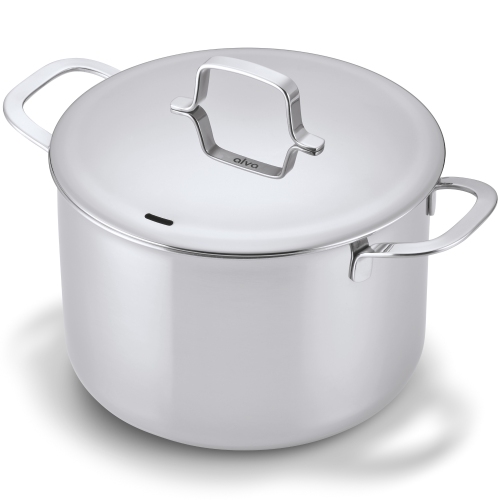
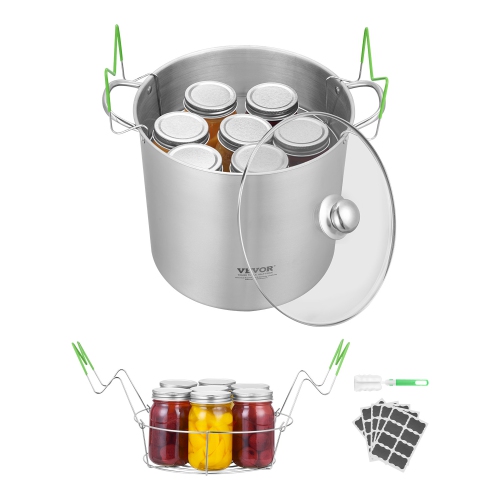
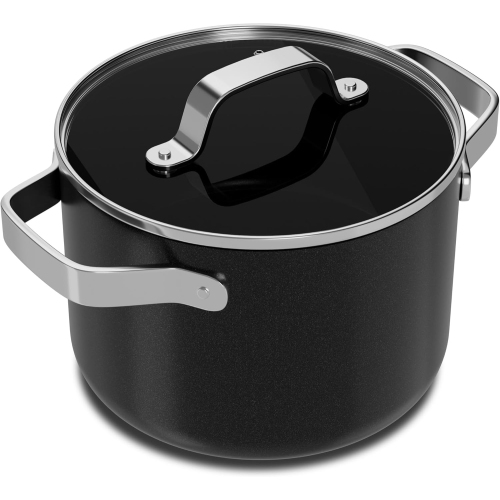
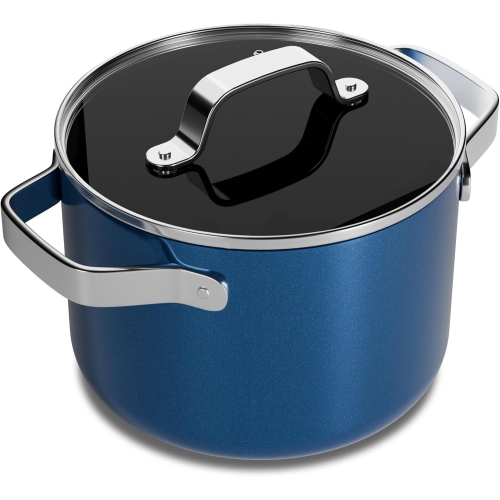
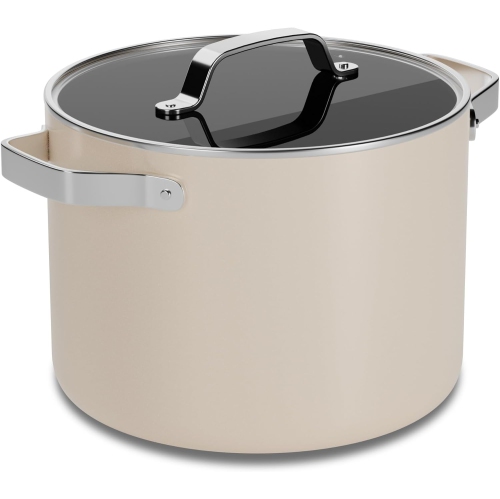
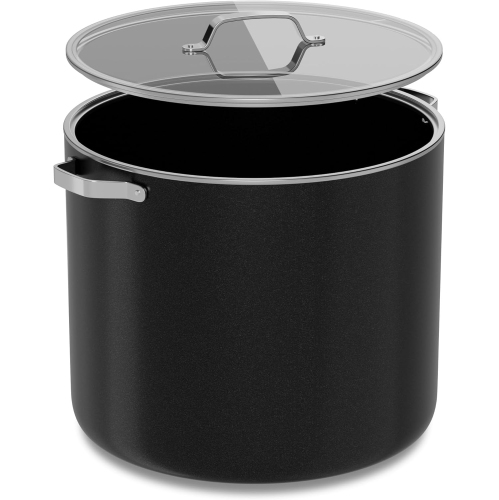
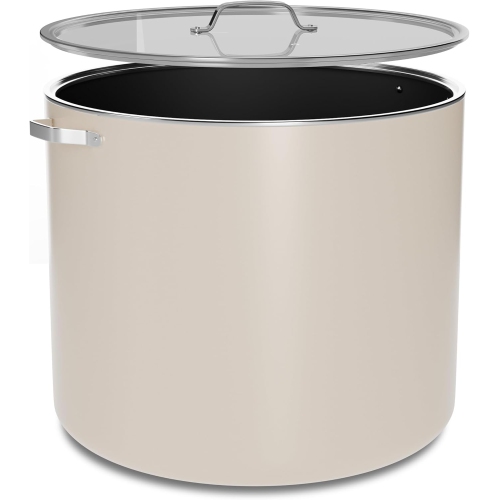
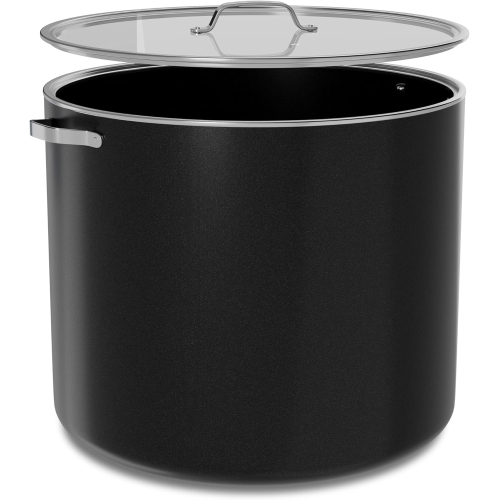
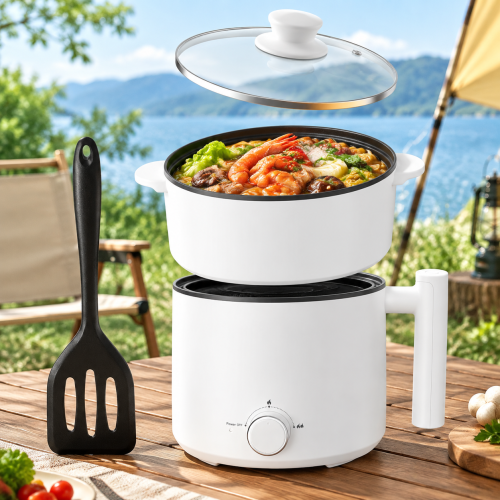
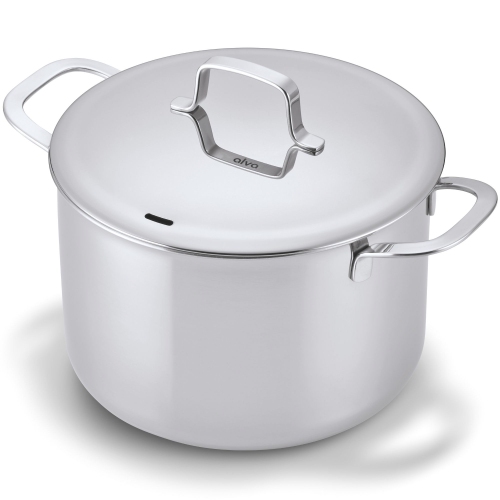
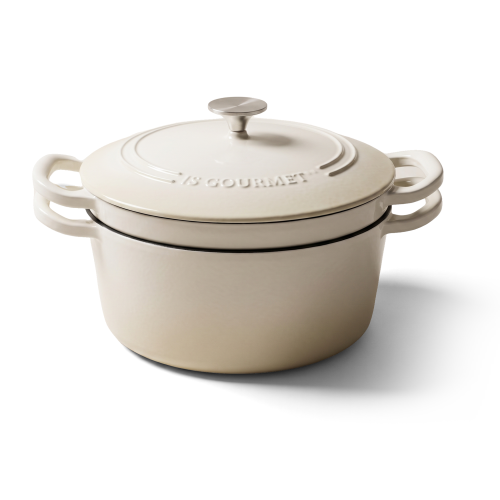
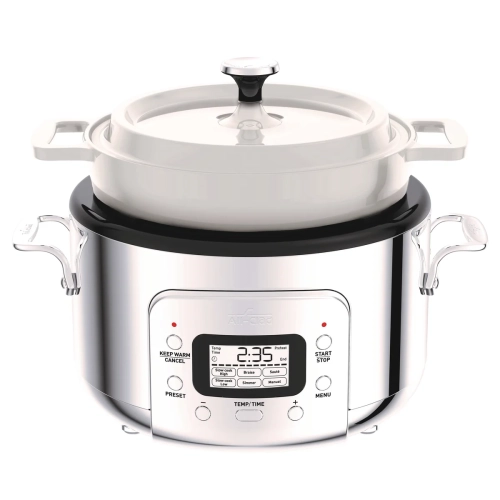
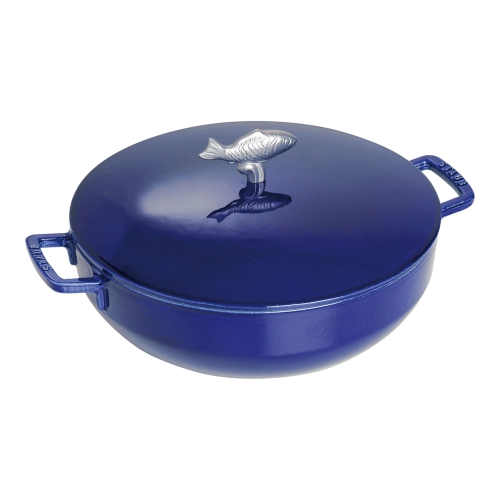
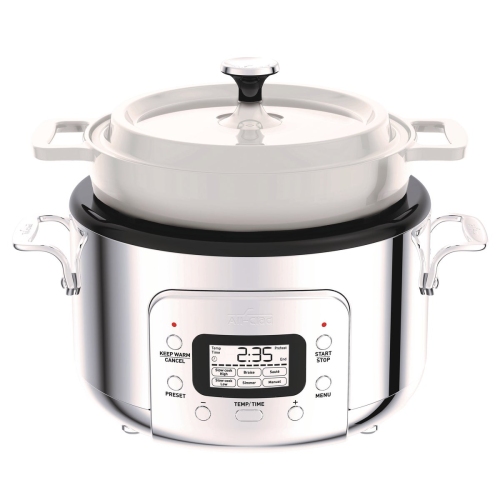
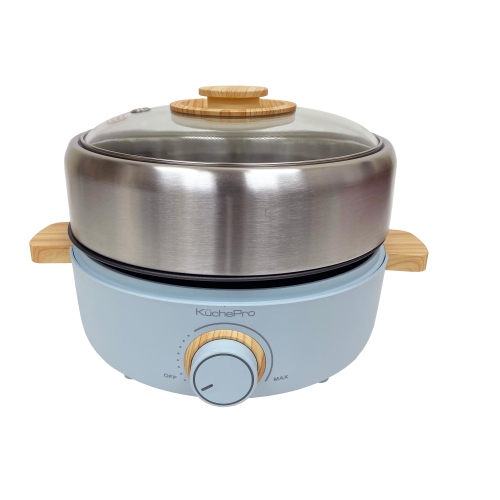
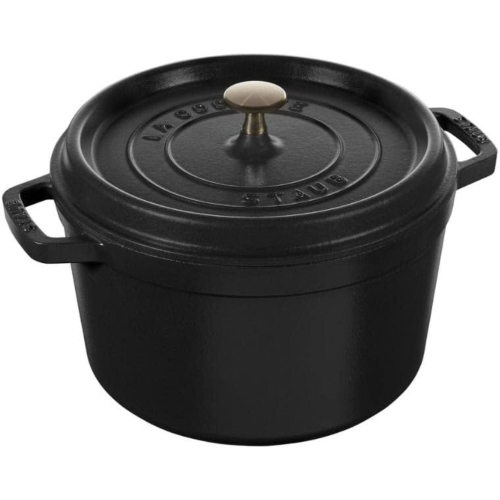
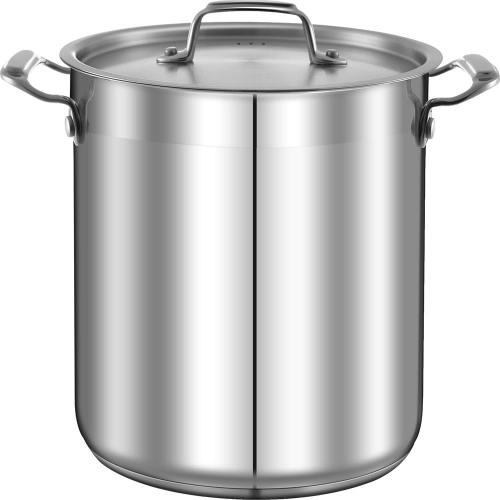
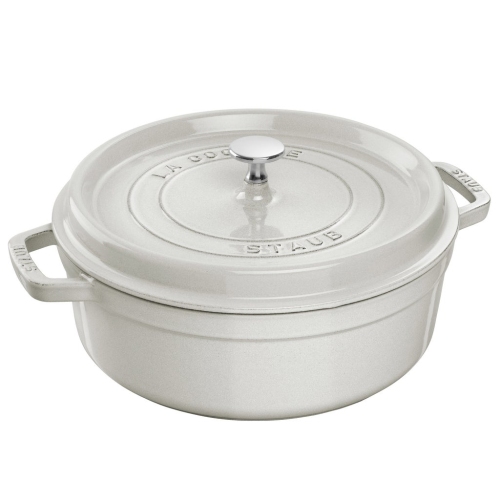
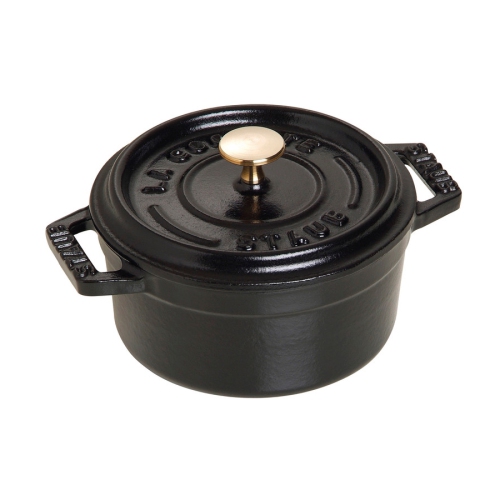
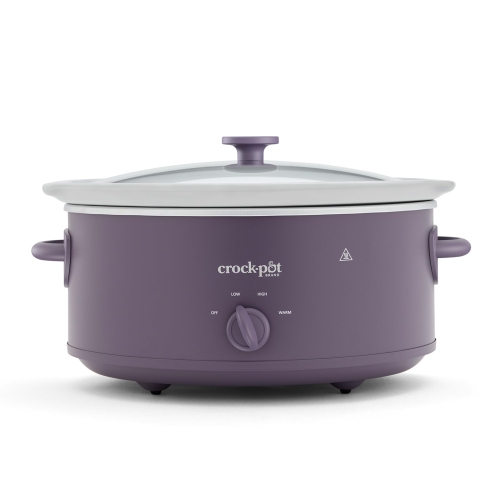
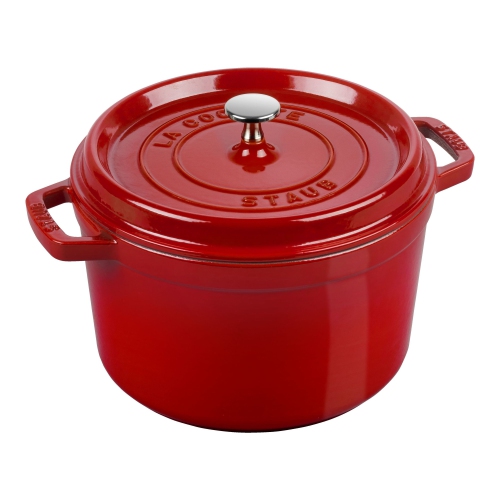
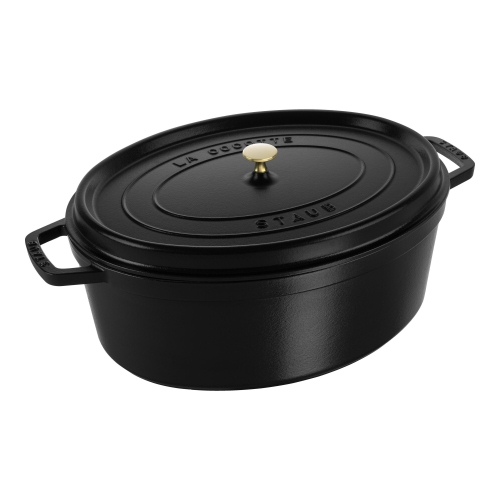
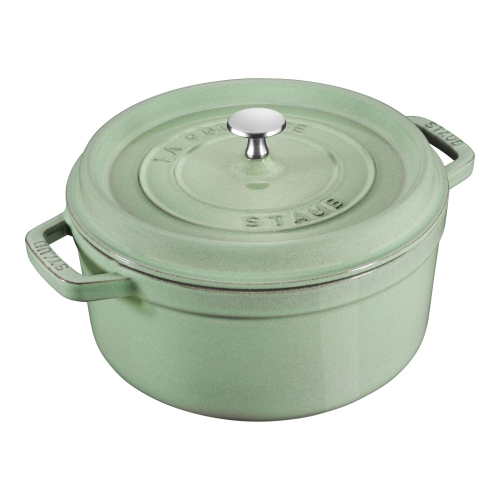
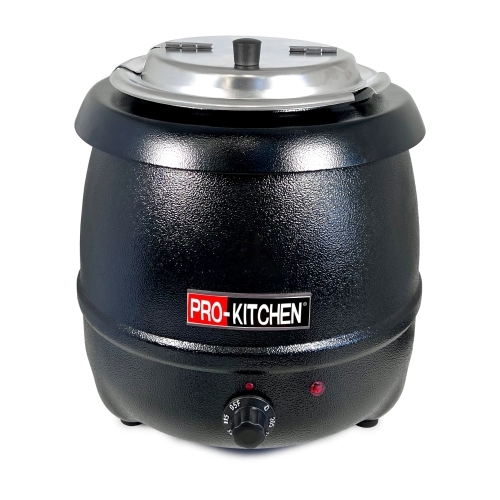
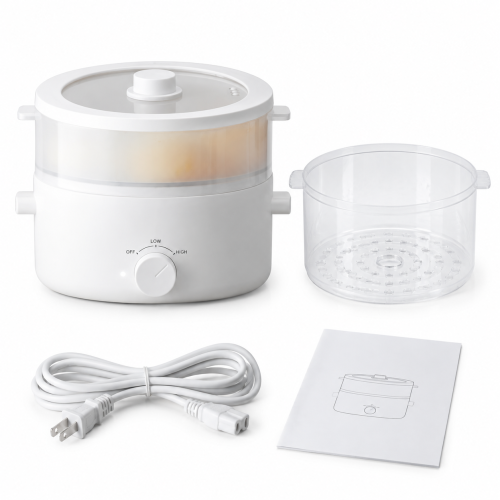
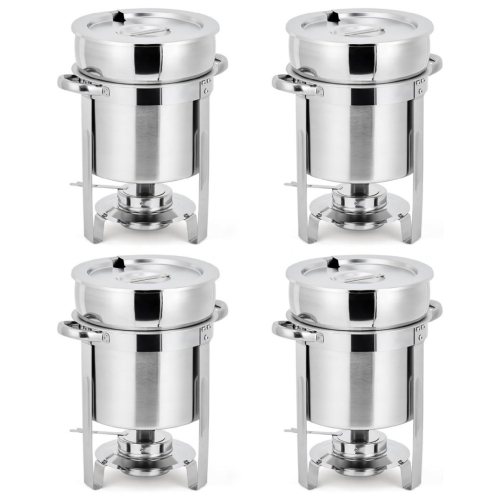
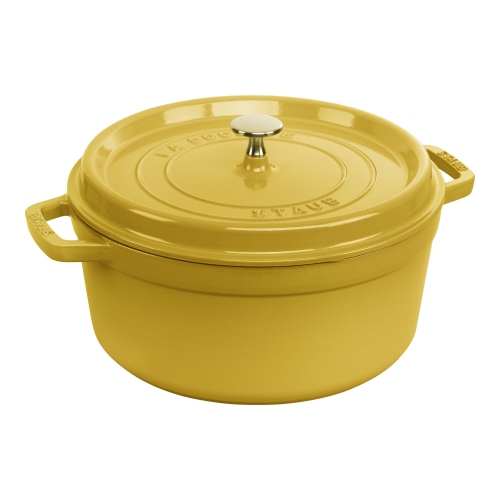
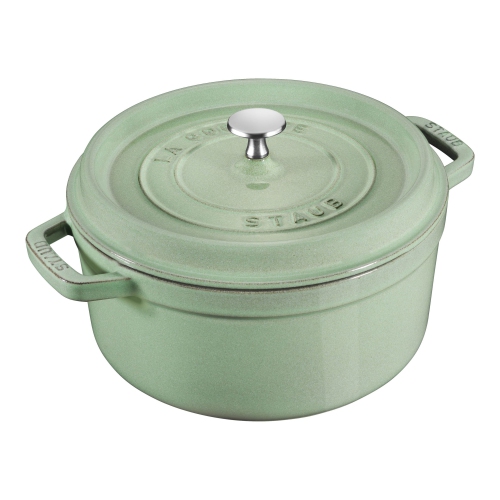
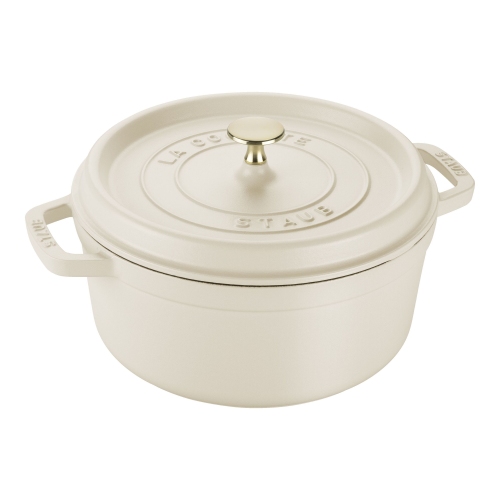
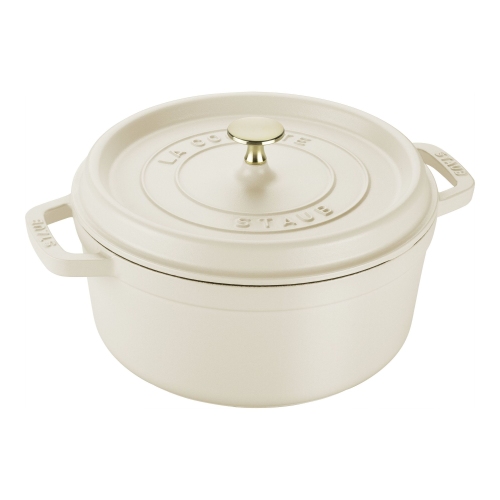
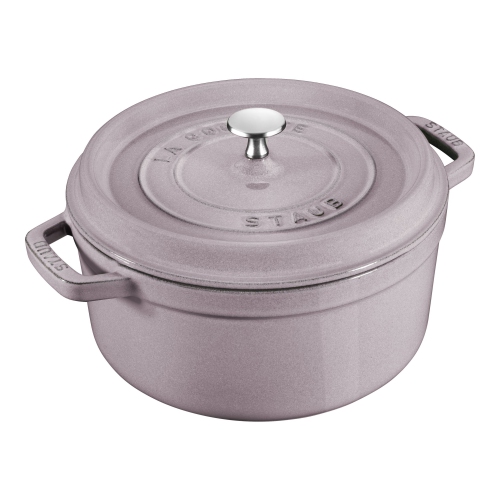
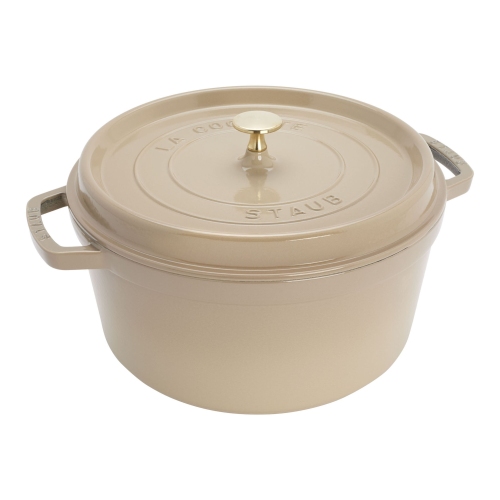
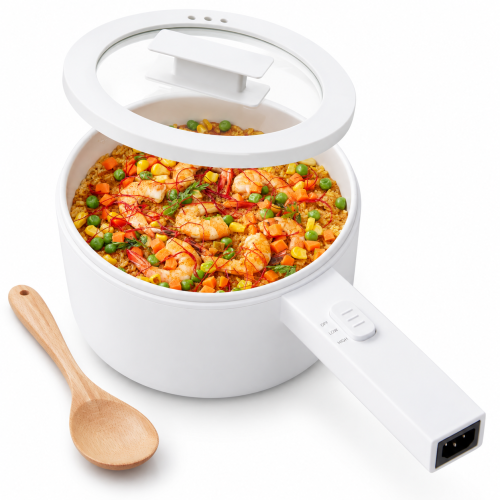
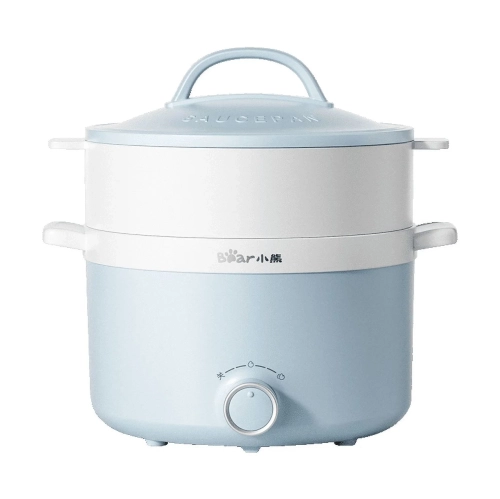
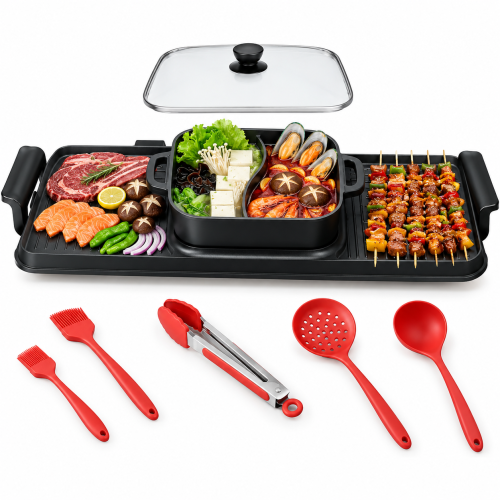
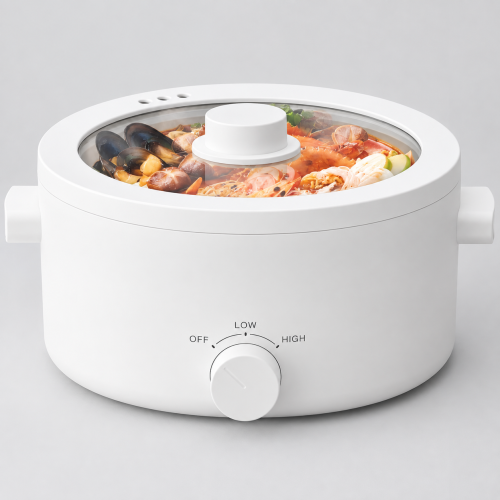
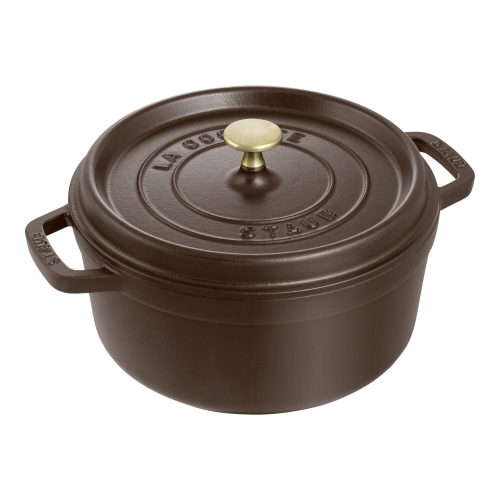
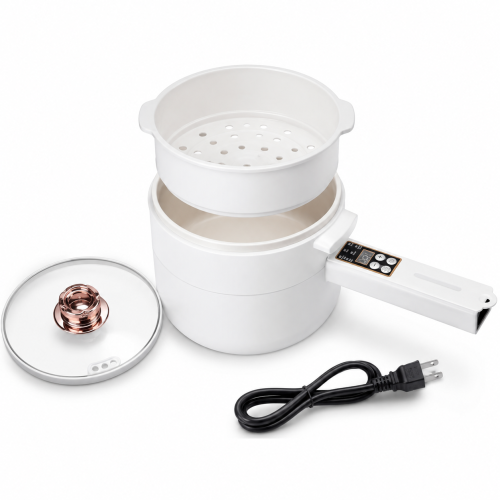
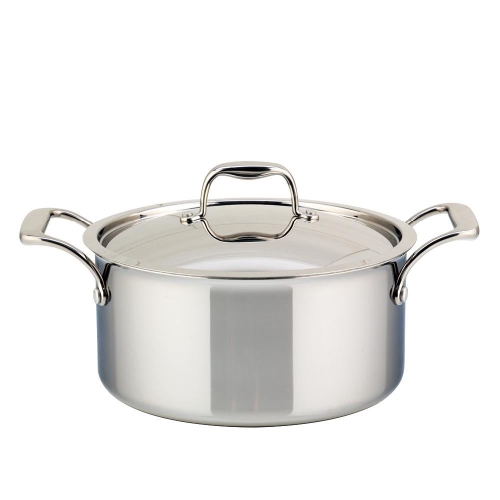
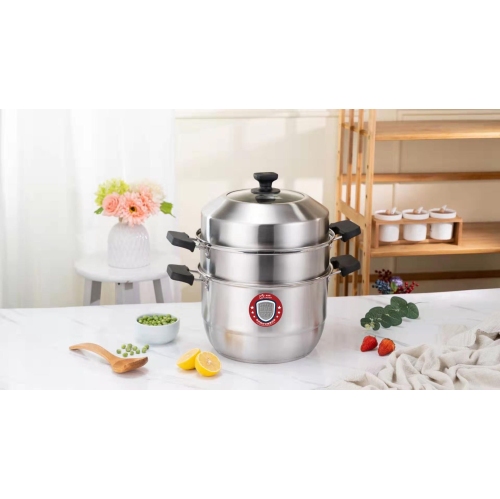
Stew pots are deep cooking vessels with enough room for meat, vegetables, pulses, and cooking liquid to simmer together without crowding. Their combination of capacity, a stable base, and a well-fitting lid makes them useful for beef stew, lentil dhal, chicken casseroles, bean dishes, and many other meals that benefit from gentle, extended cooking. A broad cooking surface gives ingredients room to brown before liquid is added, while deeper sides help contain splashes as a thick stew bubbles. Shape makes a practical difference: a wider, shallower pot allows more moisture to escape when uncovered, helping sauces reduce, whereas a taller pot holds a generous volume of broth within a smaller footprint. Stew pots overlap with stockpots and Dutch ovens, but these names do not always describe identical shapes or construction. The dimensions, material, and intended heat source are more informative than the name alone. Capacity is another useful distinction. A four- to six-litre pot can suit many everyday family recipes, while a larger vessel may be more comfortable for batch cooking, shared meals, or recipes with bulky vegetables and bone-in cuts. The stated capacity is not the same as a comfortable working volume; space above the ingredients makes stirring easier and helps limit spills. A smaller household may still appreciate a roomy pot for preparing several portions to divide into separate meals. Conversely, an oversized pot can be awkward for a modest recipe, especially when a shallow layer of liquid evaporates faster than expected. Overall dimensions matter as much as litres when fitting cookware onto a burner, into an oven, or inside a cupboard. Two securely attached side handles make a filled pot easier to lift, although the weight of the cookware and its contents should both be considered. A lid that seats evenly helps control moisture loss, and a broad, easy-to-grip knob can be useful when lifting it with an oven mitt.
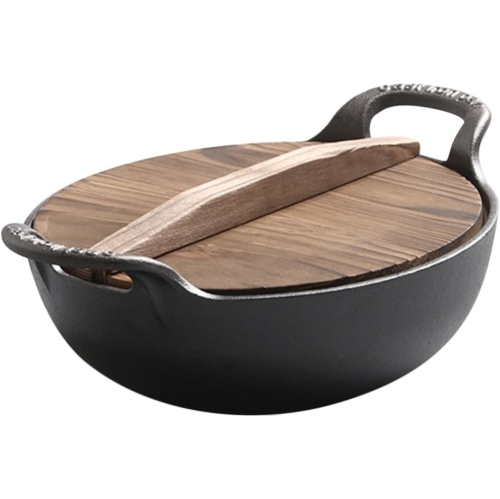
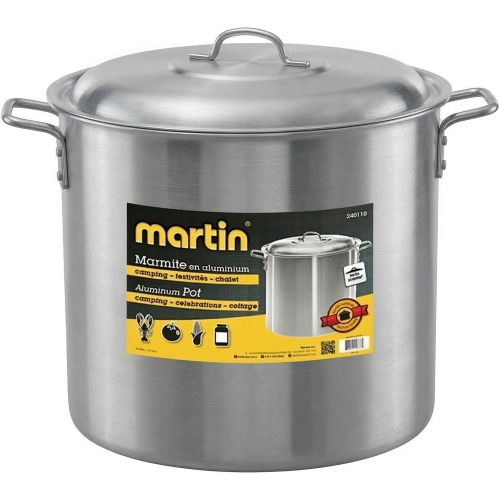
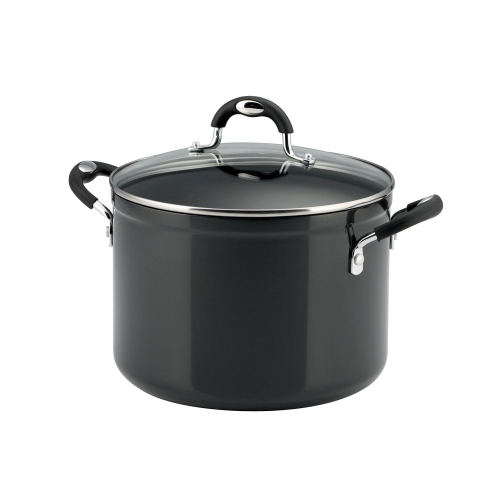
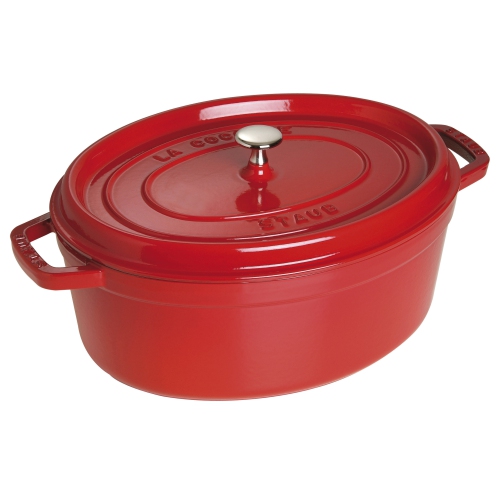
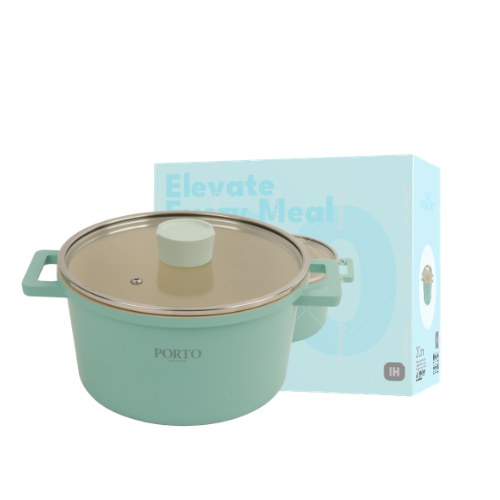
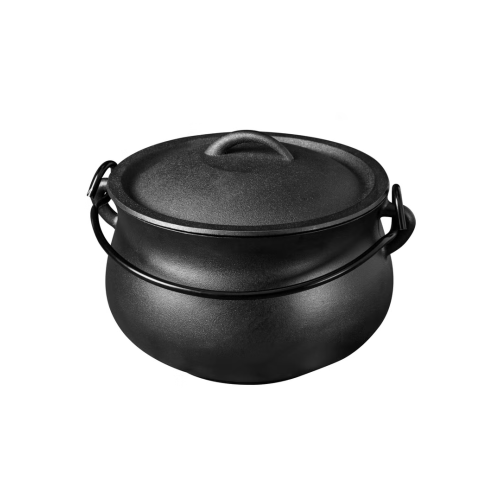
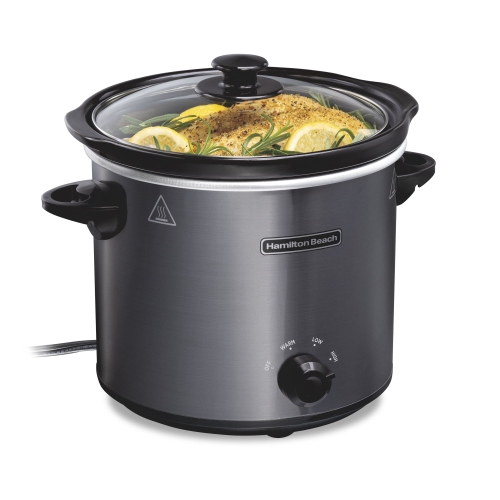
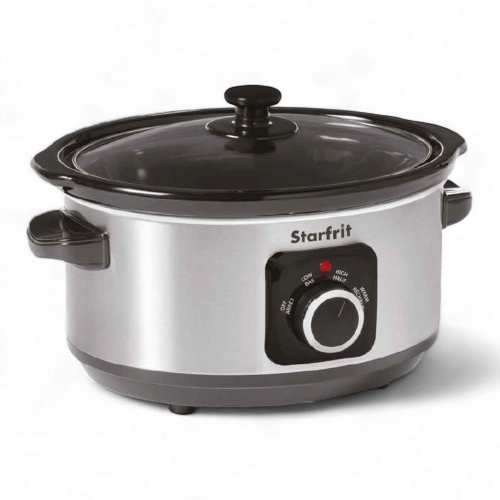
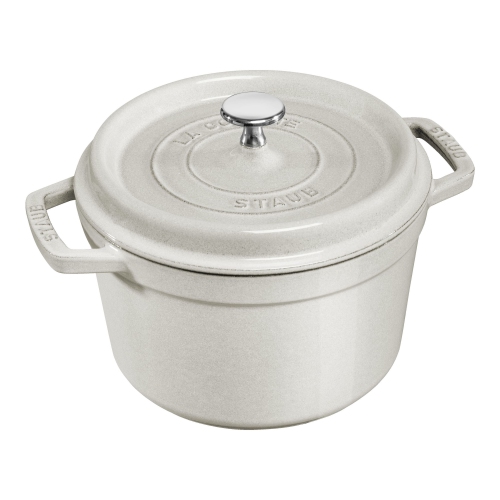
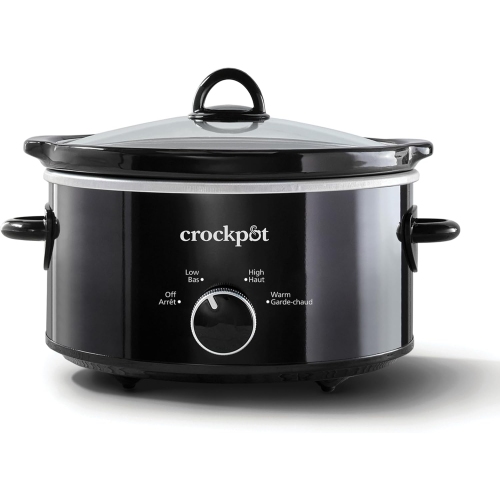
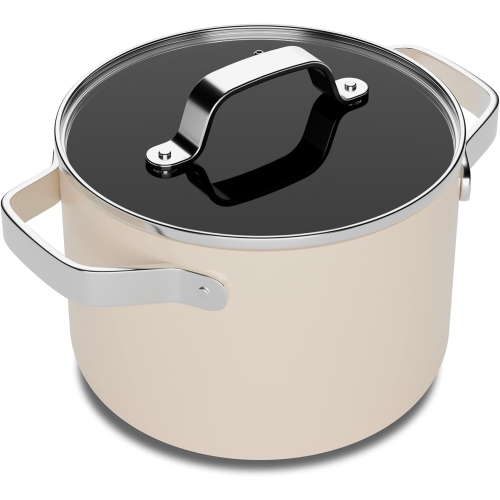
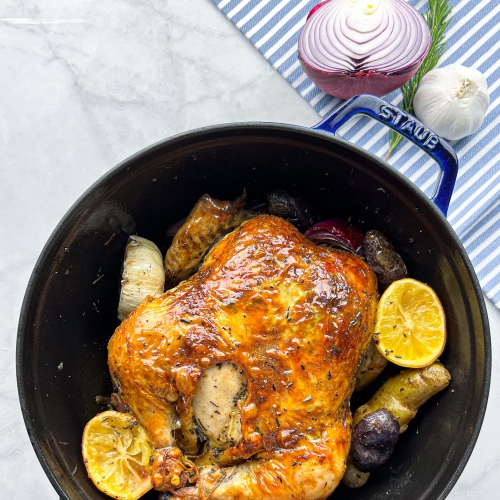
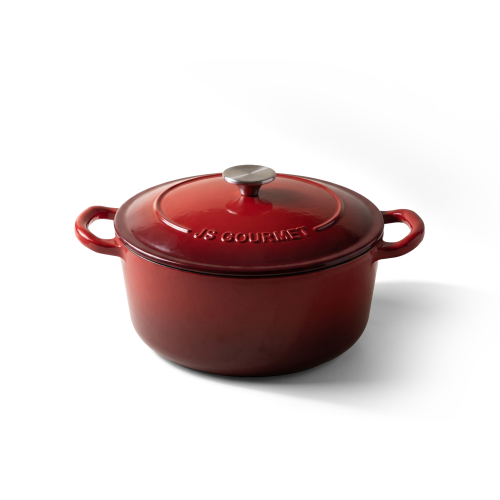
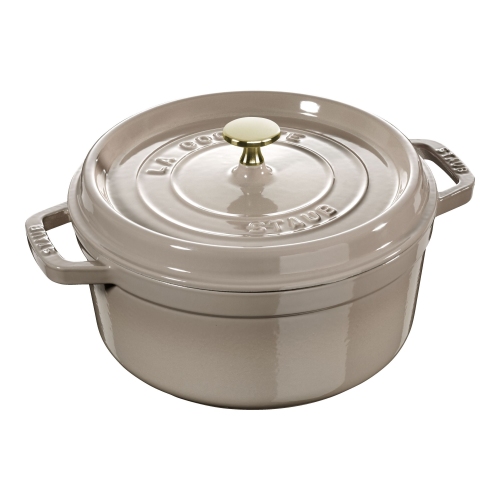
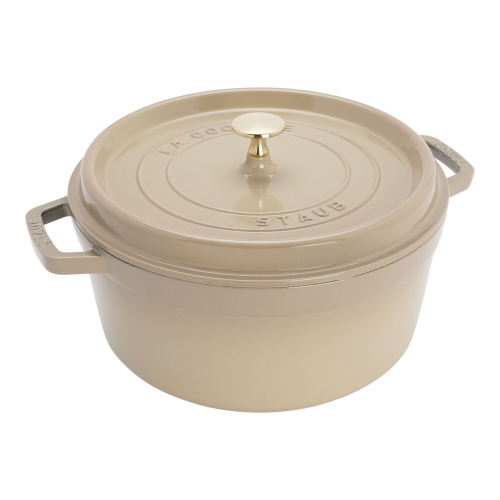
Materials influence how a stew pot heats, how much it weighs, and the care it needs between meals. Stainless steel is durable and well suited to browning ingredients, with an uncoated cooking surface that can develop the browned bits used to flavour a sauce. Because stainless steel alone does not distribute heat particularly well, many pots combine it with an aluminum core or an encapsulated base. These constructions help spread heat, although the thickness and extent of the conductive layer vary. Aluminum cookware is generally lighter than cast iron and responds readily to changes in burner settings. Its cooking surface may be coated or anodized, so utensil and cleaning requirements depend on the finish. Induction compatibility requires a suitable magnetic base: aluminum alone does not work on induction, and stainless steel cookware is not automatically compatible. Cast iron retains heat well once warmed, making it useful for maintaining a steady simmer, but it is heavy and responds more slowly when the heat is reduced. Enameled cast iron adds a glass-like coating that does not require seasoning and suits tomato-based stews and other acidic recipes when used according to the manufacturer's directions. Bare cast iron needs a maintained seasoning layer, thorough drying, and appropriate care; prolonged cooking of acidic ingredients can affect that seasoning and the flavour of the food. Ceramic-coated cookware is different from solid ceramic cookware, and its handling requirements depend on the underlying material and coating. Non-stick surfaces can simplify cleanup, but they generally need gentler utensils and protection from excessive heat. For recipes that begin on the stovetop and finish in the oven, the pot, lid, handles, and knob must all be rated for the intended oven setting. Cooktop fit also matters: a flat, stable base supports good contact on smooth cooking surfaces, while a pot that extends far beyond the heating area may cook less evenly. A glass lid offers visibility without lifting it, although condensation can obscure the view; a solid lid avoids that issue but requires lifting to check the food.
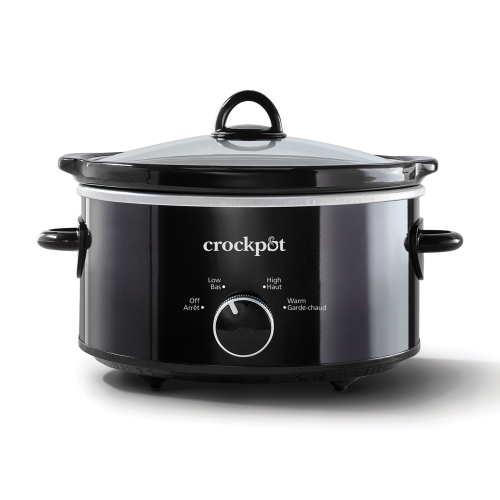
A useful stew pot supports the whole recipe, from softening onions to serving a finished meal with tender vegetables and a spoon-coating sauce. For dishes that start with browned meat, enough base area to work in small batches helps prevent crowding and excess moisture from interfering with browning. After liquid is added, a gentle simmer is usually more suitable than a vigorous boil for keeping delicate ingredients intact and limiting scorching as the sauce thickens. Thick bean dishes and stews containing flour or other starches still benefit from occasional stirring, even in cookware designed to distribute heat evenly. A lid helps retain moisture during longer cooking, while cooking uncovered towards the end can concentrate the sauce. Care after cooking plays a large part in keeping the pot useful. Allowing cookware to cool before washing helps avoid sudden thermal changes, and a soak can loosen residue on surfaces where the care instructions permit it. Abrasive pads, metal utensils, and dishwasher cleaning are not suitable for every finish, even when the pot feels sturdy. Enameled surfaces need protection from hard knocks, non-stick interiors benefit from non-abrasive tools, and bare cast iron should be dried promptly. Protectors placed between stacked pots can help reduce scratches during storage. For someone setting up a kitchen, replacing undersized cookware, or preparing more meals at home, a stew pot can be a practical gift when its weight, capacity, and cooktop compatibility match their routine. Someone who regularly carries cookware between the stove and oven may value manageable handles more than extra capacity, while a batch cook may prioritize room for stirring and portioning. For gathering-focused meals, Dutch ovens for Thanksgiving stews offer a related cookware category for recipes that benefit from covered cooking. The most useful stew pot is ultimately one that fits the recipes, cooking surface, storage space, and handling needs of the household using it.
Top selling and popular products
-
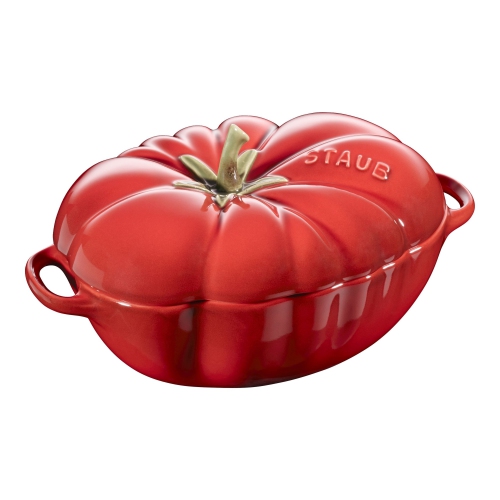 Your price for this item is $59.99
-
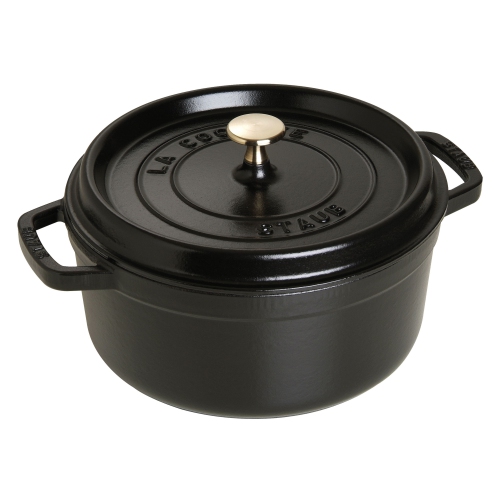 Your price for this item is $199.99
-
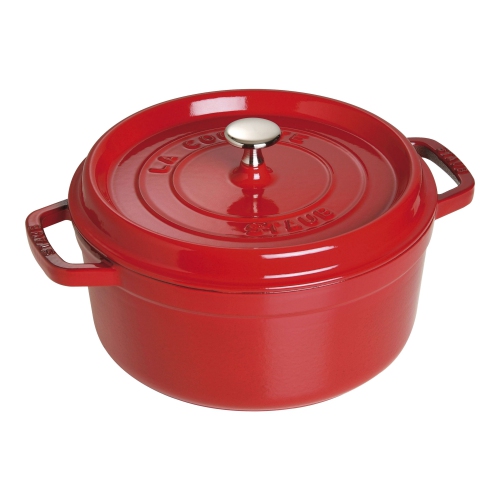 Your price for this item is $199.99
-
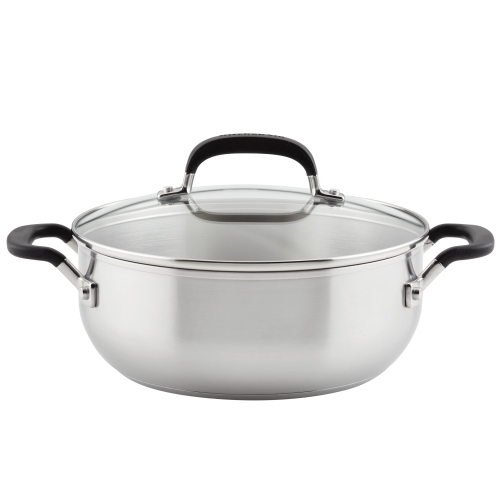 Your price for this item is $69.99
-
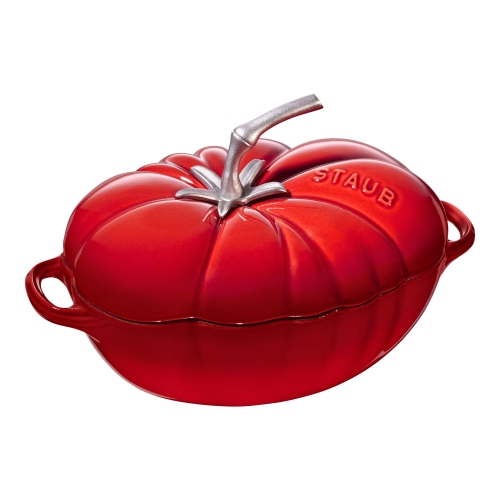 Your price for this item is $399.99
-
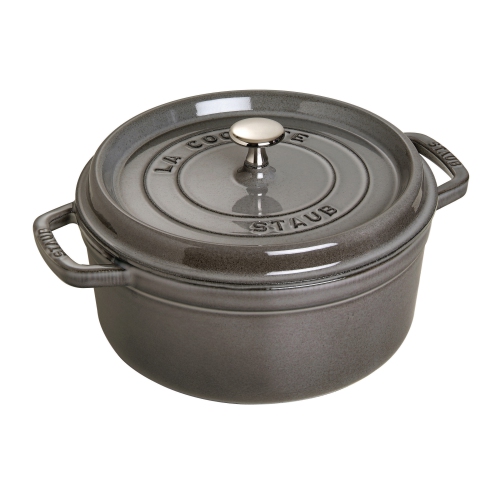 Your price for this item is $199.99
-
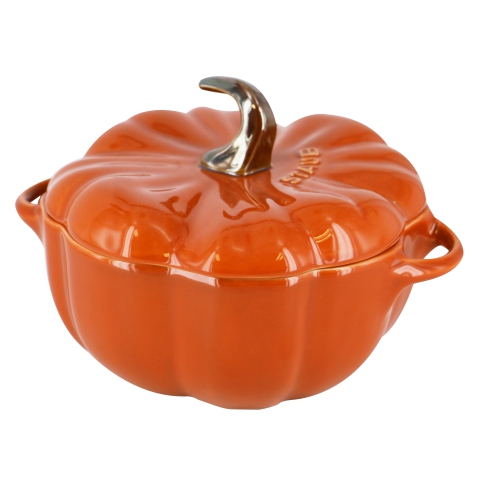 Your price for this item is $49.99
-
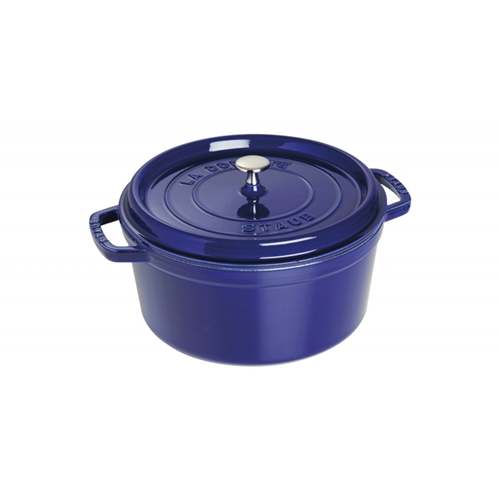 Your price for this item is $549.99
Discover more categories related to Stew Pots

Top Collections:
Best Black Friday Deals This Year, Best Black Friday Deals On Electronics, Kindle Devices, Dyson Airwrap, Best Cameras for Sports Photography, Best Black Friday Deals On Apple Products, PS5 Pro Consoles, Portable Snow Blowers, Canon G7X Cameras, Pokémon 30th Celebration Cards
Some products may be subject to Environmental Handling Fees
(EHF) depending on your province.
Learn more about EHFs.