Stocking Stuffers for Cooks
Stocking Stuffers for Cooks are the perfect way to bring extra joy to anyone who loves spending time in the kitchen. Discover a variety of thoughtful and practical gift ideas designed to inspire creativity and make cooking even more enjoyable. Whether you’re searching for handy gadgets, unique utensils, or fun culinary surprises, you’ll find plenty of options to delight every home chef. Make holiday gifting easy and memorable with Stocking Stuffers for Cooks that add a special touch to every meal.
Sort


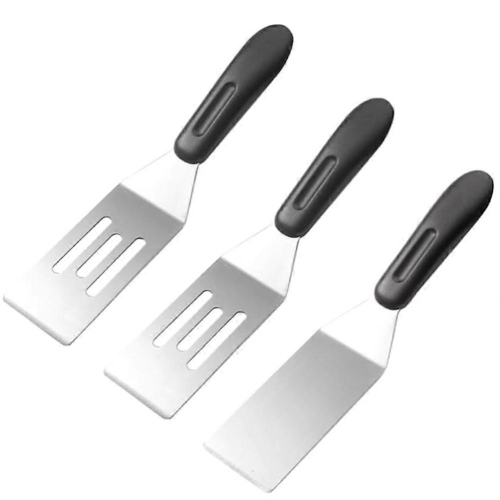
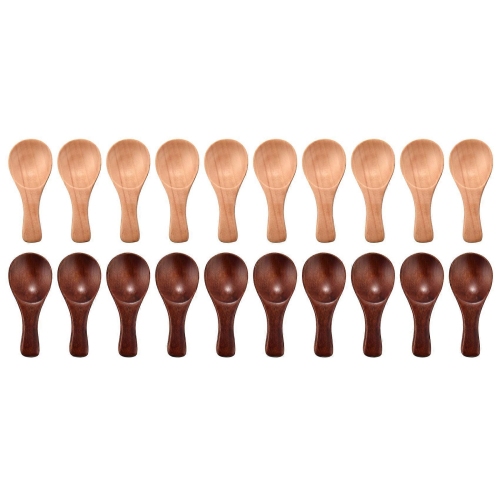

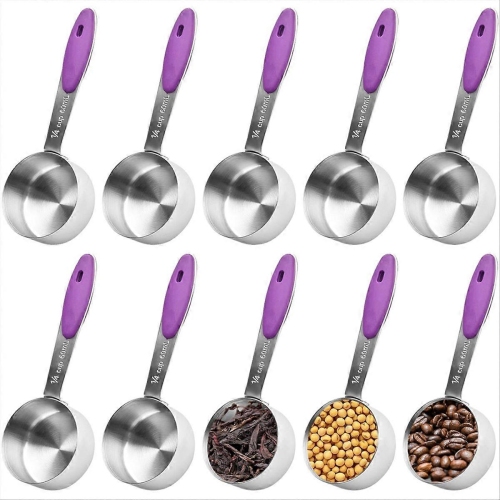
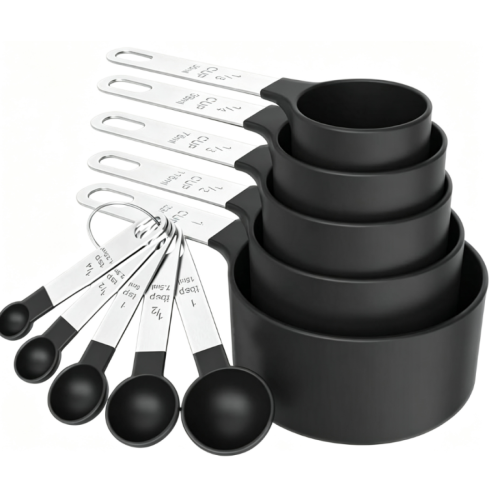
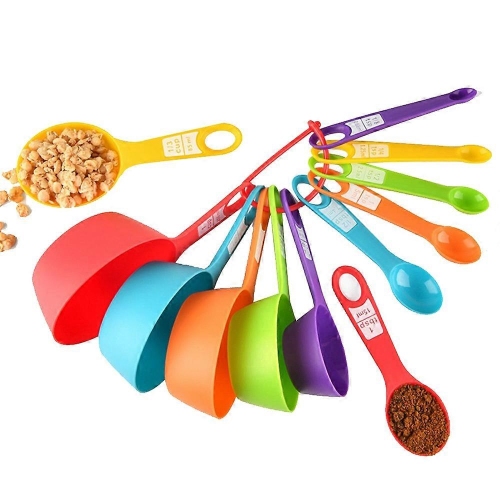


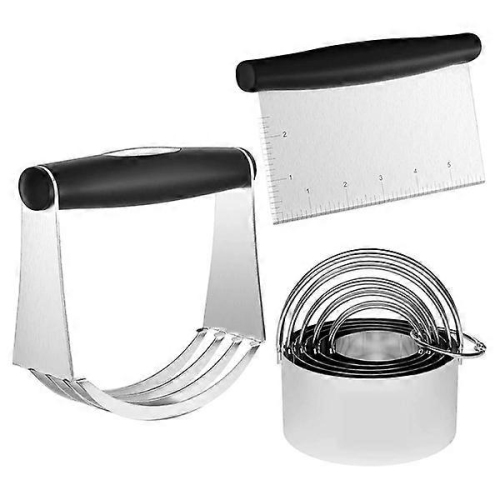
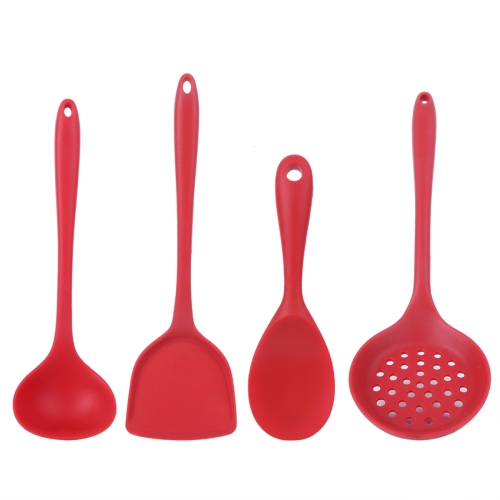
Small kitchen gifts that earn their place every day
Stocking stuffers for cooks are compact kitchen gifts that bring practical value to everyday food preparation without taking up much room. The most useful choices suit the recipient’s cooking habits, feel comfortable in the hand, and make a familiar task a little easier, whether that means preparing vegetables for dinner, measuring ingredients for baking, or adding a finishing touch before serving. Small kitchen accessories can be especially thoughtful gifts because they connect with routines the recipient already enjoys: the quiet work of making bread on a cool afternoon, a busy stretch of weeknight meal preparation, or the happy bustle of cooking for a full table. Their appeal is less about novelty than about having something well suited to the job. For someone learning to cook, straightforward designs and clearly marked measurements can help make an unfamiliar recipe feel manageable. For an experienced home cook, a compact accessory with a comfortable grip or an easy-to-clean surface can offer a welcome improvement to a frequently repeated task. Bakers may appreciate precision and control, while cooks who tend to improvise may place more value on versatility and easy handling. A person preparing meals in a small apartment kitchen will often value a gift that fits neatly into an existing drawer rather than requiring permanent counter space. Physical size matters for the stocking itself, too: a short overall length, modest width, and securely covered working edges make a gift easier to tuck inside. Packaging can add considerably to those dimensions, so a compact working surface does not always mean a compact wrapped gift. Beyond size, the strongest connection comes from noticing how someone cooks. A gift that suits their favourite recipes, the cookware they reach for, or the way they prepare lunch for the next day can feel personal without being elaborate. These are small additions to the kitchen, but the right fit can earn them a place in daily use long after the Christmas decorations are packed away.
Materials and construction influence how small kitchen tools feel, how they perform, and how much care they need. Stainless steel is often valued for its strength and resistance to rust, although its finish and durability still depend on the grade, construction, and cleaning practices. Smooth edges, firmly attached handles, and a solid feel at connection points are useful signs of careful construction. Silicone can provide flexibility and a softer contact surface, which may be helpful around coated cookware, but heat limits vary and should match the intended task. A material described as heat-resistant is not necessarily suitable for direct contact with a burner, an open flame, or prolonged exposure to high heat. Wood offers a warm feel and a comfortable grip, though it generally benefits from prompt handwashing and thorough drying rather than soaking. Plastic can keep an accessory lightweight and easy to handle, with suitability depending on its food-contact rating and any stated temperature limits. Comfort deserves as much attention as appearance. A handle that feels secure with damp hands, has enough clearance for the fingers, and does not press sharply into the palm can make repetitive preparation less tiring. Someone with a smaller hand may prefer a slimmer grip, while another cook may find a broader handle easier to control. Weight and balance also matter; heavier construction is not automatically more comfortable or more useful. Care requirements should fit the recipient’s routine rather than add an unexpected chore. Dishwasher compatibility should be confirmed for the entire accessory, including handles, seals, and removable components. Designs with accessible surfaces and fewer narrow crevices are generally easier to wash thoroughly after contact with sticky dough, oil, or sauces. Where an accessory separates for cleaning, straightforward assembly helps keep that feature practical. Drying before storage protects materials and keeps moisture from lingering in enclosed spaces. For anyone who cooks frequently, these everyday details can matter more than a decorative finish: the gift needs to feel good during preparation and remain manageable when dinner is over and the washing-up begins.
Intended use helps distinguish a genuinely useful cooking gift from something that simply looks appealing in a stocking. Accessories for precise preparation should have markings that remain readable during use, with units that suit the recipient’s recipes. Many Canadian kitchens use both metric and imperial measurements, so clear distinctions between units can reduce confusion when moving between a family recipe and a newer cookbook. For accessories with an electronic function, readable displays, accessible controls, and clearly stated cleaning limits are practical considerations. Battery requirements, automatic shut-off features, and whether any part can be immersed in water affect day-to-day convenience as well. Compatibility is just as important for non-electronic designs. Working surfaces should suit the cookware they will touch, and the overall shape should fit the bowls, containers, or preparation spaces where they will be used. A compact accessory may be excellent for a small batch but awkward when preparing food for a crowd; a gift is more useful when its scale matches the recipient’s usual portions. Storage is another part of that fit. Protective covers can help shield working edges, while a shape that sits securely in a drawer can prevent clutter and make frequently used accessories easier to find. Shared kitchens benefit from simple operation and clear care requirements, particularly when several people take turns preparing meals and cleaning up. For the cook whose drawers are already well equipped, Gifts for Cooks Who Have Everything offers another way to explore a gift suited to an established interest. A stocking-sized present does not need to introduce a new technique to feel thoughtful. It might support an enthusiasm for weekend baking, suit a habit of preparing ingredients ahead, or bring greater comfort to a task repeated every evening. During the cooler months, when kitchens often fill with slow-cooked meals and shared baking, those practical connections feel particularly fitting. Lasting usefulness comes from matching the gift to the person: how they hold it, where they keep it, what they prepare with it, and how easily it fits into the rhythm of their kitchen.
Top selling and popular products
-
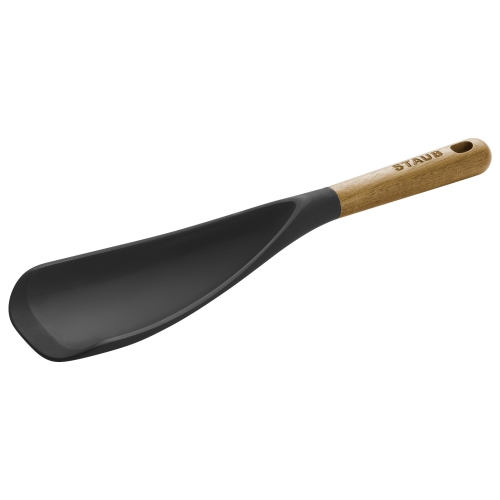 Your price for this item is $24.99
-
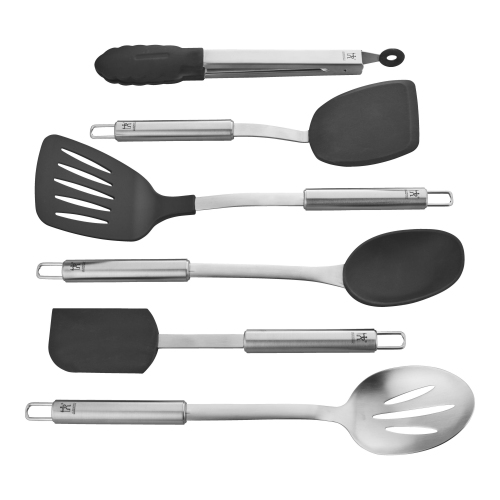 Your price for this item is $159.99
-
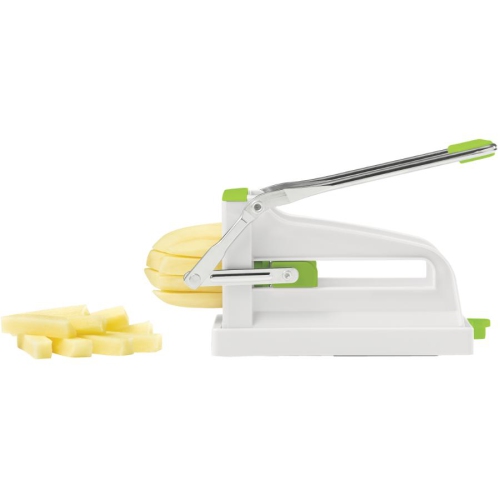 Your price for this item is $39
-
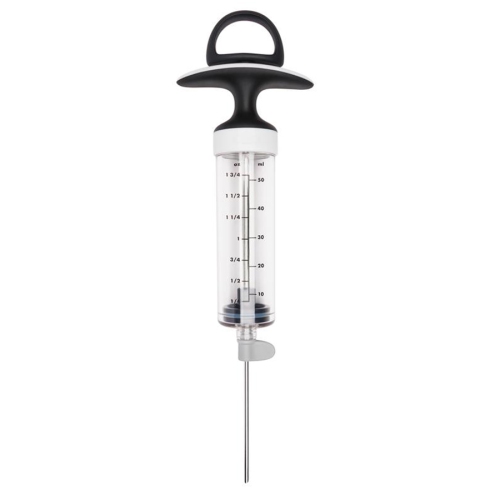 Your price for this item is $14.7
-
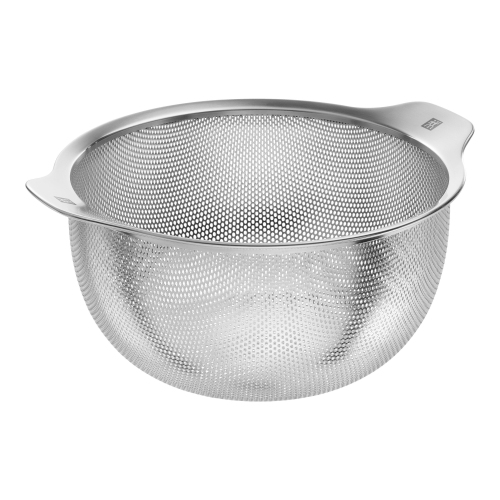 Your price for this item is $34.99
-
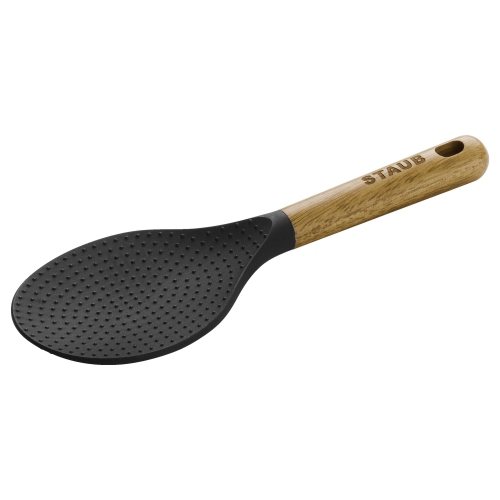 Your price for this item is $24.99
-
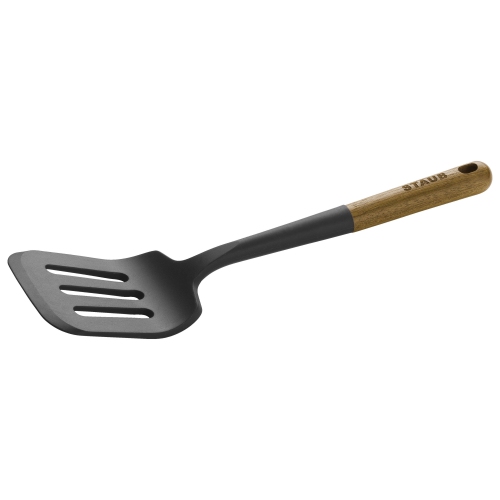 Your price for this item is $24.99
-
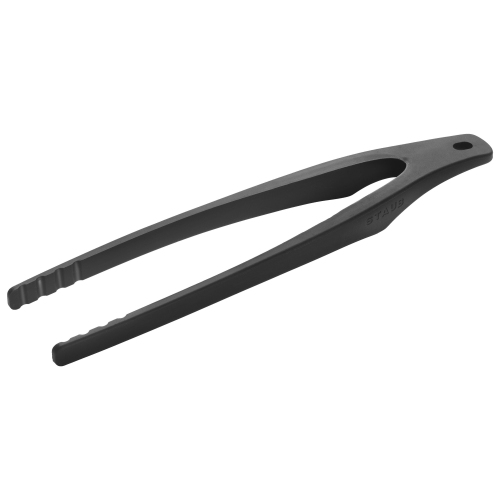 Your price for this item is $24.99
Discover more categories related to Stocking Stuffers for Cooks

Top Collections:
Pokemon Centers, Pokémon 30th Celebration Cards, Best Budget Office Chairs, Kindle Devices, Best Cameras for Sports Photography, Canon G7X Cameras, Best Black Friday Deals On Electronics, Best Laptops for Writers, iPhone 15 Apple, Jackery Power Stations
Some products may be subject to Environmental Handling Fees
(EHF) depending on your province.
Learn more about EHFs.