Stoneware Plate Sets
Upgrade your dining experience with these exquisite stoneware plate sets. Crafted with precision and style, these plate sets are designed to elevate almost any table setting. Discover a wide range of options, from minimalist designs to intricate patterns, all made from durable stoneware that is both microwave- and dishwasher-safe. Whether you're hosting a dinner party or enjoying a casual meal with loved ones, these stoneware plate sets will add a touch of elegance and sophistication to every occasion.
Sort

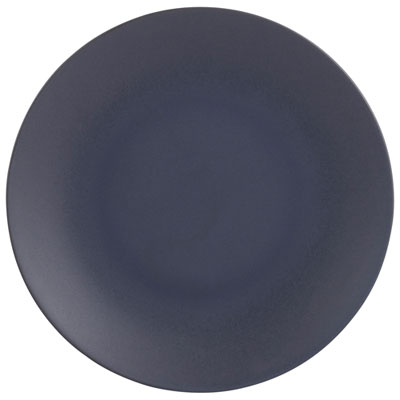
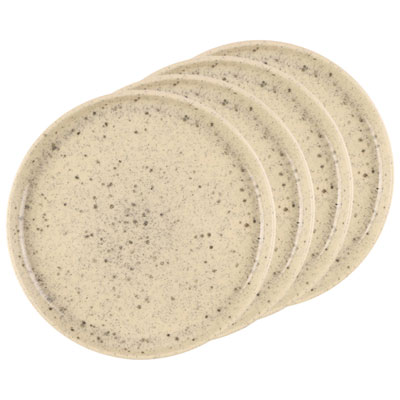
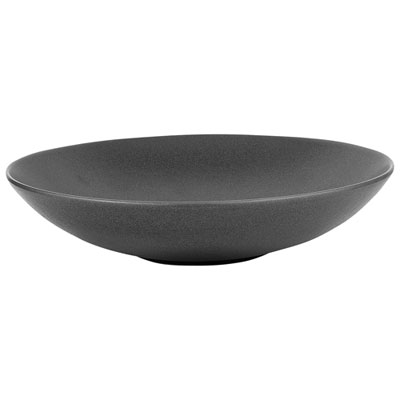


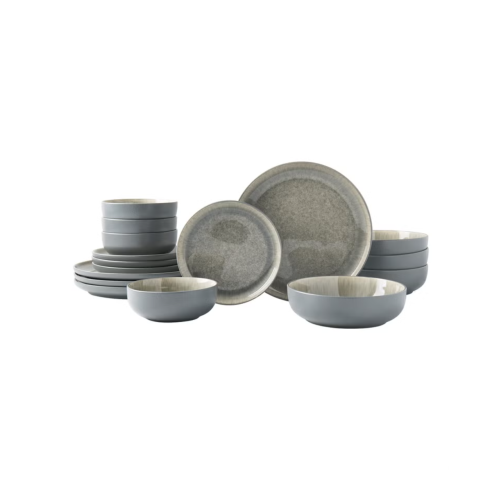
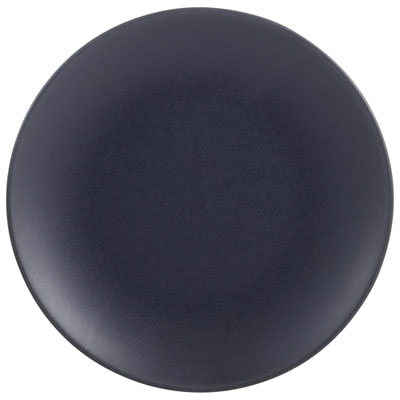
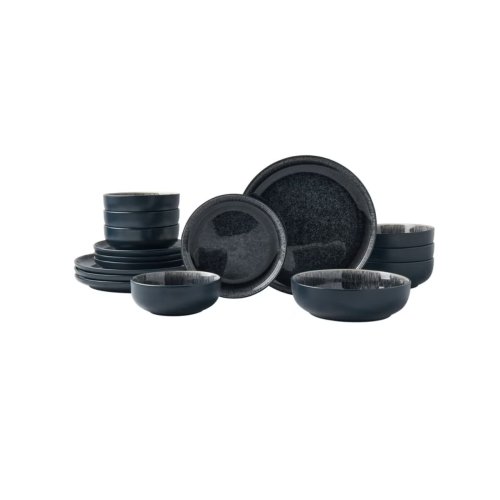

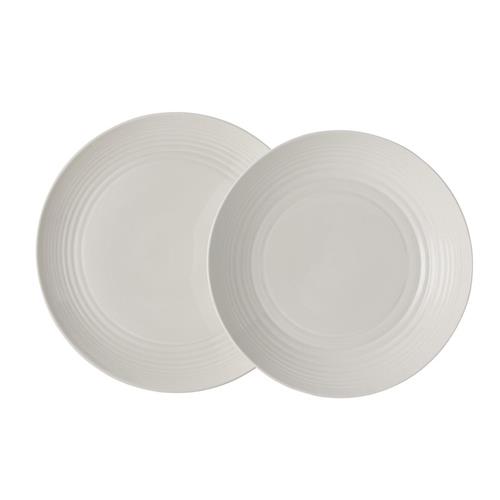


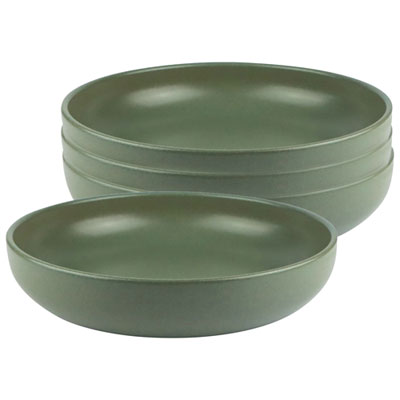
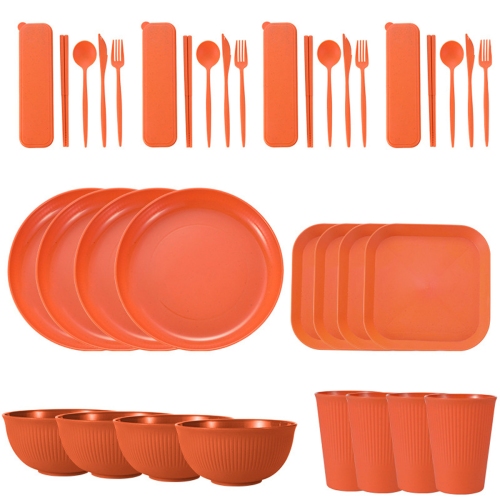
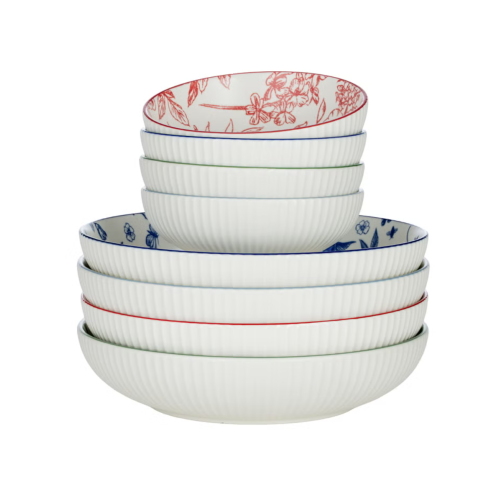
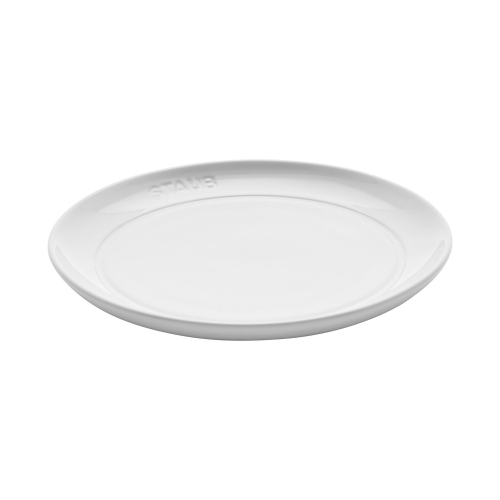


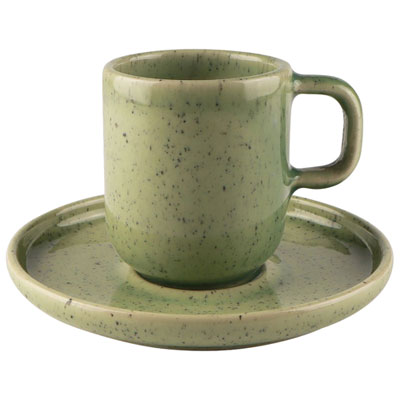
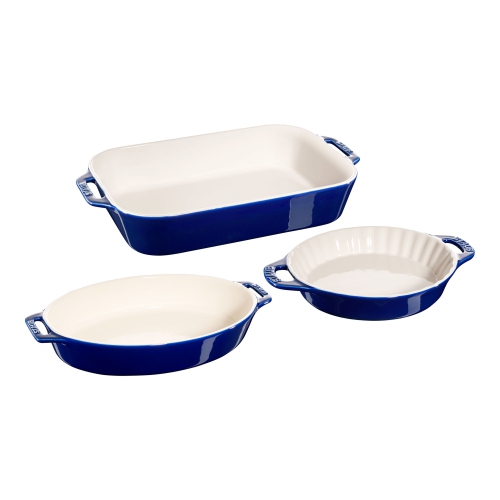
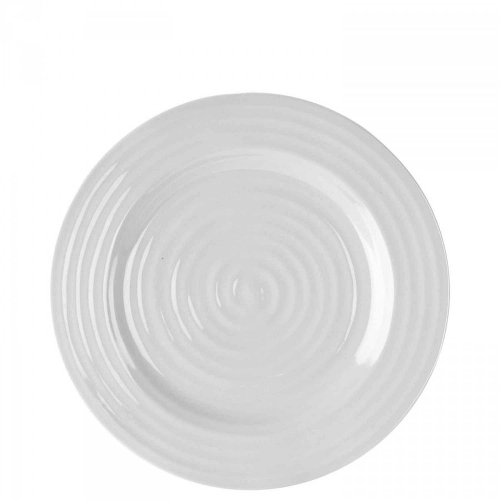
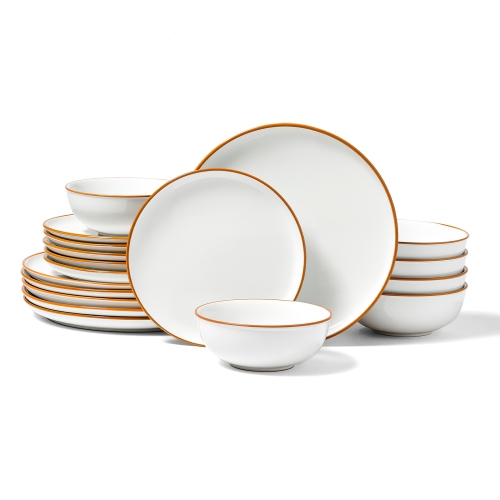
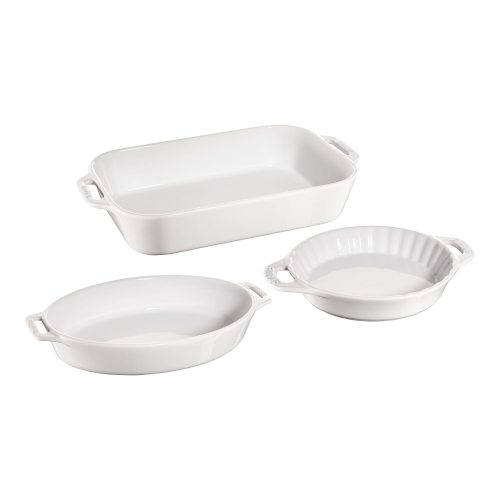
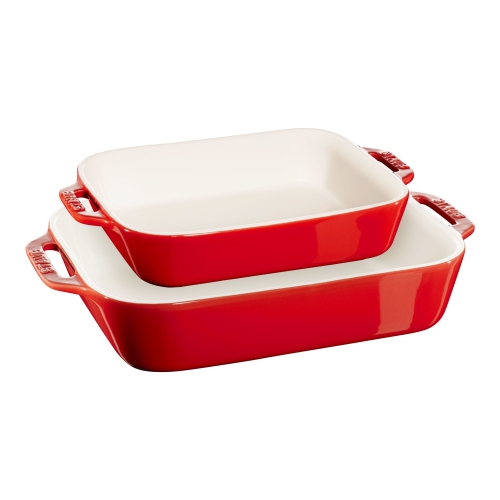



Reassuring heft and relaxed style for everyday meals
Stoneware plate sets bring a substantial feel and a relaxed, finished look to everyday meals, from toast at the kitchen counter to a full dinner shared around the table. Made from clay fired at high temperatures, stoneware is a ceramic material with a dense body that is well suited to regular use. It is often thicker and heavier than porcelain, although the weight and profile depend on the design. That extra substance gives many stoneware plates their familiar, reassuring heft, while the glaze provides the surface that comes into contact with food. A set creates a consistent foundation for the table without requiring every serving bowl, glass, or piece of cutlery to match. Cream, white, and soft grey plates let the colours of a meal stand out, while deeper blue, green, or charcoal tones make a more pronounced contrast with pale linens or a light wood tabletop. Glossy finishes catch the light and can give simple shapes a polished appearance; matte finishes have a softer visual effect, though some show cutlery marks more readily. Reactive glazes can produce variations in shade, speckling, and pattern during firing, so plates within the same set may look slightly different rather than perfectly uniform. Those differences are part of the appeal for anyone who prefers a table with subtle variation. Smooth, even rims feel crisp and orderly, while gently irregular edges create a less formal impression. Shape also changes how a meal sits on the plate: a broad, flat centre leaves room to separate a main course from its sides, and a shallow raised edge helps contain sauces and dressings. Stoneware suits households that want dishes comfortable enough for daily breakfasts yet presentable enough for guests. Its appeal lies as much in how it feels in the hand and works at a place setting as in its colour or finish.
The contents of stoneware plate sets vary, making the distinction between a plate set and a complete dinnerware set important. A plate-only set may contain several dinner plates of the same size, while another may pair dinner plates with smaller side or salad plates. A dinnerware set can also include bowls or mugs, so the total piece count does not necessarily equal the number of people it serves. For example, twelve pieces could mean dinner plates, side plates, and bowls for four people rather than twelve dinner plates. The useful quantity depends on household size, how often dishes are washed, and whether extra settings are needed for visitors. A few spare plates can make an ordinary day easier when breakfast dishes are still in the dishwasher at lunchtime. Smaller plates are useful for sandwiches, desserts, and shared appetizers, while full-size dinner plates provide space for a complete meal. Diameter alone does not tell the whole story: a wide rim reduces the flat area available for food, whereas a narrow rim can make a plate of the same overall size feel more generous. A coupe shape, with a gentle curve rather than a distinct rim, offers another way to frame a meal without a broad border. For comparisons across materials and styles, the wider selection of dinner plate sets provides context beyond stoneware. Practical fit matters just as much as appearance. Larger plates need enough clearance in cupboards, dishwasher racks, and any microwave in which they will be used. Deep rims and pronounced curves can make a stack taller, while flatter profiles often take up less vertical space. Weight becomes especially noticeable when carrying several plates to the table or lifting a full stack onto a shelf. For a smaller kitchen, a shared household, or someone who finds heavy dishes difficult to handle, manageable weight and accessible storage can matter more than an oversized shape. Plates that sit neatly alongside existing bowls and serving dishes can also make a partial tableware refresh feel cohesive.
Durability is one reason stoneware remains a familiar choice for daily dining, but it is not unbreakable or automatically chip-proof. The clay body, glaze, shape, and manufacturing quality all influence how a plate holds up. Edges can chip if knocked against a tap, countertop, or another dish, and even a sturdy plate can crack after an impact or a sudden temperature change. Many stoneware plates are labelled dishwasher-safe and microwave-safe, but those uses should be confirmed in the manufacturer’s care information rather than assumed from the material alone. Metallic trim or particular finishes may carry different restrictions, and oven suitability is a separate specification. Plates intended for serving are not necessarily suitable for baking, direct heat, or use under a broiler. Care is generally straightforward when matched to the finish: gentle cleaning, non-abrasive tools, and enough space between dishes help protect the surface. In the dishwasher, plates positioned securely without touching are less likely to knock together during a cycle. Grey lines left by cutlery can sometimes be metal transfer rather than scratches in the glaze; any cleaning treatment should be suitable for the manufacturer’s finish. Chipped rims or cracks warrant taking a plate out of food service, both because rough edges can cause injury and because damaged areas can be harder to clean thoroughly. For storage, tidy stacks that are easy to lift help reduce accidental knocks, and protective separators may be useful for finishes prone to marking. These everyday details make stoneware particularly suited to people who appreciate substantial tableware and are comfortable handling it with care. A coordinated set can be a thoughtful housewarming or wedding gift, especially when the recipient’s preferred colours, cupboard space, and household size are known. It can also help someone furnishing a first home establish a table that feels considered without being formal. Whether used for a quiet lunch, a family dinner, or a meal with friends, well-chosen stoneware plates provide a dependable backdrop while leaving room for personal touches in the rest of the setting.
Top selling and popular products
-
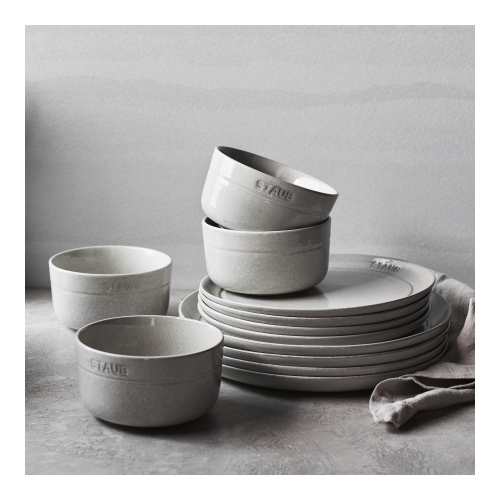 Your price for this item is $279.99
-
 Your price for this item is $279.99
-
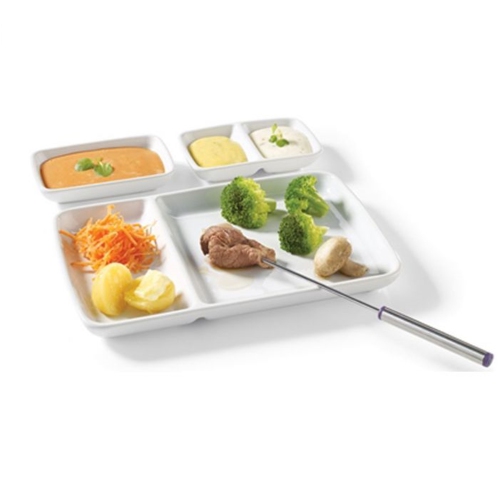 Your price for this item is $21.97
-
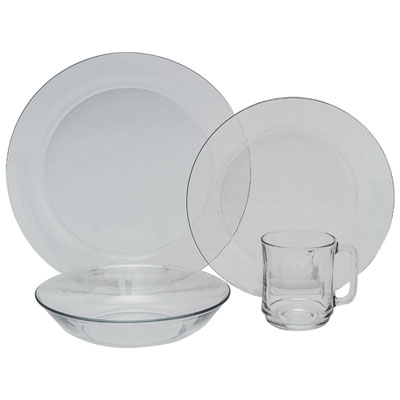 Your price for this item is $153.99
-
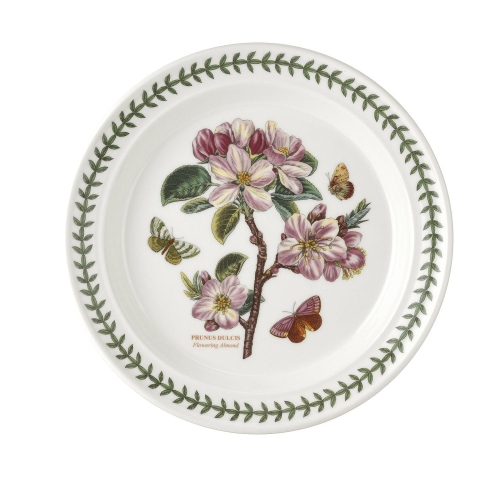 Your price for this item is $59.62
-
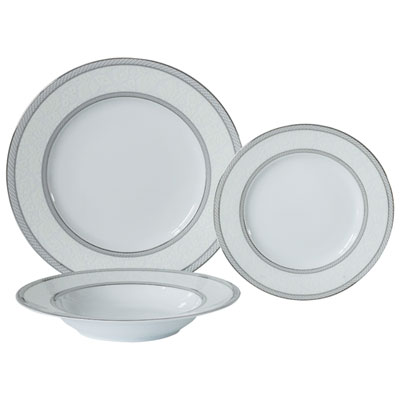 Your price for this item is $279.99
-
 Your price for this item is $113.99
-
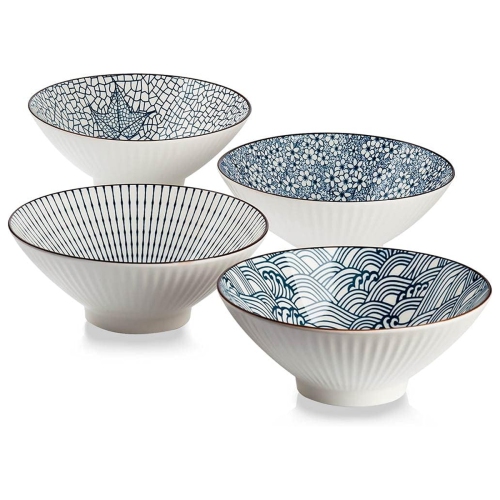 Your price for this item is $86.43
Discover more categories related to Stoneware Plate Sets
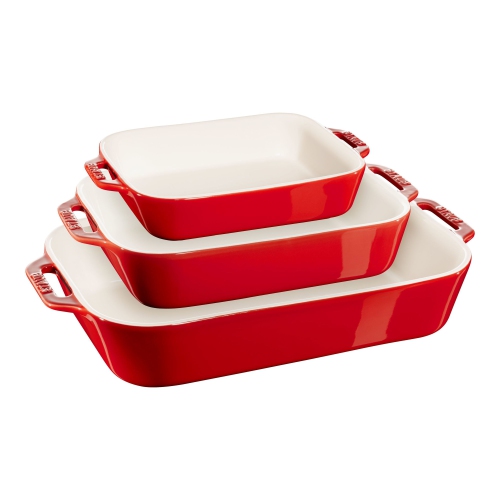
Top Collections:
Pokemon Centers, Best Cameras for Sports Photography, Kindle Devices, Samsung Galaxy Phones, Canon G7X Cameras, Pokémon 30th Celebration Cards, Refurbished Apple Laptops, iPhone 15 Apple, Laptops for Students, Budget Smartphones
Some products may be subject to Environmental Handling Fees
(EHF) depending on your province.
Learn more about EHFs.