Storage Shelves for Dorm Rooms
Storage Shelves for Dorm Rooms are the perfect solution to help maximize space and keep essentials organized in compact living areas. Whether you're looking to store textbooks, electronics, snacks, or decorative items, these versatile shelving options make it easy to create a tidy and functional environment. With a variety of styles and sizes available, it's simple to find the right fit for your personal taste and dorm layout. Transform your room into an efficient and comfortable space with storage shelves designed specifically for dorm rooms.
Sort
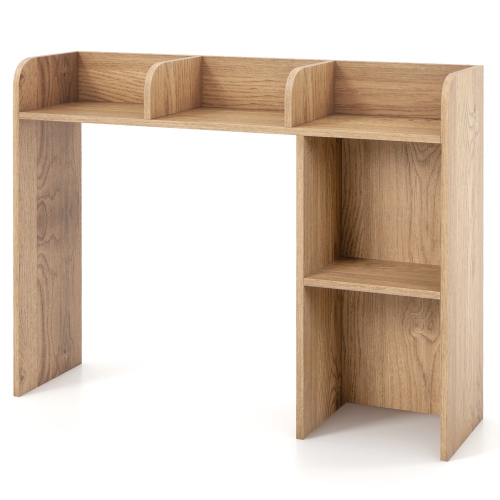

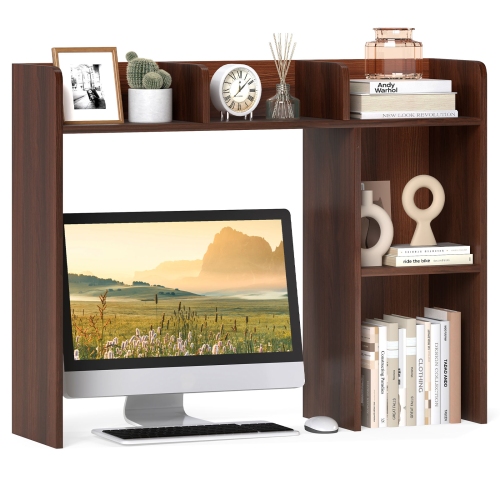
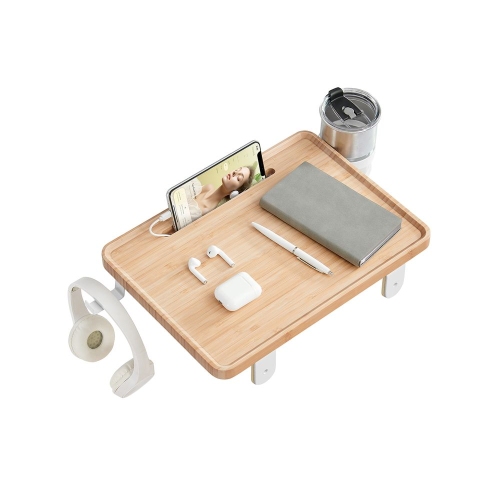
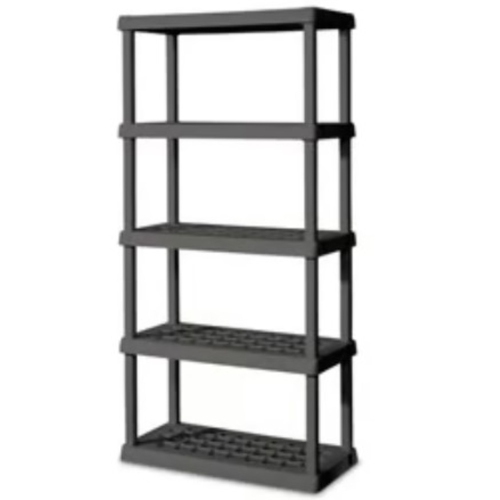
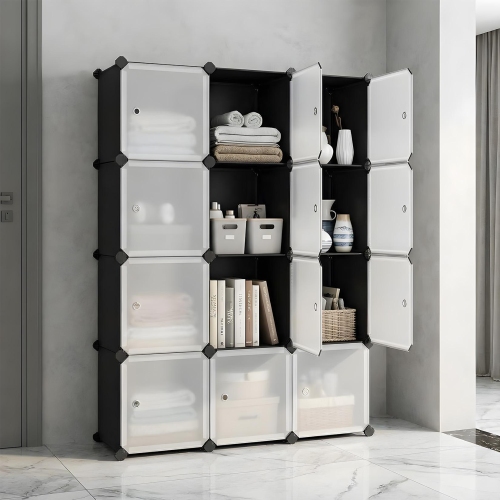
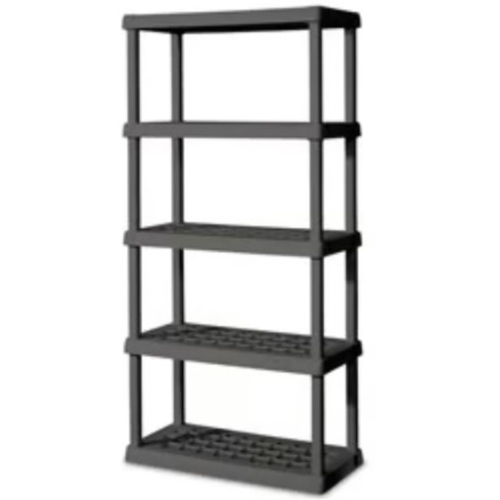
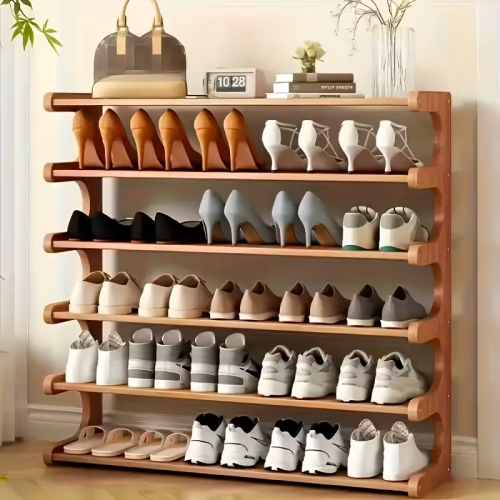
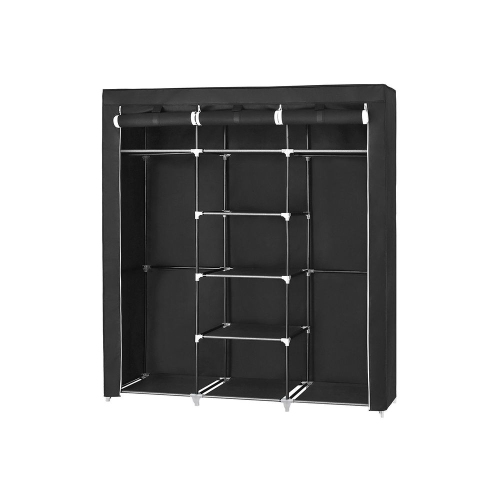
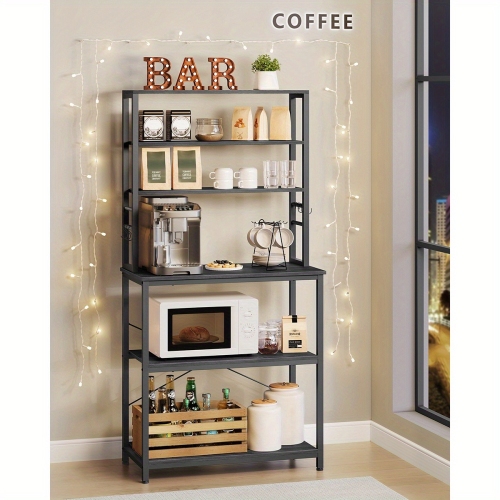
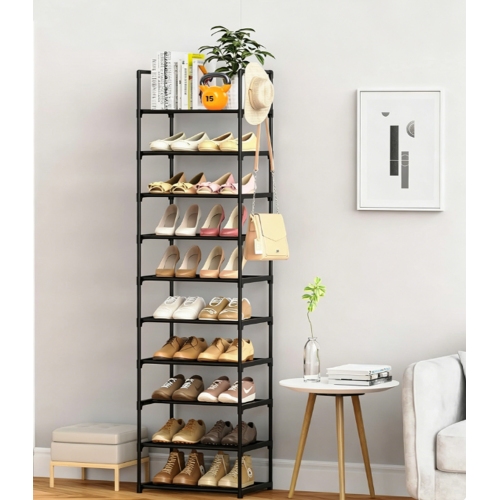
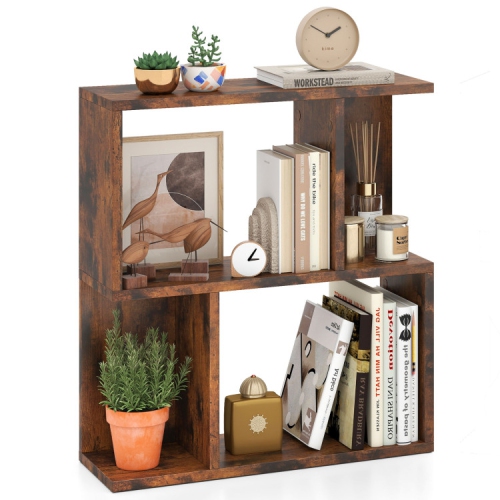
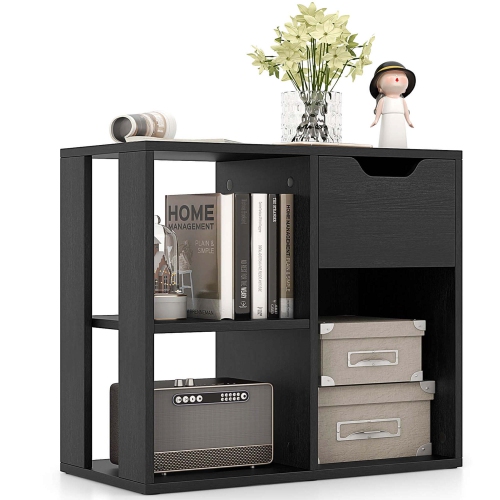
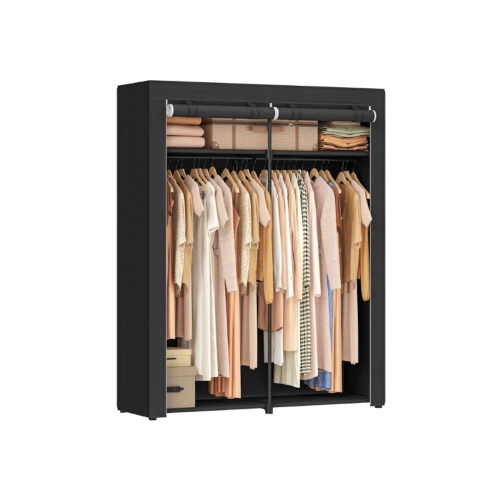
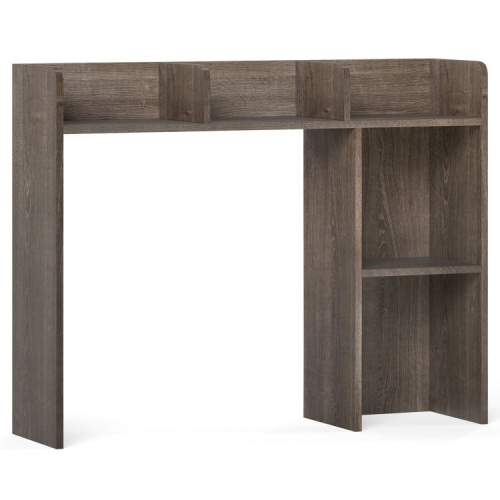
Where shelving fits when floor space is tight
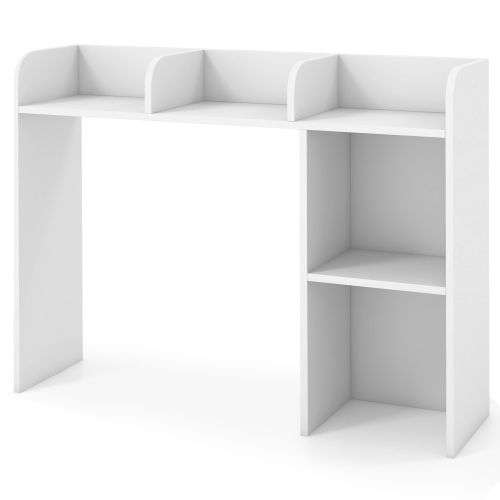
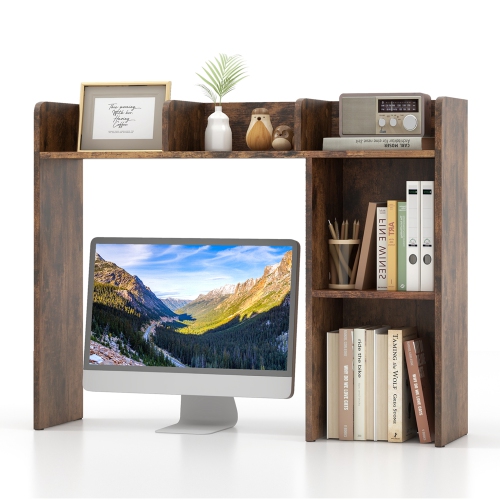
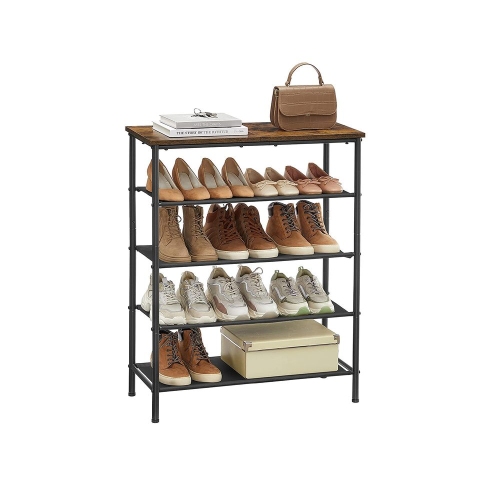
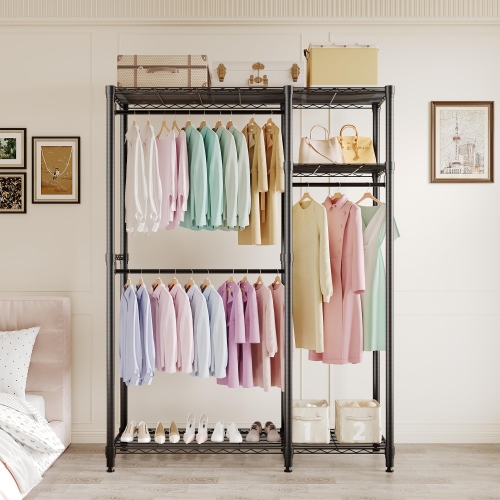
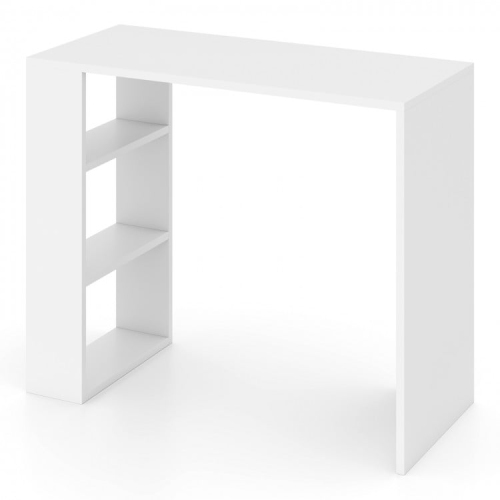
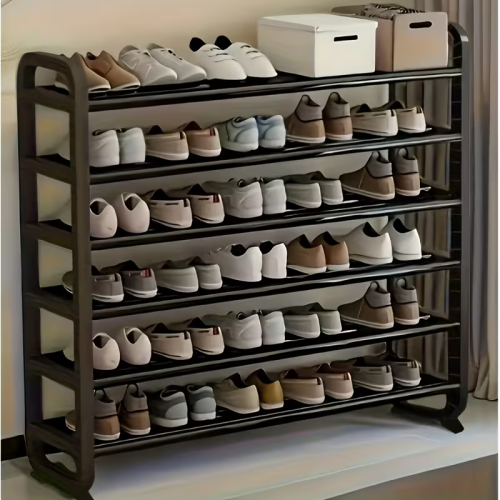
Storage shelves for dorm rooms make use of space above a desk, beside a bed or in a corner without taking up much of the floor. A desktop hutch can hold textbooks, notebooks and a pencil cup above the work surface, leaving room to spread out a reading assignment beside a laptop. When a monitor needs to fit beneath a shelf, the useful measurements are the width and height of the opening, not the screen size alone. The stand, cables and any tilt adjustment need room, too. A low desktop riser can be enough when the main goal is to tuck away a keyboard and clear the work surface between classes. For storage off the desk, a shallow freestanding unit can fit along a wall where a deeper bookcase would narrow the path to the door. A corner shelf makes use of space that might otherwise go empty, while a cube organizer gives folded clothes, books and fabric bins distinct places. Open cubes keep frequently used belongings in sight; a handled bin is handy for loose cables or toiletries that need to come out together. Check the inside dimensions of each cubby against the bin, especially if the handle sticks out or the sides taper. In a narrow space, measure between the baseboard and any neighbouring furniture rather than relying on the width of the wall alone. Shelf depth matters most when a unit sits beside something that moves: a desk chair needs room to slide back, a drawer needs room to open fully, and a closet door needs a clear swing. It helps to measure with the chair pulled out or the door partway open, since a spot that looks roomy when everything is tucked away may feel cramped in daily use. For a desktop shelf, check that the full base fits on the desk without overhanging an edge or covering a cable opening.
The weight and shape of what goes on the shelves matter as much as the footprint. Several textbooks and binders can put more strain on a shelf than a row of folded towels, even if they take up less space. Check both the rating for each shelf and the limit for the unit as a whole, including whether the rating assumes the weight is spread evenly. For a hutch or riser, the supporting desk or dresser needs to hold the organizer and its contents. Wider shelves are useful for side-by-side bins, while adjustable shelves let a tall binder stand upright without leaving unnecessary space above a short stack of notebooks. Laminated engineered wood offers a smooth surface for books and small belongings. Wiping it with a soft, lightly damp cloth and drying the surface promptly helps keep moisture away from seams and exposed edges. Solid wood generally adds weight, which is worth considering if the shelving will be carried up stairs or moved between rooms. Steel shelving can suit heavier loads when it is rated for them; a solid shelf gives pens and small containers an even surface, while open wire works well under larger bins that span the gaps. Lightweight plastic shelving can suit spare linens or other light belongings, provided the shelves are rated for the load. Finish and construction both affect how a unit holds up in daily use. In a cube organizer, bins that slide without rubbing are less likely to scuff the finish along the edges. A shelf used for toiletries is easier to wipe down if bottles sit in a removable tray that catches drips. With flat-pack shelving, follow the assembly instructions and check the connections after a move. Keep heavier belongings on lower shelves for easier lifting, and use cube units in a stacked arrangement only if they are designed to connect that way.
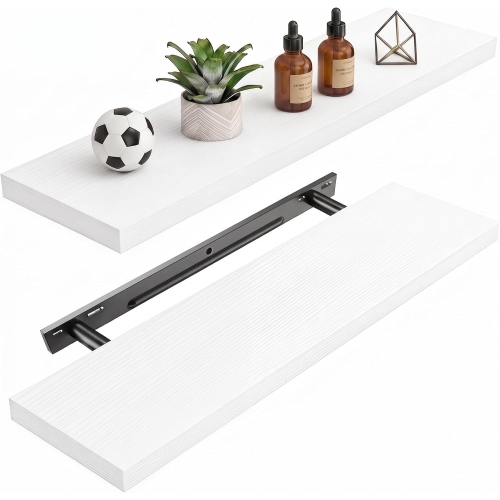
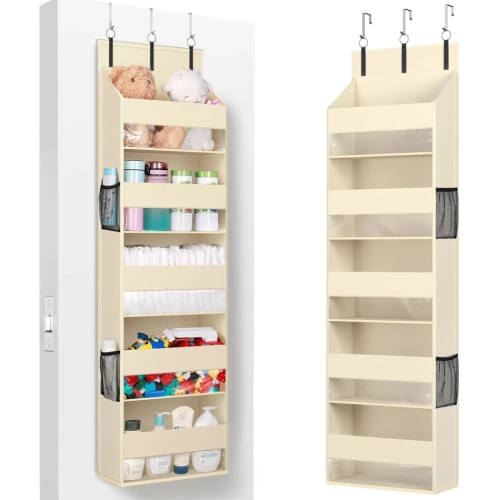
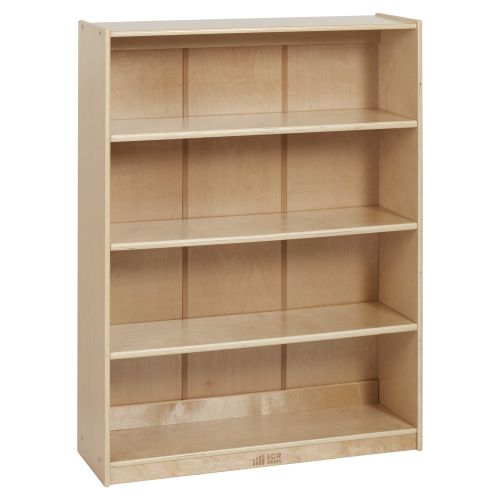
Residence rules help determine where shelving can go and how it can be secured. Some buildings restrict screws, adhesive strips or hardware that hooks over a door, so check what is permitted before settling on a mounting method. Where mounting is allowed, Wall Shelves for Dorm can add a place for light belongings without using floor space. A low freestanding shelf can be a practical alternative where wall mounting is not permitted. Taller units can make good use of a narrow stretch of wall, but freestanding does not necessarily mean a shelf can be used without an anchor. If the manufacturer requires an anti-tip attachment and the residence does not allow it, choose a configuration that can be installed as directed. Beside a lofted bed, a shelf should leave the ladder and the path to the door clear. A shelving frame that fits around a mini-fridge can make better use of the floor area, as long as there is still room for ventilation, access to the outlet and a clear swing for the fridge door. The appliance instructions are the place to check required clearances, including any space above the fridge. In a shared room, a cube organizer can give each roommate a place to drop everyday belongings and leave a separate cubby for shared supplies. A student who spends most of the day on campus might prefer an open shelf near the desk for a bag or books that need to be easy to grab, while someone who does most of their coursework in the room may get more use from shelves that keep the desktop clear. A compact organizer can also make a practical gift for a student moving into residence, particularly when the furniture dimensions and building rules are known. If the layout is still uncertain, a small unit that can work on a desk or an approved dresser top gives the student more flexibility than a shelf sized for one particular corner.
Top selling and popular products
-
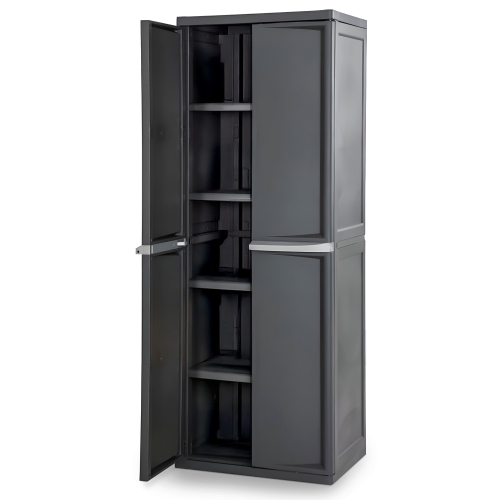 Your price for this item is $576.99
-
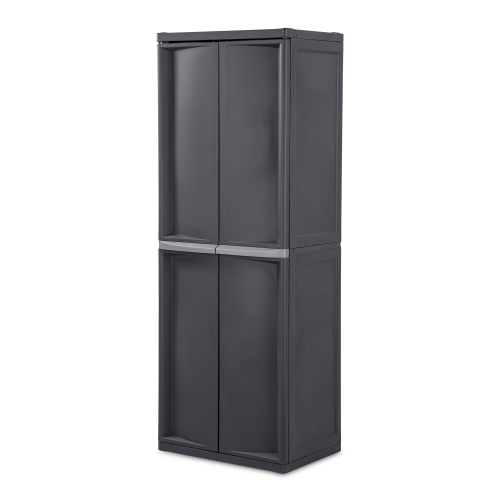 Your price for this item is $1132.99
-
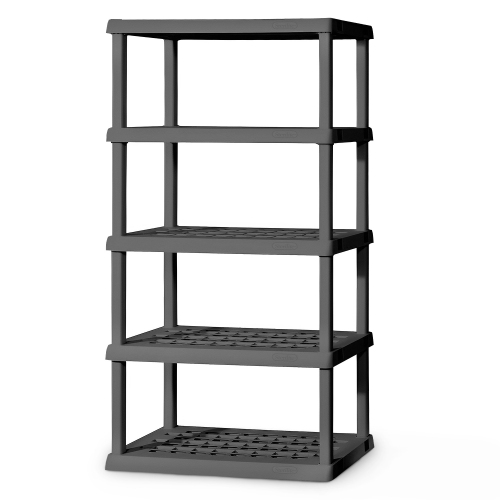 Your price for this item is $356.99
-
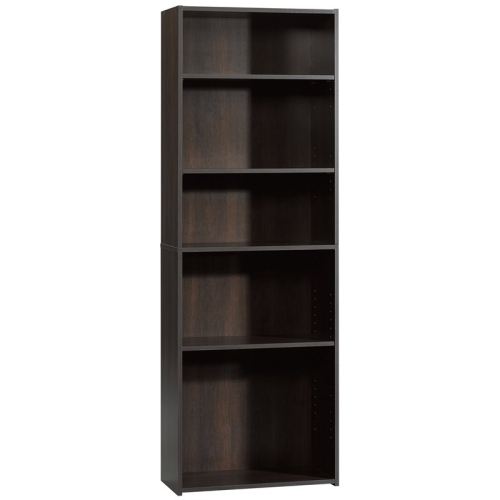 Your price for this item is $208.99
-
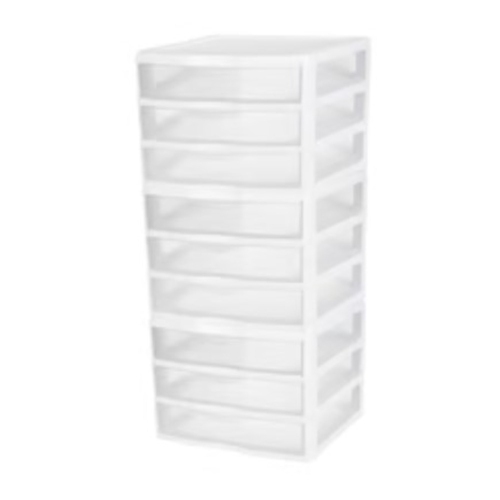 Your price for this item is $169.99
-
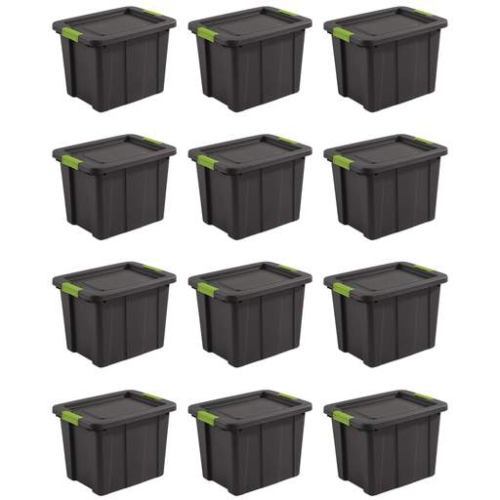 Your price for this item is $604.99
-
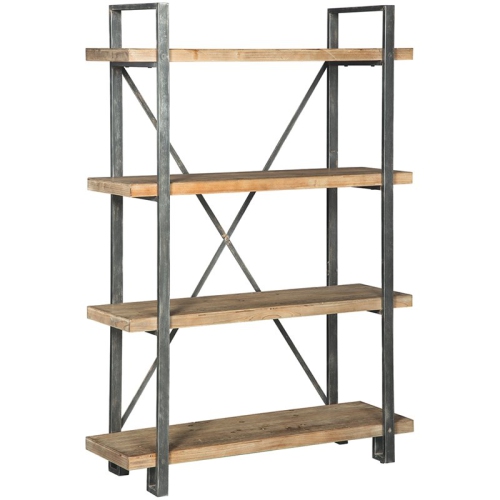 Your price for this item is $599
-
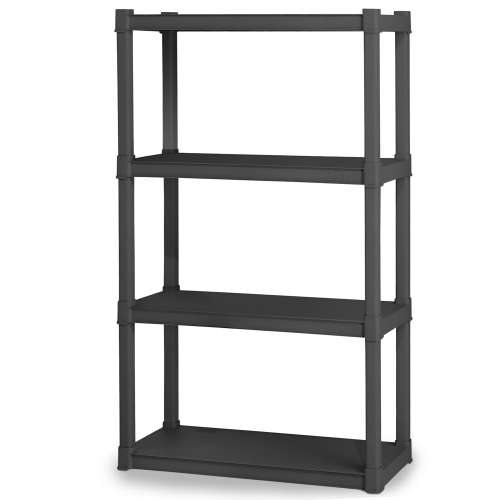 Your price for this item is $254.99
Discover more categories related to Storage Shelves for Dorm Rooms
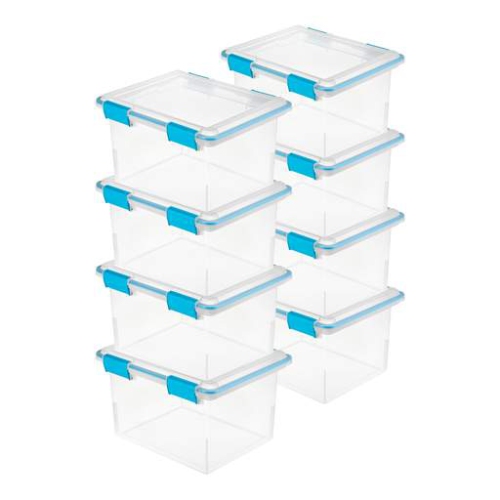
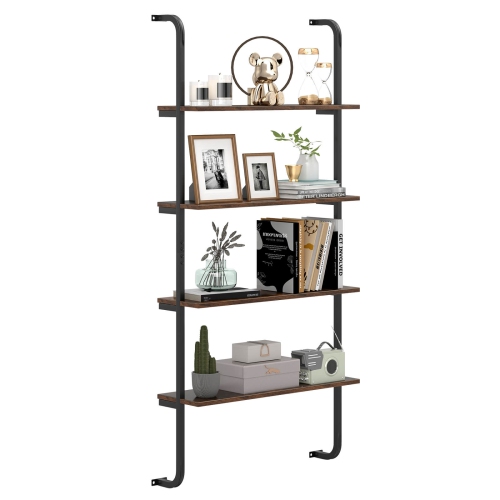
Top Collections:
Best Black Friday Deals This Year, Best Black Friday Deals On Electronics, Kindle Devices, Pokemon Centers, Best Black Friday Deals On Apple Products, Best Cameras for Sports Photography, Dyson Airwrap, Pokémon 30th Celebration Cards, Apple iPhone 17 Pro, Canon G7X Cameras
Some products may be subject to Environmental Handling Fees
(EHF) depending on your province.
Learn more about EHFs.