Striped Bedding Sets
Transform your bedroom into a stylish sanctuary with our stunning collection of stripe bedding sets. Perfect for adding a touch of modern elegance, these sets blend timeless design with contemporary flair, making them an ideal choice for any decor style. Whether you're looking to refresh your space or create a cohesive look, stripe bedding sets offer versatility and sophistication. Dive into our diverse selection and discover the perfect combination of colors and patterns to suit your personal taste and elevate your sleep experience.
Sort
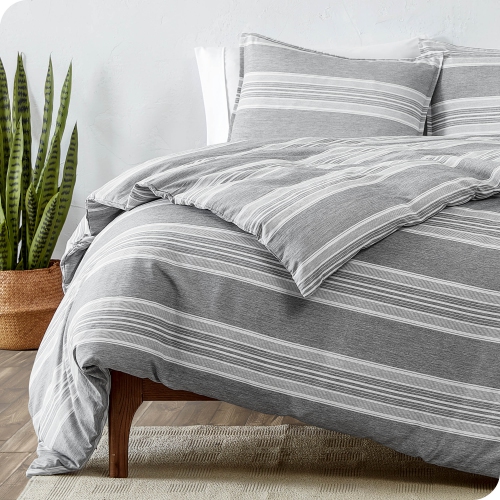
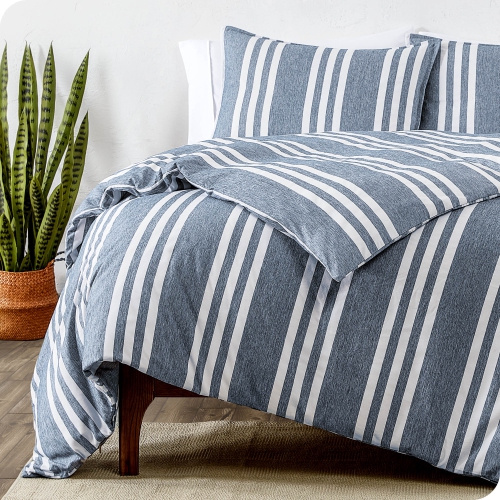
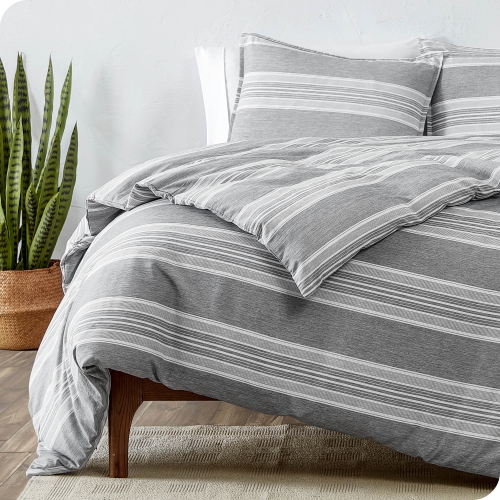
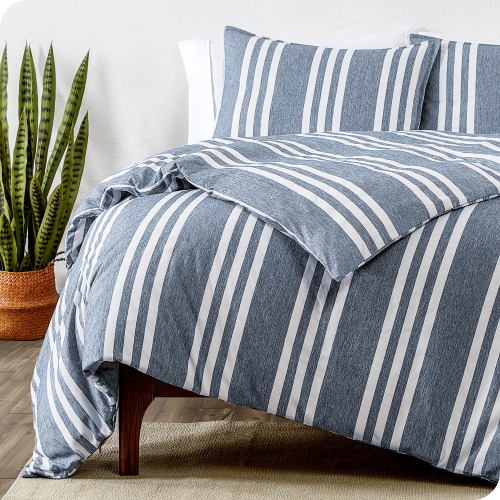


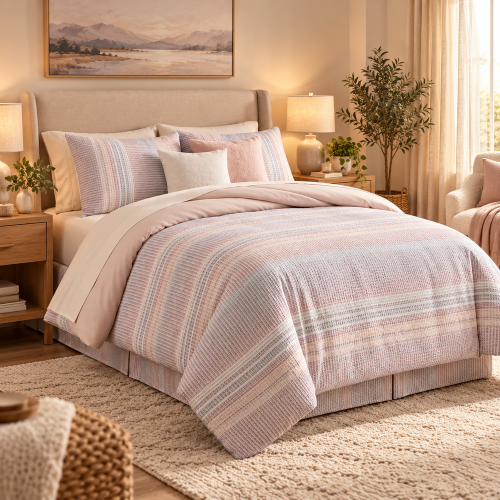
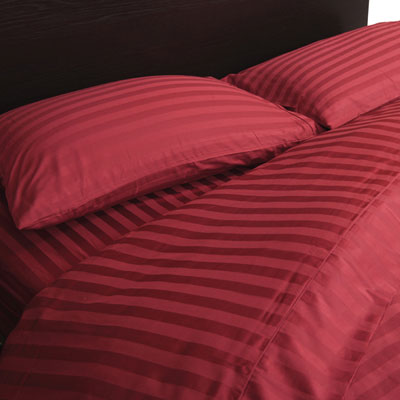

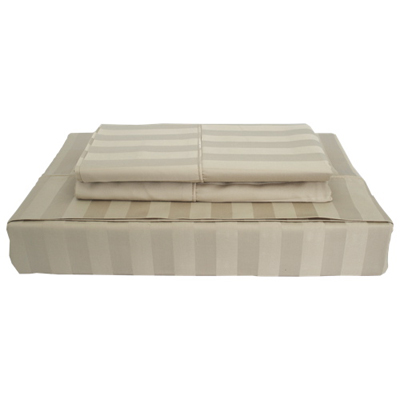
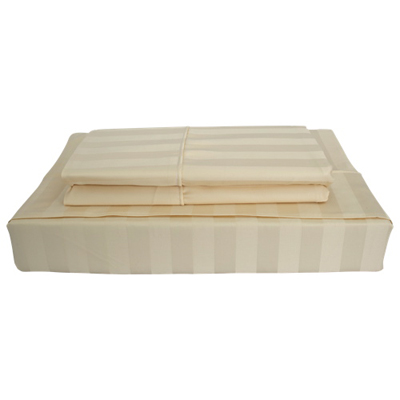


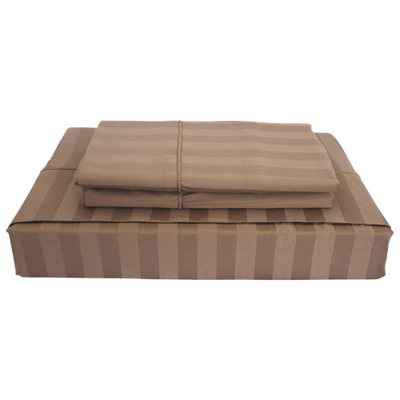
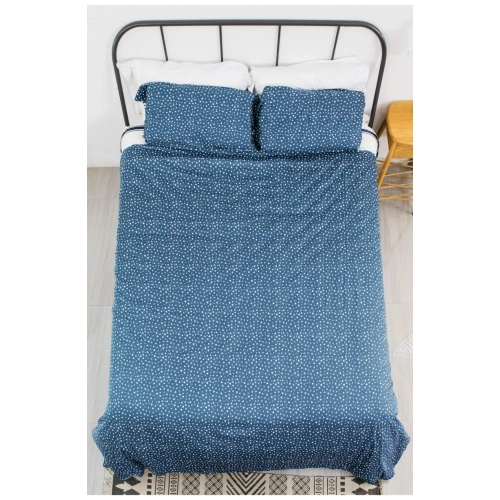

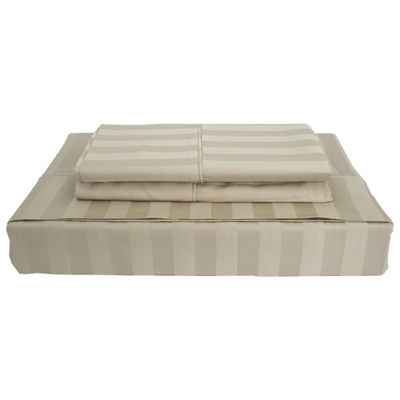
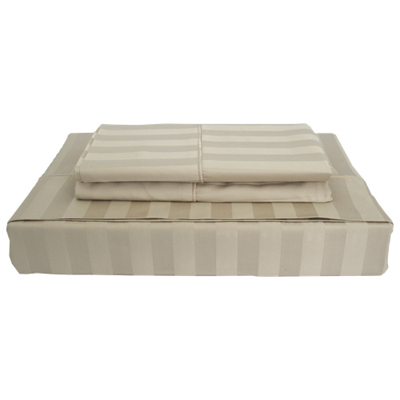
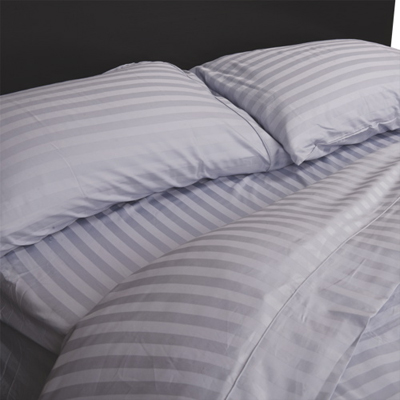
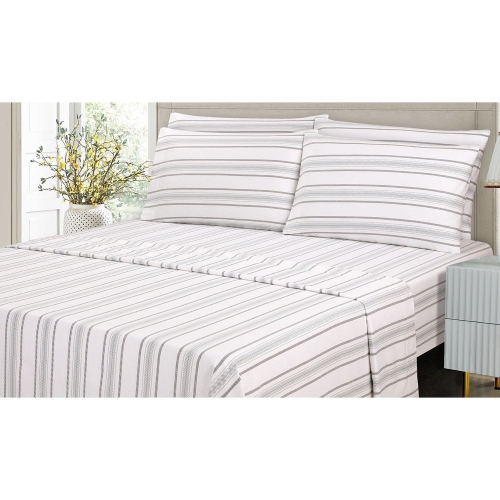

How stripe width changes the look of your bed
Striped bedding sets bring pattern and coordination to a bedroom without needing an elaborate mix of prints. A set typically combines a striped duvet cover or comforter with matching pillowcases or shams, although the exact contents vary; sheets, inserts, cushions and other pieces shown in styled photographs may be separate. The stripe itself can shape the whole look of the bed. Fine pinstripes create a subtle, tailored effect, while broad bands make a stronger focal point against a plain headboard or upholstered bed frame. Ticking stripes have a familiar, understated character, and irregular or mixed-width stripes give a room a more relaxed finish. White paired with navy, charcoal or black creates clear contrast, while cream, beige and muted grey combinations blend easily with wood furniture and textured rugs. Colourful stripes can also pull together existing accents, such as a blue bedside lamp or a green cushion, without requiring every piece in the room to match. Pattern direction matters visually: stripes running from the pillows towards the foot of the bed create a different impression from bands running across its width. Product photographs can help clarify the orientation, particularly when the pillow shams use a different stripe direction from the main cover. Reversible designs offer another way to change the appearance, with some combining narrow stripes on one side and wider stripes or a plain colour on the other. In a shared bedroom, a simple stripe can provide a common starting point for different tastes, leaving room for individual cushions, throws and bedside accessories. For a guest room, restrained stripes provide an inviting, coordinated look that works with many furniture styles. The most useful striped bedding sets balance that visual appeal with the right fabric, dimensions and included pieces, so the finished bed feels as considered as it looks. A close-up image is often particularly helpful for judging whether a stripe is sharply defined, softly faded or textured rather than relying on the overall room photograph alone.
Fabric and construction determine how striped bedding feels in everyday use. Cotton is a familiar choice for its softness, breathability and ability to absorb moisture, but the weave changes its character. Cotton percale has a plain weave with a crisp, matte finish, while cotton sateen generally feels smoother and has a gentle sheen. Brushed cotton has a lightly raised surface that feels soft against the skin. Linen has a more textured appearance and a relaxed drape, with natural creasing that suits an informal bedroom. Cotton-polyester blends combine different fibres and may crease less than all-cotton fabrics, depending on their composition and finish. Polyester microfibre is typically smooth and lightweight, though its feel differs from cotton or linen. Fibre content is more informative than a photograph when deciding between a crisp, structured finish and something softer or more fluid. Thread count can add context for some cotton fabrics, but it does not describe fibre quality, stitching or finish on its own, and it is not a useful direct comparison across every material. Printed stripes and woven stripes can also look different up close: a printed pattern sits on the fabric surface, while a woven stripe is formed through the arrangement of yarns. Neither method alone determines quality; even stitching, secure seams and clear care information are useful details to consider alongside the design. Set type is equally important. A duvet cover is a removable outer layer that requires a separate duvet insert, whereas a comforter contains its own fill. For a coordinated pattern around an existing insert, stripe duvet covers offer a focused option. A sheet set serves a different purpose, usually providing a fitted sheet, pillowcases and, in some cases, a flat sheet rather than a decorative top layer. Understanding those distinctions makes it easier to choose bedding for a complete room refresh or a smaller change that keeps the rest of the bed intact. Details such as corner ties, button closures and zippers also affect how conveniently a cover fits around an insert and stays in place.
A good fit starts with the actual measurements of the mattress, duvet insert and pillows rather than the size name alone. Twin, Twin XL, Double/Full, Queen and King labels are useful starting points, but cover and comforter dimensions can differ between manufacturers. A duvet cover should correspond closely to the insert dimensions so the filling reaches the corners without excessive bunching or empty fabric at the edges. For a comforter, the amount of fabric hanging over the sides depends on mattress depth, bed height and whether a box spring or bed frame needs coverage. If sheets are included, fitted-sheet pocket depth should accommodate both the mattress and any topper. Pillow dimensions deserve the same attention: standard and king pillowcases are not interchangeable, and decorative shams may have borders that change their overall appearance without changing the pillow size they hold. These practical details are especially helpful when choosing bedding as a housewarming gift, furnishing a first apartment or preparing a bedroom for overnight guests. Confirming the recipient’s bed size and preference for a duvet or comforter avoids a coordinated set that does not suit their existing bedding. Care requirements should also fit the household routine. Machine-washable bedding can simplify regular laundering, but the care label remains the best source for wash settings, drying methods and ironing instructions. A generous washer drum helps larger covers move freely, while separating pale and dark colours and avoiding overloading can help maintain their appearance. Promptly removing bedding after drying can reduce creasing, and completely drying every piece before storage helps keep it fresh. Repeated use places particular strain on closures, seams and pillowcase openings, making neat construction worth noticing. For everyday bedrooms and frequently used guest beds alike, the strongest choice is a striped bedding set whose pattern, fabric and care needs suit the way the room is actually used. That combination gives a bed a cohesive finish without making routine changes or laundry unnecessarily complicated.
Top selling and popular products
-
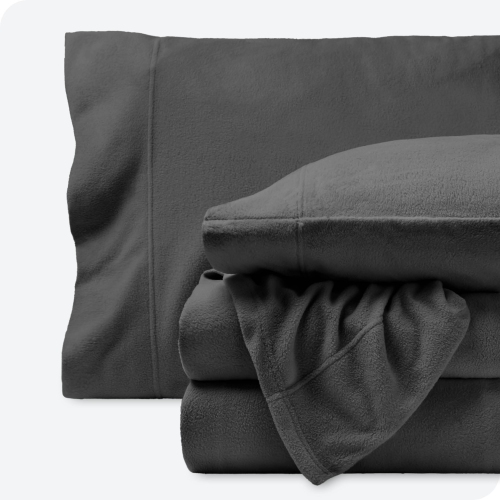 Your price for this item is $122.99
-
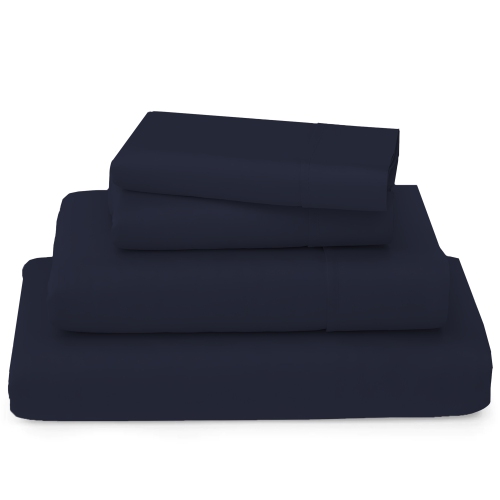 Your price for this item is $34.99
-
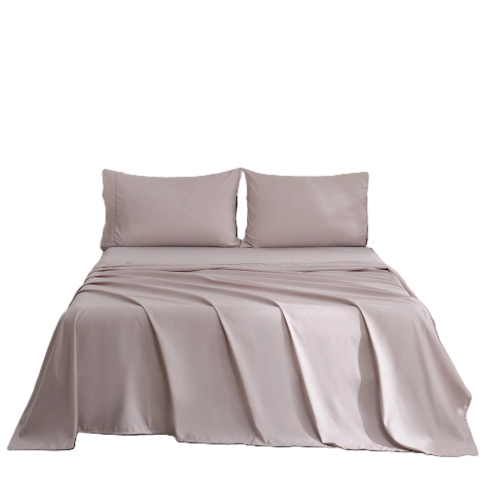 Your price for this item is $270
-
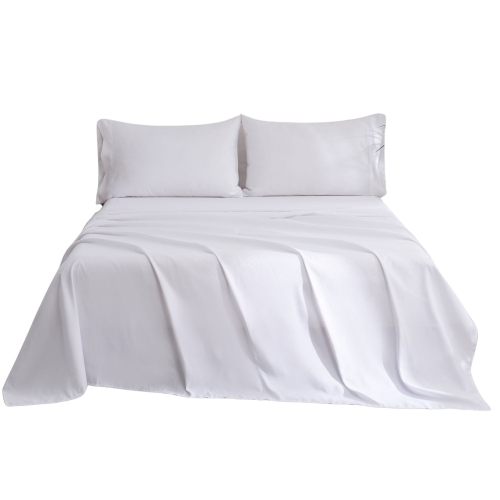 Your price for this item is $210
-
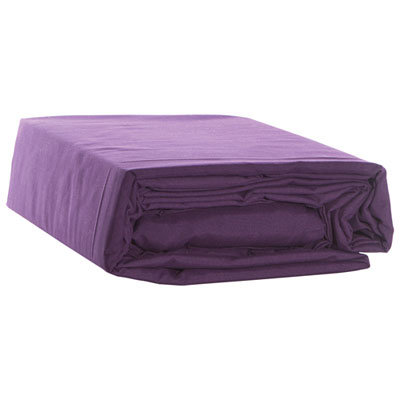 Your price for this item is $80.98
-
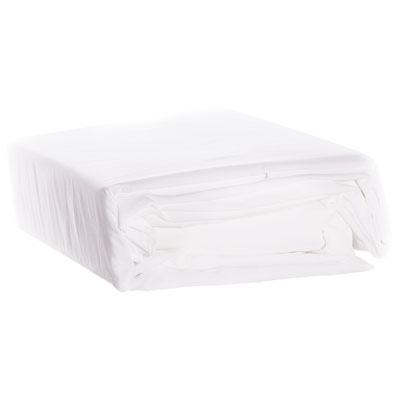 Your price for this item is $79.99
-
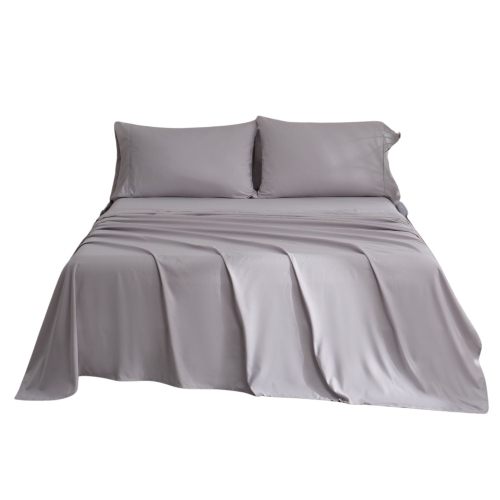 Your price for this item is $270
-
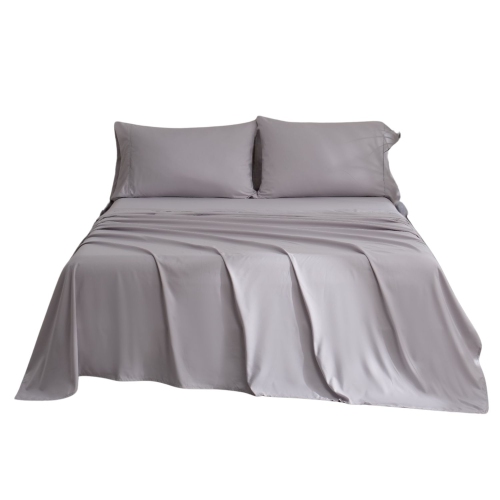 Your price for this item is $210
Discover more categories related to Striped Bedding Sets

Top Collections:
Best Black Friday Deals This Year, Best Black Friday Deals On Electronics, Kindle Devices, Dyson Airwrap, Best Cameras for Sports Photography, Best Budget Office Chairs, Canon G7X Cameras, PS5 Pro Consoles, Best Black Friday Deals On Apple Products, XBOX One S Consoles
Some products may be subject to Environmental Handling Fees
(EHF) depending on your province.
Learn more about EHFs.