Studio Furniture
Enhance your studio space with our collection of stylish and functional studio furniture. Whether you're a professional musician, a budding artist, or a dedicated gamer, having the right furniture can make all the difference in creating a productive and inspiring environment. From ergonomic chairs to spacious desks and versatile storage solutions, our range of studio furniture is designed to cater to your specific needs while adding a touch of sophistication to your workspace. Explore our selection and elevate your studio setup today.
Sort
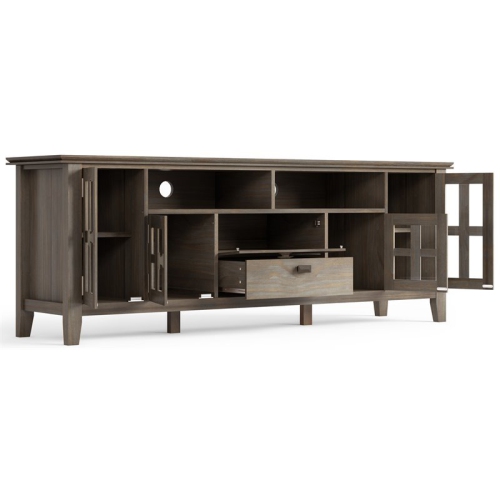
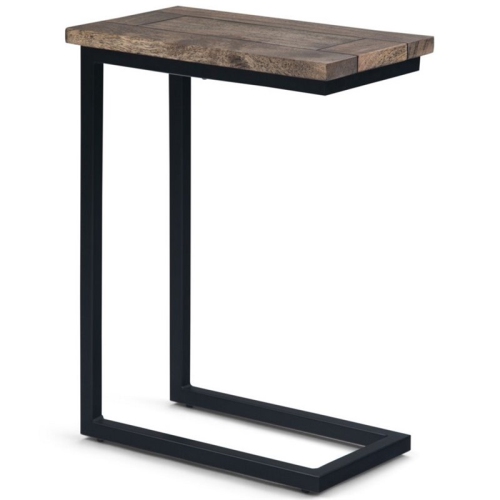
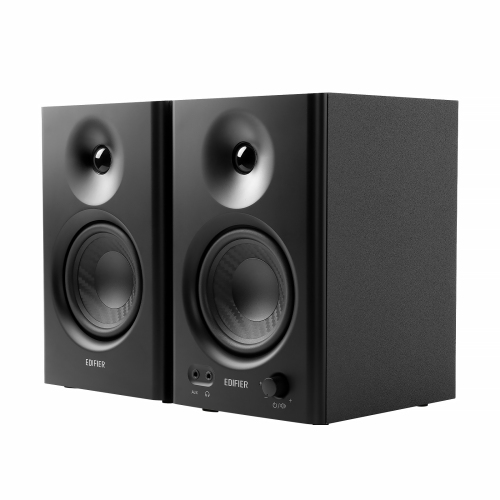
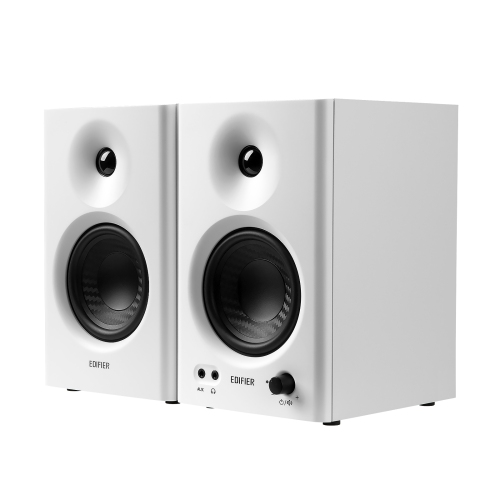
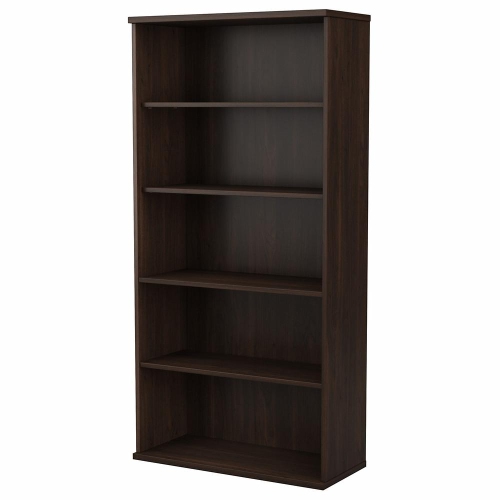
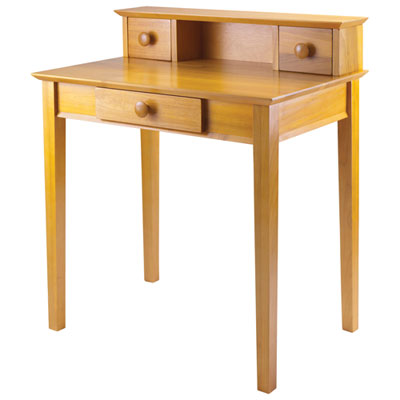
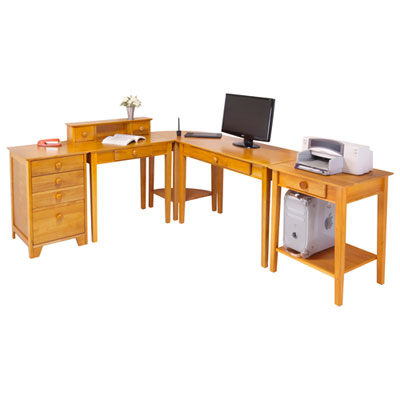
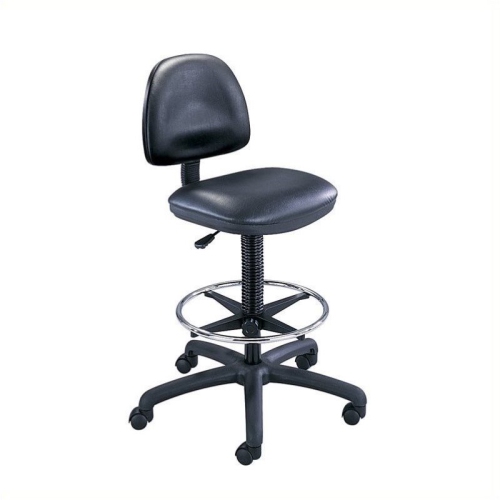
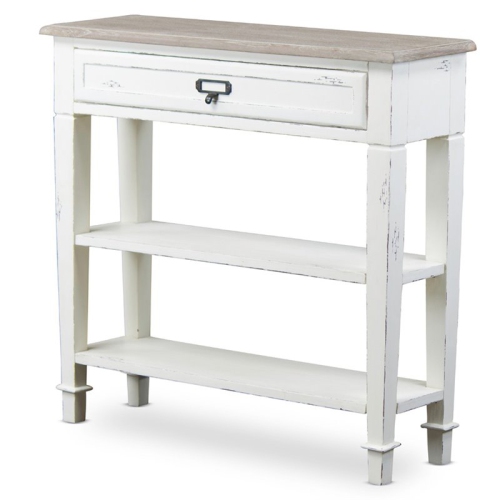
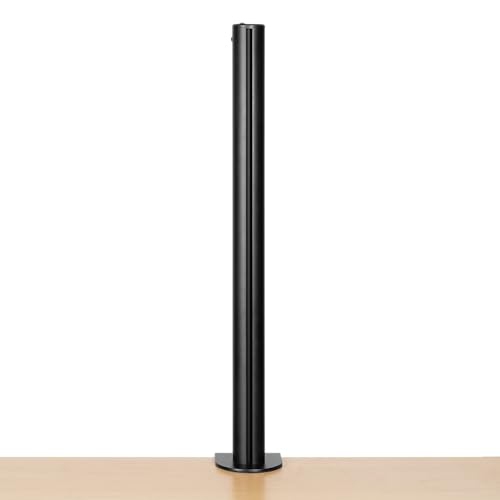
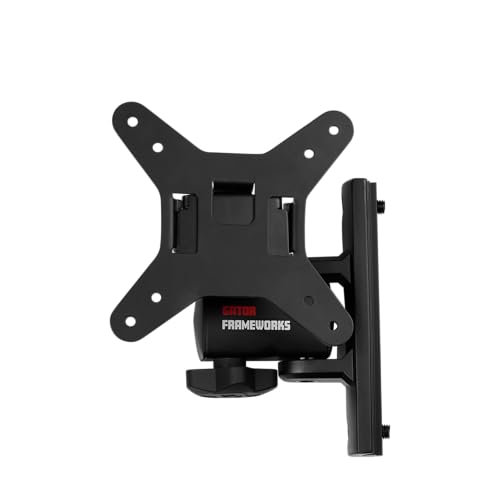
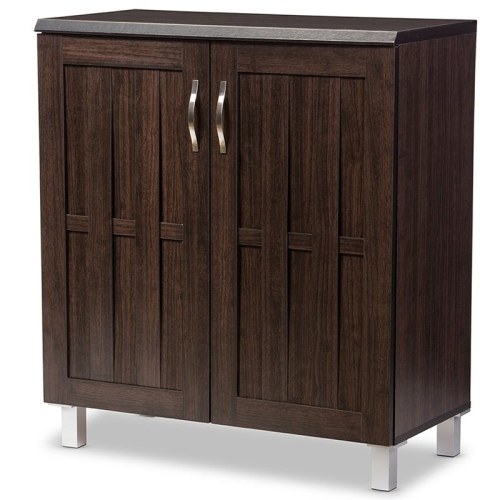
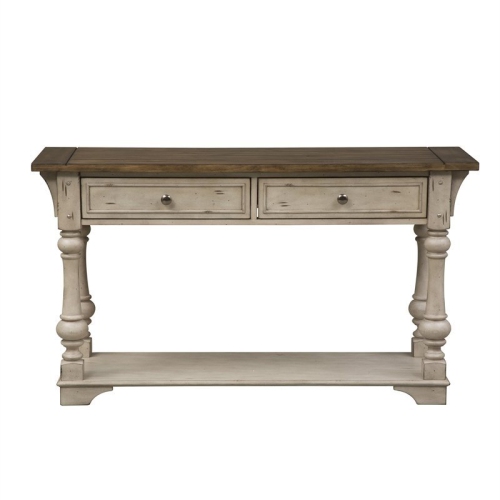
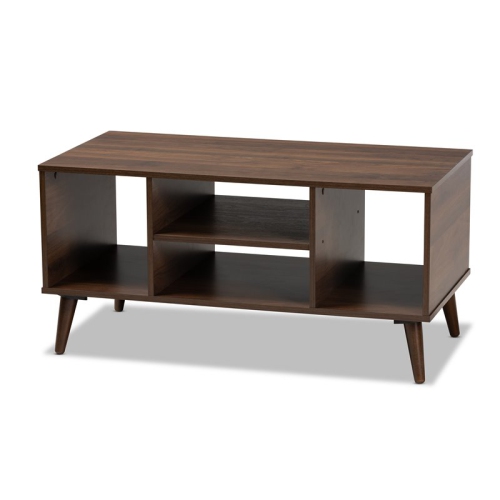
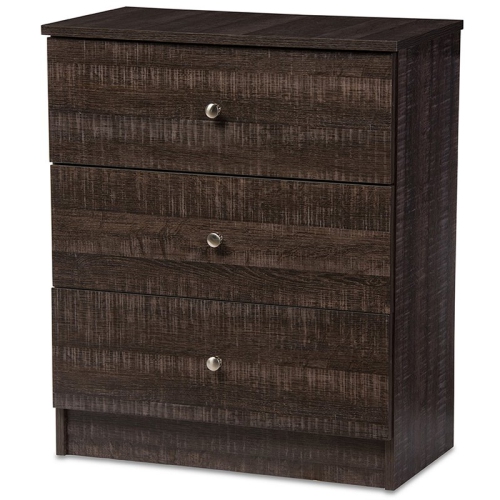

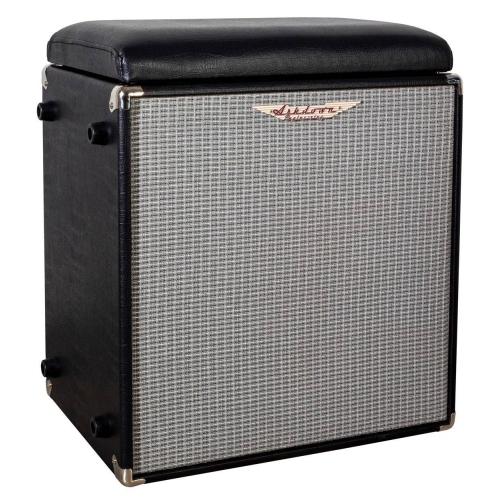
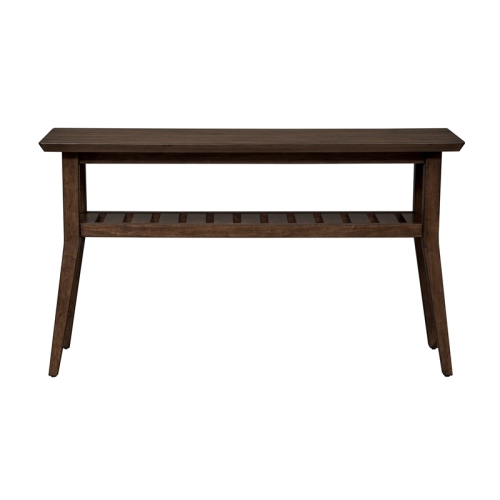
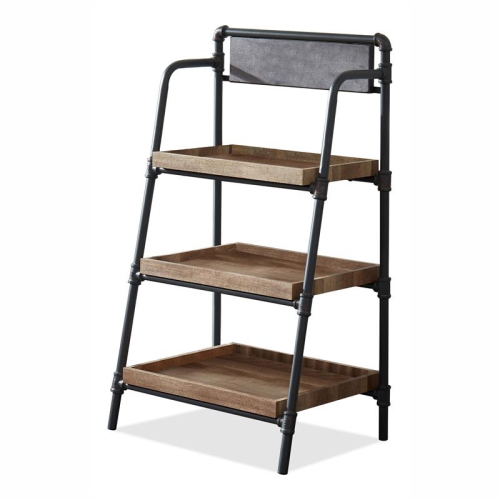
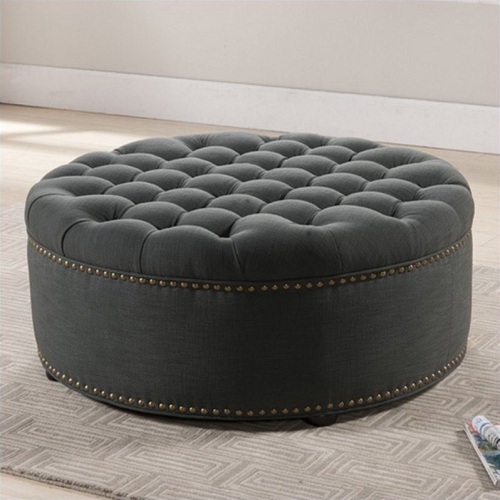
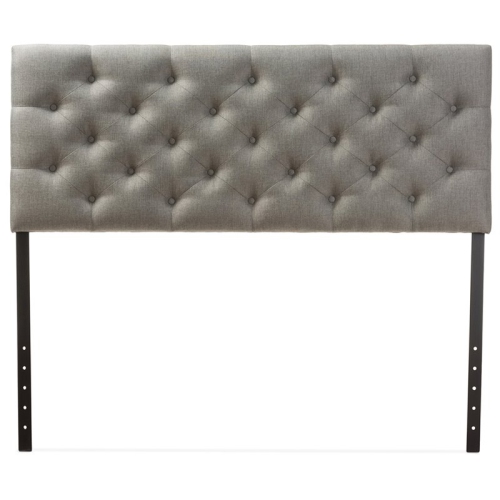
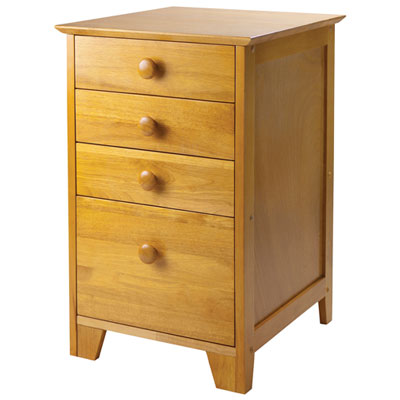
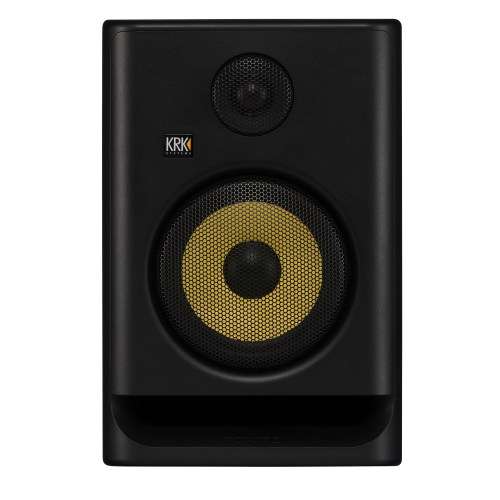
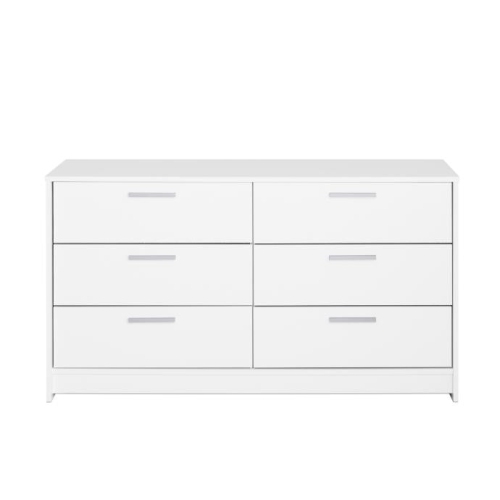
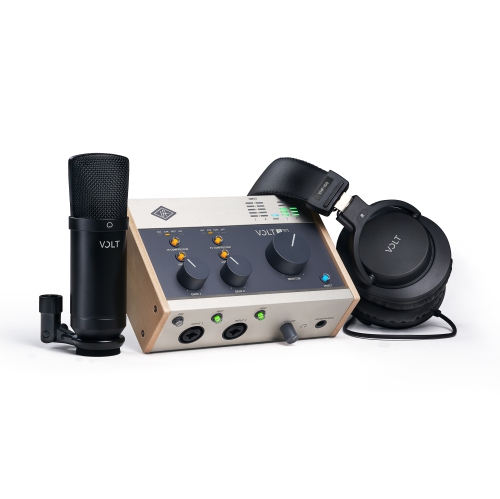
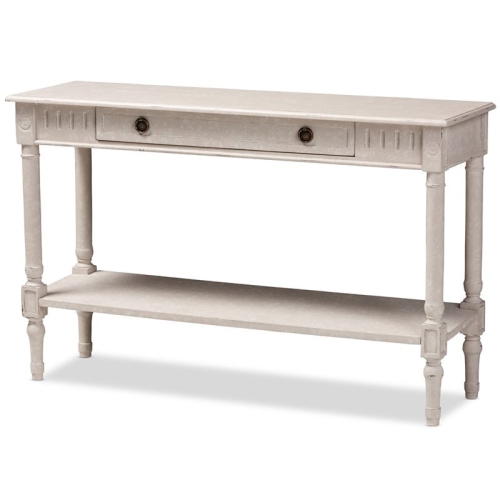
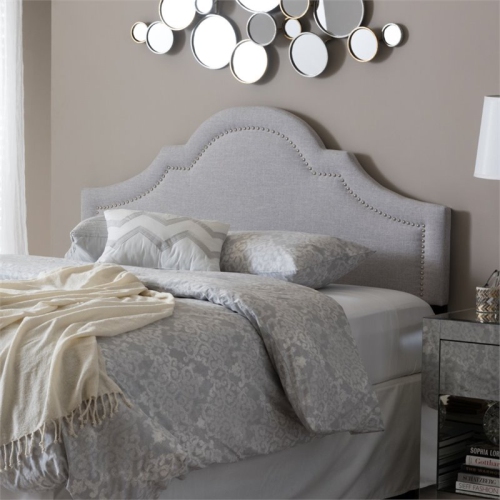
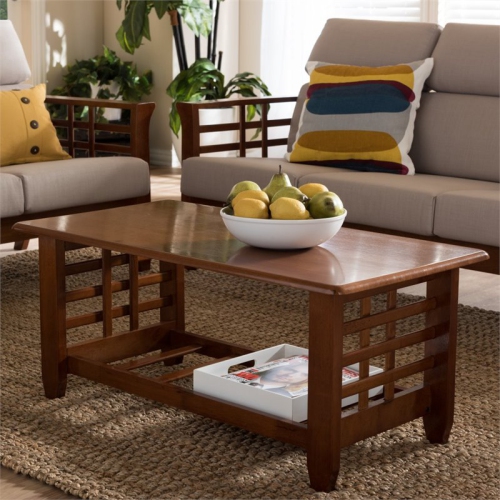
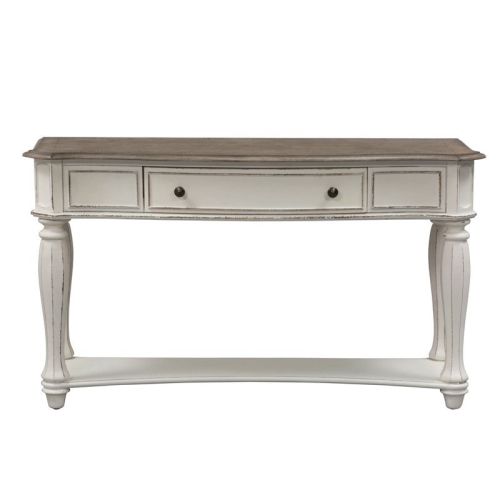
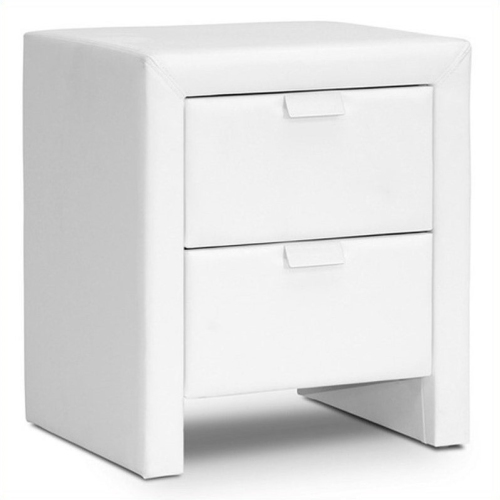
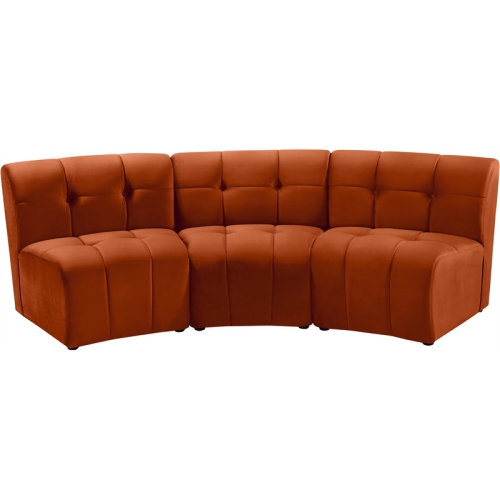
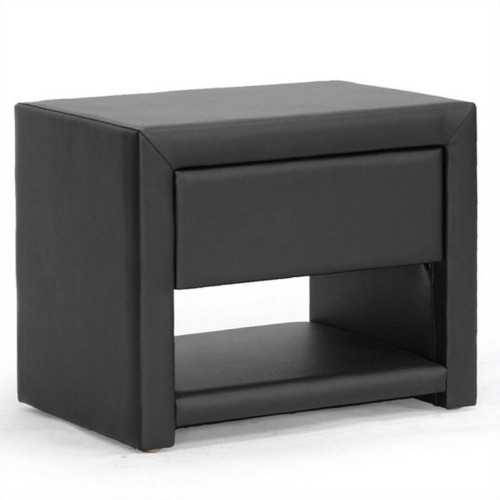
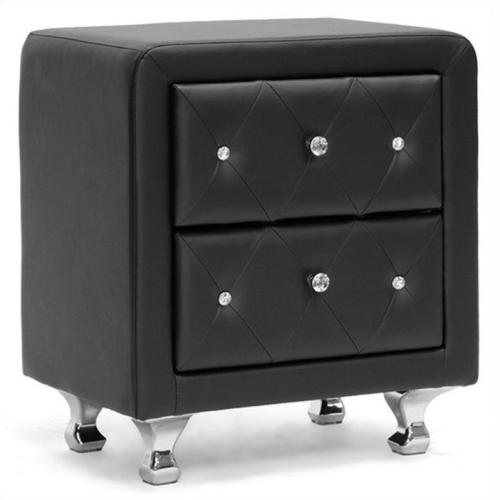
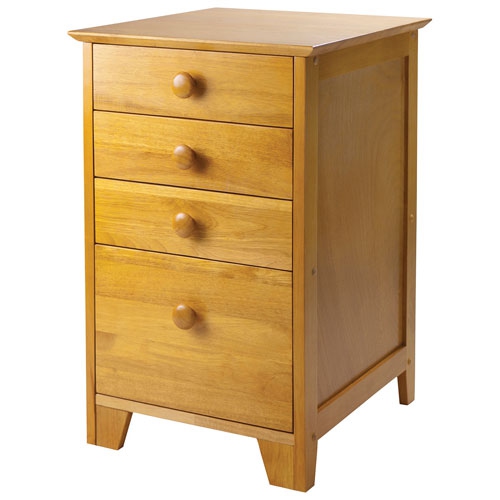
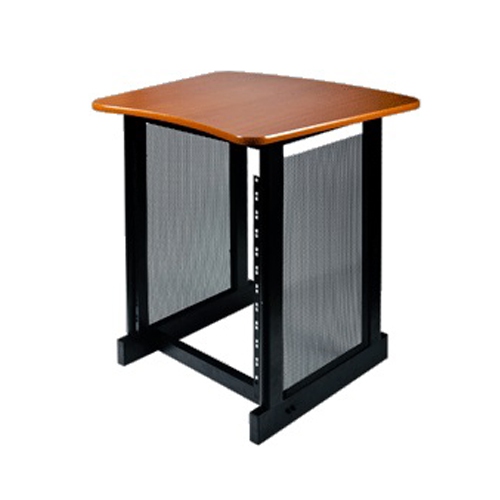
Workstations that organize gear for comfortable creative sessions
Studio furniture brings structure, comfort, and purpose to a music production room, recording space, DJ booth, podcast corner, or content creation setup. Unlike a standard office desk, a studio workstation is designed around the way creative equipment is used: computer displays sit at a practical viewing height, studio monitors can be positioned near ear level, keyboards and controllers remain within easy reach, and audio interfaces or other rack-mounted equipment can be kept close to the main work area. The right arrangement can make a room feel calmer and more intuitive, with fewer cables crossing the floor and less time spent reaching behind equipment. This can be especially helpful during long recording, editing, mixing, or streaming sessions, when small ergonomic details become noticeable. Look for a desk with enough width and depth for your current equipment, while leaving room to add a controller, tablet, notebook, or additional display later. A broad top surface is useful for producers who work with multiple screens, while a more compact workstation may suit a bedroom studio, apartment, or shared creative room. Consider the height of the work surface, the position of the keyboard tray, the space beneath the desk for legs and pedals, and whether the layout allows comfortable access to connections at the back of equipment. Cable management openings, channels, and trays can help keep power and audio cables organized, while a sturdy frame reduces distracting movement when playing a keyboard, adjusting a fader, or tapping along to a beat. For equipment that needs to remain close but does not belong on the main desktop, integrated shelving and vertical rack spaces can provide a tidy home for preamps, compressors, patch bays, power conditioners, and other outboard gear. Rack capacity is worth considering carefully: a small setup may need only a few rack spaces, while a growing studio can benefit from room to expand without replacing the entire workstation. Furniture with a modular design can be particularly practical for creators who change their workflow over time, move between production and recording, or share a room with other activities.
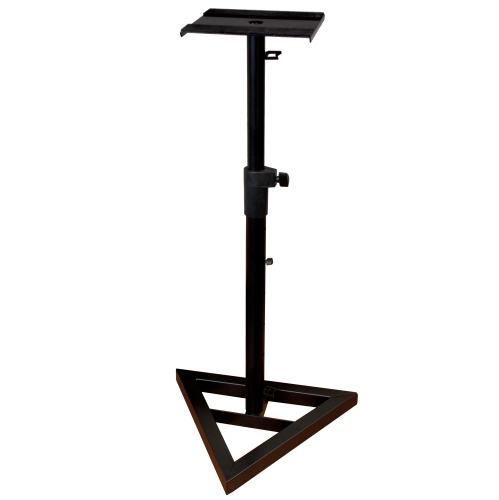
Studio furniture can also help create a more comfortable listening and working environment. Speaker stands and monitor platforms raise speakers to a more appropriate height and help establish a balanced left-to-right listening position. Depending on the room and the design, isolation features may reduce unwanted vibration reaching the desk, which is useful when recording vocals, acoustic instruments, or quiet passages. Before choosing stands or platforms, check the size and weight of the speakers, the available floor or desktop space, and the distance between the speakers and the listening position. A workstation with a raised monitor shelf can free up the main surface, but the shelf should be high enough to keep displays and speakers properly positioned without forcing the neck to tilt upward. Keyboard trays are another important detail for musicians who use full-size MIDI keyboards, synthesizers, or digital pianos. A pull-out tray keeps the instrument within comfortable reach and leaves more room above for screens, speakers, and controls; heavy-duty construction is helpful when the keyboard is used with firm playing pressure. Clamp-on accessories may offer flexibility in a smaller room, while built-in trays can create a cleaner, more unified arrangement. DJs may appreciate furniture with open access for a mixer, decks, laptop, headphones, and monitor speakers, along with storage for records, controllers, or accessories. Podcasters, streamers, and video creators may prefer a workstation with room for a microphone arm, lighting accessories, a camera, and multiple displays. Pairing a well-arranged desk with Studio Lights can make a dedicated recording area more functional, particularly when natural light changes during the day or the room is used during the cooler months when windows may provide less consistent brightness. Keeping the furniture close to a wall can save floor space, but leave enough clearance for ventilation, cable access, and comfortable chair movement. In a larger room, separating the desk from the recording area can make it easier to switch between tracking, monitoring, and editing without repeatedly rearranging equipment.
Studio furniture can be a thoughtful choice for a musician, producer, DJ, podcaster, streamer, sound designer, or student building a first creative setup. It may also be a useful gift for someone who has invested in microphones, instruments, recording software, or a home studio but is still working from an ordinary table. A dedicated workstation can make a creative room feel more personal, whether it is used for sketching out song ideas after work, editing a podcast late in the evening, practising keyboard parts, or organizing voice-over sessions between other commitments. When choosing furniture as a gift, it helps to know the recipient’s equipment and available space. Measure the intended area, including doorways and corners, and confirm that the desk will fit alongside a chair, monitor stands, instrument cases, and any existing shelving. Pay attention to assembly requirements, maximum weight ratings, rack dimensions, and the direction in which trays or doors open. Finish and colour can influence how easily the furniture blends into a living room, office, basement, or dedicated studio, while a solid, well-balanced construction can make the setup feel dependable day after day. A small workstation may be the better choice for a new creator who is learning the basics, whereas an expandable model can suit an experienced user with several pieces of outboard equipment and plans to continue building a collection. Whether the goal is a polished professional room or a simple corner for developing ideas, studio furniture helps define the workflow around the person using it. With the desk, racks, trays, shelves, and speaker supports arranged thoughtfully, the room can feel less like a pile of equipment and more like an inviting creative space where recording, mixing, editing, and collaboration come naturally.
Studio furniture can also help create a more comfortable listening and working environment. Speaker stands and monitor platforms raise speakers to a more appropriate height and help establish a balanced left-to-right listening position. Depending on the room and the design, isolation features may reduce unwanted vibration reaching the desk, which is useful when recording vocals, acoustic instruments, or quiet passages. Before choosing stands or platforms, check the size and weight of the speakers, the available floor or desktop space, and the distance between the speakers and the listening position. A workstation with a raised monitor shelf can free up the main surface, but the shelf should be high enough to keep displays and speakers properly positioned without forcing the neck to tilt upward. Keyboard trays are another important detail for musicians who use full-size MIDI keyboards, synthesizers, or digital pianos. A pull-out tray keeps the instrument within comfortable reach and leaves more room above for screens, speakers, and controls; heavy-duty construction is helpful when the keyboard is used with firm playing pressure. Clamp-on accessories may offer flexibility in a smaller room, while built-in trays can create a cleaner, more unified arrangement. DJs may appreciate furniture with open access for a mixer, decks, laptop, headphones, and monitor speakers, along with storage for records, controllers, or accessories. Podcasters, streamers, and video creators may prefer a workstation with room for a microphone arm, lighting accessories, a camera, and multiple displays. Pairing a well-arranged desk with Studio Lights can make a dedicated recording area more functional, particularly when natural light changes during the day or the room is used during the cooler months when windows may provide less consistent brightness. Keeping the furniture close to a wall can save floor space, but leave enough clearance for ventilation, cable access, and comfortable chair movement. In a larger room, separating the desk from the recording area can make it easier to switch between tracking, monitoring, and editing without repeatedly rearranging equipment.
Studio furniture can be a thoughtful choice for a musician, producer, DJ, podcaster, streamer, sound designer, or student building a first creative setup. It may also be a useful gift for someone who has invested in microphones, instruments, recording software, or a home studio but is still working from an ordinary table. A dedicated workstation can make a creative room feel more personal, whether it is used for sketching out song ideas after work, editing a podcast late in the evening, practising keyboard parts, or organizing voice-over sessions between other commitments. When choosing furniture as a gift, it helps to know the recipient’s equipment and available space. Measure the intended area, including doorways and corners, and confirm that the desk will fit alongside a chair, monitor stands, instrument cases, and any existing shelving. Pay attention to assembly requirements, maximum weight ratings, rack dimensions, and the direction in which trays or doors open. Finish and colour can influence how easily the furniture blends into a living room, office, basement, or dedicated studio, while a solid, well-balanced construction can make the setup feel dependable day after day. A small workstation may be the better choice for a new creator who is learning the basics, whereas an expandable model can suit an experienced user with several pieces of outboard equipment and plans to continue building a collection. Whether the goal is a polished professional room or a simple corner for developing ideas, studio furniture helps define the workflow around the person using it. With the desk, racks, trays, shelves, and speaker supports arranged thoughtfully, the room can feel less like a pile of equipment and more like an inviting creative space where recording, mixing, editing, and collaboration come naturally.
Top selling and popular products
-
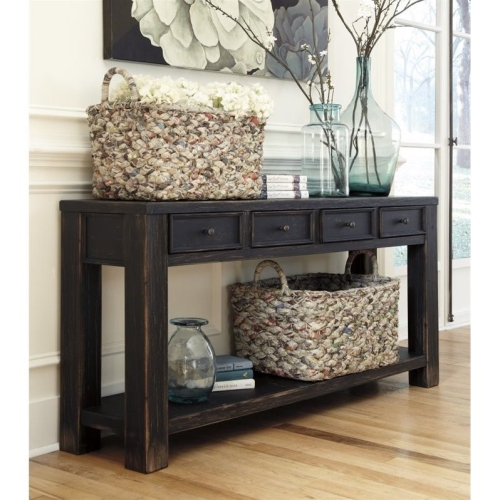 Your price for this item is $935.72
 -
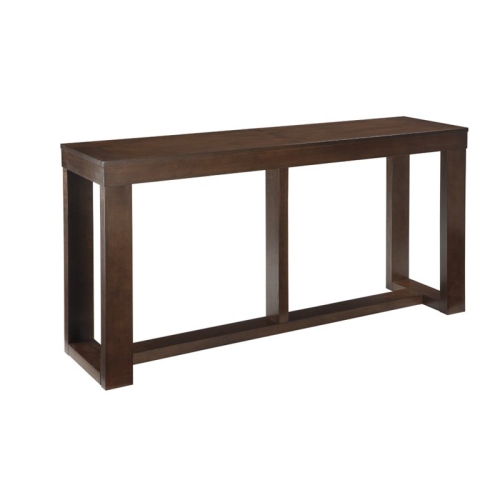 Your price for this item is $349
 -
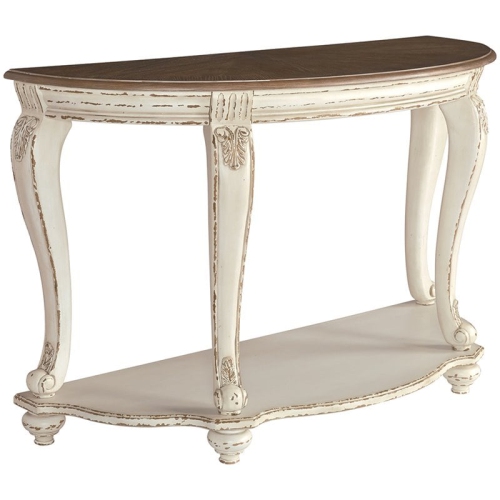 Your price for this item is $499
 -
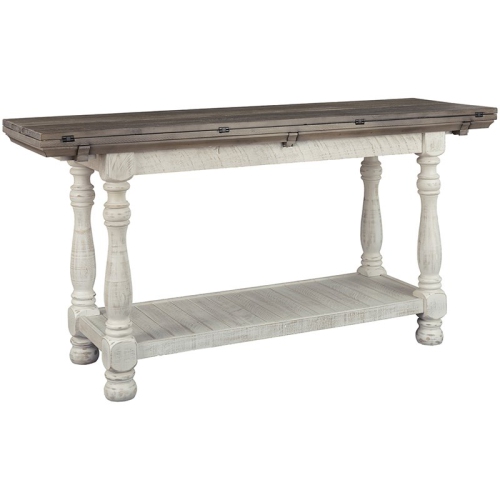 Your price for this item is $799
 -
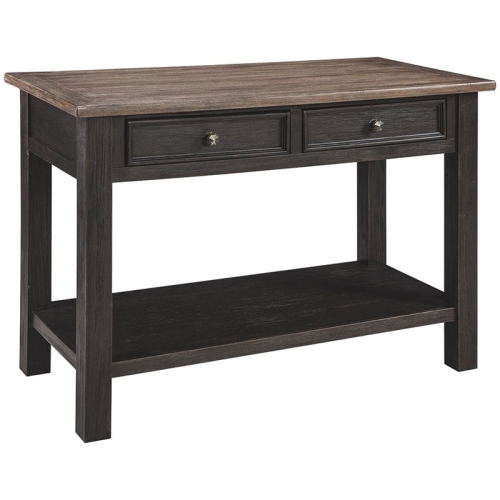 Your price for this item is $830
 -
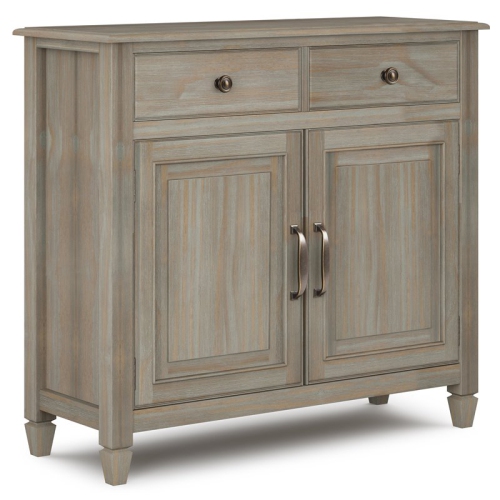 Your price for this item is $952.84
 -
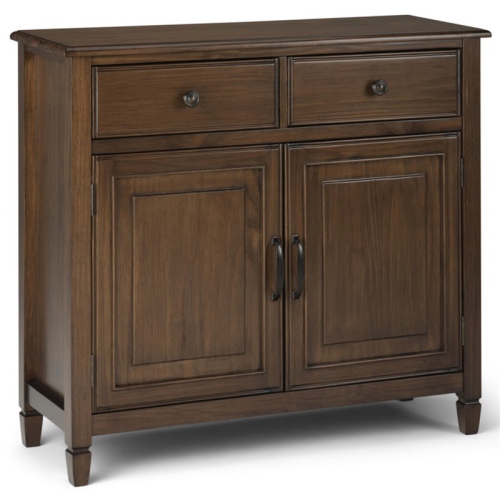 Your price for this item is $1003
 -
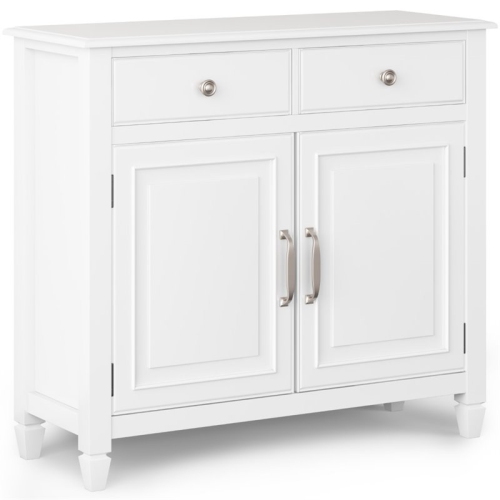 Your price for this item is $1055.88
Discover more categories related to Studio Furniture

Top Collections:
Pokemon Centers, Budget 4K TVs, Best Budget Office Chairs, Kindle Devices, Canon G7X Cameras, Apple iPhones 16, iPhone 15 Apple, Laptops for Business Work, Xiaomi Phones, Flip Phones
Some products may be subject to Environmental Handling Fees
(EHF) depending on your province.
Learn more about EHFs.