Studio Lighting
Enhance your photography skills with our collection of studio lighting solutions. Whether you're a professional photographer looking to capture stunning portraits or an aspiring content creator aiming for that perfect shot, our range of studio lighting options is designed to meet your needs. From versatile light kits to adjustable softboxes and quality LED panels, our selection offers everything you need to illuminate your subjects and create visually captivating images. Take your photography to the next level with our studio lighting products and unleash your creativity like never before.
Sort
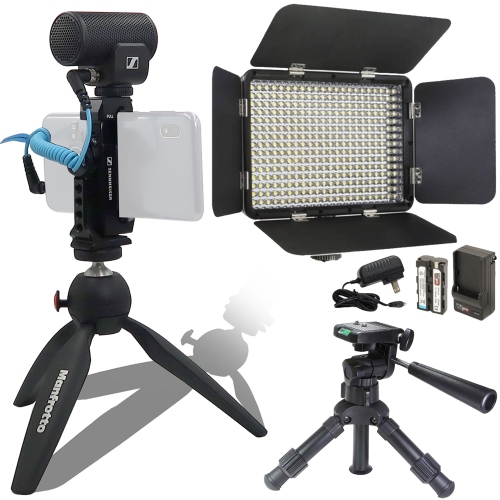
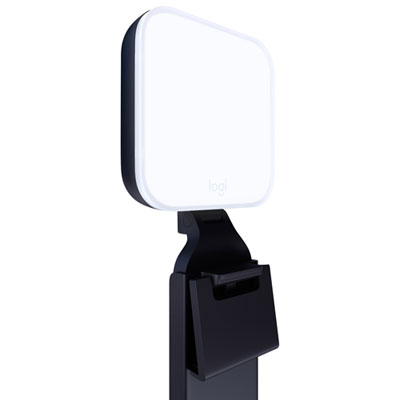
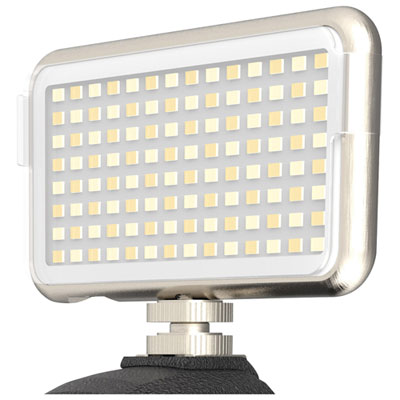
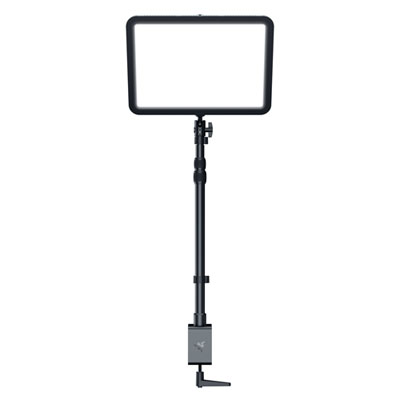
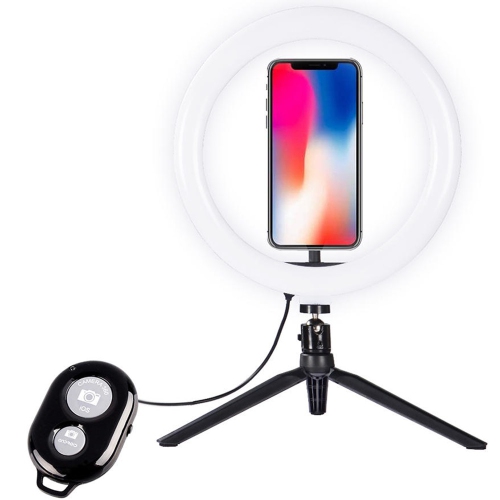
![VIVIDER (Tm) Selfie Ring Light With Cell Phone Holder Stand for Live Stream/makeup, Led Camera Lighting [3-Light Mode] [10-Level Brightness]](https://multimedia.bbycastatic.ca/multimedia/products/500x500/150/15002/15002237.jpg)

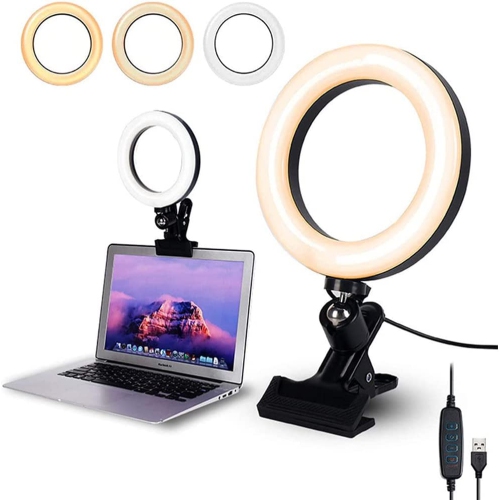
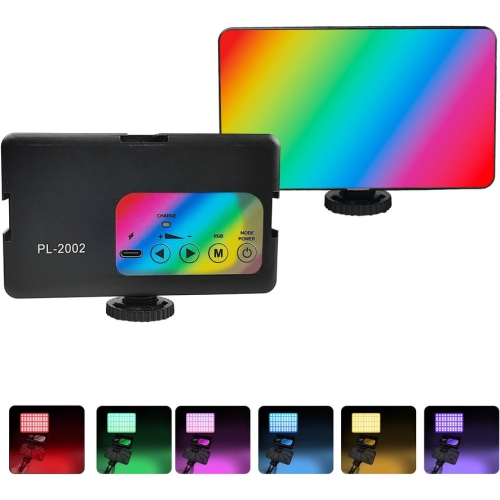
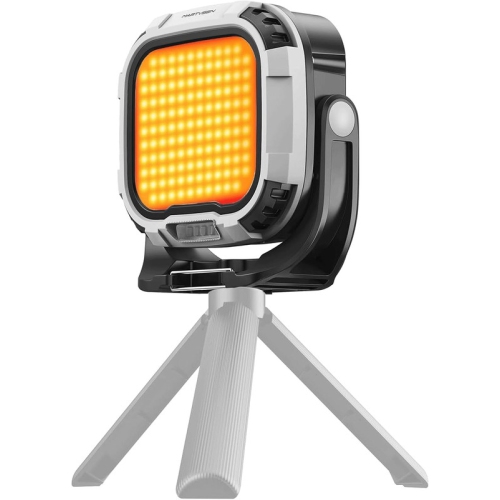
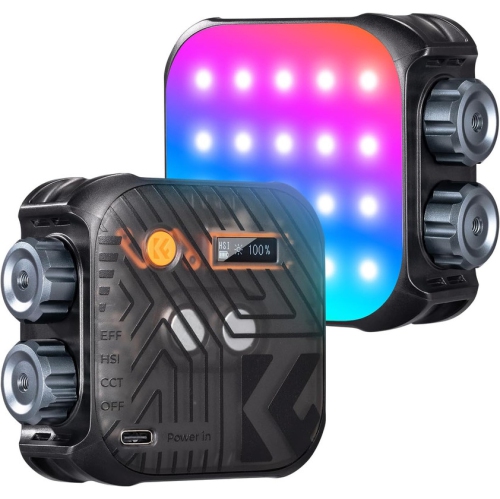
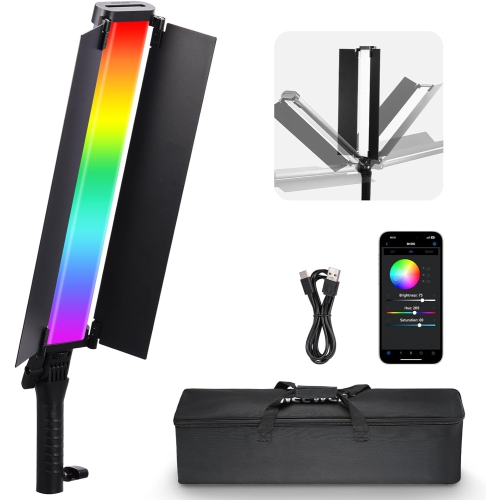
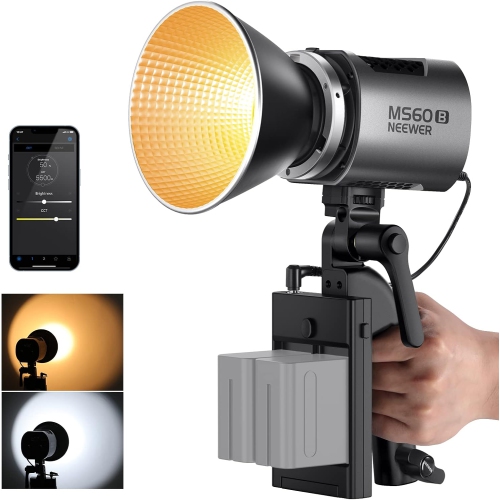
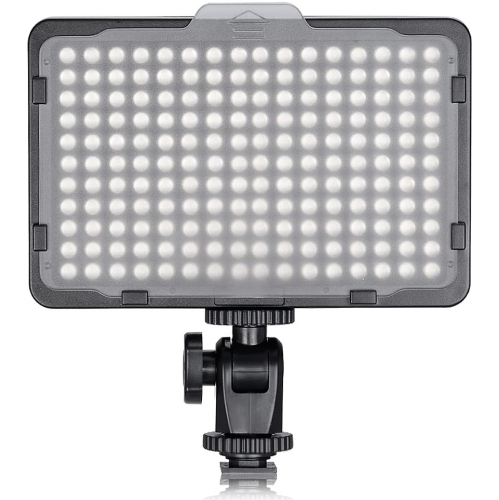
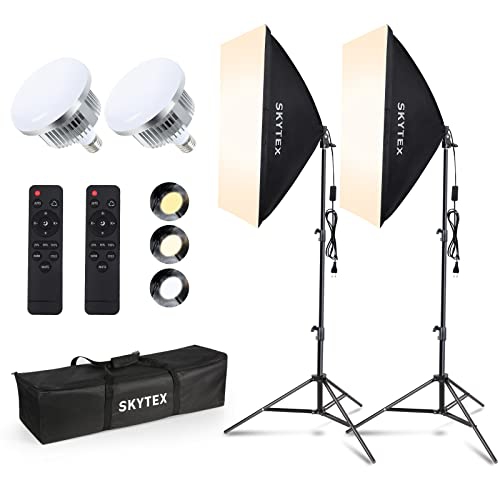
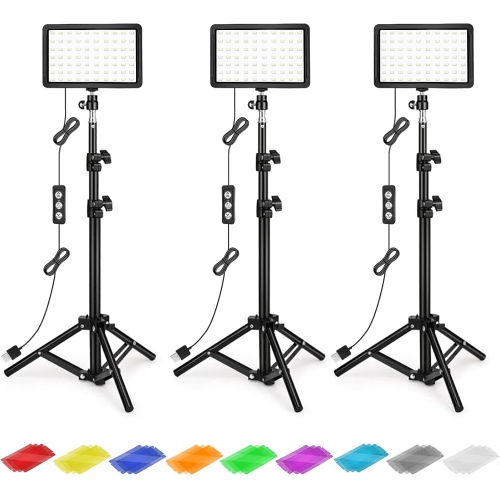
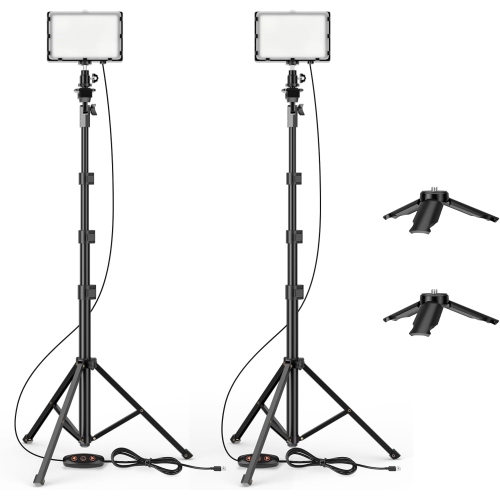

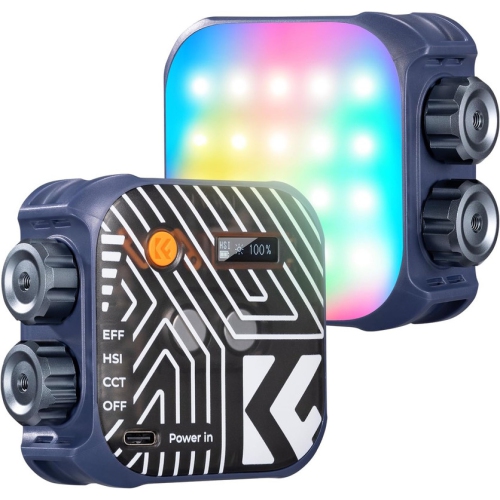
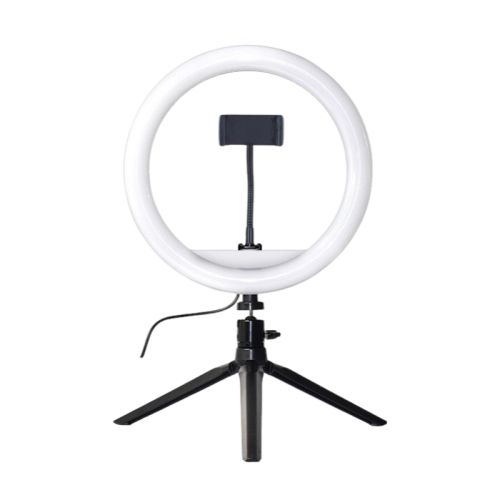
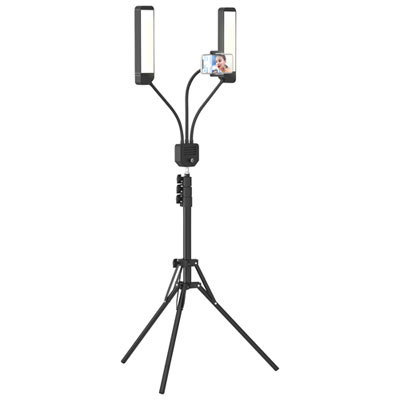
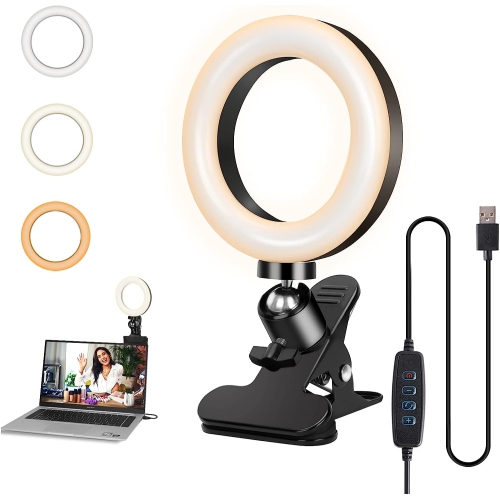
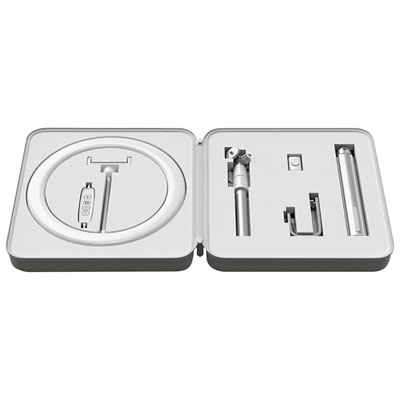
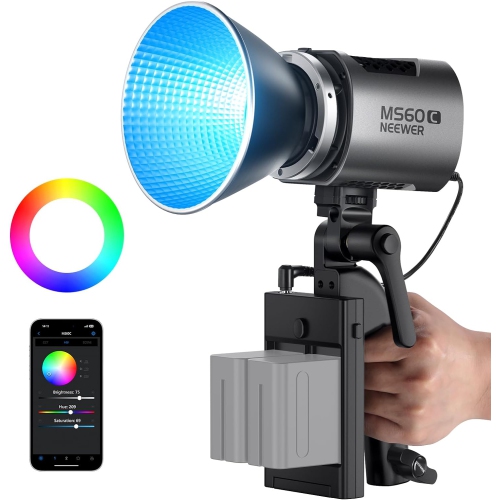
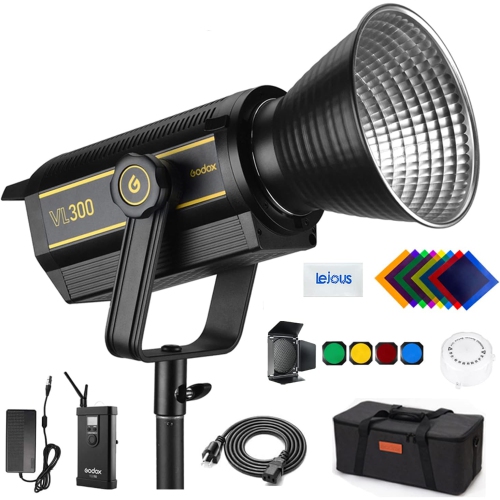
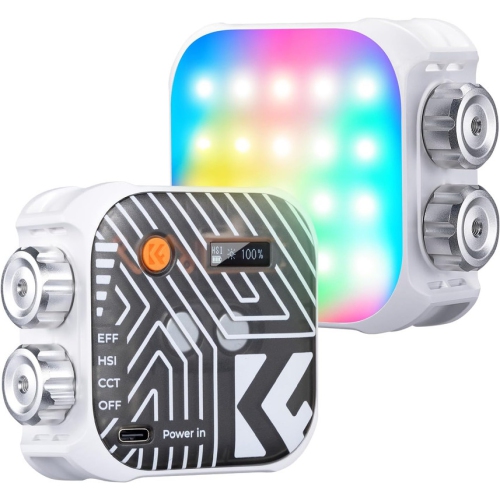
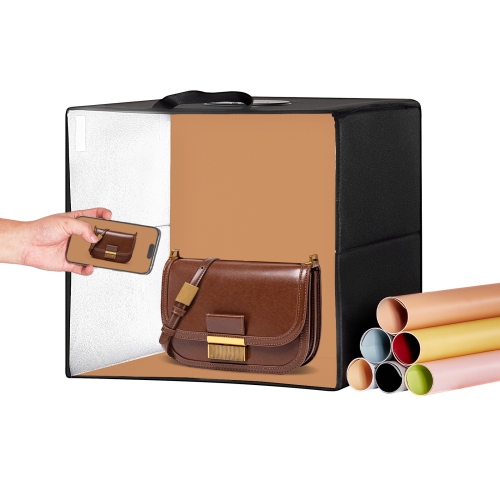
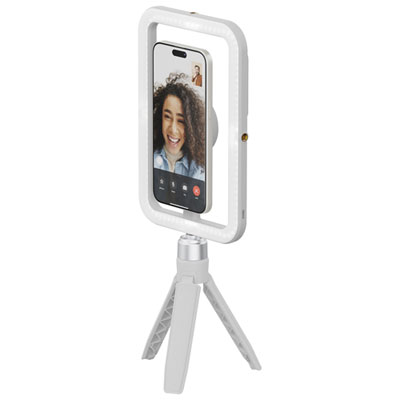
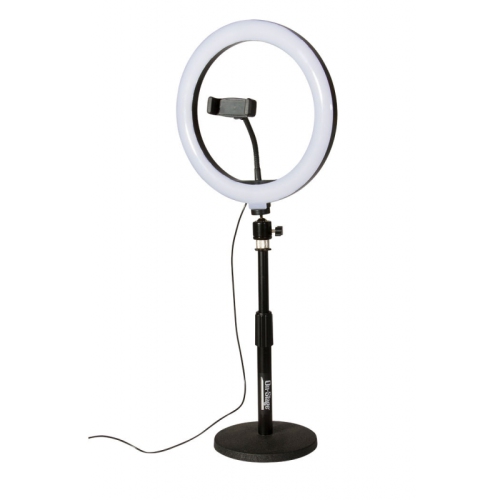
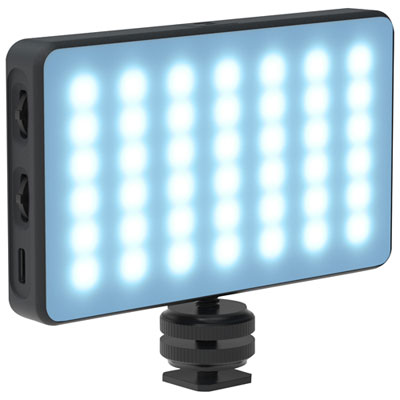
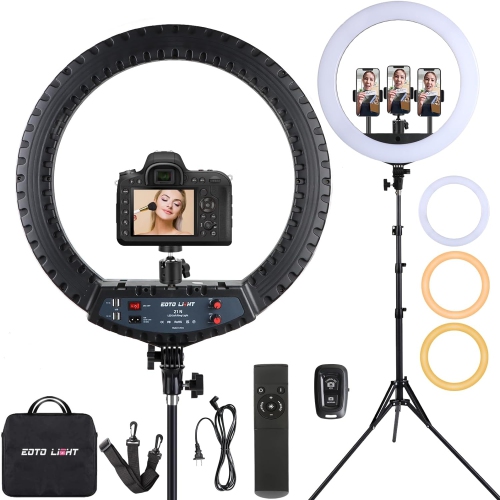
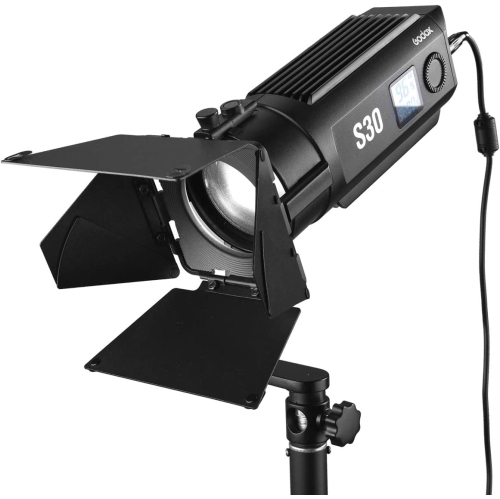

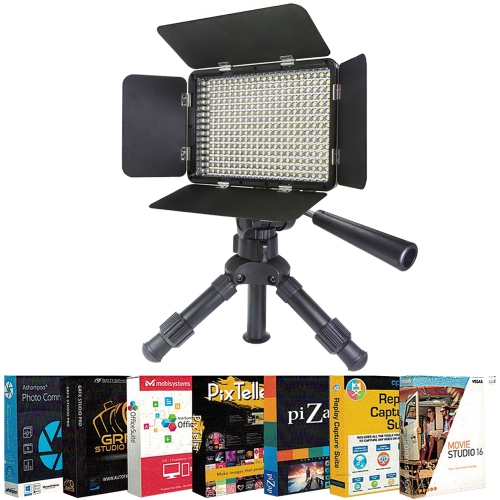
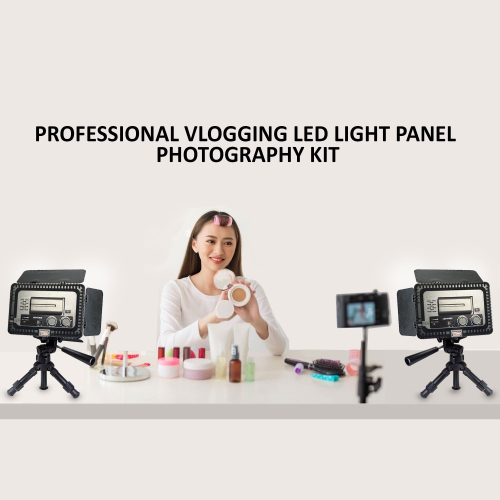
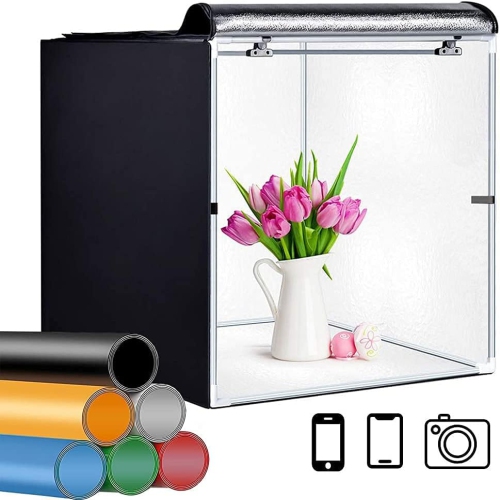
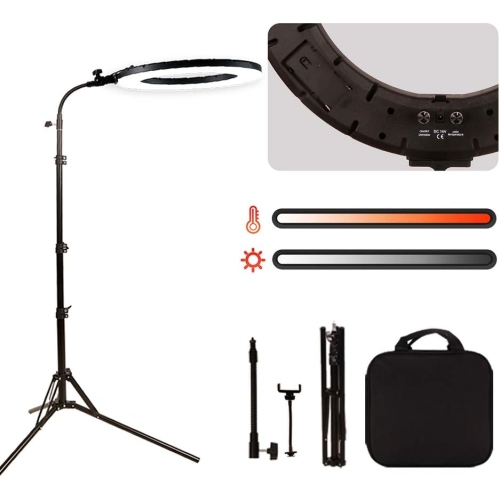
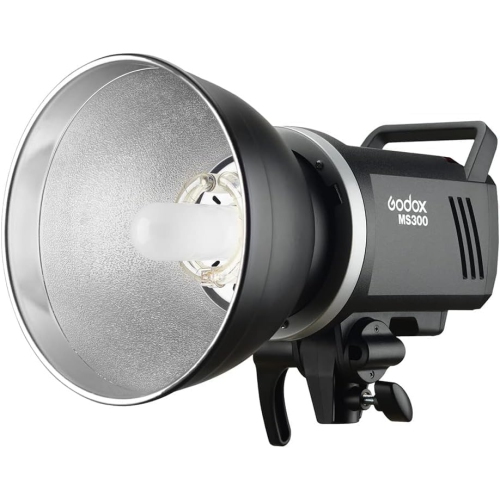
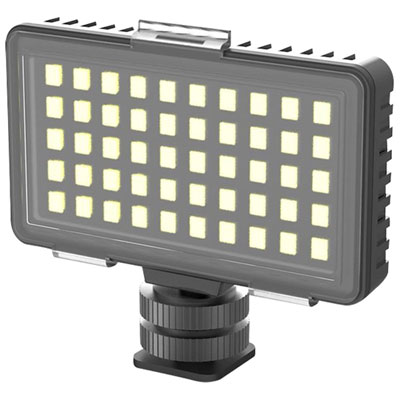
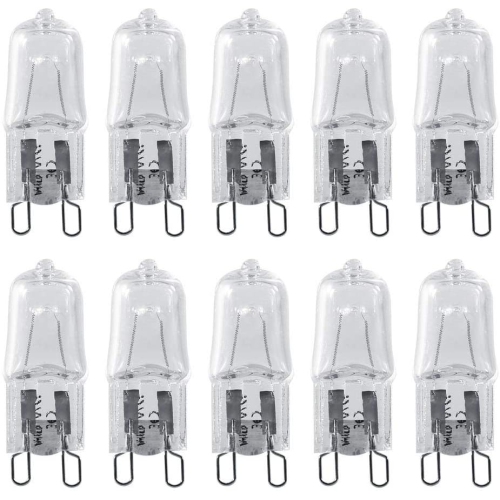
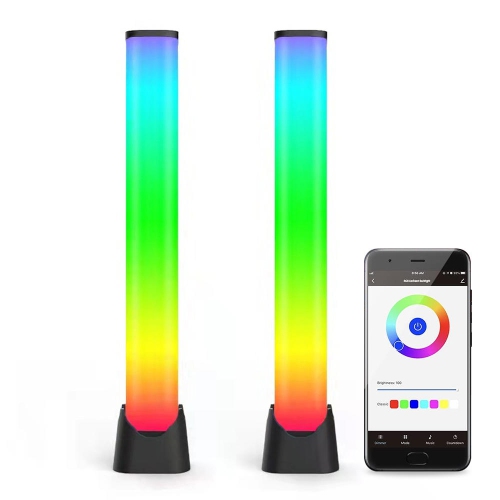
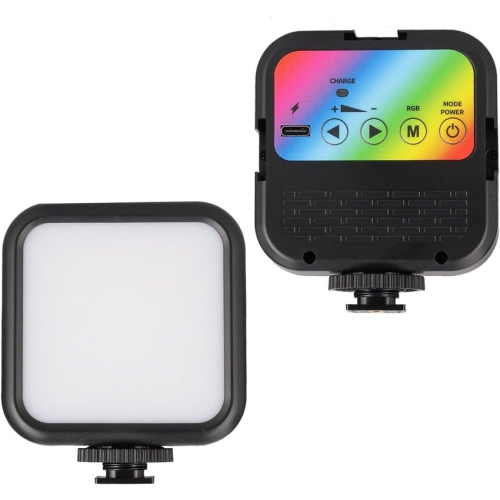
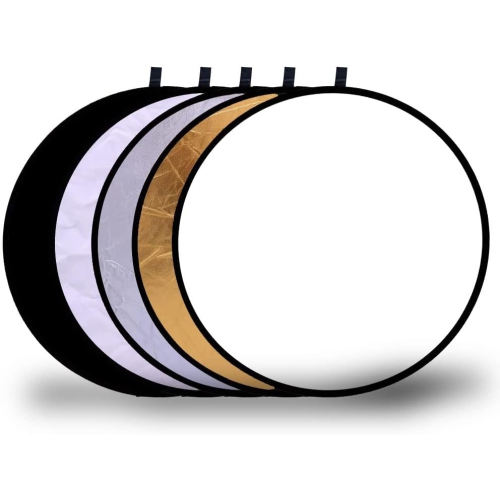
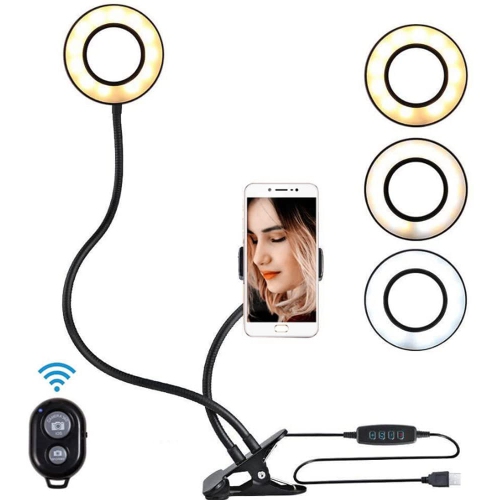
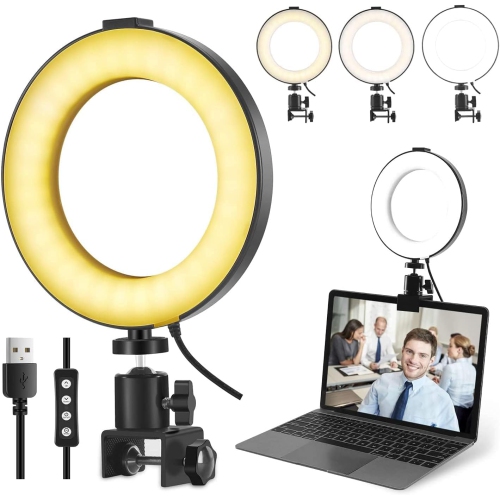
Shape consistent light for photos, video, and livestreams
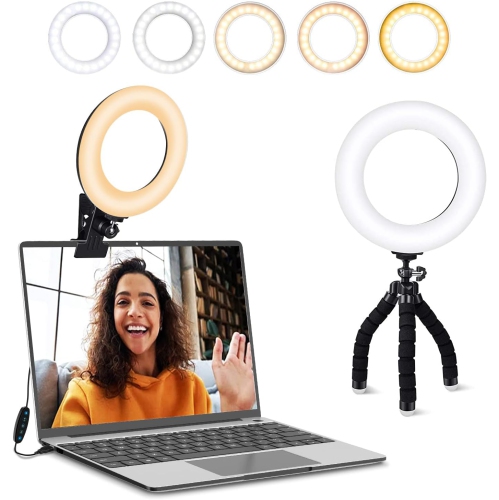
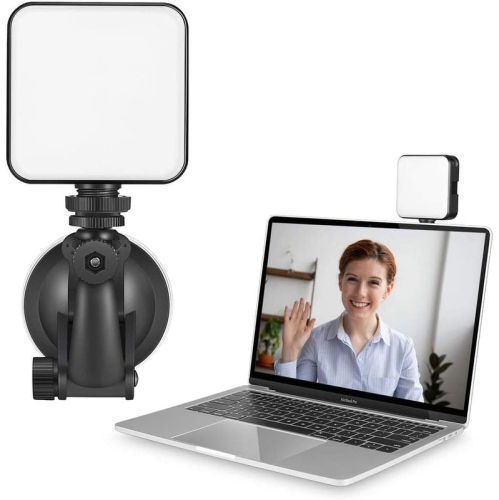
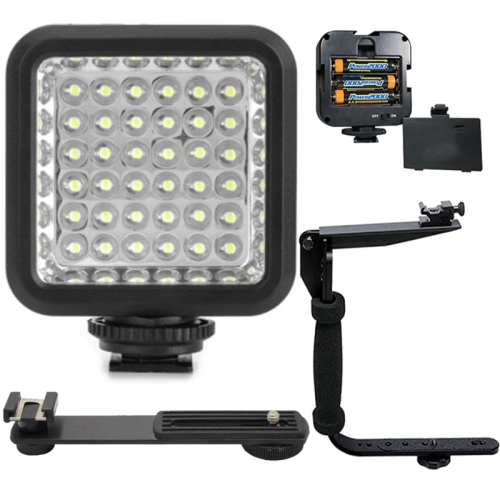
Studio lighting gives photographers and video creators precise control over how a subject looks, whether they are working in a dedicated studio, a spare room, a home office, or a temporary shooting space. Unlike natural light, which changes with the time of day and weather, artificial lighting can be adjusted to create a consistent look from one session to the next. Continuous lights stay on while you work, making them especially useful for video, livestreaming, tutorials, interviews, product demonstrations, and beginners who want to see shadows and highlights before recording. Flash units, also called strobes, produce a brief, powerful burst of light when a photograph is taken, helping freeze movement and illuminate portraits, fashion, events, and commercial scenes. LED panels and other continuous fixtures can be useful when a compact, adjustable source is needed, while monolights offer a self-contained light with strong output for portrait and studio photography. When comparing studio lighting, consider the type of content you create, the size of your space, the distance between the light and your subject, and whether portability matters. A smaller room may benefit from compact fixtures and simple stands, while a larger studio can accommodate more powerful lights and broader modifiers. Colour temperature is another important detail: adjustable white balance lets you shift between cooler and warmer light to suit the mood, match existing room lights, or maintain natural-looking skin tones. Dimmable output gives you further control over brightness without forcing you to move the light closer or farther away. For creators who regularly photograph children, pets, handmade goods, food, artwork, or online listings, a repeatable lighting setup can make each image look clearer and more polished. It can also be a thoughtful gift for a photography student, aspiring filmmaker, streamer, makeup artist, musician, educator, or small business owner who wants to improve the quality of their visual content.
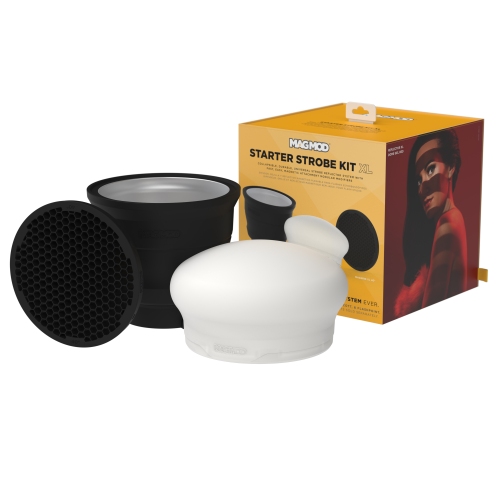
A useful studio setup often begins with a key light, which is the primary and brightest source directed at the subject. Positioning it roughly 45 degrees to one side and slightly above eye level can create dimension across the face while keeping the result flattering. A fill light is generally placed on the opposite side at a lower intensity, softening strong shadows without removing all the depth from the image. A backlight, sometimes called a hair light or rim light, sits behind the subject and helps separate them from a darker background by outlining the shoulders, hair, or edges of an object. These roles are not fixed rules; one light can be enough for a dramatic portrait, while multiple lights can provide greater control for interviews, group photography, or detailed product work. Light modifiers shape the character of the illumination. Softboxes spread light through a fabric panel to create a broad, gentle source that is well suited to portraits and close-up video. Umbrellas can bounce or diffuse light quickly, making them convenient for flexible setups and larger subjects. Reflectors can return light into shadowed areas, and barndoors can narrow a beam and reduce unwanted spill onto walls or backgrounds. Grids, diffusers, and coloured gels can further refine the direction, softness, or tone of the light. Stands, clamps, sandbags, and adjustable mounts are also worth considering because stable positioning is just as important as output. Before choosing a light, check its mounting system, controls, power requirements, included accessories, fan or operating noise, and compatibility with your camera or other equipment. Video creators should pay close attention to flicker-free performance and quiet operation, particularly when recording dialogue. Photographers may prefer fast recycling, flash power control, and reliable triggering. If flash photography is part of your work, explore compatible options such as Studio Flashes to help coordinate short bursts of light with your camera.
The best studio lighting arrangement is one that suits your subject, your workflow, and the space available to you. A creator filming at a desk may need a compact key light that fits beside a monitor, while someone photographing full-length portraits may need taller stands, wider modifiers, and enough output to cover the subject evenly from head to toe. For livestreams and video calls, placing a soft light slightly above and in front of the camera can brighten the face without producing distracting shadows behind the subject. For product photography, lights placed at different angles can reveal texture, edges, labels, and reflective surfaces; moving the source a small distance or changing the modifier can make a noticeable difference. During the warmer parts of the year, natural daylight can supplement a setup, but artificial lights become particularly helpful as daylight shifts or fades during the cooler months. A consistent arrangement also makes it easier to create a recognisable look for social media, online classes, portfolio work, and business content. When setting up, keep cables secured, give stands a stable footprint, and avoid placing hot or heavy equipment where it could be knocked over. Take a few test photos or short recordings before beginning a full session, checking skin tones, background brightness, reflections, and shadows. Beginners can start with one versatile continuous light and a soft modifier, then add a fill light or background light as their needs grow. More experienced creators may combine continuous fixtures with flash, use colour effects for music or fashion scenes, or build separate arrangements for portraits, interviews, and product work. Whether it is being chosen for a first camera setup, a home studio upgrade, or a creative gift, studio lighting can make the process of producing photos and video feel more controlled, comfortable, and expressive.
A useful studio setup often begins with a key light, which is the primary and brightest source directed at the subject. Positioning it roughly 45 degrees to one side and slightly above eye level can create dimension across the face while keeping the result flattering. A fill light is generally placed on the opposite side at a lower intensity, softening strong shadows without removing all the depth from the image. A backlight, sometimes called a hair light or rim light, sits behind the subject and helps separate them from a darker background by outlining the shoulders, hair, or edges of an object. These roles are not fixed rules; one light can be enough for a dramatic portrait, while multiple lights can provide greater control for interviews, group photography, or detailed product work. Light modifiers shape the character of the illumination. Softboxes spread light through a fabric panel to create a broad, gentle source that is well suited to portraits and close-up video. Umbrellas can bounce or diffuse light quickly, making them convenient for flexible setups and larger subjects. Reflectors can return light into shadowed areas, and barndoors can narrow a beam and reduce unwanted spill onto walls or backgrounds. Grids, diffusers, and coloured gels can further refine the direction, softness, or tone of the light. Stands, clamps, sandbags, and adjustable mounts are also worth considering because stable positioning is just as important as output. Before choosing a light, check its mounting system, controls, power requirements, included accessories, fan or operating noise, and compatibility with your camera or other equipment. Video creators should pay close attention to flicker-free performance and quiet operation, particularly when recording dialogue. Photographers may prefer fast recycling, flash power control, and reliable triggering. If flash photography is part of your work, explore compatible options such as Studio Flashes to help coordinate short bursts of light with your camera.
The best studio lighting arrangement is one that suits your subject, your workflow, and the space available to you. A creator filming at a desk may need a compact key light that fits beside a monitor, while someone photographing full-length portraits may need taller stands, wider modifiers, and enough output to cover the subject evenly from head to toe. For livestreams and video calls, placing a soft light slightly above and in front of the camera can brighten the face without producing distracting shadows behind the subject. For product photography, lights placed at different angles can reveal texture, edges, labels, and reflective surfaces; moving the source a small distance or changing the modifier can make a noticeable difference. During the warmer parts of the year, natural daylight can supplement a setup, but artificial lights become particularly helpful as daylight shifts or fades during the cooler months. A consistent arrangement also makes it easier to create a recognisable look for social media, online classes, portfolio work, and business content. When setting up, keep cables secured, give stands a stable footprint, and avoid placing hot or heavy equipment where it could be knocked over. Take a few test photos or short recordings before beginning a full session, checking skin tones, background brightness, reflections, and shadows. Beginners can start with one versatile continuous light and a soft modifier, then add a fill light or background light as their needs grow. More experienced creators may combine continuous fixtures with flash, use colour effects for music or fashion scenes, or build separate arrangements for portraits, interviews, and product work. Whether it is being chosen for a first camera setup, a home studio upgrade, or a creative gift, studio lighting can make the process of producing photos and video feel more controlled, comfortable, and expressive.
Top selling and popular products
-
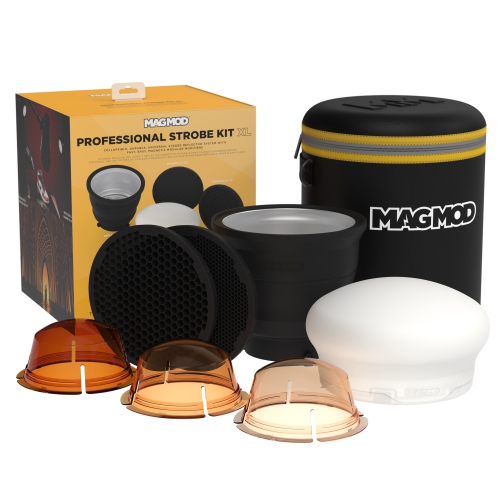
 Your price for this item is $159.97
 -
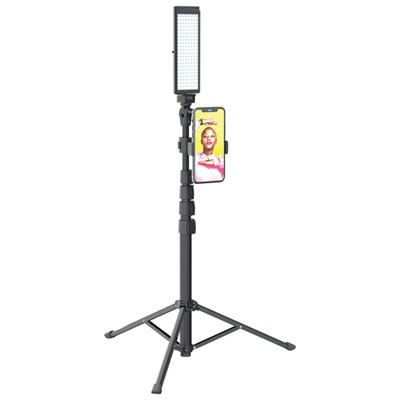
 Your price for this item is $479.99
 -
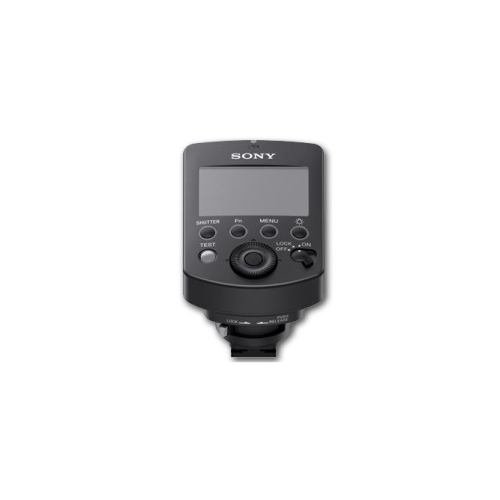
 Your price for this item is $239.99
 -
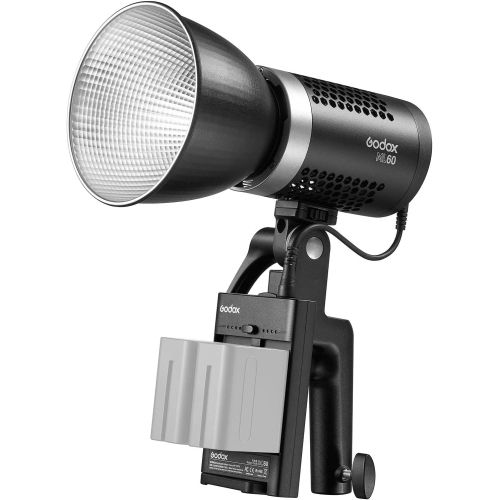 Your price for this item is $239.99
 -
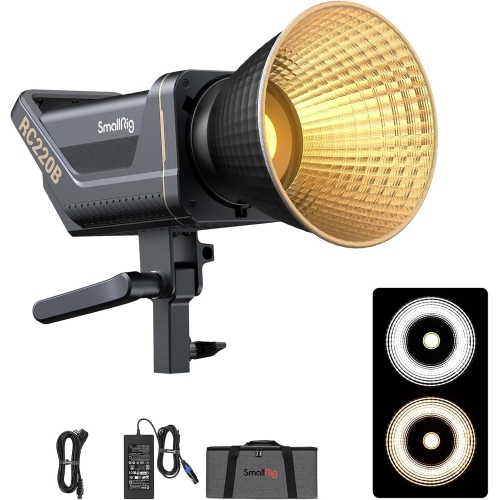 Your price for this item is $442.85
 -
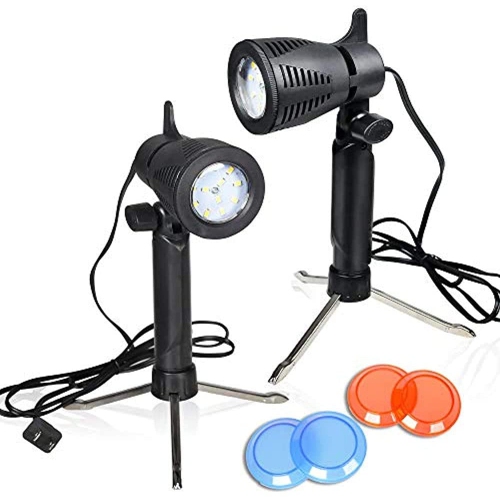 Your price for this item is $29.99
 -
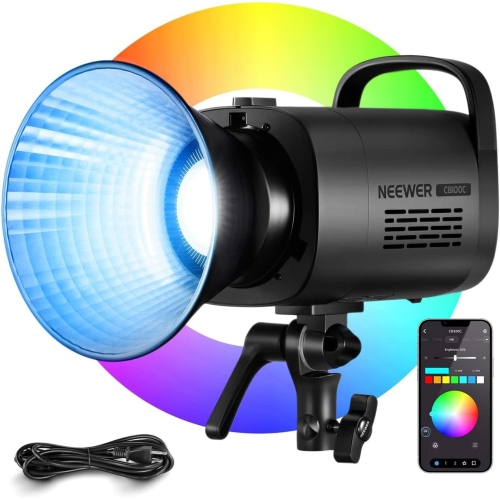 Your price for this item is $297.89
 -
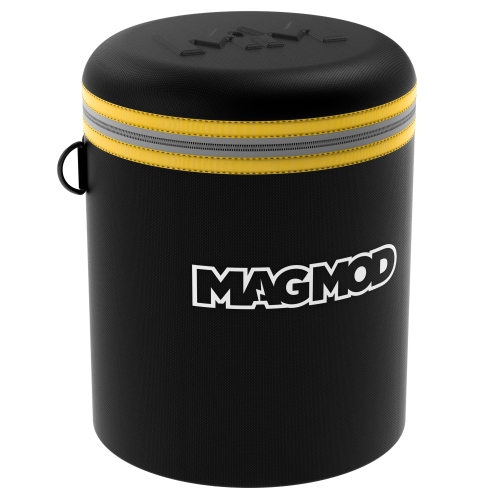 Your price for this item is $59.99
Discover more categories related to Studio Lighting
Top Collections:
Pokemon Centers, Kindle Devices, Best Budget Office Chairs, Apple iPhones 16, Best Laptops for Writers, iPhone 15 Apple, Canon G7X Cameras, Refurbished Apple Laptops, Alarm Clock, Motorola Razr Phones
Some products may be subject to Environmental Handling Fees
(EHF) depending on your province.
Learn more about EHFs.